

Bird
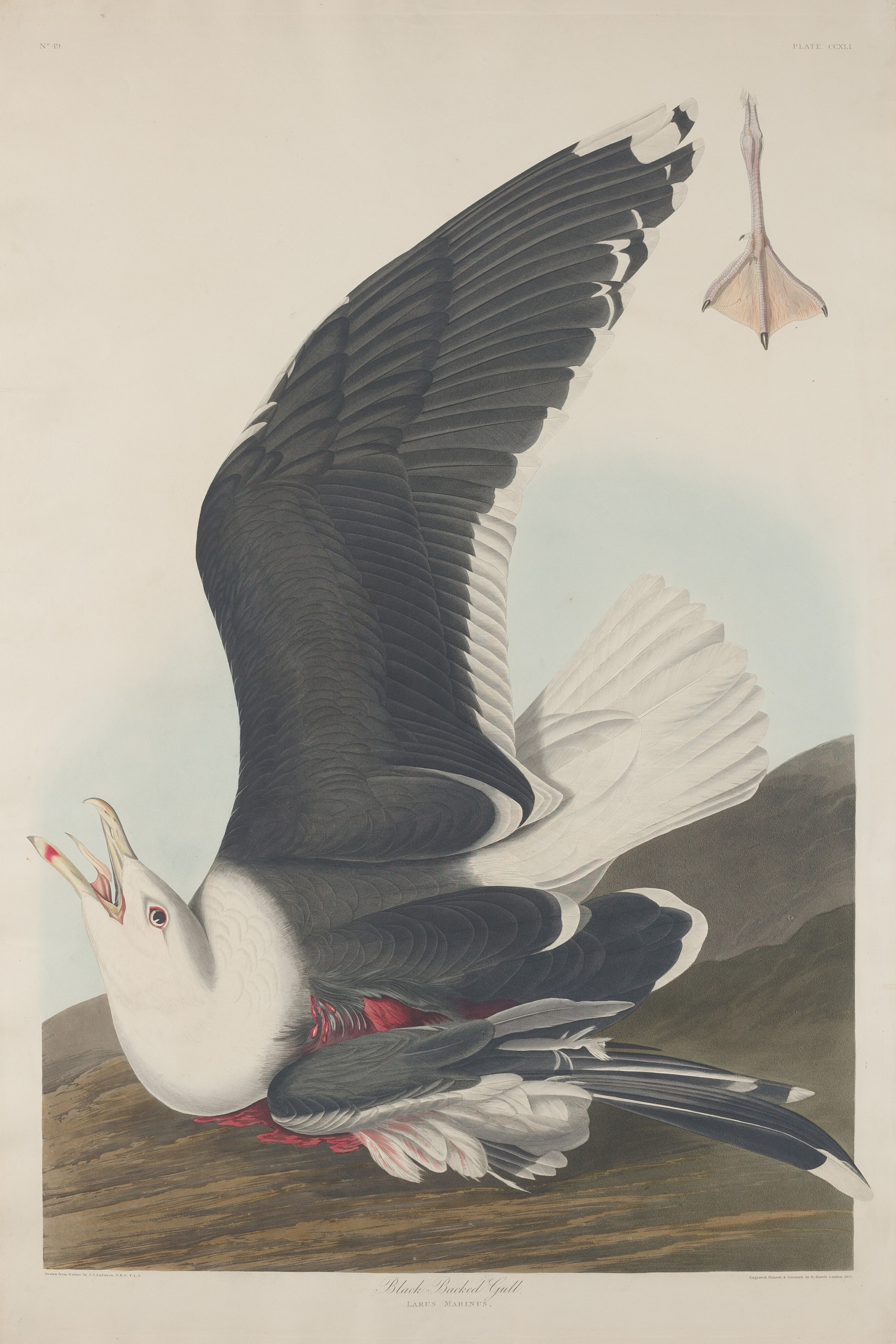
Great Black-backed Gull
Larus marinus
Lives in Virginia all year and nests here. Found in 42 of 133 counties and cities, across 4 habitats.
- Here
- All year
- Nesting
- Nests here
- Range
- 42 of 133 counties and cities
- Habitats
- 4
At a glance
- Group
- Birds
- Here
- All year
- Nesting
- Nests here
- Range
- 42 of 133 counties and cities
- Habitats
- 4
- Habitat models
- Summer, Winter
Where it lives
The places its habitat model includes. It is not found everywhere a habitat occurs.
Habitats in Virginia 4
Each habitat page lists the plants and wildlife also found there.
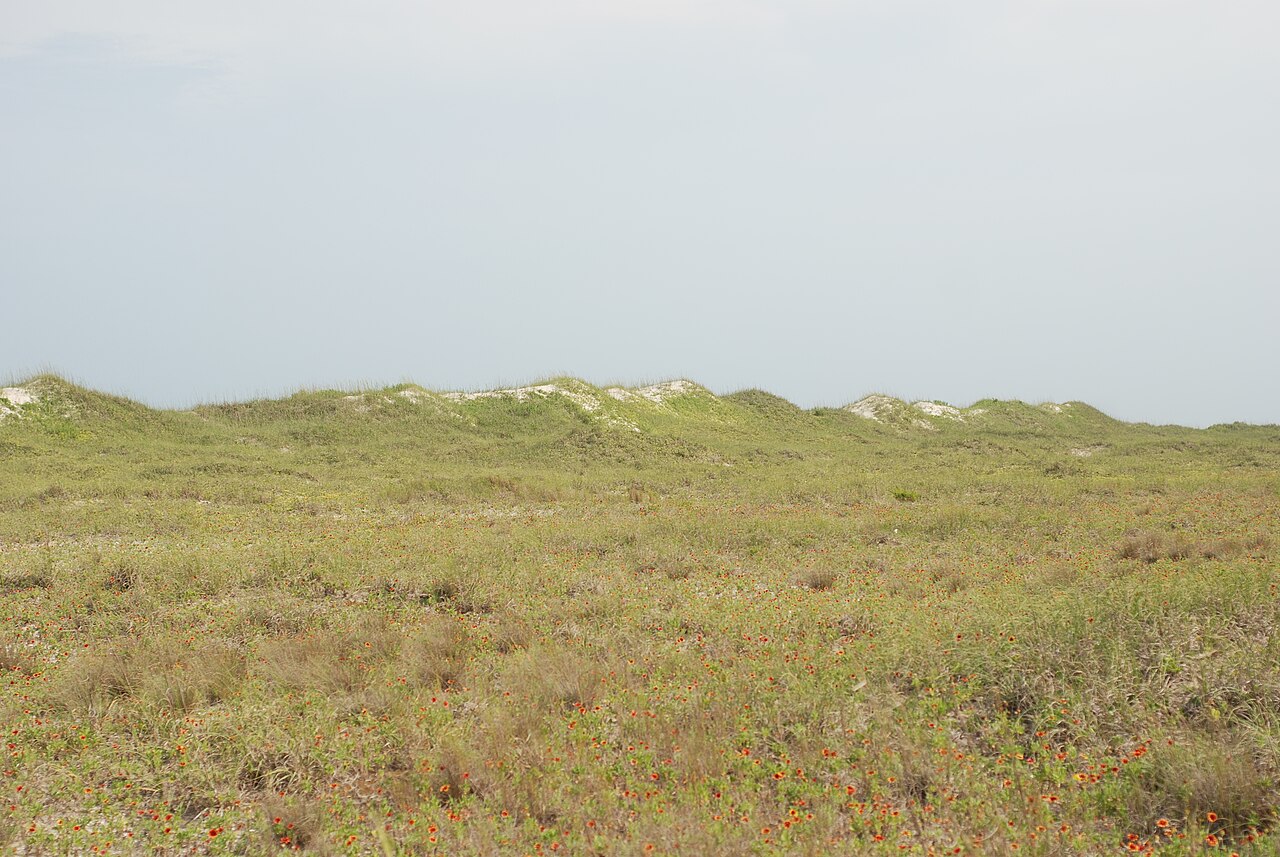
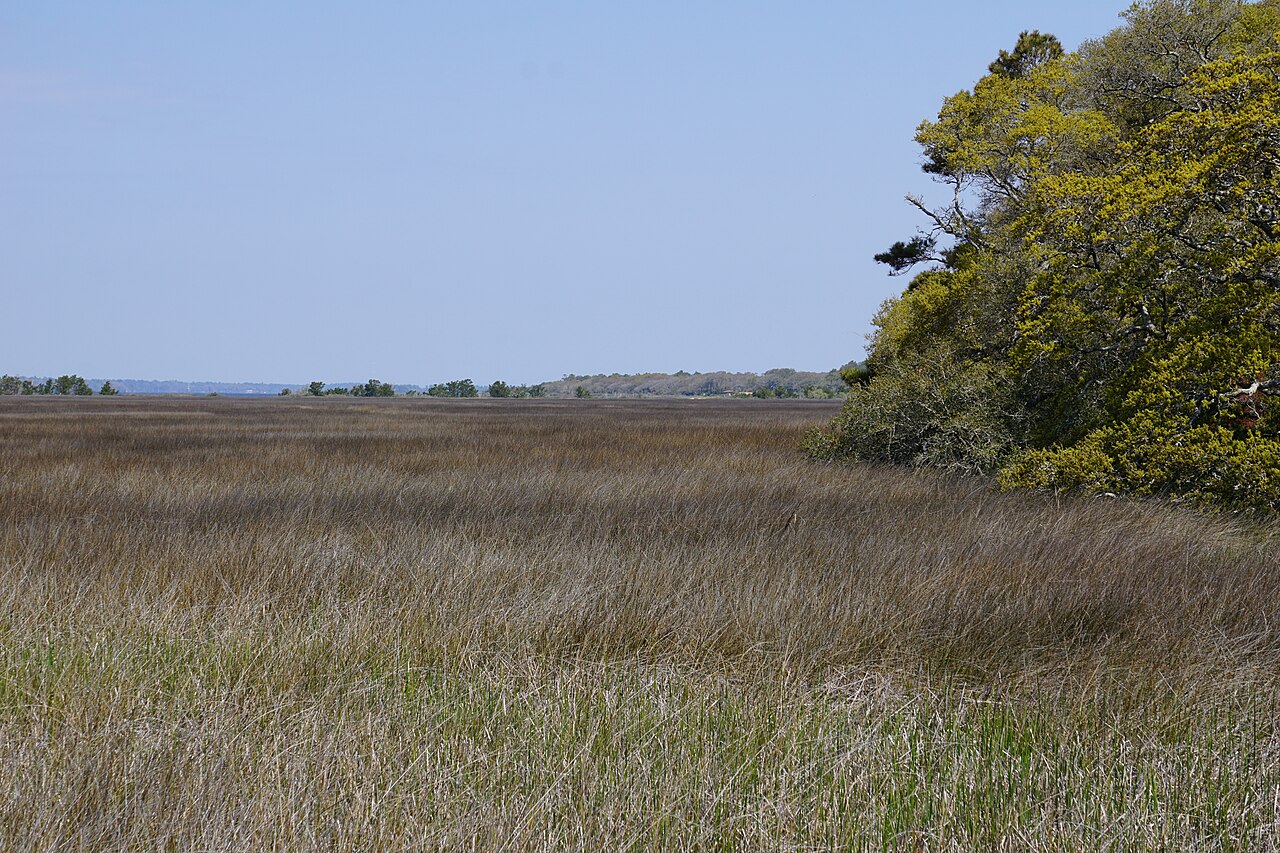
Salt and brackish open water of sounds, bays and estuaries, with the mud and sand flats and seagrass beds that tides cover and uncover; the vegetated marsh is salt and brackish marshes.
Other habitats in its models (9)
Land cover, or classes with no habitat page in Virginia.
- Atlantic Coastal Plain Southern Beach Summer and winter.
- Unconsolidated Shore (Lake/River/Pond) Summer and winter.
- Unconsolidated Shore Summer and winter.
- Louisiana Beach Summer and winter.
- Southeast Florida Beach Summer and winter.
- South Florida Shell Hash Beach Summer and winter.
- Florida Panhandle Beach Vegetation Summer and winter.
- Atlantic Coastal Plain Sea Island Beach Summer and winter.
- Atlantic Coastal Plain Southern Dune and Maritime Grassland Summer and winter.
Seasons in Virginia
- Year-round: nests here, in 19 of 133 counties and cities.
- Winter: does not nest here, in 36 of 133 counties and cities.
Also found in this habitat
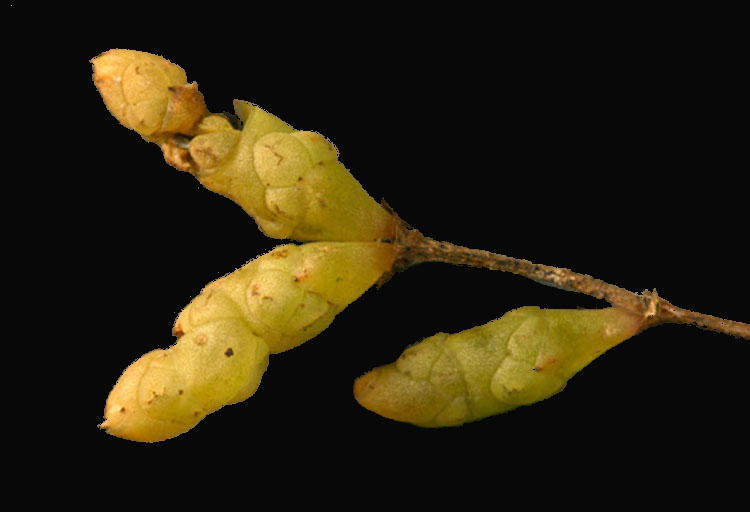
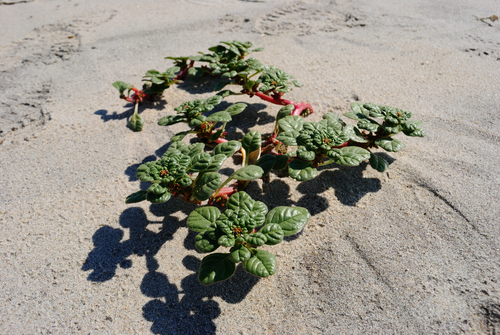
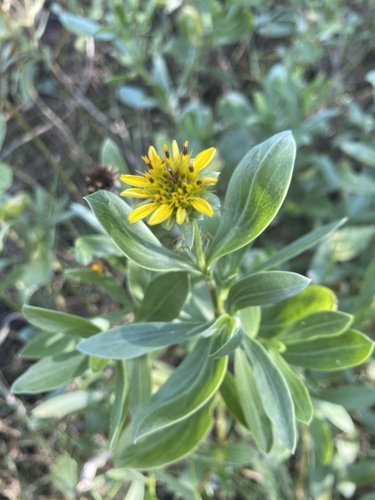
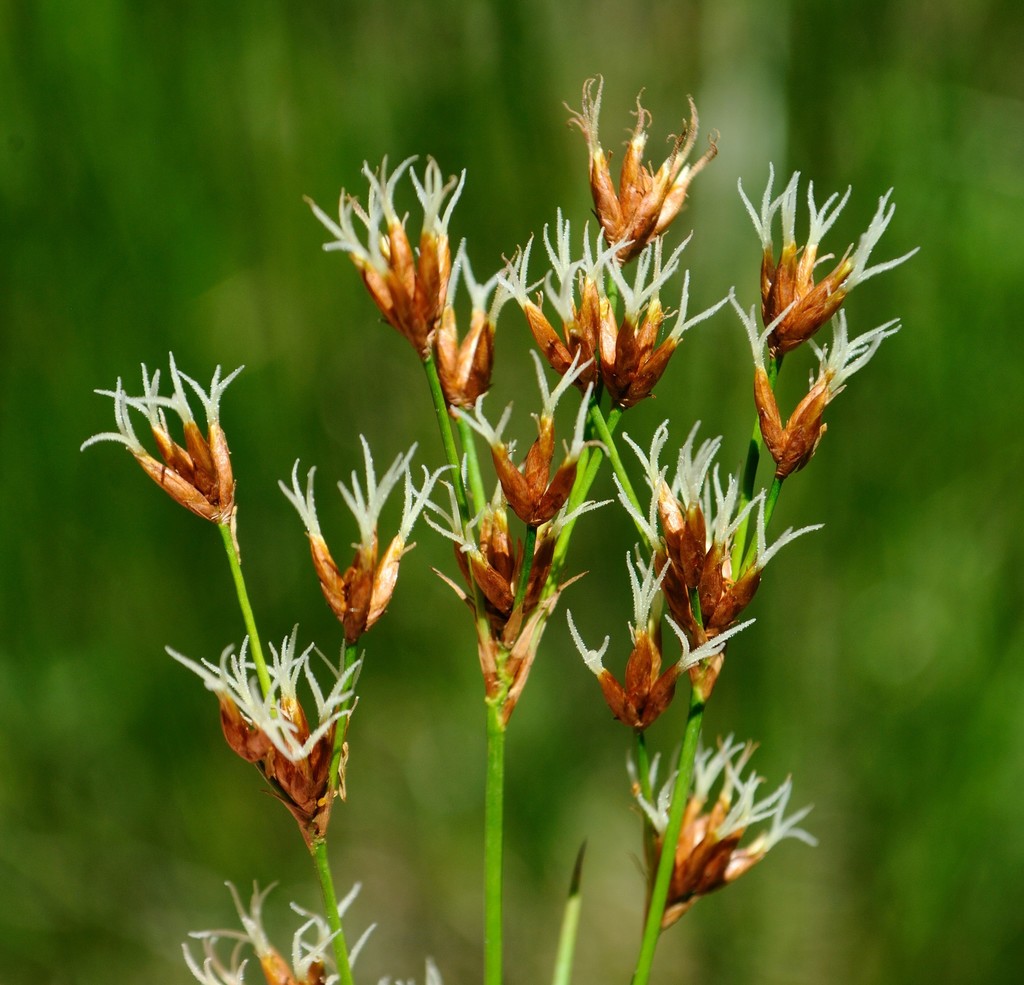
Plants 43
Plants named in NatureServe descriptions of these habitats that grow in Virginia. Shared habitat, not food.
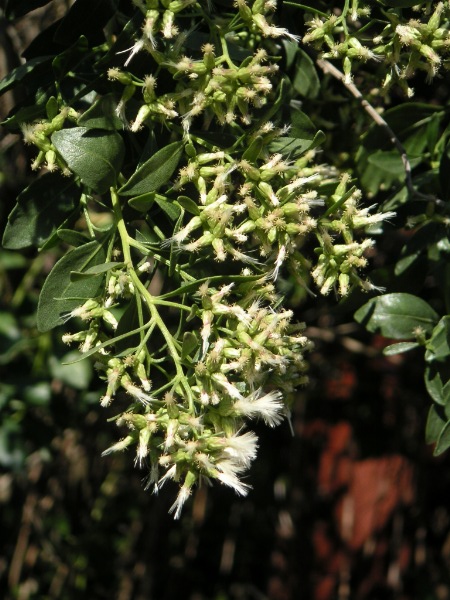
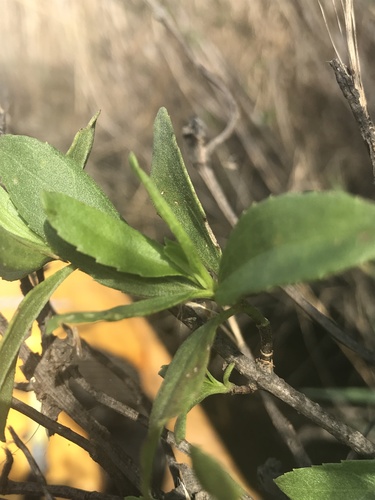
- Groundsel-treeBaccharis halimifolia
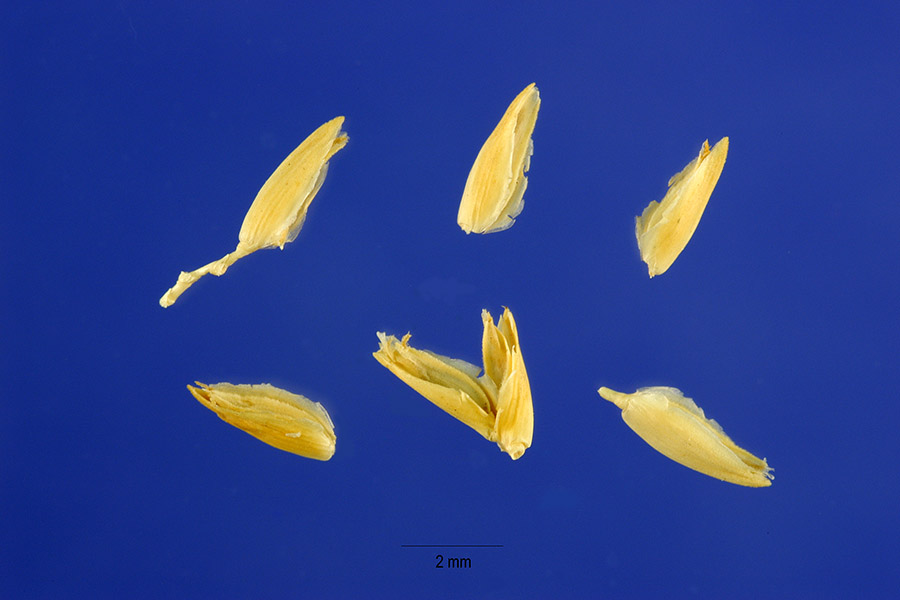
- Seashore SaltgrassDistichlis spicata
- Bigleaf Marsh-elderIva frutescens
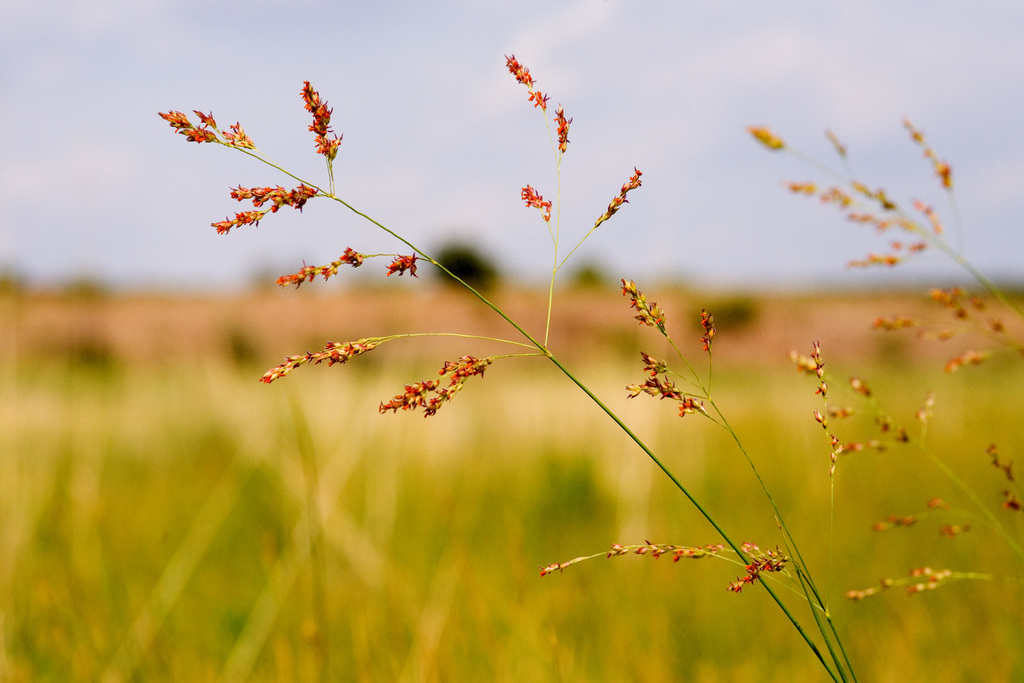
- SwitchgrassPanicum virgatum
- Dwarf GlasswortSalicornia bigelovii
- Saltmarsh CordgrassSpartina alterniflora
- Seabeach AmaranthAmaranthus pumilus
- Sea OxeyeBorrichia frutescens
- Twig-rushCladium mariscoides
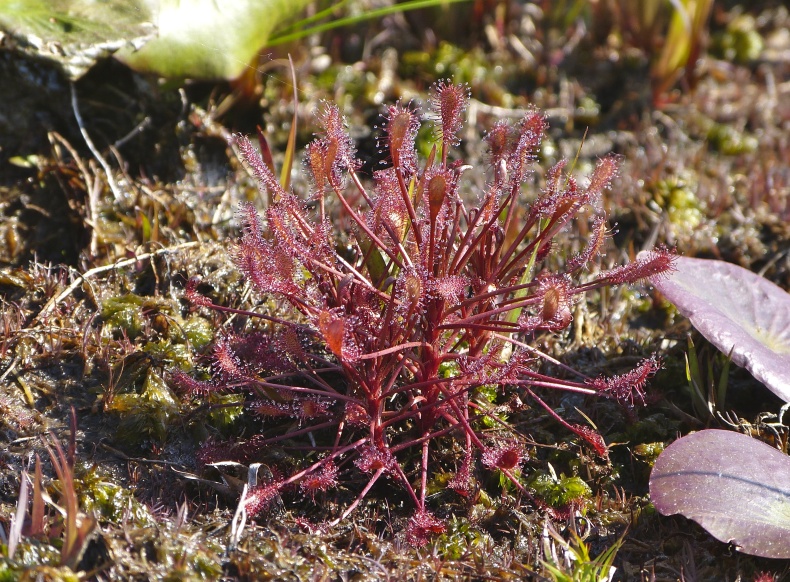
- Spoonleaf SundewDrosera intermedia
- Creeping SpikerushEleocharis fallax
- Dwarf SpikerushEleocharis parvula
- Beaked SpikerushEleocharis rostellata
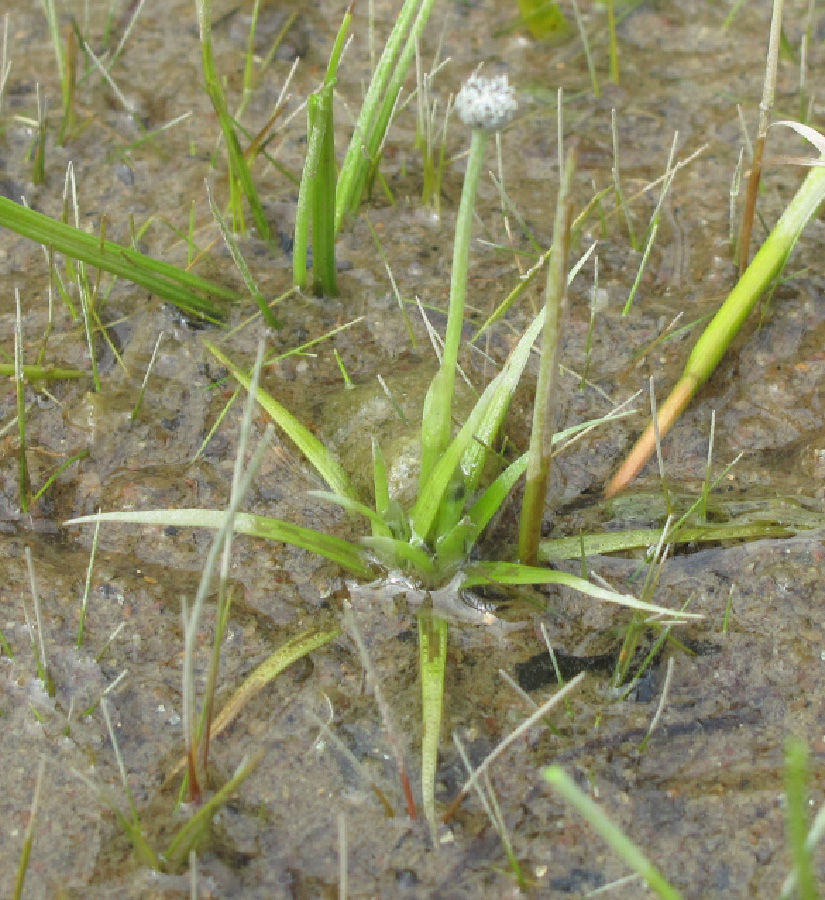
- Estuary PipewortEriocaulon parkeri
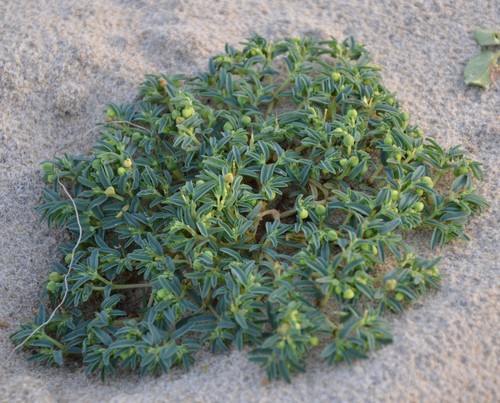
- Northern Seaside SpurgeEuphorbia polygonifolia
- Red FescueFestuca rubra
- Black NeedlerushJuncus roemerianus
- Rice CutgrassLeersia oryzoides
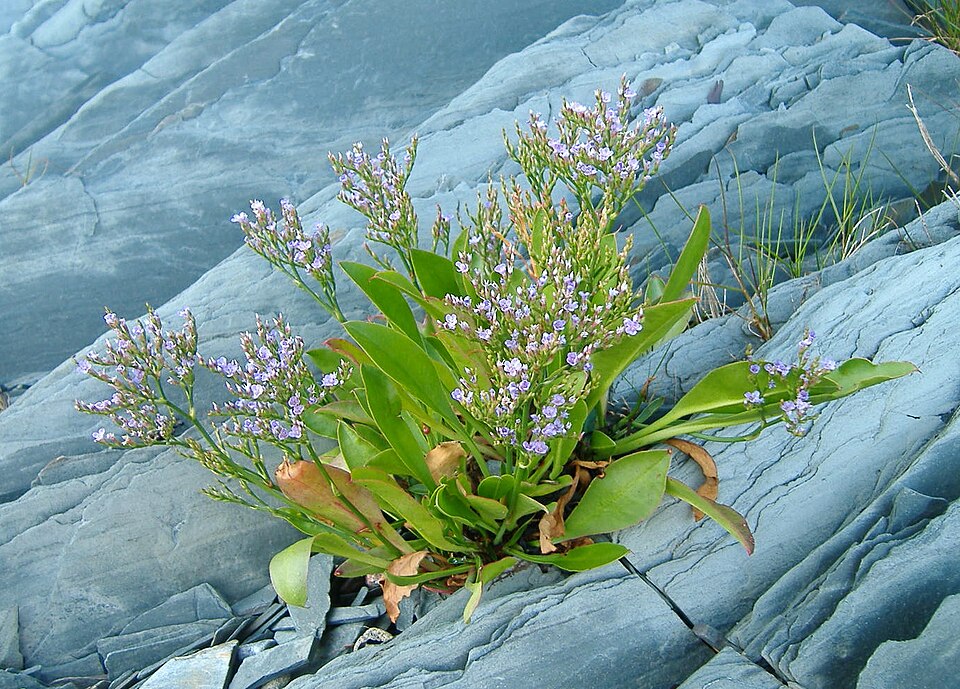
- Carolina Sea-lavenderLimonium carolinianum
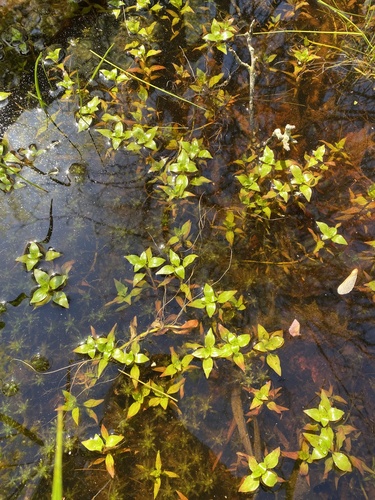
- Welsh MudwortLimosella australis
- Marsh SeedboxLudwigia palustris
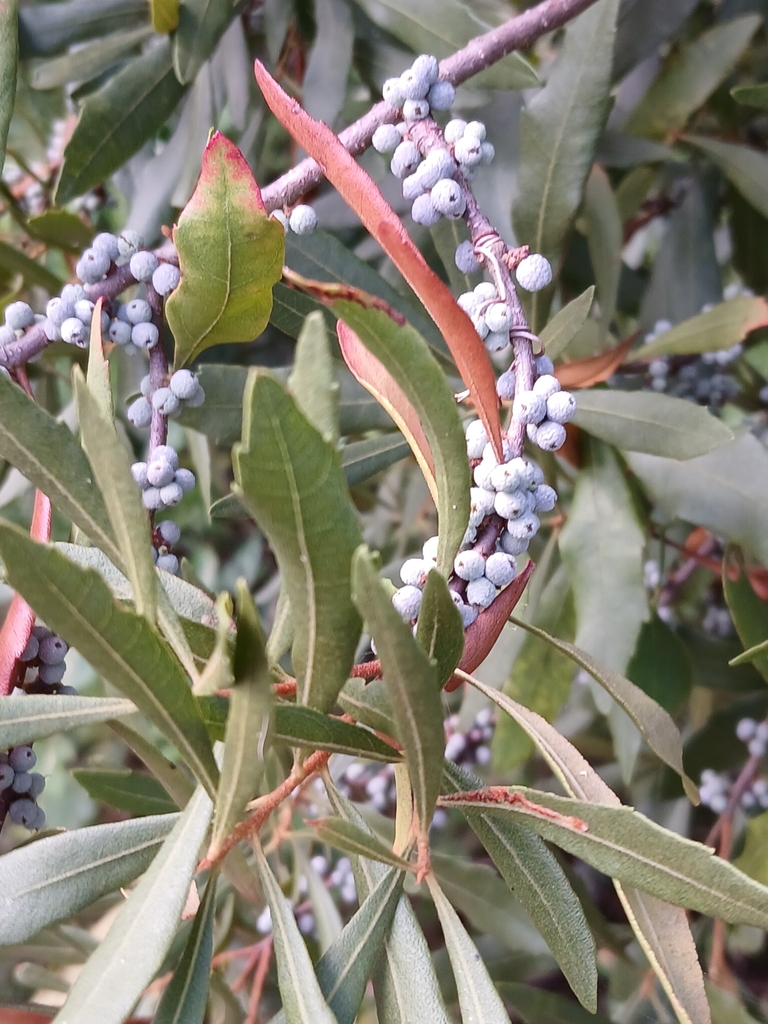
- Common WaxmyrtleMorella cerifera
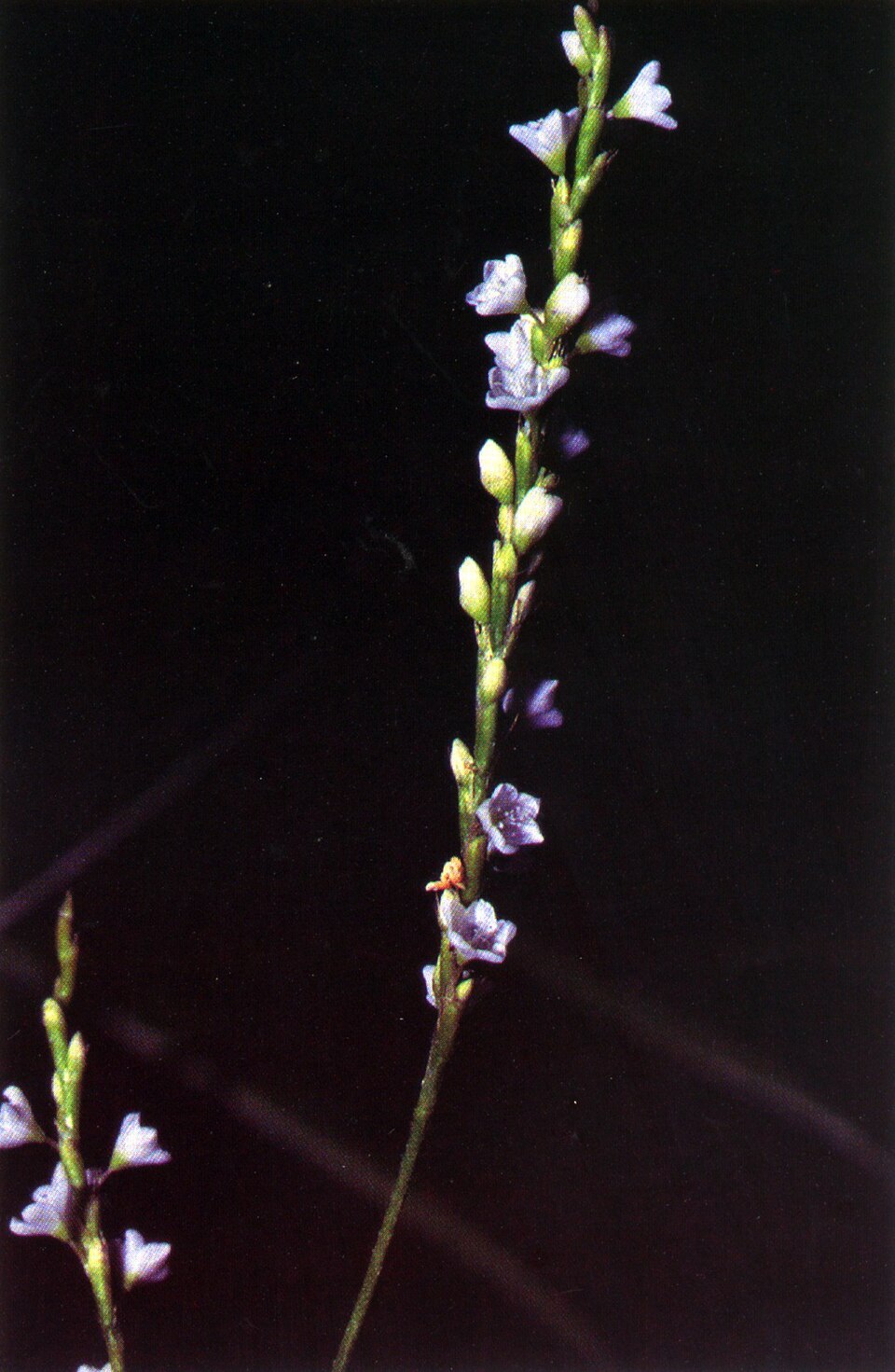
- Dotted SmartweedPersicaria punctata
Wildlife 168
Other animals whose habitat models include the same habitats in Virginia. Not sighting records.
- Great Blue HeronArdea herodias
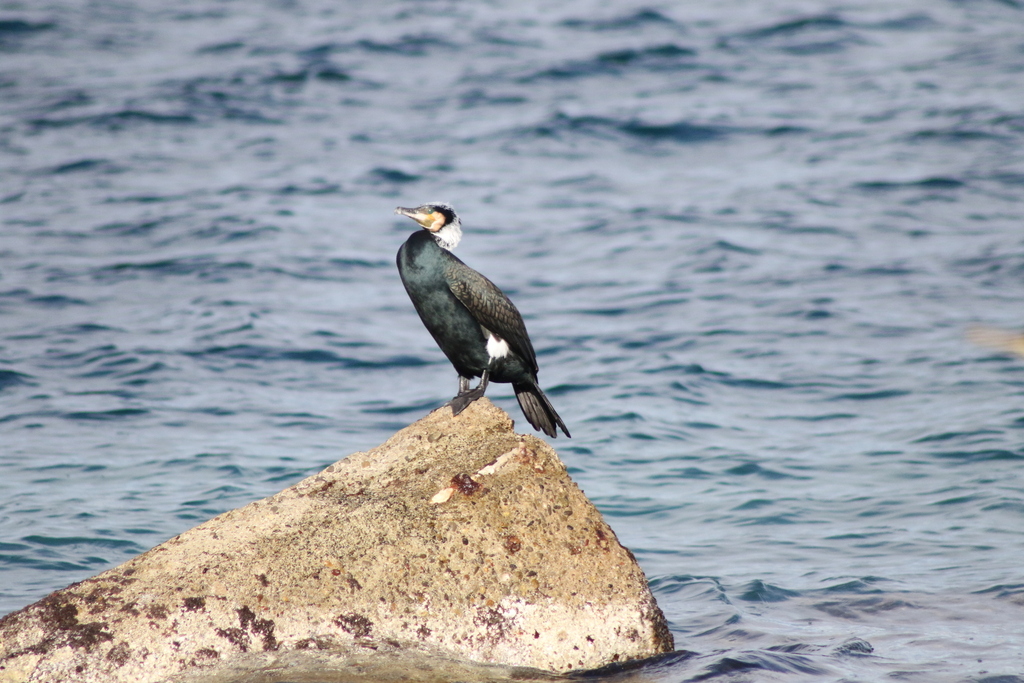
- Great CormorantPhalacrocorax carbo
- Great EgretArdea alba
- Great Horned OwlBubo virginianus
- Green HeronButorides virescens
- Hooded MerganserLophodytes cucullatus
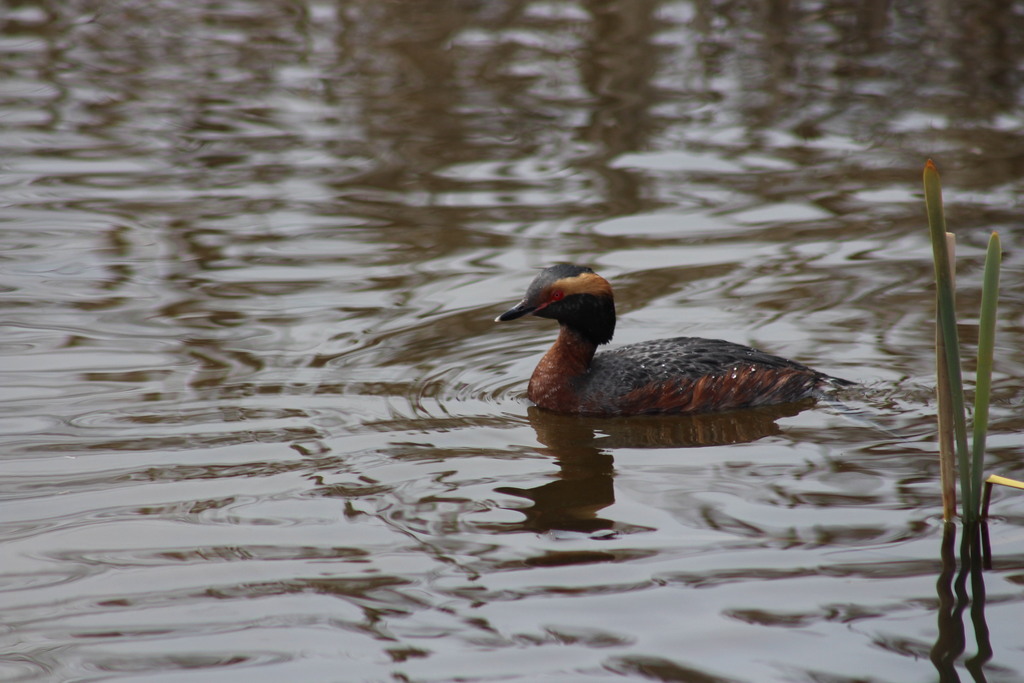
- Horned GrebePodiceps auritus
- Least BitternIxobrychus exilis
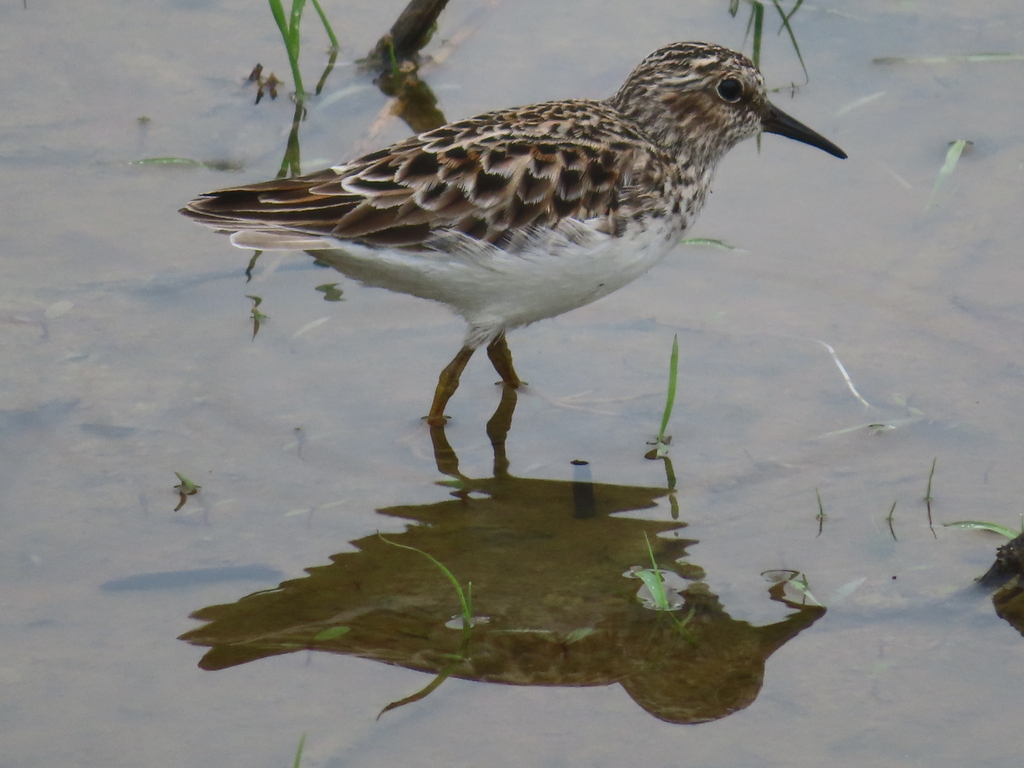
- Least SandpiperCalidris minutilla
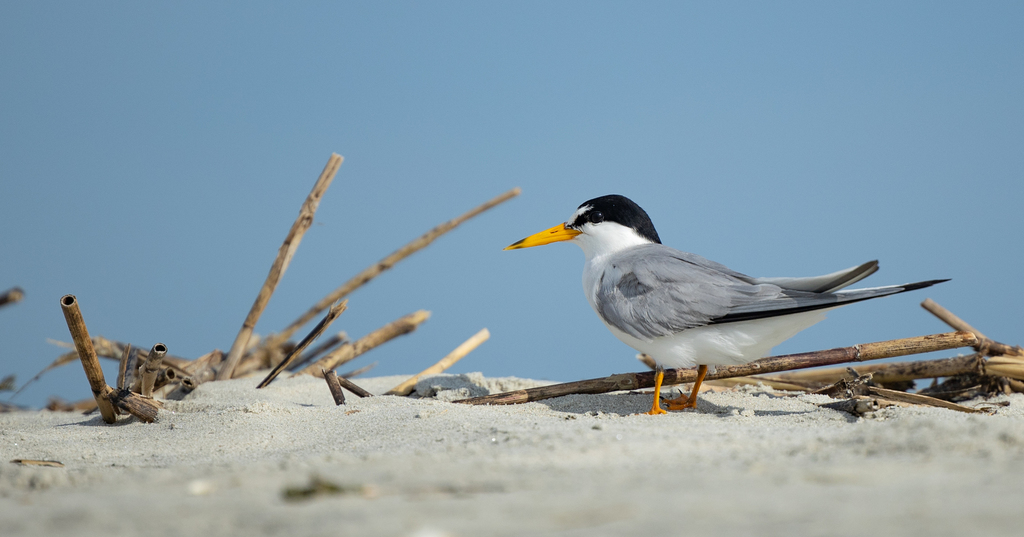
- Least TernSternula antillarum
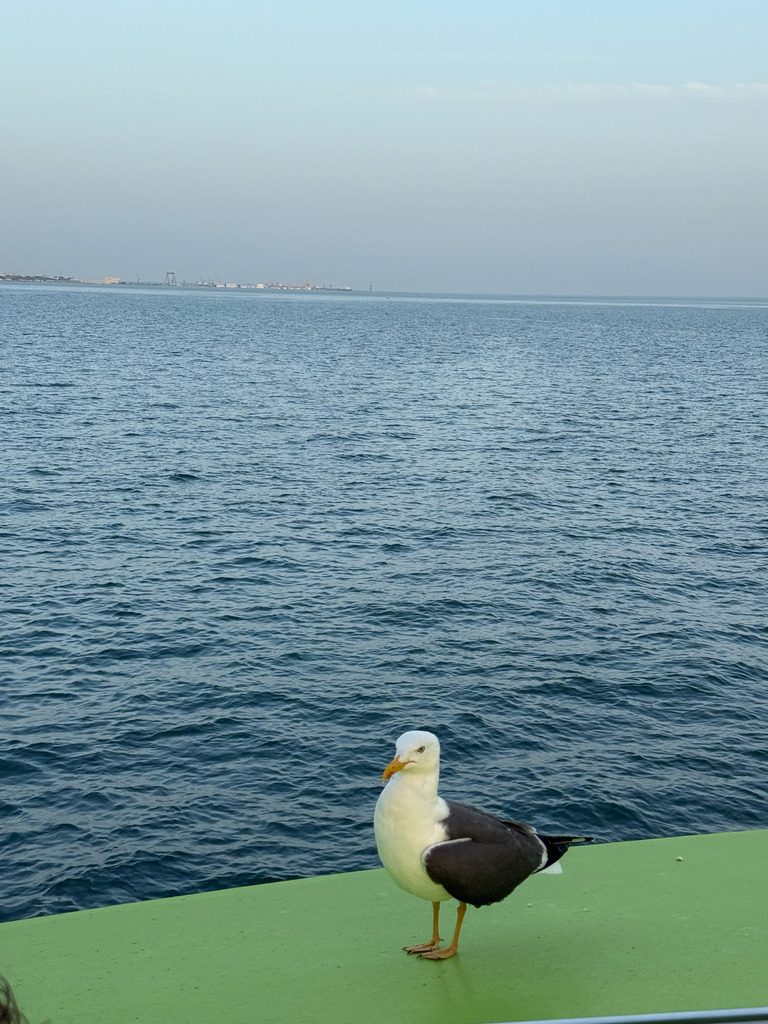
- Lesser Black-backed GullLarus fuscus
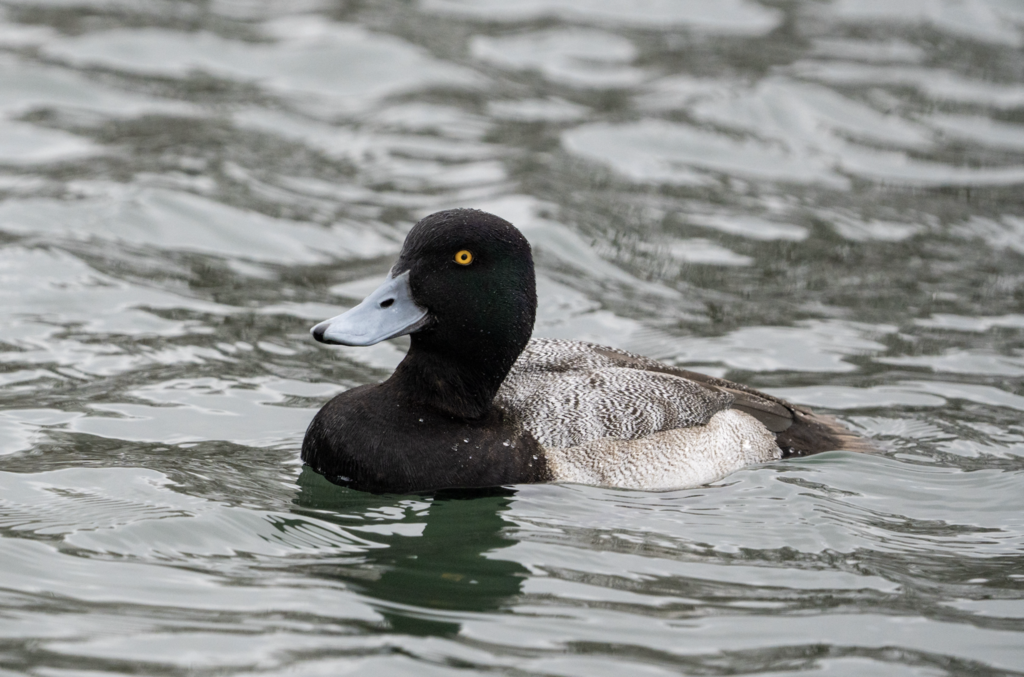
- Lesser ScaupAythya affinis
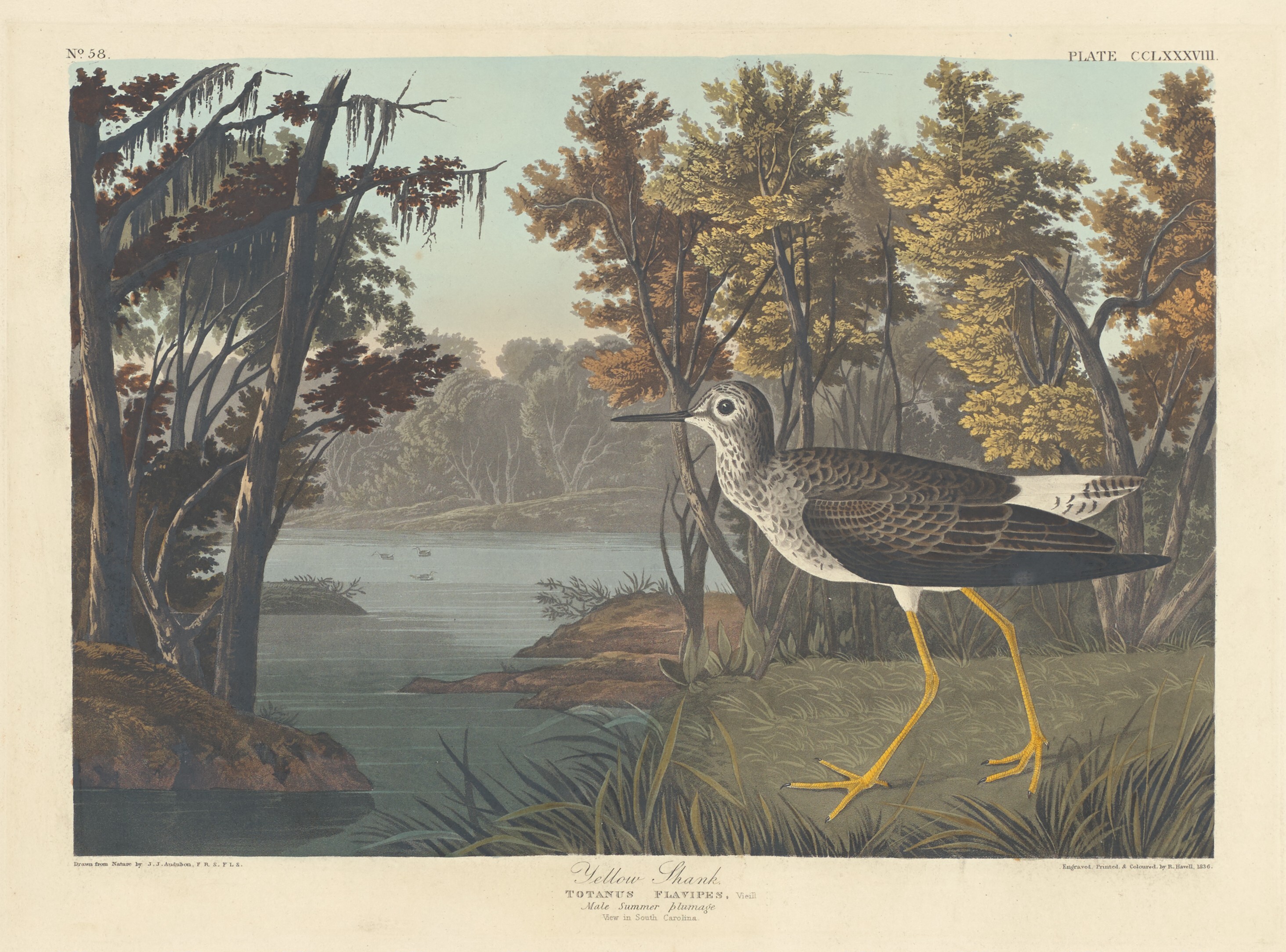
- Lesser YellowlegsTringa flavipes
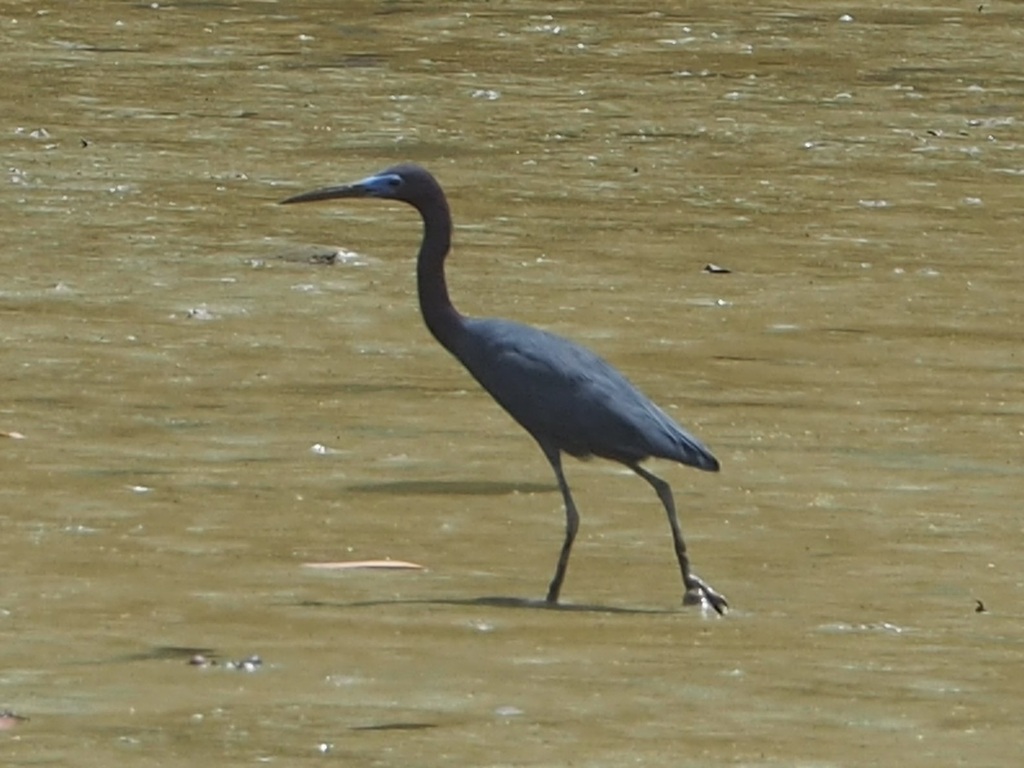
- Little Blue HeronEgretta caerulea
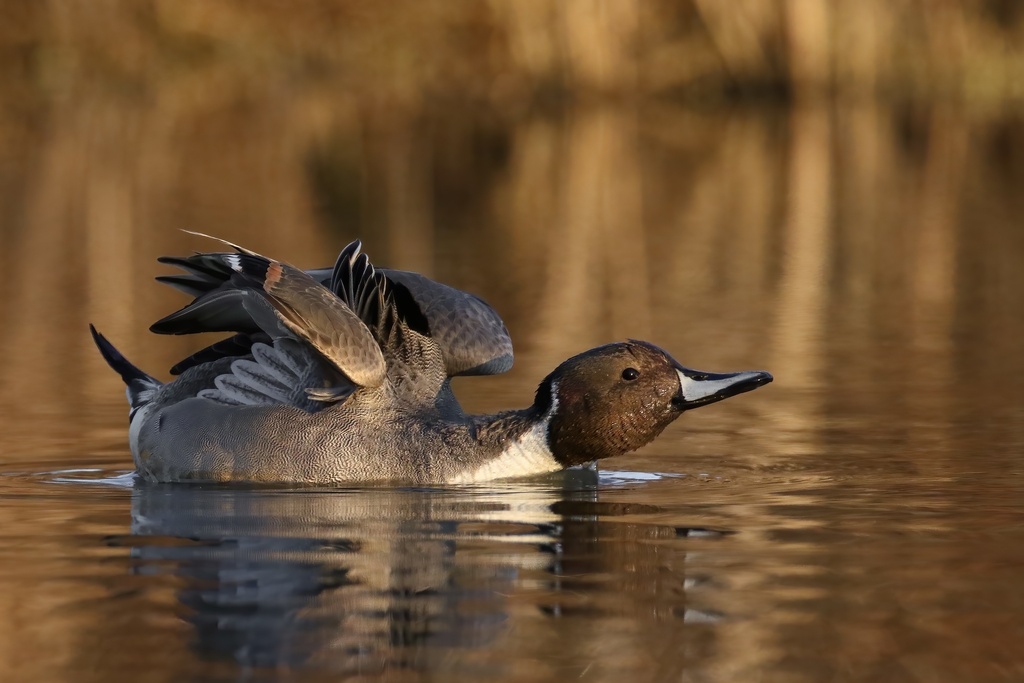
- Northern PintailAnas acuta
- Northern Rough-winged SwallowStelgidopteryx serripennis
- Northern ShovelerAnas clypeata
- OspreyPandion haliaetus
- Pied-billed GrebePodilymbus podiceps
- Piping PloverCharadrius melodus
- Red-breasted MerganserMergus serrator
- Red-necked GrebePodiceps grisegena
- Red-throated LoonGavia stellata
- RedheadAythya americana







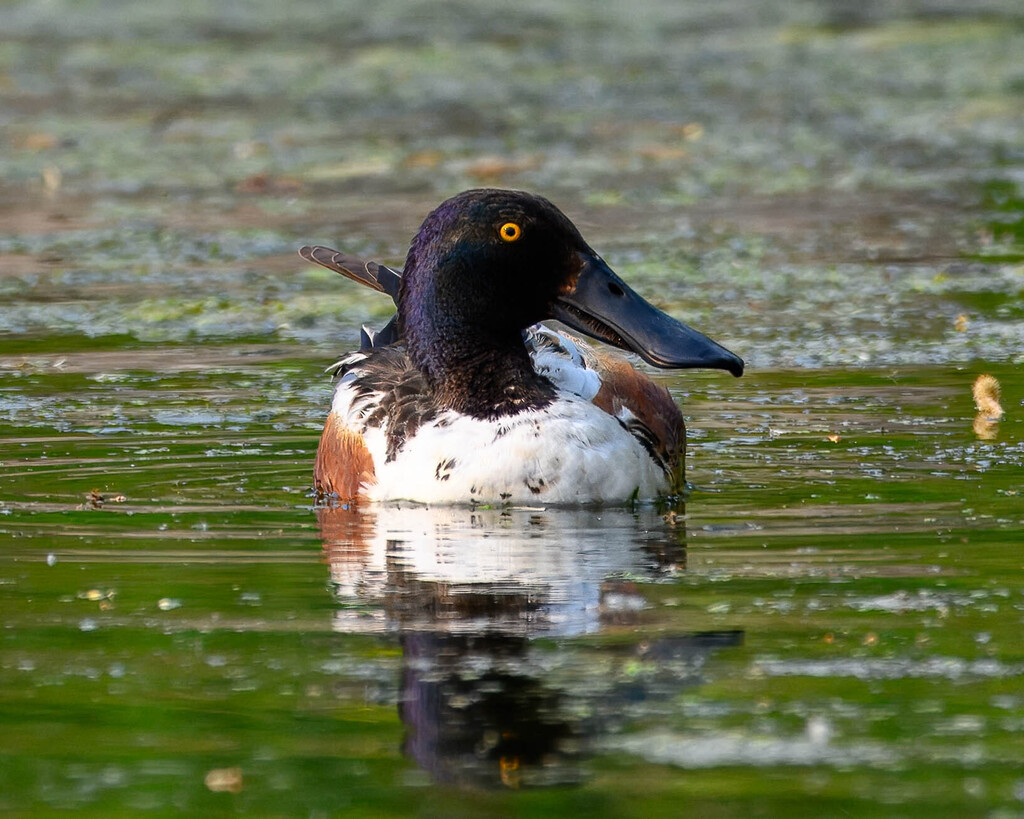

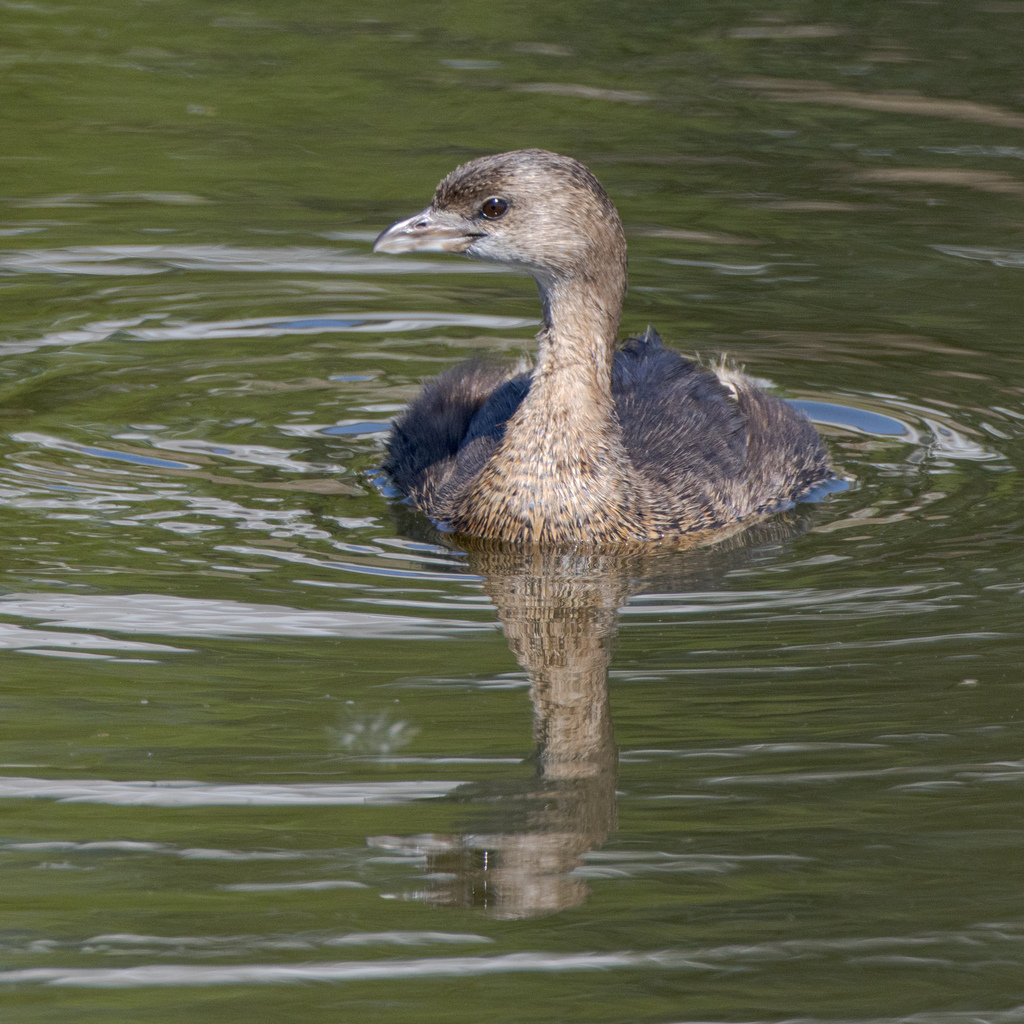
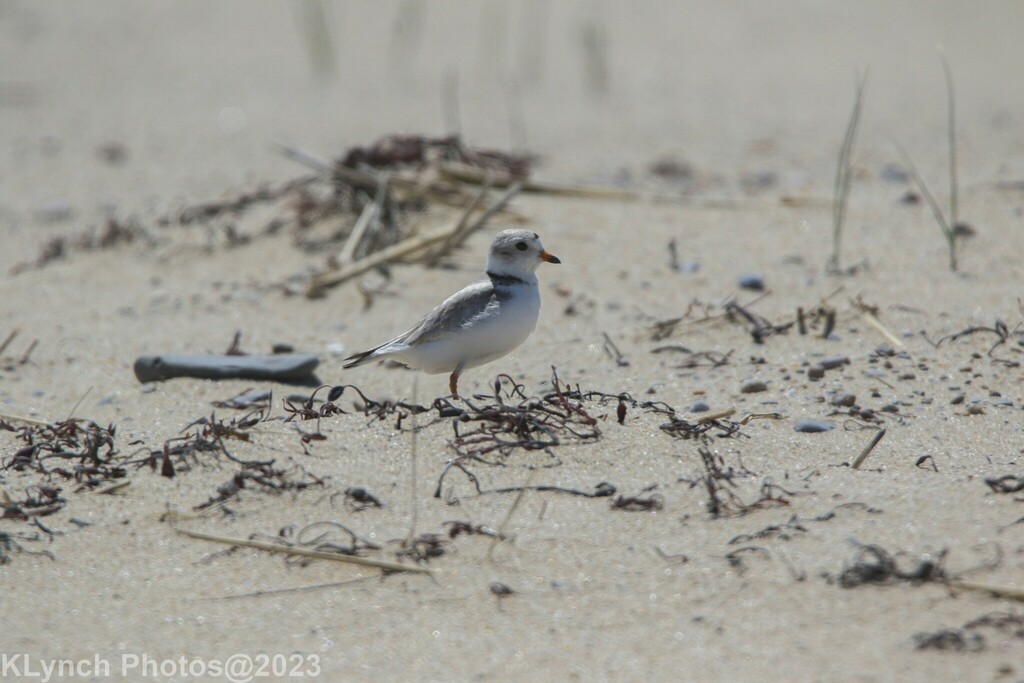
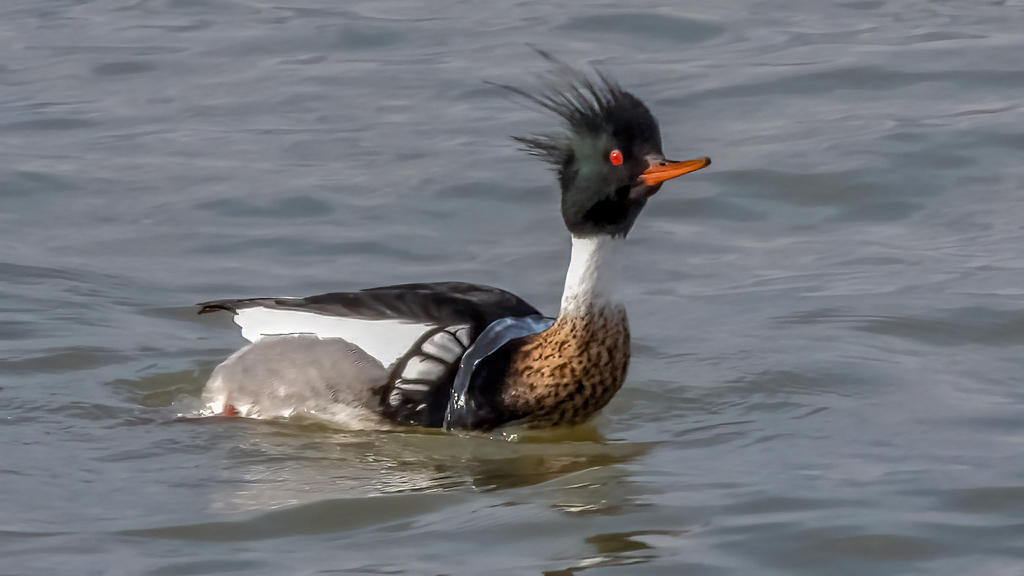
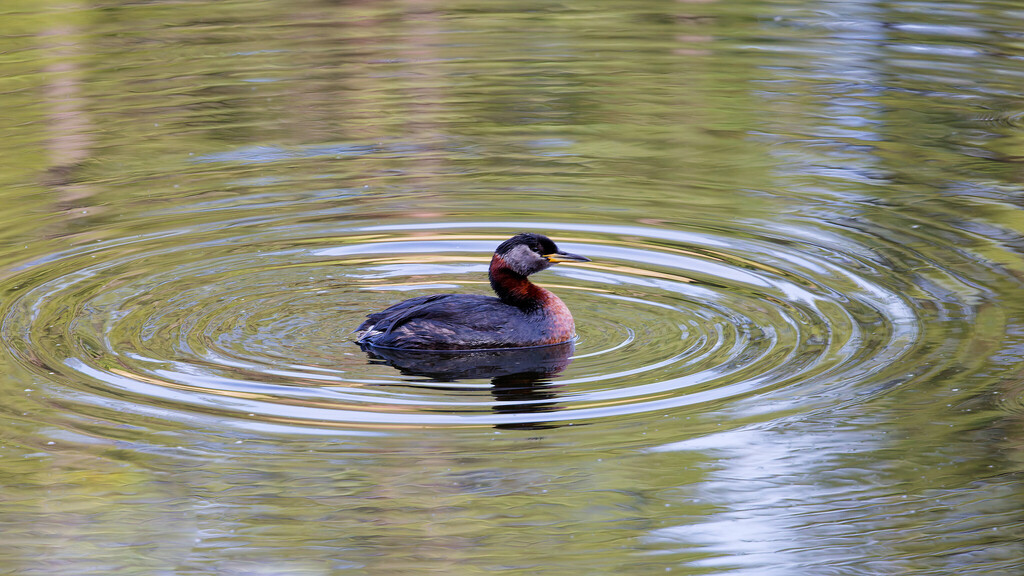
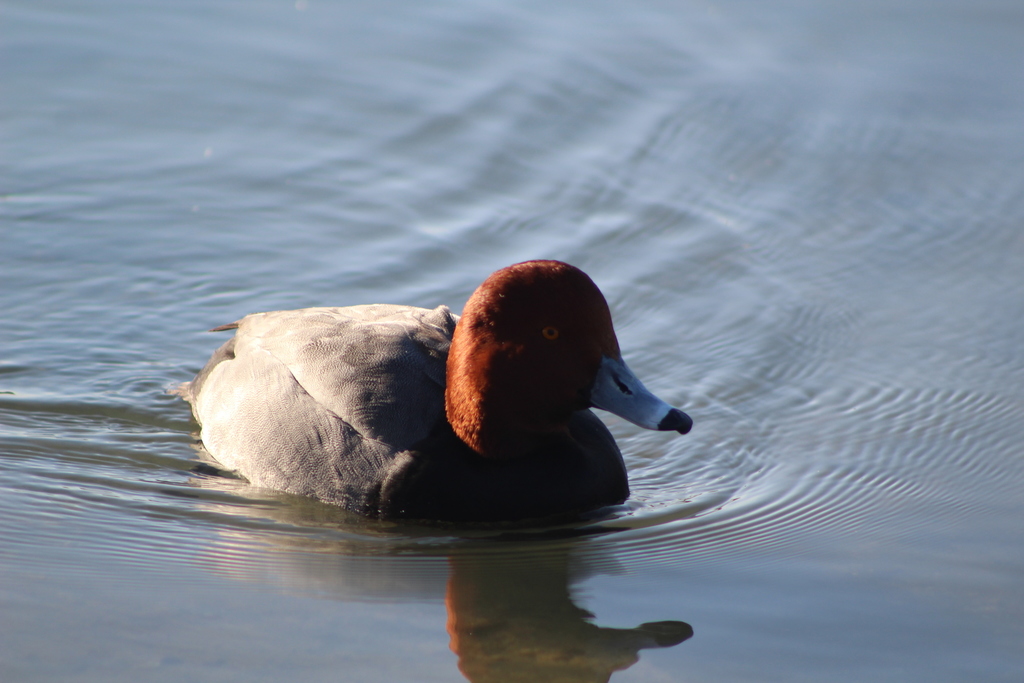


NatureServe Explorer, CC BY 4.0. USGS Gap Analysis Project habitat models.
Sources
- USGS Gap Analysis Project habitat models (2001)
- USGS GAP winter habitat model for Great Black-backed Gull Brackish or salt water only
- USGS Gap Analysis Project range maps (2001), modeled by watershed; migratory gives no dates
- NatureServe Explorer (CC BY 4.0), habitat names
- US Census TIGER/Line counties
- Names follow the USGS Gap Analysis Project (2001)