

Bird
Black-throated Blue Warbler
Dendroica caerulescens
A summer resident that nests in Virginia. Found in all 133 counties and cities, across 9 habitats.
- Here
- Summer and on migration
- Nesting
- Nests here
- Range
- All 133 counties and cities
- Habitats
- 9
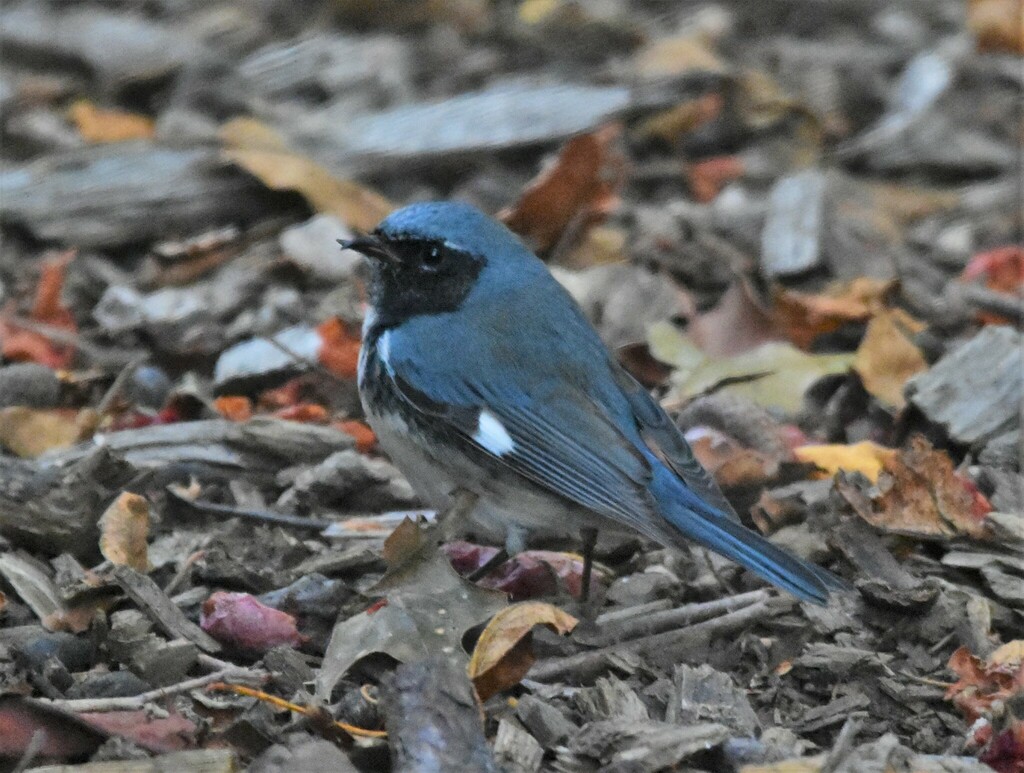
At a glance
- Group
- Birds
- Here
- Summer and on migration
- Nesting
- Nests here
- Range
- All 133 counties and cities
- Habitats
- 9
- Habitat models
- Summer, Winter
Where it lives
The places its habitat model includes. It is not found everywhere a habitat occurs.
Habitats in Virginia 9
Each habitat page lists the plants and wildlife also found there.
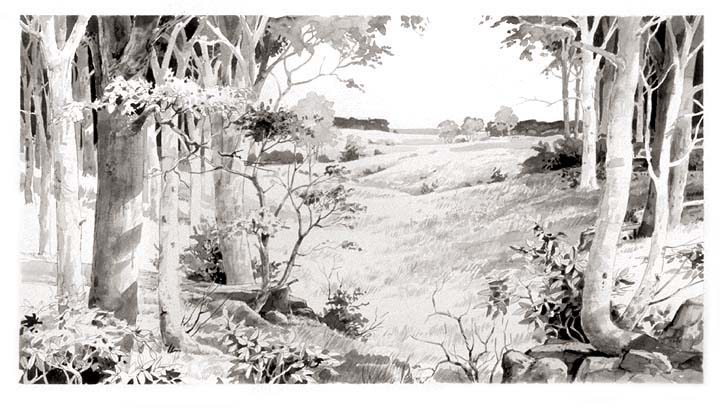
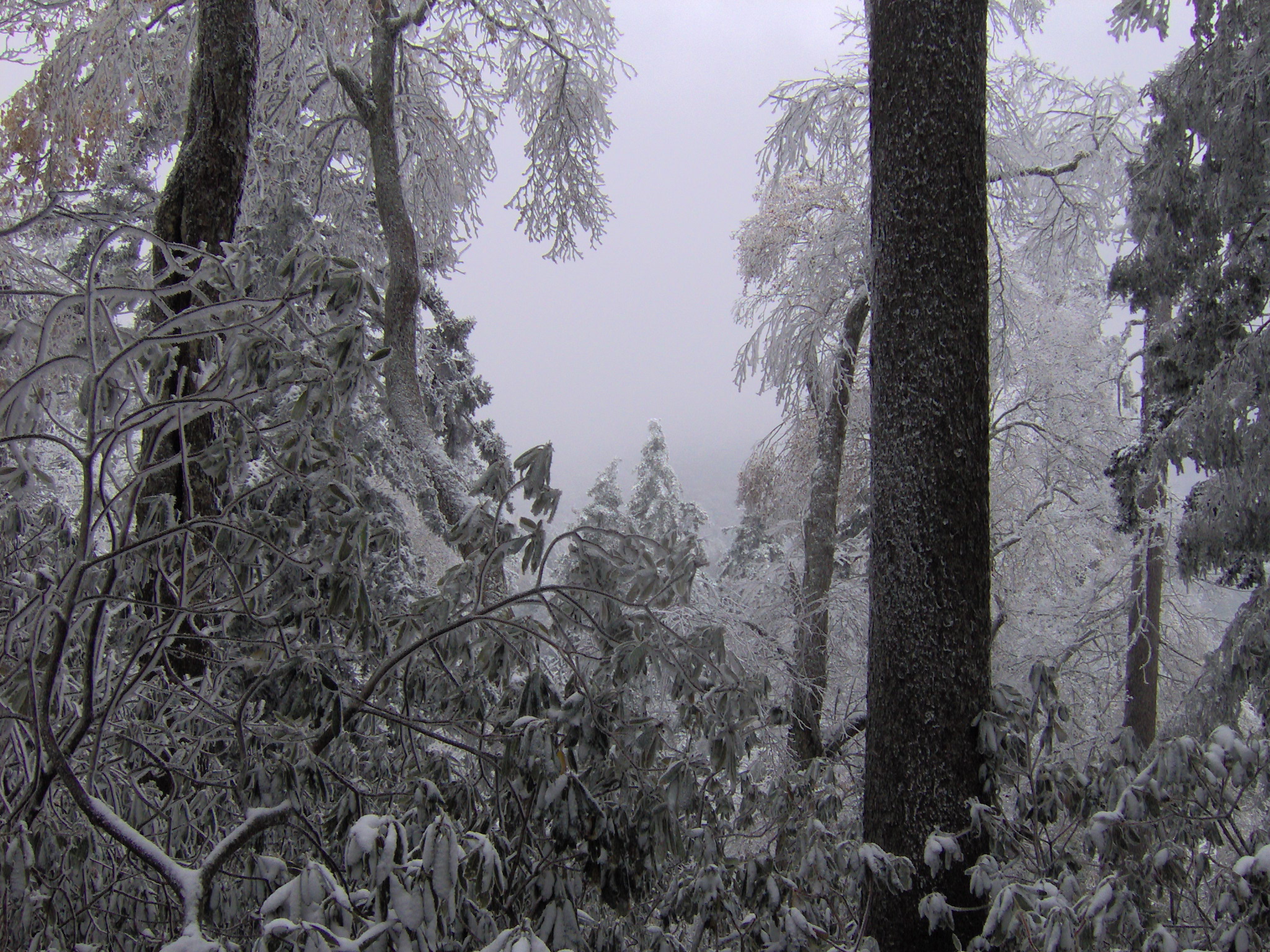
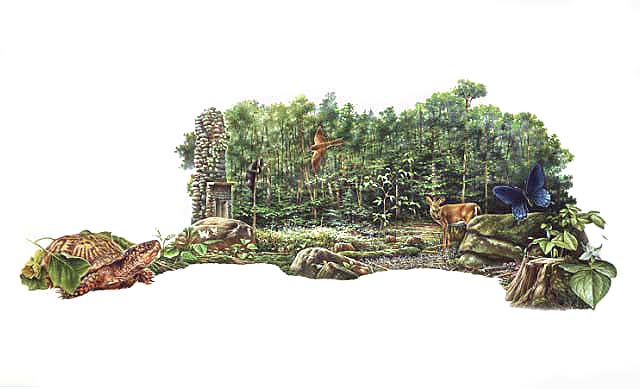
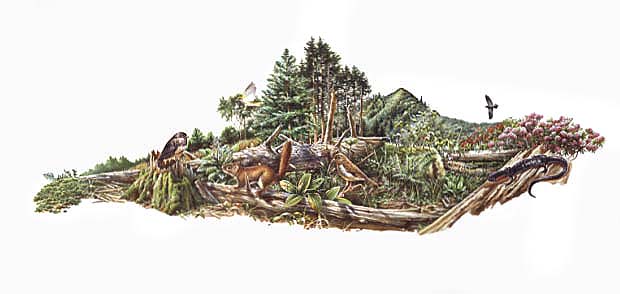
Forests and open woodlands on dry ridges and slopes, often oak or pine.
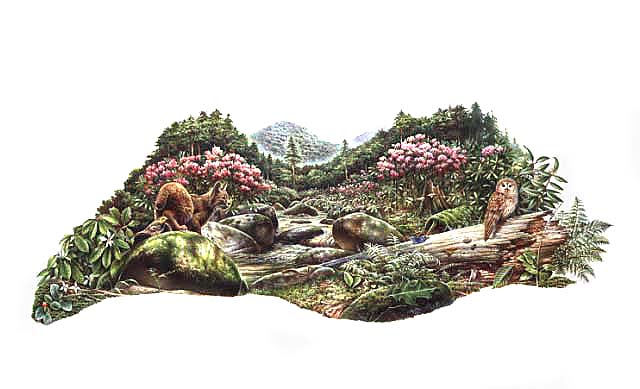
Floodplain and bottomland forests
Forests on low ground beside rivers and streams that flood from time to time.
Forests between dry and moist, often oak-hickory on slopes.
Other habitats in its models (14)
Land cover, or classes with no habitat page in Virginia.
- North-Central Interior Dry-Mesic Oak Forest and Woodland Summer.
- North-Central Interior Dry Oak Forest and Woodland Summer.
- North-Central Interior Beech-Maple Forest Summer.
- North-Central Interior Maple-Basswood Forest Summer.
- South Florida Pine Rockland Winter.
- Southern Piedmont Dry Oak-(Pine) Forest - Loblolly Pine Modifier Summer.
- Southern Piedmont Dry Oak-(Pine) Forest - Mixed Modifier Summer.
- Southern Piedmont Dry Oak-Heath Forest - Mixed Modifier Summer.
- Recently Burned Shrubland Summer.
- South Florida Mangrove Swamp Winter.
- South Florida Bayhead Swamp Winter.
- East Gulf Coastal Plain Small Stream and River Floodplain Forest Winter.
- East Gulf Coastal Plain Near-Coast Pine Flatwoods - Scrub/Shrub Understory Modifier Winter.
- South Florida Pine Flatwoods Winter.
Seasons in Virginia
- Migratory: does not nest here, in 90 of 133 counties and cities.
- Summer: nests here, in 58 of 133 counties and cities.
Also found in this habitat
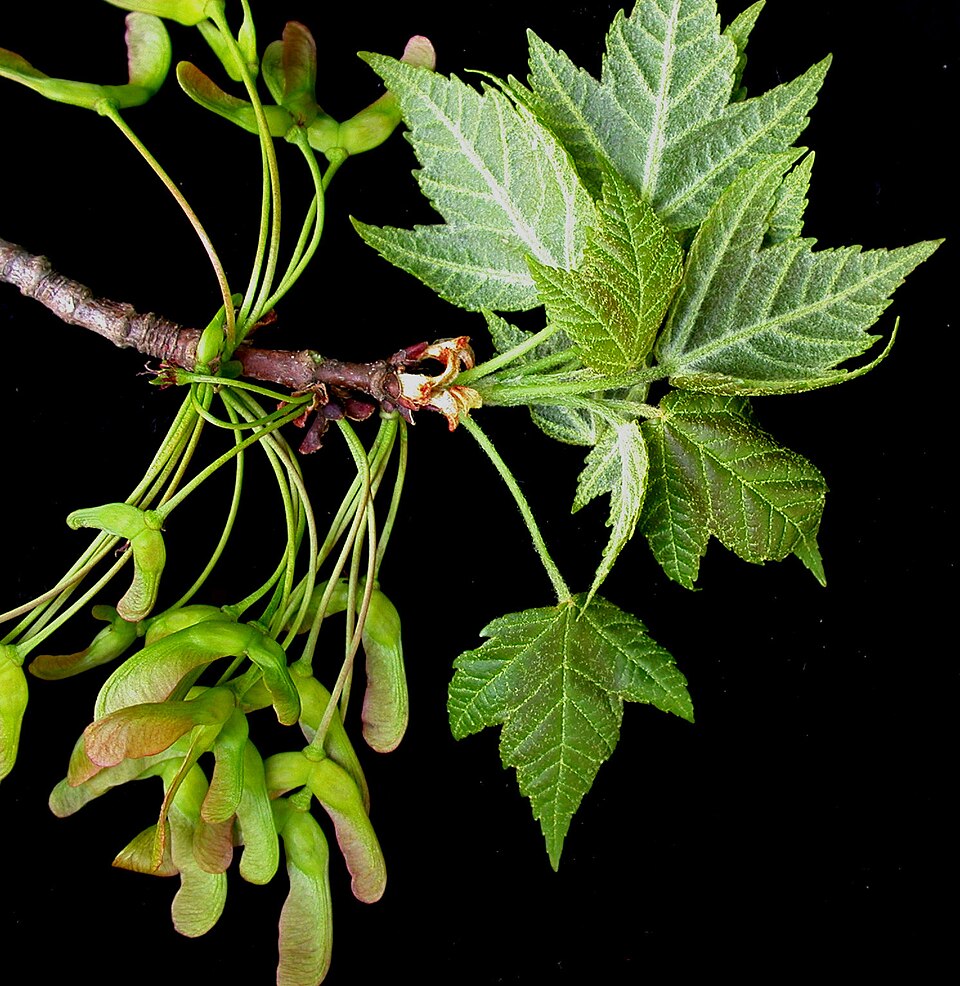
Plants 606
Plants named in NatureServe descriptions of these habitats that grow in Virginia. Shared habitat, not food.
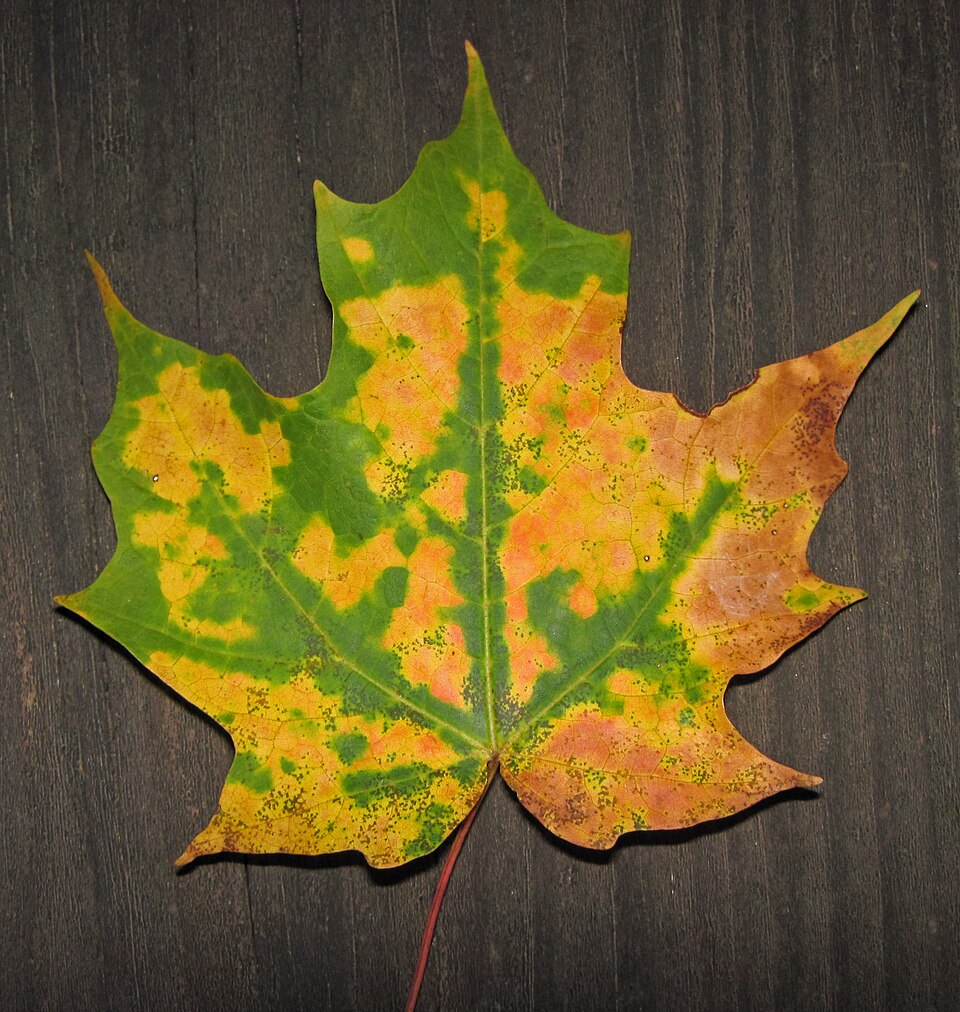
- Red MapleAcer rubrum
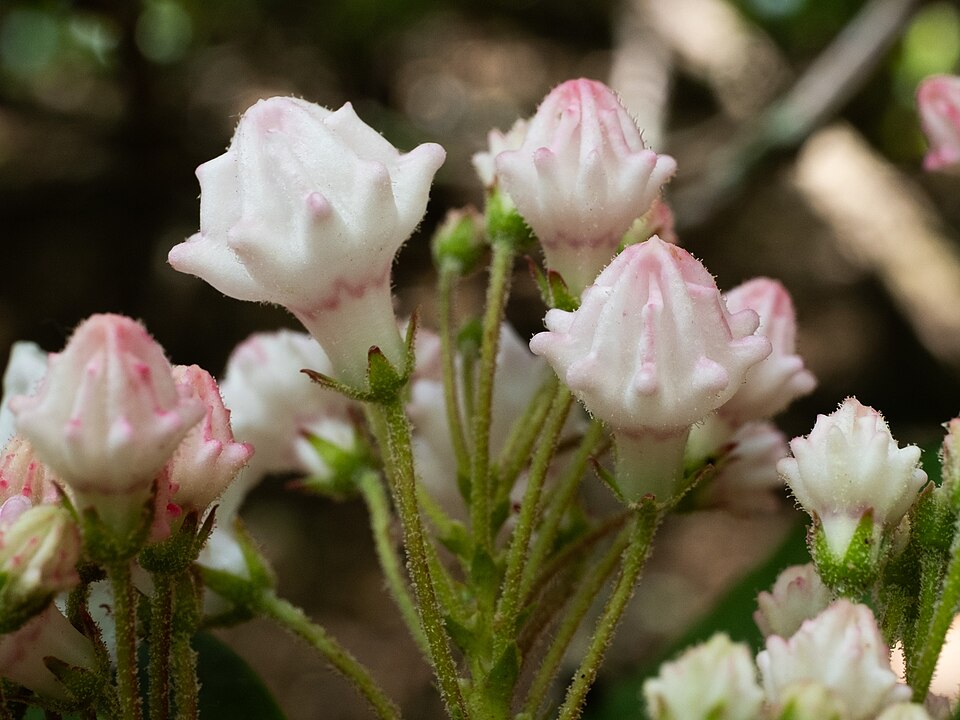
- Mountain LaurelKalmia latifolia
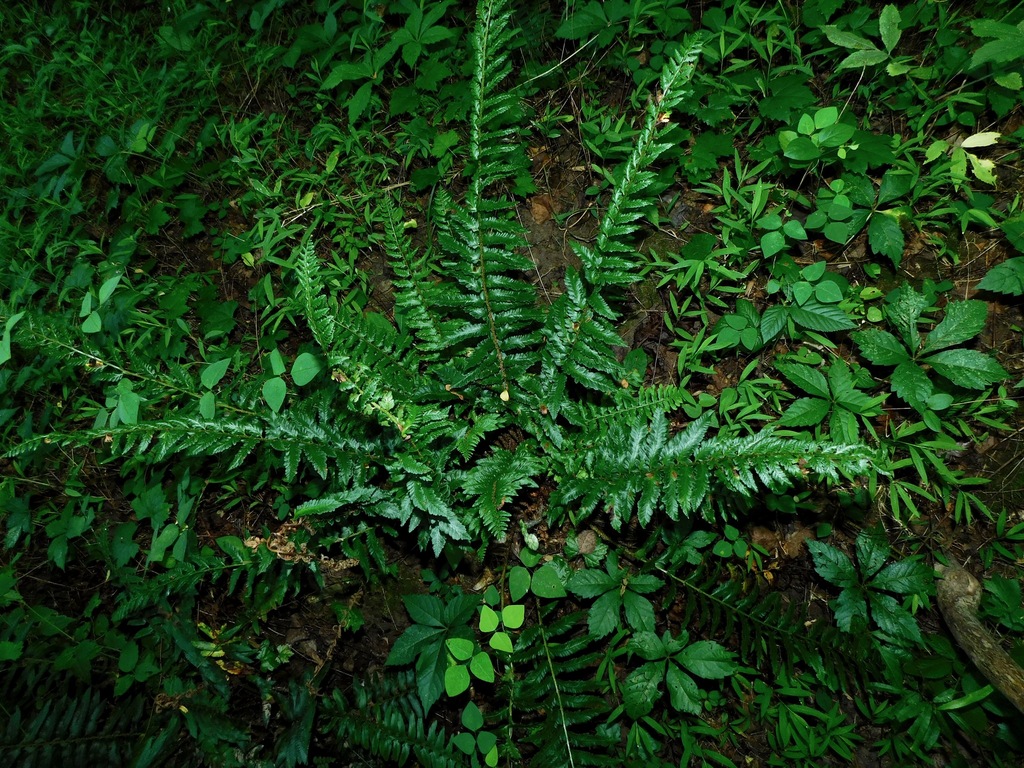
- Christmas FernPolystichum acrostichoides
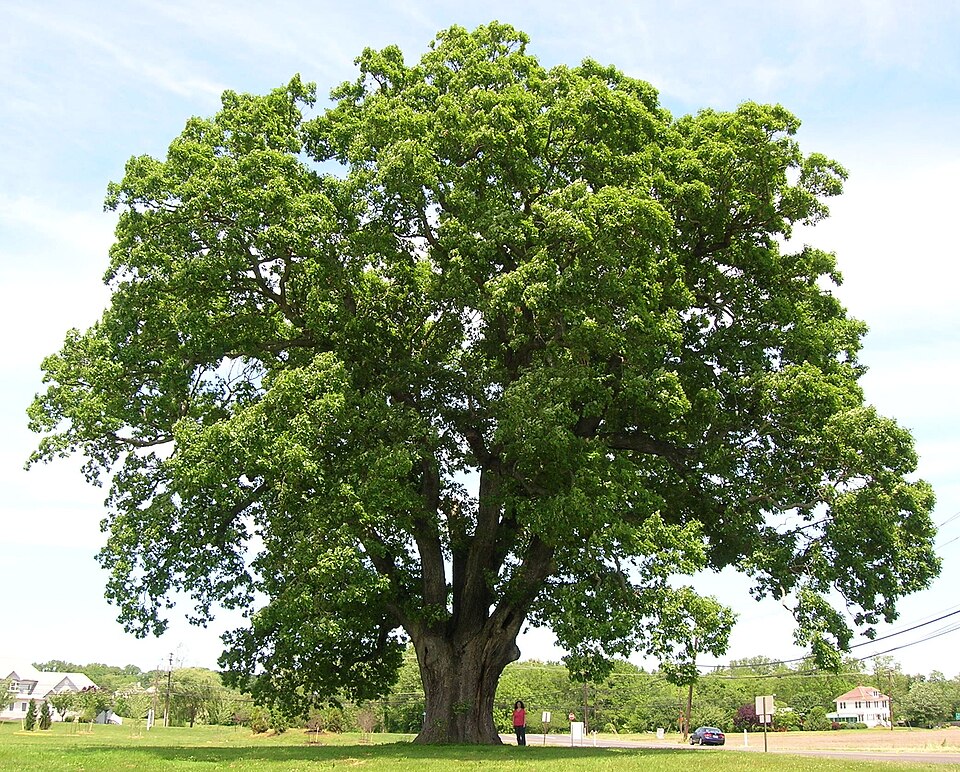
- White OakQuercus alba
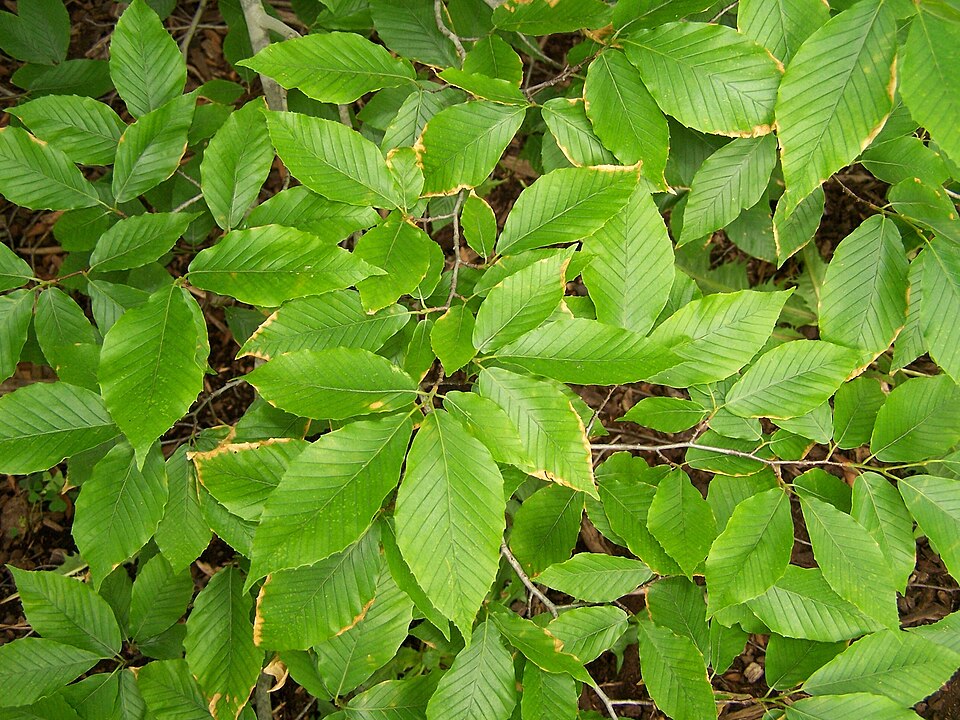
- American BeechFagus grandifolia
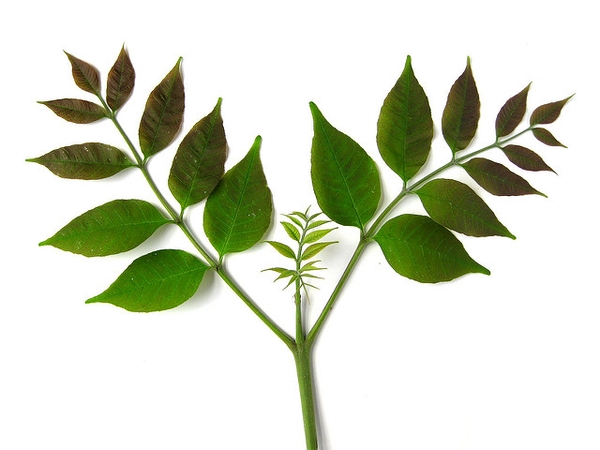
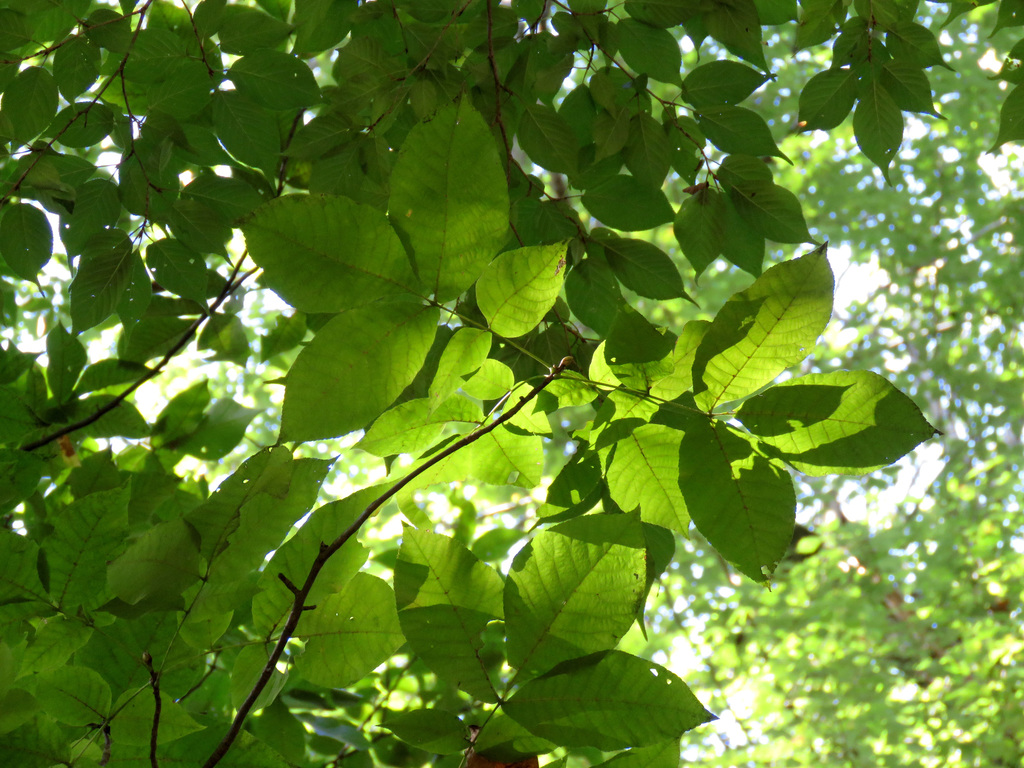
- White AshFraxinus americana
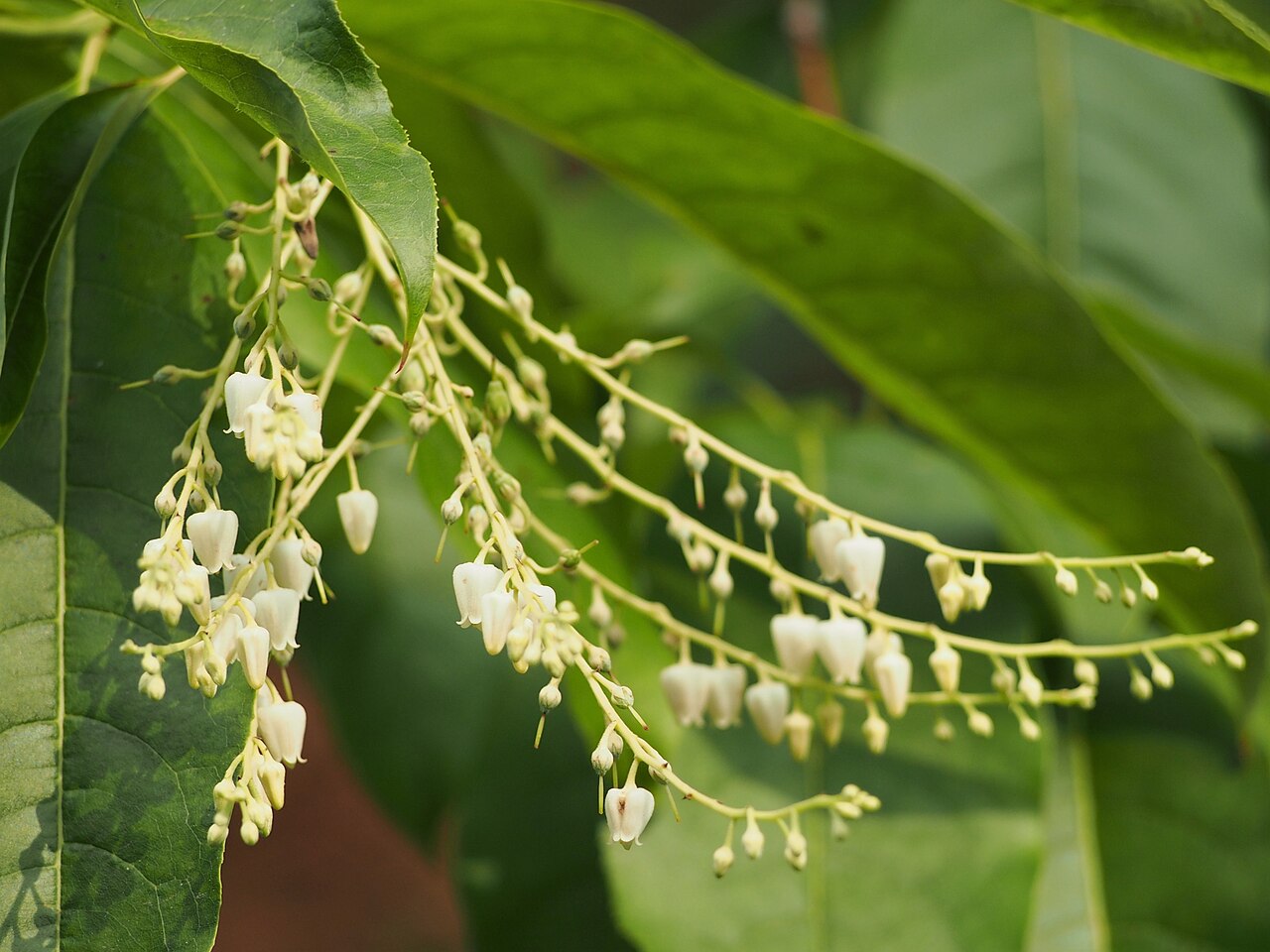
- SourwoodOxydendrum arboreum
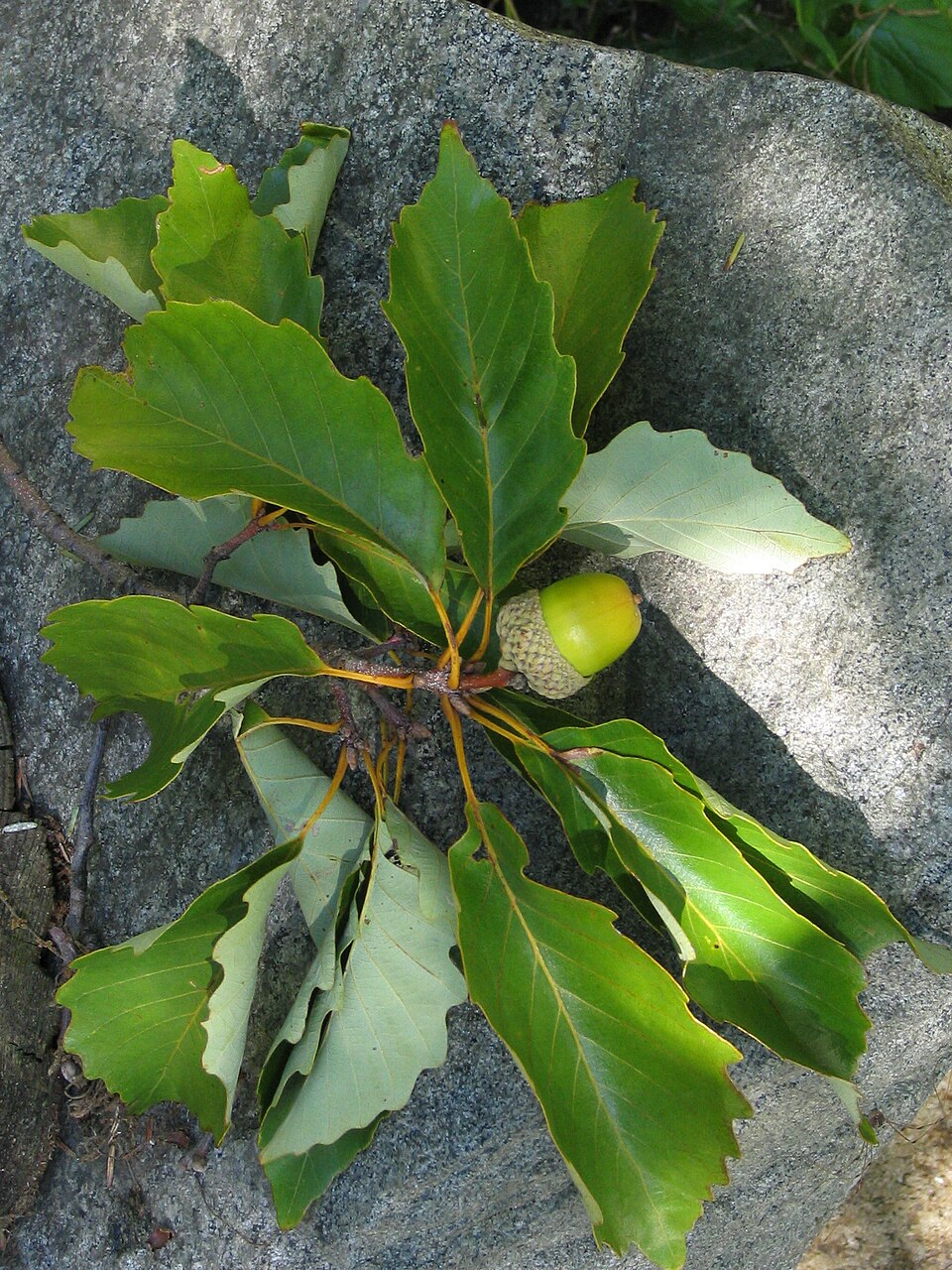
- Chestnut OakQuercus montana
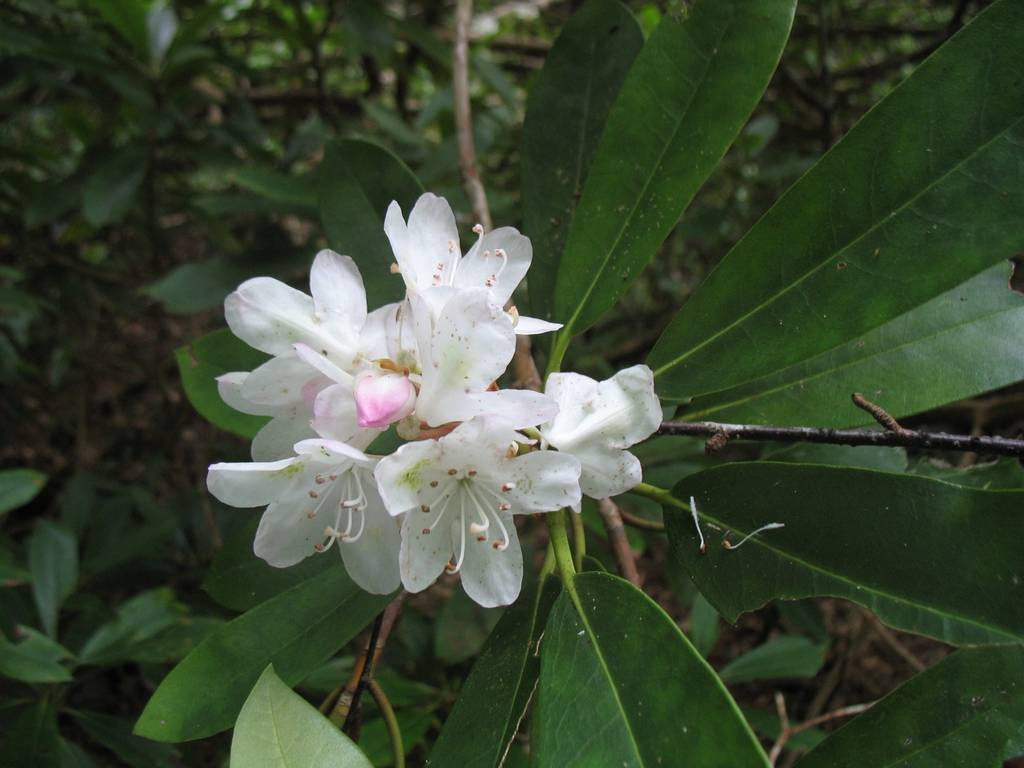
- Rosebay RhododendronRhododendron maximum
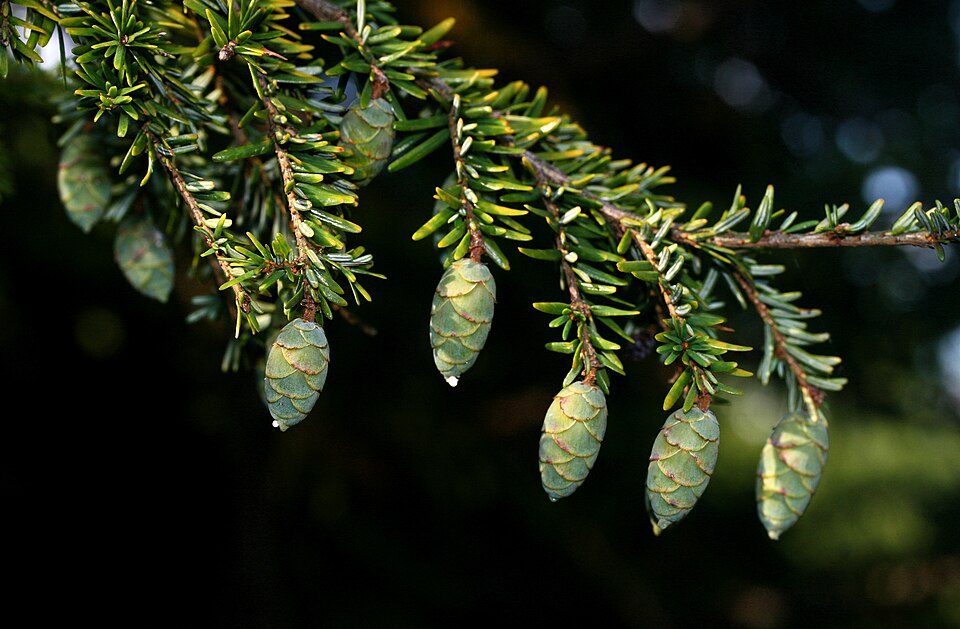
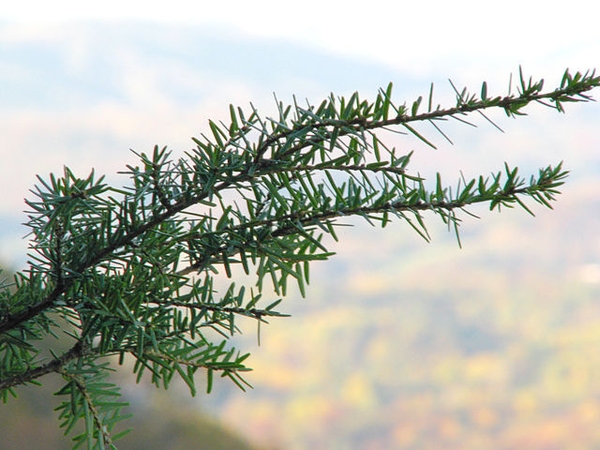
- Eastern HemlockTsuga canadensis
- Carolina HemlockTsuga caroliniana
- Sugar MapleAcer saccharum
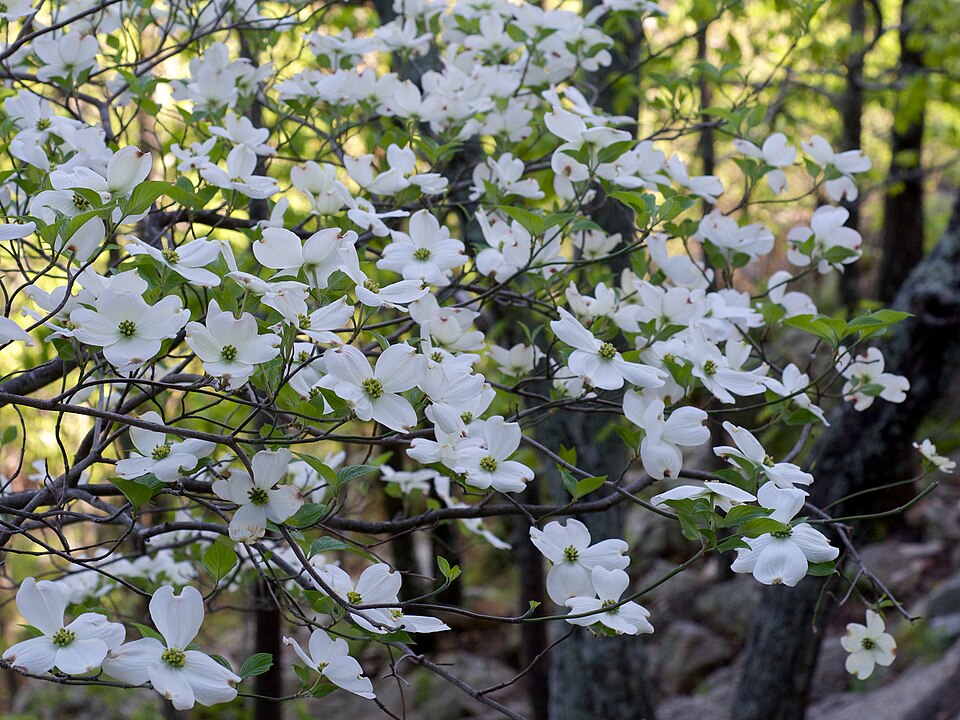
- Flowering DogwoodBenthamidia florida
- Pignut HickoryCarya glabra
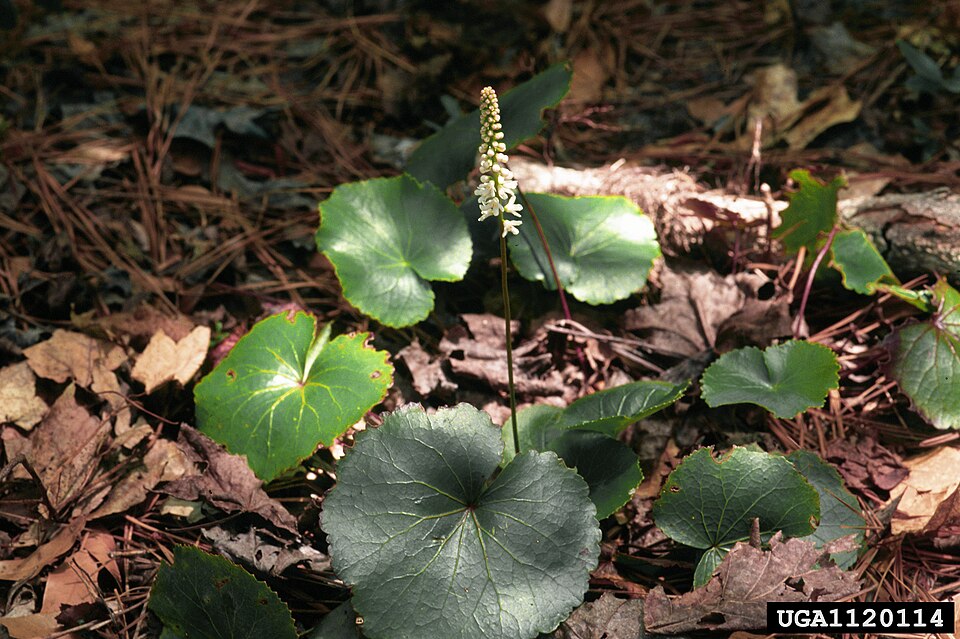
- GalaxGalax urceolata
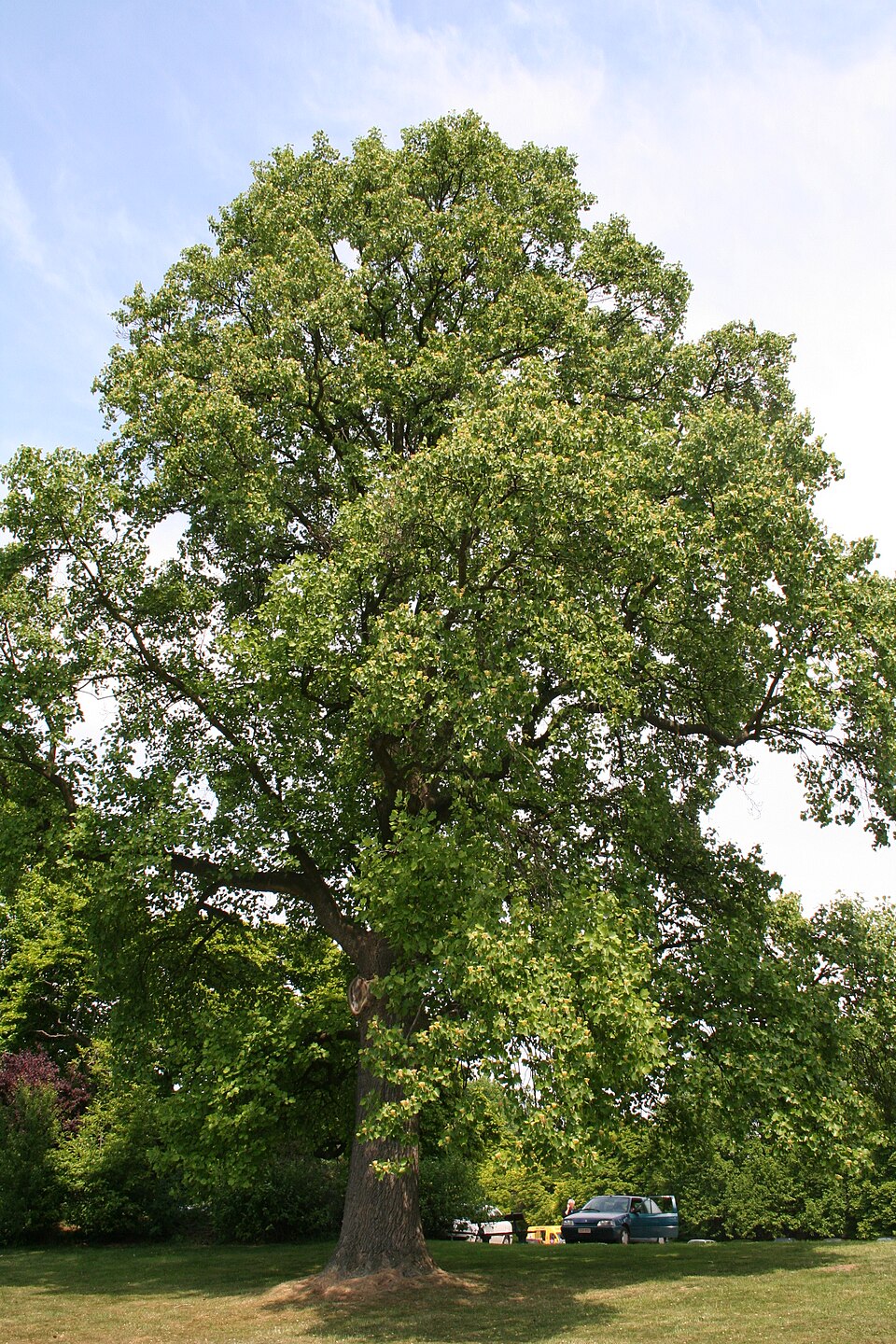
- TuliptreeLiriodendron tulipifera
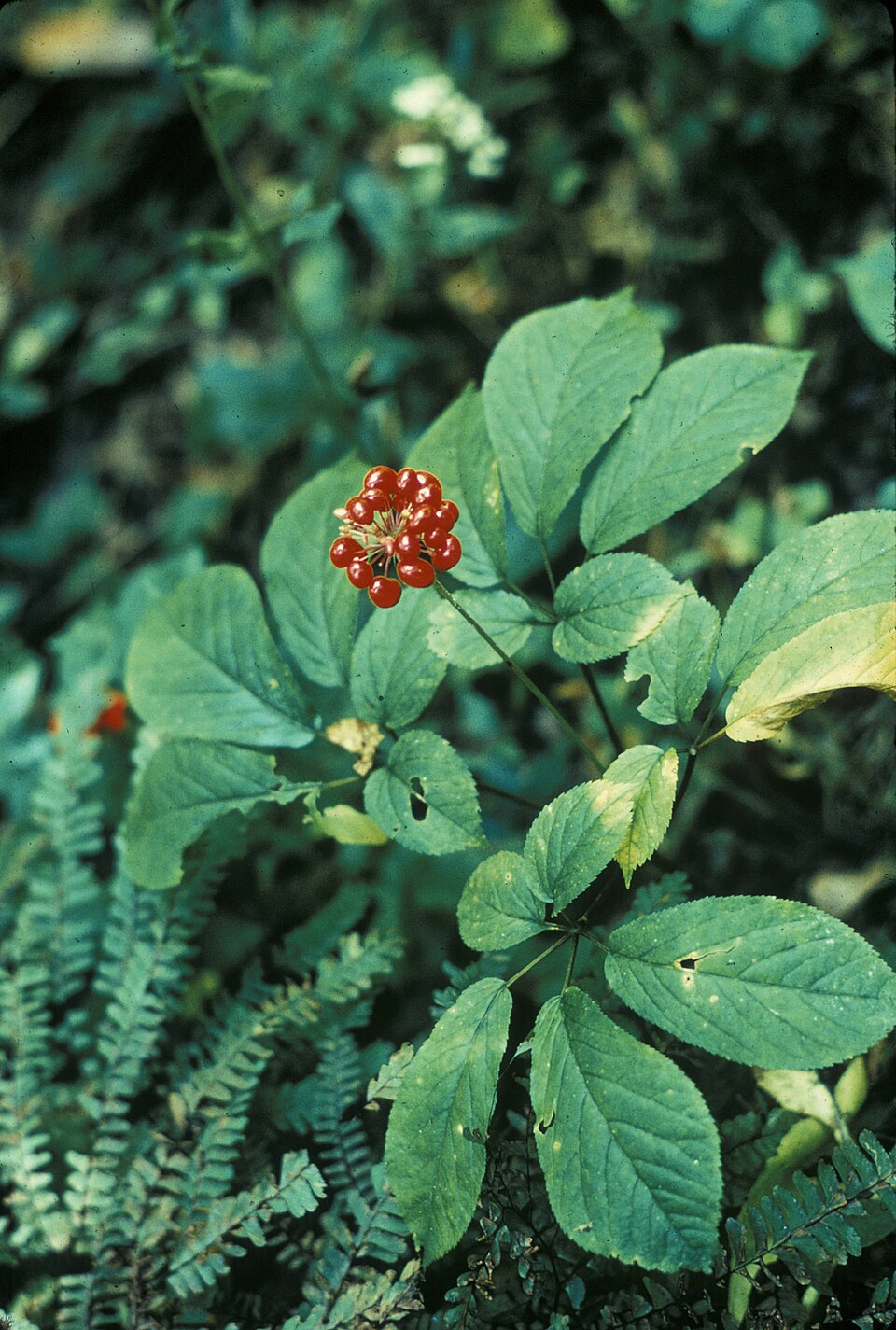
- American GinsengPanax quinquefolius
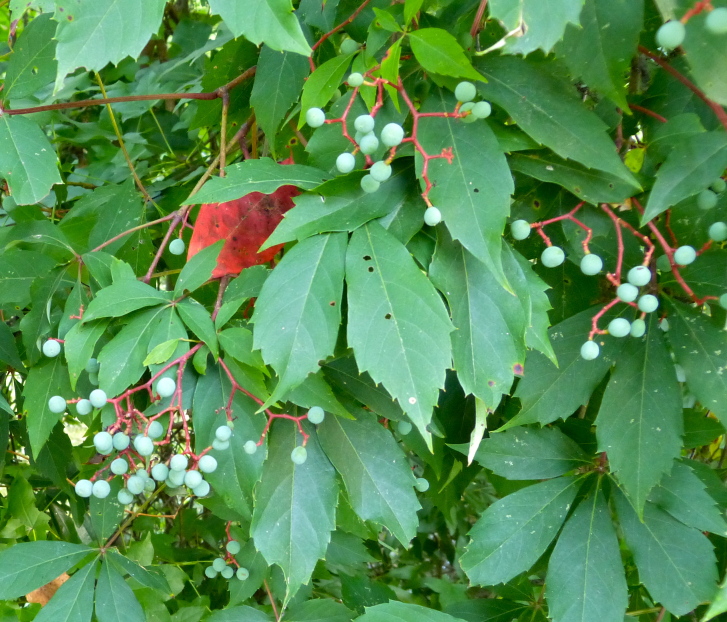
- Virginia CreeperParthenocissus quinquefolia
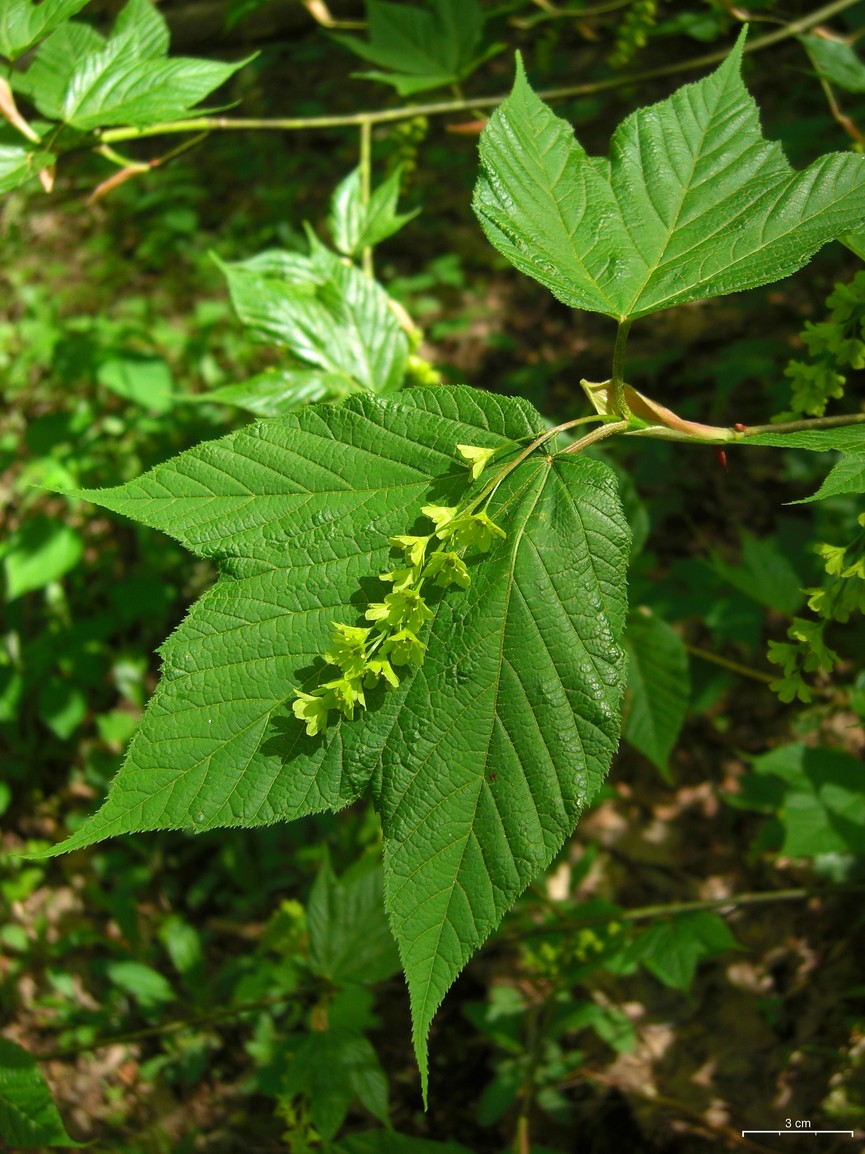
- Striped MapleAcer pensylvanicum
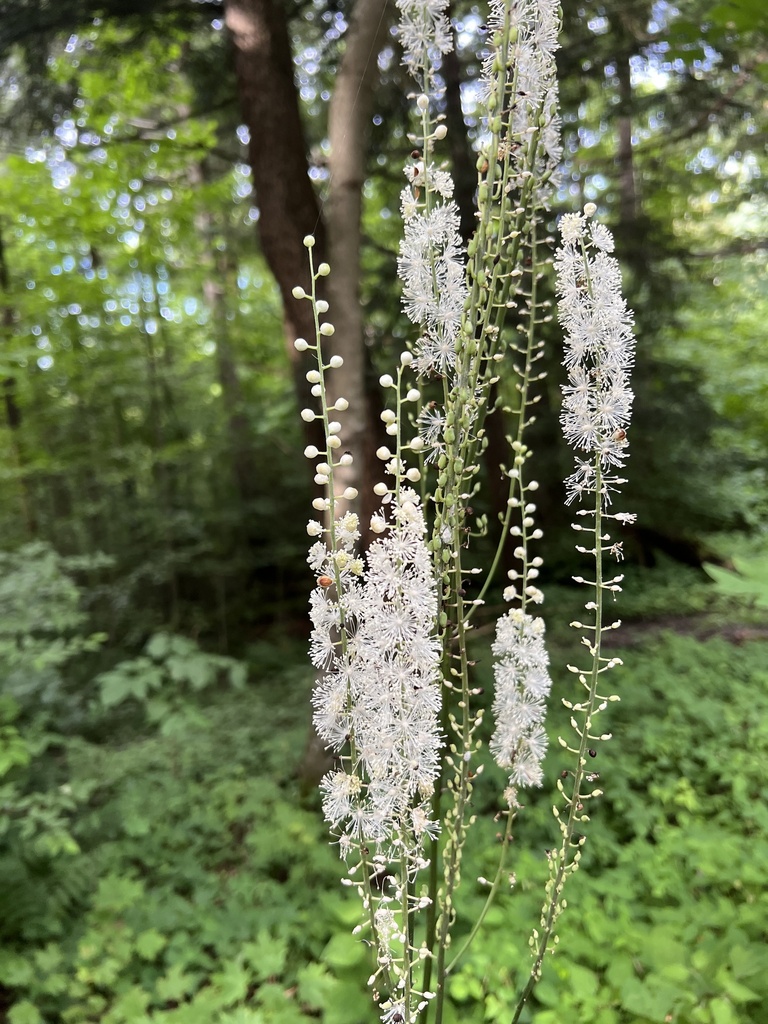
- Black CohoshActaea racemosa
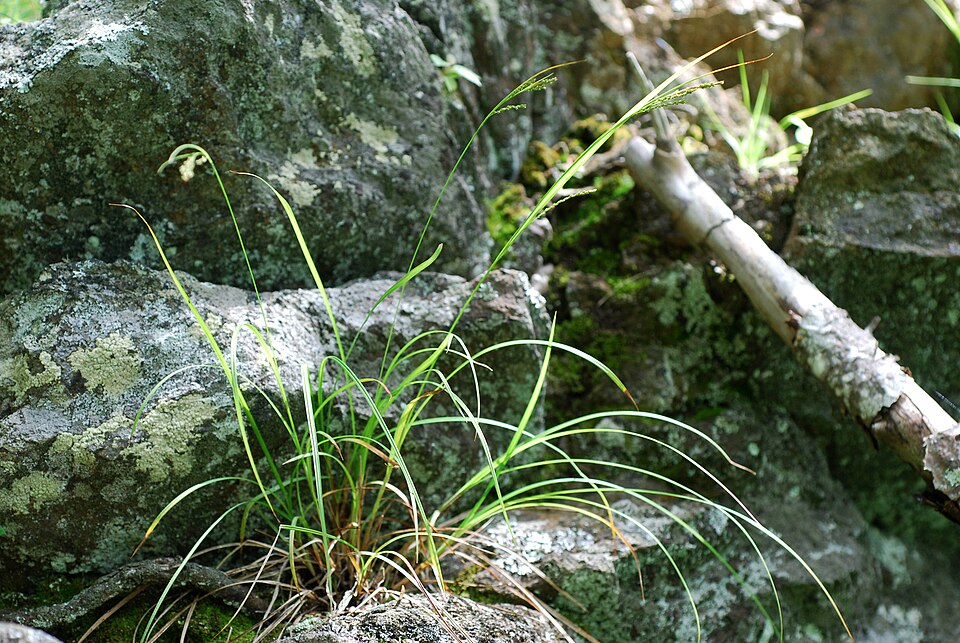
- Summer SedgeCarex aestivalis
- Mockernut HickoryCarya tomentosa
- Common Blue CohoshCaulophyllum thalictroides
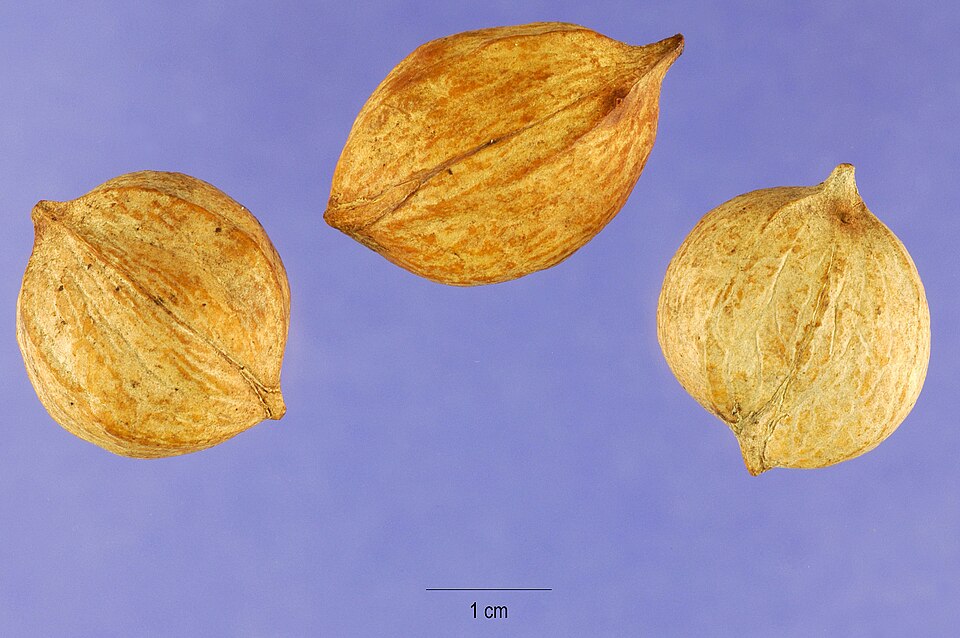
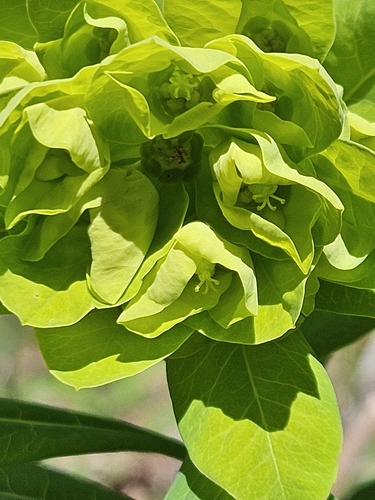
- Glade SpurgeEuphorbia purpurea
Wildlife 175
Other animals whose habitat models include the same habitats in Virginia. Not sighting records.
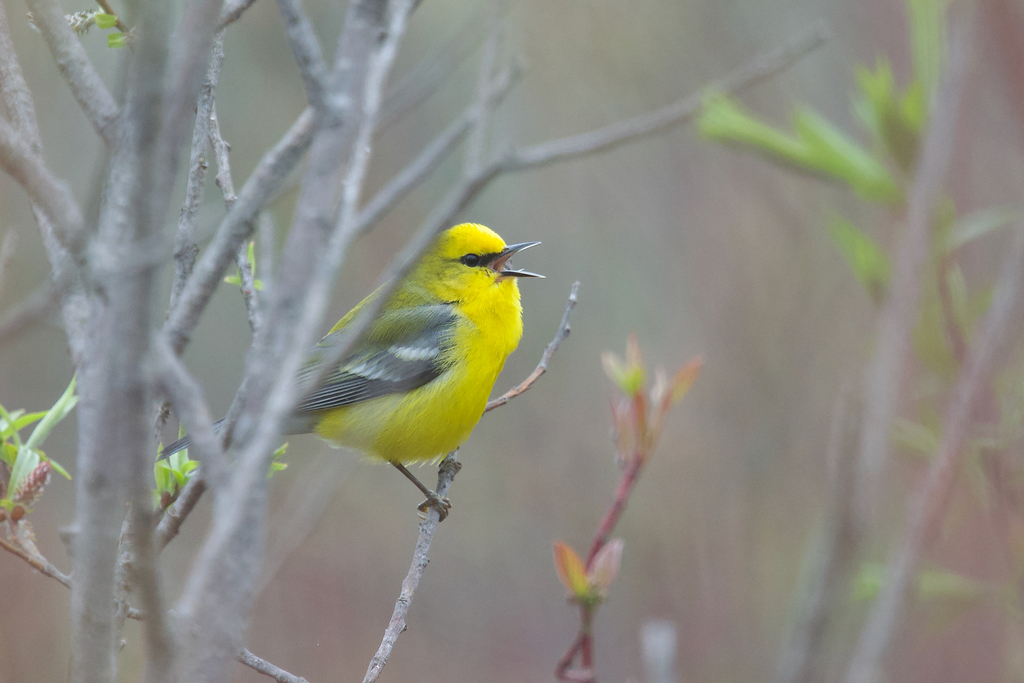
- Blue-winged WarblerVermivora pinus
- Carolina ChickadeePoecile carolinensis
- Louisiana WaterthrushSeiurus motacilla
- Red-shouldered HawkButeo lineatus
- Red-winged BlackbirdAgelaius phoeniceus
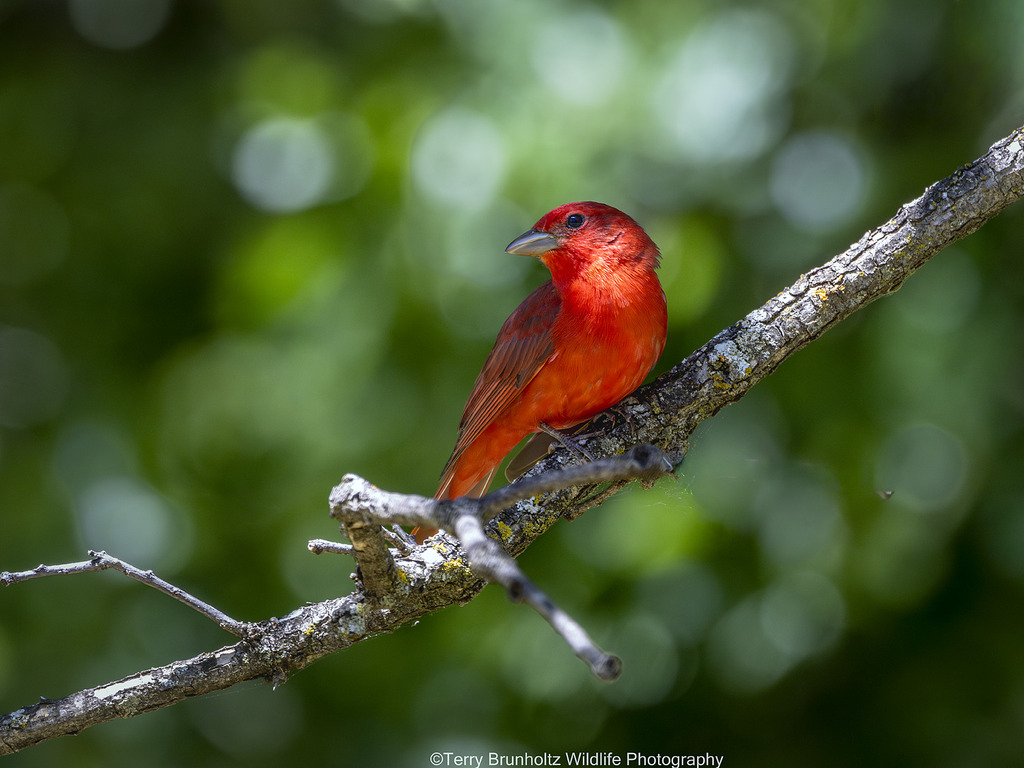
- Summer TanagerPiranga rubra
- Swainson's WarblerLimnothlypis swainsonii
- Brown-headed CowbirdMolothrus ater
- Double-crested CormorantPhalacrocorax auritus
- Eurasian Collared-doveStreptopelia decaocto
- Indigo BuntingPasserina cyanea
- Olive-sided FlycatcherContopus cooperi
- White-eyed VireoVireo griseus
- Rusty BlackbirdEuphagus carolinus
- American Tree SparrowSpizella arborea
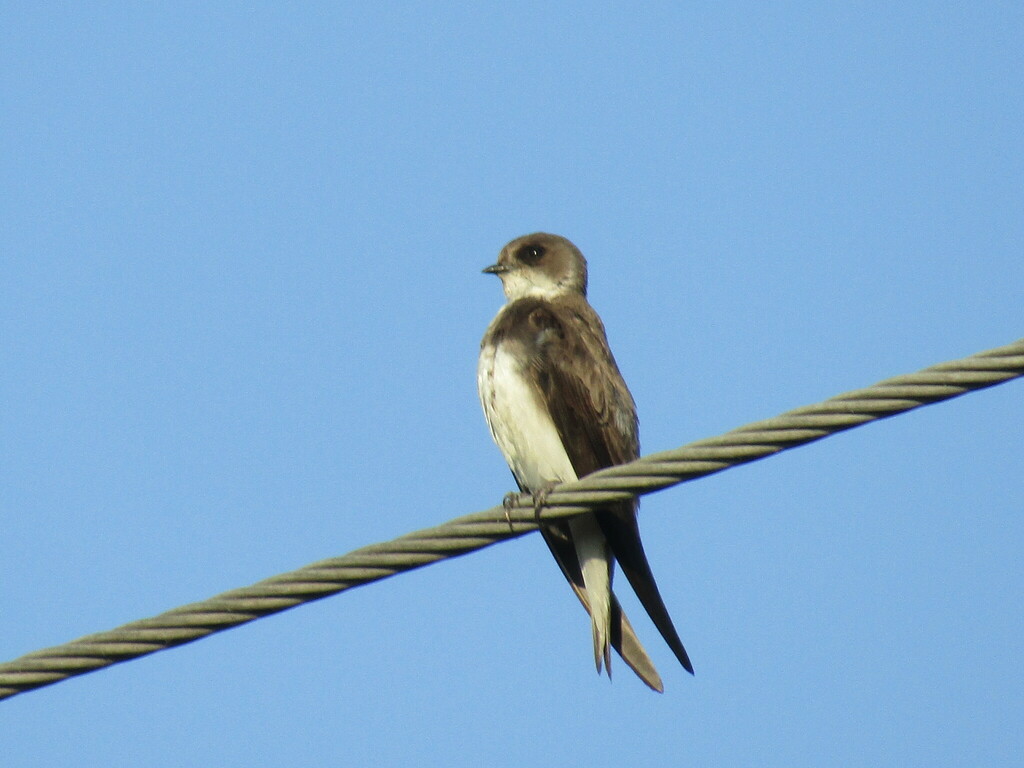
- Bank SwallowRiparia riparia
- Black-crowned Night-heronNycticorax nycticorax
- Eastern PhoebeSayornis phoebe
- Fish CrowCorvus ossifragus
- Orchard OrioleIcterus spurius
- Prairie WarblerDendroica discolor
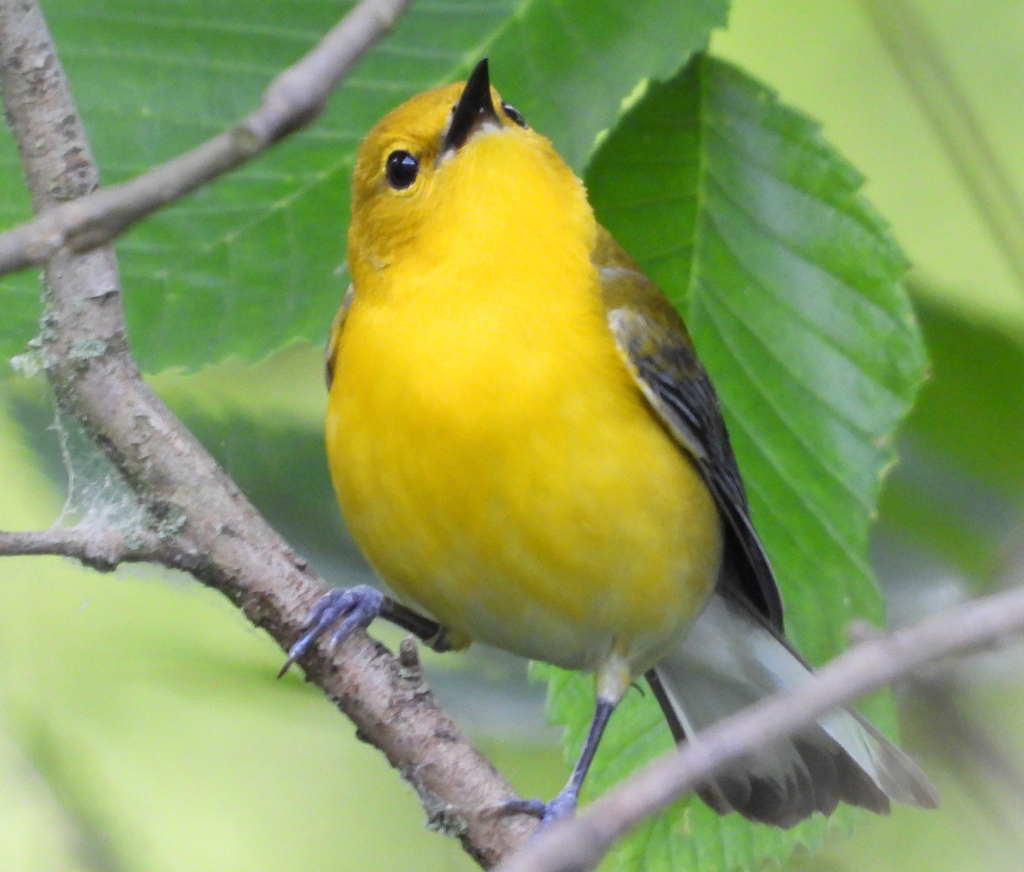
- Prothonotary WarblerProtonotaria citrea
- Song SparrowMelospiza melodia
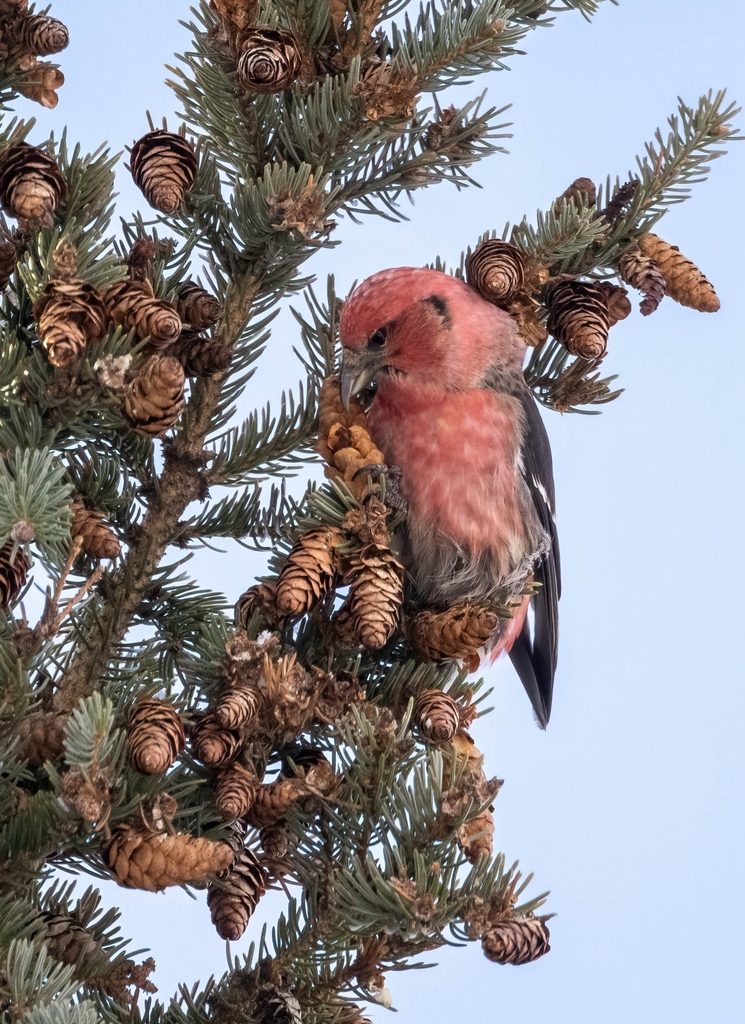
- White-winged CrossbillLoxia leucoptera




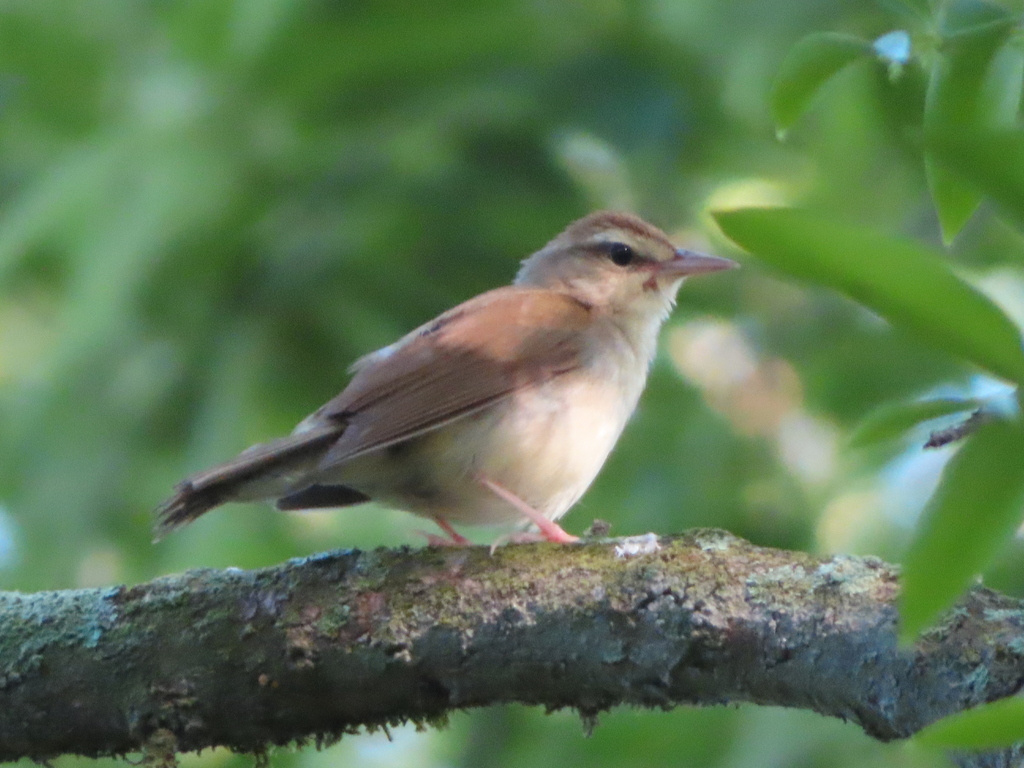




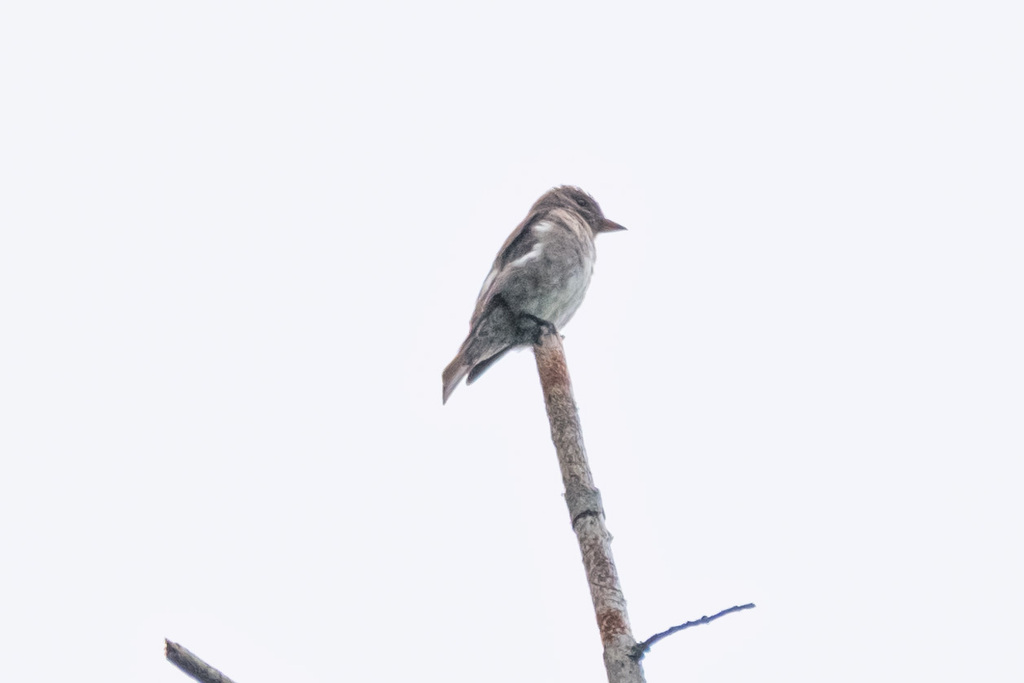
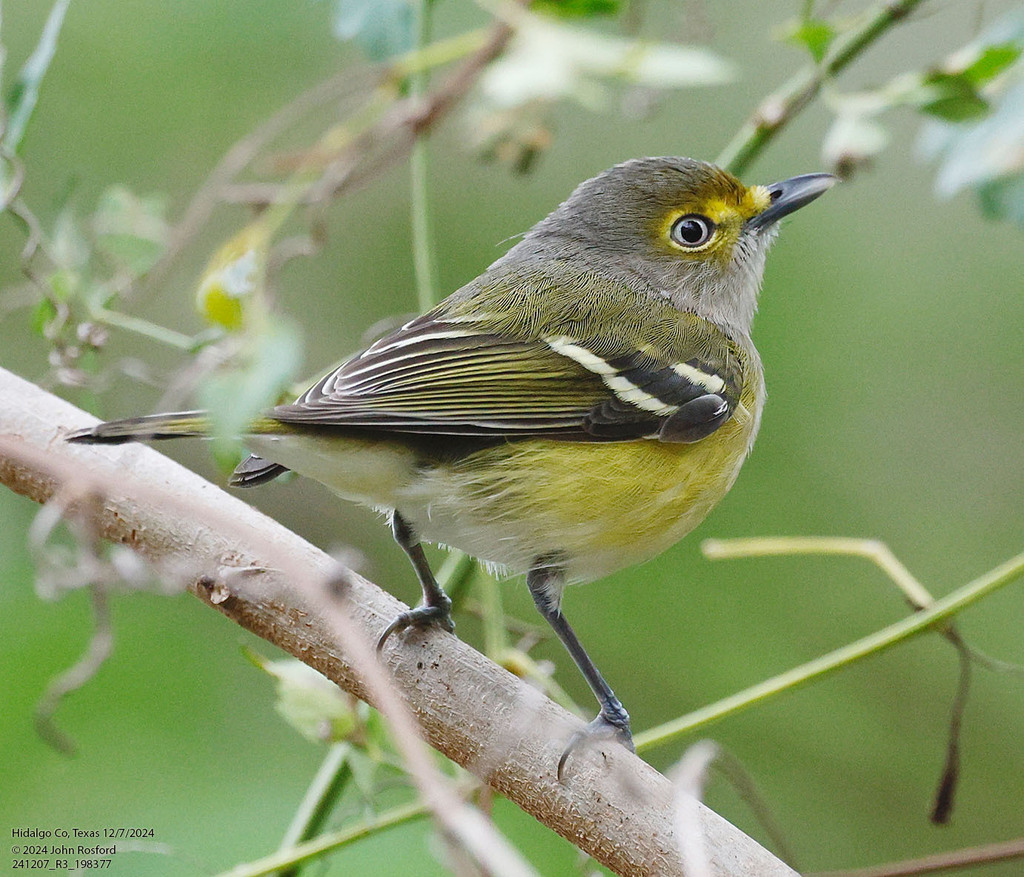

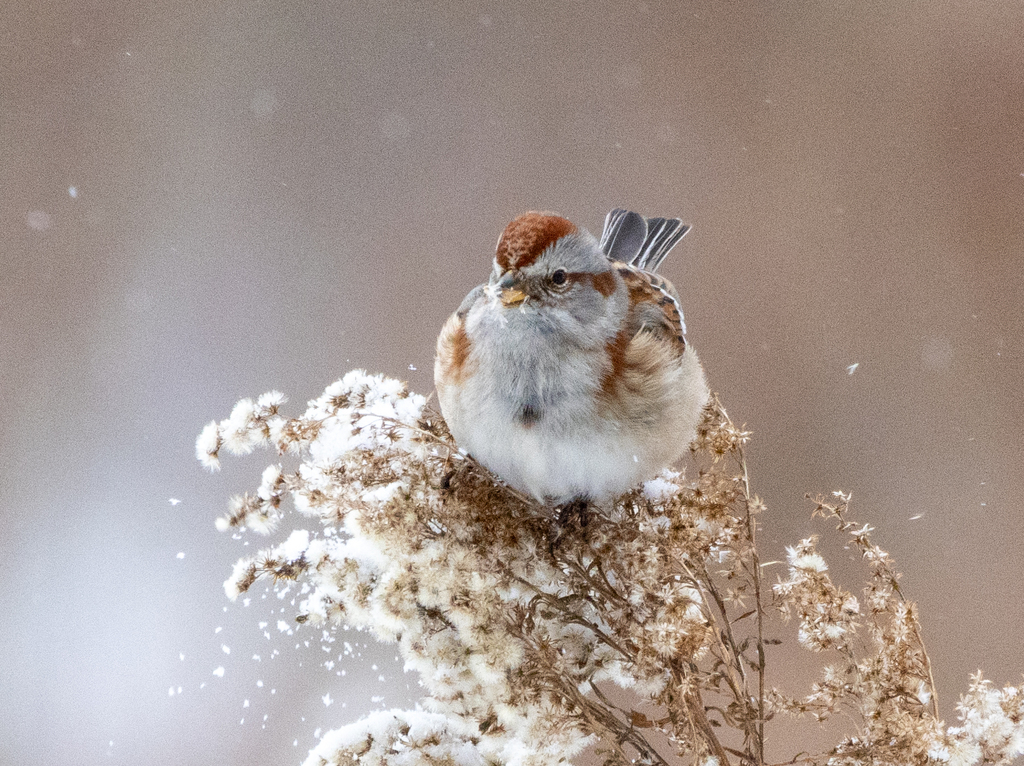







NatureServe Explorer, CC BY 4.0. USGS Gap Analysis Project habitat models.
Sources
- USGS Gap Analysis Project habitat models (2001)
- USGS GAP winter habitat model for Black-throated Blue Warbler
- USGS Gap Analysis Project range maps (2001), modeled by watershed; migratory gives no dates
- NatureServe Explorer (CC BY 4.0), habitat names
- US Census TIGER/Line counties
- Names follow the USGS Gap Analysis Project (2001)