

Bird
American Redstart
Setophaga ruticilla
A summer resident that nests in Virginia. Found in all 133 counties and cities, across 14 habitats.
- Here
- Summer
- Nesting
- Nests here
- Range
- All 133 counties and cities
- Habitats
- 14

At a glance
- Group
- Birds
- Here
- Summer
- Nesting
- Nests here
- Range
- All 133 counties and cities
- Habitats
- 14
- Habitat models
- Summer, Winter
Where it lives
The places its habitat model includes. It is not found everywhere a habitat occurs.
Habitats in Virginia 14
Each habitat page lists the plants and wildlife also found there.
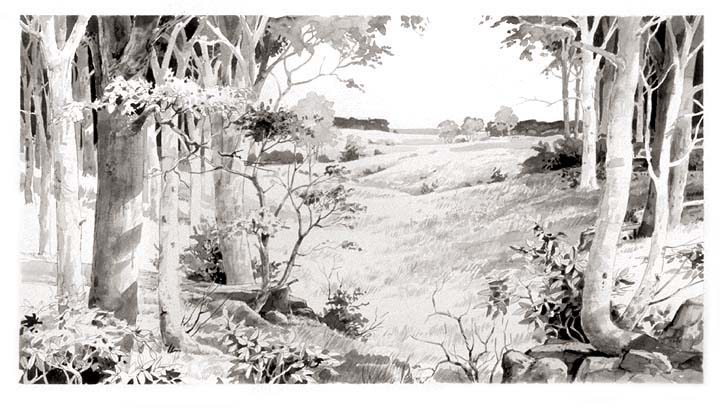
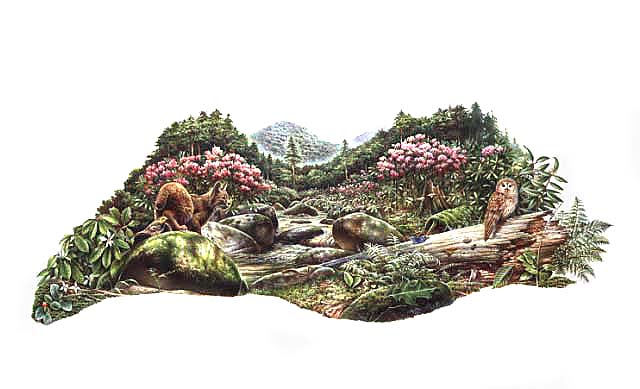
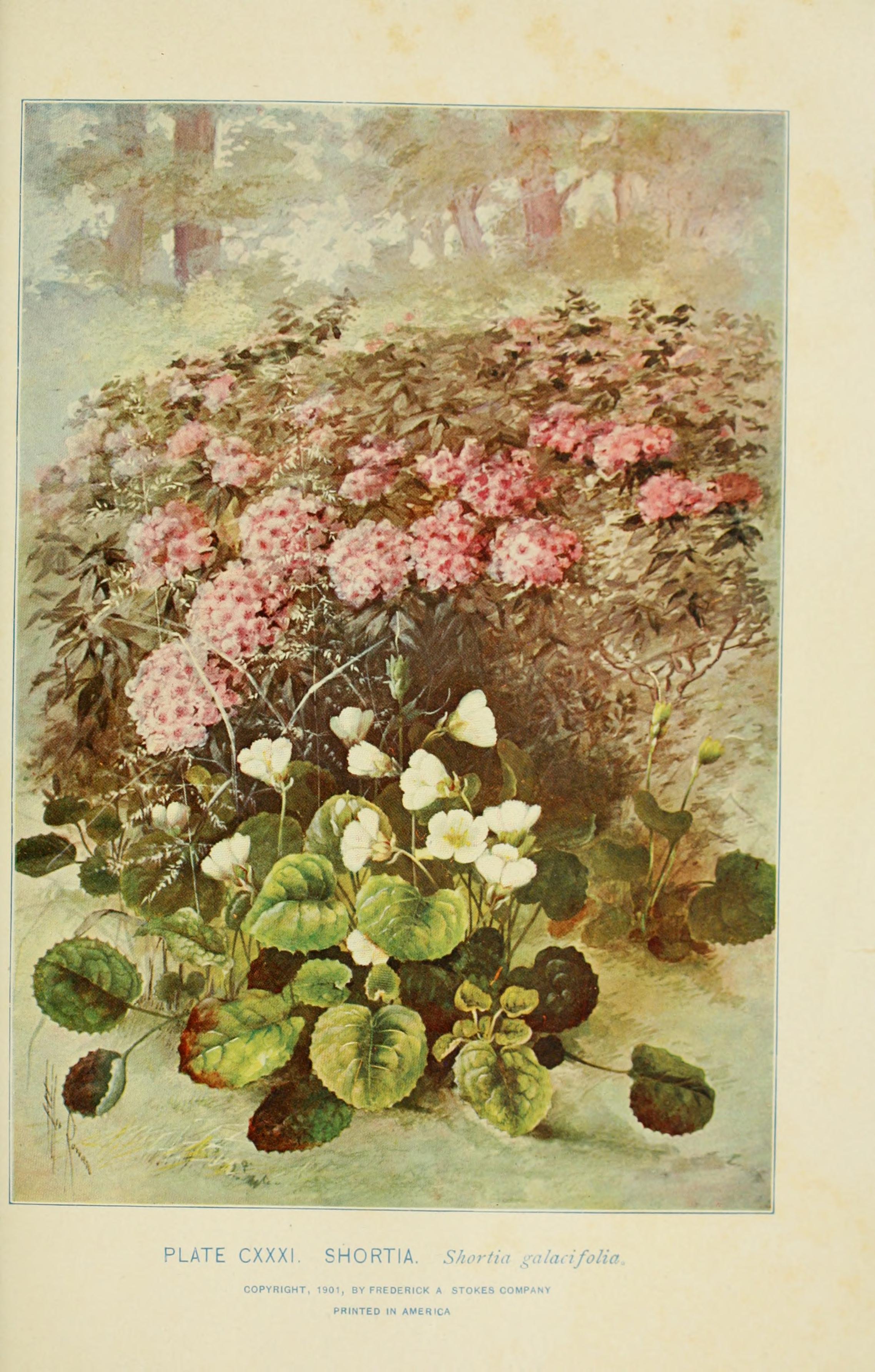
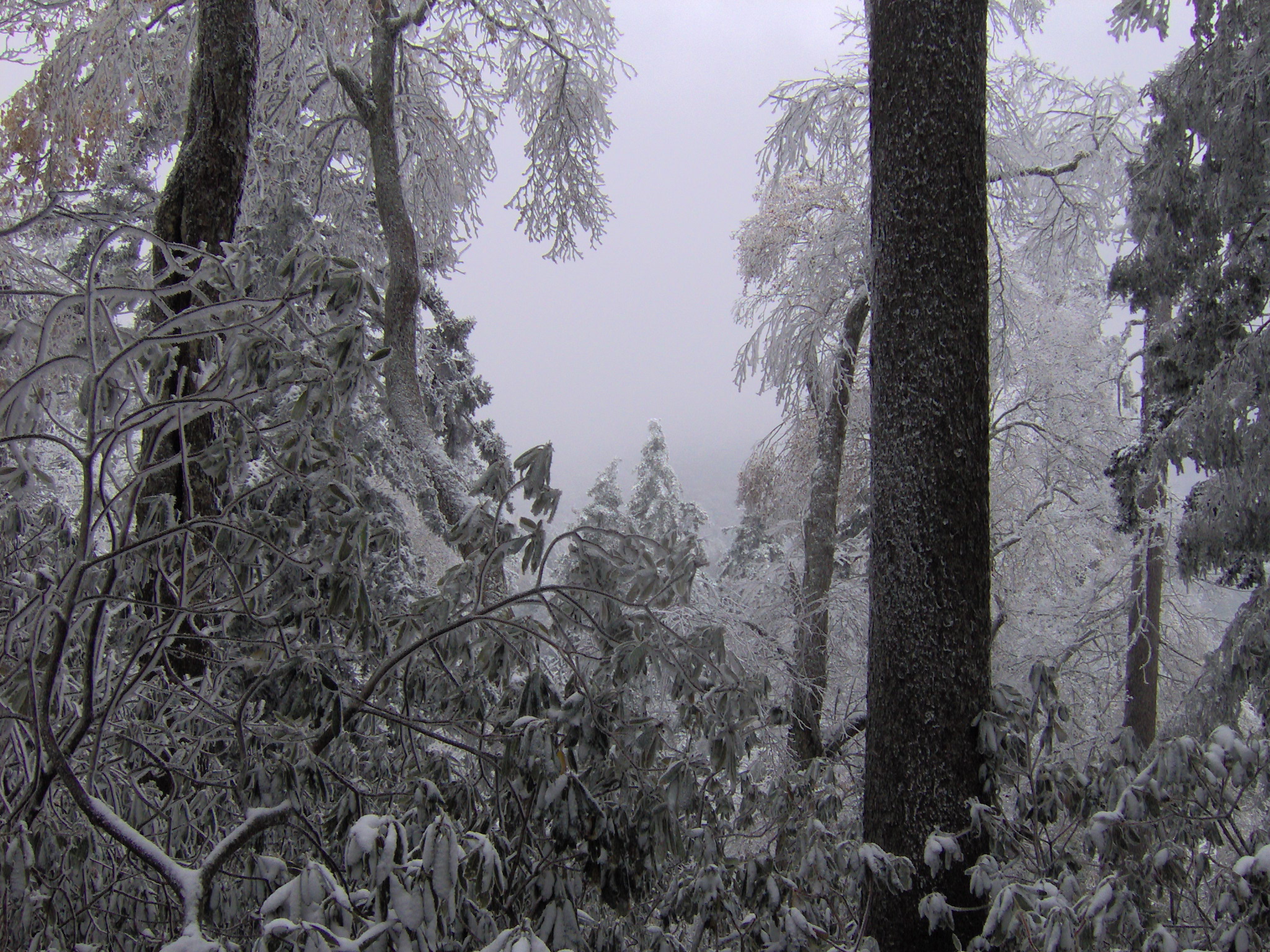
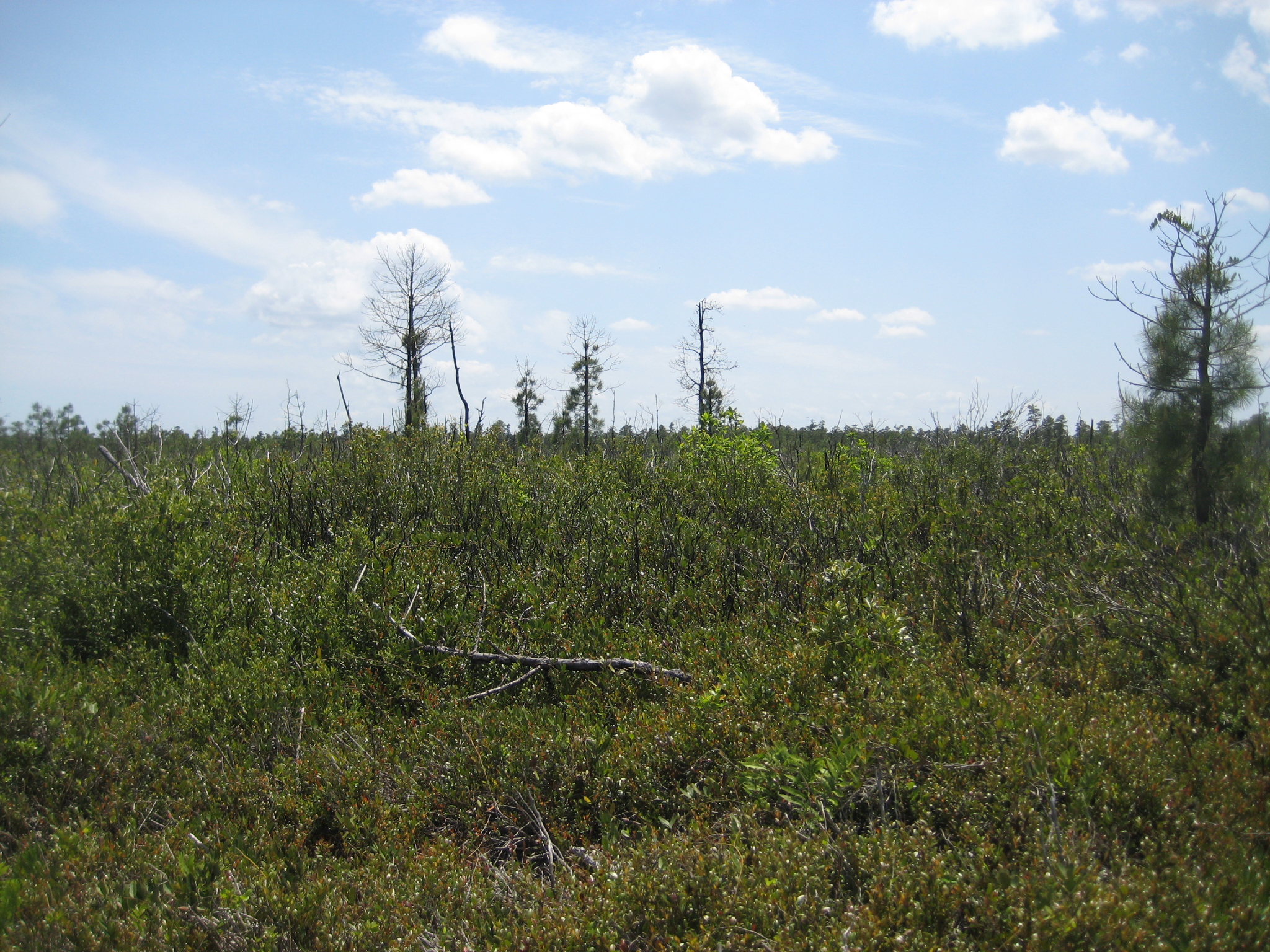
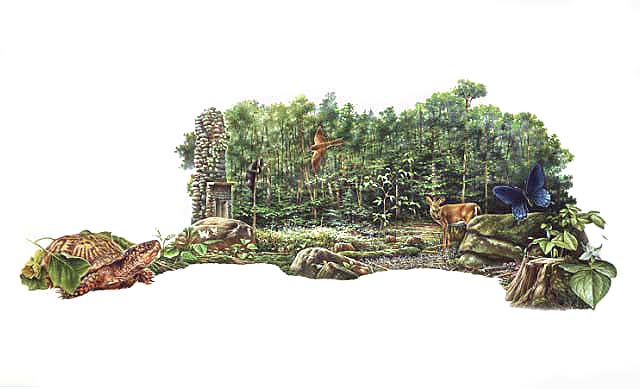
Streams, rivers and their banks
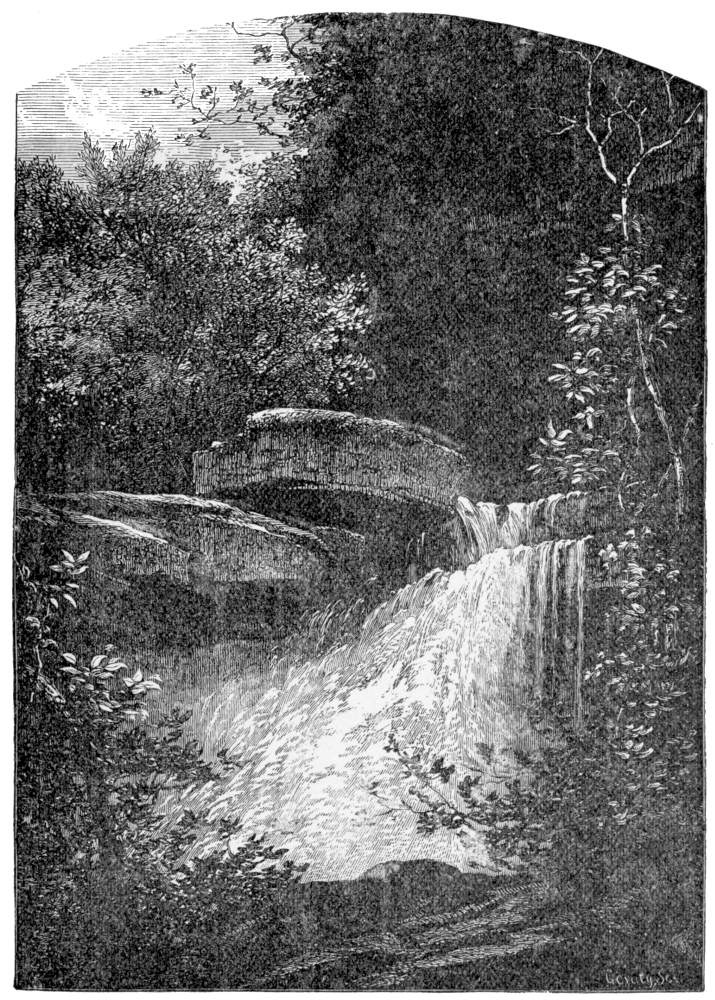
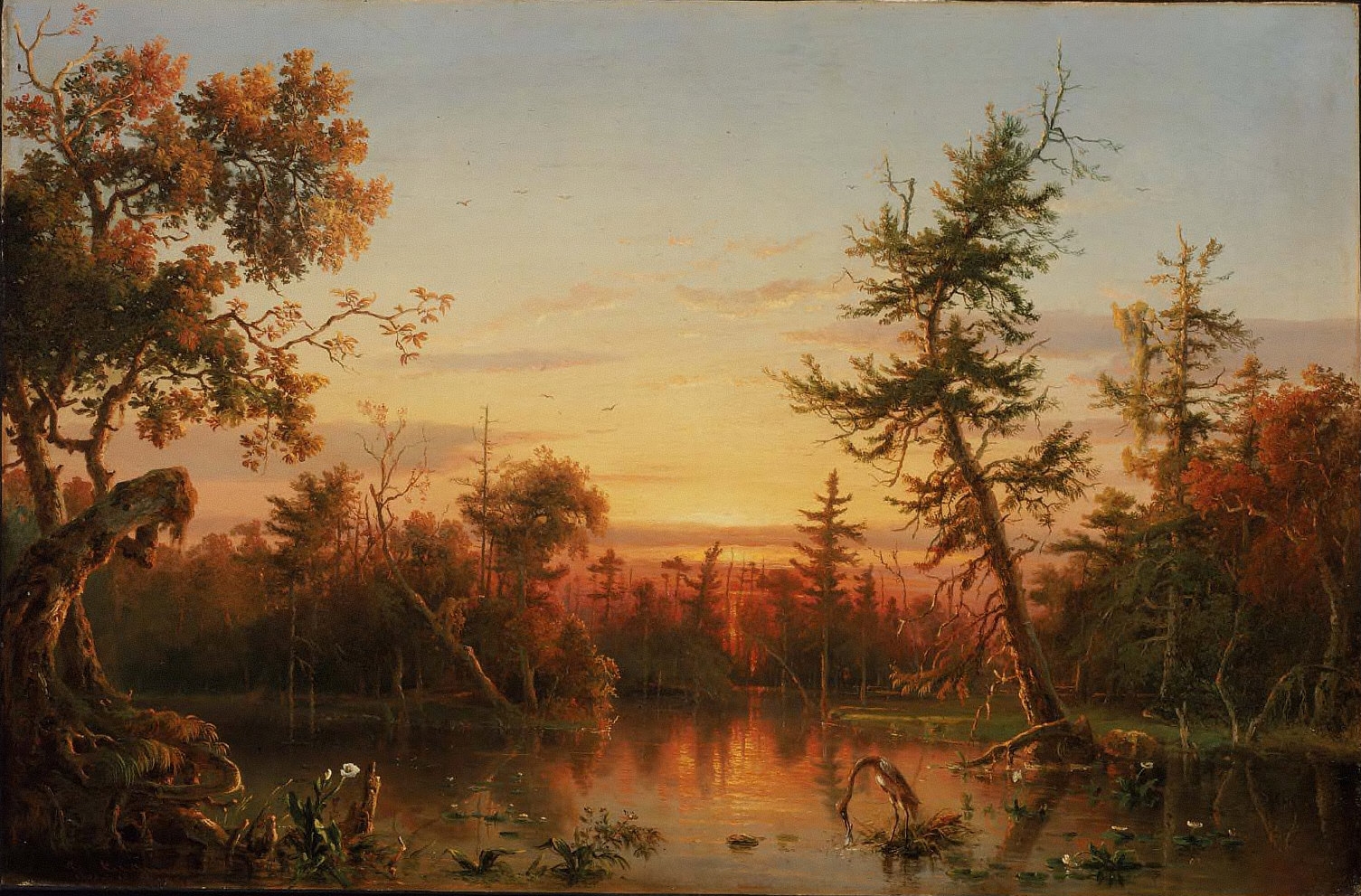
Disturbed and introduced wetlands
Wet ground taken over by weedy or introduced plants after disturbance, such as common reed, Chinese tallow or tamarisk stands; the upland counterpart is roadsides, fields and disturbed ground.
Forests and open woodlands on dry ridges and slopes, often oak or pine.
Floodplain and bottomland forests
Forests on low ground beside rivers and streams that flood from time to time.
Flat, poorly drained uplands and terraces with oaks, sweetgum and sometimes loblolly pine, wet in winter and dry in summer, but neither a floodplain nor a swamp.
Forests between dry and moist, often oak-hickory on slopes.
Tree plantations and managed pine
Planted or intensively managed stands of pine or hardwoods grown for timber; a land use rather than a natural community.
Other habitats in its models (56)
Land cover, or classes with no habitat page in Virginia.
- East Gulf Coastal Plain Limestone Forest Summer and winter.
- East Gulf Coastal Plain Northern Loess Plain Oak-Hickory Upland - Hardwood Modifier Summer and winter.
- Northeastern Interior Dry Oak Forest-Hardwood Modifier Summer and winter.
- Ozark-Ouachita Dry-Mesic Oak Forest Summer and winter.
- East Gulf Coastal Plain Northern Dry Upland Hardwood Forest Summer and winter.
- North-Central Interior Beech-Maple Forest Summer.
- East Gulf Coastal Plain Northern Loess Bluff Forest Summer and winter.
- East Gulf Coastal Plain Southern Loess Bluff Forest Summer and winter.
- Southern Coastal Plain Dry Upland Hardwood Forest Summer and winter.
- South Florida Hardwood Hammock Winter.
- Southwest Florida Coastal Strand and Maritime Hammock Winter.
- Southeast Florida Coastal Strand and Maritime Hammock Winter.
- East-Central Texas Plains Riparian Forest Summer and winter.
- Southern Coastal Plain Oak Dome and Hammock Winter.
- East Gulf Coastal Plain Maritime Forest Winter, only within 250 m of water.
- East Gulf Coastal Plain Northern Mesic Hardwood Forest Summer and winter.
- Ozark-Ouachita Mesic Hardwood Forest Summer and winter.
- East Gulf Coastal Plain Southern Mesic Slope Forest Summer and winter.
- East Gulf Coastal Plain Interior Shortleaf Pine-Oak Forest - Hardwood Modifier Summer and winter.
- East Gulf Coastal Plain Black Belt Calcareous Prairie and Woodland - Woodland Modifier Summer and winter.
- East Gulf Coastal Plain Interior Shortleaf Pine-Oak Forest - Mixed Modifier Winter, only within 250 m of water.
- Florida Peninsula Inland Scrub Winter, only within 250 m of water.
- Southern Coastal Plain Nonriverine Basin Swamp - Okefenokee Taxodium Modifier Summer and winter.
- Southern Coastal Plain Nonriverine Basin Swamp - Okefenokee Bay/Gum Modifier Summer and winter.
- Southern Coastal Plain Nonriverine Basin Swamp - Okefenokee Pine Modifier Summer and winter.
- Atlantic Coastal Plain Clay-Based Carolina Bay Herbaceous Wetland Summer and winter.
- Southern Coastal Plain Seepage Swamp and Baygall Summer and winter.
- Central Interior and Appalachian Shrub-Herbaceous Wetland Systems Summer.
- South Florida Mangrove Swamp Winter.
- South Florida Bayhead Swamp Winter.
- Southern Coastal Plain Nonriverine Basin Swamp Summer and winter.
- Atlantic Coastal Plain Clay-Based Carolina Bay Forested Wetland Summer and winter.
- South Florida Dwarf Cypress Savanna Winter.
- Lower Mississippi River Bottomland Depressions - Forest Modifier Summer and winter.
- South Florida Cypress Dome Winter.
- Southern Coastal Plain Nonriverine Cypress Dome Winter.
- Mississippi River Bottomland Depression Summer.
- South Florida Freshwater Slough and Gator Hole Winter.
- East Gulf Coastal Plain Large River Floodplain Forest - Forest Modifier Summer and winter.
- East Gulf Coastal Plain Large River Floodplain Forest - Herbaceous Modifier Summer and winter.
- Western Great Plains Floodplain Systems Summer and winter.
- Eastern Great Plains Floodplain Systems Summer and winter.
- Tamaulipan Riparian Systems Summer and winter.
- Mississippi River Riparian Forest Summer and winter.
- Mississippi River Low Floodplain (Bottomland) Forest Summer and winter.
- Southern Coastal Plain Hydric Hammock Summer and winter.
- West Gulf Coastal Plain Small Stream and River Forest Summer and winter.
- West Gulf Coastal Plain Large River Floodplain Forest Summer and winter.
- Atlantic Coastal Plain Small Blackwater River Floodplain Forest Summer and winter.
- Red River Large Floodplain Forest Summer and winter.
- East Gulf Coastal Plain Small Stream and River Floodplain Forest Summer and winter.
- Southern Coastal Plain Blackwater River Floodplain Forest Summer and winter.
- Mississippi River Floodplain and Riparian Forest Summer and winter.
- Ozark-Ouachita Riparian Summer and winter.
- Lower Mississippi River Flatwoods Summer.
- West Gulf Coastal Plain Nonriverine Wet Hardwood Flatwoods Summer.
Seasons in Virginia
- Summer: nests here, in all 133 counties and cities.
Also found in this habitat
Plants 839
Plants named in NatureServe descriptions of these habitats that grow in Virginia. Shared habitat, not food.
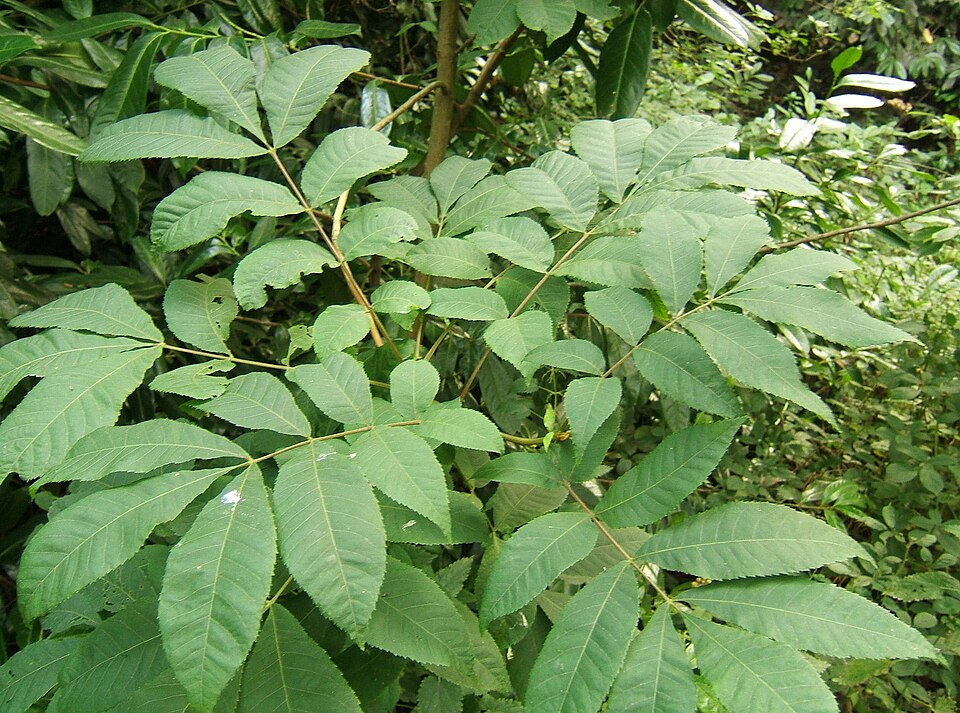
- Bitternut HickoryCarya cordiformis
- Shagbark HickoryCarya ovata
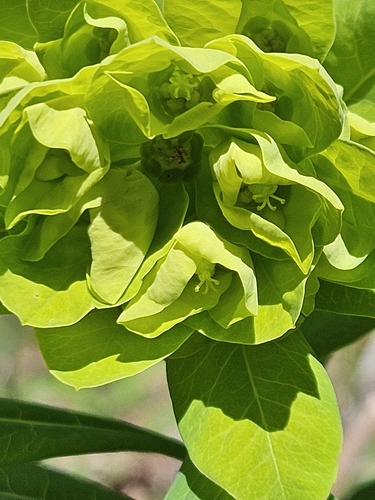
- Glade SpurgeEuphorbia purpurea
- Water OakQuercus nigra
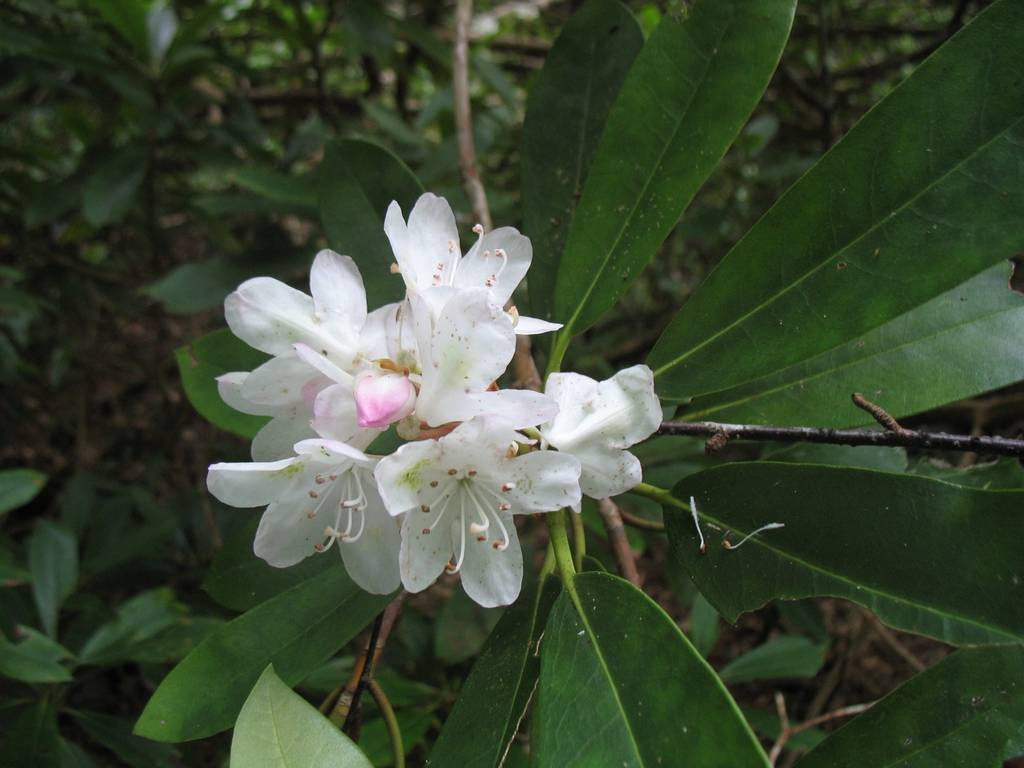
- Rosebay RhododendronRhododendron maximum
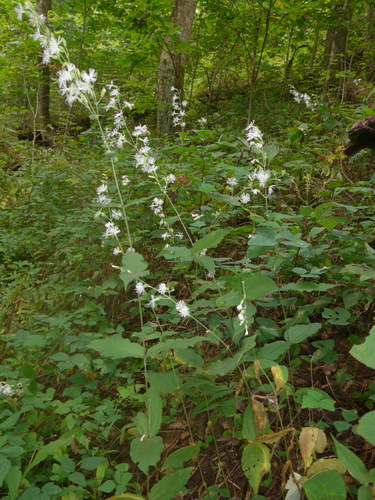
- Blue Ridge CatchflySilene ovata
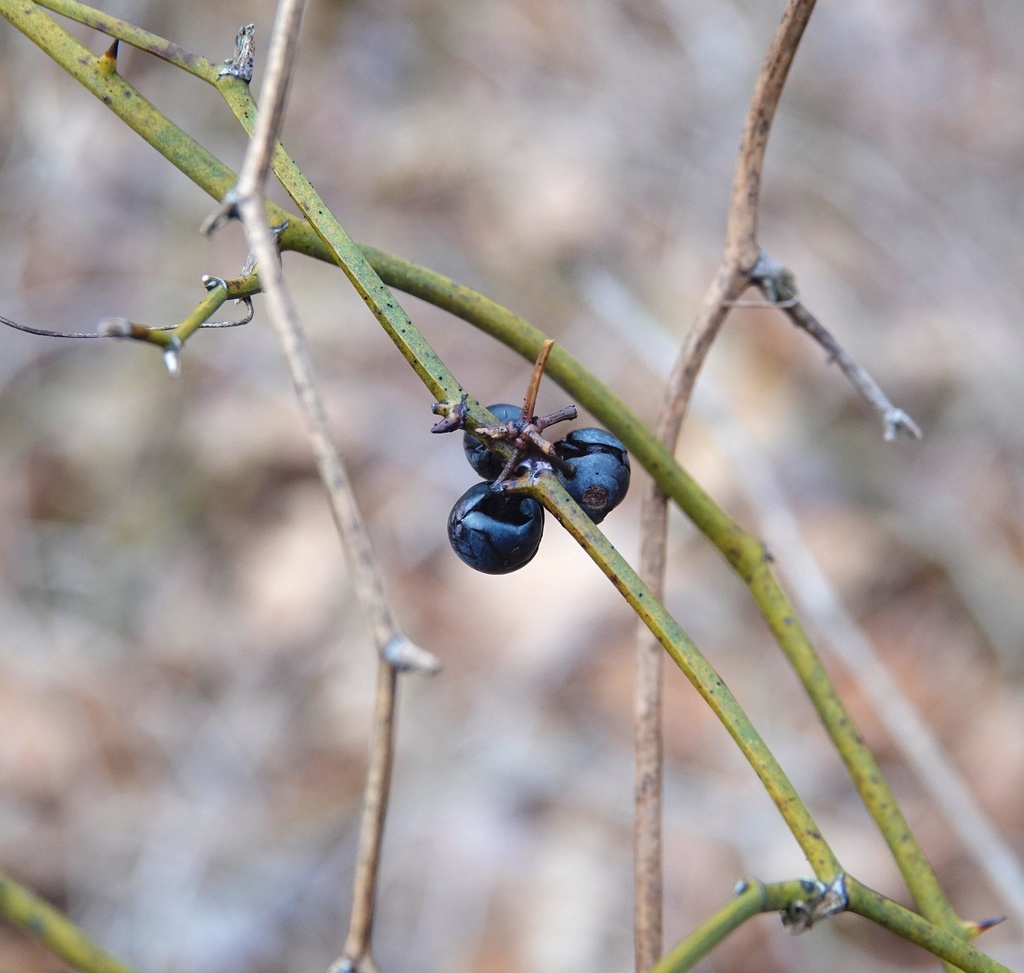
- Common GreenbrierSmilax rotundifolia
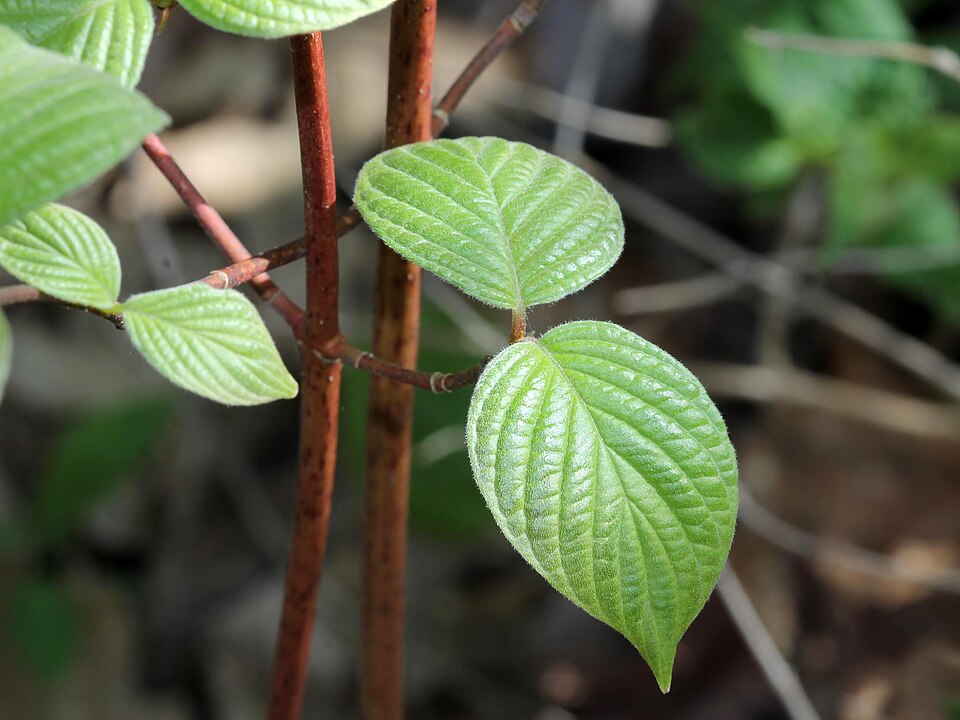
- Round Leaf DogwoodSwida rugosa
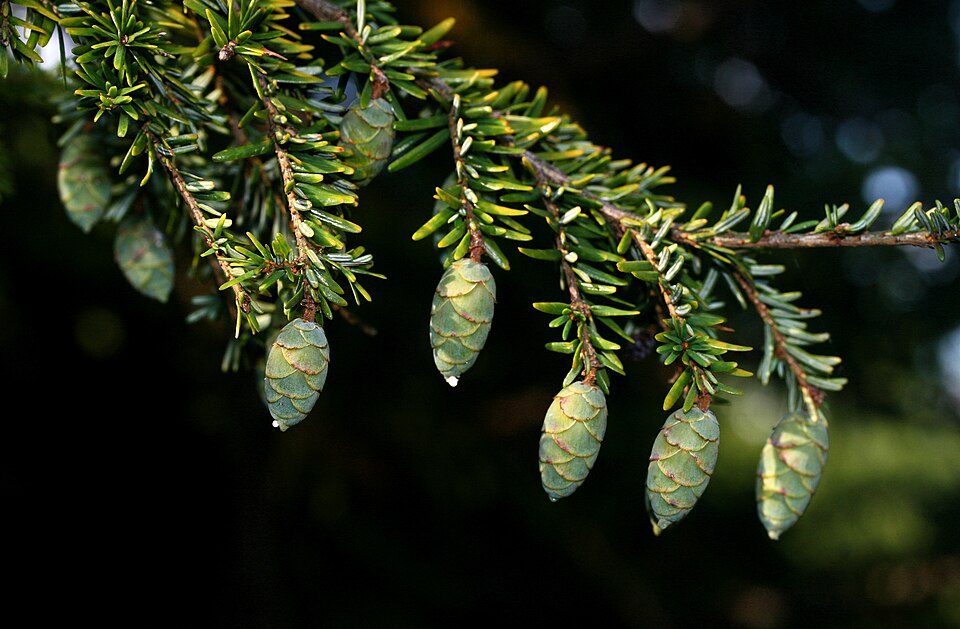
- Eastern HemlockTsuga canadensis
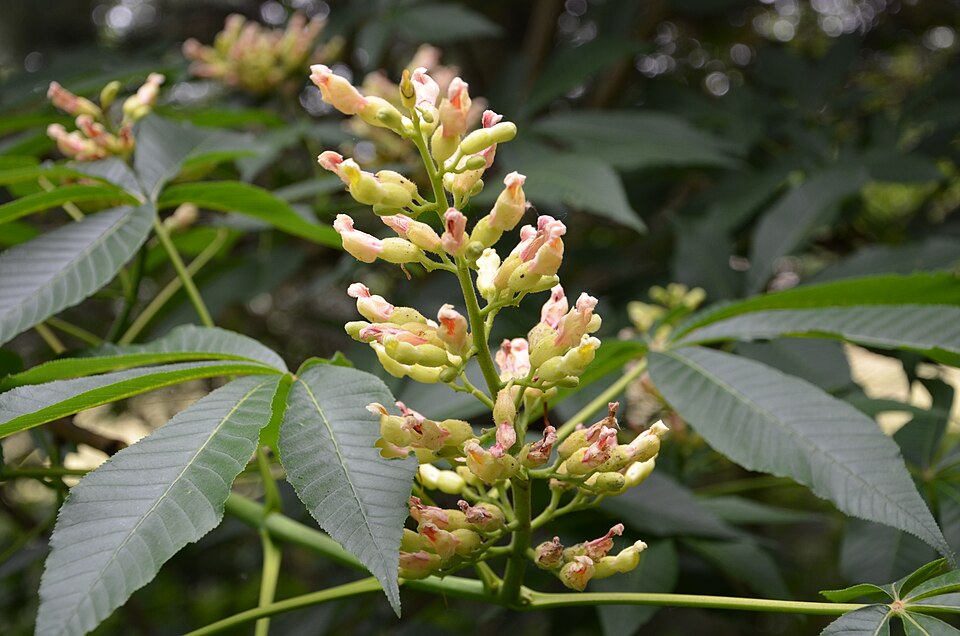
- Yellow BuckeyeAesculus flava
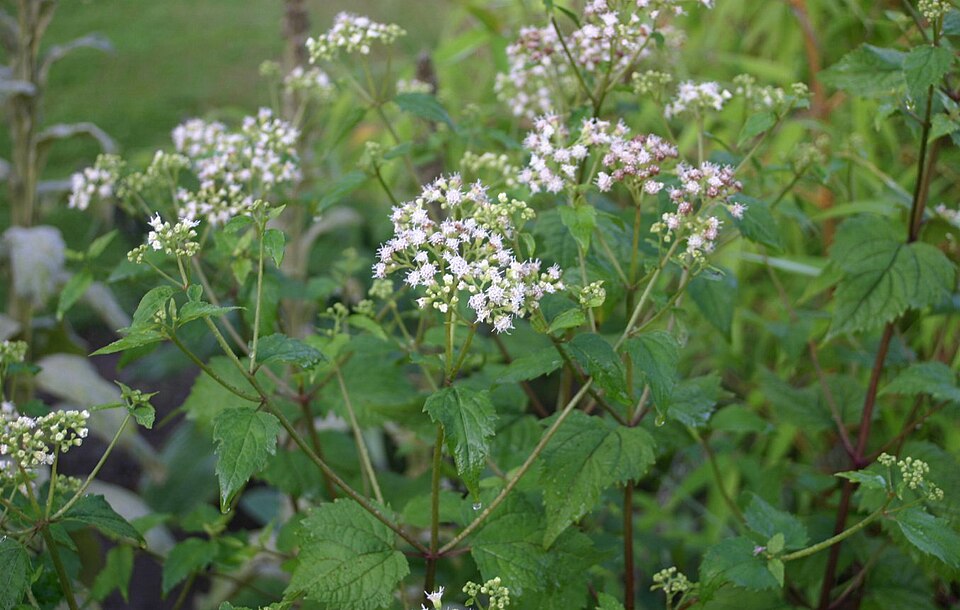
- White SnakerootAgeratina altissima
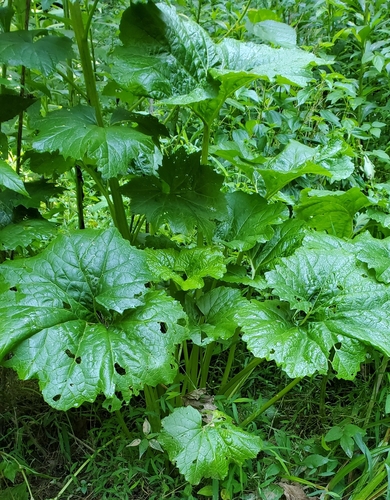
- Great Indian-plantainArnoglossum reniforme
- Giant CaneArundinaria gigantea
- Common Blue CohoshCaulophyllum thalictroides
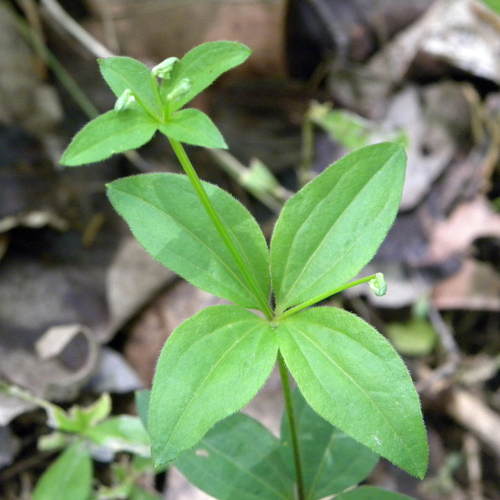
- Licorice BedstrawGalium circaezans
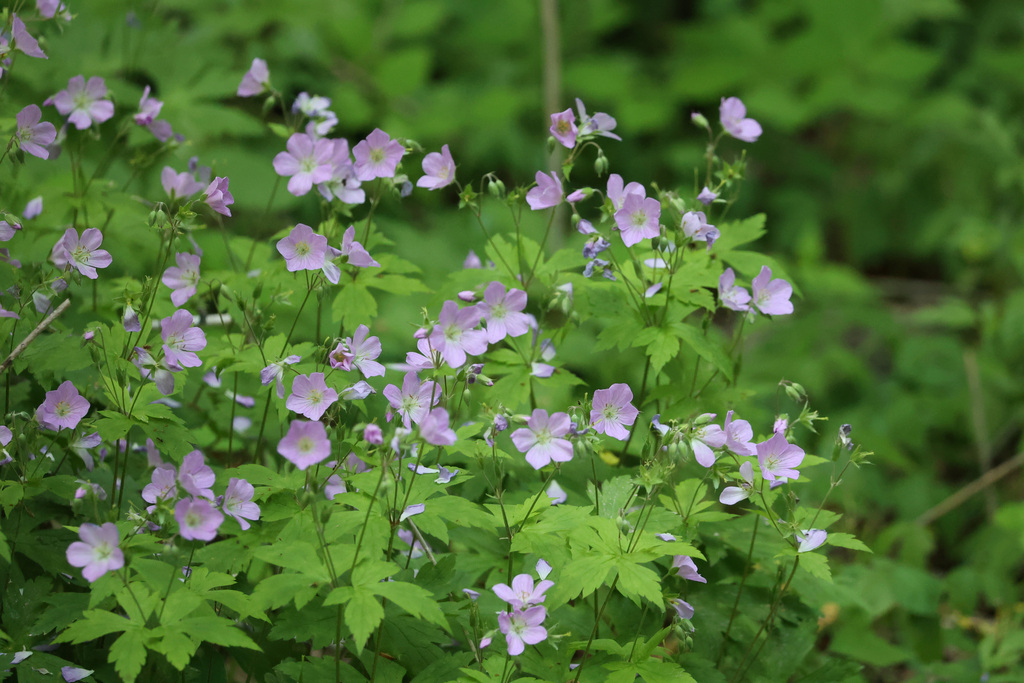
- Wild GeraniumGeranium maculatum
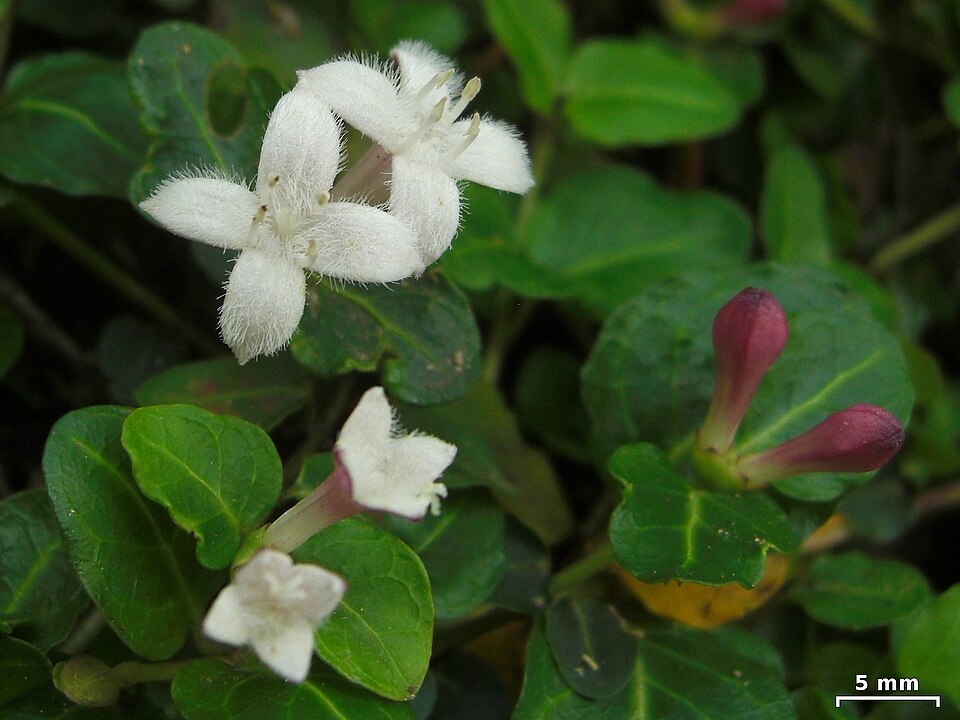
- Partridge-berryMitchella repens
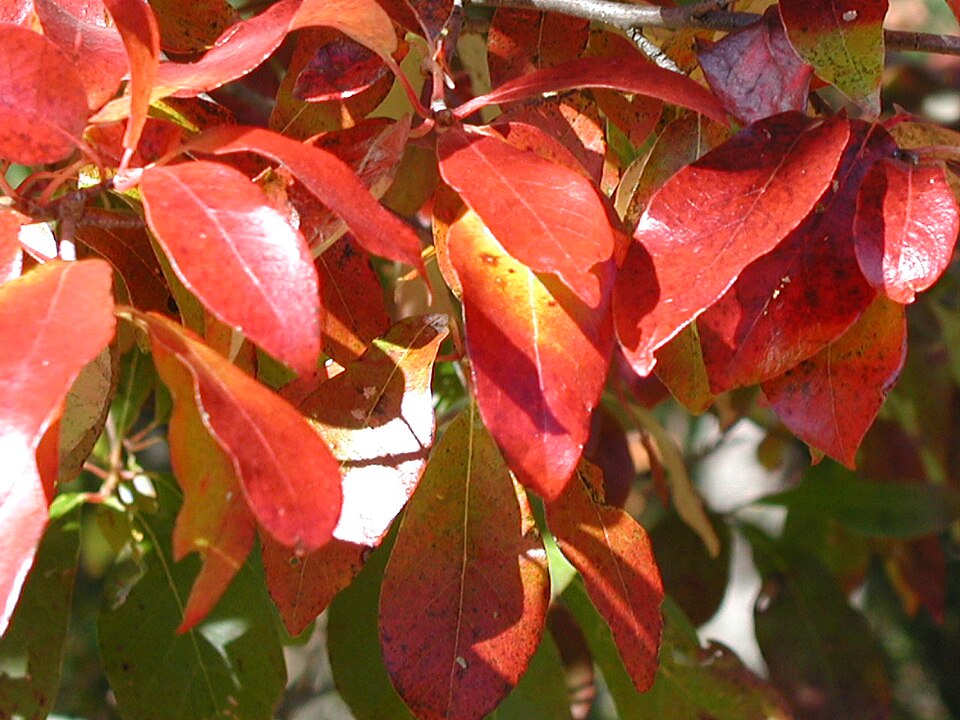
- BlackgumNyssa sylvatica
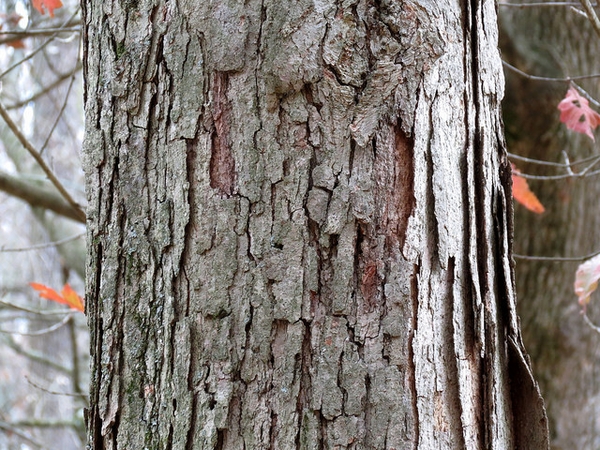
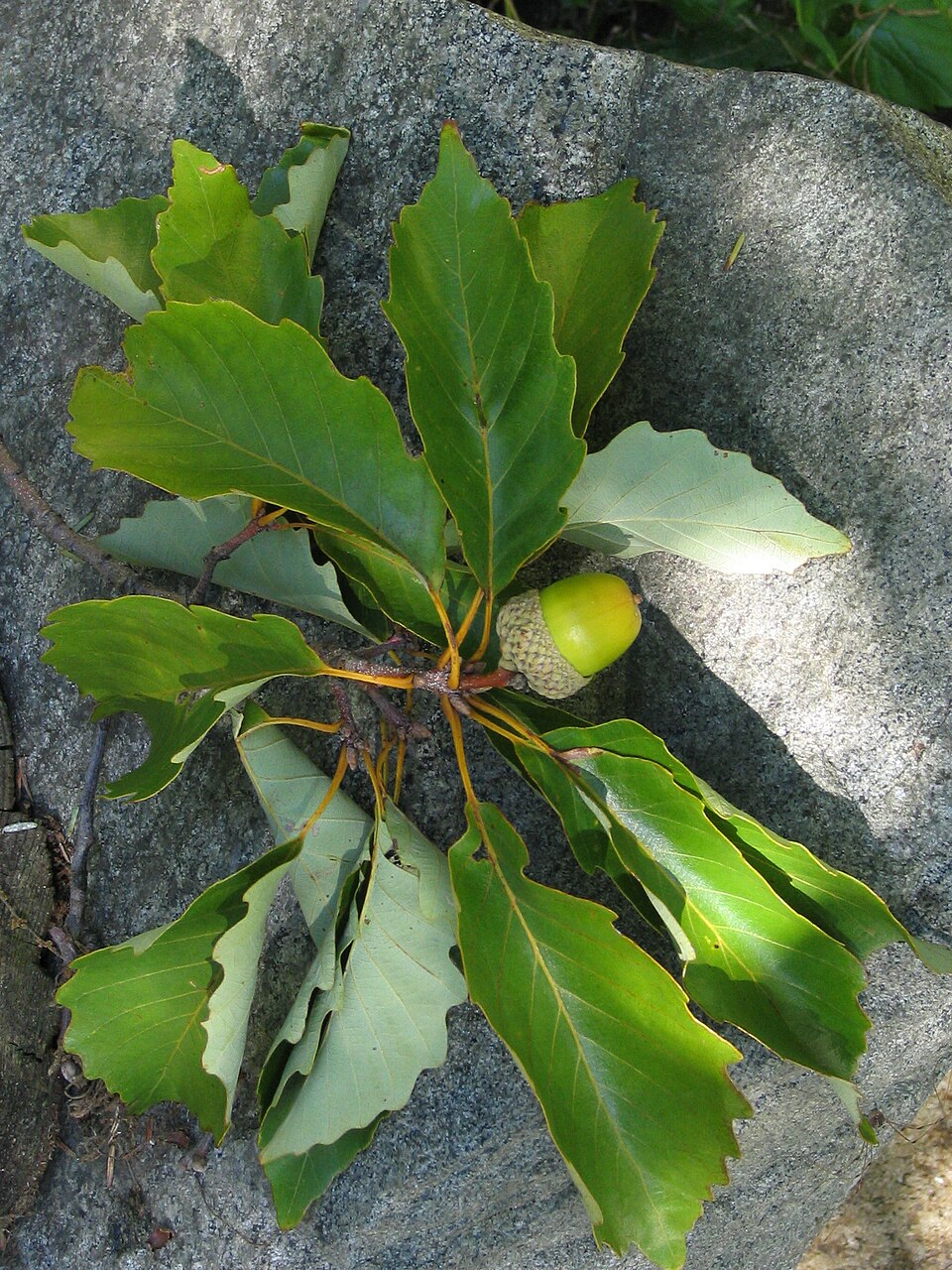
- Swamp Chestnut OakQuercus michauxii
- Chestnut OakQuercus montana
- Rock SkullcapScutellaria saxatilis
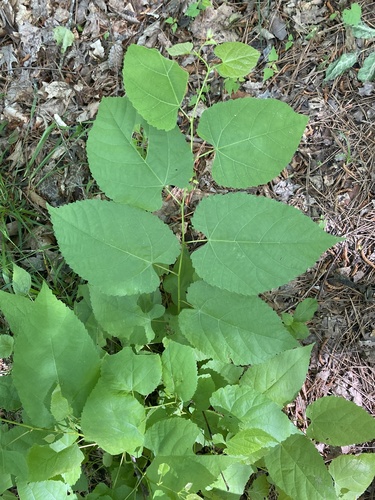
- American Basswood; American LindenTilia americana var. heterophylla
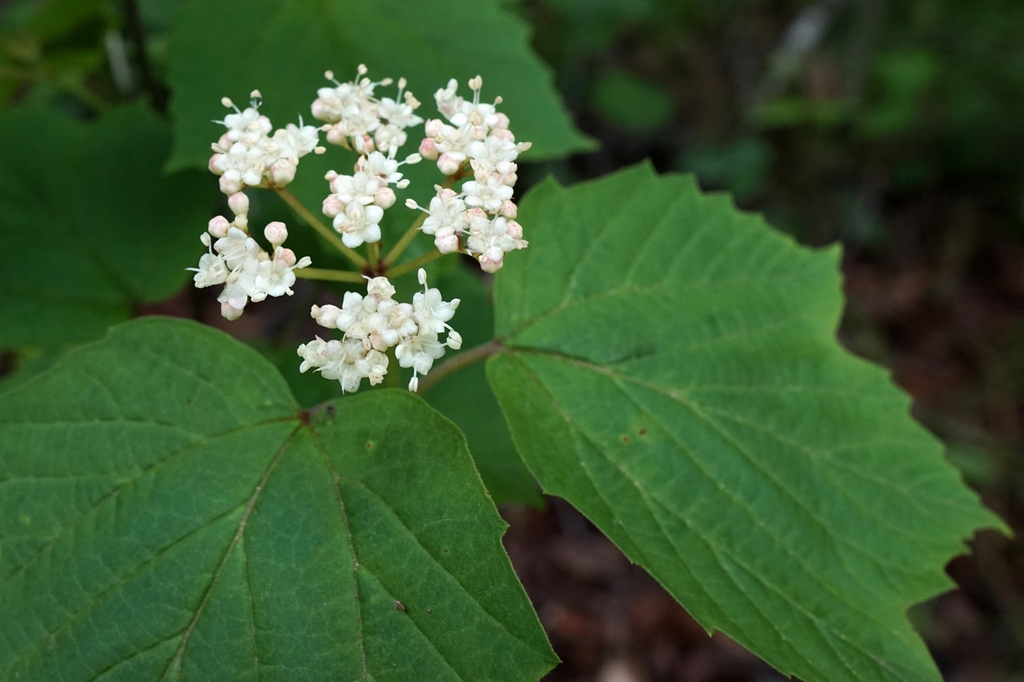
- Mapleleaf ViburnumViburnum acerifolium
- Florida MapleAcer floridanum
Wildlife 233
Other animals whose habitat models include the same habitats in Virginia. Not sighting records.
- American CrowCorvus brachyrhynchos
- American GoldfinchCarduelis tristis
- American RobinTurdus migratorius
- Belted KingfisherMegaceryle alcyon
- Black-and-White WarblerMniotilta varia
- Blue-gray GnatcatcherPolioptila caerulea
- Carolina WrenThryothorus ludovicianus
- Cedar WaxwingBombycilla cedrorum
- Common GrackleQuiscalus quiscula
- Common NighthawkChordeiles minor
- Common YellowthroatGeothlypis trichas
- Cooper's HawkAccipiter cooperii
- Eastern KingbirdTyrannus tyrannus
- Eastern TowheePipilo erythrophthalmus
- European StarlingSturnus vulgaris
- Gray CatbirdDumetella carolinensis
- Great Crested FlycatcherMyiarchus crinitus
- Great Horned OwlBubo virginianus
- Northern CardinalCardinalis cardinalis
- Red-tailed HawkButeo jamaicensis
- Ruby-throated HummingbirdArchilochus colubris
- Sharp-shinned HawkAccipiter striatus
- Turkey VultureCathartes aura
- Yellow-billed CuckooCoccyzus americanus

























NatureServe Explorer, CC BY 4.0. USGS Gap Analysis Project habitat models.
Sources
- USGS Gap Analysis Project habitat models (2001)
- USGS GAP winter habitat model for American Redstart Elevation up to 1,200 m
- USGS Gap Analysis Project range maps (2001), modeled by watershed; migratory gives no dates
- NatureServe Explorer (CC BY 4.0), habitat names
- US Census TIGER/Line counties
- Names follow the USGS Gap Analysis Project (2001)