

Broadleaf Cattail
Typha latifolia
Found in fresh waters of ponds, lakes, ditches, marshes, including in tidal freshwater marshes. Weakley, Flora of the Southeastern United States (2025), Northern Tier edition What its natural habitat tells you
Native to Virginia. How scores work Is it native here?
Profile 94%
- Height
- 5–10 feet
- Spread
- 4–6 feet
- Light
- Full sun, Partial shade
- Soil moisture
- Moist to standing water
Space about 5 ft apart from its recorded spread, about 4 per 100 sq ft. Enter your bed size for a count
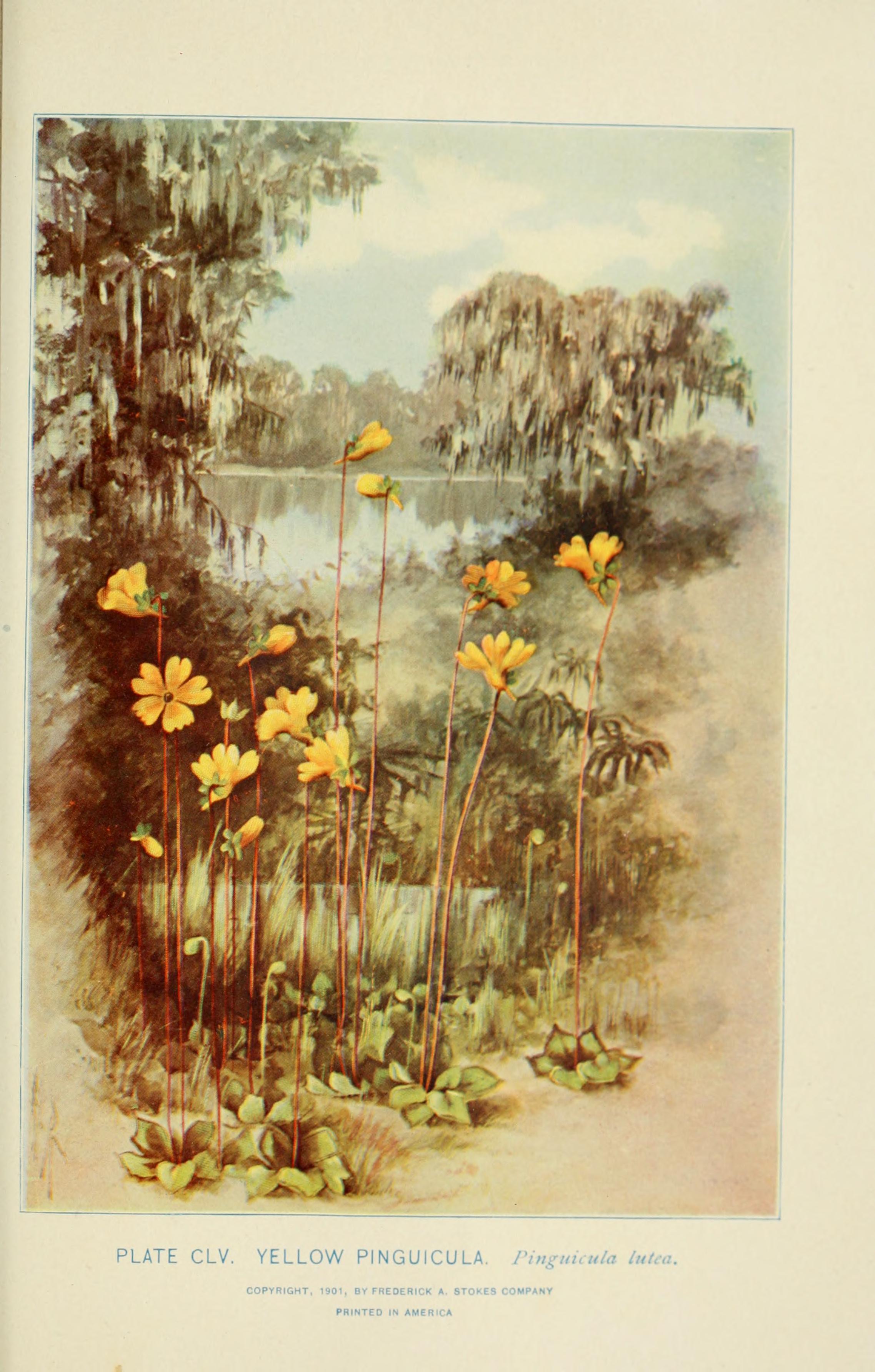
Will it fit your yard?No photograph yet. Looking for an old drawing…
At a glance
- Life cycle
- Perennial
- Bloom
- Late spring
- Fruiting season
- June to November
Not yet recorded · Leaves
Recorded in 101 Virginia counties.
Natural habitats
Places it grows wild. Not a planting requirement. Each habitat page lists the plants and wildlife also found there.
Roadsides, fields and disturbed ground
Ground opened by people: roadsides, old fields, pastures, fencerows and lots.
Open, herb-covered wetlands with fresh, non-tidal water.
Marshes along tidal rivers where the water is fresh but rises and falls with the tide.
Also found with this plant
Wildlife whose habitat models include habitats this plant grows in, in Virginia. Shared habitat, not food. 155 animals.
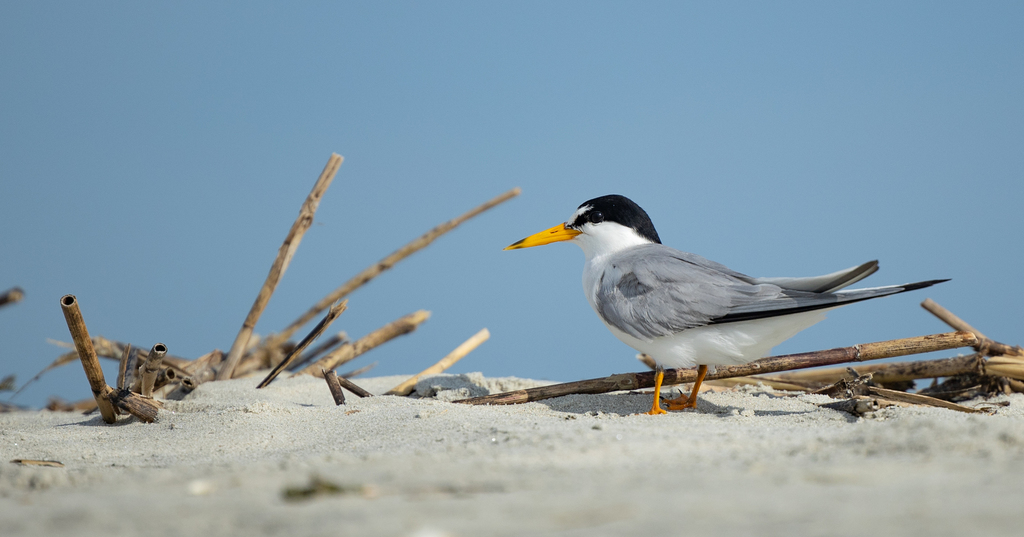
- Least TernSternula antillarum
- Lesser ScaupAythya affinis
- Lincoln's SparrowMelospiza lincolnii
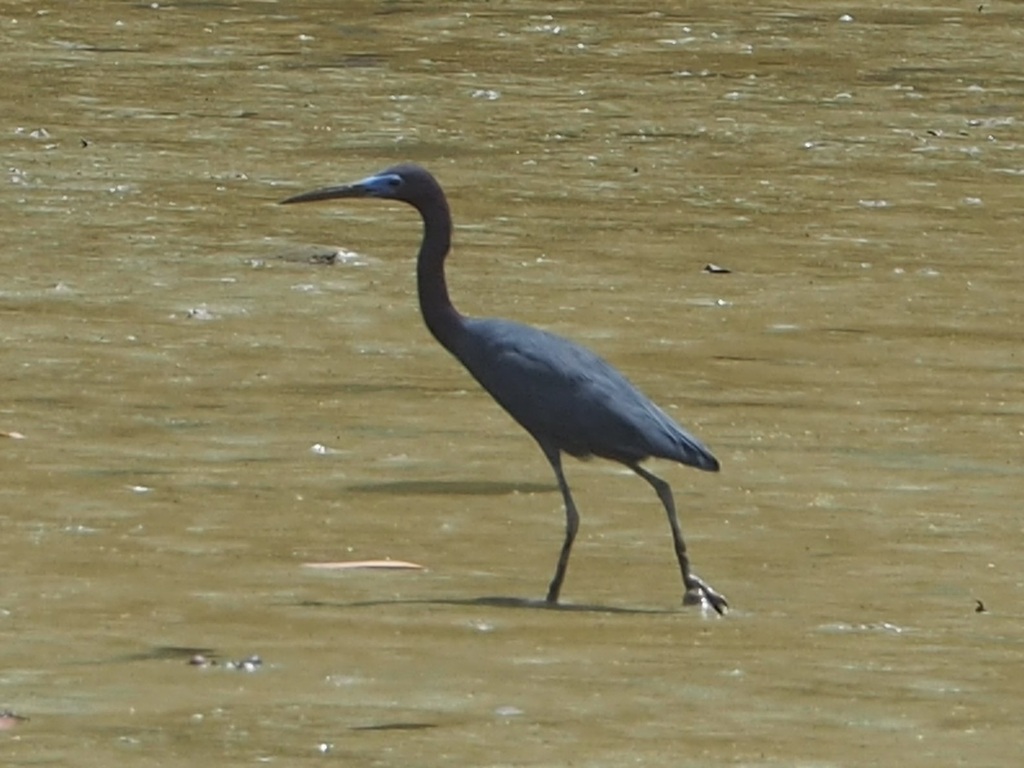
- Little Blue HeronEgretta caerulea
- Louisiana WaterthrushSeiurus motacilla
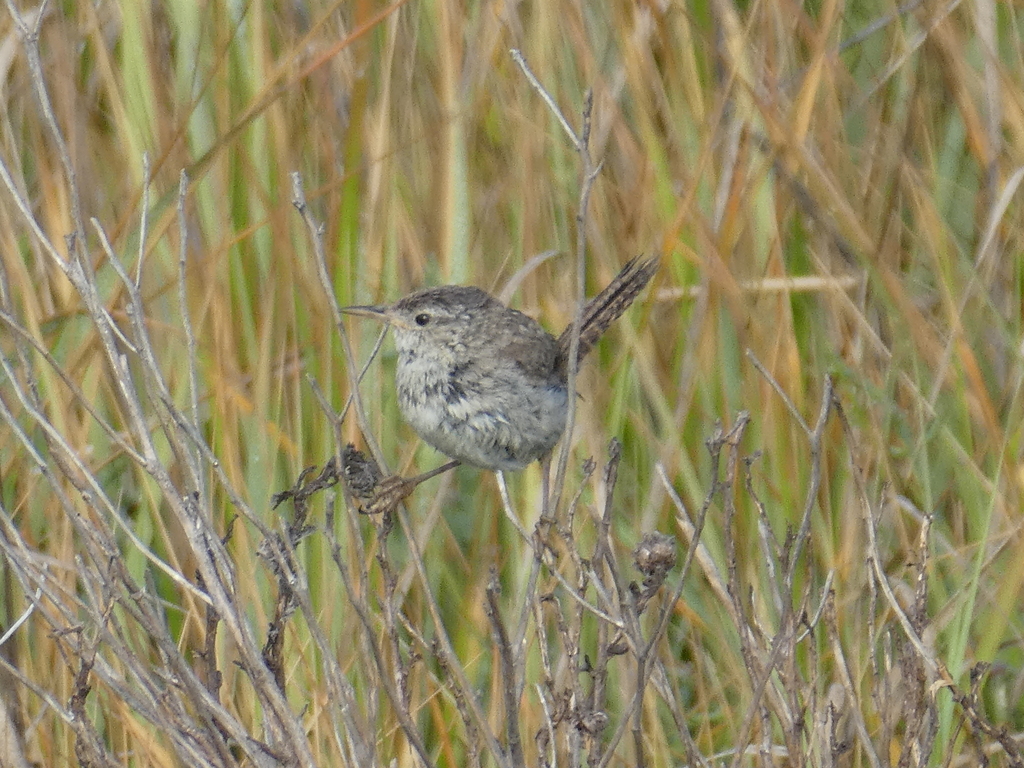
- Marsh WrenCistothorus palustris
- MerlinFalco columbarius
- Mourning DoveZenaida macroura
- Northern CardinalCardinalis cardinalis
- Northern FlickerColaptes auratus
- Northern ParulaParula americana
- Northern PintailAnas acuta
- Northern Saw-whet OwlAegolius acadicus
- Northern ShovelerAnas clypeata
- Orange-crowned WarblerVermivora celata
- Palm WarblerDendroica palmarum
- Peregrine FalconFalco peregrinus
- Pied-billed GrebePodilymbus podiceps
- Pine SiskinCarduelis pinus
- Piping PloverCharadrius melodus
- Prothonotary WarblerProtonotaria citrea
- Purple FinchCarpodacus purpureus
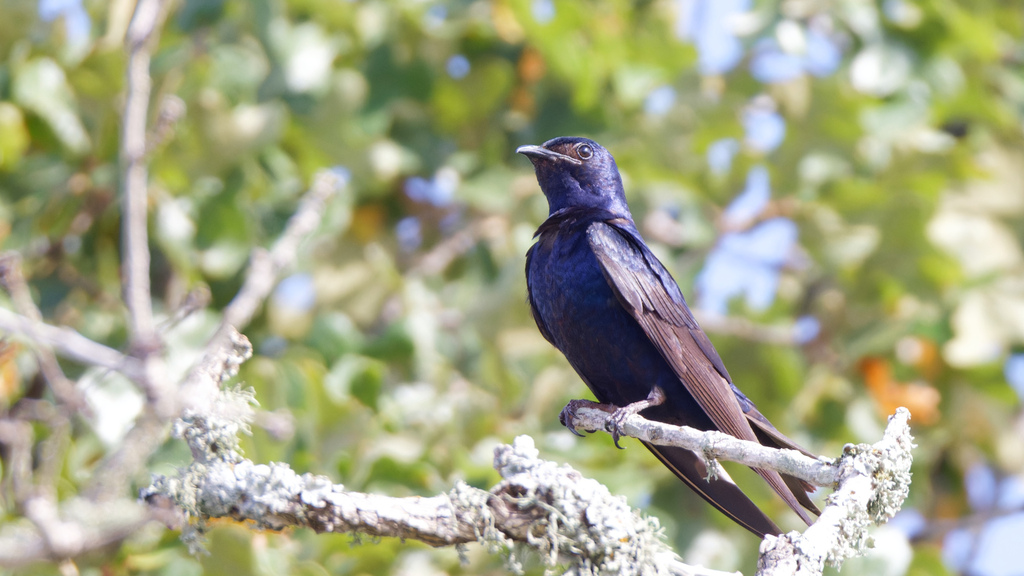
- Purple MartinProgne subis
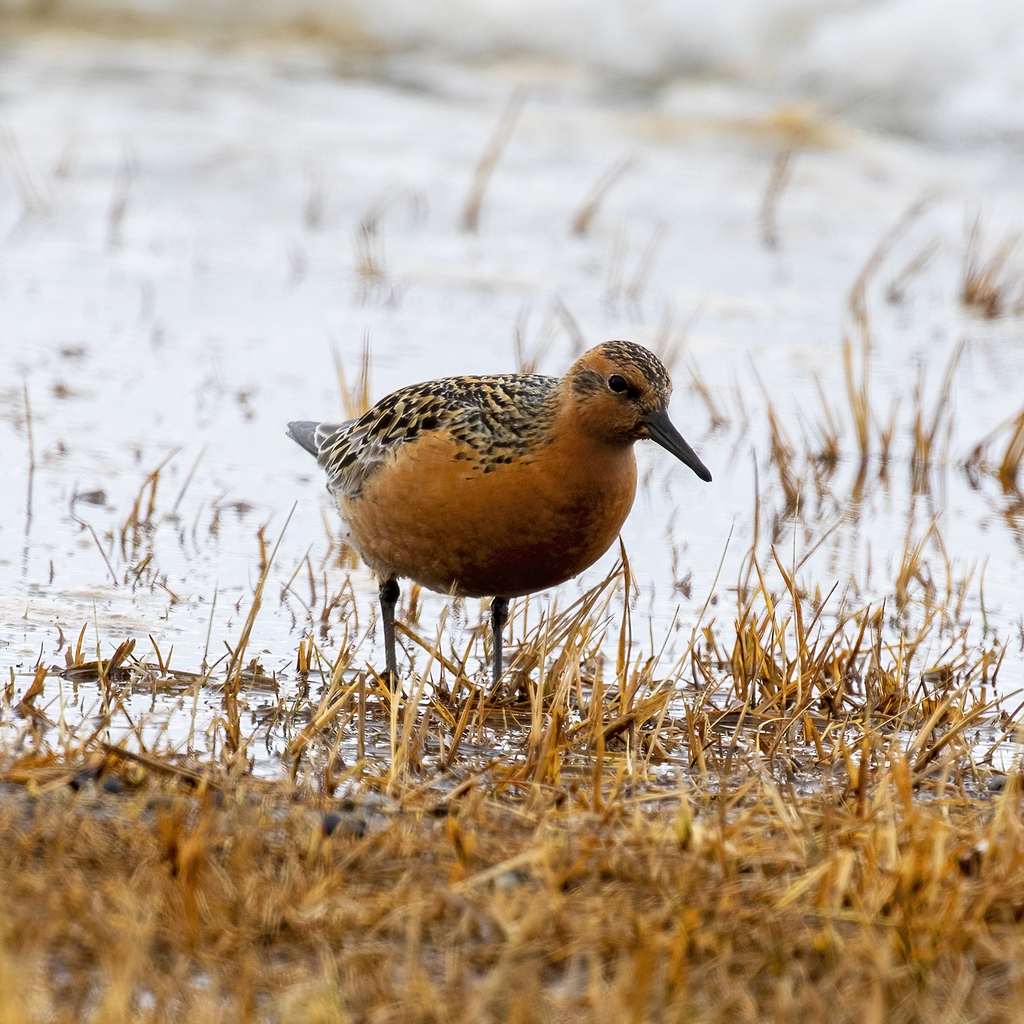
- Red KnotCalidris canutus



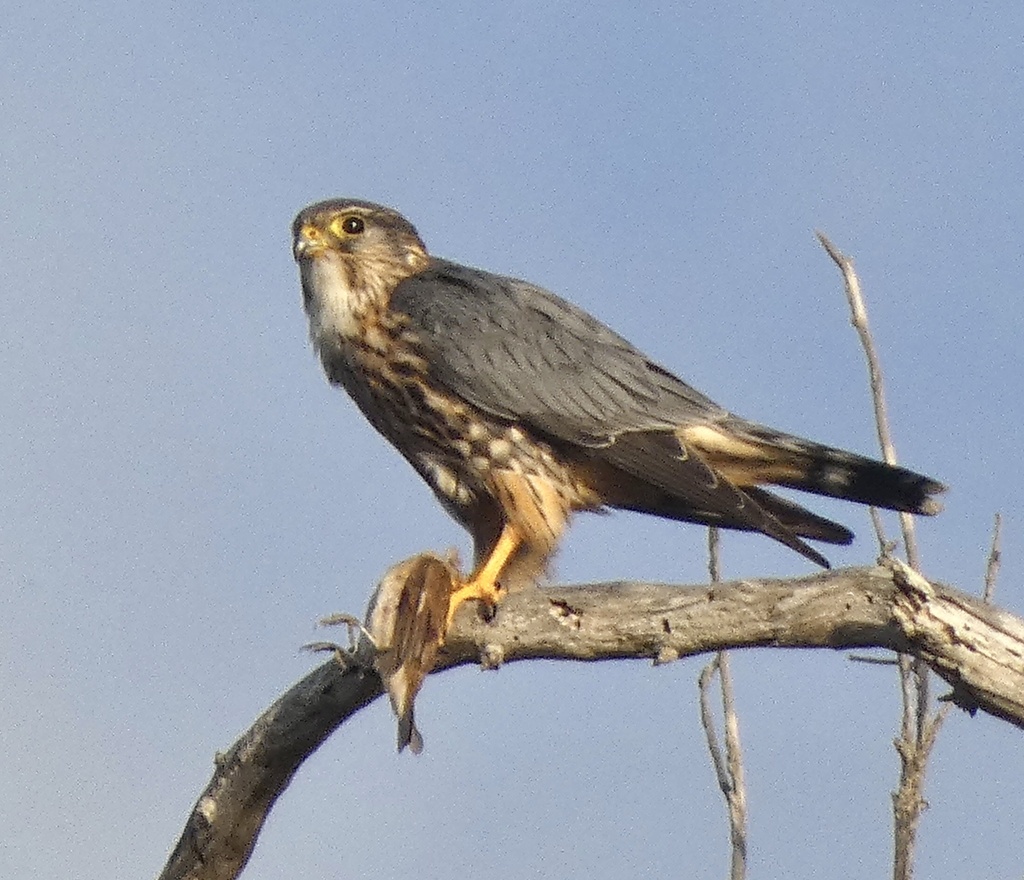




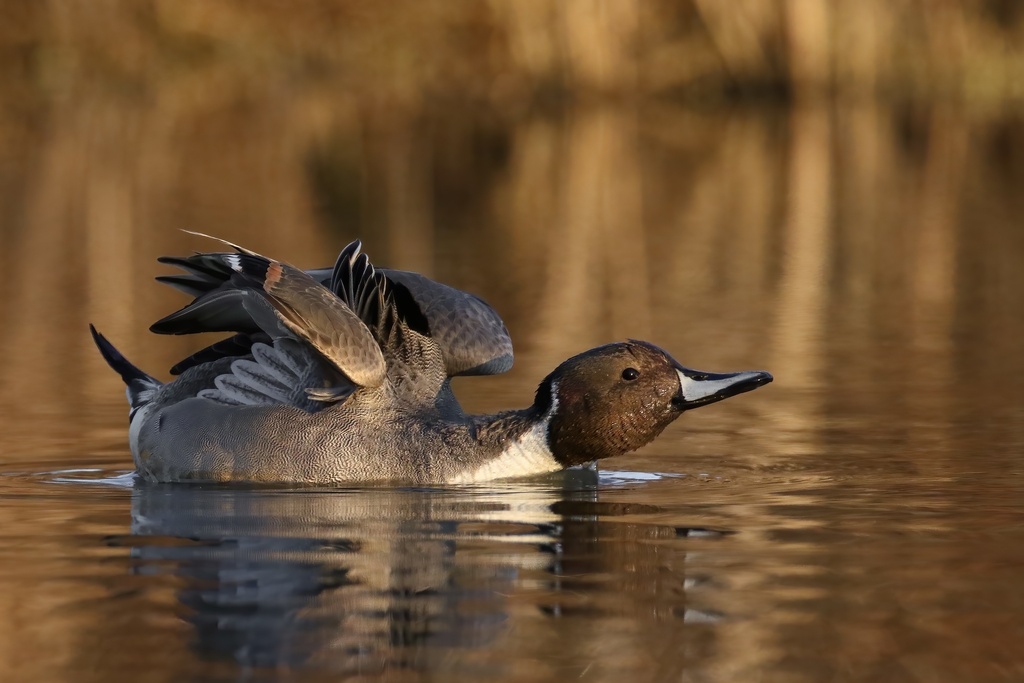

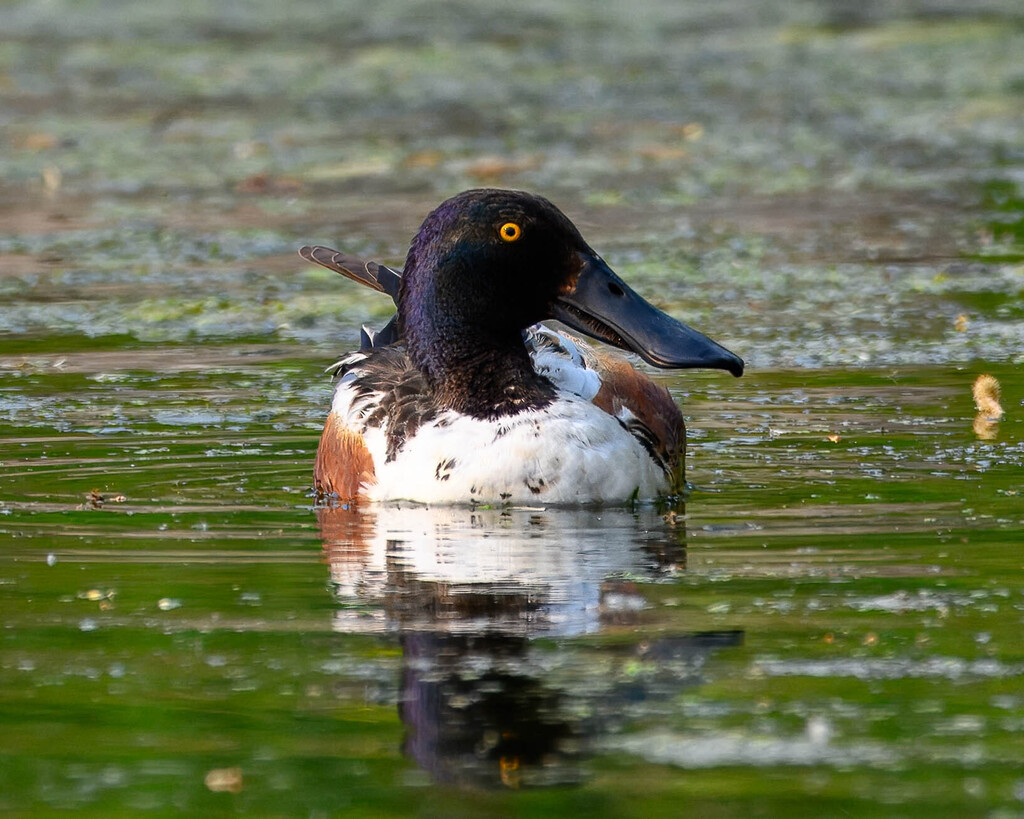

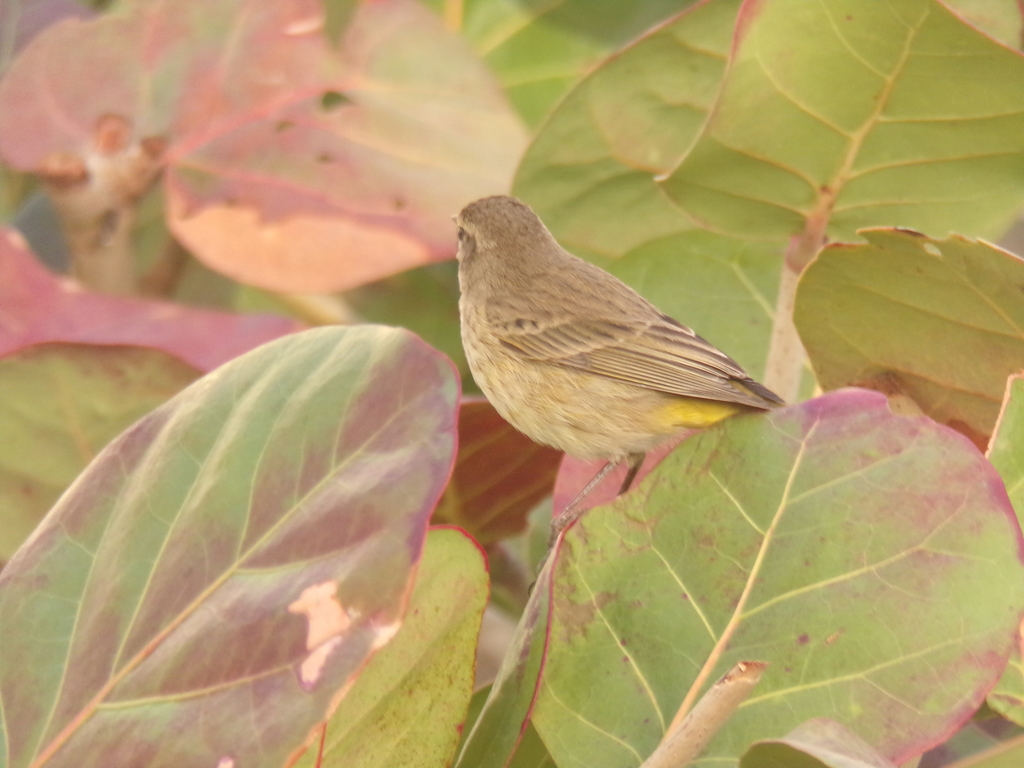
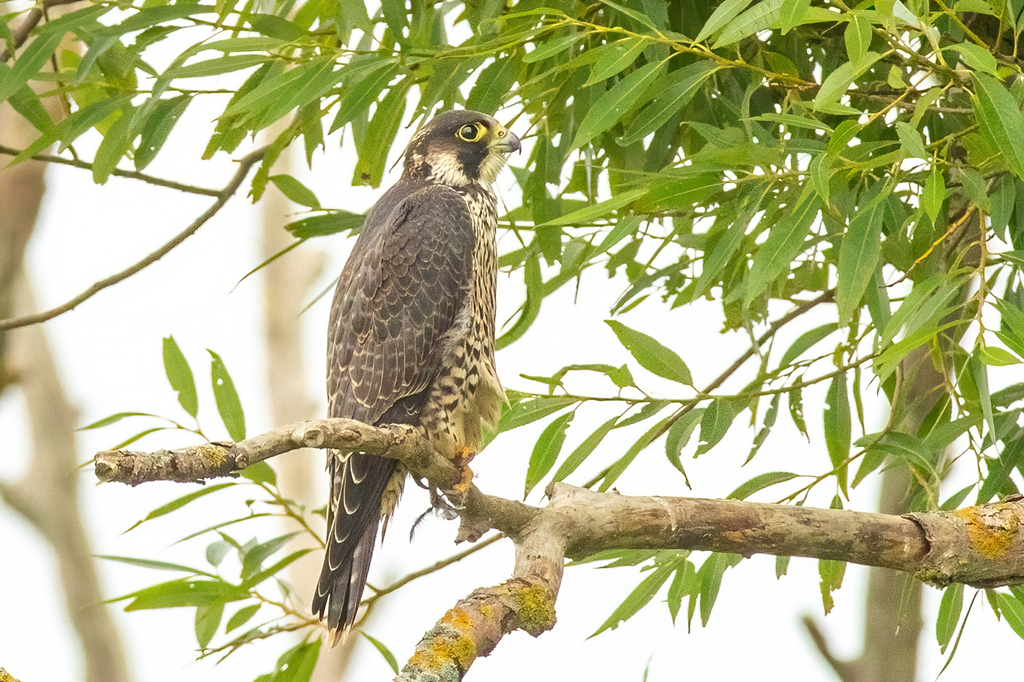
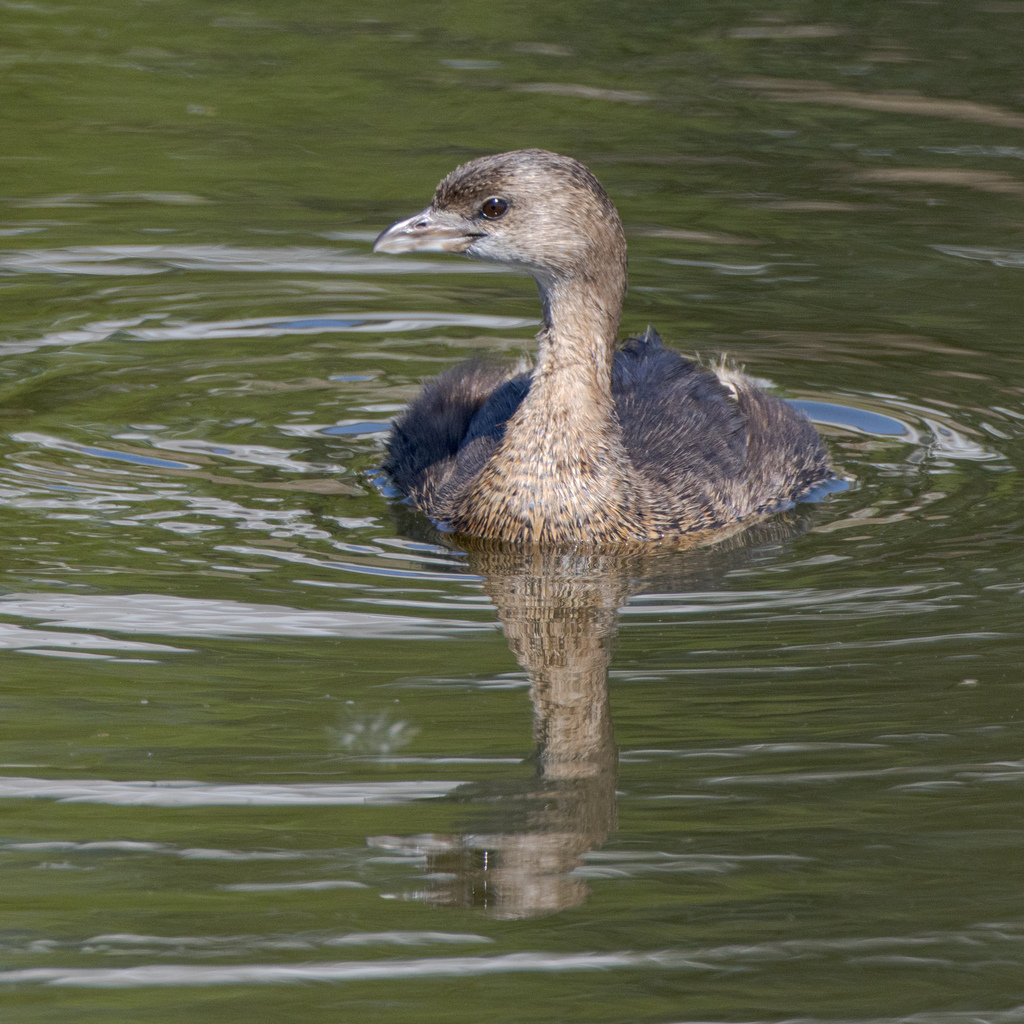

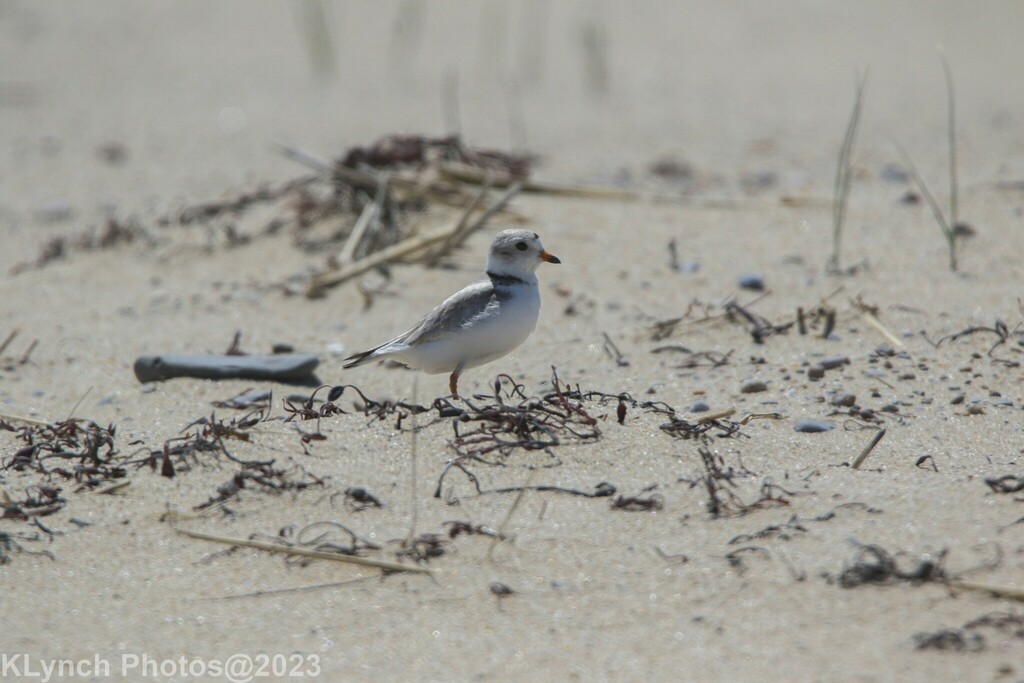
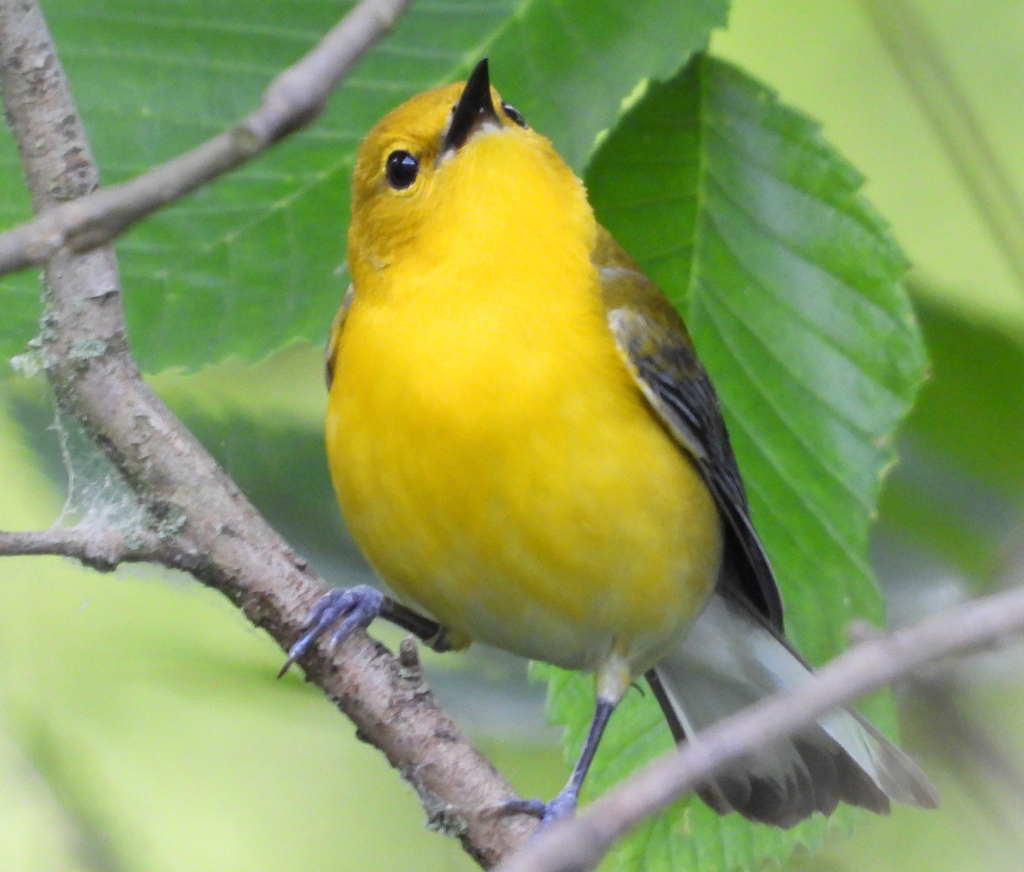

Who uses this plant?
 19CaterpillarsGenus host records with ranges including VA
Genus host records with ranges including VA · Typha
- Acronicta insularisHenry's Marsh Moth, Cattail Caterpillar
- Acronicta oblinitaSmeared Dagger
- Bellura densaPickerel Weed Border Moth, Pickerelweed Diver
- Bellura gortynoidesWhite-Tailed Diver
- Bellura obliquaCattail Border Moth, Cattail Diver
- Choristoneura obsoletanaObsolete Leafroller
- Choristoneura rosaceanaOblique-Banded Leafroller Moth, Rosaceous Leaf Roller
- Dicymolomia julianalisJulia's Dicymolomia
- Endothenia hebesanaVerbena Bud Moth
- Epiblema otiosanaBidens Borer Moth
Show all 19
- Globia oblongaOblong Sedge Borer Moth, Large Noagria
- Globia subflavaYellow Sedge Borer, Yellowish Nonagria, Subflava Sedge Borer
- Leucania pseudargyriaFalse Wainscot
- Limnaecia phragmitellaShy Cosmet, Cattail Moth
- Orthosia rubescensRuby Quaker
- Papaipema nebrisStalk Borer
- Bactra maiorina
- Bellura brehmei
- Chionodes rabula
 1BeesSoutheastern regional records
Southeastern regional records · Typha
Individual names are not available yet.
Noori, Seltmann & Orr 2026, A curated and integrated dataset for exploring global bee-plant interactions (GloBI), Zenodo, CC BY 4.0 0Specialist beesPollen specialists
 3BirdsRecorded genus food-resource interactions; not a state feeding claim
Recorded genus food-resource interactions; not a state feeding claim · Typha
- Fulica americanaAmerican Coot
- Gallinula galeataCommon Gallinule
- Mareca americanaAmerican Wigeon
Direct food only: birds recorded eating this genus across North America. Caterpillars on host plants also feed nesting birds. NC Native Plant Society: butterfly gardening
No records yet · Ants · Beetles · Flies · Adult butterflies / moths · Other wasps · Other insects
Plant details
- Family
- Typhaceae
- Hardiness
- Zones 3a–10b
- Flower color
- Brown/copper or yellow
- Growth rate
- Rapid
- Growth habit
- Spreads by rhizomes
- Foliage color
- Green
- Fruit begins
- June
- Fruit ends
- November
Safety has not been reviewed for this plant; check toxicity and thorns before planting.
Growing sources and scope
- Bloom · “Late spring” · USDA PLANTS · Nationwide species characteristics; local growing conditions may vary
- Flower color · “Brown/copper or yellow” · NC Extension Plant Toolbox (ranked first; USDA PLANTS differs)
- Foliage color · “Green” · USDA PLANTS · Nationwide species characteristics; local growing conditions may vary
- Fruit begins · “June” · Weakley, Flora of the Southeastern United States (2025), Carolinas & Georgia edition (ranked first; USDA PLANTS differs) · Carolinas and Georgia
- Fruit ends · “November” · Weakley, Flora of the Southeastern United States (2025), Carolinas & Georgia edition (ranked first; USDA PLANTS differs) · Carolinas and Georgia
- Growth habit · “Spreads by rhizomes” · USDA PLANTS · Nationwide species characteristics; local growing conditions may vary
- Growth rate · “Rapid” · USDA PLANTS · Nationwide species characteristics; local growing conditions may vary
- Hardiness · “Zones 3a–10b” · NC Extension Plant Toolbox
- Height · “5–10 feet” · NC Extension Plant Toolbox (ranked first; Tennessee Smart Yards, USDA PLANTS, Minnesota Wildflowers differ)
- Life cycle · “Perennial” · NC Extension Plant Toolbox
- Light · “Full sun (6 or more hours of direct sunlight a day); Partial shade (direct sunlight only part of the day, 2-6 hours)” · NC Extension Plant Toolbox (ranked first; Tennessee Smart Yards, Virginia DCR Piedmont, Virginia DCR Coastal Plain differ)
- Soil · “Frequent standing water; Moist; Occasionally wet” · NC Extension Plant Toolbox (ranked first; Tennessee Smart Yards, Virginia DCR Piedmont, Virginia DCR Coastal Plain differ)
- Spread · “4–6 feet” · NC Extension Plant Toolbox
Also known as
Broad Leaf Cat Tail; Common Cat Tail
Conservation status
| Virginia rank | S5 |
|---|---|
| Global rank | G5 |
| VA status | Not verified |
| Federal status | Not verified |
Will it fit your yard?
Check this plant against your county, sun and soil moisture. Conditions are checked in your browser.
Growing cautions
- Spreads aggressively. Spreads aggressively by creeping rhizomes to form dense colonies and may self seed. Tennessee Smart Yards
For planning only; these do not change the score or Fit.
Sources
- Digital Atlas of the Virginia Flora
- USDA PLANTS
- Vascular Plants of North Carolina (NC Natural Heritage Program)
- Weakley, Flora of the Southeastern United States (2025)
- NatureServe Explorer
- Shropshire & Tallamy 2025, Lepidoptera of North America north of Mexico, ZooKeys 1261 (ODbL)
- Noori, Seltmann & Orr 2026, A curated and integrated dataset for exploring global bee-plant interactions (GloBI), Zenodo, CC BY 4.0
- Smith, Bachelder, Russell, Morales, Mosher & Seltmann 2024, Bee-Specialization-Modeling v0.6.1 (specialist host table compiled from J. Fowler's pollen specialist bee lists), Zenodo, CC BY 4.0
- Hurlbert, Olsen, Sawyer & Winner 2021, Avian Diet Database, Scientific Data 8: 260 (CC0)
- Narango, Tallamy & Shropshire 2020, Few keystone plant genera support the majority of Lepidoptera species, Nature Communications