

Creeping Rush
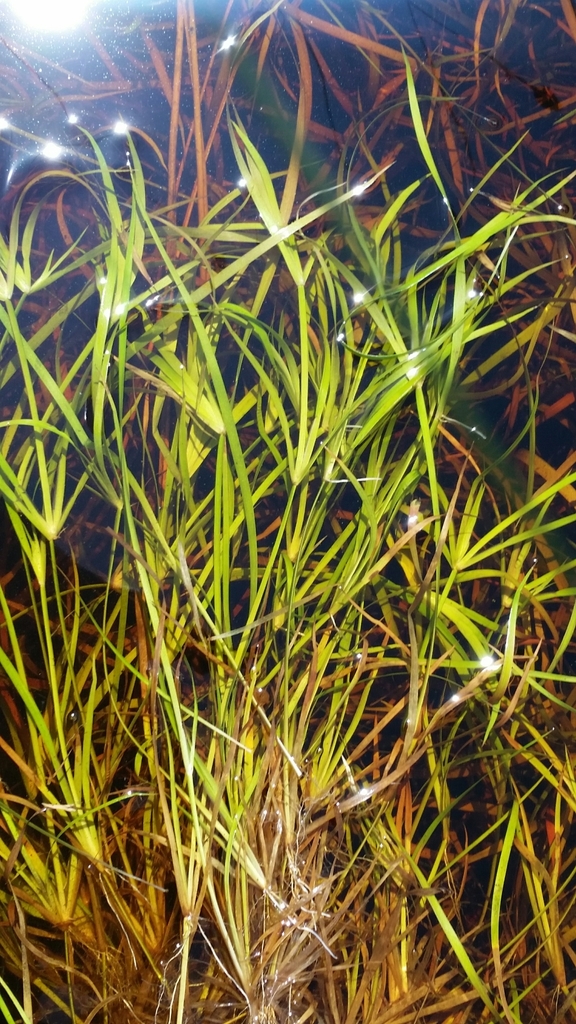
Juncus repens
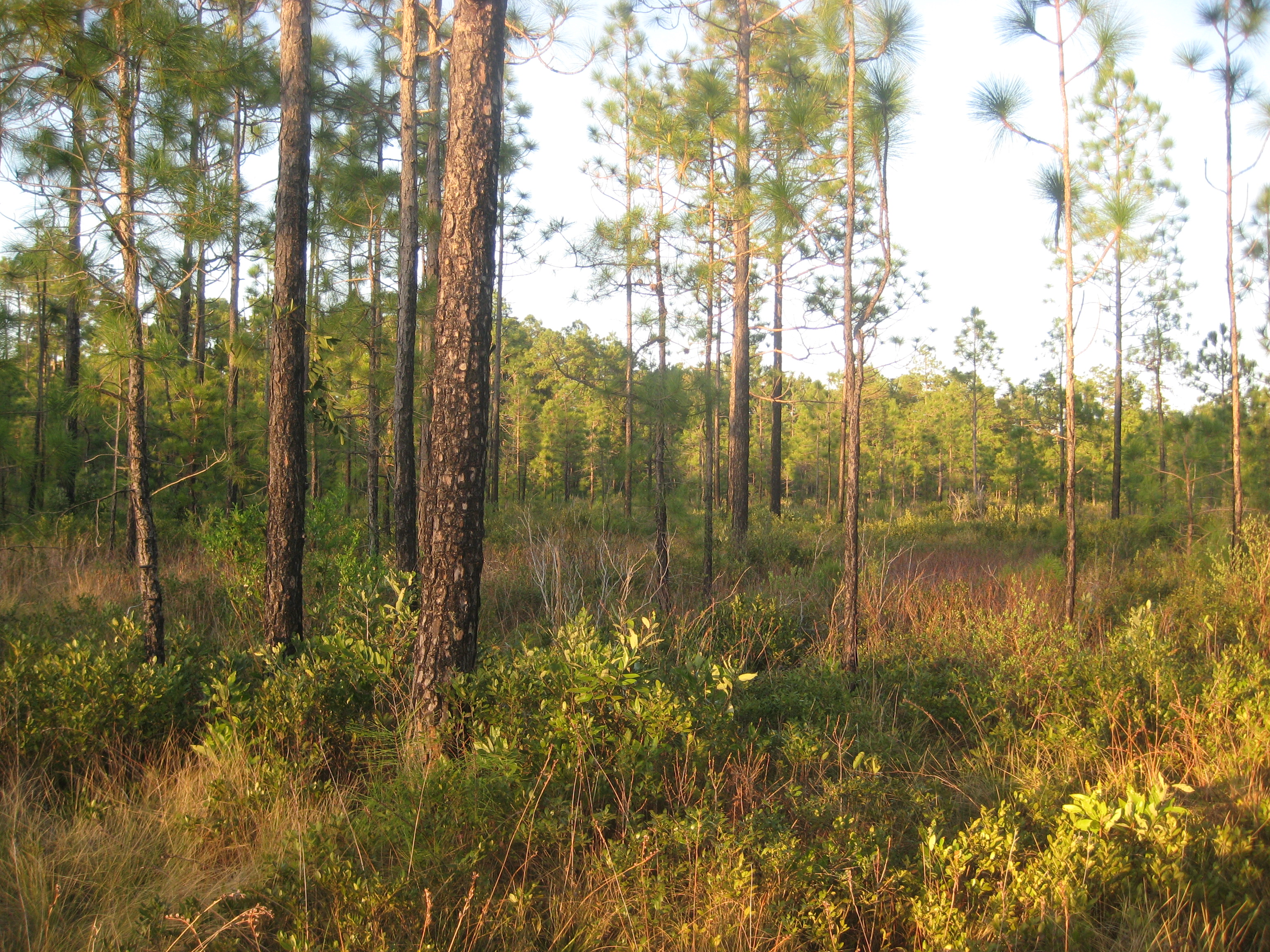
Found in streams, ponds, lakes, ditches, wet depressions in flatwoods, cypress savannas. FloraQuest, phone app (app page) What its natural habitat tells you
Native to Virginia. How scores work Is it native here?
Profile 100%
- Height
- About 6.8 feet
- Light
- Partial shade, Full shade, Full sun
- Soil moisture
- Wet to standing water
At a glance
- Bloom
- June to October
- Fruiting season
- Summer to fall
Not yet recorded · Spread · Life cycle · Leaves
Recorded in 27 Virginia counties.
Natural habitats
Places it grows wild. Not a planting requirement. Each habitat page lists the plants and wildlife also found there.
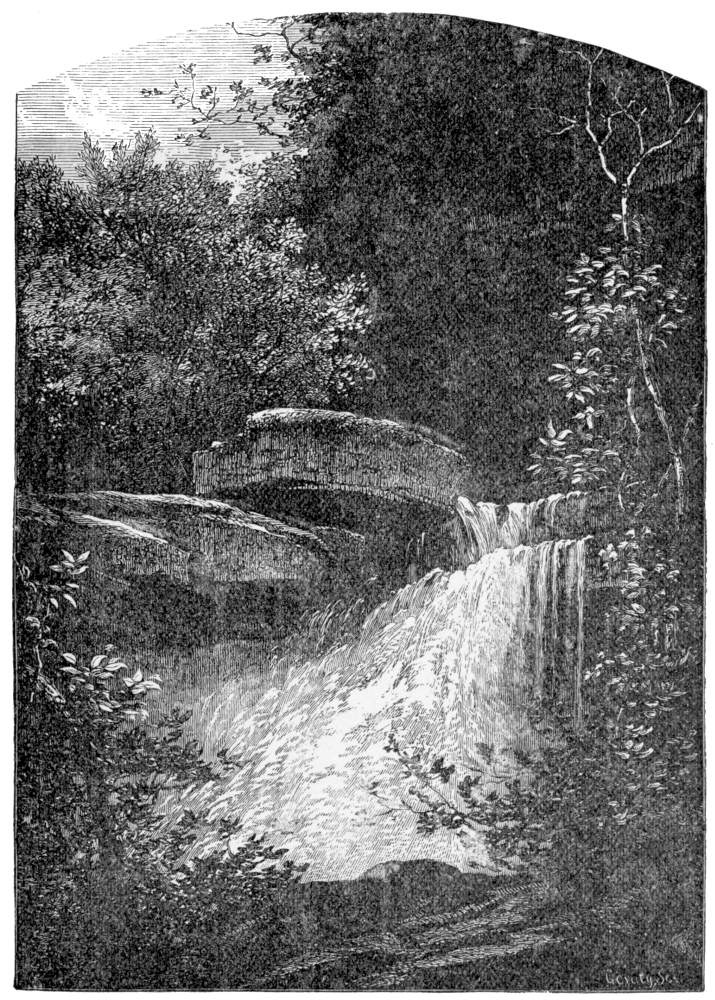
Streams, rivers and their banks
Roadsides, fields and disturbed ground
Ground opened by people: roadsides, old fields, pastures, fencerows and lots.
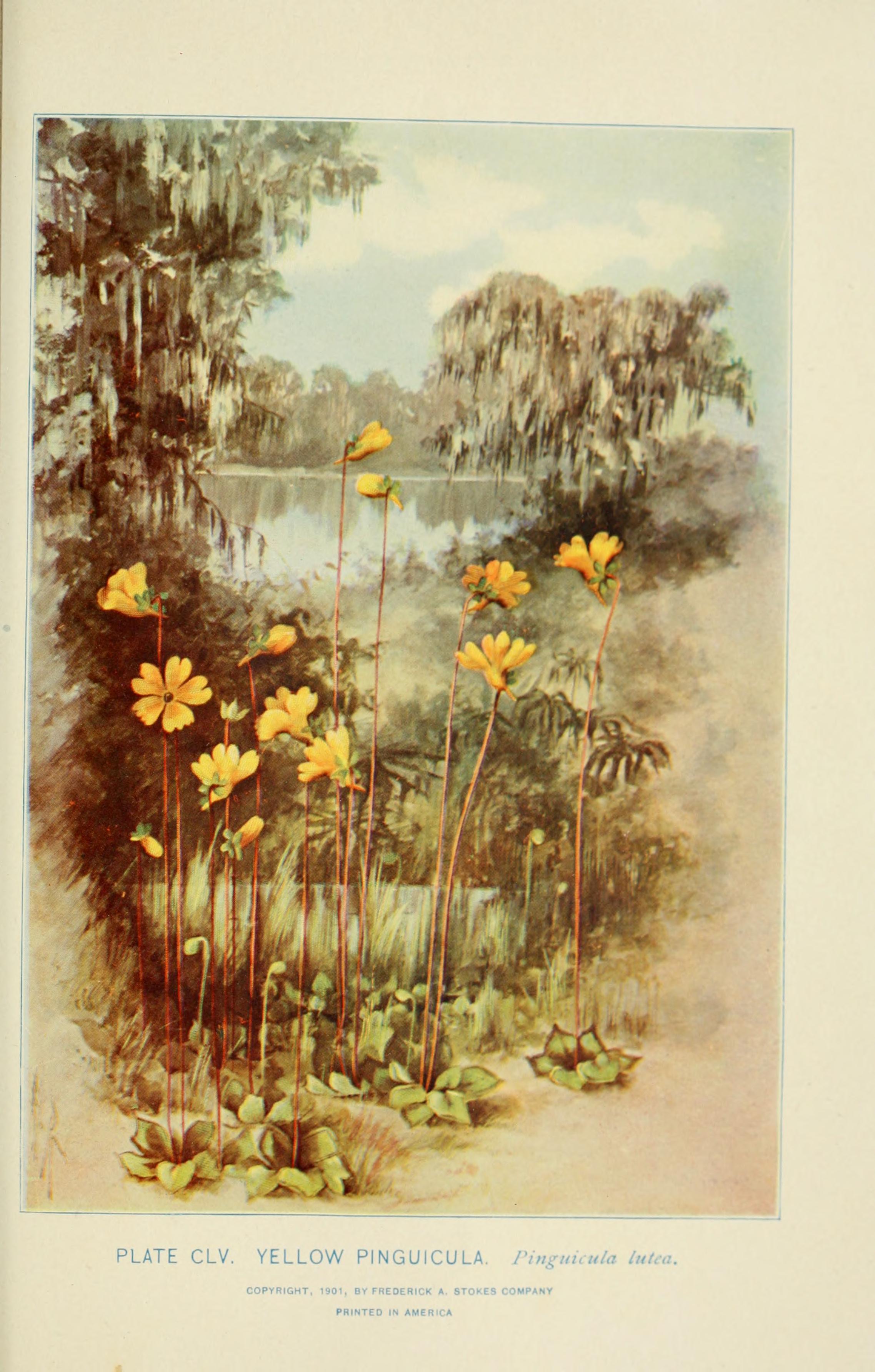
Depression ponds and limesinks
Shallow ponds in Coastal Plain depressions, such as limesinks and the ponds in some Carolina bays, that rise and fall with the seasons.
Also found with this plant
Wildlife whose habitat models include habitats this plant grows in, in Virginia. Shared habitat, not food. 106 animals.
- Lapland LongspurCalcarius lapponicus
- Least BitternIxobrychus exilis
- Least SandpiperCalidris minutilla
- Lesser Black-backed GullLarus fuscus
- Lesser ScaupAythya affinis
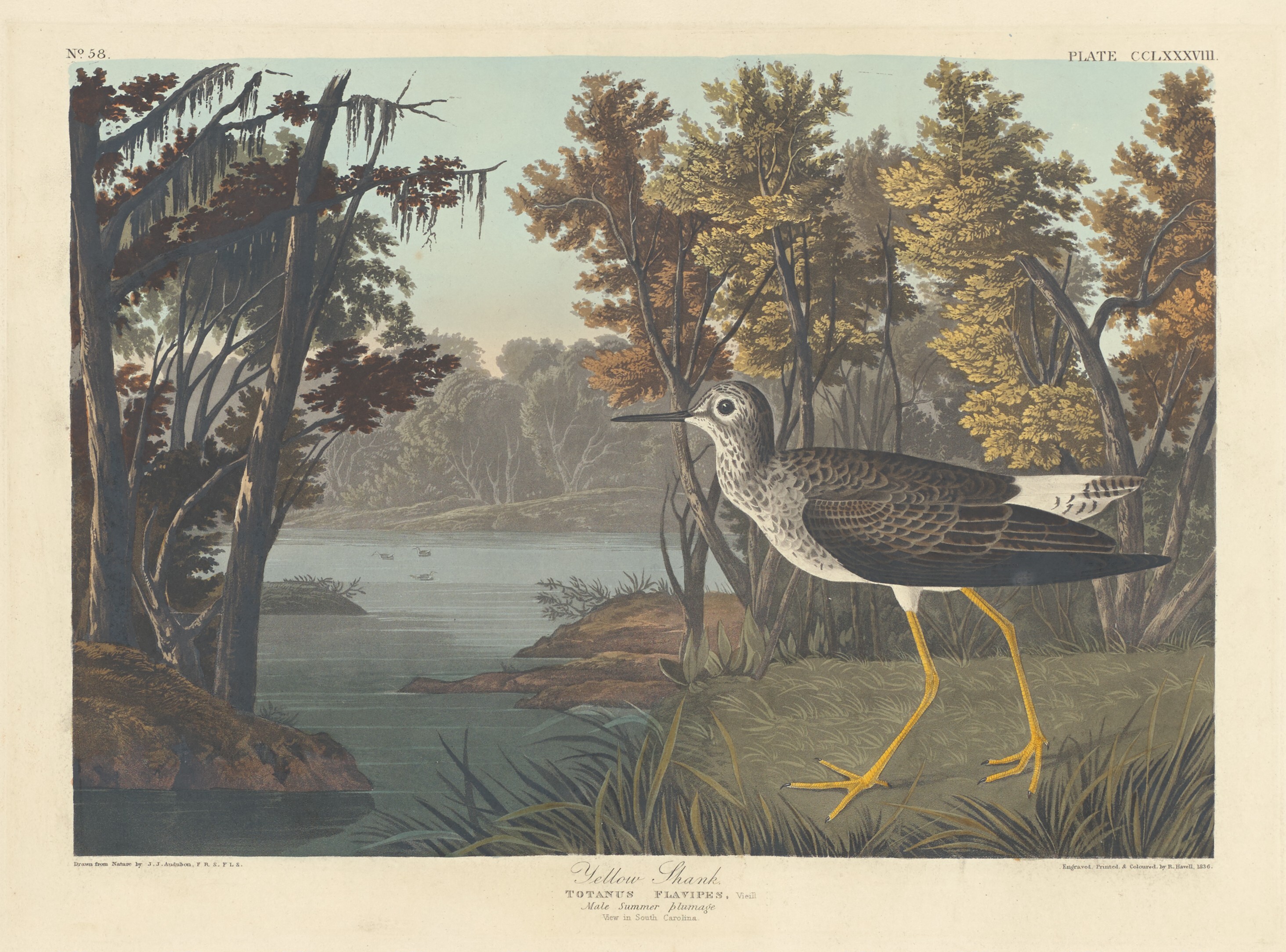
- Lesser YellowlegsTringa flavipes
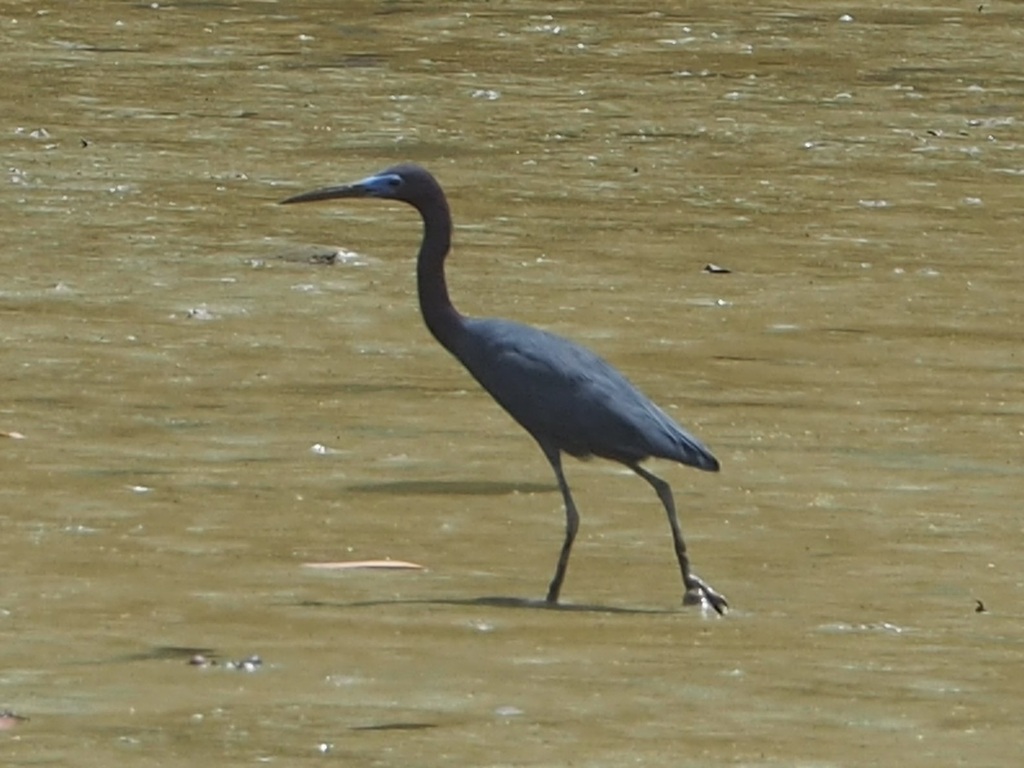
- Little Blue HeronEgretta caerulea
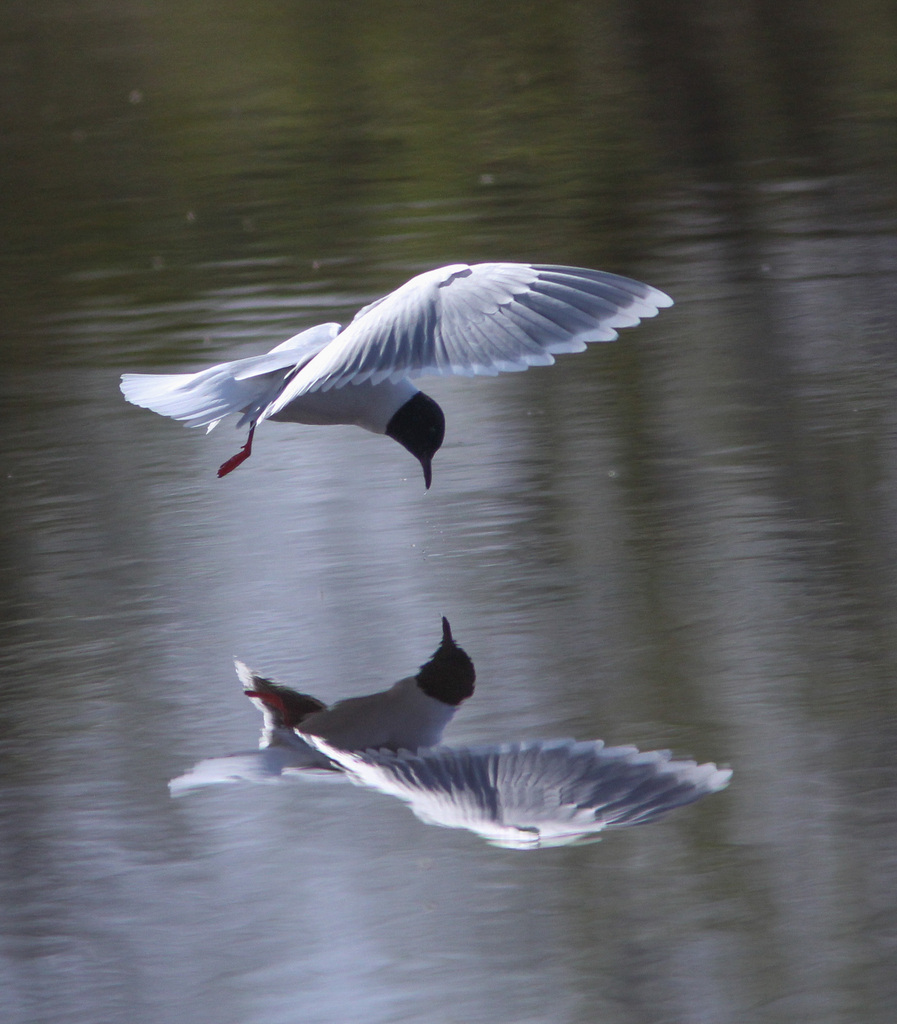
- Little GullHydrocoloeus minutus
- MallardAnas platyrhynchos
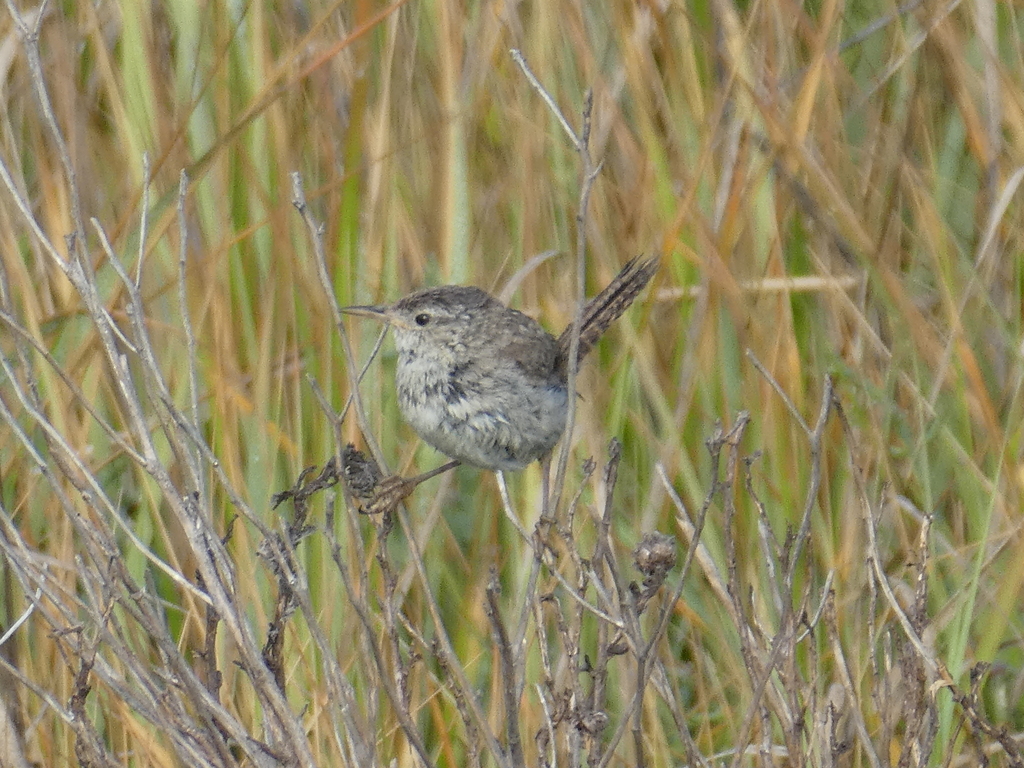
- Marsh WrenCistothorus palustris
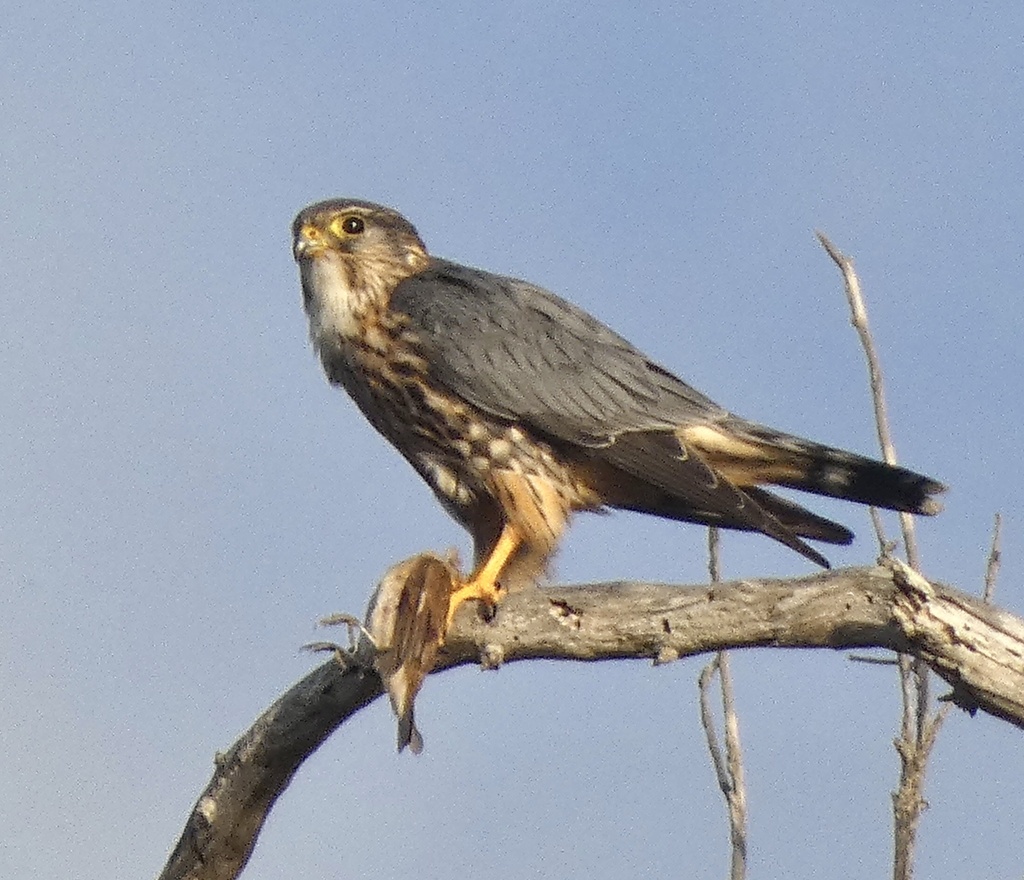
- MerlinFalco columbarius
- Northern CardinalCardinalis cardinalis
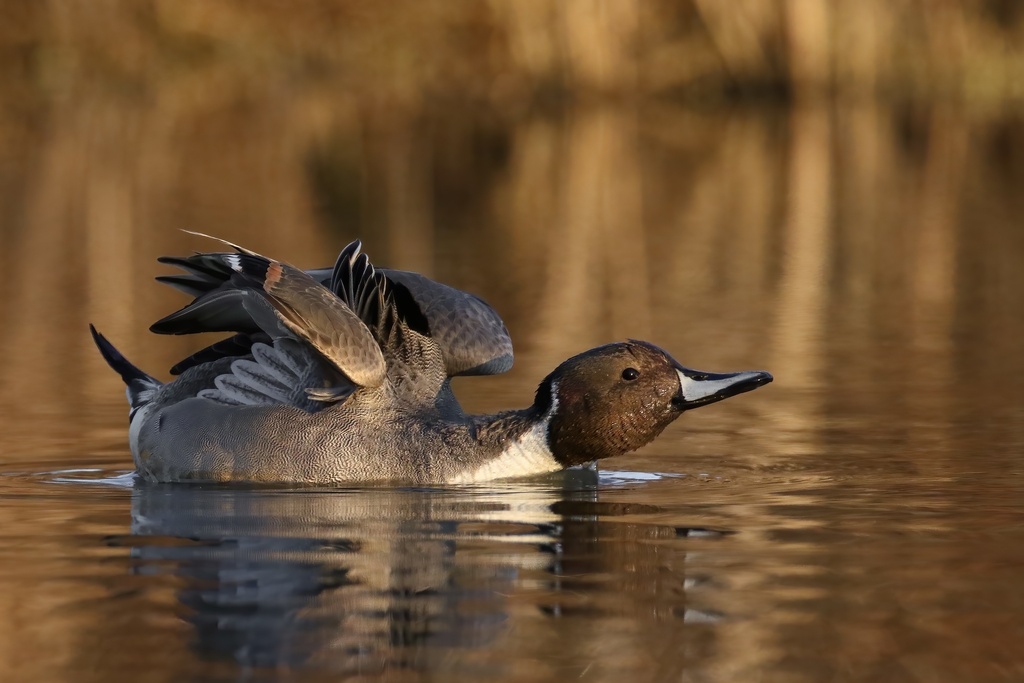
- Northern PintailAnas acuta
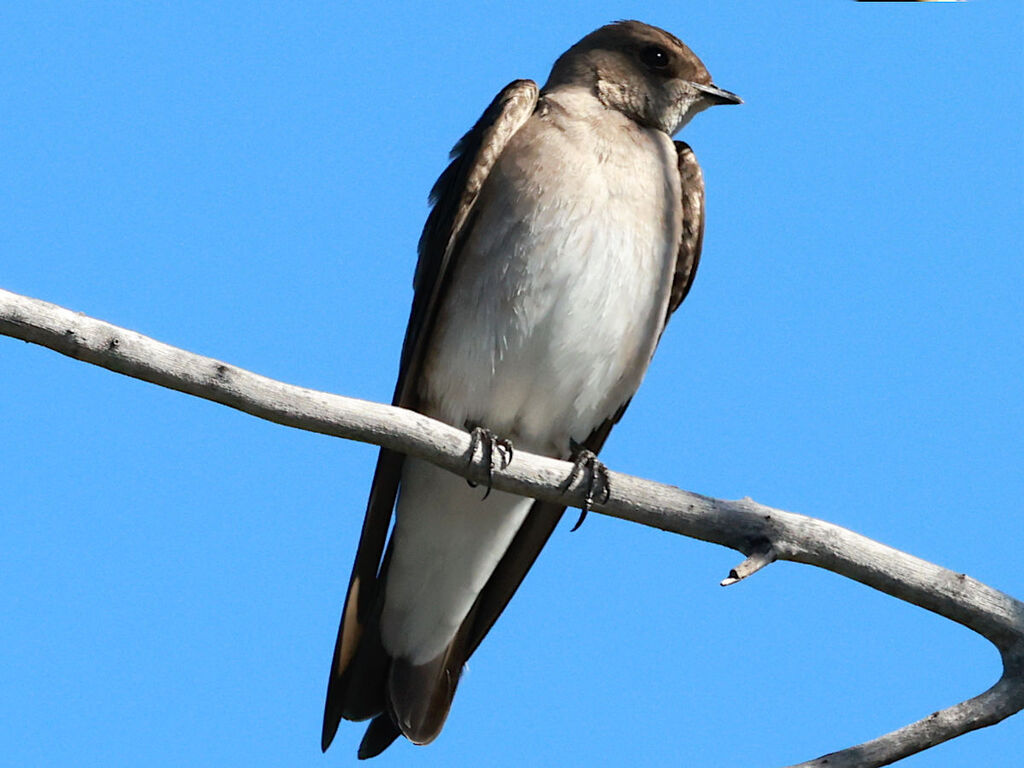
- Northern Rough-winged SwallowStelgidopteryx serripennis
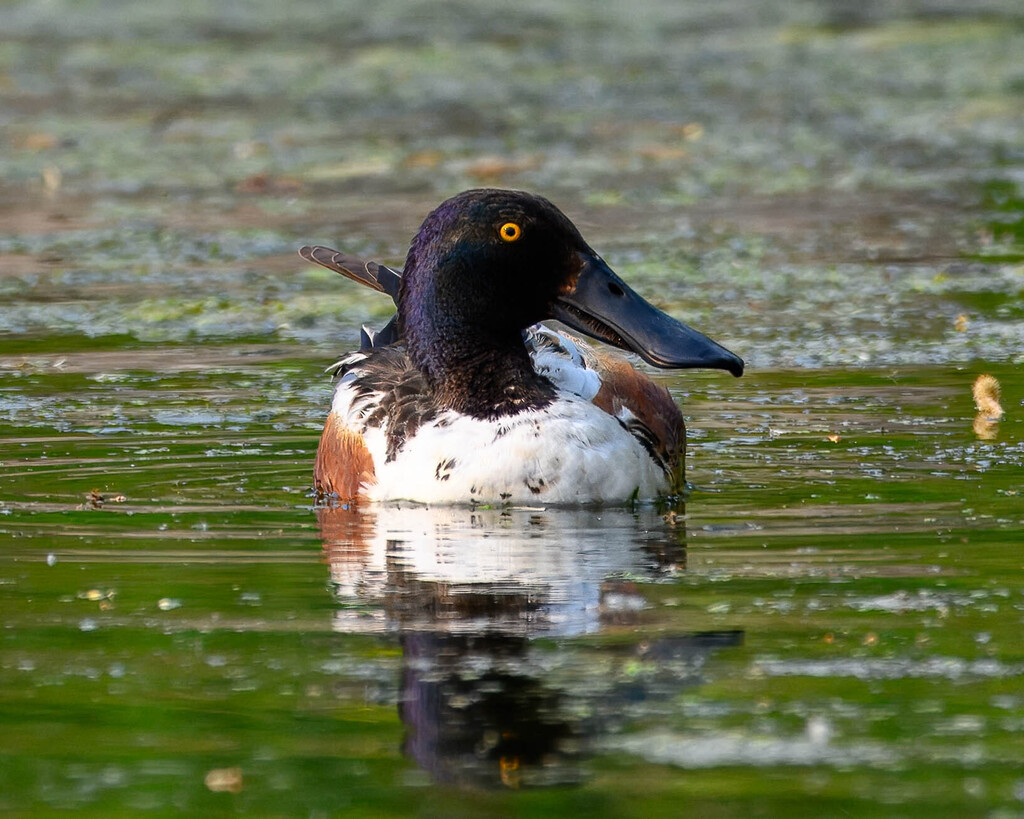
- Northern ShovelerAnas clypeata
- OspreyPandion haliaetus
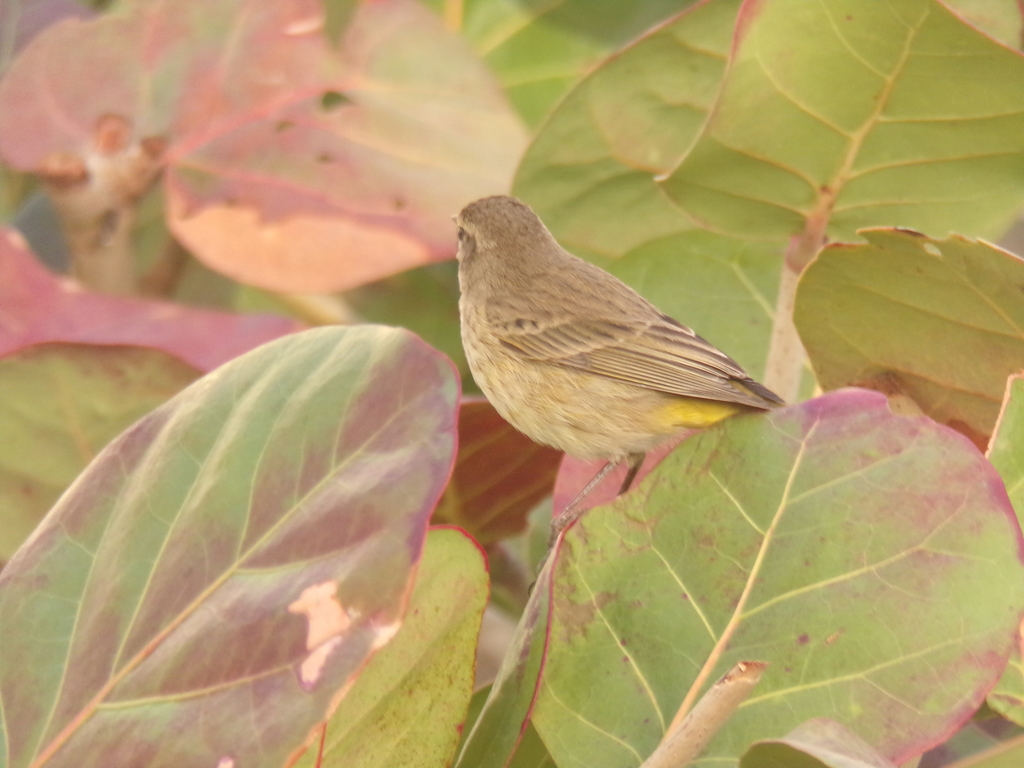
- Palm WarblerDendroica palmarum
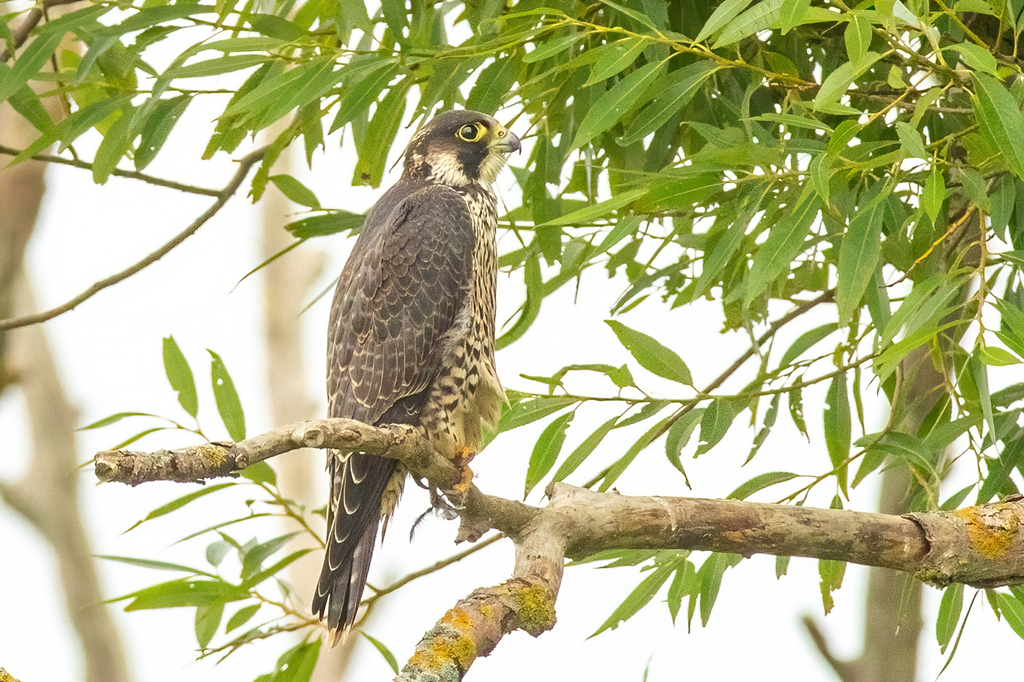
- Peregrine FalconFalco peregrinus
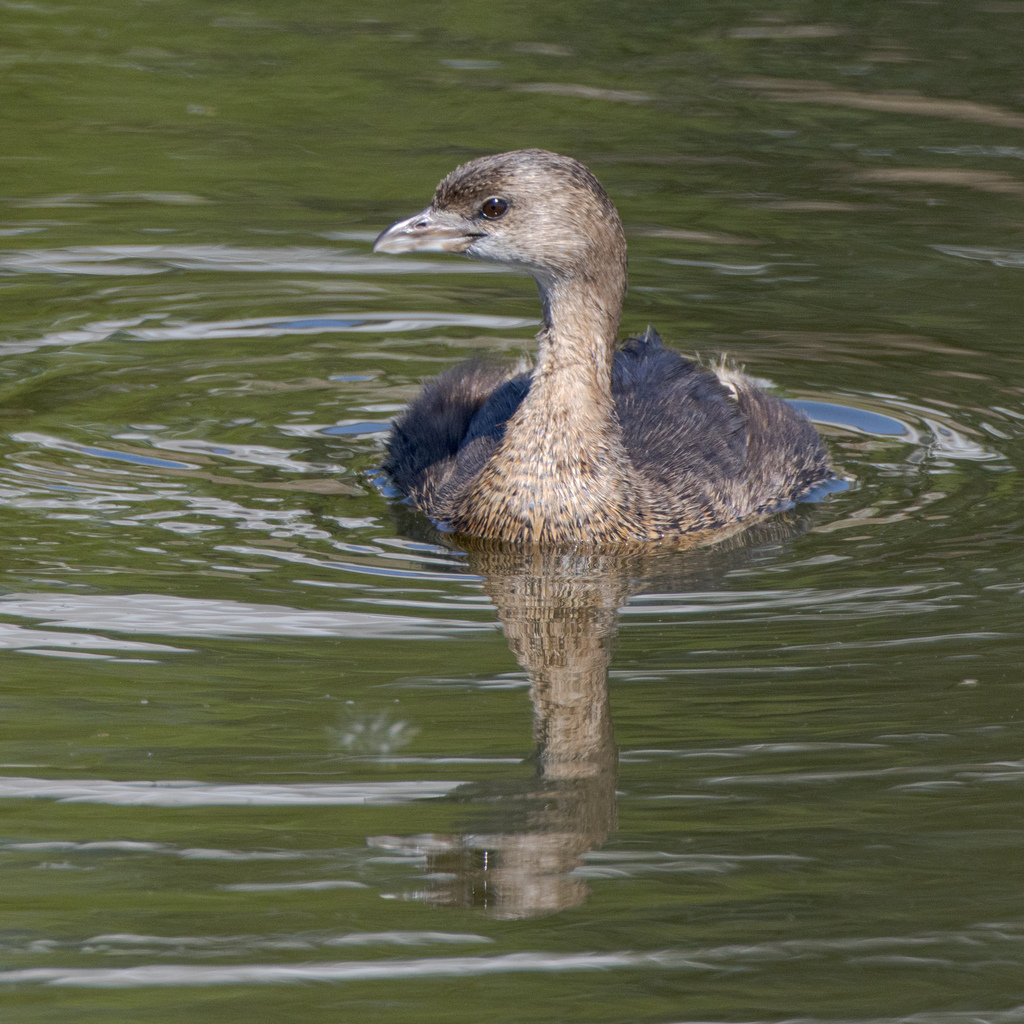
- Pied-billed GrebePodilymbus podiceps
- Pine SiskinCarduelis pinus
- Prothonotary WarblerProtonotaria citrea
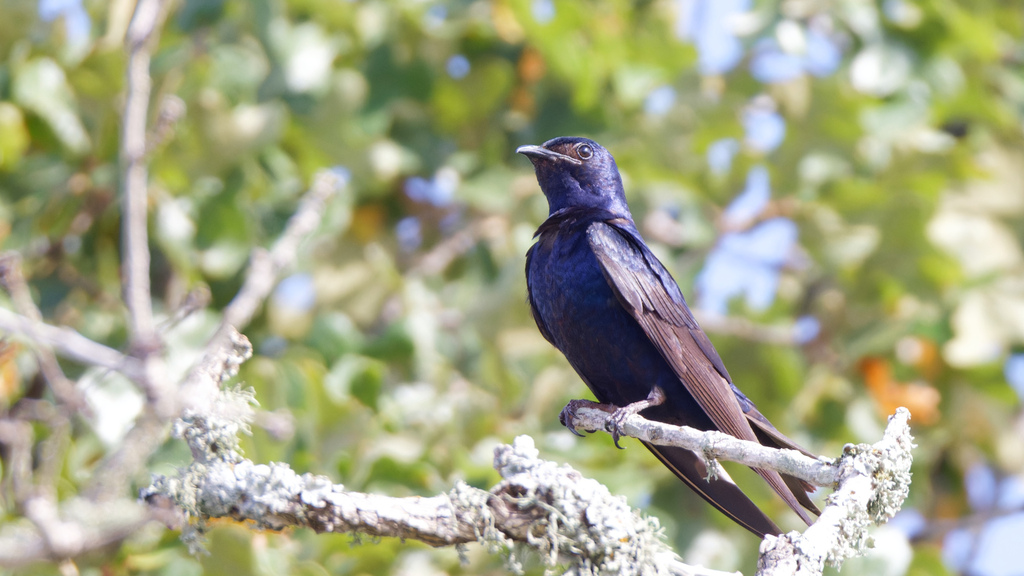
- Purple MartinProgne subis
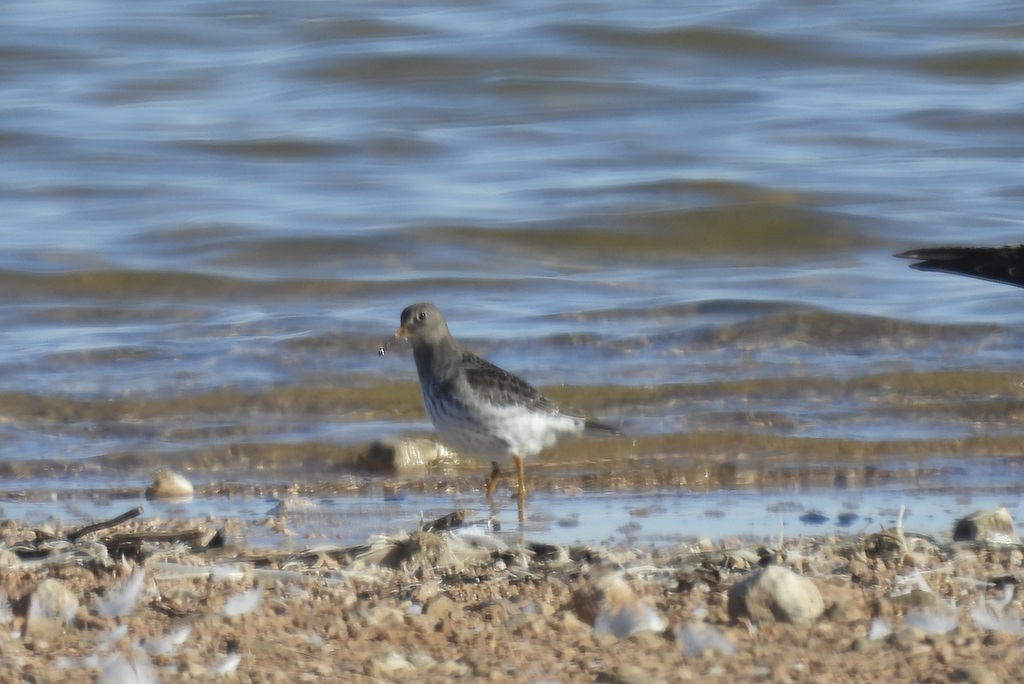
- Purple SandpiperCalidris maritima
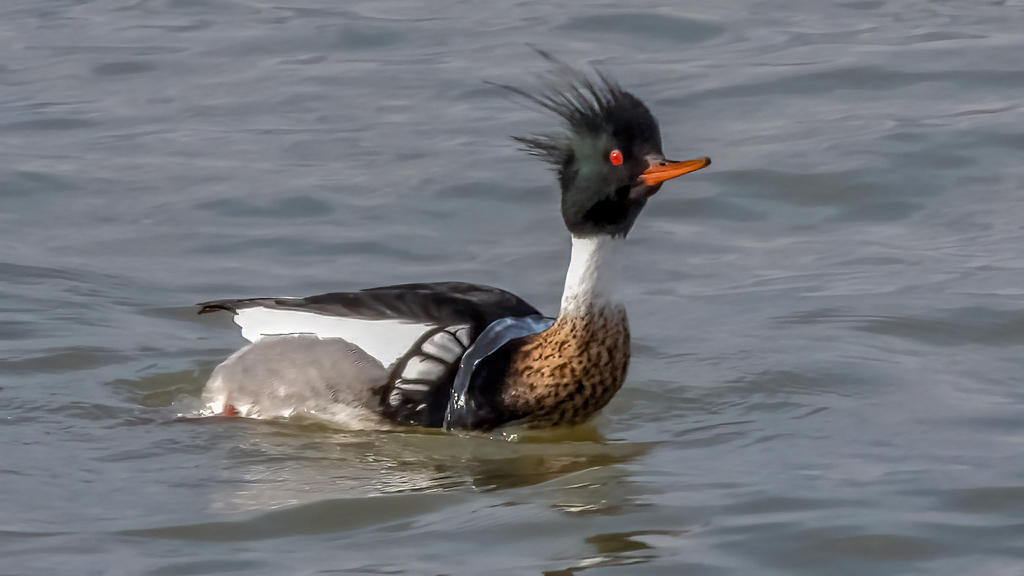
- Red-breasted MerganserMergus serrator
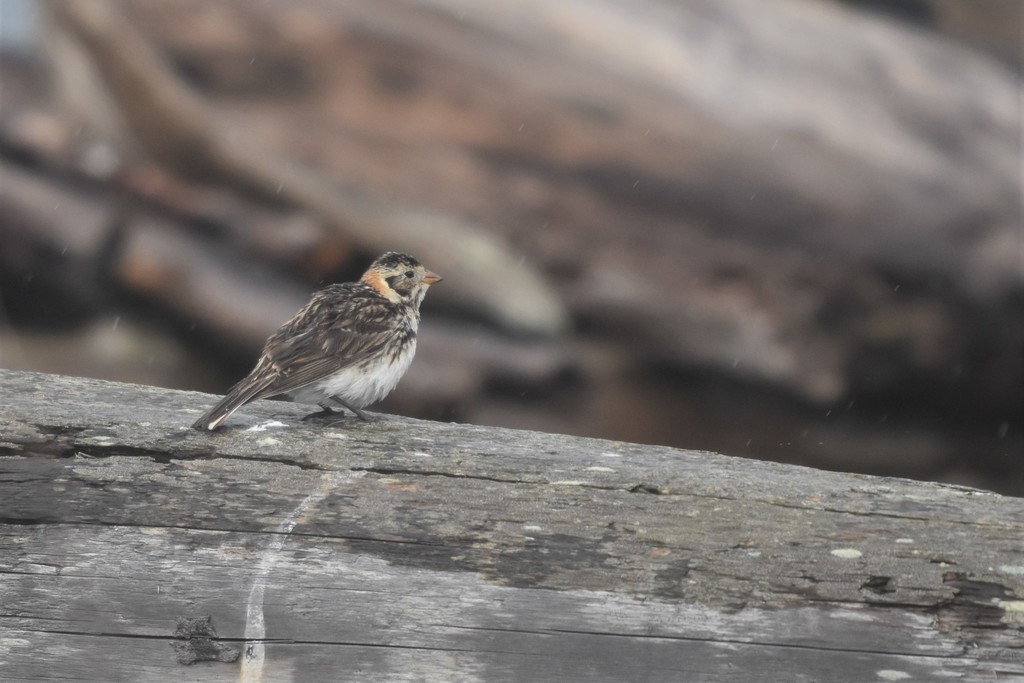
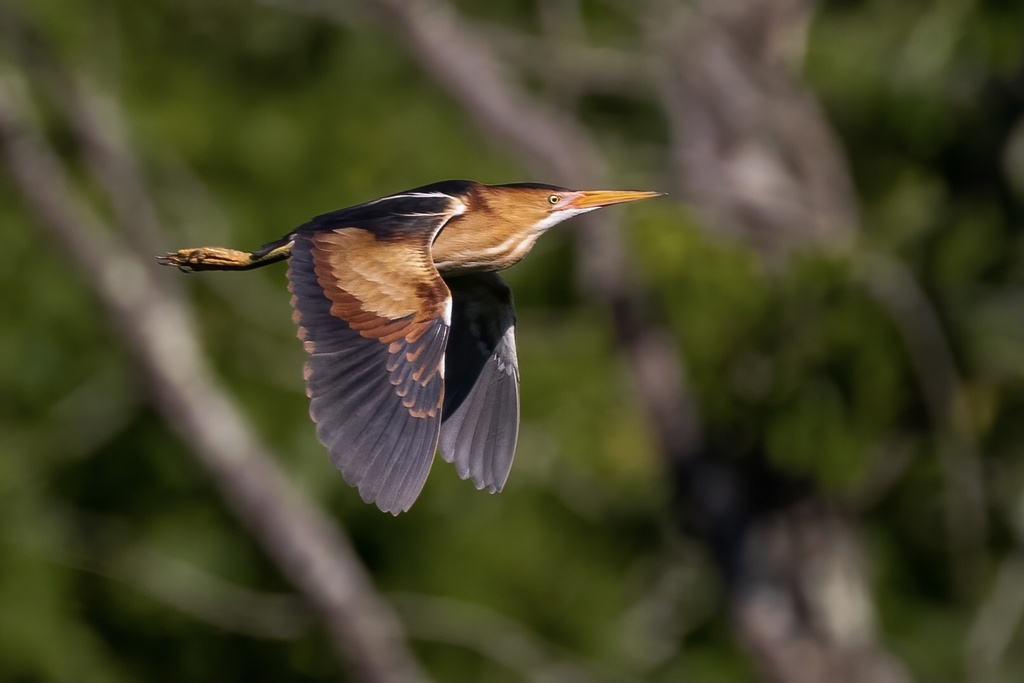
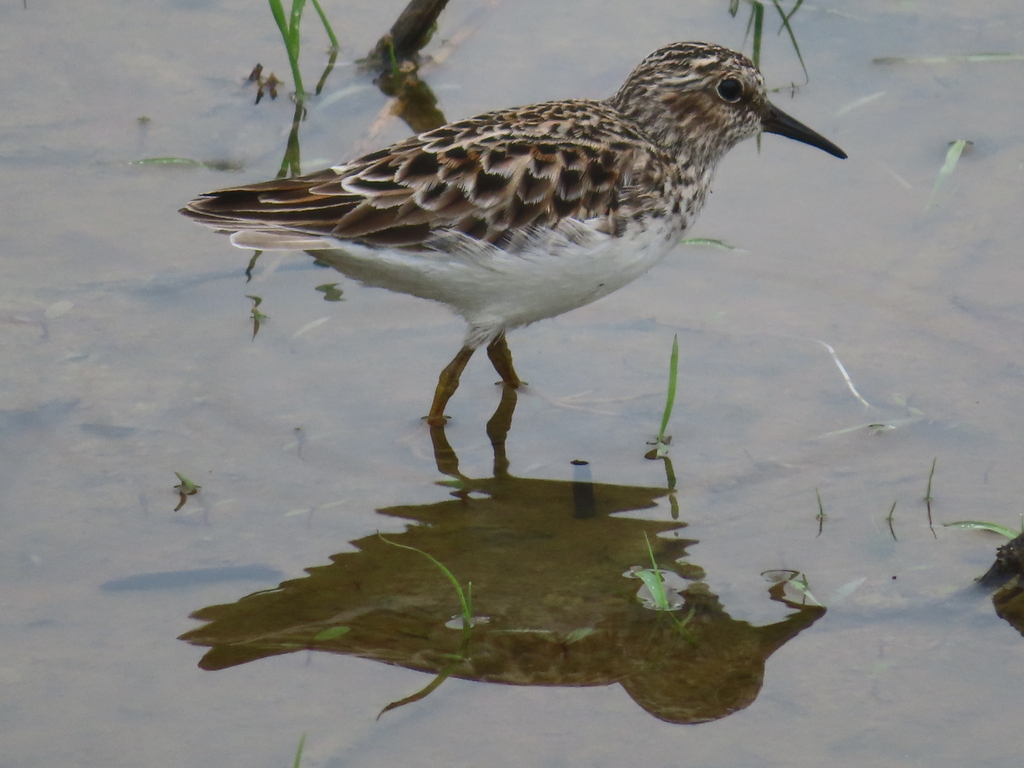

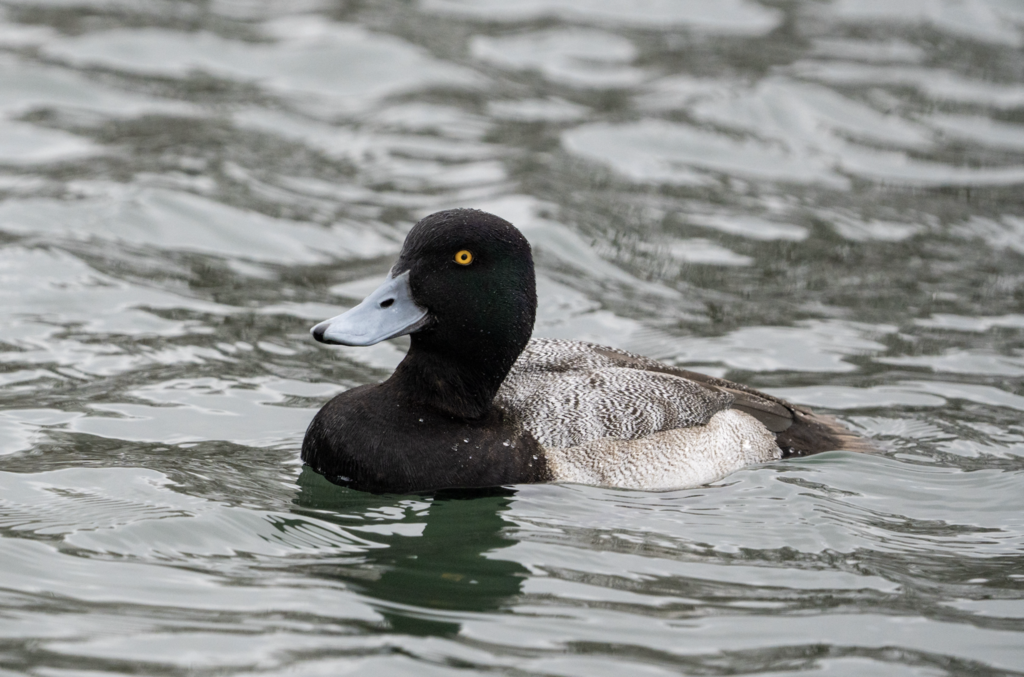





Who uses this plant?
 8CaterpillarsGenus host records with ranges including VA
Genus host records with ranges including VA · Juncus
- Acronicta insularisHenry's Marsh Moth, Cattail Caterpillar
- Bactra furfuranaRush Bactra
- Bactra verutanaJavelin Moth
- Cisseps fulvicollisYellow-Collared Scape Moth
- Coleophora cratipennellaStreaked Coleophora
- Globia subflavaYellow Sedge Borer, Yellowish Nonagria, Subflava Sedge Borer
- Xylena nuperaRed Swordgrass Moth, American Swordgrass Moth, False Armyworm
- Coleophora fagicorticella
 2BeesSoutheastern regional records
Southeastern regional records · Juncus
Individual names are not available yet.
Noori, Seltmann & Orr 2026, A curated and integrated dataset for exploring global bee-plant interactions (GloBI), Zenodo, CC BY 4.0 0Specialist beesPollen specialists
 5BirdsRecorded genus food-resource interactions; not a state feeding claim
Recorded genus food-resource interactions; not a state feeding claim · Juncus
- Alectoris chukarChukar
- Anas acutaNorthern Pintail
- Coturnicops noveboracensisYellow Rail
- Lagopus leucuraWhite-tailed Ptarmigan
- Plectrophenax nivalisSnow Bunting
Direct food only: birds recorded eating this genus across North America. Caterpillars on host plants also feed nesting birds. NC Native Plant Society: butterfly gardening
No records yet · Ants · Beetles · Flies · Adult butterflies / moths · Other wasps · Other insects
Plant details
- Family
- Juncaceae
- Flower color
- Green
- Growth rate
- Rapid
- Growth habit
- Spreads by rhizomes
- Foliage color
- Green
- Fruit begins
- Summer
- Fruit ends
- Fall
Safety has not been reviewed for this plant; check toxicity and thorns before planting.
Growing sources and scope
- Bloom · “June to October” · FloraQuest: Carolinas, Georgia (Southeastern Flora Team), phone app (app page) (ranked first; USDA PLANTS differs) · Carolinas and Georgia
- Flower color · “Green” · USDA PLANTS · Nationwide species characteristics; local growing conditions may vary
- Foliage color · “Green” · USDA PLANTS · Nationwide species characteristics; local growing conditions may vary
- Fruit begins · “Summer” · USDA PLANTS · Nationwide species characteristics; local growing conditions may vary
- Fruit ends · “Fall” · USDA PLANTS · Nationwide species characteristics; local growing conditions may vary
- Growth habit · “Spreads by rhizomes” · USDA PLANTS · Nationwide species characteristics; local growing conditions may vary
- Growth rate · “Rapid” · USDA PLANTS · Nationwide species characteristics; local growing conditions may vary
- Height · “About 6.8 feet” · USDA PLANTS · Nationwide species characteristics; local growing conditions may vary
- Light · “Partial shade; Full shade; Full sun (documented habitat)” · FloraQuest: Carolinas, Georgia (Southeastern Flora Team), phone app (app page) · Carolinas and Georgia
- Soil · “Water; Wet (documented habitat)” · FloraQuest: Carolinas, Georgia (Southeastern Flora Team), phone app (app page) · Carolinas and Georgia
Also known as
Lesser Creeping Rush
Conservation status
| Virginia rank | S5 |
|---|---|
| Global rank | G5 |
| VA status | Not verified |
| Federal status | Not verified |
Will it fit your yard?
Check this plant against your county, sun and soil moisture. Conditions are checked in your browser.
Growing cautions
- Spreads by rhizomes. USDA PLANTS lists its growth form as rhizomatous. USDA PLANTS
For planning only; these do not change the score or Fit.
Sources
- Digital Atlas of the Virginia Flora
- USDA PLANTS
- Vascular Plants of North Carolina (NC Natural Heritage Program)
- FloraQuest: Northern Tier (Weakley), phone app (app page)
- NatureServe Explorer
- Shropshire & Tallamy 2025, Lepidoptera of North America north of Mexico, ZooKeys 1261 (ODbL)
- Noori, Seltmann & Orr 2026, A curated and integrated dataset for exploring global bee-plant interactions (GloBI), Zenodo, CC BY 4.0
- Smith, Bachelder, Russell, Morales, Mosher & Seltmann 2024, Bee-Specialization-Modeling v0.6.1 (specialist host table compiled from J. Fowler's pollen specialist bee lists), Zenodo, CC BY 4.0
- Hurlbert, Olsen, Sawyer & Winner 2021, Avian Diet Database, Scientific Data 8: 260 (CC0)
- Narango, Tallamy & Shropshire 2020, Few keystone plant genera support the majority of Lepidoptera species, Nature Communications