

Hydrilla
Hydrilla verticillata
Not native to Virginia. How scores work Is it native here?
Profile 47%
- Light
- Dappled sunlight, Deep shade, Full sun, Partial shade
- Soil moisture
- Wet to standing water
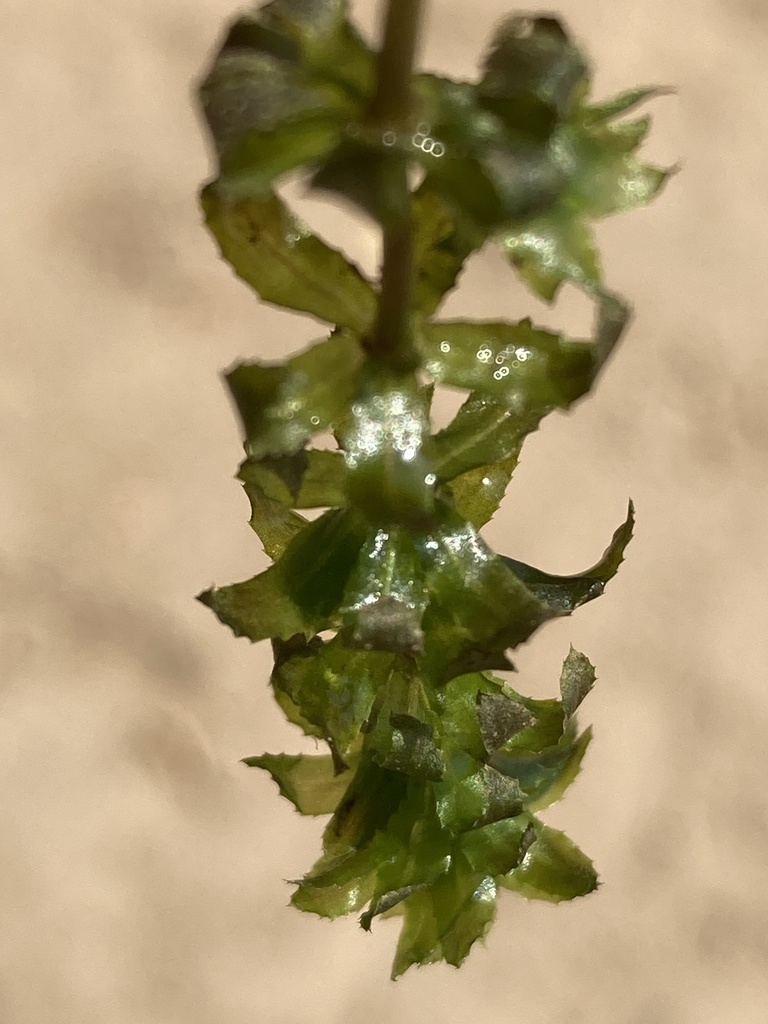
Do not plant. Listed invasive in Virginia.
At a glance
- Life cycle
- Perennial
Not yet recorded · Height · Spread · Leaves · Bloom
This plant is missing most of its facts, so Quercus is looking them up in old botany books.
Recorded in 33 Virginia counties.
Also found with this plant
Wildlife whose habitat models include habitats this plant grows in, in Virginia. Shared habitat, not food. 107 animals.
- Yellow-crowned Night-heronNyctanassa violacea
- Yellow-rumped WarblerDendroica coronata
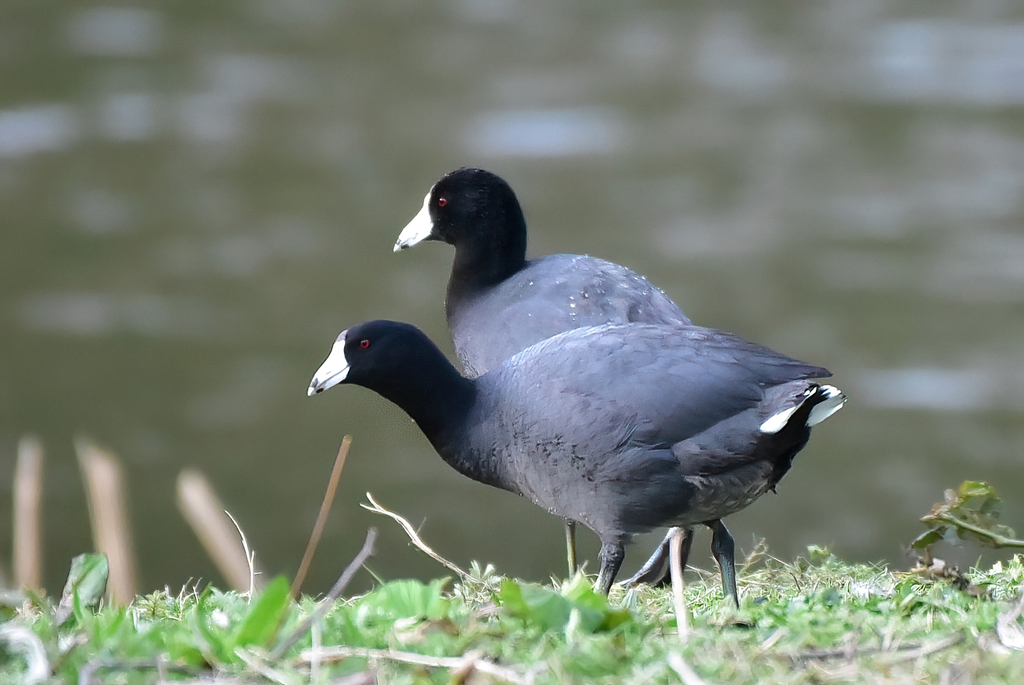
- American CootFulica americana
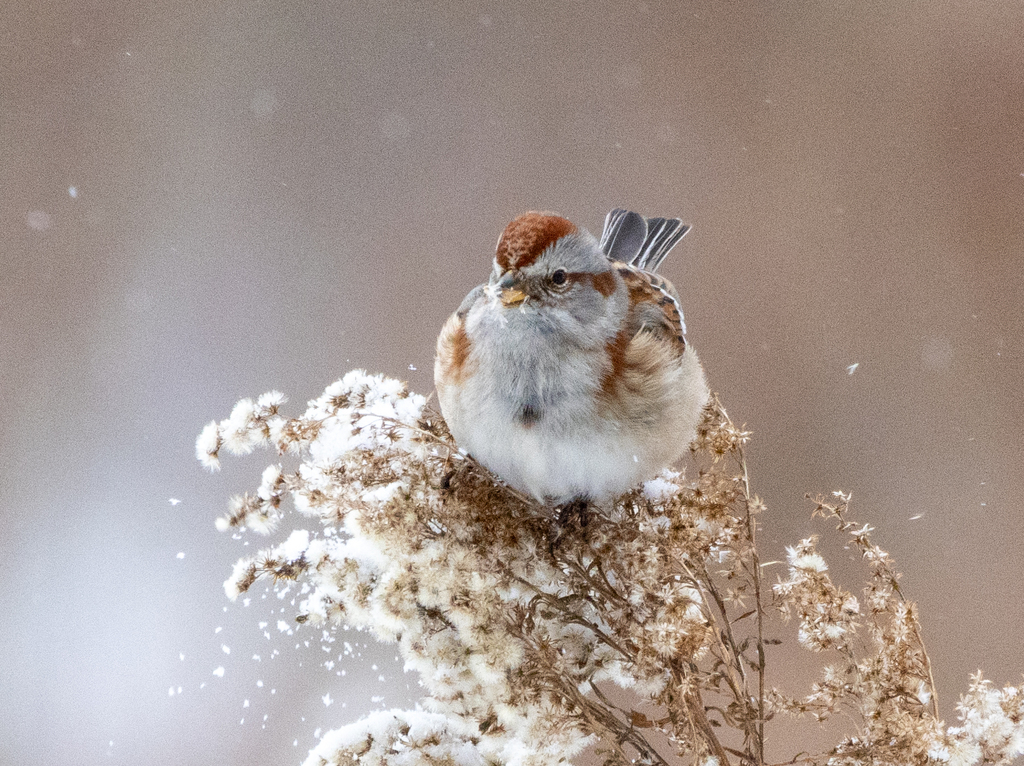
- American Tree SparrowSpizella arborea
- CanvasbackAythya valisineria
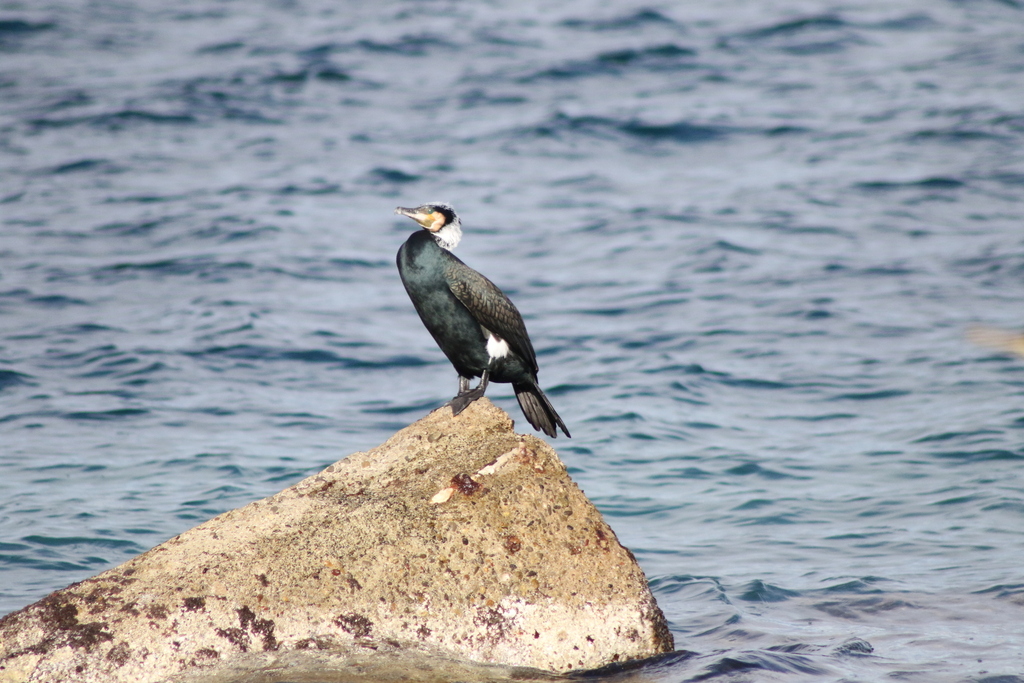
- Great CormorantPhalacrocorax carbo
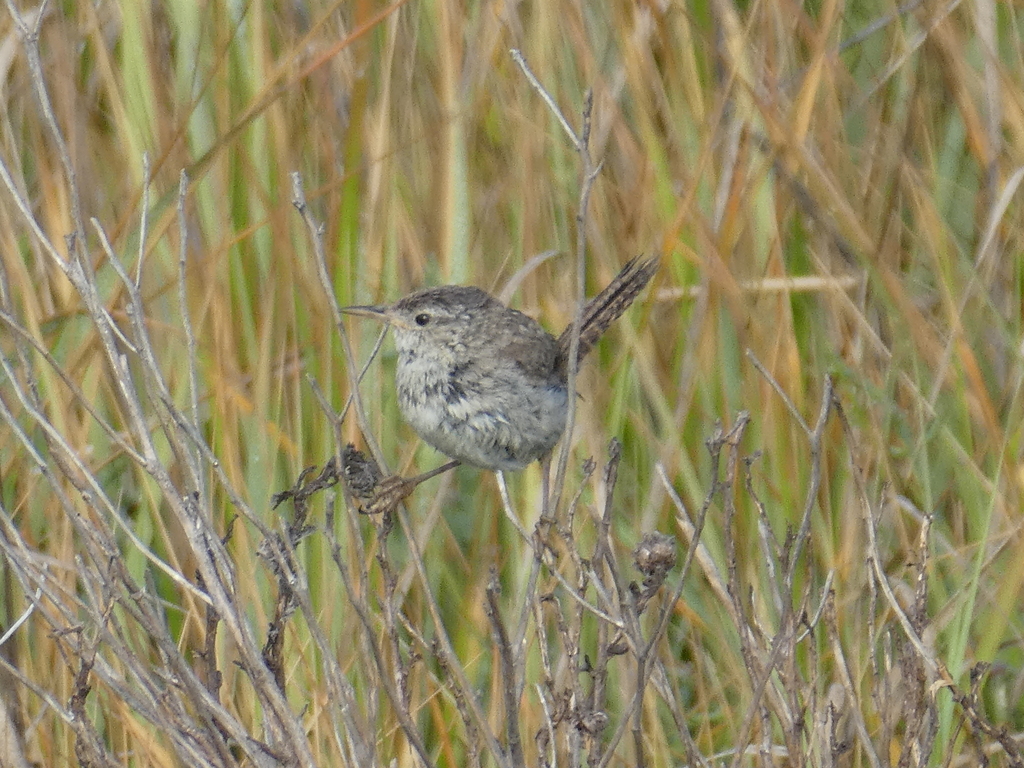
- Marsh WrenCistothorus palustris
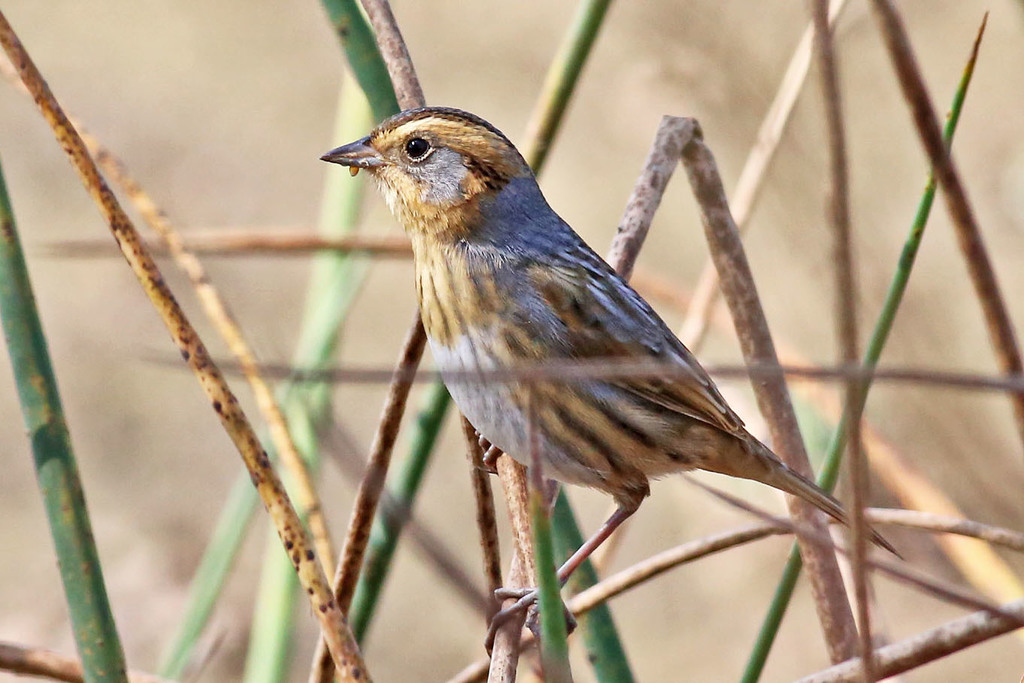
- Nelson's Sharp-tailed SparrowAmmodramus nelsoni
- Northern MockingbirdMimus polyglottos
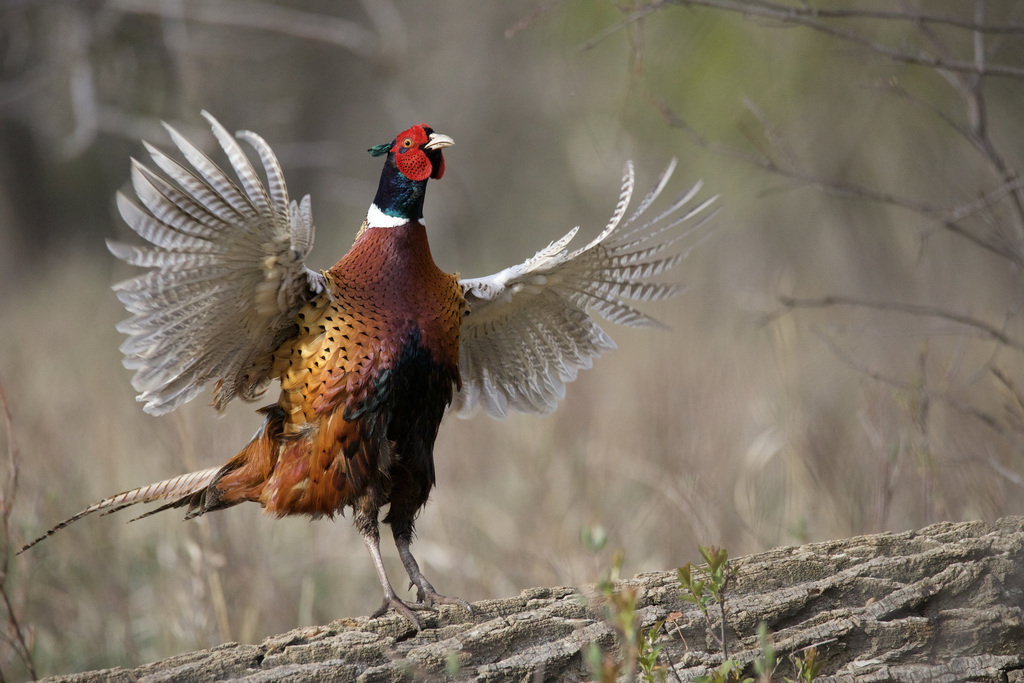
- Ring-necked PheasantPhasianus colchicus
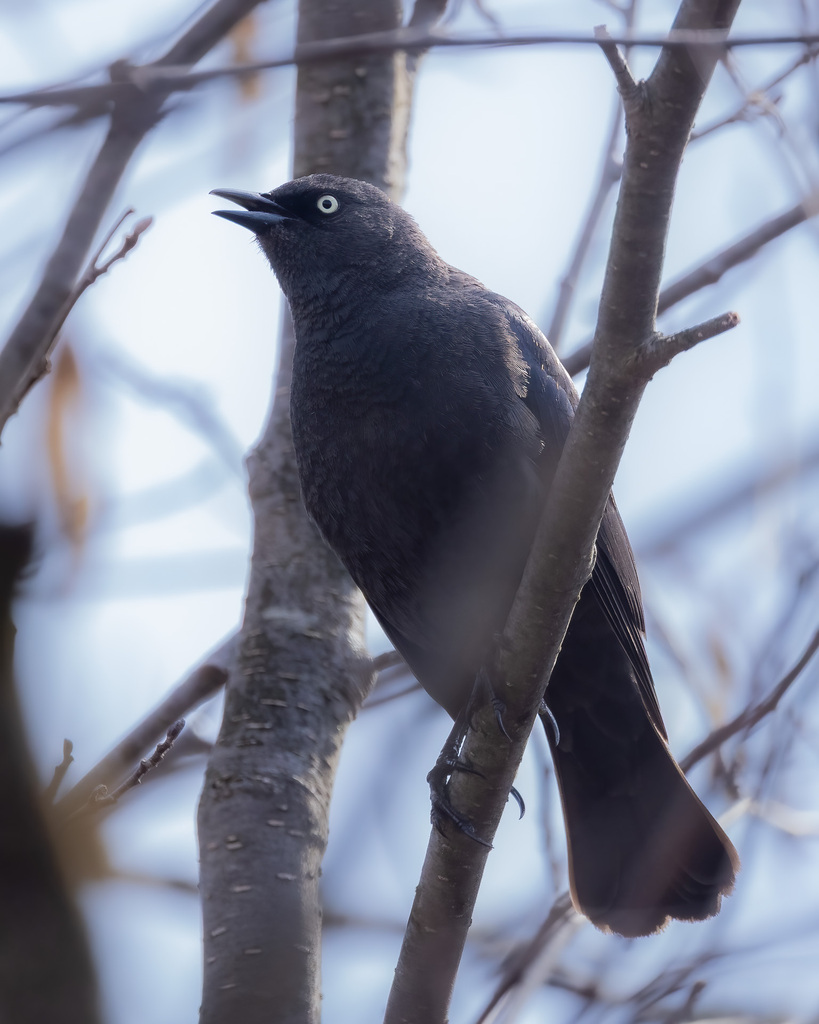
- Rusty BlackbirdEuphagus carolinus




Who uses this plant?
 3CaterpillarsGenus host records with ranges including VA
Genus host records with ranges including VA · Hydrilla
- Elophila obliteralisWaterlily Leafcutter Moth
- Parapoynx allionealisWatermilfoil Leafcutter, Bladderwort Casemaker
- Parapoynx obscuralisObscure Pondweed Moth
 —BeesSoutheastern regional records
 —Specialist beesPollen specialists
 2BirdsRecorded genus food-resource interactions; not a state feeding claim
Recorded genus food-resource interactions; not a state feeding claim · Hydrilla
- Fulica americanaAmerican Coot
- Gallinula galeataCommon Gallinule
Direct food only: birds recorded eating this genus across North America. Caterpillars on host plants also feed nesting birds. NC Native Plant Society: butterfly gardening
Plant details
- Family
- Hydrocharitaceae
- Hardiness
- Zones 5a–11b
What its natural habitat tells you
Safety has not been reviewed for this plant; check toxicity and thorns before planting.
Growing sources and scope
- Hardiness · “Zones 5a–11b” · NC Extension Plant Toolbox
- Life cycle · “Perennial” · NC Extension Plant Toolbox
- Light · “Dappled sunlight (shade through upper canopy all day); Deep shade (less than 2 hours to no direct sunlight); Full sun (6 or more hours of direct sunlight a day); Partial shade (direct sunlight only part of the day, 2-6 hours)” · NC Extension Plant Toolbox
- Soil · “Frequent standing water” · NC Extension Plant Toolbox
Conservation status
| Virginia rank | SNA |
|---|---|
| Global rank | GNR |
| VA status | Not verified |
| Federal status | Not verified |
Native alternatives
Find natives for your gardenSources
- Virginia DCR invasive plant list
- Digital Atlas of the Virginia Flora
- USDA PLANTS
- NatureServe Explorer
- Shropshire & Tallamy 2025, Lepidoptera of North America north of Mexico, ZooKeys 1261 (ODbL)
- Noori, Seltmann & Orr 2026, A curated and integrated dataset for exploring global bee-plant interactions (GloBI), Zenodo, CC BY 4.0
- Smith, Bachelder, Russell, Morales, Mosher & Seltmann 2024, Bee-Specialization-Modeling v0.6.1 (specialist host table compiled from J. Fowler's pollen specialist bee lists), Zenodo, CC BY 4.0
- Hurlbert, Olsen, Sawyer & Winner 2021, Avian Diet Database, Scientific Data 8: 260 (CC0)
- Narango, Tallamy & Shropshire 2020, Few keystone plant genera support the majority of Lepidoptera species, Nature Communications