

False Indigo-bush
Amorpha fruticosa
Found in riverbanks, forests, woodlands, marsh edges, sometimes in disturbed sites. FloraQuest, phone app (app page) What its natural habitat tells you
Native to Virginia. How scores work Is it native here?
Profile 100%
- Height
- About 15 feet
- Spread
- 6–15 feet
- Light
- Full to part sun
- Soil moisture
- Somewhat dry to moist
Space about 10.5 ft apart from its recorded spread. Enter your bed size for a count
Will it fit your yard?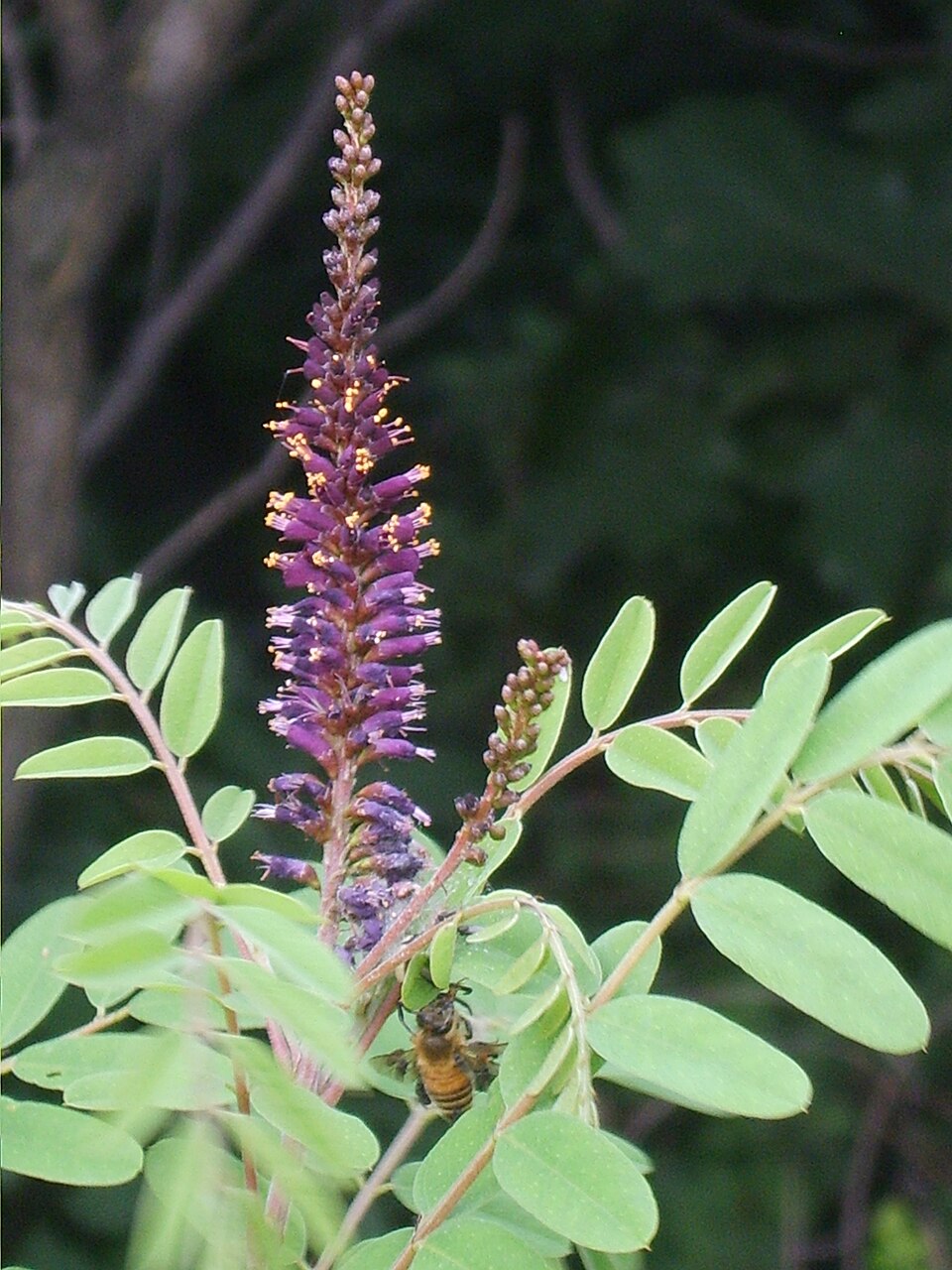
At a glance
- Life cycle
- Perennial
- Leaves
- Deciduous
- Bloom
- April to June
- Fruiting season
- June to October
Recorded in 32 Virginia counties.
Natural habitats
Places it grows wild. Not a planting requirement. Each habitat page lists the plants and wildlife also found there.
Streams, rivers and their banks
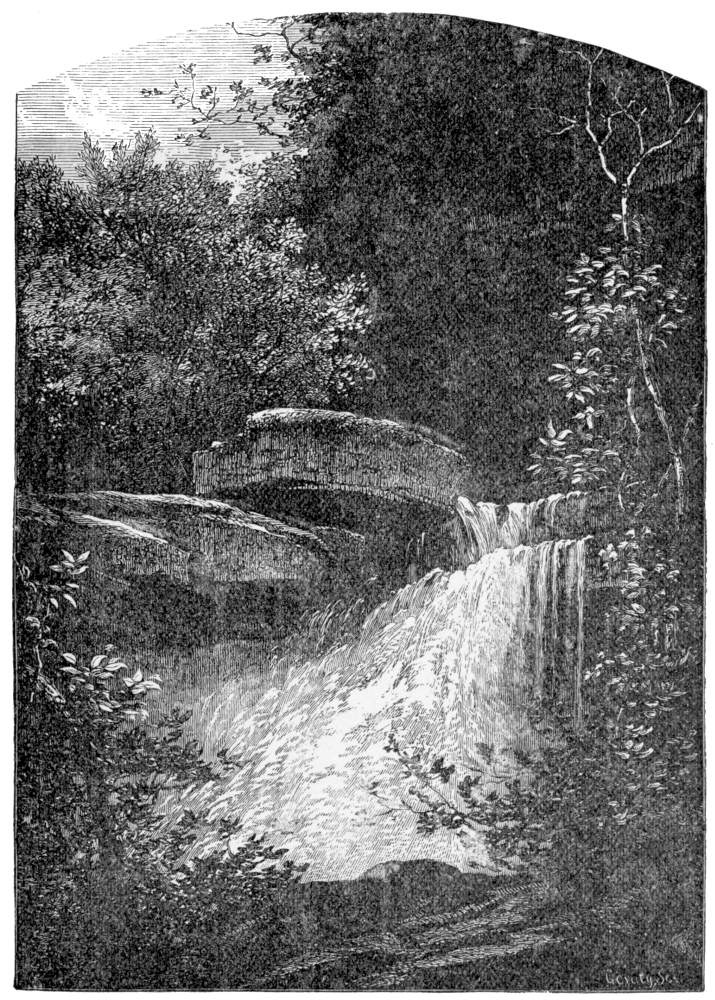
Forest or woodland where the source does not say how moist or dry.
Open, herb-covered wetlands with fresh, non-tidal water.
Roadsides, fields and disturbed ground
Ground opened by people: roadsides, old fields, pastures, fencerows and lots.
Also found with this plant
Wildlife whose habitat models include habitats this plant grows in, in Virginia. Shared habitat, not food. 99 animals.
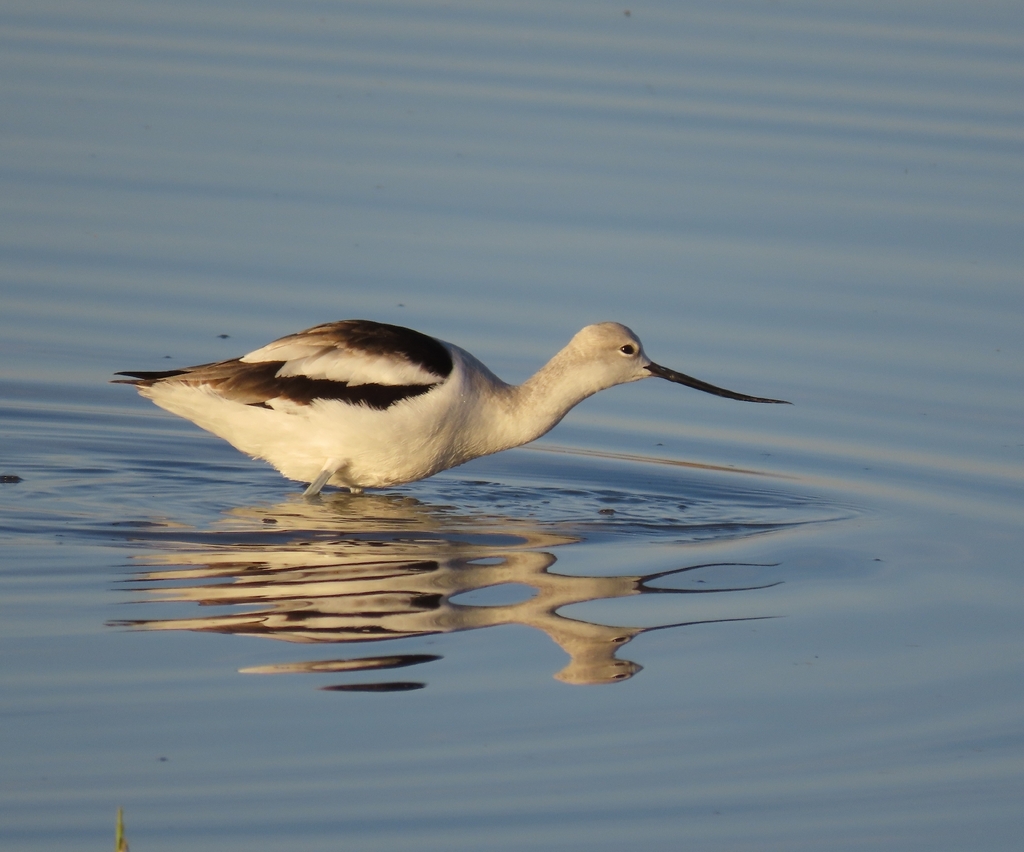
- American AvocetRecurvirostra americana
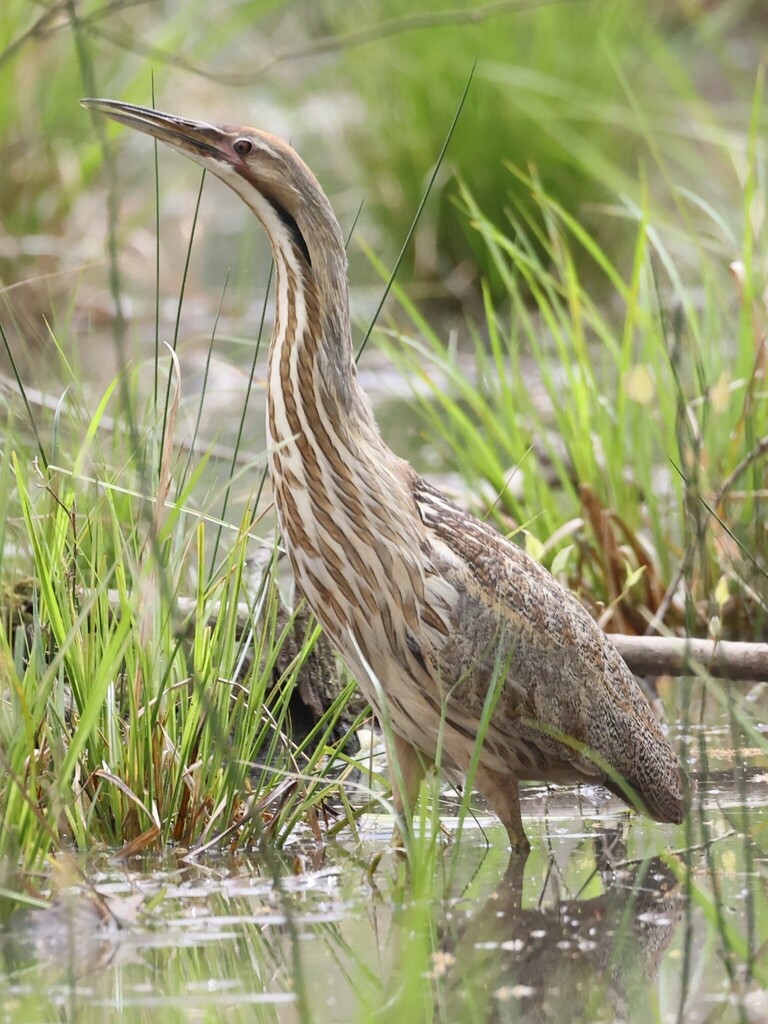
- American BitternBotaurus lentiginosus
- American Black DuckAnas rubripes
- American CrowCorvus brachyrhynchos
- American GoldfinchCarduelis tristis
- American KestrelFalco sparverius
- American PipitAnthus rubescens
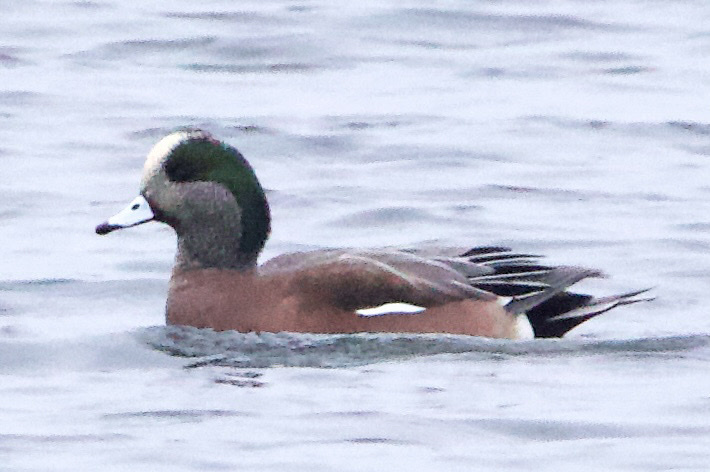
- American WigeonAnas americana
- Bald EagleHaliaeetus leucocephalus
- Bank SwallowRiparia riparia
- Belted KingfisherMegaceryle alcyon
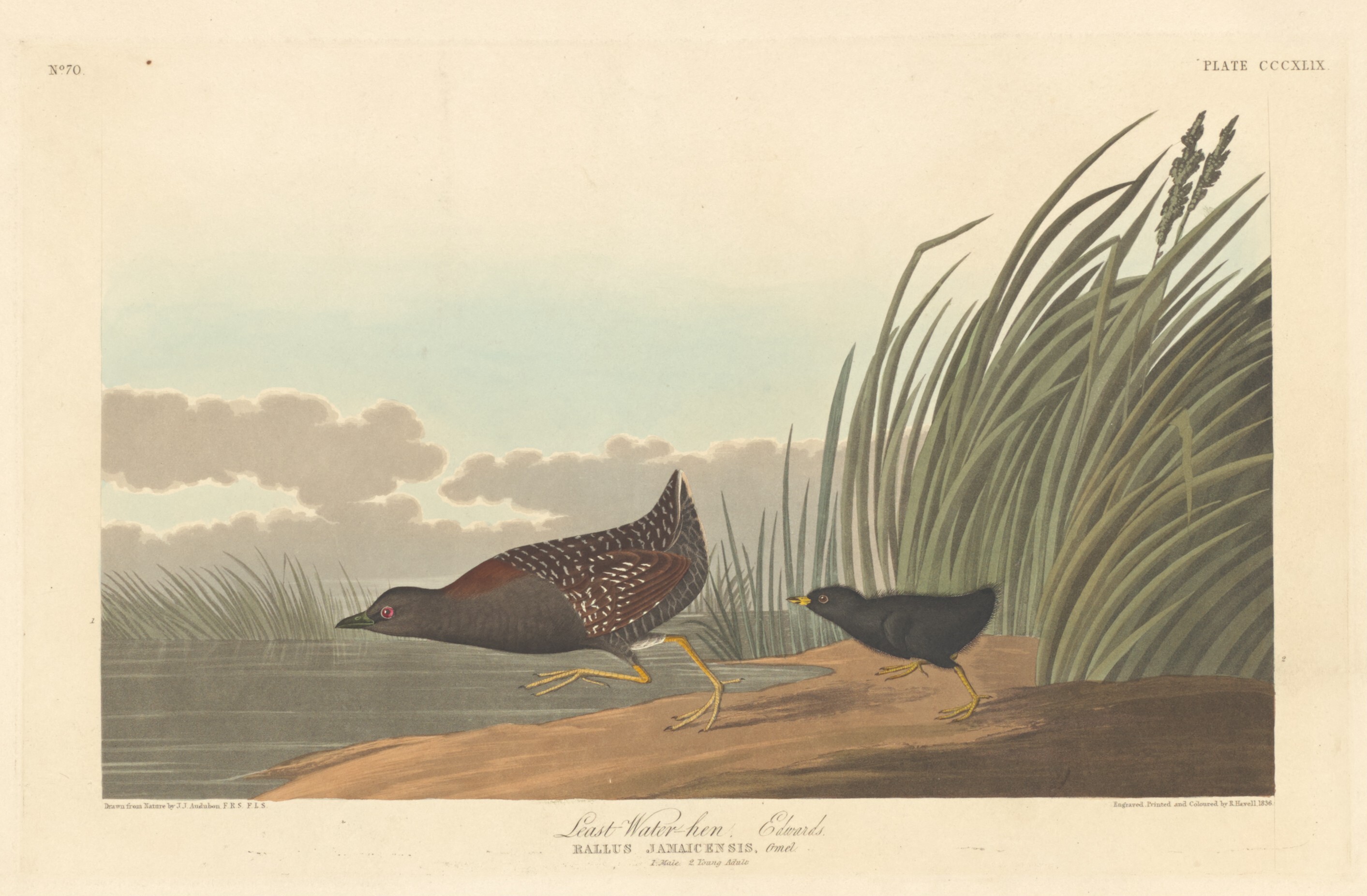
- Black RailLaterallus jamaicensis
- Black-crowned Night-heronNycticorax nycticorax
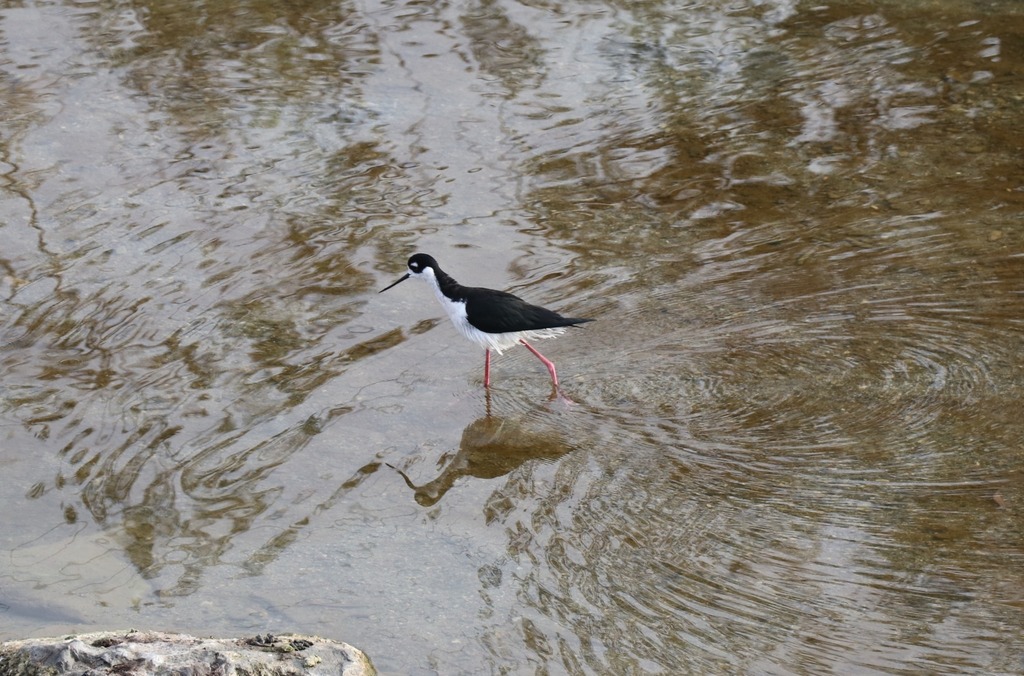
- Black-necked StiltHimantopus mexicanus
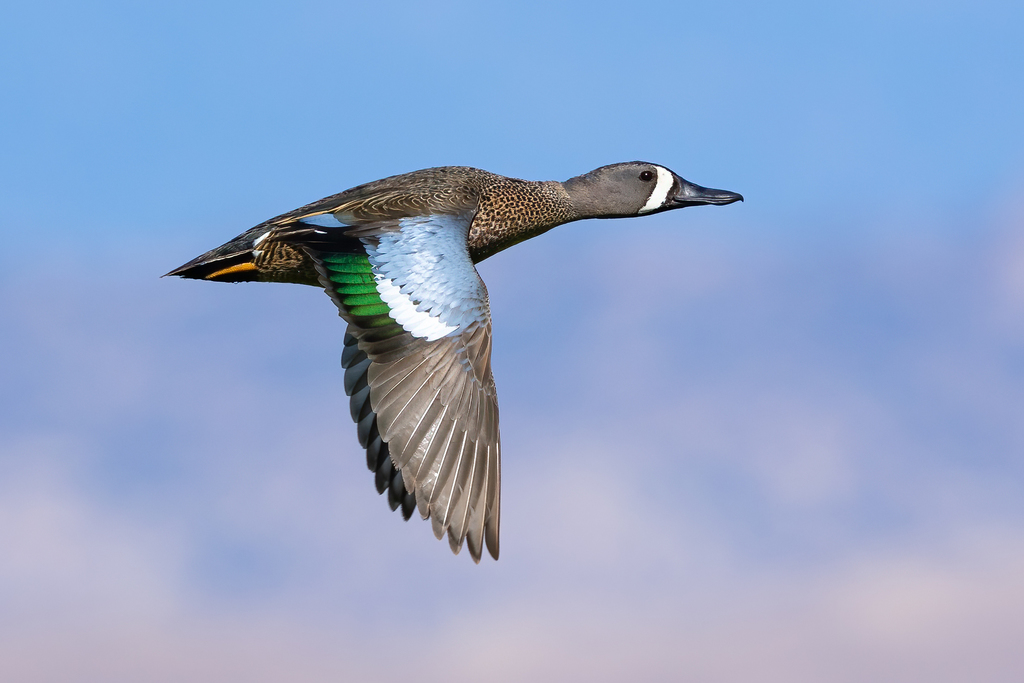
- Blue-winged TealAnas discors
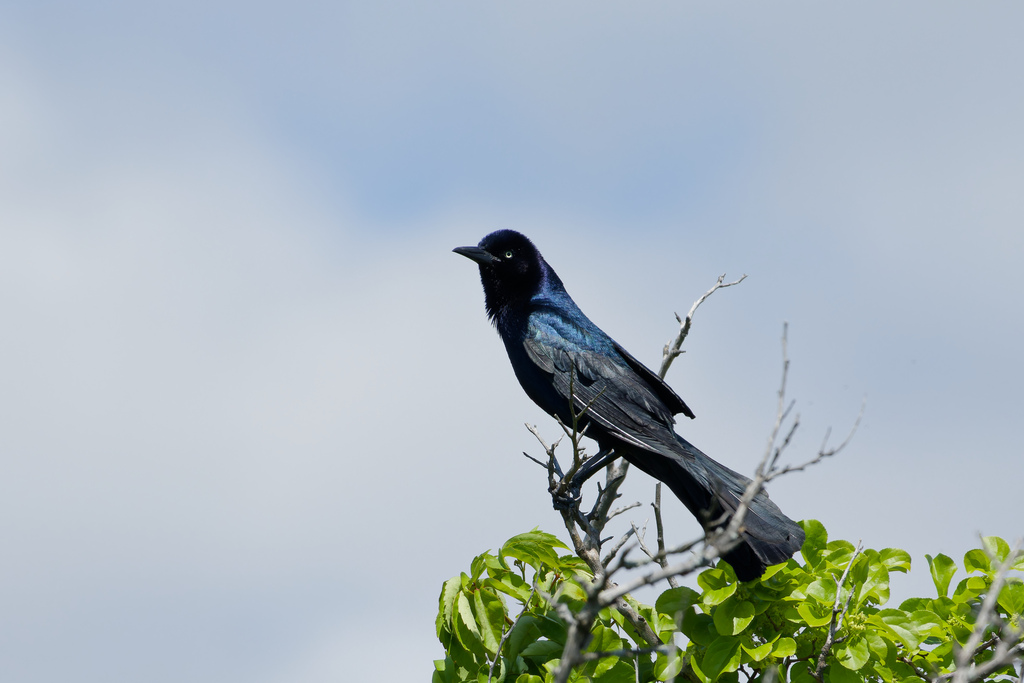
- Boat-tailed GrackleQuiscalus major
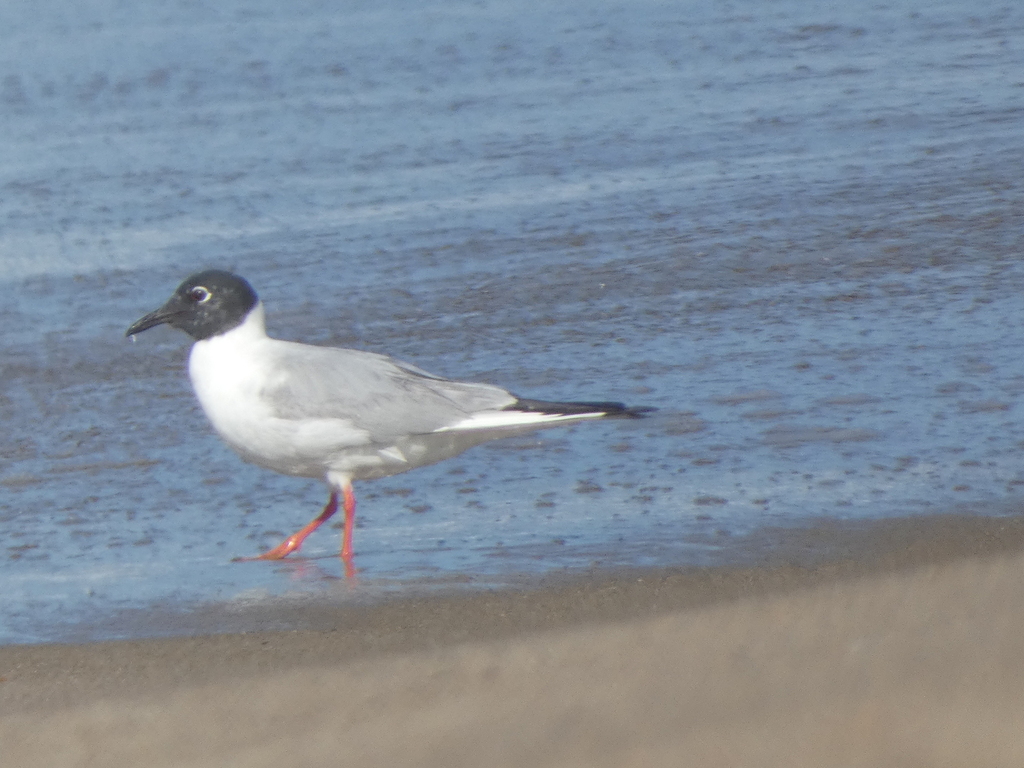
- Bonaparte's GullChroicocephalus philadelphia
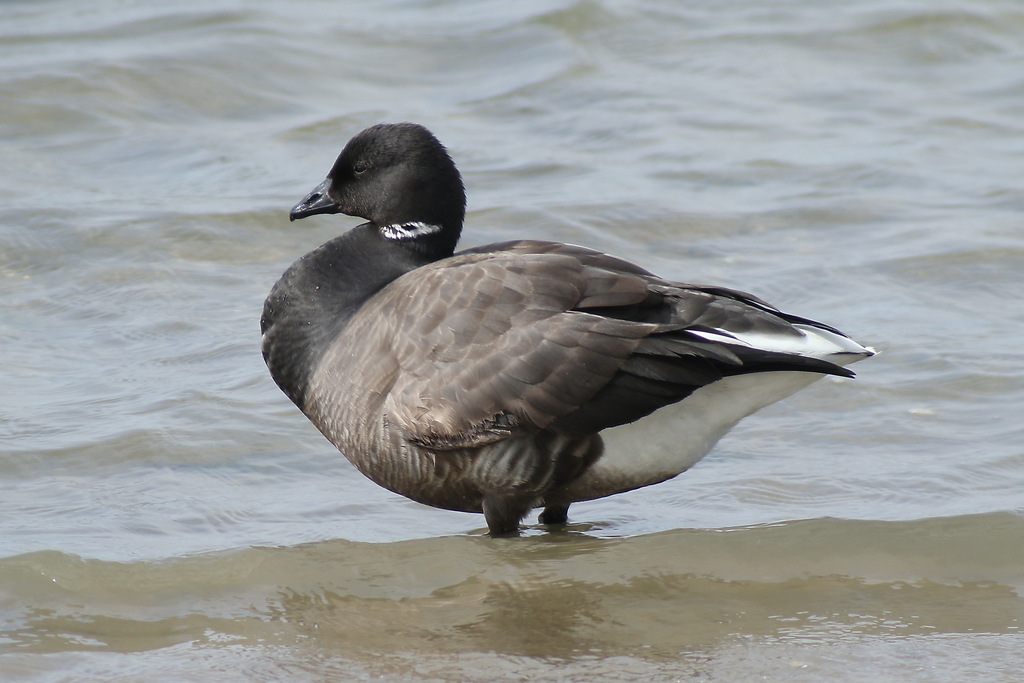
- BrantBranta bernicla
- Canada GooseBranta canadensis
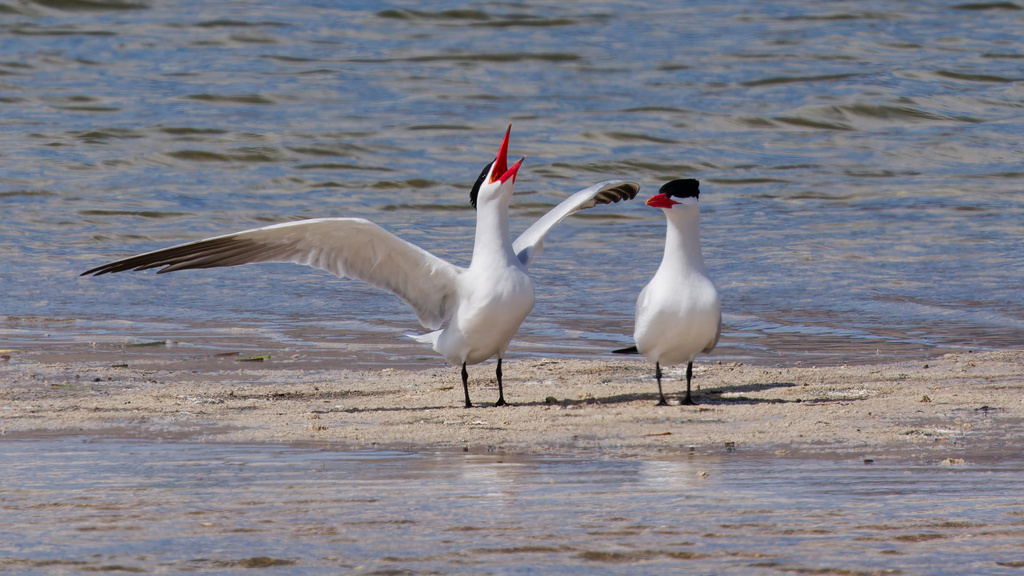
- Caspian TernHydroprogne caspia
- Chimney SwiftChaetura pelagica
- Common GrackleQuiscalus quiscula
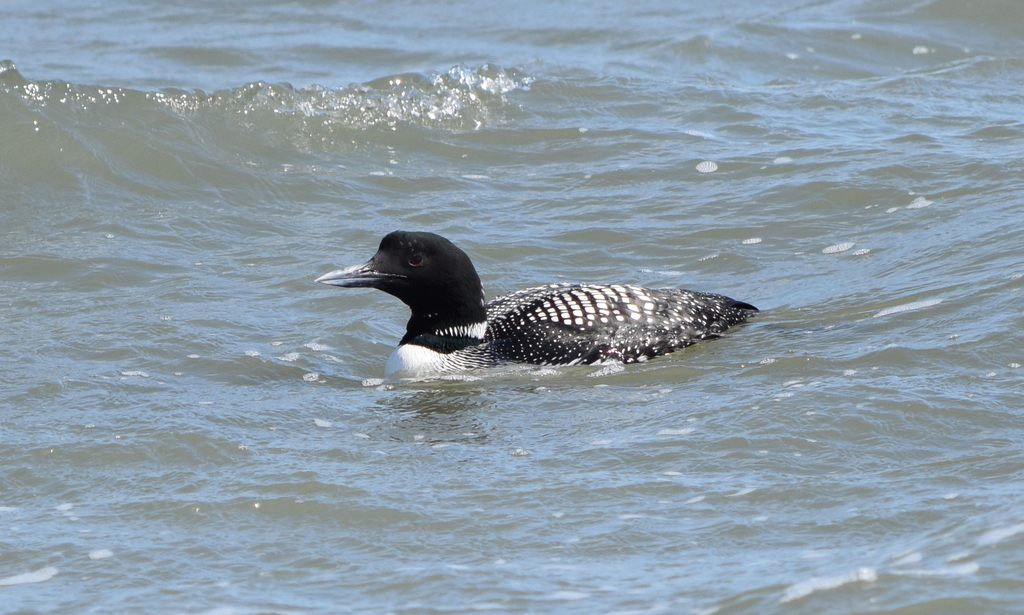
- Common LoonGavia immer
- Common NighthawkChordeiles minor














Who uses this plant?
 25CaterpillarsGenus host records with ranges including VA
Genus host records with ranges including VA · Amorpha
- Epargyreus clarusSilver-spotted Skipper
- Achatia distinctaDistinct Quaker
- Agonopterix argillaceaClay-Colored Agonopterix
- Archips argyrospilaFruit-Tree Leafroller Moth
- Automeris ioIo Moth
- Catocala consorsThe Consort
- Catocala habilisHabilis Underwing
- Catocala illectaMagdalen Underwing
- Cecropterus lyciadesHoary Edge
- Cecropterus pyladesNorthern Cloudywing
Show all 25
- Choristoneura rosaceanaOblique-Banded Leafroller Moth, Rosaceous Leaf Roller
- Dasylophia anguinaBlack-Spotted Prominent
- Grapholita eclipsanaSolidago Root Moth
- Hypena scabraGreen Cloverworm Bomolocha, Black Snout
- Iridopsis ephyrariaPale-Winged Gray
- Lithophane antennataAshen Pinion
- Pandemis limitataThree-Lined Leafroller Moth
- Parectopa robiniellaLocust Digitate Leafminer
- Platynota rostranaOmnivorous Platynota
- Pleuroprucha insulsariaCommon Tan Wave
- Strymon melinusGray Hairstreak
- Uresiphita reversalisGenista Caterpillar, Genista Cbroom Moth
- Sinoe robiniella
- Sitochroa dasconalis
- Walshia dispar
 27BeesSoutheastern regional records
Southeastern regional records · Amorpha
Individual names are not available yet.
Noori, Seltmann & Orr 2026, A curated and integrated dataset for exploring global bee-plant interactions (GloBI), Zenodo, CC BY 4.0 3Specialist beesPollen specialists
Pollen specialists · Amorpha
- Andrena cragini
- Colletes susannae
- Hoplitis micheneri
 —BirdsRecorded genus food-resource interactions; not a state feeding claim
No records yet · Ants · Beetles · Flies · Adult butterflies / moths · Other wasps · Other insects
Plant details
- Family
- Fabaceae
- Hardiness
- Zones 4–9
- Flower color
- Purple
- Growth rate
- Slow
- Growth habit
- Several stems
- Foliage color
- Green
- Fruit begins
- June
- Fruit ends
- October
Safety has not been reviewed for this plant; check toxicity and thorns before planting.
Growing sources and scope
- Bloom · “April to June” · FloraQuest: Carolinas, Georgia (Southeastern Flora Team), phone app (app page) (ranked first; USDA PLANTS, Prairie Moon 2026 Cultural Guide differ) · Carolinas and Georgia
- Flower color · “Purple” · USDA PLANTS (ranked first; Lady Bird Johnson Wildflower Center differs) · Nationwide species characteristics; local growing conditions may vary
- Foliage color · “Green” · USDA PLANTS · Nationwide species characteristics; local growing conditions may vary
- Fruit begins · “June” · FloraQuest: Carolinas, Georgia (Southeastern Flora Team), phone app (app page) (ranked first; USDA PLANTS differs) · Carolinas and Georgia
- Fruit ends · “October” · FloraQuest: Carolinas, Georgia (Southeastern Flora Team), phone app (app page) (ranked first; USDA PLANTS differs) · Carolinas and Georgia
- Growth habit · “Several stems” · USDA PLANTS · Nationwide species characteristics; local growing conditions may vary
- Growth rate · “Slow” · USDA PLANTS · Nationwide species characteristics; local growing conditions may vary
- Hardiness · “Zones 4–9” · Missouri Botanical Garden Plant Finder
- Height · “About 15 feet” · USDA PLANTS (ranked first; Lady Bird Johnson Wildflower Center, Missouri Botanical Garden Plant Finder, Prairie Moon 2026 Cultural Guide differ) · Nationwide species characteristics; local growing conditions may vary
- Leaves · “Deciduous” · Lady Bird Johnson Wildflower Center
- Leaf retention · “Deciduous” · USDA PLANTS · Nationwide species characteristics; local growing conditions may vary
- Life cycle · “Perennial” · Lady Bird Johnson Wildflower Center
- Light · “Full to part sun” · Tennessee Smart Yards (ranked first; Lady Bird Johnson Wildflower Center, Missouri Botanical Garden Plant Finder, Prairie Moon 2026 Cultural Guide differ) · Published Tennessee growing guidance; exact cached scientific heading
- Soil · “moderately wet to moderately dry” · Tennessee Smart Yards (ranked first; Lady Bird Johnson Wildflower Center, Missouri Botanical Garden Plant Finder, Prairie Moon 2026 Cultural Guide differ) · Published Tennessee growing guidance; exact cached scientific heading
- Spread · “6–15 feet” · Missouri Botanical Garden Plant Finder
Also known as
False Indigo bush; Tall False Indigo; Tall Indigo Bush
Conservation status
| Virginia rank | S3S4 |
|---|---|
| Global rank | G5 |
| VA status | Not verified |
| Federal status | Not verified |
Will it fit your yard?
Check this plant against your county, sun and soil moisture. Conditions are checked in your browser.
Sources
- Digital Atlas of the Virginia Flora
- USDA PLANTS
- Vascular Plants of North Carolina (NC Natural Heritage Program)
- NatureServe Explorer
- Shropshire & Tallamy 2025, Lepidoptera of North America north of Mexico, ZooKeys 1261 (ODbL)
- Noori, Seltmann & Orr 2026, A curated and integrated dataset for exploring global bee-plant interactions (GloBI), Zenodo, CC BY 4.0
- Smith, Bachelder, Russell, Morales, Mosher & Seltmann 2024, Bee-Specialization-Modeling v0.6.1 (specialist host table compiled from J. Fowler's pollen specialist bee lists), Zenodo, CC BY 4.0
- Hurlbert, Olsen, Sawyer & Winner 2021, Avian Diet Database, Scientific Data 8: 260 (CC0)
- Narango, Tallamy & Shropshire 2020, Few keystone plant genera support the majority of Lepidoptera species, Nature Communications