

Bird
Willow Flycatcher
Empidonax traillii
Passes through Mississippi on migration. Found in all 82 counties, across 3 habitats.
- Here
- On migration
- Nesting
- Not known to nest here
- Range
- All 82 counties
- Habitats
- 3
Photograph not available yet.
At a glance
- Group
- Birds
- Here
- On migration
- Nesting
- Not known to nest here
- Range
- All 82 counties
- Habitats
- 3
- Habitat models
- Summer
Where it lives
The places its habitat model includes. It is not found everywhere a habitat occurs.
Habitats in Mississippi 3
Each habitat page lists the plants and wildlife also found there.
Disturbed and introduced wetlands
Wet ground taken over by weedy or introduced plants after disturbance, such as common reed, Chinese tallow or tamarisk stands; the upland counterpart is roadsides, fields and disturbed ground.
Floodplain and bottomland forests
Forests on low ground beside rivers and streams that flood from time to time.
Borders of forests, clearings and shrubby thickets.
Other habitats in its models (11)
Land cover, or classes with no habitat page in Mississippi. Those recorded in Mississippi first, the rest by region.
Elsewhere in the South (4)
- Cumberland Riverscour Summer.
- South-Central Interior Large Floodplain Summer.
- South-Central Interior Small Stream and Riparian Summer.
- Southern and Central Appalachian Bog and Fen Summer.
Midwest (1)
- Western Great Plains Wooded Draw and Ravine Summer, only within 120 m of water.
Land cover and other classes (6)
- Central Appalachian Riparian - Forest Modifier Summer.
- Central Interior and Appalachian Floodplain Systems Summer.
- Central Interior and Appalachian Riparian Systems Summer.
- Central Interior and Appalachian Shrub-Herbaceous Wetland Systems Summer.
- Eastern Great Plains Floodplain Systems Summer.
- Western Great Plains Floodplain Systems Summer.
Seasons in Mississippi
- Migratory: does not nest here, in all 82 counties.
Also found in its main habitats
Its main habitats in Mississippi, by how much of its habitat model each one is, with the birds most characteristic of each and the plants that grow wild there. Shared habitat, not food.
Disturbed and introduced wetlands
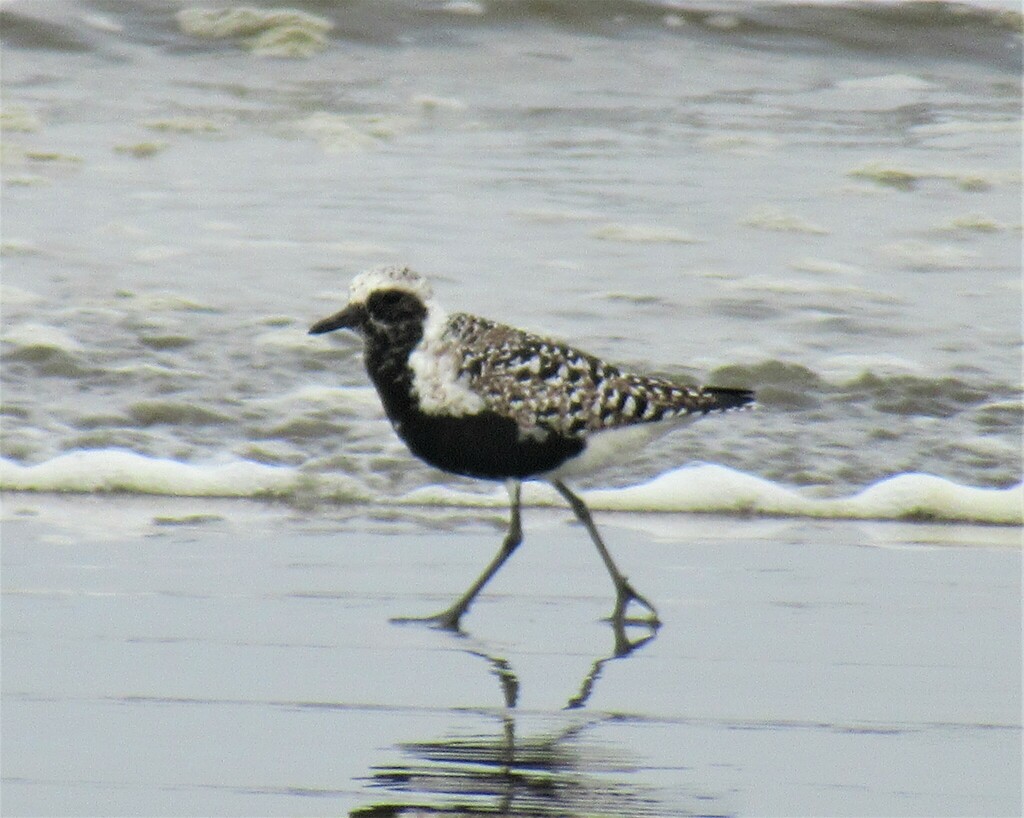
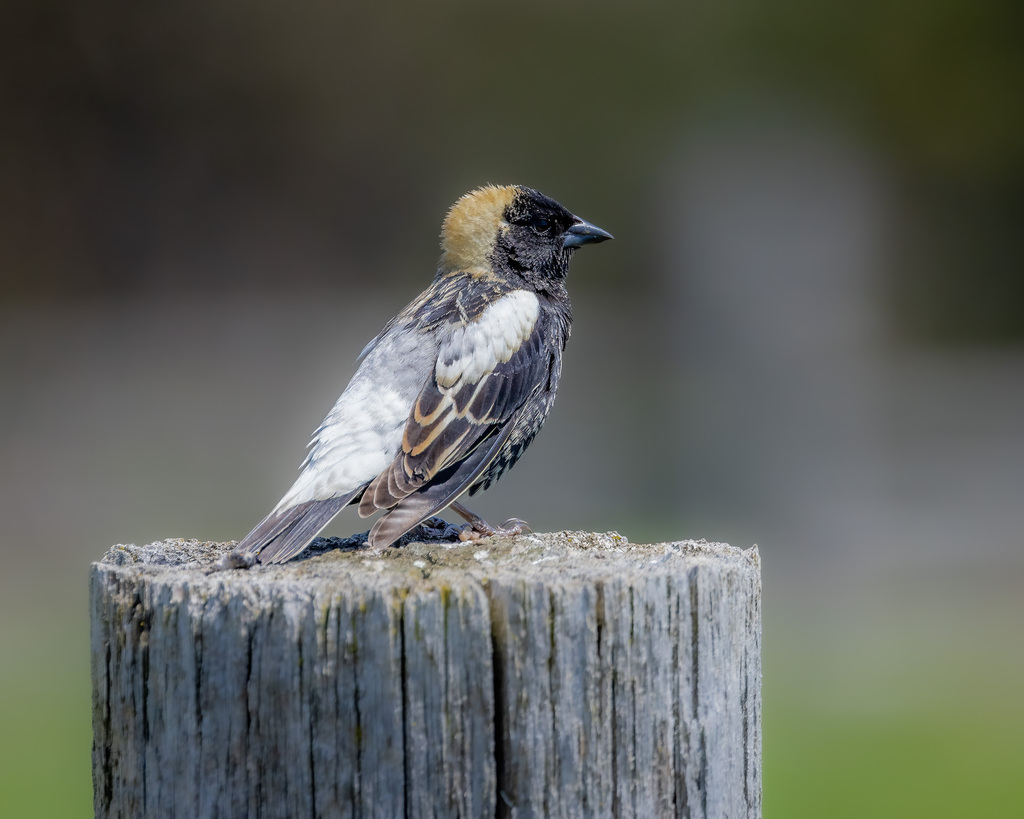
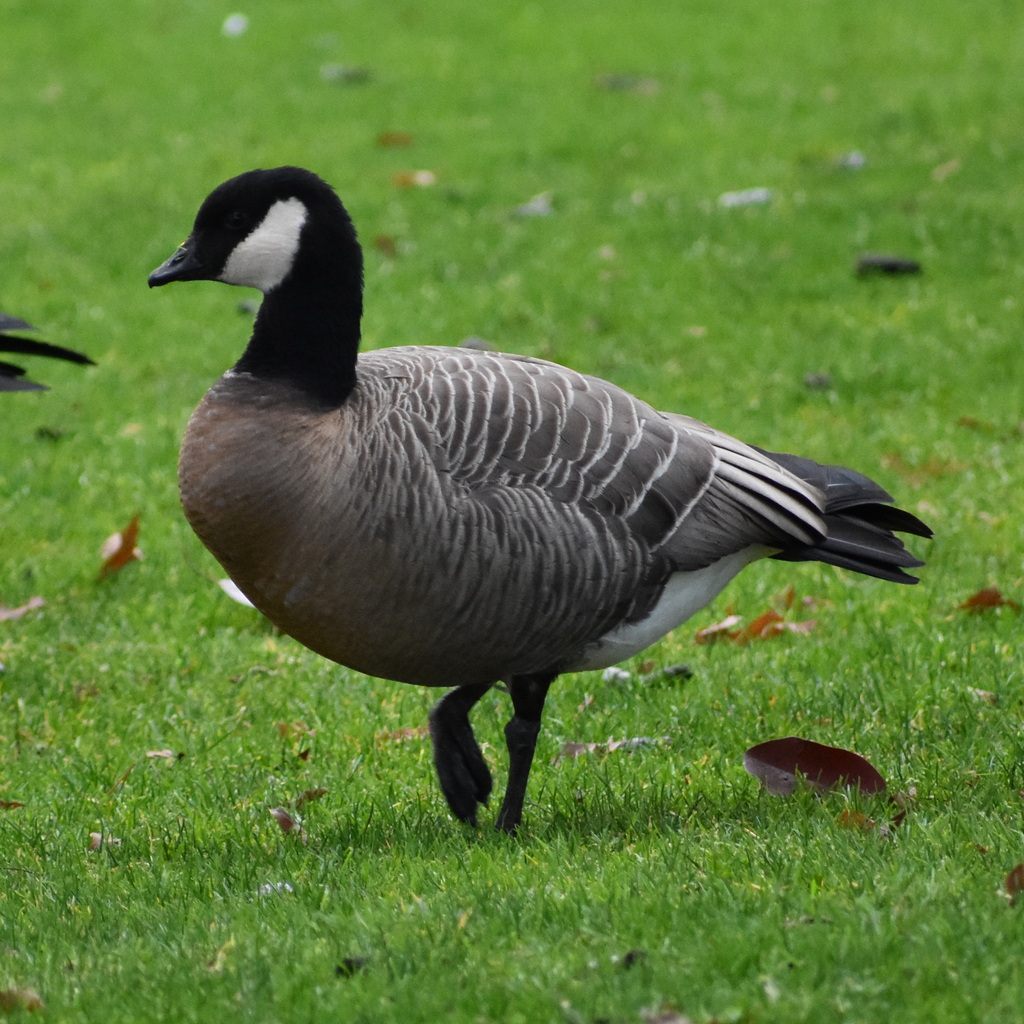
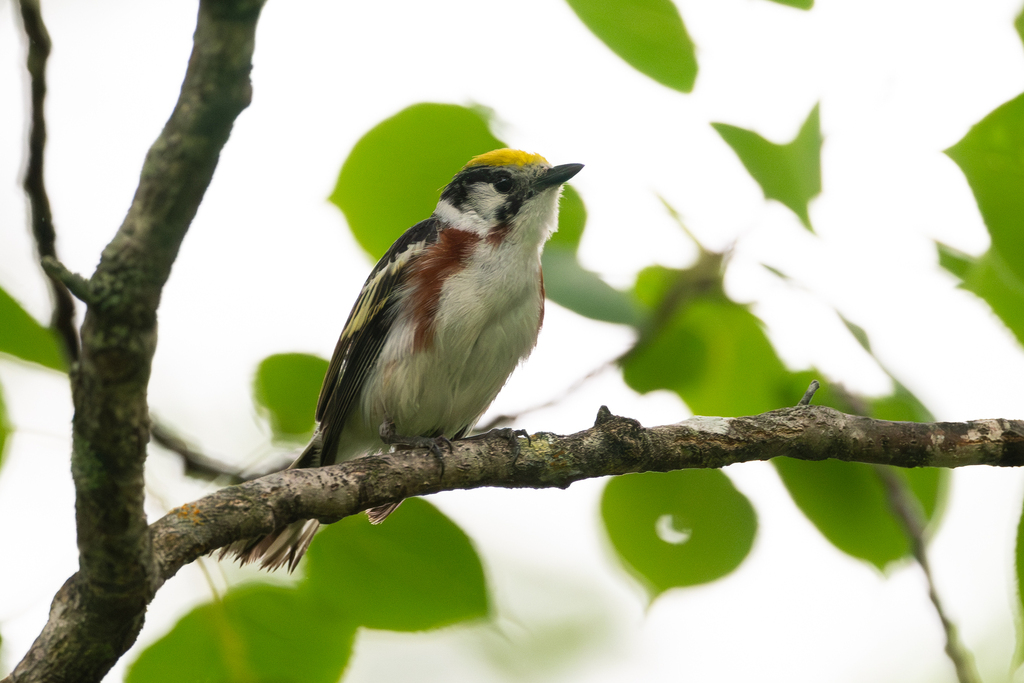
Birds 158
- Black TernChlidonias niger
- Bronzed CowbirdMolothrus aeneus
- DickcisselSpiza americana
- Bell's VireoVireo bellii
- Black-bellied PloverPluvialis squatarola
- BobolinkDolichonyx oryzivorus
- Cackling GooseBranta hutchinsii
- Chestnut-sided WarblerDendroica pensylvanica
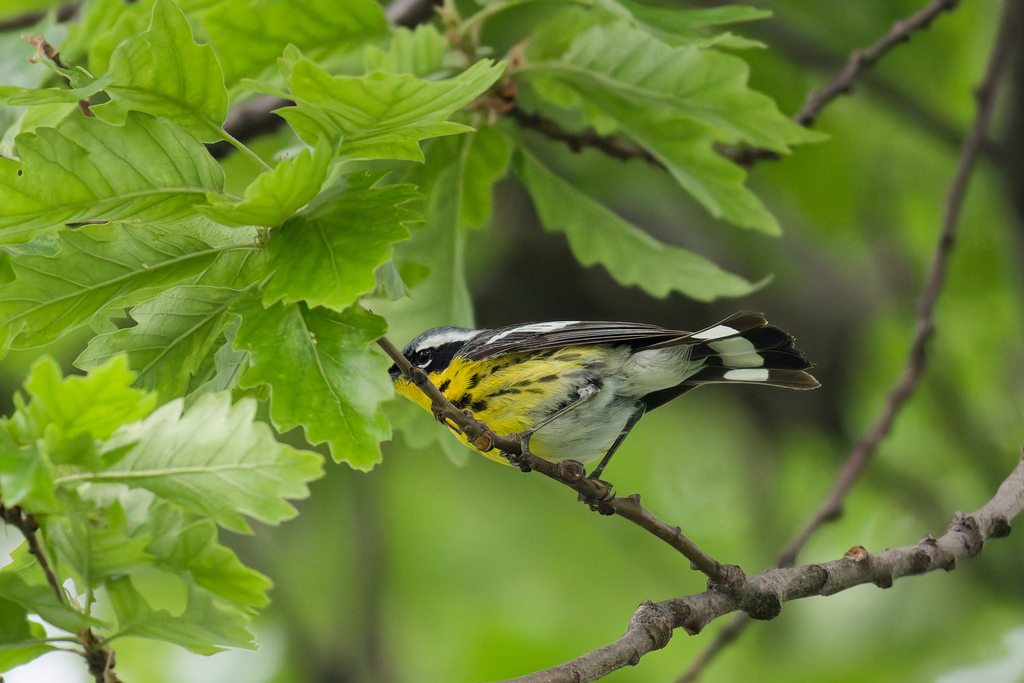
- Magnolia WarblerDendroica magnolia
- Northern Saw-whet OwlAegolius acadicus
- Red-breasted NuthatchSitta canadensis
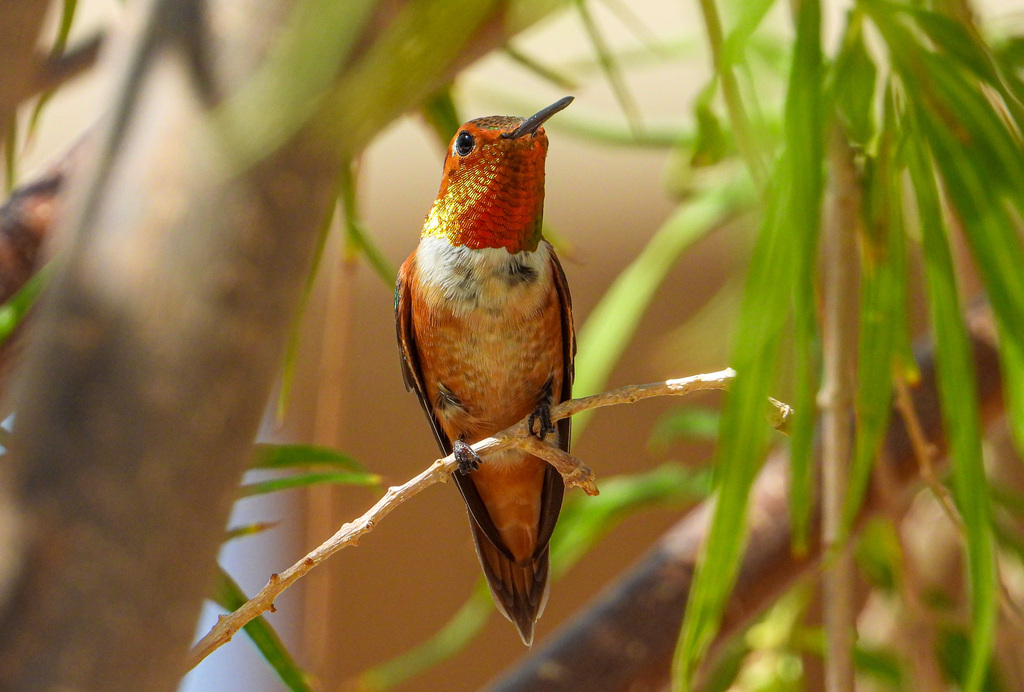
- Rufous HummingbirdSelasphorus rufus
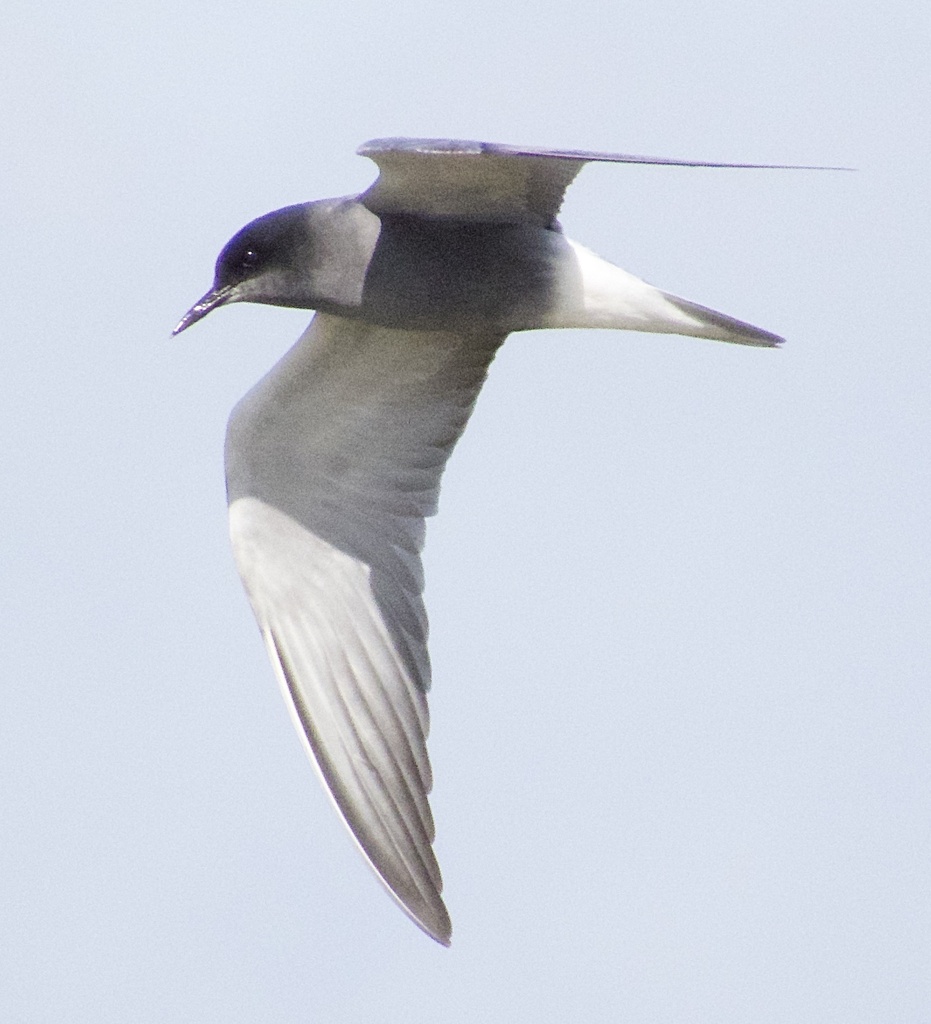
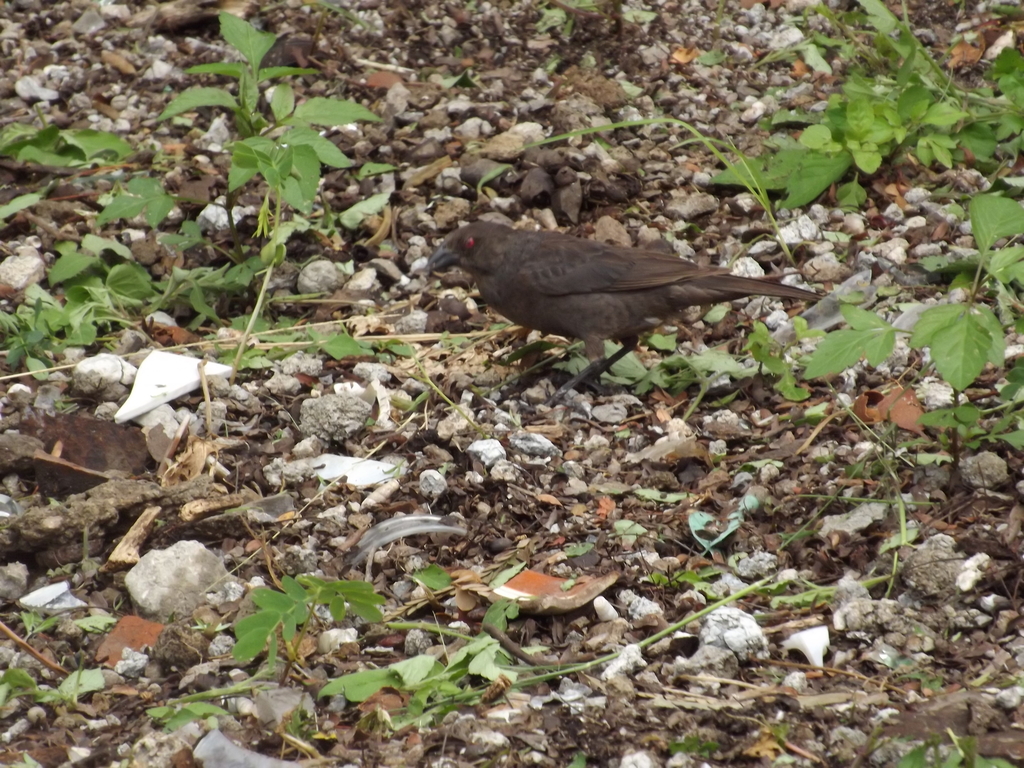
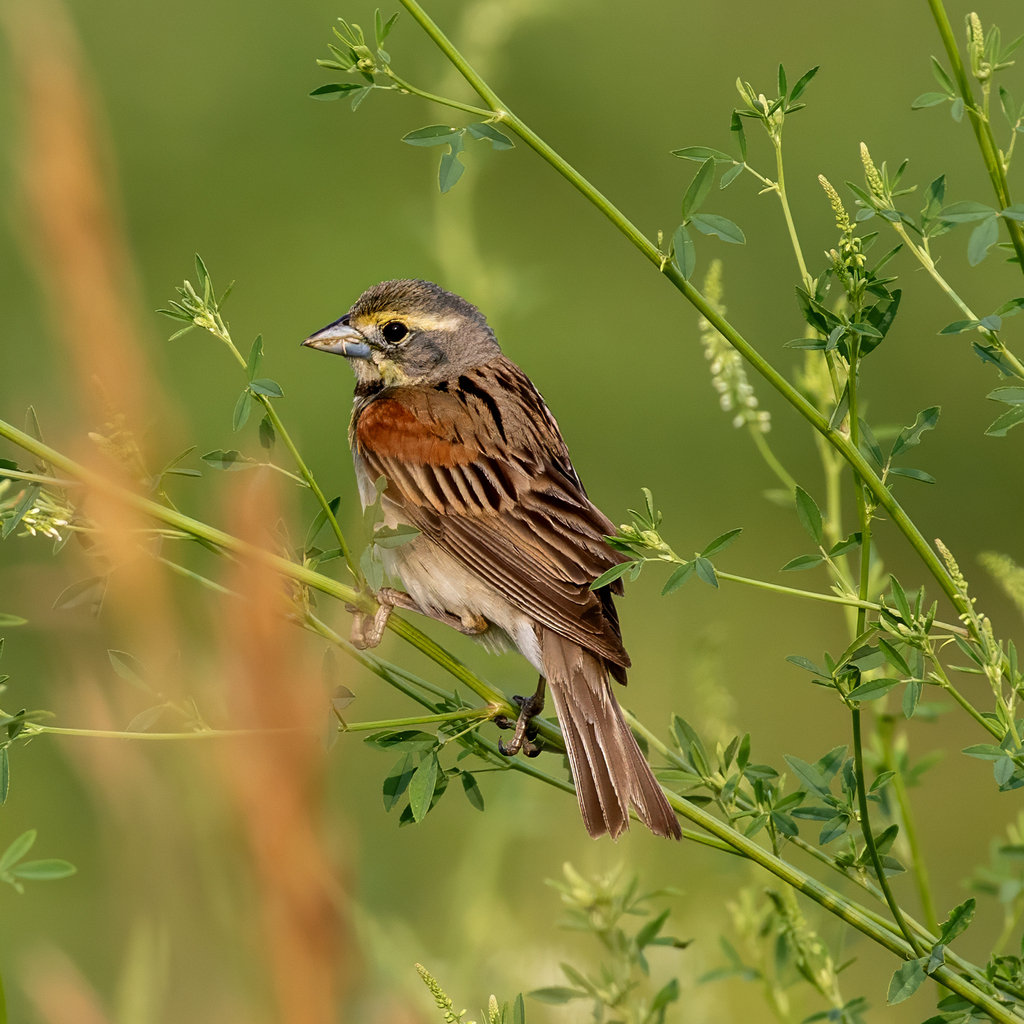
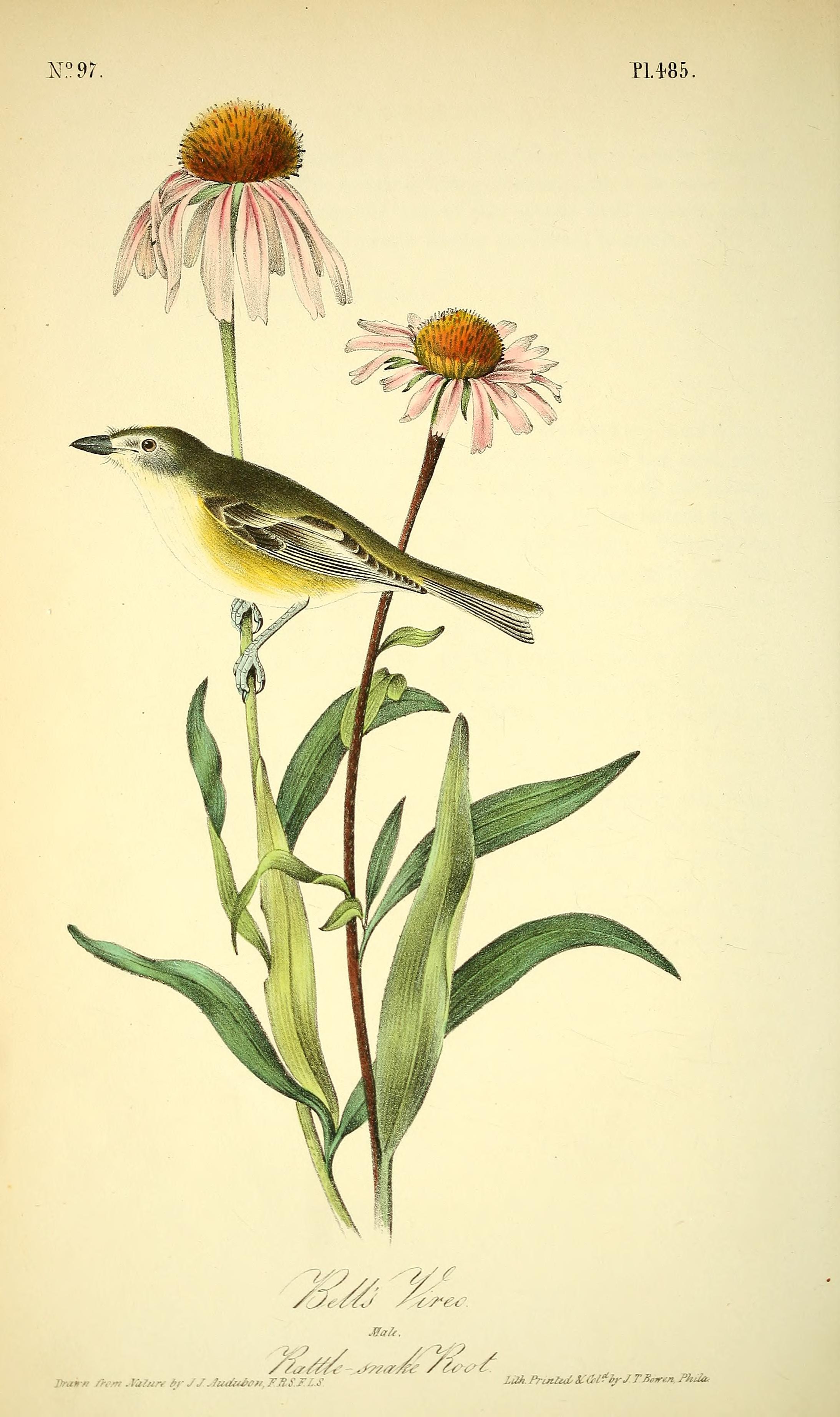


Plants 26
- Slender FimbryFimbristylis autumnalis
- Intermediate Spike RushEleocharis intermedia
- Purple SpikerushEleocharis atropurpurea
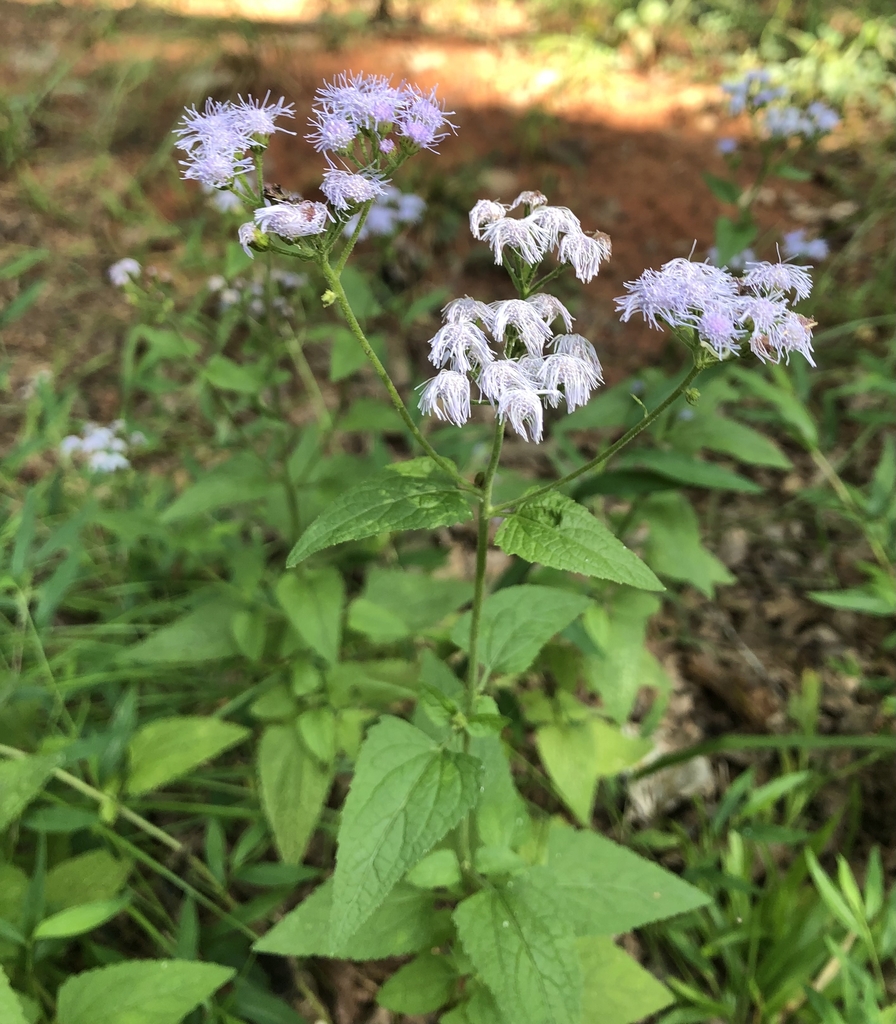
- Blue MistflowerConoclinium coelestinum
- BagpodGlottidium vesicarium
- Cyperus ochraceusCyperus ochraceus
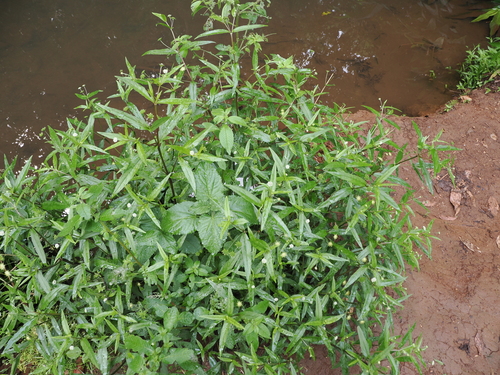
- False DaisyEclipta prostrata
- Blunt Spike RushEleocharis obtusa
- Bristly SedgeCarex comosa
- Shortbeak BeaksedgeRhynchospora nitens
- Southern Marsh YellowcressRorippa teres
- Sensitive FernOnoclea sensibilis
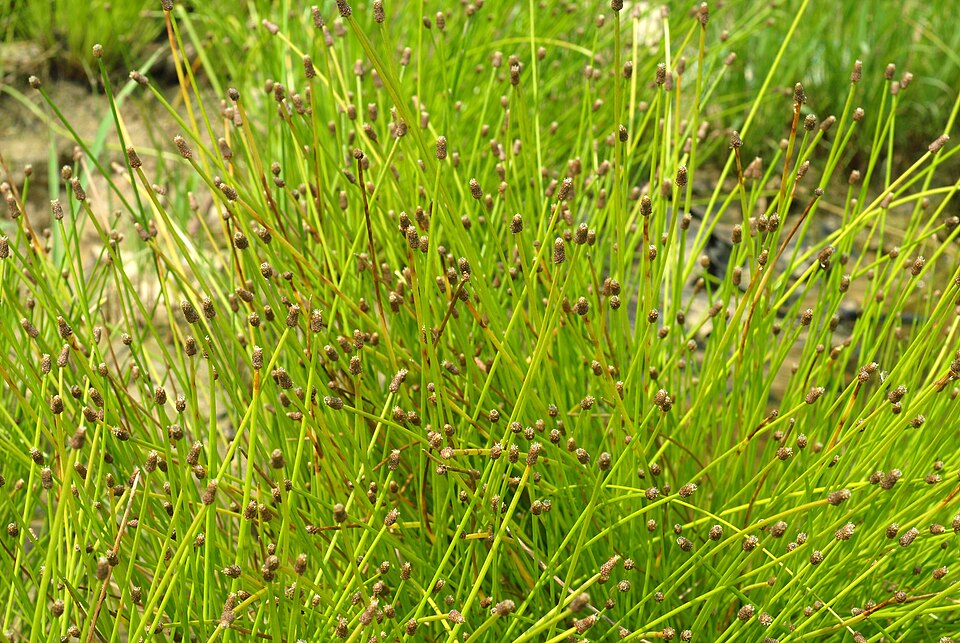
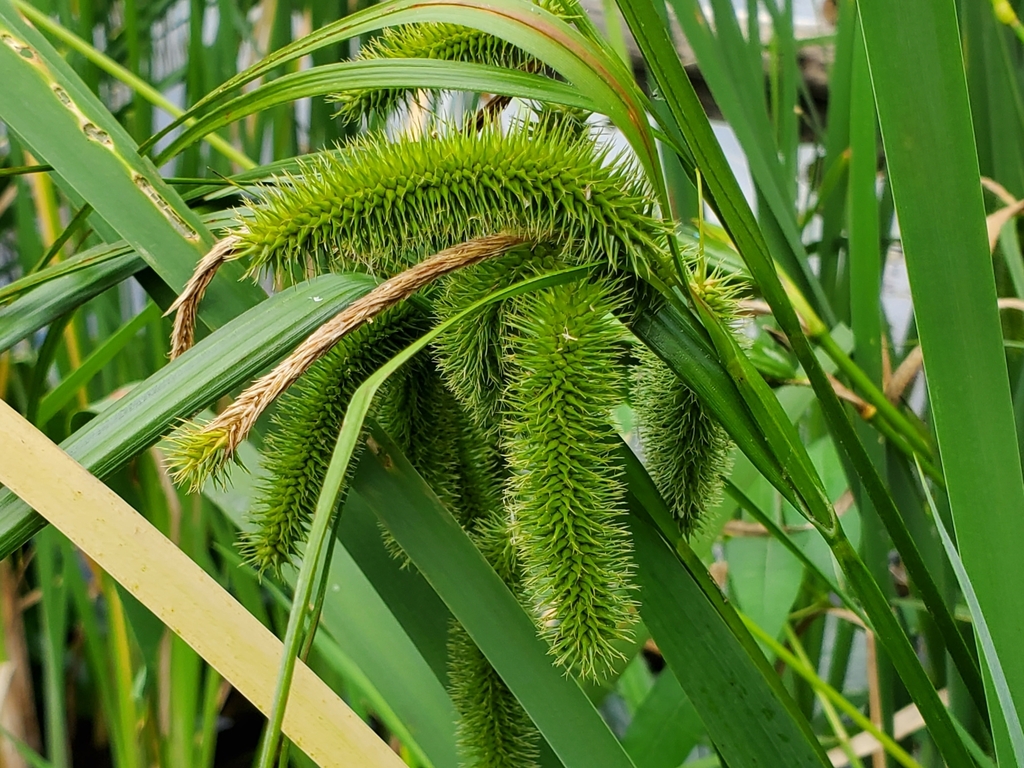
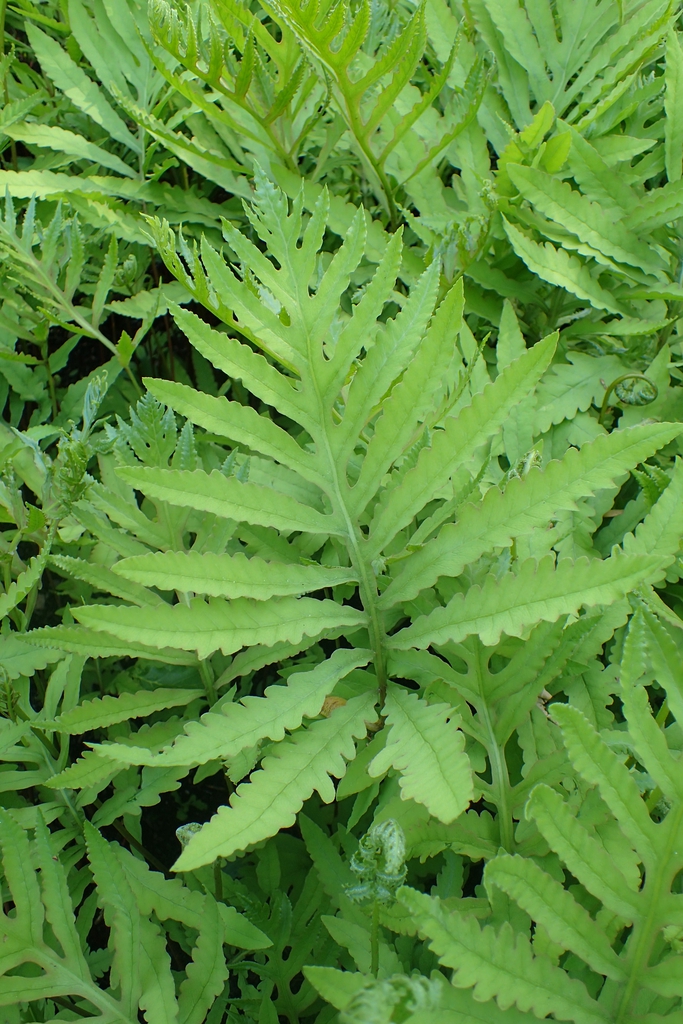
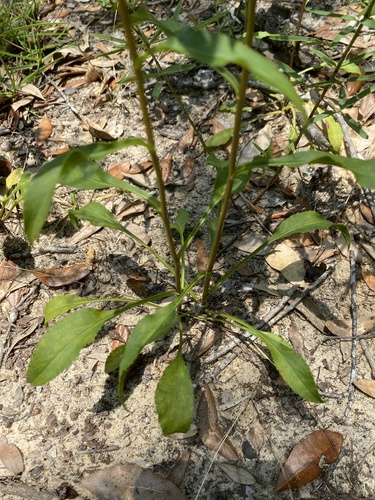
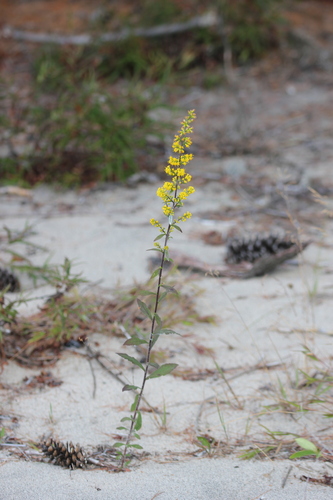
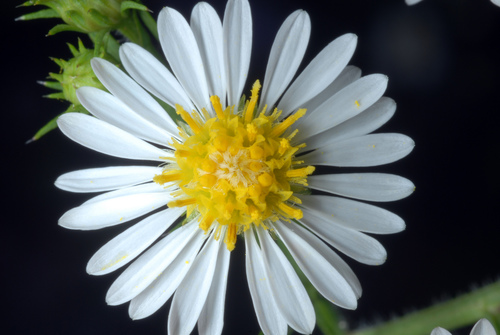
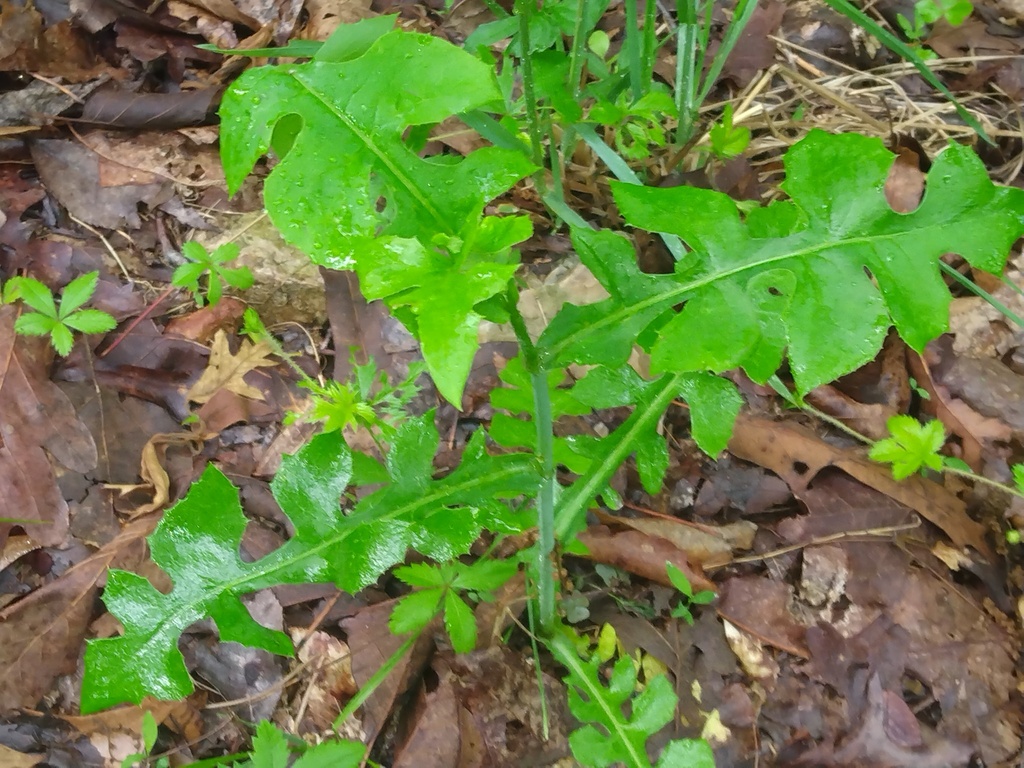
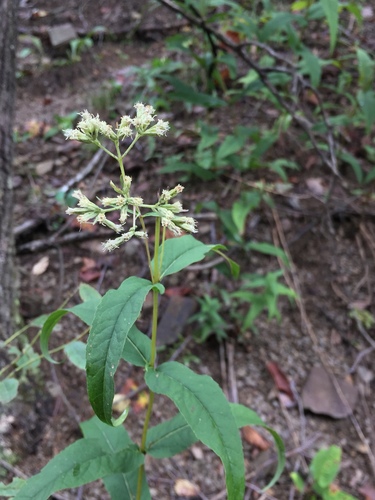
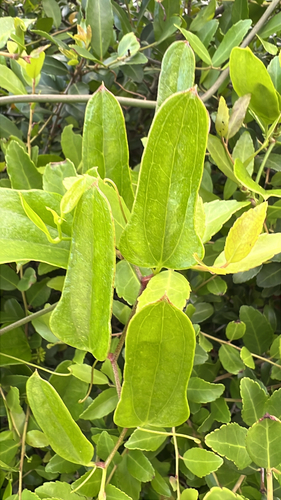
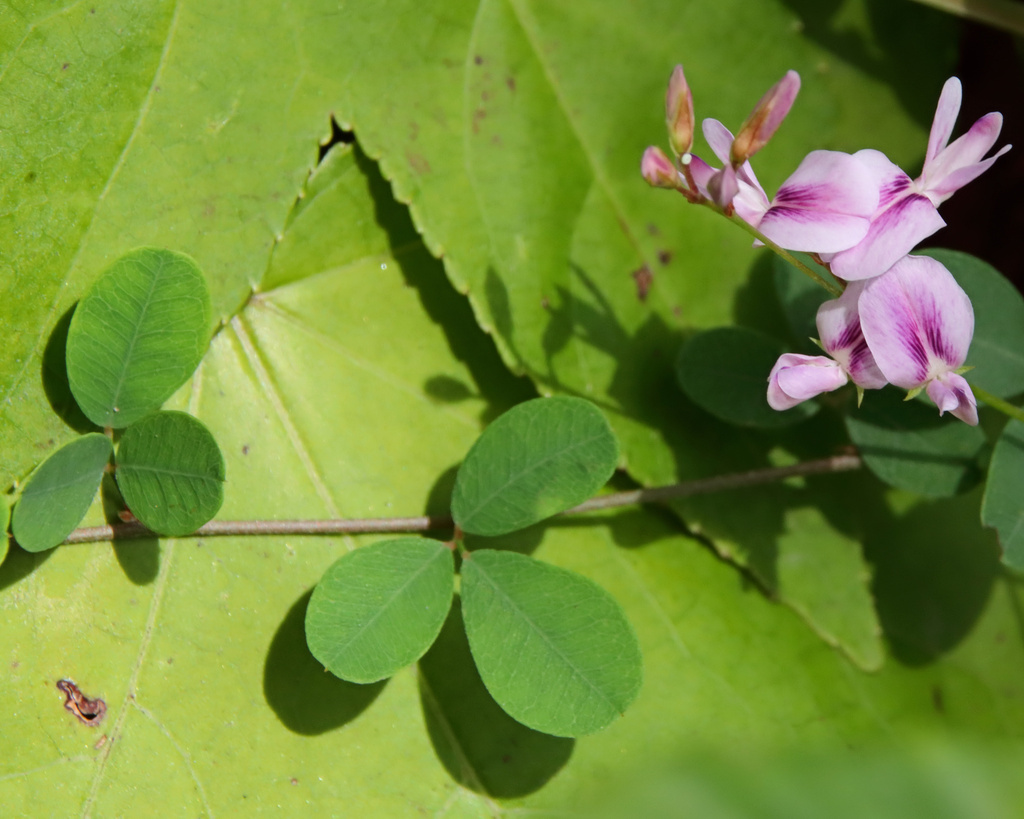
Forest edges and thickets
Birds 75
- VeeryCatharus fuscescens
- Bell's VireoVireo bellii
- Blue-winged WarblerVermivora pinus
- Chestnut-sided WarblerDendroica pensylvanica
- Golden-winged WarblerVermivora chrysoptera
- Magnolia WarblerDendroica magnolia
- Rufous HummingbirdSelasphorus rufus
- Alder FlycatcherEmpidonax alnorum
- American Tree SparrowSpizella arborea
- Black-billed CuckooCoccyzus erythropthalmus
- Buff-bellied HummingbirdAmazilia yucatanensis
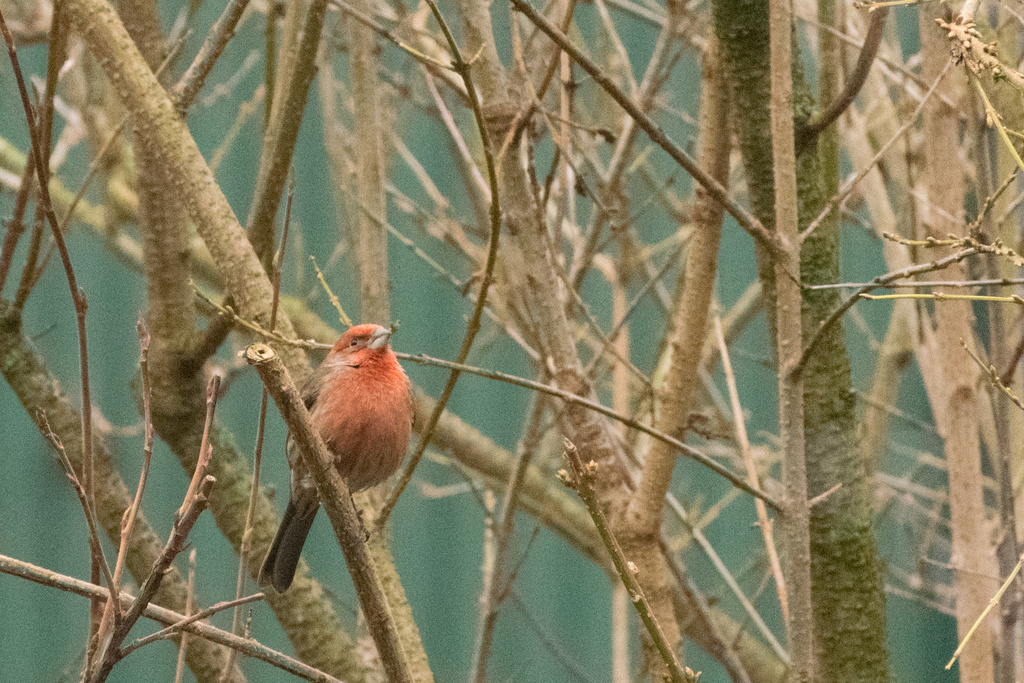
- House FinchCarpodacus mexicanus
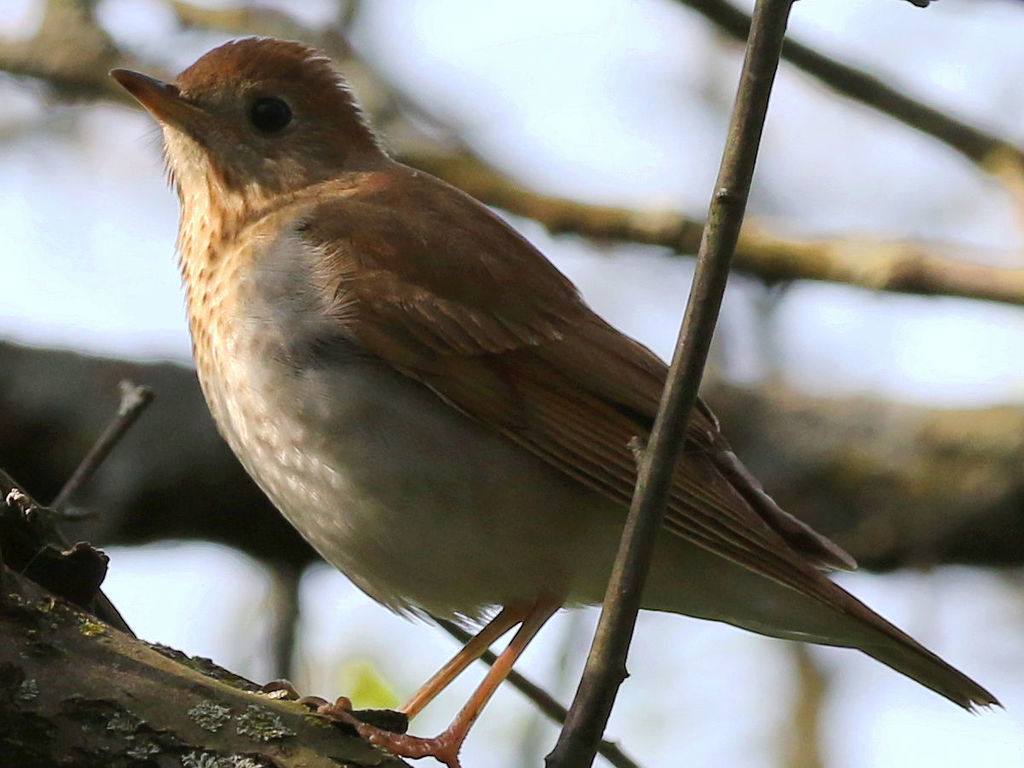
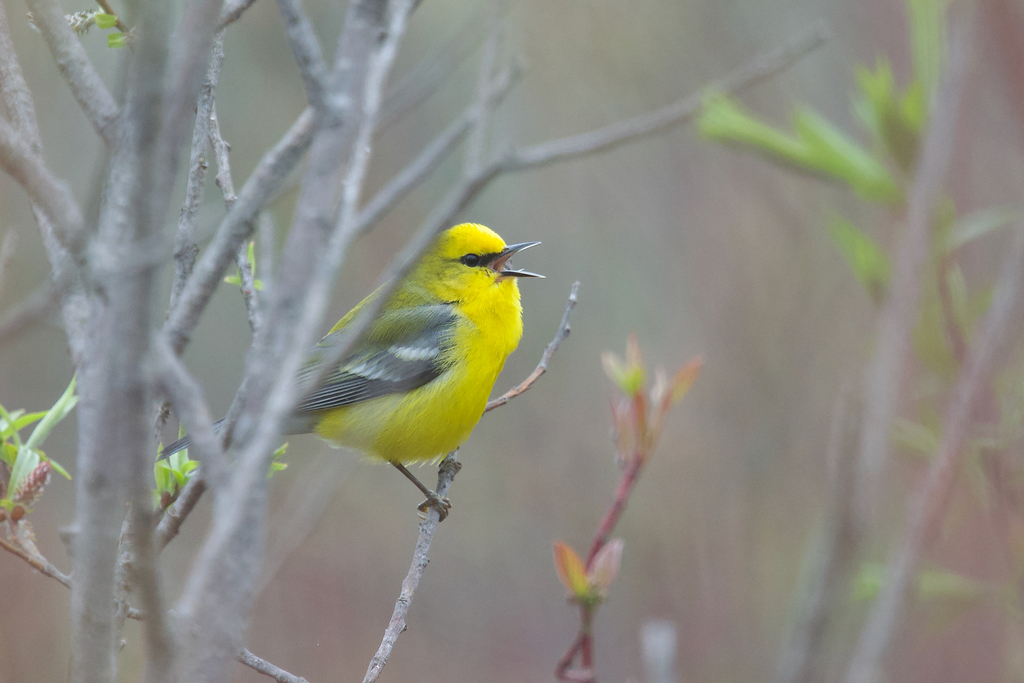


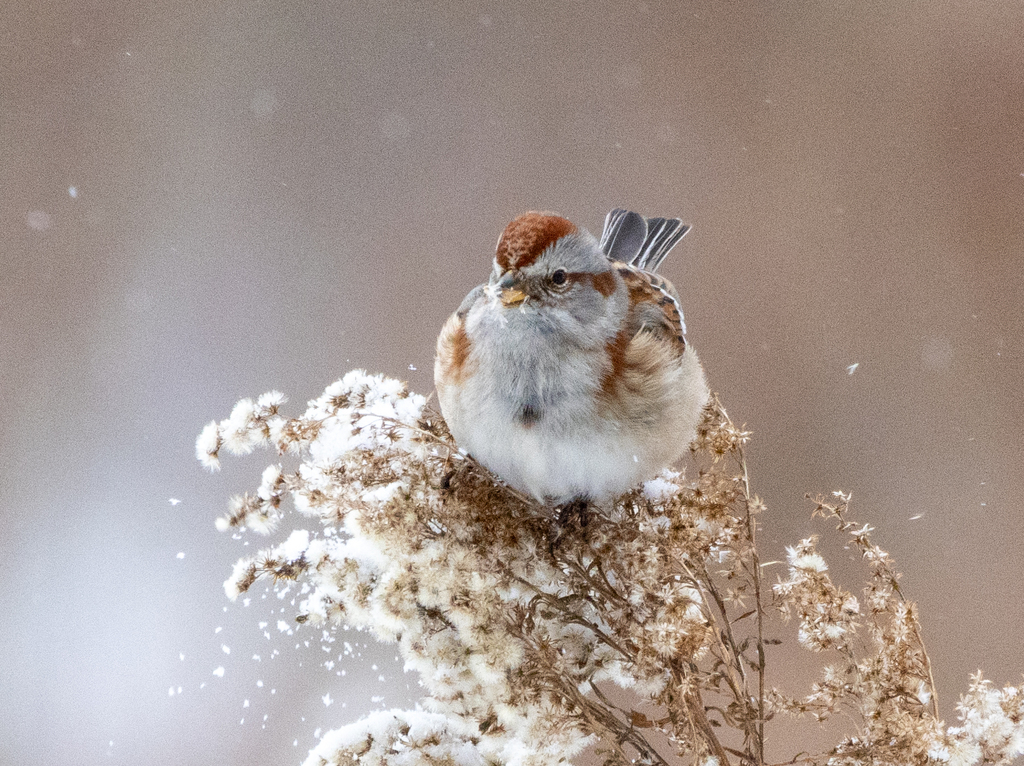
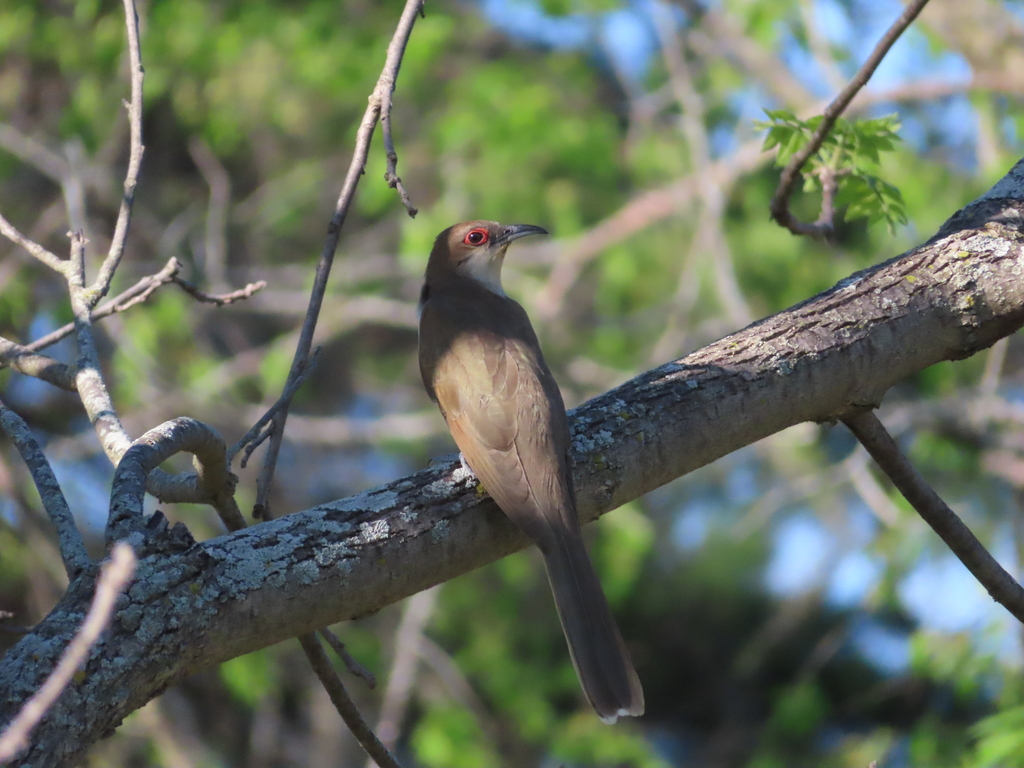
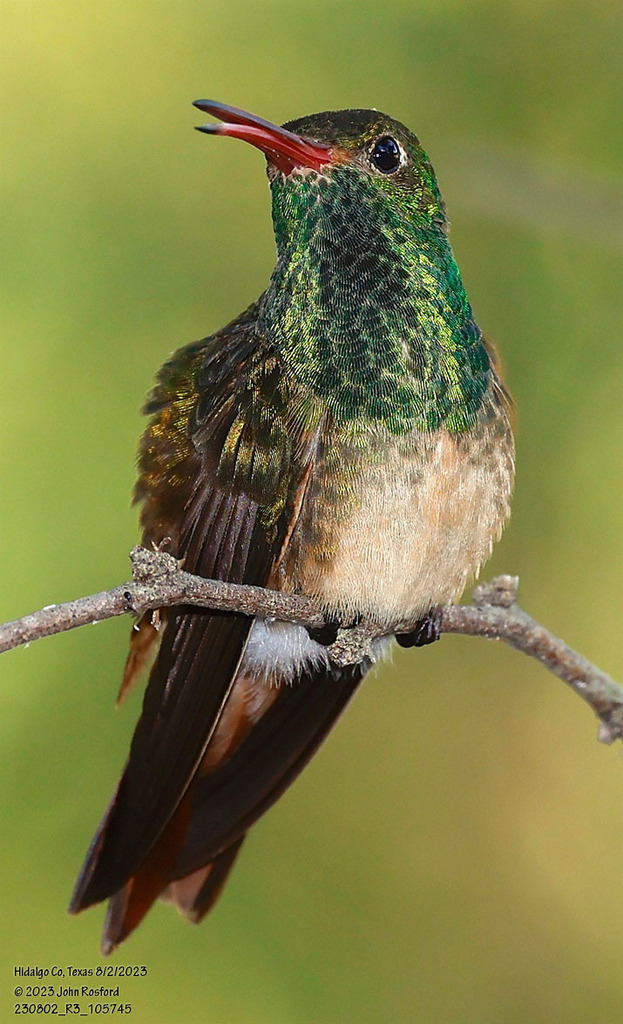
Plants 172
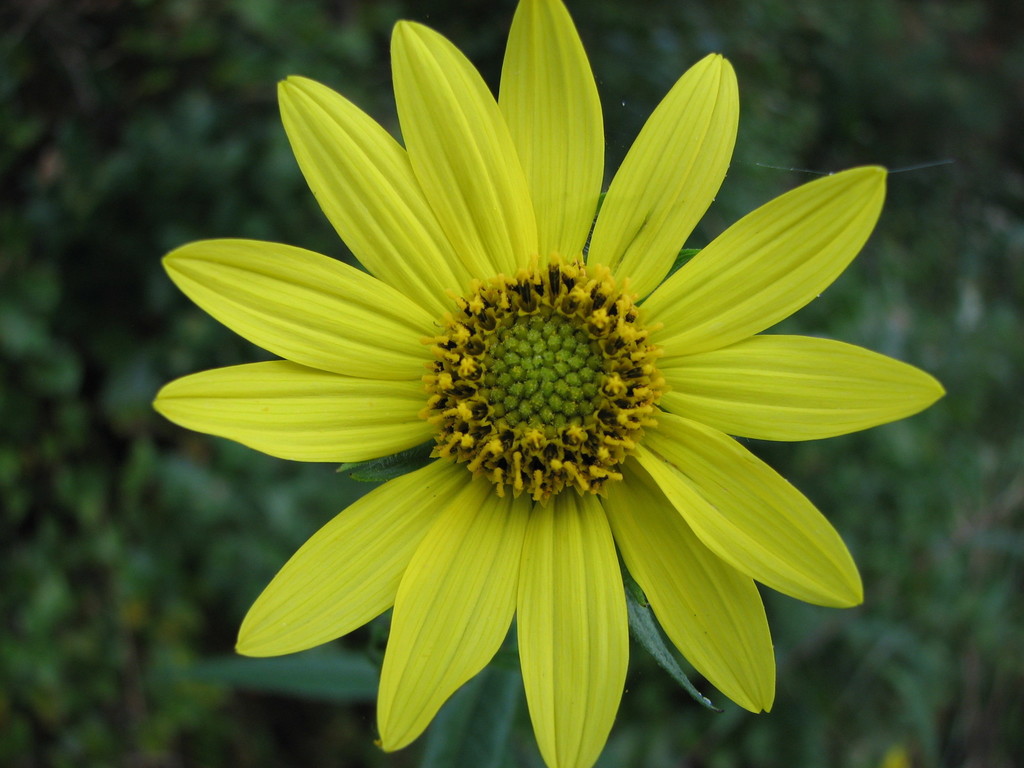
- Rosinweed SunflowerHelianthus silphioides
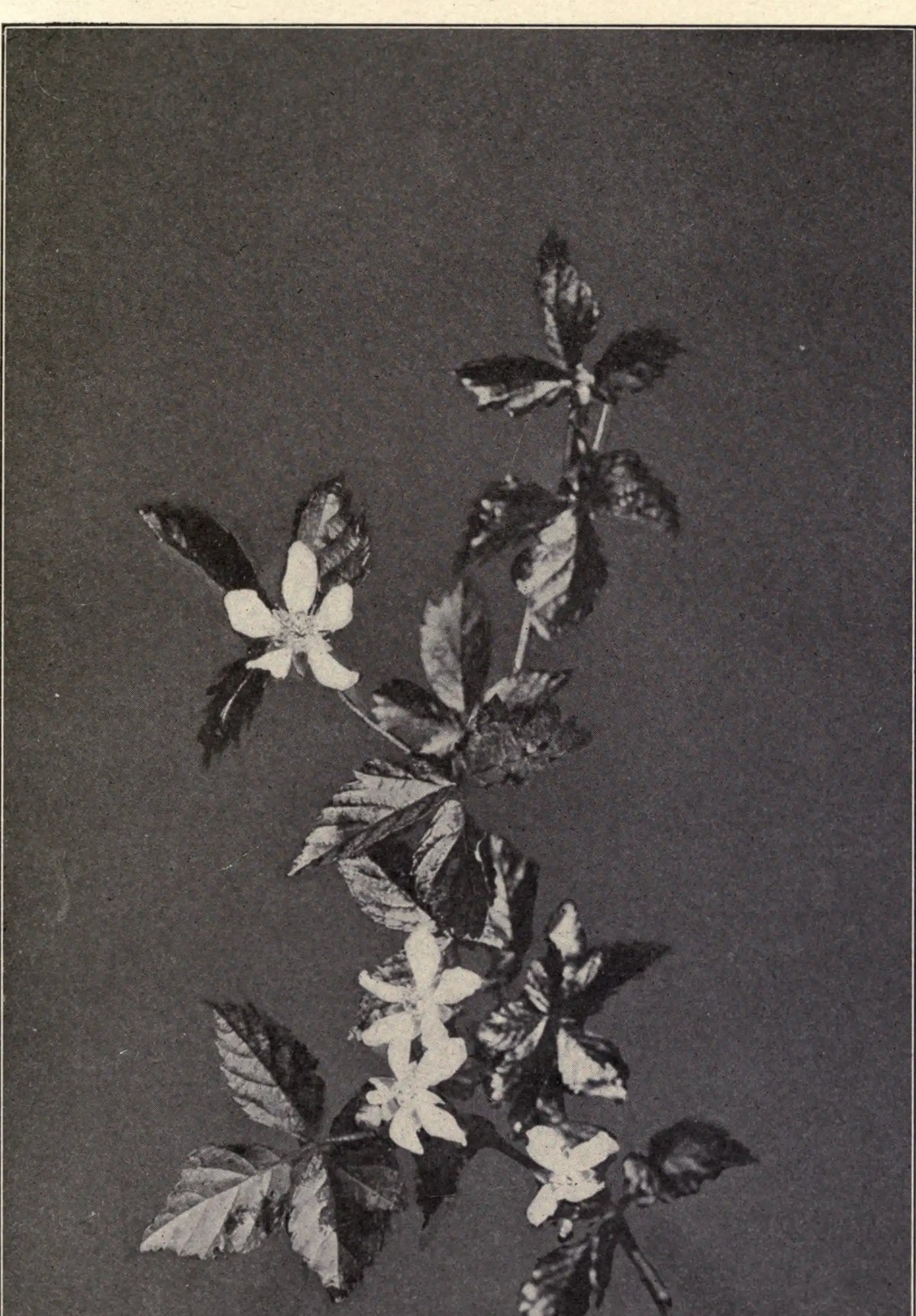
- Southern DewberryRubus trivialis
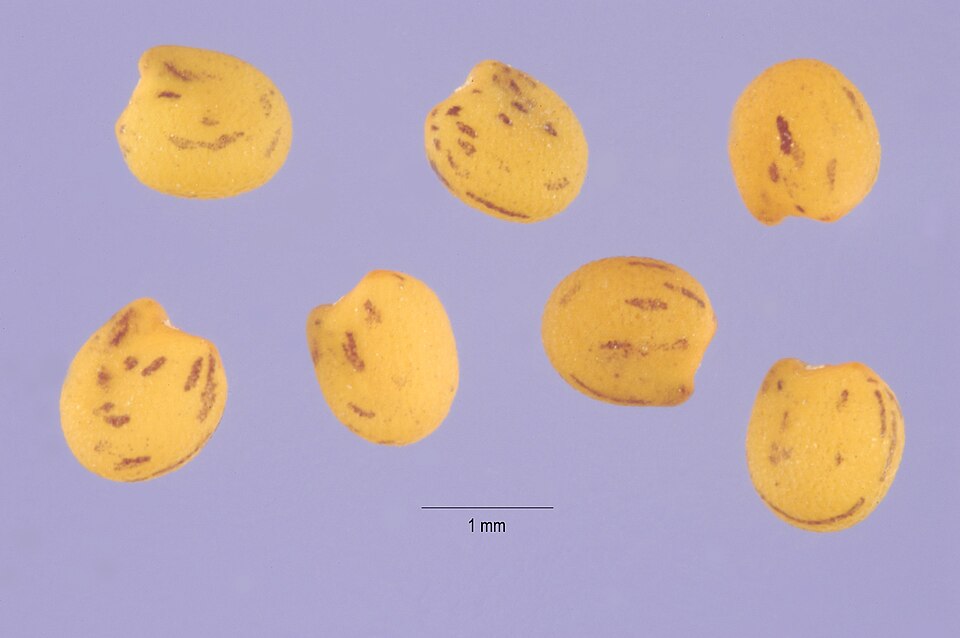
- Buffalo CloverTrifolium reflexum
- Giant SunflowerHelianthus giganteus
- Cutleaf GoldenrodSolidago arguta
- Hairy GoldenrodSolidago hispida var. hispida
- Old Field AsterSymphyotrichum pilosum var. pilosum
- Hairy LettuceLactuca hirsuta
- Upland BonesetEupatorium sessilifolium
- Earleaf GreenbrierSmilax auriculata
- Creeping LespedezaLespedeza repens
- Matted CrowngrassPaspalum minus
Floodplain and bottomland forests
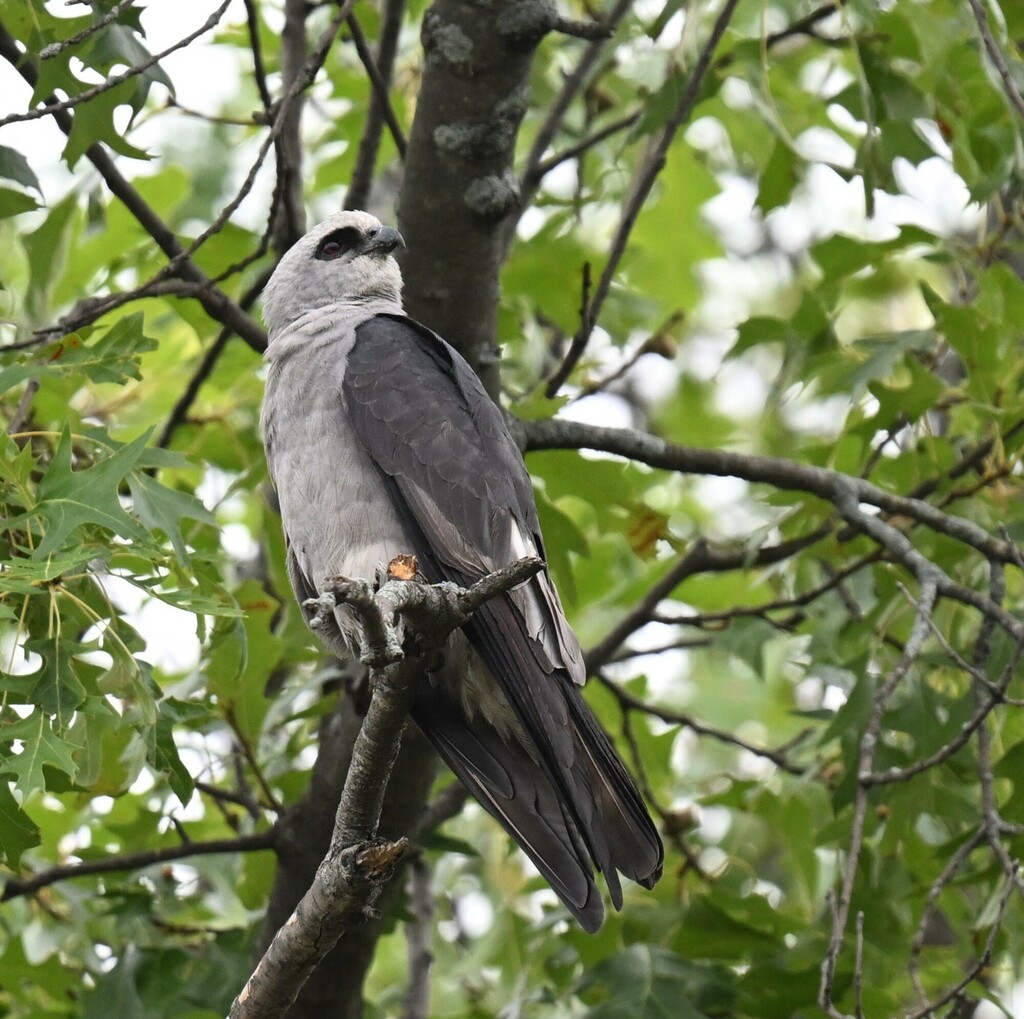
Birds 98
- VeeryCatharus fuscescens
- Louisiana WaterthrushSeiurus motacilla
- Northern Saw-whet OwlAegolius acadicus
- Red-breasted NuthatchSitta canadensis
- Kentucky WarblerOporornis formosus
- Prothonotary WarblerProtonotaria citrea
- Swainson's WarblerLimnothlypis swainsonii
- Broad-winged HawkButeo platypterus
- OvenbirdSeiurus aurocapilla
- Worm-eating WarblerHelmitheros vermivorum
- Blue-headed VireoVireo solitarius
- Mississippi KiteIctinia mississippiensis








Plants 346
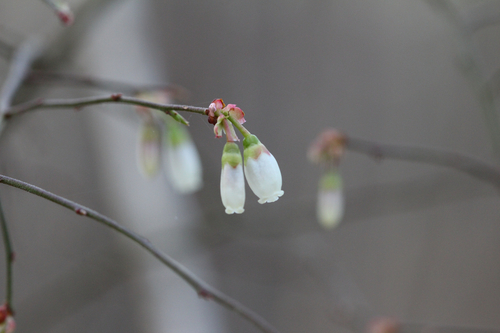
- Elliott's BlueberryVaccinium elliottii
- White Panicled Aster; Eastern Lined AsterSymphyotrichum lanceolatum var. latifolium
- Possumhaw HollyIlex decidua
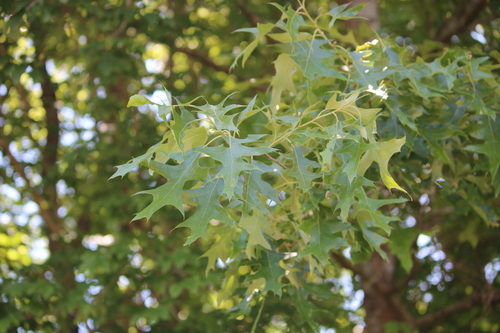
- Cherrybark OakQuercus pagoda
- Appalachian Orange ConeflowerRudbeckia fulgida var. umbrosa
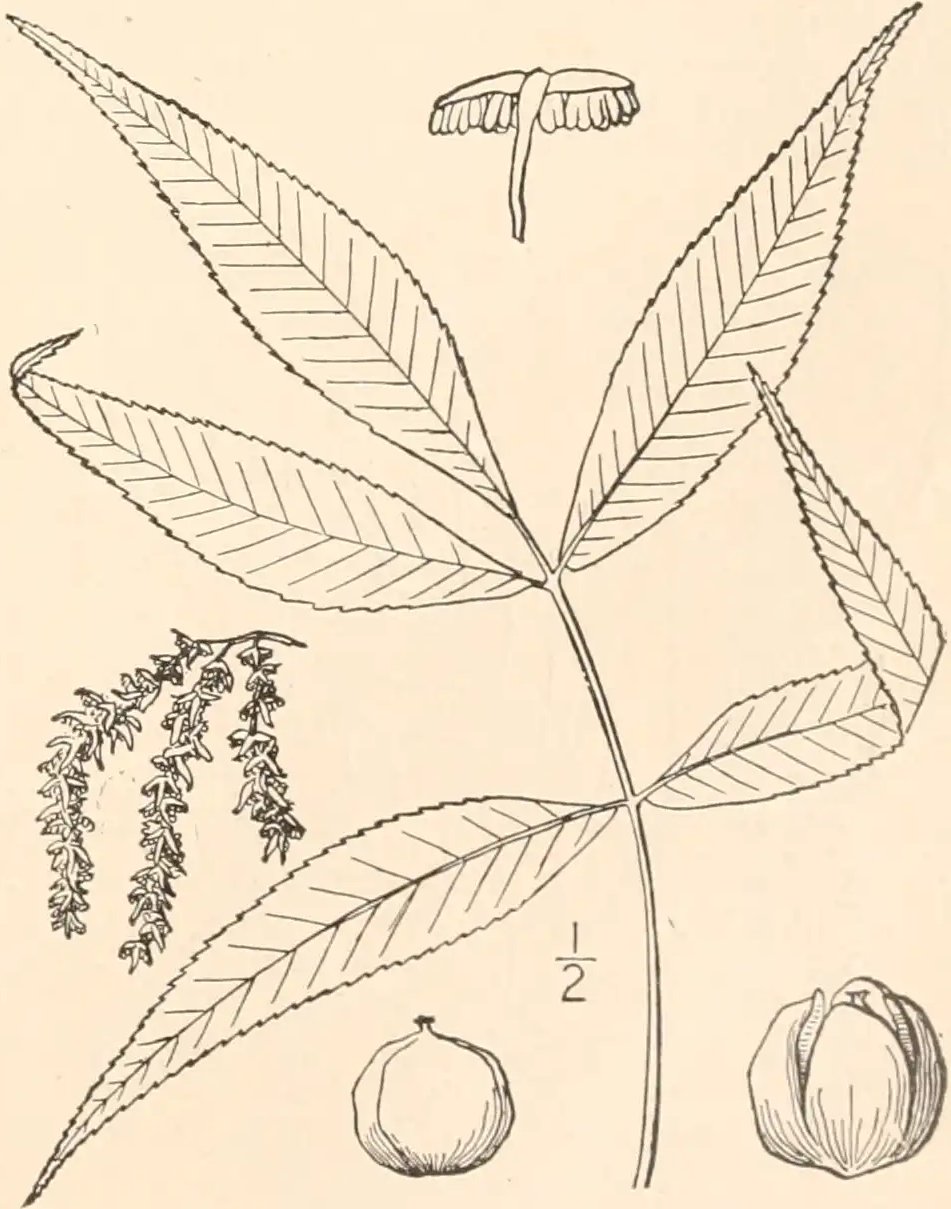
- Shagbark HickoryCarya ovata
- Southern Shagbark HickoryCarya carolinae-septentrionalis
- Spruce Pine; Walters Pine; Cedar PinePinus glabra
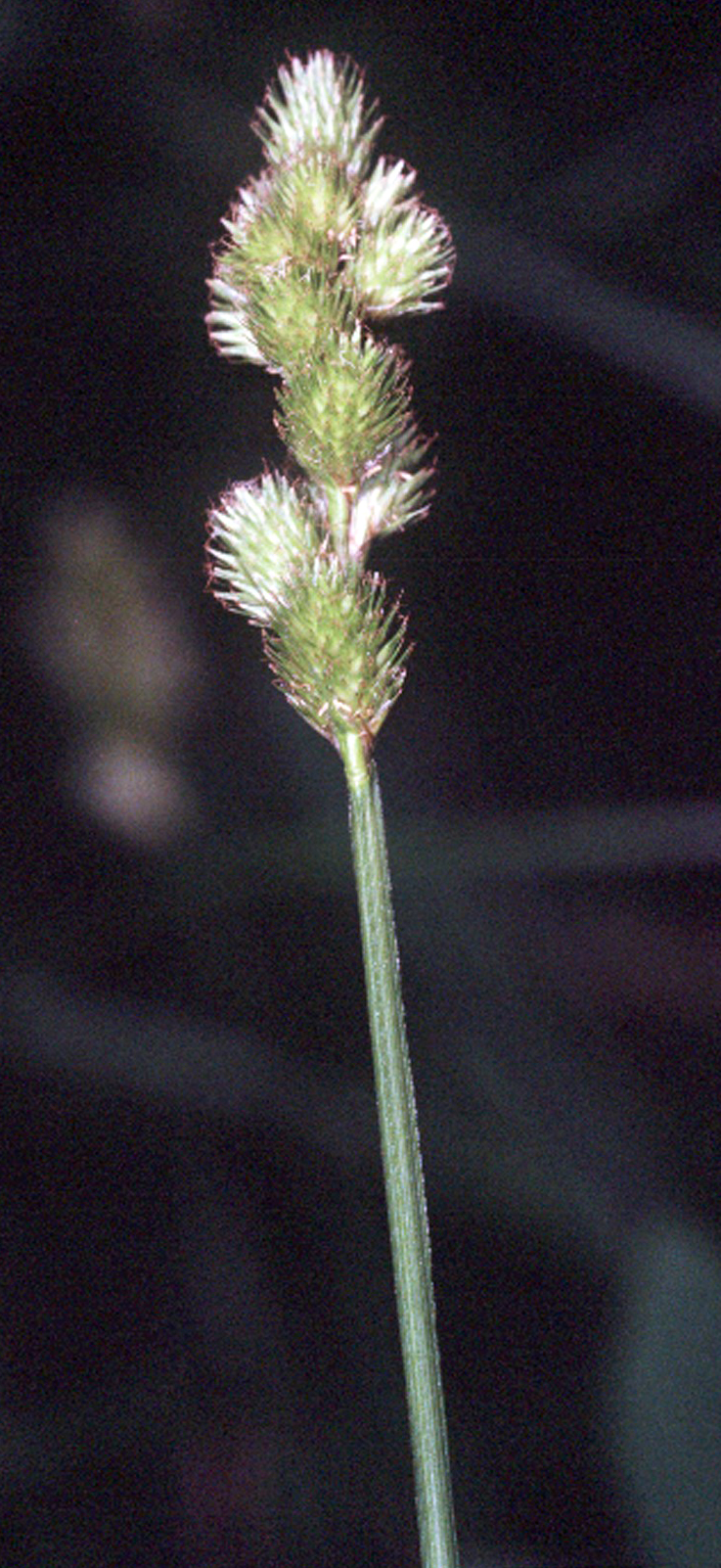
- Blunt Broom SedgeCarex tribuloides
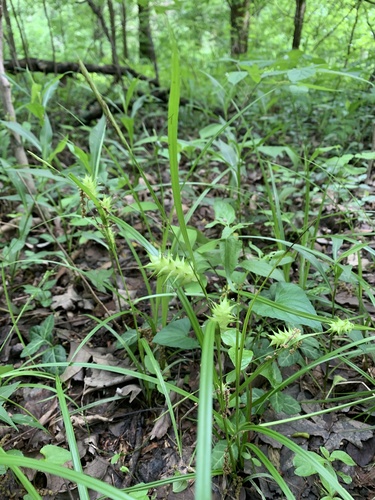
- Louisiana SedgeCarex louisianica
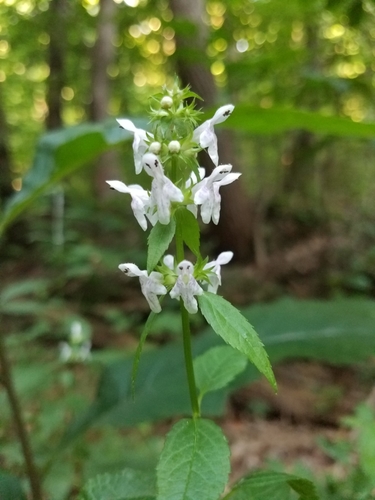
- Smooth Hedge-nettleStachys tenuifolia
- Common Cup-plantSilphium perfoliatum
Sources
- USGS Gap Analysis Project habitat models (2001)
- USGS GAP summer habitat model for Willow Flycatcher Elevation up to 850 m
- USGS Gap Analysis Project range maps (2001), modeled by watershed; migratory gives no dates
- NatureServe Explorer (CC BY 4.0), habitat names
- US Census TIGER/Line counties
- Names follow the USGS Gap Analysis Project (2001)