

Bird
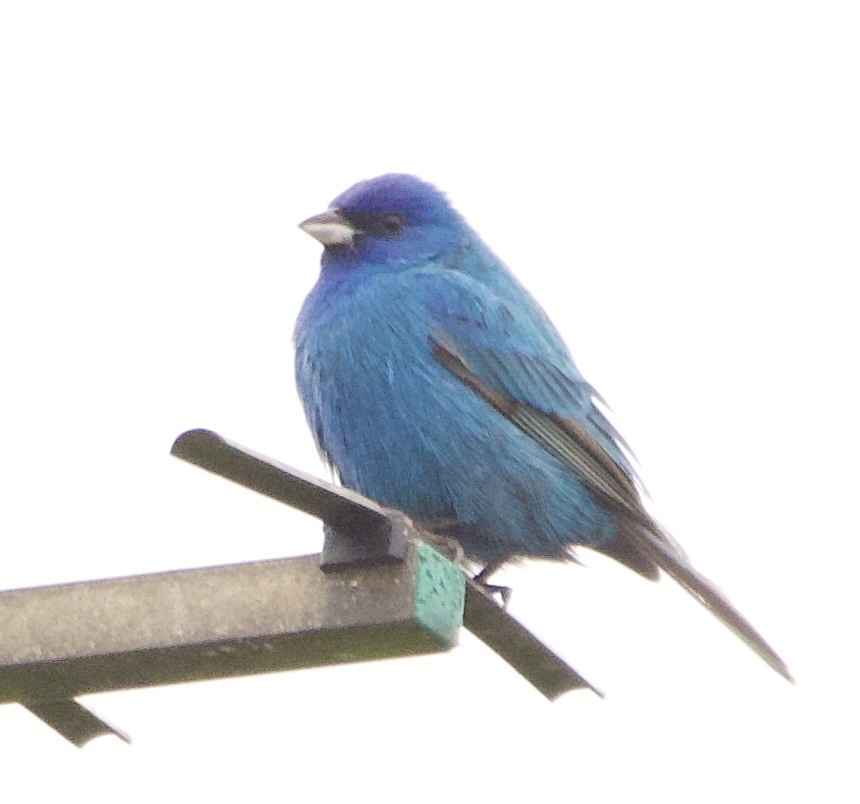
Indigo Bunting
Passerina cyanea
A summer resident that nests in Mississippi. Found in all 82 counties, across 12 habitats.
- Here
- Summer
- Nesting
- Nests here
- Range
- All 82 counties
- Habitats
- 12
At a glance
- Group
- Birds
- Here
- Summer
- Nesting
- Nests here
- Range
- All 82 counties
- Habitats
- 12
- Habitat models
- Summer, Winter
Where it lives
The places its habitat model includes. It is not found everywhere a habitat occurs.
Habitats in Mississippi 12
Each habitat page lists the plants and wildlife also found there.
Open sand of beaches, dunes and the hollows between them.
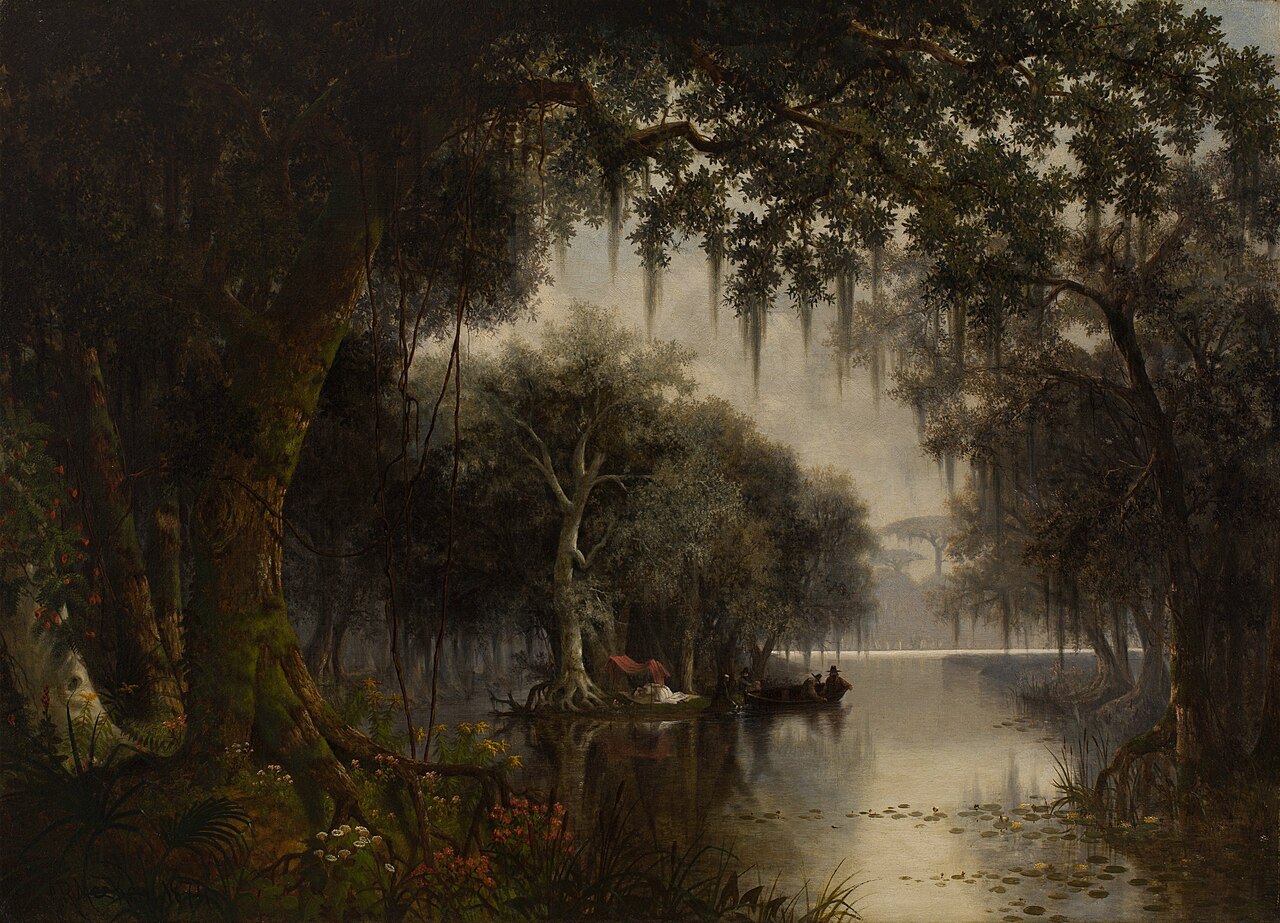
Dense, evergreen groves of live oak, magnolia and other hardwoods in the southern Coastal Plain, from dry oak domes to wet hydric hammocks and south Florida's tropical hammocks; salt-shaped maritime hammocks are maritime forests.
Disturbed and introduced wetlands
Wet ground taken over by weedy or introduced plants after disturbance, such as common reed, Chinese tallow or tamarisk stands; the upland counterpart is roadsides, fields and disturbed ground.
Forests and open woodlands on dry ridges and slopes, often oak or pine.
Floodplain and bottomland forests
Forests on low ground beside rivers and streams that flood from time to time.
Borders of forests, clearings and shrubby thickets.
Flat, poorly drained uplands and terraces with oaks, sweetgum and sometimes loblolly pine, wet in winter and dry in summer, but neither a floodplain nor a swamp.
Flat, sandy Coastal Plain pine woodlands, wetter than sandhills and denser than savannas.
Open, grass-dominated places kept open by fire, grazing or thin soil, from tallgrass prairie to Piedmont prairies.
Roadsides, fields and disturbed ground
Ground opened by people: roadsides, old fields, pastures, fencerows and lots.
Tree plantations and managed pine
Planted or intensively managed stands of pine or hardwoods grown for timber; a land use rather than a natural community.
Other habitats in its models (68)
Land cover, or classes with no habitat page in Mississippi. Those recorded in Mississippi first, the rest by region.
Elsewhere in the South (28)
- Atlantic Coastal Plain Brownwater Stream Floodplain Forest Summer.
- Atlantic Coastal Plain Dry and Dry-Mesic Oak Forest Summer.
- Atlantic Coastal Plain Mesic Hardwood and Mixed Forest Summer.
- Atlantic Coastal Plain Peatland Pocosin Summer.
- Atlantic Coastal Plain Small Blackwater River Floodplain Forest Summer.
- Atlantic Coastal Plain Small Brownwater River Floodplain Forest Summer.
- Central and Southern Appalachian Montane Oak Forest Summer.
- Cumberland Riverscour Summer.
- Florida Dry Prairie Summer and winter.
- Florida Peninsula Inland Scrub Summer.
- Ozark-Ouachita Dry Oak Woodland Summer.
- Ozark-Ouachita Dry-Mesic Oak Forest Summer.
- Ozark-Ouachita Riparian Summer.
- Ridge and Valley Calcareous Valley Bottom Glade and Woodland Summer.
- South Florida Hardwood Hammock Summer.
- South Florida Mangrove Swamp Summer.
- South-Central Interior Mesophytic Forest Summer.
- South-Central Interior Small Stream and Riparian Summer.
- Southern and Central Appalachian Oak Forest Summer.
- Southern Appalachian Grass and Shrub Bald Summer.
- Southern Interior Low Plateau Dry-Mesic Oak Forest Summer.
- Southern Piedmont Small Floodplain and Riparian Forest Summer.
- Southern Ridge and Valley Dry Calcareous Forest Summer.
- Southwest Florida Coastal Strand and Maritime Hammock Summer.
- Southwest Florida Dune and Coastal Grassland Winter.
- West Gulf Coastal Plain Northern Calcareous Prairie Summer.
- West Gulf Coastal Plain Small Stream and River Forest Summer.
- West Gulf Coastal Plain Southern Calcareous Prairie Summer.
Northeast (3)
- Central Appalachian Pine-Oak Rocky Woodland Summer.
- Northern Atlantic Coastal Plain Basin Swamp and Wet Hardwood Forest Summer.
- Northern Atlantic Coastal Plain Dry Hardwood Forest Summer.
Land cover and other classes (37)
- Allegheny-Cumberland Dry Oak Forest and Woodland - Hardwood Summer.
- Arkansas Valley Prairie and Woodland Summer.
- Atlantic Coastal Plain Fall-line Sandhills Longleaf Pine Woodland - Offsite Hardwood Modifier Summer.
- Atlantic Coastal Plain Fall-line Sandhills Longleaf Pine Woodland - Scrub/Shrub Understory Modifier Summer.
- Atlantic Coastal Plain Nonriverine Swamp and Wet Hardwood Forest - Oak Dominated Modifier Summer.
- Central Appalachian Floodplain - Forest Modifier Summer.
- Developed, Low Intensity Winter.
- East Gulf Coastal Plain Black Belt Calcareous Prairie and Woodland - Woodland Modifier Summer.
- East Gulf Coastal Plain Interior Shortleaf Pine-Oak Forest - Mixed Modifier Summer.
- East Gulf Coastal Plain Interior Upland Longleaf Pine Woodland - Scrub/Shrub Modifier Summer.
- East Gulf Coastal Plain Near-Coast Pine Flatwoods - Offsite Hardwood Modifier Summer.
- Eastern Highland Rim Prairie and Barrens - Dry Modifier Summer.
- Florida Longleaf Pine Sandhill - Scrub/Shrub Understory Modifier Summer.
- Harvested Forest - Grass/Forb Regeneration Winter.
- Introduced Upland Vegetation - Annual Grassland Summer and winter.
- Introduced Upland Vegetation - Forbland Winter.
- Introduced Upland Vegetation - Perennial Grassland Winter.
- Introduced Upland Vegetation - Perennial Grassland and Forbland Summer and winter.
- Introduced Upland Vegetation - Shrub Summer and winter.
- Modified/Managed Southern Tall Grassland Winter.
- Northeastern Interior Dry Oak Forest - Mixed Modifier Summer.
- Northeastern Interior Dry Oak Forest-Hardwood Modifier Summer.
- Orchards Vineyards and Other High Structure Agriculture Winter.
- Recently Burned Summer and winter.
- Recently Burned Forest Summer and winter.
- Recently Burned Grassland Winter.
- Recently Burned Shrubland Summer and winter.
- Recently Logged Areas Summer and winter.
- South-Central Interior Large Floodplain - Forest Modifier Summer.
- Southern and Central Appalachian Oak Forest - Xeric Summer.
- Southern Appalachian Grass and Shrub Bald - Herbaceous Modifier Summer.
- Southern Appalachian Grass and Shrub Bald - Shrub Modifier Summer.
- Southern Piedmont Dry Oak-(Pine) Forest - Mixed Modifier Summer.
- Southern Piedmont Dry Oak-Heath Forest - Mixed Modifier Summer.
- Southern Piedmont Large Floodplain Forest - Forest Modifier Summer.
- Unconsolidated Shore Winter.
- Unconsolidated Shore (Lake/River/Pond) Winter.
Seasons in Mississippi
- Summer: nests here, in all 82 counties.
Food plants
Diet records by plant genus, from studies across North America. Not a record from this state. Plants matched by genus.
Native plants in these genera 7
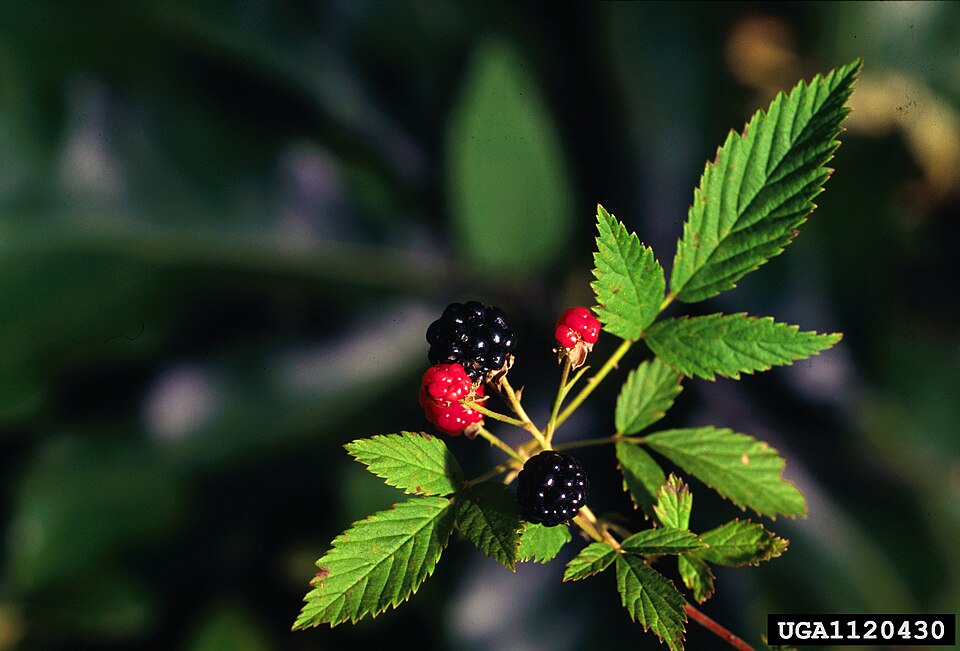
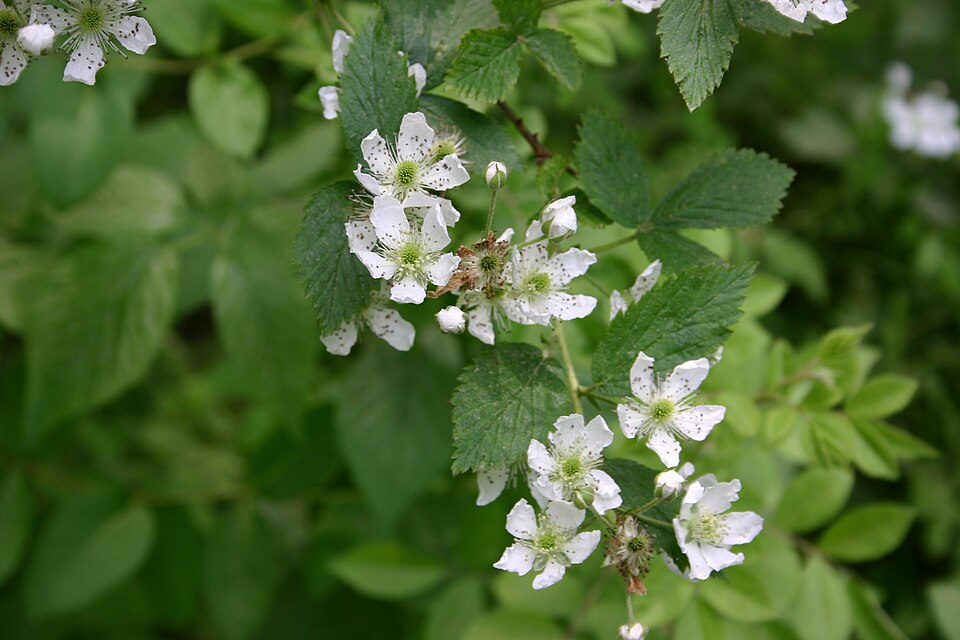
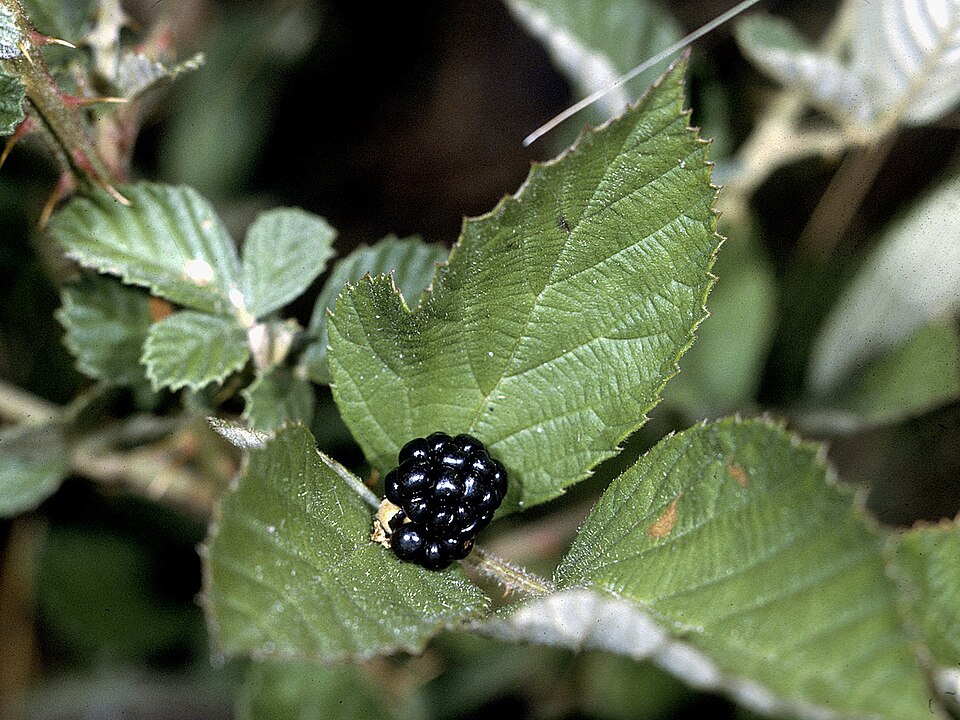
- Black RaspberryRubus occidentalis
- Southern DewberryRubus trivialis
- Garden Dew BerryRubus aboriginum
- Northern DewberryRubus flagellaris
- Pennsylvania BlackberryRubus pensilvanicus
- Sand BlackberryRubus cuneifolius
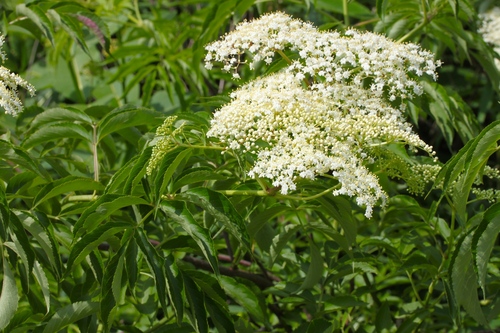
- Common ElderberrySambucus nigra subsp. canadensis
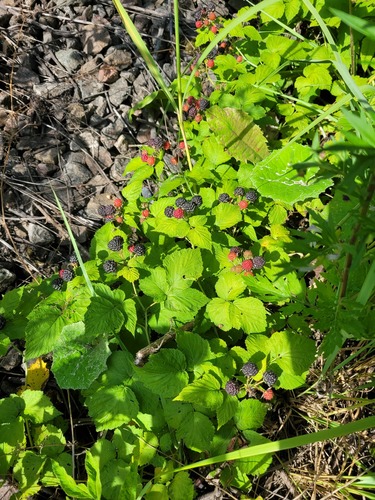
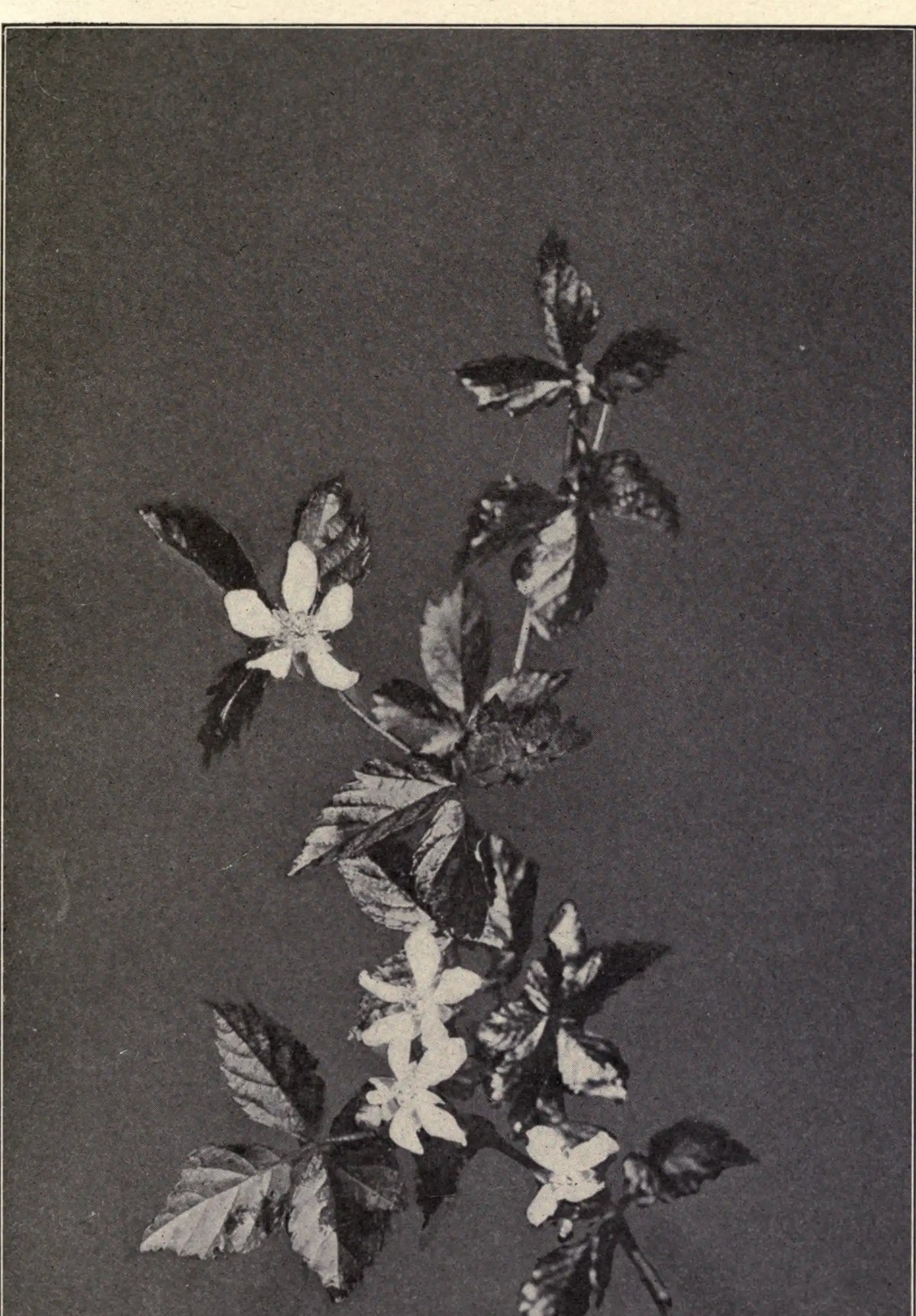
Plant genera in its diet records (2)
Also found in its main habitats
Its main habitats in Mississippi, by how much of its habitat model each one is, with the birds most characteristic of each and the plants that grow wild there. Shared habitat, not food.
Floodplain and bottomland forests
Birds 98
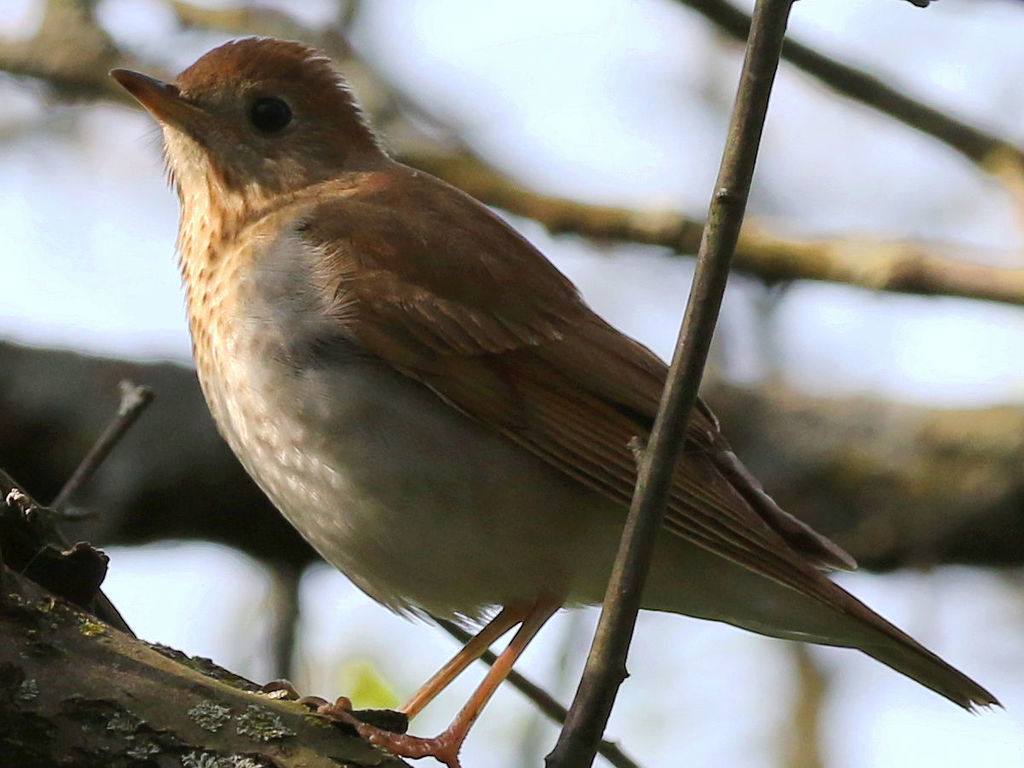
- VeeryCatharus fuscescens
- Louisiana WaterthrushSeiurus motacilla
- Northern Saw-whet OwlAegolius acadicus
- Red-breasted NuthatchSitta canadensis
- Willow FlycatcherEmpidonax traillii
- Kentucky WarblerOporornis formosus
- Prothonotary WarblerProtonotaria citrea
- Swainson's WarblerLimnothlypis swainsonii
- Broad-winged HawkButeo platypterus
- OvenbirdSeiurus aurocapilla
- Worm-eating WarblerHelmitheros vermivorum
- Blue-headed VireoVireo solitarius










Plants 346
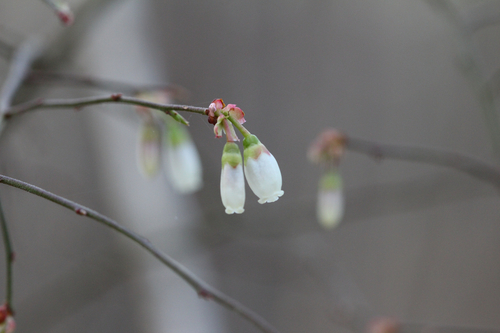
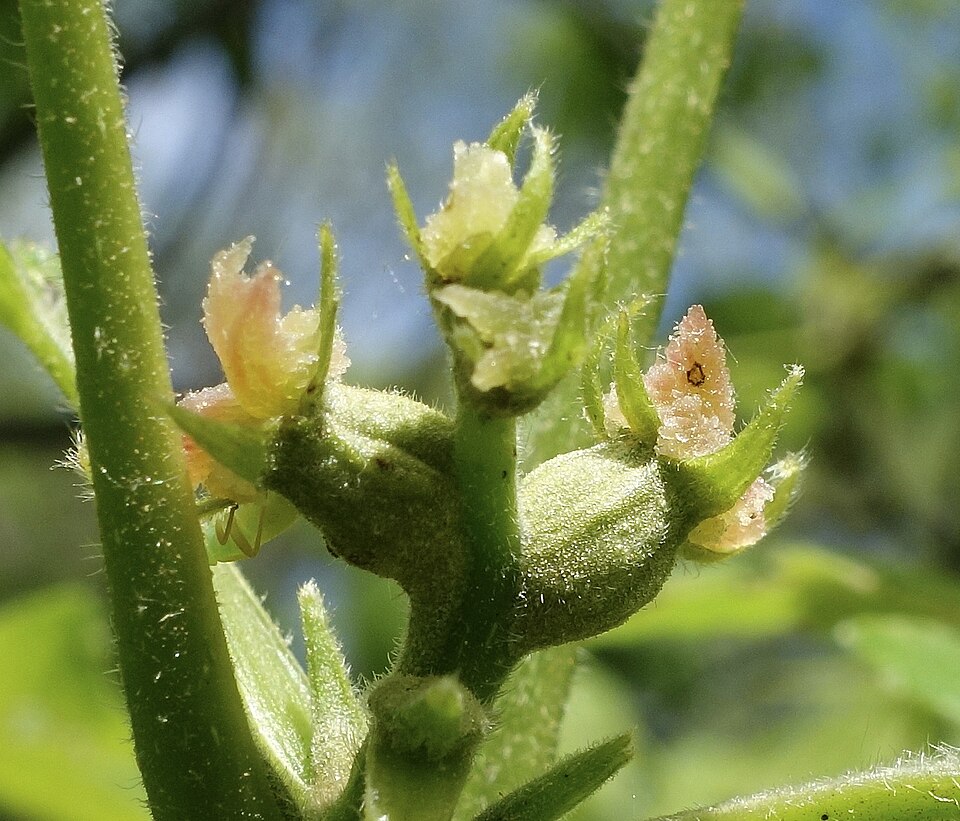
- Elliott's BlueberryVaccinium elliottii
- White Panicled Aster; Eastern Lined AsterSymphyotrichum lanceolatum var. latifolium
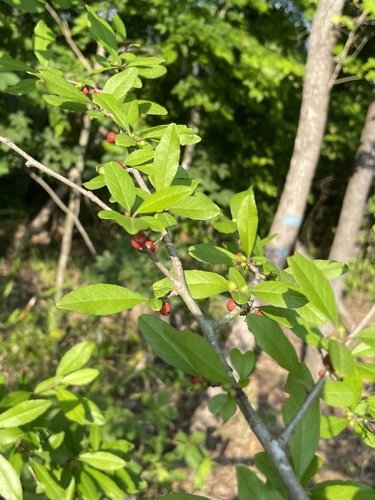
- Possumhaw HollyIlex decidua
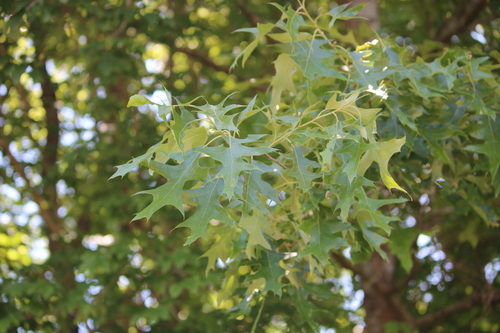
- Cherrybark OakQuercus pagoda
- Appalachian Orange ConeflowerRudbeckia fulgida var. umbrosa
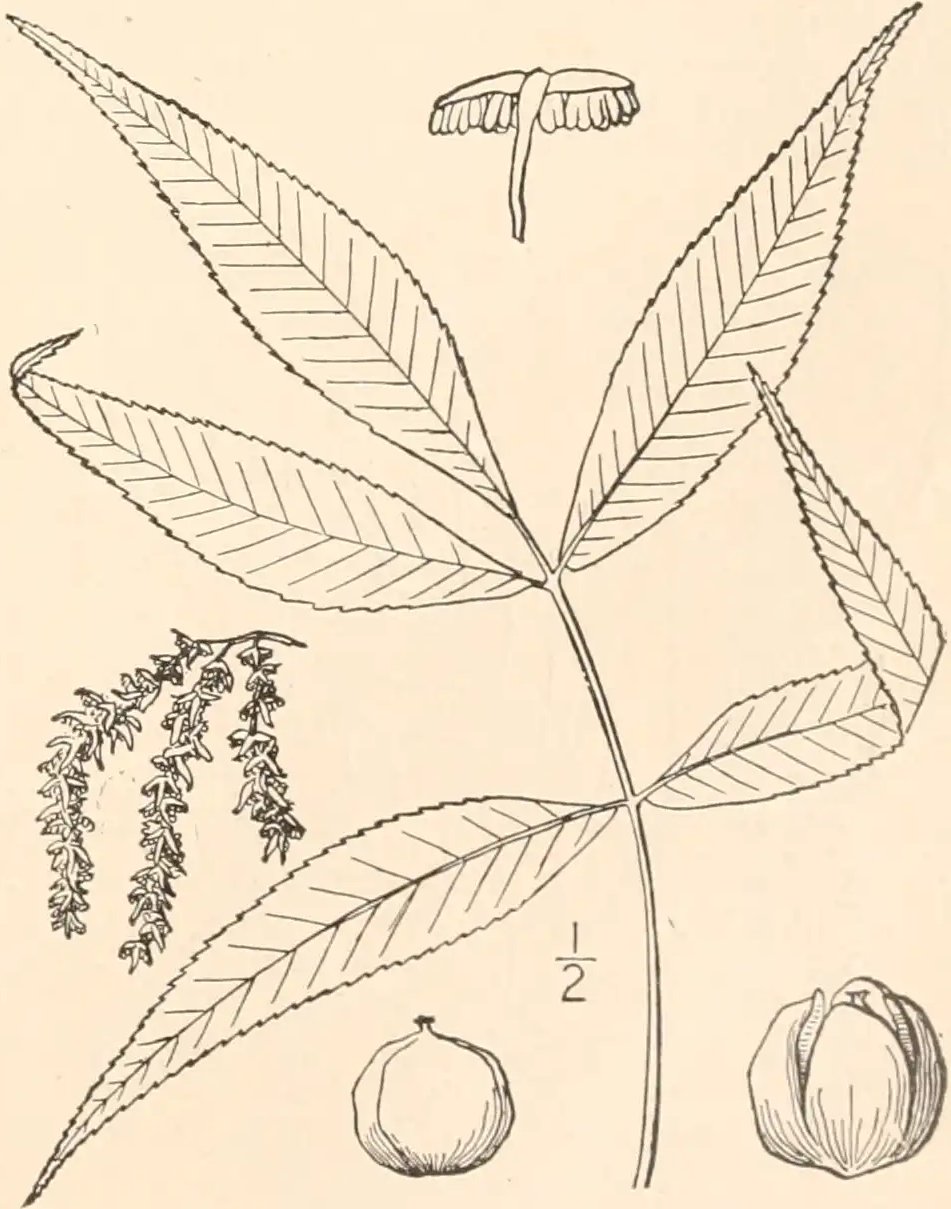
- Shagbark HickoryCarya ovata
- Southern Shagbark HickoryCarya carolinae-septentrionalis
- Spruce Pine; Walters Pine; Cedar PinePinus glabra
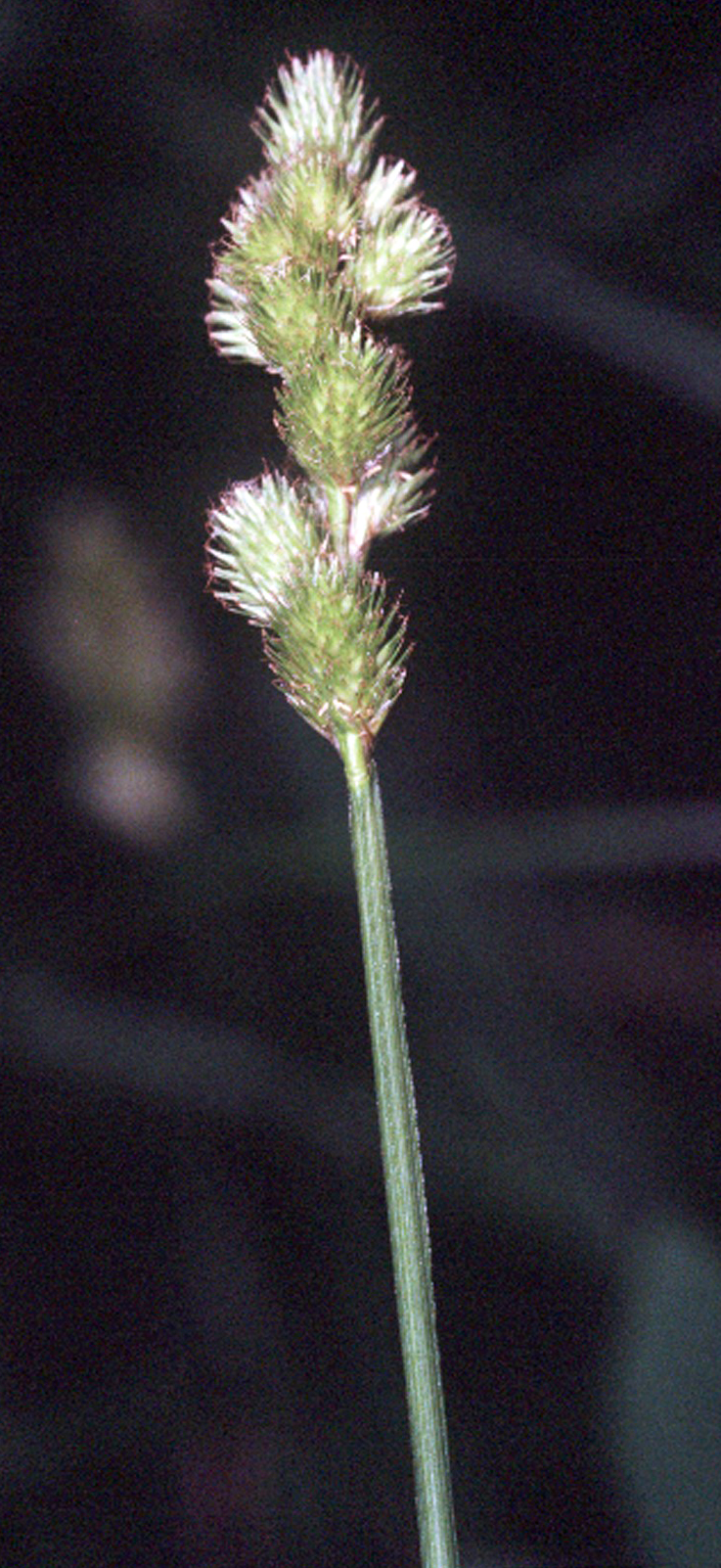
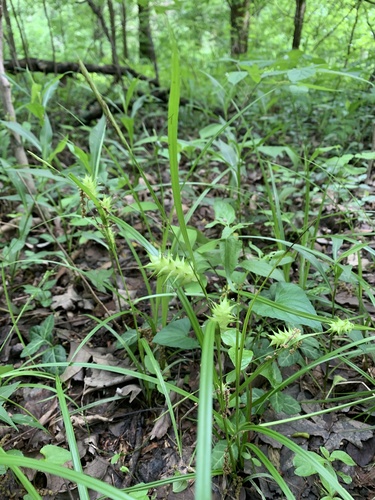
- Blunt Broom SedgeCarex tribuloides
- Louisiana SedgeCarex louisianica
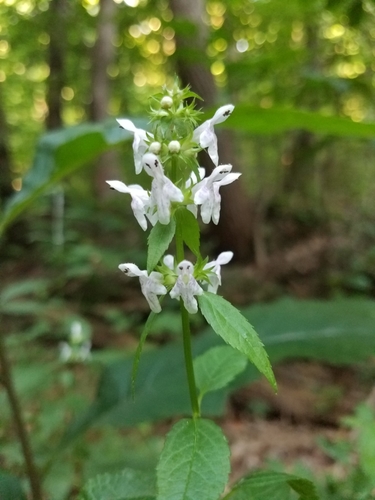
- Smooth Hedge-nettleStachys tenuifolia
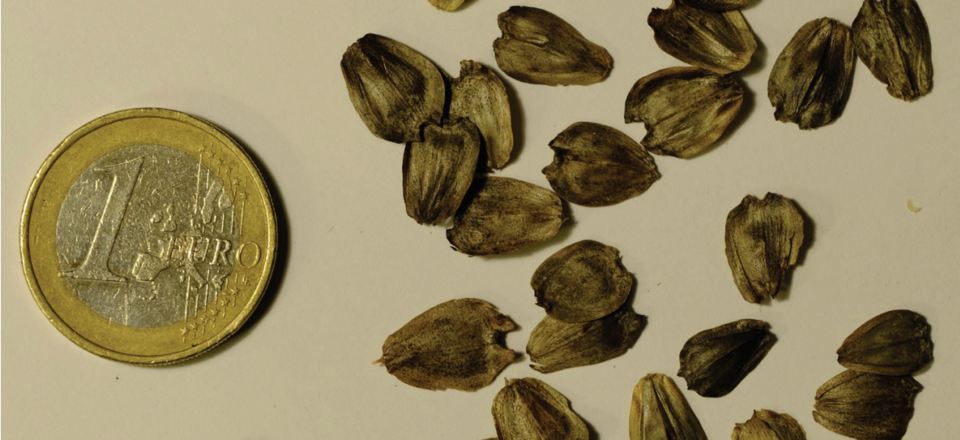
- Common Cup-plantSilphium perfoliatum
Roadsides, fields and disturbed ground
Birds 129
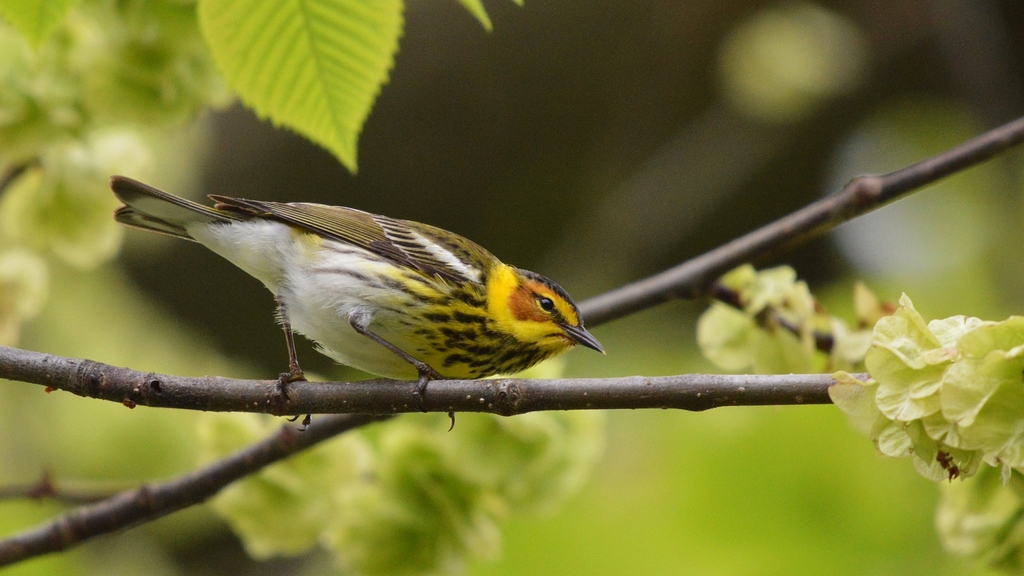
- Cape May WarblerDendroica tigrina
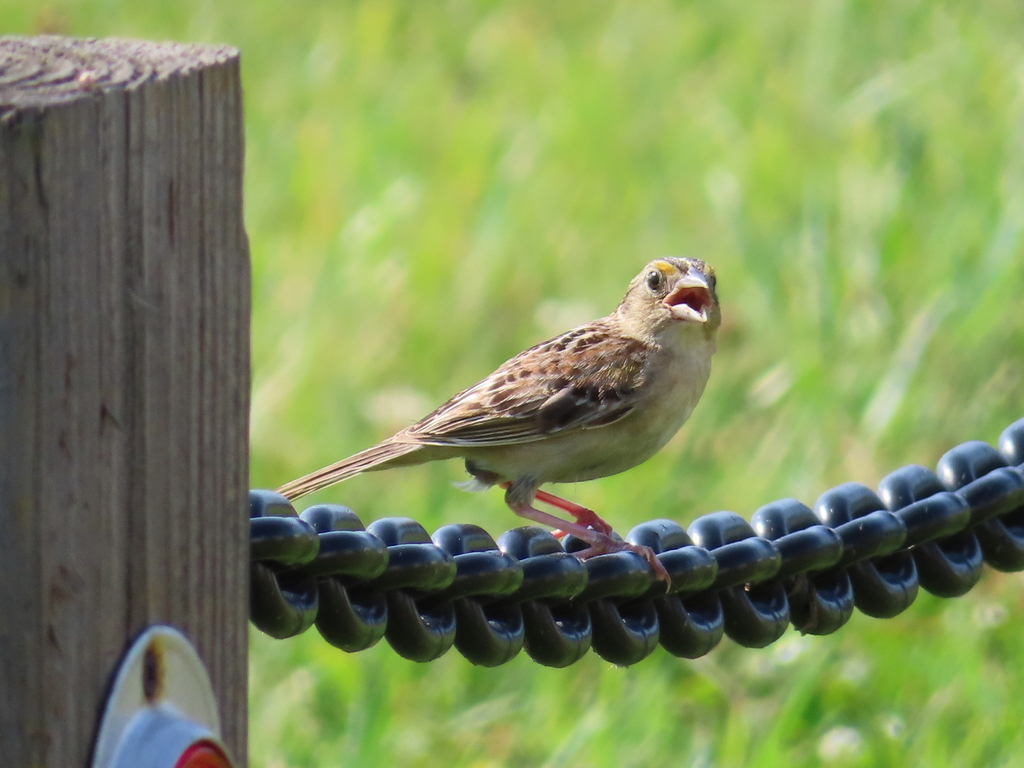
- Grasshopper SparrowAmmodramus savannarum
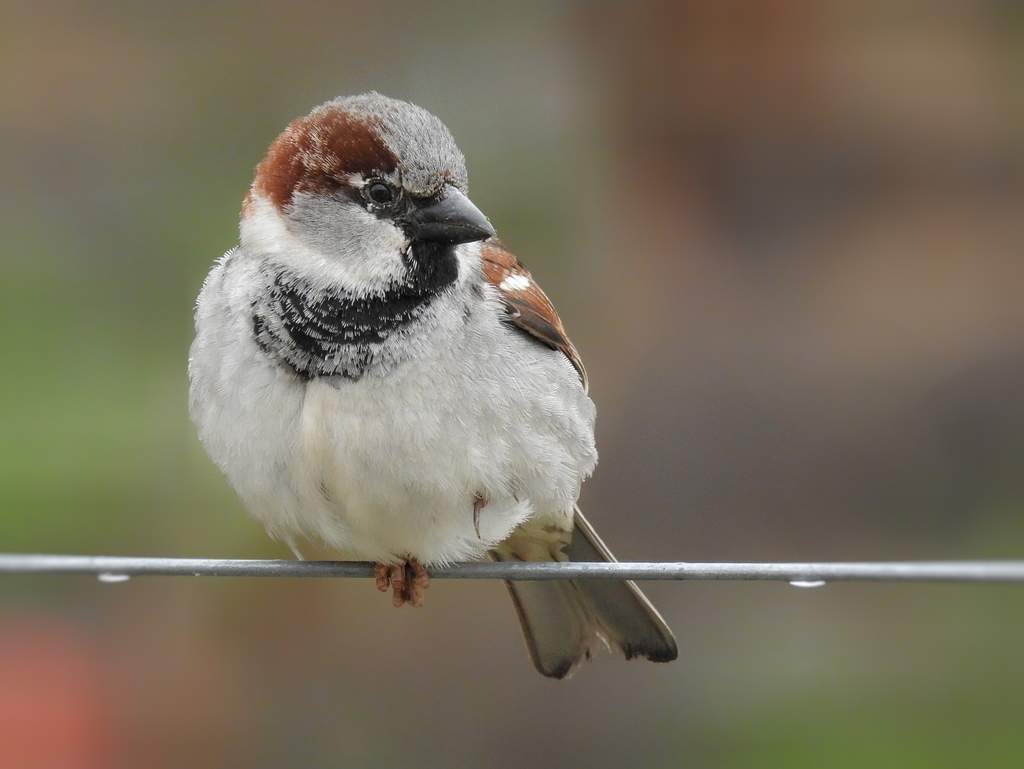
- House SparrowPasser domesticus
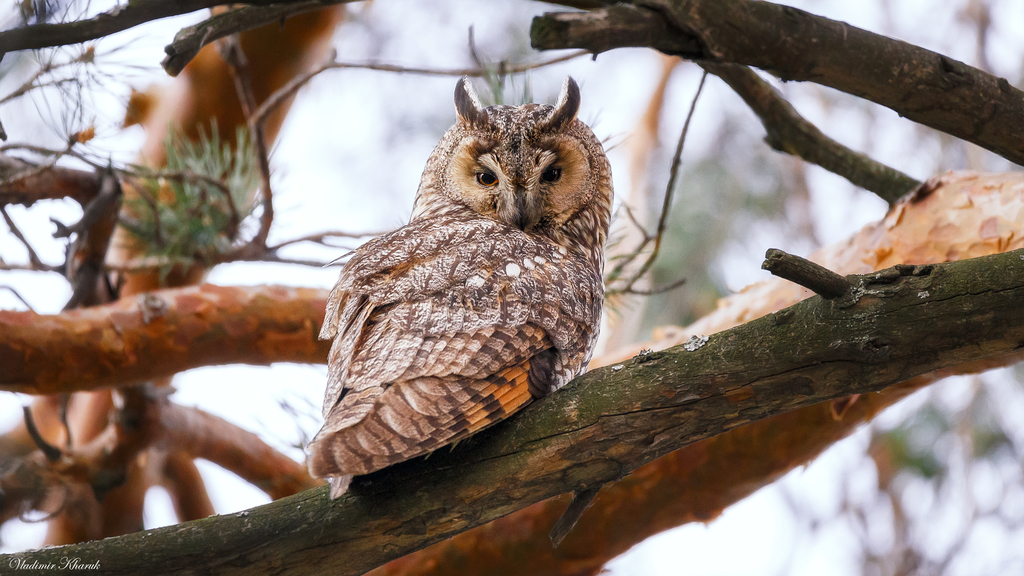
- Long-eared OwlAsio otus
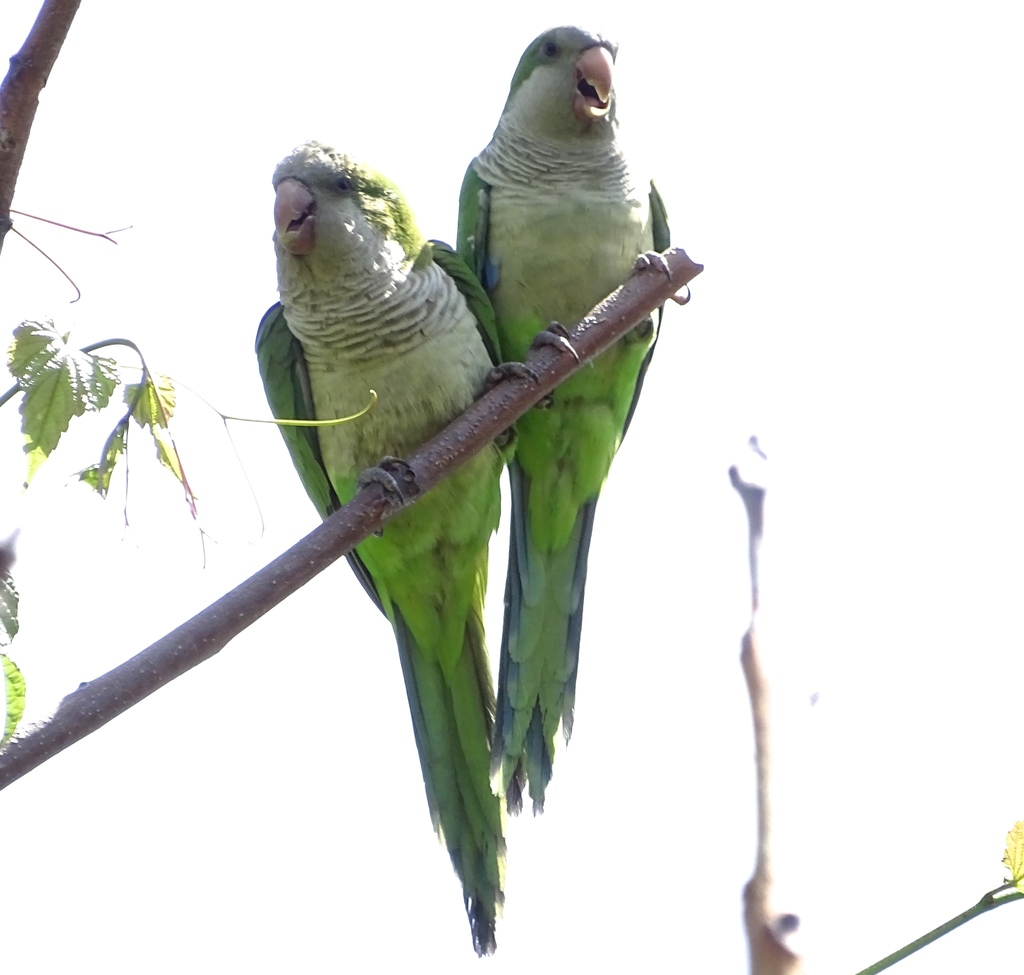
- Monk ParakeetMyiopsitta monachus
- Smith's LongspurCalcarius pictus
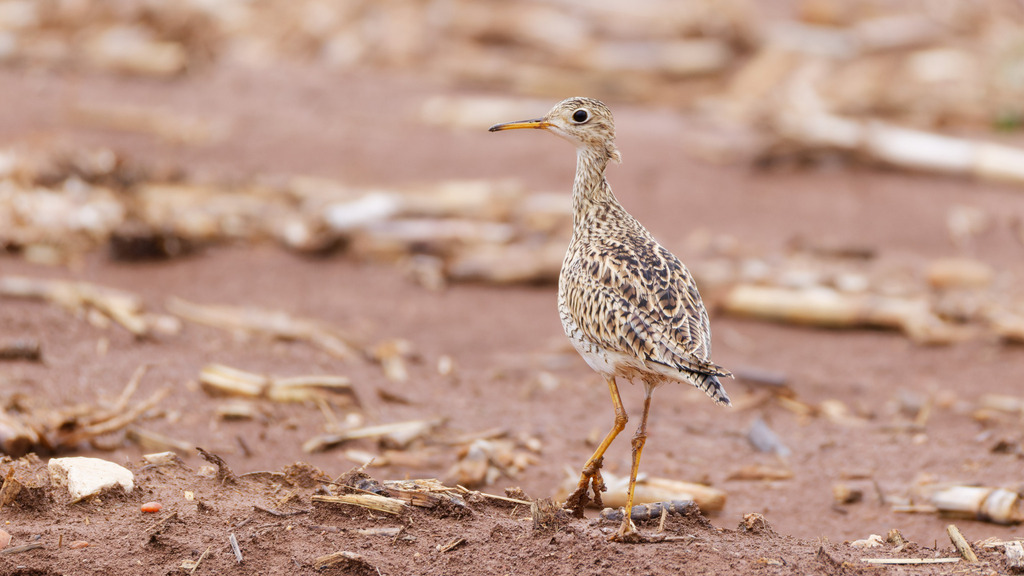
- Upland SandpiperBartramia longicauda
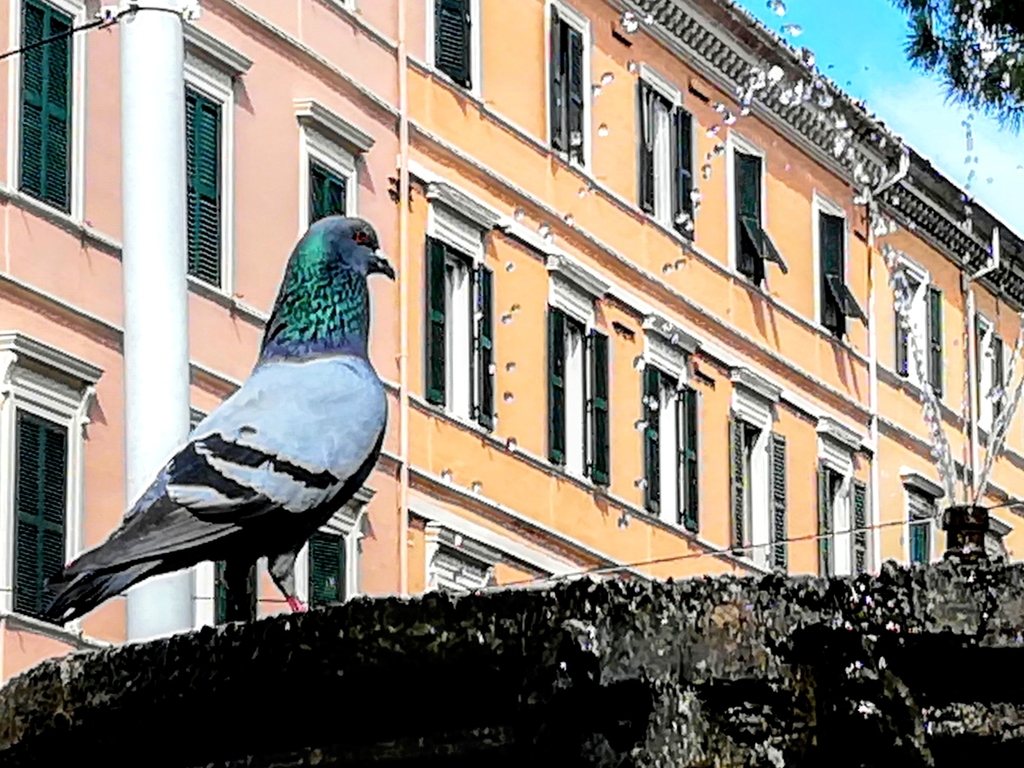
- Rock PigeonColumba livia
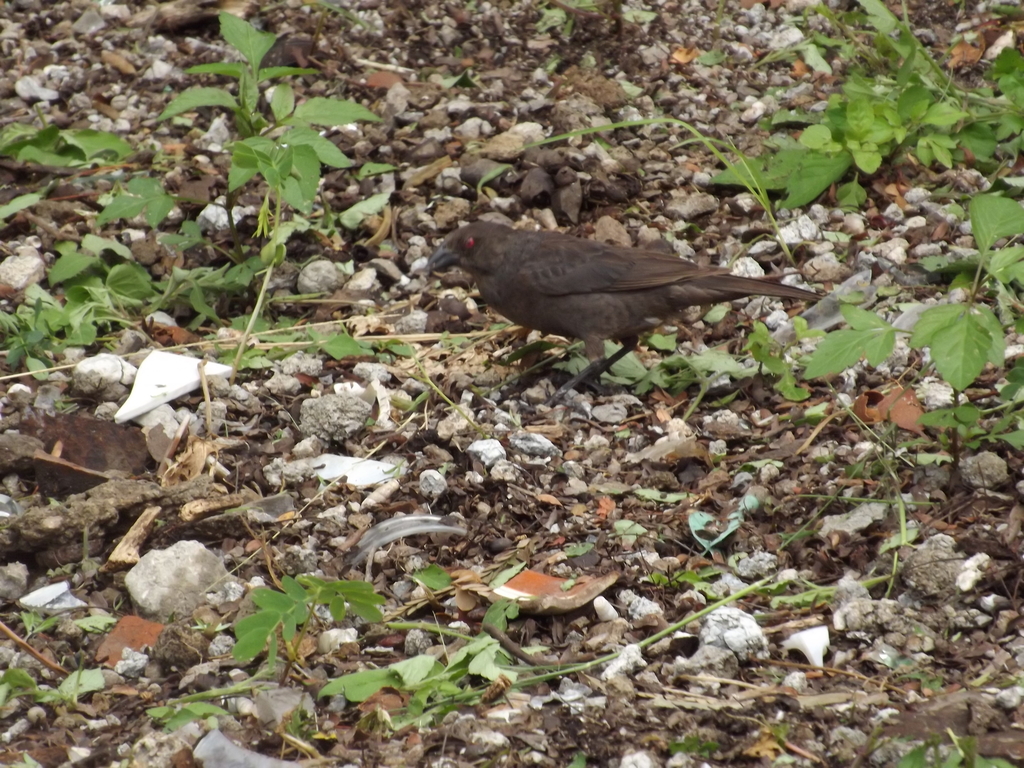
- Bronzed CowbirdMolothrus aeneus
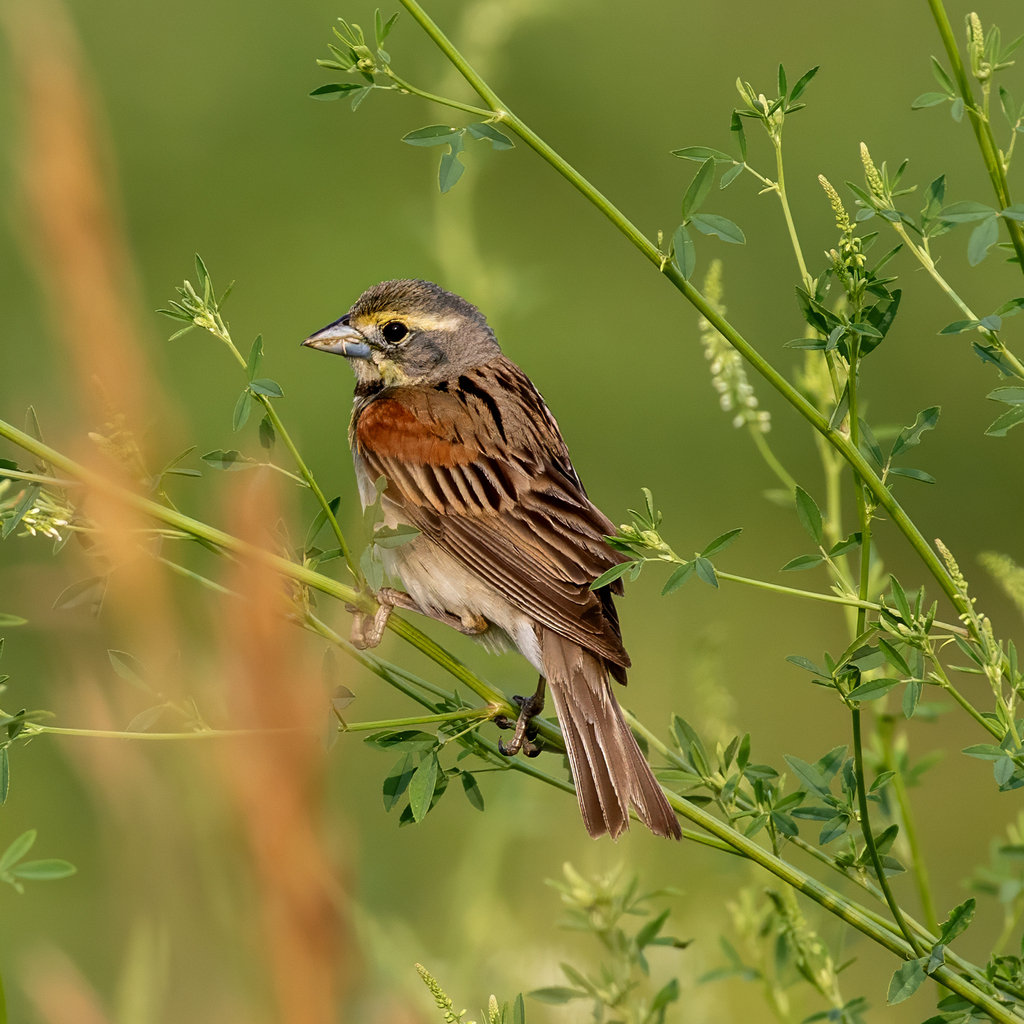
- DickcisselSpiza americana
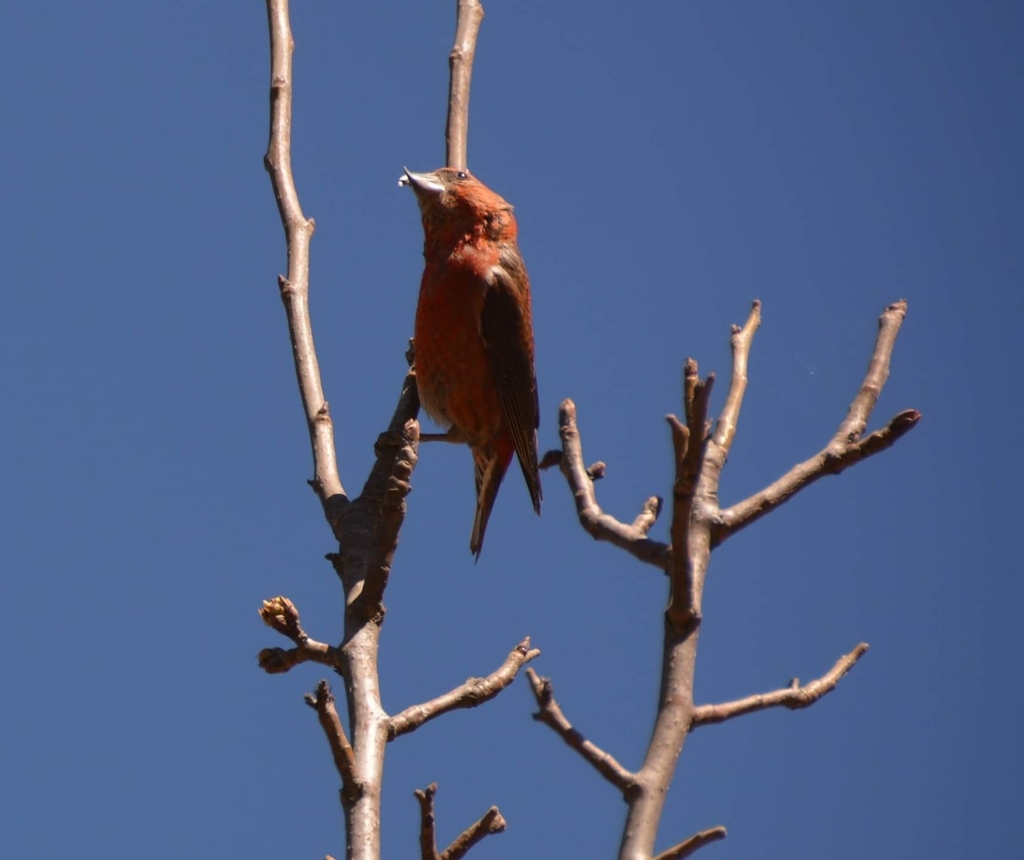
- Red CrossbillLoxia curvirostra
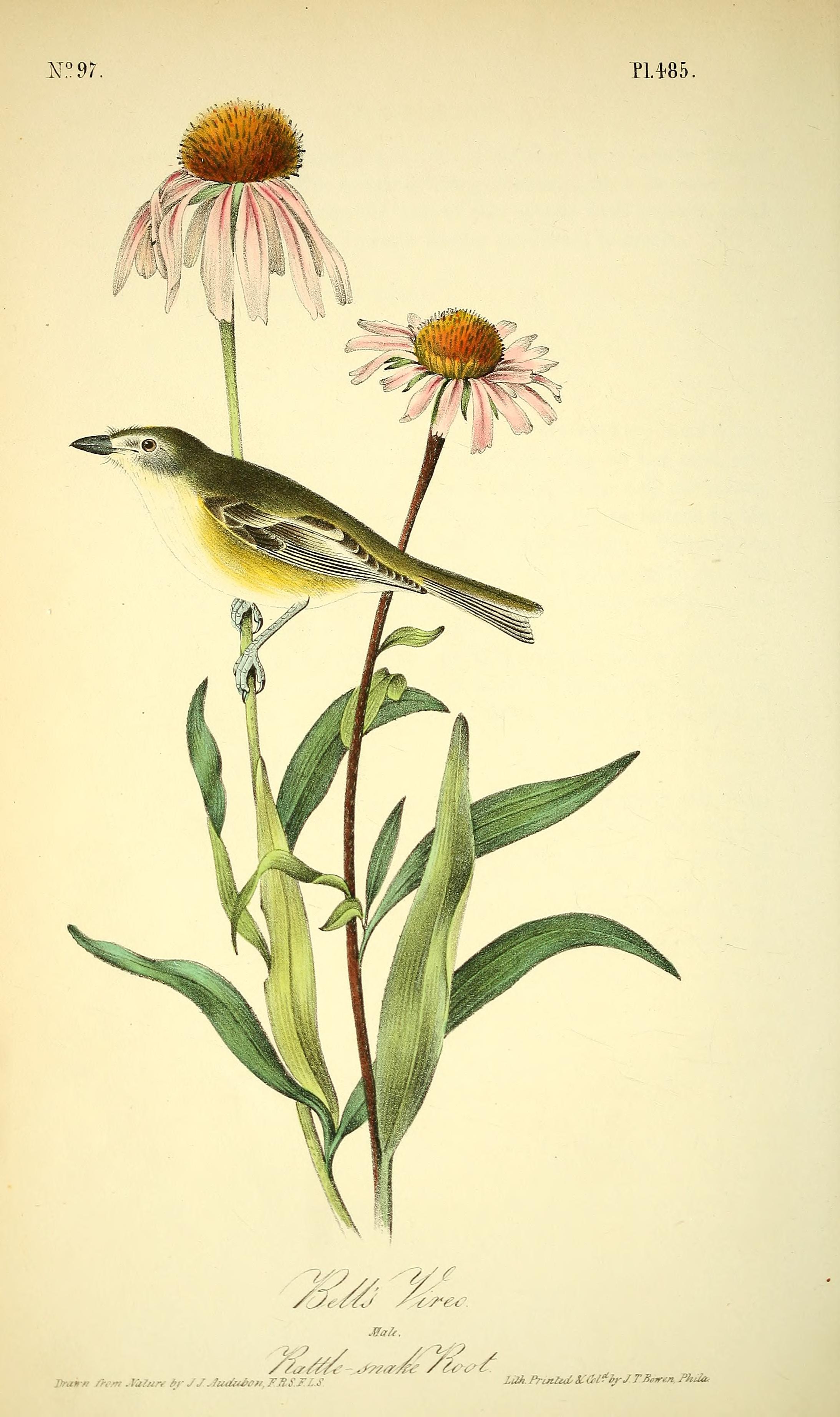
- Bell's VireoVireo bellii
Plants 1094
- Muck SunflowerHelianthus simulans
- Annual FleabaneErigeron annuus
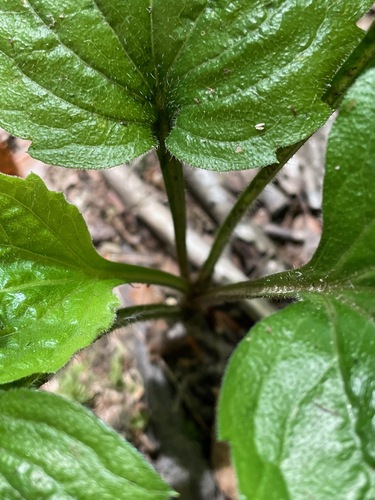
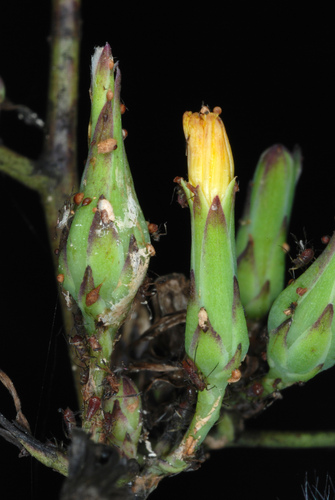
- Canada LettuceLactuca canadensis
- Common Evening-primroseOenothera biennis
- Cutleaf Evening-primroseOenothera laciniata
- Dog-fennelEupatorium capillifolium
- Threadleaf SundropsOenothera linifolia
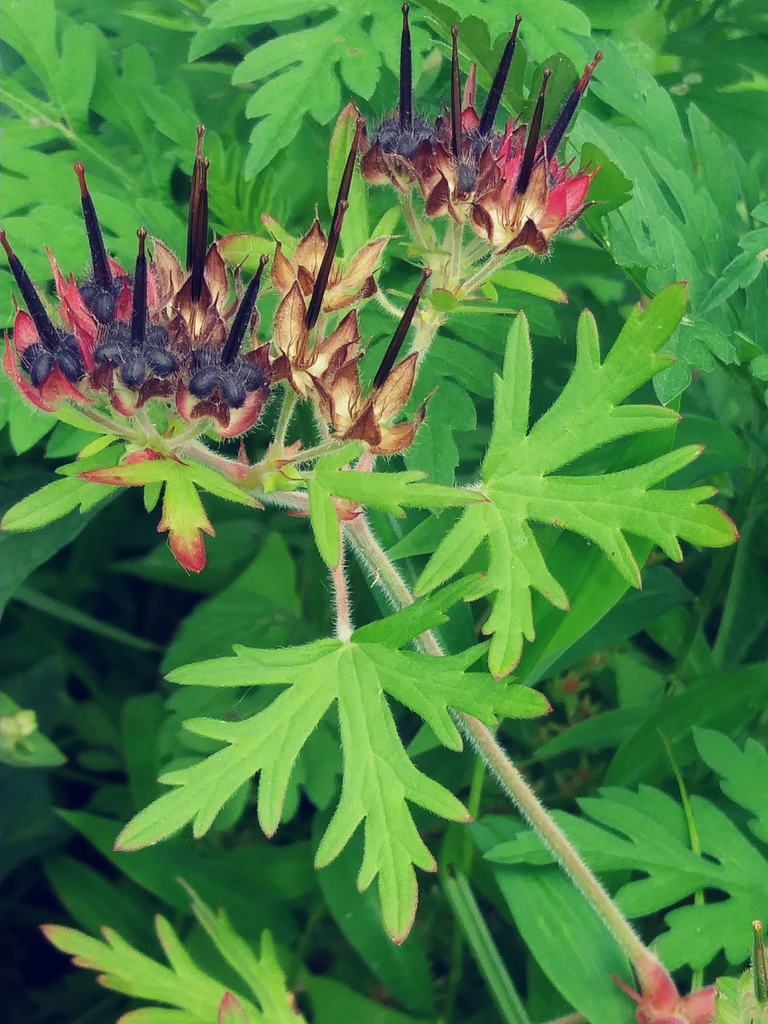
- Carolina Crane's-billGeranium carolinianum
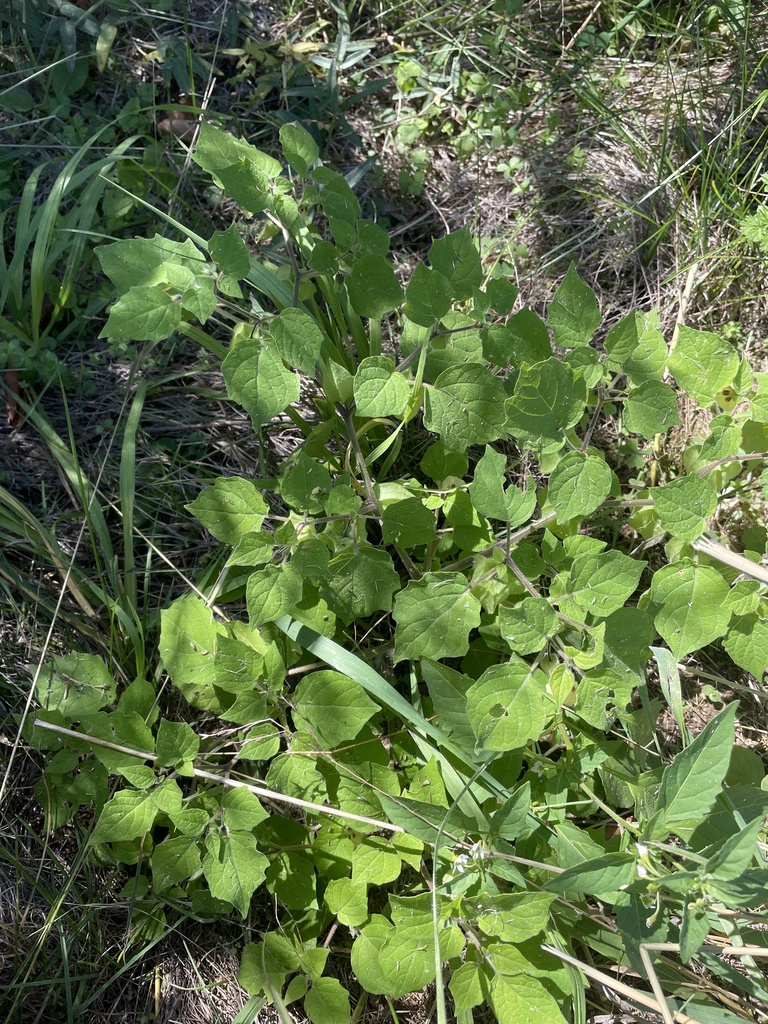
- Carolina HorsenettleSolanum carolinense var. carolinense
- Blackeyed SusanRudbeckia hirta var. pulcherrima
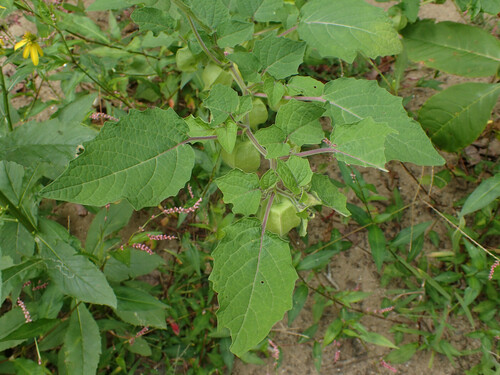
- Downy Ground-cherryPhysalis pubescens
- Gray Ground-cherryPhysalis grisea
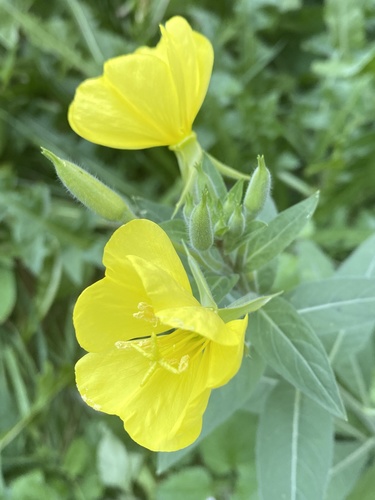
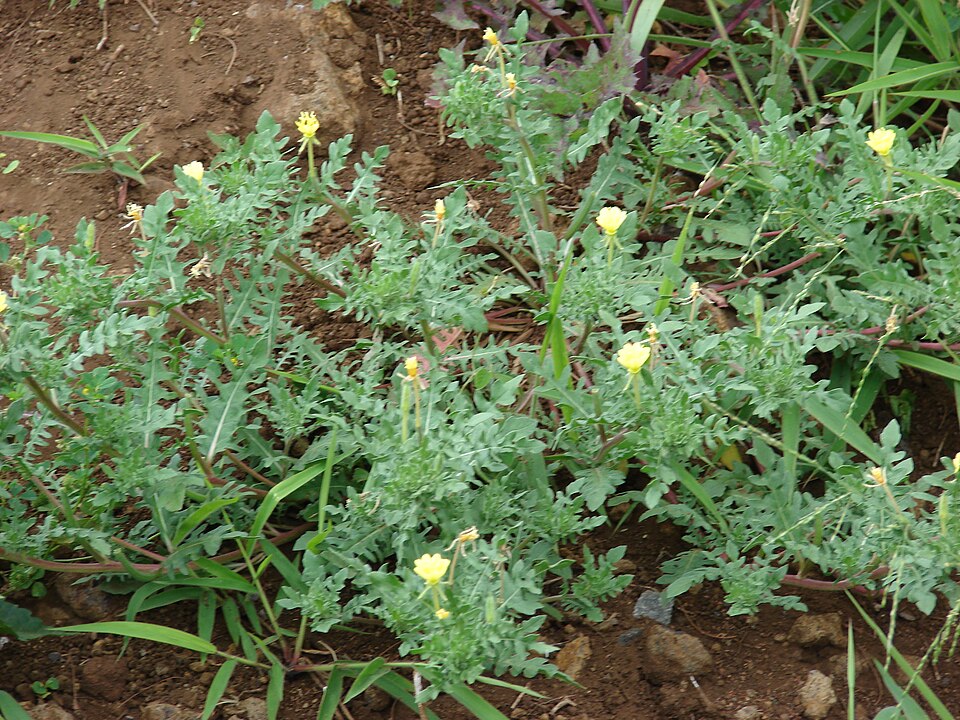
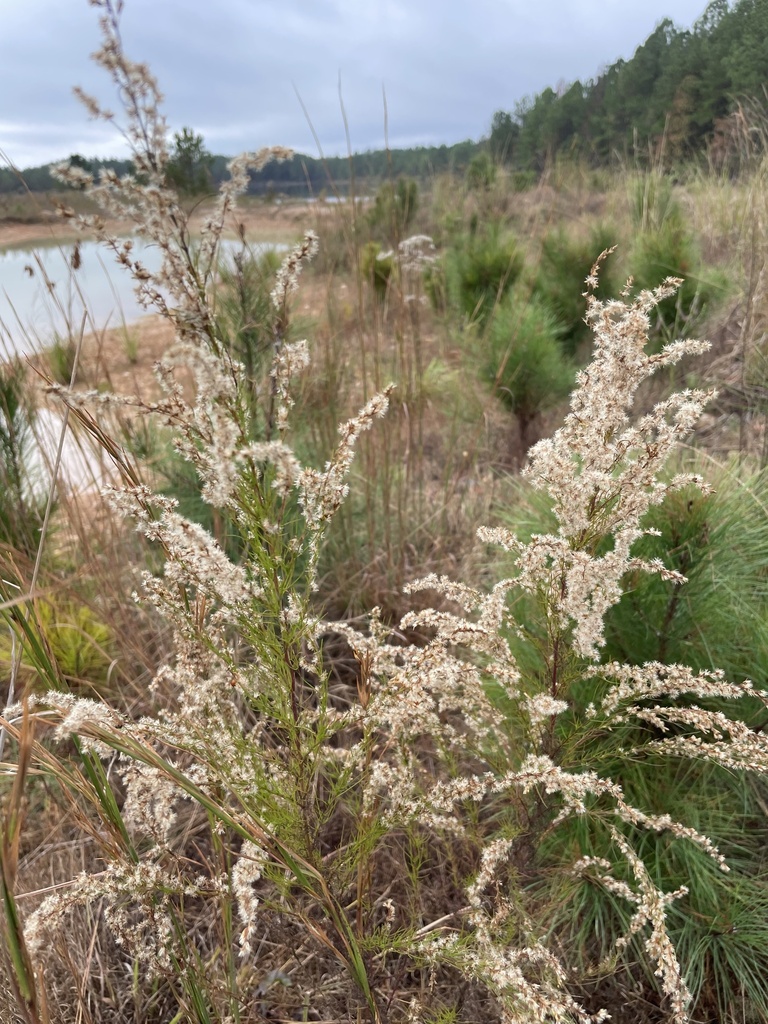
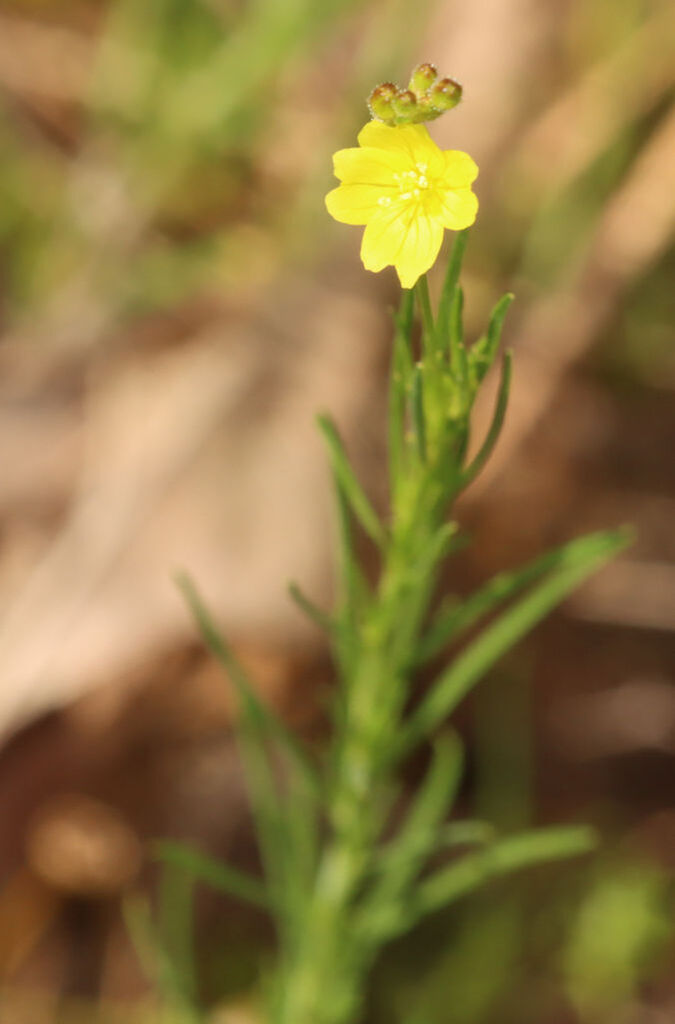
All of roadsides, fields and disturbed ground in Mississippi
Forest edges and thickets
Birds 75
- VeeryCatharus fuscescens
- Bell's VireoVireo bellii
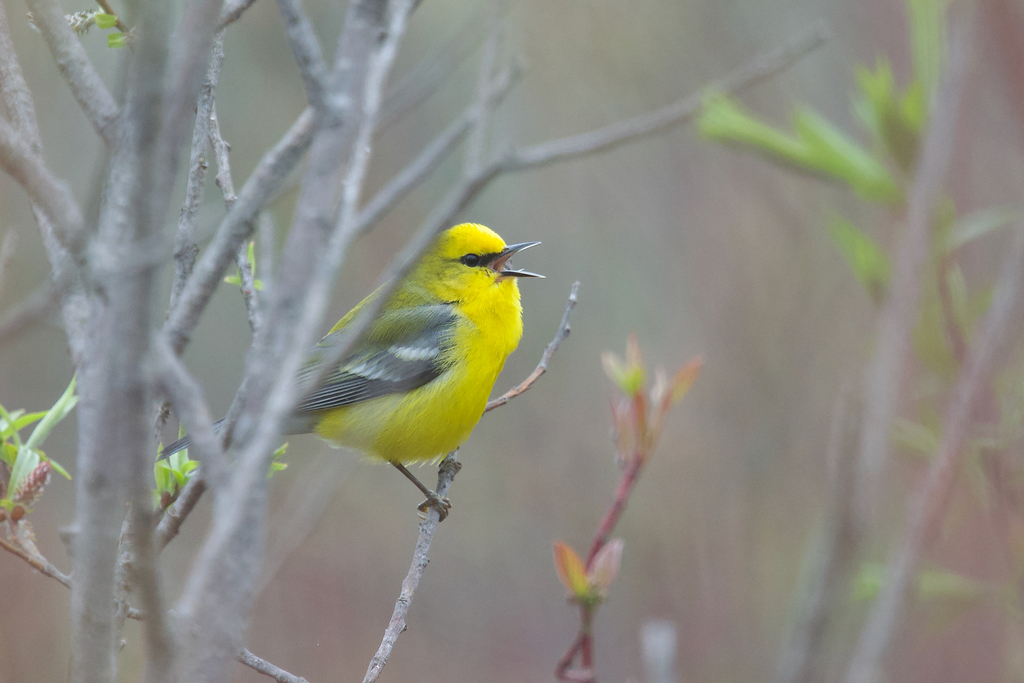
- Blue-winged WarblerVermivora pinus
- Chestnut-sided WarblerDendroica pensylvanica
- Golden-winged WarblerVermivora chrysoptera
- Magnolia WarblerDendroica magnolia
- Rufous HummingbirdSelasphorus rufus
- Willow FlycatcherEmpidonax traillii
- Alder FlycatcherEmpidonax alnorum
- American Tree SparrowSpizella arborea
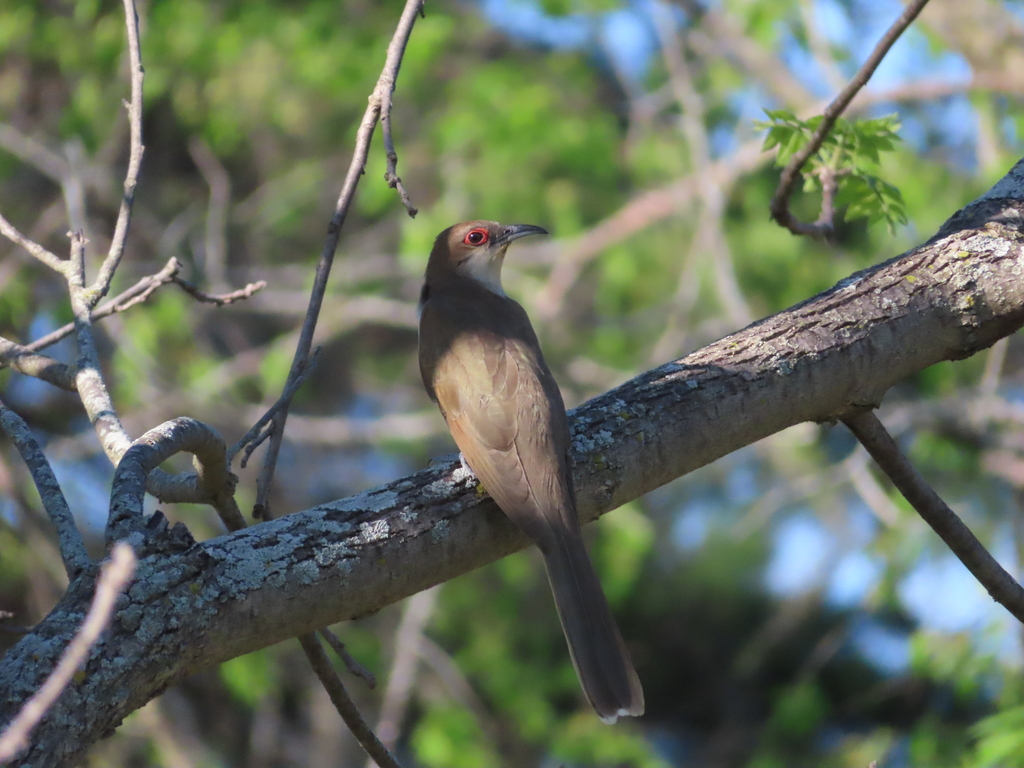
- Black-billed CuckooCoccyzus erythropthalmus
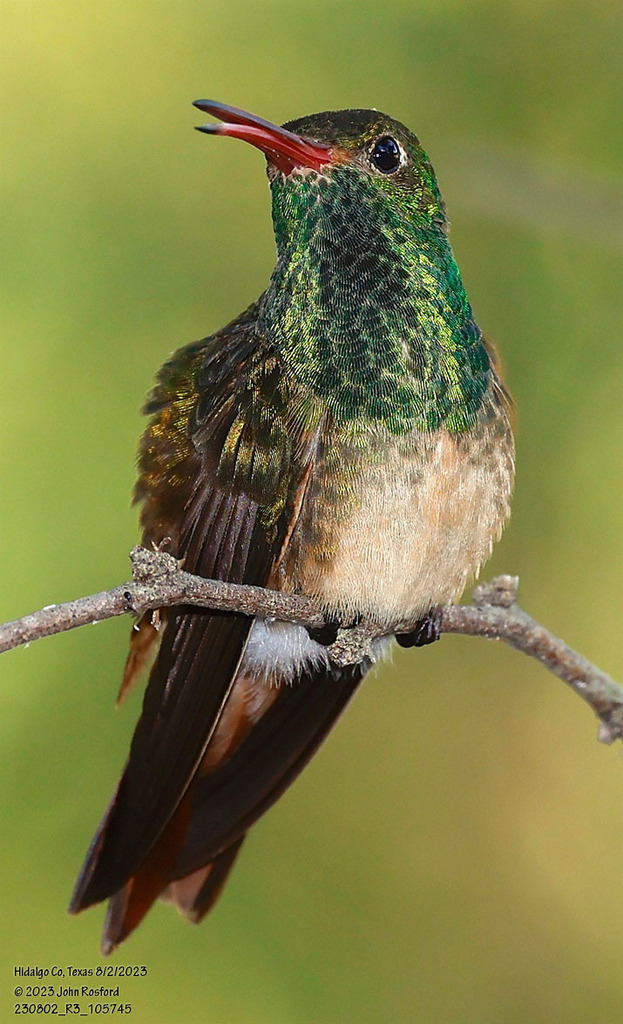
- Buff-bellied HummingbirdAmazilia yucatanensis
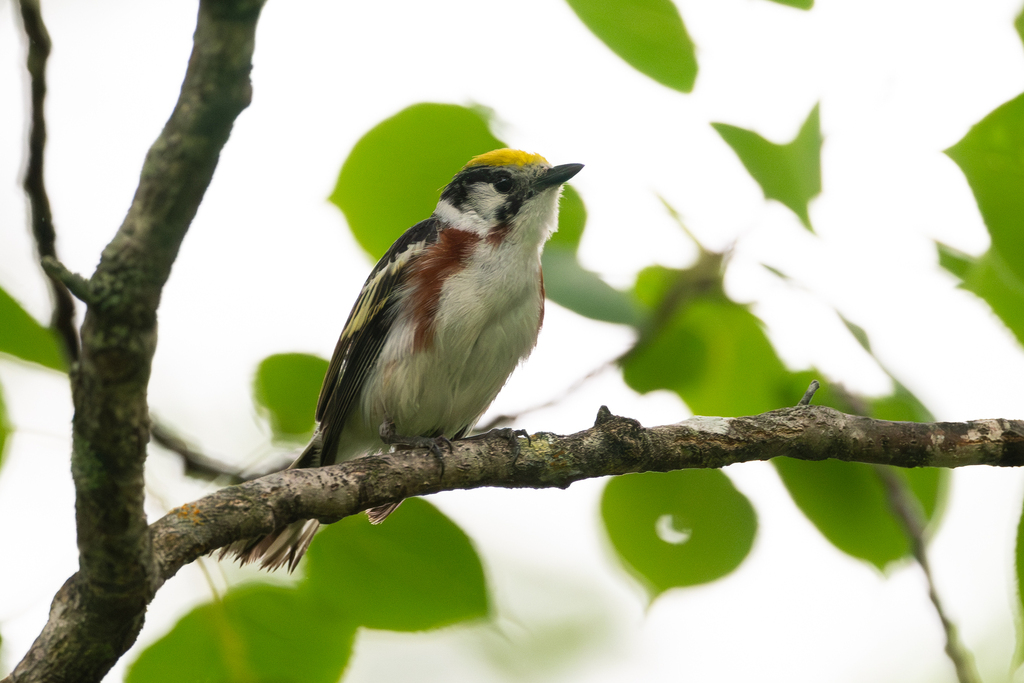

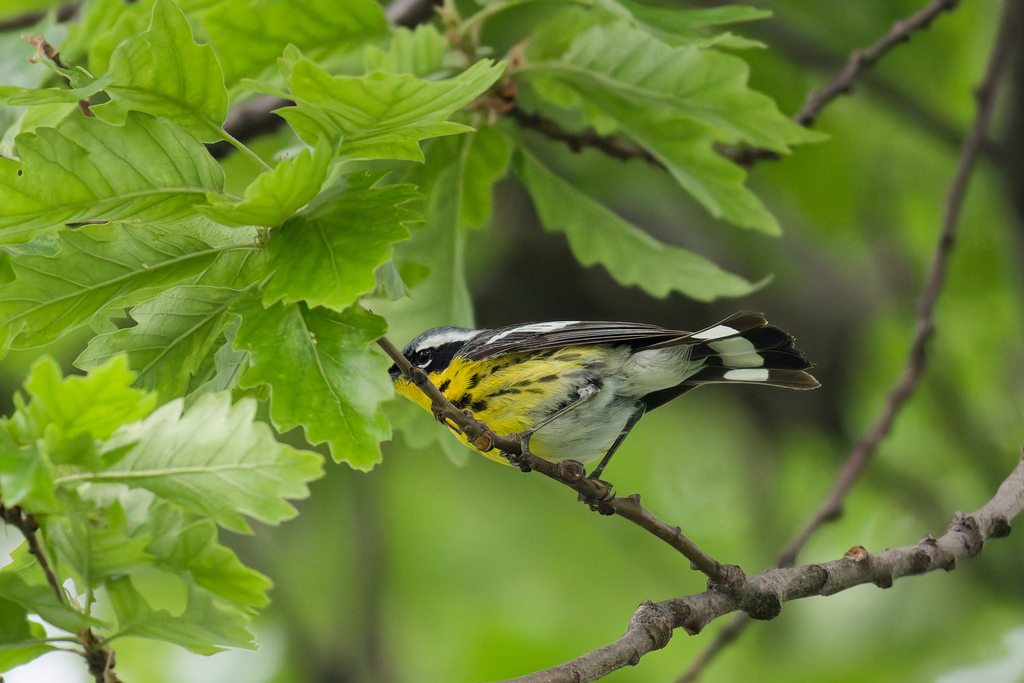
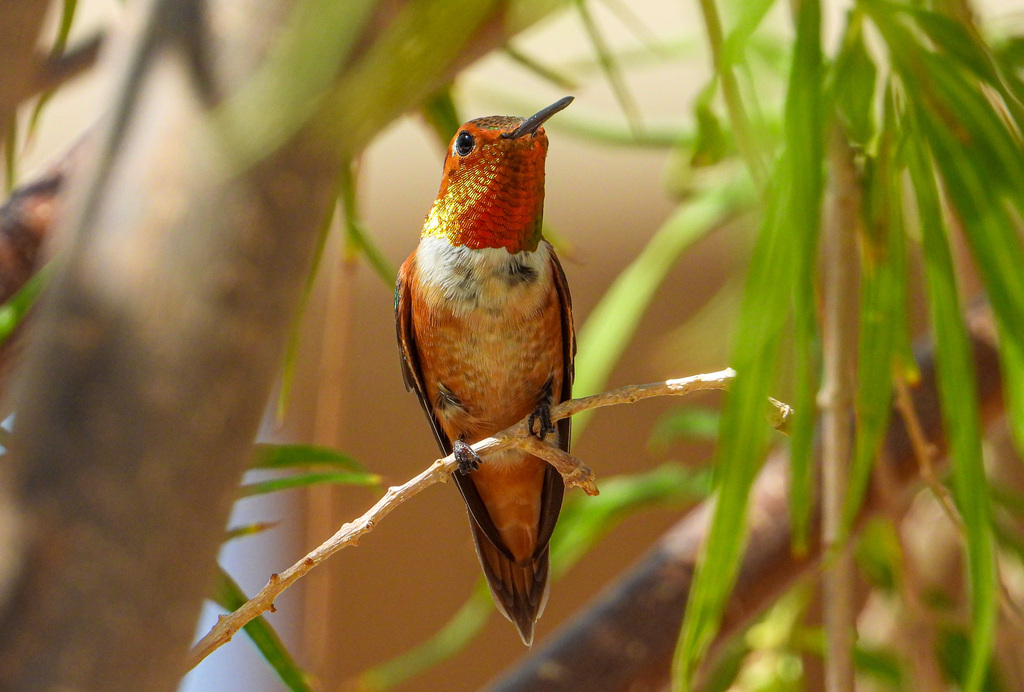

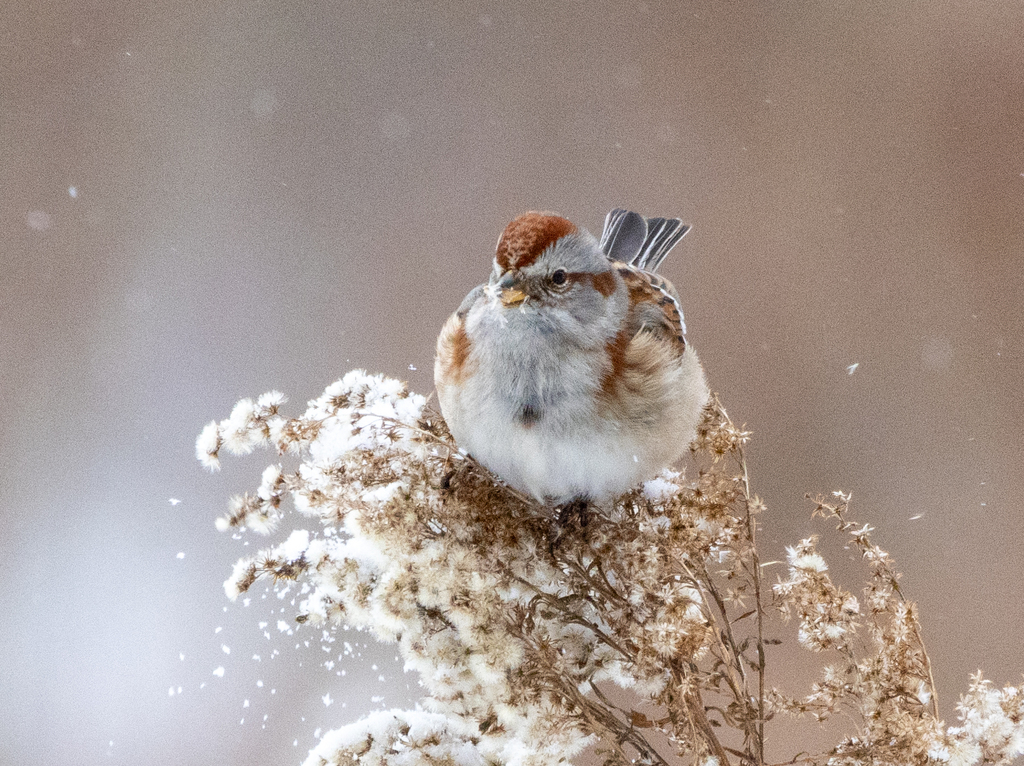
Plants 172
- Rosinweed SunflowerHelianthus silphioides
- Southern DewberryRubus trivialis
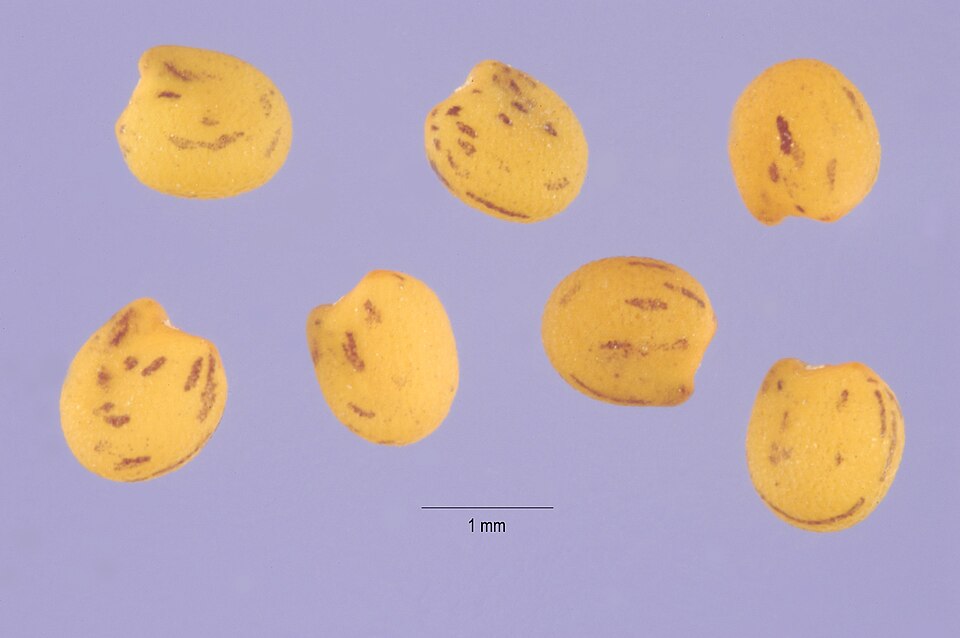
- Buffalo CloverTrifolium reflexum
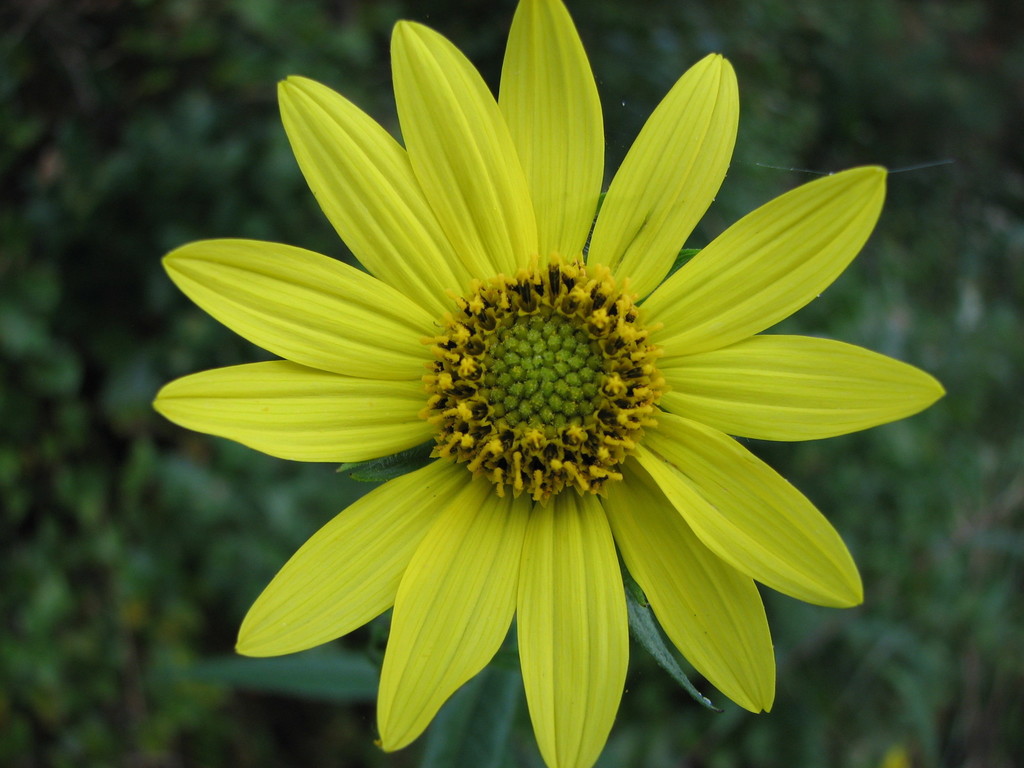
- Giant SunflowerHelianthus giganteus
- Cutleaf GoldenrodSolidago arguta
- Hairy GoldenrodSolidago hispida var. hispida
- Old Field AsterSymphyotrichum pilosum var. pilosum
- Hairy LettuceLactuca hirsuta
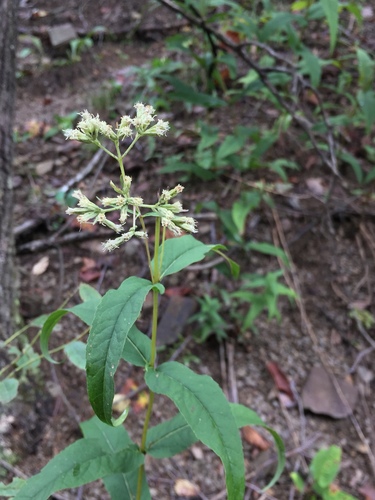
- Upland BonesetEupatorium sessilifolium
- Earleaf GreenbrierSmilax auriculata
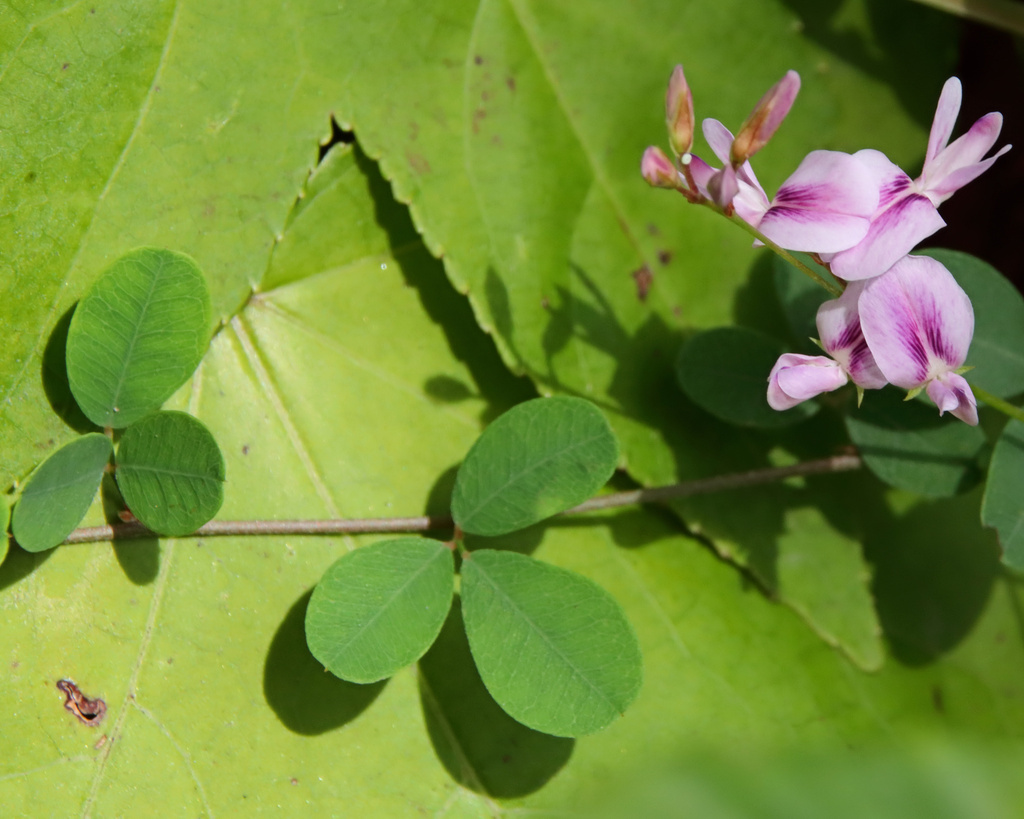
- Creeping LespedezaLespedeza repens
- Matted CrowngrassPaspalum minus

Sources
- USGS Gap Analysis Project habitat models (2001)
- USGS GAP winter habitat model for Indigo Bunting Avoids forest interior
- USGS Gap Analysis Project range maps (2001), modeled by watershed; migratory gives no dates
- NatureServe Explorer (CC BY 4.0), habitat names
- US Census TIGER/Line counties
- Names follow the USGS Gap Analysis Project (2001)
- Avian Diet Database (Hurlbert Lab) (CC0 1.0), diet records by plant genus