

Bird
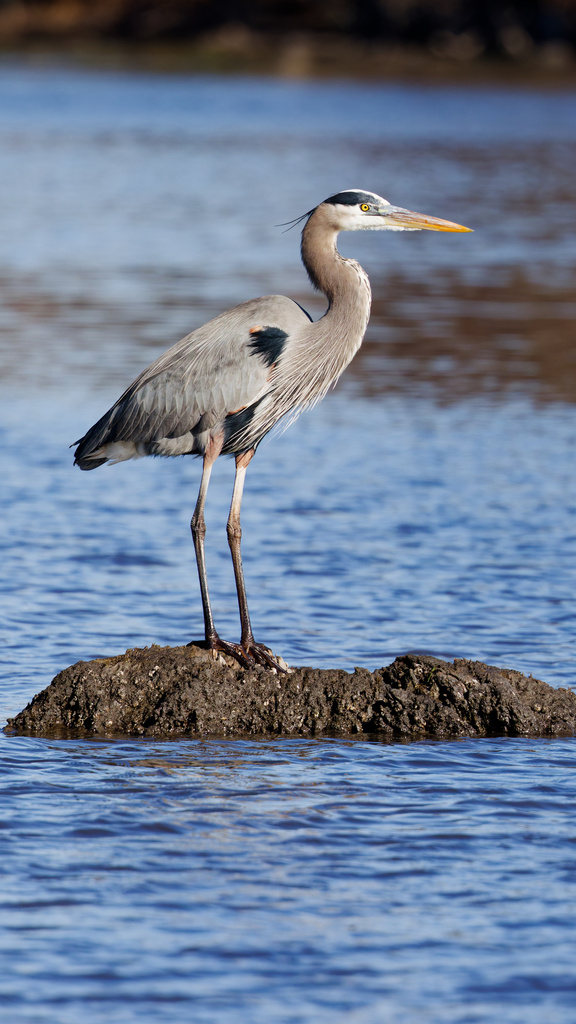
Great Blue Heron
Ardea herodias
Lives in Mississippi all year and nests here. Found in all 82 counties, across 12 habitats.
- Here
- All year
- Nesting
- Nests here
- Range
- All 82 counties
- Habitats
- 12
At a glance
- Group
- Birds
- Here
- All year
- Nesting
- Nests here
- Range
- All 82 counties
- Habitats
- 12
- Habitat models
- Summer, Winter
Where it lives
The places its habitat model includes. It is not found everywhere a habitat occurs.
Habitats in Mississippi 12
Each habitat page lists the plants and wildlife also found there.
Open sand of beaches, dunes and the hollows between them.
Open, wet, seepage-fed bogs of the Coastal Plain and Sandhills, often with pitcher plants.
Coastal tidal marshes (salinity not stated)
Tidal marshes of the Atlantic and Gulf coasts where the source does not say whether the water is fresh, brackish or salt. A stated salinity files the marsh under freshwater tidal marshes or salt and brackish marshes instead.
Disturbed and introduced wetlands
Wet ground taken over by weedy or introduced plants after disturbance, such as common reed, Chinese tallow or tamarisk stands; the upland counterpart is roadsides, fields and disturbed ground.
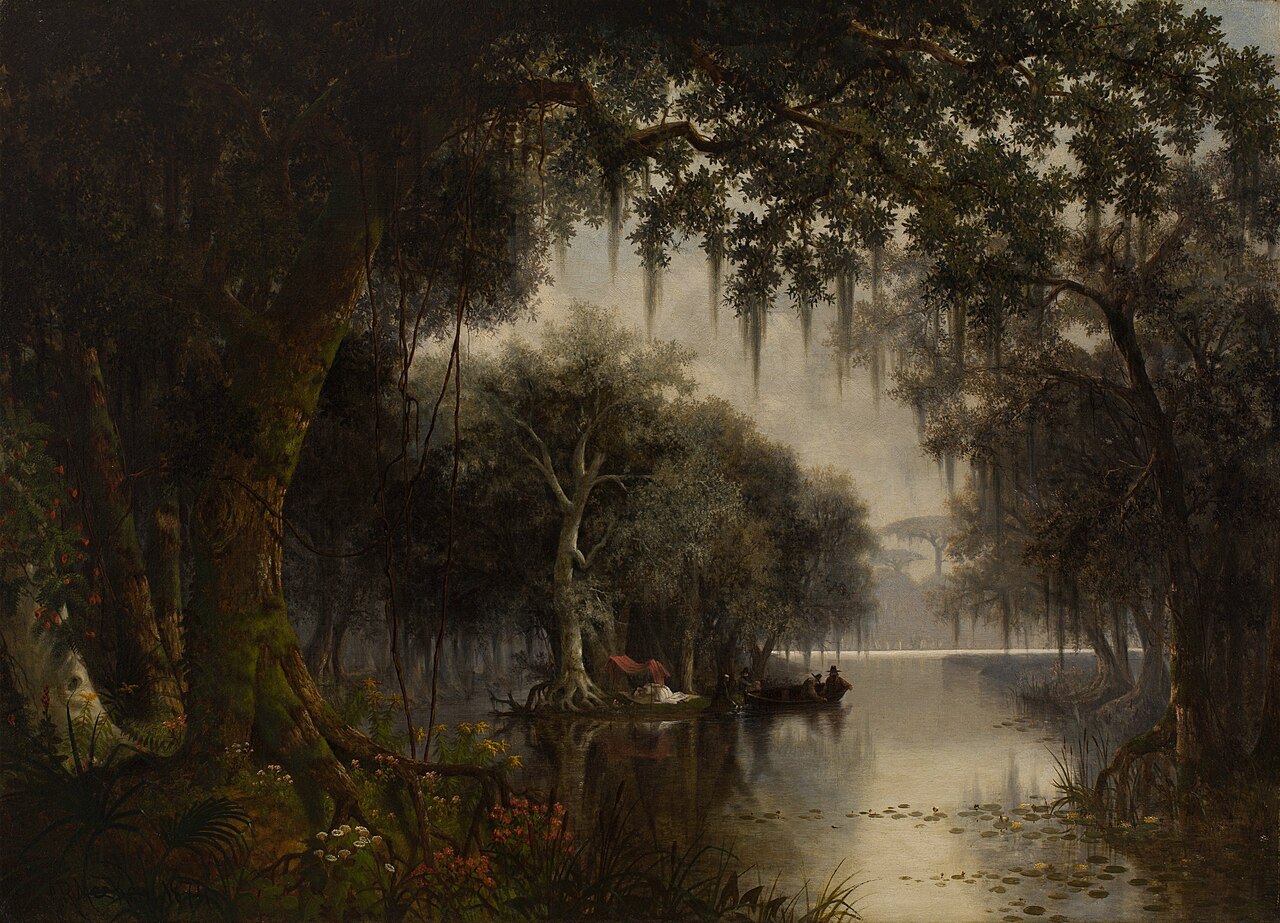
Floodplain and bottomland forests
Forests on low ground beside rivers and streams that flood from time to time.
Open, herb-covered wetlands with fresh, non-tidal water.
Open, fire-kept longleaf pine stands over grasses and wildflowers on wet to moist sandy soil.
Still water and its edges: ponds, lakes, millponds and reservoirs.
Coastal marshes flooded by salty or brackish tides.
Salt and brackish open water of sounds, bays and estuaries, with the mud and sand flats and seagrass beds that tides cover and uncover; the vegetated marsh is salt and brackish marshes.
Roadsides, fields and disturbed ground
Ground opened by people: roadsides, old fields, pastures, fencerows and lots.
Other habitats in its models (81)
Land cover, or classes with no habitat page in Mississippi. Those recorded in Mississippi first, the rest by region.
Elsewhere in the South (46)
- Atlantic Coastal Plain Brownwater Stream Floodplain Forest Summer and winter.
- Atlantic Coastal Plain Central Fresh-Oligohaline Tidal Marsh Summer and winter.
- Atlantic Coastal Plain Central Salt and Brackish Tidal Marsh Summer and winter.
- Atlantic Coastal Plain Embayed Region Tidal Freshwater Marsh Summer and winter.
- Atlantic Coastal Plain Embayed Region Tidal Salt and Brackish Marsh Summer and winter.
- Atlantic Coastal Plain Indian River Lagoon Tidal Marsh Summer and winter.
- Atlantic Coastal Plain Large Natural Lakeshore Summer and winter.
- Atlantic Coastal Plain Northern Tidal Wooded Swamp Summer and winter.
- Atlantic Coastal Plain Peatland Pocosin Summer and winter.
- Atlantic Coastal Plain Sea Island Beach Summer and winter.
- Atlantic Coastal Plain Small Blackwater River Floodplain Forest Summer and winter.
- Atlantic Coastal Plain Small Brownwater River Floodplain Forest Summer and winter.
- Atlantic Coastal Plain Southern Beach Summer and winter.
- Atlantic Coastal Plain Southern Tidal Wooded Swamp Summer and winter.
- Atlantic Coastal Plain Southern Wet Pine Savanna and Flatwoods Summer and winter.
- Atlantic Coastal Plain Xeric River Dune Summer and winter.
- Central Florida Herbaceous Pondshore Summer and winter.
- Central Florida Herbaceous Seep Summer and winter.
- Cumberland Riverscour Summer and winter.
- East-Central Texas Plains Riparian Forest Summer and winter.
- Florida Big Bend Fresh-Oligohaline Tidal Marsh Summer and winter.
- Florida Big Bend Salt-Brackish Tidal Marsh Summer and winter.
- Floridian Highlands Freshwater Marsh Summer and winter.
- Louisiana Beach Summer and winter.
- Ozark-Ouachita Riparian Summer and winter.
- Red River Large Floodplain Forest Summer and winter.
- South Florida Bayhead Swamp Summer and winter.
- South Florida Cypress Dome Summer and winter.
- South Florida Everglades Sawgrass Marsh Summer and winter.
- South Florida Freshwater Slough and Gator Hole Summer and winter.
- South Florida Mangrove Swamp Summer and winter.
- South Florida Wet Marl Prairie Summer and winter.
- South-Central Interior Large Floodplain Summer and winter.
- South-Central Interior Small Stream and Riparian Summer and winter.
- Southern and Central Appalachian Bog and Fen Summer and winter.
- Southern Piedmont Small Floodplain and Riparian Forest Summer and winter.
- Southwest Florida Beach Summer and winter.
- Texas Coastal Bend Beach Summer and winter.
- Texas Saline Coastal Prairie Summer and winter.
- Texas-Louisiana Coastal Prairie Summer and winter, only within 1,000 m of water.
- Upper Texas Coast Beach Summer and winter.
- West Gulf Coastal Plain Chenier and Upper Texas Coastal Fringe Forest and Woodland Summer, only within 1,000 m of water.
- West Gulf Coastal Plain Large River Floodplain Forest Summer and winter.
- West Gulf Coastal Plain Near-Coast Large River Swamp Summer and winter.
- West Gulf Coastal Plain Seepage Swamp and Baygall Summer and winter.
- West Gulf Coastal Plain Small Stream and River Forest Summer and winter.
Northeast (3)
- Atlantic Coastal Plain Northern Fresh and Oligohaline Tidal Marsh Summer and winter.
- Atlantic Coastal Plain Northern Tidal Salt Marsh Summer and winter.
- Northern Atlantic Coastal Plain Basin Swamp and Wet Hardwood Forest Summer and winter.
Midwest (1)
- Western Great Plains Wooded Draw and Ravine Winter, only within 60 m of water.
Land cover and other classes (31)
- Atlantic Coastal Plain Blackwater Stream Floodplain Forest - Forest Modifier Summer and winter.
- Atlantic Coastal Plain Clay-Based Carolina Bay Forested Wetland Summer and winter.
- Atlantic Coastal Plain Clay-Based Carolina Bay Herbaceous Wetland Summer and winter.
- Atlantic Coastal Plain Depression Pondshore Summer and winter.
- Atlantic Coastal Plain Nonriverine Swamp and Wet Hardwood Forest - Oak Dominated Modifier Summer and winter.
- Atlantic Coastal Plain Nonriverine Swamp and Wet Hardwood Forest - Taxodium/Nyssa Modifier Summer and winter.
- Atlantic Coastal Plain Streamhead Seepage Swamp - Pocosin - and Baygall Summer and winter.
- Central Appalachian Floodplain - Forest Modifier Summer and winter.
- Central Appalachian Riparian - Forest Modifier Summer and winter.
- Central Interior and Appalachian Floodplain Systems Summer and winter.
- Central Interior and Appalachian Riparian Systems Summer and winter.
- Central Interior and Appalachian Shrub-Herbaceous Wetland Systems Summer and winter.
- Central Interior and Appalachian Swamp Systems Summer and winter.
- Developed, Low Intensity Summer, only within 1,000 m of water.
- East Gulf Coastal Plain Large River Floodplain Forest - Herbaceous Modifier Summer and winter.
- East Gulf Coastal Plain Southern Depression Pondshore Summer and winter.
- Eastern Great Plains Floodplain Systems Summer and winter.
- Eastern Great Plains Wet Meadow, Prairie, and Marsh Summer and winter.
- Introduced Upland Vegetation - Annual Grassland Summer and winter, only within 1,000 m of water.
- Introduced Upland Vegetation - Perennial Grassland Summer and winter, only within 1,000 m of water.
- Open Water (Aquaculture) Summer and winter.
- South-Central Interior Large Floodplain - Forest Modifier Summer and winter.
- South-Central Interior Large Floodplain - Herbaceous Modifier Summer and winter.
- Southern Coastal Plain Nonriverine Basin Swamp - Okefenokee Pine Modifier Summer and winter.
- Southern Piedmont Large Floodplain Forest - Forest Modifier Summer and winter.
- Southern Piedmont/Ridge and Valley Upland Depression Swamp Summer and winter.
- Tamaulipan Riparian Systems Summer and winter.
- Unconsolidated Shore Summer and winter.
- Unconsolidated Shore (Lake/River/Pond) Summer and winter.
- Western Great Plains Depressional Wetland Systems Summer and winter.
- Western Great Plains Floodplain Systems Summer and winter.
- The model applies distance limits to open and flowing water while retaining wet vegetation without that interior limit.
Seasons in Mississippi
- Year-round: nests here, in all 82 counties.
Also found in its main habitats
Its main habitats in Mississippi, by how much of its habitat model each one is, with the birds most characteristic of each and the plants that grow wild there. Shared habitat, not food.
Swamps
Birds 109
- Louisiana WaterthrushSeiurus motacilla
- Northern Saw-whet OwlAegolius acadicus
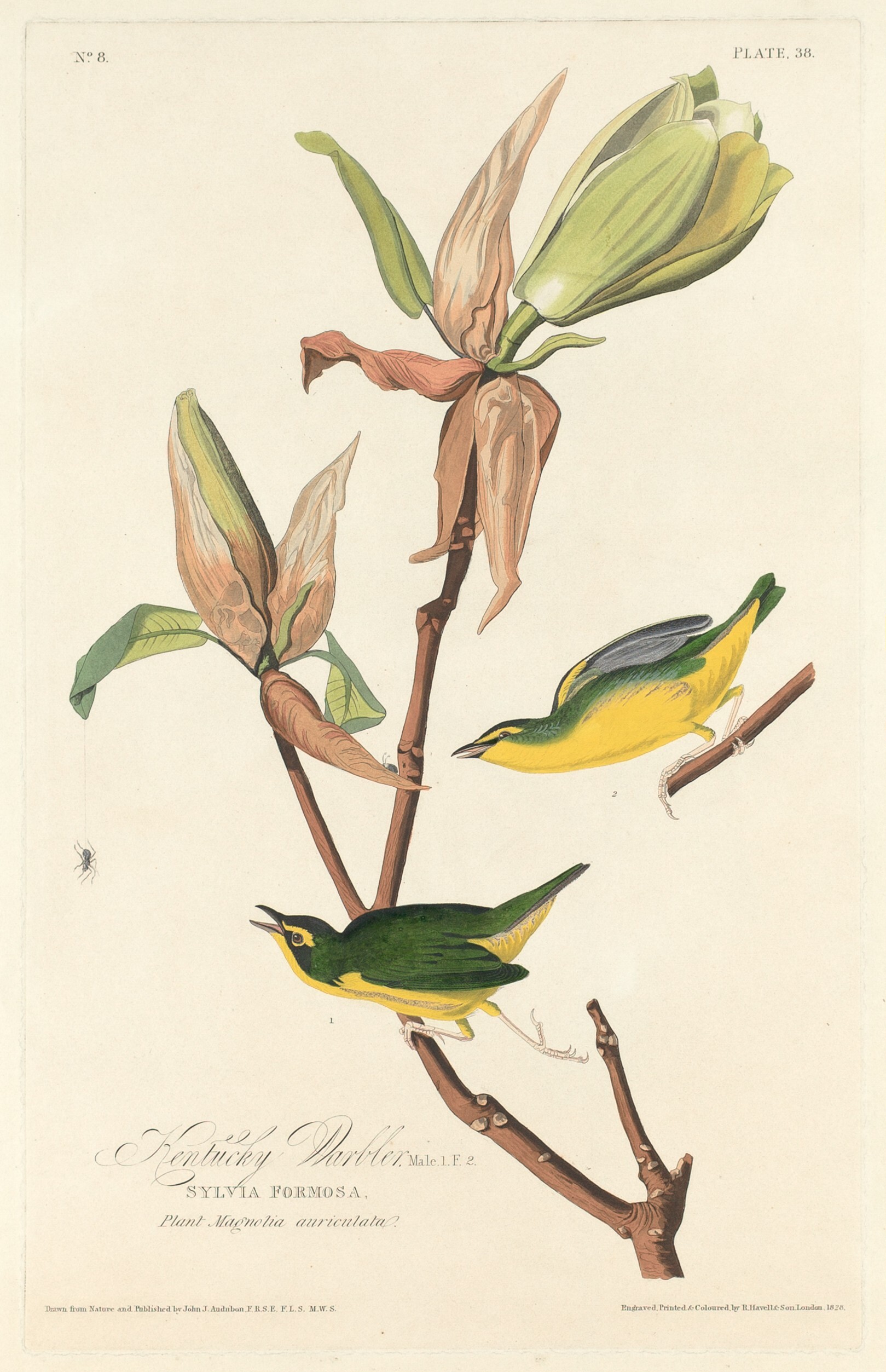
- Kentucky WarblerOporornis formosus
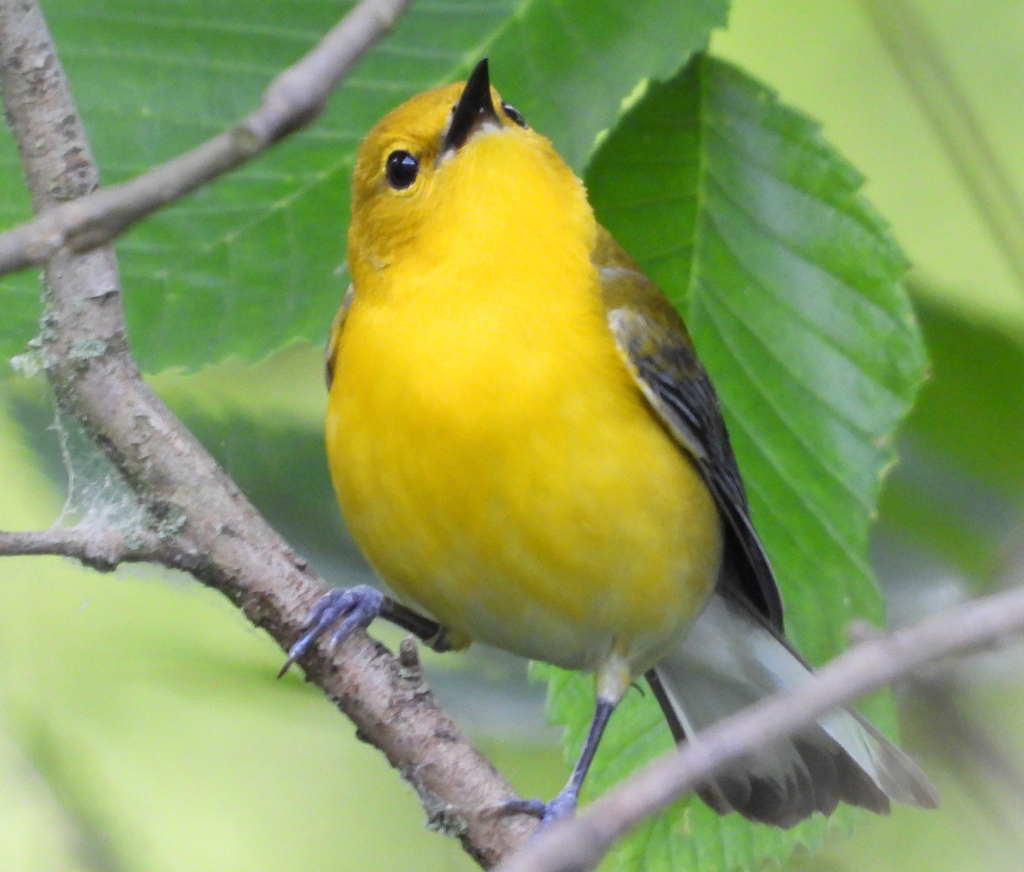
- Prothonotary WarblerProtonotaria citrea
- Rose-breasted GrosbeakPheucticus ludovicianus
- Seaside SparrowAmmodramus maritimus
- Swainson's WarblerLimnothlypis swainsonii
- Wilson's PloverCharadrius wilsonia
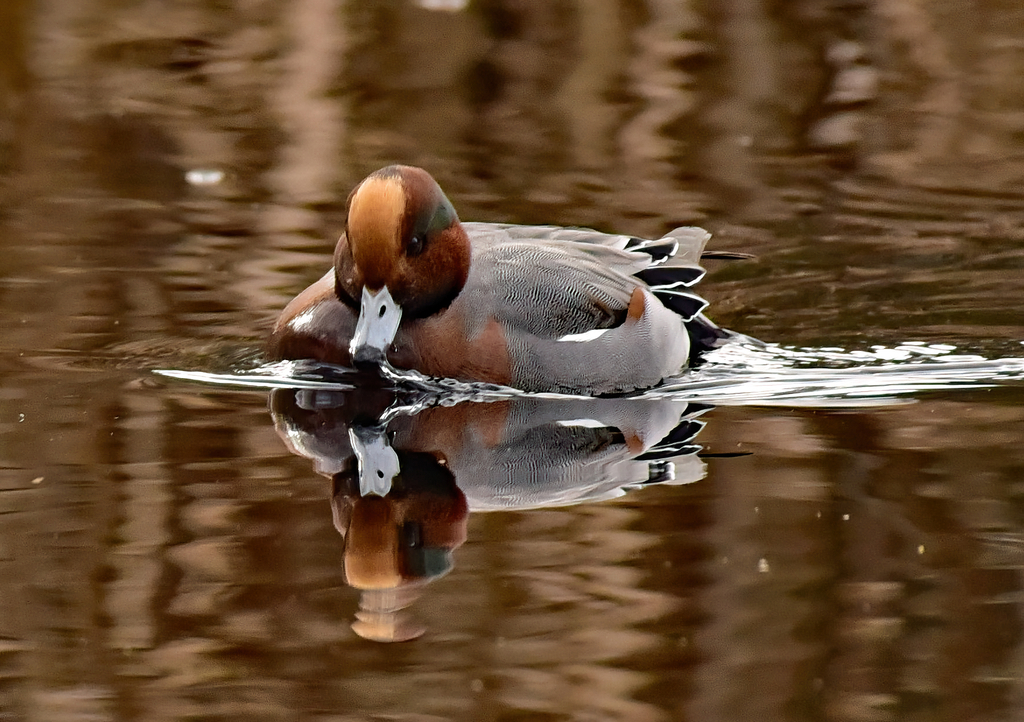
- Eurasian WigeonAnas penelope
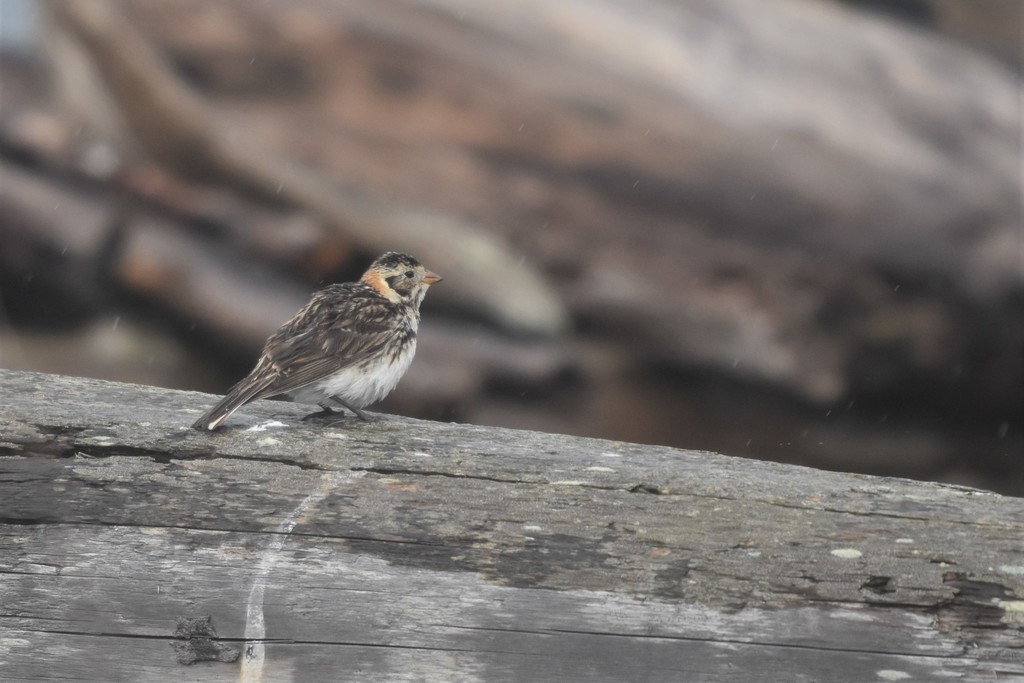
- Lapland LongspurCalcarius lapponicus
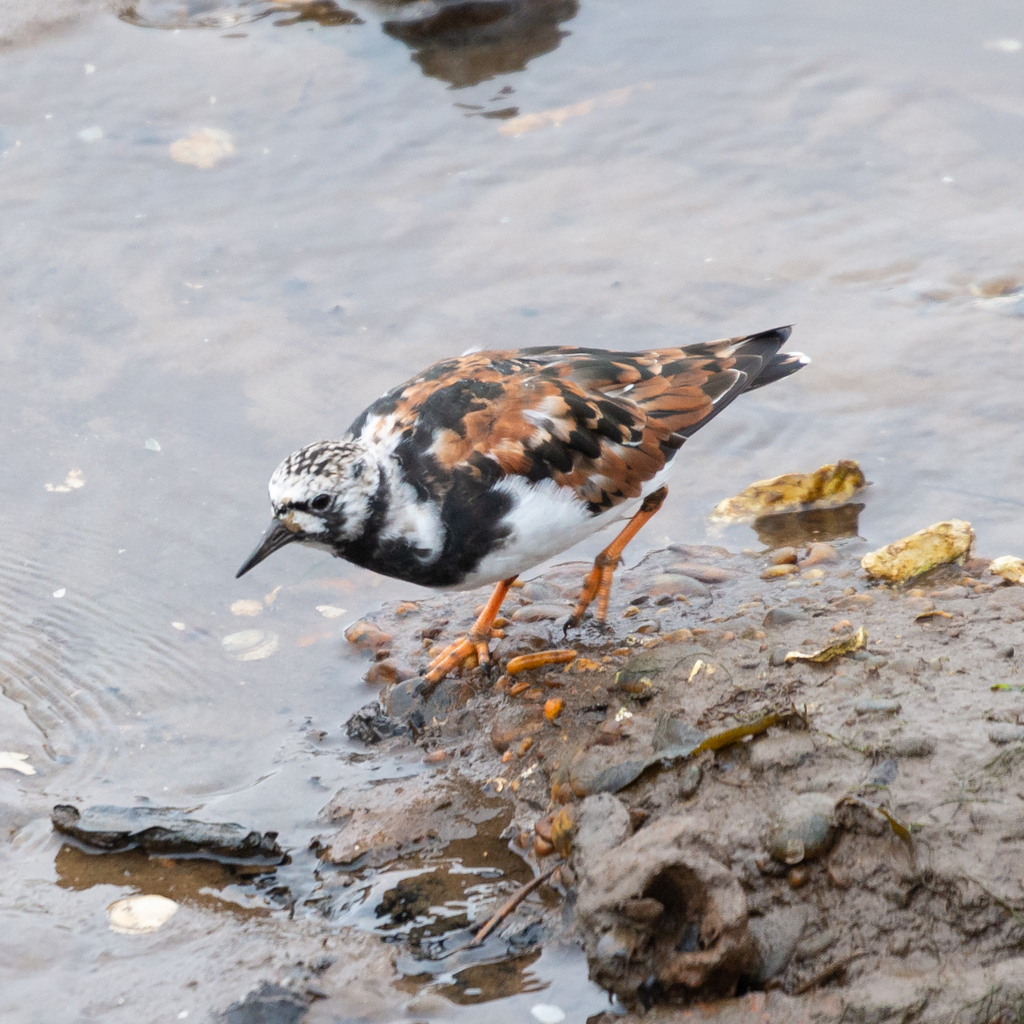
- Ruddy TurnstoneArenaria interpres
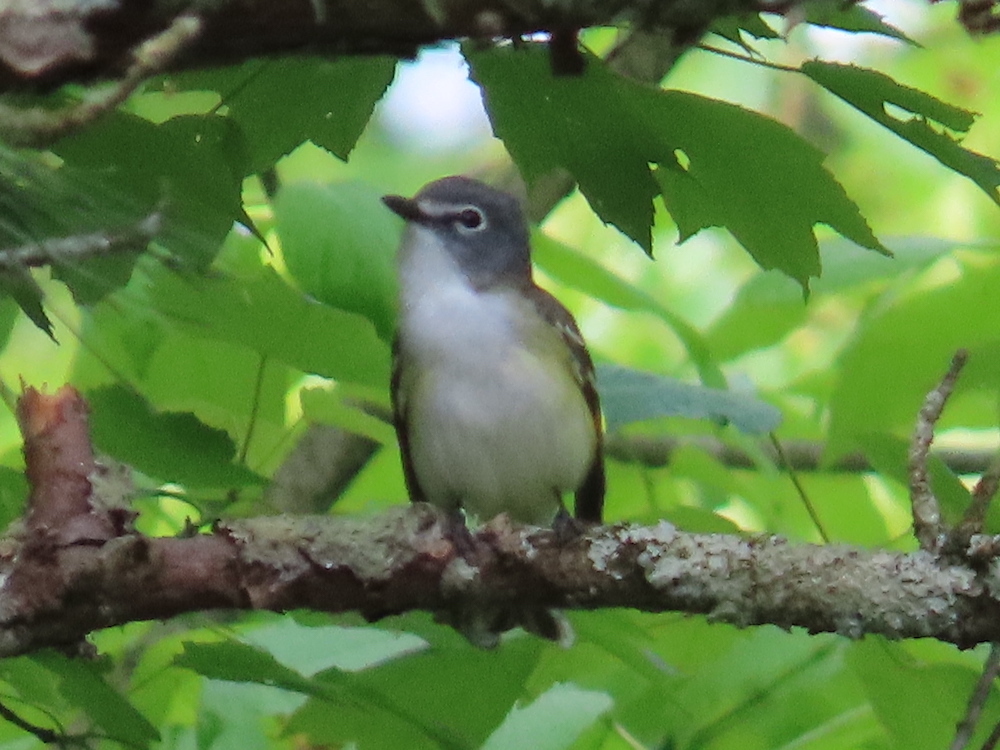
- Blue-headed VireoVireo solitarius


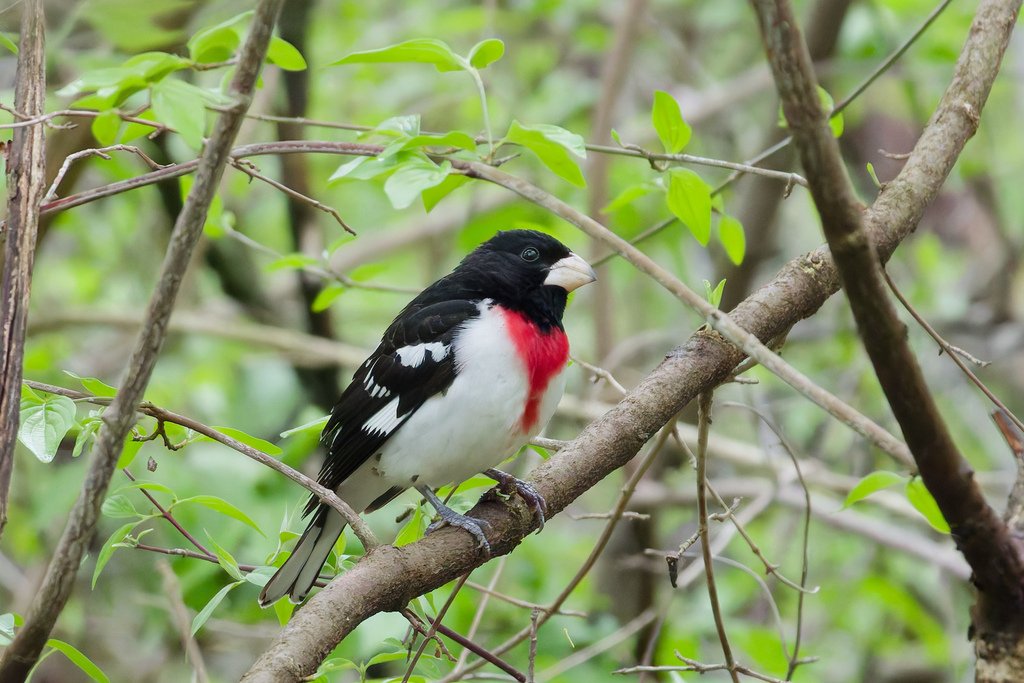
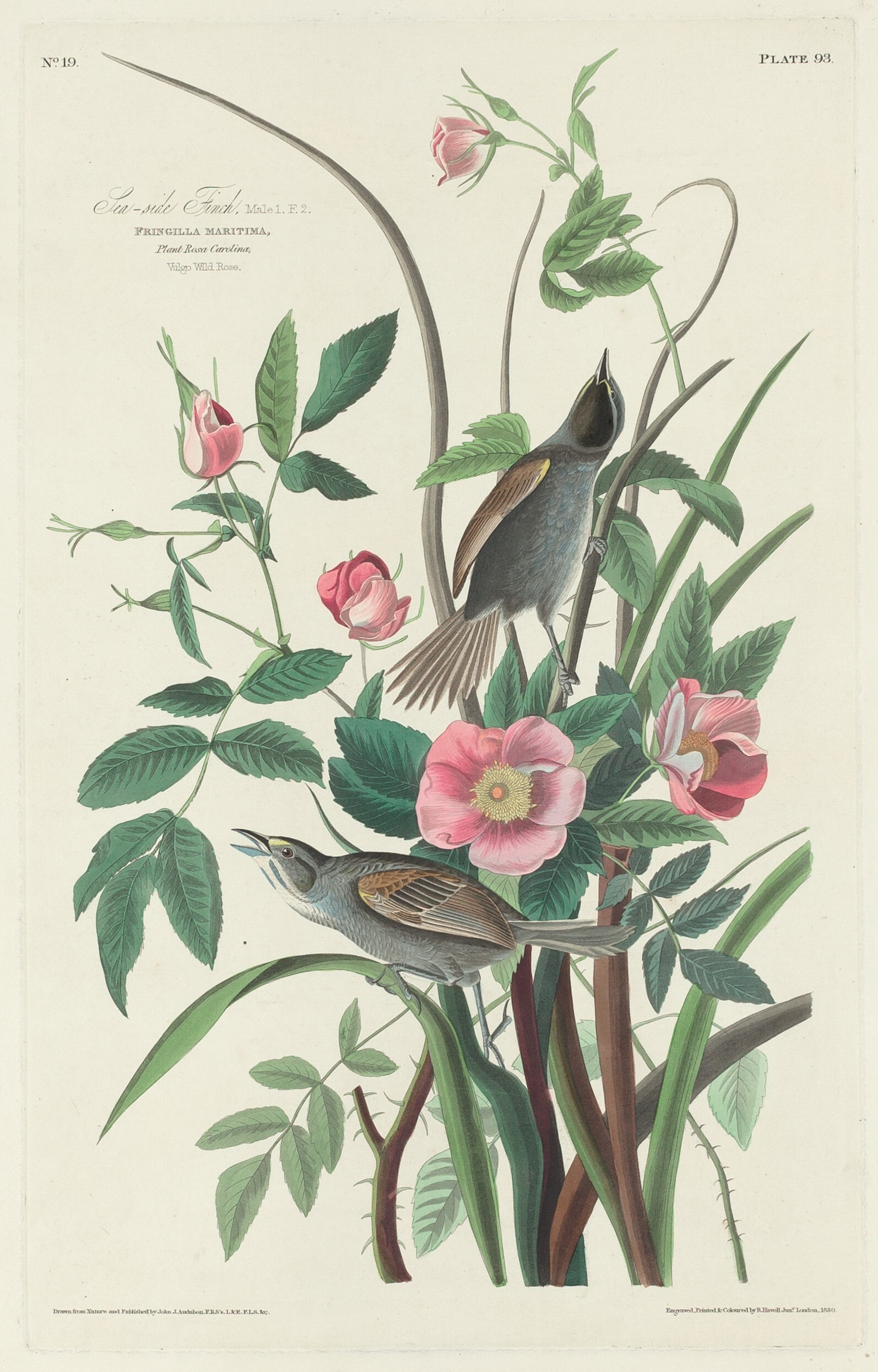
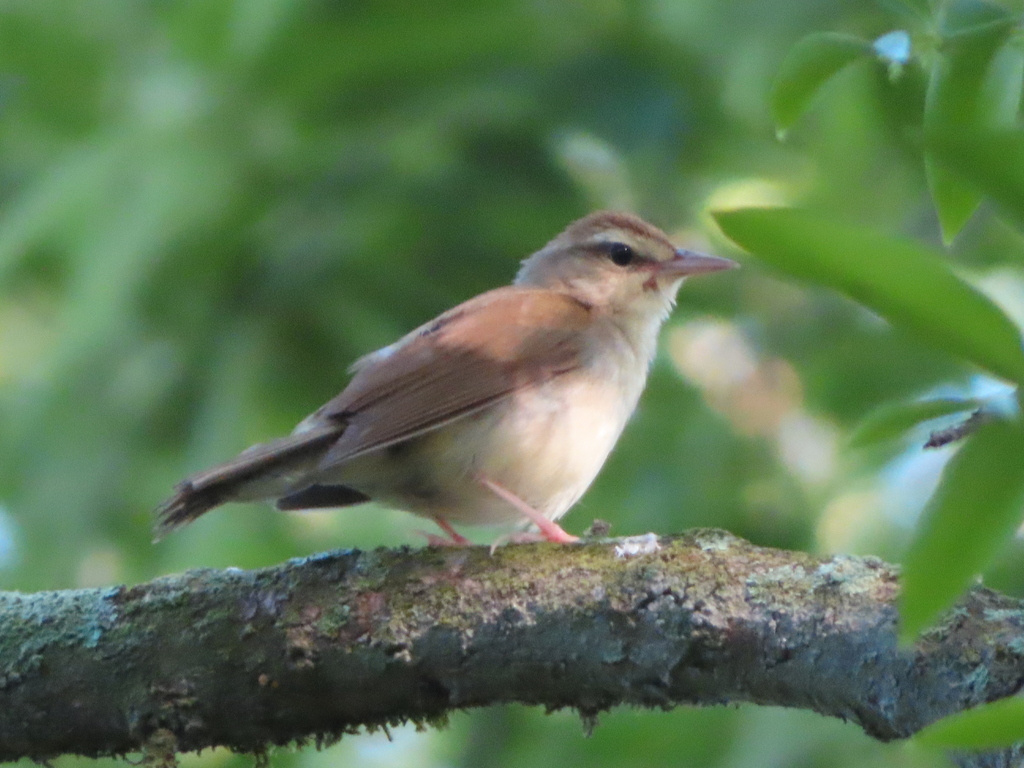
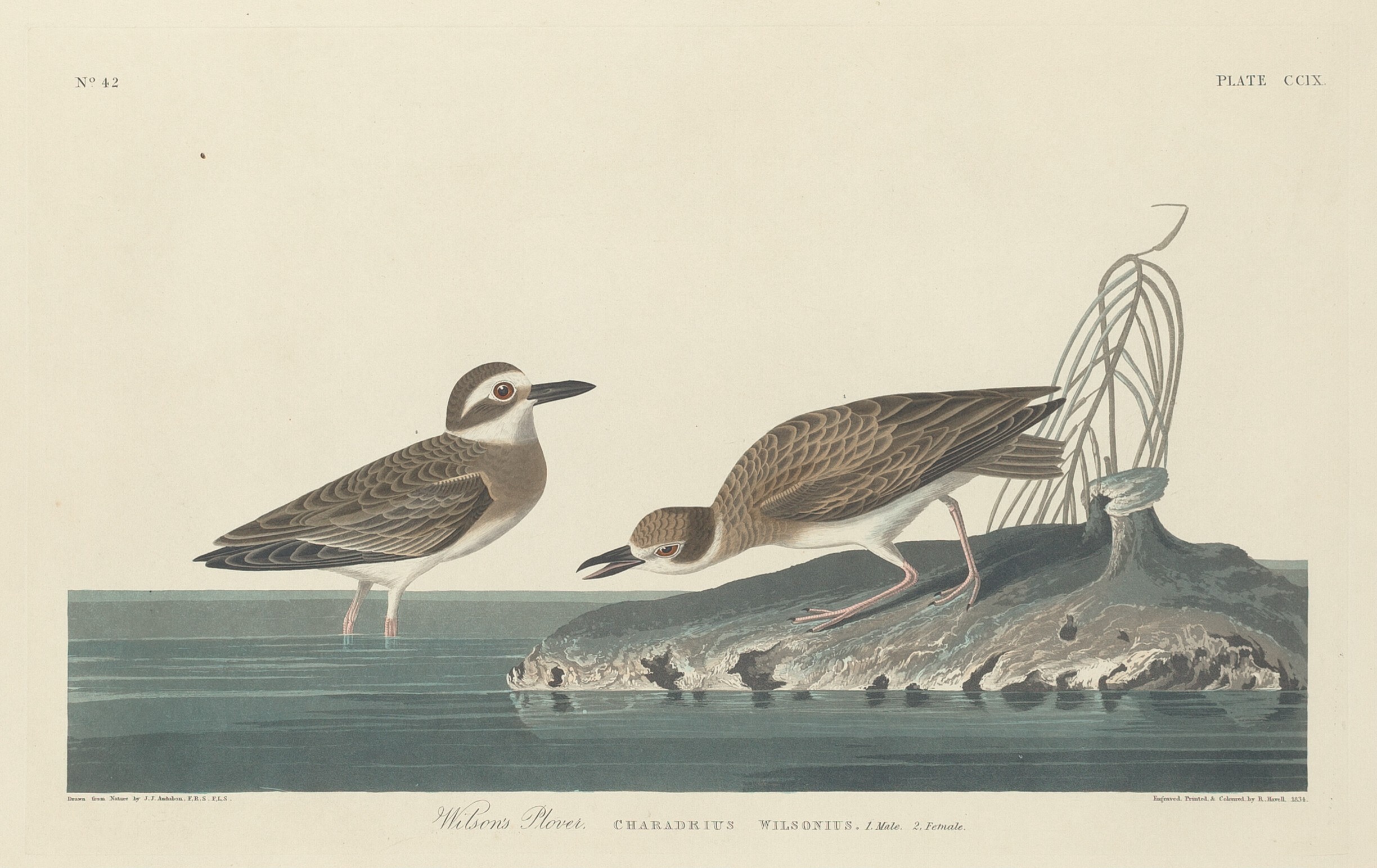
Plants 291
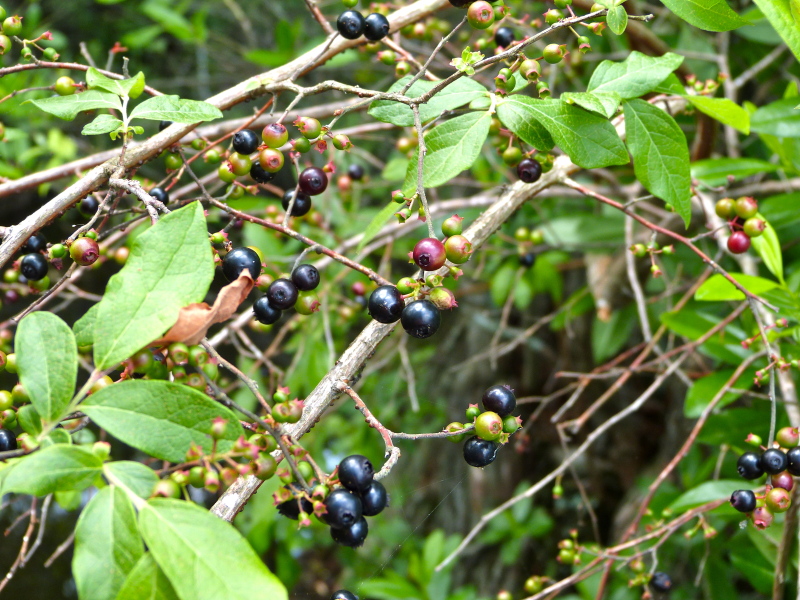
- Black Highbush BlueberryVaccinium fuscatum
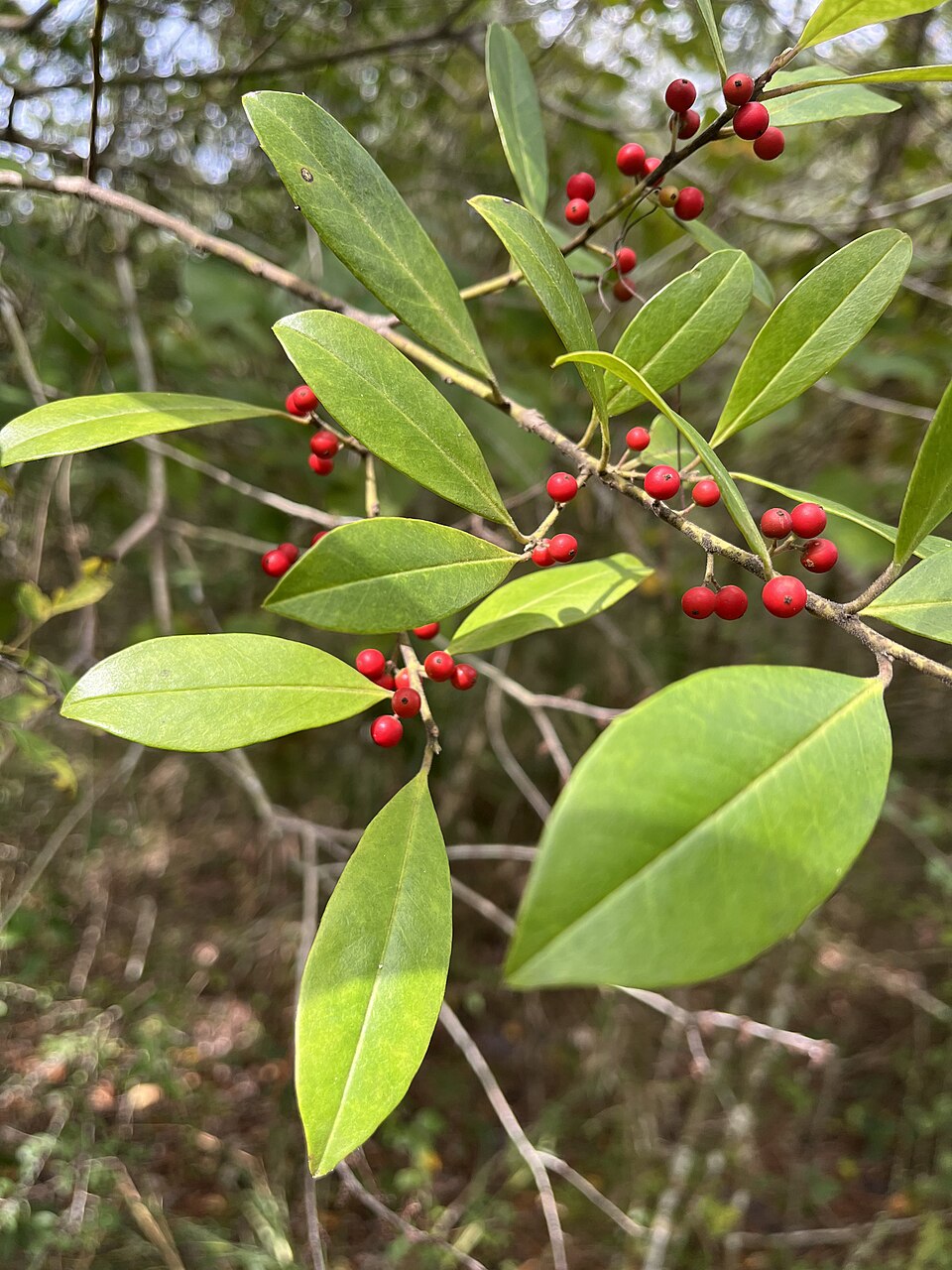
- Dahoon HollyIlex cassine
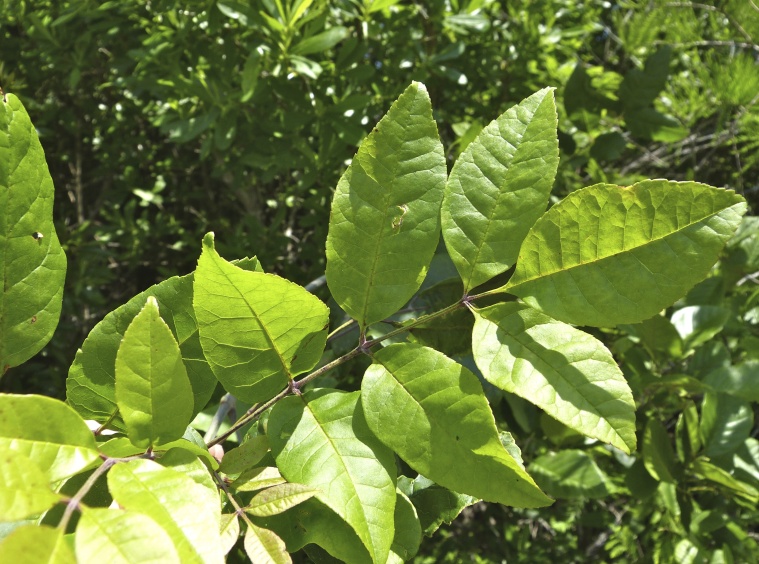
- Carolina AshFraxinus caroliniana
- Dense-flower SmartweedPersicaria densiflora
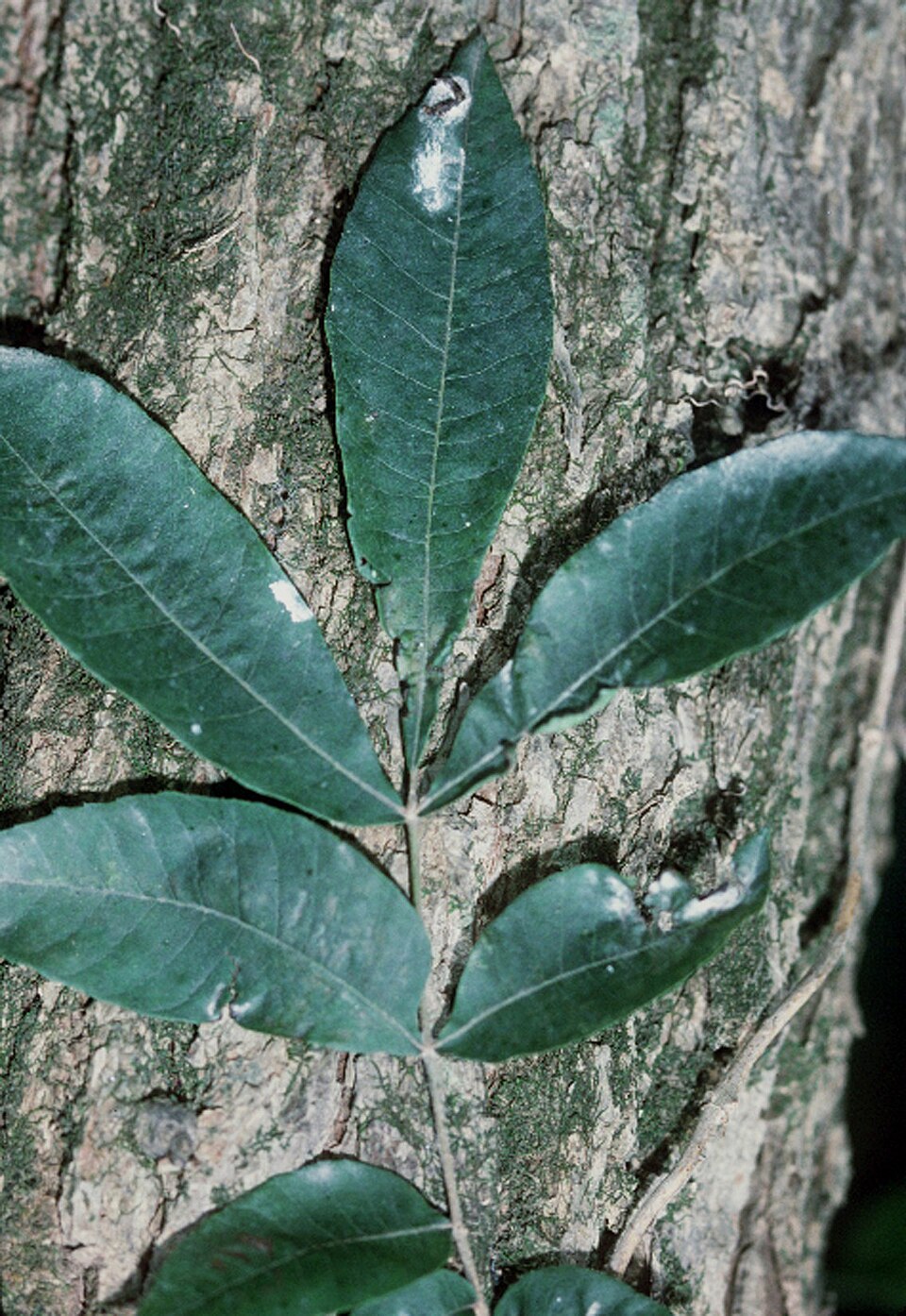
- Water HickoryCarya aquatica
- Swamp TupeloNyssa biflora
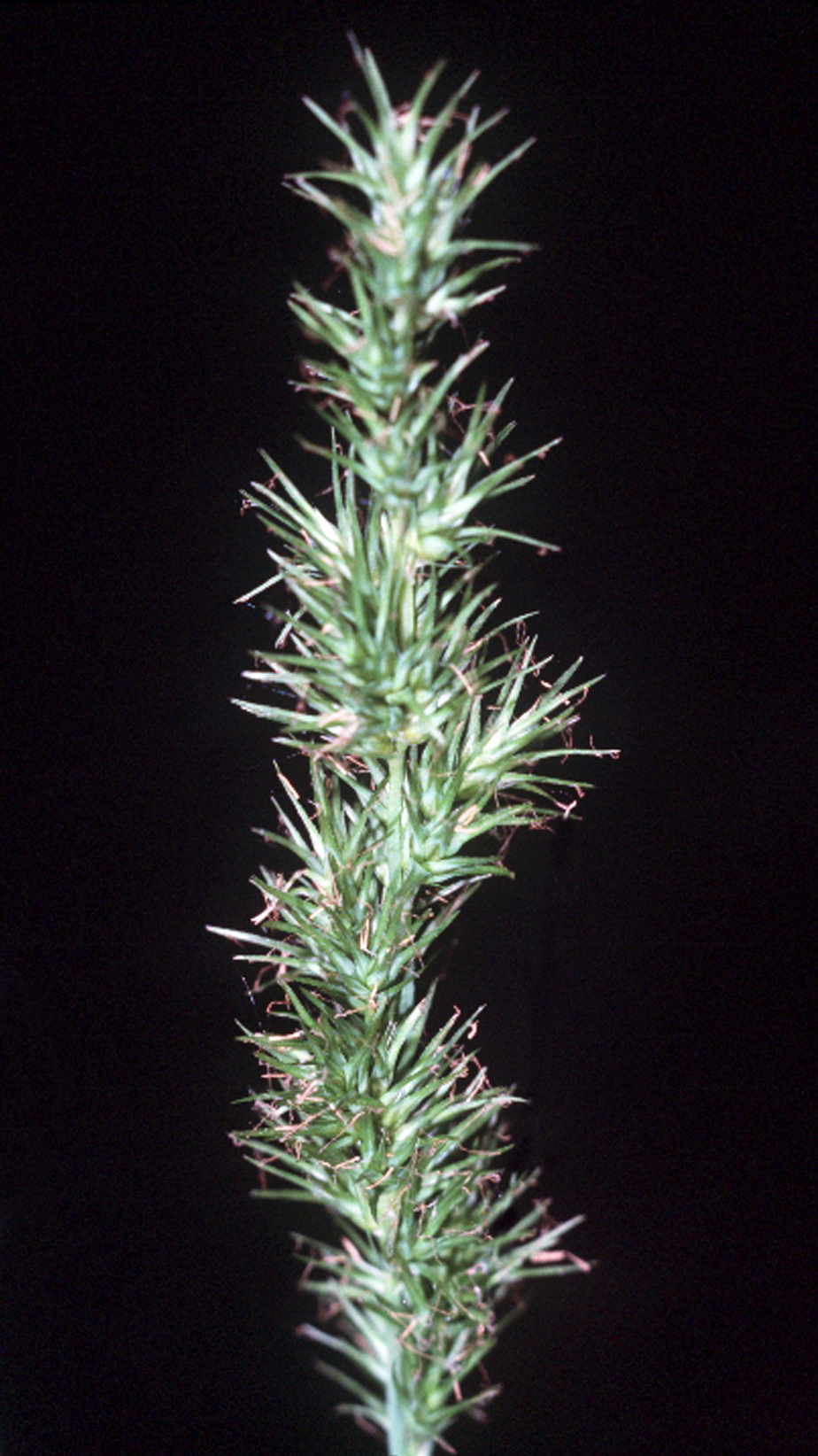
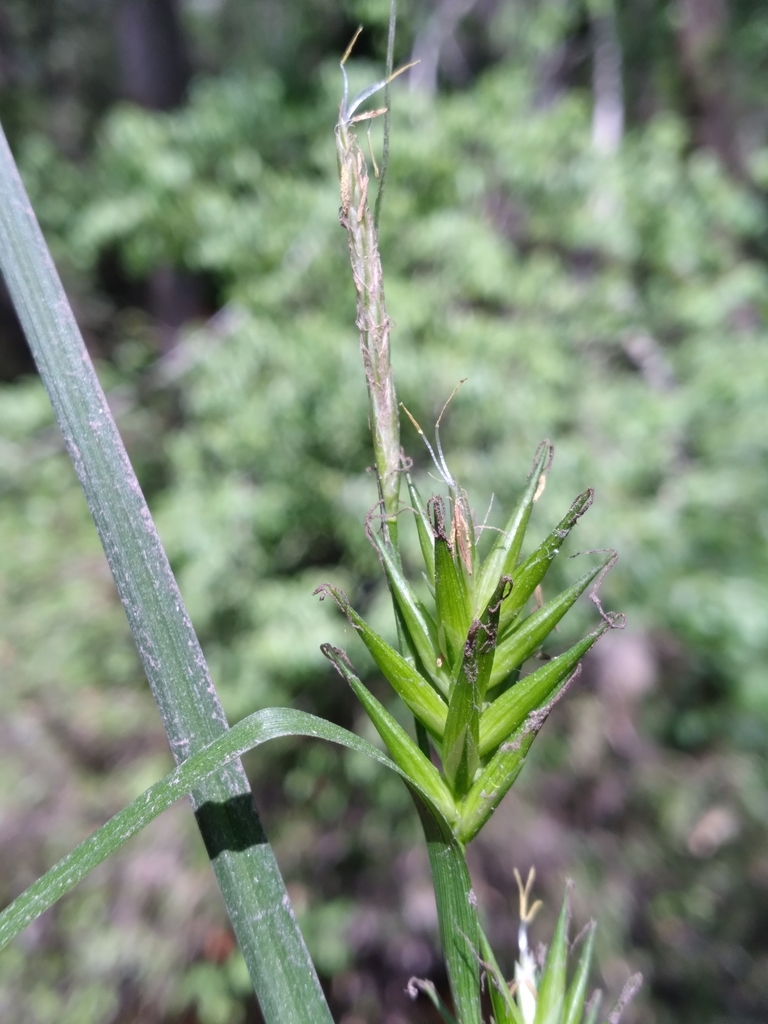
- Bent SedgeCarex styloflexa
- Cypress-swamp SedgeCarex joorii
- Dark-green SedgeCarex venusta
- Fringed SedgeCarex crinita
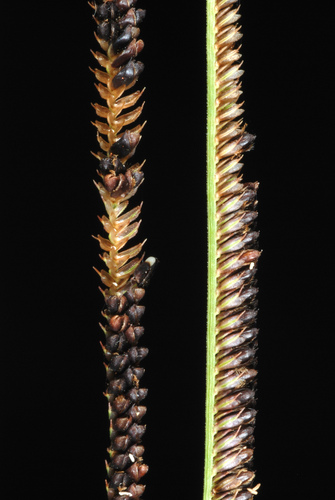
- Ravenfoot SedgeCarex crus-corvi
- Southern Long SedgeCarex lonchocarpa
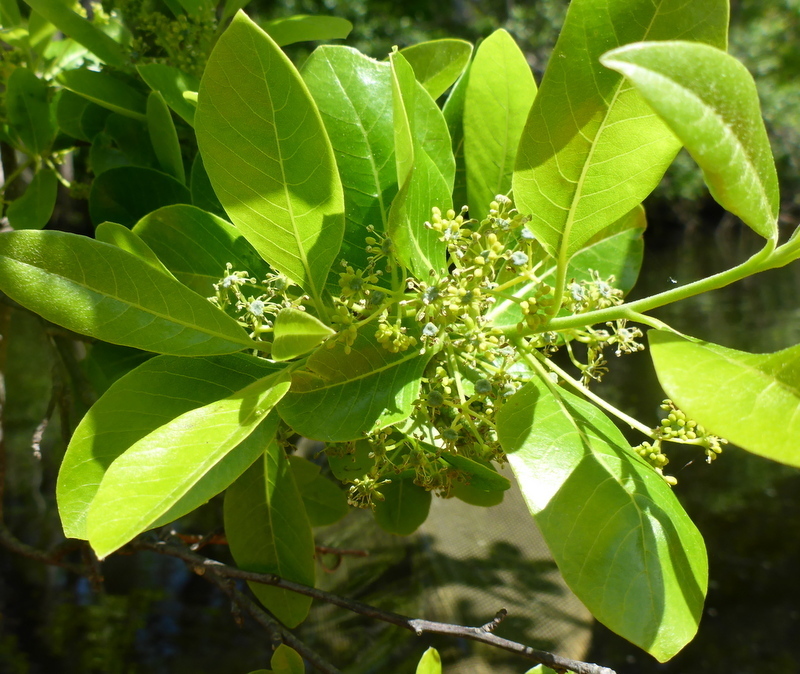
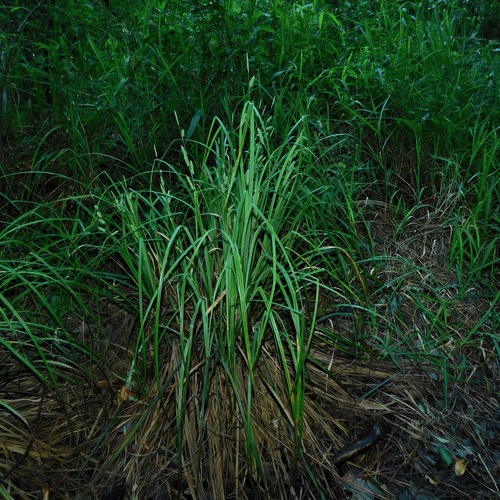
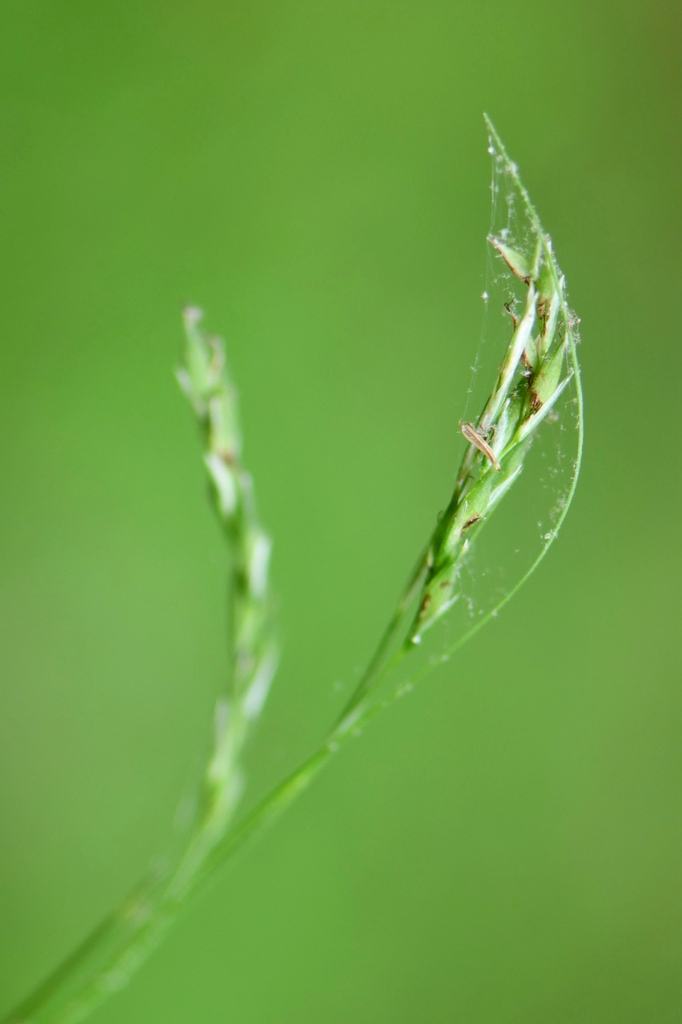
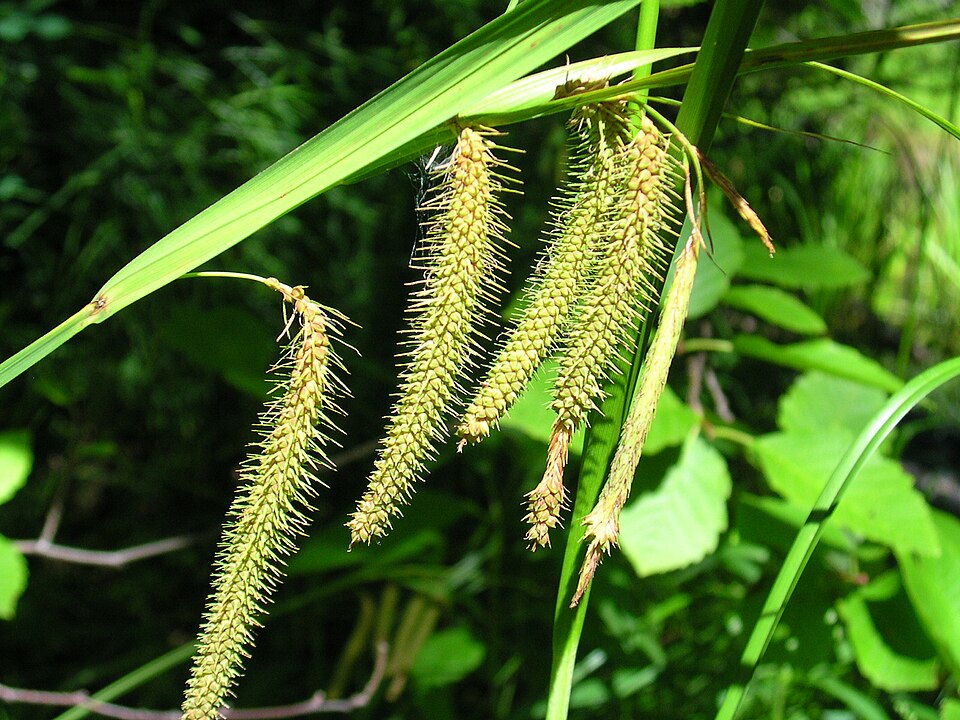
Floodplain and bottomland forests
Birds 98
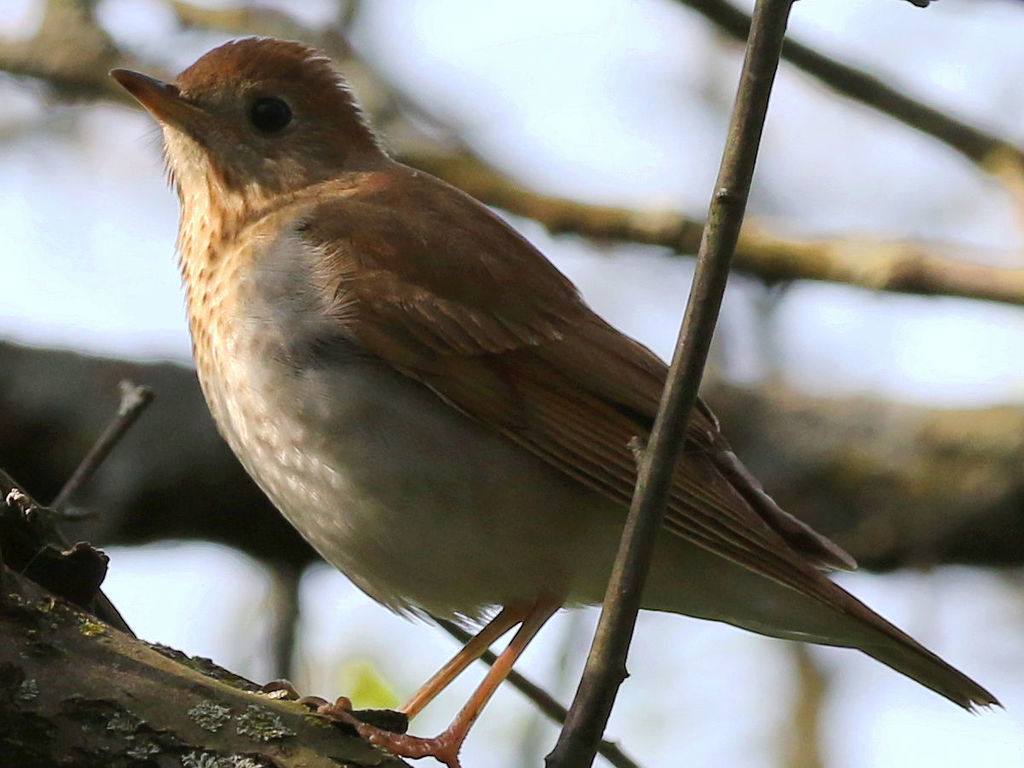
- VeeryCatharus fuscescens
- Louisiana WaterthrushSeiurus motacilla
- Northern Saw-whet OwlAegolius acadicus
- Red-breasted NuthatchSitta canadensis
- Willow FlycatcherEmpidonax traillii
- Kentucky WarblerOporornis formosus
- Prothonotary WarblerProtonotaria citrea
- Swainson's WarblerLimnothlypis swainsonii
- Broad-winged HawkButeo platypterus
- OvenbirdSeiurus aurocapilla
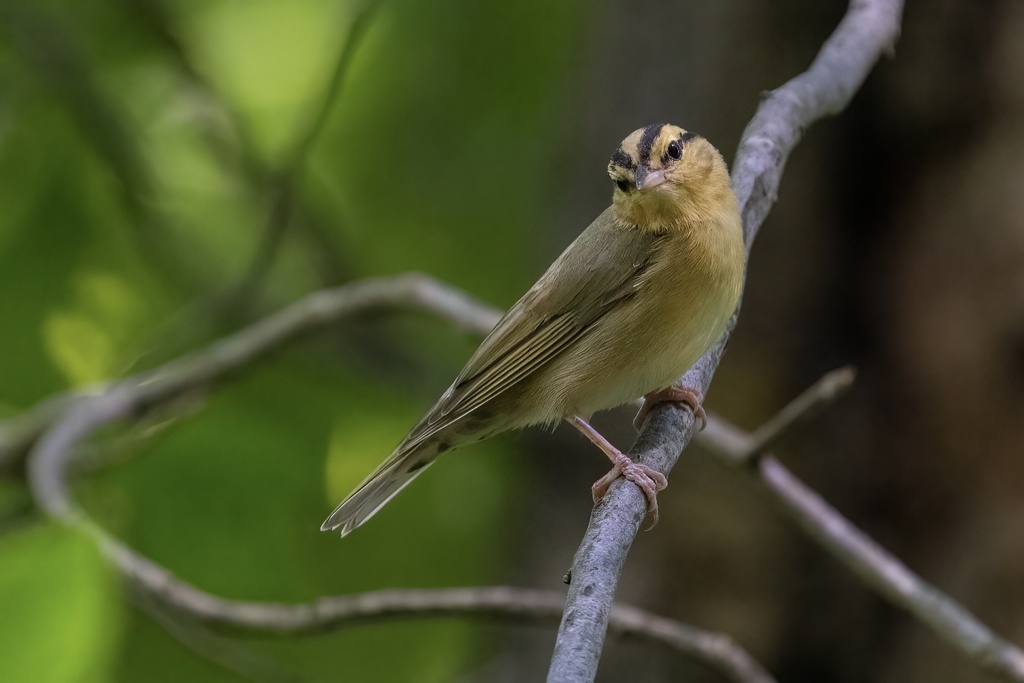
- Worm-eating WarblerHelmitheros vermivorum
- Blue-headed VireoVireo solitarius



Plants 346
- Elliott's BlueberryVaccinium elliottii
- White Panicled Aster; Eastern Lined AsterSymphyotrichum lanceolatum var. latifolium
- Possumhaw HollyIlex decidua
- Cherrybark OakQuercus pagoda
- Appalachian Orange ConeflowerRudbeckia fulgida var. umbrosa
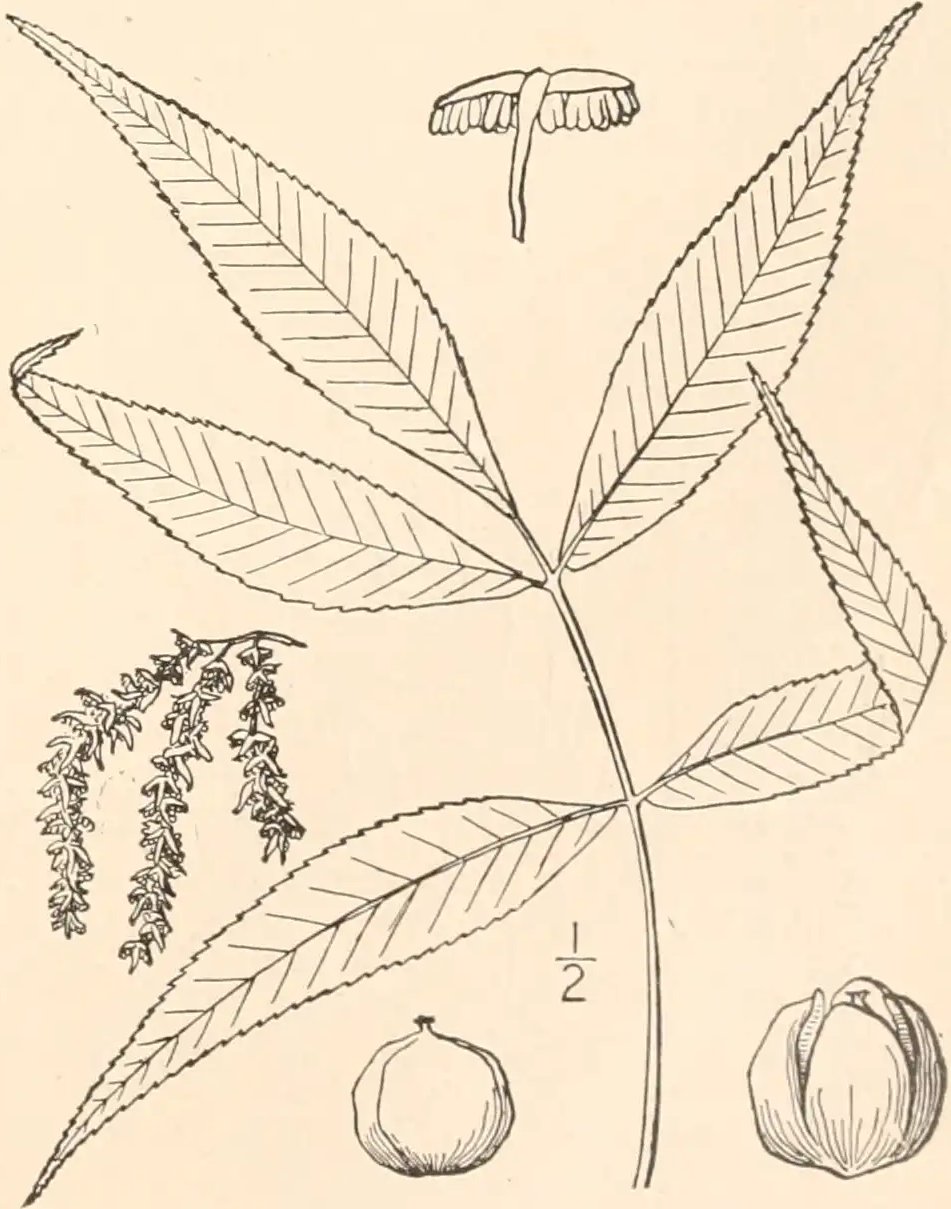
- Shagbark HickoryCarya ovata
- Southern Shagbark HickoryCarya carolinae-septentrionalis
- Spruce Pine; Walters Pine; Cedar PinePinus glabra
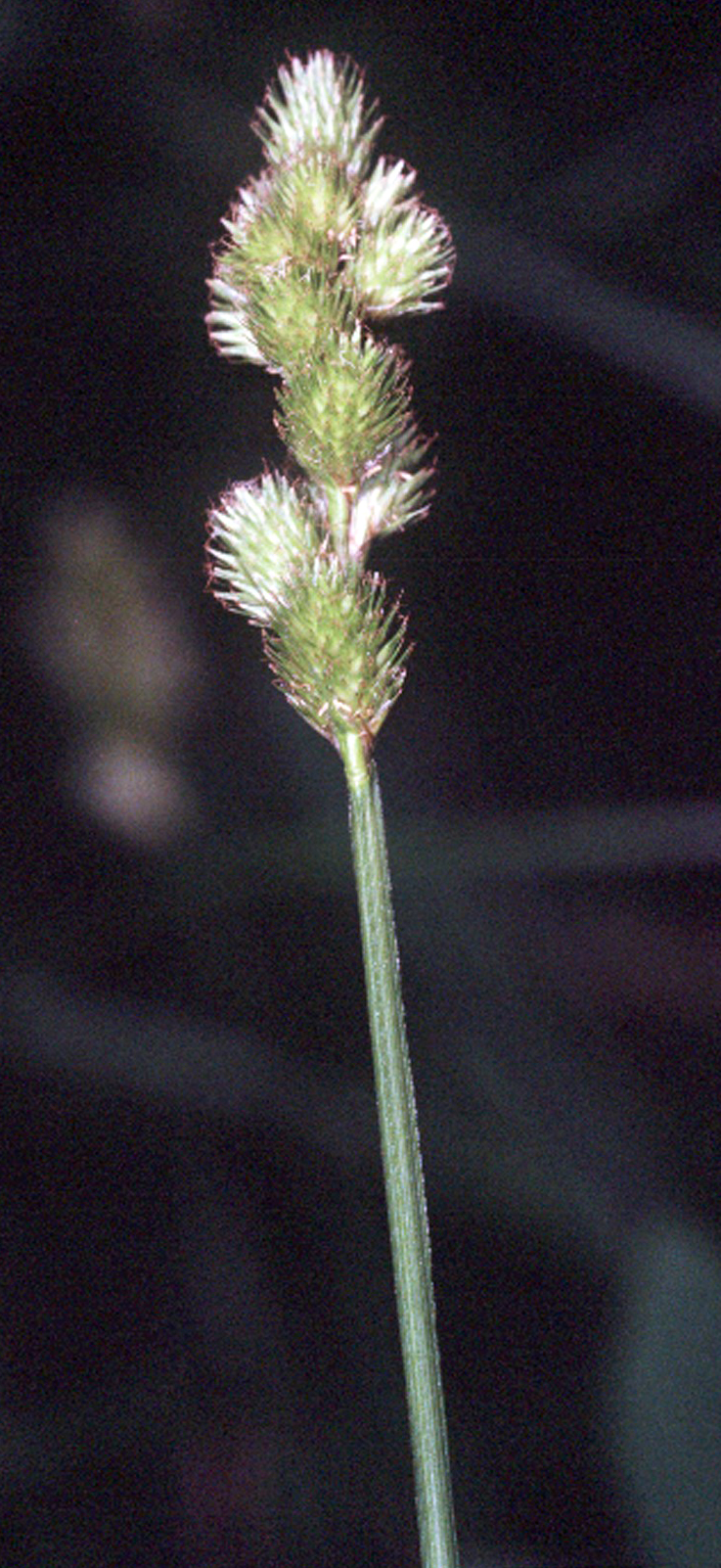
- Blunt Broom SedgeCarex tribuloides
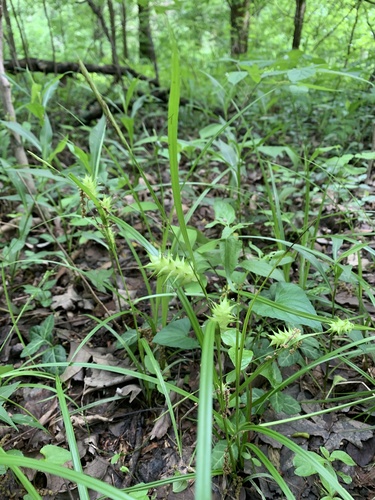
- Louisiana SedgeCarex louisianica
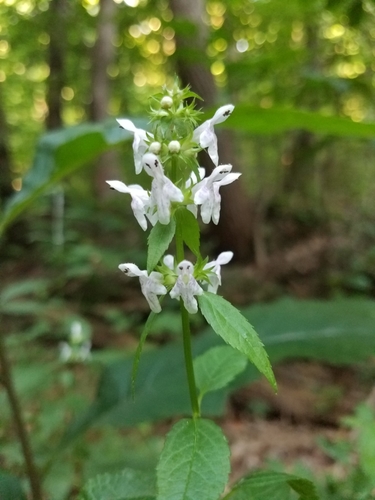
- Smooth Hedge-nettleStachys tenuifolia
- Common Cup-plantSilphium perfoliatum
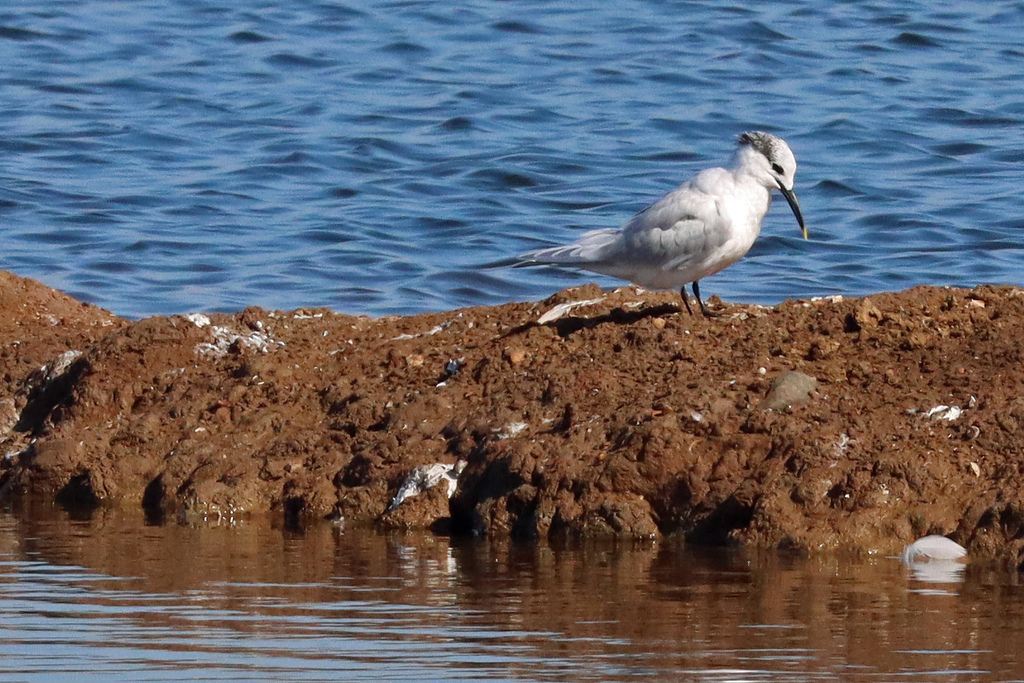
Coastal dunes and beaches
Birds 127
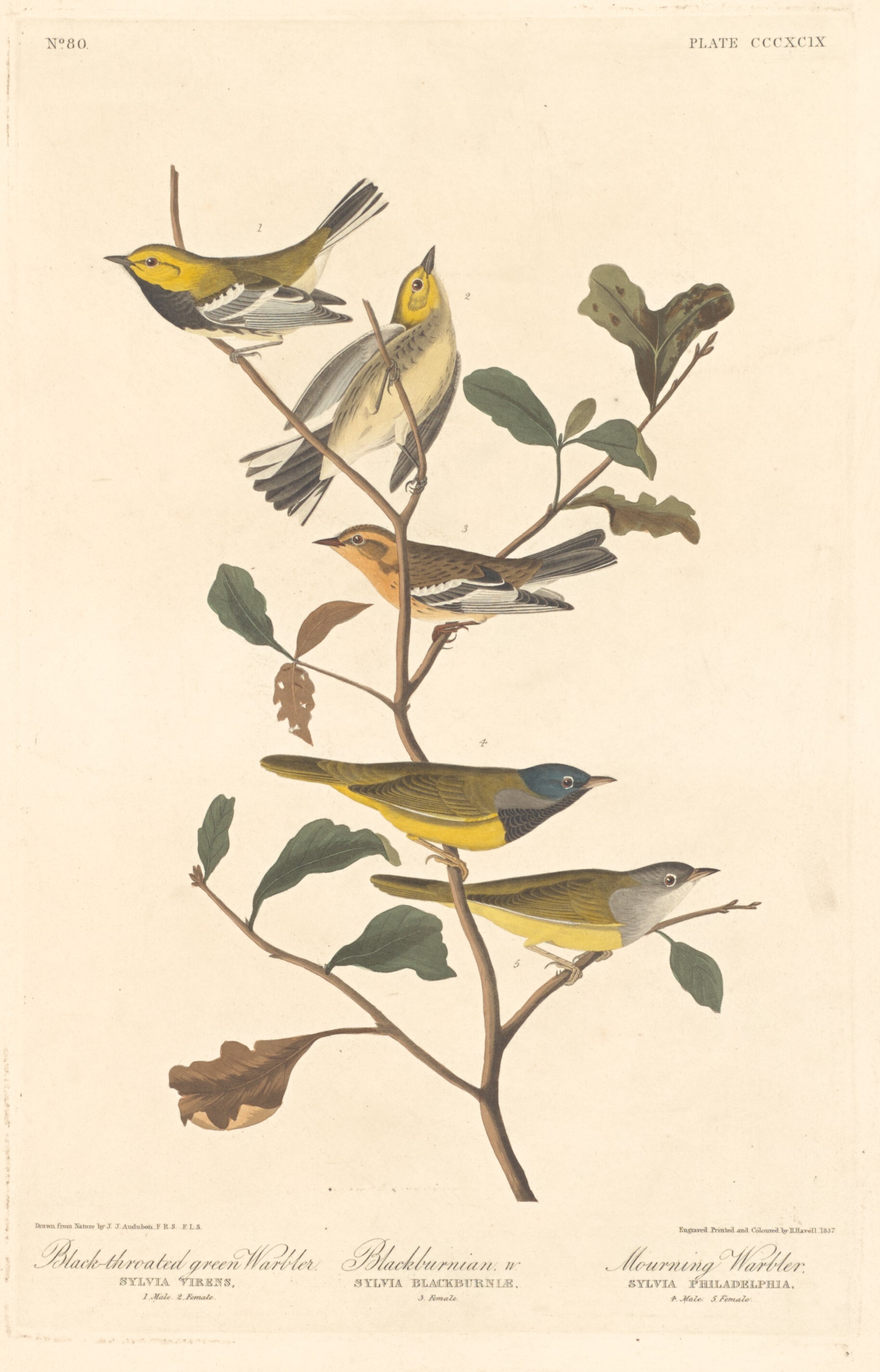
- Black-throated Green WarblerDendroica virens
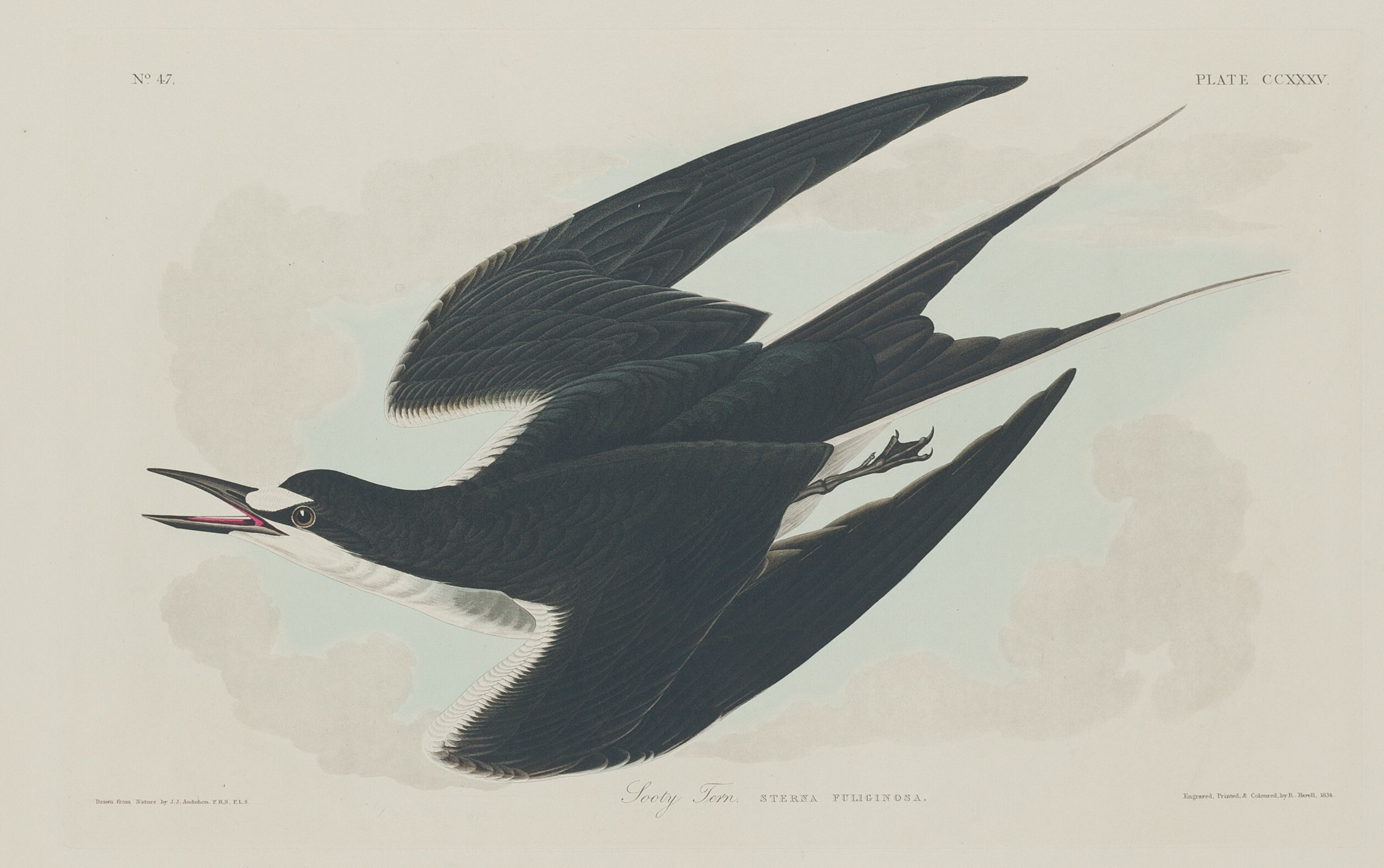
- Sooty TernOnychoprion fuscatus
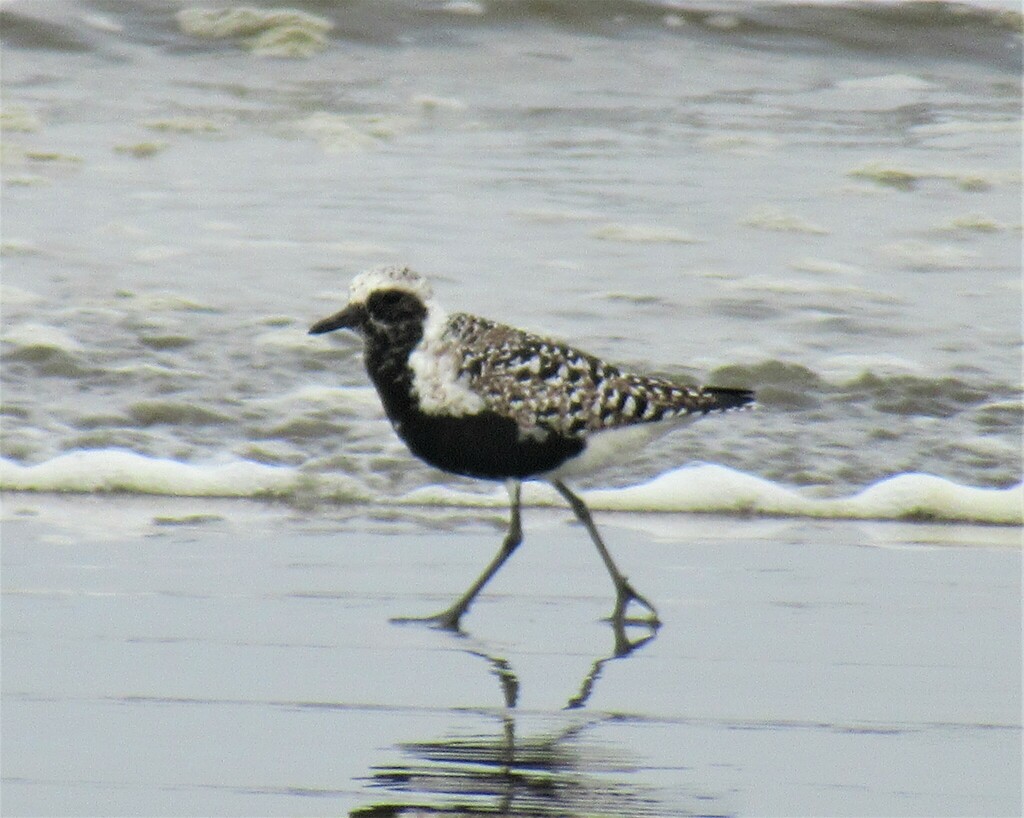
- Black-bellied PloverPluvialis squatarola
- Marbled GodwitLimosa fedoa
- Rock PigeonColumba livia
- Short-billed DowitcherLimnodromus griseus
- Horned LarkEremophila alpestris
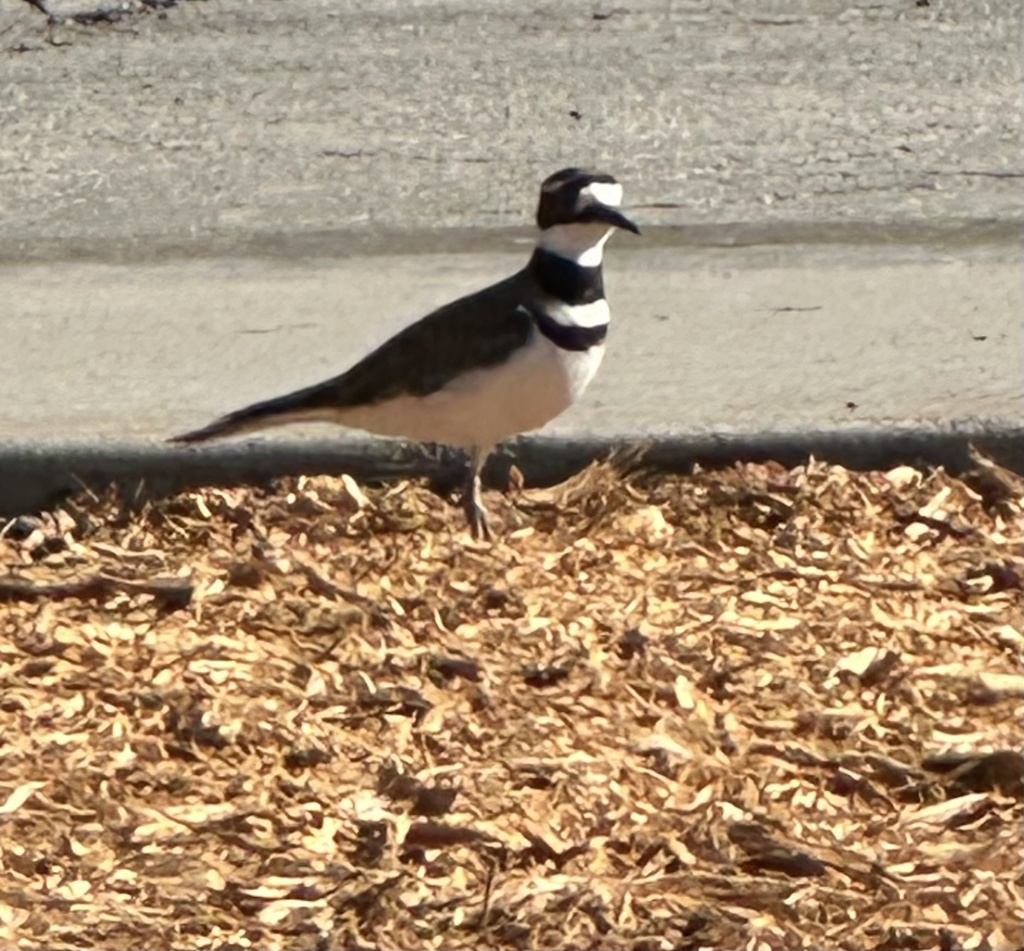
- KilldeerCharadrius vociferus
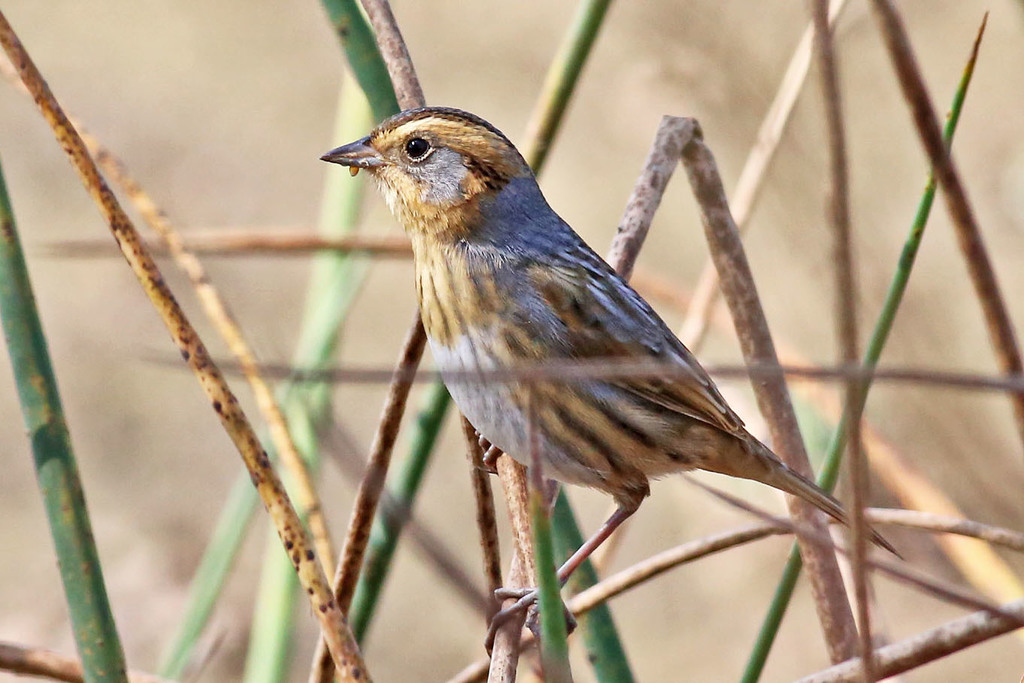
- Nelson's Sharp-tailed SparrowAmmodramus nelsoni
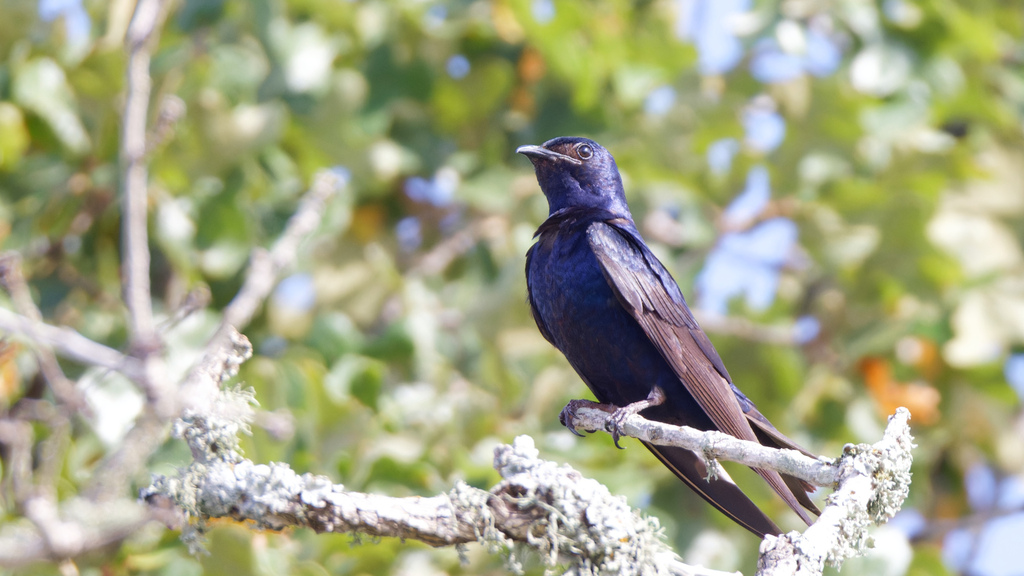
- Purple MartinProgne subis
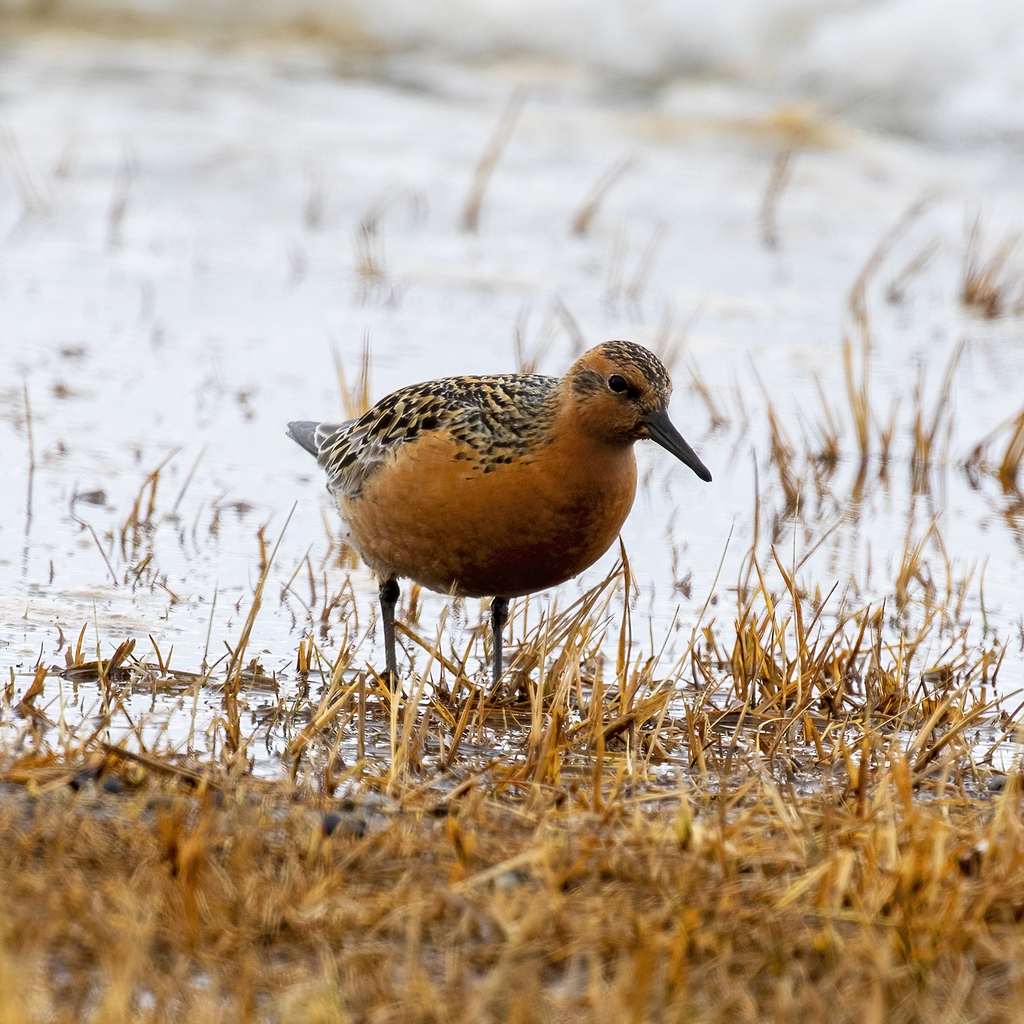
- Red KnotCalidris canutus
- Sandwich TernThalasseus sandvicensis
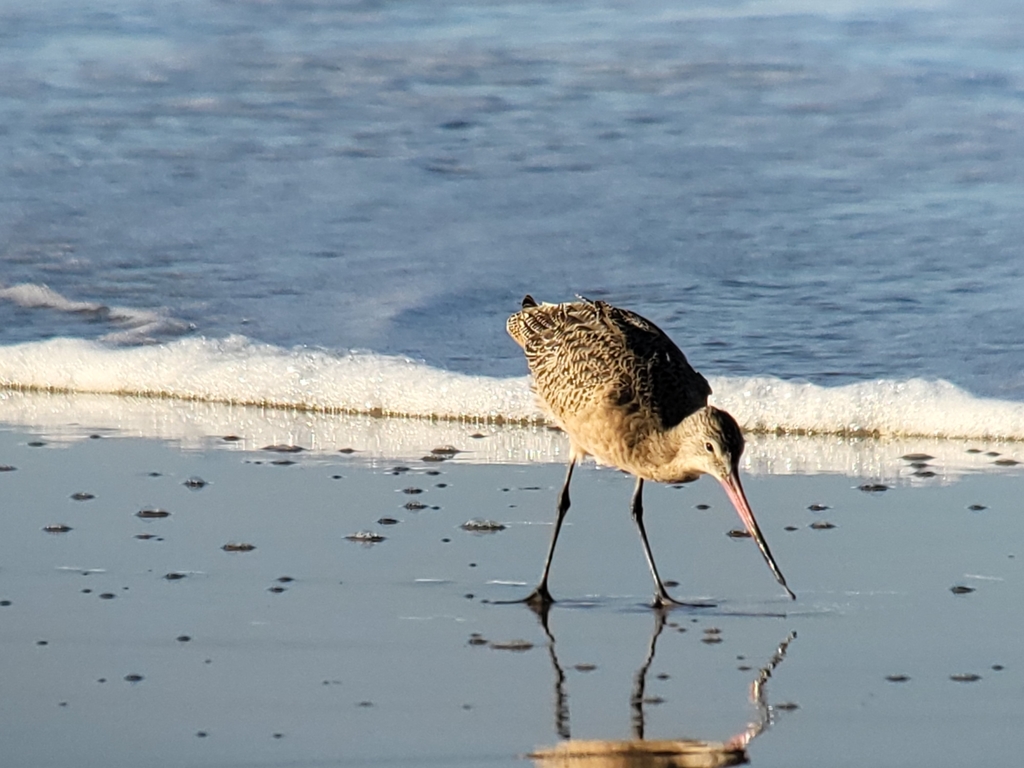
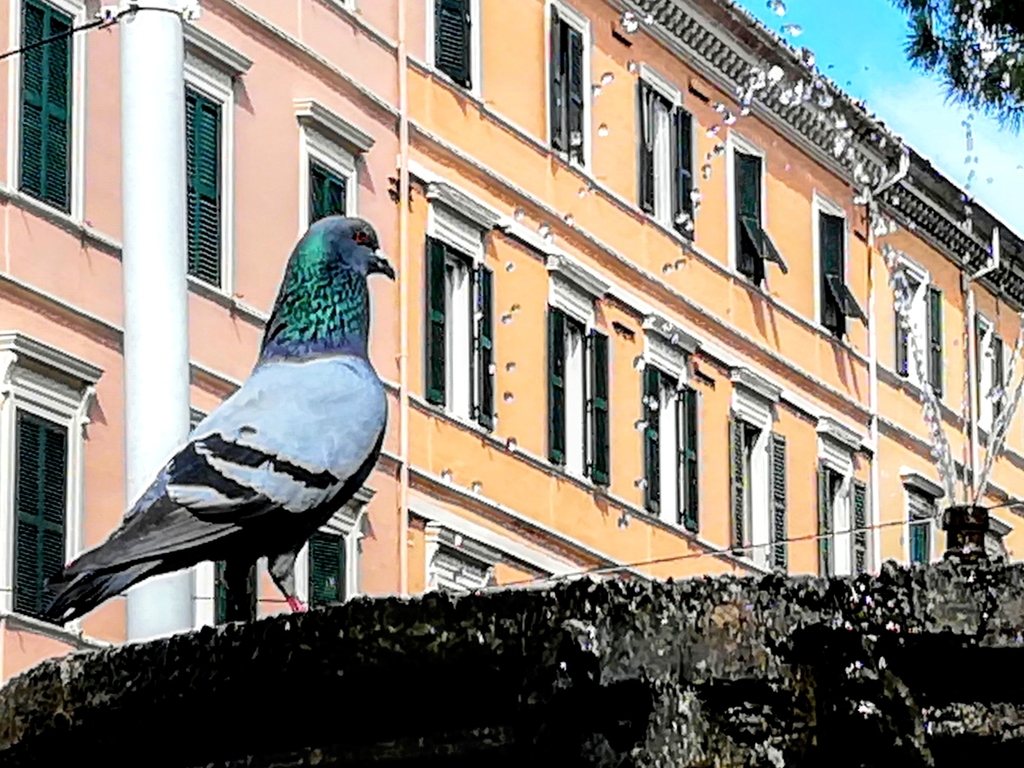
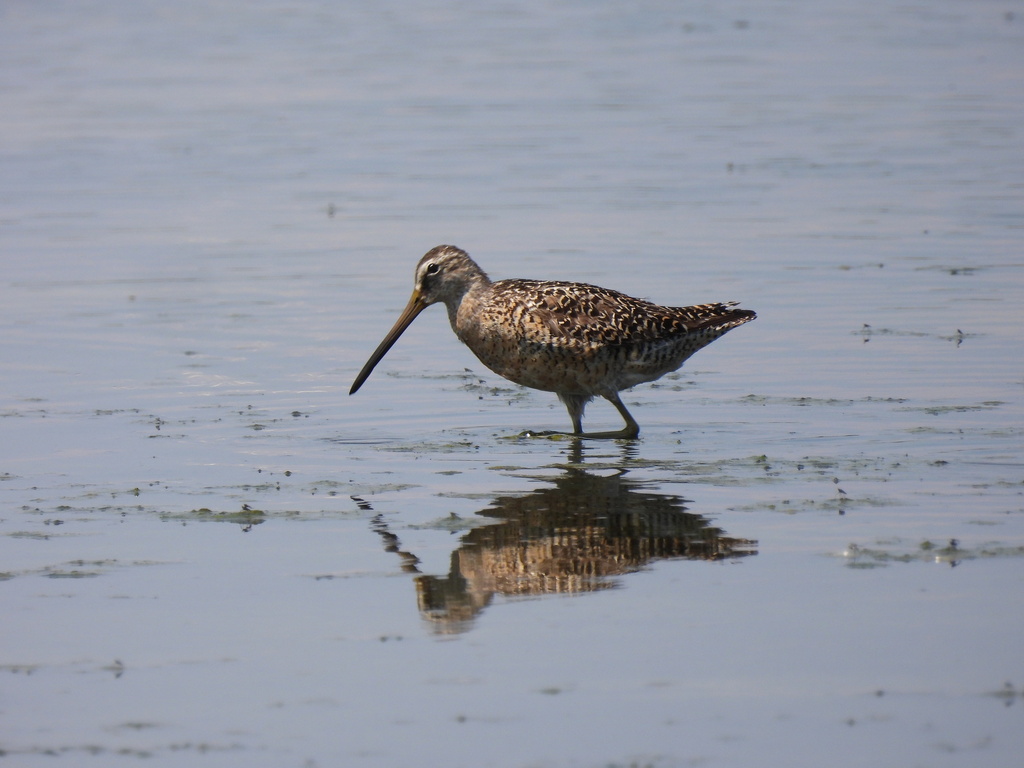
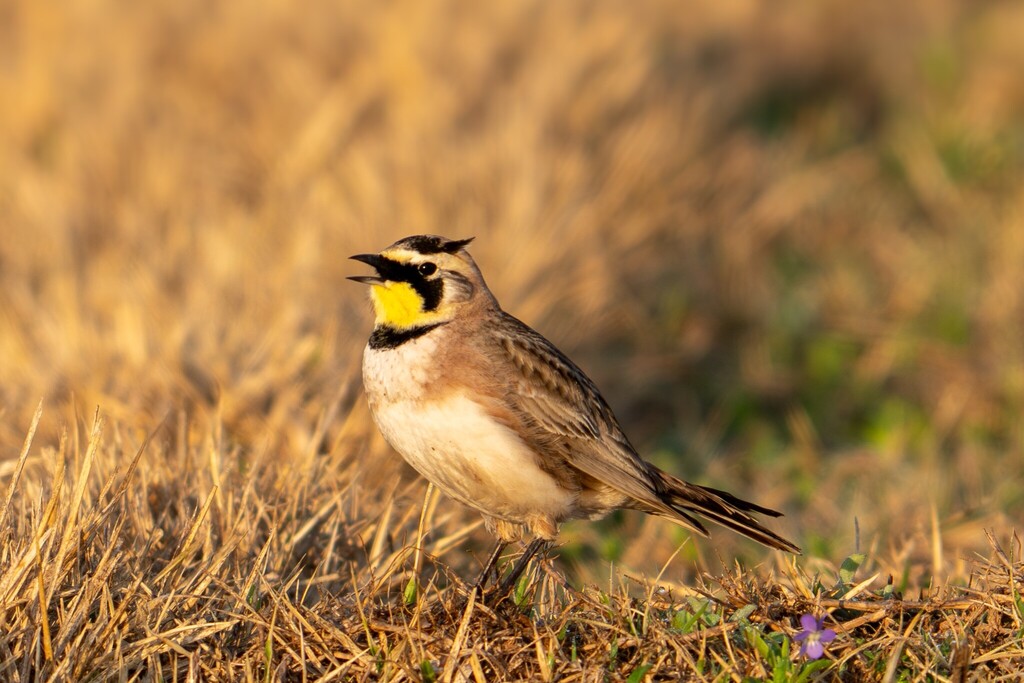
Plants 118
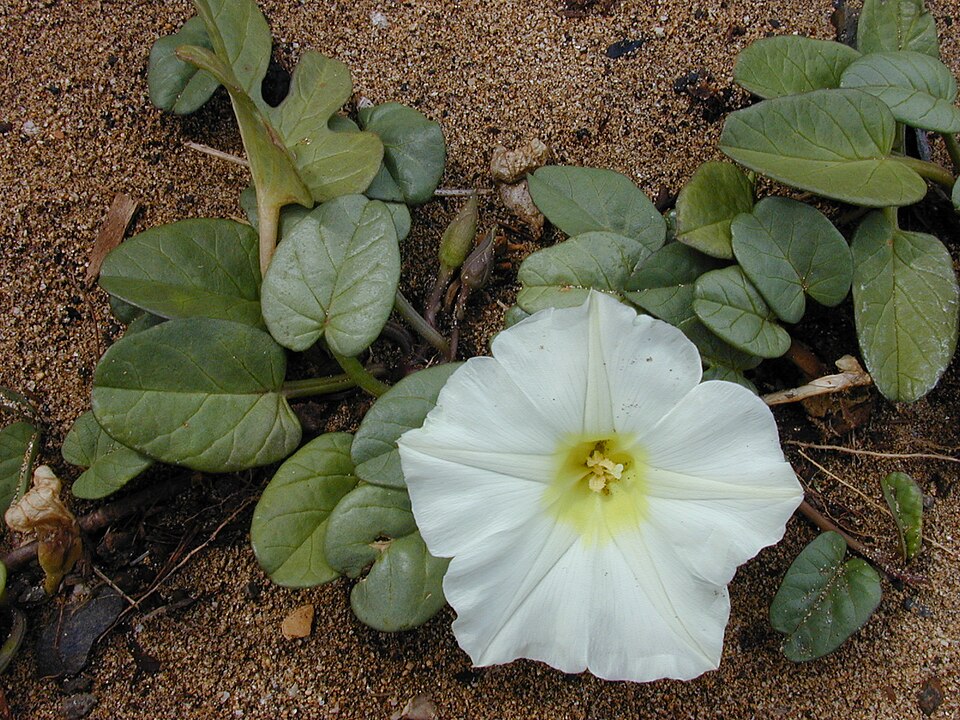
- Beach Morning-gloryIpomoea imperati
- Ipomoea cordatotriloba var. cordatotrilobaIpomoea cordatotriloba var. cordatotriloba
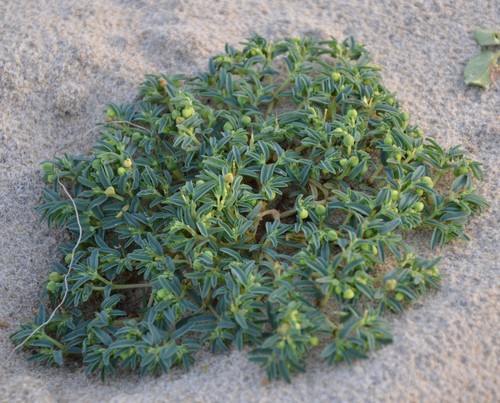
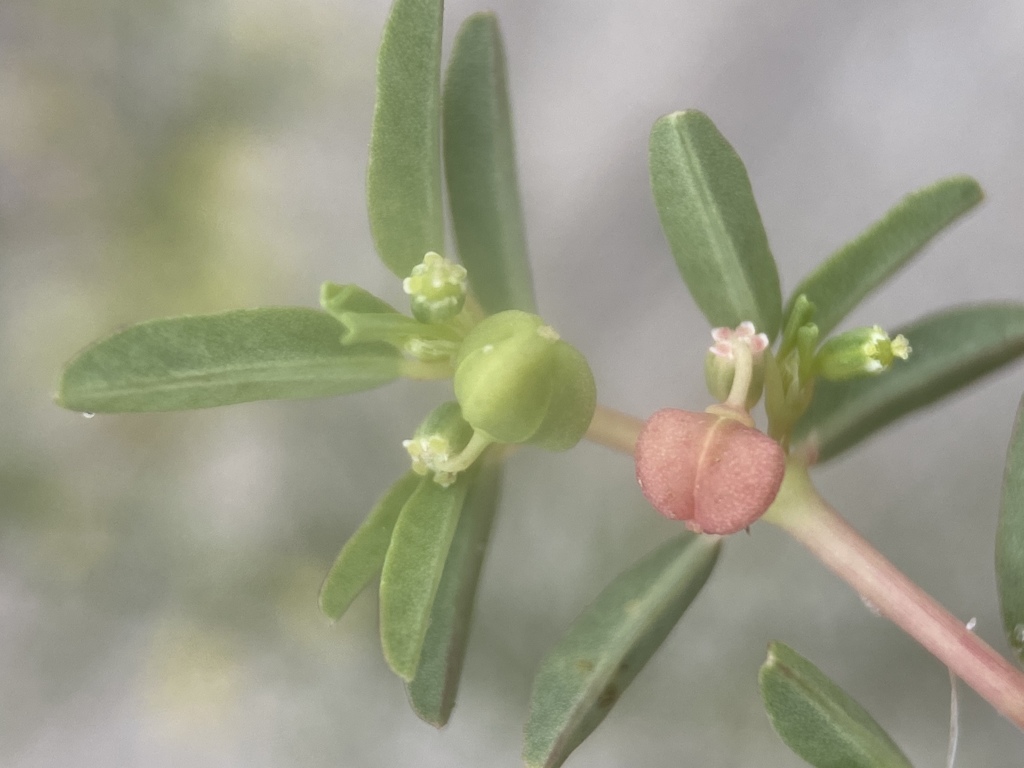
- Northern Seaside SpurgeEuphorbia polygonifolia
- Southern Seaside SpurgeEuphorbia bombensis
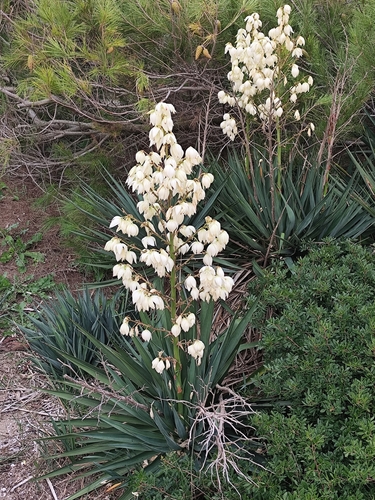
- Mound-lily YuccaYucca gloriosa
- Agalinis harperiAgalinis harperi
- Panicum amarum var. amarumPanicum amarum var. amarum
- Rough American Barnyard GrassEchinochloa muricata var. muricata
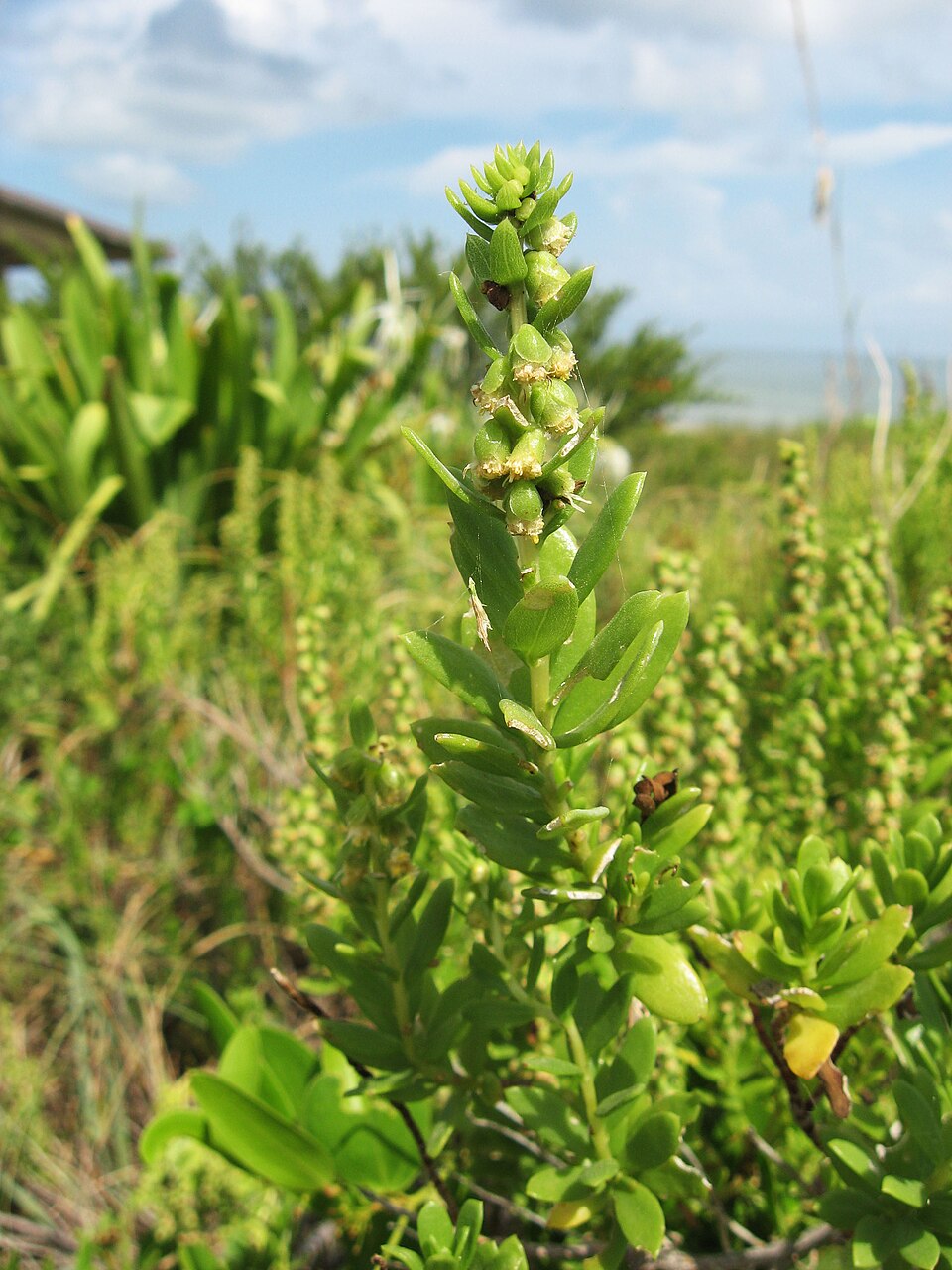
- Northern Seabeach OrachAtriplex mucronata
- Atriplex cristataAtriplex cristata
- Dune Marsh-elderIva imbricata
- Pinewoods FingergrassEustachys petraea

Sources
- USGS Gap Analysis Project habitat models (2001)
- USGS GAP winter habitat model for Great Blue Heron Elevation up to 610 m. Slow streams only
- USGS Gap Analysis Project range maps (2001), modeled by watershed; migratory gives no dates
- NatureServe Explorer (CC BY 4.0), habitat names
- US Census TIGER/Line counties
- Names follow the USGS Gap Analysis Project (2001)