

Bird
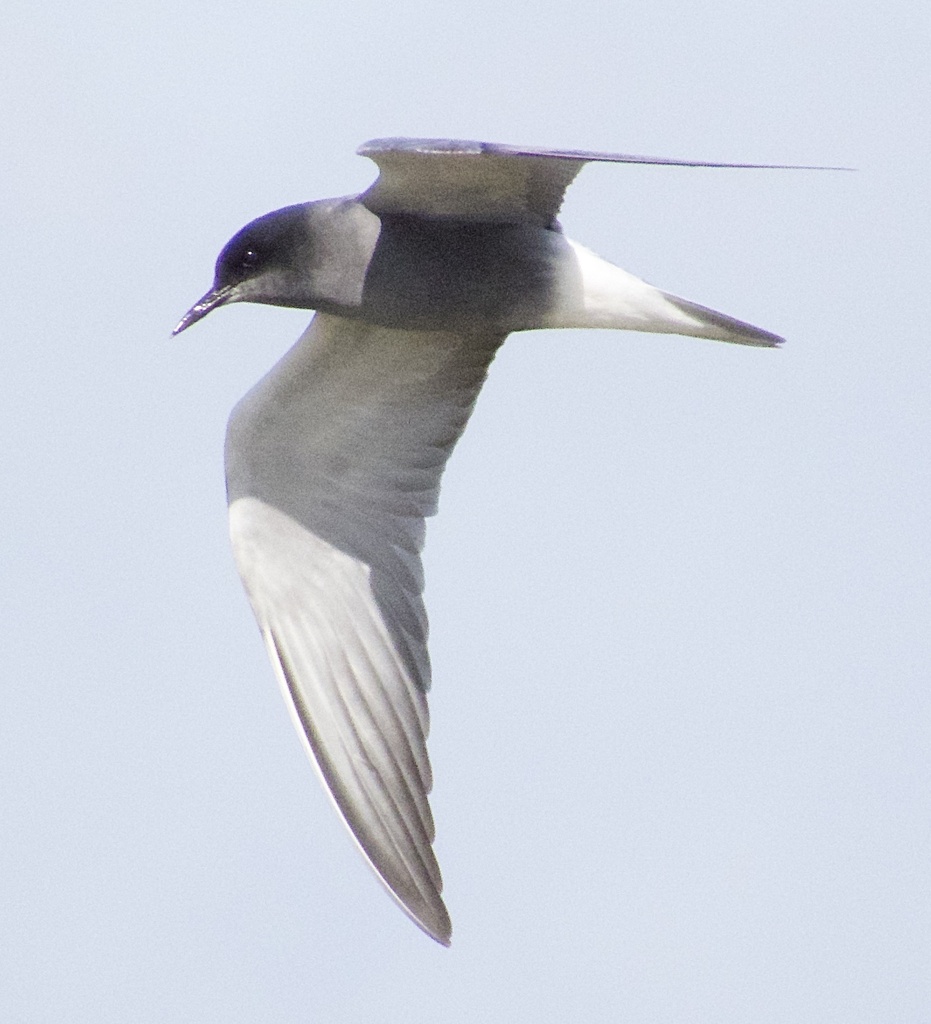
Black Tern
Chlidonias niger
Passes through Mississippi on migration. Found in all 82 counties, across 2 habitats.
- Here
- On migration
- Nesting
- Not known to nest here
- Range
- All 82 counties
- Habitats
- 2
At a glance
- Group
- Birds
- Here
- On migration
- Nesting
- Not known to nest here
- Range
- All 82 counties
- Habitats
- 2
- Habitat models
- Summer
Where it lives
The places its habitat model includes. It is not found everywhere a habitat occurs.
Habitats in Mississippi 2
Each habitat page lists the plants and wildlife also found there.
Disturbed and introduced wetlands
Wet ground taken over by weedy or introduced plants after disturbance, such as common reed, Chinese tallow or tamarisk stands; the upland counterpart is roadsides, fields and disturbed ground.
Still water and its edges: ponds, lakes, millponds and reservoirs.
Other habitats in its models (1)
Land cover, or classes with no habitat page in Mississippi. Those recorded in Mississippi first, the rest by region.
Land cover and other classes (1)
- South-Central Interior Large Floodplain - Herbaceous Modifier Summer.
Seasons in Mississippi
- Migratory: does not nest here, in all 82 counties.
Also found in its main habitats
Its main habitats in Mississippi, by how much of its habitat model each one is, with the birds most characteristic of each and the plants that grow wild there. Shared habitat, not food.
Disturbed and introduced wetlands
Birds 152
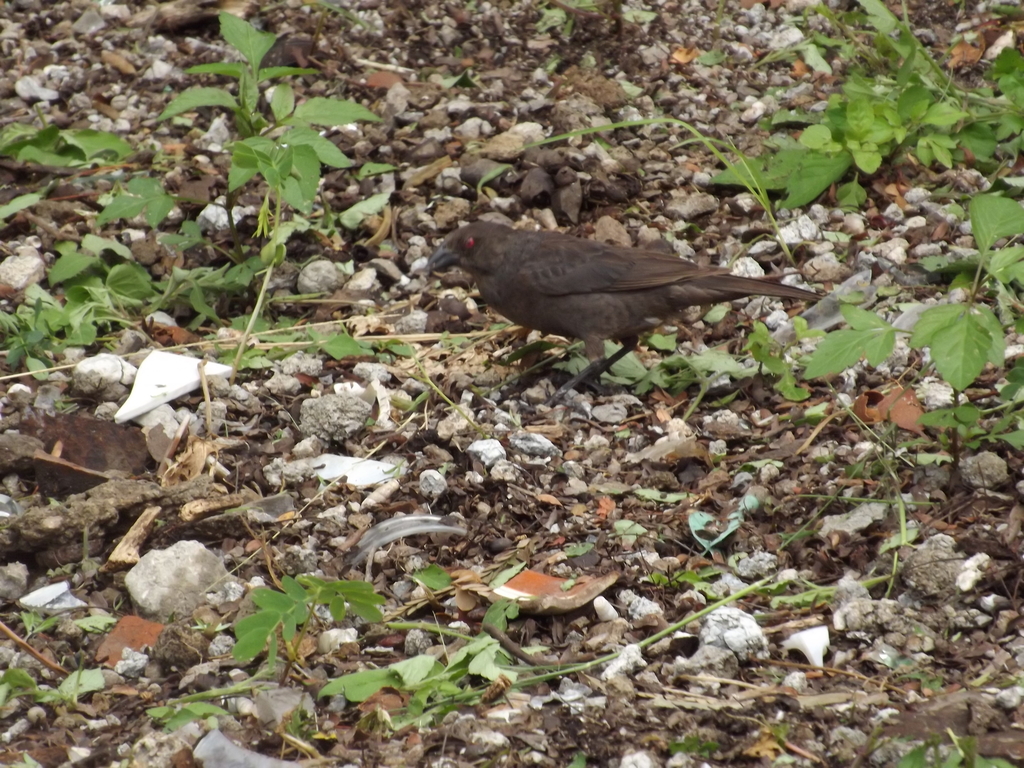
- Bronzed CowbirdMolothrus aeneus
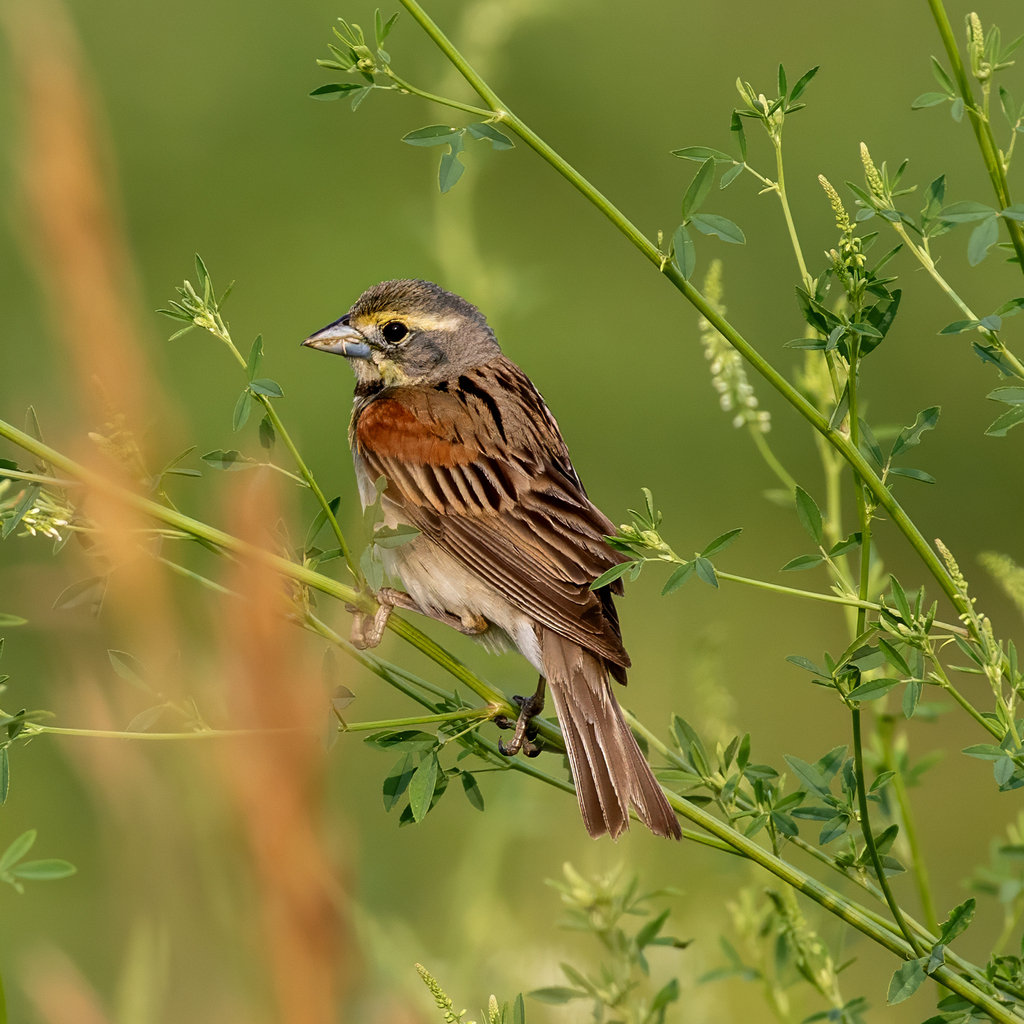
- DickcisselSpiza americana
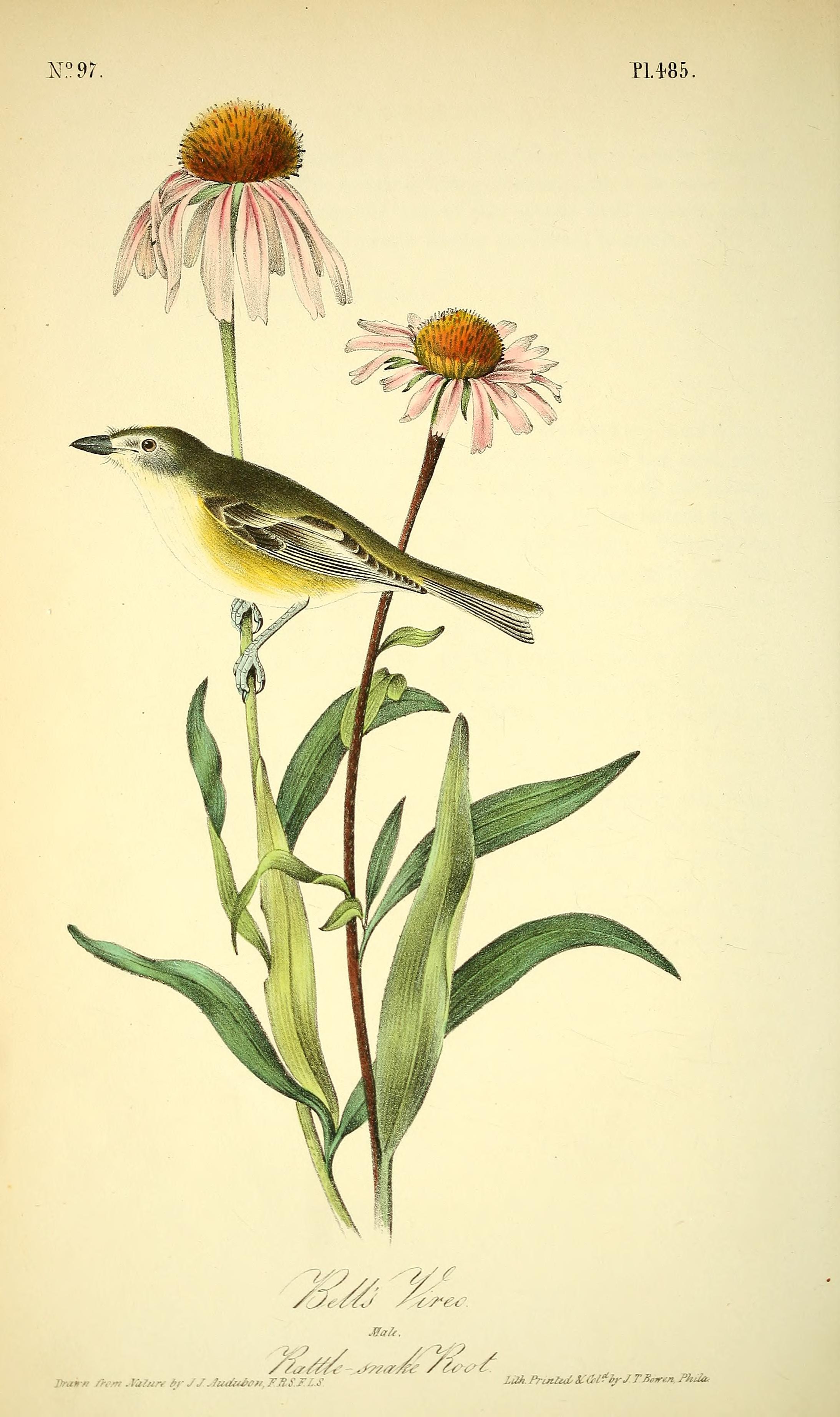
- Bell's VireoVireo bellii
- Black-bellied PloverPluvialis squatarola
- BobolinkDolichonyx oryzivorus
- Cackling GooseBranta hutchinsii
- Chestnut-sided WarblerDendroica pensylvanica
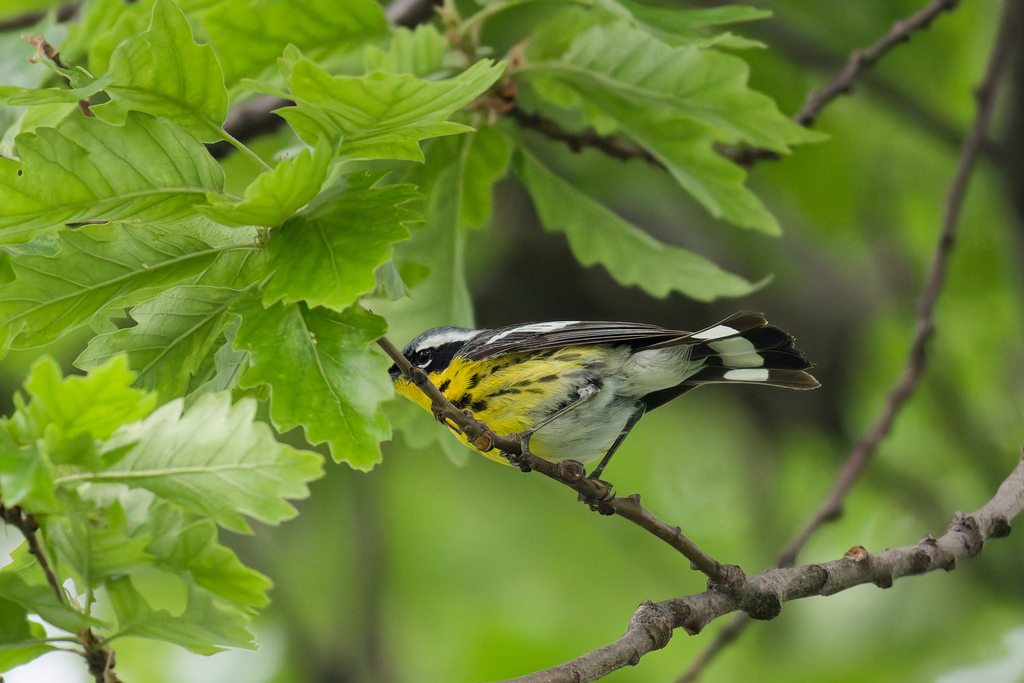
- Magnolia WarblerDendroica magnolia
- Red-breasted NuthatchSitta canadensis
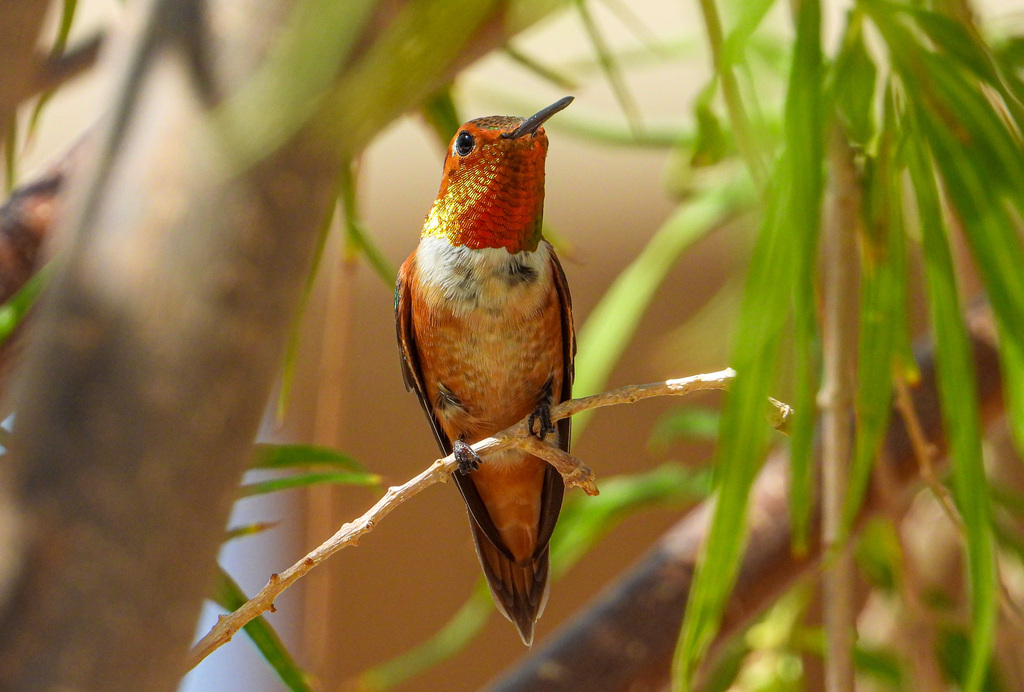
- Rufous HummingbirdSelasphorus rufus
- Willow FlycatcherEmpidonax traillii
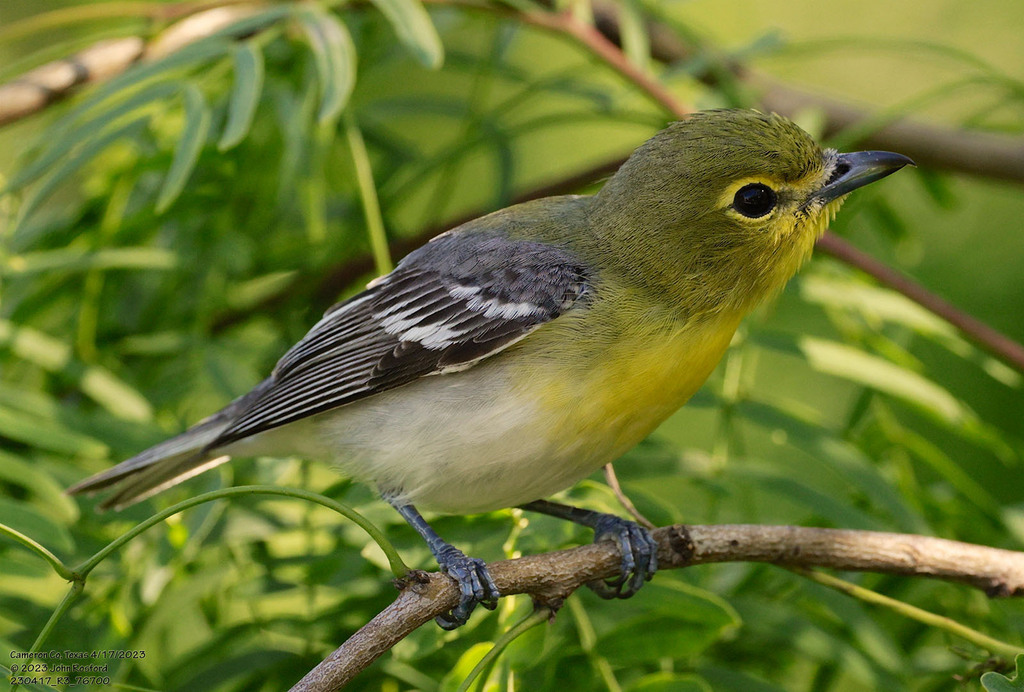
- Yellow-throated VireoVireo flavifrons
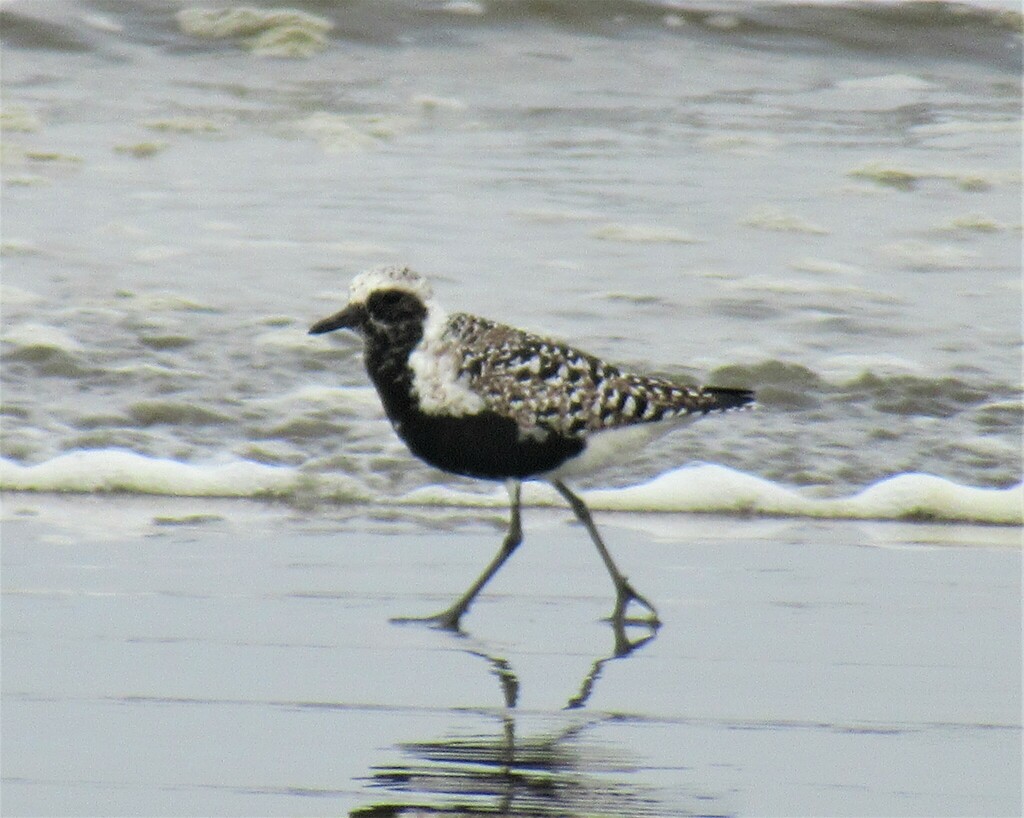
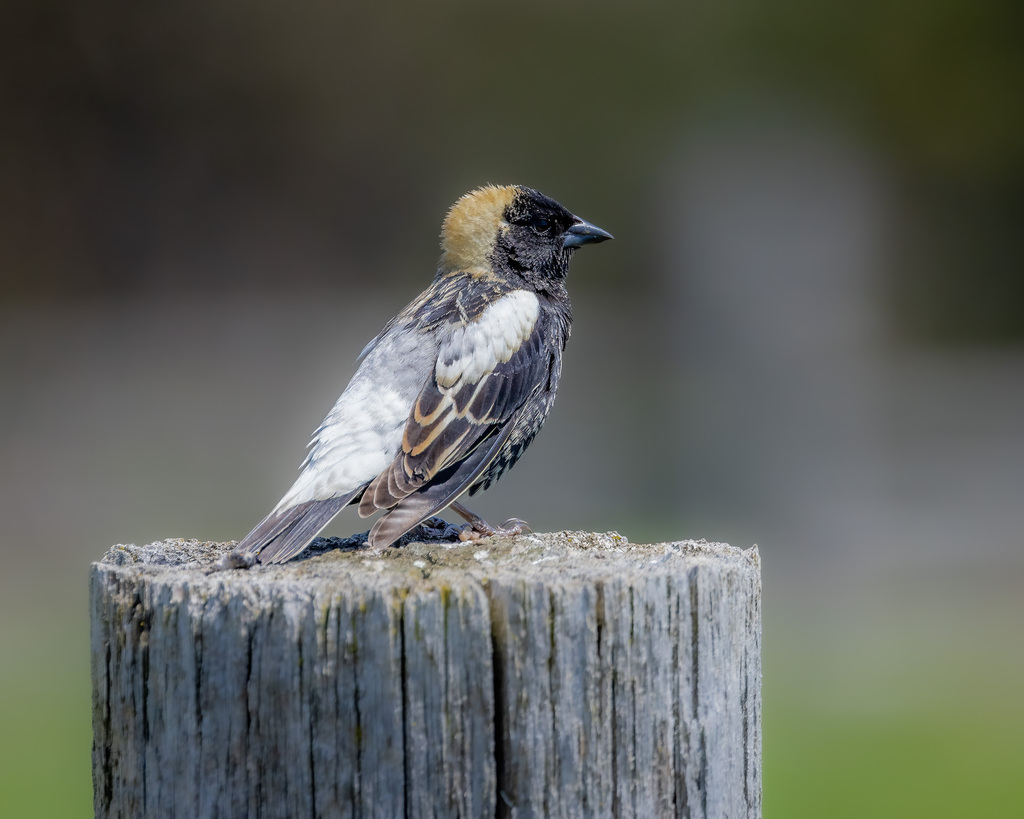
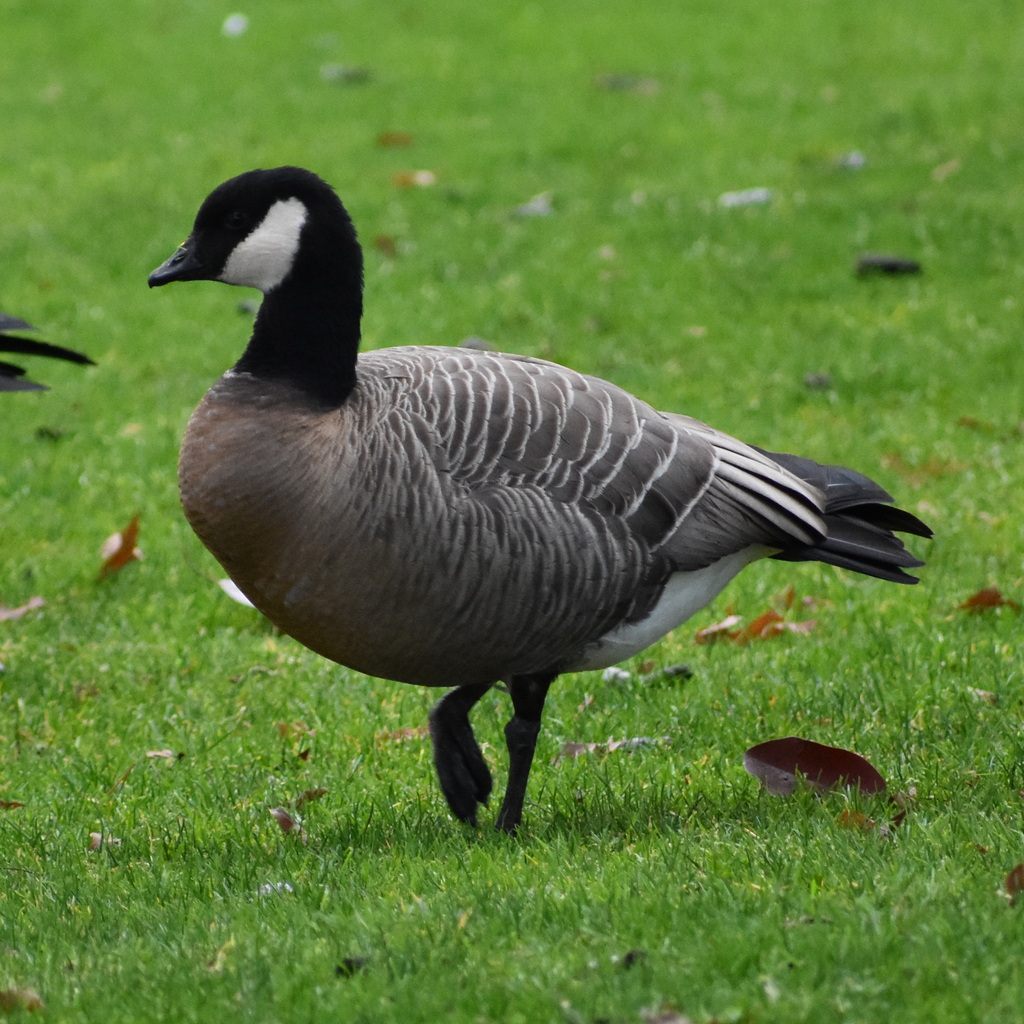
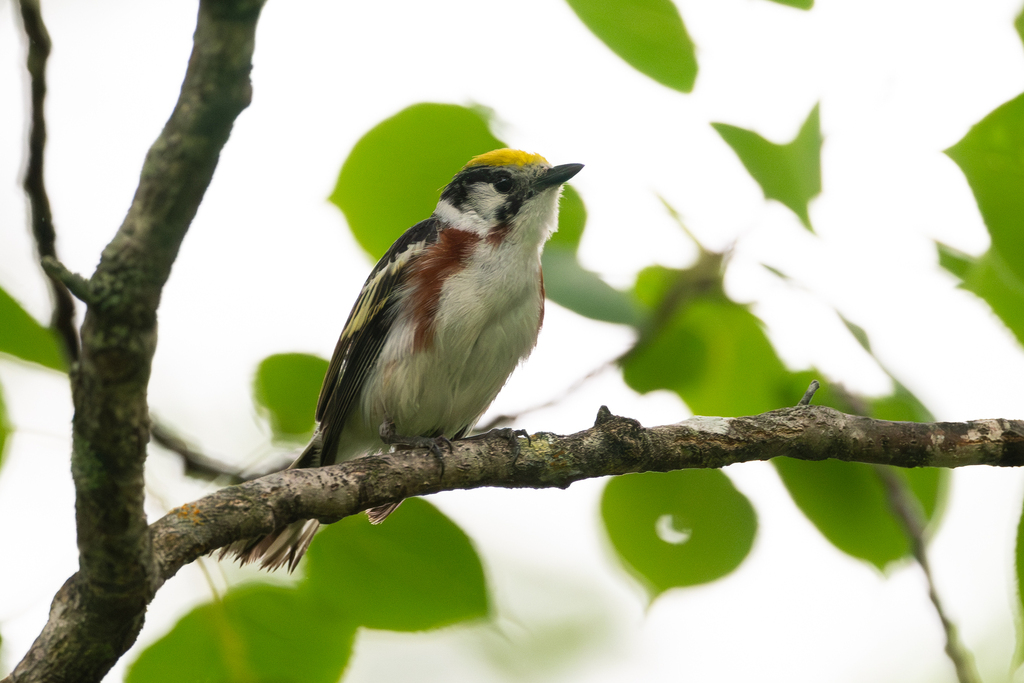

Plants 26
- Slender FimbryFimbristylis autumnalis
- Intermediate Spike RushEleocharis intermedia
- Purple SpikerushEleocharis atropurpurea
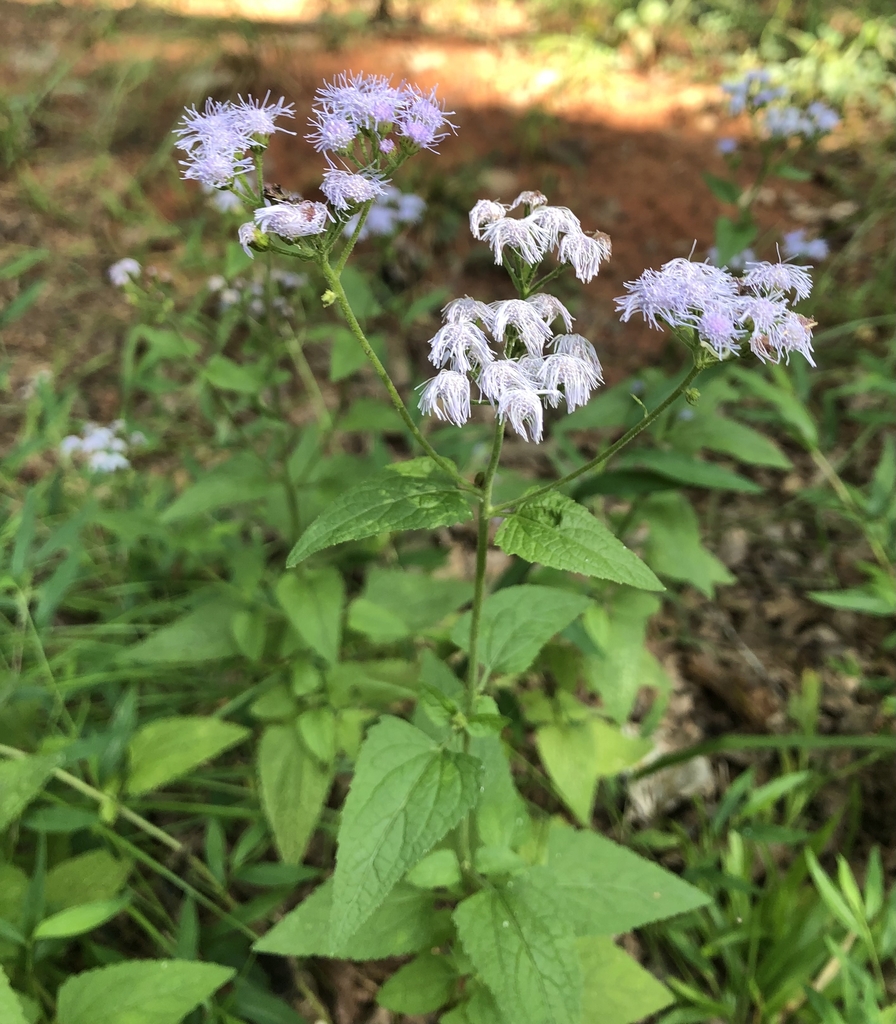
- Blue MistflowerConoclinium coelestinum
- BagpodGlottidium vesicarium
- Cyperus ochraceusCyperus ochraceus
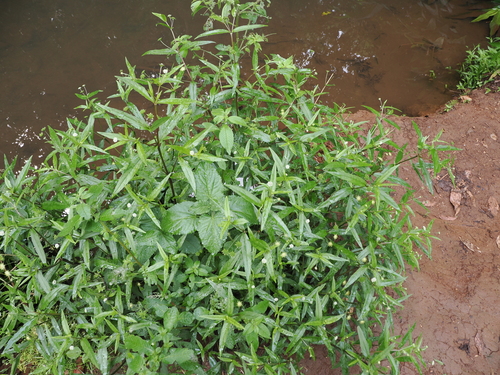
- False DaisyEclipta prostrata
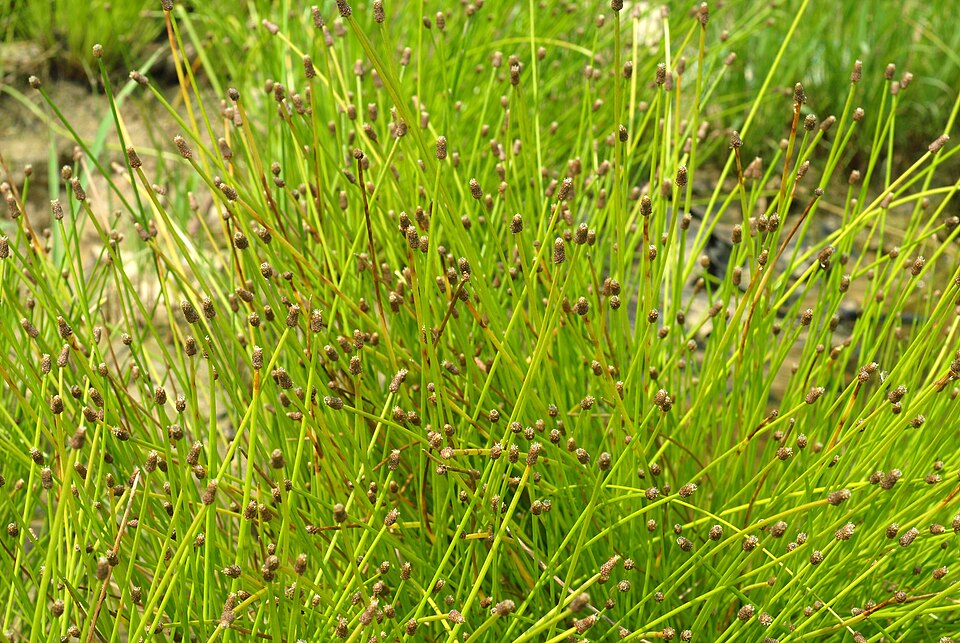
- Blunt Spike RushEleocharis obtusa
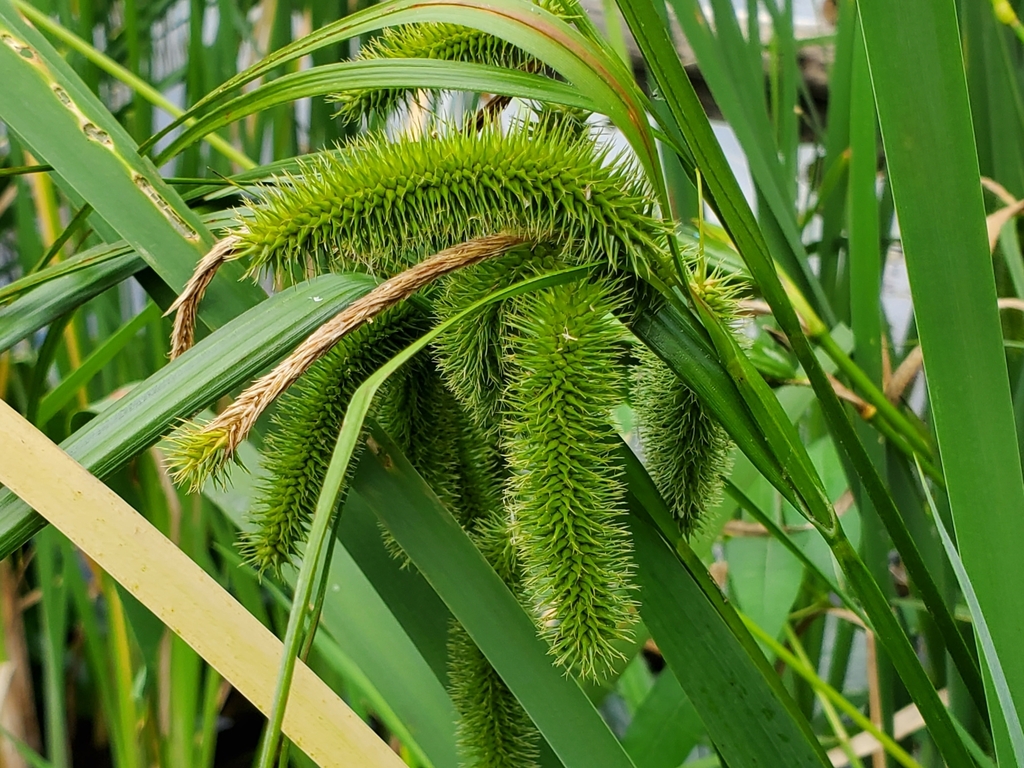
- Bristly SedgeCarex comosa
- Shortbeak BeaksedgeRhynchospora nitens
- Southern Marsh YellowcressRorippa teres
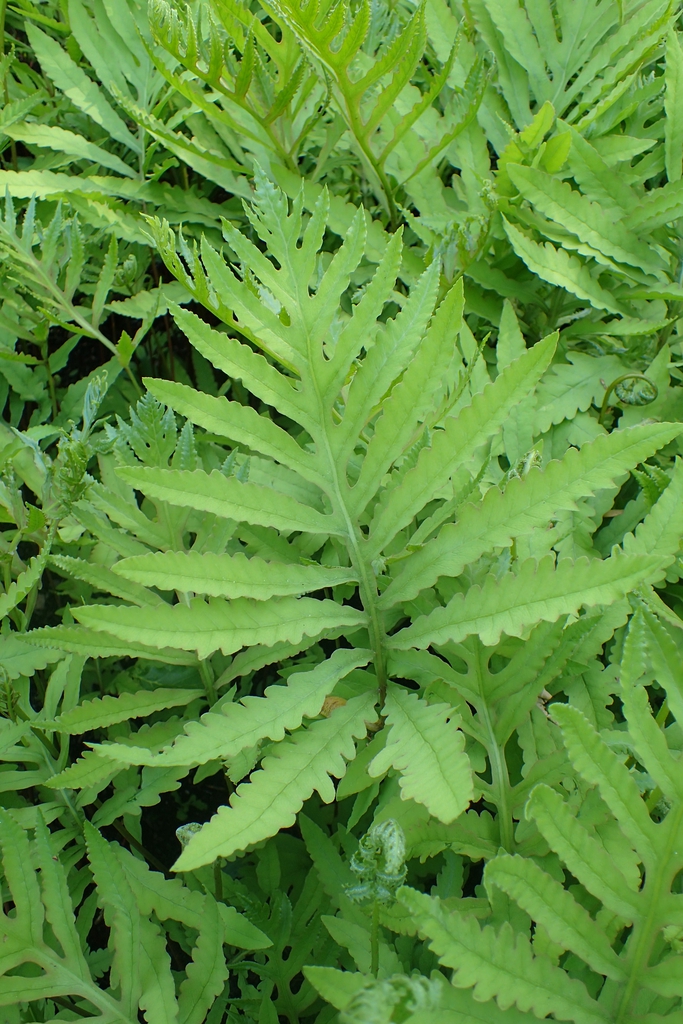
- Sensitive FernOnoclea sensibilis
Ponds, lakes and their shores
Birds 81
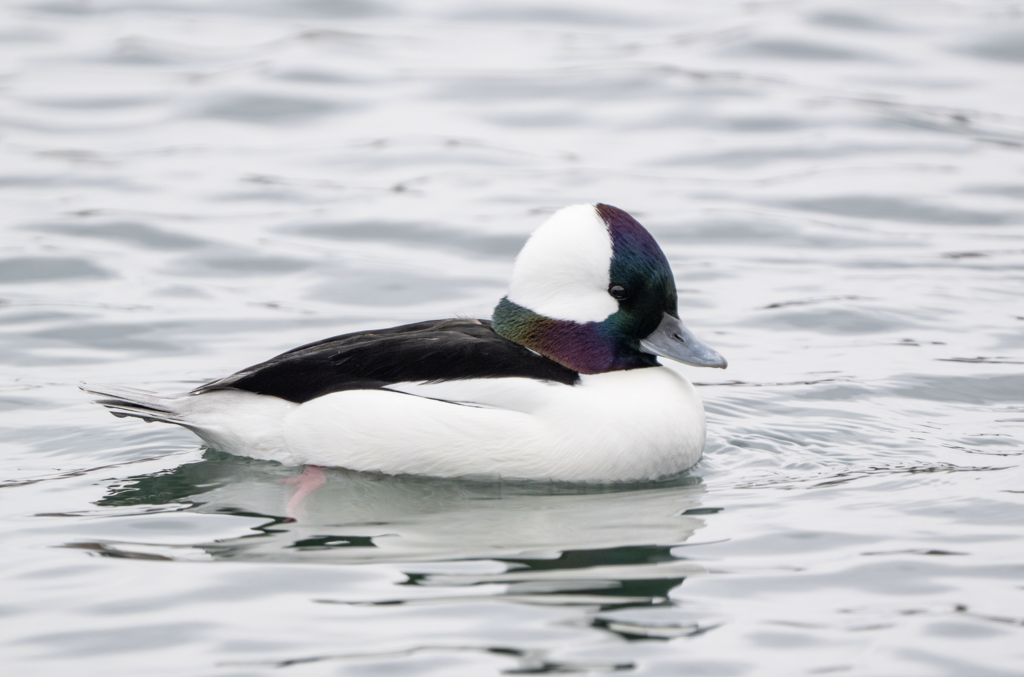
- BuffleheadBucephala albeola
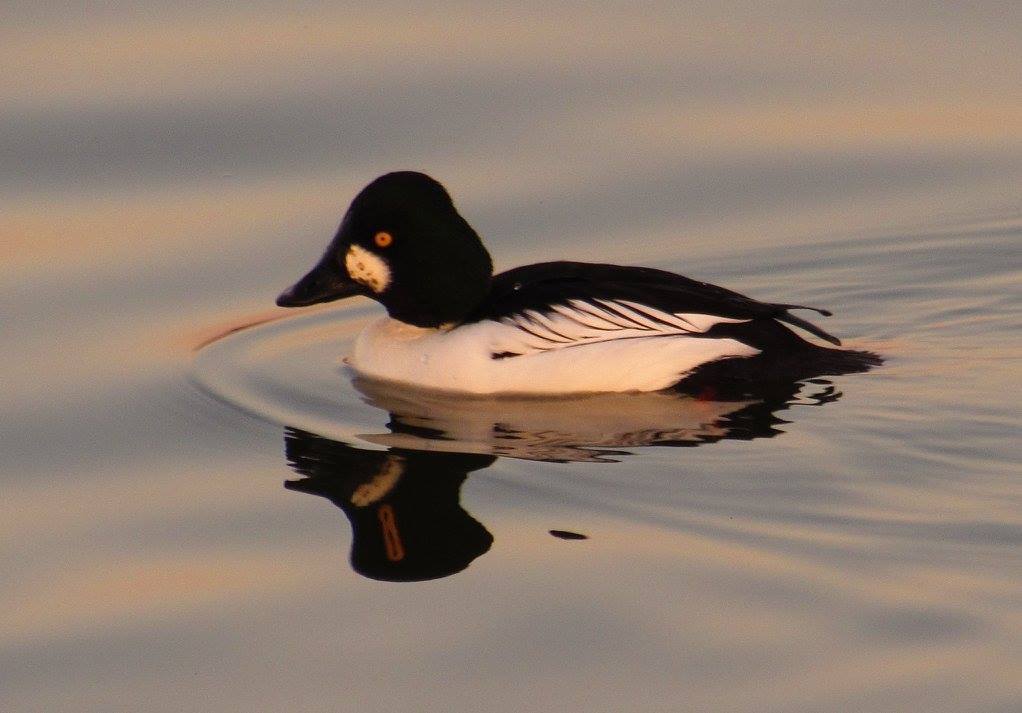
- Common GoldeneyeBucephala clangula
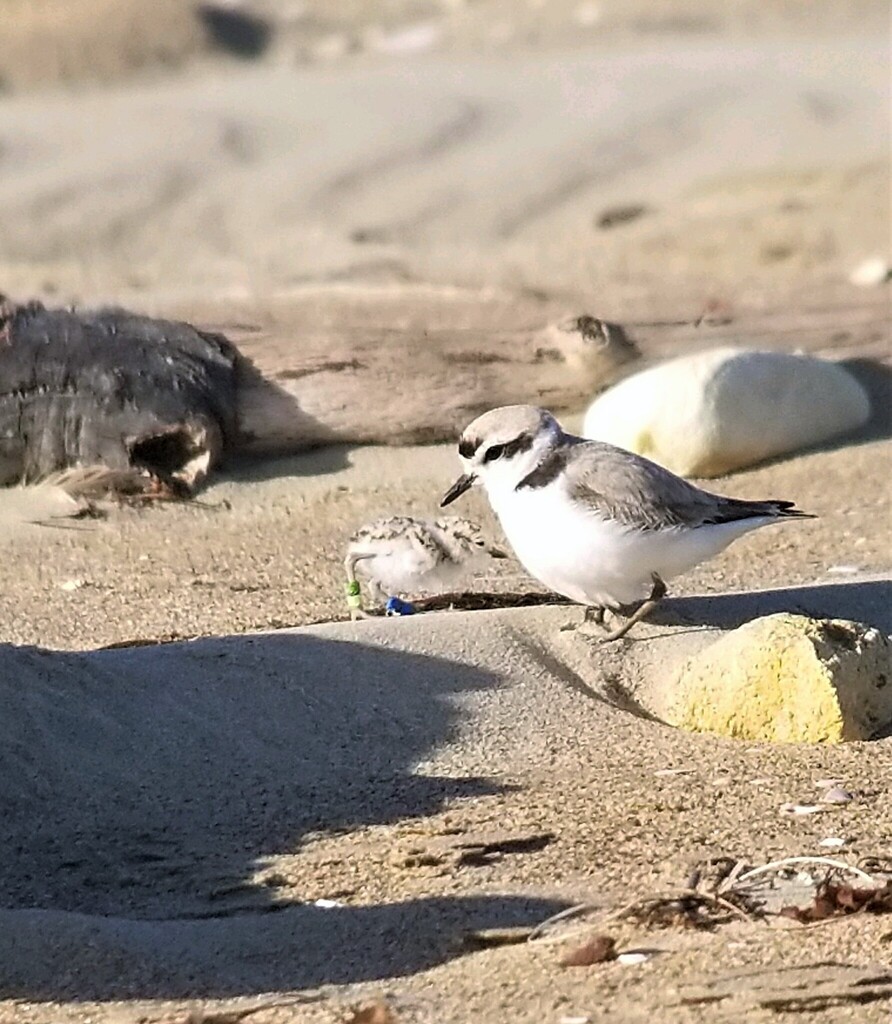
- Snowy PloverCharadrius nivosus
- Western Snowy PloverCharadrius nivosus nivosus
- Cackling GooseBranta hutchinsii
- Interior Least TernSternula antillarum athalassos
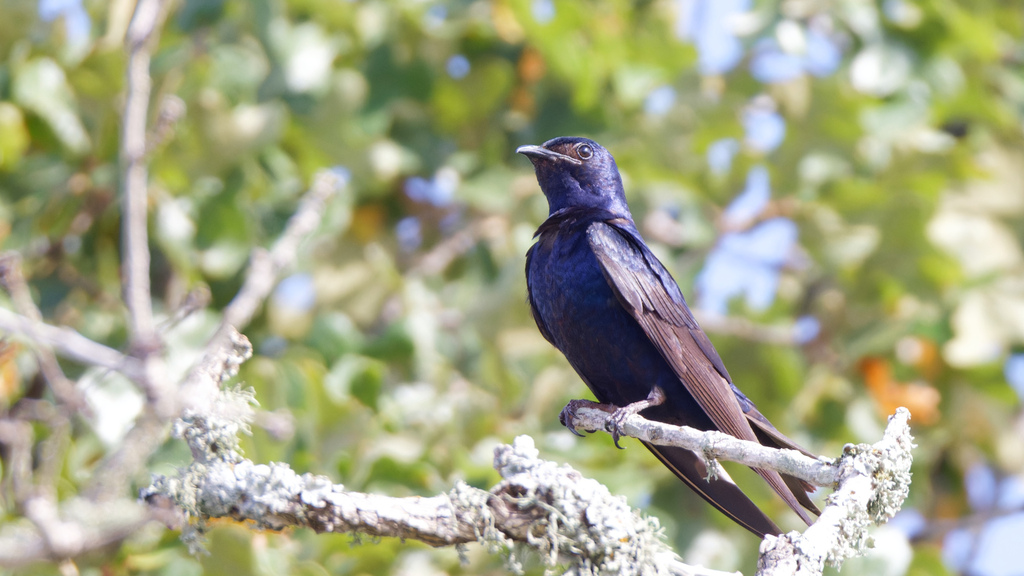
- Purple MartinProgne subis
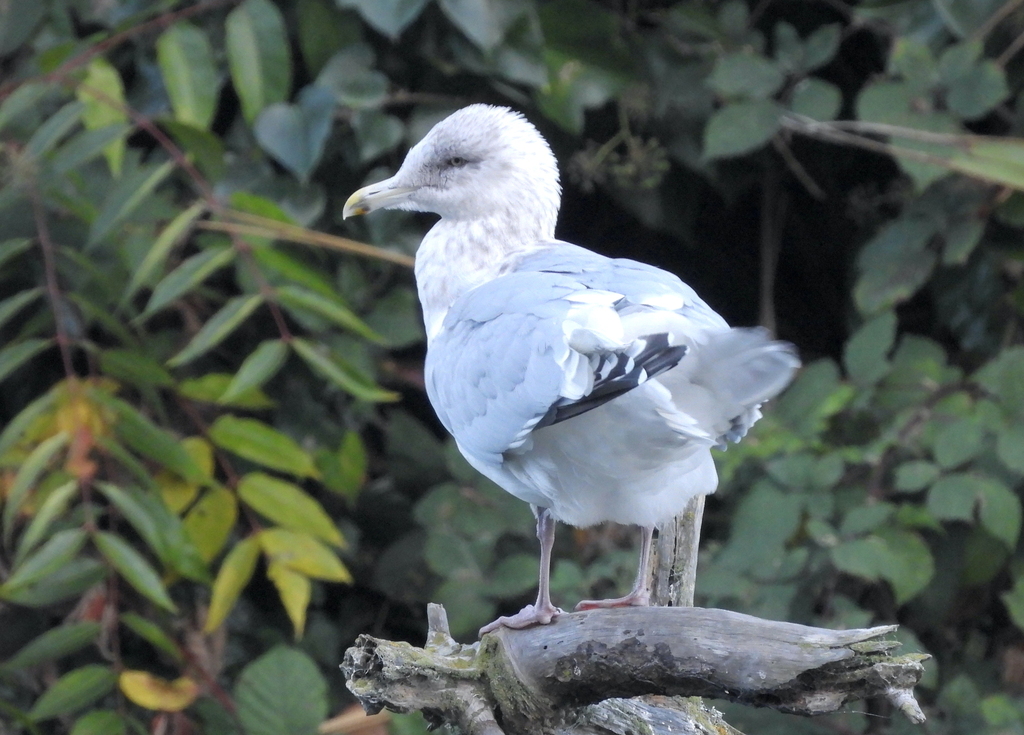
- Thayer's GullLarus thayeri
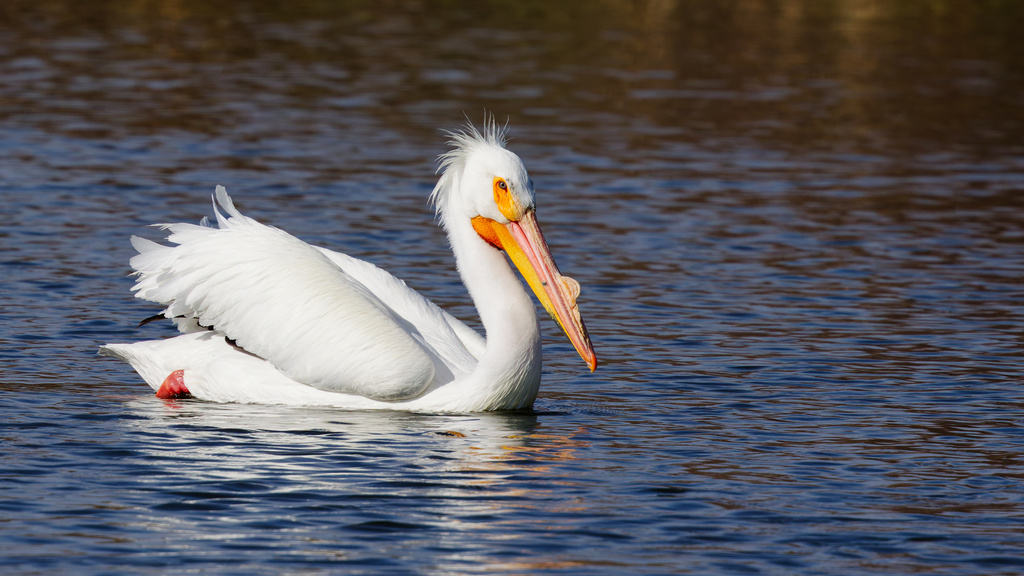
- American White PelicanPelecanus erythrorhynchos
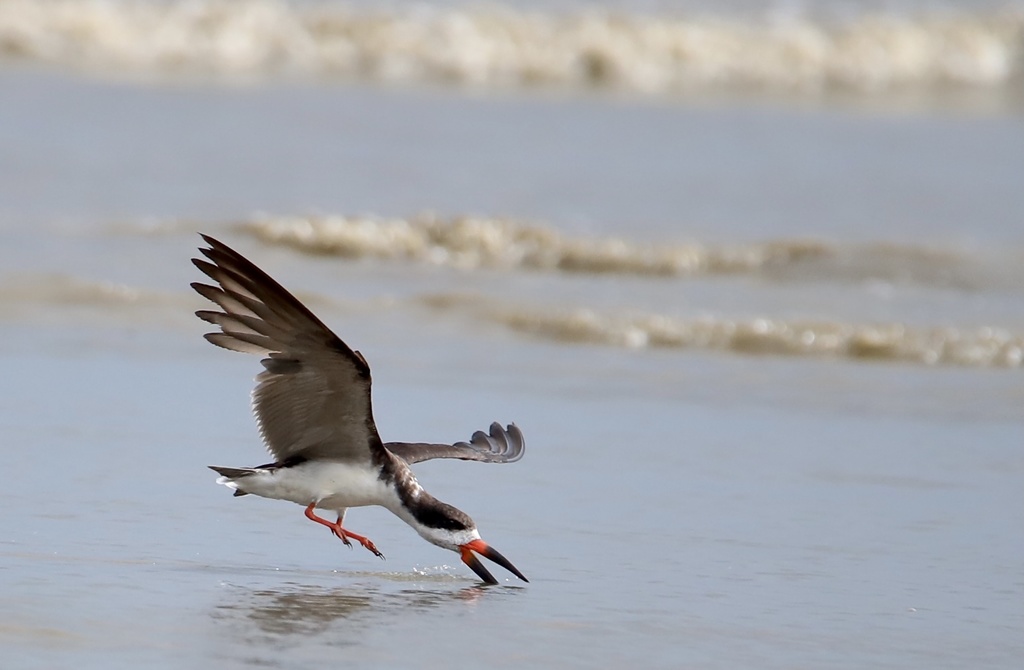
- Black SkimmerRynchops niger
- Cliff SwallowPetrochelidon pyrrhonota
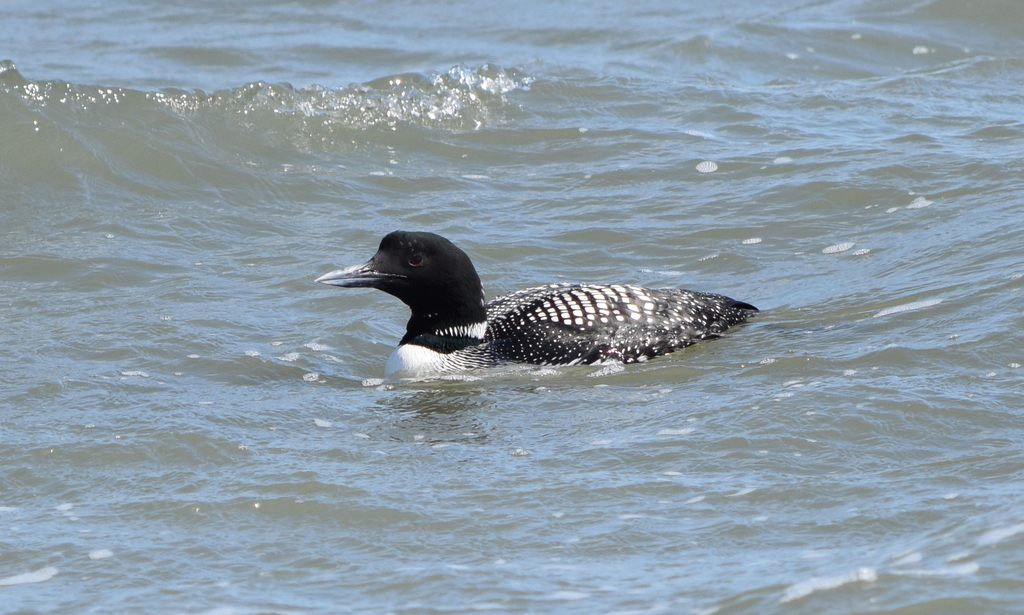
- Common LoonGavia immer

Plants 200
- Hypericum myrtifoliumHypericum myrtifolium
- Mudbank CrowngrassPaspalum dissectum
- West Indian BeakrushRhynchospora brachychaeta
- Eleocharis flavescens var. flavescensEleocharis flavescens var. flavescens
- Eleocharis minimaEleocharis minima
- Pale Spike RushEleocharis olivacea var. olivacea
- Swamp MilkwortSenega appendiculata
- Common BladderwortUtricularia macrorhiza
- Ceratopteris pteridoidesCeratopteris pteridoides
- Fuirena longaFuirena longa
- Water TupeloNyssa aquatica
- Hypericum brachyphyllumHypericum brachyphyllum
Sources
- USGS Gap Analysis Project habitat models (2001)
- USGS GAP summer habitat model for Black Tern Elevation up to 1,540 m
- USGS Gap Analysis Project range maps (2001), modeled by watershed; migratory gives no dates
- NatureServe Explorer (CC BY 4.0), habitat names
- US Census TIGER/Line counties
- Names follow the USGS Gap Analysis Project (2001)