

Southern Watergrass
Luziola fluitans
Native to Mississippi. How scores work Is it native here?
Profile 71%
- Height
- Up to about 3 feet
- Soil moisture
- Moist to wet
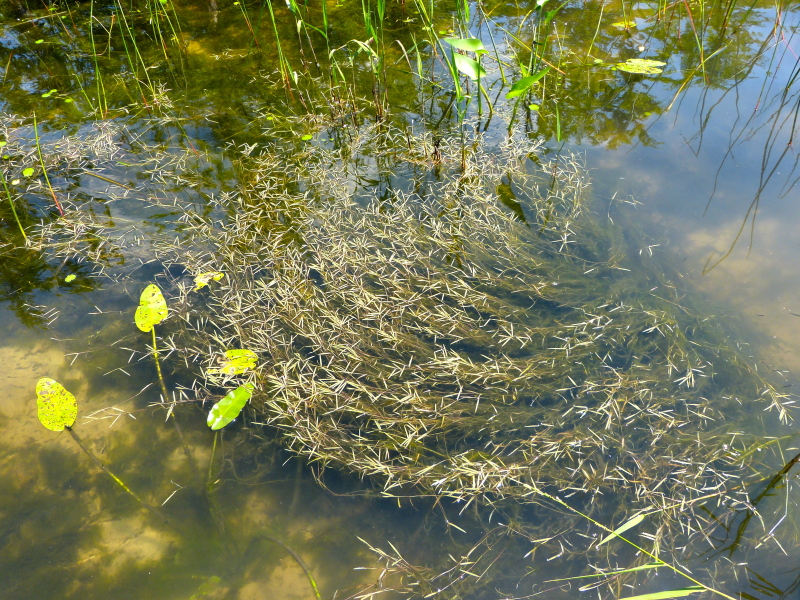
At a glance
- Life cycle
- Perennial
Not yet recorded · Spread · Light · Leaves · Bloom
Bloom: NC species account not read yet.
Spread, light and leaves: no source found yet.
This plant is missing most of its facts, so Quercus is looking them up in old botany books.
Recorded in 5 Mississippi counties.
Also found with this plant
Wildlife whose habitat models include habitats this plant grows in, in Mississippi. Shared habitat, not food. 127 animals.
- Eastern Screech-owlMegascops asio
- European StarlingSturnus vulgaris
- Golden-crowned KingletRegulus satrapa
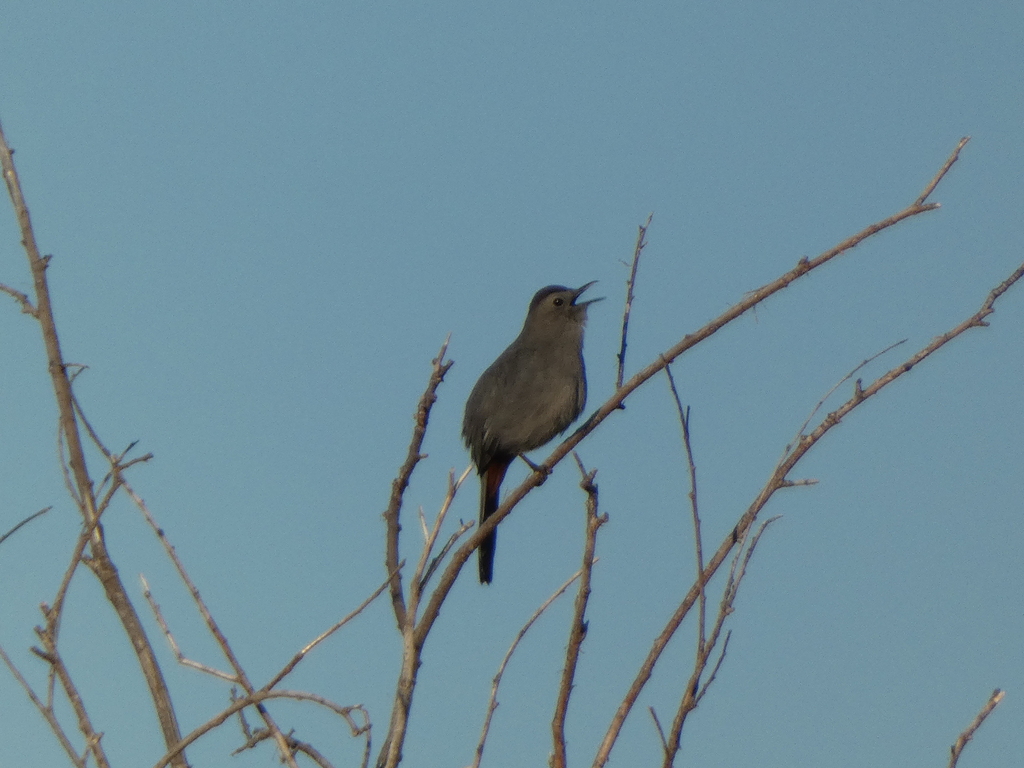
- Gray CatbirdDumetella carolinensis
- Great Blue HeronArdea herodias
- Great EgretArdea alba
- Great Horned OwlBubo virginianus
- Green HeronButorides virescens
- Hairy WoodpeckerPicoides villosus
- Hermit ThrushCatharus guttatus
- Hooded MerganserLophodytes cucullatus
- Kentucky WarblerOporornis formosus
- Louisiana WaterthrushSeiurus motacilla
- MallardAnas platyrhynchos
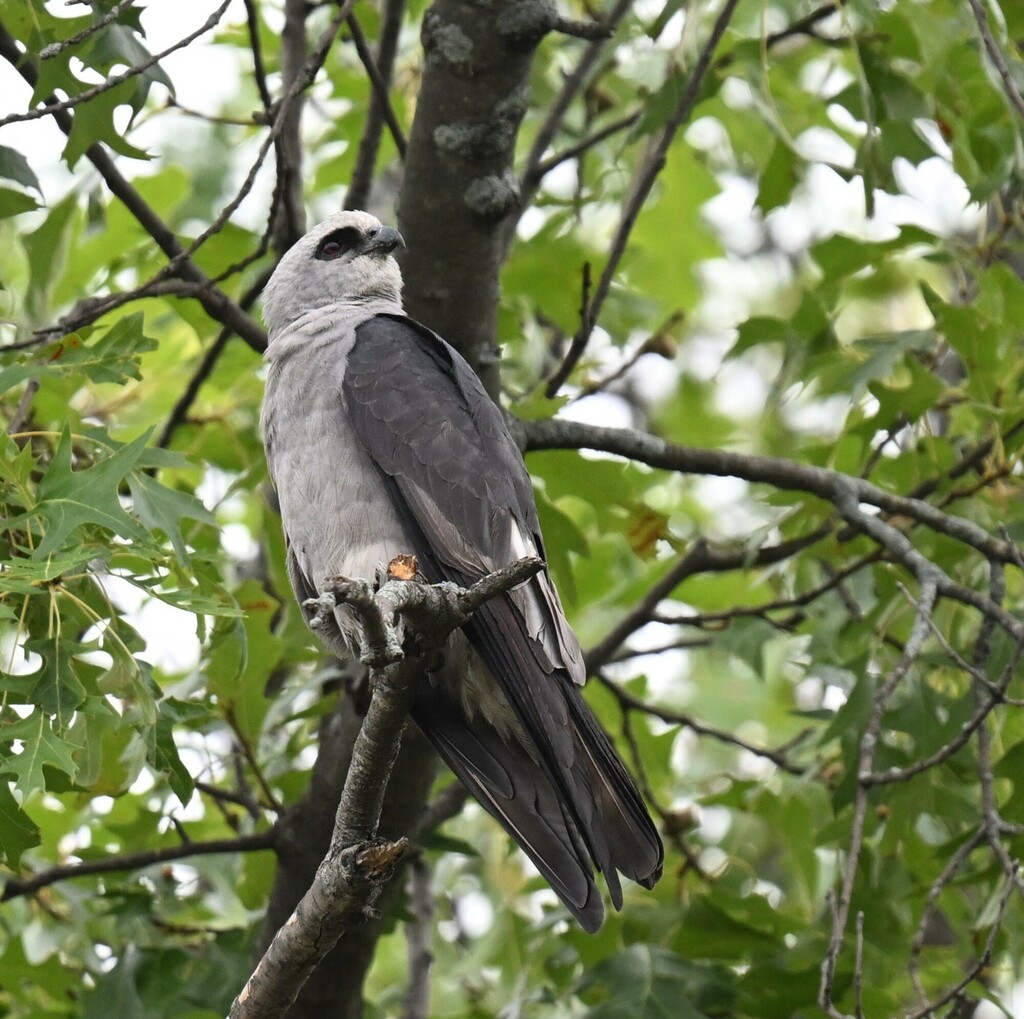
- Mississippi KiteIctinia mississippiensis
- Mourning DoveZenaida macroura
- Northern CardinalCardinalis cardinalis
- Northern FlickerColaptes auratus
- Northern MockingbirdMimus polyglottos
- Northern ParulaParula americana
- OspreyPandion haliaetus
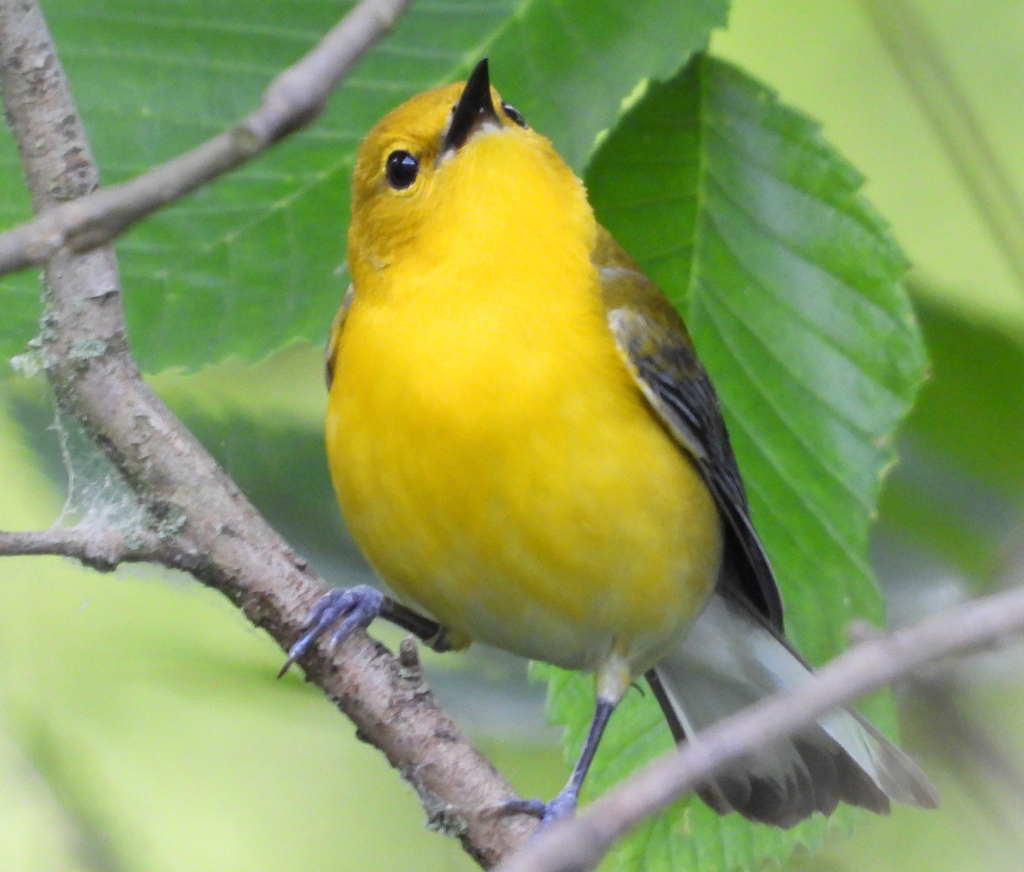
- Prothonotary WarblerProtonotaria citrea
- Purple FinchCarpodacus purpureus
- Red-bellied WoodpeckerMelanerpes carolinus





















Who uses this plant?
 1CaterpillarsGenus host records with ranges including MS
Genus host records with ranges including MS · Luziola
- Parapoynx allionealisWatermilfoil Leafcutter, Bladderwort Casemaker
 0BeesSoutheastern regional records
 0Specialist beesPollen specialists
 1BirdsRecorded genus food-resource interactions; not a state feeding claim
Recorded genus food-resource interactions; not a state feeding claim · Luziola
- Gallinula galeataCommon Gallinule
Direct food only: birds recorded eating this genus across North America. Caterpillars on host plants also feed nesting birds. NC Native Plant Society: butterfly gardening
No records yet · Ants · Beetles · Flies · Adult butterflies / moths · Other wasps · Other insects
Plant details
- Family
- Poaceae
- Flower color
- Green or brown
What its natural habitat tells you
Safety has not been reviewed for this plant; check toxicity and thorns before planting.
Growing sources and scope
- Flower color · “Green or brown” · Lady Bird Johnson Wildflower Center
- Height · “Up to about 3 feet” · Lady Bird Johnson Wildflower Center
- Life cycle · “Perennial” · Lady Bird Johnson Wildflower Center
Also known as
Hydrochloa carolinensis
Conservation status
| Mississippi rank | S4 |
|---|---|
| Global rank | G5 |
| MS status | Not verified |
| Federal status | Not verified |
Will it fit your yard?
Check this plant against your county, sun and soil moisture. Conditions are checked in your browser.
Sources
- NatureServe Explorer
- USDA PLANTS
- Vascular Plants of North Carolina (NC Natural Heritage Program)
- Mississippi occurrence source
- Shropshire & Tallamy 2025, Lepidoptera of North America north of Mexico, ZooKeys 1261 (ODbL)
- Noori, Seltmann & Orr 2026, A curated and integrated dataset for exploring global bee-plant interactions (GloBI), Zenodo, CC BY 4.0
- Smith, Bachelder, Russell, Morales, Mosher & Seltmann 2024, Bee-Specialization-Modeling v0.6.1 (specialist host table compiled from J. Fowler's pollen specialist bee lists), Zenodo, CC BY 4.0
- Hurlbert, Olsen, Sawyer & Winner 2021, Avian Diet Database, Scientific Data 8: 260 (CC0)
- Narango, Tallamy & Shropshire 2020, Few keystone plant genera support the majority of Lepidoptera species, Nature Communications