

Canada Wood-nettle
Laportea canadensis
Found in forests and woodlands; seeps and springs; swamps; floodplain and bottomland forests. Weakley, Flora of the Southeastern United States (2025), South Central edition What its natural habitat tells you
Native to Mississippi (estimated). How scores work Is it native here?
Profile 94%
- Height
- 2–4 feet
- Spread
- 1–3 feet
- Light
- Dappled sunlight, Deep shade, Partial shade
- Soil moisture
- Usually moist
Space about 2 ft apart from its recorded spread, about 25 per 100 sq ft. Enter your bed size for a count
Will it fit your yard?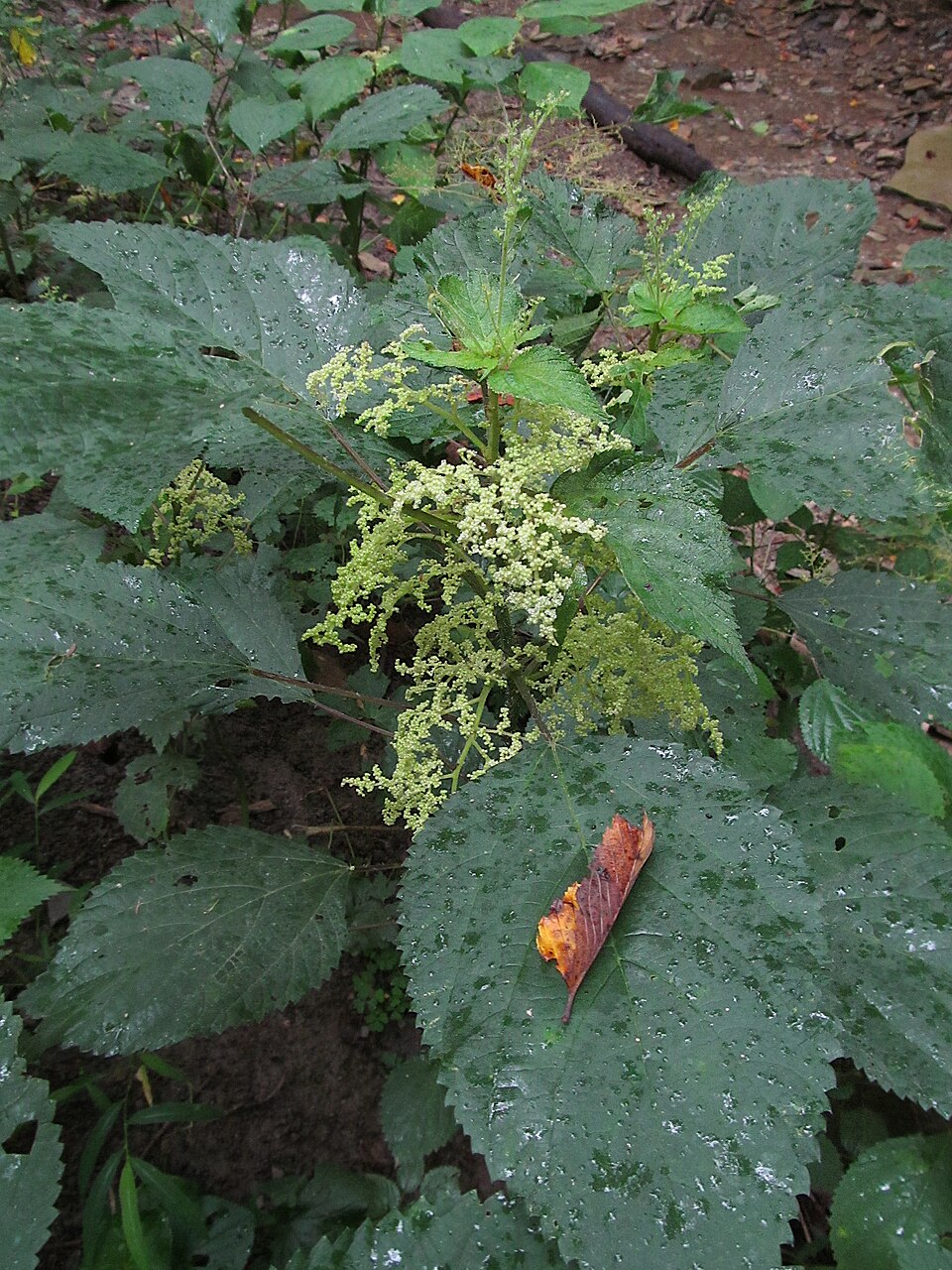
At a glance
- Life cycle
- Perennial
- Bloom
- May to August
- Fruiting season
- Late July to October
Not yet recorded · Leaves
Recorded in 17 Mississippi counties.
Natural habitats
Places it grows wild. Not a planting requirement. Each habitat page lists the plants and wildlife also found there.
Forest or woodland where the source does not say how moist or dry.
Places where groundwater keeps the soil or rock wet, such as seepage slopes and spring runs.
Forested wetlands with standing water much of the year, such as cypress and gum swamps.
Floodplain and bottomland forests
Forests on low ground beside rivers and streams that flood from time to time.
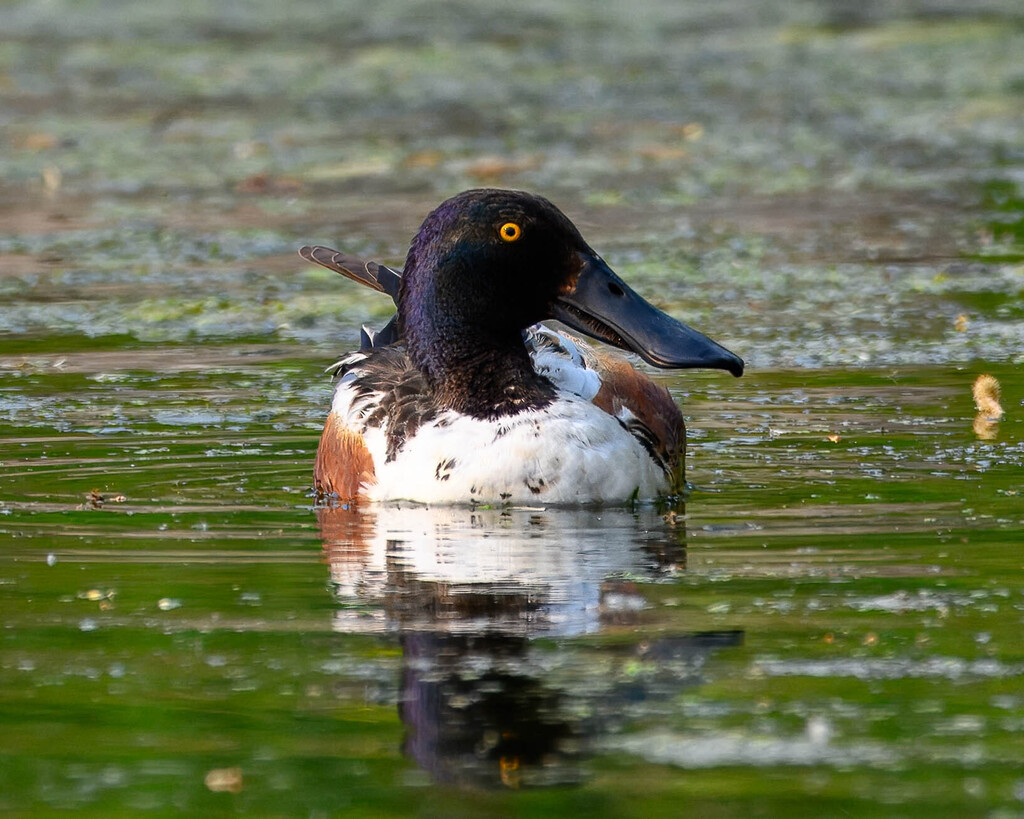
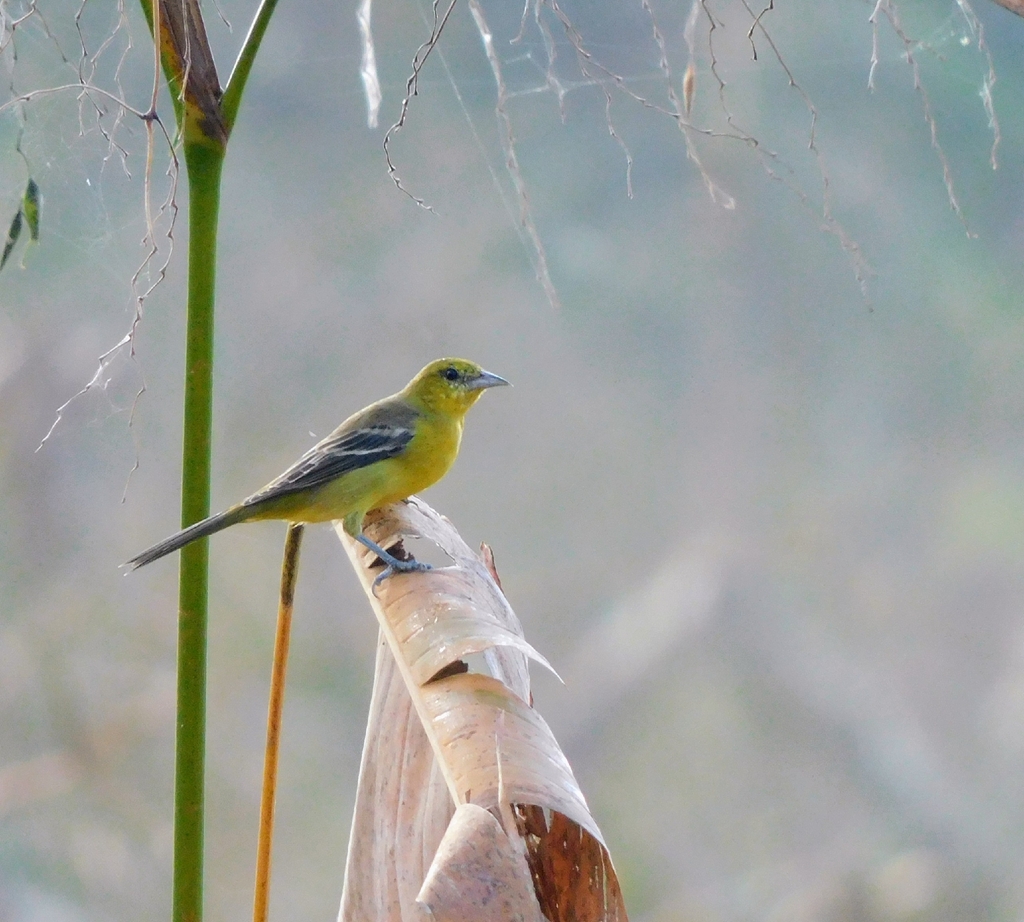
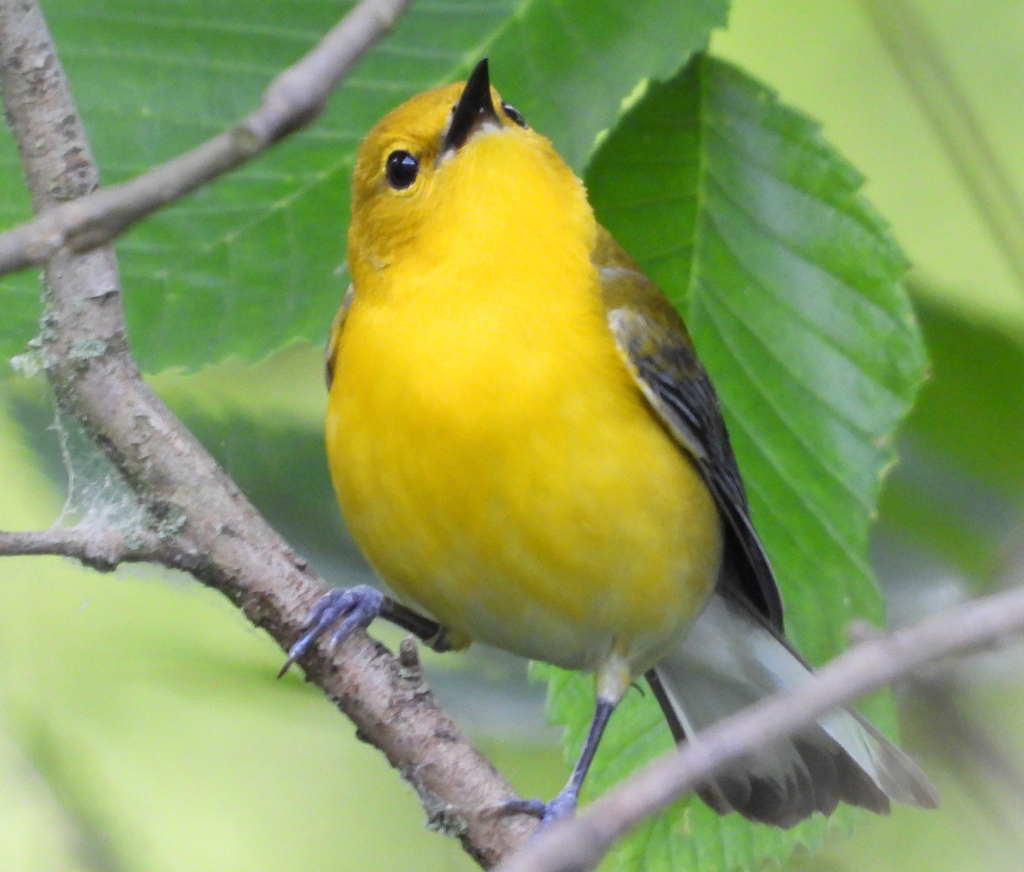
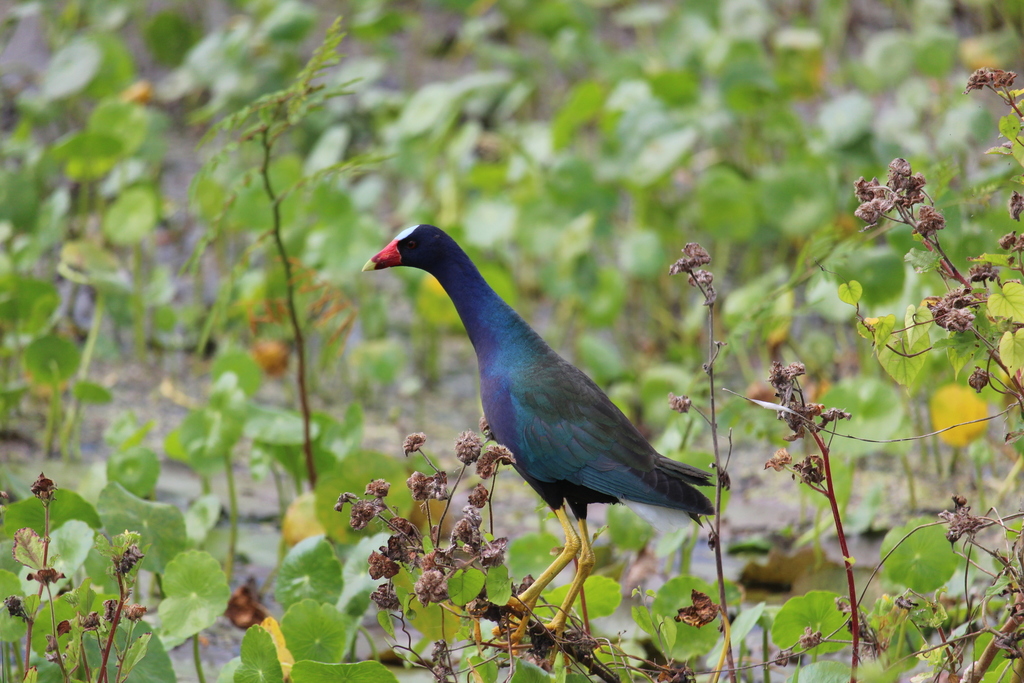
Also found with this plant
Wildlife whose habitat models include habitats this plant grows in, in Mississippi. Shared habitat, not food. 125 animals.
- Hooded MerganserLophodytes cucullatus
- Hooded WarblerWilsonia citrina
- Indigo BuntingPasserina cyanea
- Kentucky WarblerOporornis formosus
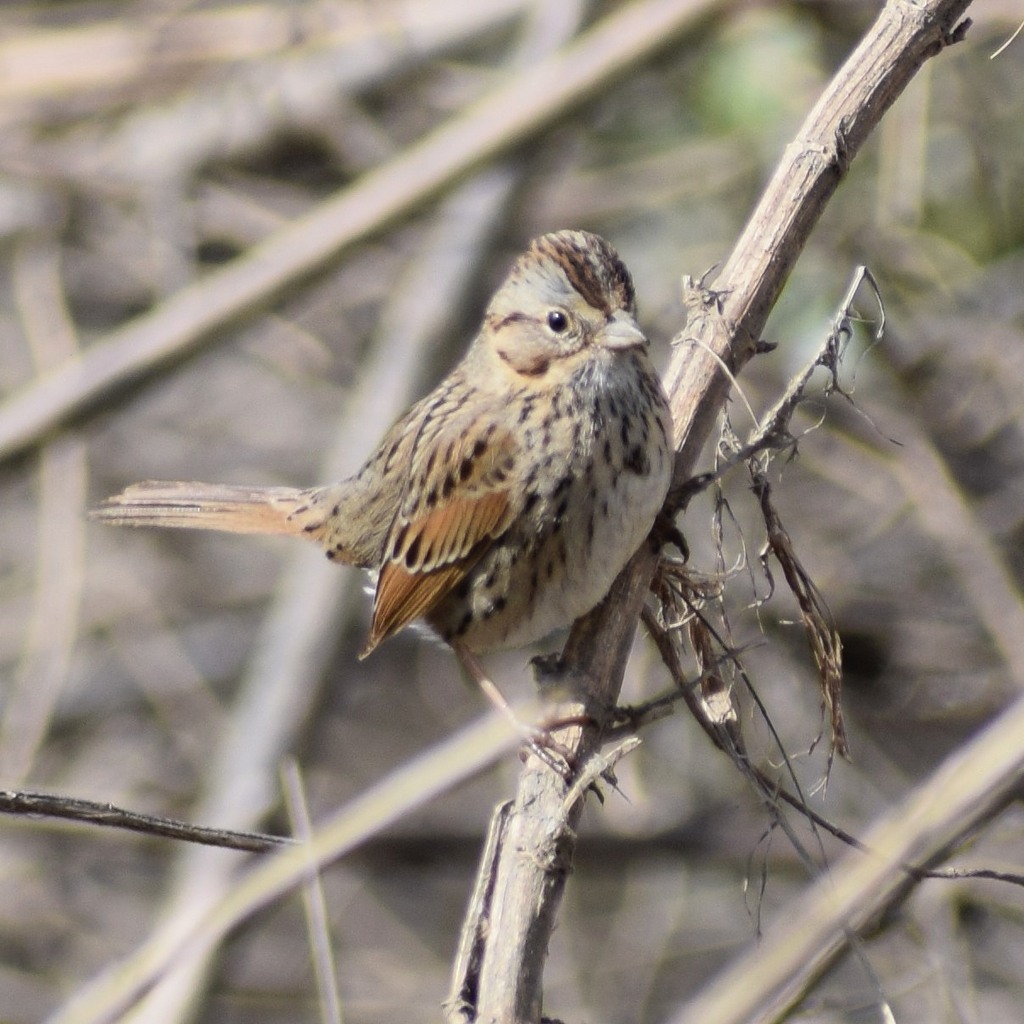
- Lincoln's SparrowMelospiza lincolnii
- Louisiana WaterthrushSeiurus motacilla
- MallardAnas platyrhynchos
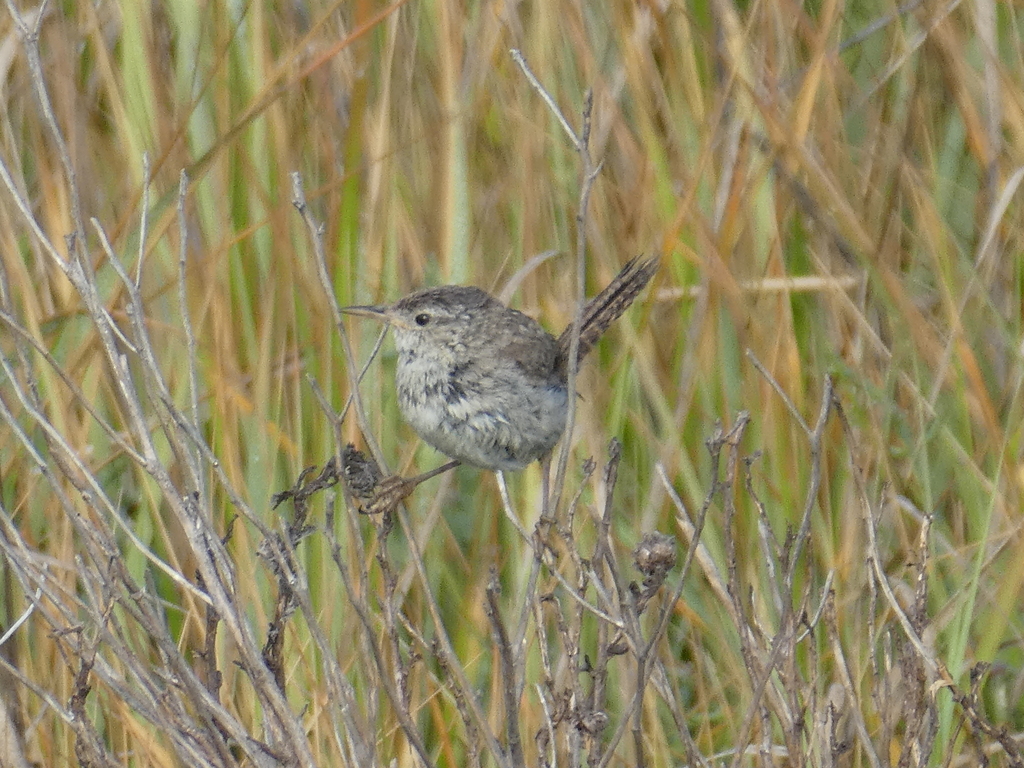
- Marsh WrenCistothorus palustris
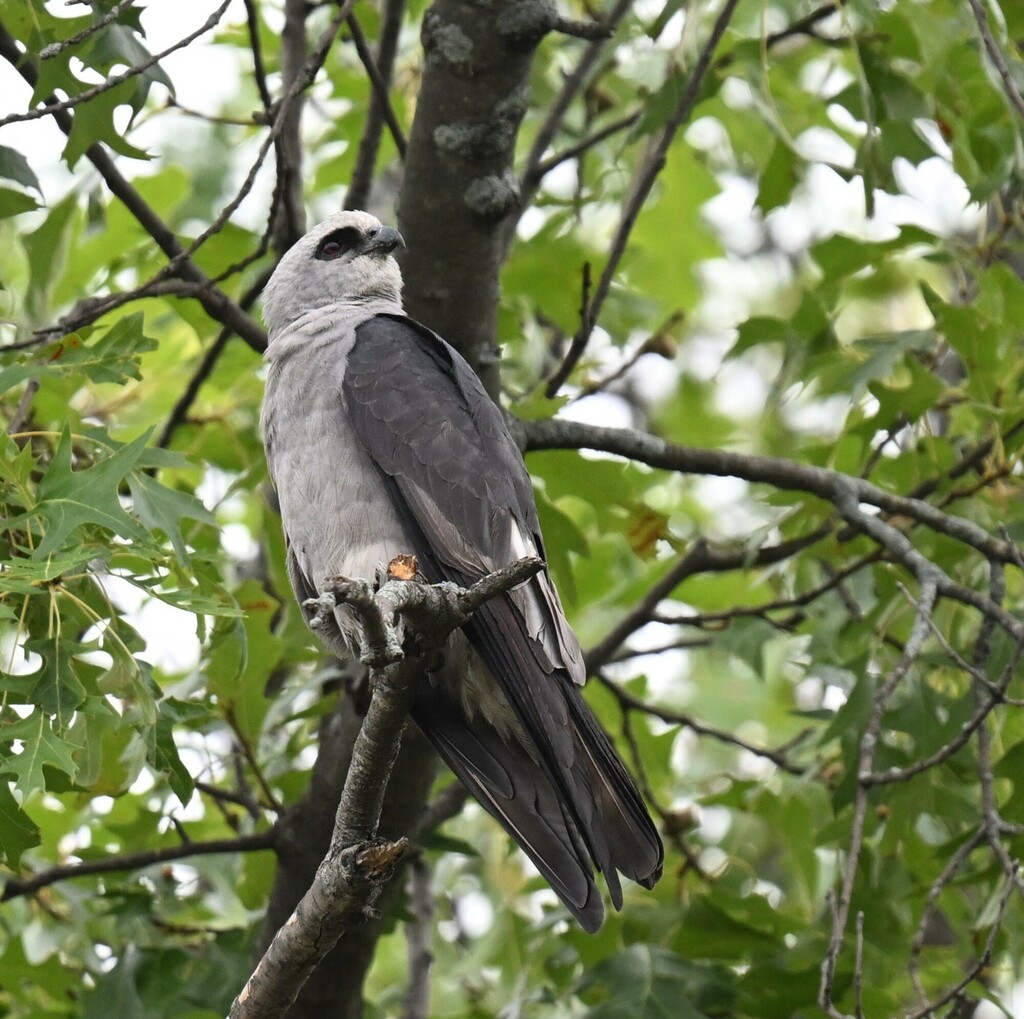
- Mississippi KiteIctinia mississippiensis
- Mourning DoveZenaida macroura
- Northern CardinalCardinalis cardinalis
- Northern FlickerColaptes auratus
- Northern MockingbirdMimus polyglottos
- Northern ParulaParula americana
- Northern ShovelerAnas clypeata
- Orchard OrioleIcterus spurius
- OspreyPandion haliaetus
- Pileated WoodpeckerDryocopus pileatus
- Prothonotary WarblerProtonotaria citrea
- Purple FinchCarpodacus purpureus
- Purple GallinulePorphyrio martinica
- Red-breasted NuthatchSitta canadensis
- Red-headed WoodpeckerMelanerpes erythrocephalus
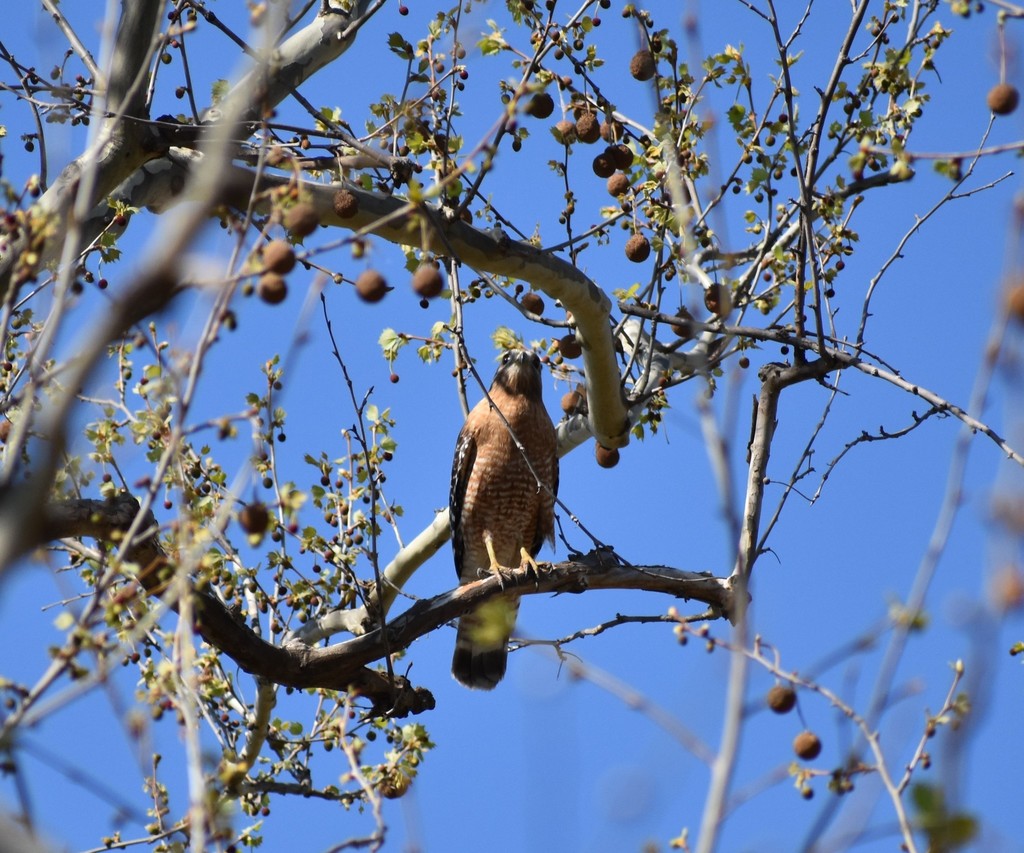
- Red-shouldered HawkButeo lineatus

















Who uses this plant?
 4CaterpillarsGenus host records with ranges including MS
Genus host records with ranges including MS · Laportea
- Vanessa atalantaRed Admiral
- Hypena humuliHop Snout Moth, Hop Vine Snout, Hop Looper
- Hypena sordidulaSordid Bomolocha, Sordid Snout
- Polygonia commaEastern Comma
 0BeesSoutheastern regional records
 0Specialist beesPollen specialists
 —BirdsRecorded genus food-resource interactions; not a state feeding claim
No records yet · Ants · Beetles · Flies · Adult butterflies / moths · Other wasps · Other insects
Plant details
- Family
- Urticaceae
- Flower color
- Green or white
- Fruit begins
- Late July
- Fruit ends
- October
Safety has not been reviewed for this plant; check toxicity and thorns before planting.
Growing sources and scope
- Bloom · “May to August” · Weakley, Flora of the Southeastern United States (2025), Carolinas & Georgia edition · Carolinas and Georgia
- Flower color · “Green or white” · NC Extension Plant Toolbox (ranked first; Lady Bird Johnson Wildflower Center differs)
- Fruit begins · “Late July” · Weakley, Flora of the Southeastern United States (2025), Carolinas & Georgia edition · Carolinas and Georgia
- Fruit ends · “October” · Weakley, Flora of the Southeastern United States (2025), Carolinas & Georgia edition · Carolinas and Georgia
- Height · “2–4 feet” · NC Extension Plant Toolbox (ranked first; Lady Bird Johnson Wildflower Center, Minnesota Wildflowers differ)
- Life cycle · “Perennial” · NC Extension Plant Toolbox
- Light · “Dappled sunlight (shade through upper canopy all day); Deep shade (less than 2 hours to no direct sunlight); Partial shade (direct sunlight only part of the day, 2-6 hours)” · NC Extension Plant Toolbox
- Soil · “Moist; Occasionally wet” · NC Extension Plant Toolbox
- Spread · “1–3 feet” · NC Extension Plant Toolbox
Also known as
Canada Wood nettle; Canadian Wood Nettle; Wood Nettle
Conservation status
| Mississippi rank | SNR |
|---|---|
| Global rank | G5 |
| MS status | Not verified |
| Federal status | Not verified |
Will it fit your yard?
Check this plant against your county, sun and soil moisture. Conditions are checked in your browser.
Sources
- Weakley, Flora of the Southeastern United States (2025), South Central edition
- USDA PLANTS
- Vascular Plants of North Carolina (NC Natural Heritage Program)
- Mississippi occurrence source
- Shropshire & Tallamy 2025, Lepidoptera of North America north of Mexico, ZooKeys 1261 (ODbL)
- Noori, Seltmann & Orr 2026, A curated and integrated dataset for exploring global bee-plant interactions (GloBI), Zenodo, CC BY 4.0
- Smith, Bachelder, Russell, Morales, Mosher & Seltmann 2024, Bee-Specialization-Modeling v0.6.1 (specialist host table compiled from J. Fowler's pollen specialist bee lists), Zenodo, CC BY 4.0
- Hurlbert, Olsen, Sawyer & Winner 2021, Avian Diet Database, Scientific Data 8: 260 (CC0)
- Narango, Tallamy & Shropshire 2020, Few keystone plant genera support the majority of Lepidoptera species, Nature Communications