

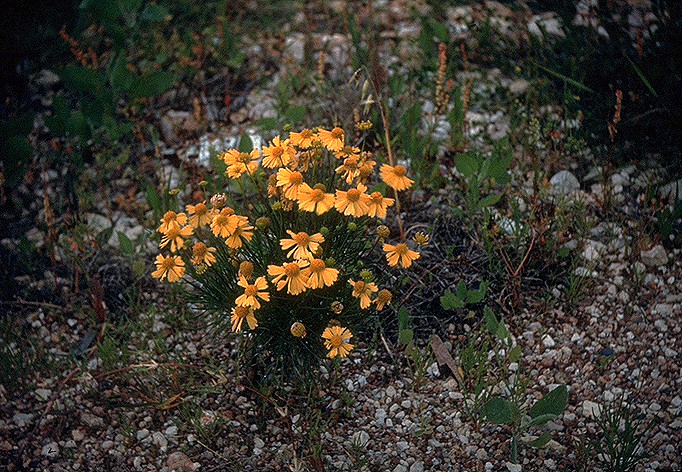
Yellow Sneezeweed
Helenium amarum
Found in roadsides, overgrazed pastures, urban areas; in much of our area an introduction from farther west. Weakley, Flora of the Southeastern United States (2025), South Central edition What its natural habitat tells you
Not native to Mississippi. How scores work Is it native here?
Profile 76%
- Height
- Up to about 3 feet
- Spread
- 9 inches–1.25 feet
- Light
- Full sun
- Soil moisture
- Dry to moist
Plant this instead
Choose your county to list local plants first.
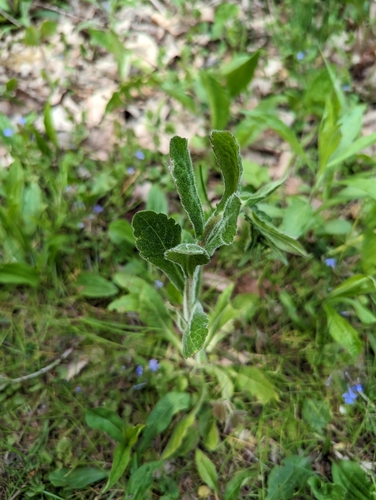
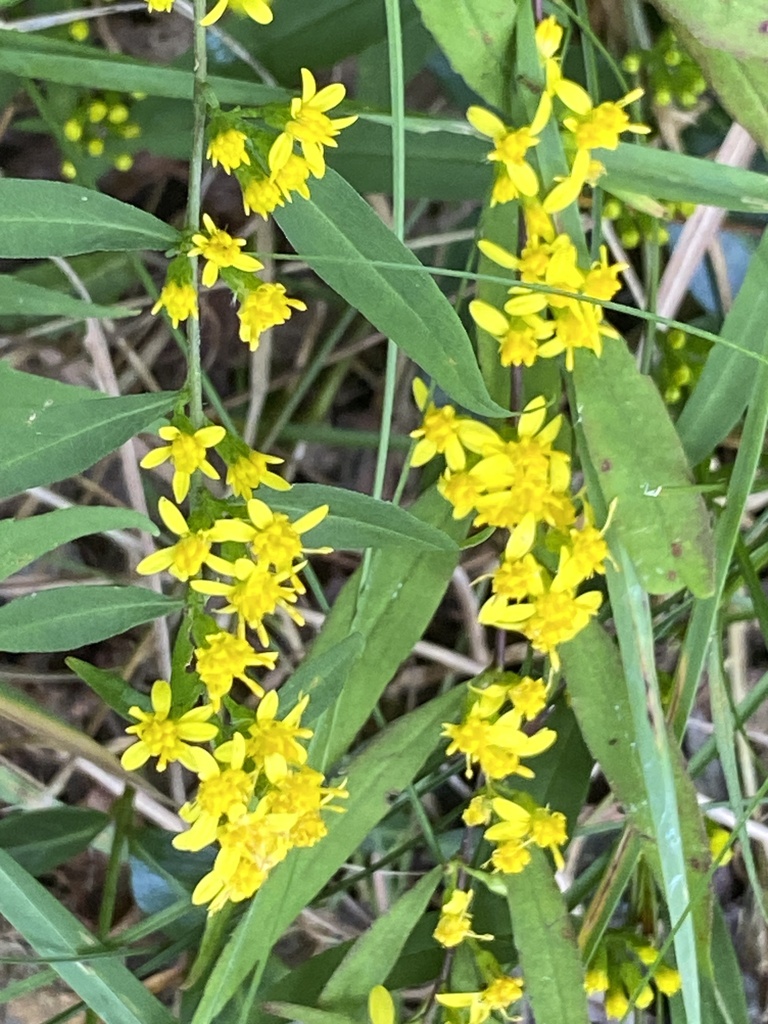
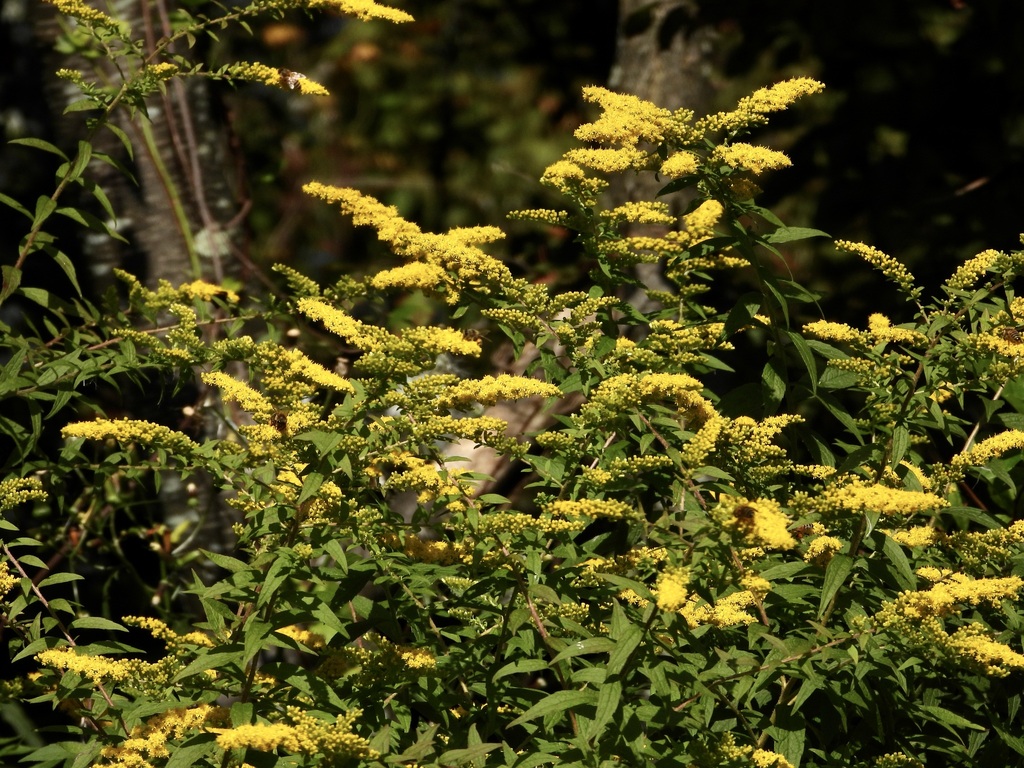

No recorded swaps for this county. Try the garden finder.
At a glance
- Life cycle
- Annual
- Bloom
- May to December
Not yet recorded · Leaves
Recorded in 80 Mississippi counties.
Natural habitats
Places it grows wild. Not a planting requirement. Each habitat page lists the plants and wildlife also found there.
Roadsides, fields and disturbed ground
Ground opened by people: roadsides, old fields, pastures, fencerows and lots.
Who uses this plant?
 6CaterpillarsGenus host records with ranges including MS
Genus host records with ranges including MS · Helenium
- Chlorochlamys chloroleucariaBlackberry Looper Moth
- Condica sutorThe Cobbler, Cobbler Groundling
- Condica vidensWhite-Dotted Groundling
- Nathalis ioleDainty Sulphur, Dwarf Yellow
- Sparganothis sulfureanaSparganothis Fruitworm Moth, Sulfur Leafroller, False Yellow-Head
- Carmenta ithacae
 —BeesSoutheastern regional records
 14Specialist beesPollen specialists
Pollen specialists · Helenium
- Andrena beameri
- Calliopsis coloradensis
- Dianthidium curvatum
- Dieunomia bolliana
- Megachile inimica
- Megachile parallela
- Megachile xylocopoides
- Melissodes boltoniae
- Melissodes dentiventris
- Melissodes druriellus
Show all 14
- Melissodes illatus
- Melissodes manipularis
- Melissodes wheeleri
- Paranthidium jugatorium
 —BirdsRecorded genus food-resource interactions; not a state feeding claim
Plant details
- Family
- Asteraceae
- Hardiness
- Zones 3–10
- Flower color
- Yellow
Safety has not been reviewed for this plant; check toxicity and thorns before planting.
Growing sources and scope
- Bloom · “May to December” · Weakley, Flora of the Southeastern United States (2025), Carolinas & Georgia edition · Carolinas and Georgia
- Flower color · “Yellow” · Lady Bird Johnson Wildflower Center
- Hardiness · “Zones 3–10” · Missouri Botanical Garden Plant Finder
- Height · “Up to about 3 feet” · Lady Bird Johnson Wildflower Center (ranked first; Missouri Botanical Garden Plant Finder differs)
- Life cycle · “Annual” · Lady Bird Johnson Wildflower Center
- Light · “Full sun (documented habitat)” · Weakley, Flora of the Southeastern United States (2025), Carolinas & Georgia edition · Carolinas and Georgia
- primary_flower_color · “yellow” · Lady Bird Johnson Wildflower Center
- Soil · “Dry; Moist (documented habitat)” · Weakley, Flora of the Southeastern United States (2025), Carolinas & Georgia edition · Carolinas and Georgia
- Spread · “9 inches–1.25 feet” · Missouri Botanical Garden Plant Finder
Conservation status
| Mississippi rank | SNR |
|---|---|
| Global rank | G5 |
| MS status | Not verified |
| Federal status | Not verified |
Sources
- Weakley, Flora of the Southeastern United States (2025), South Central edition
- USDA PLANTS
- Mississippi occurrence source
- Shropshire & Tallamy 2025, Lepidoptera of North America north of Mexico, ZooKeys 1261 (ODbL)
- Noori, Seltmann & Orr 2026, A curated and integrated dataset for exploring global bee-plant interactions (GloBI), Zenodo, CC BY 4.0
- Smith, Bachelder, Russell, Morales, Mosher & Seltmann 2024, Bee-Specialization-Modeling v0.6.1 (specialist host table compiled from J. Fowler's pollen specialist bee lists), Zenodo, CC BY 4.0
- Hurlbert, Olsen, Sawyer & Winner 2021, Avian Diet Database, Scientific Data 8: 260 (CC0)
- Narango, Tallamy & Shropshire 2020, Few keystone plant genera support the majority of Lepidoptera species, Nature Communications