

Habitat in Mississippi
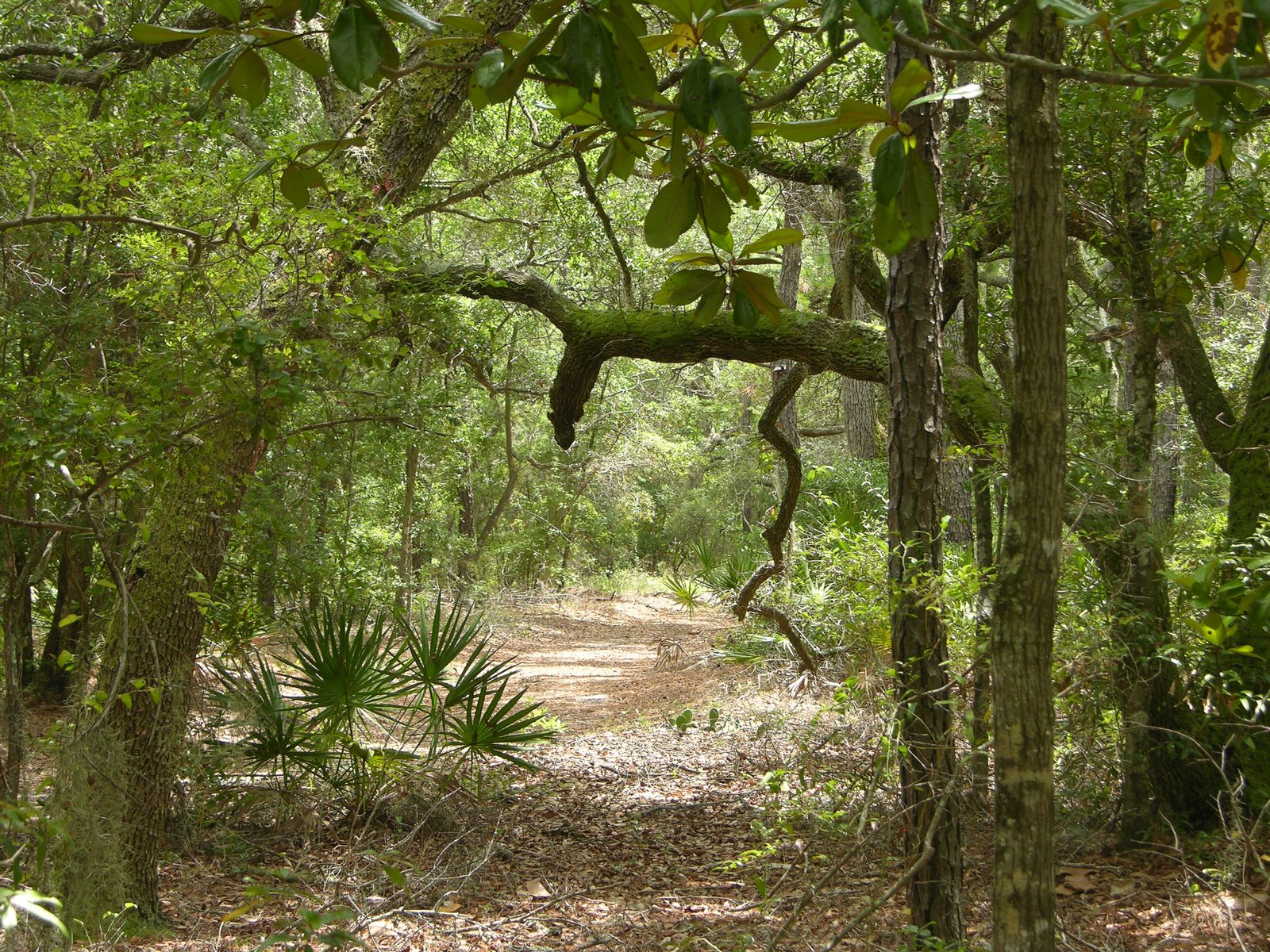
Maritime forests and thickets
Salt-pruned forests and shrub thickets behind coastal dunes. Schafale
- Plants
- 40
- Birds
- 74
Plants
Plants that grow wild in this habitat in Mississippi. Not a planting list.
Most characteristic plants of this habitat 40
Natives first, plants found in fewer other habitats first.
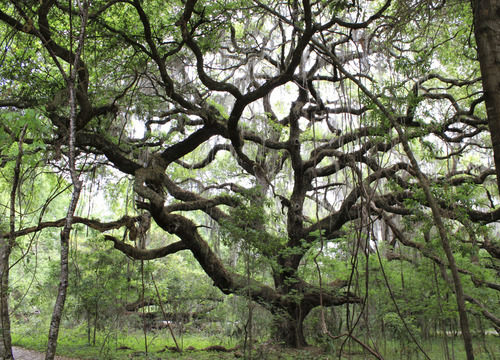
- Live OakQuercus virginiana
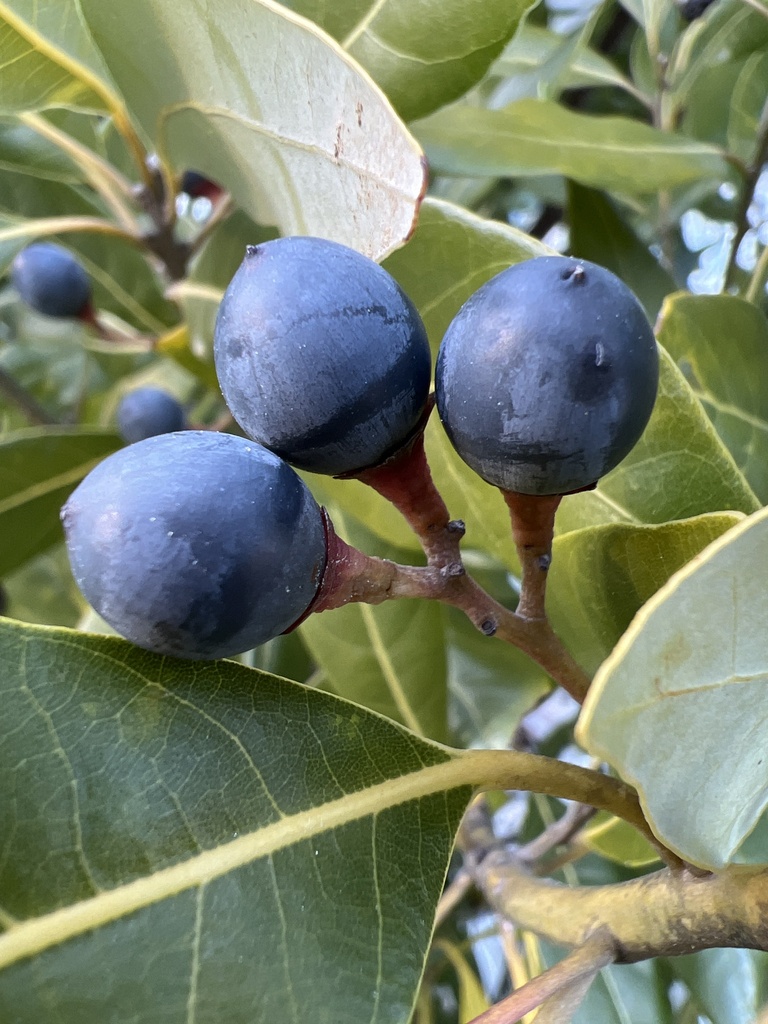
- Carolina Laurel CherryPrunus caroliniana
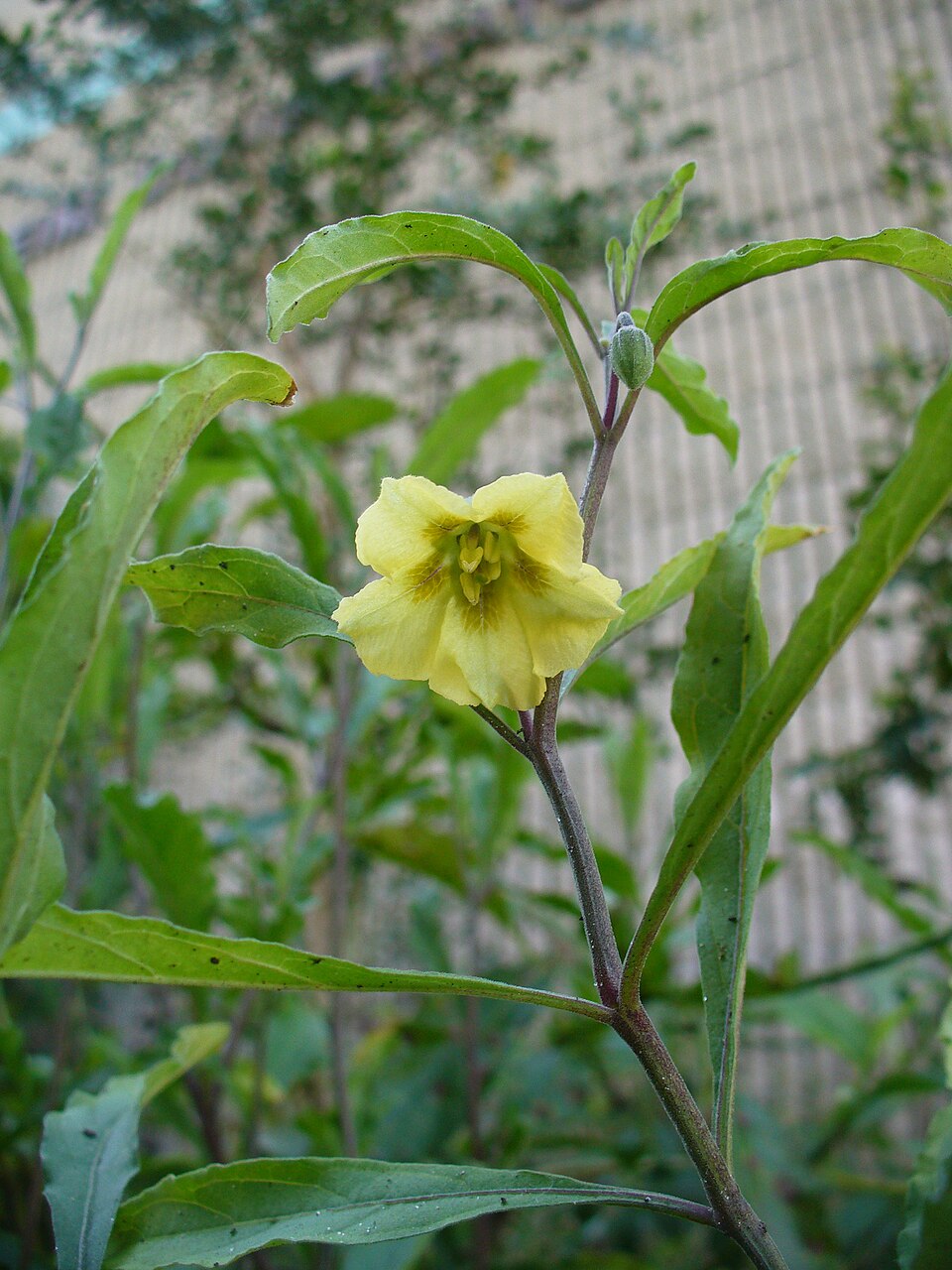
- Dune Ground-cherryPhysalis walteri
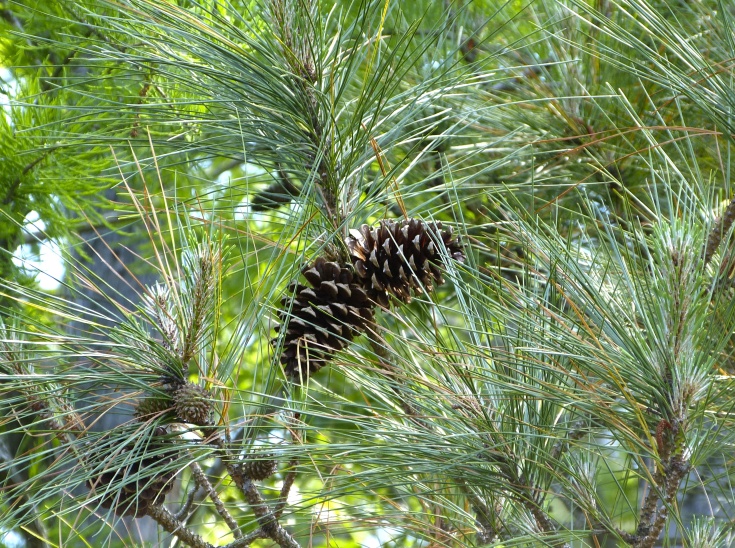
- Slash PinePinus elliottii
- Swamp RedbayTamala palustris
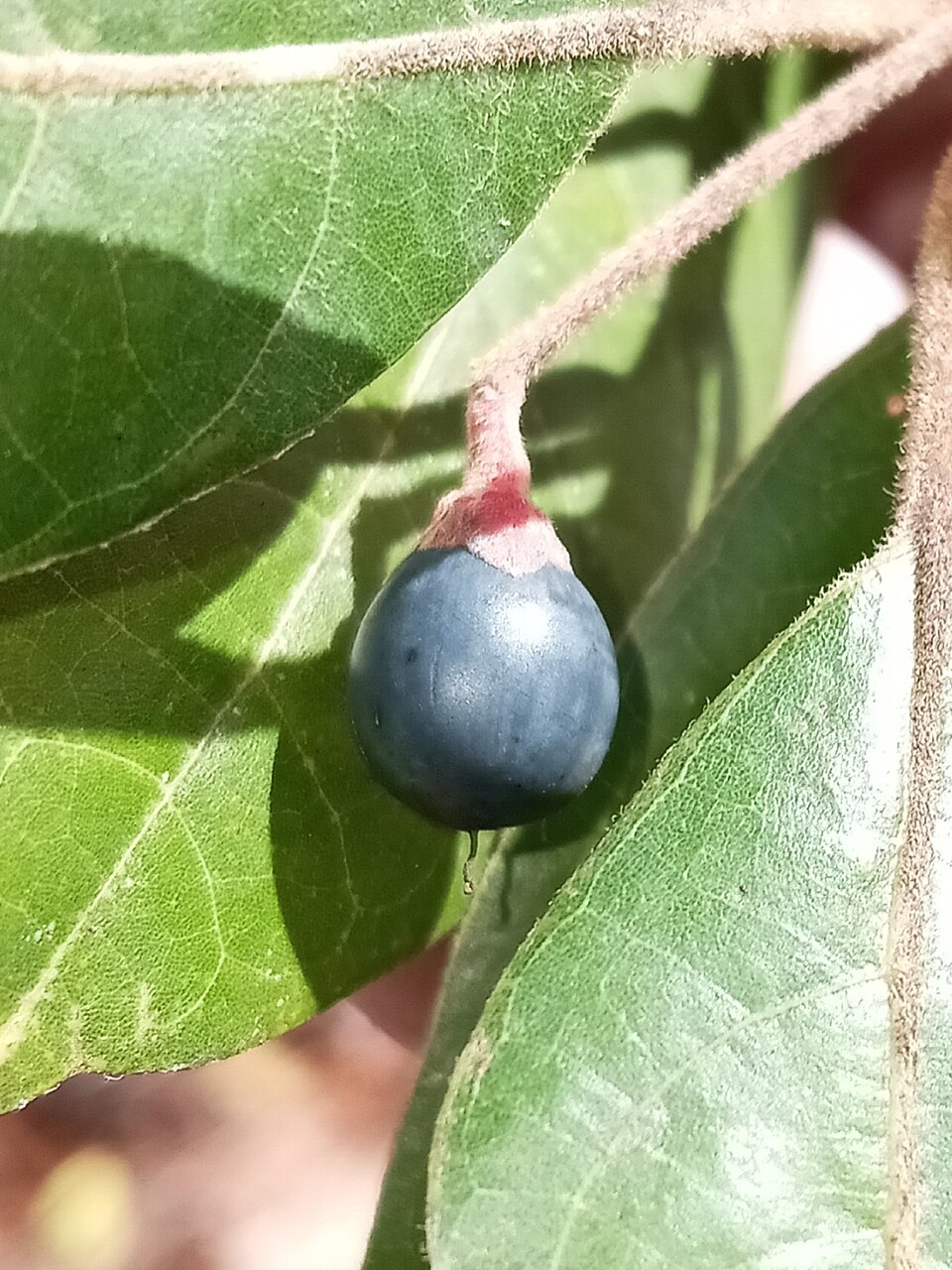
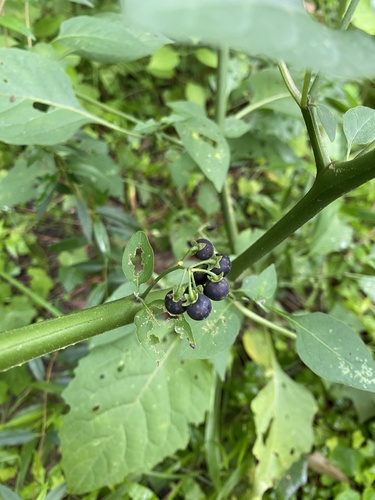
- Glowing NightshadeSolanum pseudogracile
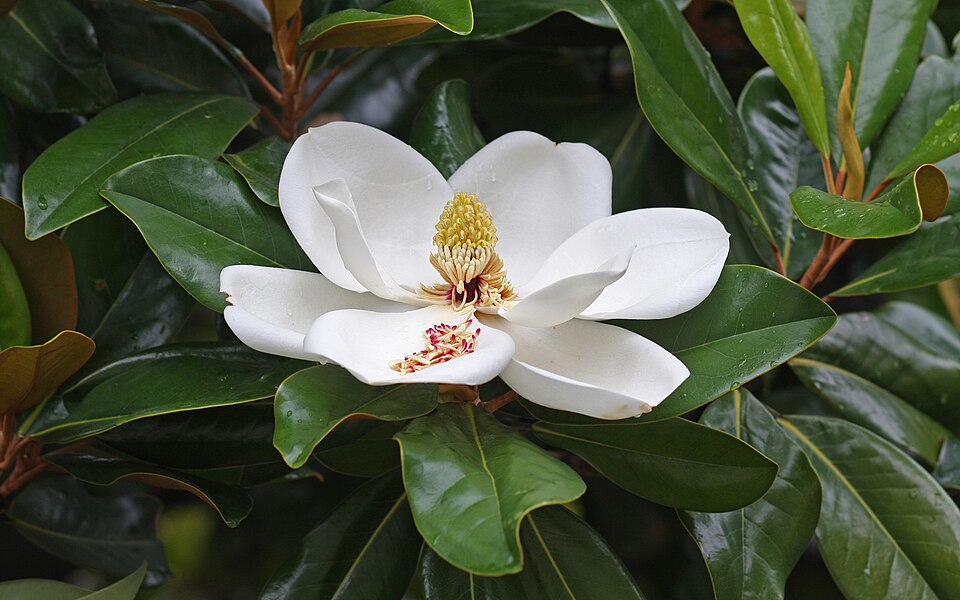
- Southern MagnoliaMagnolia grandiflora
- Florida SedgeCarex floridana
- Ovateleaf FlatsedgeCyperus ovatus
- Rain LilyZephyranthes simpsonii
- Small-flowered BuckthornSageretia minutiflora
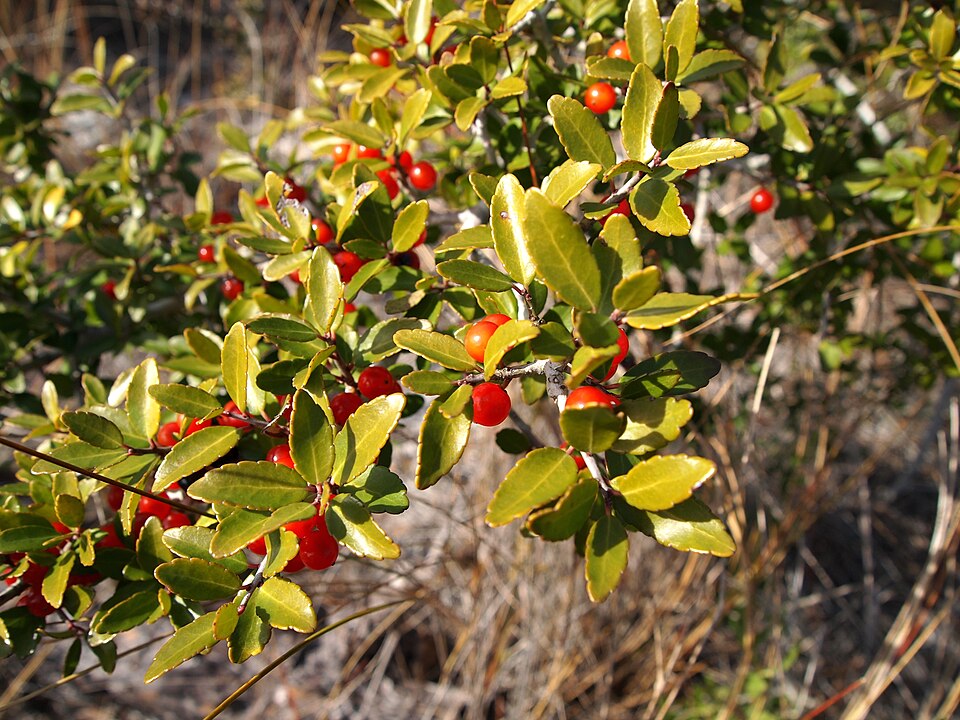
- Yaupon HollyIlex vomitoria
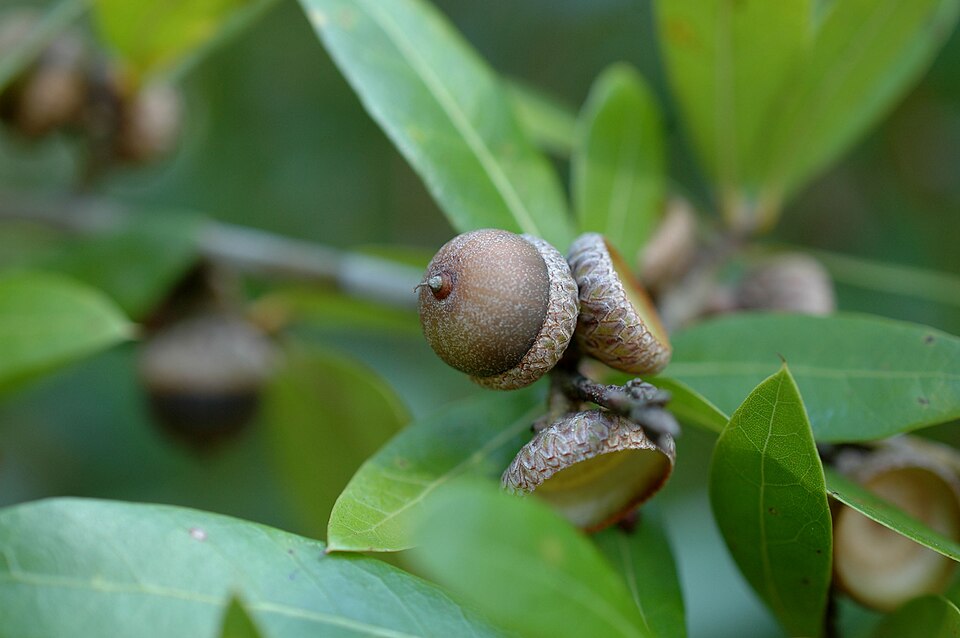
- Darlington OakQuercus hemisphaerica
- Buckthorn BumeliaSideroxylon lycioides
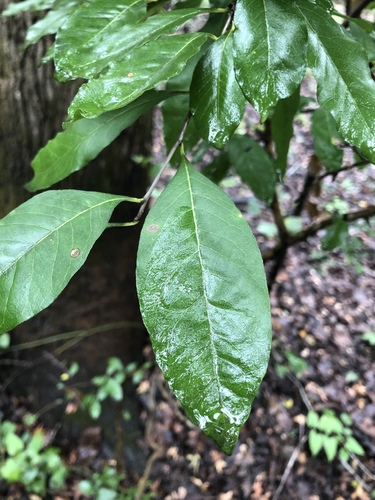
- Upland RedbayTamala borbonia
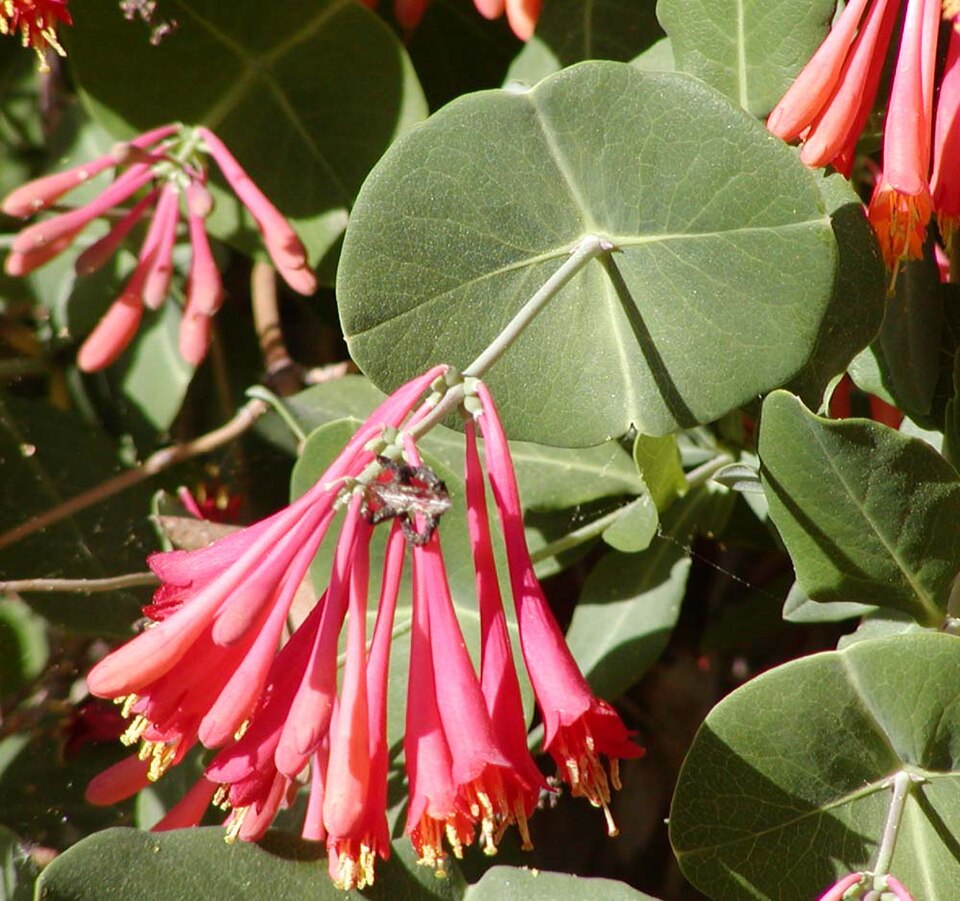
- Coral HoneysuckleLonicera sempervirens
- Carex dasycarpaCarex dasycarpa
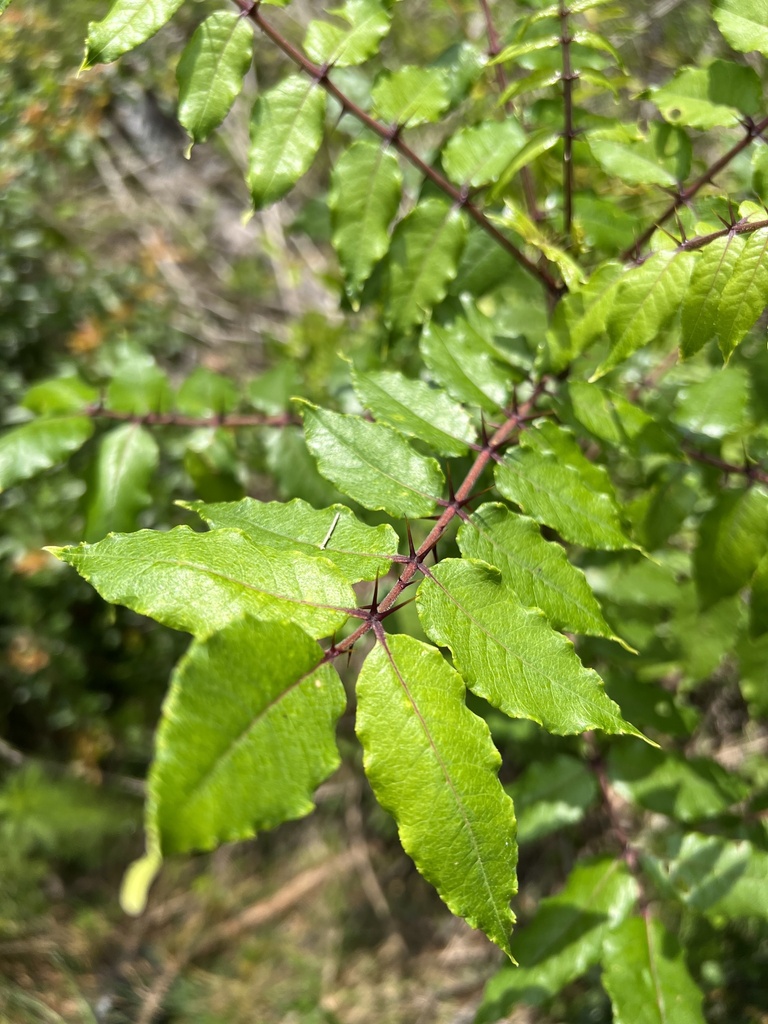
- Hercules-clubZanthoxylum clava-herculis
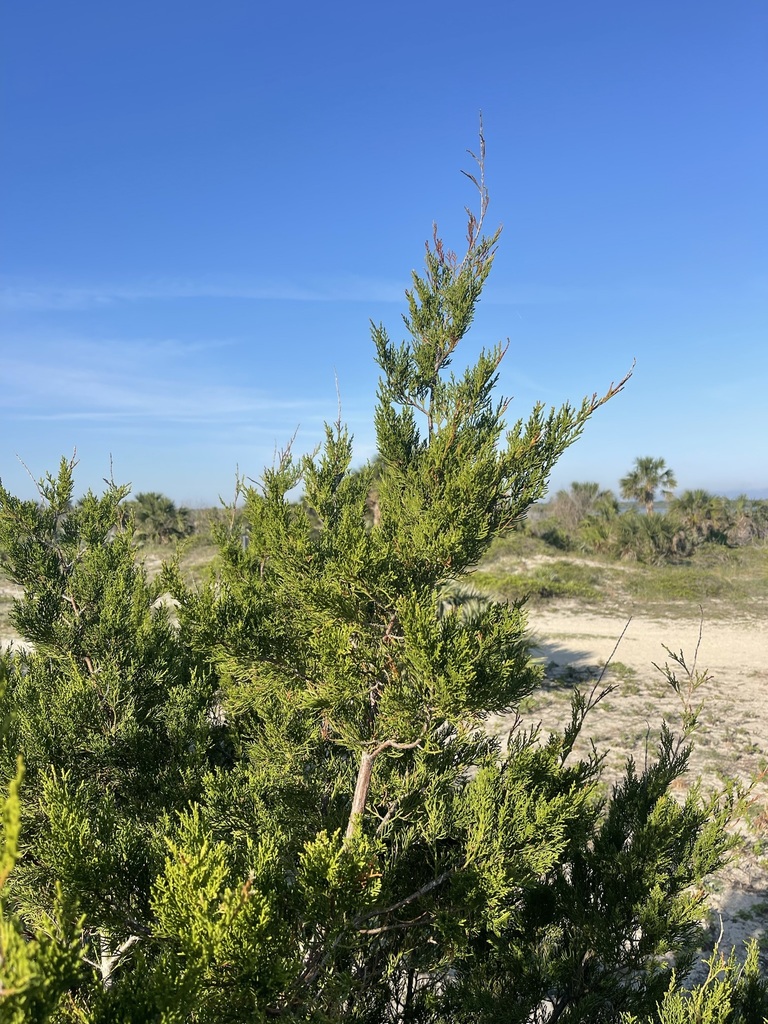
- Southern Red CedarJuniperus virginiana var. silicicola
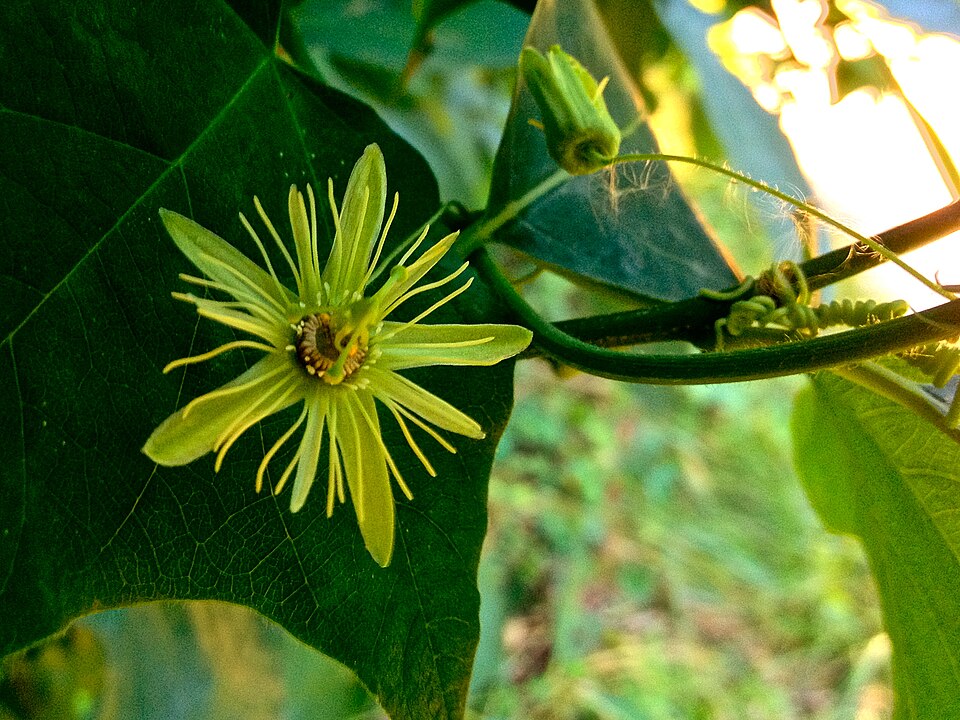
- Yellow PassionflowerPassiflora lutea
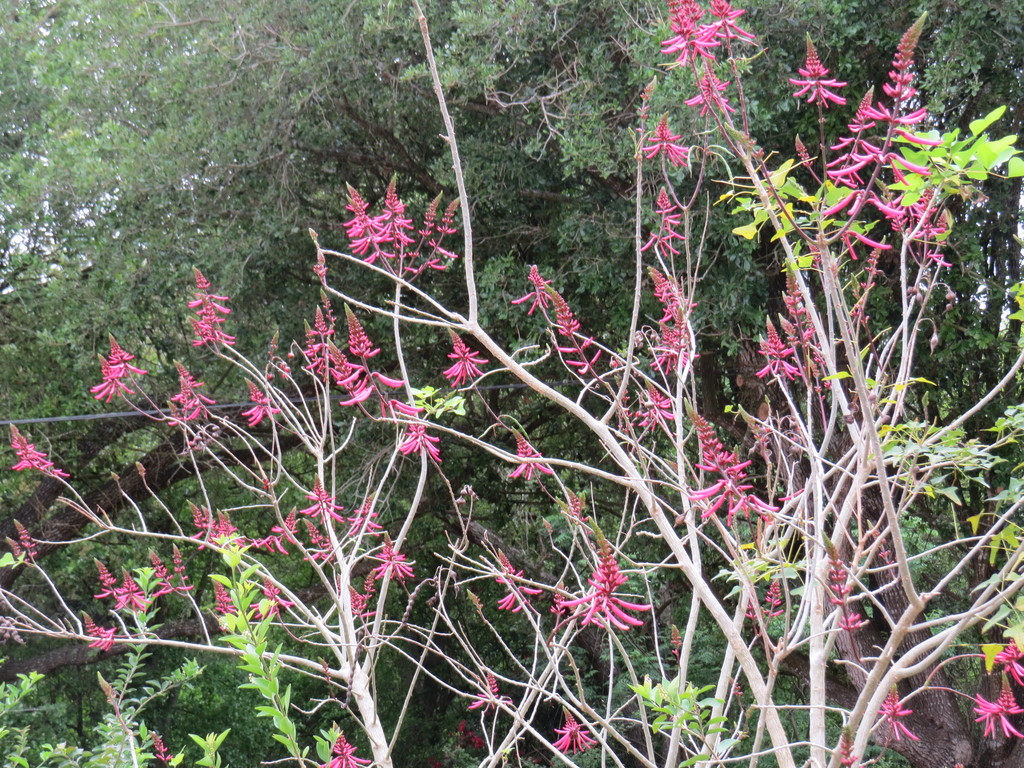
- Coral-beanErythrina herbacea
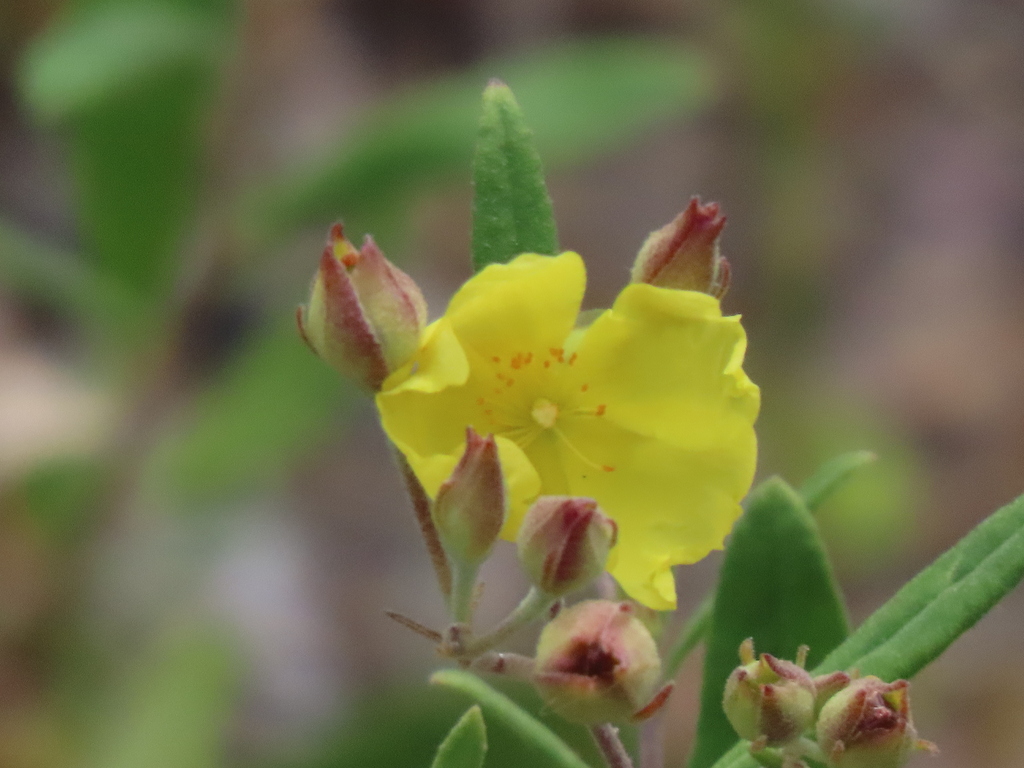
- Georgia FrostweedCrocanthemum georgianum
- Pinebarren FrostweedCrocanthemum corymbosum
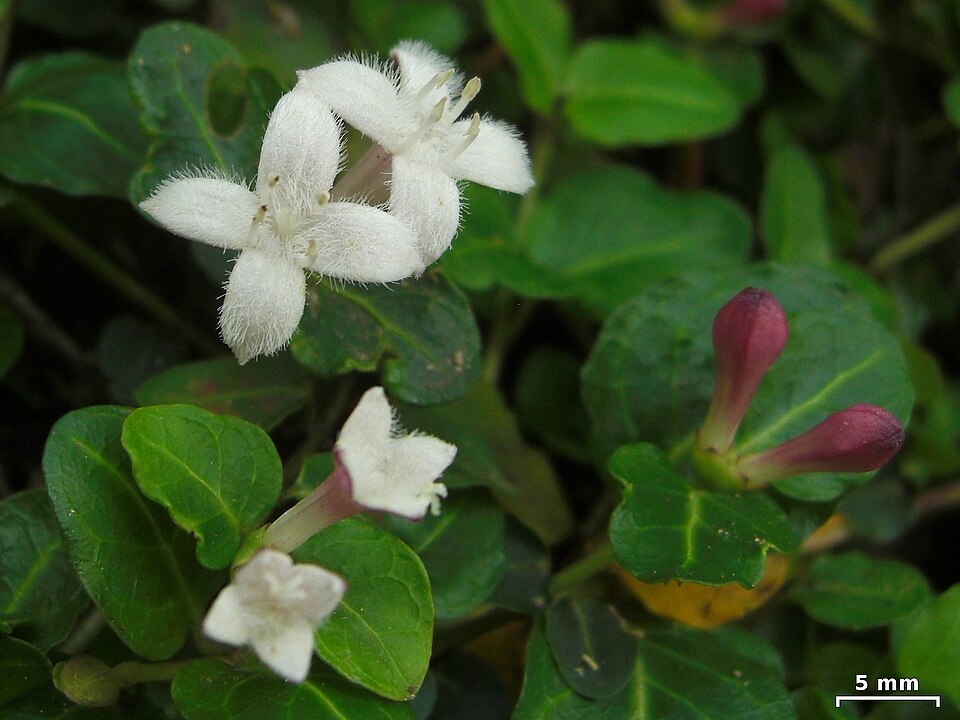
- Partridge-berryMitchella repens
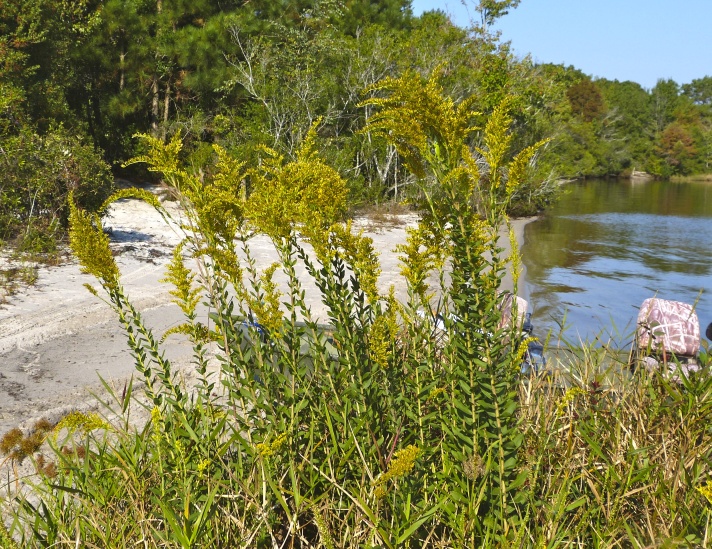
- Pine Barren GoldenrodSolidago fistulosa
- Laurel OakQuercus laurifolia
- Pineland HibiscusHibiscus aculeatus
- Serenoa repensSerenoa repens
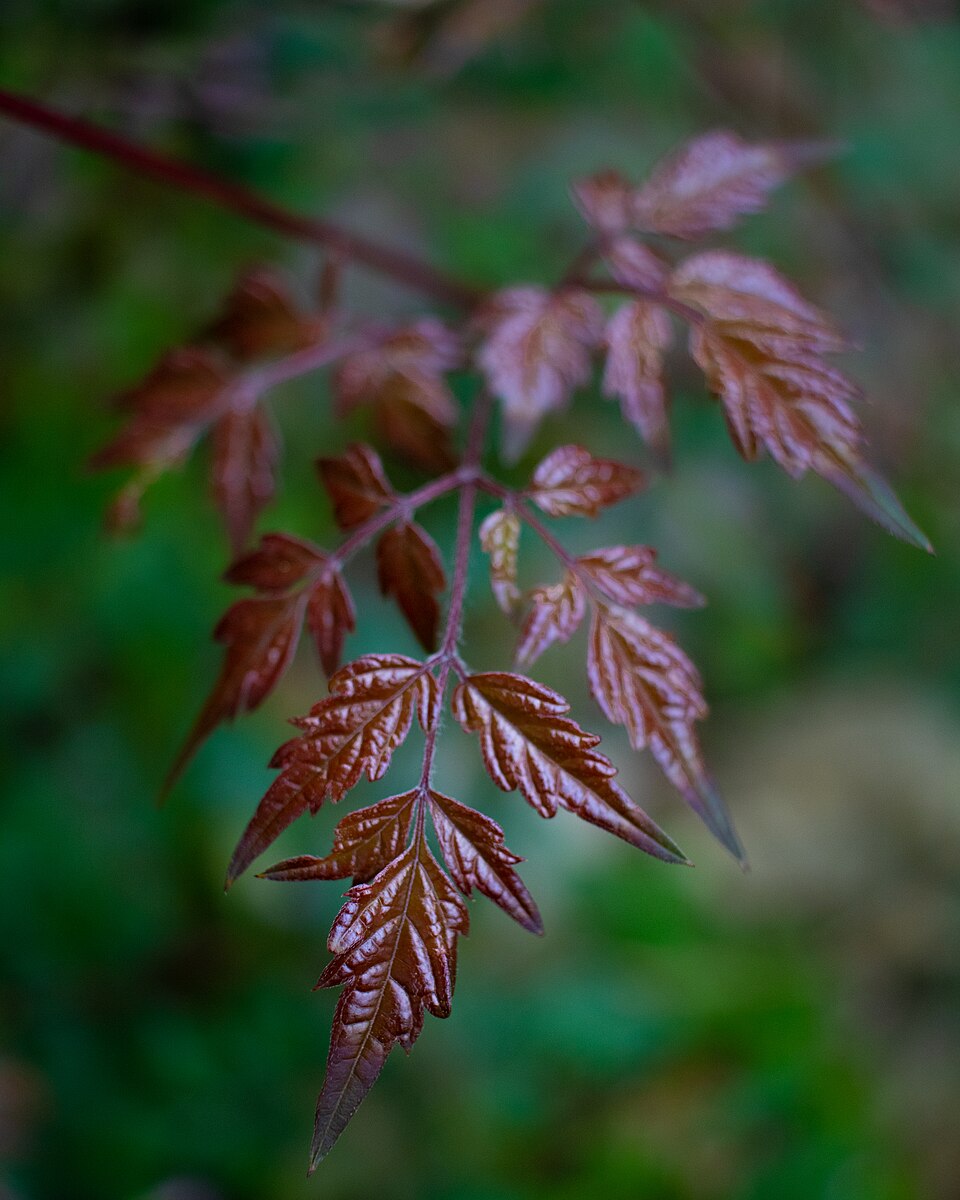
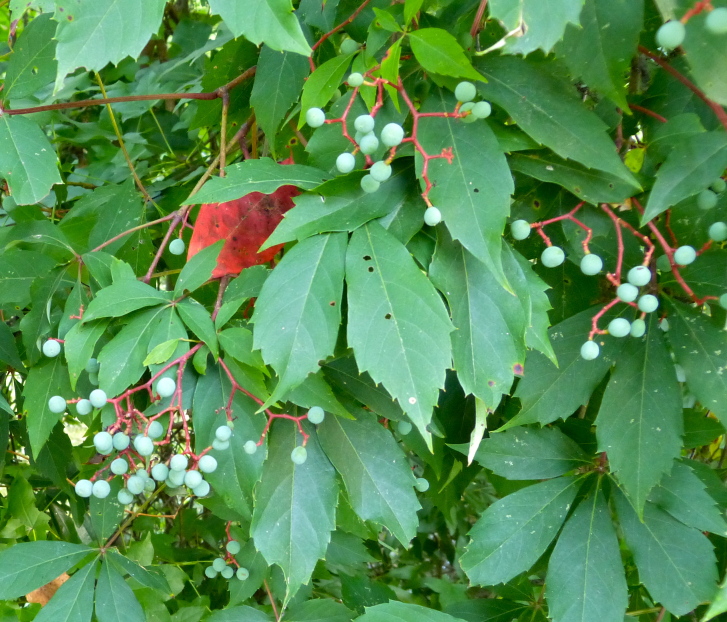
- PeppervineNekemias arborea
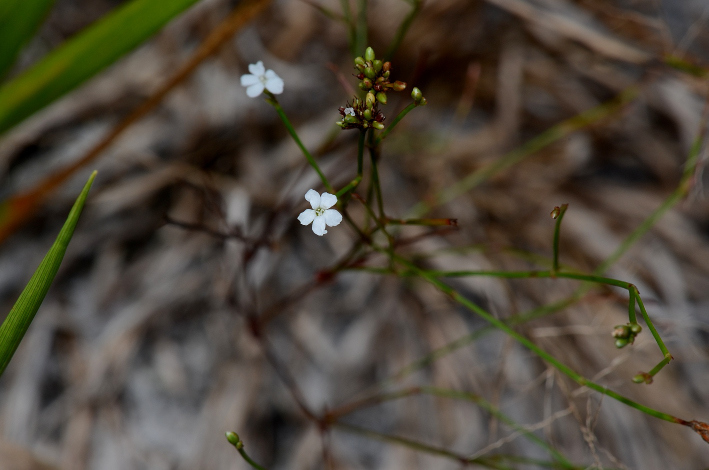
- Pineland Scaly-pinkStipulicida setacea
- Spreading SandwortArenaria lanuginosa var. lanuginosa
- Two-flower MelicgrassMelica mutica
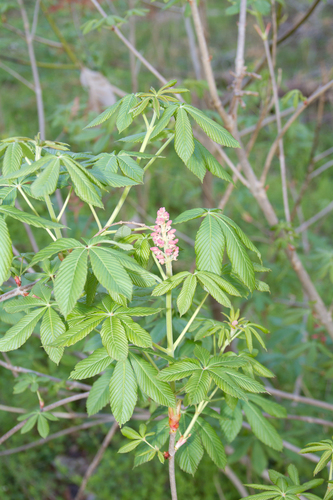
- Red Buckeye; Scarlet BuckeyeAesculus pavia var. pavia
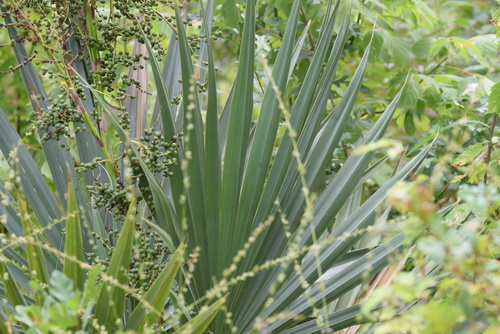
- Dwarf PalmettoSabal minor
- Big CarpetgrassAxonopus furcatus
- Flaccid Nut RushScleria flaccida
- Loblolly PinePinus taeda
- Virginia CreeperParthenocissus quinquefolia
- Chapman's RedtopTridens flavus var. chapmanii
- Eastern BloodleafIresine rhizomatosa
Wildlife
Animals whose habitat model includes this habitat in Mississippi. Shared habitat, not food.
Most characteristic birds of this habitat 0
Near water in this habitat 7
These use it only close to water, such as stream banks for nesting.
- Northern ParulaParula americana
- Rusty BlackbirdEuphagus carolinus
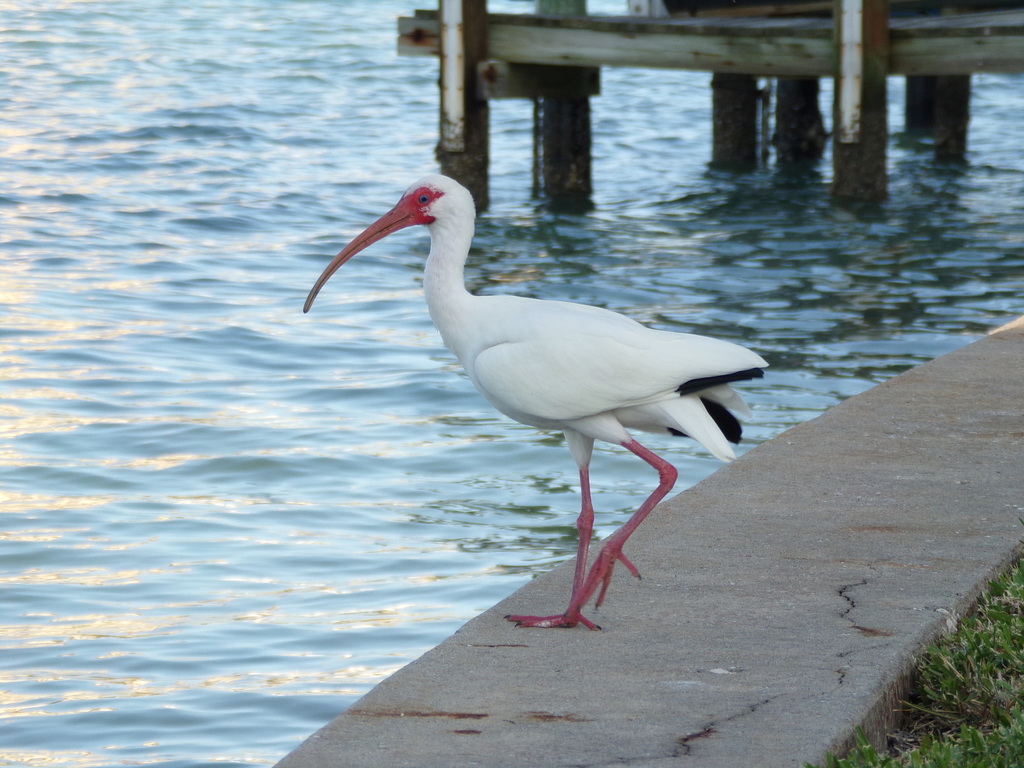
- White IbisEudocimus albus
- Great EgretArdea alba
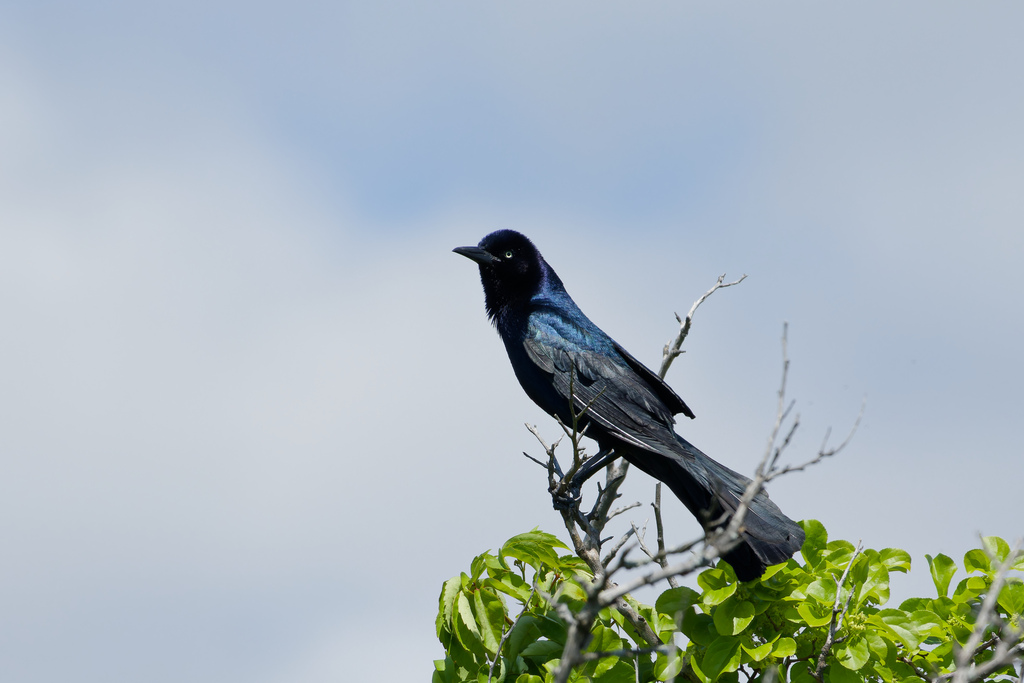
- Boat-tailed GrackleQuiscalus major
- Yellow-billed CuckooCoccyzus americanus
- American RedstartSetophaga ruticilla






Widespread birds also seen here (39)
Found in many habitats here, so not listed above.
- American Crow
- American Goldfinch
- American Kestrel
- American Robin
- Bald Eagle
- Belted Kingfisher
- Black-crowned Night-heron
- Blue Grosbeak
- Carolina Chickadee
- Carolina Wren
- Cedar Waxwing
- Chipping Sparrow
- Common Grackle
- Common Nighthawk
- Common Yellowthroat
- Cooper's Hawk
- Double-crested Cormorant
- Eastern Kingbird
- Eastern Screech-owl
- Eastern Towhee
- Eurasian Collared-dove
- European Starling
- Great Horned Owl
- Mourning Dove
- Northern Cardinal
- Northern Flicker
- Northern Mockingbird
- Osprey
- Purple Finch
- Red-shouldered Hawk
- Red-tailed Hawk
- Red-winged Blackbird
- Sharp-shinned Hawk
- Tufted Titmouse
- Turkey Vulture
- White-throated Sparrow
- Yellow-breasted Chat
- Yellow-crowned Night-heron
- Yellow-rumped Warbler
Sources
- Schafale, Guide to the Natural Communities of North Carolina, Fourth Approximation (NC Natural Heritage Program, 2012) habitat description
- Weakley, Flora of the Southeastern United States (2025), Carolinas & Georgia edition, habitat text phone app
- NC Parks species accounts
- USDA Forest Service Fire Effects Information System (reviewed notes)
- USGS Gap Analysis Project habitat models (2001)
- USGS Gap Analysis Project range maps (2001)
- NatureServe Explorer ecological systems (CC BY 4.0)
- Maritime forest habitat on Sand Bayou Unit (8904429905), Jereme Phillips / U.S. Fish and Wildlife Service habitat picture
Habitat classes are filed under these habitat types by reviewed matches; descriptions are short glosses.