

Habitat in Mississippi
Forest edges and thickets
Borders of forests, clearings and shrubby thickets. Schafale
- Plants
- 172
- Birds
- 106
Plants
Plants that grow wild in this habitat in Mississippi. Not a planting list.
Most characteristic plants of this habitat 172
Natives first, plants found in fewer other habitats first.
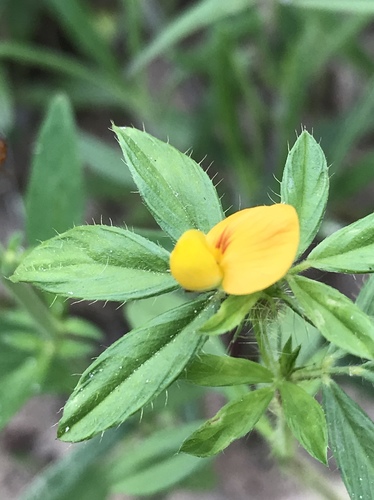
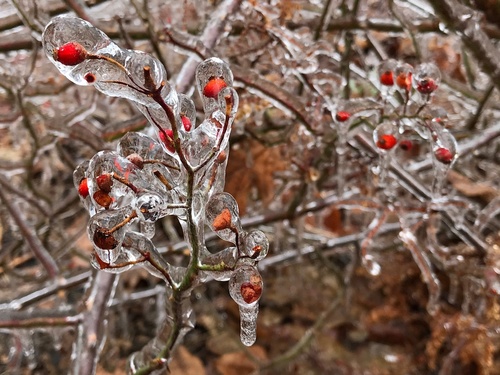
- Sidebeak Pencil-flowerStylosanthes biflora
- Hairy AngelicaAngelica venenosa
- Eastern BloodleafIresine rhizomatosa
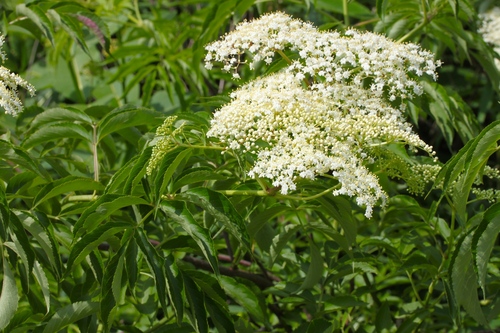
- Common ElderberrySambucus nigra subsp. canadensis
- Brazilian VervainVerbena brasiliensis
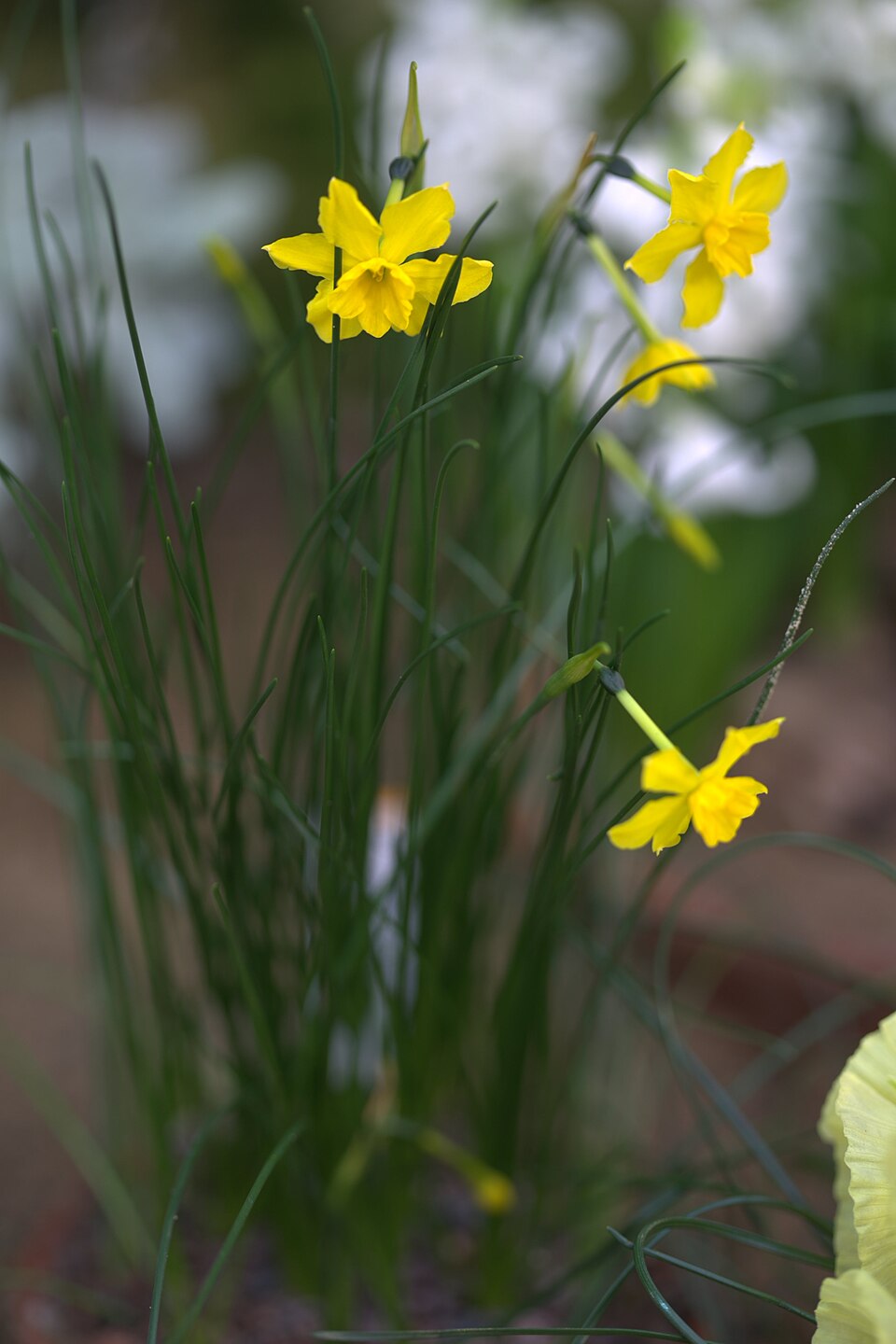
- Commom DaffodilNarcissus pseudonarcissus
- Common FigFicus carica
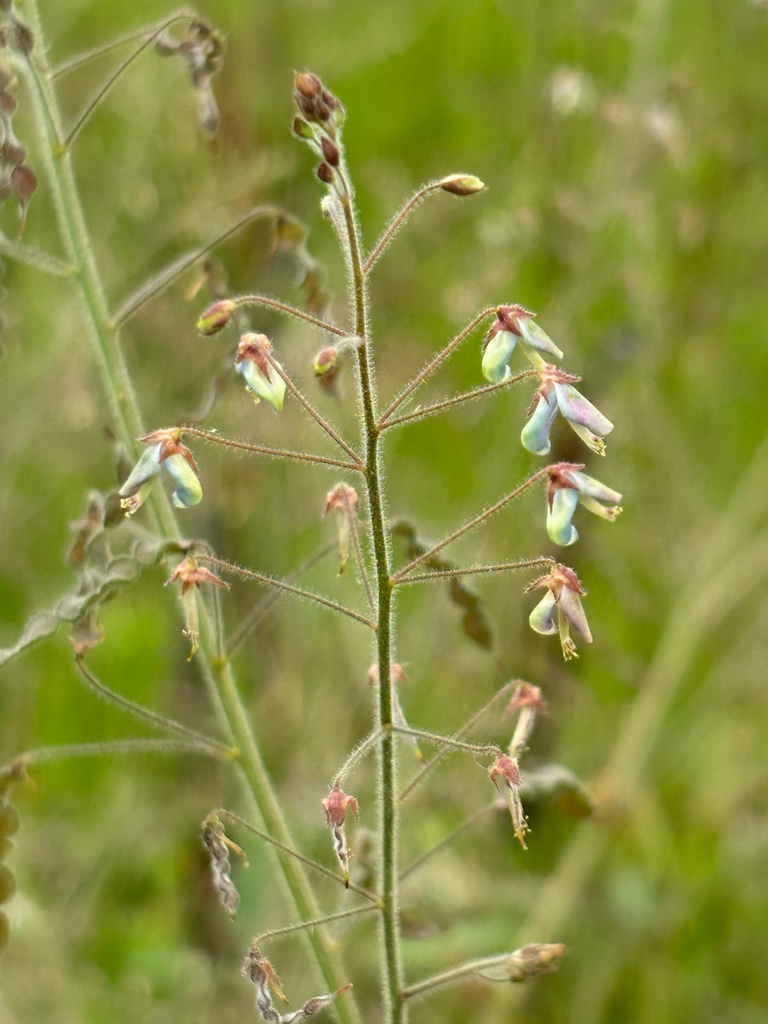
- Florida Tick-trefoilDesmodium tortuosum
- Gaura sinuataGaura sinuata
- Himalayan BlackberryRubus bifrons
- JonquilNarcissus jonquilla
- Northeastern BindweedCalystegia sepium subsp. americana
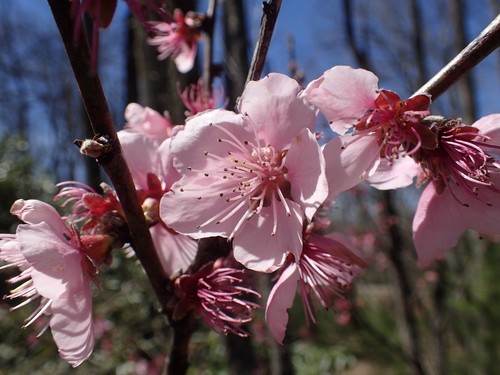
- PeachPrunus persica
- Violet CrabgrassDigitaria violascens
- Chaste-treeVitex agnus-castus
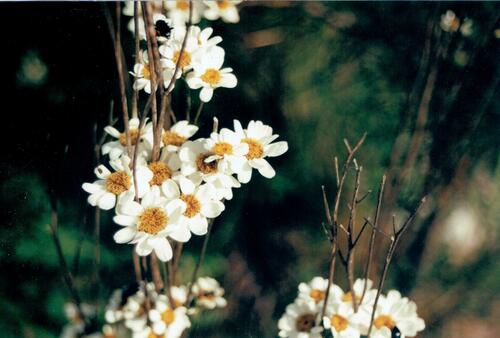
- FeverfewTanacetum parthenium
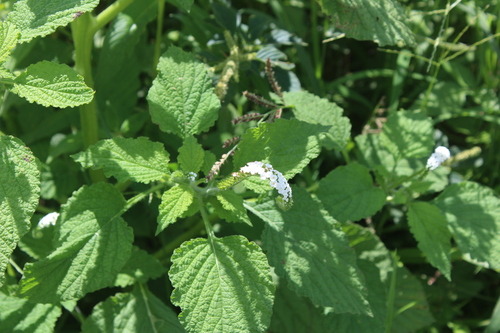
- Indian HeliotropeHeliotropium indicum
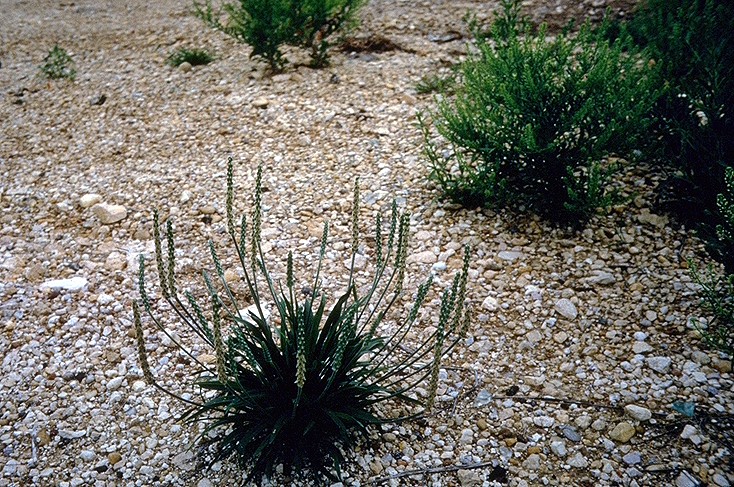
- Red Seed PlantainPlantago rhodosperma
- Smooth BromeBromus inermis
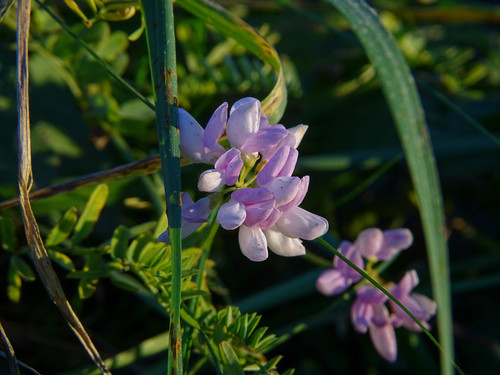
- Crown-vetchCoronilla varia
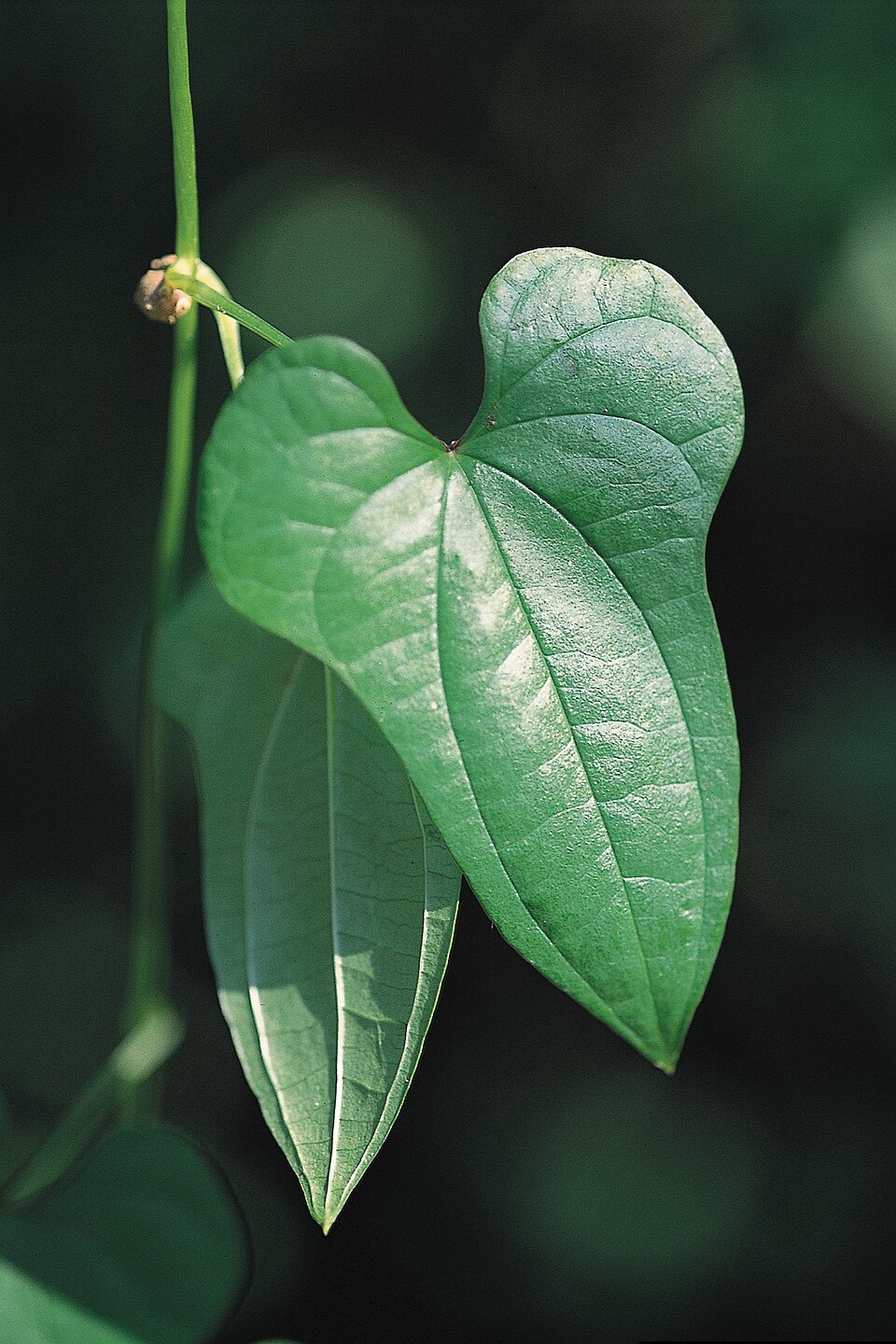
- Dioscorea bulbiferaDioscorea bulbifera
- Orchard GrassDactylis glomerata
- Lesser Balloon-vineCardiospermum halicacabum
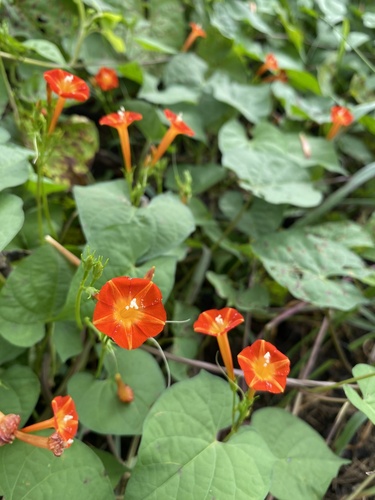
- Red Morning-gloryIpomoea coccinea
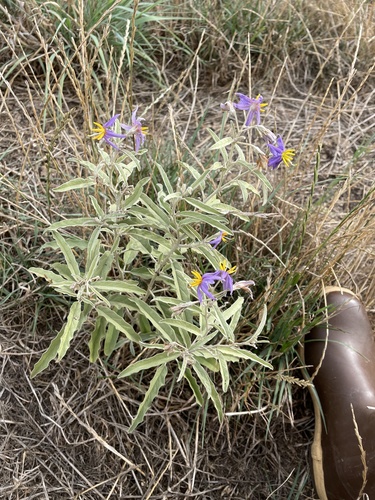
- Silverleaf NightshadeSolanum elaeagnifolium
- White PoplarPopulus alba
- Chinese YamDioscorea polystachya
- Multiflora RoseRosa multiflora
Wildlife
Animals whose habitat model includes this habitat in Mississippi. Shared habitat, not food.
Most characteristic birds of this habitat 61
Ranked by how much of their habitat model this habitat is.
- Red-bellied WoodpeckerMelanerpes carolinus
- White-eyed VireoVireo griseus
- Wild TurkeyMeleagris gallopavo
- Blue JayCyanocitta cristata
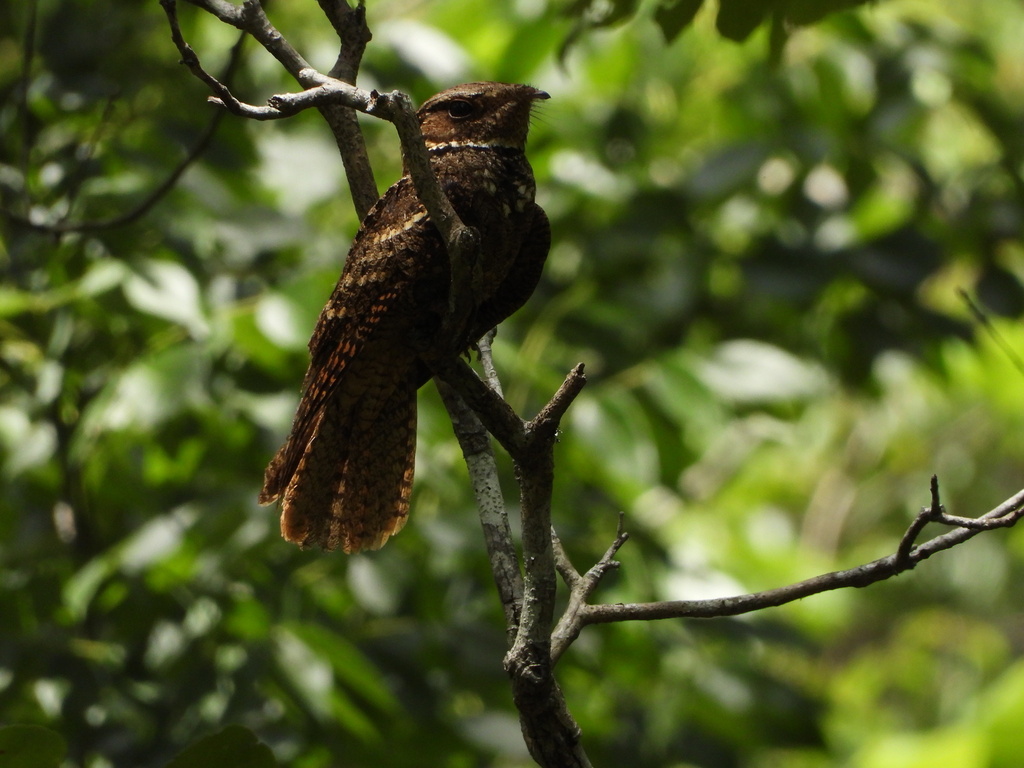
- Chuck-will's-widowCaprimulgus carolinensis
- Black VultureCoragyps atratus
- Blue-gray GnatcatcherPolioptila caerulea
- Downy WoodpeckerPicoides pubescens
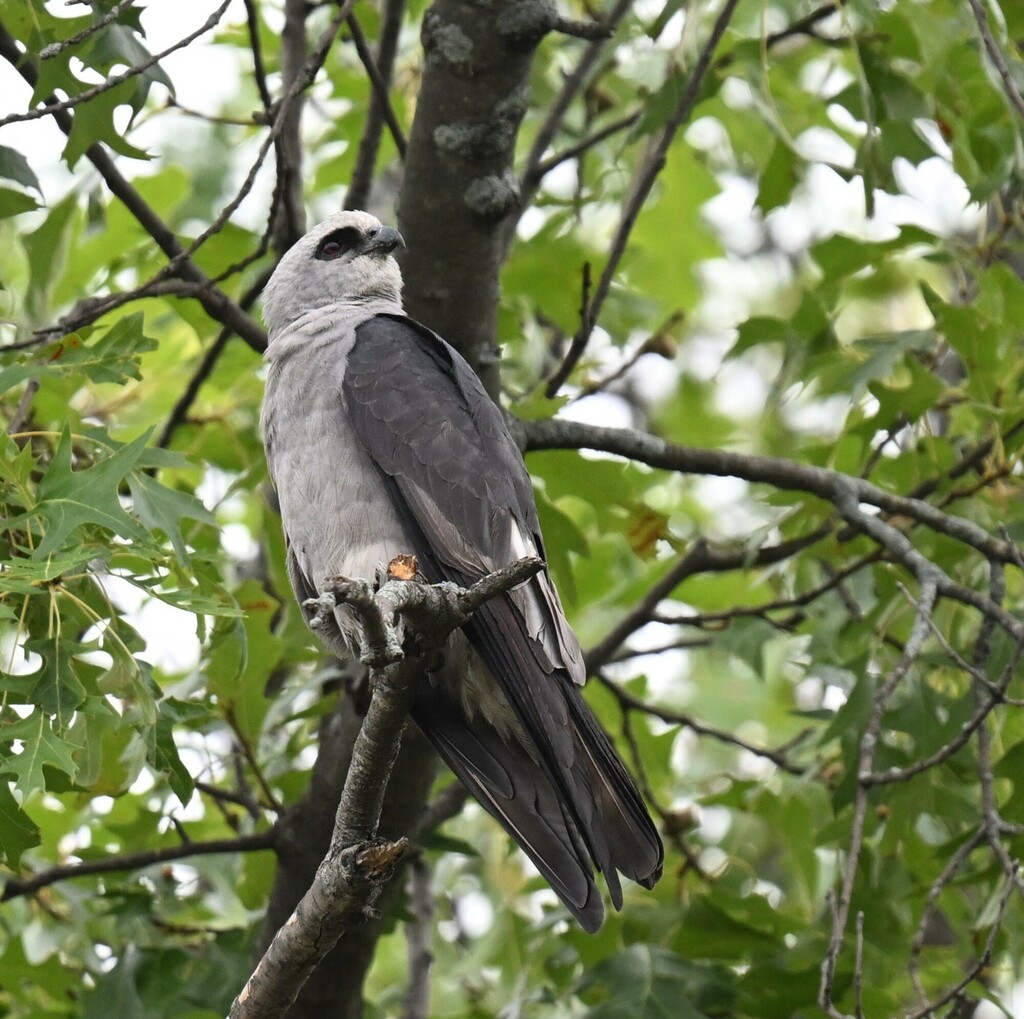
- Mississippi KiteIctinia mississippiensis
- Ruby-crowned KingletRegulus calendula
- Ruby-throated HummingbirdArchilochus colubris
- Least FlycatcherEmpidonax minimus
- OvenbirdSeiurus aurocapilla











Near water in this habitat 8
These use it only close to water, such as stream banks for nesting.
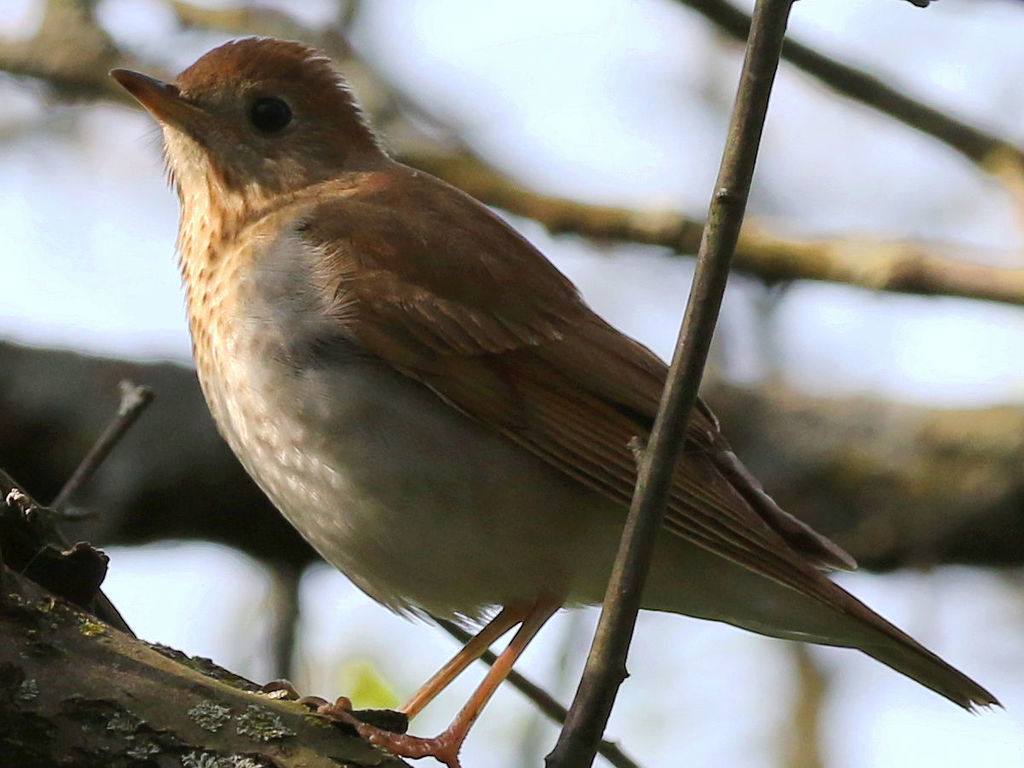
- VeeryCatharus fuscescens
- Willow FlycatcherEmpidonax traillii
- Cliff SwallowPetrochelidon pyrrhonota
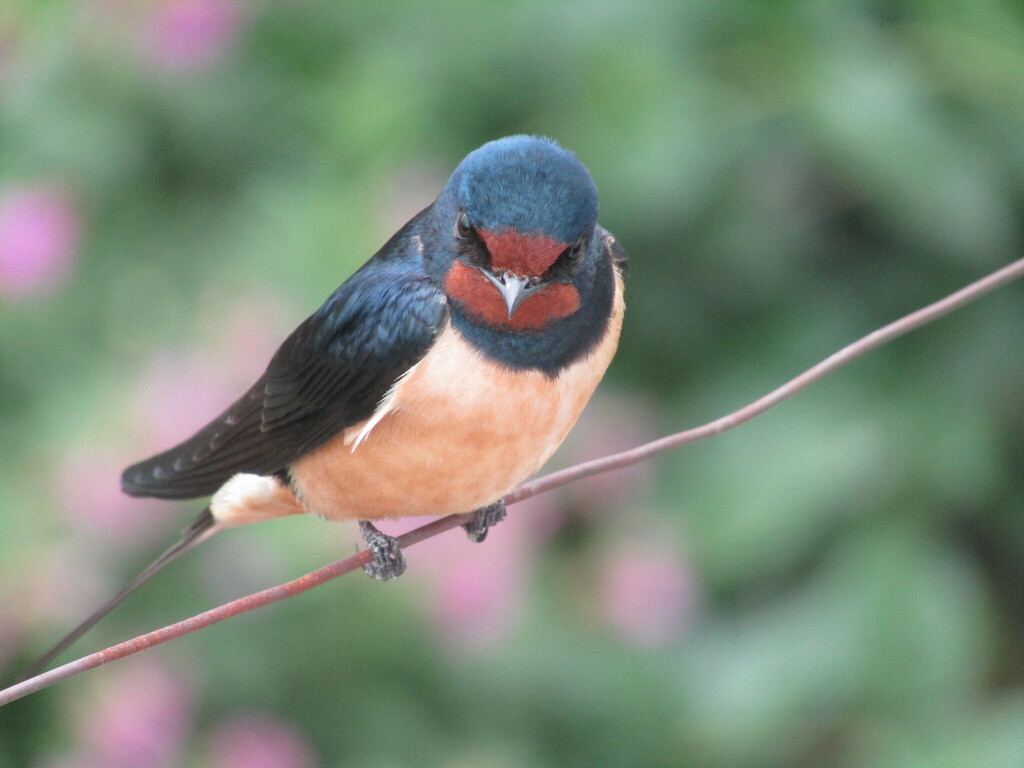
- Barn SwallowHirundo rustica
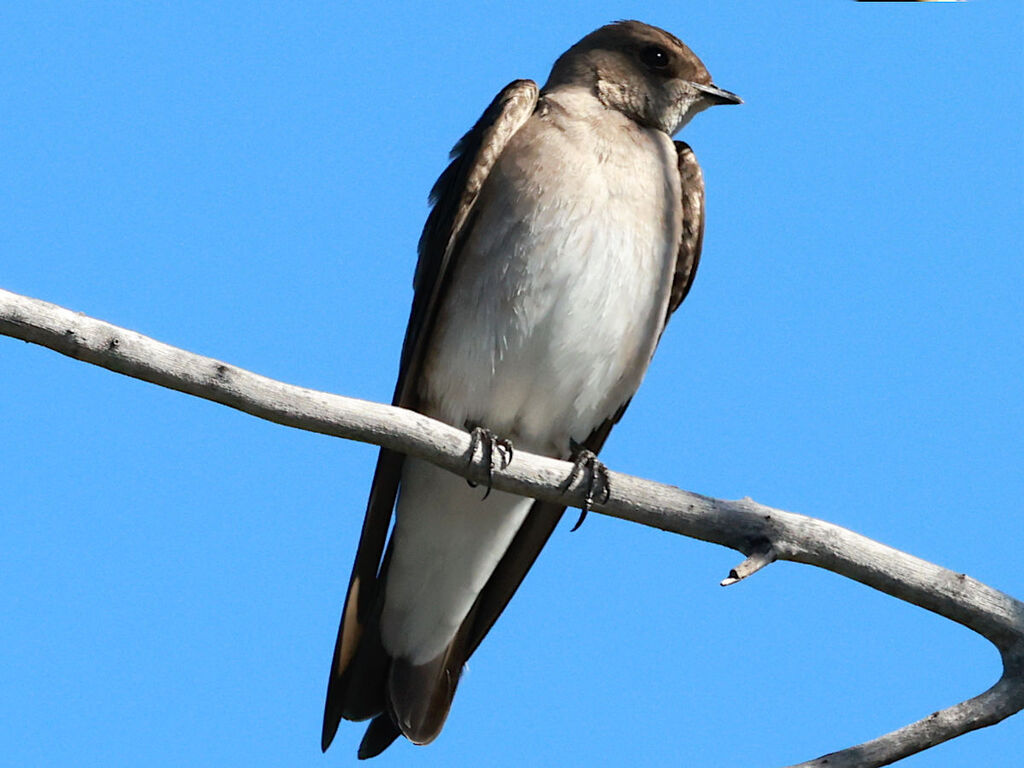
- Northern Rough-winged SwallowStelgidopteryx serripennis
- Bank SwallowRiparia riparia
- Yellow-billed CuckooCoccyzus americanus
- Northern ParulaParula americana




Widespread birds also seen here (37)
Found in many habitats here, so not listed above.
- American Crow
- American Goldfinch
- American Robin
- Belted Kingfisher
- Black-crowned Night-heron
- Blue Grosbeak
- Carolina Wren
- Cedar Waxwing
- Chimney Swift
- Chipping Sparrow
- Common Grackle
- Common Nighthawk
- Common Yellowthroat
- Cooper's Hawk
- Eastern Kingbird
- Eastern Screech-owl
- Eastern Towhee
- Eurasian Collared-dove
- European Starling
- Fish Crow
- Great Crested Flycatcher
- Great Horned Owl
- Mourning Dove
- Northern Cardinal
- Northern Flicker
- Northern Mockingbird
- Purple Finch
- Red-shouldered Hawk
- Red-tailed Hawk
- Red-winged Blackbird
- Sharp-shinned Hawk
- Swallow-tailed Kite
- Tufted Titmouse
- Turkey Vulture
- White-throated Sparrow
- Yellow-breasted Chat
- Yellow-rumped Warbler
Sources
- Schafale, Guide to the Natural Communities of North Carolina, Fourth Approximation (NC Natural Heritage Program, 2012) habitat description
- Weakley, Flora of the Southeastern United States (2025), Carolinas & Georgia edition, habitat text phone app
- NC Parks species accounts
- USDA Forest Service Fire Effects Information System (reviewed notes)
- USGS Gap Analysis Project habitat models (2001)
- USGS Gap Analysis Project range maps (2001)
- NatureServe Explorer ecological systems (CC BY 4.0)
Habitat classes are filed under these habitat types by reviewed matches; descriptions are short glosses.