

Fimbristylis caroliniana
Fimbristylis caroliniana
Found in brackish or alkaline sands of marsh edges and dune swales, less typically in pine savannas or pine flatwoods. Weakley, Flora of the Southeastern United States (2025), South Central edition What its natural habitat tells you
Native to Mississippi. How scores work Is it native here?
Profile 41%
Will it fit your yard?No photograph yet. Looking for an old drawing…
At a glance
Not yet recorded · Height · Spread · Light · Soil · Life cycle · Leaves · Bloom
This plant is missing most of its facts, so Quercus is looking them up in old botany books.
Recorded in 4 Mississippi counties.
Natural habitats
Places it grows wild. Not a planting requirement. Each habitat page lists the plants and wildlife also found there.
Open, herb-covered wetlands with fresh, non-tidal water.
Open sand of beaches, dunes and the hollows between them.
Flat, sandy Coastal Plain pine woodlands, wetter than sandhills and denser than savannas.
Open, fire-kept longleaf pine stands over grasses and wildflowers on wet to moist sandy soil.
Also found with this plant
Wildlife whose habitat models include habitats this plant grows in, in Mississippi. Shared habitat, not food. 103 animals.
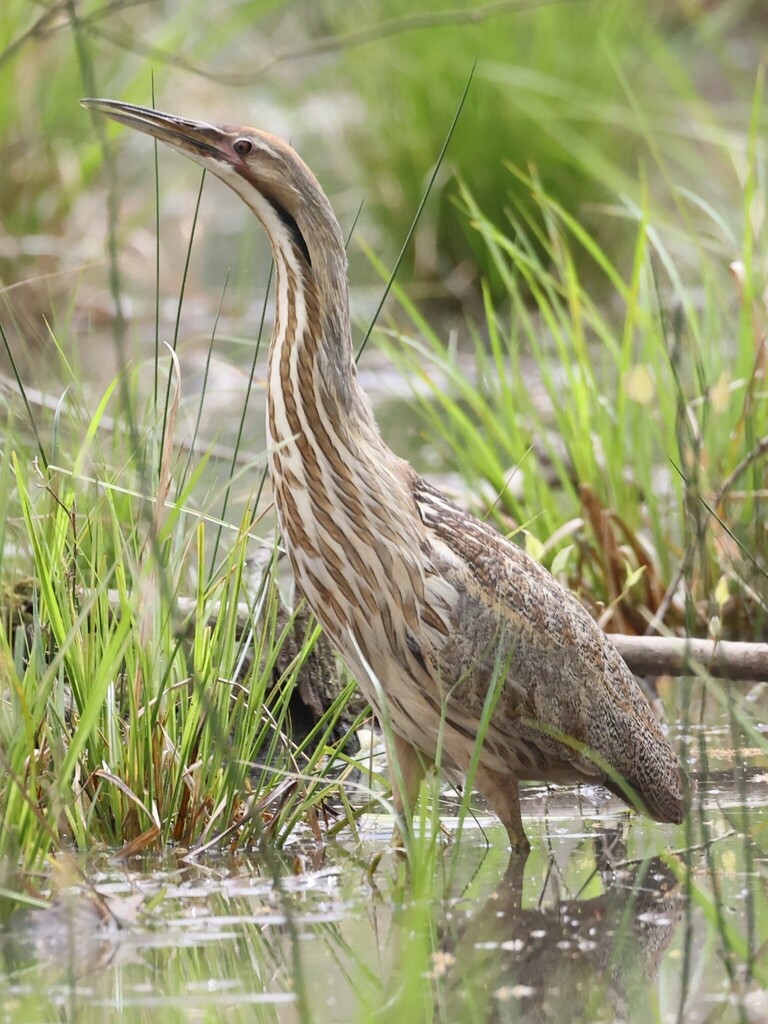
- American BitternBotaurus lentiginosus
- American Black DuckAnas rubripes
- American CootFulica americana
- American CrowCorvus brachyrhynchos
- American PipitAnthus rubescens
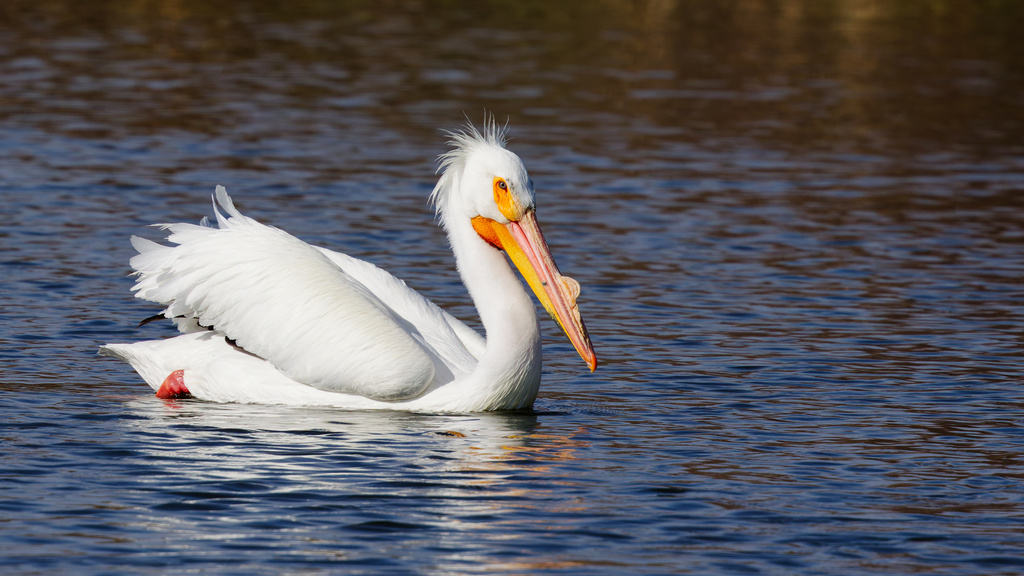
- American White PelicanPelecanus erythrorhynchos
- Bald EagleHaliaeetus leucocephalus
- Bank SwallowRiparia riparia
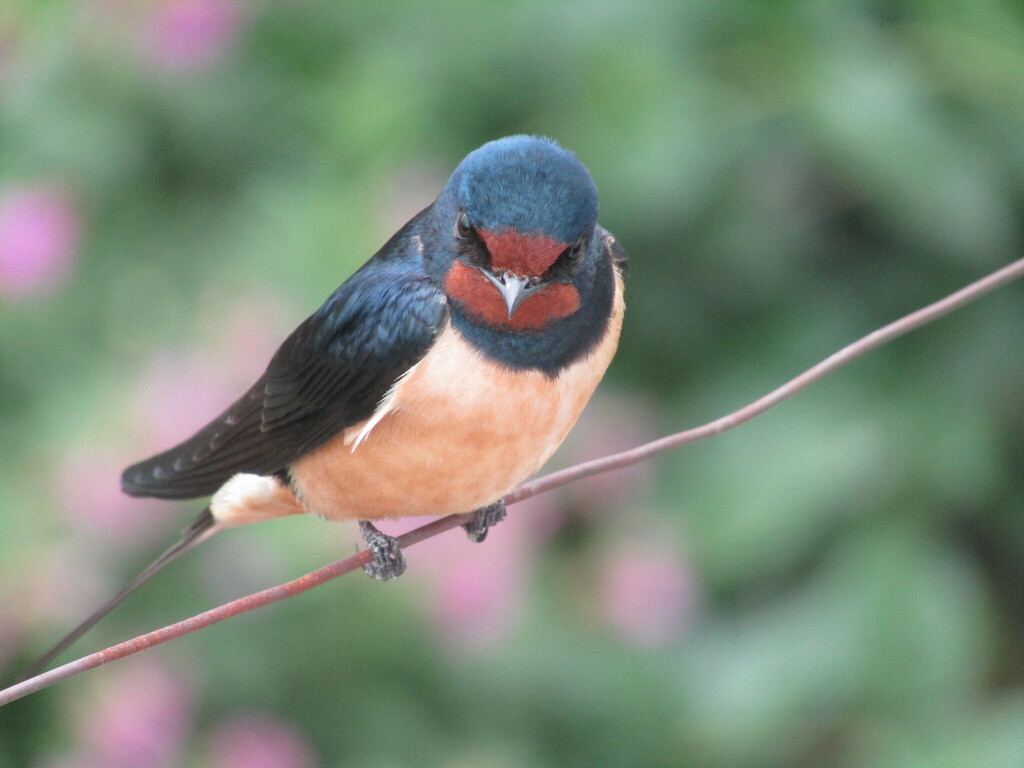
- Barn SwallowHirundo rustica
- Belted KingfisherMegaceryle alcyon
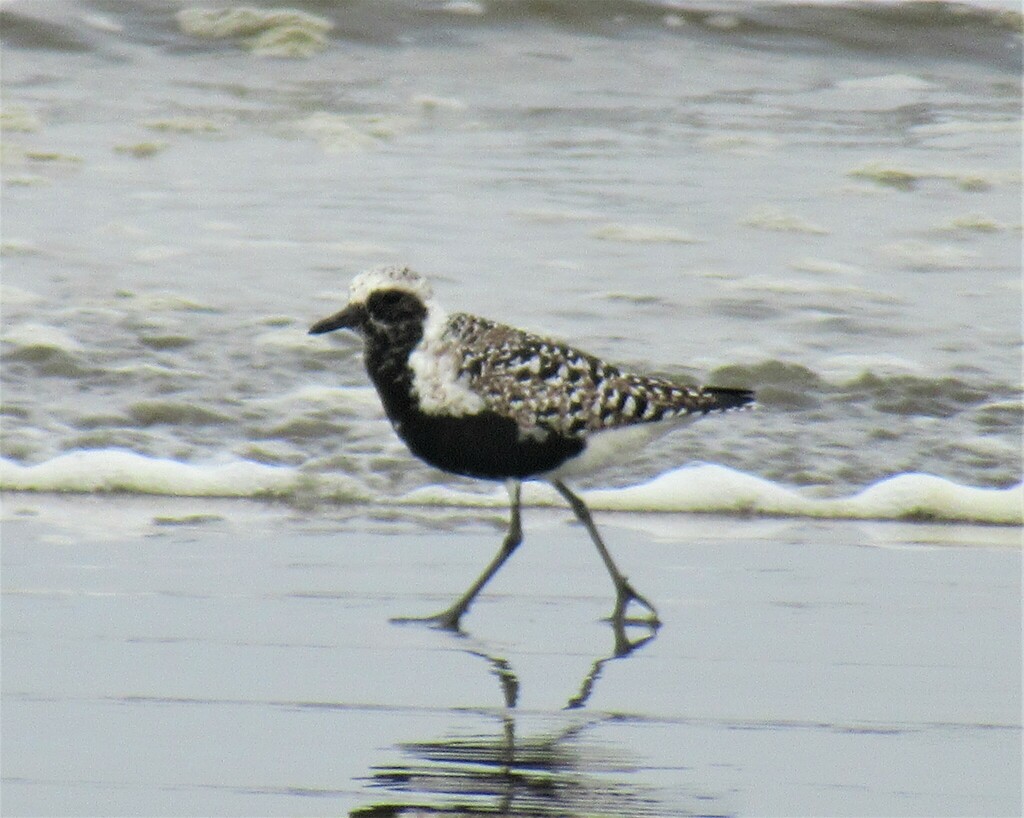
- Black-bellied PloverPluvialis squatarola
- Black-crowned Night-heronNycticorax nycticorax
- Black-necked StiltHimantopus mexicanus
- Blue-winged TealAnas discors
- Boat-tailed GrackleQuiscalus major
- Bonaparte's GullChroicocephalus philadelphia
- Brewer's BlackbirdEuphagus cyanocephalus
- Canada GooseBranta canadensis
- CanvasbackAythya valisineria
- Caspian TernHydroprogne caspia
- Chimney SwiftChaetura pelagica
- Common GrackleQuiscalus quiscula
- Common NighthawkChordeiles minor
- Common TernSterna hirundo








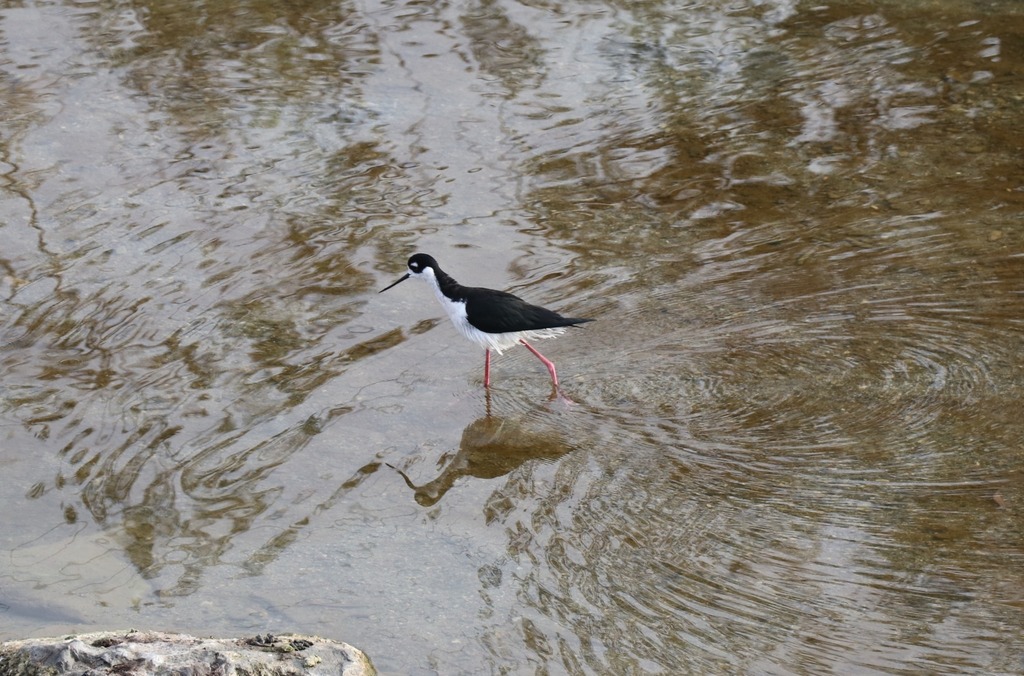
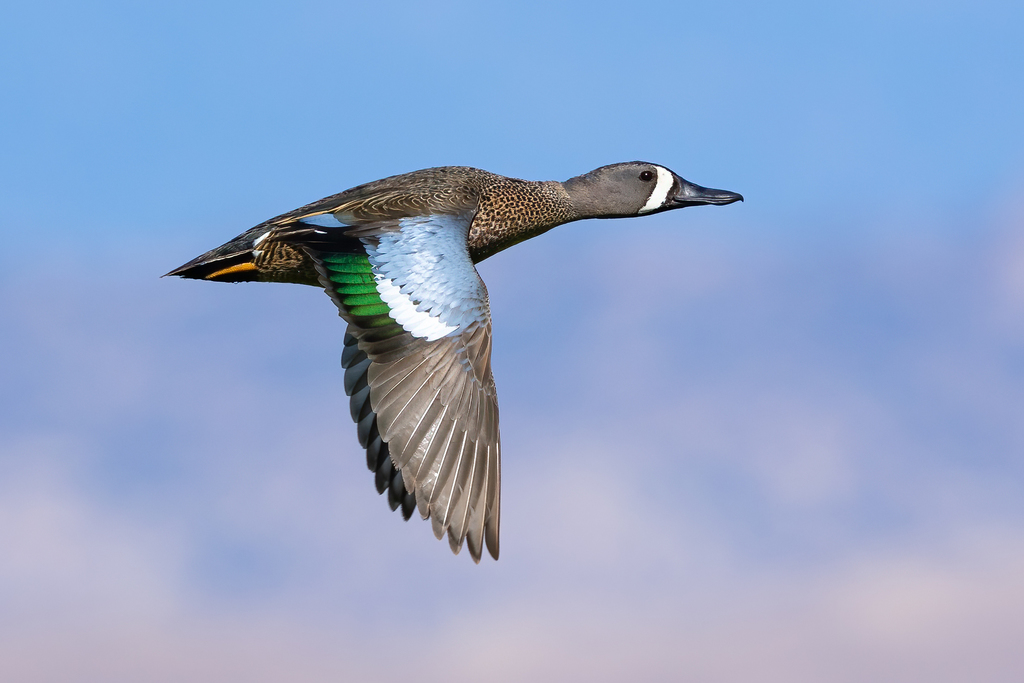
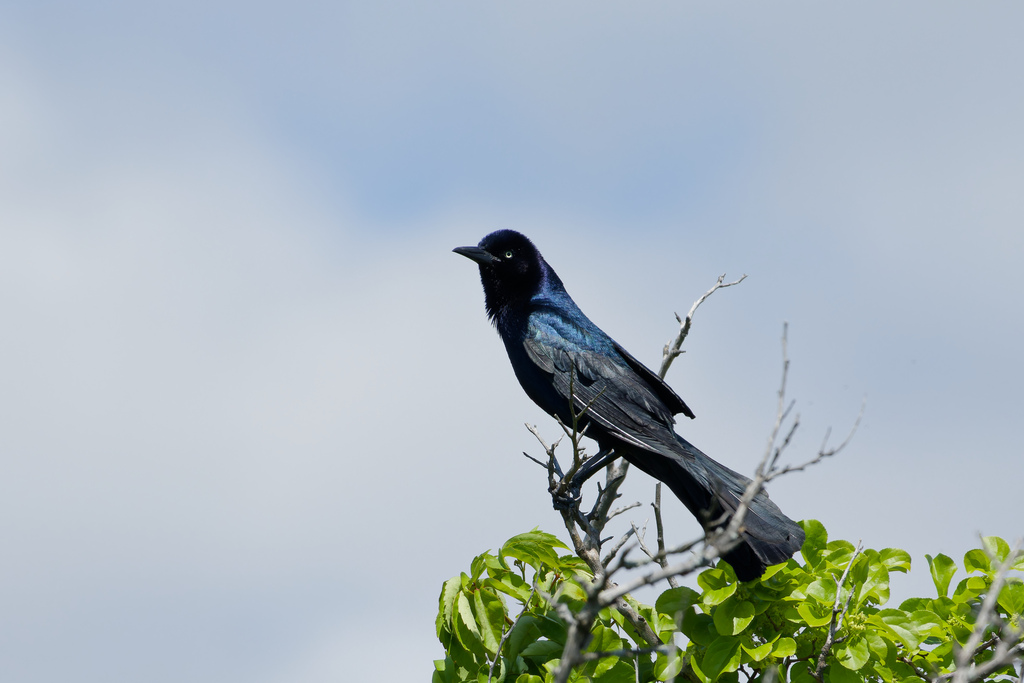
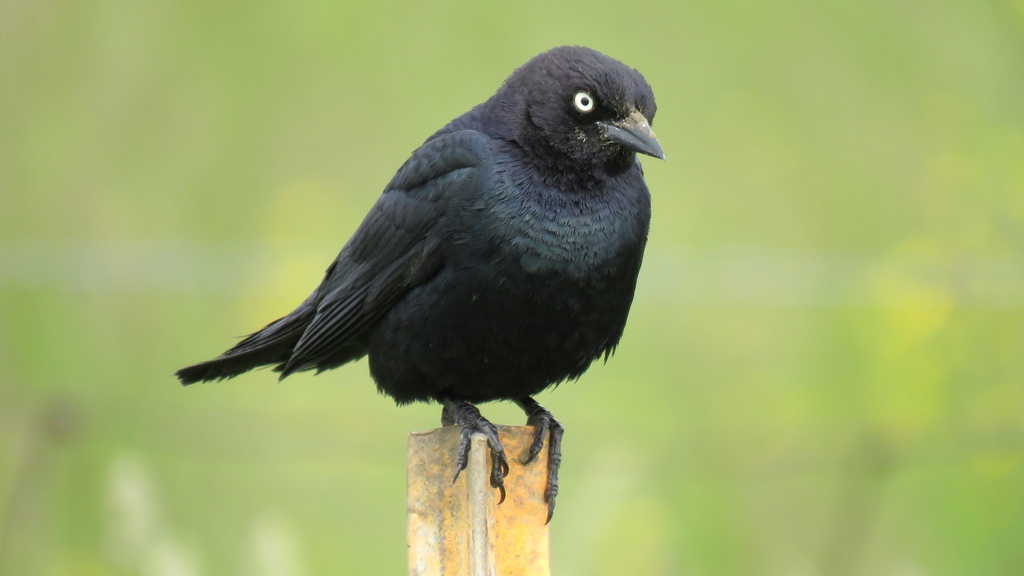

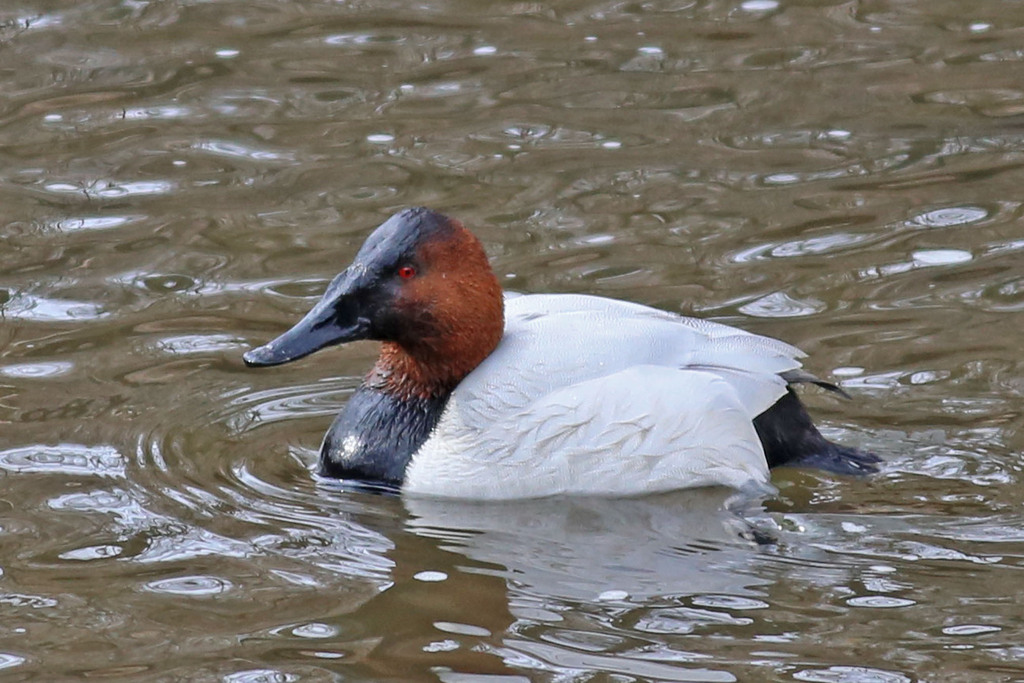
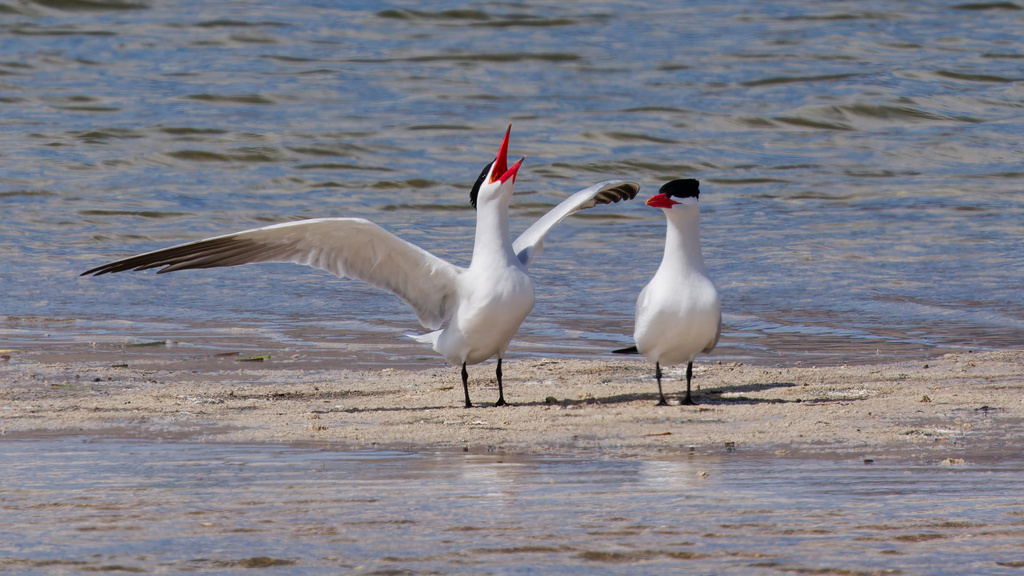



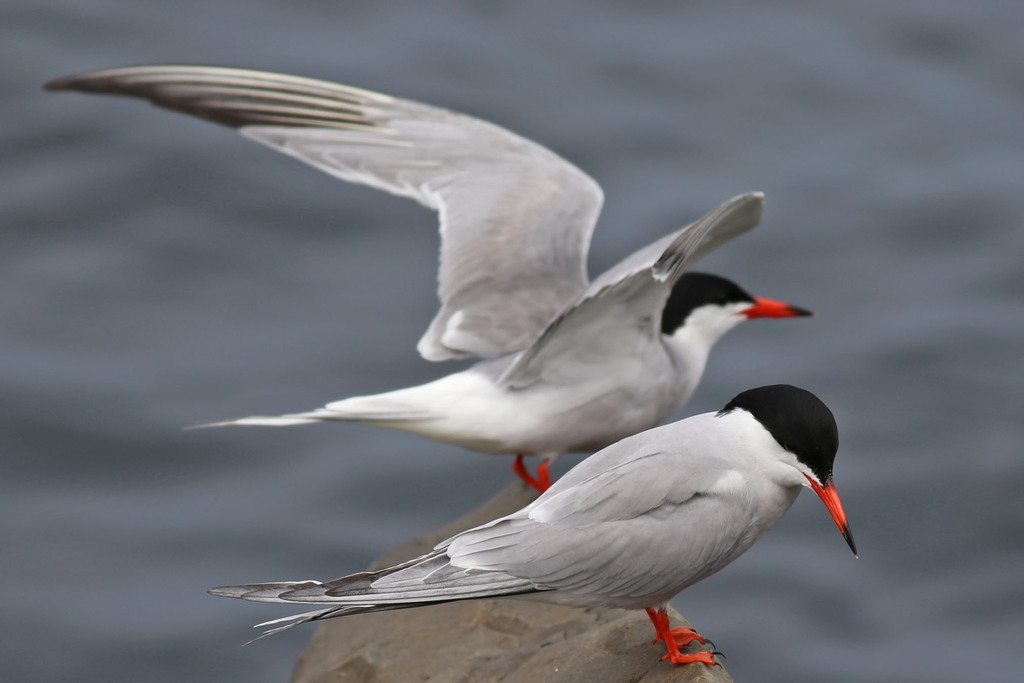
Who uses this plant?
 1CaterpillarsGenus host records with ranges including MS
Genus host records with ranges including MS · Fimbristylis
- Spodoptera frugiperdaFall Armyworm Moth
 0BeesSoutheastern regional records
 0Specialist beesPollen specialists
 —BirdsRecorded genus food-resource interactions; not a state feeding claim
No records yet · Ants · Beetles · Flies · Adult butterflies / moths · Other wasps · Other insects
Plant details
- Family
- CYPERACEAE
Safety has not been reviewed for this plant; check toxicity and thorns before planting.
Conservation status
| Mississippi rank | S3 |
|---|---|
| Global rank | G4 |
| MS status | Not verified |
| Federal status | Not verified |
Will it fit your yard?
Check this plant against your county, sun and soil moisture. Conditions are checked in your browser.
Sources
- NatureServe Explorer
- USDA PLANTS
- Vascular Plants of North Carolina (NC Natural Heritage Program)
- Weakley, Flora of the Southeastern United States (2025)
- Mississippi occurrence source
- Shropshire & Tallamy 2025, Lepidoptera of North America north of Mexico, ZooKeys 1261 (ODbL)
- Noori, Seltmann & Orr 2026, A curated and integrated dataset for exploring global bee-plant interactions (GloBI), Zenodo, CC BY 4.0
- Smith, Bachelder, Russell, Morales, Mosher & Seltmann 2024, Bee-Specialization-Modeling v0.6.1 (specialist host table compiled from J. Fowler's pollen specialist bee lists), Zenodo, CC BY 4.0
- Hurlbert, Olsen, Sawyer & Winner 2021, Avian Diet Database, Scientific Data 8: 260 (CC0)
- Narango, Tallamy & Shropshire 2020, Few keystone plant genera support the majority of Lepidoptera species, Nature Communications