

Blackfruit Spikerush
Eleocharis melanocarpa
Found in Coastal Plain ponds, cypress meadows, sinkhole ponds in the Shenandoah Valley. Weakley, Flora of the Southeastern United States (2025), South Central edition What its natural habitat tells you
Native to Mississippi. How scores work Is it native here?
Profile 88%
- Height
- Up to about 28 inches
- Light
- Full sun
- Soil moisture
- Wet
No photograph yet. Looking for an old drawing…
Rare or protected plant. Specialist conservation planting; excluded from routine garden suggestions. Plant caution source
Hidden from default planting suggestions. Wildlife value and native status remain unchanged.
At a glance
- Life cycle
- Perennial
- Bloom
- July to September
Not yet recorded · Spread · Leaves
Recorded in 1 Mississippi county.
Natural habitats
Places it grows wild. Not a planting requirement. Each habitat page lists the plants and wildlife also found there.
Still water and its edges: ponds, lakes, millponds and reservoirs.
Open, grassy or flowery ground that is not wet, such as mountain meadows; wet meadows are separate.
Also found with this plant
Wildlife whose habitat models include habitats this plant grows in, in Mississippi. Shared habitat, not food. 50 animals.
- Acadian FlycatcherEmpidonax virescens
- American Black DuckAnas rubripes
- American RedstartSetophaga ruticilla
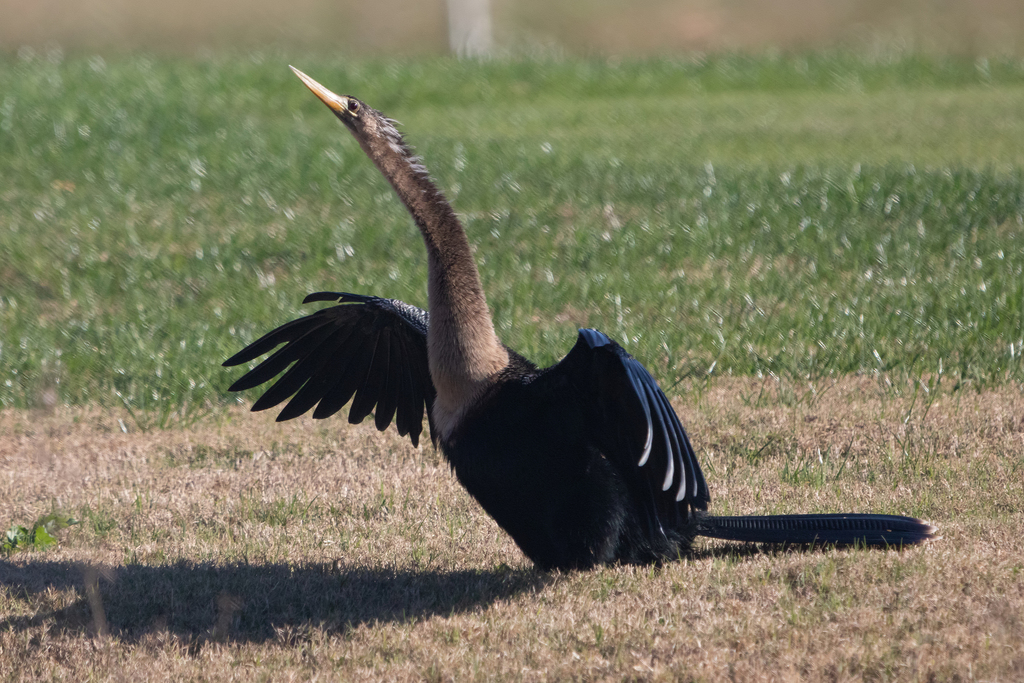
- AnhingaAnhinga anhinga
- Barred OwlStrix varia
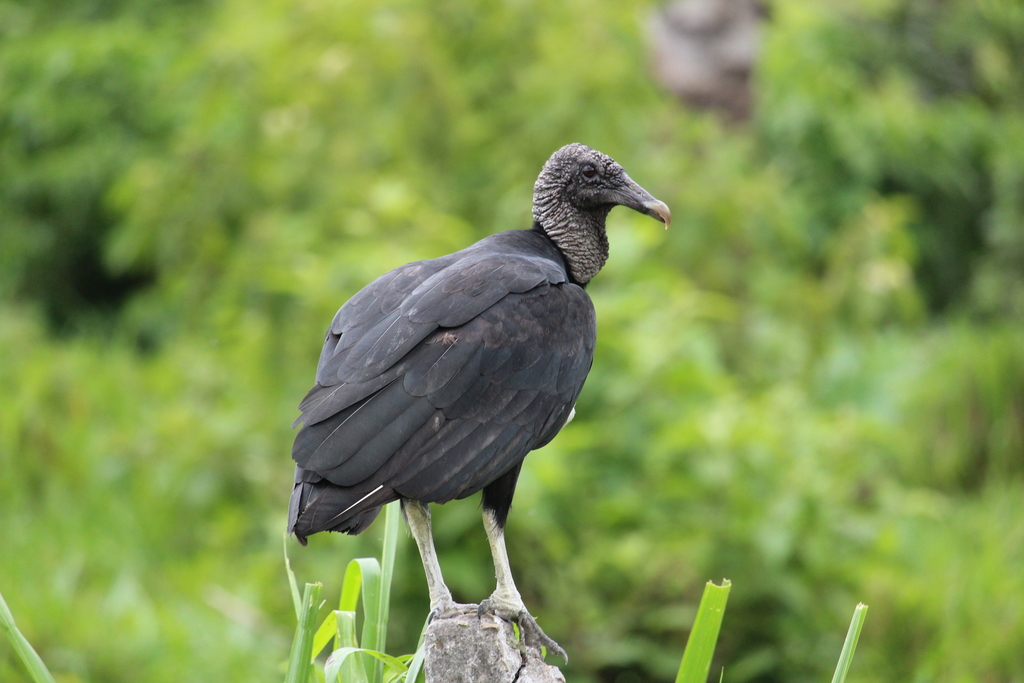
- Black VultureCoragyps atratus
- Black-and-White WarblerMniotilta varia
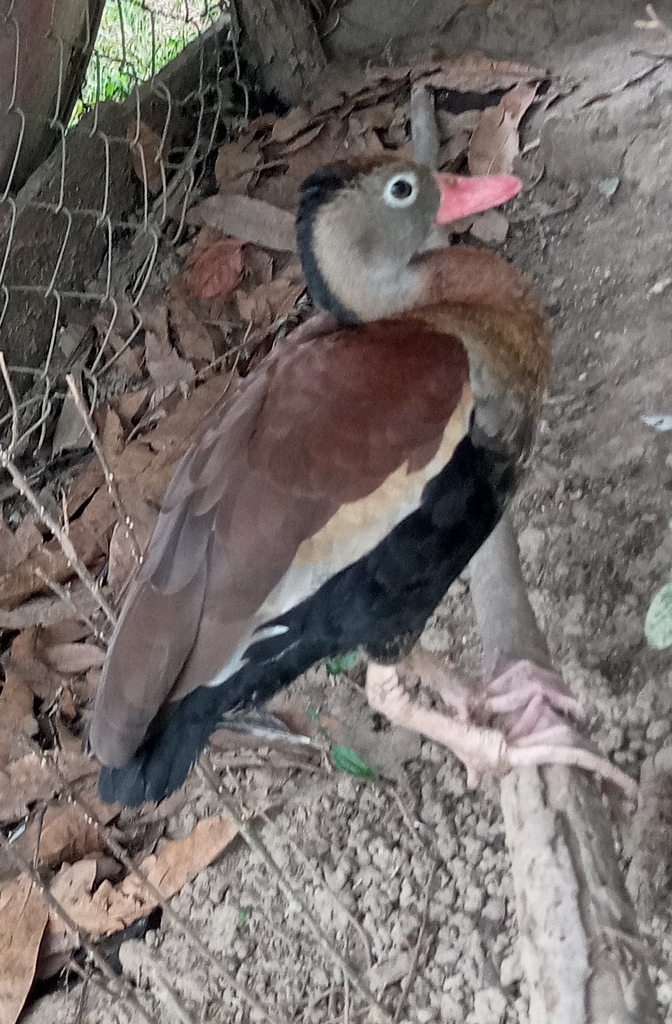
- Black-bellied Whistling-DuckDendrocygna autumnalis
- Blue JayCyanocitta cristata
- Blue-gray GnatcatcherPolioptila caerulea
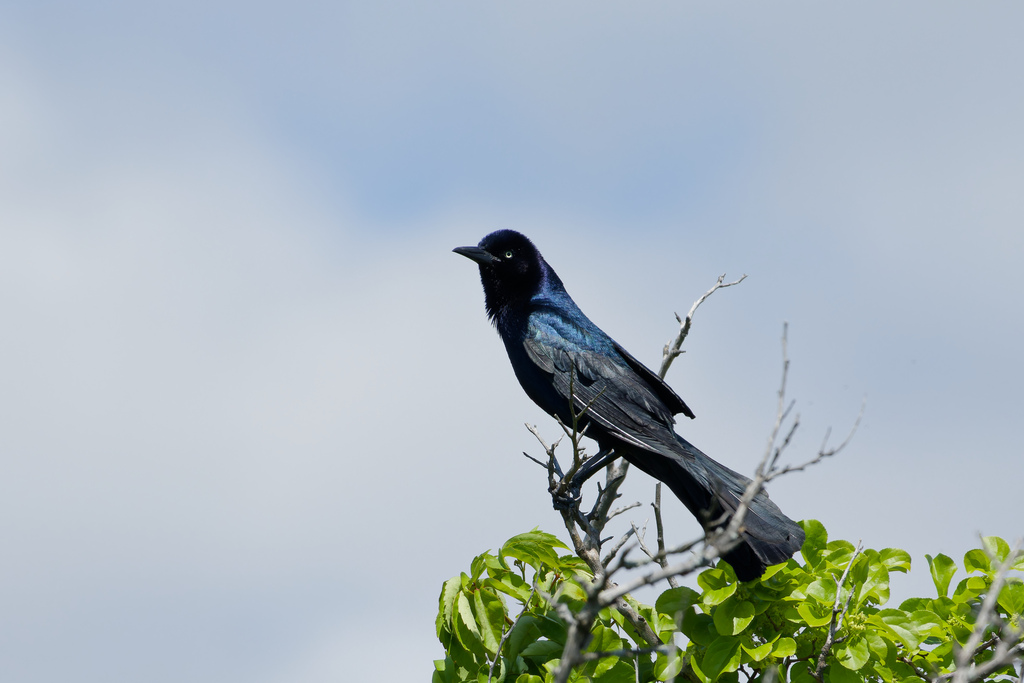
- Boat-tailed GrackleQuiscalus major
- Brown CreeperCerthia americana
- Downy WoodpeckerPicoides pubescens
- Eastern Wood-peweeContopus virens
- Golden-crowned KingletRegulus satrapa
- Great EgretArdea alba
- Green HeronButorides virescens
- Hairy WoodpeckerPicoides villosus
- Hermit ThrushCatharus guttatus
- Hooded WarblerWilsonia citrina
- Least FlycatcherEmpidonax minimus
- Lesser ScaupAythya affinis
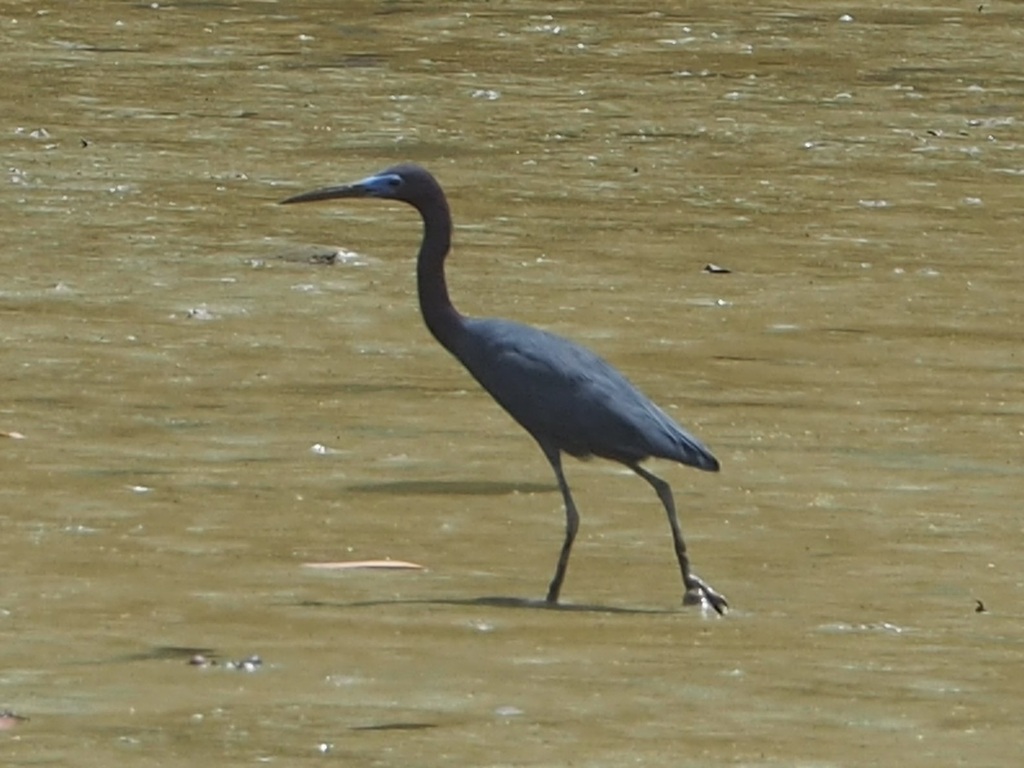
- Little Blue HeronEgretta caerulea
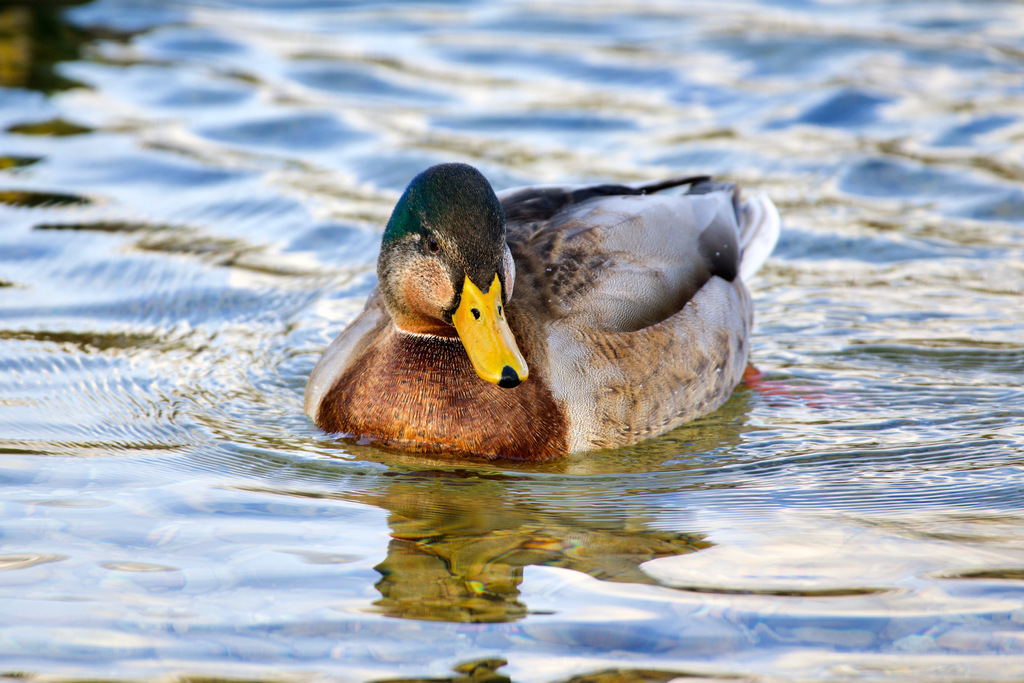
- MallardAnas platyrhynchos


















Widespread birds also seen here (39)
Found in many habitats here, so not listed above.
- American Crow
- American Goldfinch
- American Kestrel
- American Robin
- Bald Eagle
- Belted Kingfisher
- Black-crowned Night-heron
- Blue Grosbeak
- Carolina Chickadee
- Cedar Waxwing
- Common Grackle
- Common Nighthawk
- Cooper's Hawk
- Double-crested Cormorant
- Eastern Kingbird
- Eastern Screech-owl
- Eastern Towhee
- Eurasian Collared-dove
- European Starling
- Fish Crow
- Great Crested Flycatcher
- Great Horned Owl
- Hooded Merganser
- Mourning Dove
- Northern Cardinal
- Northern Flicker
- Northern Mockingbird
- Osprey
- Purple Finch
- Red-shouldered Hawk
- Red-tailed Hawk
- Red-winged Blackbird
- Sharp-shinned Hawk
- Swallow-tailed Kite
- Tufted Titmouse
- Turkey Vulture
- Yellow-breasted Chat
- Yellow-crowned Night-heron
- Yellow-rumped Warbler
Who uses this plant?
 5CaterpillarsGenus host records with ranges including MS
Genus host records with ranges including MS · Eleocharis
- Bactra furfuranaRush Bactra
- Cisseps fulvicollisYellow-Collared Scape Moth
- Elophila obliteralisWaterlily Leafcutter Moth
- Parapoynx allionealisWatermilfoil Leafcutter, Bladderwort Casemaker
- Donacaula dispersella
 0BeesSoutheastern regional records
 0Specialist beesPollen specialists
 10BirdsRecorded eating Eleocharis in Mississippi
Diet records by plant genus, from studies across North America. Not a record from this state. Birds whose range includes Mississippi, most records first.
- Ring-necked Duck5 diet records
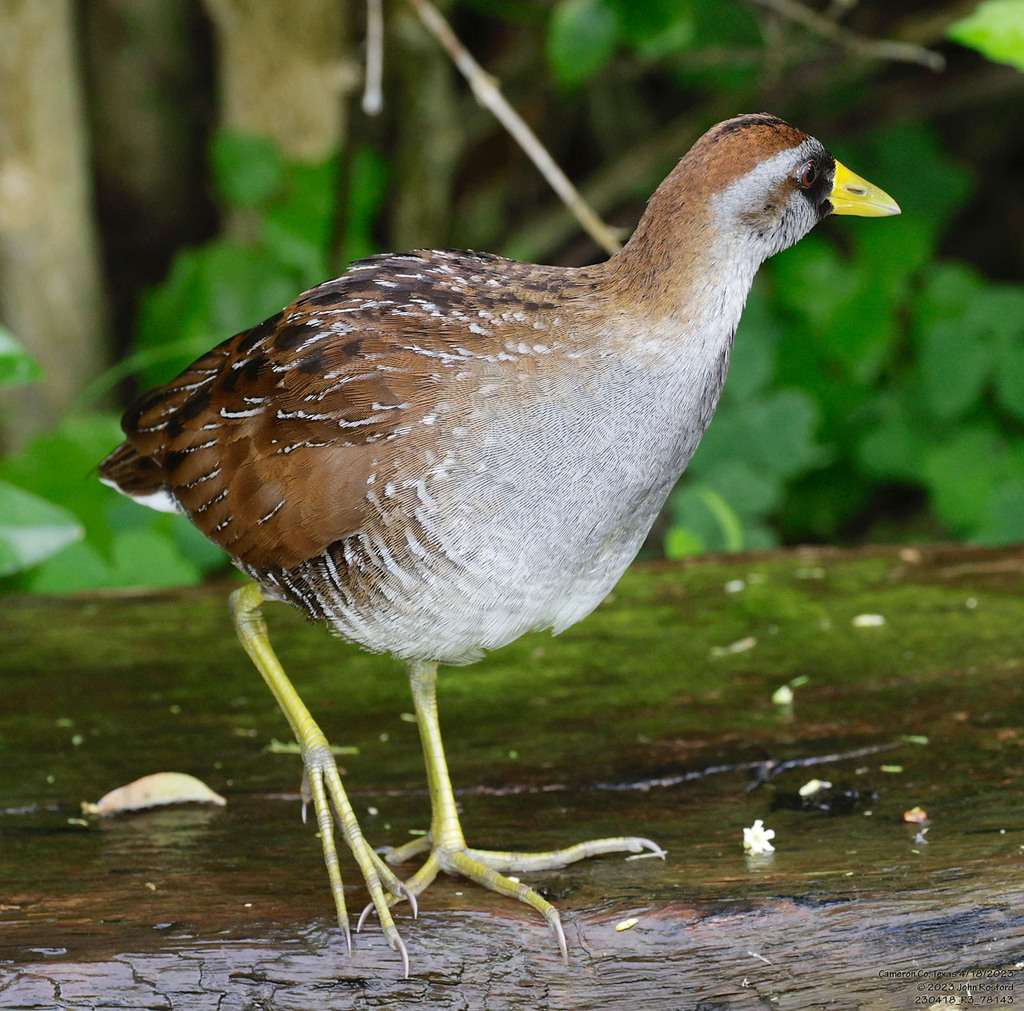
- SoraSeeds. 4 diet records
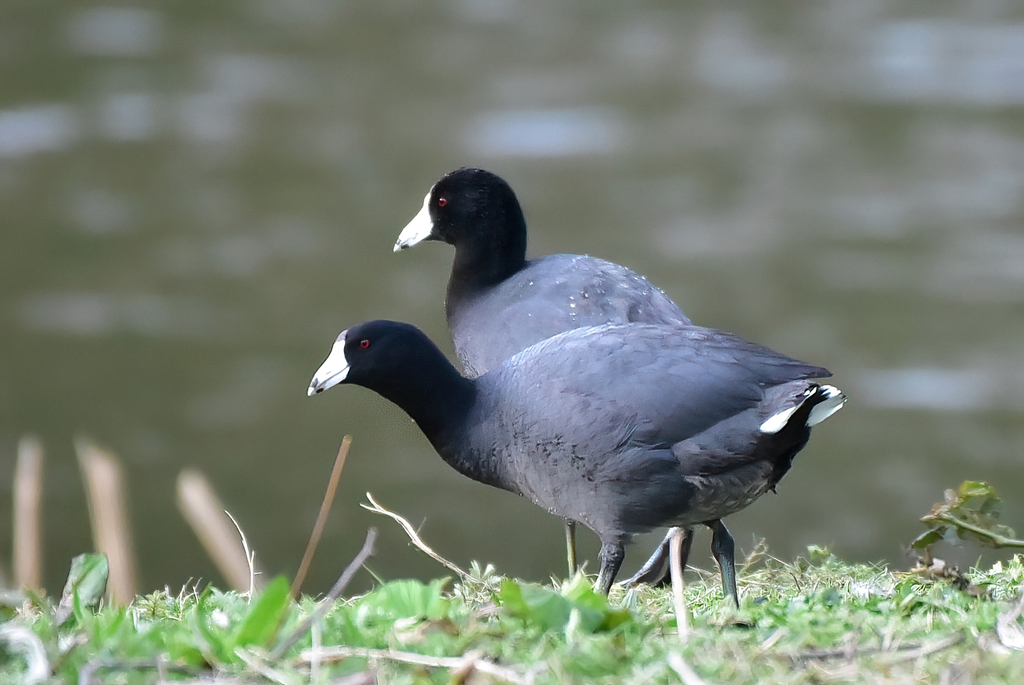
- American CootSeeds. 3 diet records
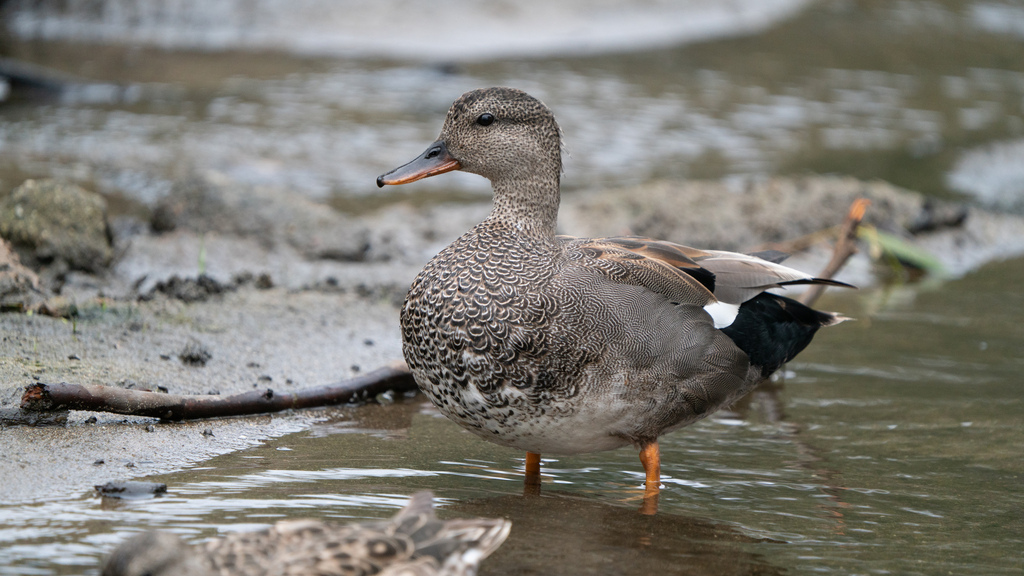
- GadwallLeaves. 3 diet records
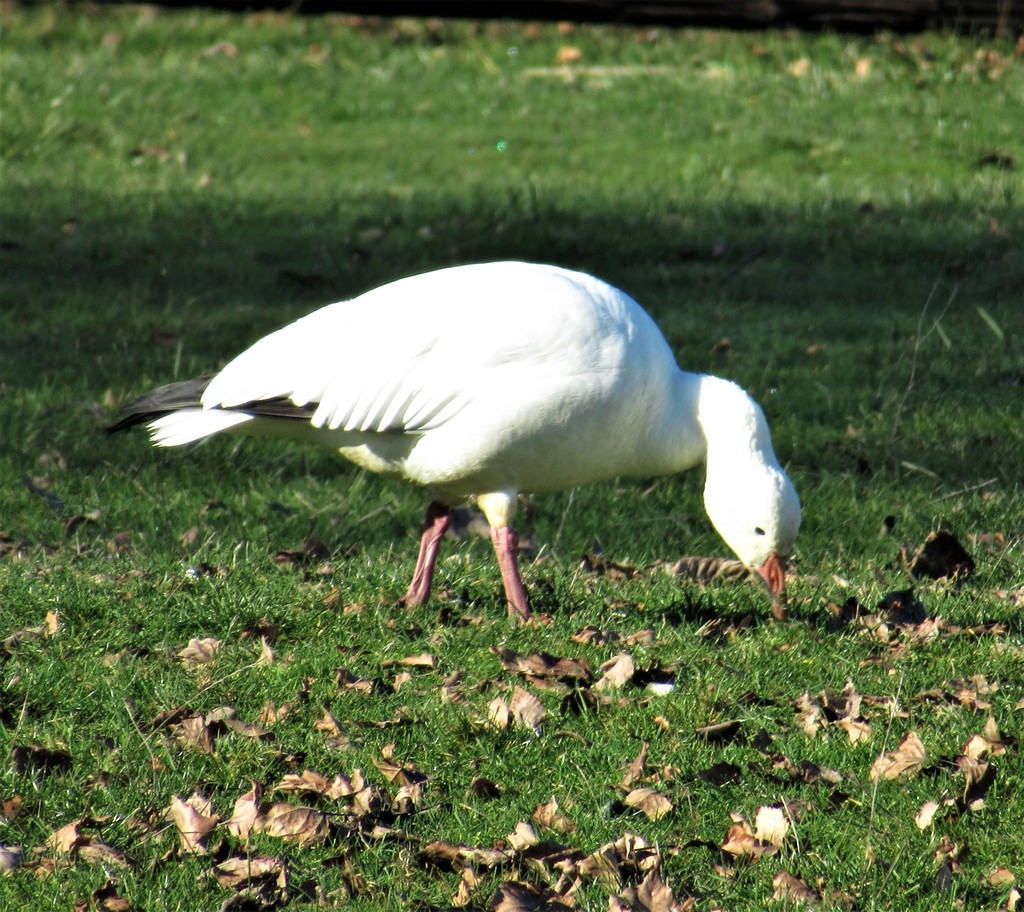
- Snow GooseLeaves. 3 diet records
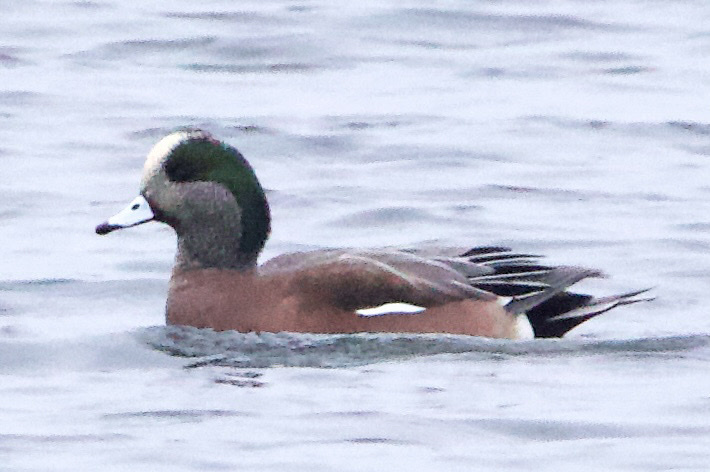
- American WigeonSeeds. 2 diet records
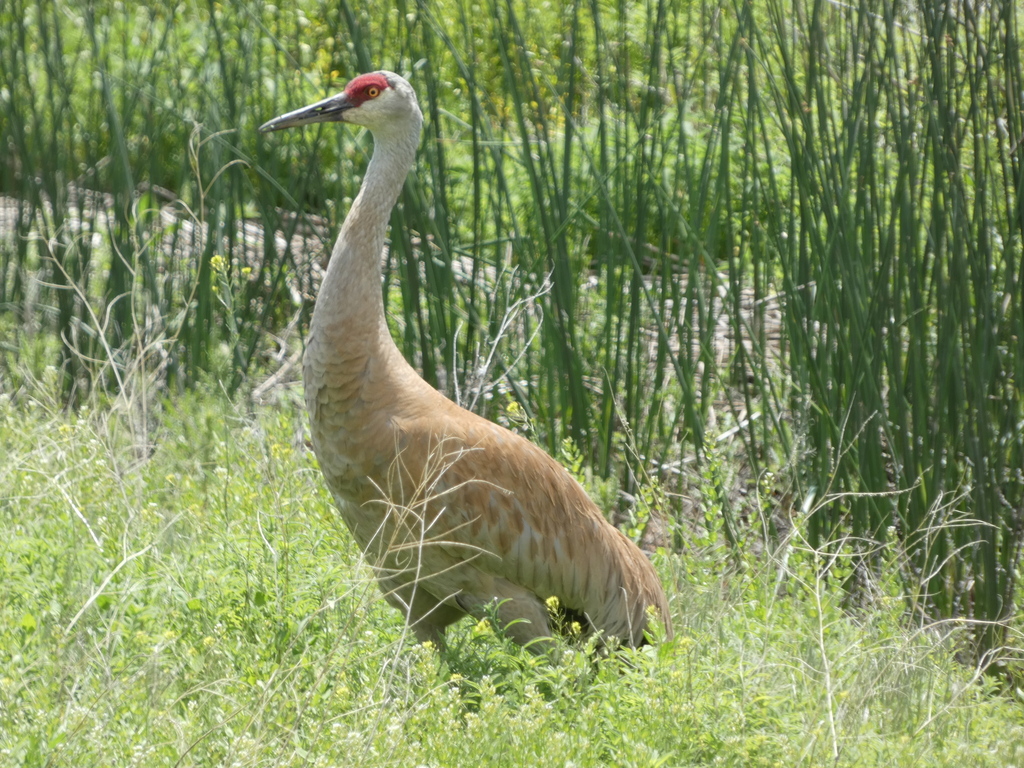
- Sandhill CraneSeeds. 2 diet records
- American Black DuckSeeds. 1 diet record
- Canada GooseLeaves. 1 diet record
- Red-winged Blackbird1 diet record
Direct food only. Caterpillars on host plants also feed nesting birds. NC Native Plant Society: butterfly gardening
No records yet · Ants · Beetles · Flies · Adult butterflies / moths · Other wasps · Other insects
Birds that eat Eleocharis 10
Diet records by plant genus, from studies across North America. Not a record from this state. Avian Diet Database (Hurlbert Lab), CC0 1.0.
- Ring-necked DuckAythya collaris
- SoraPorzana carolina
- American CootFulica americana
- GadwallAnas strepera
- Snow GooseChen caerulescens
- American WigeonAnas americana
- Sandhill CraneGrus canadensis
- American Black DuckAnas rubripes
- Canada GooseBranta canadensis
- Red-winged BlackbirdAgelaius phoeniceus



Plant details
- Family
- Cyperaceae
- Flower color
- Brown
Growing sources and scope
- Bloom · “July to September” · Weakley, Flora of the Southeastern United States (2025), Carolinas & Georgia edition · Carolinas and Georgia
- Flower color · “Brown” · Lady Bird Johnson Wildflower Center
- Height · “Up to about 28 inches” · Lady Bird Johnson Wildflower Center
- Life cycle · “Perennial” · Lady Bird Johnson Wildflower Center
- Light · “Full sun (documented habitat)” · Weakley, Flora of the Southeastern United States (2025), Carolinas & Georgia edition · Carolinas and Georgia
- Soil · “Wet (documented habitat)” · Weakley, Flora of the Southeastern United States (2025), Carolinas & Georgia edition · Carolinas and Georgia
Conservation status
| Mississippi rank | S1 |
|---|---|
| Global rank | G4 |
| MS status | Not verified |
| Federal status | Not verified |
Will it fit your yard?
Check this plant against your county, sun and soil moisture. Conditions are checked in your browser.
Sources
- NatureServe Explorer
- USDA PLANTS
- Vascular Plants of North Carolina (NC Natural Heritage Program)
- Weakley, Flora of the Southeastern United States (2025)
- Mississippi occurrence source
- Shropshire & Tallamy 2025, Lepidoptera of North America north of Mexico, ZooKeys 1261 (ODbL)
- Noori, Seltmann & Orr 2026, A curated and integrated dataset for exploring global bee-plant interactions (GloBI), Zenodo, CC BY 4.0
- Smith, Bachelder, Russell, Morales, Mosher & Seltmann 2024, Bee-Specialization-Modeling v0.6.1 (specialist host table compiled from J. Fowler's pollen specialist bee lists), Zenodo, CC BY 4.0
- Hurlbert, Olsen, Sawyer & Winner 2021, Avian Diet Database, Scientific Data 8: 260 (CC0)
- Narango, Tallamy & Shropshire 2020, Few keystone plant genera support the majority of Lepidoptera species, Nature Communications