

Harper's Yellow-eyed-grass
Xyris scabrifolia
In the Carolinas and Georgia, found in sandhill seepage bogs and wet pine savannas.
Source 1
What its natural habitat tells you
Native to Louisiana. How scores work Is it native here?
Profile 82%
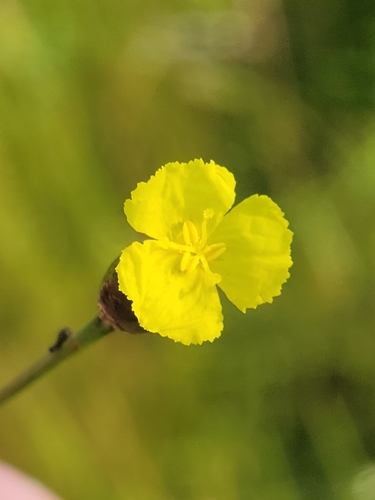
- Height
- Not recorded
- Spread
- Not recorded
- Light
- Full sun
- Soil moisture
- Wet to standing water
- Life cycle
- Perennial
- Leaves
- Not recorded
- Bloom
- June to July
Rare or protected plant. Specialist conservation planting; excluded from routine garden suggestions. Source 2
Hidden from default planting suggestions. Wildlife value and native status remain unchanged.
Where it grows in Louisiana
County records and the places it grows wild. Neither is a planting requirement.
5 Louisiana parishes with a record
Natural habitats
- Plate in preparationPine savannasOpen, fire-kept longleaf pine stands over grasses and wildflowers on wet to moist sandy soil.
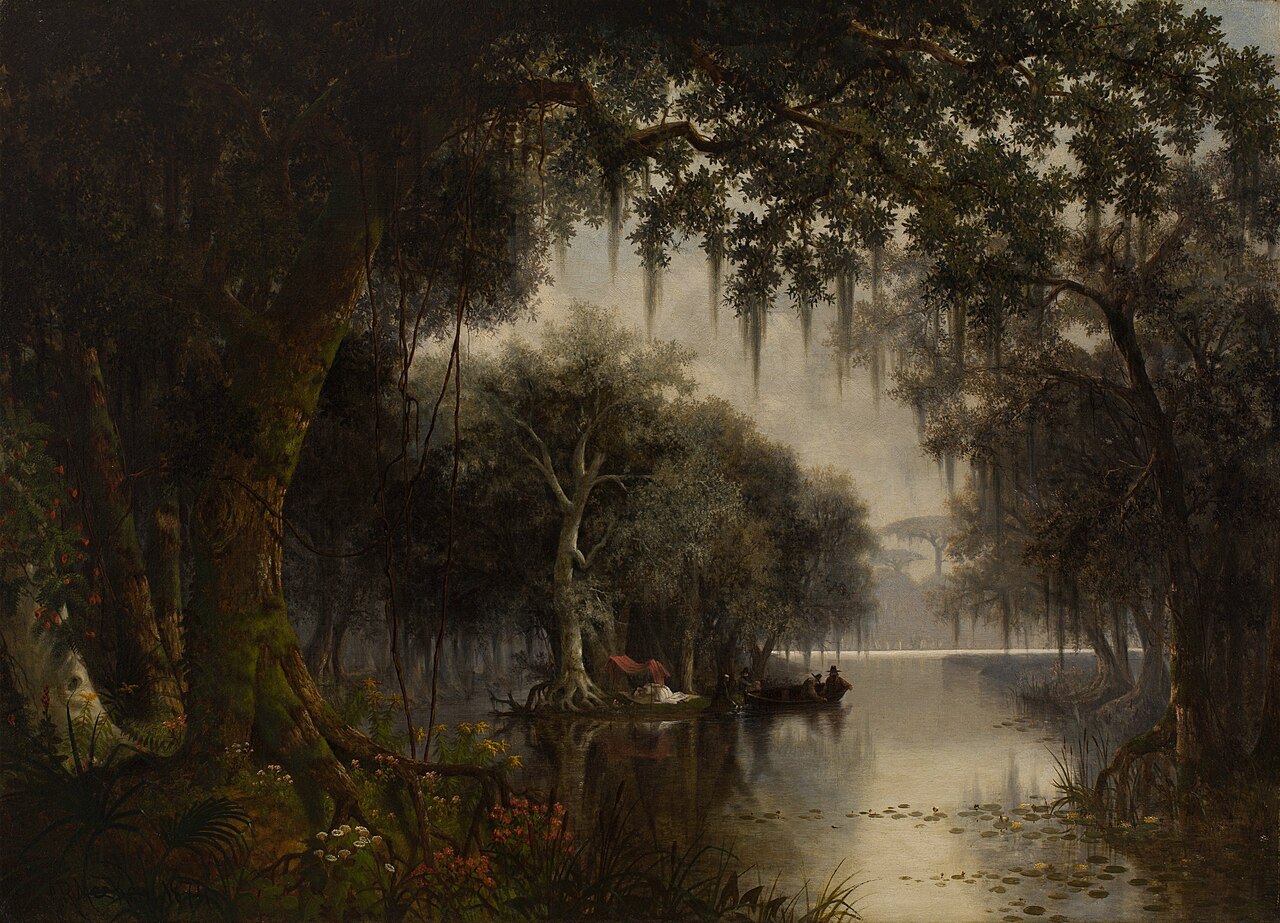 Group painting: Wetlands and waterCoastal Plain seepage bogsOpen, wet, seepage-fed bogs of the Coastal Plain and Sandhills, often with pitcher plants.
- Plate in preparationSandhillsDry, deep-sand ridges with longleaf pine and turkey oak, kept open by fire.
Wildlife it supports
 2CaterpillarsGenus host records with ranges including LA
Genus host records with ranges including LA · Xyris
- Megisto cymelaLittle Wood Satyr
- Coleophora xyridella
Source 3
 13BeesSoutheastern regional records
 1BirdsRecorded eating Xyris in Louisiana
Diet records by plant genus, from studies across North America. Not a record from this state. Birds whose range includes Louisiana, most records first.
- Wild TurkeySeeds. 5 diet records
Source 5
Direct food only. Caterpillars on host plants also feed nesting birds. NC Native Plant Society: butterfly gardening
No records yet · Ants · Beetles · Flies · Adult butterflies / moths · Other wasps · Other insects
No specialist bees recorded for this plant yet.
Birds that eat Xyris 1
Diet records by plant genus, from studies across North America. Not a record from this state. Source 5
- Wild TurkeyMeleagris gallopavo

Also in its habitats
Wildlife whose habitat models include habitats this plant grows in, in Louisiana. Shared habitat, not food.
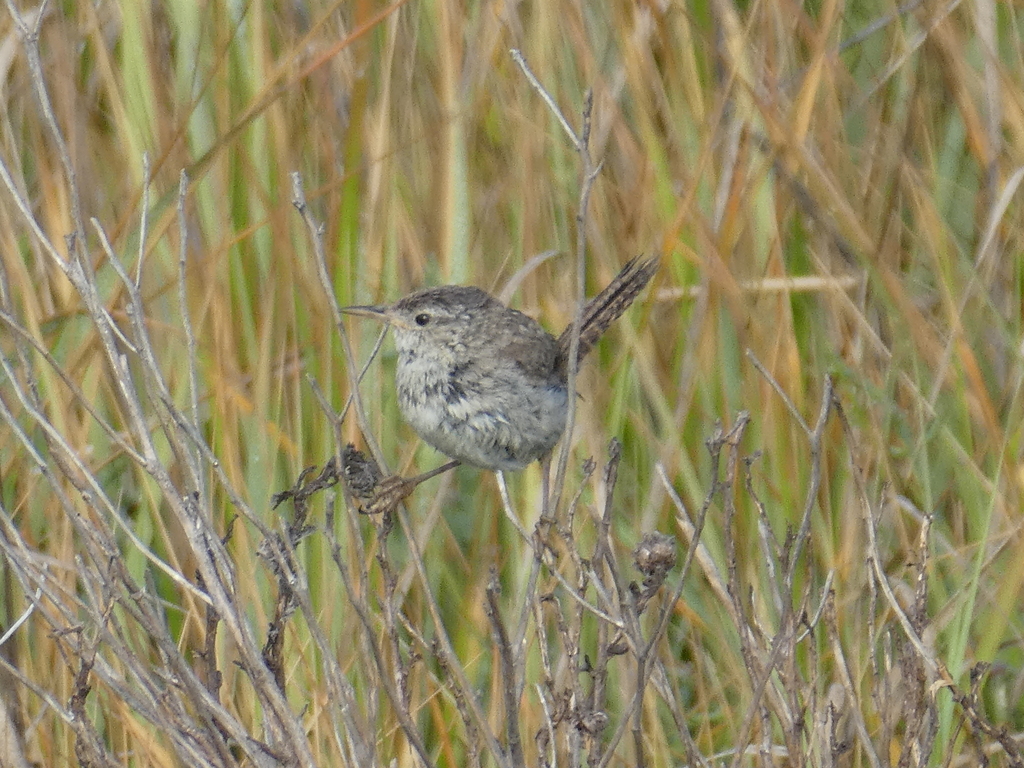
- Marsh WrenCistothorus palustris
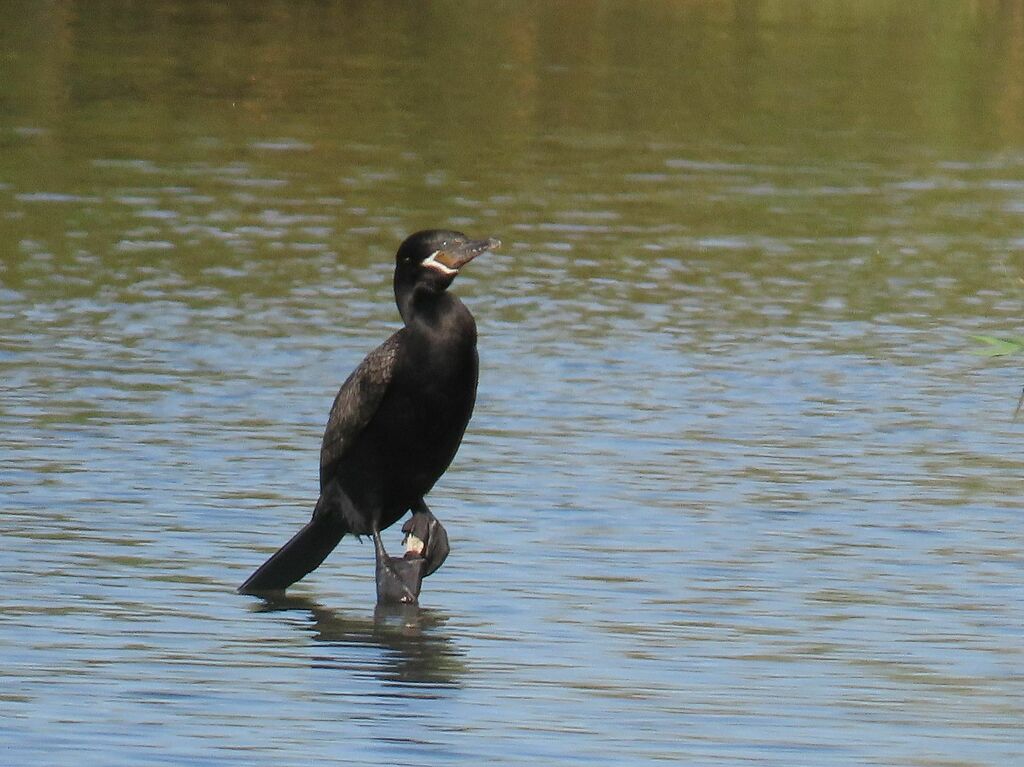
- Neotropic CormorantPhalacrocorax brasilianus
- Northern BobwhiteColinus virginianus
- OvenbirdSeiurus aurocapilla
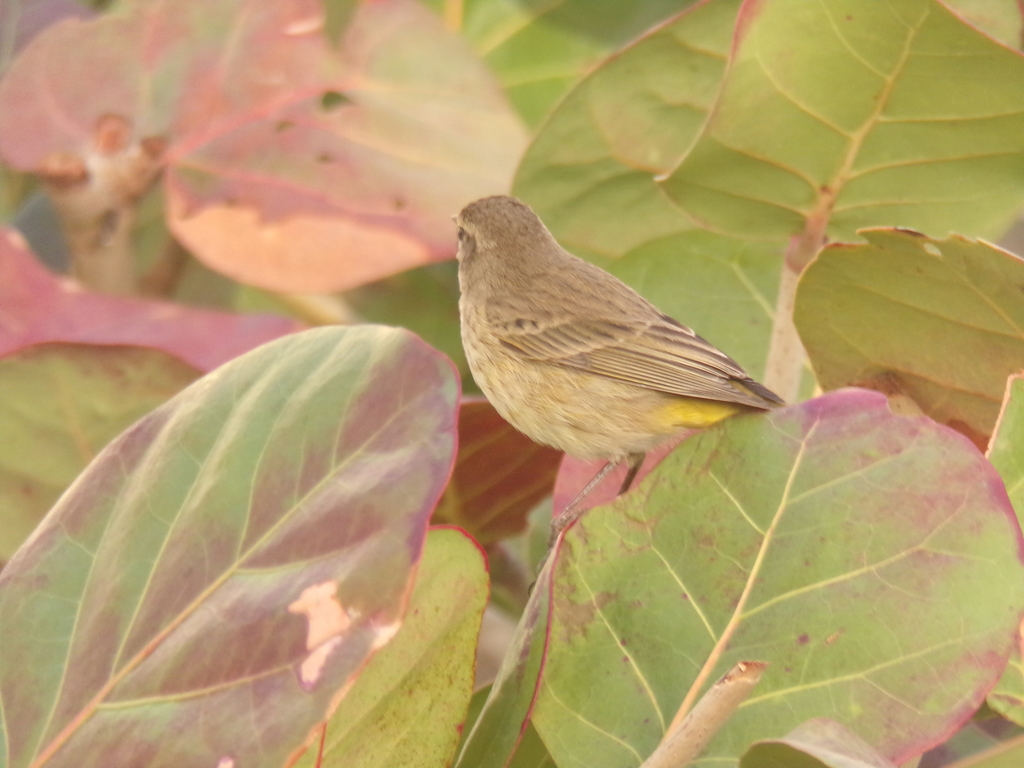
- Palm WarblerDendroica palmarum
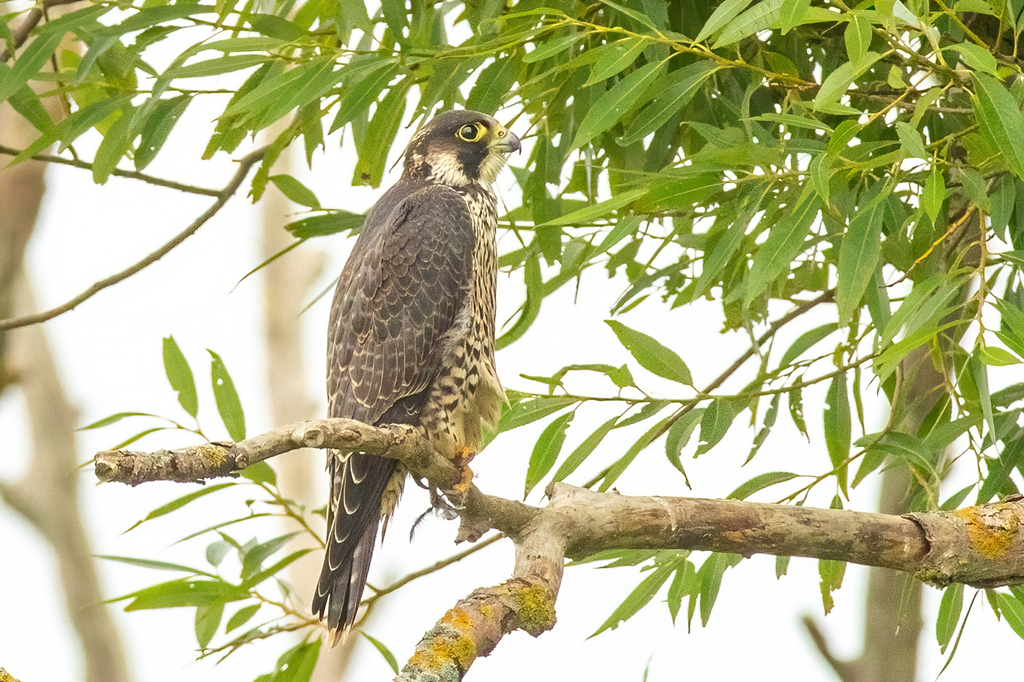
- Peregrine FalconFalco peregrinus
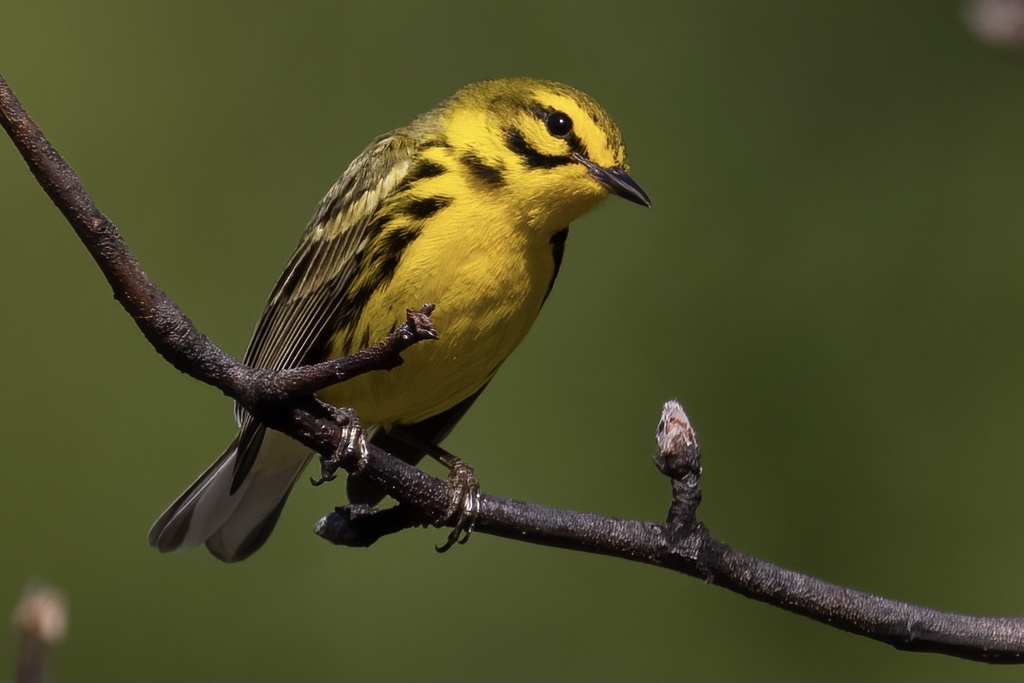
- Prairie WarblerDendroica discolor
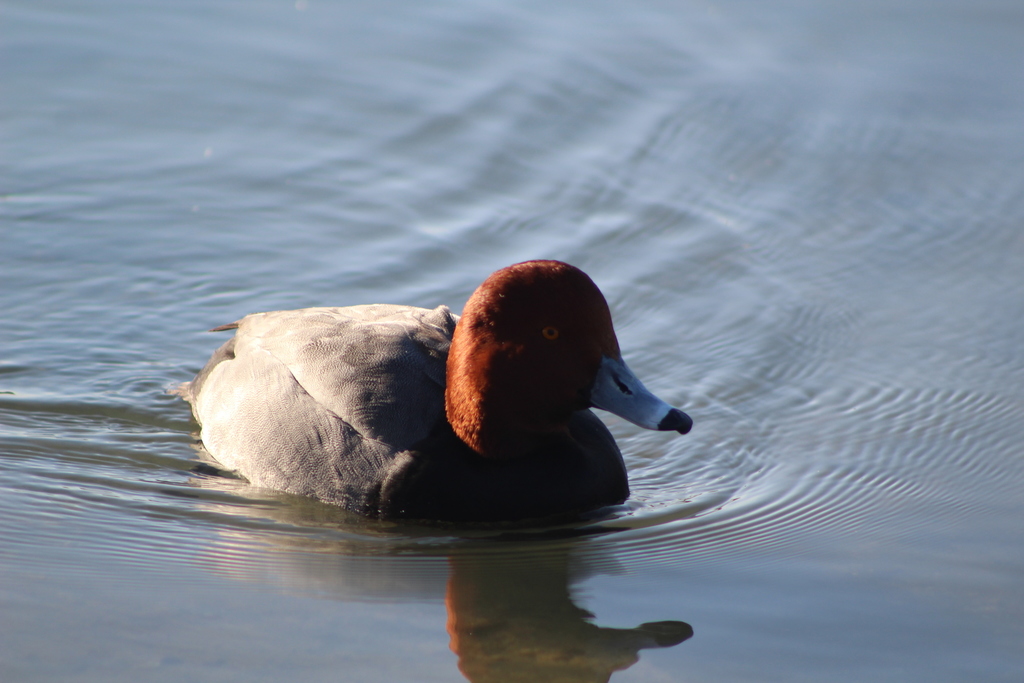
- RedheadAythya americana
- Rusty BlackbirdEuphagus carolinus
- Semipalmated PloverCharadrius semipalmatus
- Short-eared OwlAsio flammeus
- SoraPorzana carolina
- Stilt SandpiperCalidris himantopus
- Swainson's WarblerLimnothlypis swainsonii
- Virginia RailRallus limicola
- White-breasted NuthatchSitta carolinensis
- White-eyed VireoVireo griseus
- Wilson's SnipeGallinago delicata
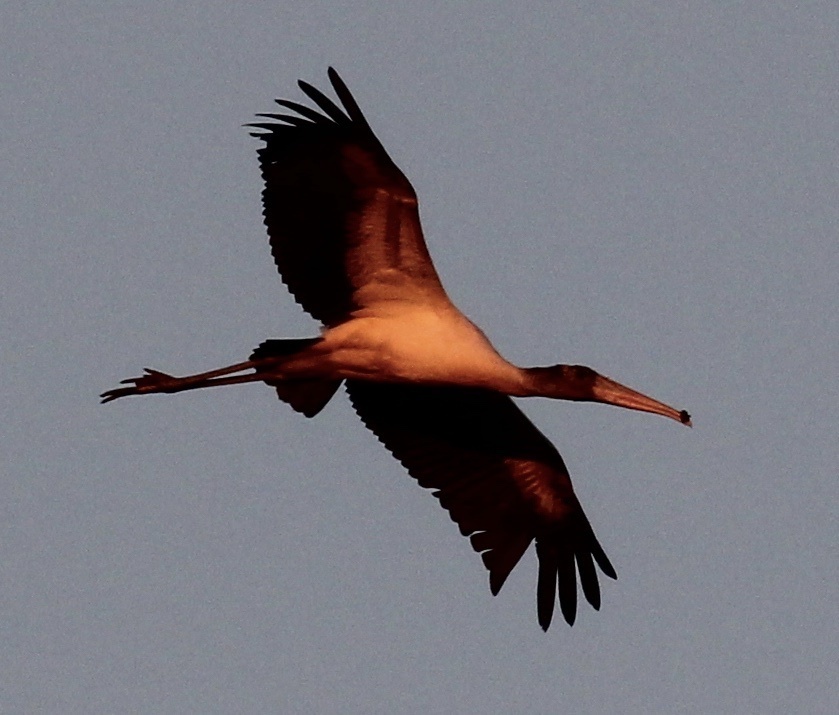
- Wood StorkMycteria americana
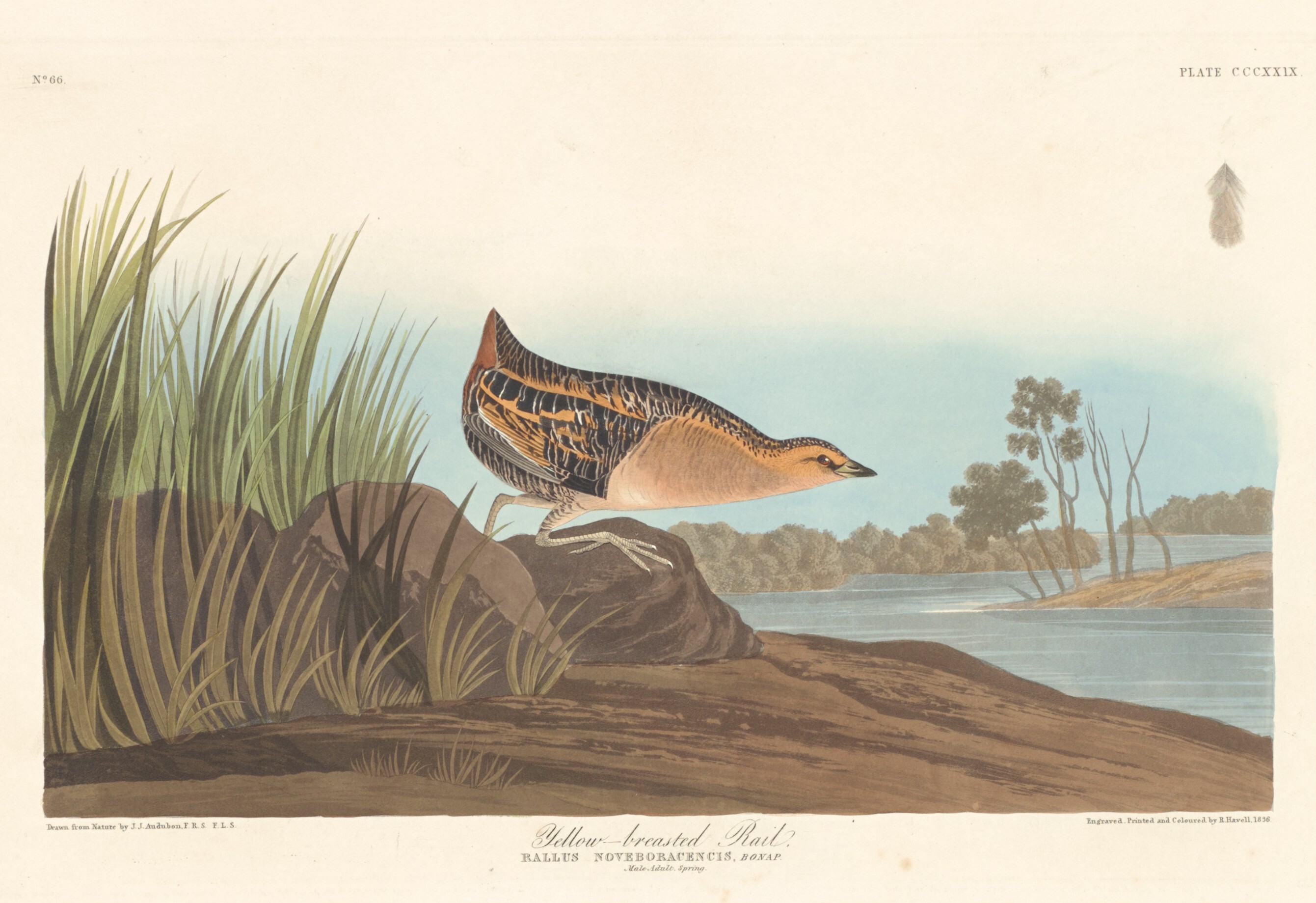
- Yellow RailCoturnicops noveboracensis


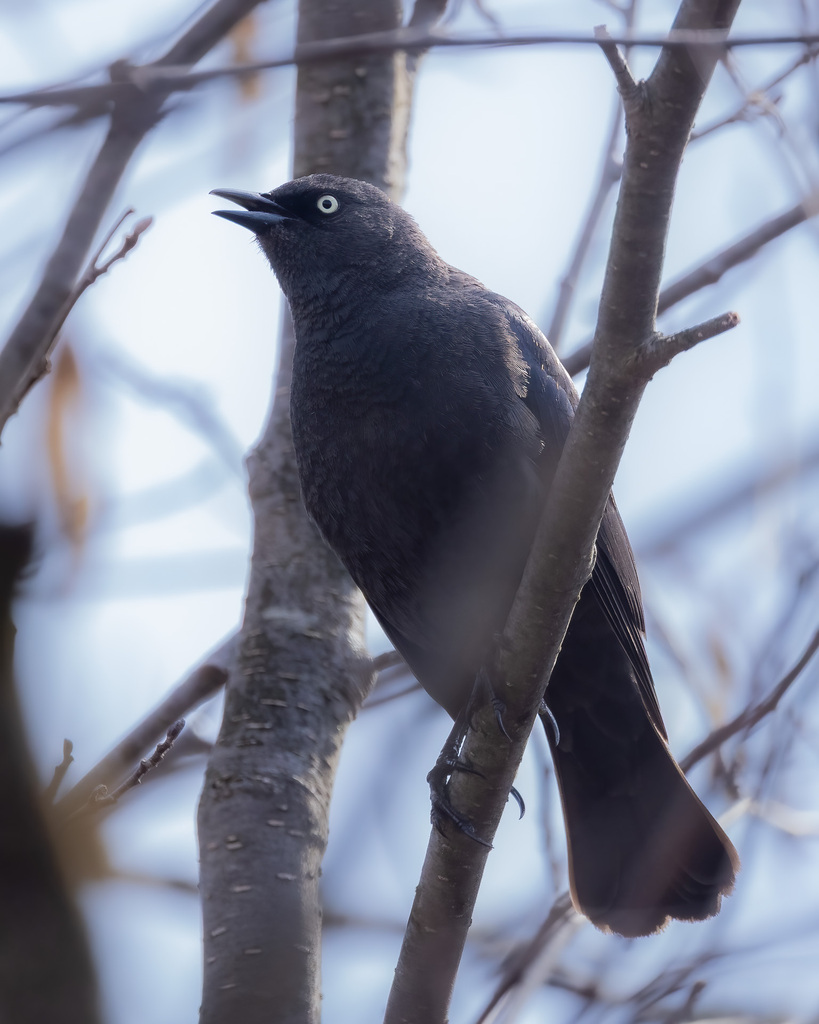
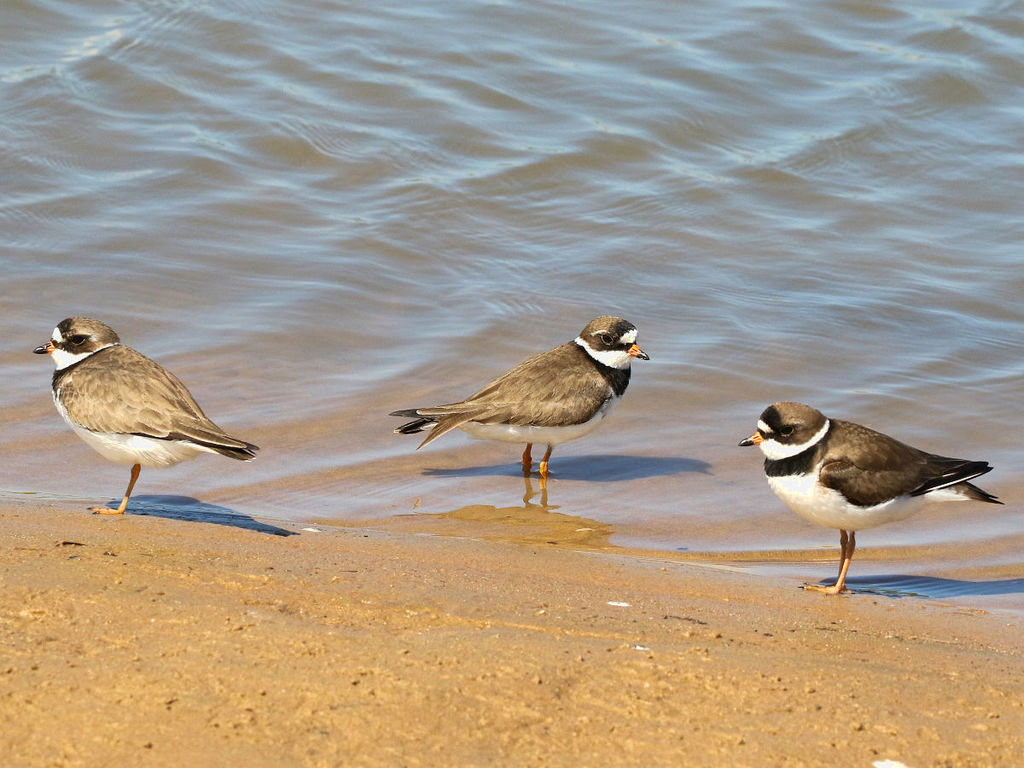
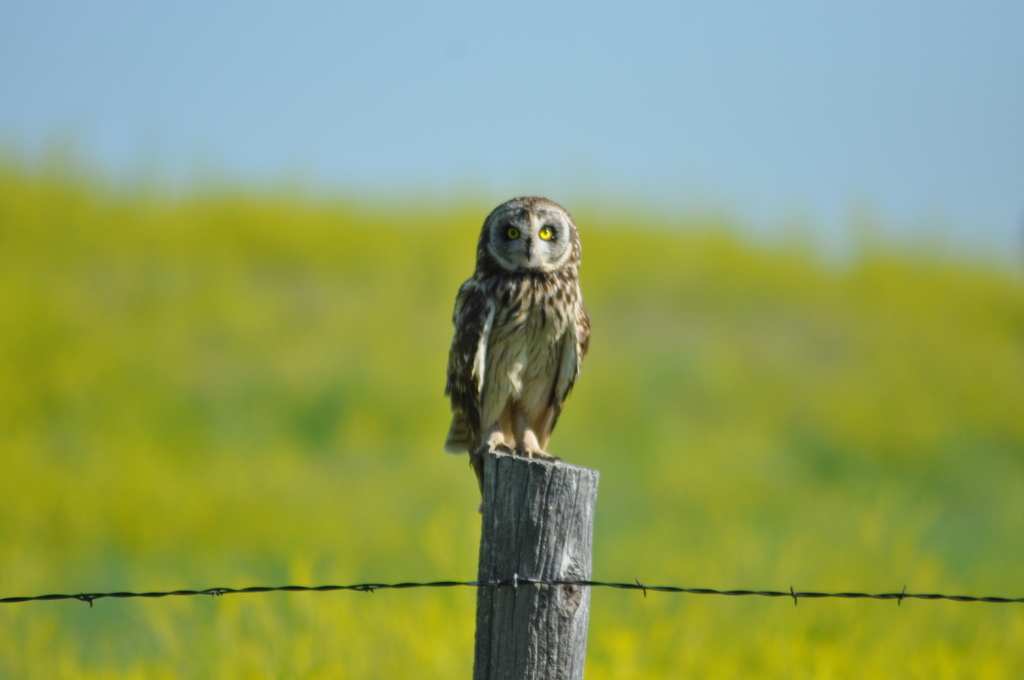
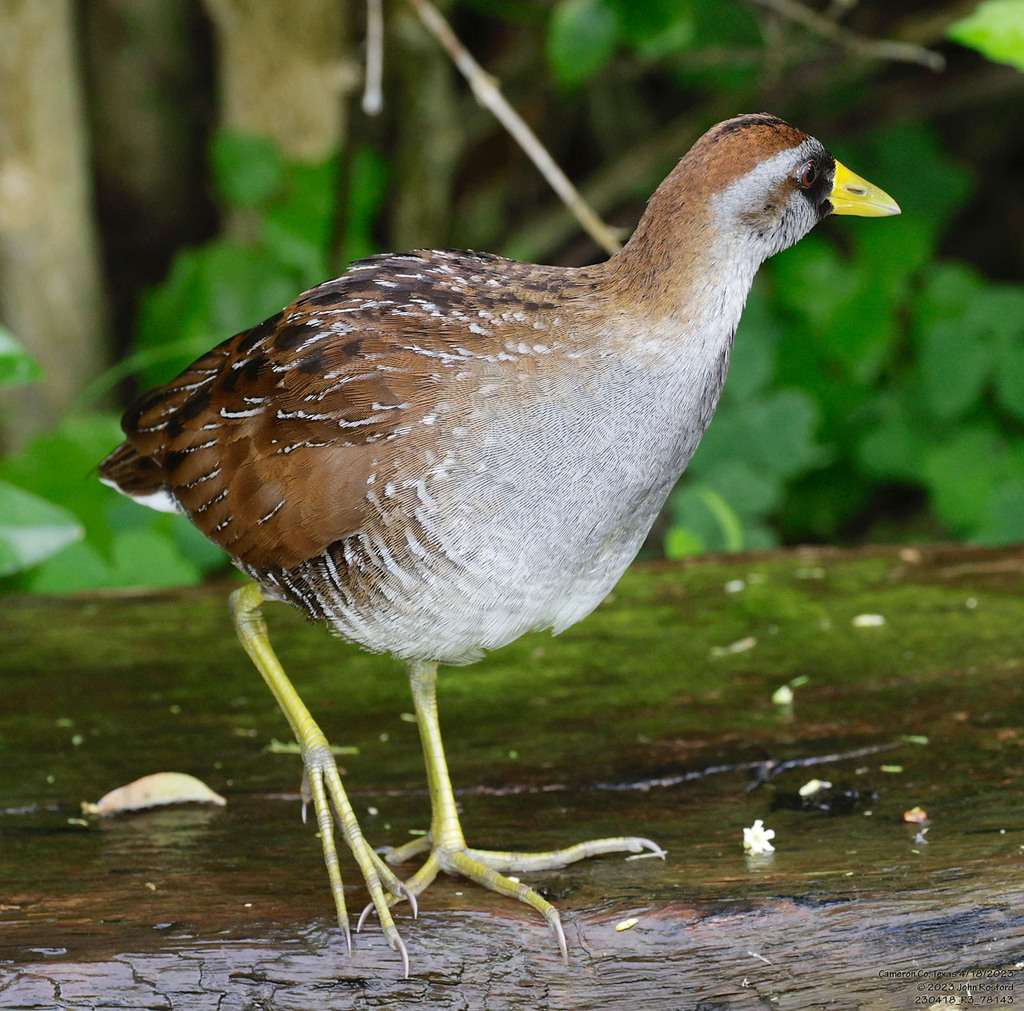
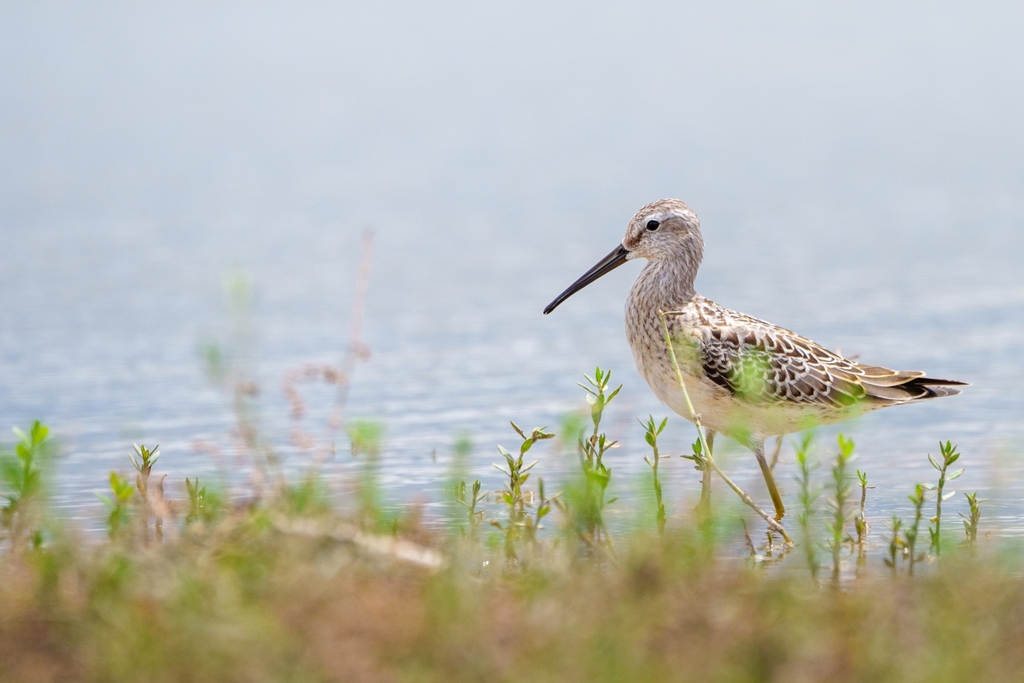
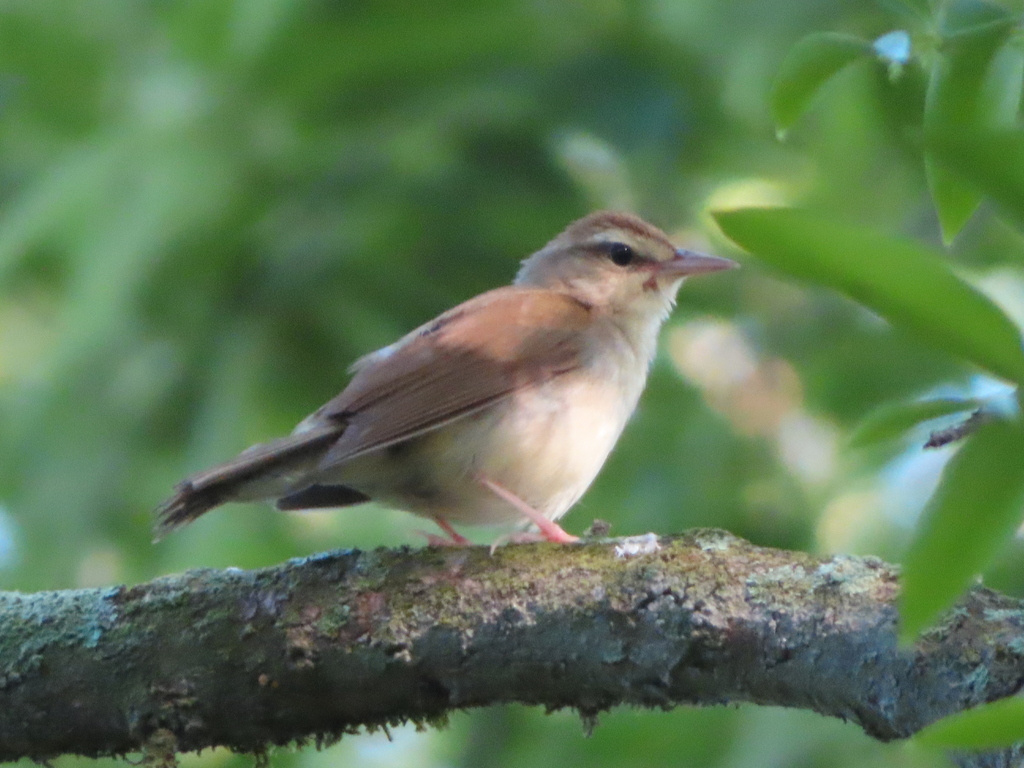
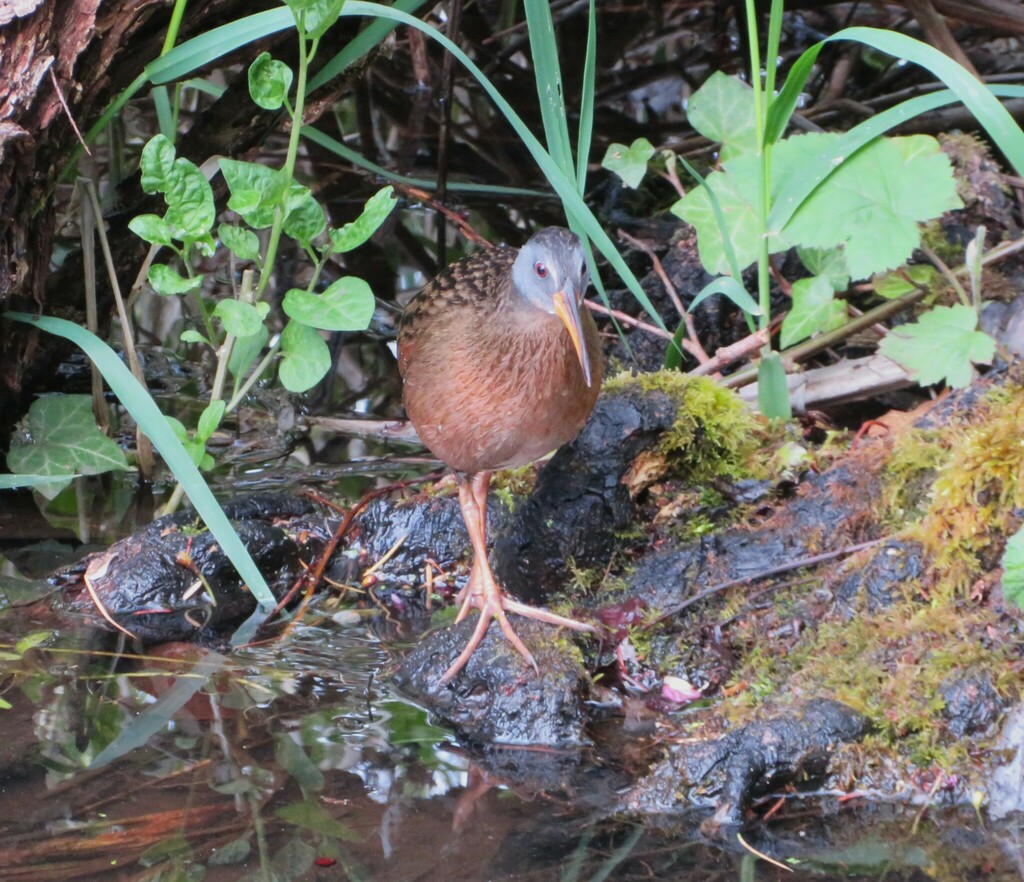


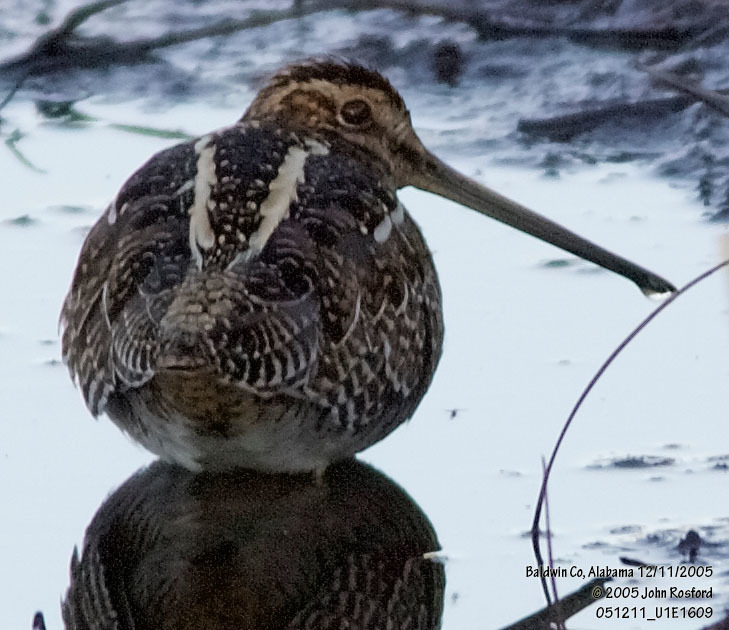
Widespread birds also seen here (33)
Found in many habitats here, so not listed above.
- American Goldfinch
- American Kestrel
- American Robin
- Bald Eagle
- Black-crowned Night-heron
- Blue Grosbeak
- Blue-gray Gnatcatcher
- Canada Goose
- Cedar Waxwing
- Chimney Swift
- Common Nighthawk
- Common Yellowthroat
- Cooper's Hawk
- Double-crested Cormorant
- Eastern Kingbird
- European Starling
- Great Egret
- Great Horned Owl
- Mourning Dove
- Northern Cardinal
- Northern Flicker
- Northern Mockingbird
- Osprey
- Purple Finch
- Red-tailed Hawk
- Red-winged Blackbird
- Sharp-shinned Hawk
- Tree Swallow
- Turkey Vulture
- White-throated Sparrow
- Yellow-breasted Chat
- Yellow-crowned Night-heron
- Yellow-rumped Warbler
Plant details
Not yet recorded · Height · Spread · Leaves
Height: NC species account not read yet.
Spread and leaves: no source found yet.
Will it fit your yard?
Check this plant against your county, sun and soil moisture. Conditions are checked in your browser.
Sources
- Weakley, Flora of the Southeastern United States (2025), Carolinas & Georgia edition Bloom; Light; Soil; Natural habitat
- Plant caution source Rare or protected plant; Conservation status
- Shropshire & Tallamy 2025, Lepidoptera of North America north of Mexico, ZooKeys 1261 (ODbL) Caterpillars
- Noori, Seltmann & Orr 2026, A curated and integrated dataset for exploring global bee-plant interactions (GloBI), Zenodo, CC BY 4.0 Bees
- Avian Diet Database (Hurlbert Lab) (CC0 1.0) Birds that eat Xyris
- Lady Bird Johnson Wildflower Center Flower color; Life cycle
- Vascular Plants of North Carolina (NC Natural Heritage Program) Conservation status
- Smith, Bachelder, Russell, Morales, Mosher & Seltmann 2024, Bee-Specialization-Modeling v0.6.1 (specialist host table compiled from J. Fowler's pollen specialist bee lists), Zenodo, CC BY 4.0 Specialist bees
- Habitat art: The Land of Evangeline, Joseph Rusling Meeker, 1874 (Public domain) Habitat art
- USDA PLANTS
- NatureServe Explorer
- Narango, Tallamy & Shropshire 2020, Few keystone plant genera support the majority of Lepidoptera species, Nature Communications

Each fact, its source and scope
- Bloom · “June to July” · Weakley, Flora of the Southeastern United States (2025), Carolinas & Georgia edition · Carolinas and Georgia
- Flower color · “White or yellow” · Lady Bird Johnson Wildflower Center
- Life cycle · “Perennial” · Lady Bird Johnson Wildflower Center
- Light · “Full sun (documented habitat)” · Weakley, Flora of the Southeastern United States (2025), Carolinas & Georgia edition · Carolinas and Georgia
- Soil · “Water; Wet (documented habitat)” · Weakley, Flora of the Southeastern United States (2025), Carolinas & Georgia edition · Carolinas and Georgia