

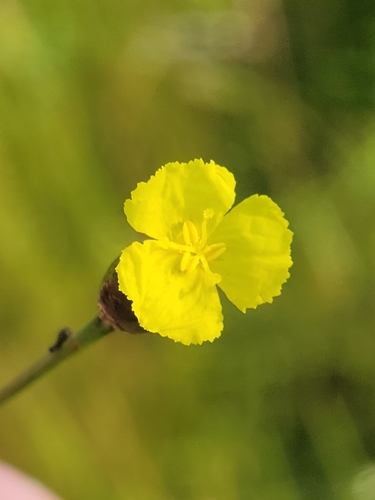
Harper's Yellow-eyed-grass
Xyris scabrifolia
In the Carolinas and Georgia, found in sandhill seepage bogs and wet pine savannas. Weakley, Flora of the Southeastern United States (2025), Carolinas & Georgia edition What its natural habitat tells you
Native to Louisiana. How scores work Is it native here?
Profile 82%
- Light
- Full sun
- Soil moisture
- Wet to standing water
Rare or protected plant. Specialist conservation planting; excluded from routine garden suggestions. Plant caution source
Hidden from default planting suggestions. Wildlife value and native status remain unchanged.
At a glance
- Life cycle
- Perennial
- Bloom
- June to July
Not yet recorded · Height · Spread · Leaves
Height: NC species account not read yet.
Spread and leaves: no source found yet.
This plant is missing most of its facts, so Quercus is looking them up in old botany books.
Recorded in 5 Louisiana parishes.
Natural habitats
Places it grows wild. Not a planting requirement. Each habitat page lists the plants and wildlife also found there.
Open, fire-kept longleaf pine stands over grasses and wildflowers on wet to moist sandy soil.
Open, wet, seepage-fed bogs of the Coastal Plain and Sandhills, often with pitcher plants.
Dry, deep-sand ridges with longleaf pine and turkey oak, kept open by fire.
Also found with this plant
Wildlife whose habitat models include habitats this plant grows in, in Louisiana. Shared habitat, not food. 116 animals.
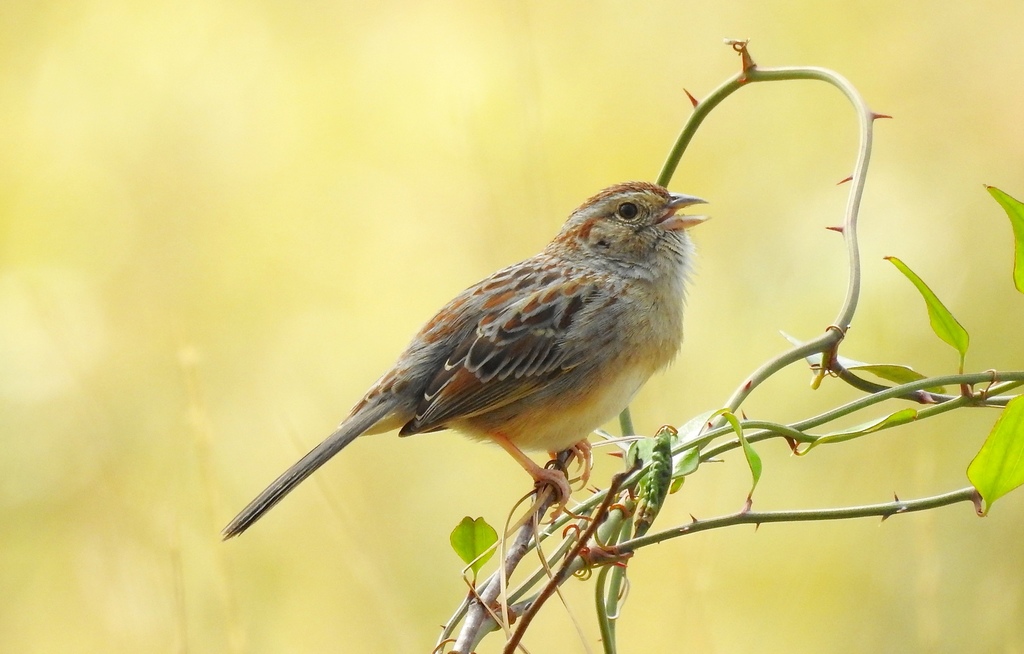
- Bachman's SparrowAimophila aestivalis
- Baltimore OrioleIcterus galbula
- Bank SwallowRiparia riparia
- Barred OwlStrix varia
- Belted KingfisherMegaceryle alcyon
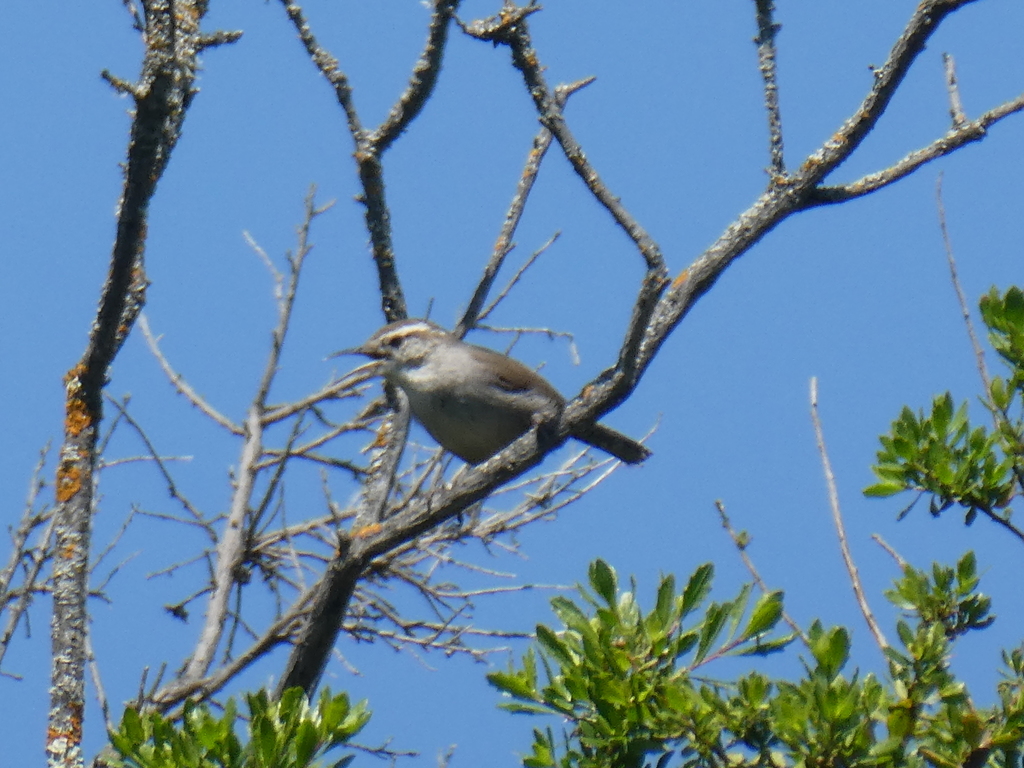
- Bewick's WrenThryomanes bewickii
- Black VultureCoragyps atratus
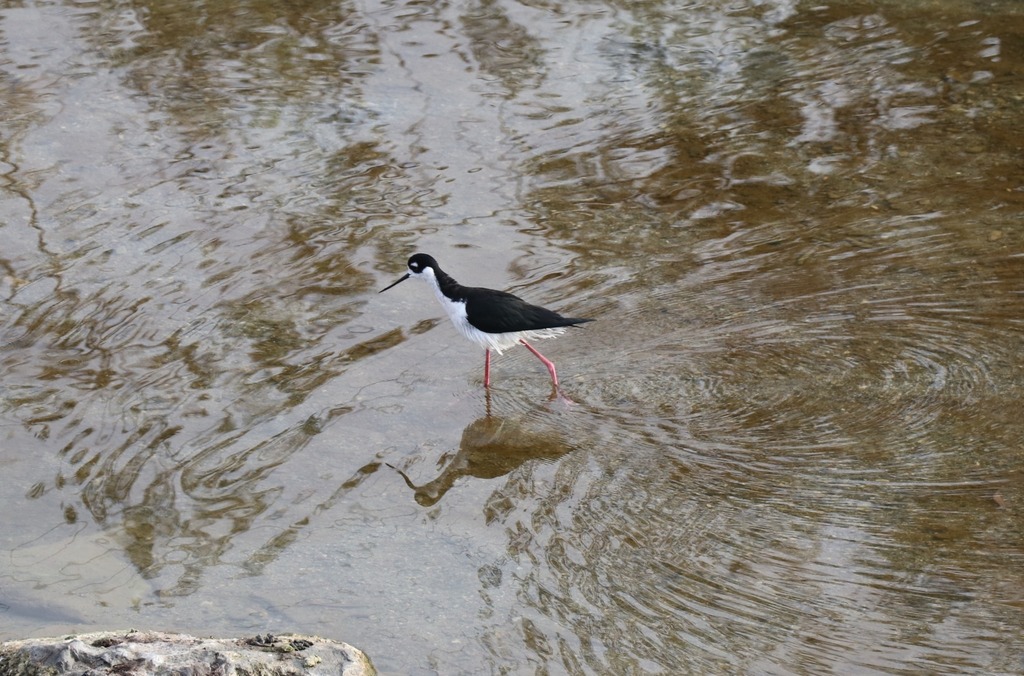
- Black-necked StiltHimantopus mexicanus
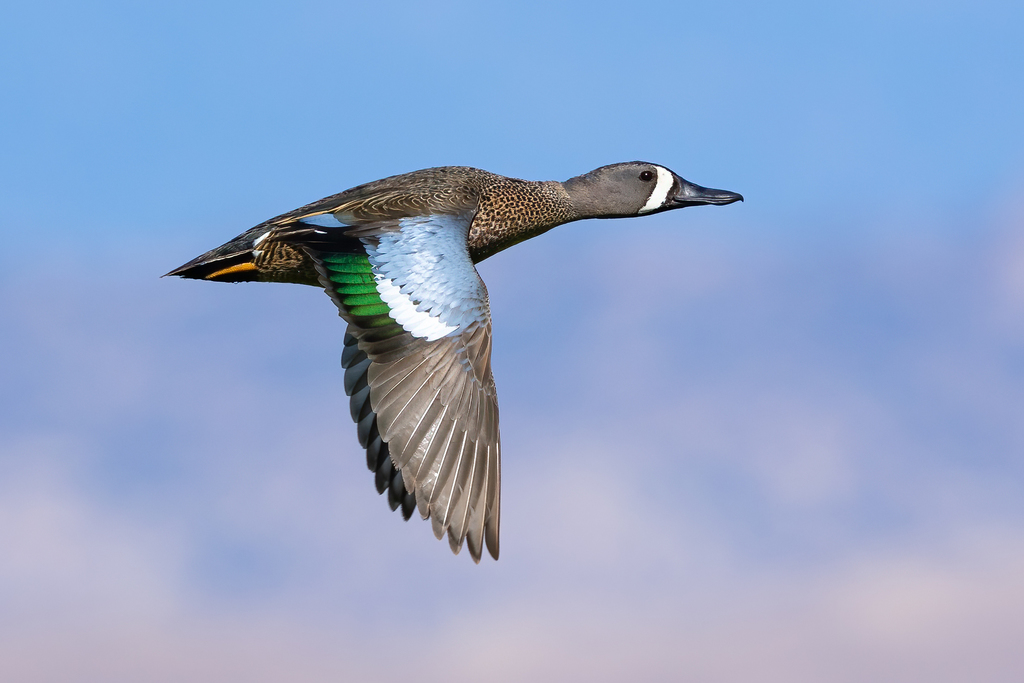
- Blue-winged TealAnas discors
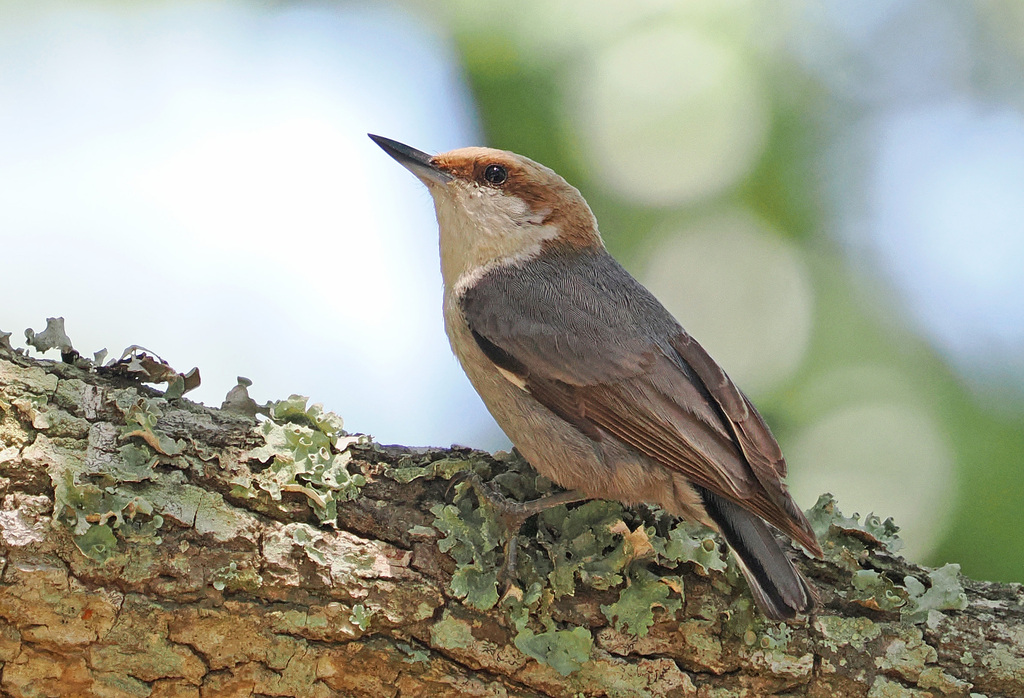
- Brown-headed NuthatchSitta pusilla
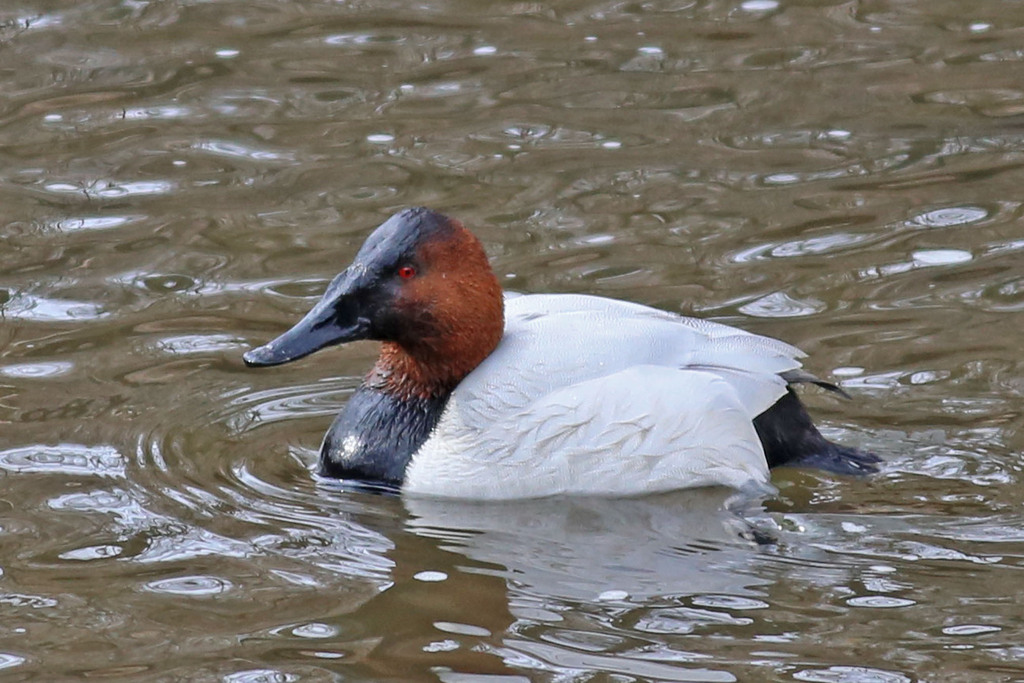
- CanvasbackAythya valisineria
- Dark-eyed JuncoJunco hyemalis
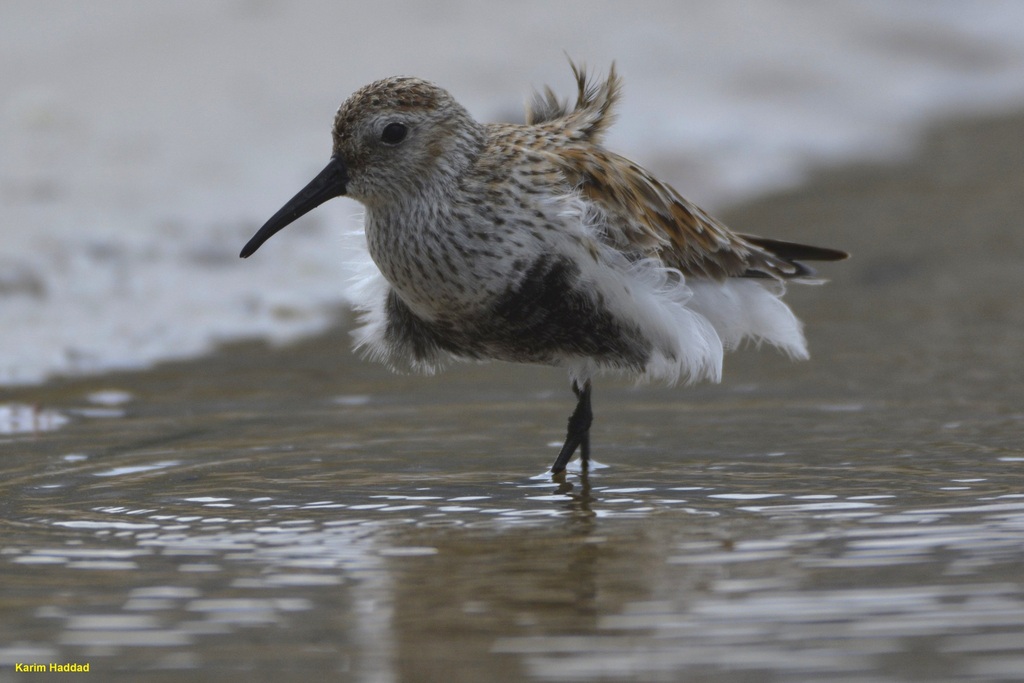
- DunlinCalidris alpina
- Eastern PhoebeSayornis phoebe
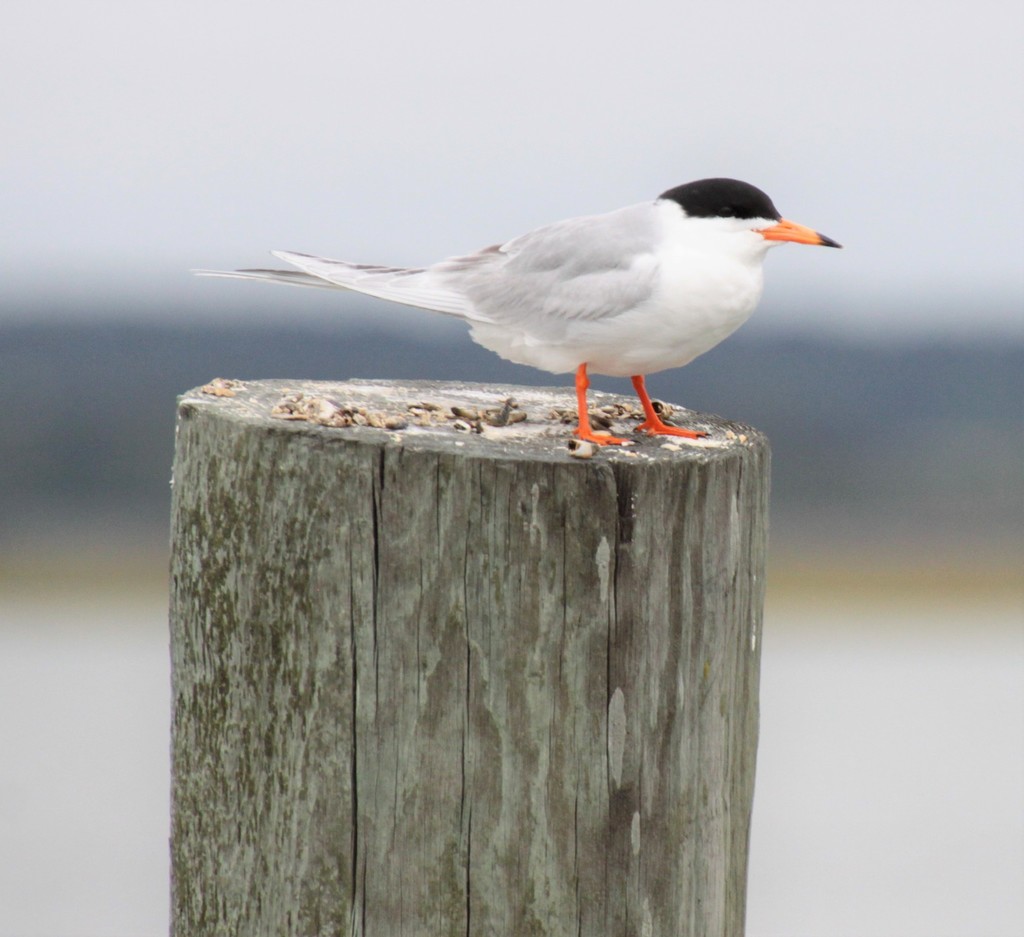
- Forster's TernSterna forsteri
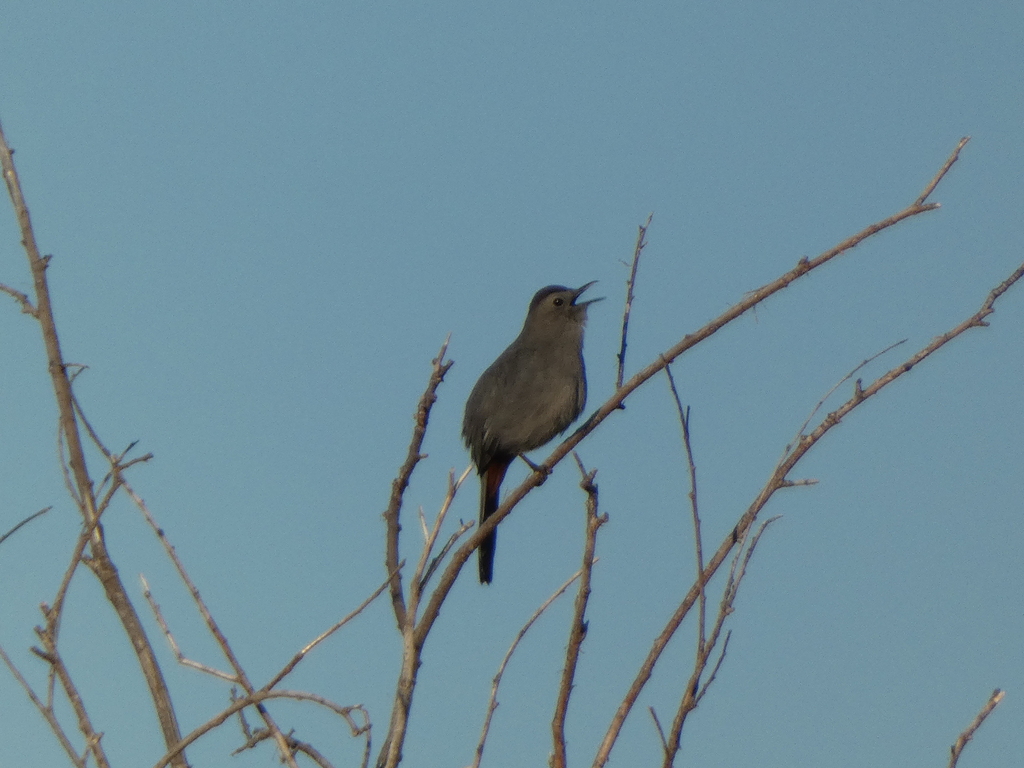
- Gray CatbirdDumetella carolinensis
- Greater YellowlegsTringa melanoleuca
- Indigo BuntingPasserina cyanea
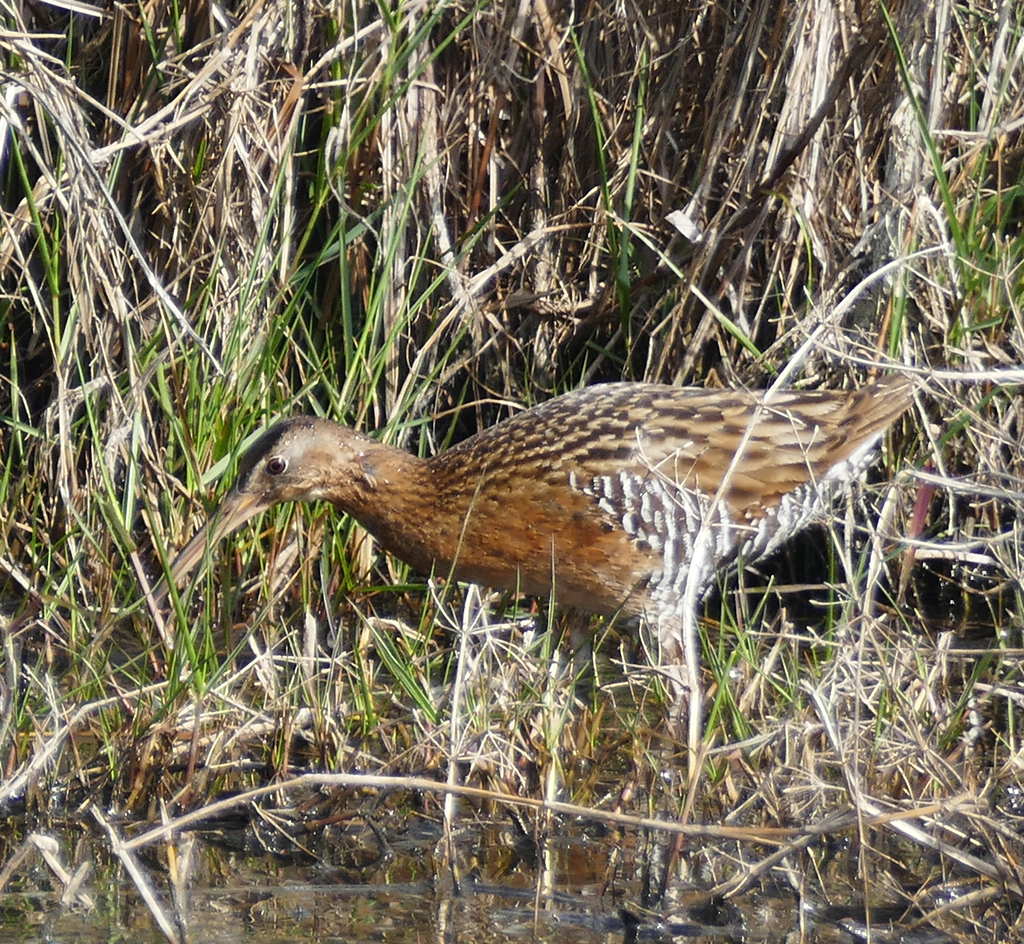
- King RailRallus elegans
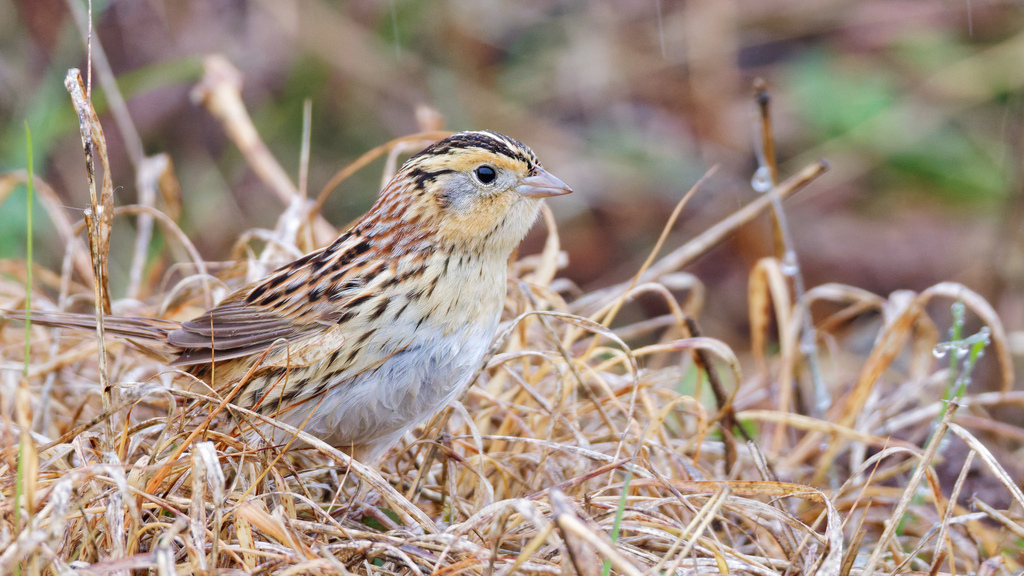
- Le Conte's SparrowAmmodramus leconteii
- Least BitternIxobrychus exilis
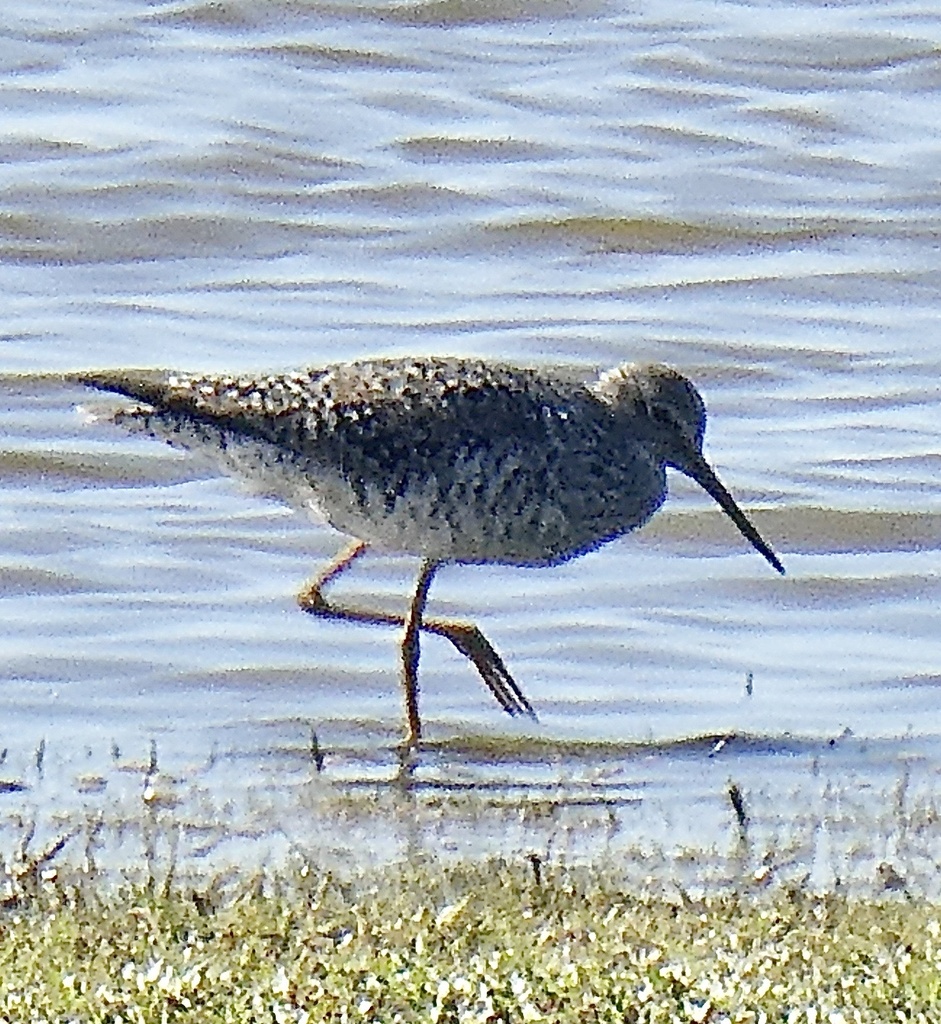
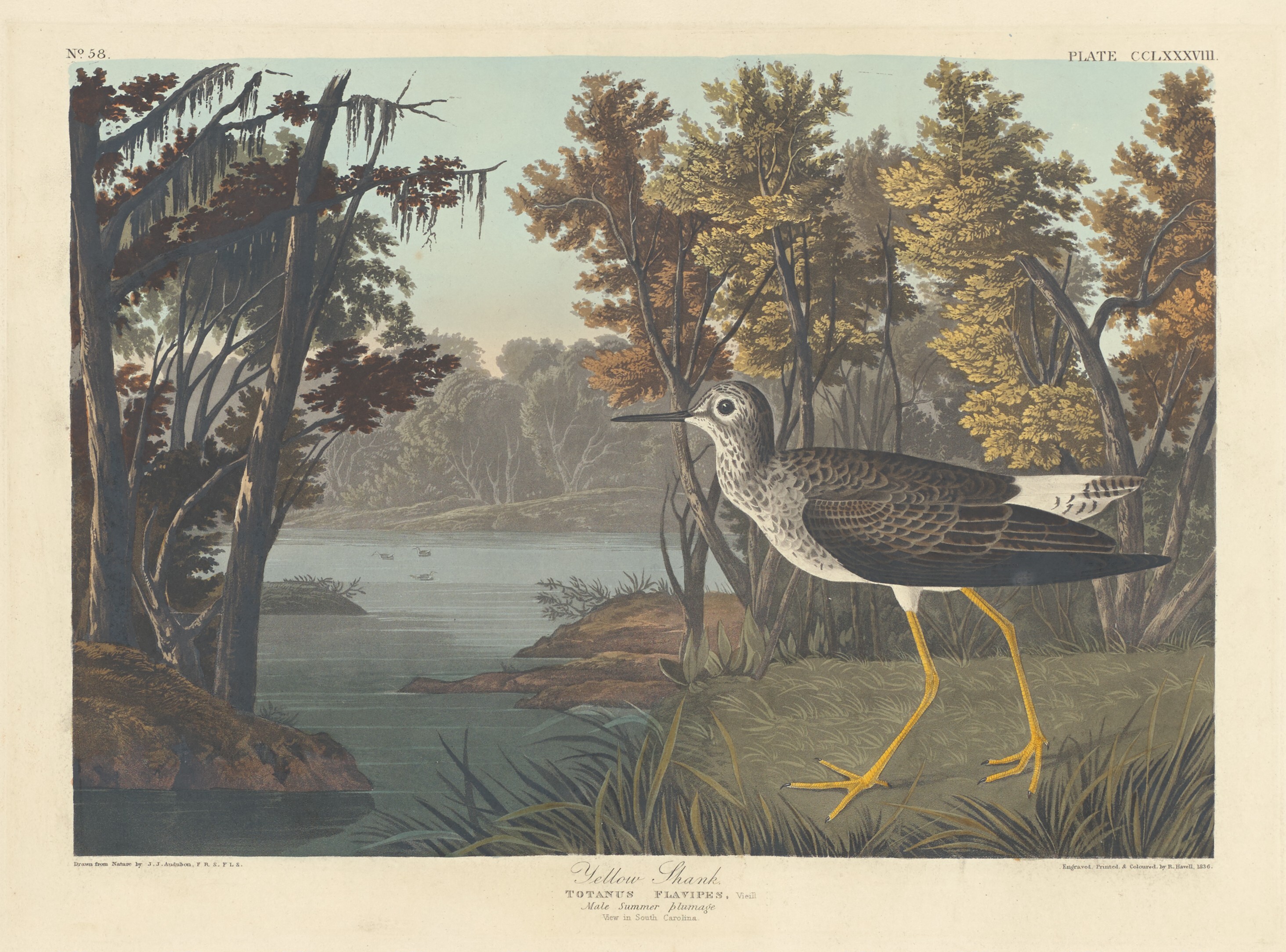
- Lesser YellowlegsTringa flavipes
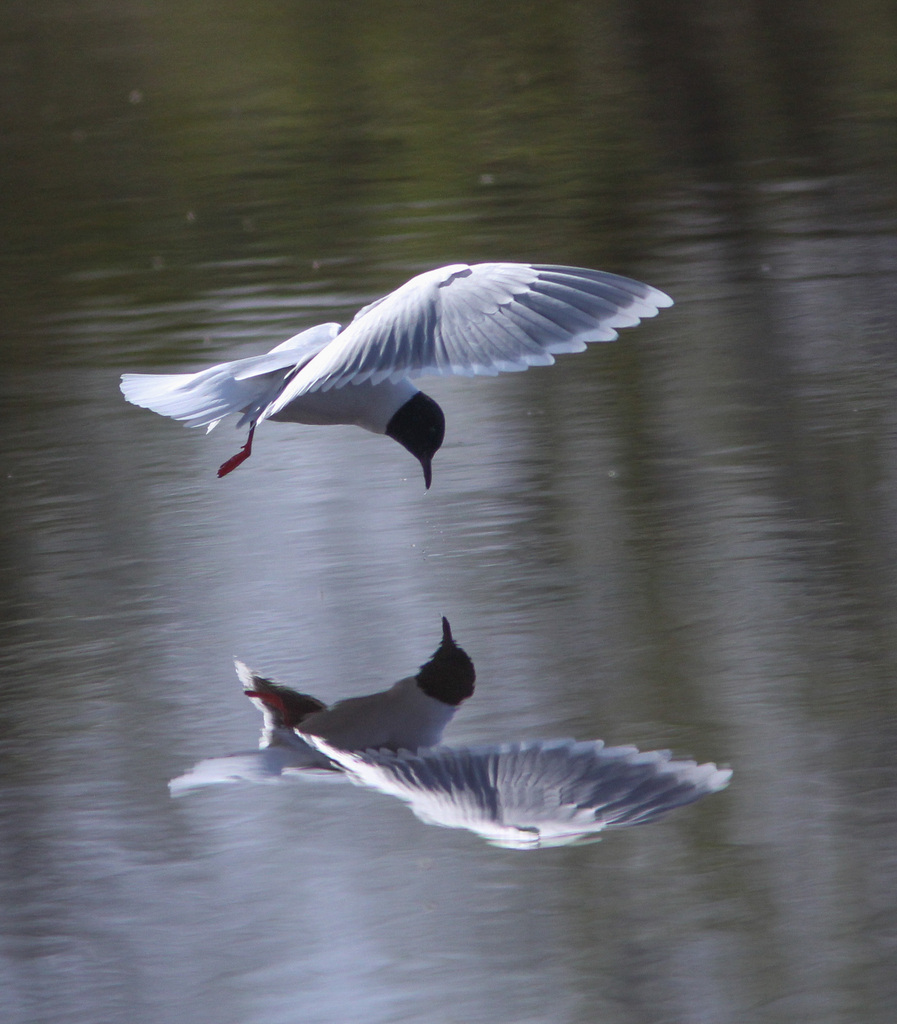
- Little GullHydrocoloeus minutus
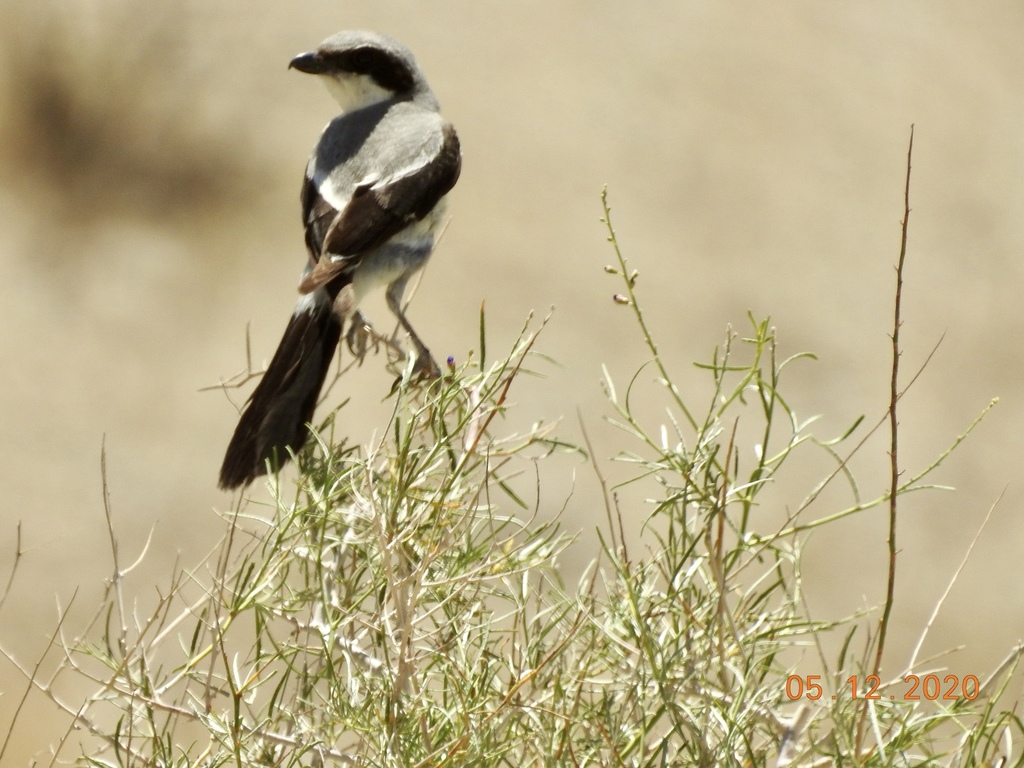
- Loggerhead ShrikeLanius ludovicianus









Widespread birds also seen here (33)
Found in many habitats here, so not listed above.
- American Goldfinch
- American Kestrel
- American Robin
- Bald Eagle
- Black-crowned Night-heron
- Blue Grosbeak
- Blue-gray Gnatcatcher
- Canada Goose
- Cedar Waxwing
- Chimney Swift
- Common Nighthawk
- Common Yellowthroat
- Cooper's Hawk
- Double-crested Cormorant
- Eastern Kingbird
- European Starling
- Great Egret
- Great Horned Owl
- Mourning Dove
- Northern Cardinal
- Northern Flicker
- Northern Mockingbird
- Osprey
- Purple Finch
- Red-tailed Hawk
- Red-winged Blackbird
- Sharp-shinned Hawk
- Tree Swallow
- Turkey Vulture
- White-throated Sparrow
- Yellow-breasted Chat
- Yellow-crowned Night-heron
- Yellow-rumped Warbler
Who uses this plant?
 2CaterpillarsGenus host records with ranges including LA
Genus host records with ranges including LA · Xyris
- Megisto cymelaLittle Wood Satyr
- Coleophora xyridella
 13BeesSoutheastern regional records
Southeastern regional records · Xyris
Individual names are not available yet.
Noori, Seltmann & Orr 2026, A curated and integrated dataset for exploring global bee-plant interactions (GloBI), Zenodo, CC BY 4.0 0Specialist beesPollen specialists
 1BirdsRecorded eating Xyris in Louisiana
Diet records by plant genus, from studies across North America. Not a record from this state. Birds whose range includes Louisiana, most records first.
- Wild TurkeySeeds. 5 diet records
Direct food only. Caterpillars on host plants also feed nesting birds. NC Native Plant Society: butterfly gardening
No records yet · Ants · Beetles · Flies · Adult butterflies / moths · Other wasps · Other insects
Birds that eat Xyris 1
Diet records by plant genus, from studies across North America. Not a record from this state. Avian Diet Database (Hurlbert Lab), CC0 1.0.
- Wild TurkeyMeleagris gallopavo

Plant details
- Family
- Xyridaceae
- Flower color
- White or yellow
Growing sources and scope
- Bloom · “June to July” · Weakley, Flora of the Southeastern United States (2025), Carolinas & Georgia edition · Carolinas and Georgia
- Flower color · “White or yellow” · Lady Bird Johnson Wildflower Center
- Life cycle · “Perennial” · Lady Bird Johnson Wildflower Center
- Light · “Full sun (documented habitat)” · Weakley, Flora of the Southeastern United States (2025), Carolinas & Georgia edition · Carolinas and Georgia
- Soil · “Water; Wet (documented habitat)” · Weakley, Flora of the Southeastern United States (2025), Carolinas & Georgia edition · Carolinas and Georgia
Also known as
Harper's Yellow eyed grass
Conservation status
| Louisiana rank | S2 |
|---|---|
| Global rank | G3 |
| LA status | Not verified |
| Federal status | Not verified |
Will it fit your yard?
Check this plant against your county, sun and soil moisture. Conditions are checked in your browser.
Sources
- Weakley, Flora of the Southeastern United States (2025), South Central edition
- USDA PLANTS
- Vascular Plants of North Carolina (NC Natural Heritage Program)
- NatureServe Explorer
- Louisiana occurrence source
- Shropshire & Tallamy 2025, Lepidoptera of North America north of Mexico, ZooKeys 1261 (ODbL)
- Noori, Seltmann & Orr 2026, A curated and integrated dataset for exploring global bee-plant interactions (GloBI), Zenodo, CC BY 4.0
- Smith, Bachelder, Russell, Morales, Mosher & Seltmann 2024, Bee-Specialization-Modeling v0.6.1 (specialist host table compiled from J. Fowler's pollen specialist bee lists), Zenodo, CC BY 4.0
- Hurlbert, Olsen, Sawyer & Winner 2021, Avian Diet Database, Scientific Data 8: 260 (CC0)
- Narango, Tallamy & Shropshire 2020, Few keystone plant genera support the majority of Lepidoptera species, Nature Communications