

Bird
Tree Swallow
Tachycineta bicolor
Lives in Louisiana all year and nests here. Found in all 64 parishes, across 13 habitats.
- Here
- All year
- Nesting
- Nests here
- Range
- All 64 parishes
- Habitats
- 13

At a glance
- Group
- Birds
- Here
- All year
- Nesting
- Nests here
- Range
- All 64 parishes
- Habitats
- 13
- Habitat models
- Summer, Winter
Where it lives
The places its habitat model includes. It is not found everywhere a habitat occurs.
Habitats in Louisiana 13
Each habitat page lists the plants and wildlife also found there.
Open sand of beaches, dunes and the hollows between them.
Open, wet, seepage-fed bogs of the Coastal Plain and Sandhills, often with pitcher plants.
Coastal tidal marshes (salinity not stated)
Tidal marshes of the Atlantic and Gulf coasts where the source does not say whether the water is fresh, brackish or salt. A stated salinity files the marsh under freshwater tidal marshes or salt and brackish marshes instead.
Disturbed and introduced wetlands
Wet ground taken over by weedy or introduced plants after disturbance, such as common reed, Chinese tallow or tamarisk stands; the upland counterpart is roadsides, fields and disturbed ground.
Floodplain and bottomland forests
Forests on low ground beside rivers and streams that flood from time to time.
Flat, poorly drained uplands and terraces with oaks, sweetgum and sometimes loblolly pine, wet in winter and dry in summer, but neither a floodplain nor a swamp.
Flat, sandy Coastal Plain pine woodlands, wetter than sandhills and denser than savannas.
Open, fire-kept longleaf pine stands over grasses and wildflowers on wet to moist sandy soil.
Still water and its edges: ponds, lakes, millponds and reservoirs.
Open, grass-dominated places kept open by fire, grazing or thin soil, from tallgrass prairie to Piedmont prairies.
Roadsides, fields and disturbed ground
Ground opened by people: roadsides, old fields, pastures, fencerows and lots.
Salt and brackish open water of sounds, bays and estuaries, with the mud and sand flats and seagrass beds that tides cover and uncover; the vegetated marsh is salt and brackish marshes.
Forested wetlands with standing water much of the year, such as cypress and gum swamps.
Other habitats in its models (114)
Land cover, or classes with no habitat page in Louisiana.
- Developed, Low Intensity Summer and winter.
- Open Water (Aquaculture) Summer and winter.
- Unconsolidated Shore (Lake/River/Pond) Summer and winter.
- Unconsolidated Shore Winter.
- Florida Panhandle Beach Vegetation Winter.
- Ridge and Valley Calcareous Valley Bottom Glade and Woodland Summer, only within 250 m of water.
- East Gulf Coastal Plain Black Belt Calcareous Prairie and Woodland - Herbaceous Modifier Summer and winter.
- Crosstimbers Oak Forest and Woodland Summer, only within 250 m of water.
- North-Central Interior Dry-Mesic Oak Forest and Woodland Summer, only within 250 m of water.
- North-Central Interior Dry Oak Forest and Woodland Summer, only within 250 m of water.
- Allegheny-Cumberland Dry Oak Forest and Woodland - Hardwood Summer, only within 250 m of water.
- East-Central Texas Plains Post Oak Savanna and Woodland Winter.
- East-Central Texas Plains Riparian Forest Winter.
- East-Central Texas Plains Floodplain Forest Winter.
- Lower Mississippi River Dune Woodland and Forest Winter.
- Western Great Plains Wooded Draw and Ravine Summer and winter.
- East Gulf Coastal Plain Black Belt Calcareous Prairie and Woodland - Woodland Modifier Summer and winter.
- Allegheny-Cumberland Dry Oak Forest and Woodland - Pine Modifier Summer, only within 250 m of water.
- Appalachian Shale Barrens Summer, only within 250 m of water.
- Central Interior Highlands Dry Acidic Glade and Barrens Summer, only within 250 m of water.
- Central Appalachian Pine-Oak Rocky Woodland Summer, only within 250 m of water.
- Florida Longleaf Pine Sandhill - Open Understory Modifier Winter.
- East-Central Texas Plains Pine Forest and Woodland Winter.
- North-Central Interior Oak Savanna Summer, only within 250 m of water.
- North-Central Oak Barrens Summer, only within 250 m of water.
- Southern Piedmont Glade and Barrens Summer and winter.
- Nashville Basin Limestone Glade Summer, only within 250 m of water.
- Cumberland Sandstone Glade and Barrens Summer, only within 250 m of water.
- Central Appalachian Alkaline Glade and Woodland Summer, only within 250 m of water.
- Central Interior Highlands Calcareous Glade and Barrens Summer, only within 250 m of water.
- West Gulf Coastal Plain Catahoula Barrens Winter.
- West Gulf Coastal Plain Nepheline Syenite Glade Winter.
- Atlantic Coastal Plain Xeric River Dune Winter.
- Eastern Highland Rim Prairie and Barrens - Dry Modifier Summer and winter.
- Central Mixedgrass Prairie Summer, only within 250 m of water.
- North-Central Interior Sand and Gravel Tallgrass Prairie Summer, only within 250 m of water.
- Arkansas Valley Prairie and Woodland Summer, only within 250 m of water.
- Central Tallgrass Prairie Summer, only within 250 m of water.
- Florida Dry Prairie Winter.
- West Gulf Coastal Plain Northern Calcareous Prairie Winter.
- East Gulf Coastal Plain Jackson Prairie and Woodland Summer and winter.
- Atlantic Coastal Plain Southern Dune and Maritime Grassland Winter.
- Southwest Florida Dune and Coastal Grassland Winter.
- East Gulf Coastal Plain Dune and Coastal Grassland Winter.
- Central and Upper Texas Coast Dune and Coastal Grassland Winter.
- Recently Logged Areas Summer, only within 250 m of water.
- Harvested Forest - Grass/Forb Regeneration Summer and winter.
- Recently Burned Summer and winter.
- Recently Burned Forest Summer and winter.
- Recently Burned Grassland Summer and winter.
- Introduced Upland Vegetation - Forbland Summer and winter.
- Introduced Upland Vegetation - Annual Grassland Summer and winter.
- Introduced Upland Vegetation - Perennial Grassland Summer and winter.
- Atlantic Coastal Plain Central Salt and Brackish Tidal Marsh Summer and winter.
- Atlantic Coastal Plain Indian River Lagoon Tidal Marsh Winter.
- Atlantic Coastal Plain Embayed Region Tidal Salt and Brackish Marsh Summer and winter.
- Mississippi Sound Salt and Brackish Tidal Marsh Winter.
- Atlantic Coastal Plain Northern Tidal Salt Marsh Summer and winter.
- Florida Big Bend Salt-Brackish Tidal Marsh Winter.
- Southern Coastal Plain Nonriverine Basin Swamp - Okefenokee Taxodium Modifier Winter.
- Southern Coastal Plain Nonriverine Basin Swamp - Okefenokee Bay/Gum Modifier Winter.
- Southern Coastal Plain Nonriverine Basin Swamp - Okefenokee Pine Modifier Winter.
- Southern Coastal Plain Nonriverine Basin Swamp - Okefenokee Nupea Modifier Winter.
- Southern Coastal Plain Nonriverine Basin Swamp - Okefenokee Clethra Modifier Winter.
- Atlantic Coastal Plain Clay-Based Carolina Bay Herbaceous Wetland Winter.
- Atlantic Coastal Plain Streamhead Seepage Swamp - Pocosin - and Baygall Winter.
- Central Interior and Appalachian Swamp Systems Summer.
- Atlantic Coastal Plain Large Natural Lakeshore Summer and winter.
- Atlantic Coastal Plain Southern Tidal Wooded Swamp Winter.
- South Florida Everglades Sawgrass Marsh Winter.
- Central Interior and Appalachian Shrub-Herbaceous Wetland Systems Summer.
- Floridian Highlands Freshwater Marsh Winter.
- Atlantic Coastal Plain Embayed Region Tidal Freshwater Marsh Summer and winter.
- Central Florida Herbaceous Seep Winter.
- Florida Big Bend Fresh-Oligohaline Tidal Marsh Winter.
- Atlantic Coastal Plain Northern Fresh and Oligohaline Tidal Marsh Summer and winter.
- South Florida Bayhead Swamp Winter.
- Southern Coastal Plain Nonriverine Basin Swamp Winter.
- Northern Atlantic Coastal Plain Basin Swamp and Wet Hardwood Forest Summer and winter.
- Atlantic Coastal Plain Central Fresh-Oligohaline Tidal Marsh Summer and winter.
- South Florida Dwarf Cypress Savanna Winter.
- South Florida Wet Marl Prairie Winter.
- East Gulf Coastal Plain Savanna and Wet Prairie Winter.
- Texas Saline Coastal Prairie Winter.
- Eastern Great Plains Wet Meadow, Prairie, and Marsh Winter.
- South Florida Cypress Dome Winter.
- Western Great Plains Depressional Wetland Systems Winter.
- Central Florida Herbaceous Pondshore Winter.
- East Gulf Coastal Plain Southern Depression Pondshore Summer and winter.
- Southern Piedmont/Ridge and Valley Upland Depression Swamp Summer and winter.
- Atlantic Coastal Plain Depression Pondshore Summer and winter.
- Central Appalachian Floodplain - Forest Modifier Summer.
- Central Appalachian Riparian - Forest Modifier Summer.
- East Gulf Coastal Plain Large River Floodplain Forest - Forest Modifier Summer and winter.
- South-Central Interior Large Floodplain - Forest Modifier Summer.
- Southern Piedmont Large Floodplain Forest - Forest Modifier Summer and winter.
- East Gulf Coastal Plain Large River Floodplain Forest - Herbaceous Modifier Summer and winter.
- South-Central Interior Large Floodplain - Herbaceous Modifier Summer.
- Western Great Plains Floodplain Systems Winter.
- Eastern Great Plains Floodplain Systems Winter.
- Central Interior and Appalachian Floodplain Systems Summer.
- Central Interior and Appalachian Riparian Systems Summer.
- Western Great Plains Floodplain Winter.
- Southern Piedmont Small Floodplain and Riparian Forest Summer and winter.
- Atlantic Coastal Plain Small Brownwater River Floodplain Forest Winter.
- Atlantic Coastal Plain Small Blackwater River Floodplain Forest Winter.
- South-Central Interior Small Stream and Riparian Summer.
- East Gulf Coastal Plain Small Stream and River Floodplain Forest Summer and winter.
- Southern Coastal Plain Blackwater River Floodplain Forest Winter.
- Texas-Louisiana Coastal Prairie Slough Winter.
- South-Central Interior Large Floodplain Summer.
- Atlantic Coastal Plain Southern Wet Pine Savanna and Flatwoods Winter.
- South-Central Interior / Upper Coastal Plain Wet Flatwoods Summer.
- North-Central Interior Wet Flatwoods Summer.
Seasons in Louisiana
- Migratory: does not nest here, in 22 of 64 parishes.
- Winter: does not nest here, in 48 of 64 parishes.
- Summer: nests here, in 4 of 64 parishes.
Also found in this habitat
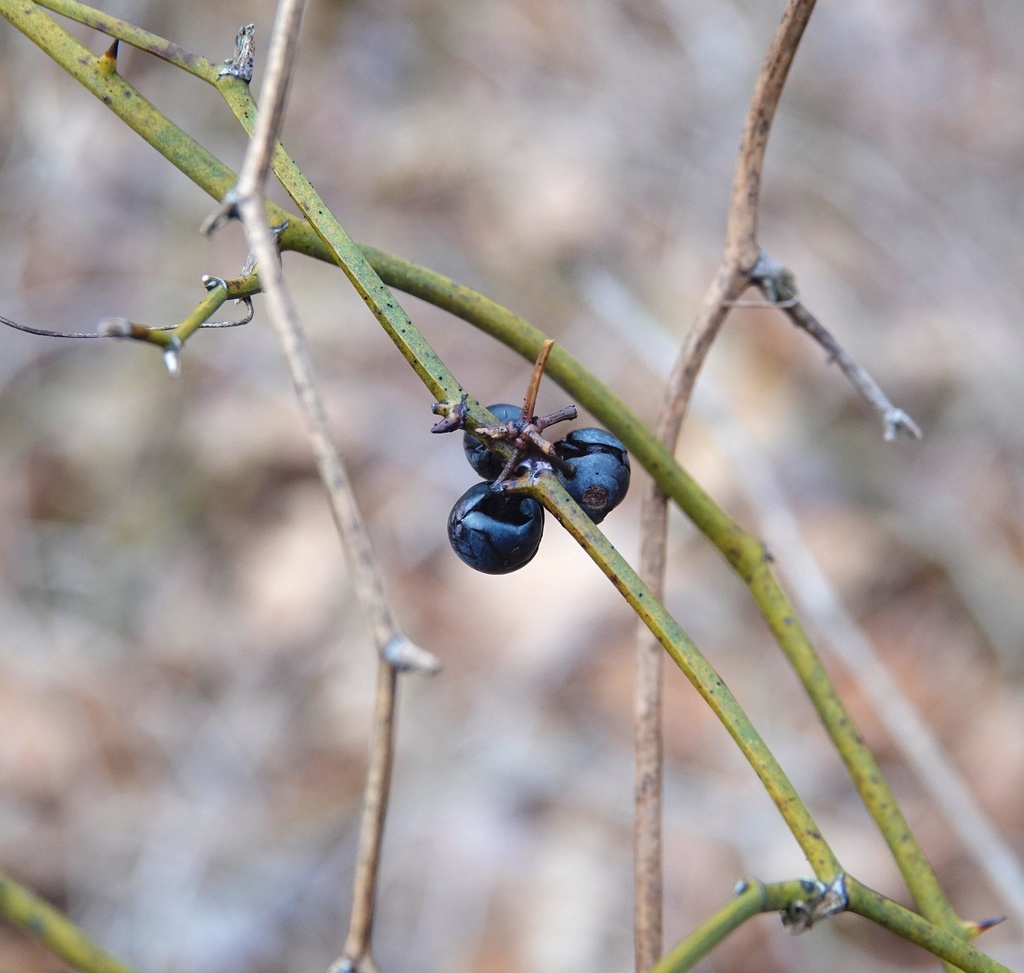
Plants 435
Plants named in NatureServe descriptions of these habitats that grow in Louisiana. Shared habitat, not food.
- Variable WitchgrassDichanthelium commutatum
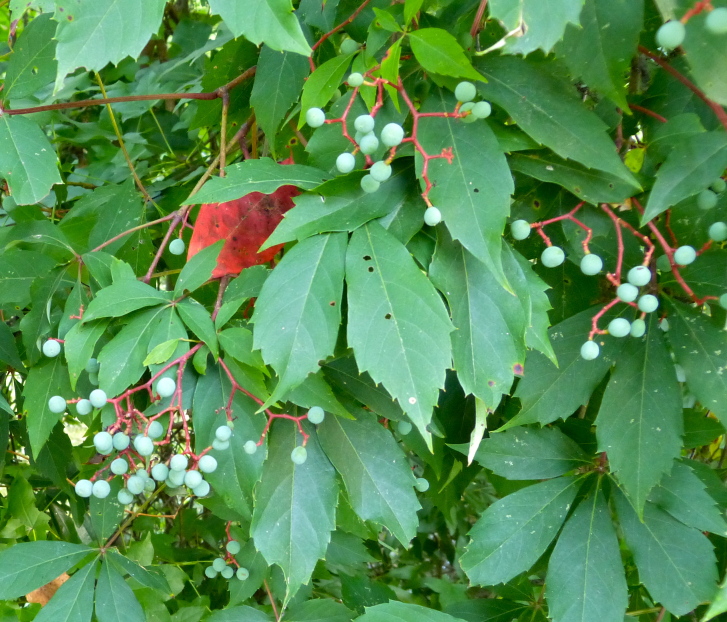
- Virginia CreeperParthenocissus quinquefolia
- Canadian ClearweedPilea pumila
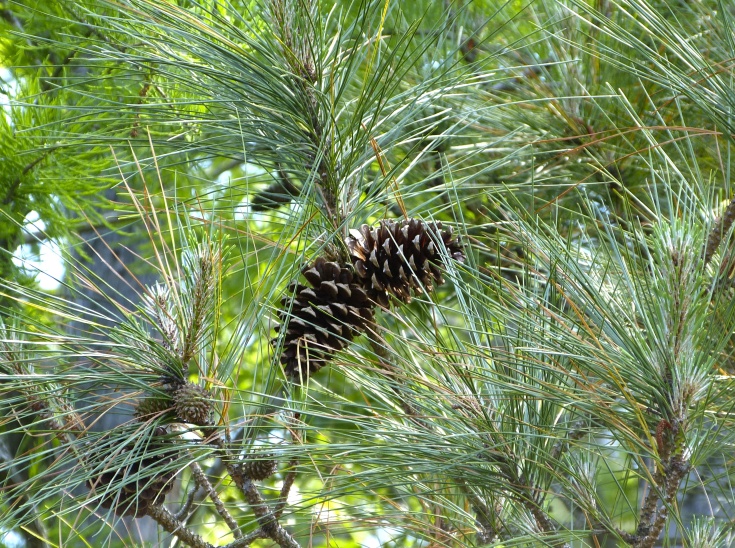
- Loblolly PinePinus taeda
- Planer-treePlanera aquatica
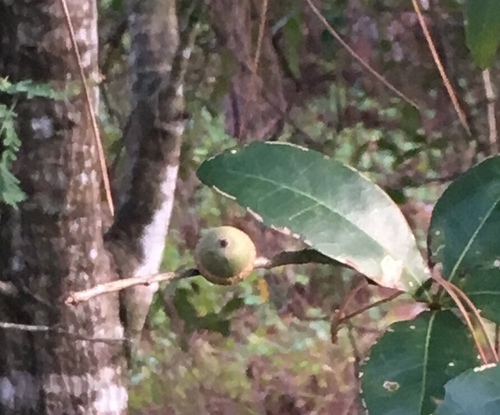
- Laurel OakQuercus laurifolia
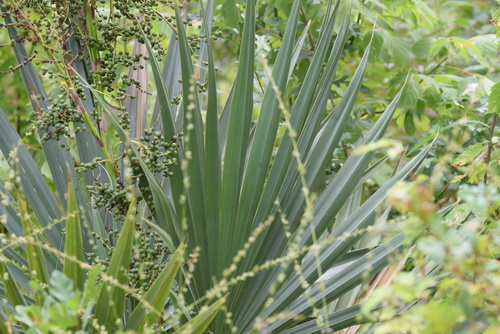
- Dwarf PalmettoSabal minor
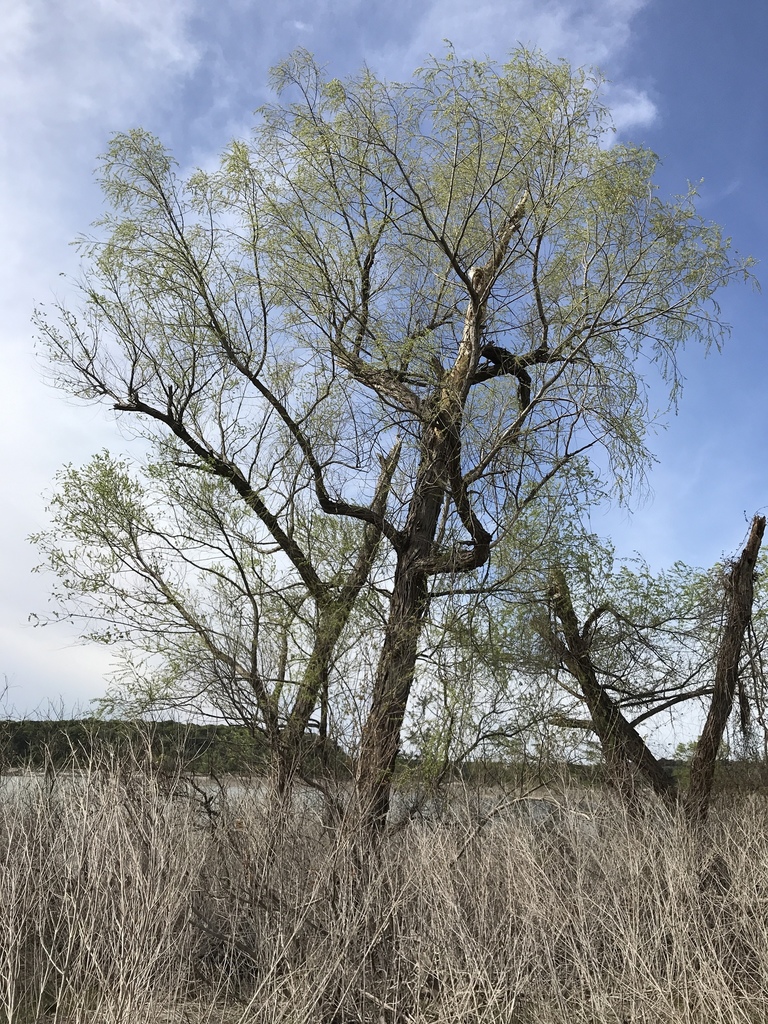
- Black WillowSalix nigra
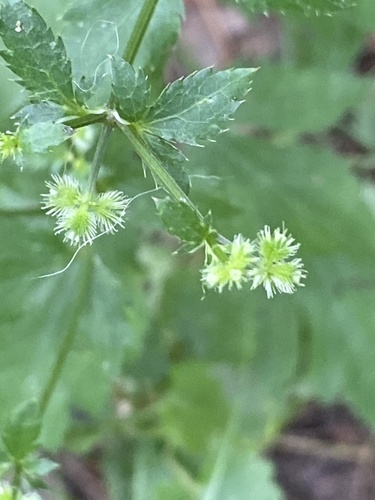
- Canadian Black-snakerootSanicula canadensis
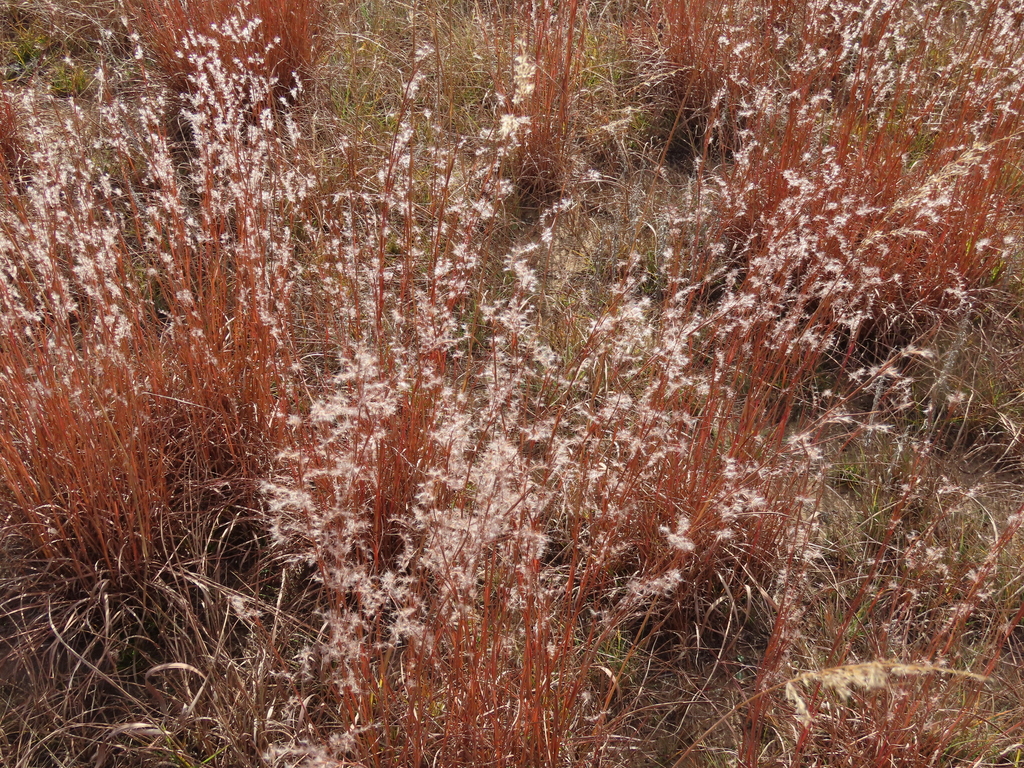
- Little BluestemSchizachyrium maritimum
- Common GreenbrierSmilax rotundifolia
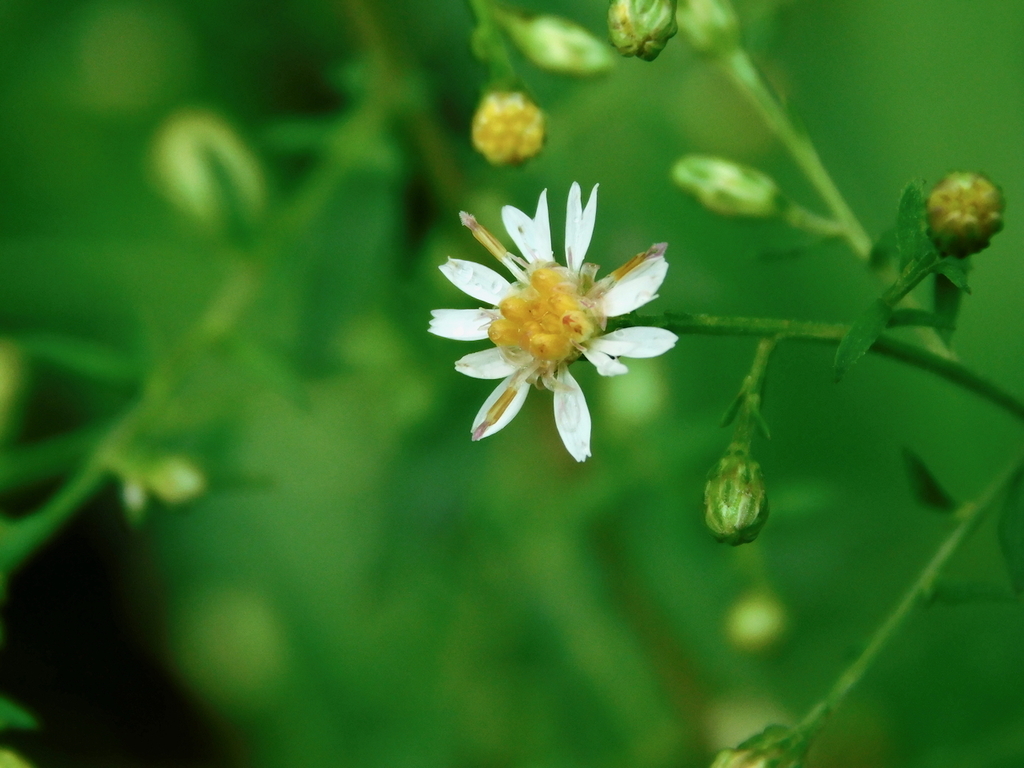
- Calico AsterSymphyotrichum lateriflorum
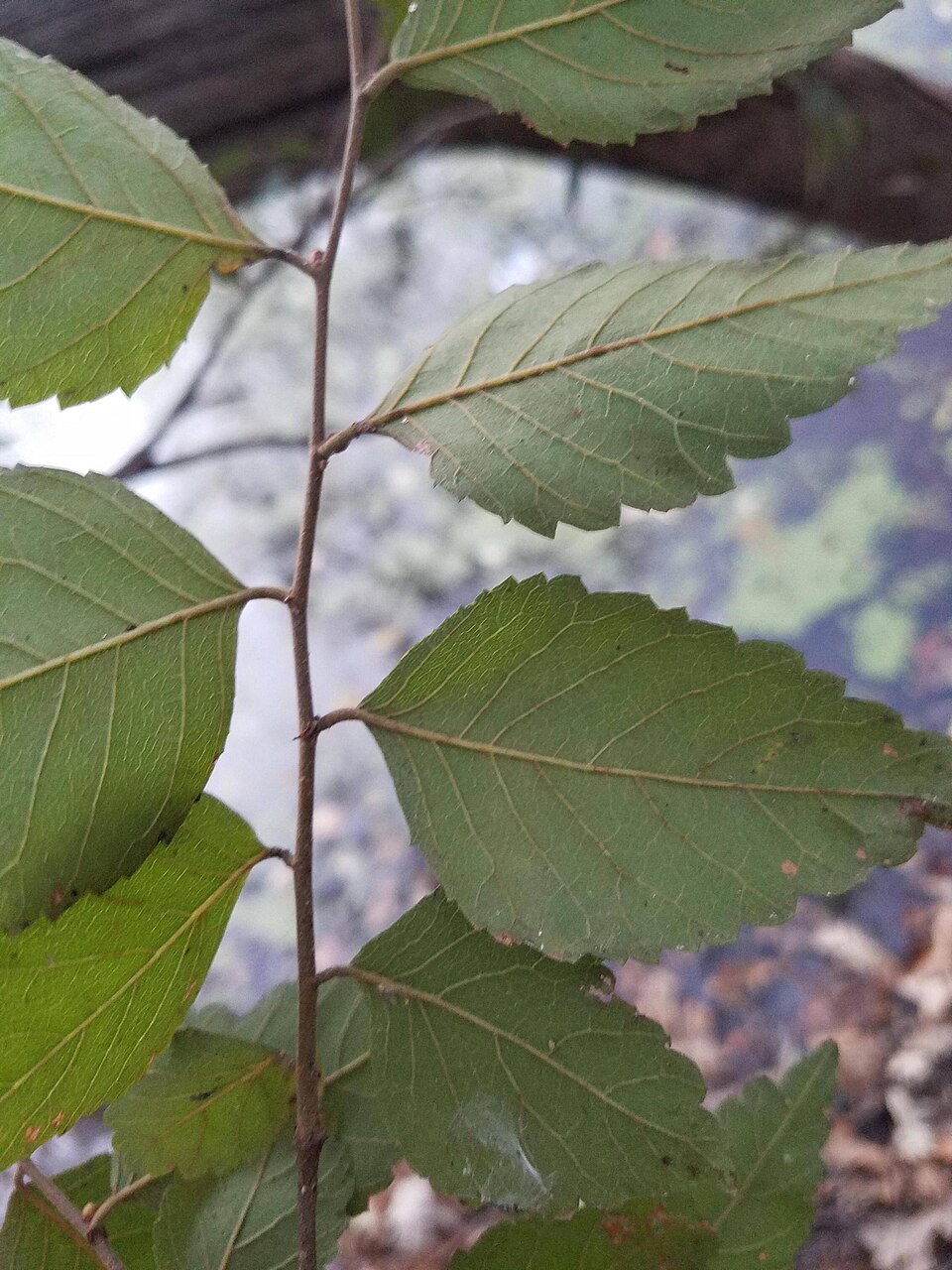
- Winged ElmUlmus alata
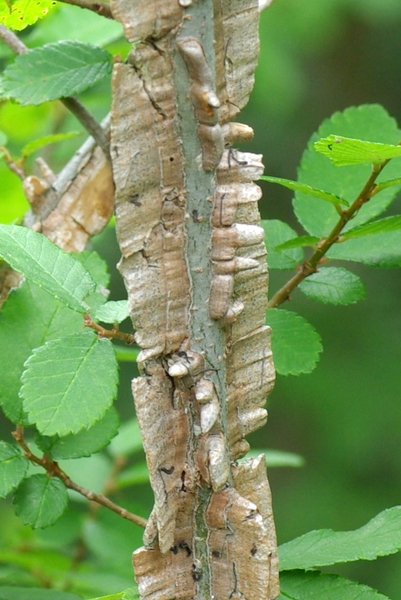
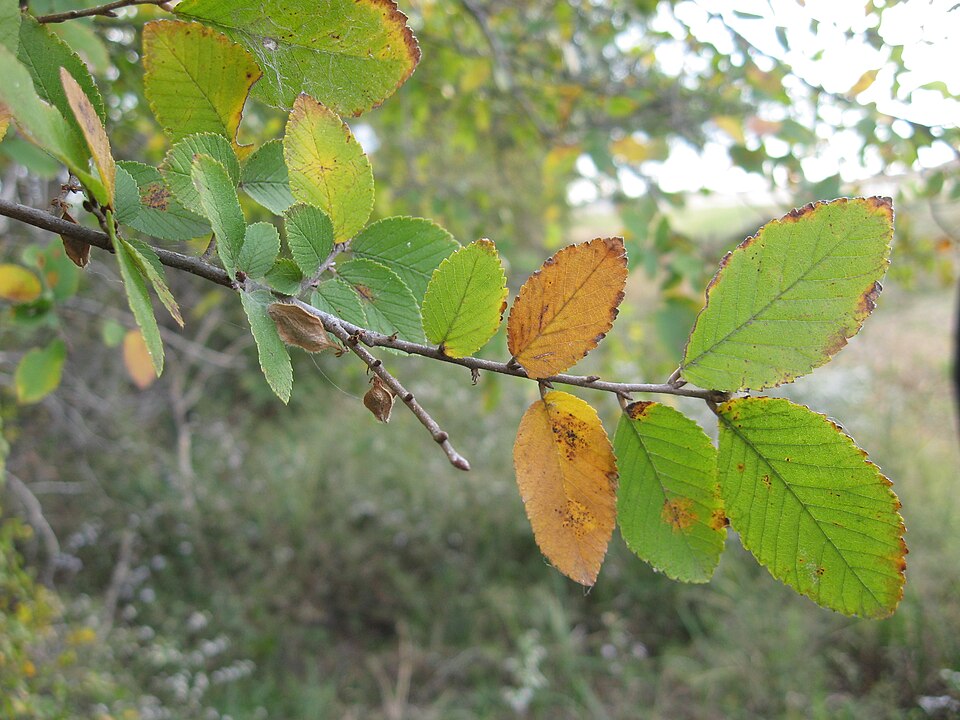
- Cedar ElmUlmus crassifolia
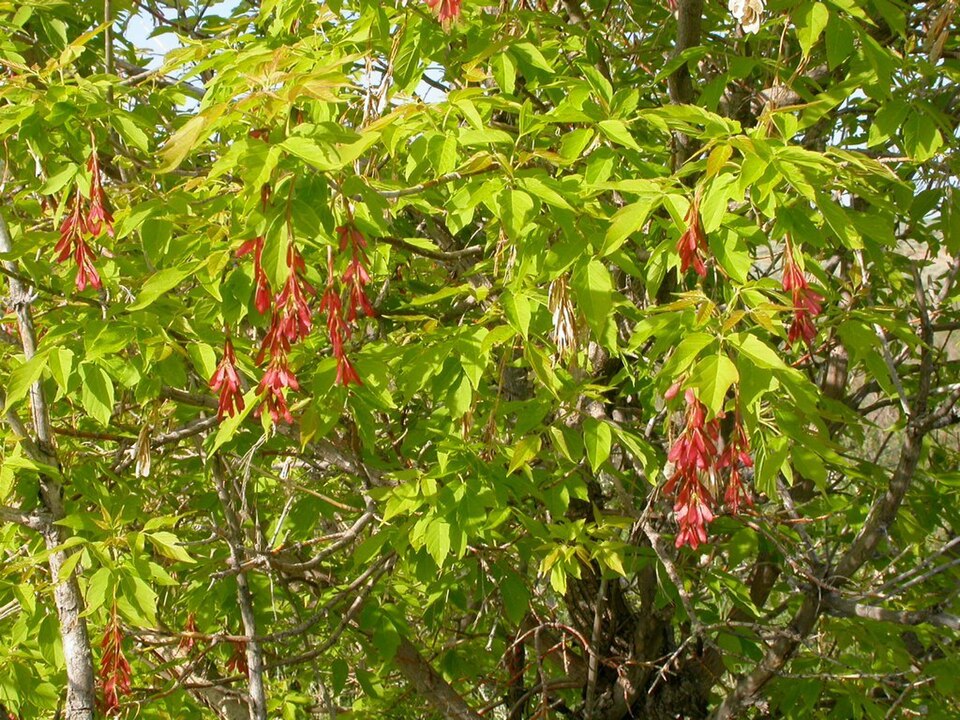
- Box-elderAcer negundo
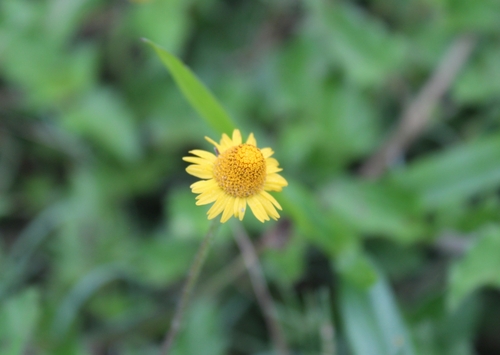
- Creeping SpotflowerAcmella oppositifolia var. repens
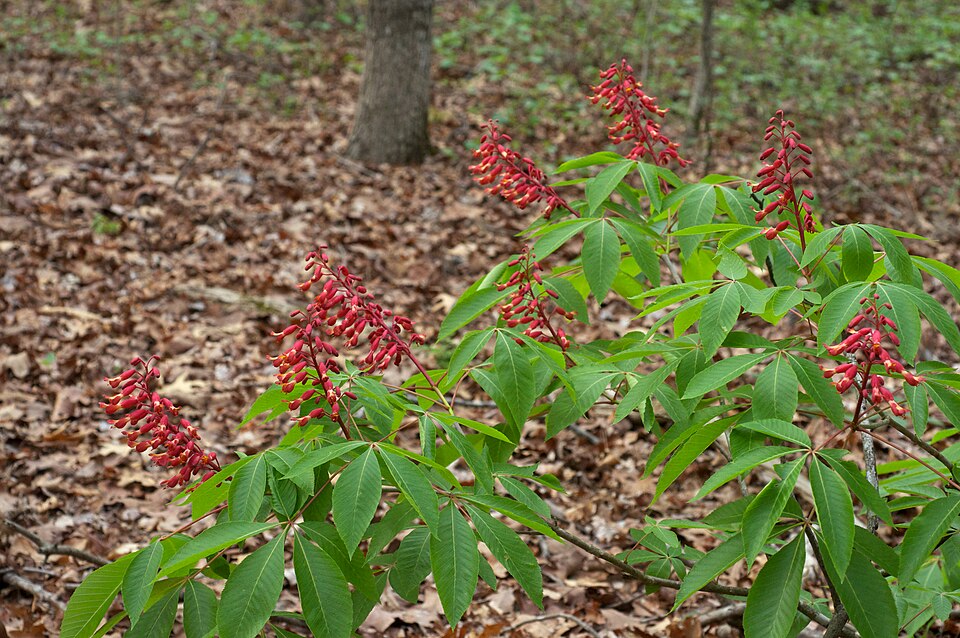
- Red BuckeyeAesculus pavia
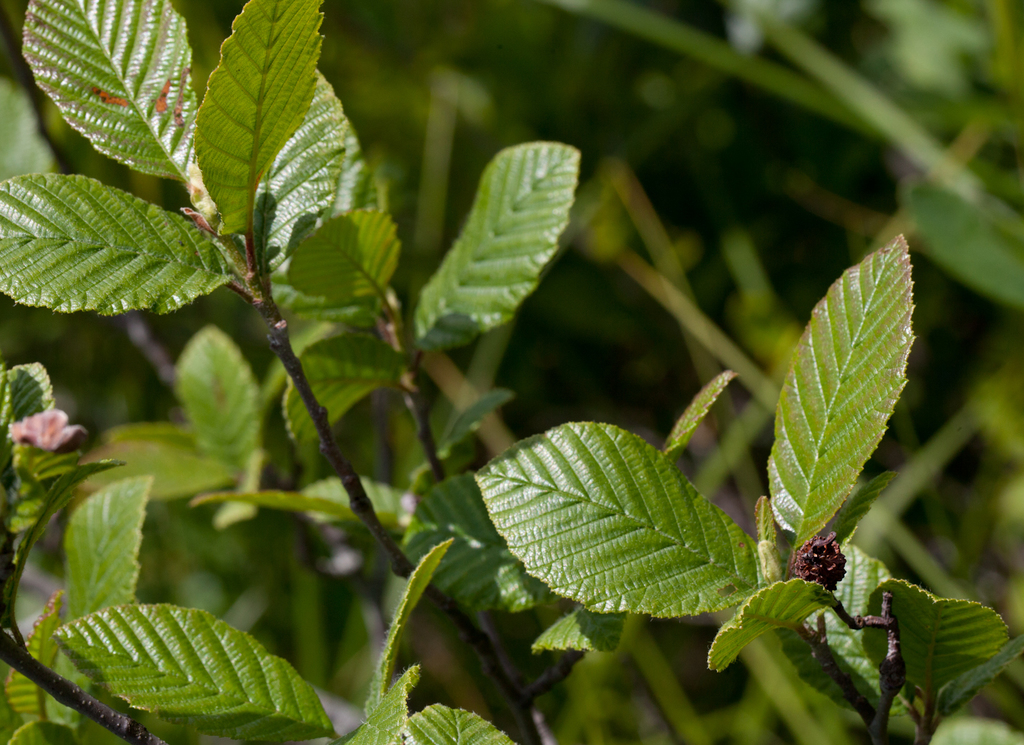
- Hazel AlderAlnus serrulata
- American GroundnutApios americana
- Giant CaneArundinaria gigantea
- SupplejackBerchemia scandens
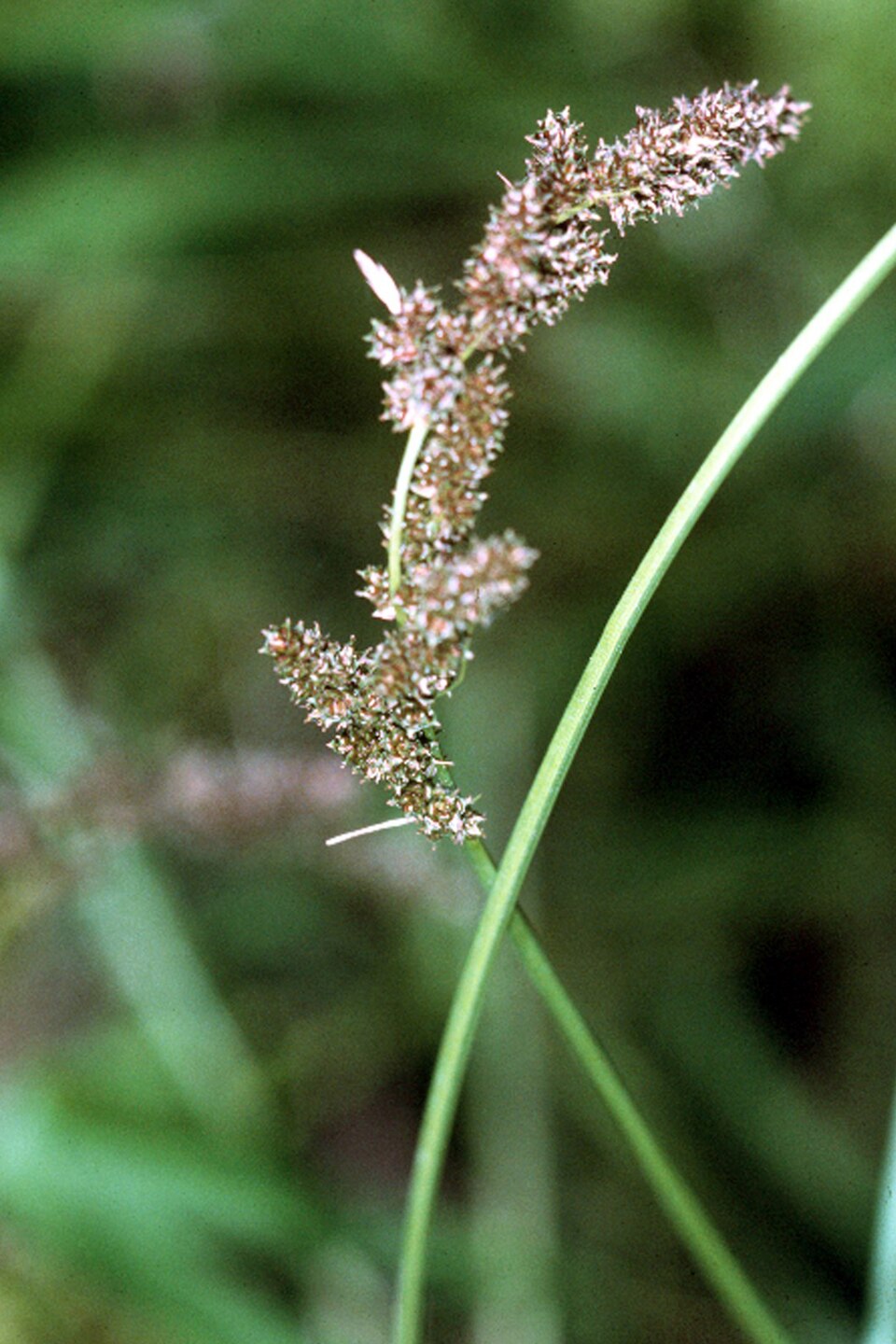
- Cypress-knee SedgeCarex decomposita
- Sharp-scale SedgeCarex oxylepis
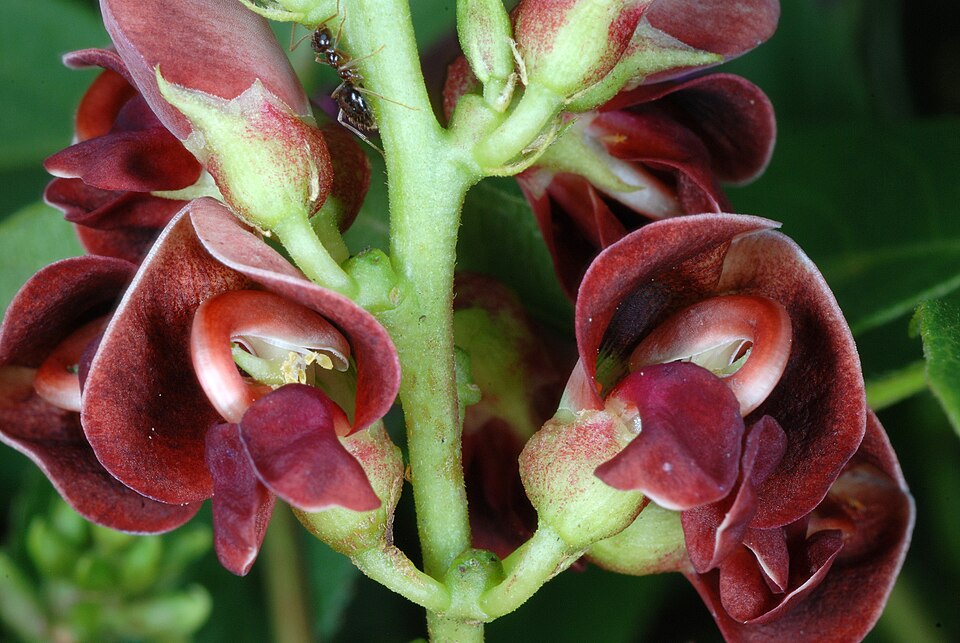
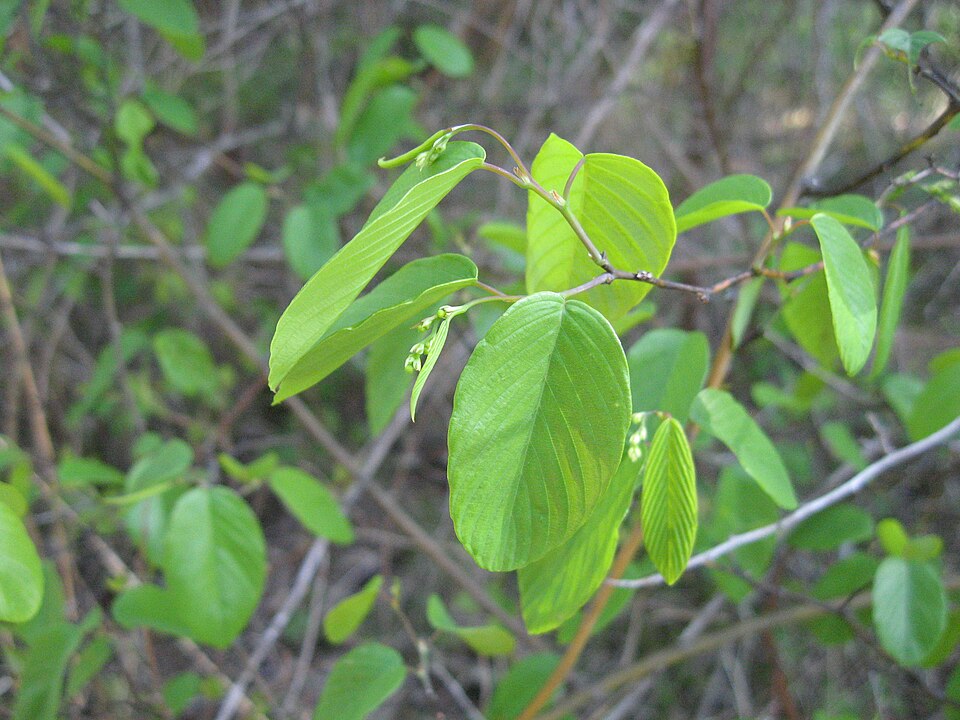
Wildlife 282
Other animals whose habitat models include the same habitats in Louisiana. Not sighting records.
- Black-crowned Night-heronNycticorax nycticorax
- Common NighthawkChordeiles minor
- Great Horned OwlBubo virginianus
- Chimney SwiftChaetura pelagica
- Eastern KingbirdTyrannus tyrannus
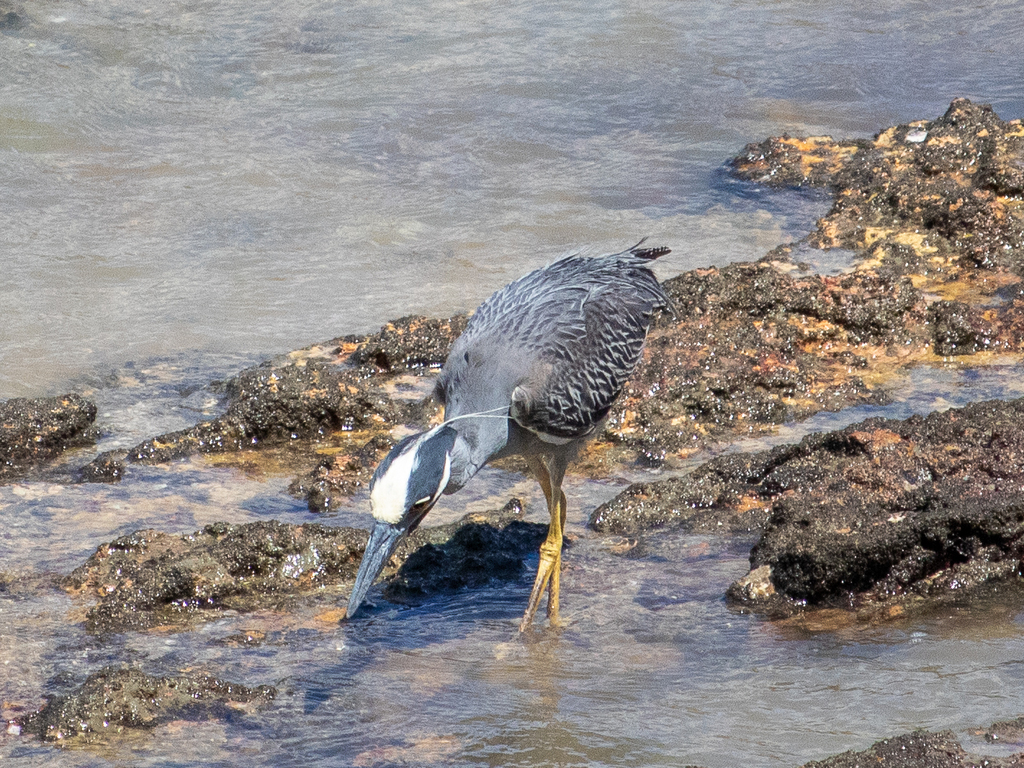
- Yellow-crowned Night-heronNyctanassa violacea
- Canada GooseBranta canadensis
- Cooper's HawkAccipiter cooperii
- Great EgretArdea alba
- Green HeronButorides virescens
- Northern CardinalCardinalis cardinalis
- Red-tailed HawkButeo jamaicensis
- Red-winged BlackbirdAgelaius phoeniceus
- Sharp-shinned HawkAccipiter striatus
- Snowy EgretEgretta thula
- Turkey VultureCathartes aura
- Yellow-breasted ChatIcteria virens
- American Black DuckAnas rubripes
- American KestrelFalco sparverius
- Bald EagleHaliaeetus leucocephalus
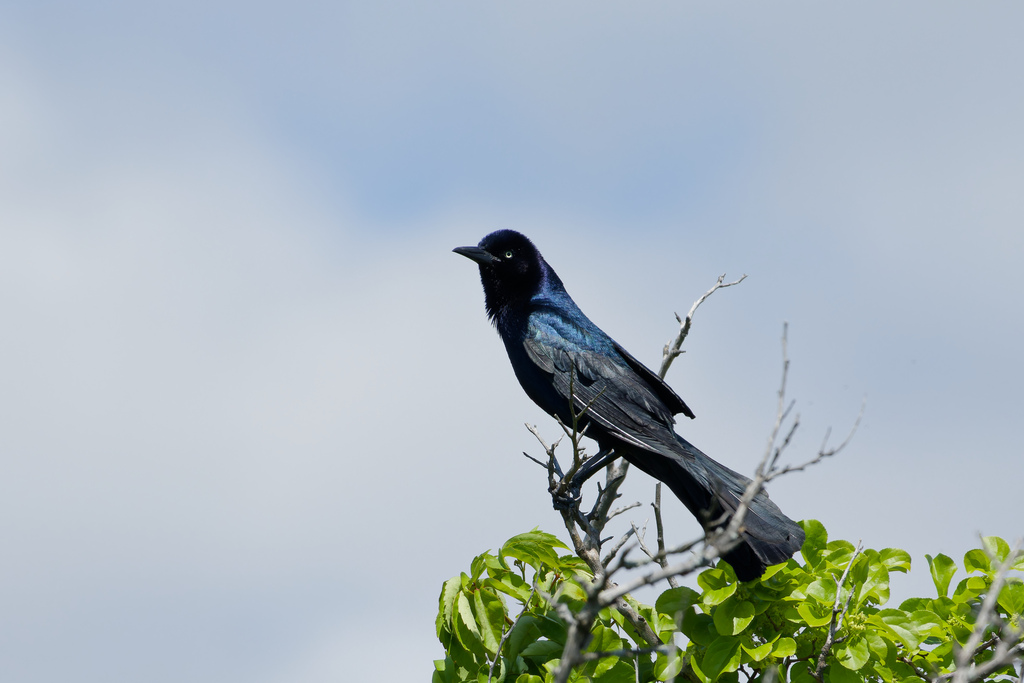
- Boat-tailed GrackleQuiscalus major
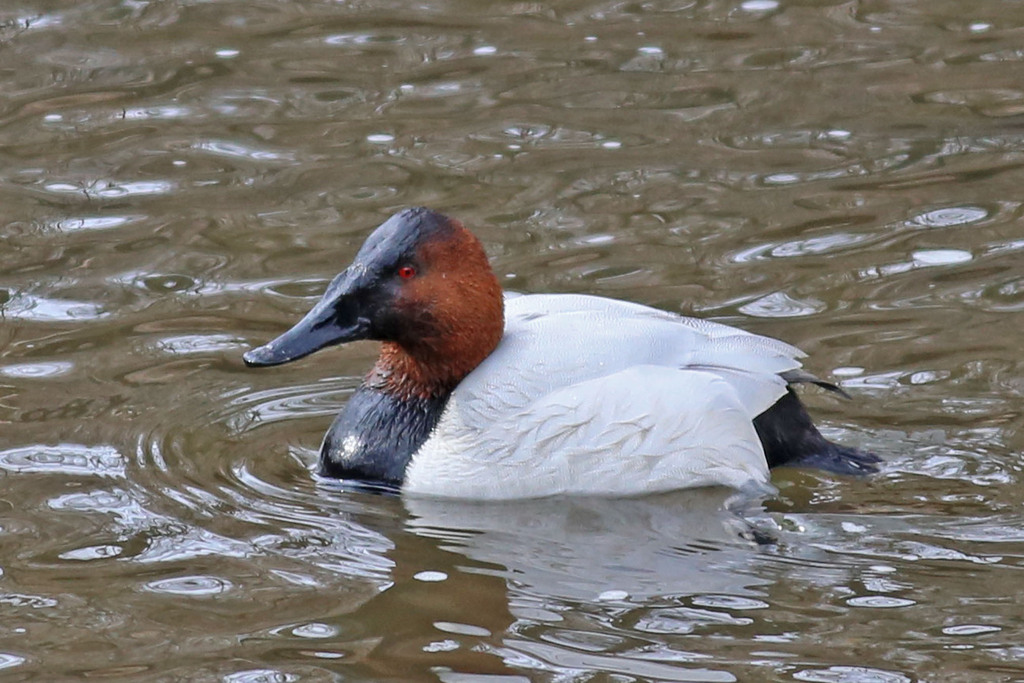
- CanvasbackAythya valisineria
- Cliff SwallowPetrochelidon pyrrhonota
- Common YellowthroatGeothlypis trichas





















NatureServe Explorer, CC BY 4.0. USGS Gap Analysis Project habitat models.
Sources
- USGS Gap Analysis Project habitat models (2001)
- USGS GAP winter habitat model for Tree Swallow Avoids forest interior
- USGS Gap Analysis Project range maps (2001), modeled by watershed; migratory gives no dates
- NatureServe Explorer (CC BY 4.0), habitat names
- US Census TIGER/Line counties
- Names follow the USGS Gap Analysis Project (2001)