

Hazel Alder
Alnus serrulata
In the Carolinas and Georgia, found in streambanks, bogs, wet thickets, pondshores, lakeshores. Weakley, Flora of the Southeastern United States (2025), Carolinas & Georgia edition What its natural habitat tells you
Native to Louisiana (estimated). How scores work Is it native here?
Profile 100%
- Height
- 10–15 feet
- Spread
- 8–15 feet
- Light
- Full sun, Partial shade
- Soil moisture
- Usually moist
Space about 11.5 ft apart from its recorded spread. Enter your bed size for a count
Will it fit your yard?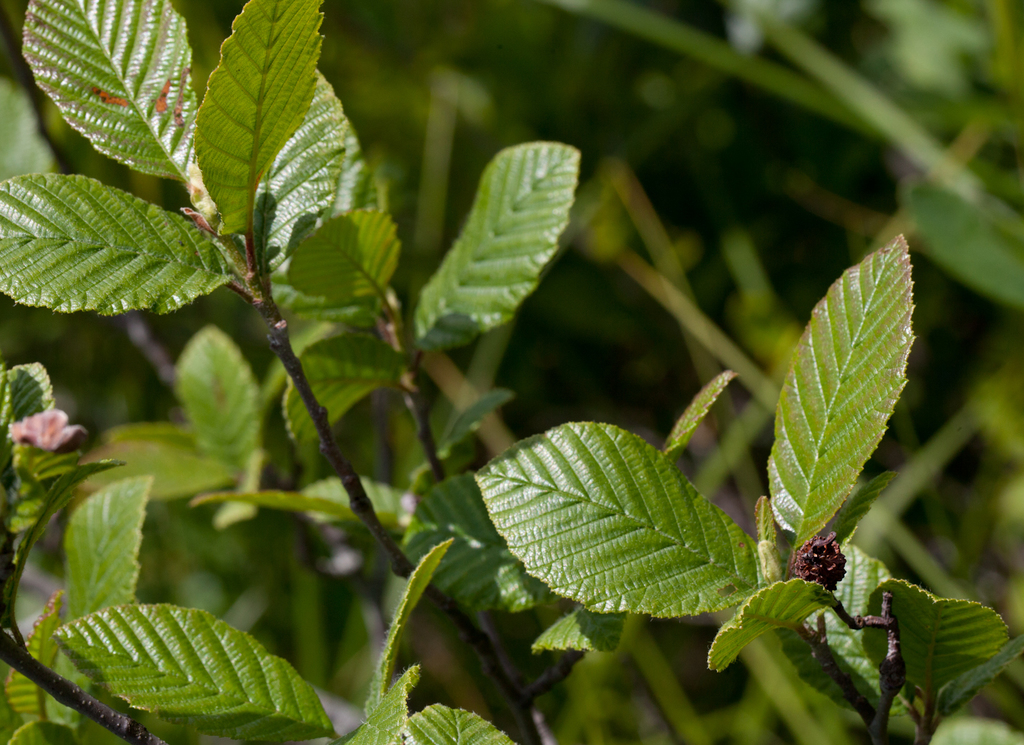
At a glance
- Life cycle
- Woody perennial
- Leaves
- Deciduous
- Bloom
- February to March
- Fruiting season
- August to October
Recorded in 22 Louisiana parishes.
Natural habitats
Places it grows wild. Not a planting requirement. Each habitat page lists the plants and wildlife also found there.
Streams, rivers and their banks
Flowing water and its banks, bars and rocky shoals.
Borders of forests, clearings and shrubby thickets.
Still water and its edges: ponds, lakes, millponds and reservoirs.
Also found with this plant
Wildlife whose habitat models include habitats this plant grows in, in Louisiana. Shared habitat, not food. 125 animals.
- American GoldfinchCarduelis tristis
- American RobinTurdus migratorius
- Black-and-White WarblerMniotilta varia
- Black-crowned Night-heronNycticorax nycticorax
- Blue GrosbeakPasserina caerulea
- Blue JayCyanocitta cristata
- Blue-gray GnatcatcherPolioptila caerulea
- Brown CreeperCerthia americana
- Canada GooseBranta canadensis
- Cedar WaxwingBombycilla cedrorum
- Chimney SwiftChaetura pelagica
- Cliff SwallowPetrochelidon pyrrhonota
- Common NighthawkChordeiles minor
- Common YellowthroatGeothlypis trichas
- Cooper's HawkAccipiter cooperii
- Double-crested CormorantPhalacrocorax auritus
- Downy WoodpeckerPicoides pubescens
- Eastern KingbirdTyrannus tyrannus
- European StarlingSturnus vulgaris
- Golden-crowned KingletRegulus satrapa
- Gray CatbirdDumetella carolinensis
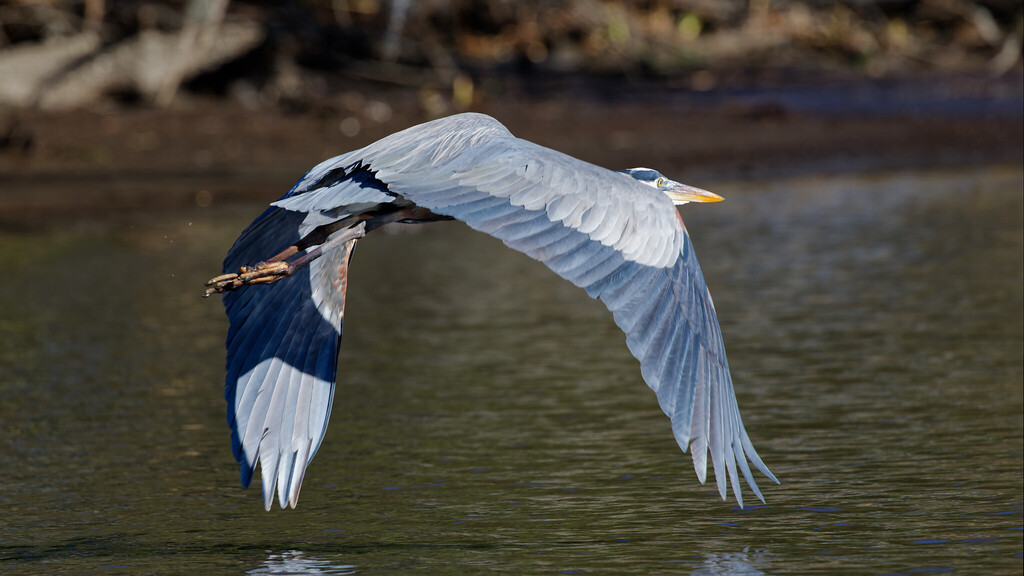
- Great Blue HeronArdea herodias
- Great EgretArdea alba
- Great Horned OwlBubo virginianus























Who uses this plant?
 92CaterpillarsGenus host records with ranges including LA
Genus host records with ranges including LA · Alnus
- Achatia distinctaDistinct Quaker
- Achatodes zeaeElder Shoot Border Moth, Spindele Worm, Cornstalk Borer
- Acrobasis rubrifasciellaAlder Tubemaker Moth
- Acronicta americanaAmerican Dagger
- Acronicta funeralisFunerary Dagger, Paddle Caterpillar
- Acronicta hastuliferaFrosted Dagger, Hoary Alder Dagger
- Acronicta impletaYellow-Haired Dagger
- Acronicta longaLong-Winged Dagger, Darkish Dagger
- Acronicta oblinitaSmeared Dagger
- Actias lunaLuna Moth
Show all 92
- Aethalura intertextaFour-Barred Gray
- Agonopterix argillaceaClay-Colored Agonopterix
- Amorbia humerosanaWhite-Lined Leafroller Moth
- Amorpha juglandisWalnut Sphinx
- Amphipyra pyramidoidesMiranda Underwing, Copper Underwing, Copper Amphipyra
- Anavitrinella pampinariaCommon Gray, Cranberry Spanworm
- Antepione thisoariaVariable Antepione
- Antheraea polyphemusPolyphemus Moth
- Apatelodes torrefactaSpotted Apatelodes
- Archips argyrospilaFruit-Tree Leafroller Moth
- Argyrotaenia velutinanaRed-Banded Leafroller Moth, Jack Pine Tube Moth
- Baileya doubledayiDoubleday's Baileya
- Baileya ophthalmicaEyed Baileya
- Besma quercivorariaOak Besma
- Cecrita biundataWavy-Lined Heterocampa
- Cenopis pettitanaMaple-Basswood Leafroller Moth
- Cenopis reticulatanaReticulated Fruitworm Moth
- Choristoneura rosaceanaOblique-Banded Leafroller Moth, Rosaceous Leaf Roller
- Clostera inclusaAngle-Lined Prominent, Poplar Tent Maker, Poplar Leaf-Tier
- Coelodasys unicornisUnicorn Caterpillar Moth
- Derrima stellataPink Star
- Eacles imperialisImperial Moth, Imperial Spiny Caterpillar
- Ectropis crepusculariaThe Small Engrailed, Saddleback Looper
- Ennomos magnariaMaple Spanworm Moth, Notchwing Geometer
- Ennomos subsignariaElm Spanworm Moth
- Episimus argutanaSumac Leaftier
- Erannis tiliariaLinden Looper Moth, Western Winter Moth, Lime Looper
- Estigmene acreaSalt Marsh Moth, Acrea Moth
- Euchlaena marginariaOchre Euchlaena
- Euclea delphiniiSpiny Oak-Slug Moth
- Eupithecia miserulataCommon Eupithacia, Common Pug
- Euplexia benesimilisAmerican Angle Shades
- Feniseca tarquiniusHarvester
- Halysidota tessellarisBanded Tussock Moth, Pale Tiger Moth
- Herpetogramma pertextalisBold-Feathered Grass Moth
- Hyalophora cecropiaCecropia Silkmoth, Cecropia Moth
- Hydriomena pluviataSharp Green Hydriomena
- Hydriomena renunciataRenounced Hydriomena
- Hypagyrtis unipunctataOne-Spotted Variant
- Hypena eductalisRed-Footed Bomolocha, Red-footed Snout
- Hyphantria cuneaFall Webworm
- Lambdina fiscellariaHemlock Looper, Western Oak Looper
- Limenitis arthemisBanded Purple, Red-Spotted Admiral
- Lithophane antennataAshen Pinion
- Lycia ypsilonWoolly Gray
- Malacosoma americanaEastern Tent Caterpillar
- Malacosoma disstriaForest Tent Caterpillar
- Megalopyge crispataBlack-Waved Flannel Moth, Crinkled Flannel Moth
- Melanolophia canadariaCanadian Melanolphia, Variable Redmarked Looper
- Melanolophia signatariaSignate Melanolphia
- Metarranthis duariaRuddy Metarranthis
- Nadata gibbosaWhite-Dotted Prominent
- Nematocampa resistariaFilament Bearer, Horned Spanworm Moth
- Nemoria mimosariaWhite-Fringed Emerald
- Nymphalis antiopaMourning Cloak
- Oedemasia concinnaRed-Humped Caterpillar, Red-Humped Appleworm
- Oedemasia semirufescensRed-Washed Prominent
- Orgyia leucostigmaWhite-Marked Tussock Moth
- Orthosia hibisciSpeckled Green Fruitworm Moth, Speckled Green Quaker
- Orthosia rubescensRuby Quaker
- Palthis angulalisDark-Spotted Palthis
- Pandemis limitataThree-Lined Leafroller Moth
- Papilio glaucusEastern Tiger Swallowtail
- Paranthrene asilipennisOak Stump Borer Moth, Oak Borer
- Pero ancetariaHubner's Pero
- Phlogophora periculosaBrown Angle Shades
- Plagodis alcoolariaHollow-Spotted Plagodis
- Pococera aplastellaAspen Webworm Moth
- Probole amicariaFriendly Probole
- Prochoerodes lineolaLarge Maple Spanworm Moth
- Protitame virginalisVirgin Moth
- Pseudothyatira cymatophoroidesTufted Thyatirid
- Pyrrhia ciliscaAmerican Bordered Sallow, Noble Sun Moth
- Schizura ipomaeaeMorning-Glory Prominent, Checkered-Fringe Prominent
- Spilosoma virginicaVirginian Tiger Moth, Yellow Woolybear Moth, Yellow Bear
- Syndemis afflictanaFall Dead-Leaf Roller, Gray Leafroller, Black-and-Grey Banded Leafroller
- Tetracis crocallataYellow Slant-Line
- Thyridopteryx ephemeraeformisEvergreen Bagworm Moth
- Venusia comptariaBrown-Shaded Carpet
- Zale minereaColorful Zale
- Anania extricalis
- Gretchena watchungana
 0BeesSoutheastern regional records
 0Specialist beesPollen specialists
 5BirdsRecorded genus food-resource interactions; not a state feeding claim
Recorded genus food-resource interactions; not a state feeding claim · Alnus
- Acanthis flammeaCommon Redpoll
- Bonasa umbellusRuffed Grouse
- Lagopus leucuraWhite-tailed Ptarmigan
- Lagopus mutaRock Ptarmigan
- Oreortyx pictusMountain Quail
Direct food only: birds recorded eating this genus across North America. Caterpillars on host plants also feed nesting birds. NC Native Plant Society: butterfly gardening
No records yet · Ants · Beetles · Flies · Adult butterflies / moths · Other wasps · Other insects
Plant details
- Family
- Betulaceae
- Hardiness
- Zones 4a–9b
- Soil pH
- Acidic to neutral
- Flower color
- Brown/copper, yellow or red
- Growth rate
- Rapid
- Growth habit
- Several stems
- Foliage color
- Green
- Fruit begins
- August
- Fruit ends
- October
Safety has not been reviewed for this plant; check toxicity and thorns before planting.
Growing sources and scope
- Bloom · “February to March” · Weakley, Flora of the Southeastern United States (2025), Carolinas & Georgia edition (ranked first; USDA PLANTS differs) · Carolinas and Georgia
- Flower color · “Brown/copper, yellow or red” · NC Extension Plant Toolbox
- Foliage color · “Green” · USDA PLANTS · Nationwide species characteristics; local growing conditions may vary
- Fruit begins · “August” · Weakley, Flora of the Southeastern United States (2025), Carolinas & Georgia edition (ranked first; USDA PLANTS differs) · Carolinas and Georgia
- Fruit ends · “October” · Weakley, Flora of the Southeastern United States (2025), Carolinas & Georgia edition (ranked first; USDA PLANTS differs) · Carolinas and Georgia
- Growth habit · “Several stems” · USDA PLANTS · Nationwide species characteristics; local growing conditions may vary
- Growth rate · “Rapid” · USDA PLANTS · Nationwide species characteristics; local growing conditions may vary
- Hardiness · “Zones 4a–9b” · NC Extension Plant Toolbox
- Height · “10–15 feet” · NC Extension Plant Toolbox (ranked first; USDA PLANTS differs)
- Leaves · “Deciduous” · NC Extension Plant Toolbox
- Life cycle · “Woody perennial” · NC Extension Plant Toolbox
- Light · “Full sun (6 or more hours of direct sunlight a day); Partial shade (direct sunlight only part of the day, 2-6 hours)” · NC Extension Plant Toolbox (ranked first; Tennessee Smart Yards, Virginia DCR Piedmont, Virginia DCR Coastal Plain differ)
- Soil · “Moist; Occasionally wet” · NC Extension Plant Toolbox (ranked first; Tennessee Smart Yards, Virginia DCR Piedmont, Virginia DCR Coastal Plain differ)
- Soil pH · “Acidic to neutral” · NC Extension Plant Toolbox
- Spread · “8–15 feet” · NC Extension Plant Toolbox
Also known as
Smooth Alder
Conservation status
| Louisiana rank | SNR |
|---|---|
| Global rank | G5 |
| LA status | Not verified |
| Federal status | Not verified |
Will it fit your yard?
Check this plant against your county, sun and soil moisture. Conditions are checked in your browser.
Sources
- USDA PLANTS
- Vascular Plants of North Carolina (NC Natural Heritage Program)
- Weakley, Flora of the Southeastern United States (2025)
- Louisiana occurrence source
- Shropshire & Tallamy 2025, Lepidoptera of North America north of Mexico, ZooKeys 1261 (ODbL)
- Noori, Seltmann & Orr 2026, A curated and integrated dataset for exploring global bee-plant interactions (GloBI), Zenodo, CC BY 4.0
- Smith, Bachelder, Russell, Morales, Mosher & Seltmann 2024, Bee-Specialization-Modeling v0.6.1 (specialist host table compiled from J. Fowler's pollen specialist bee lists), Zenodo, CC BY 4.0
- Hurlbert, Olsen, Sawyer & Winner 2021, Avian Diet Database, Scientific Data 8: 260 (CC0)
- Narango, Tallamy & Shropshire 2020, Few keystone plant genera support the majority of Lepidoptera species, Nature Communications