

Bird
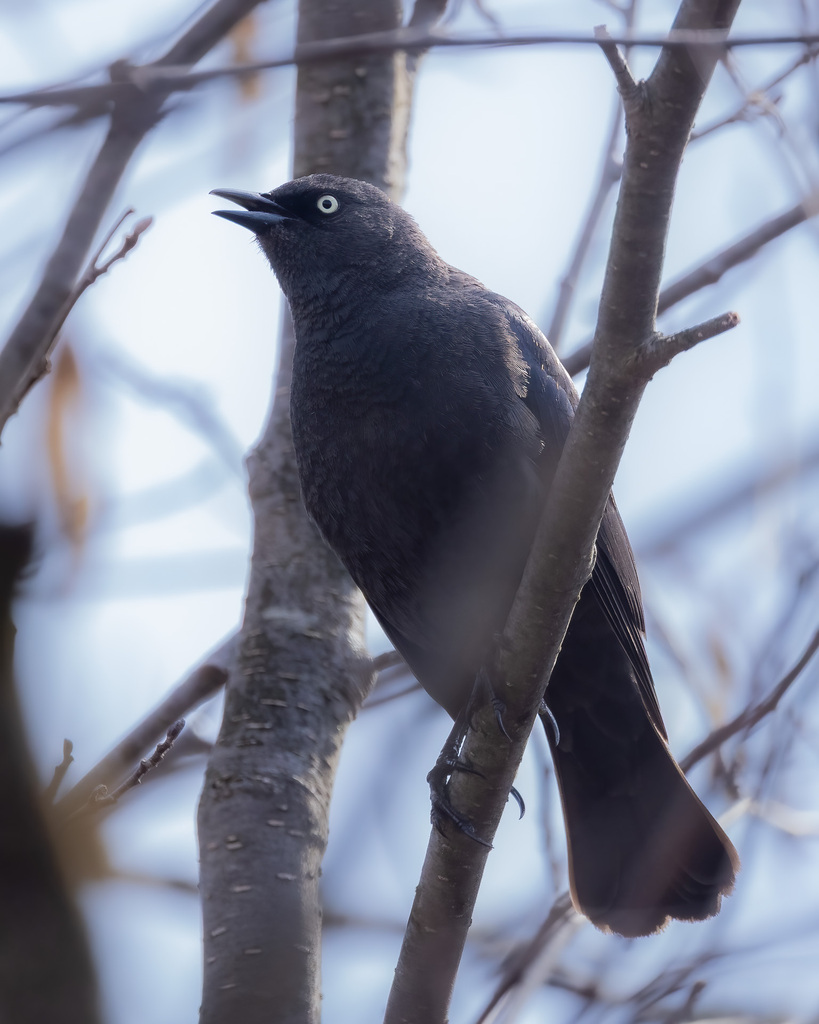
Rusty Blackbird
Euphagus carolinus
A winter visitor to Louisiana, found in all 64 parishes and 10 habitats.
- Here
- Winter
- Nesting
- Not known to nest here
- Range
- All 64 parishes
- Habitats
- 10
At a glance
- Group
- Birds
- Here
- Winter
- Nesting
- Not known to nest here
- Range
- All 64 parishes
- Habitats
- 10
- Habitat models
- Winter
Where it lives
The places its habitat model includes. It is not found everywhere a habitat occurs.
Habitats in Louisiana 10
Each habitat page lists the plants and wildlife also found there.
Open sand of beaches, dunes and the hollows between them.
Disturbed and introduced wetlands
Wet ground taken over by weedy or introduced plants after disturbance, such as common reed, Chinese tallow or tamarisk stands; the upland counterpart is roadsides, fields and disturbed ground.
Floodplain and bottomland forests
Forests on low ground beside rivers and streams that flood from time to time.
Flat, poorly drained uplands and terraces with oaks, sweetgum and sometimes loblolly pine, wet in winter and dry in summer, but neither a floodplain nor a swamp.
Flat, sandy Coastal Plain pine woodlands, wetter than sandhills and denser than savannas.
Open, fire-kept longleaf pine stands over grasses and wildflowers on wet to moist sandy soil.
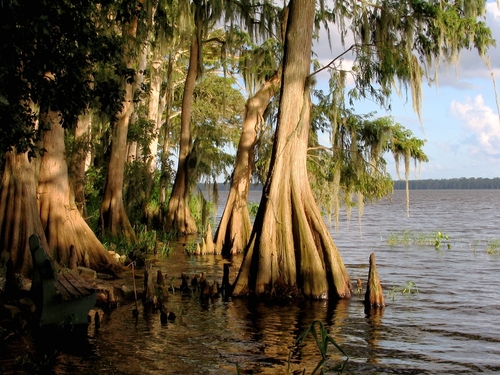
Forested wetlands with standing water much of the year, such as cypress and gum swamps.
Forests on moist but not wet ground, such as rich slopes and ravines.
Open, grass-dominated places kept open by fire, grazing or thin soil, from tallgrass prairie to Piedmont prairies.
Roadsides, fields and disturbed ground
Ground opened by people: roadsides, old fields, pastures, fencerows and lots.
Other habitats in its models (59)
Land cover, or classes with no habitat page in Louisiana.
- Unconsolidated Shore (Lake/River/Pond) Winter.
- Unconsolidated Shore Winter.
- North-Central Interior Maple-Basswood Forest Winter, only within 120 m of water.
- Central and South Texas Coastal Fringe Forest and Woodland Winter, only within 120 m of water.
- East Gulf Coastal Plain Maritime Forest Winter, only within 120 m of water.
- Lower Mississippi River Dune Woodland and Forest Winter.
- Southern Piedmont Mesic Forest Winter, only within 120 m of water.
- East Gulf Coastal Plain Northern Mesic Hardwood Forest Winter, only within 120 m of water.
- Ozark-Ouachita Mesic Hardwood Forest Winter, only within 120 m of water.
- Atlantic Coastal Plain Northern Maritime Forest Winter, only within 120 m of water.
- Atlantic Coastal Plain Southern Maritime Forest Winter, only within 120 m of water.
- Appalachian Hemlock-Hardwood Forest Winter, only within 120 m of water.
- Southern and Central Appalachian Cove Forest Winter, only within 120 m of water.
- Southern Appalachian Grass and Shrub Bald - Herbaceous Modifier Winter, only within 120 m of water.
- West Gulf Coastal Plain Northern Calcareous Prairie Winter, only within 120 m of water.
- Introduced Upland Vegetation - Annual Grassland Winter, only within 120 m of water.
- Introduced Upland Vegetation - Perennial Grassland and Forbland Winter, only within 120 m of water.
- Atlantic Coastal Plain Indian River Lagoon Tidal Marsh Winter.
- Atlantic Coastal Plain Clay-Based Carolina Bay Herbaceous Wetland Winter.
- Atlantic Coastal Plain Peatland Pocosin Winter.
- Atlantic Coastal Plain Streamhead Seepage Swamp - Pocosin - and Baygall Winter.
- Central Interior and Appalachian Swamp Systems Winter.
- Atlantic Coastal Plain Large Natural Lakeshore Winter.
- Central Interior and Appalachian Shrub-Herbaceous Wetland Systems Winter.
- Floridian Highlands Freshwater Marsh Winter.
- Atlantic Coastal Plain Embayed Region Tidal Freshwater Marsh Winter.
- Atlantic Coastal Plain Nonriverine Swamp and Wet Hardwood Forest - Taxodium/Nyssa Modifier Winter.
- Atlantic Coastal Plain Nonriverine Swamp and Wet Hardwood Forest - Oak Dominated Modifier Winter.
- Atlantic Coastal Plain Clay-Based Carolina Bay Forested Wetland Winter.
- Southern and Central Appalachian Bog and Fen Winter.
- East Gulf Coastal Plain Savanna and Wet Prairie Winter.
- East Gulf Coastal Plain Southern Depression Pondshore Winter.
- Southern Piedmont/Ridge and Valley Upland Depression Swamp Winter.
- Atlantic Coastal Plain Depression Pondshore Winter.
- Atlantic Coastal Plain Blackwater Stream Floodplain Forest - Forest Modifier Winter.
- Central Appalachian Floodplain - Forest Modifier Winter.
- Central Appalachian Riparian - Forest Modifier Winter.
- East Gulf Coastal Plain Large River Floodplain Forest - Forest Modifier Winter.
- South-Central Interior Large Floodplain - Forest Modifier Winter.
- Southern Piedmont Large Floodplain Forest - Forest Modifier Winter.
- East Gulf Coastal Plain Large River Floodplain Forest - Herbaceous Modifier Winter.
- South-Central Interior Large Floodplain - Herbaceous Modifier Winter.
- Eastern Great Plains Floodplain Systems Winter.
- Central Interior and Appalachian Floodplain Systems Winter.
- Central Interior and Appalachian Riparian Systems Winter.
- Southern Piedmont Small Floodplain and Riparian Forest Winter.
- Atlantic Coastal Plain Small Brownwater River Floodplain Forest Winter.
- Atlantic Coastal Plain Small Blackwater River Floodplain Forest Winter.
- Atlantic Coastal Plain Brownwater Stream Floodplain Forest Winter.
- South-Central Interior Small Stream and Riparian Winter.
- East Gulf Coastal Plain Small Stream and River Floodplain Forest Winter.
- Texas-Louisiana Coastal Prairie Slough Winter.
- South-Central Interior Large Floodplain Winter.
- Ozark-Ouachita Riparian Winter.
- East Gulf Coastal Plain Near-Coast Pine Flatwoods - Offsite Hardwood Modifier Winter, only within 120 m of water.
- Central Atlantic Coastal Plain Wet Longleaf Pine Savanna and Flatwoods Winter.
- Atlantic Coastal Plain Southern Wet Pine Savanna and Flatwoods Winter.
- South-Central Interior / Upper Coastal Plain Wet Flatwoods Winter.
- North-Central Interior Wet Flatwoods Winter.
Seasons in Louisiana
- Winter: does not nest here, in all 64 parishes.
Also found in this habitat
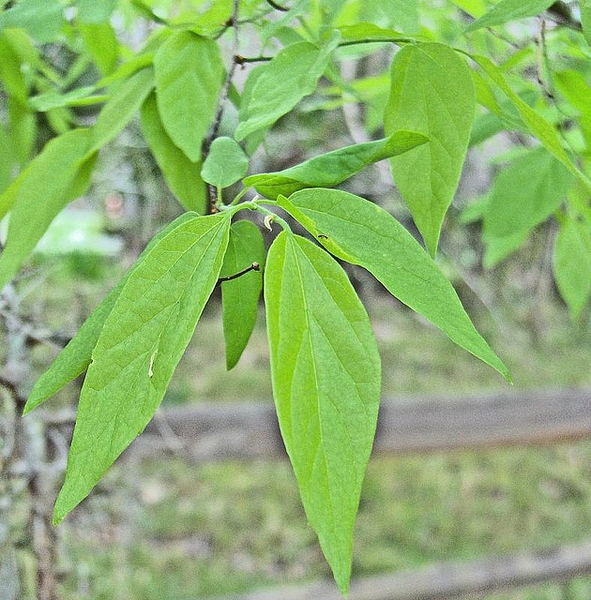
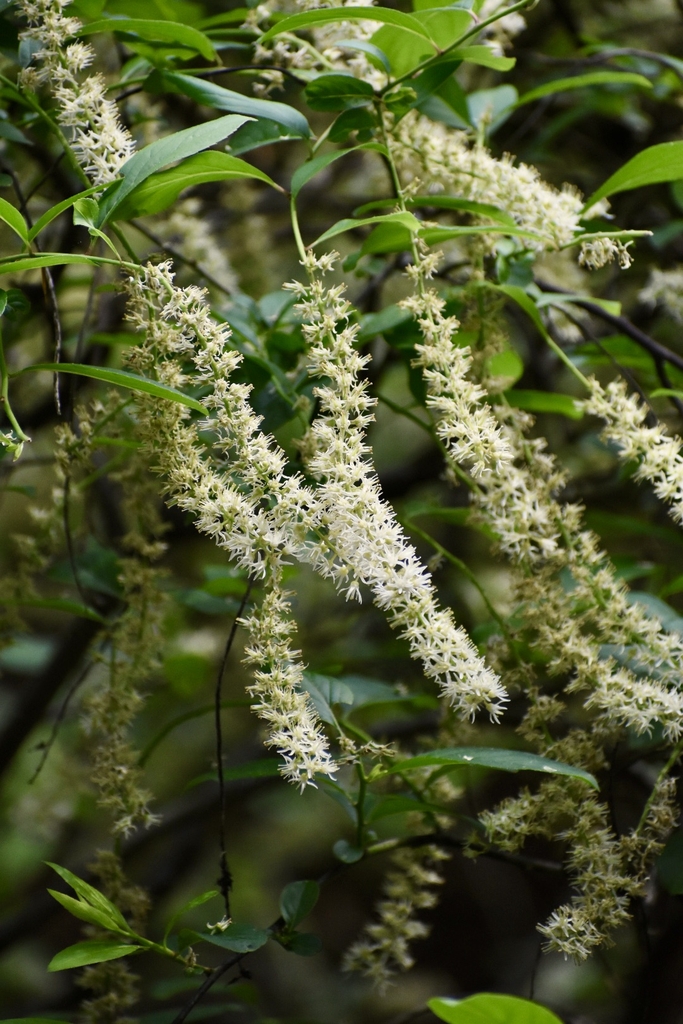
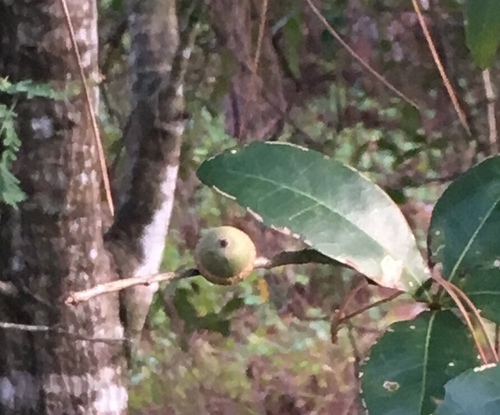
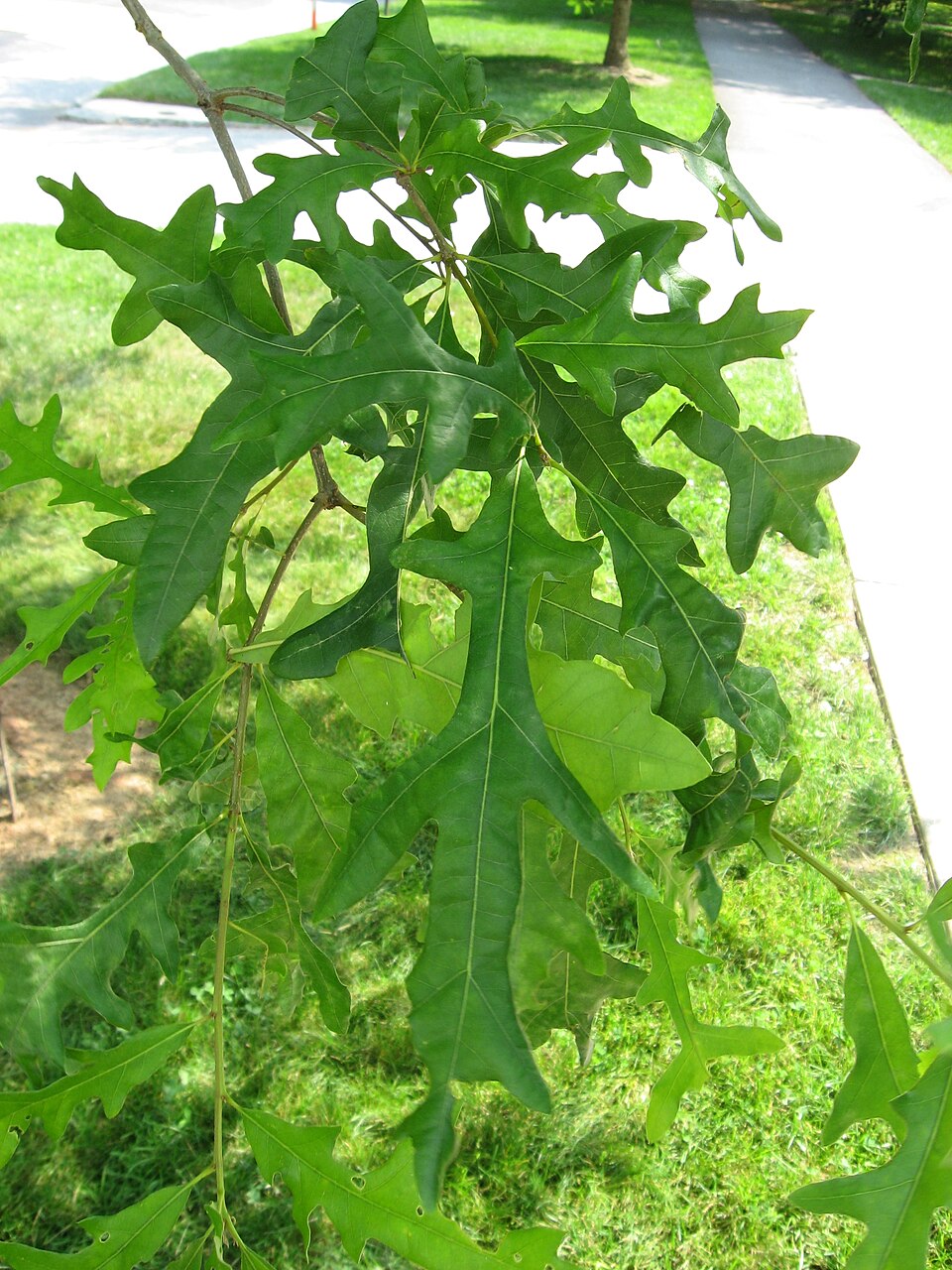
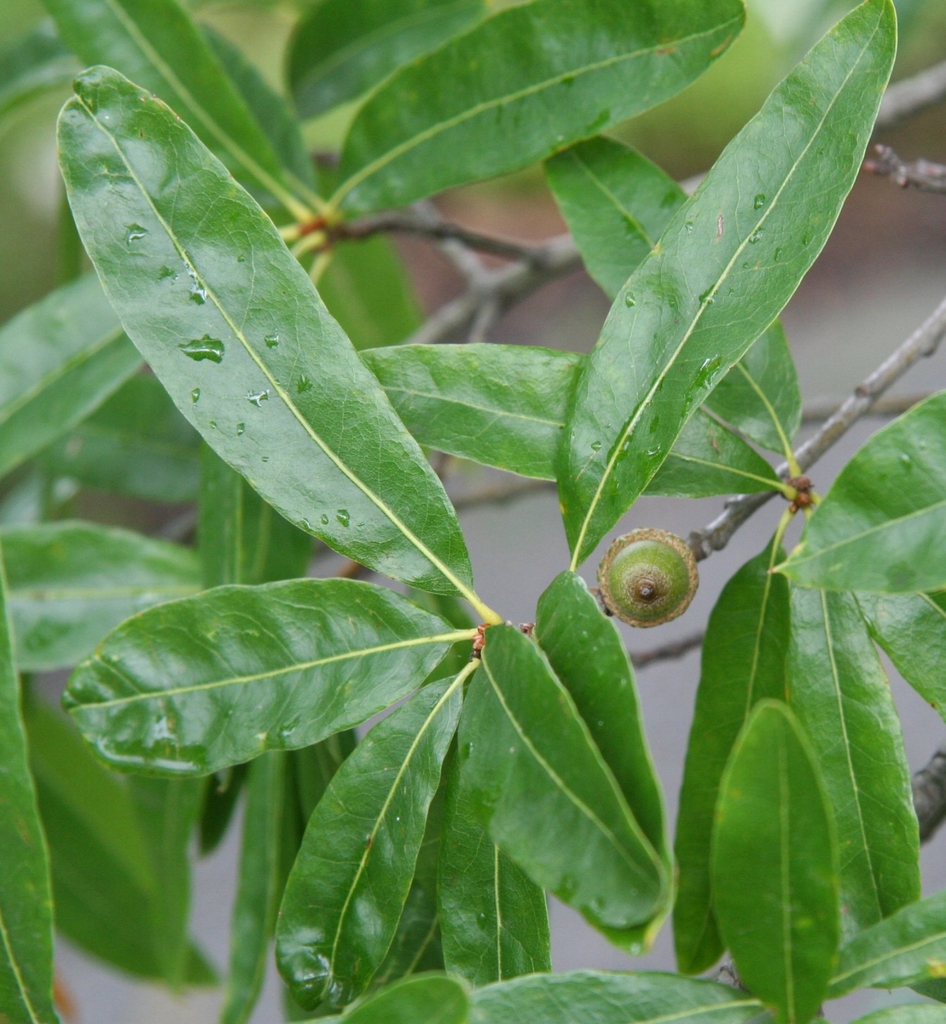
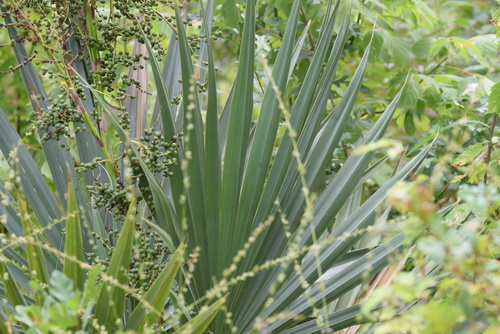
Plants 462
Plants named in NatureServe descriptions of these habitats that grow in Louisiana. Shared habitat, not food.
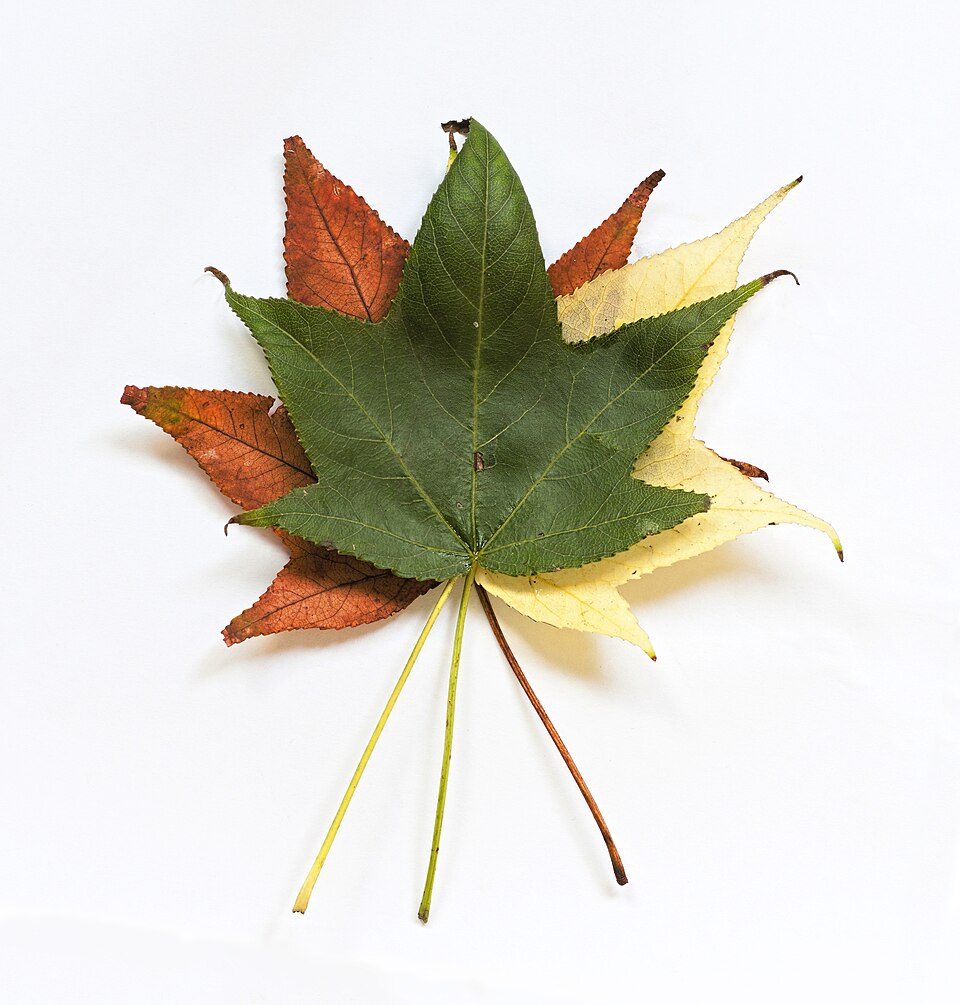
- SweetgumLiquidambar styraciflua
- False NettleBoehmeria cylindrica
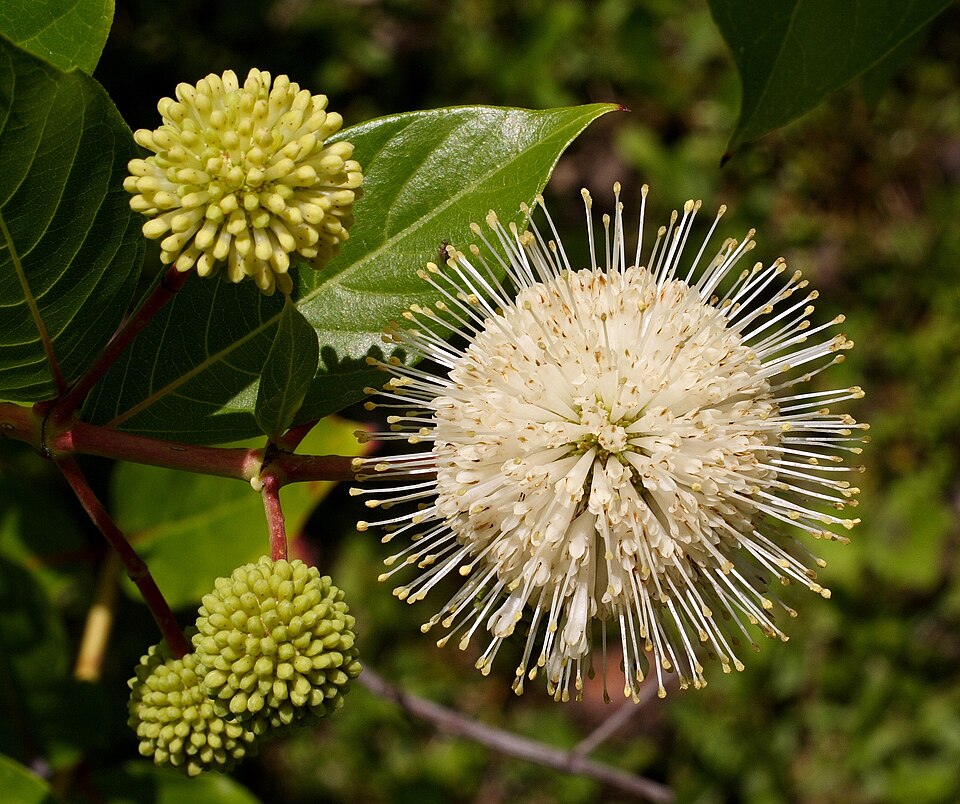
- ButtonbushCephalanthus occidentalis
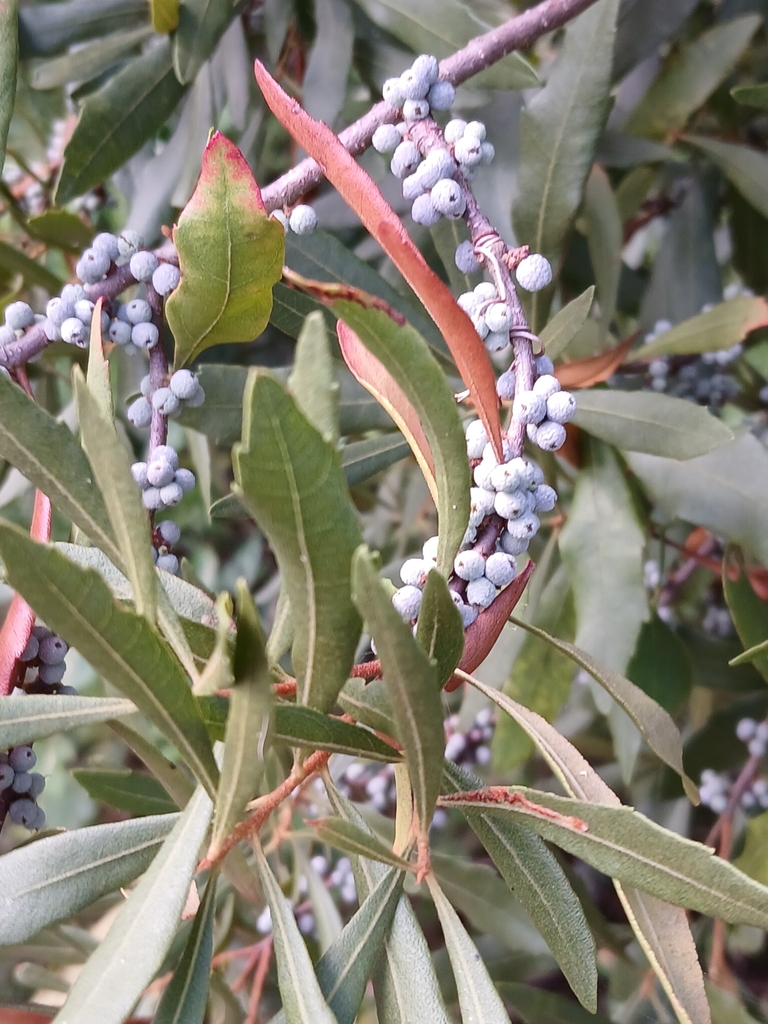
- Common WaxmyrtleMorella cerifera
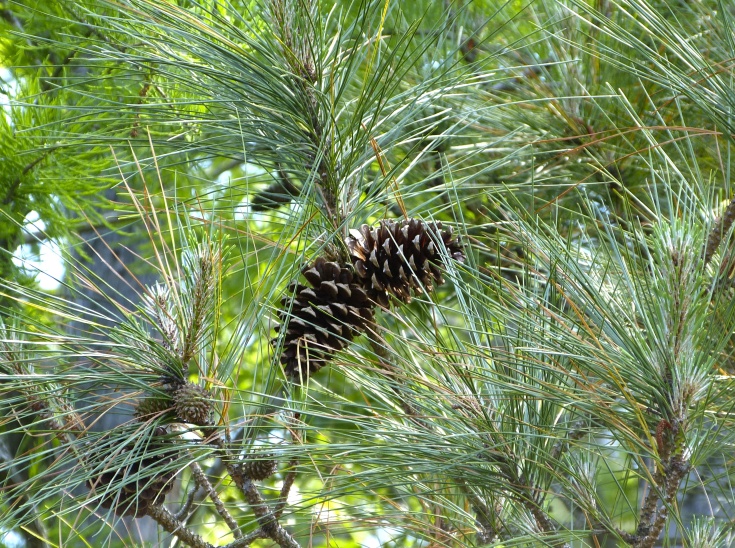
- Loblolly PinePinus taeda
- Water OakQuercus nigra
- Cherrybark OakQuercus pagoda
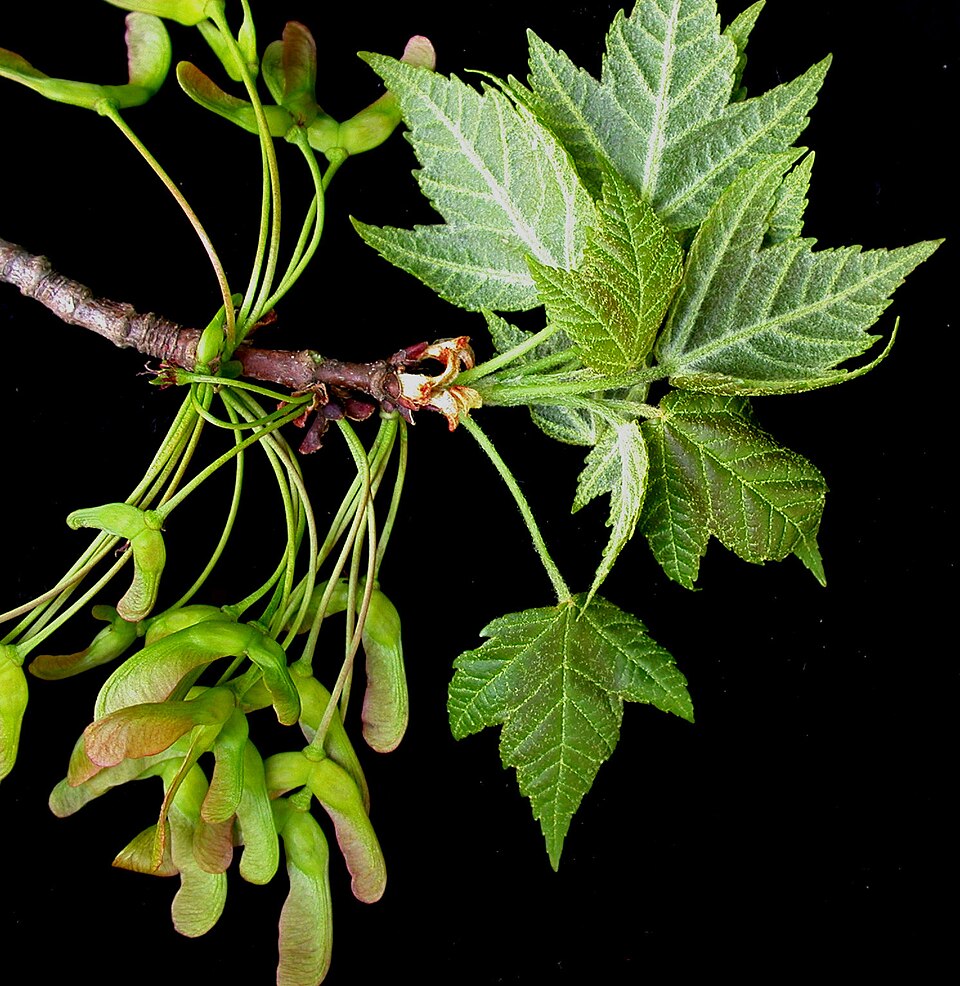
- Red MapleAcer rubrum
- Giant CaneArundinaria gigantea
- SugarberryCeltis laevigata
- Virginia SweetspireItea virginica
- Laurel OakQuercus laurifolia
- Bald CypressTaxodium distichum
- American ElmUlmus americana
- American HornbeamCarpinus caroliniana
- Water HickoryCarya aquatica
- Green HawthornCrataegus viridis
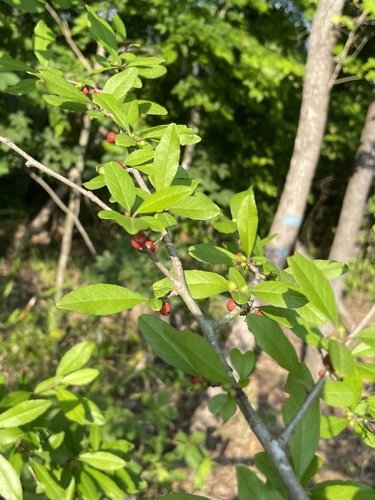
- Possumhaw HollyIlex decidua
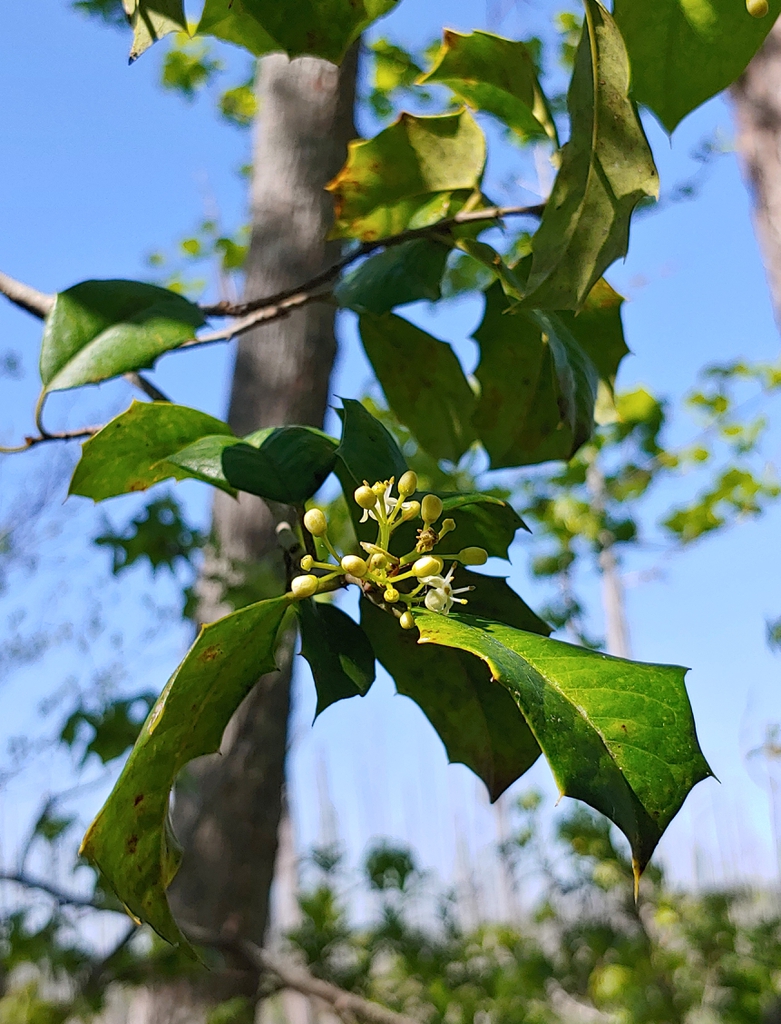
- American HollyIlex opaca
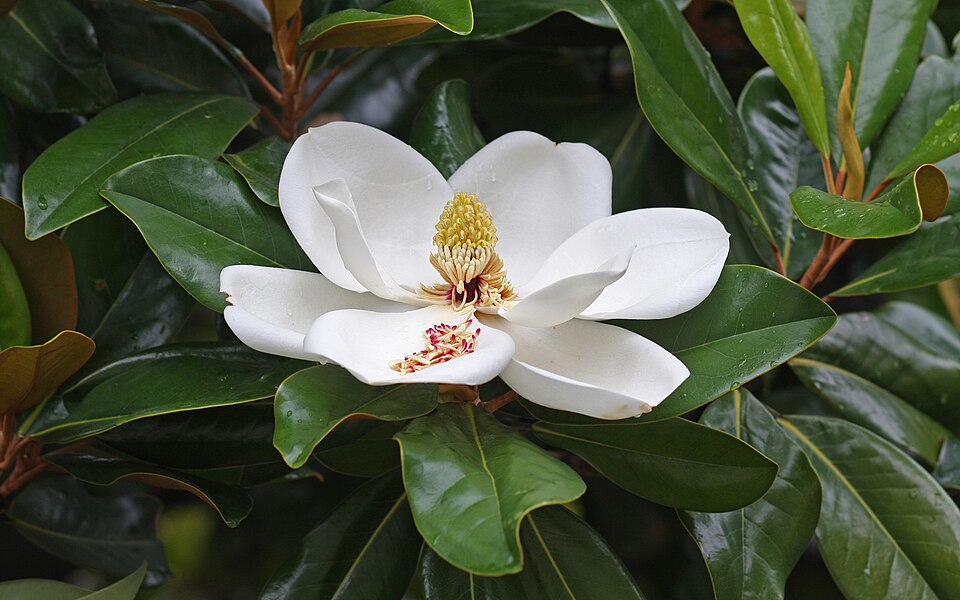
- Southern MagnoliaMagnolia grandiflora
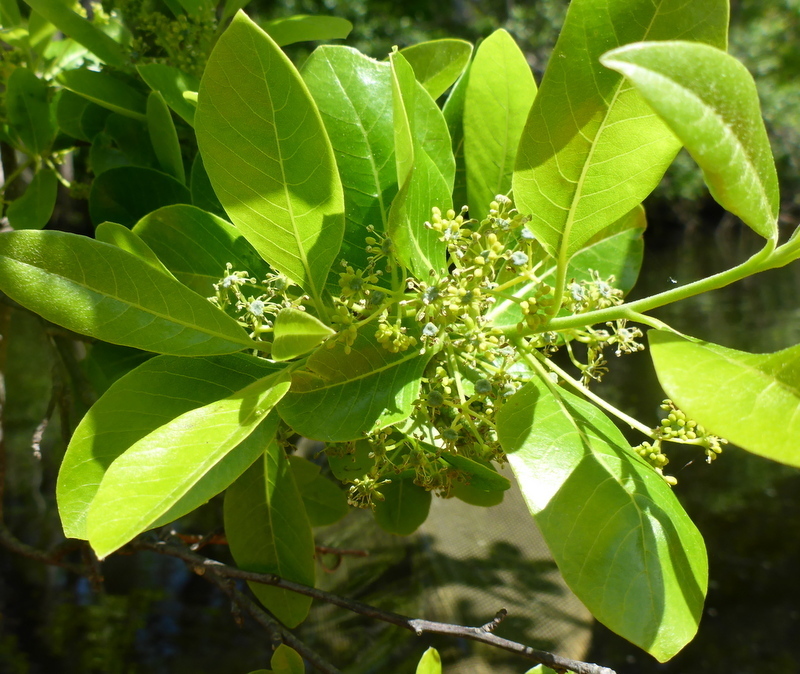
- Swamp TupeloNyssa biflora
- Overcup OakQuercus lyrata
- Willow OakQuercus phellos
- Dwarf PalmettoSabal minor
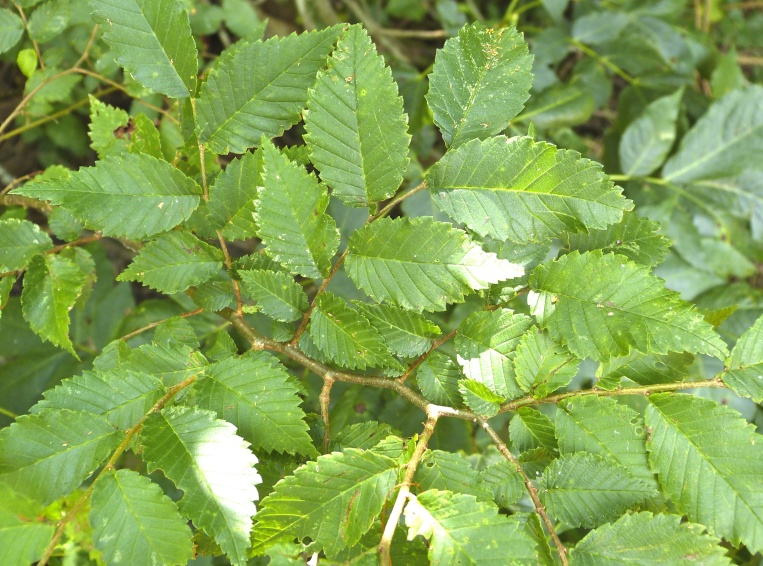
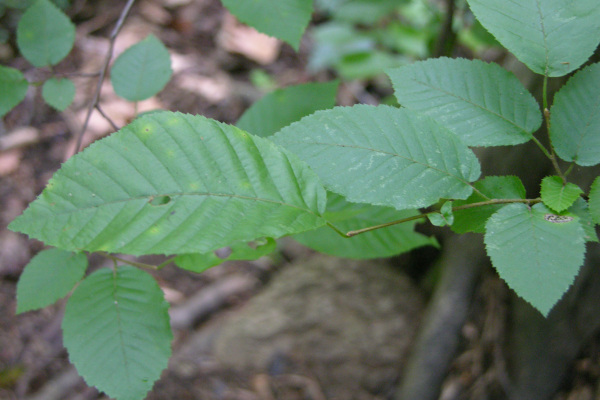
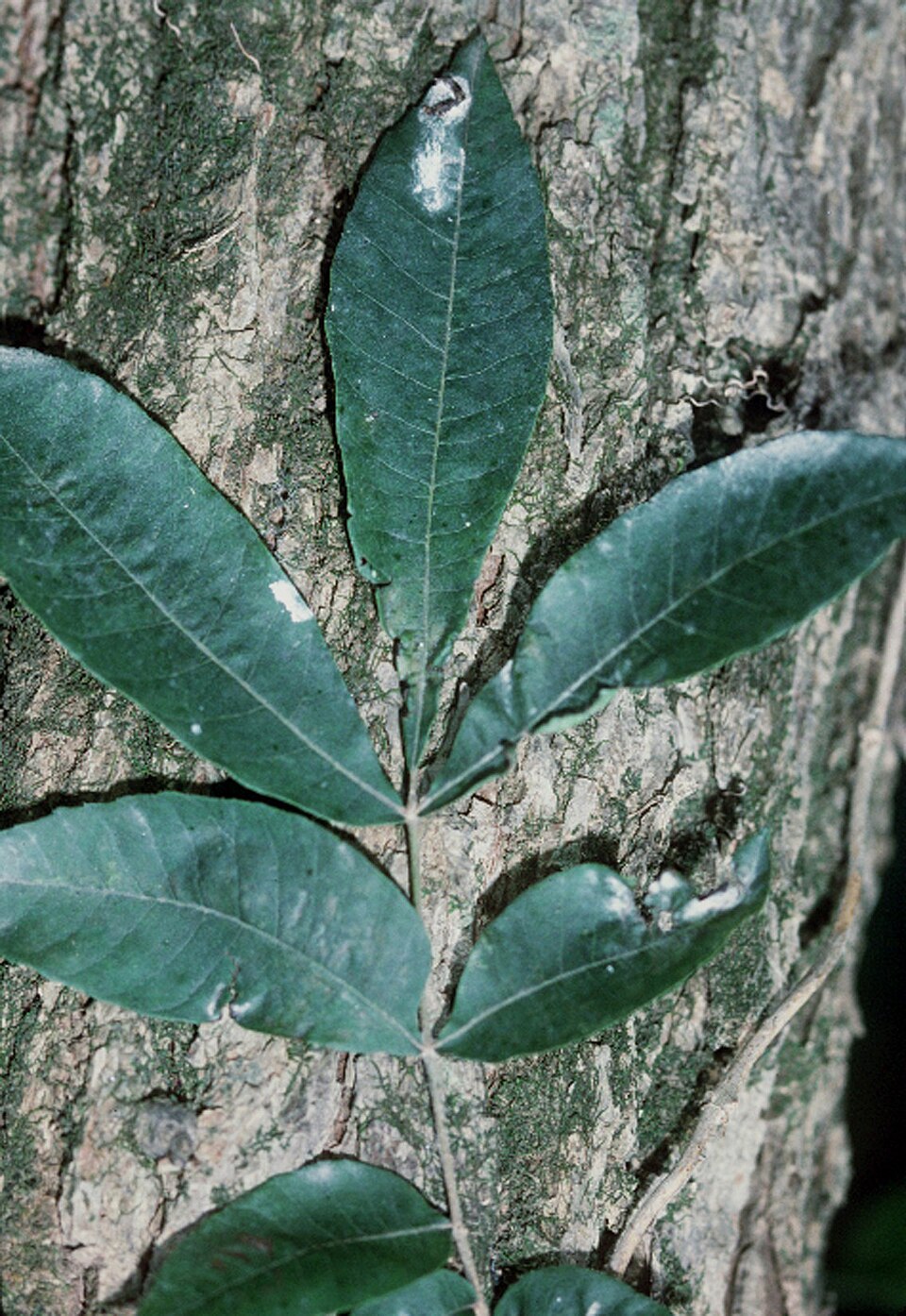
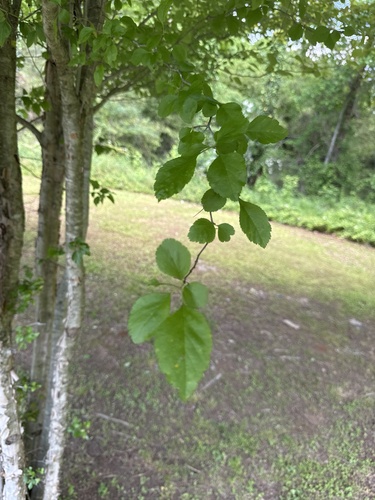
Wildlife 279
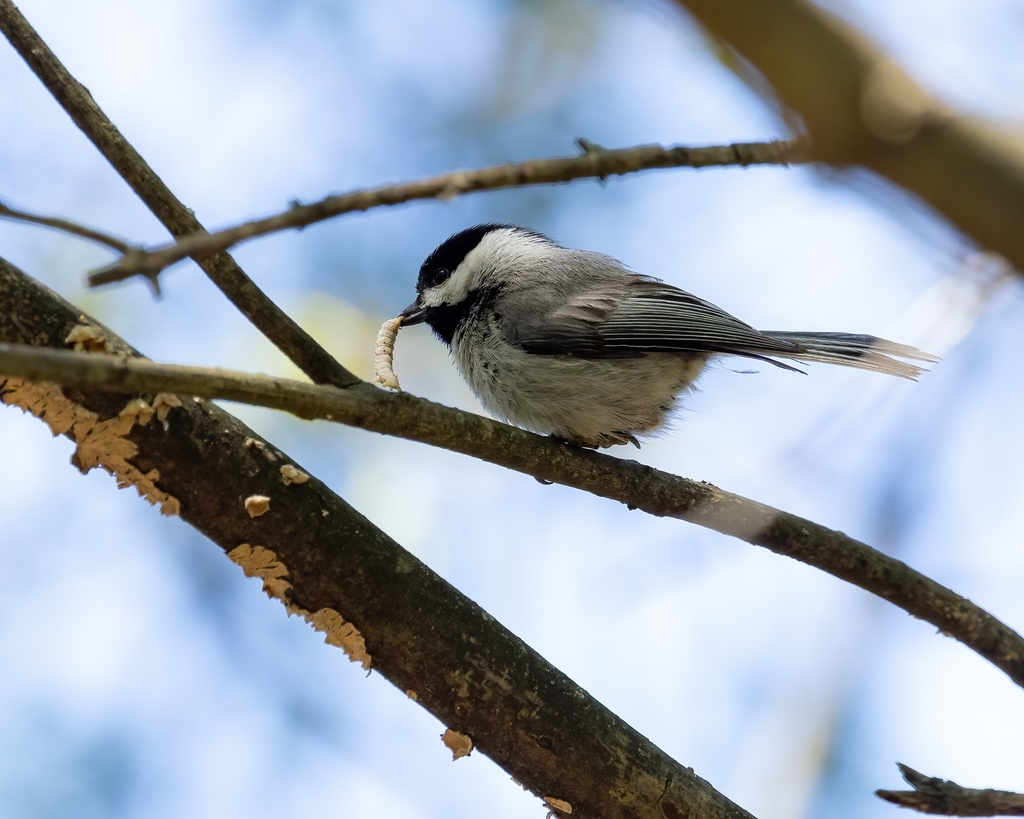
Other animals whose habitat models include the same habitats in Louisiana. Not sighting records.
- Canada GooseBranta canadensis
- Carolina ChickadeePoecile carolinensis
- Carolina WrenThryothorus ludovicianus
- Eastern BluebirdSialia sialis
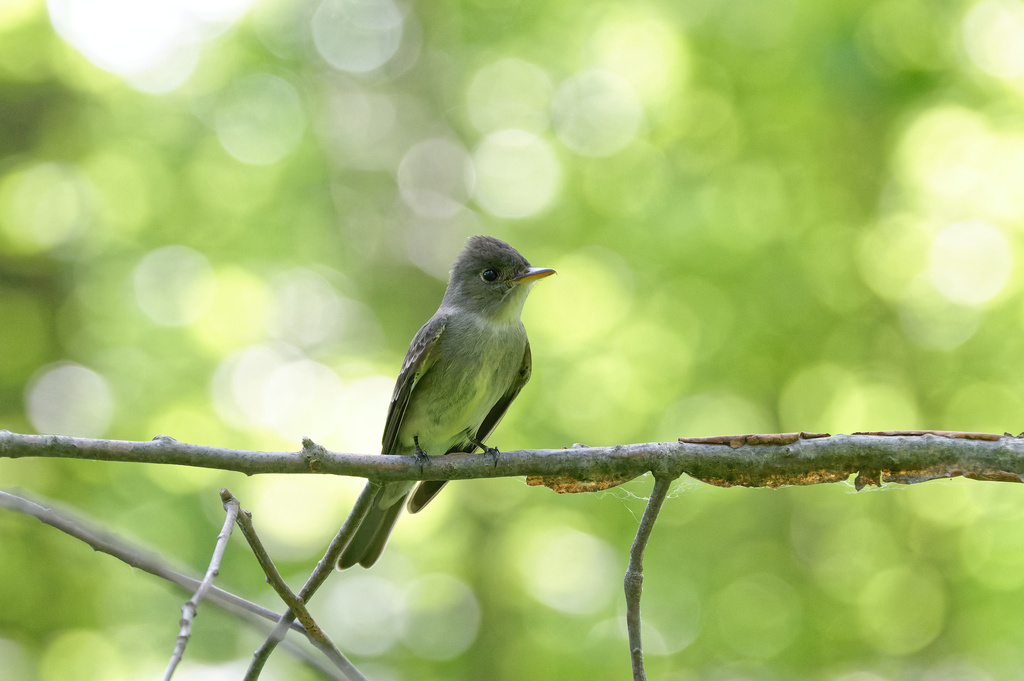
- Eastern Wood-peweeContopus virens
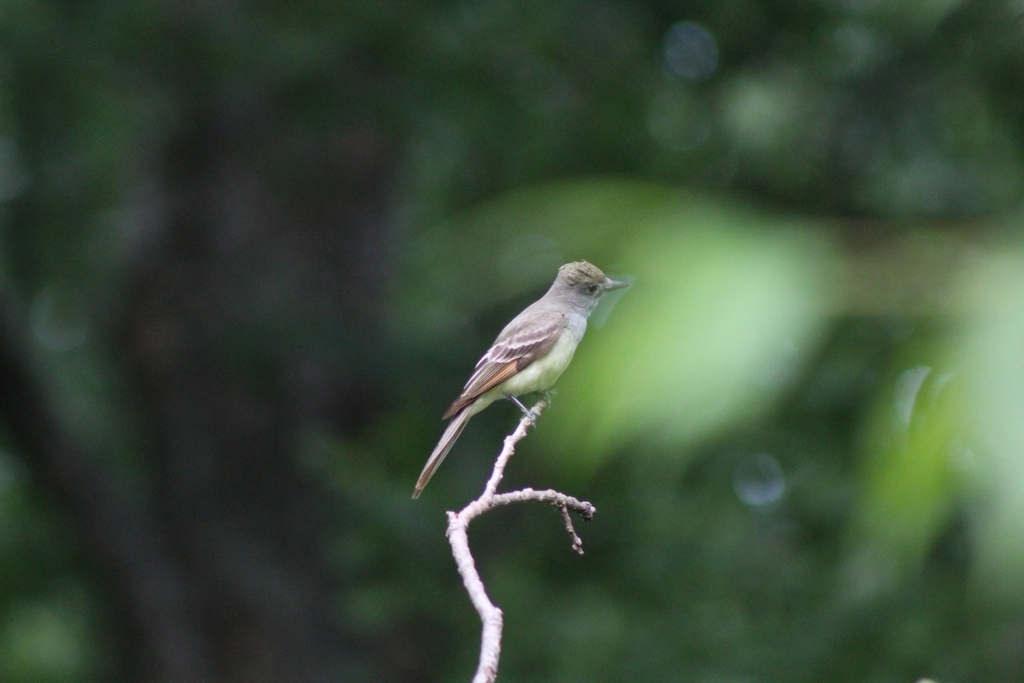
- Great Crested FlycatcherMyiarchus crinitus
- Great EgretArdea alba
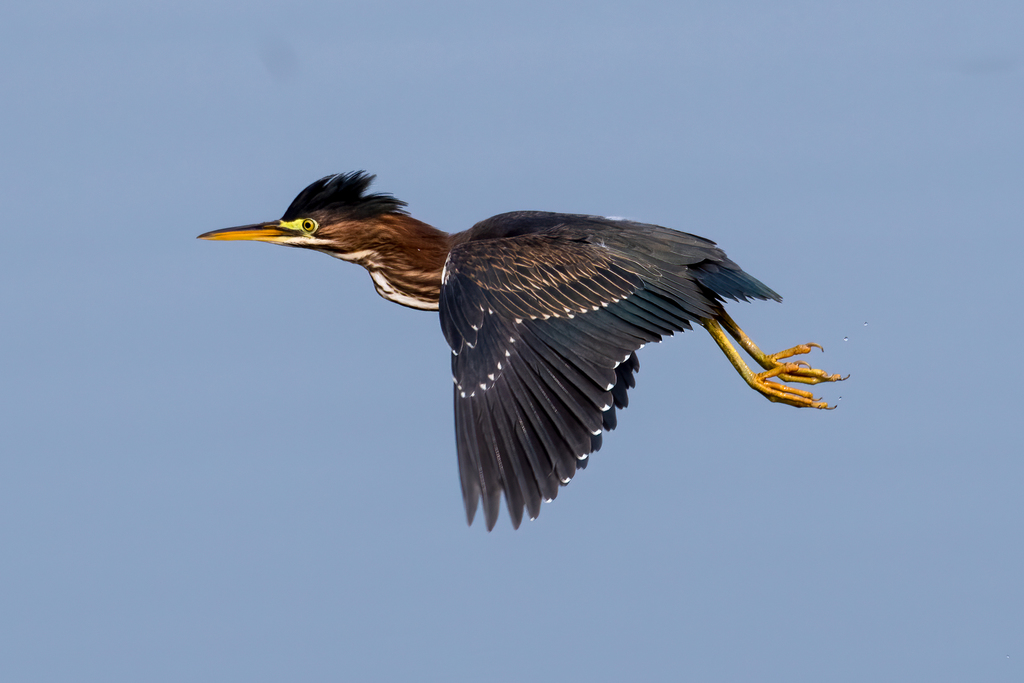
- Green HeronButorides virescens
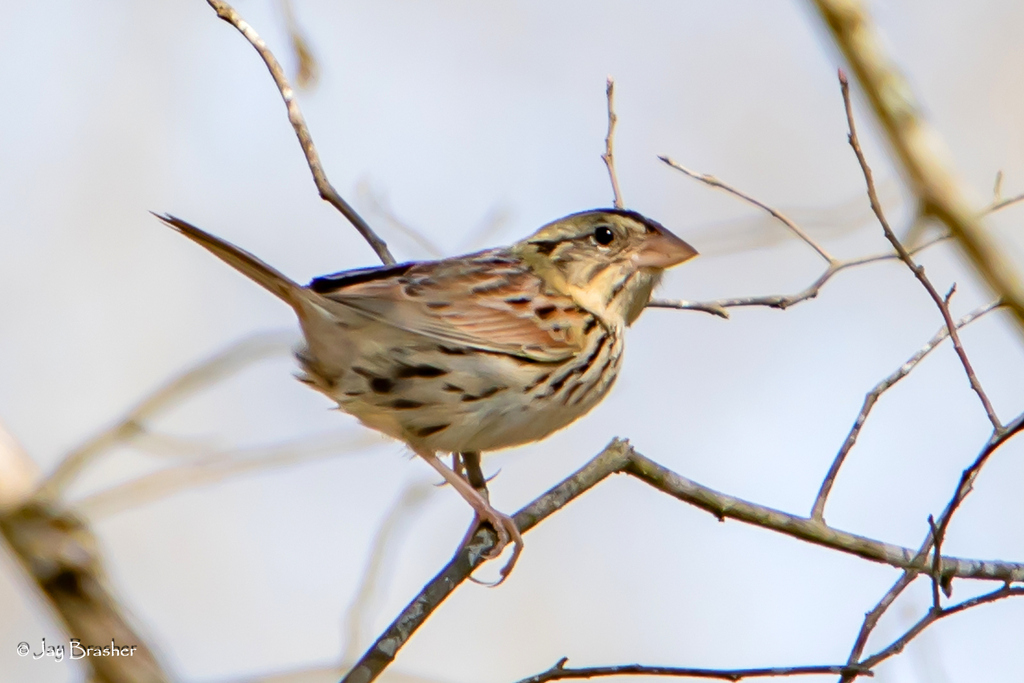
- Henslow's SparrowAmmodramus henslowii
- Hermit ThrushCatharus guttatus
- Hooded MerganserLophodytes cucullatus
- Indigo BuntingPasserina cyanea
- Lincoln's SparrowMelospiza lincolnii
- Magnificent FrigatebirdFregata magnificens
- Mississippi KiteIctinia mississippiensis
- Pileated WoodpeckerDryocopus pileatus
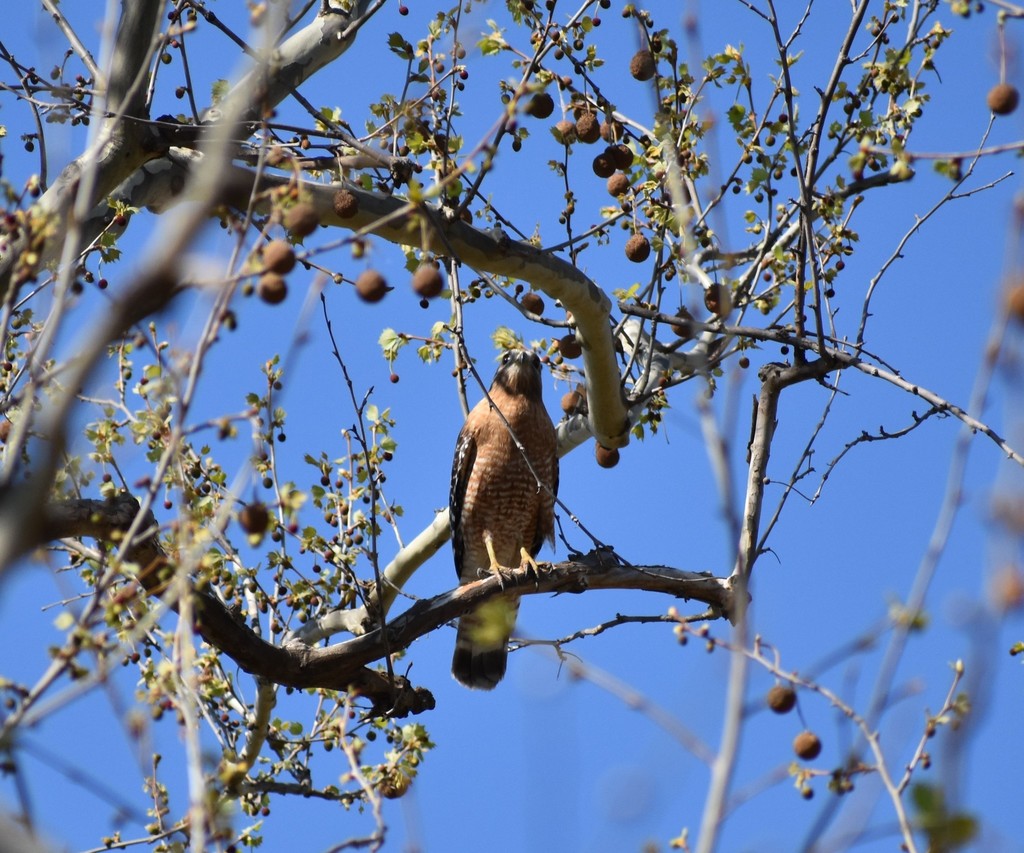
- Red-shouldered HawkButeo lineatus
- Ruby-crowned KingletRegulus calendula
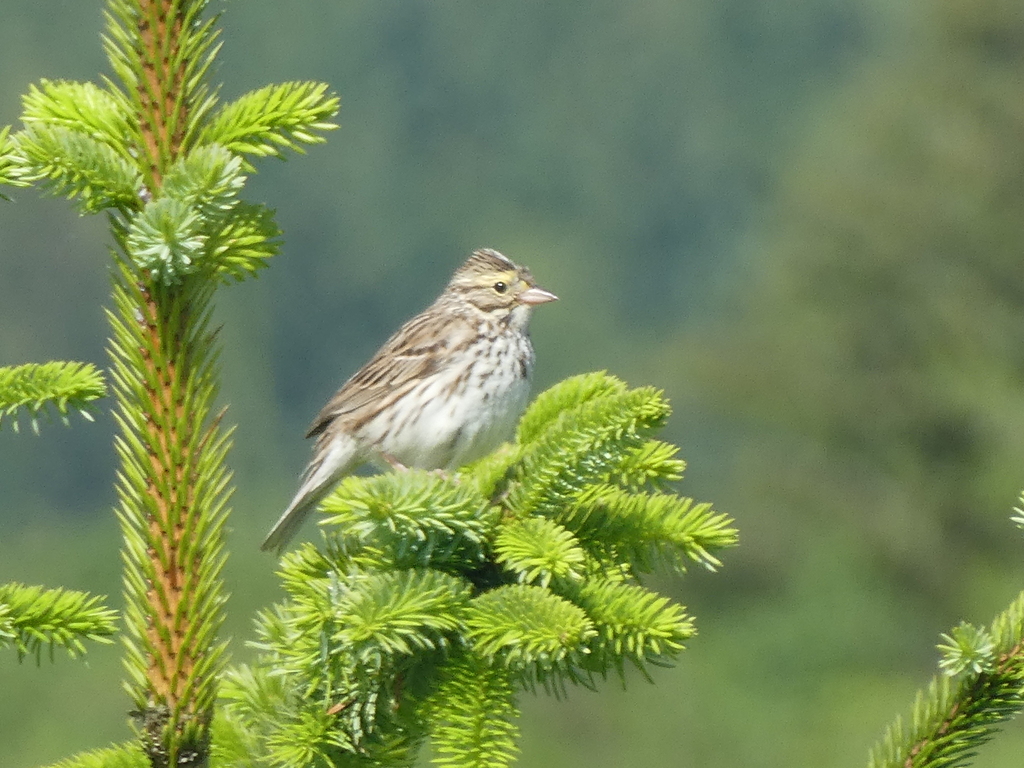
- Savannah SparrowPasserculus sandwichensis
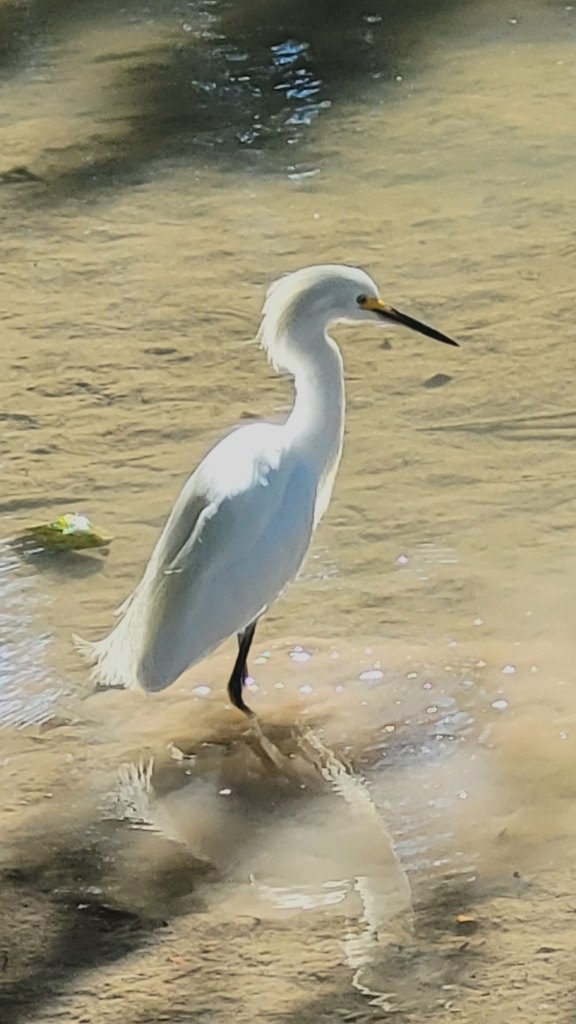
- Snowy EgretEgretta thula
- Spotted SandpiperActitis macularius
- Tufted TitmouseBaeolophus bicolor
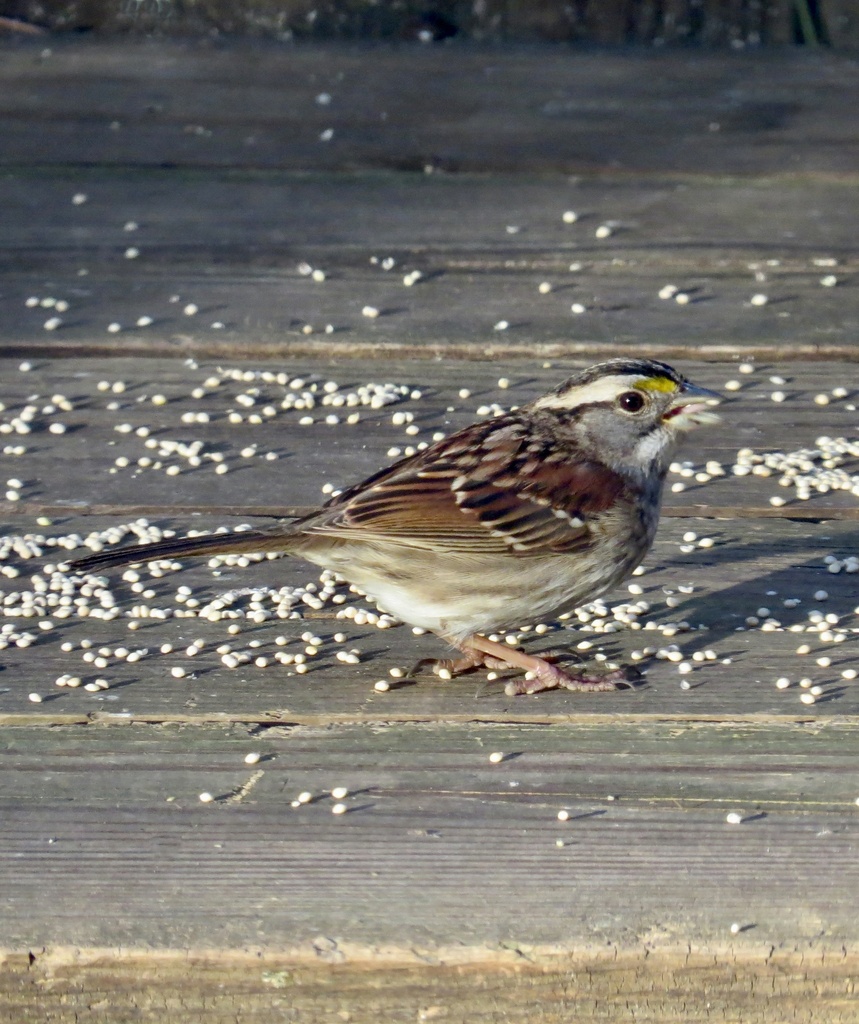
- White-throated SparrowZonotrichia albicollis
- Wilson's WarblerWilsonia pusilla







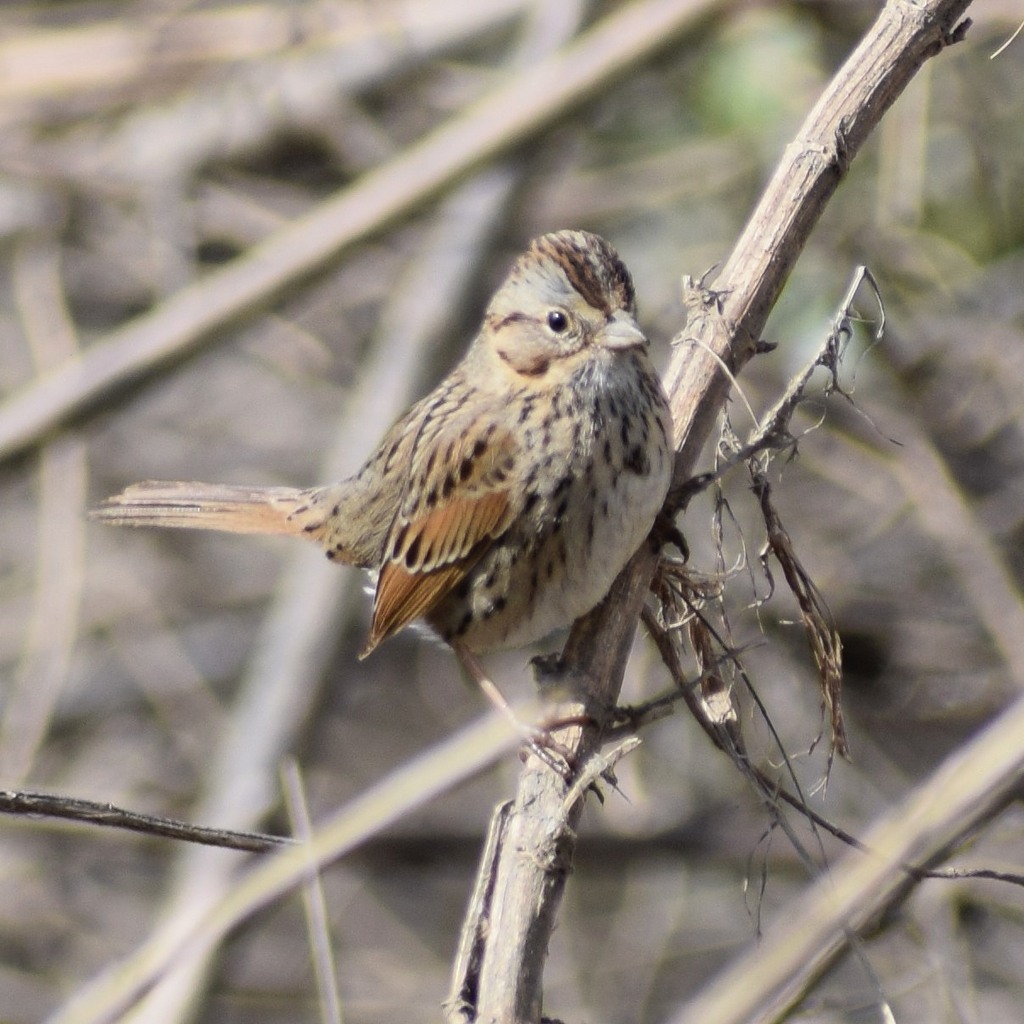
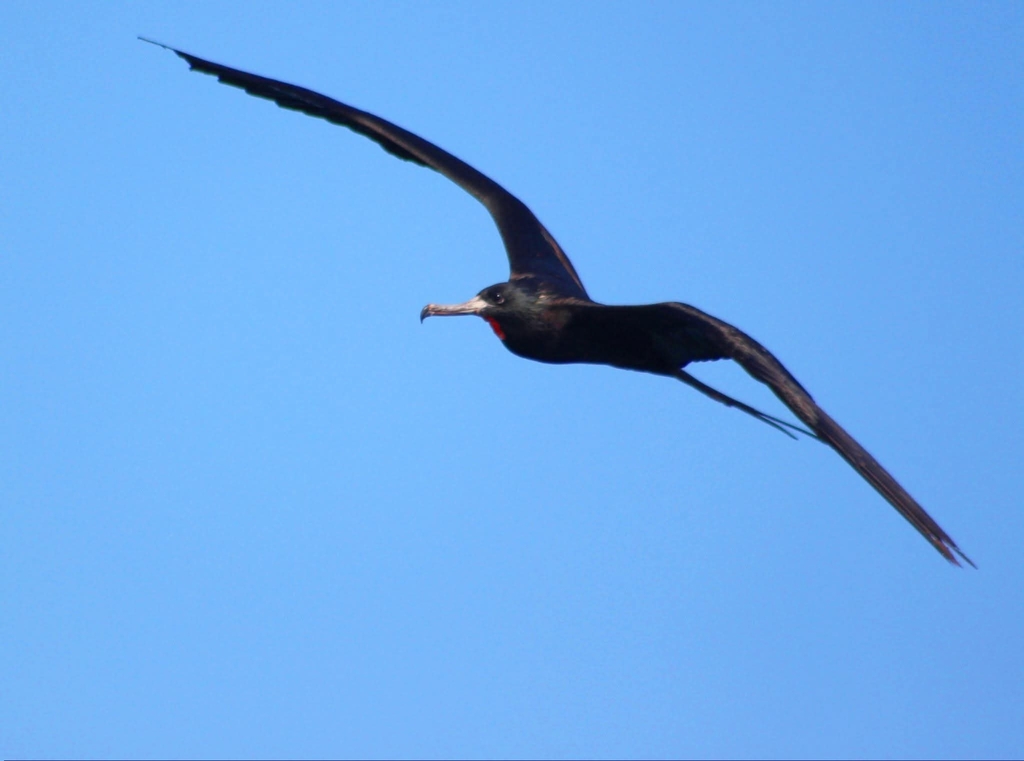
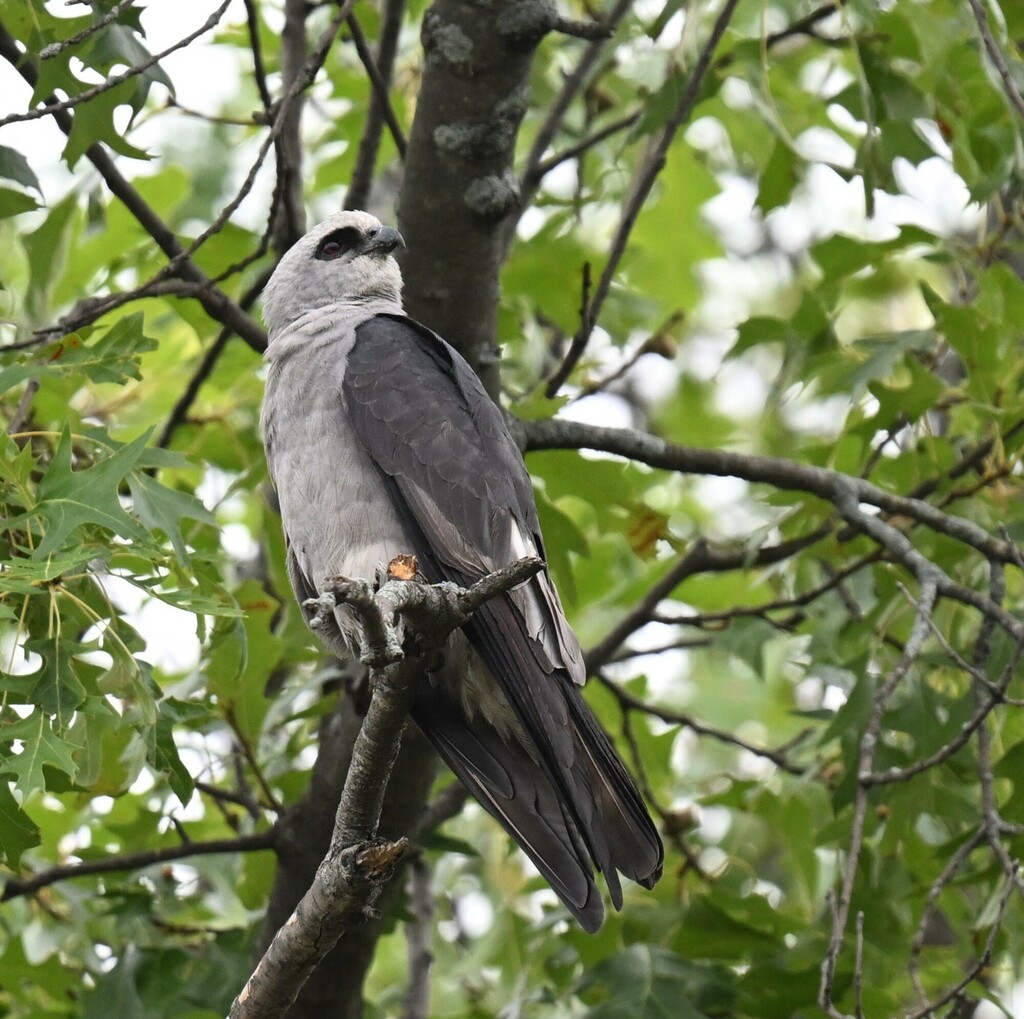
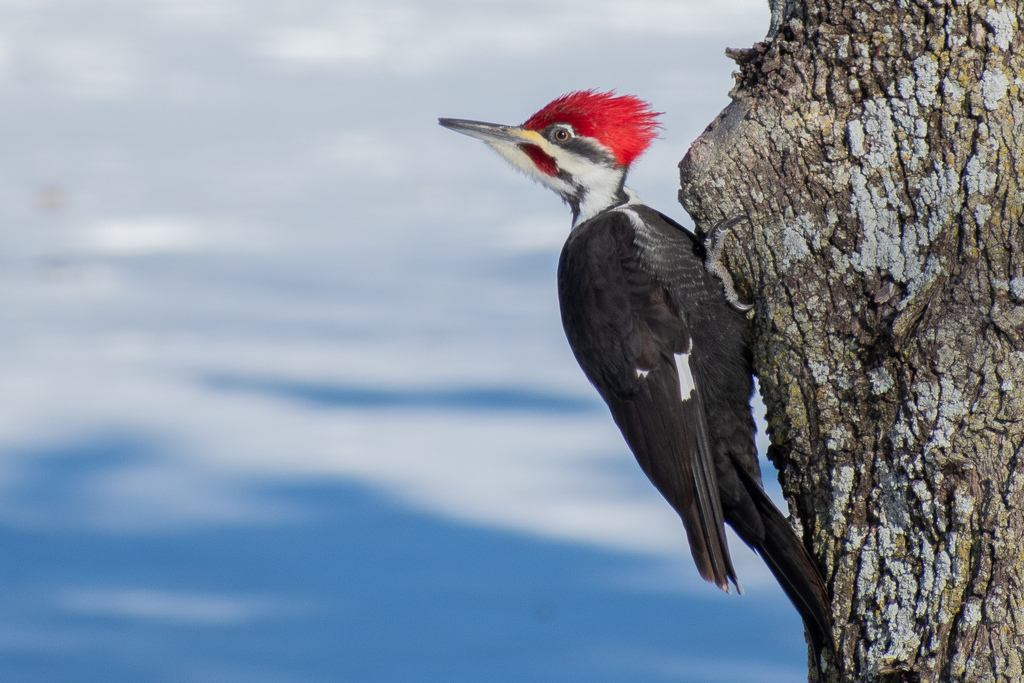



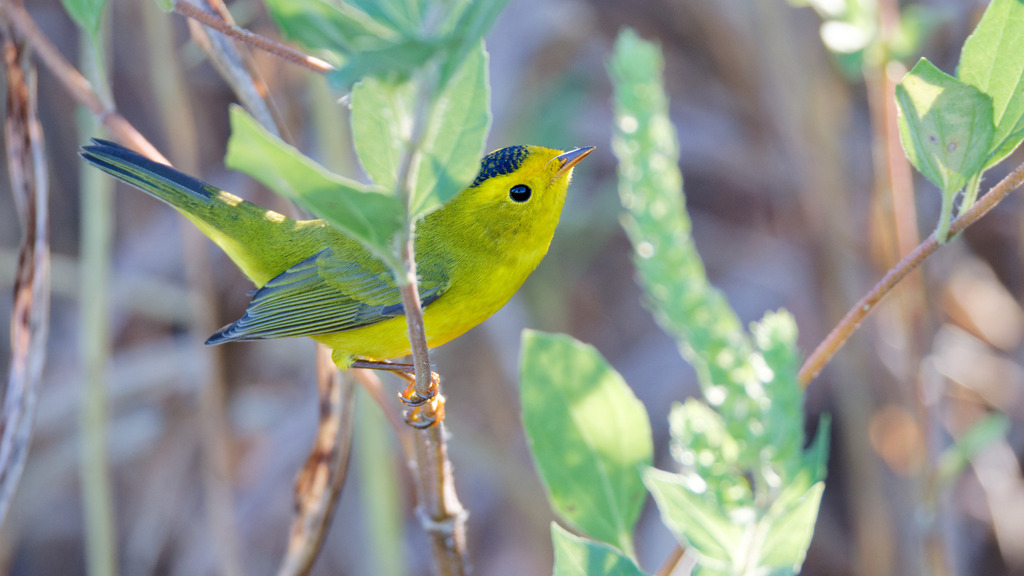
NatureServe Explorer, CC BY 4.0. USGS Gap Analysis Project habitat models.
Sources
- USGS Gap Analysis Project habitat models (2001)
- USGS GAP winter habitat model for Rusty Blackbird Fresh water only
- USGS Gap Analysis Project range maps (2001), modeled by watershed; migratory gives no dates
- NatureServe Explorer (CC BY 4.0), habitat names
- US Census TIGER/Line counties
- Names follow the USGS Gap Analysis Project (2001)