

Bird
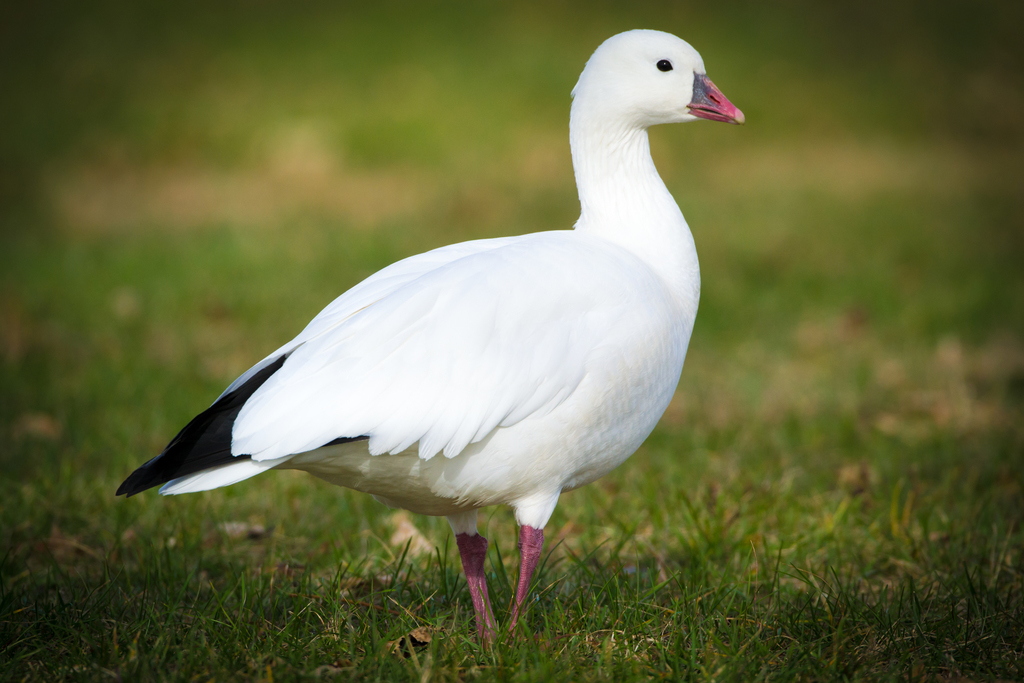
Ross's Goose
Chen rossii
A winter visitor to Louisiana, found in 11 of 64 parishes and 4 habitats.
- Here
- Winter and on migration
- Nesting
- Not known to nest here
- Range
- 11 of 64 parishes
- Habitats
- 4
At a glance
- Group
- Birds
- Here
- Winter and on migration
- Nesting
- Not known to nest here
- Range
- 11 of 64 parishes
- Habitats
- 4
- Habitat models
- Winter
Where it lives
The places its habitat model includes. It is not found everywhere a habitat occurs.
Habitats in Louisiana 4
Each habitat page lists the plants and wildlife also found there.
Disturbed and introduced wetlands
Wet ground taken over by weedy or introduced plants after disturbance, such as common reed, Chinese tallow or tamarisk stands; the upland counterpart is roadsides, fields and disturbed ground.
Still water and its edges: ponds, lakes, millponds and reservoirs.
Open, grass-dominated places kept open by fire, grazing or thin soil, from tallgrass prairie to Piedmont prairies.
Roadsides, fields and disturbed ground
Ground opened by people: roadsides, old fields, pastures, fencerows and lots.
Other habitats in its models (30)
Land cover, or classes with no habitat page in Louisiana. Those recorded in Louisiana first, the rest by region.
Elsewhere in the South (7)
- Central and Upper Texas Coast Dune and Coastal Grassland Winter.
- East Gulf Coastal Plain Dune and Coastal Grassland Winter.
- East Gulf Coastal Plain Savanna and Wet Prairie Winter.
- Tamaulipan Floodplain Winter.
- Texas Saline Coastal Prairie Winter.
- West Gulf Coastal Plain Northern Calcareous Prairie Winter, only within 500 m of water.
- Western Great Plains Floodplain Winter.
Midwest (4)
- Central Mixedgrass Prairie Winter, only within 500 m of water.
- Western Great Plains Open Freshwater Depression Wetland Winter.
- Western Great Plains Saline Depression Wetland Winter.
- Western Great Plains Sand Prairie Winter, only within 500 m of water.
West (4)
- North American Arid West Emergent Marsh Winter.
- Western Great Plains Closed Depression Wetland Winter.
- Western Great Plains Foothill and Piedmont Grassland Winter, only within 500 m of water.
- Western Great Plains Shortgrass Prairie Winter, only within 500 m of water.
Land cover and other classes (15)
- Eastern Great Plains Floodplain Systems Winter.
- Harvested Forest - Grass/Forb Regeneration Winter, only within 500 m of water.
- Introduced Upland Vegetation - Annual Grassland Winter, only within 500 m of water.
- Introduced Upland Vegetation - Forbland Winter, only within 500 m of water.
- Introduced Upland Vegetation - Perennial Grassland Winter, only within 500 m of water.
- Introduced Upland Vegetation - Perennial Grassland and Forbland Winter, only within 500 m of water.
- Open Water (Aquaculture) Winter.
- Recently Burned Winter, only within 500 m of water.
- Recently Burned Forest Winter, only within 500 m of water.
- Recently Burned Grassland Winter, only within 500 m of water.
- Recently Logged Areas Winter, only within 500 m of water.
- South Texas Dune and Coastal Grassland Winter.
- Texas-Louisiana Coastal Prairie Slough Winter.
- Western Great Plains Depressional Wetland Systems Winter.
- Western Great Plains Floodplain Systems Winter.
Seasons in Louisiana
- Migratory: does not nest here, in 10 of 64 parishes.
- Winter: does not nest here, in 3 of 64 parishes.
Food plants
Diet records by plant genus, from studies across North America. Not a record from this state. Plants matched by genus.
Native plants in these genera 85
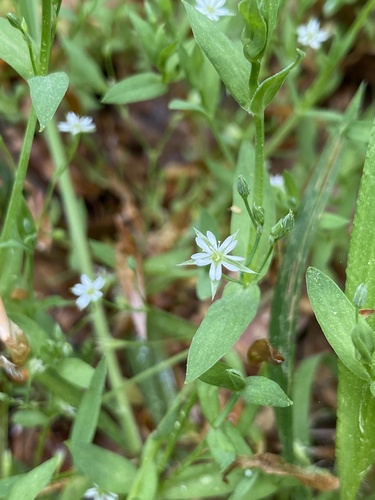
- Bog ChickweedStellaria alsine
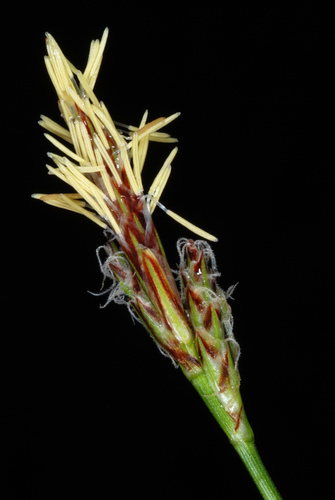
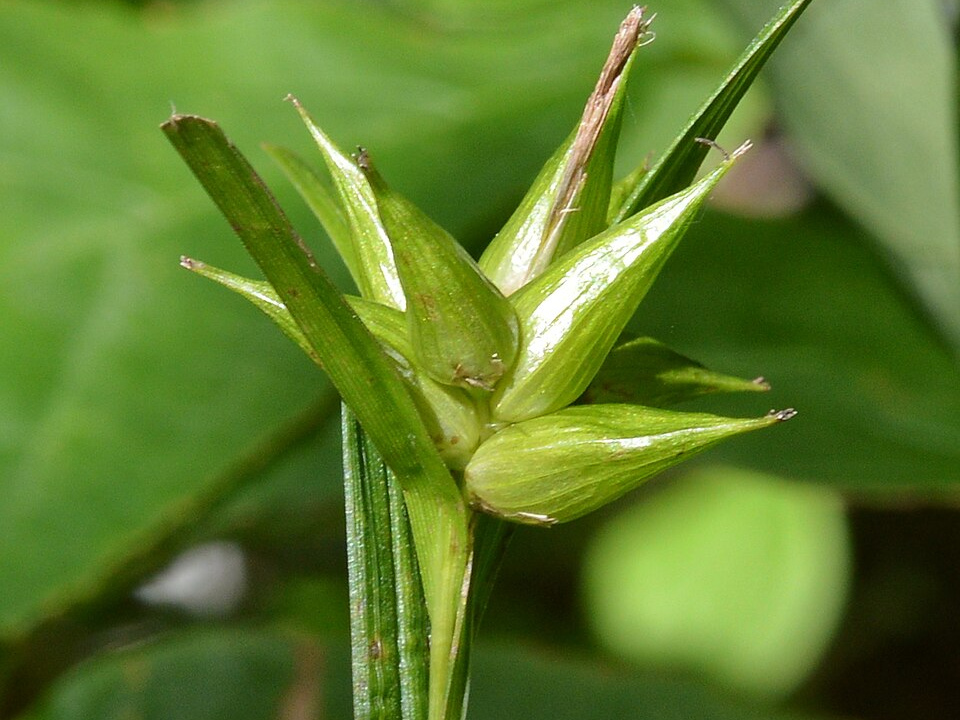
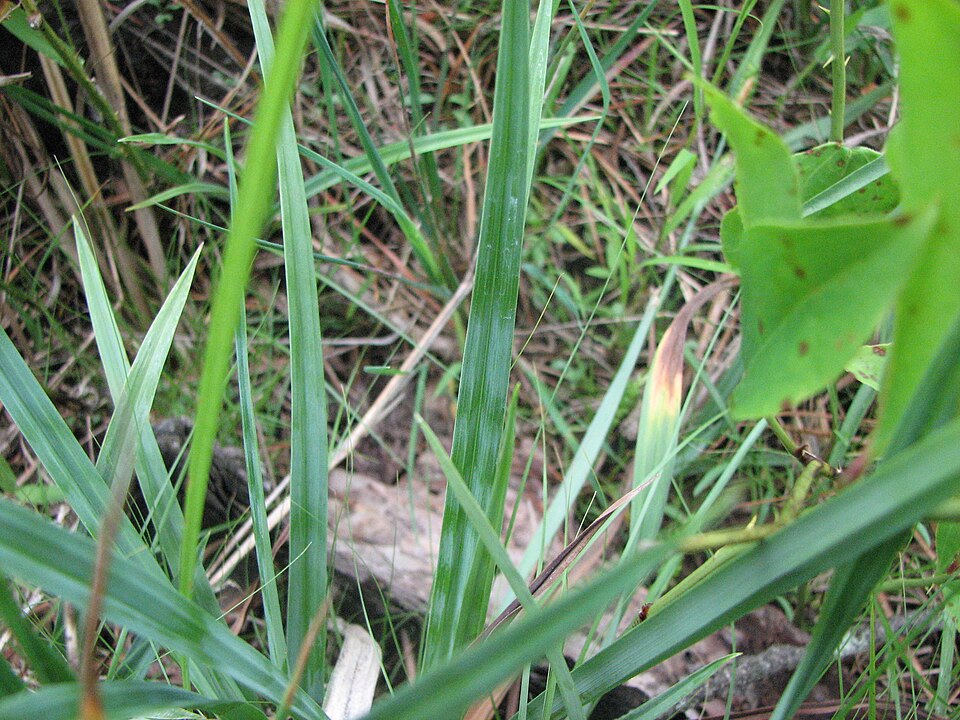
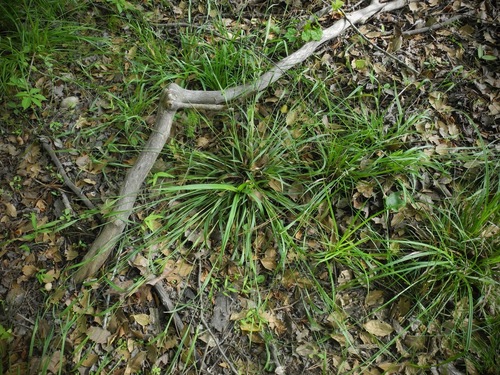
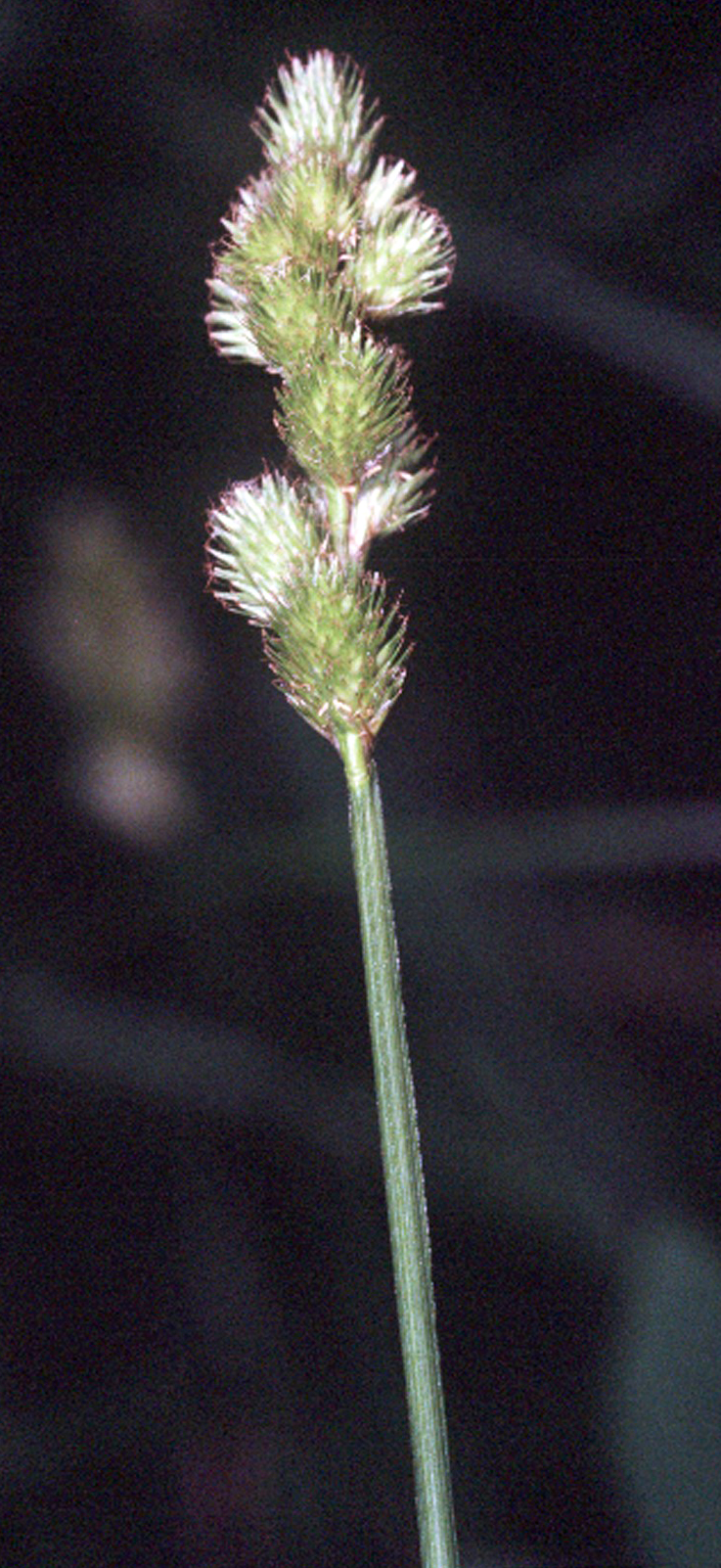
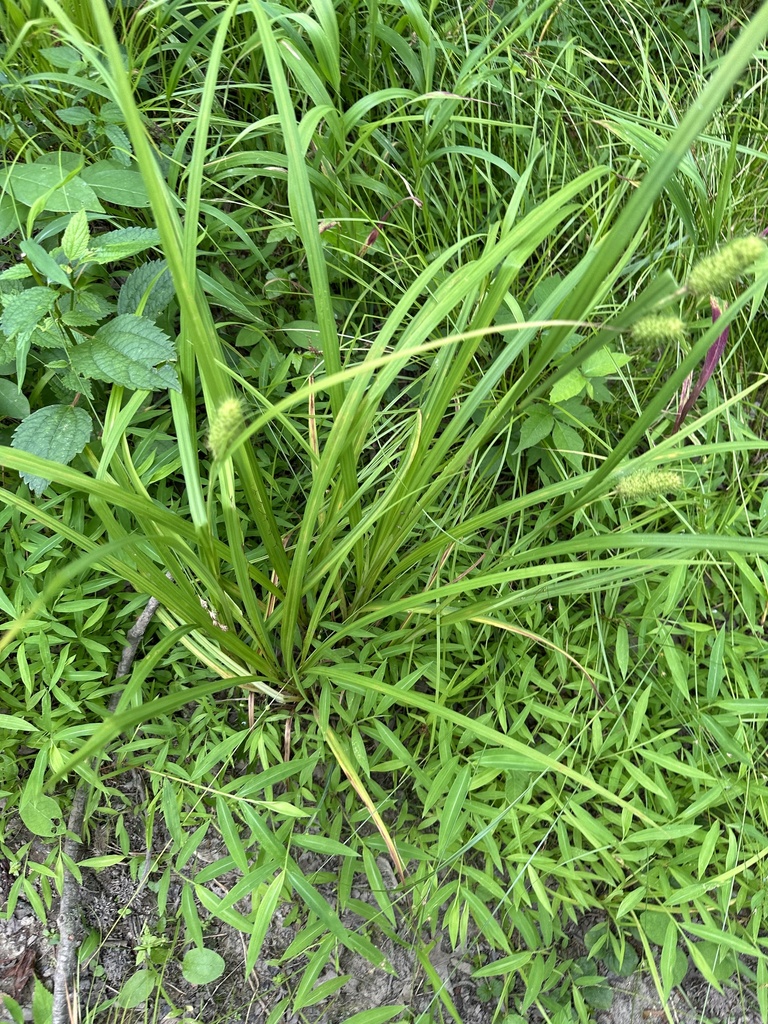
- Arkansas sedgeCarex arkansana
- Hammock SedgeCarex fissa var. aristata
- Little Tooth SedgeCarex microdonta
- Ozark SedgeCarex ozarkana
- Painted SedgeCarex picta
- Southern Dark Green SedgeCarex venusta var. minor
- Tissue SedgeCarex hyalina
- Bent SedgeCarex styloflexa
- Black-edge SedgeCarex nigromarginata
- Bladder SedgeCarex intumescens
- Blue SedgeCarex glaucodea
- Blue Wood SedgeCarex flaccosperma
- Blunt Broom SedgeCarex tribuloides
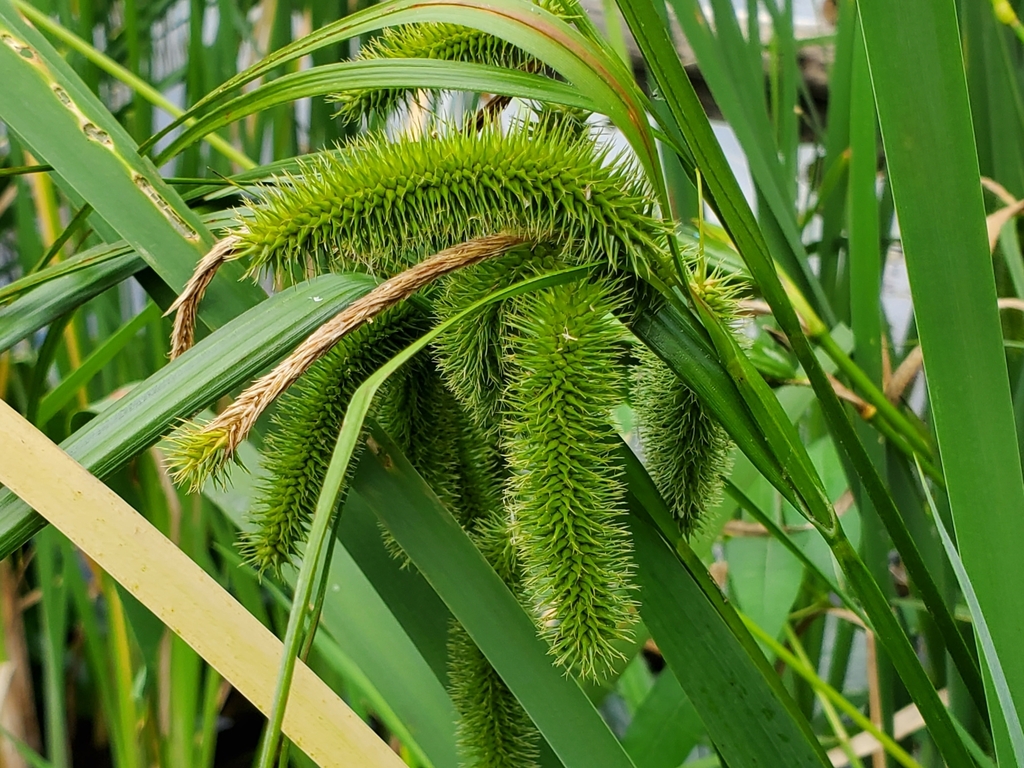
- Bristly SedgeCarex comosa
- Bristly-stalk SedgeCarex leptalea
- Broad Looseflower SedgeCarex laxiflora
- Broadwing SedgeCarex alata
- Brome-like SedgeCarex bromoides
- Bush's SedgeCarex bushii
- Carex debilis var. debilisCarex debilis var. debilis
- Carex tribuloides var. sangamonensisCarex tribuloides var. sangamonensis
- Carolina SedgeCarex caroliniana
- Cattail SedgeCarex typhina
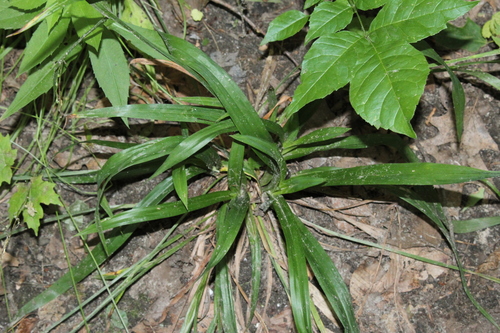
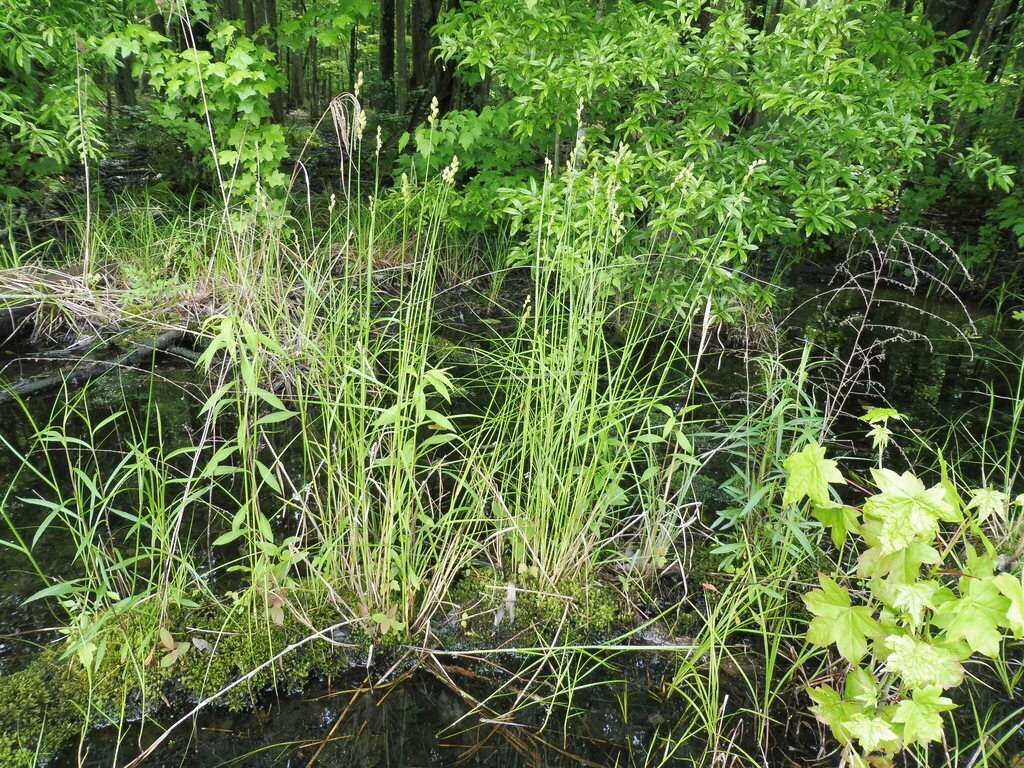
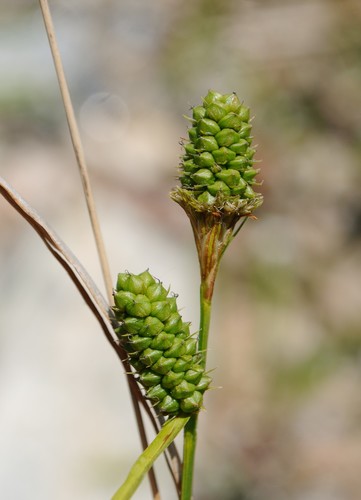
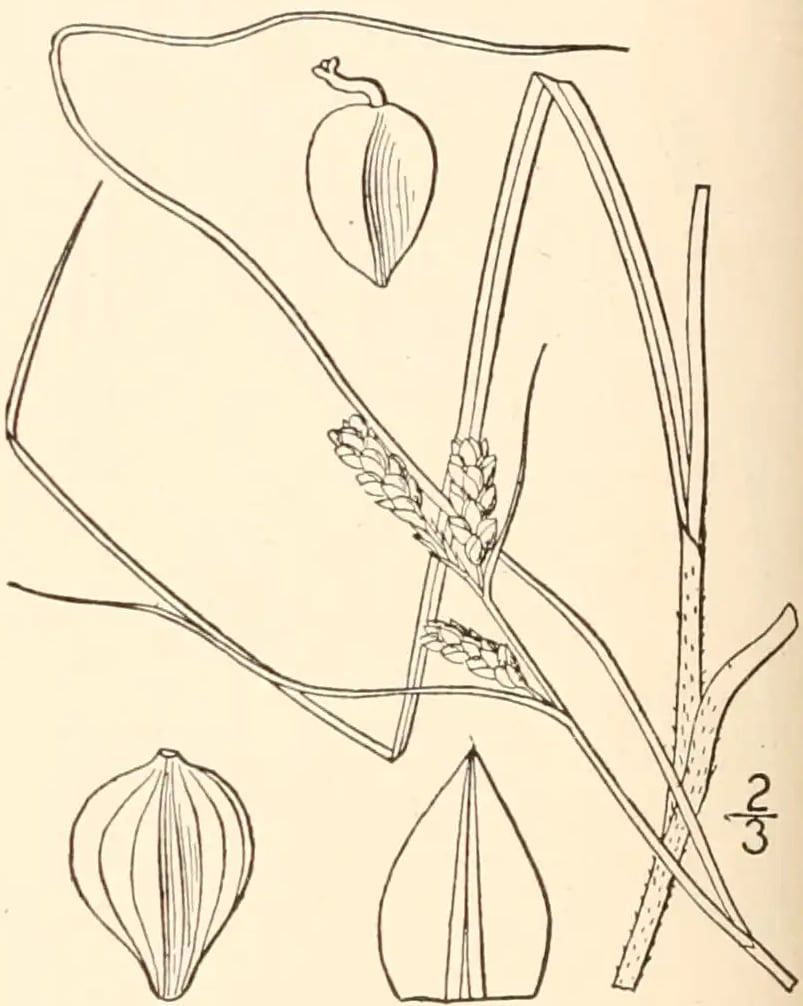
Plant genera in its diet records (2)
Also found in its main habitats
Its main habitats in Louisiana, by how much of its habitat model each one is, with the birds most characteristic of each and the plants that grow wild there. Shared habitat, not food.
Roadsides, fields and disturbed ground
Birds 153
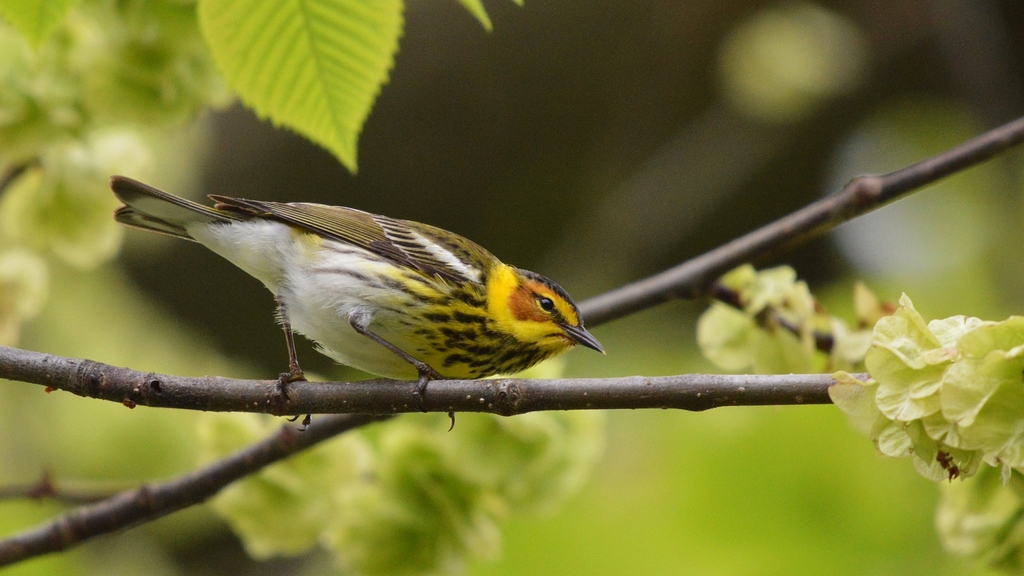
- Cape May WarblerDendroica tigrina
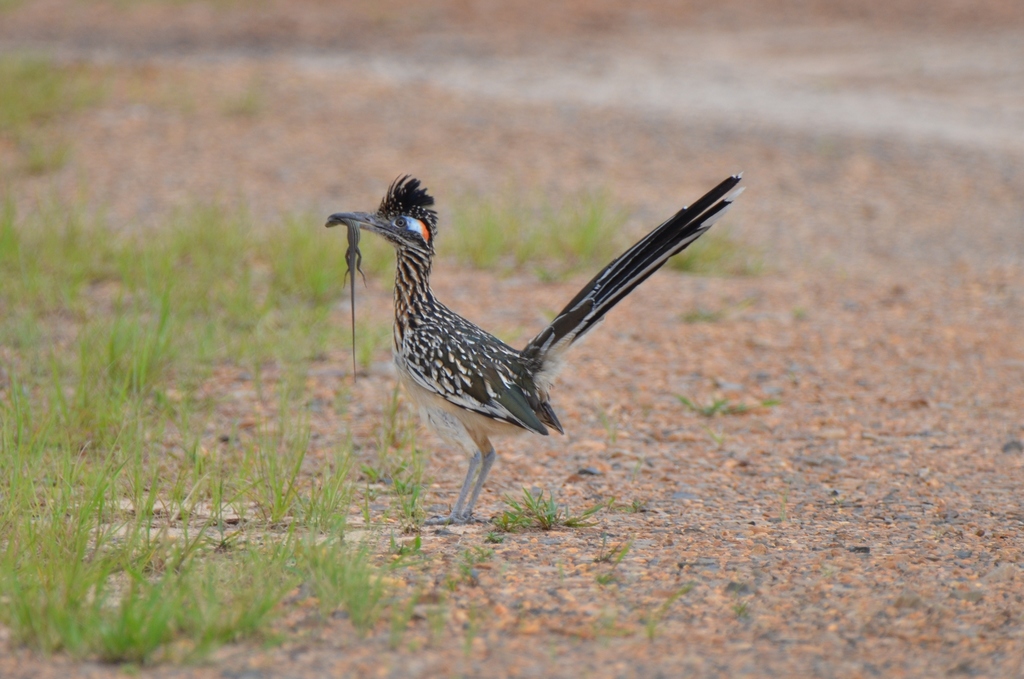
- Greater RoadrunnerGeococcyx californianus
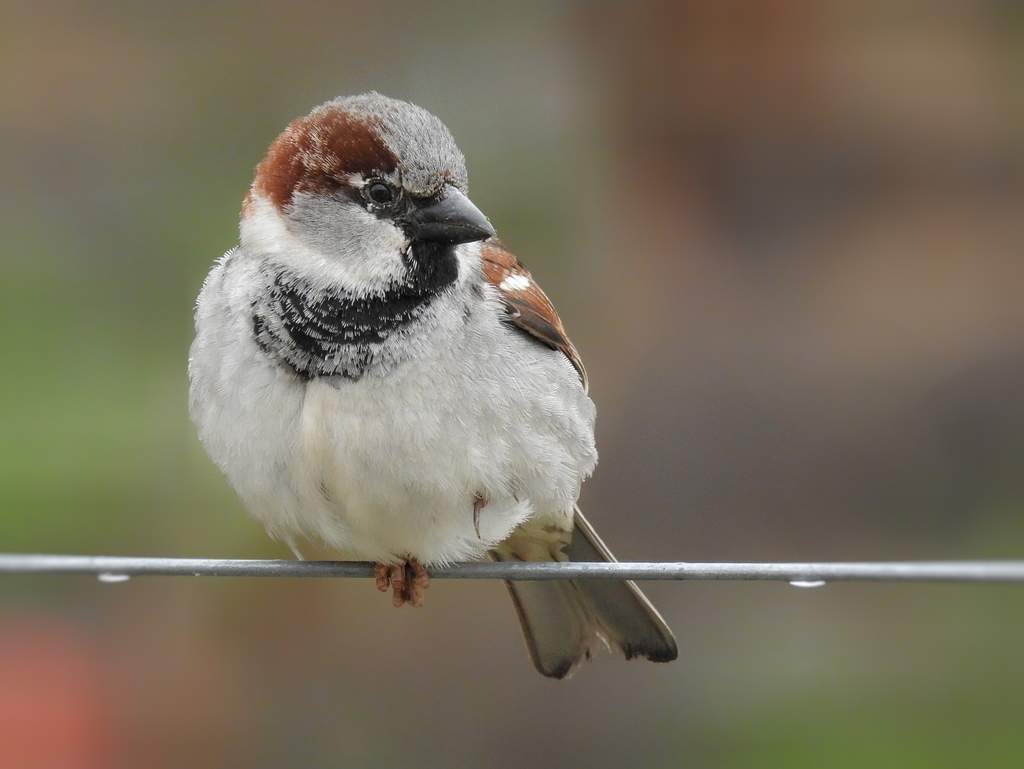
- House SparrowPasser domesticus
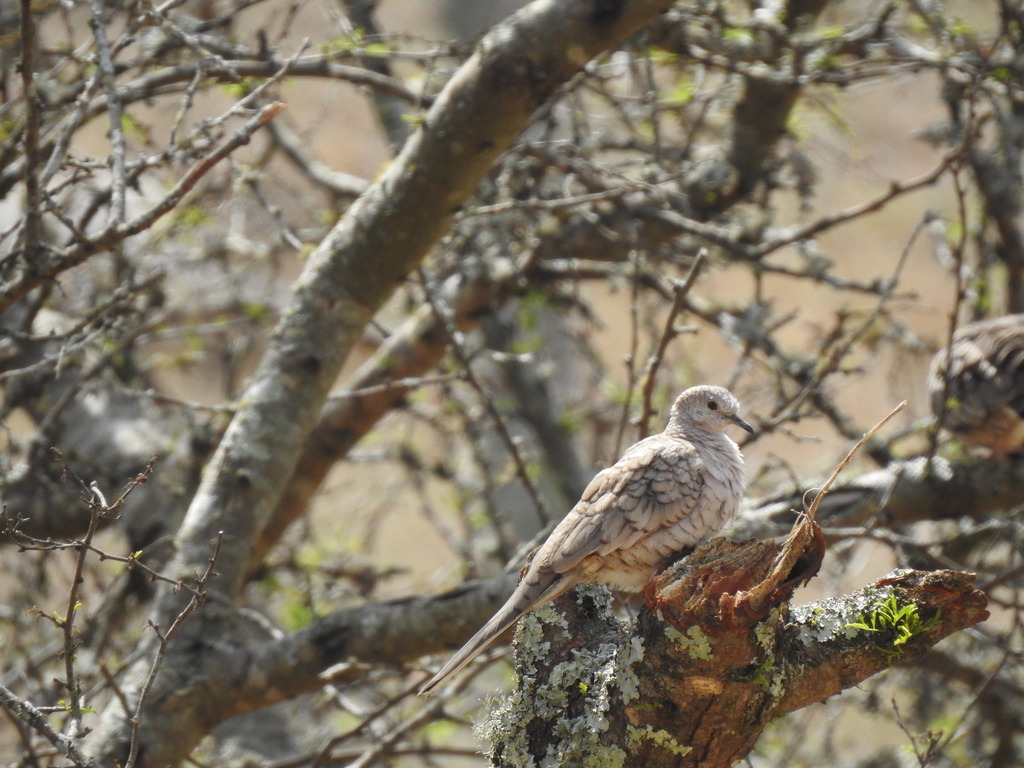
- Inca DoveColumbina inca
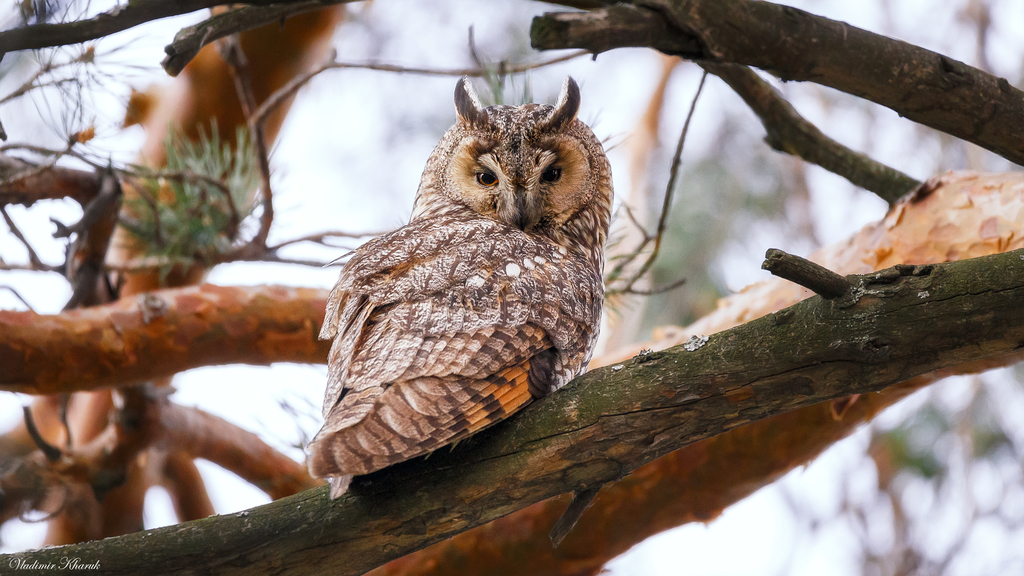
- Long-eared OwlAsio otus
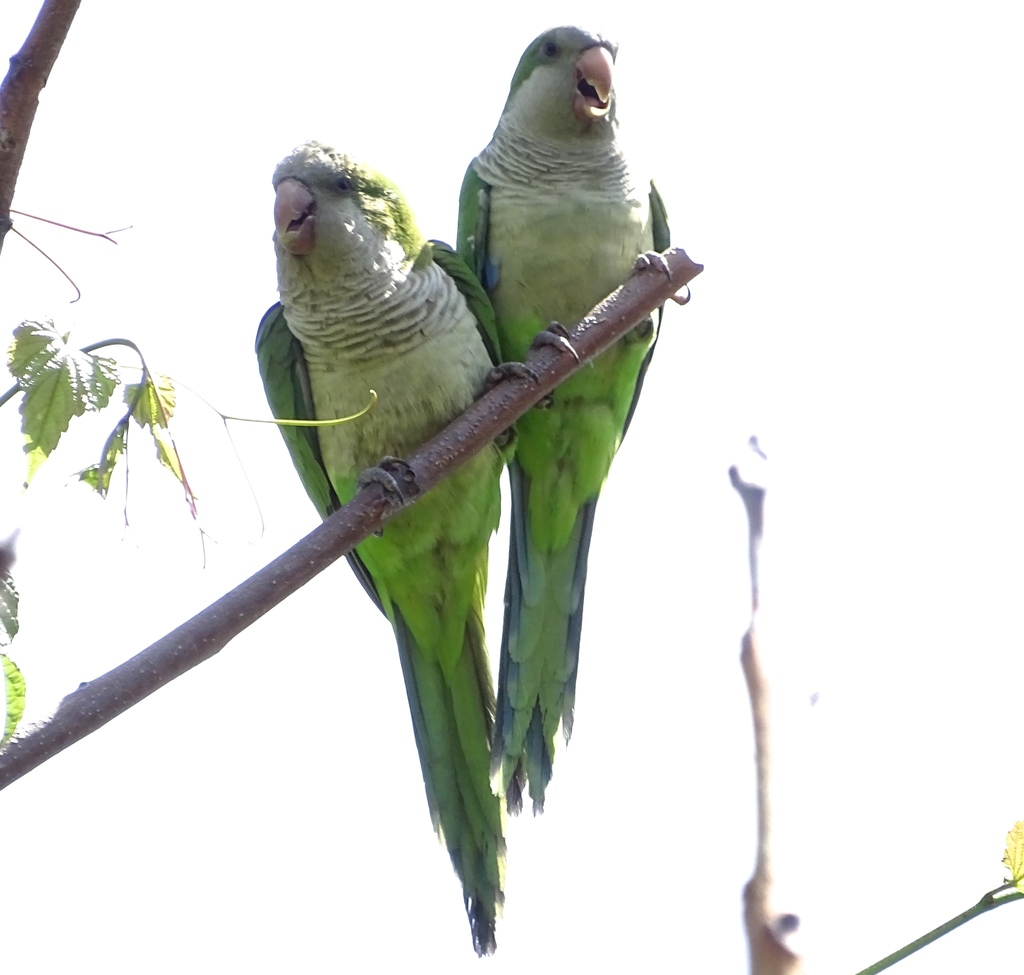
- Monk ParakeetMyiopsitta monachus
- Smith's LongspurCalcarius pictus
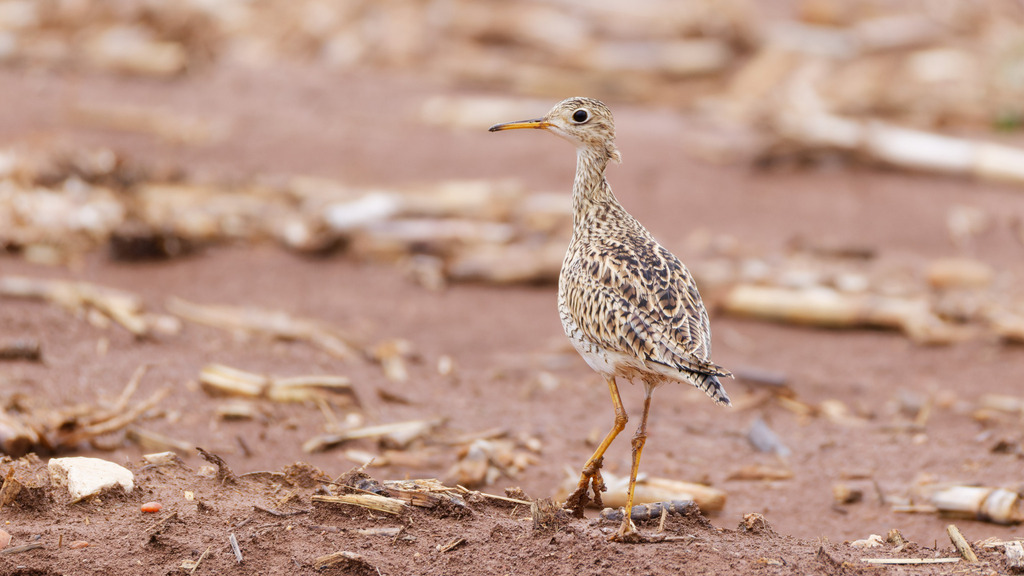
- Upland SandpiperBartramia longicauda
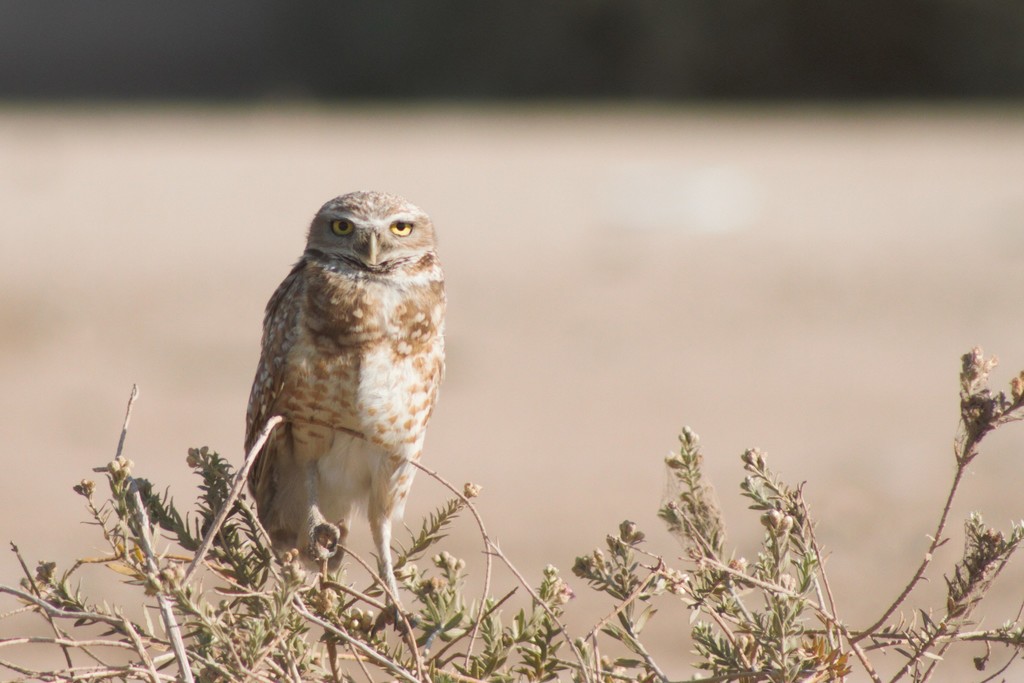
- Western Burrowing OwlAthene cunicularia hypugaea
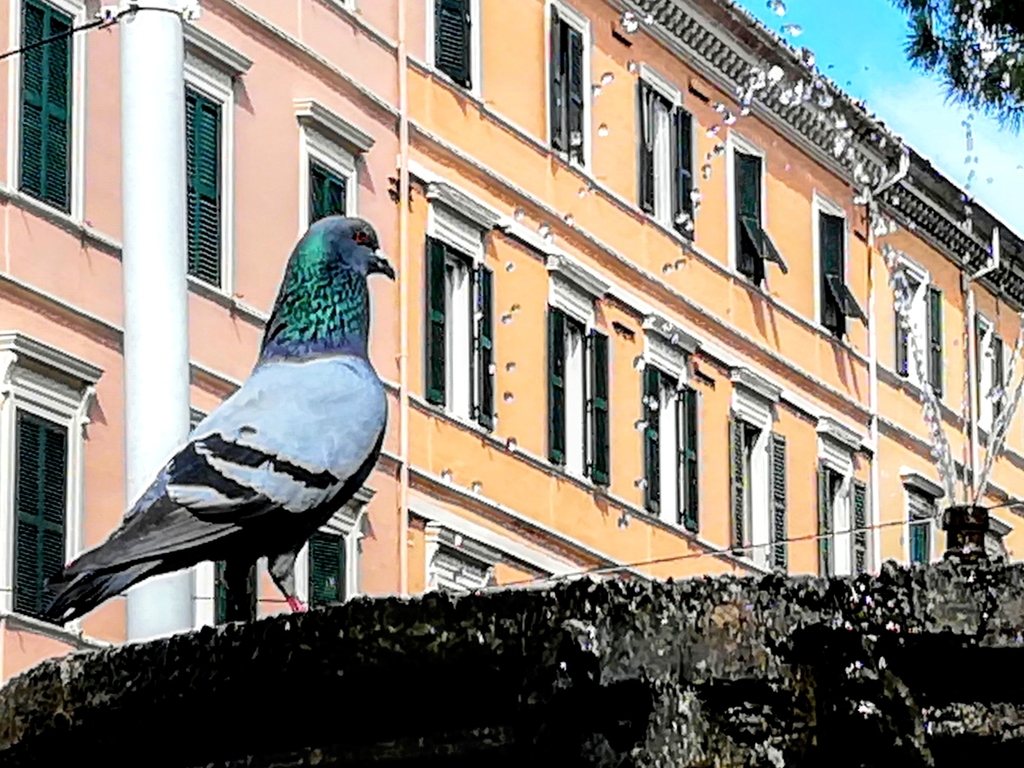
- Rock PigeonColumba livia
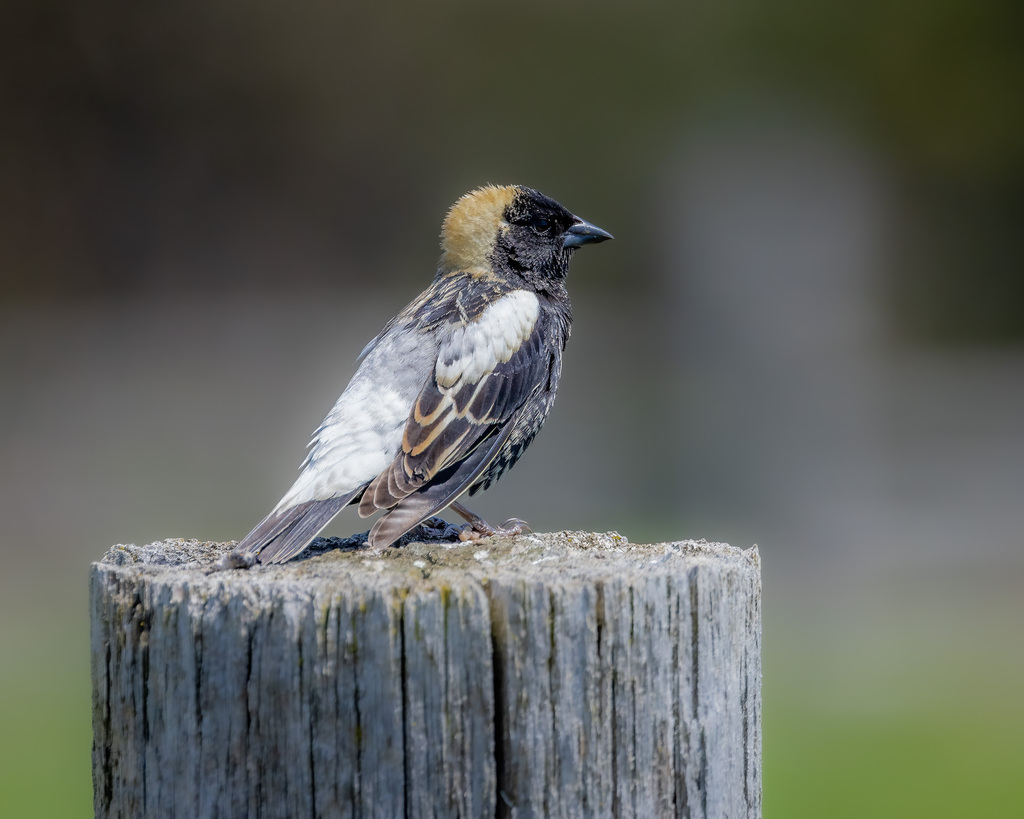
- BobolinkDolichonyx oryzivorus
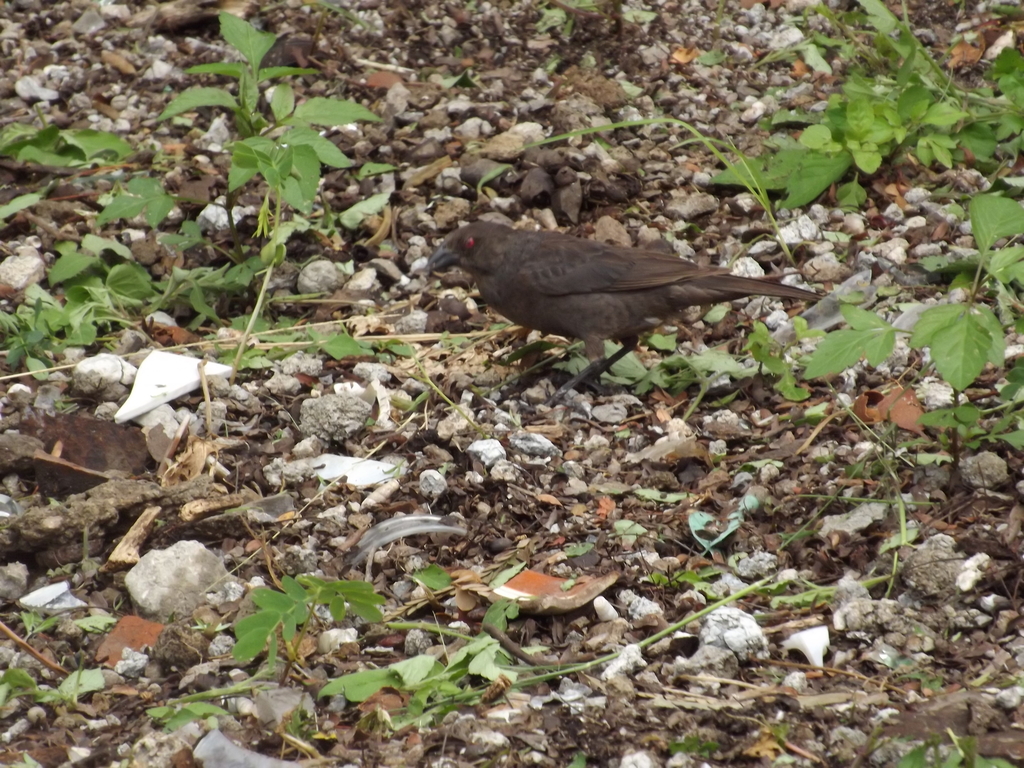
- Bronzed CowbirdMolothrus aeneus
Plants 958
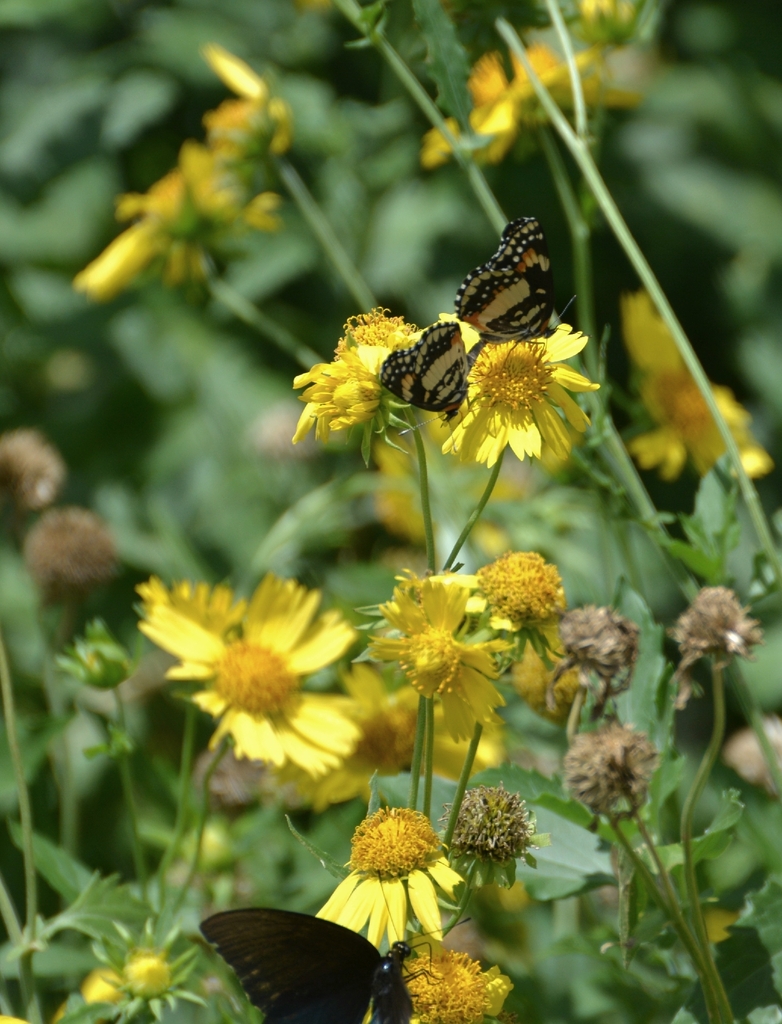
- Muck SunflowerHelianthus simulans
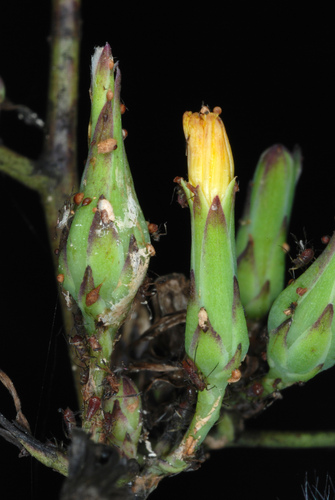
- Canada LettuceLactuca canadensis
- Annual FleabaneErigeron annuus
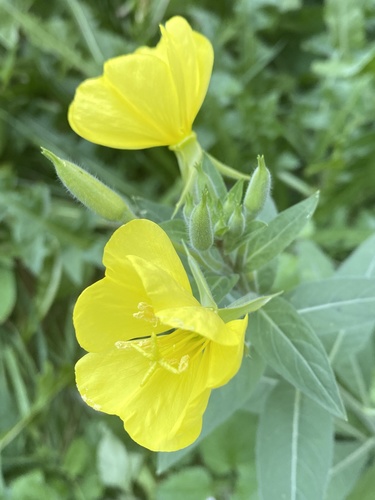
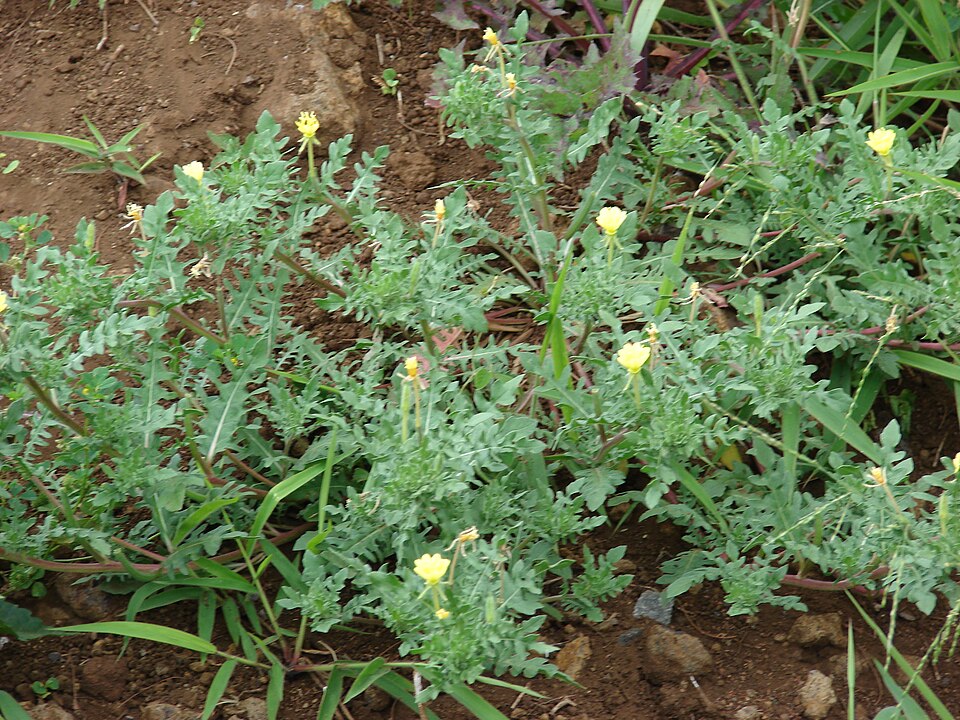
- Common Evening-primroseOenothera biennis
- Cutleaf Evening-primroseOenothera laciniata
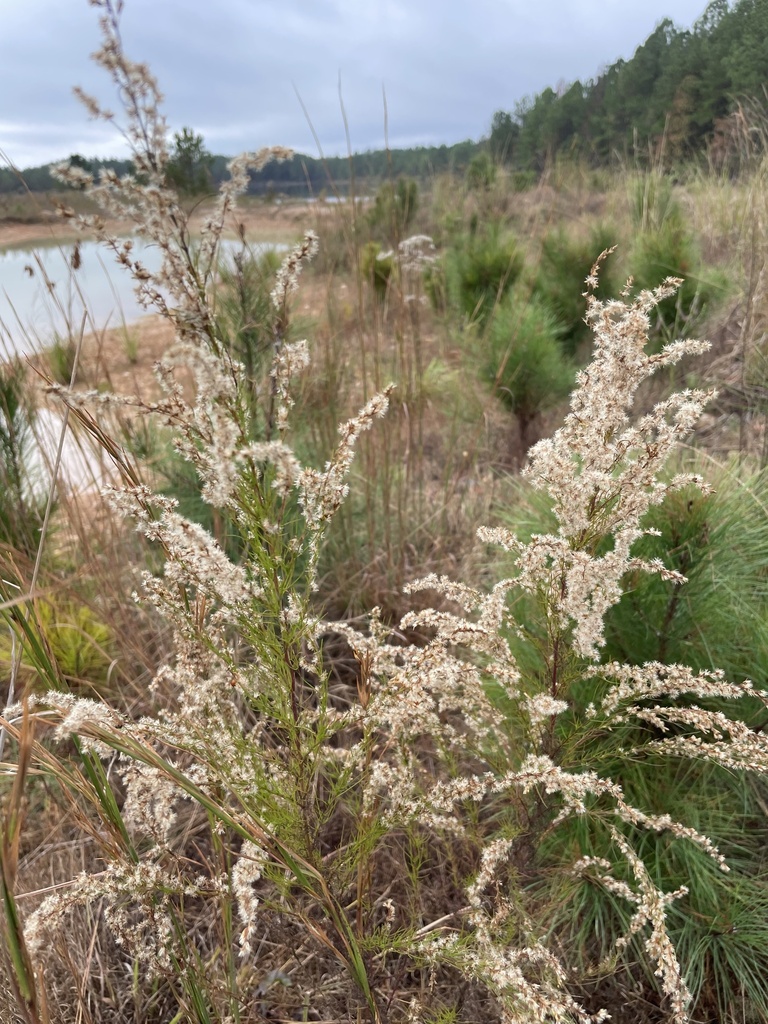
- Dog-fennelEupatorium capillifolium
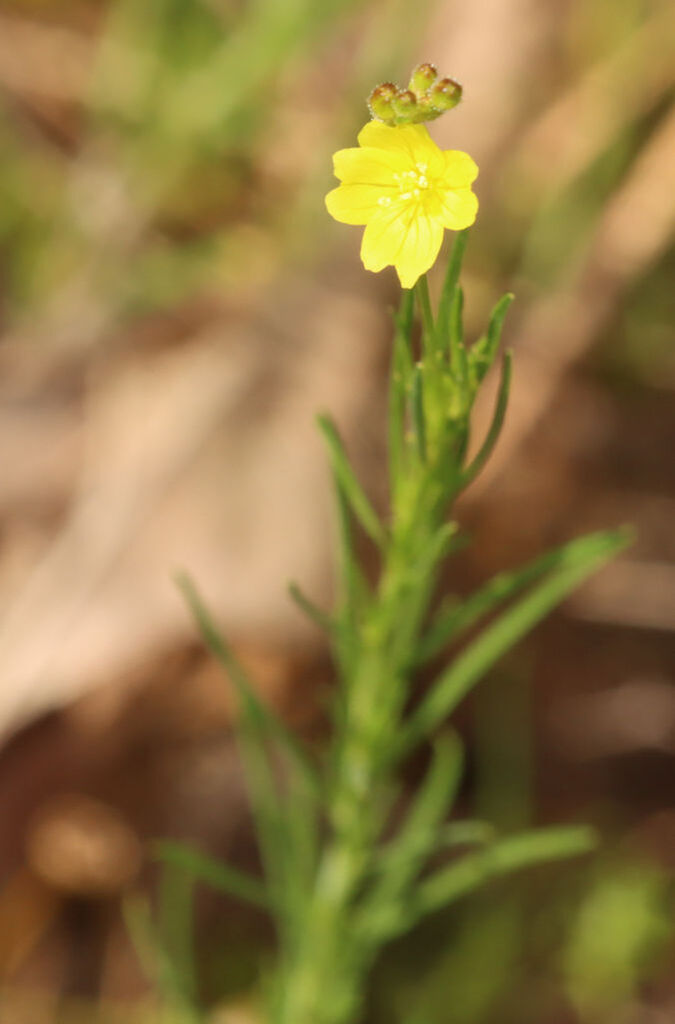
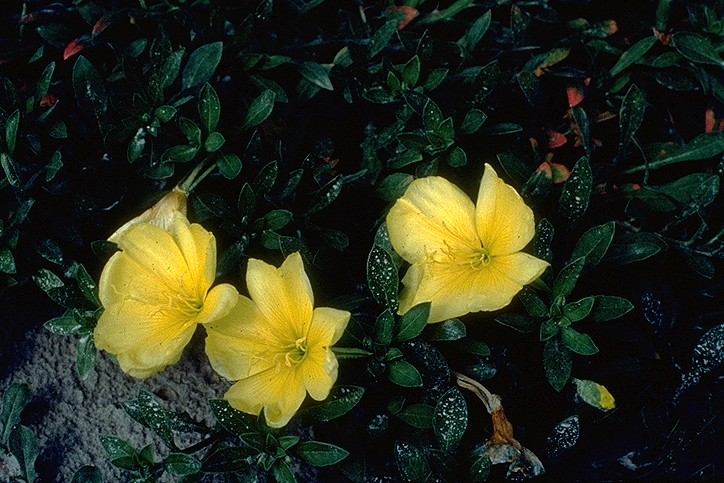
- Threadleaf SundropsOenothera linifolia
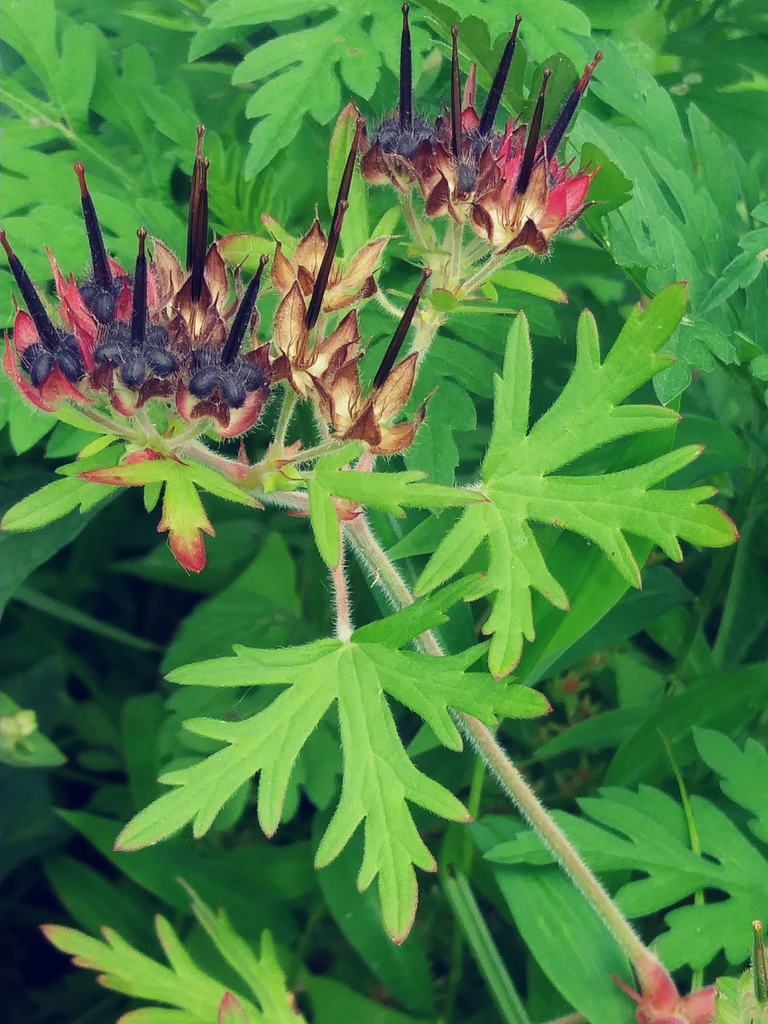
- Carolina Crane's-billGeranium carolinianum
- Golden CrownbeardVerbesina encelioides
- Blackeyed SusanRudbeckia hirta var. pulcherrima
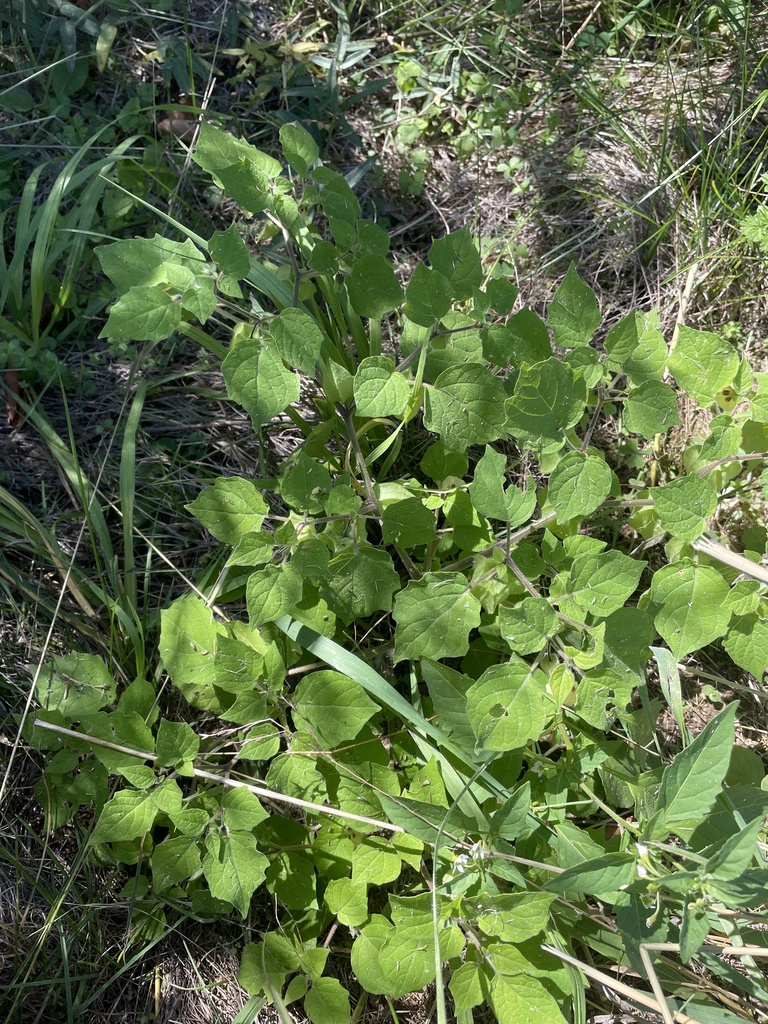
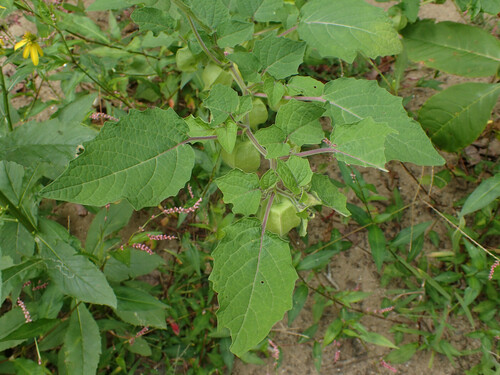
- Downy Ground-cherryPhysalis pubescens
- Gray Ground-cherryPhysalis grisea
Disturbed and introduced wetlands
Birds 179
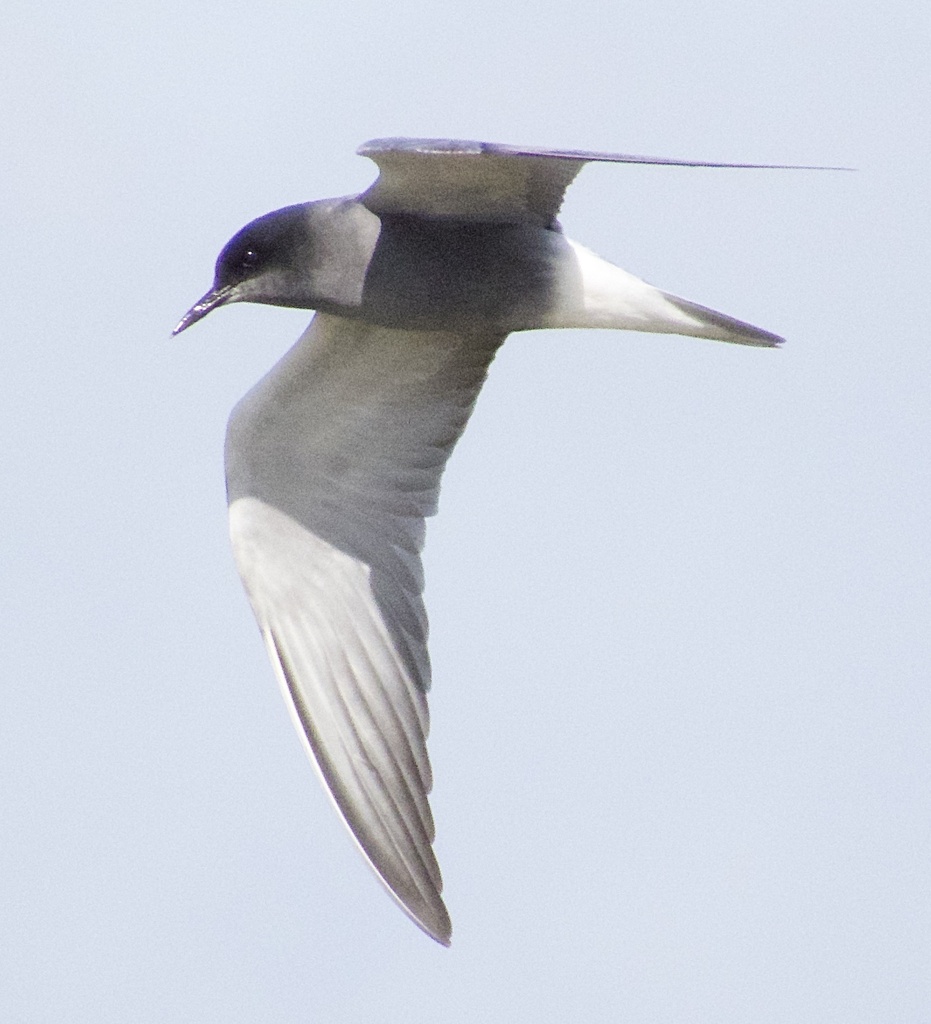
- Black TernChlidonias niger
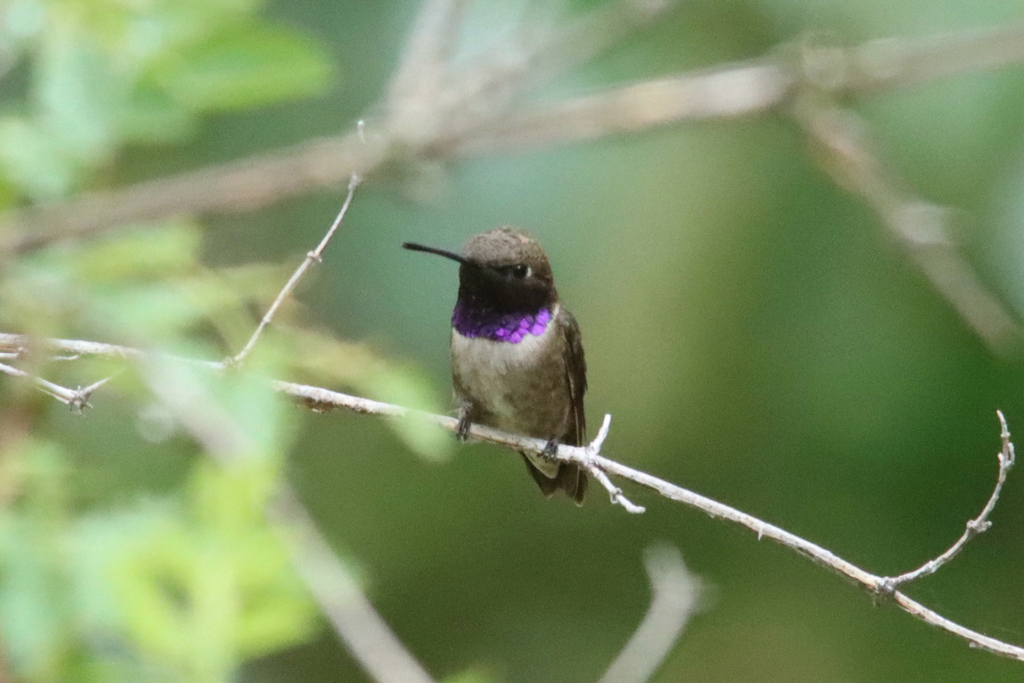
- Black-chinned HummingbirdArchilochus alexandri
- BobolinkDolichonyx oryzivorus
- Bronzed CowbirdMolothrus aeneus
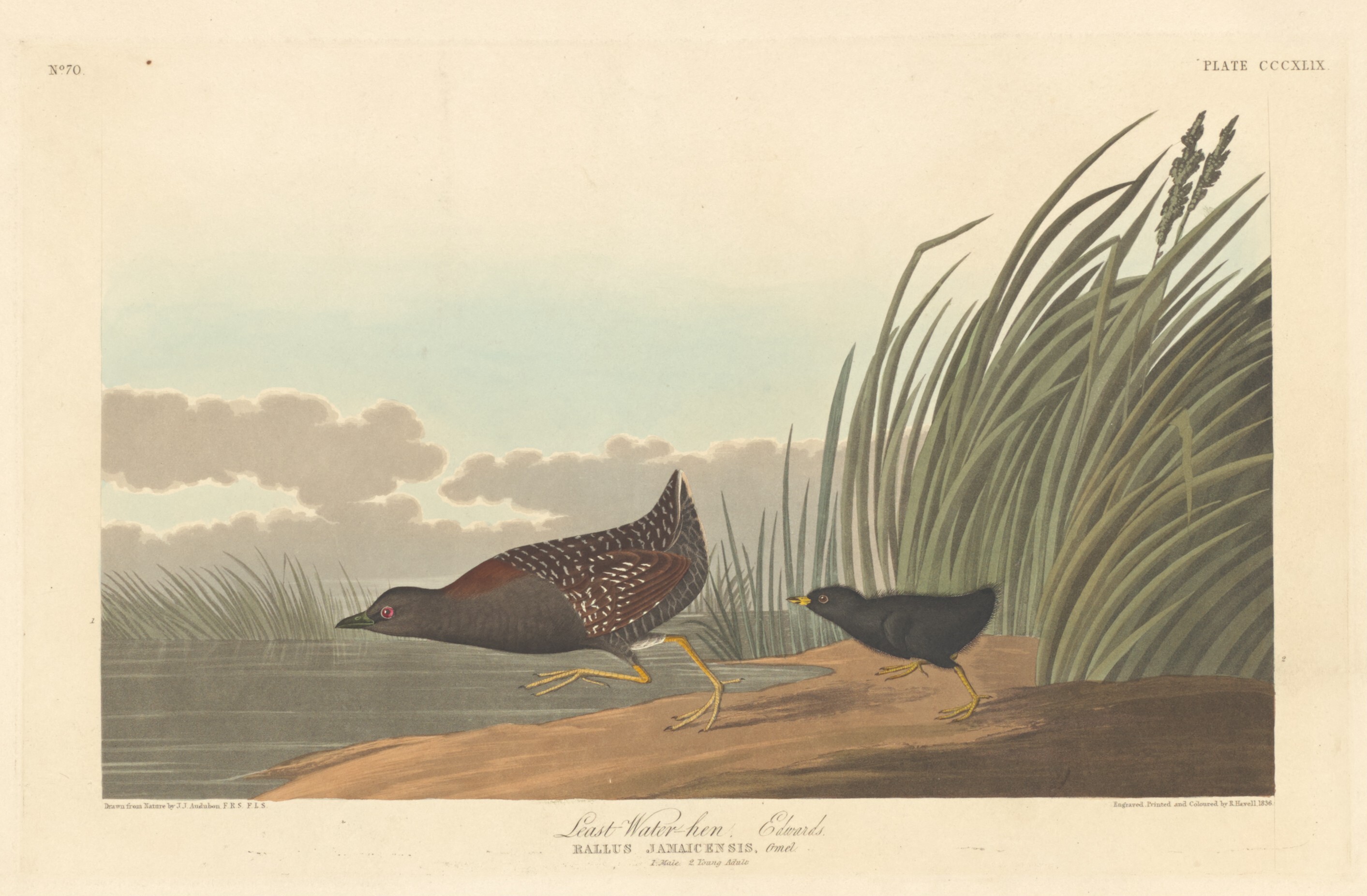
- Black RailLaterallus jamaicensis
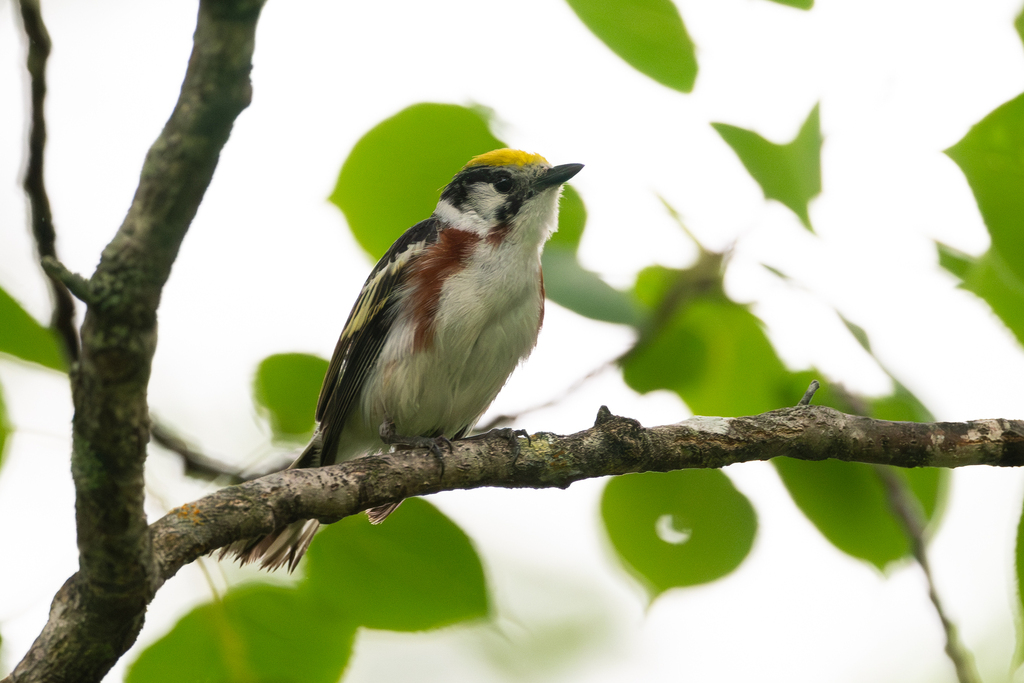
- Chestnut-sided WarblerDendroica pensylvanica
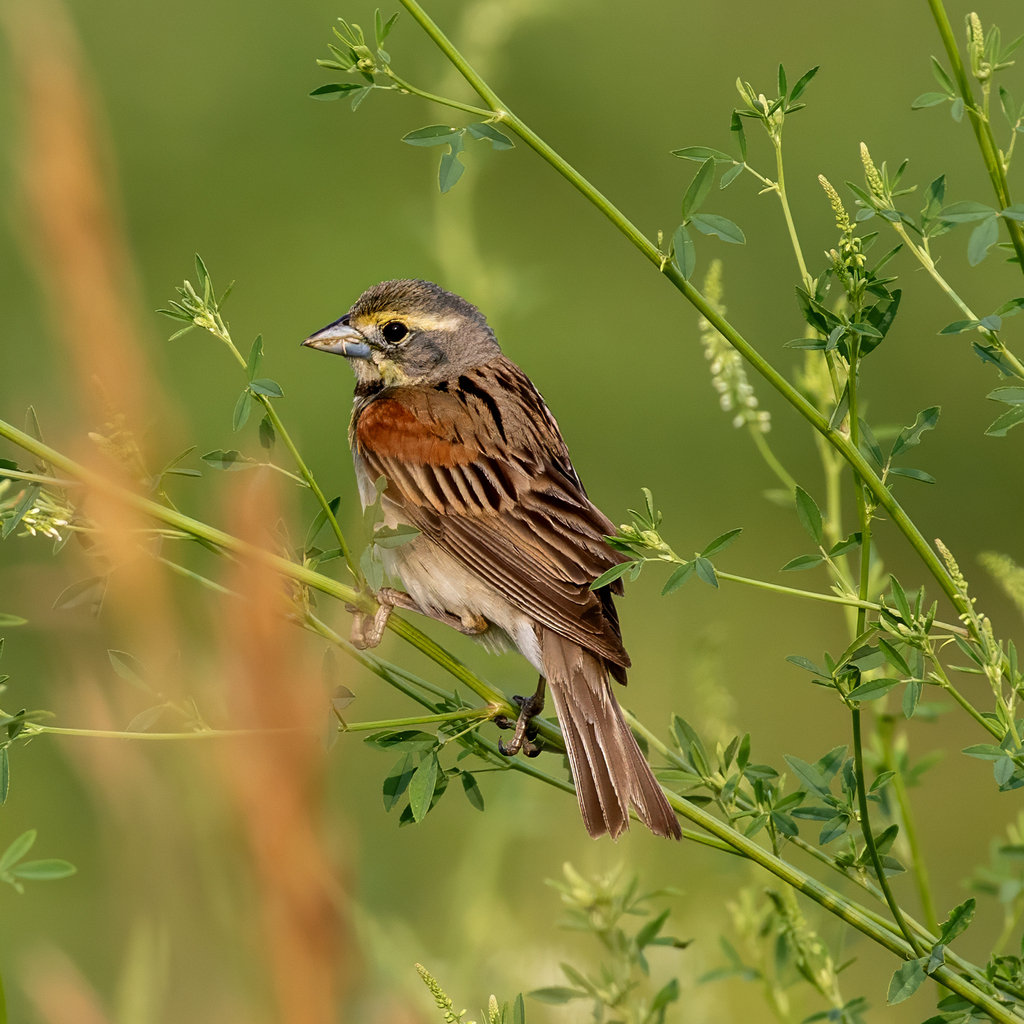
- DickcisselSpiza americana
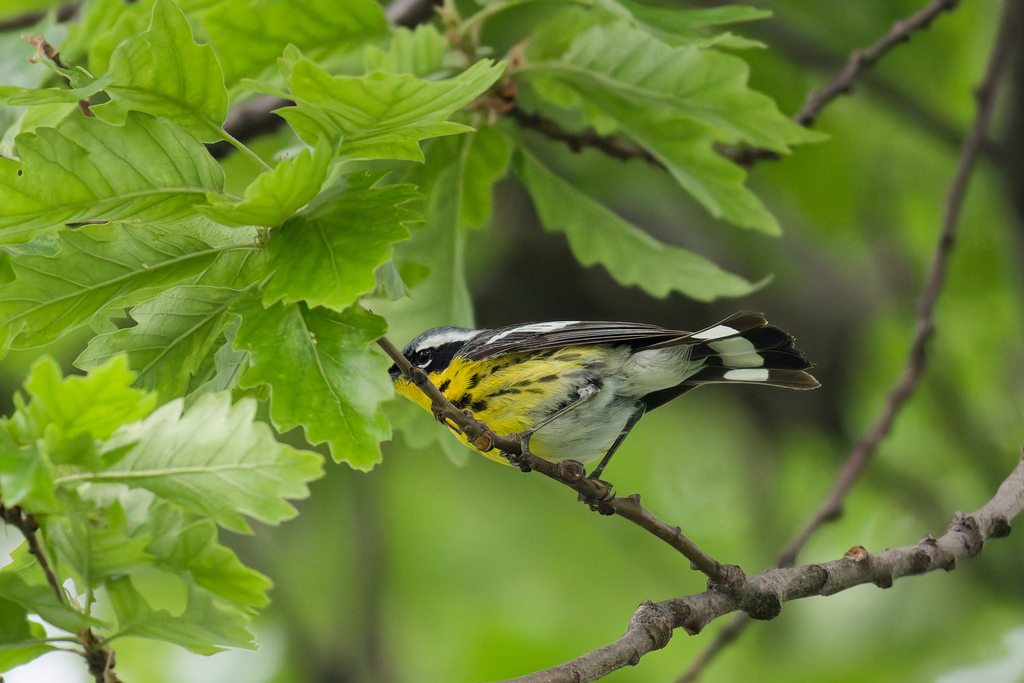
- Magnolia WarblerDendroica magnolia
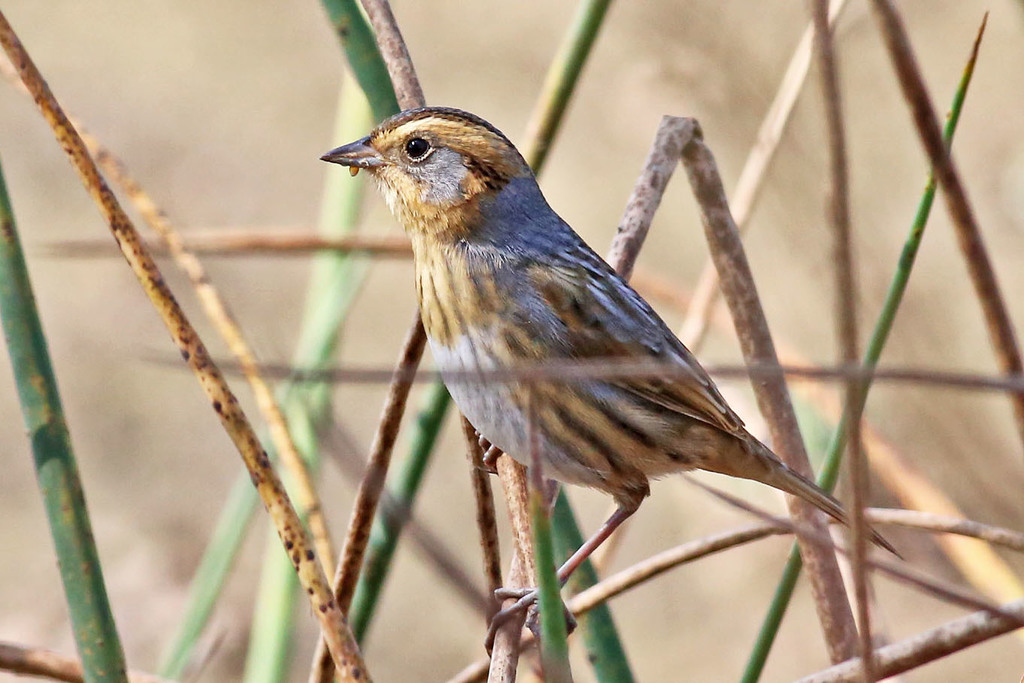
- Nelson's Sharp-tailed SparrowAmmodramus nelsoni
- Red-breasted NuthatchSitta canadensis
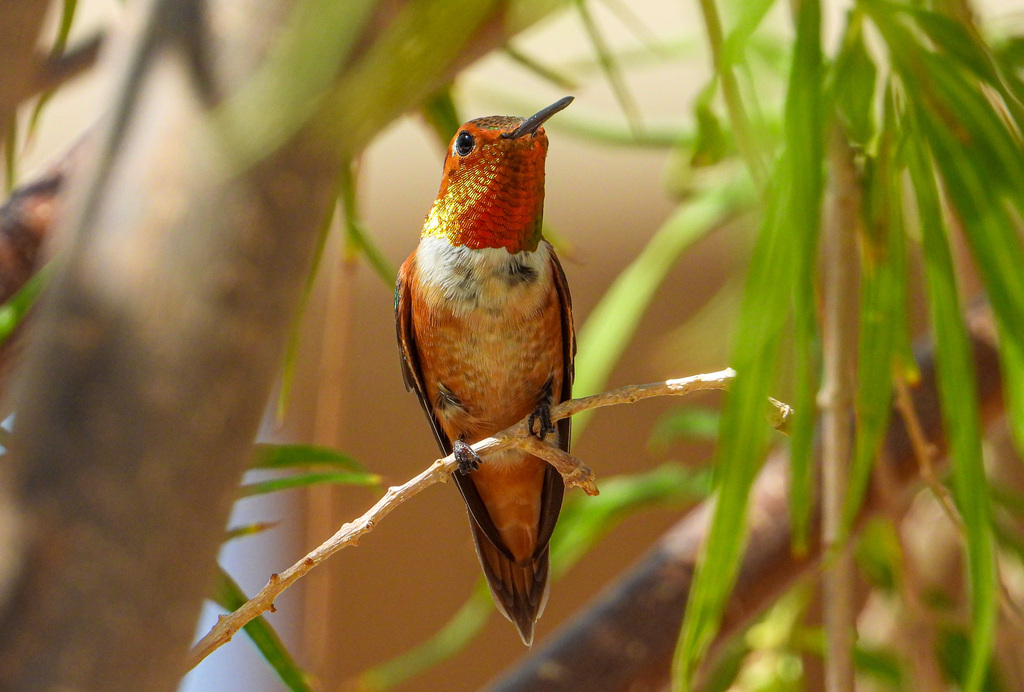
- Rufous HummingbirdSelasphorus rufus
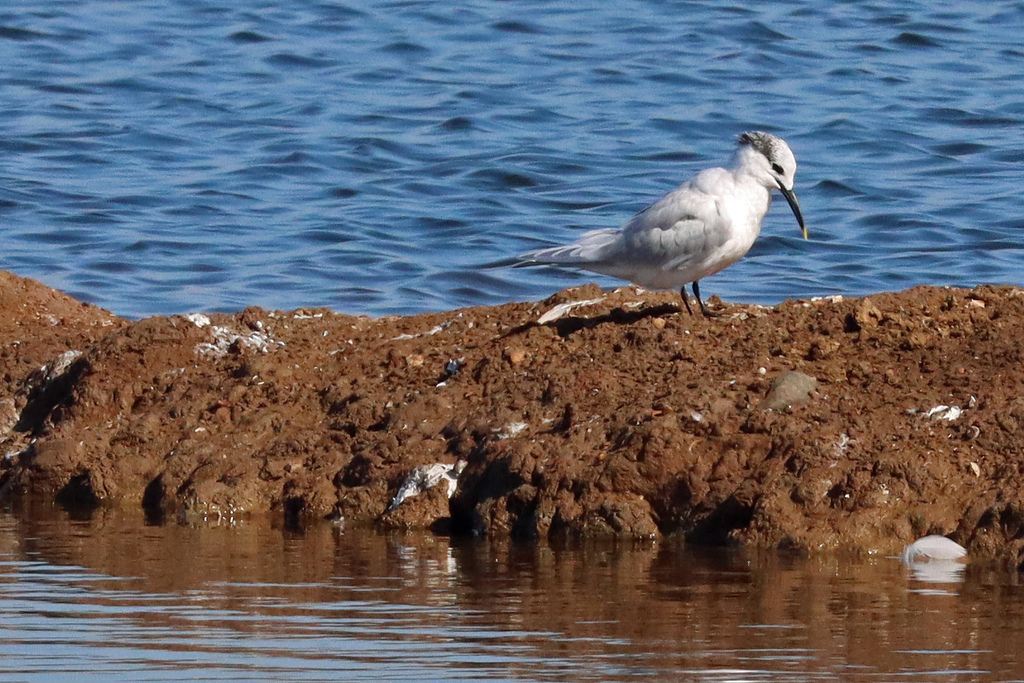
- Sandwich TernThalasseus sandvicensis

Plants 20
- Slender FimbryFimbristylis autumnalis
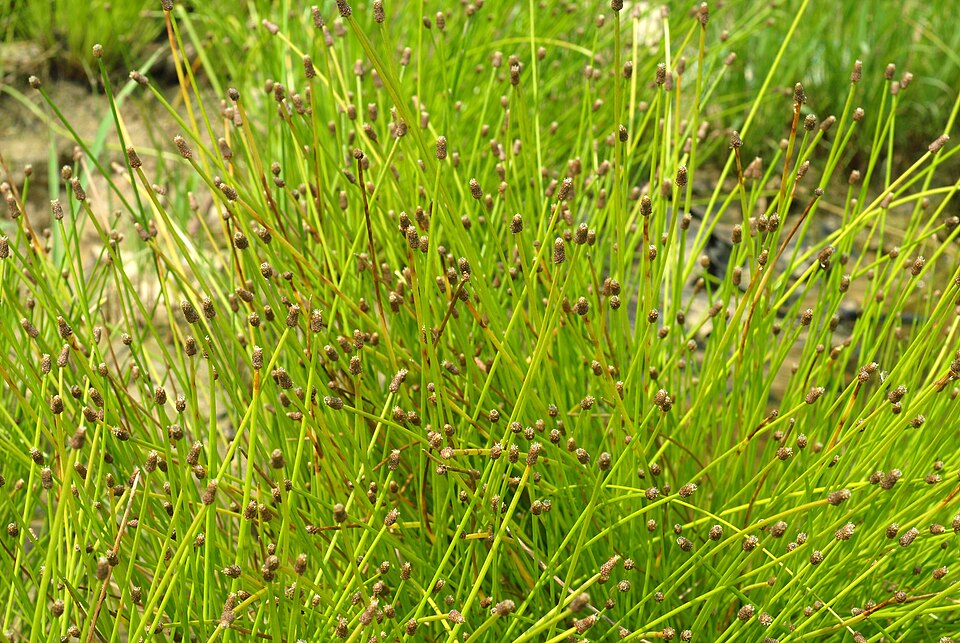
- Purple SpikerushEleocharis atropurpurea
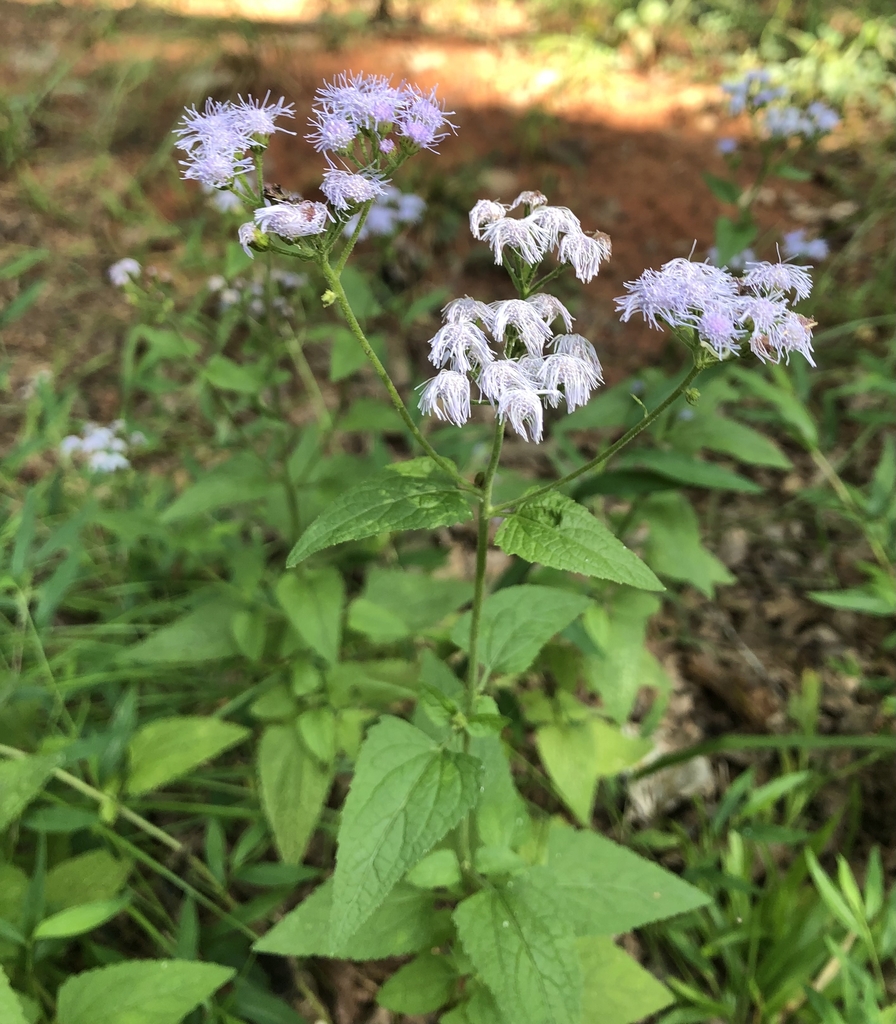
- Blue MistflowerConoclinium coelestinum
- BagpodGlottidium vesicarium
- Tropical FlatsedgeCyperus surinamensis
- Blunt Spike RushEleocharis obtusa
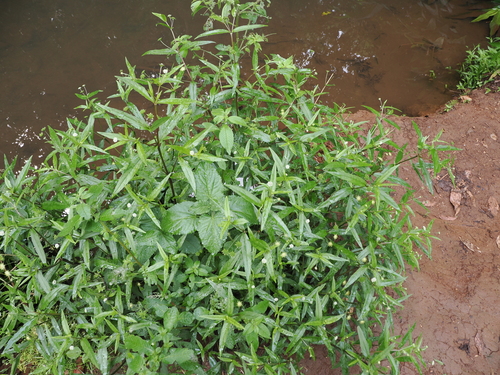
- False DaisyEclipta prostrata
- Bristly SedgeCarex comosa
- Shortbeak BeaksedgeRhynchospora nitens
- Southern Marsh YellowcressRorippa teres
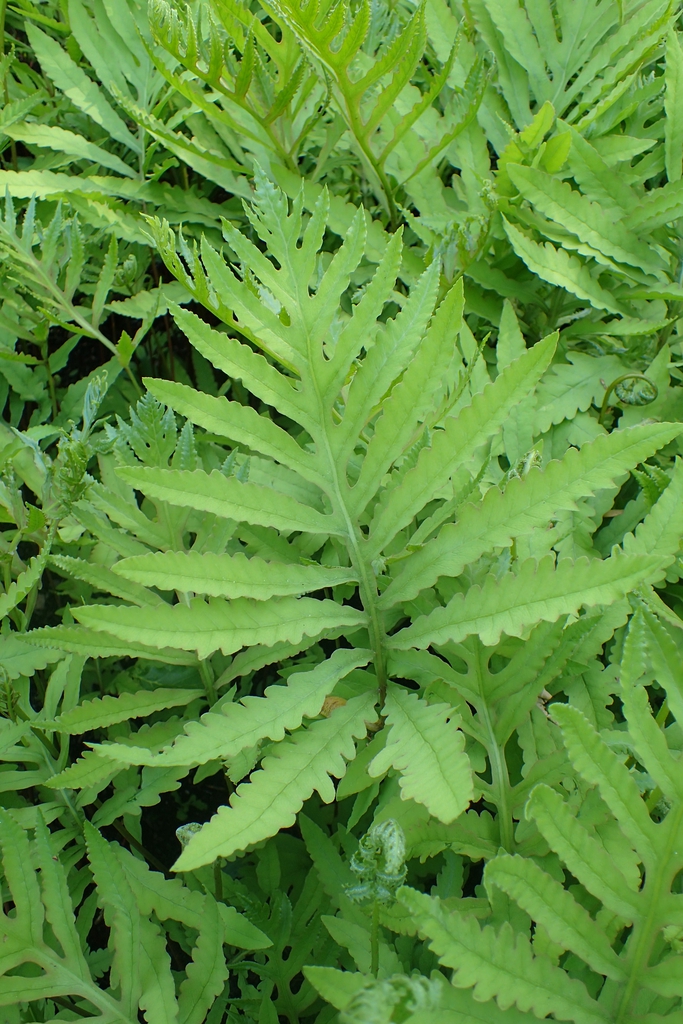
- Sensitive FernOnoclea sensibilis
- Ditch FimbryFimbristylis schoenoides
Prairies and grasslands
Birds 69
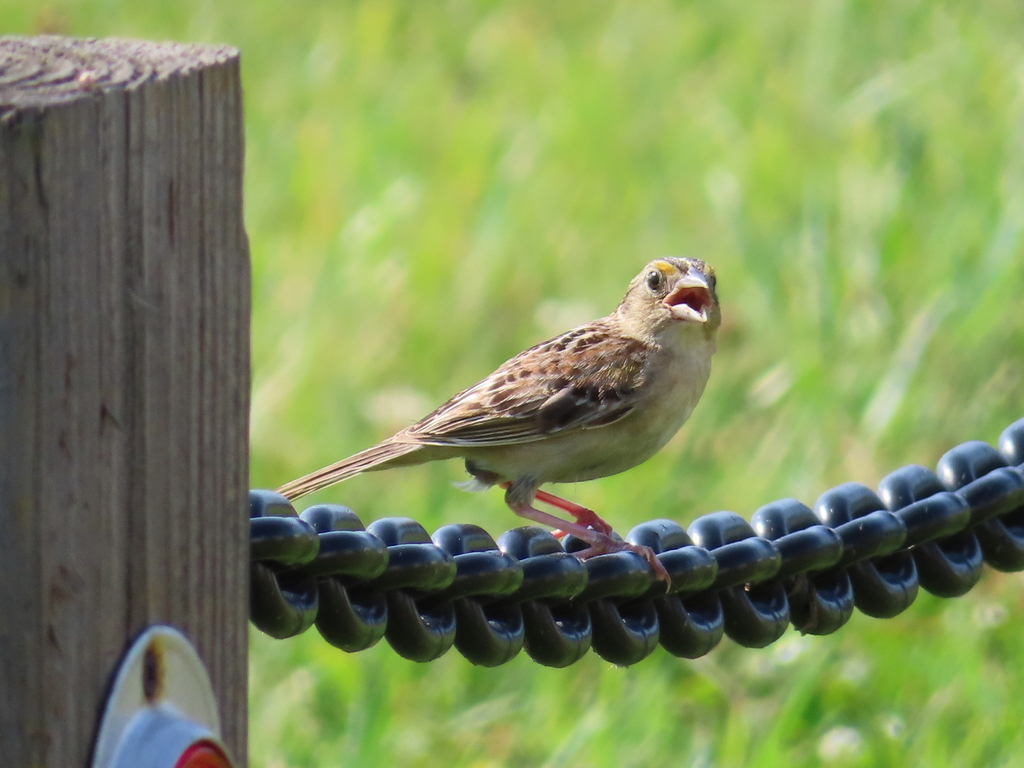
- Grasshopper SparrowAmmodramus savannarum
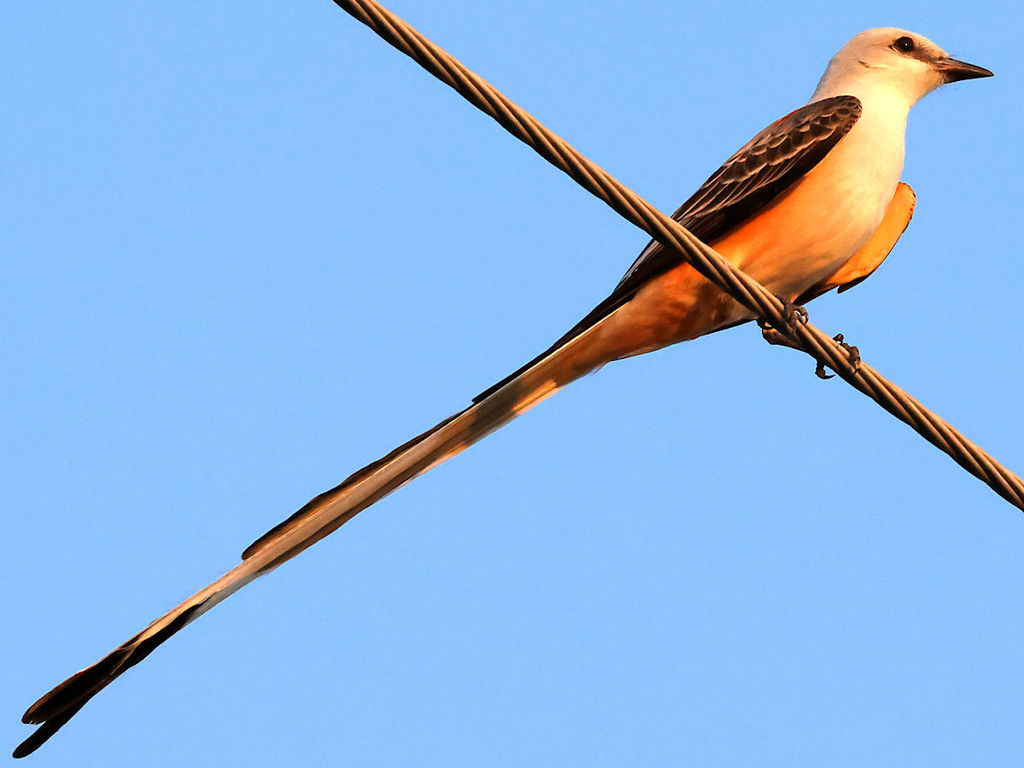
- Scissor-tailed FlycatcherTyrannus forficatus
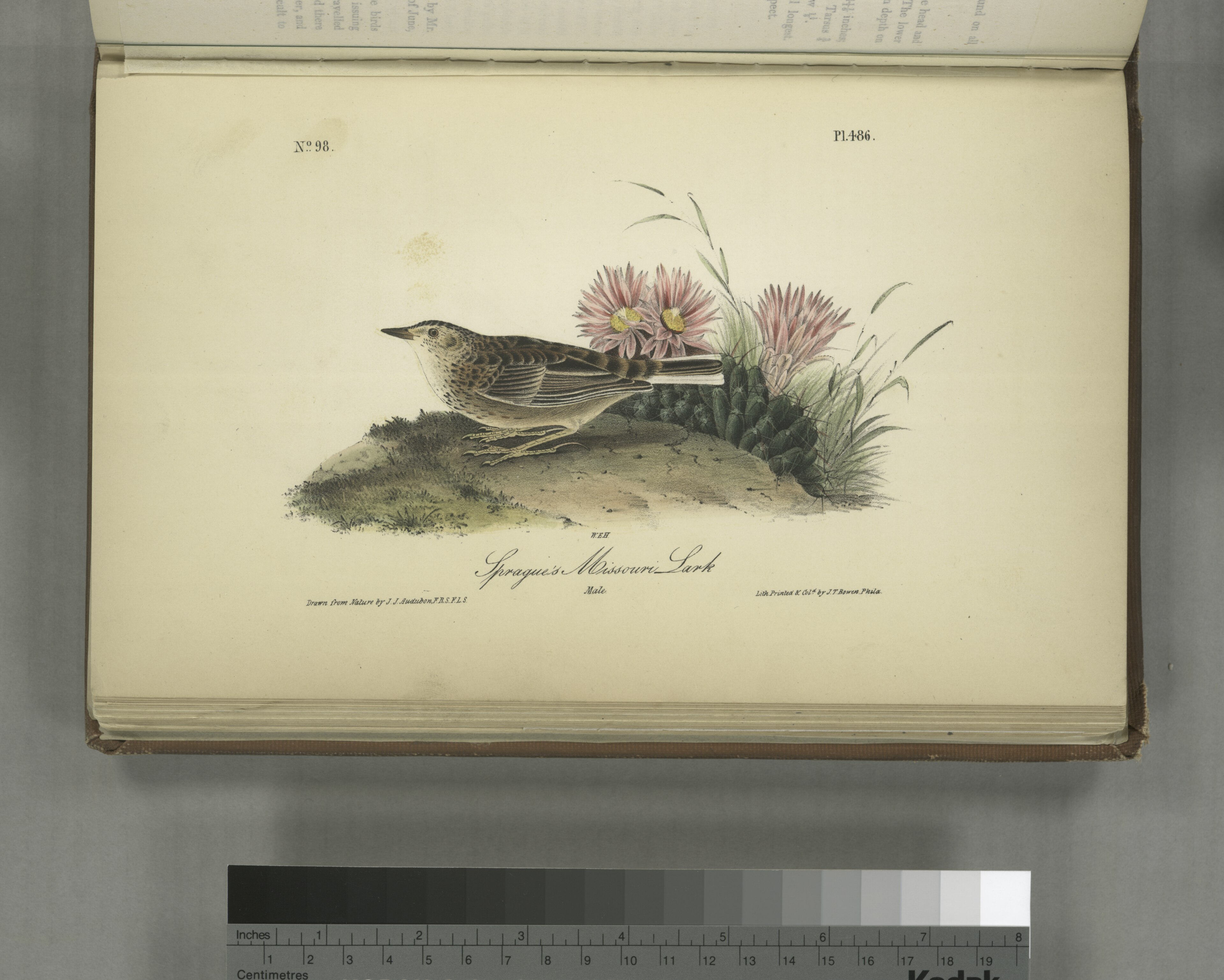
- Sprague's PipitAnthus spragueii
- DickcisselSpiza americana
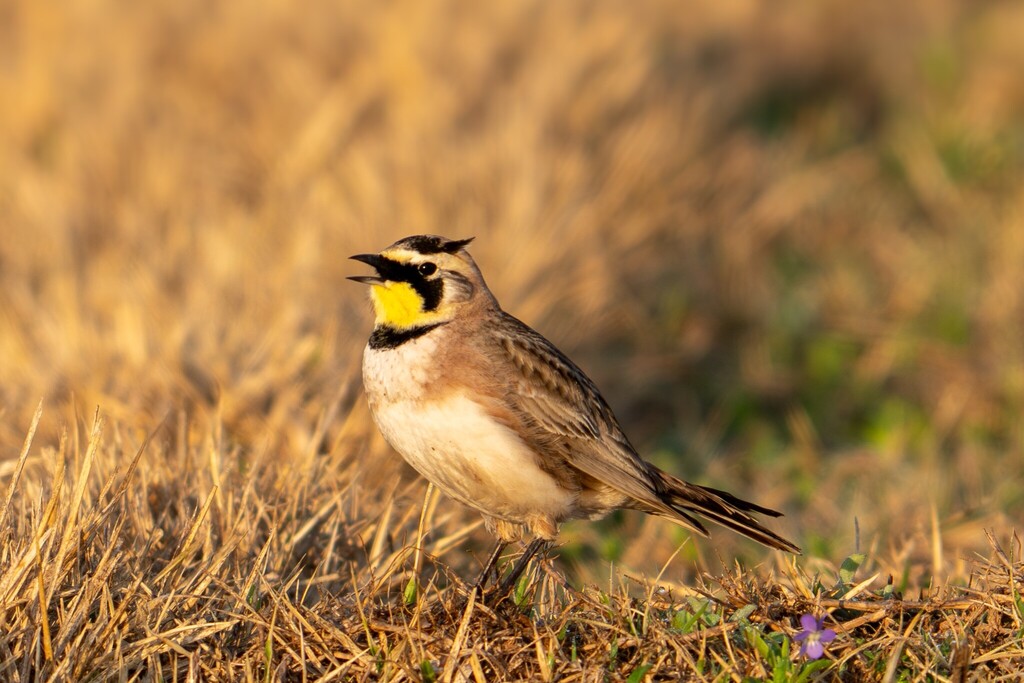
- Horned LarkEremophila alpestris
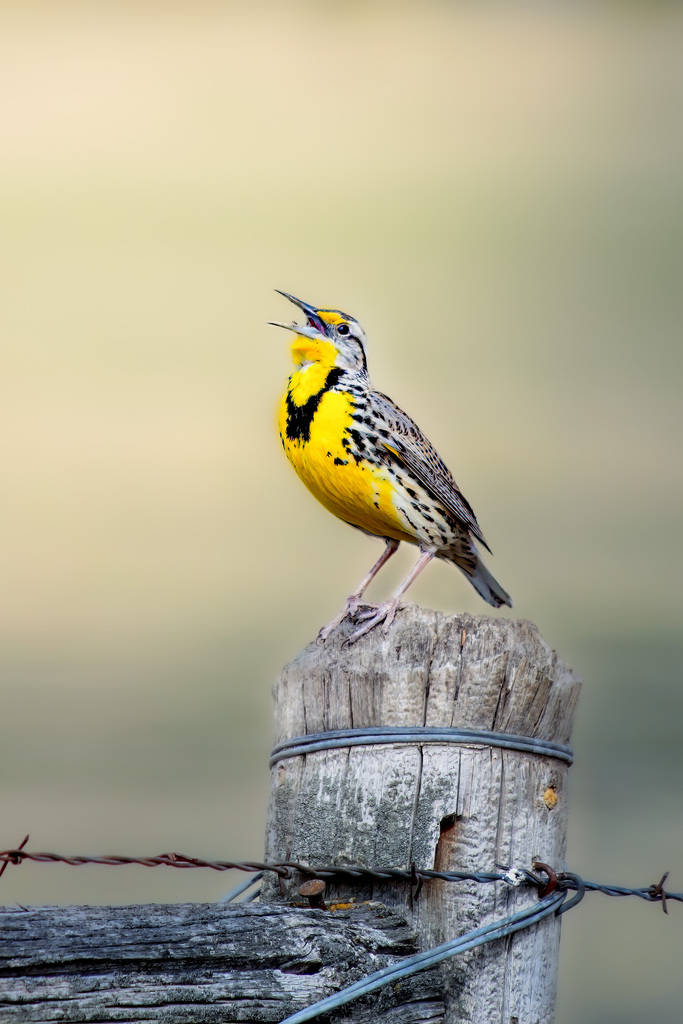
- Western MeadowlarkSturnella neglecta
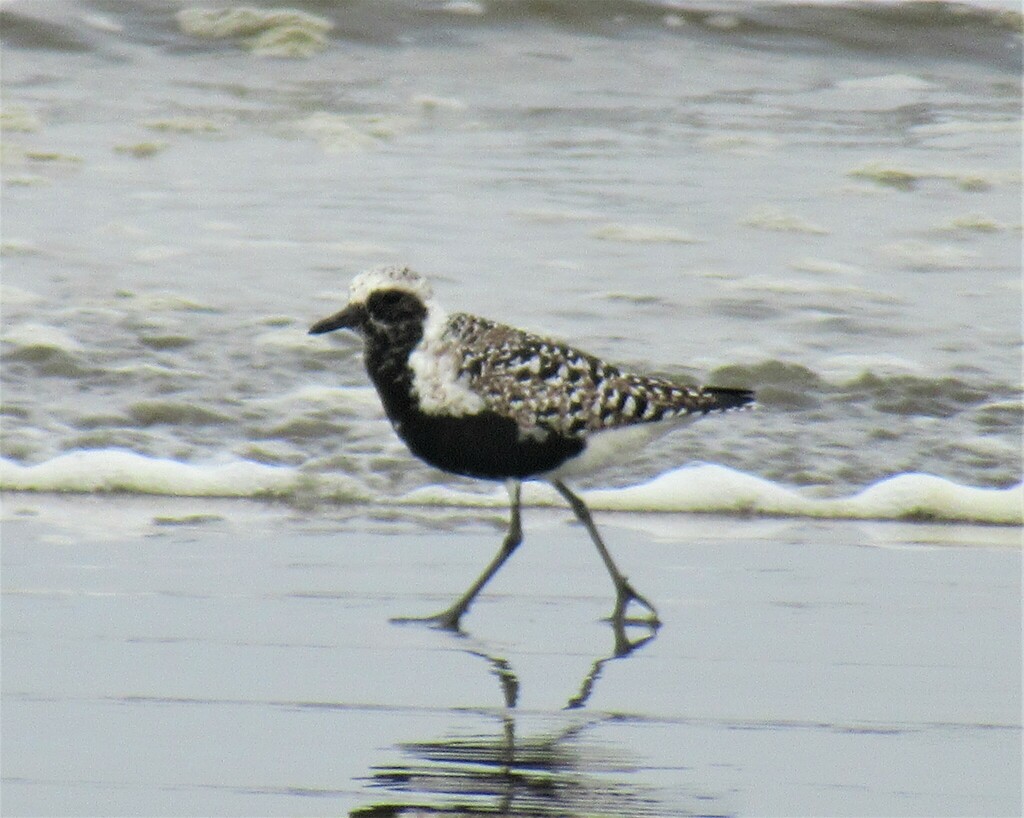
- Black-bellied PloverPluvialis squatarola
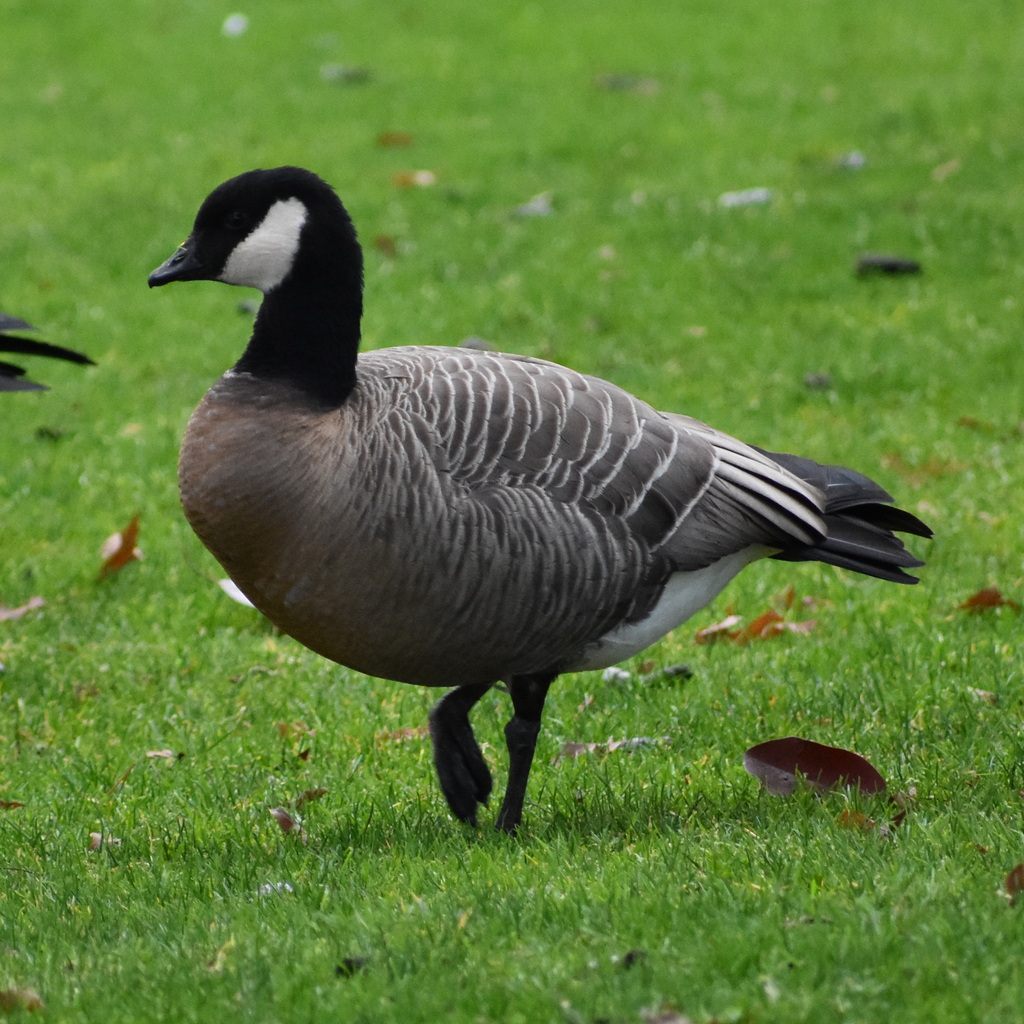
- Cackling GooseBranta hutchinsii
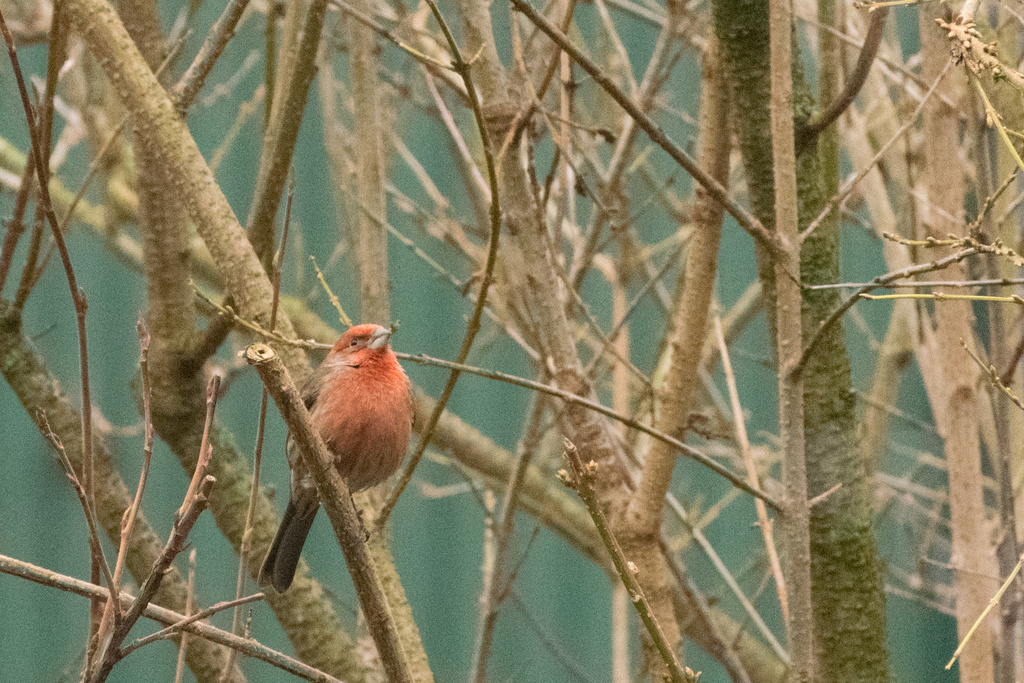
- House FinchCarpodacus mexicanus
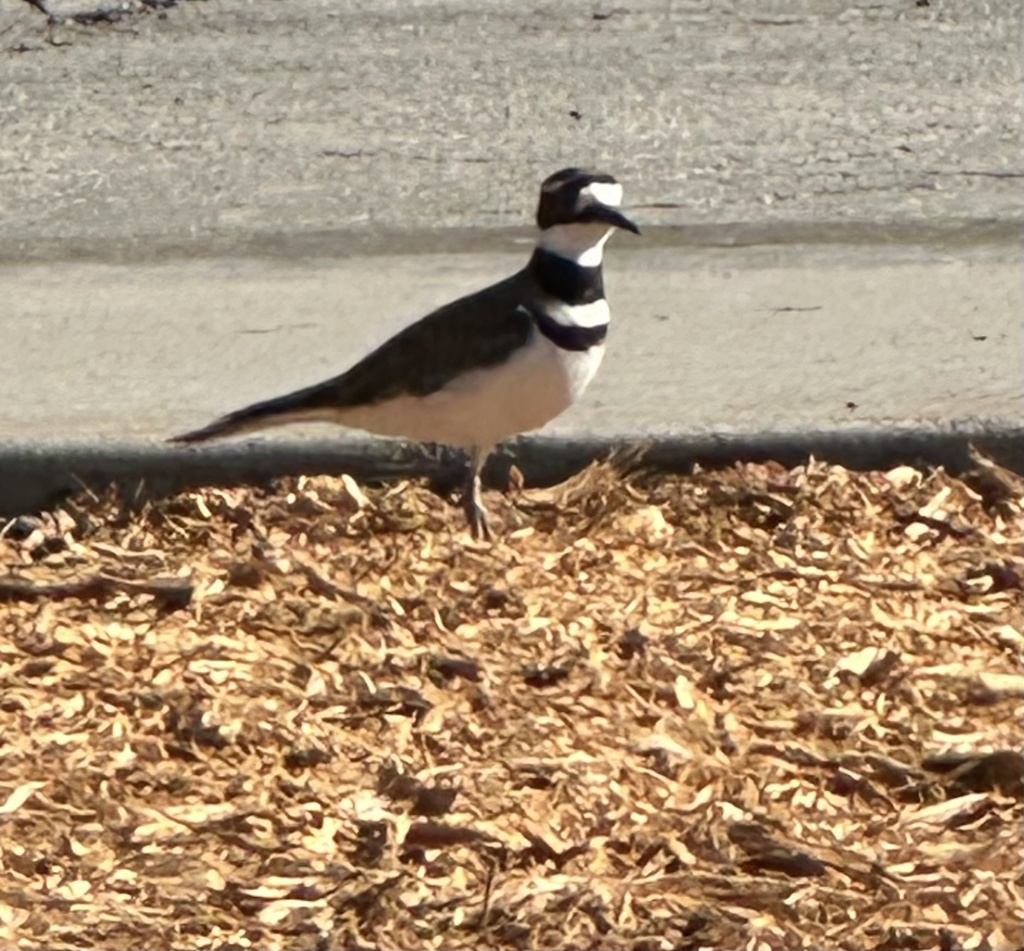
- KilldeerCharadrius vociferus
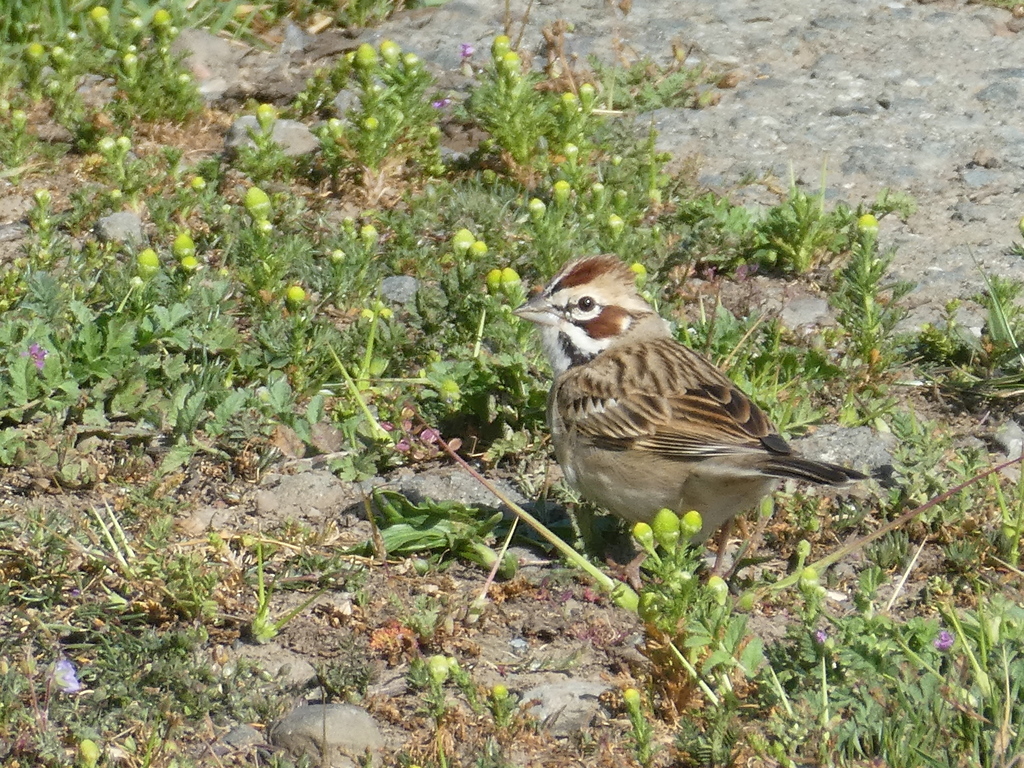
- Lark SparrowChondestes grammacus
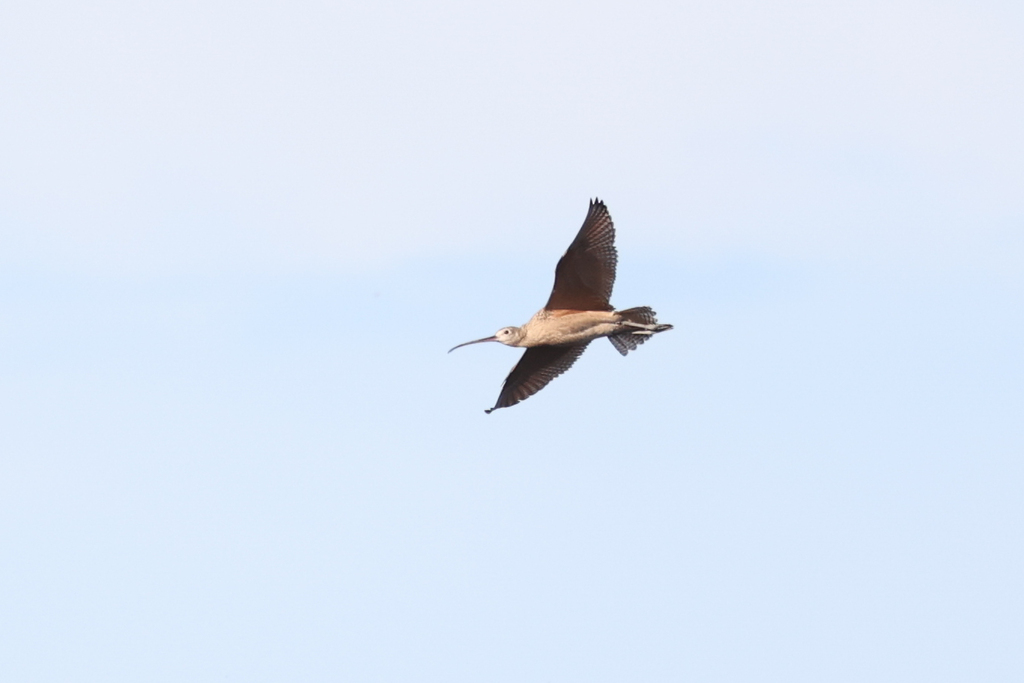
- Long-billed CurlewNumenius americanus
Plants 160
- Rydbergs Blazing StarLiatris hirsuta
- Rough Blazing-starLiatris aspera
- Manyflower Marsh-pennywortHydrocotyle umbellata
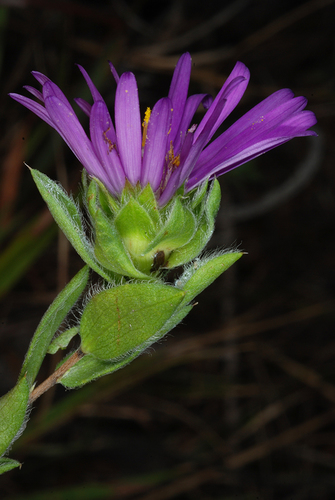
- Barrens Silky AsterSymphyotrichum pratense
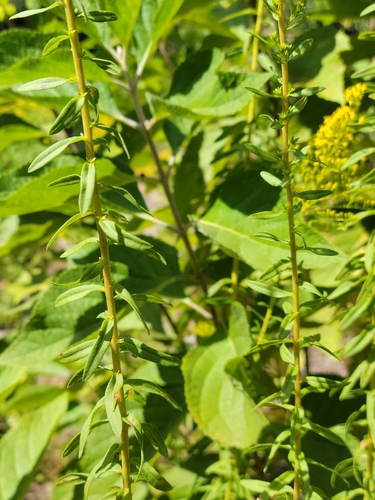
- Twistleaf GoldenrodSolidago tortifolia
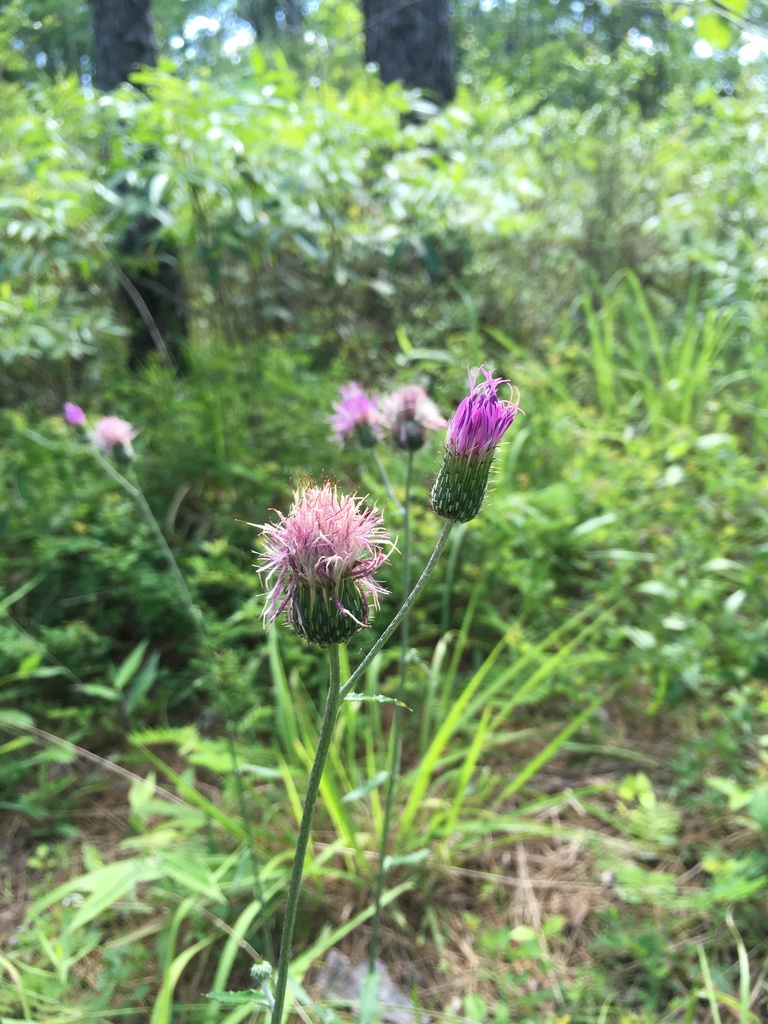
- Carolina ThistleCirsium carolinianum
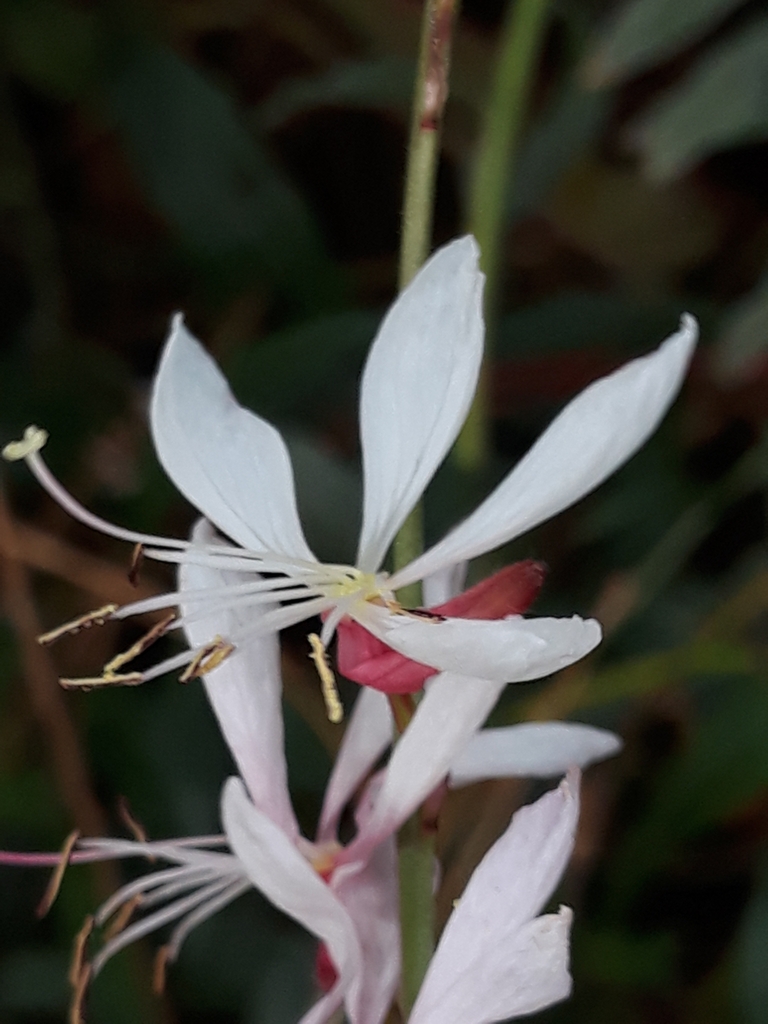
- Lindheimer's BeeblossomGaura lindheimeri
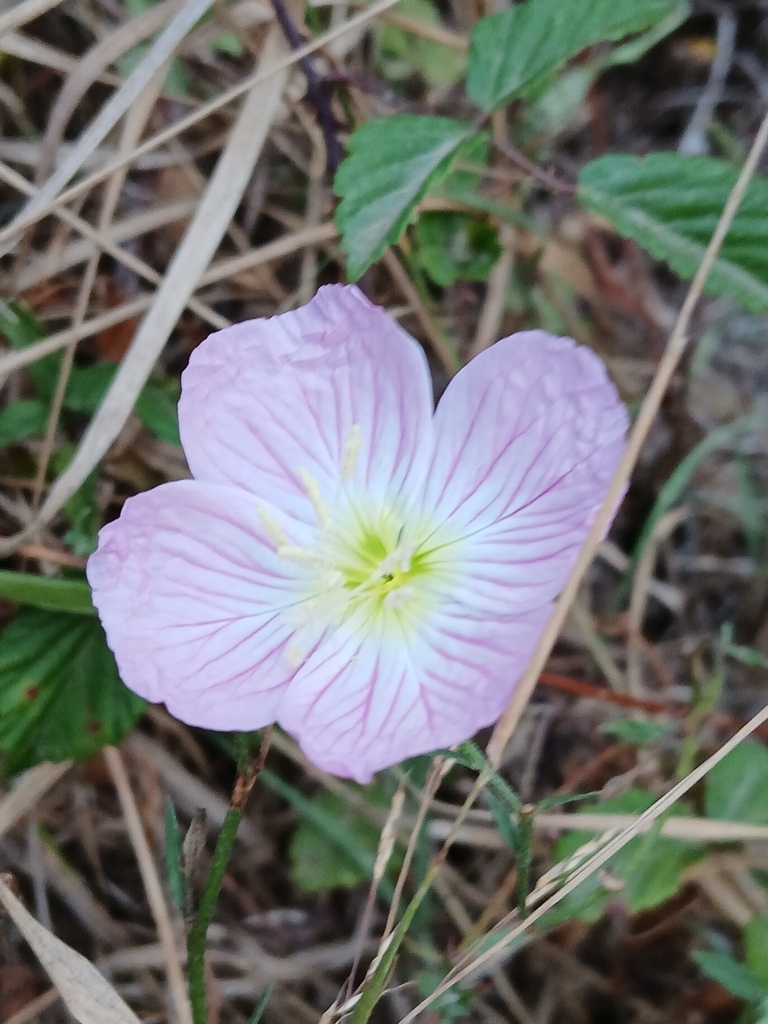
- Pink Evening-primroseOenothera speciosa
- Showy Evening-primroseOenothera grandis
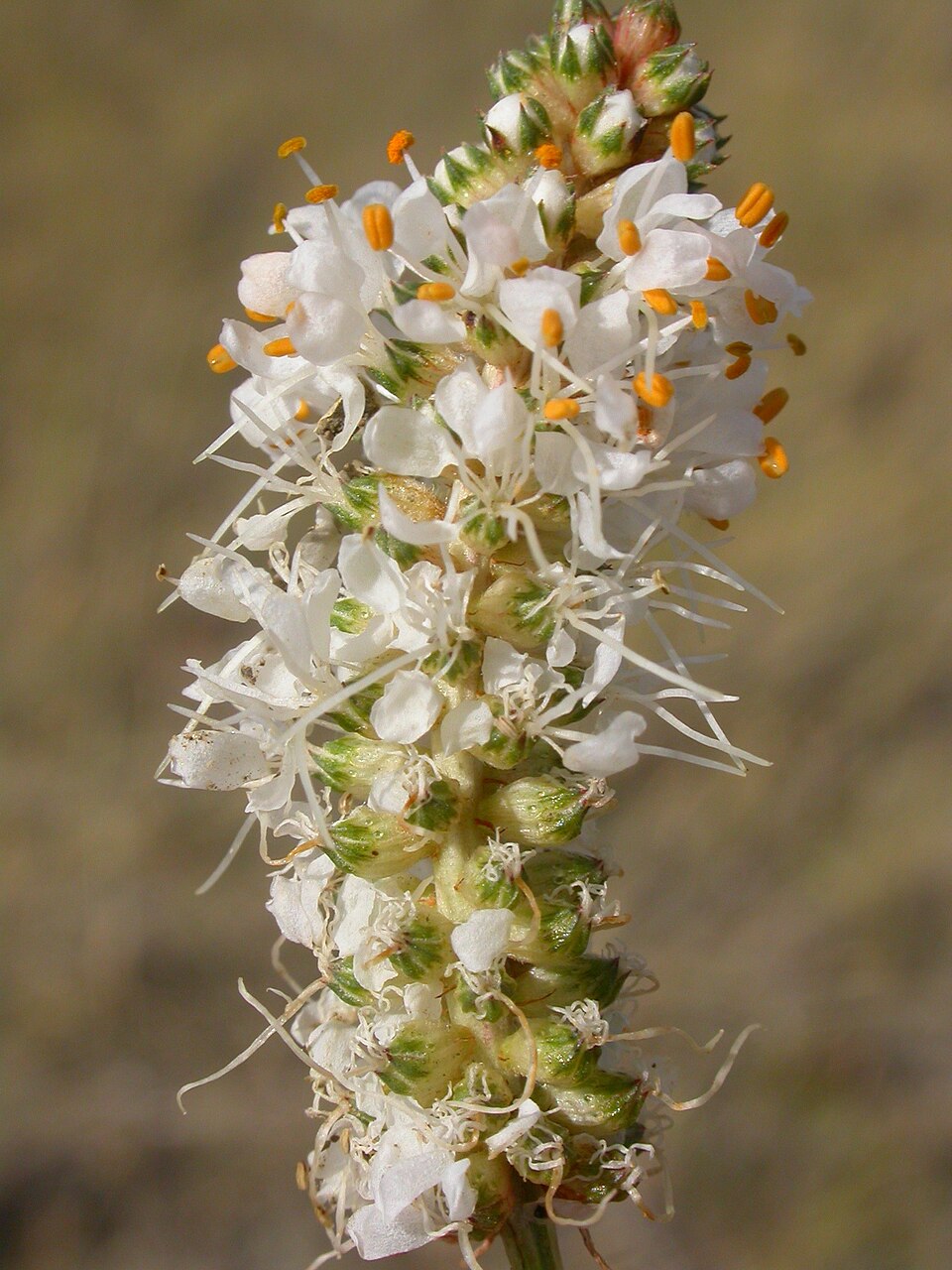
- White Prairie CloverDalea candida
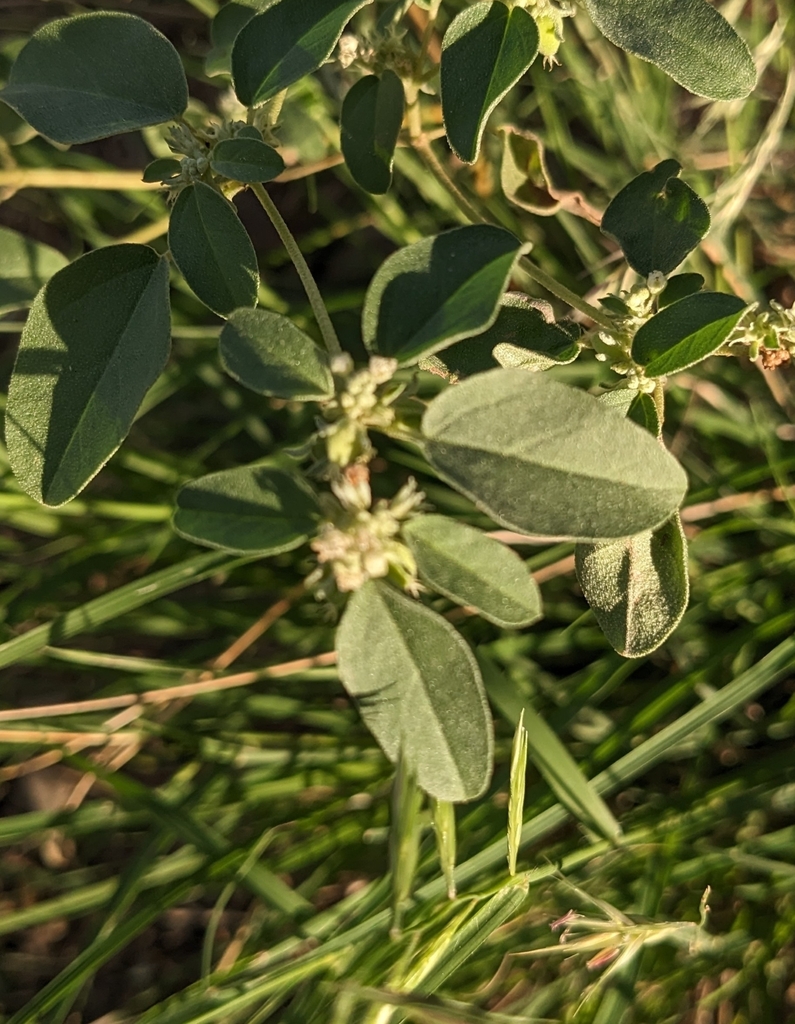
- Prairie-tea CrotonCroton monanthogynus
- Gulf CrotonCroton punctatus
Sources
- USGS Gap Analysis Project habitat models (2001)
- USGS GAP winter habitat model for Ross's Goose Slow streams only
- USGS Gap Analysis Project range maps (2001), modeled by watershed; migratory gives no dates
- NatureServe Explorer (CC BY 4.0), habitat names
- US Census TIGER/Line counties
- Names follow the USGS Gap Analysis Project (2001)
- Avian Diet Database (Hurlbert Lab) (CC0 1.0), diet records by plant genus