

Bird
Magnolia Warbler
Dendroica magnolia
Passes through Louisiana on migration. Found in all 64 parishes, across 3 habitats.
- Here
- On migration
- Nesting
- Not known to nest here
- Range
- All 64 parishes
- Habitats
- 3
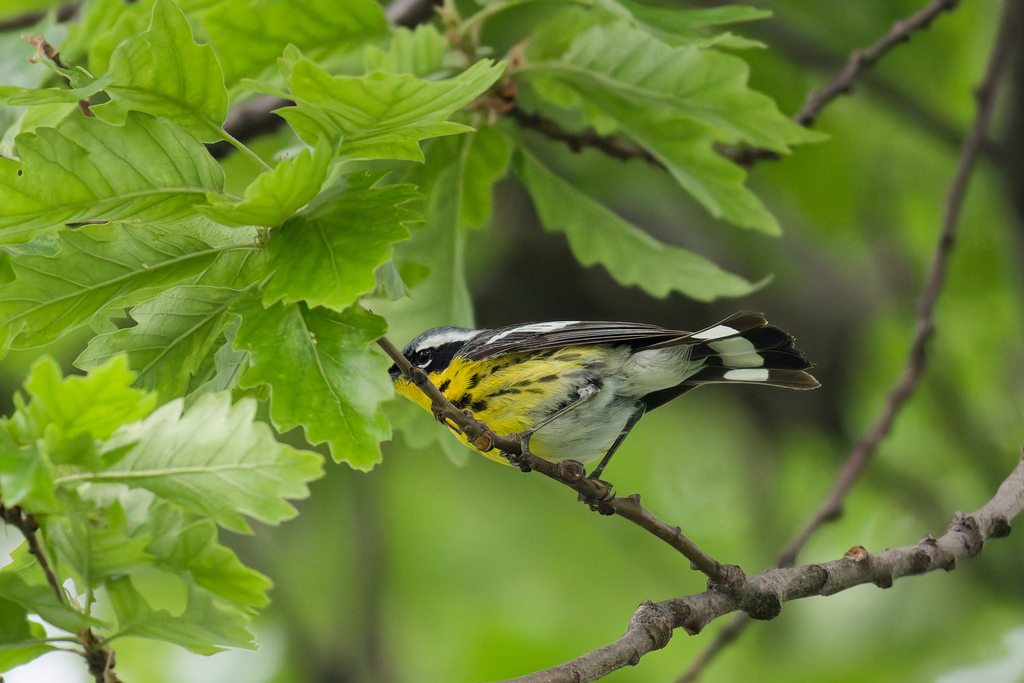
At a glance
- Group
- Birds
- Here
- On migration
- Nesting
- Not known to nest here
- Range
- All 64 parishes
- Habitats
- 3
- Habitat models
- Summer
Where it lives
The places its habitat model includes. It is not found everywhere a habitat occurs.
Habitats in Louisiana 3
Each habitat page lists the plants and wildlife also found there.
Disturbed and introduced wetlands
Wet ground taken over by weedy or introduced plants after disturbance, such as common reed, Chinese tallow or tamarisk stands; the upland counterpart is roadsides, fields and disturbed ground.
Borders of forests, clearings and shrubby thickets.
Tree plantations and managed pine
Planted or intensively managed stands of pine or hardwoods grown for timber; a land use rather than a natural community.
Other habitats in its models (15)
Land cover, or classes with no habitat page in Louisiana.
- Appalachian Hemlock-Hardwood Forest Summer.
- Southern and Central Appalachian Cove Forest Summer.
- Southern Appalachian Montane Pine Forest and Woodland Summer.
- Central and Southern Appalachian Spruce-Fir Forest Summer.
- Recently Logged Areas Summer.
- Recently Burned Summer.
- Recently Burned Forest Summer.
- Recently Burned Shrubland Summer.
- Introduced Upland Vegetation - Shrub Summer.
- Central Interior and Appalachian Swamp Systems Summer.
- Southern and Central Appalachian Bog and Fen Summer.
- Central Appalachian Floodplain - Forest Modifier Summer.
- Central Appalachian Riparian - Forest Modifier Summer.
- Central Interior and Appalachian Floodplain Systems Summer.
- Central Interior and Appalachian Riparian Systems Summer.
Seasons in Louisiana
- Migratory: does not nest here, in all 64 parishes.
Also found in this habitat
Wildlife 234
Other animals whose habitat models include the same habitats in Louisiana. Not sighting records.
- Alder FlycatcherEmpidonax alnorum
- American CrowCorvus brachyrhynchos
- American GoldfinchCarduelis tristis
- American RedstartSetophaga ruticilla
- American RobinTurdus migratorius
- Baltimore OrioleIcterus galbula
- Belted KingfisherMegaceryle alcyon
- Black-and-White WarblerMniotilta varia
- Black-billed CuckooCoccyzus erythropthalmus
- Blue-gray GnatcatcherPolioptila caerulea
- Brown-headed CowbirdMolothrus ater
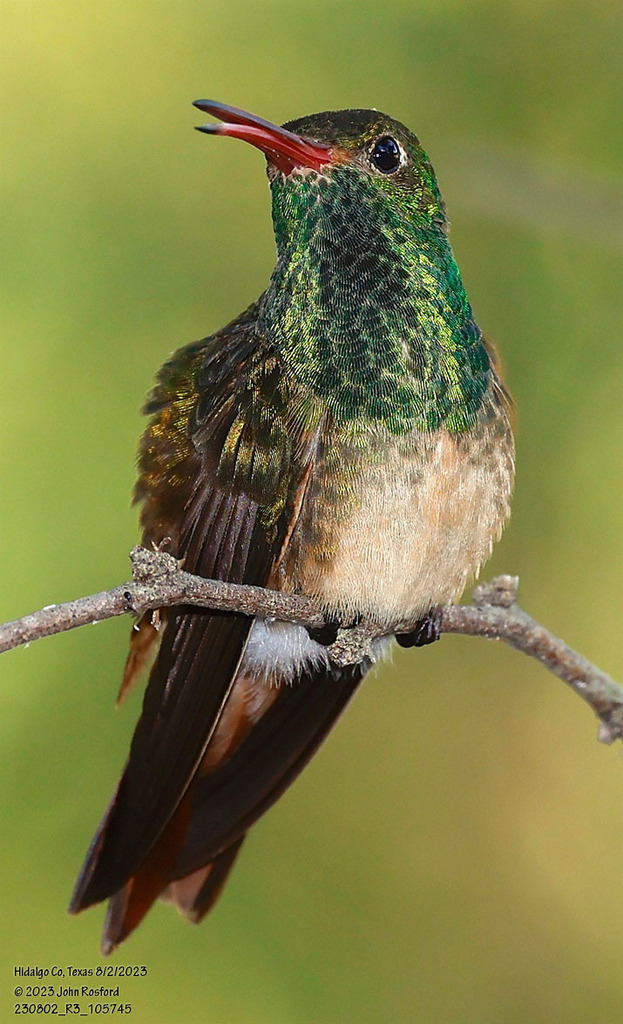
- Buff-bellied HummingbirdAmazilia yucatanensis
- Carolina WrenThryothorus ludovicianus
- Cedar WaxwingBombycilla cedrorum
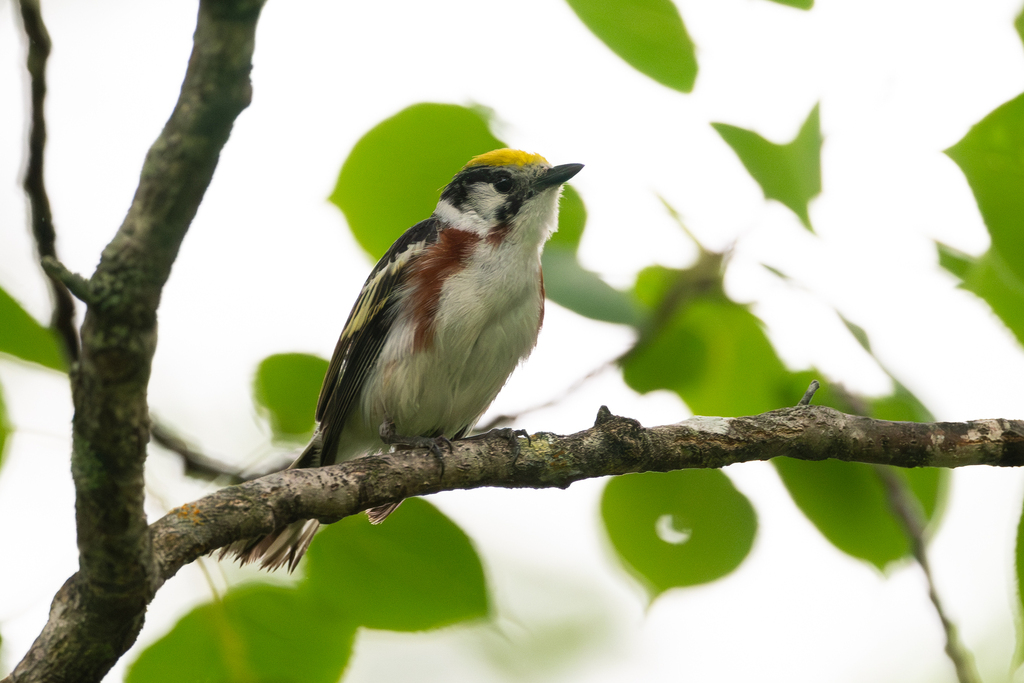
- Chestnut-sided WarblerDendroica pensylvanica
- Chimney SwiftChaetura pelagica
- Chipping SparrowSpizella passerina
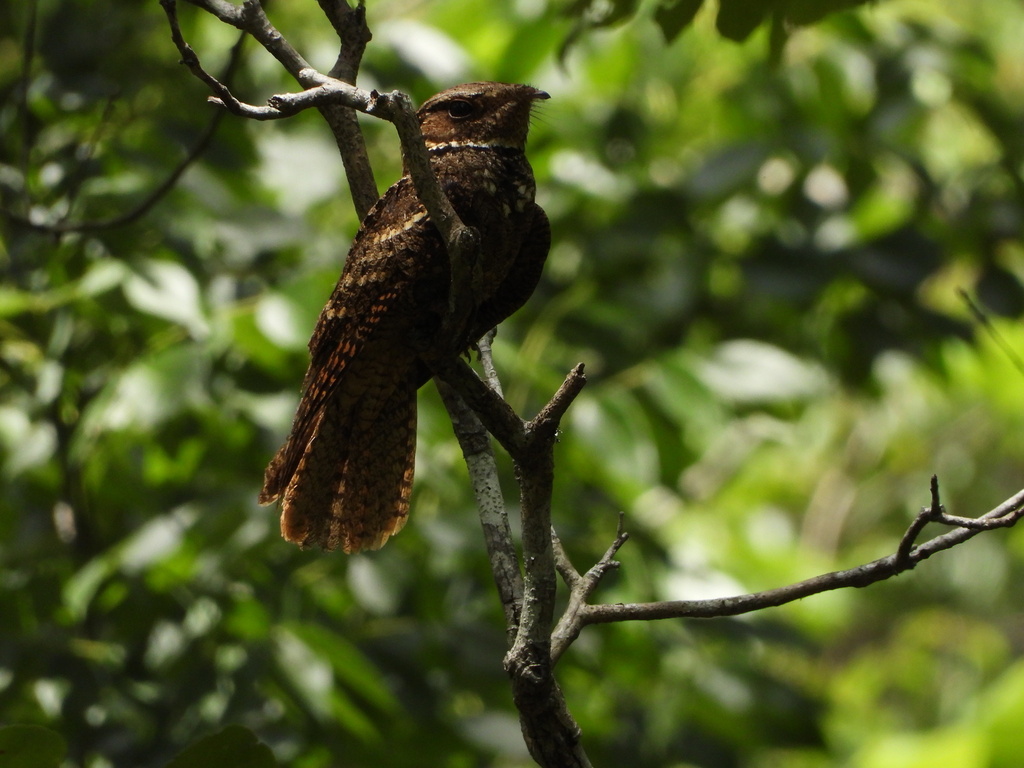
- Chuck-will's-widowCaprimulgus carolinensis
- Common GrackleQuiscalus quiscula
- Common NighthawkChordeiles minor
- Common YellowthroatGeothlypis trichas
- Cooper's HawkAccipiter cooperii
- Dark-eyed JuncoJunco hyemalis
- Eastern KingbirdTyrannus tyrannus





















NatureServe Explorer, CC BY 4.0. USGS Gap Analysis Project habitat models.
Sources
- USGS Gap Analysis Project habitat models (2001)
- USGS GAP summer habitat model for Magnolia Warbler
- USGS Gap Analysis Project range maps (2001), modeled by watershed; migratory gives no dates
- NatureServe Explorer (CC BY 4.0), habitat names
- US Census TIGER/Line counties
- Names follow the USGS Gap Analysis Project (2001)