

Bird
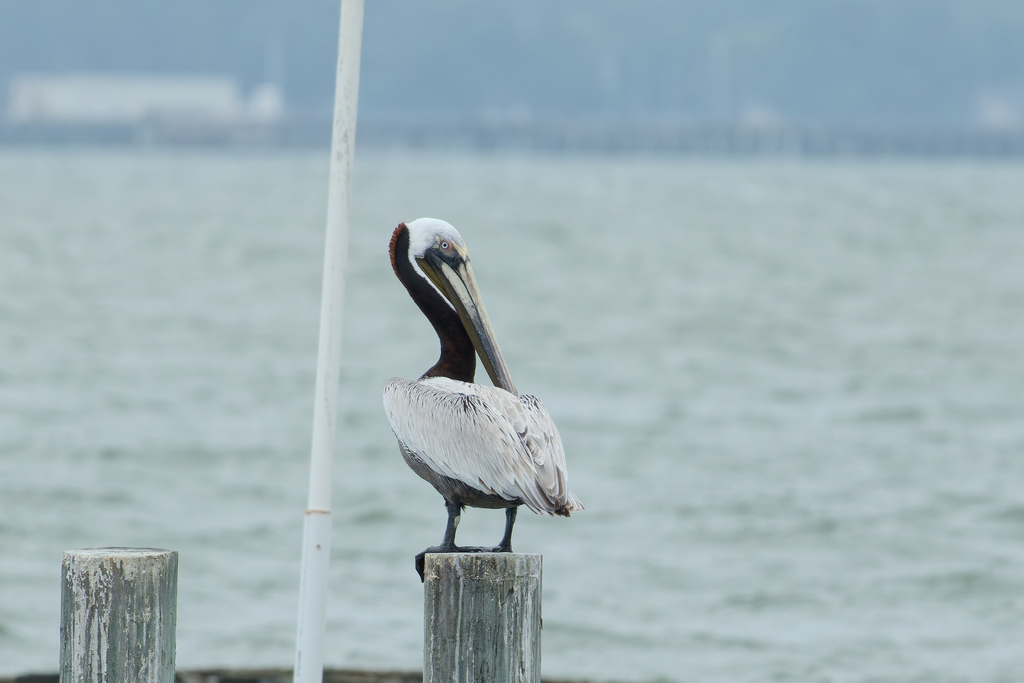
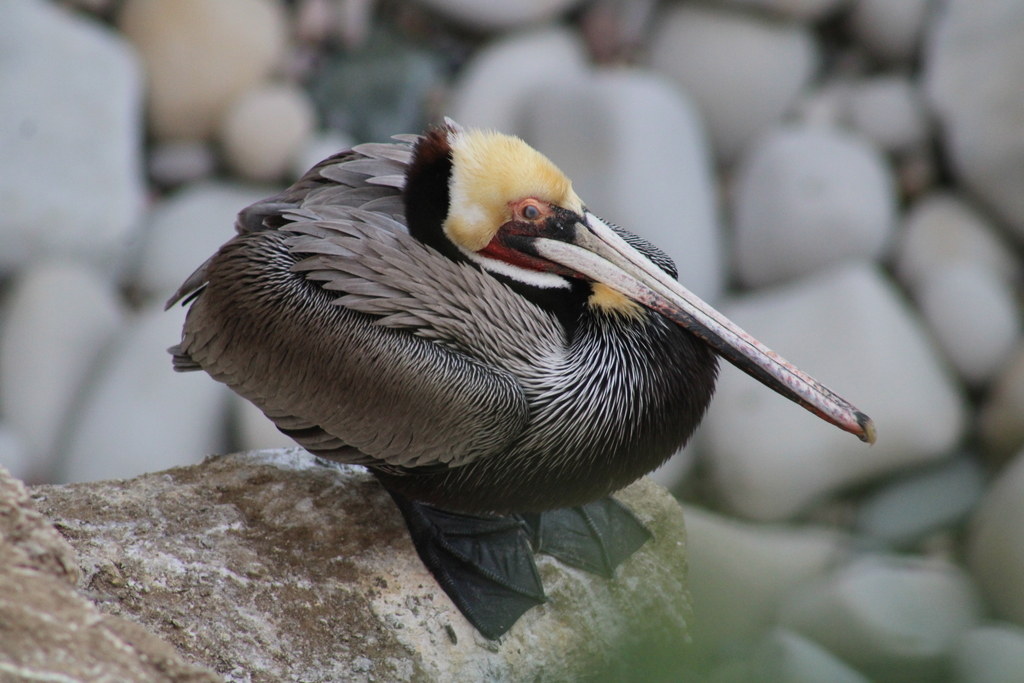
Eastern Brown Pelican
Pelecanus occidentalis carolinensis
Lives in Louisiana all year and nests here. Found in 15 of 64 parishes, across 4 habitats.
- Here
- All year
- Nesting
- Nests here
- Range
- 15 of 64 parishes
- Habitats
- 4
At a glance
- Group
- Birds
- Here
- All year
- Nesting
- Nests here
- Range
- 15 of 64 parishes
- Habitats
- 4
- Habitat models
- Year-round
Where it lives
The places its habitat model includes. It is not found everywhere a habitat occurs.
Habitats in Louisiana 4
Each habitat page lists the plants and wildlife also found there.
Open sand of beaches, dunes and the hollows between them.
Coastal tidal marshes (salinity not stated)
Tidal marshes of the Atlantic and Gulf coasts where the source does not say whether the water is fresh, brackish or salt. A stated salinity files the marsh under freshwater tidal marshes or salt and brackish marshes instead.
Disturbed and introduced wetlands
Wet ground taken over by weedy or introduced plants after disturbance, such as common reed, Chinese tallow or tamarisk stands; the upland counterpart is roadsides, fields and disturbed ground.
Salt and brackish open water of sounds, bays and estuaries, with the mud and sand flats and seagrass beds that tides cover and uncover; the vegetated marsh is salt and brackish marshes.
Other habitats in its models (20)
Land cover, or classes with no habitat page in Louisiana. Those recorded in Louisiana first, the rest by region.
Elsewhere in the South (16)
- Atlantic Coastal Plain Central Salt and Brackish Tidal Marsh Year-round.
- Atlantic Coastal Plain Embayed Region Tidal Salt and Brackish Marsh Year-round.
- Atlantic Coastal Plain Indian River Lagoon Tidal Marsh Year-round.
- Atlantic Coastal Plain Sea Island Beach Year-round.
- Atlantic Coastal Plain Southern Beach Year-round.
- Atlantic Coastal Plain Southern Dune and Maritime Grassland Year-round.
- East Gulf Coastal Plain Dune and Coastal Grassland Year-round.
- Florida Big Bend Salt-Brackish Tidal Marsh Year-round.
- Florida Panhandle Beach Vegetation Year-round.
- Mississippi Sound Salt and Brackish Tidal Marsh Year-round.
- South Florida Everglades Sawgrass Marsh Year-round.
- South Florida Mangrove Swamp Year-round.
- South Florida Shell Hash Beach Year-round.
- Southeast Florida Beach Year-round.
- Southwest Florida Beach Year-round.
- Southwest Florida Dune and Coastal Grassland Year-round.
Northeast (2)
- Atlantic Coastal Plain Northern Tidal Salt Marsh Year-round.
- Northern Atlantic Coastal Plain Dune and Swale Year-round.
Land cover and other classes (2)
- Unconsolidated Shore Year-round.
- Unconsolidated Shore (Lake/River/Pond) Year-round.
Seasons in Louisiana
- Year-round: nests here, in 15 of 64 parishes.
Also found in its main habitats
Its main habitats in Louisiana, by how much of its habitat model each one is, with the birds most characteristic of each and the plants that grow wild there. Shared habitat, not food.
Disturbed and introduced wetlands
Birds 169
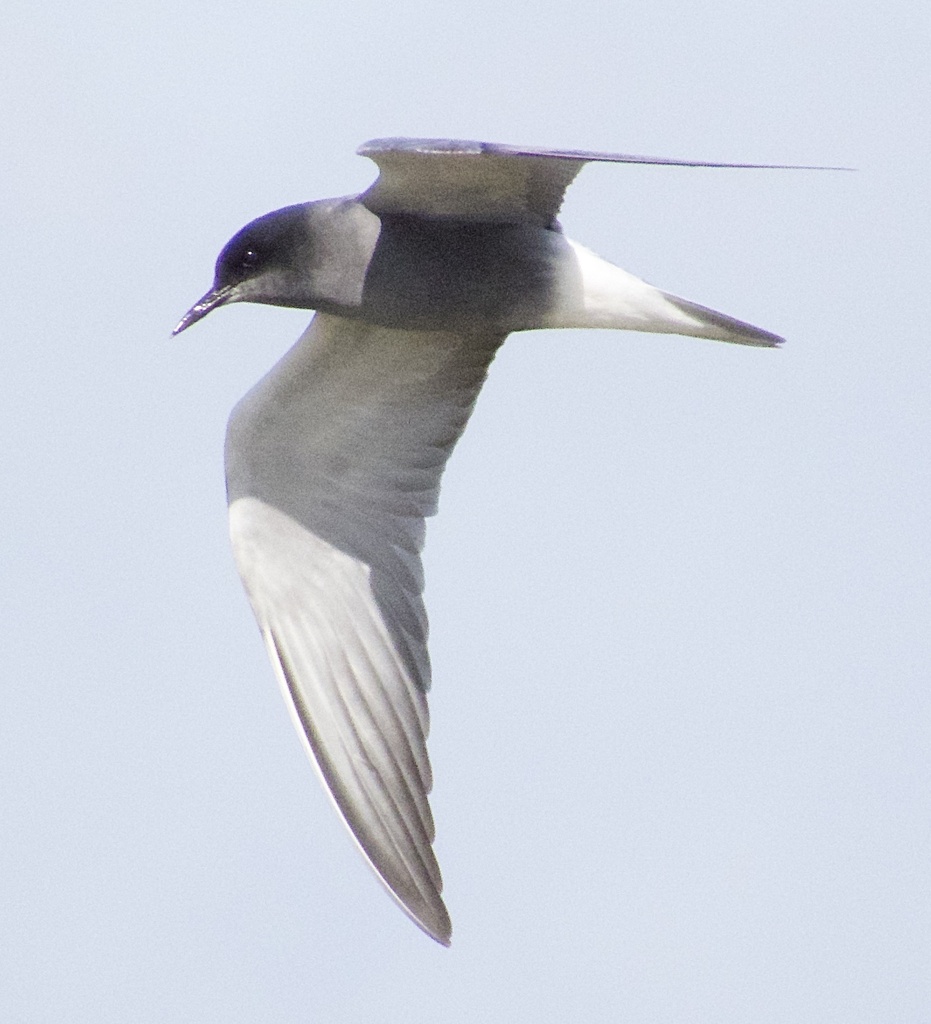
- Black TernChlidonias niger
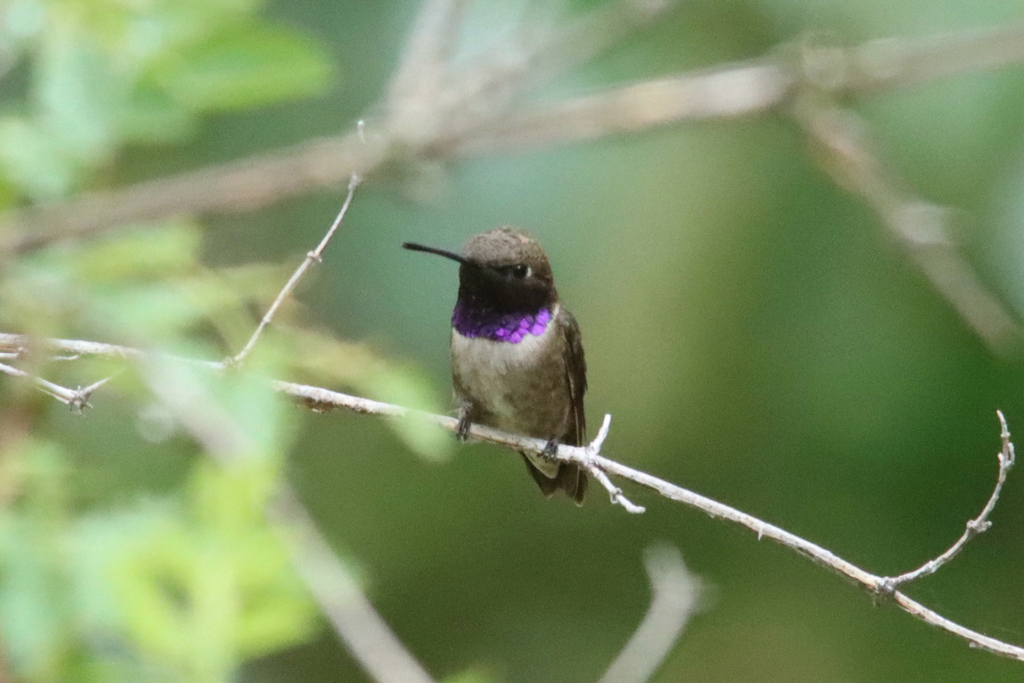
- Black-chinned HummingbirdArchilochus alexandri
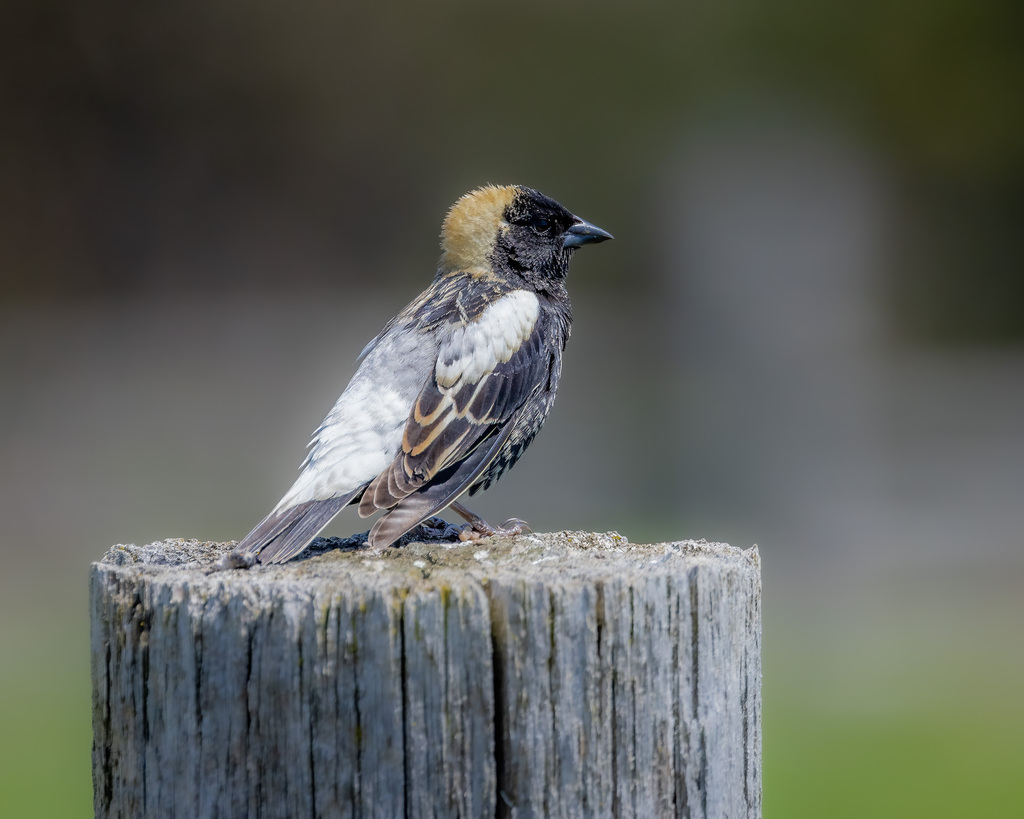
- BobolinkDolichonyx oryzivorus
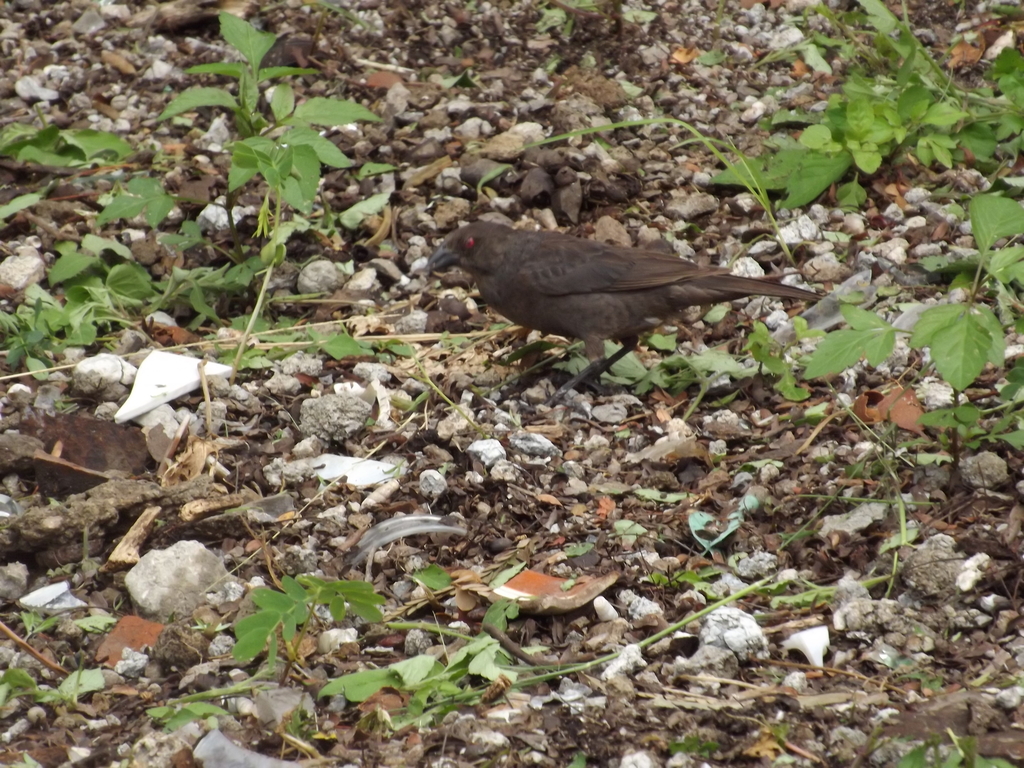
- Bronzed CowbirdMolothrus aeneus
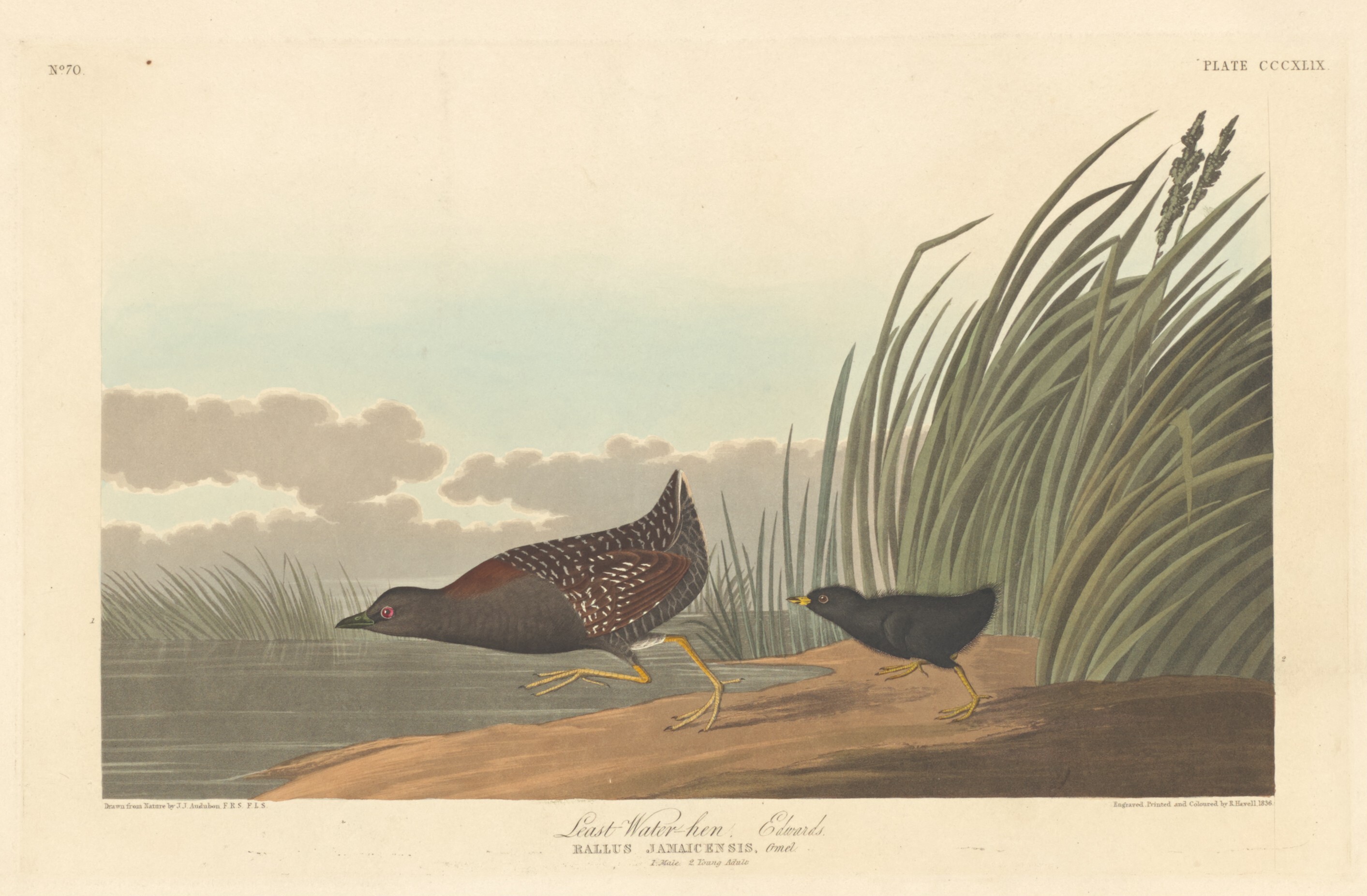
- Black RailLaterallus jamaicensis
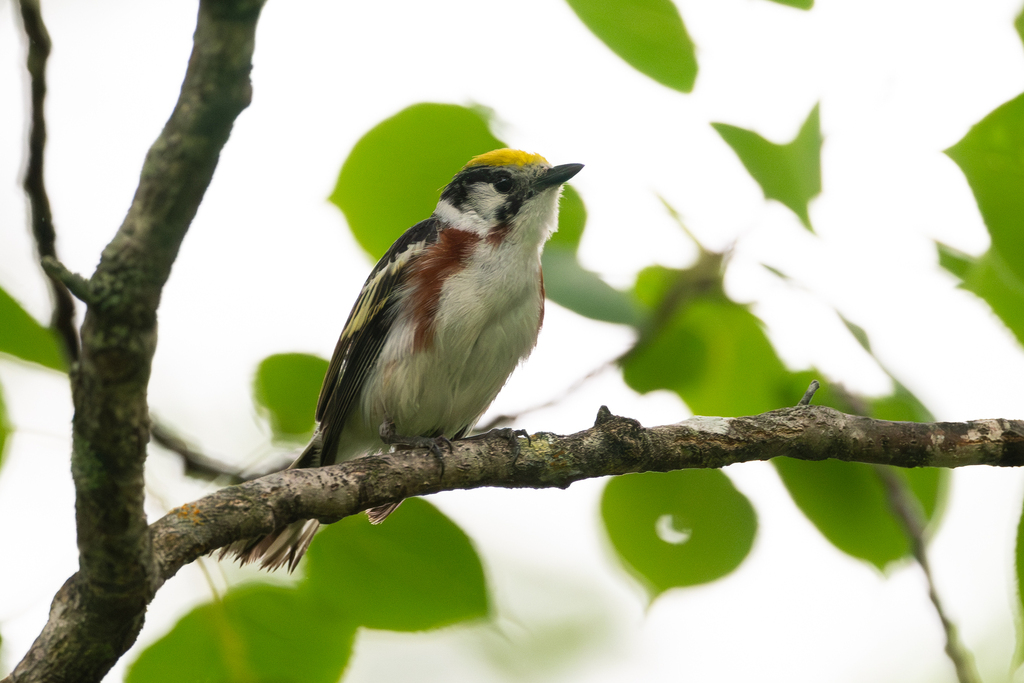
- Chestnut-sided WarblerDendroica pensylvanica
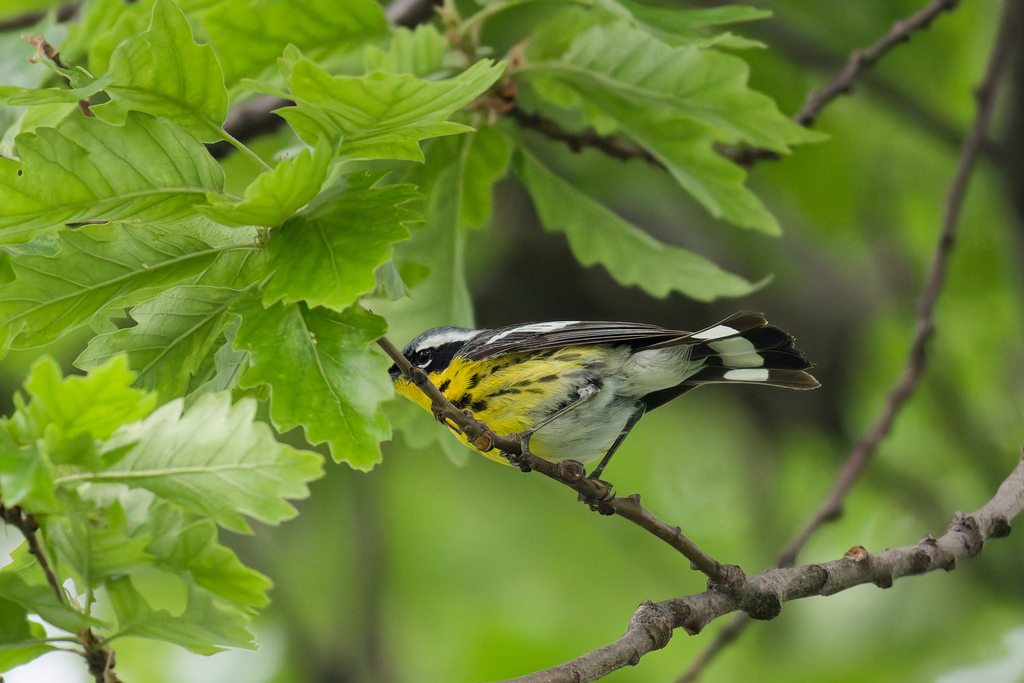
- Magnolia WarblerDendroica magnolia
- Red-breasted NuthatchSitta canadensis
- Rufous HummingbirdSelasphorus rufus
- Sandwich TernThalasseus sandvicensis
- Vesper SparrowPooecetes gramineus
- Willow FlycatcherEmpidonax traillii

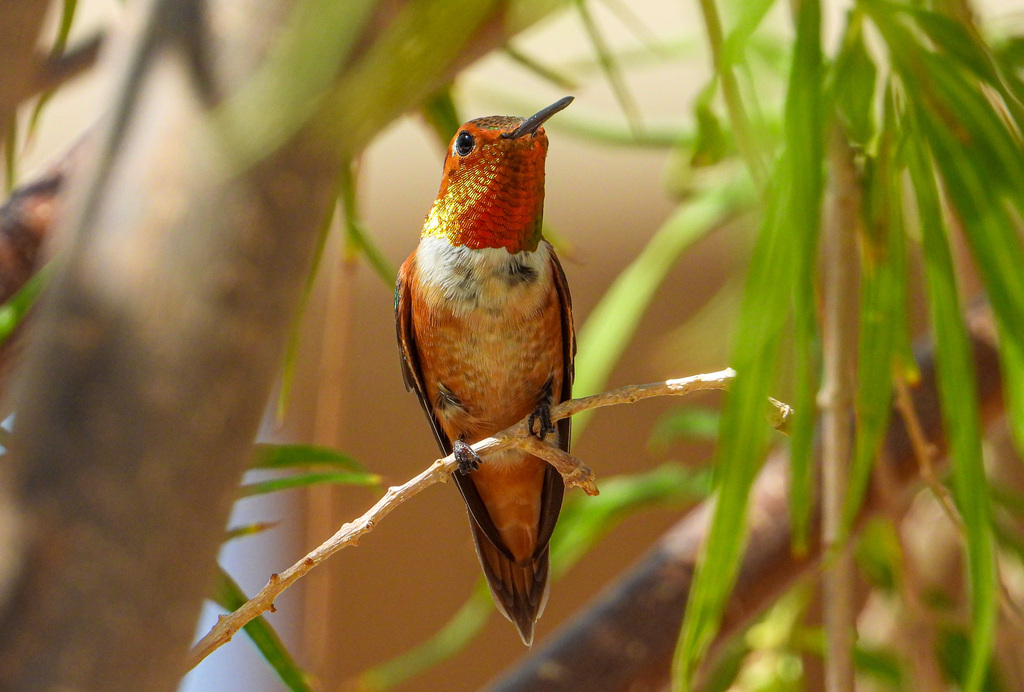
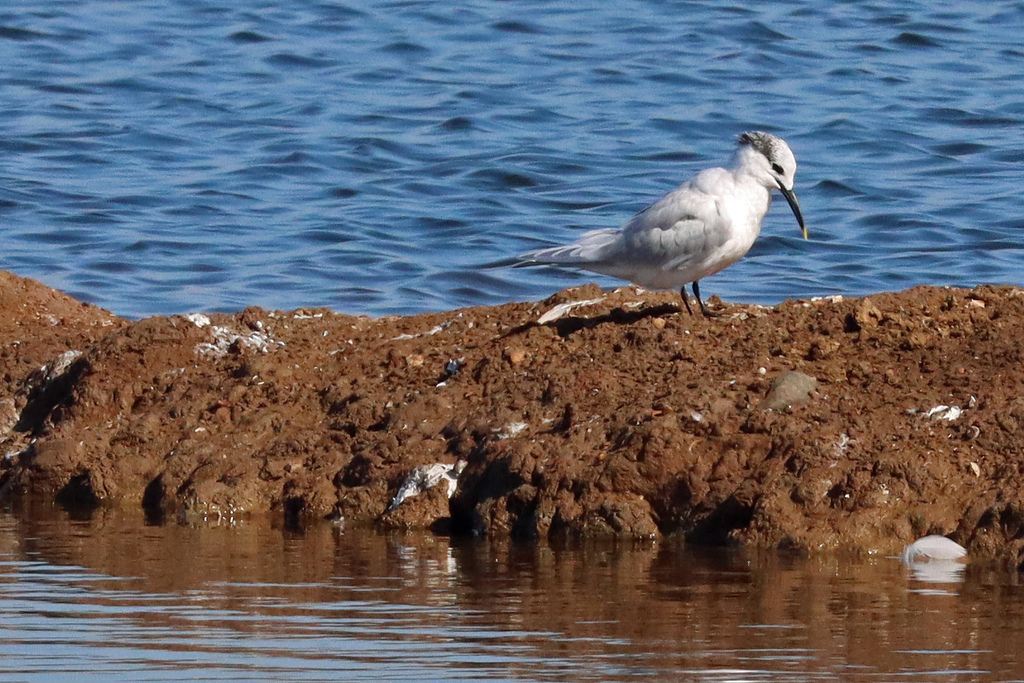
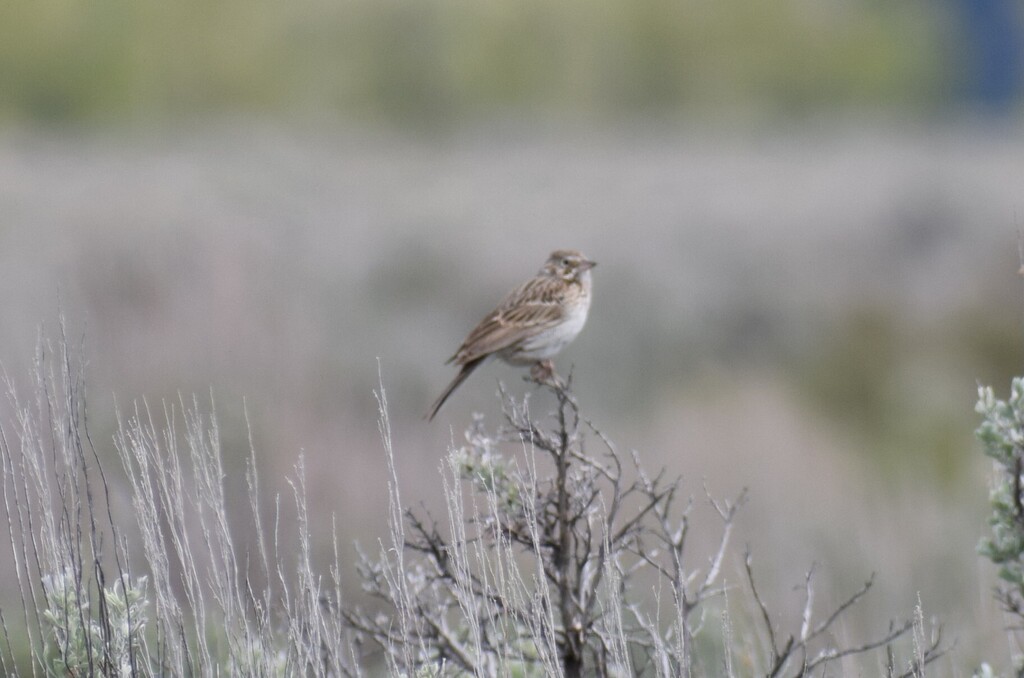
Plants 20
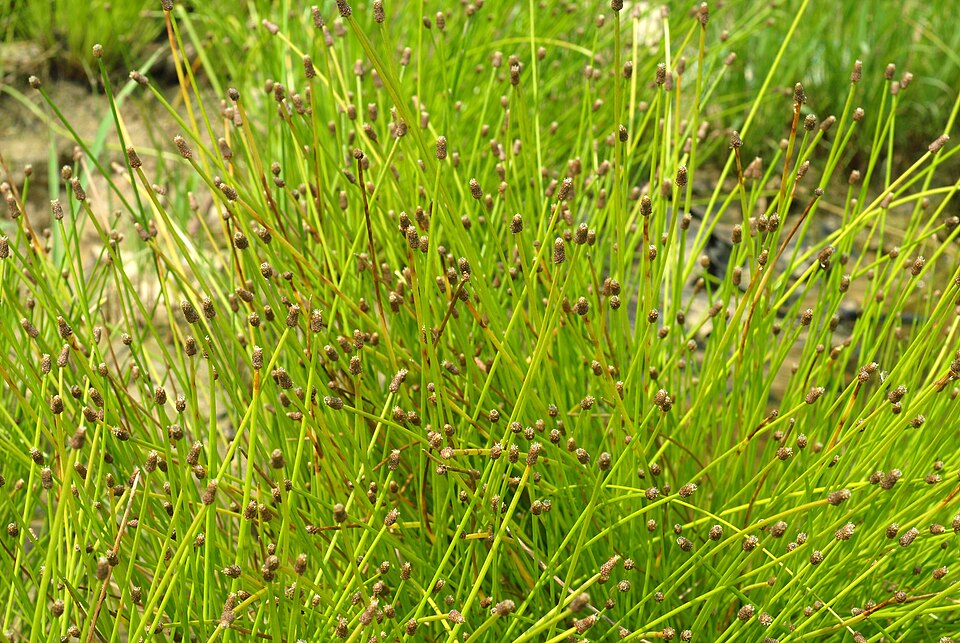
- Slender FimbryFimbristylis autumnalis
- Purple SpikerushEleocharis atropurpurea
- Blue MistflowerConoclinium coelestinum
- BagpodGlottidium vesicarium
- Tropical FlatsedgeCyperus surinamensis
- Blunt Spike RushEleocharis obtusa
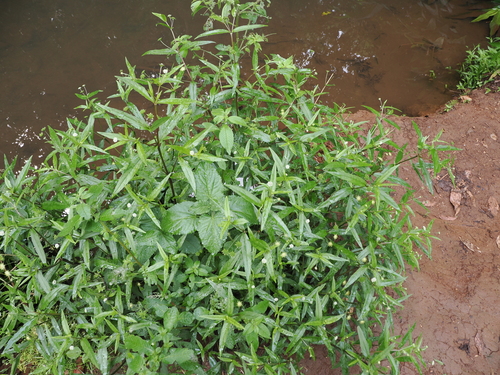
- False DaisyEclipta prostrata
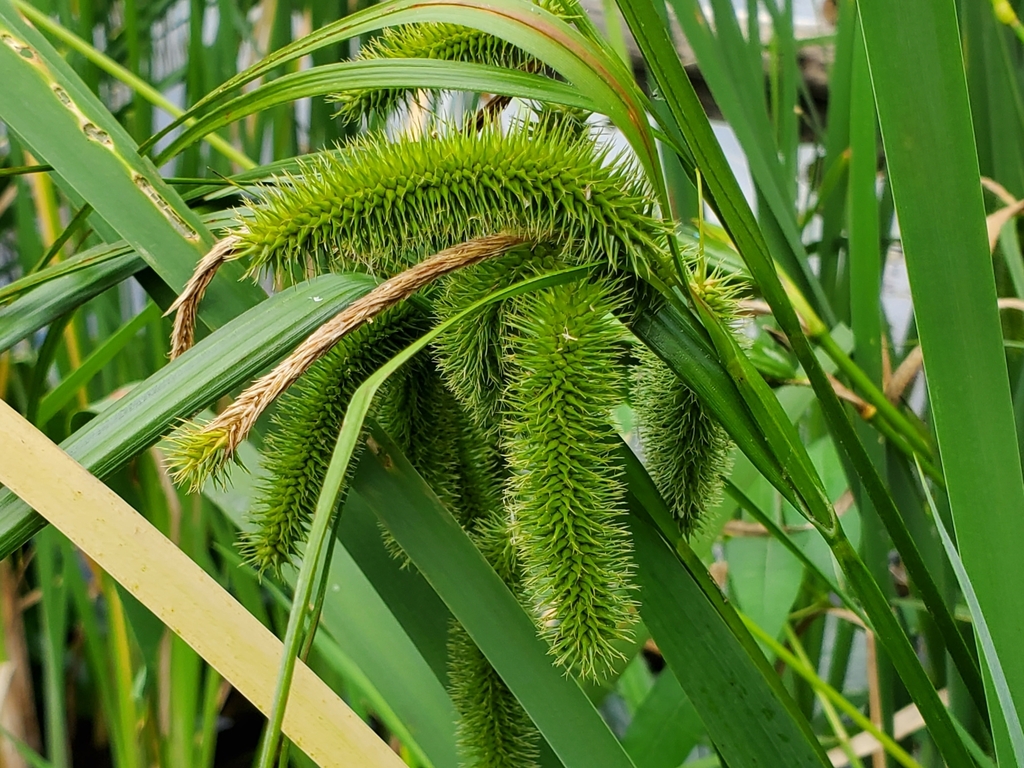
- Bristly SedgeCarex comosa
- Shortbeak BeaksedgeRhynchospora nitens
- Southern Marsh YellowcressRorippa teres
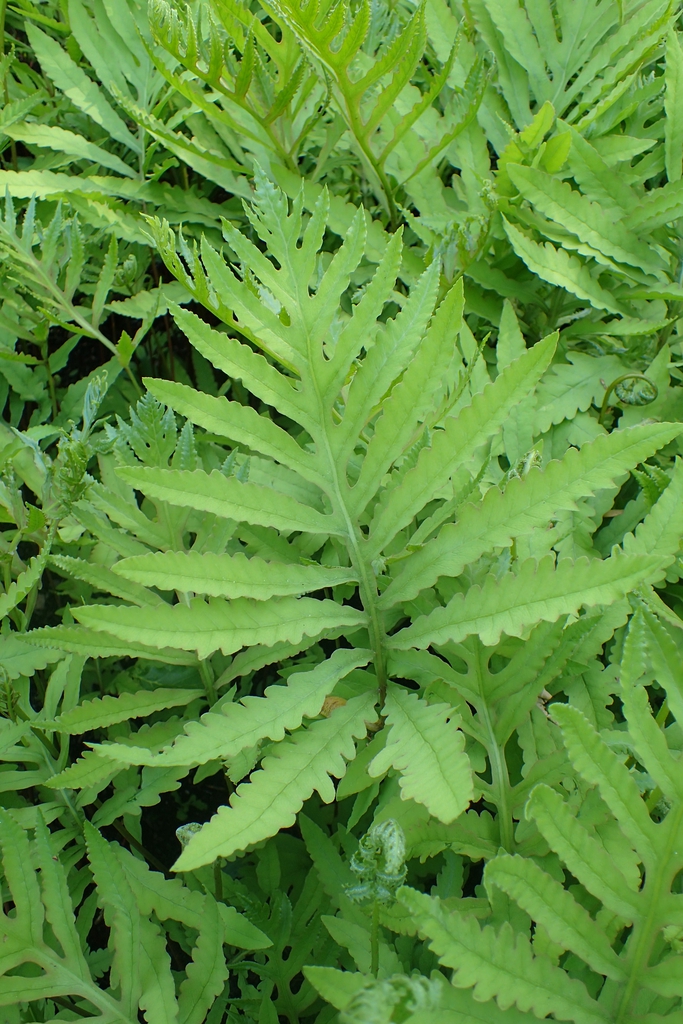
- Sensitive FernOnoclea sensibilis
- Ditch FimbryFimbristylis schoenoides
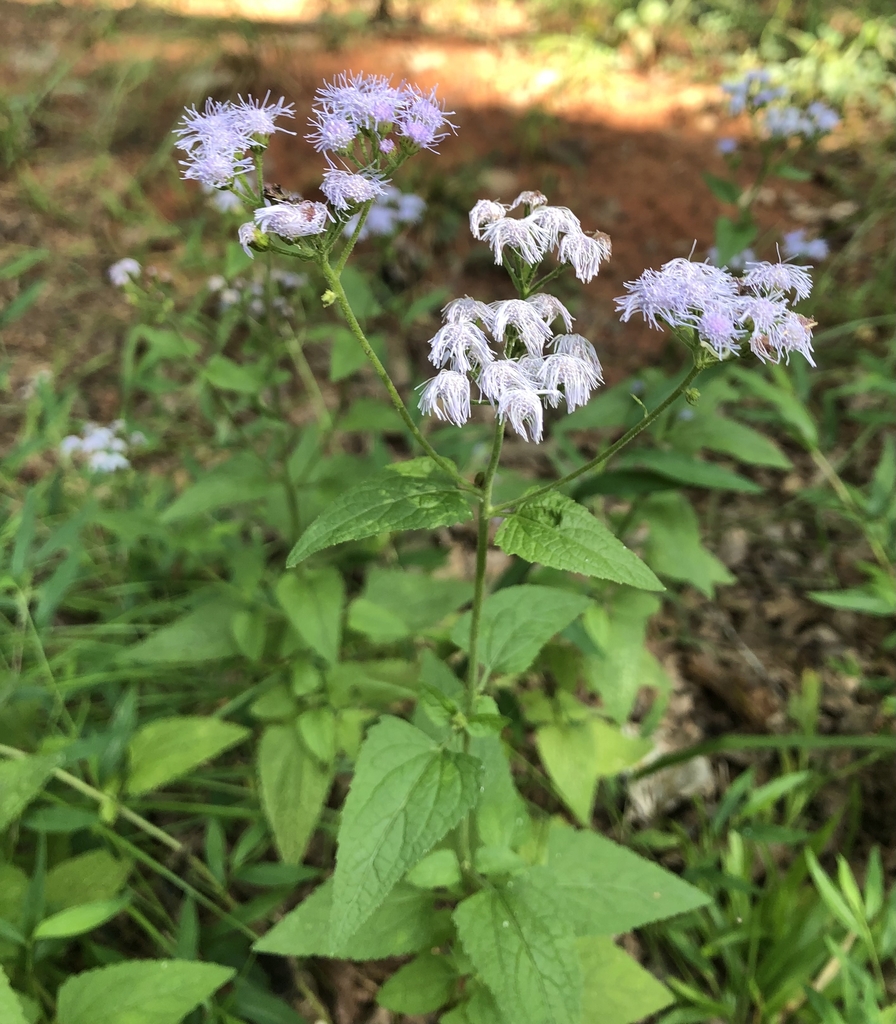
Coastal dunes and beaches
Birds 128
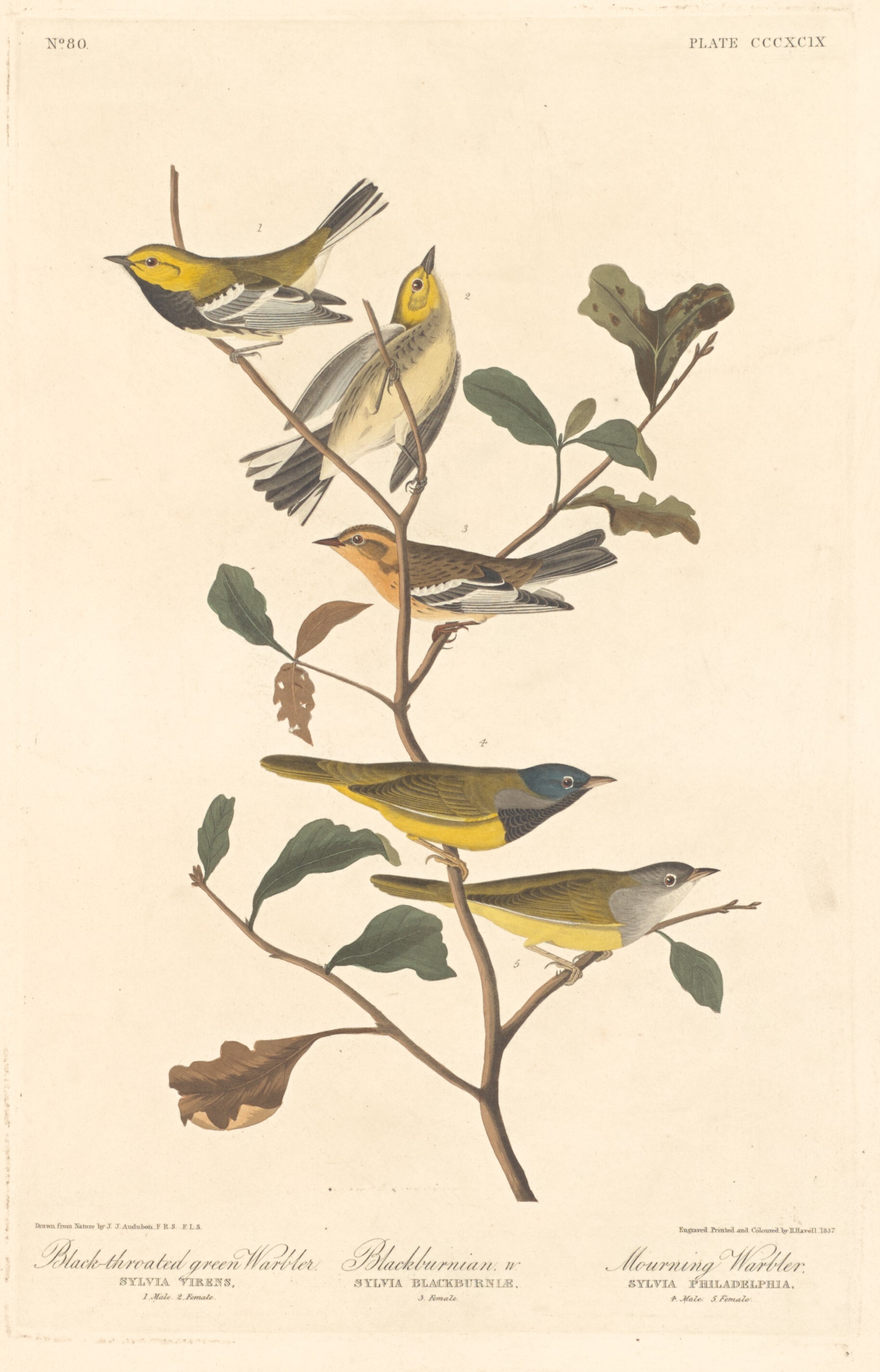
- Black-throated Green WarblerDendroica virens
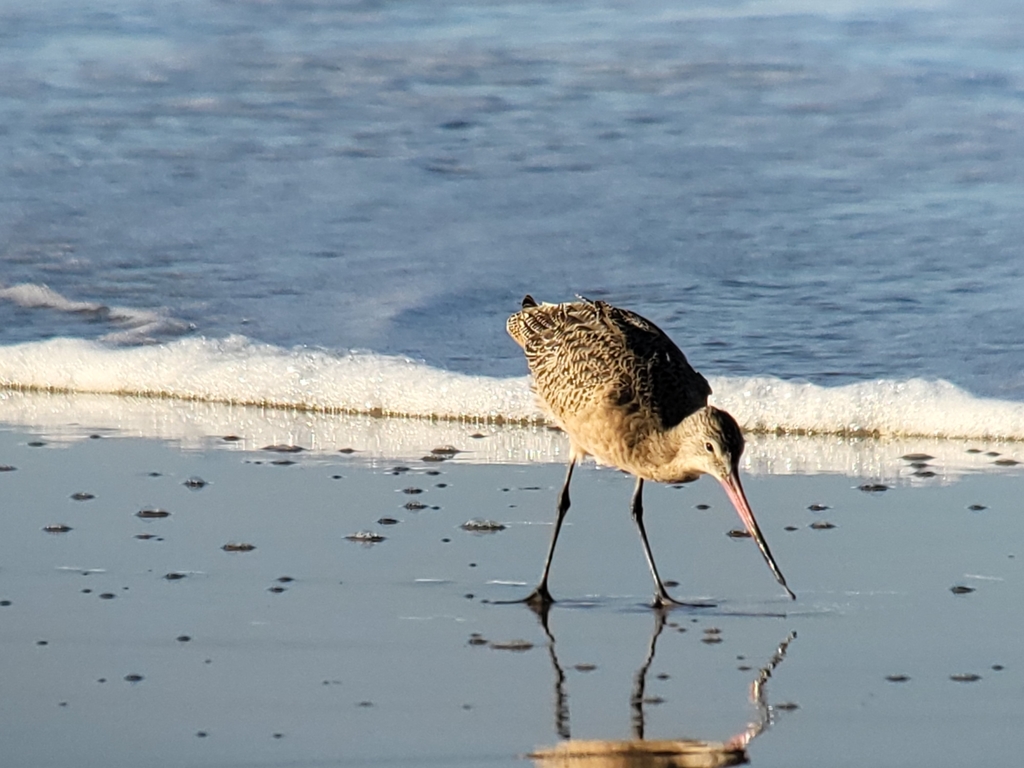
- Marbled GodwitLimosa fedoa
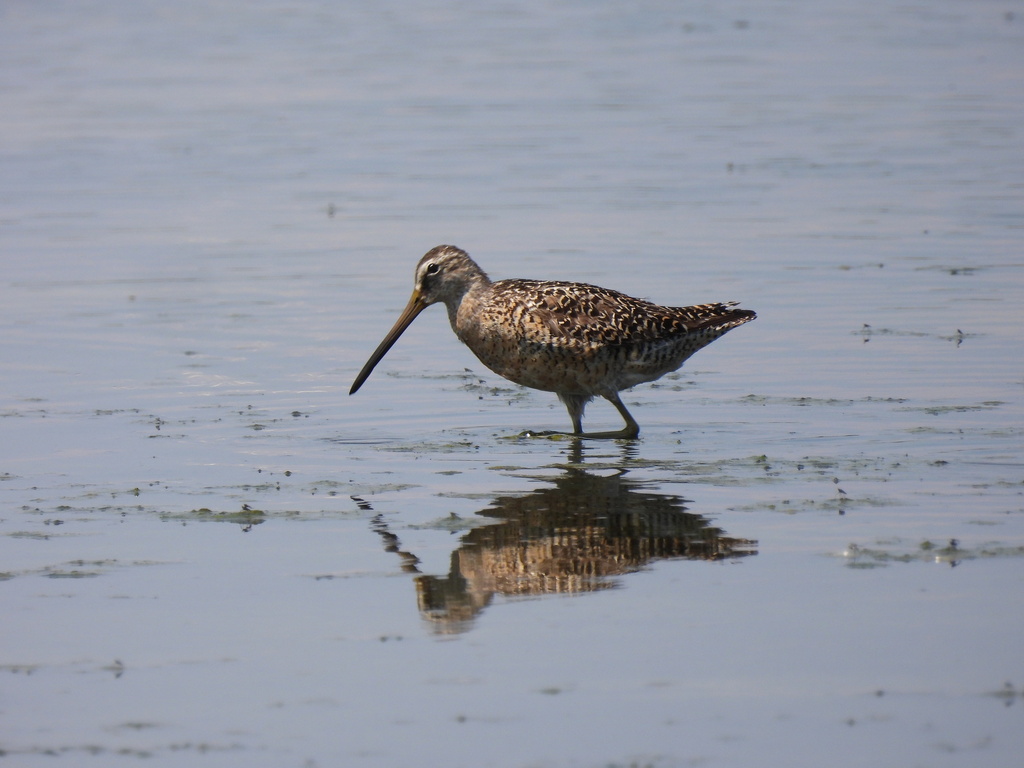
- Short-billed DowitcherLimnodromus griseus
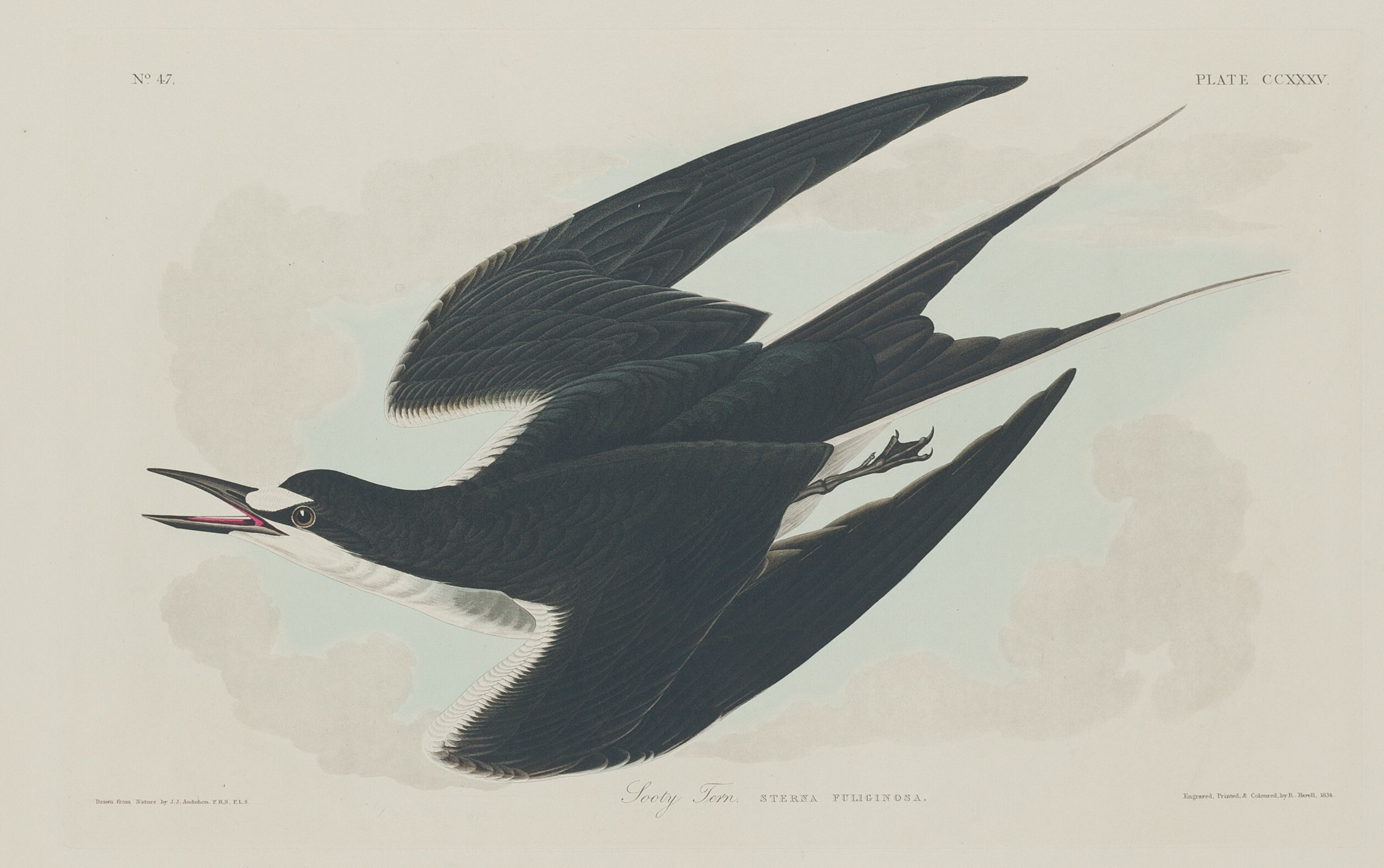
- Sooty TernOnychoprion fuscatus
- Black RailLaterallus jamaicensis
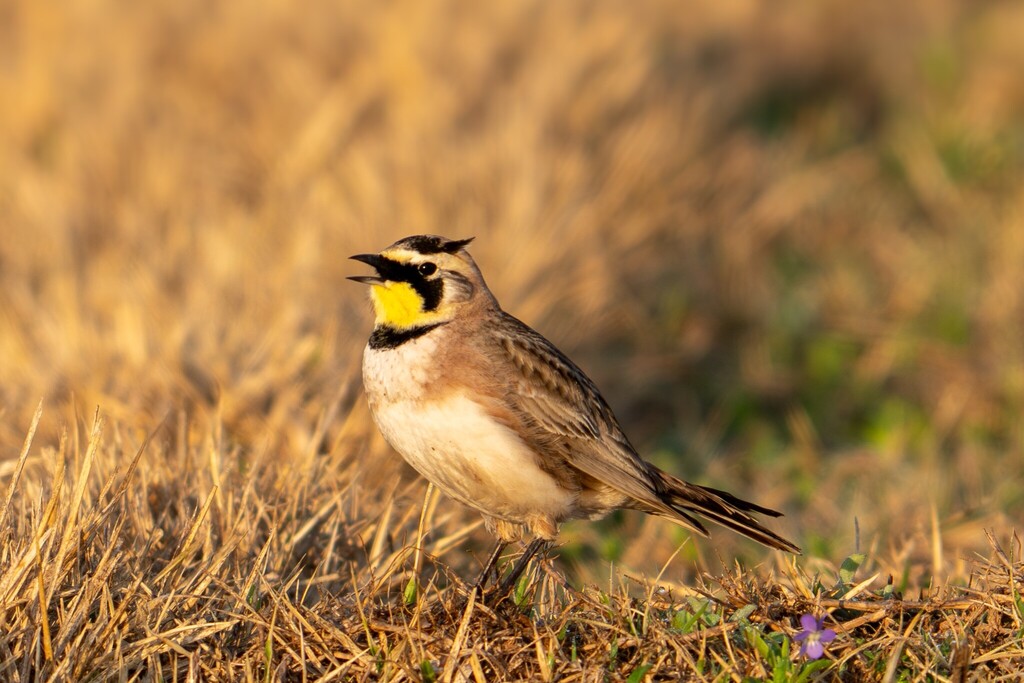
- Horned LarkEremophila alpestris
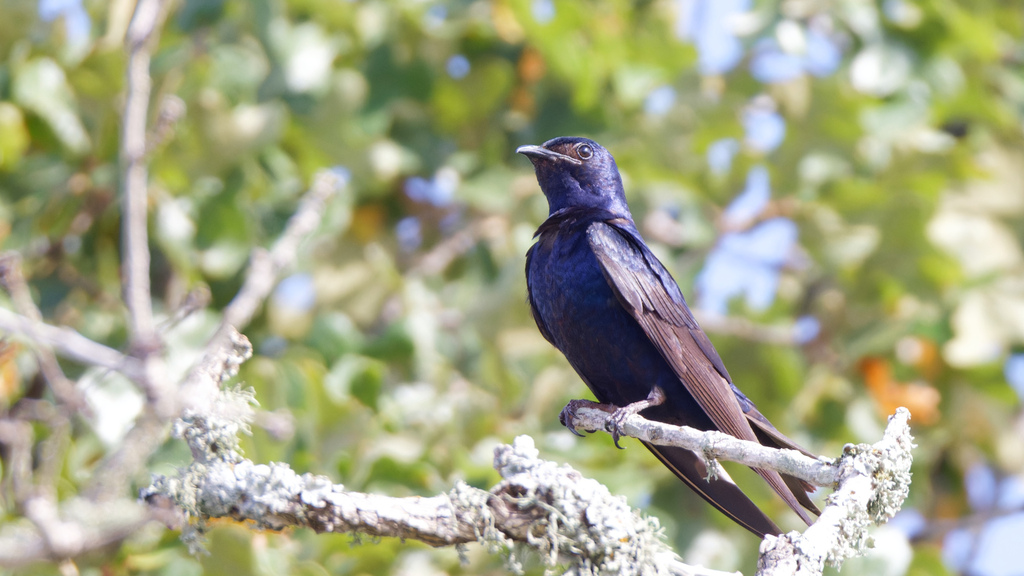
- Purple MartinProgne subis
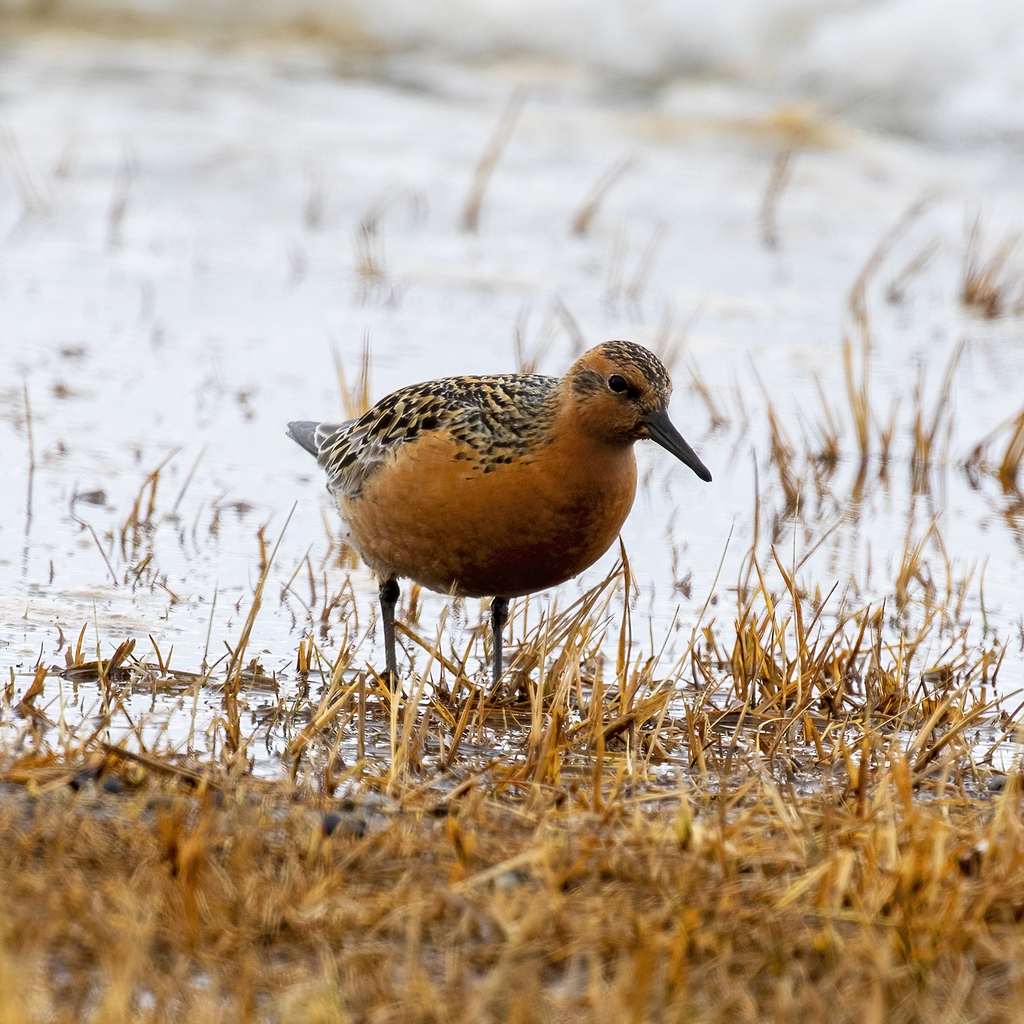
- Red KnotCalidris canutus
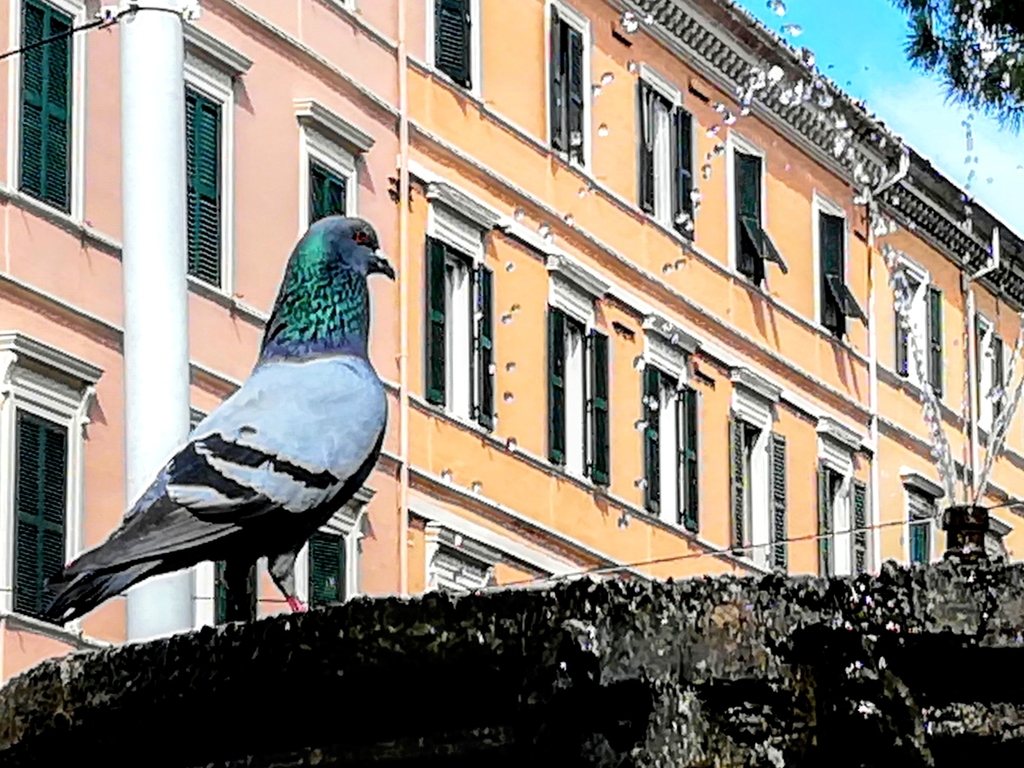
- Rock PigeonColumba livia
- Sandwich TernThalasseus sandvicensis
- Seaside SparrowAmmodramus maritimus
- Wilson's PloverCharadrius wilsonia
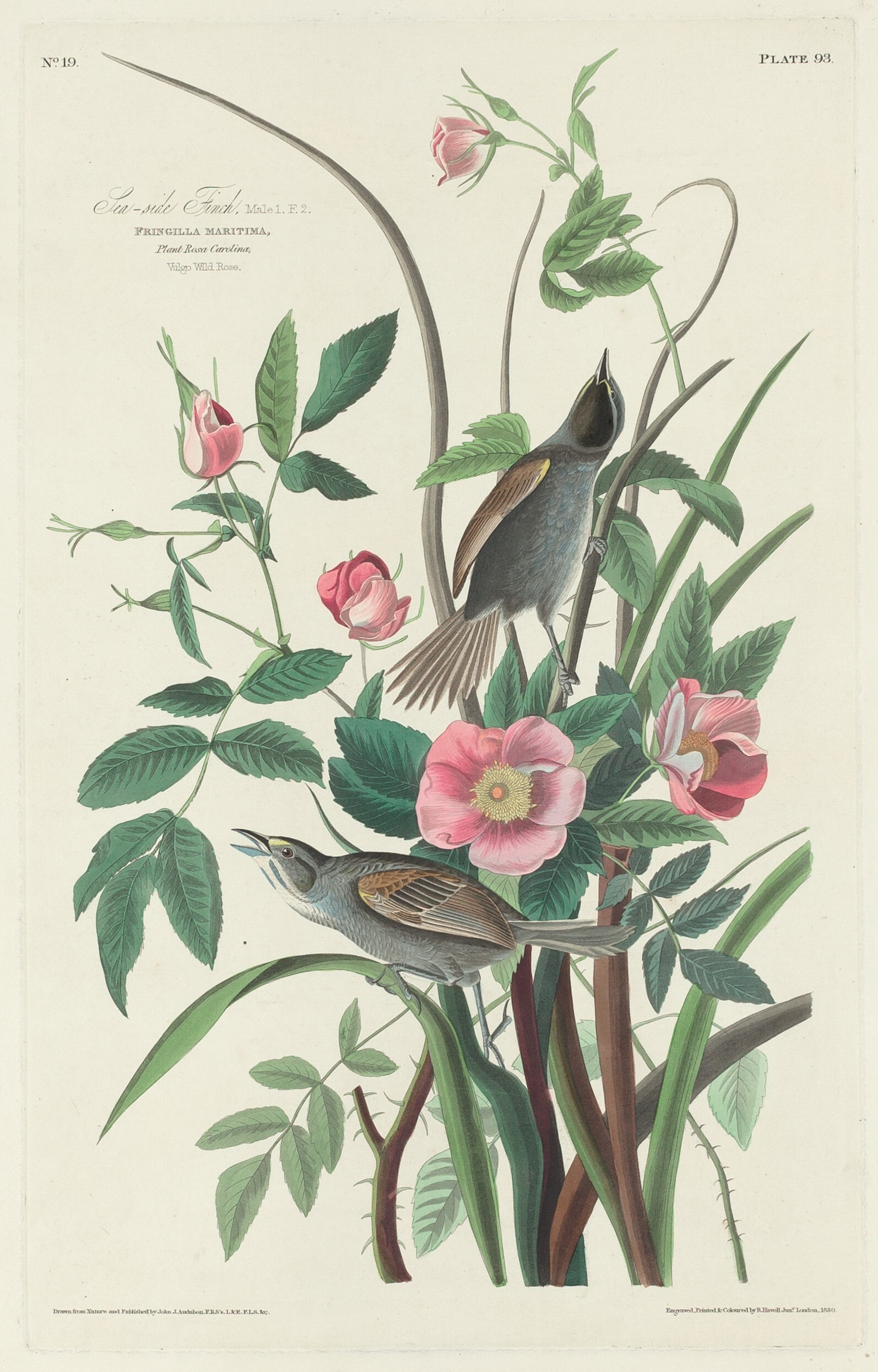
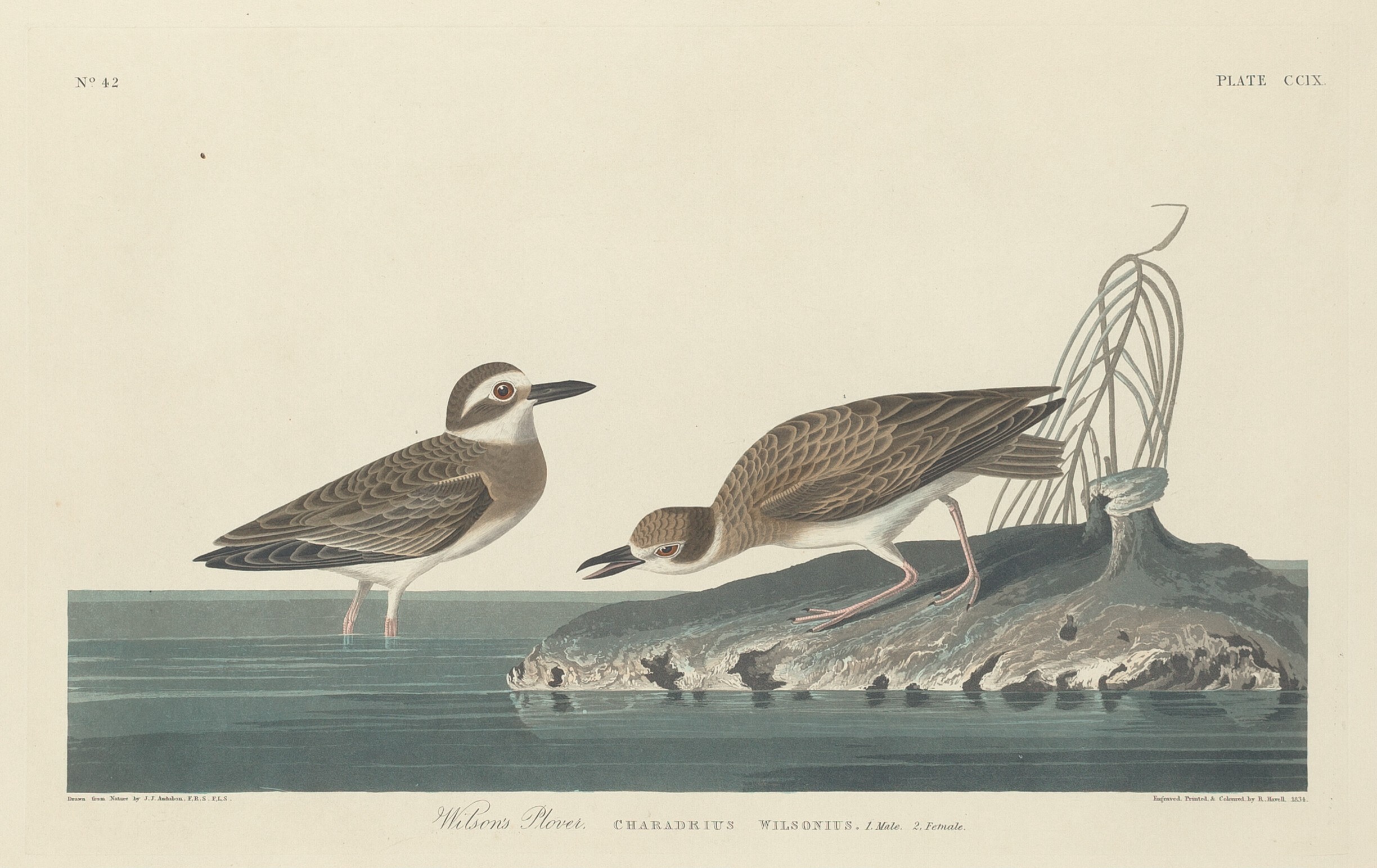
Plants 84
- Beach Morning-gloryIpomoea imperati
- Southern Seaside SpurgeEuphorbia bombensis
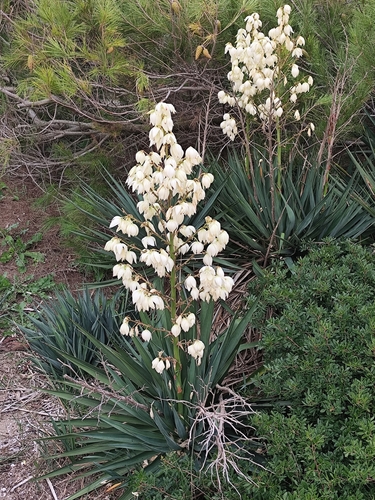
- Mound-lily YuccaYucca gloriosa
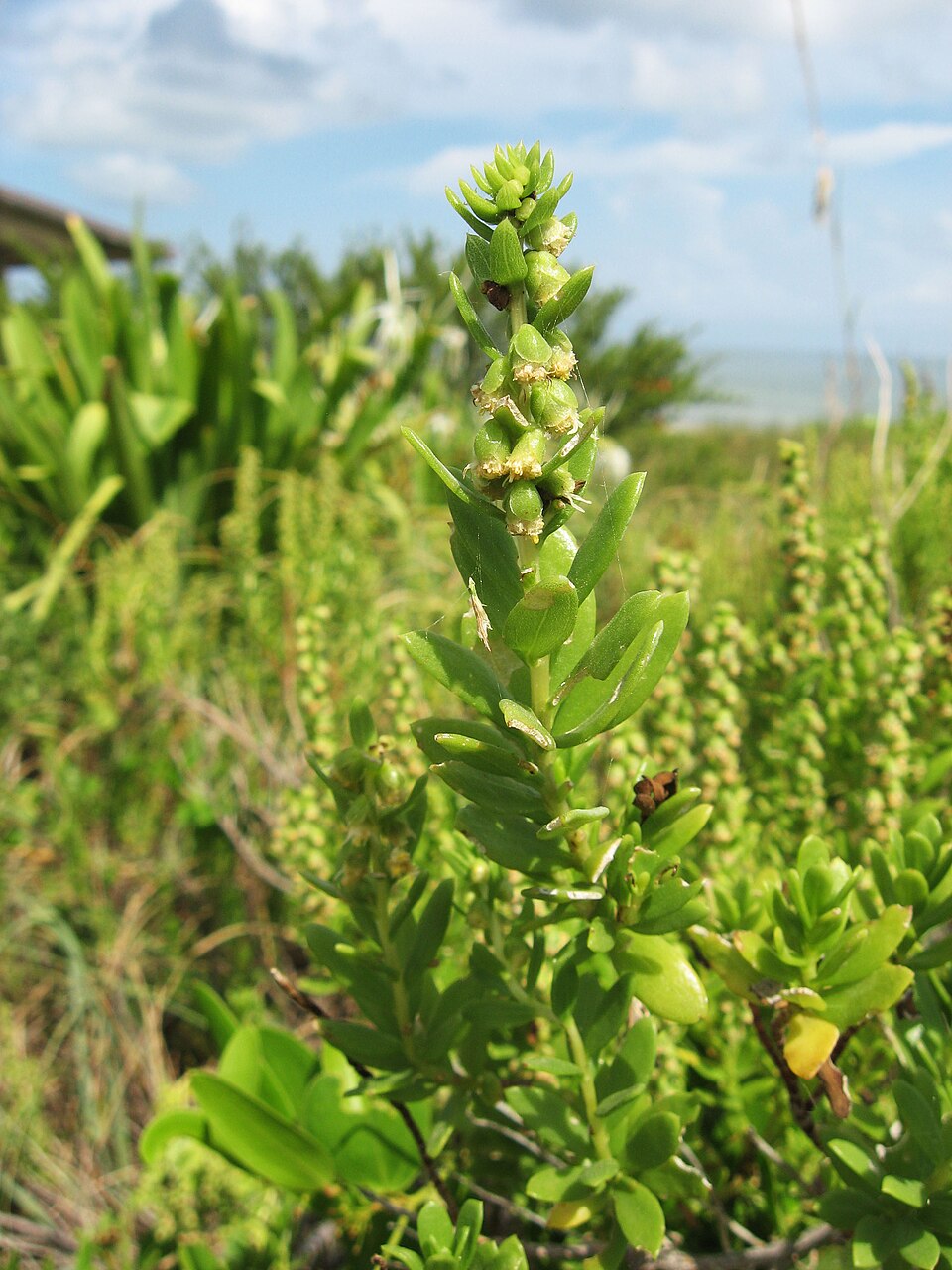
- Northern Seabeach OrachAtriplex mucronata
- Dune Marsh-elderIva imbricata
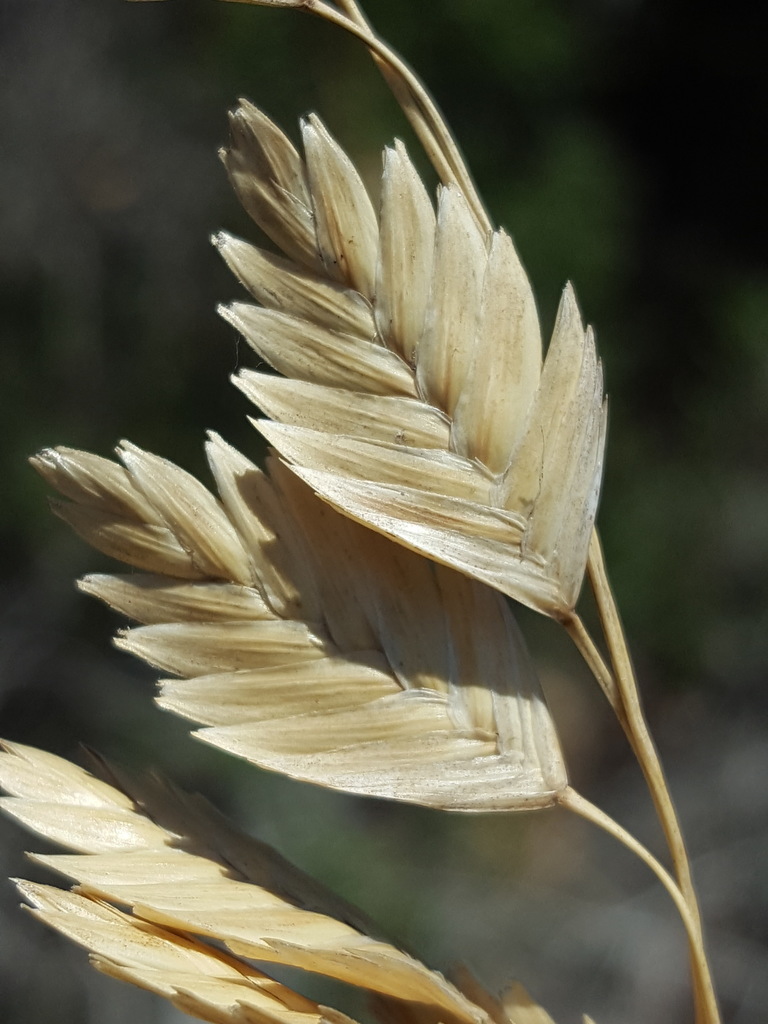
- Pinewoods FingergrassEustachys petraea
- Sea OatsUniola paniculata
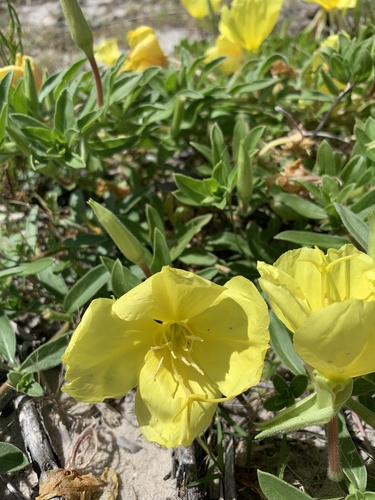
- Beach Evening-primroseOenothera drummondii
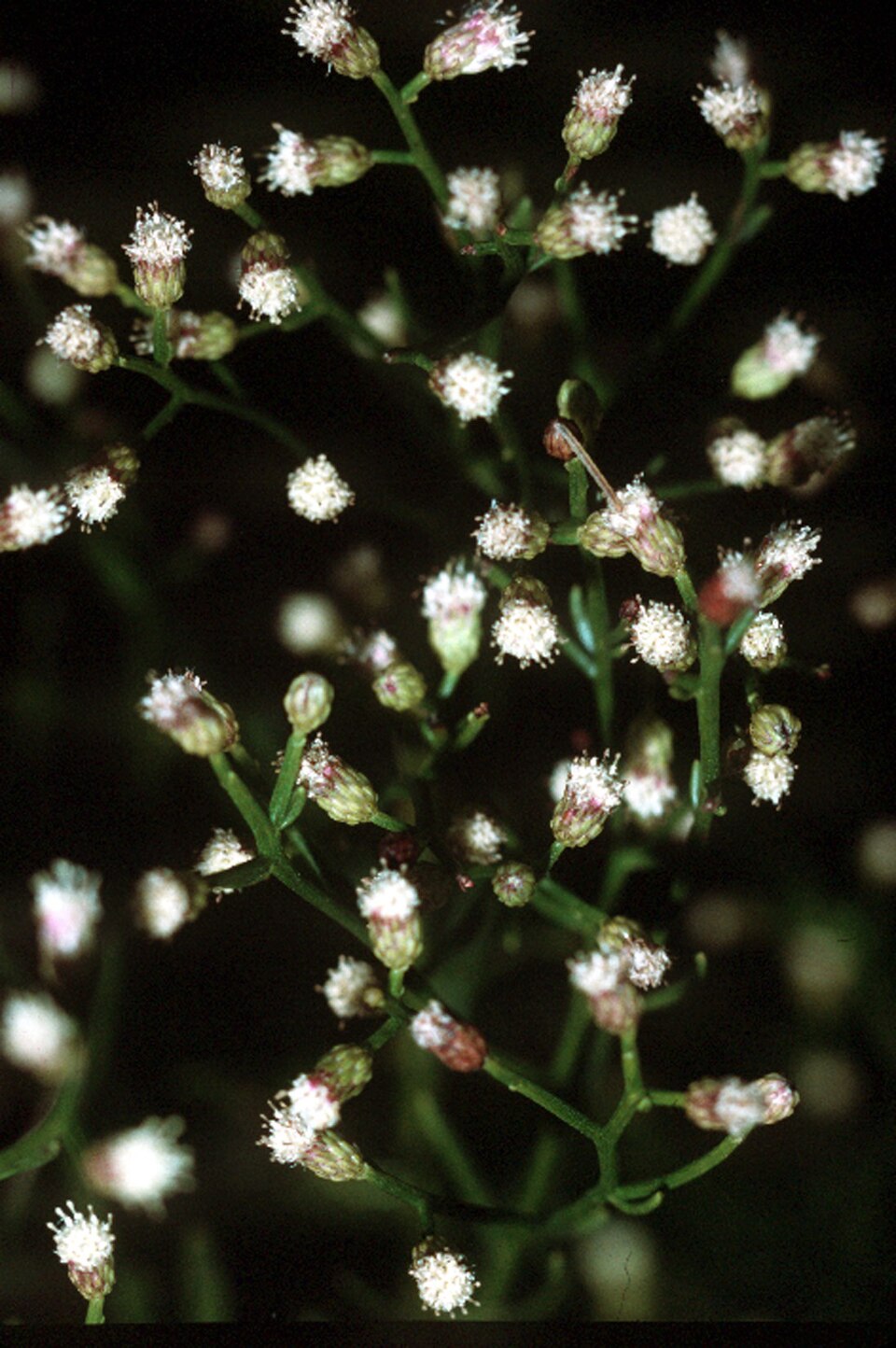
- Saltwater False-willowBaccharis angustifolia
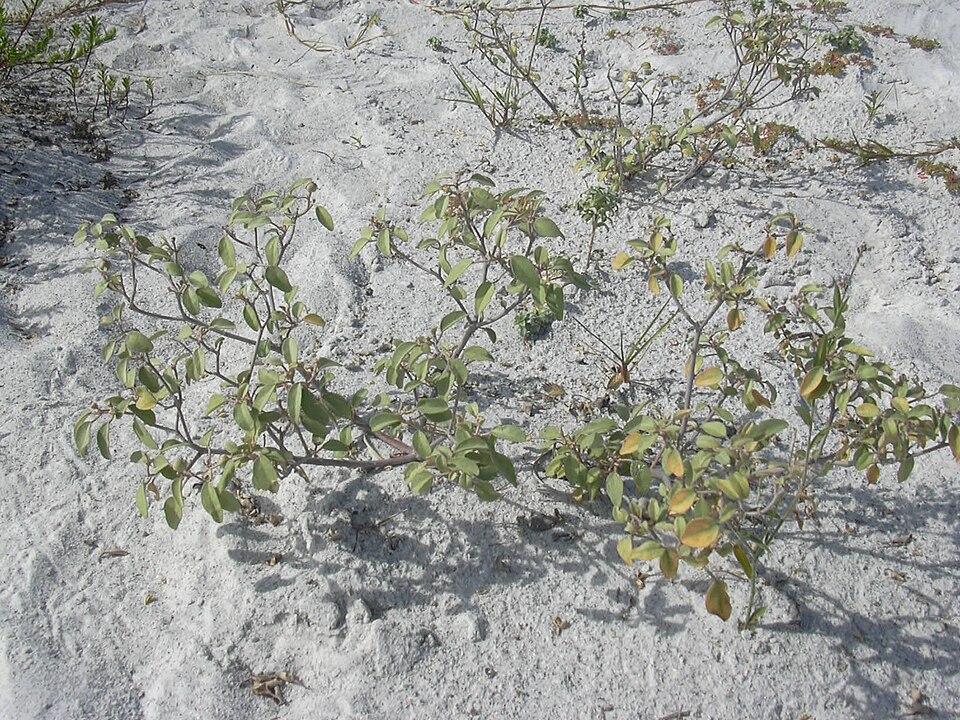
- Gulf CrotonCroton punctatus
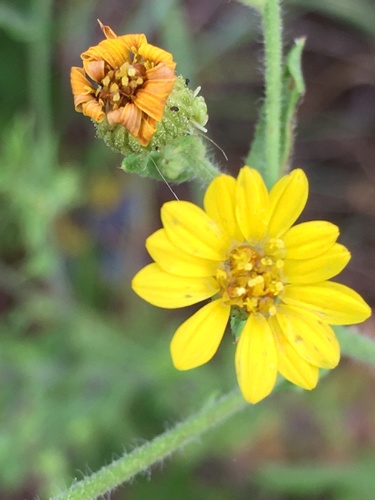
- CamphorweedHeterotheca subaxillaris
- Cottony Golden-asterChrysopsis gossypina
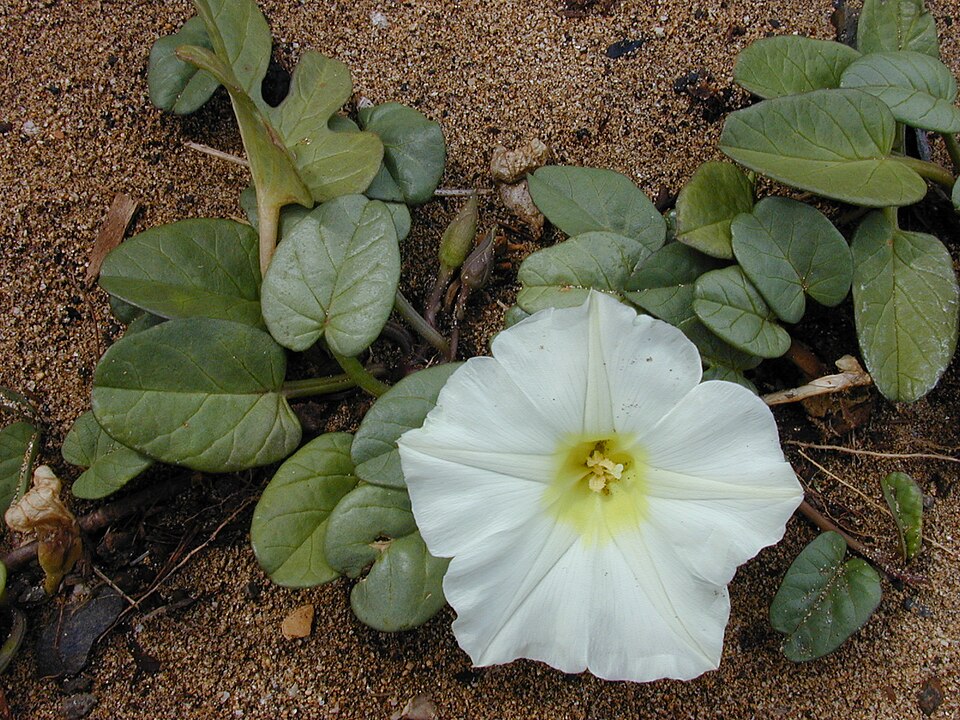
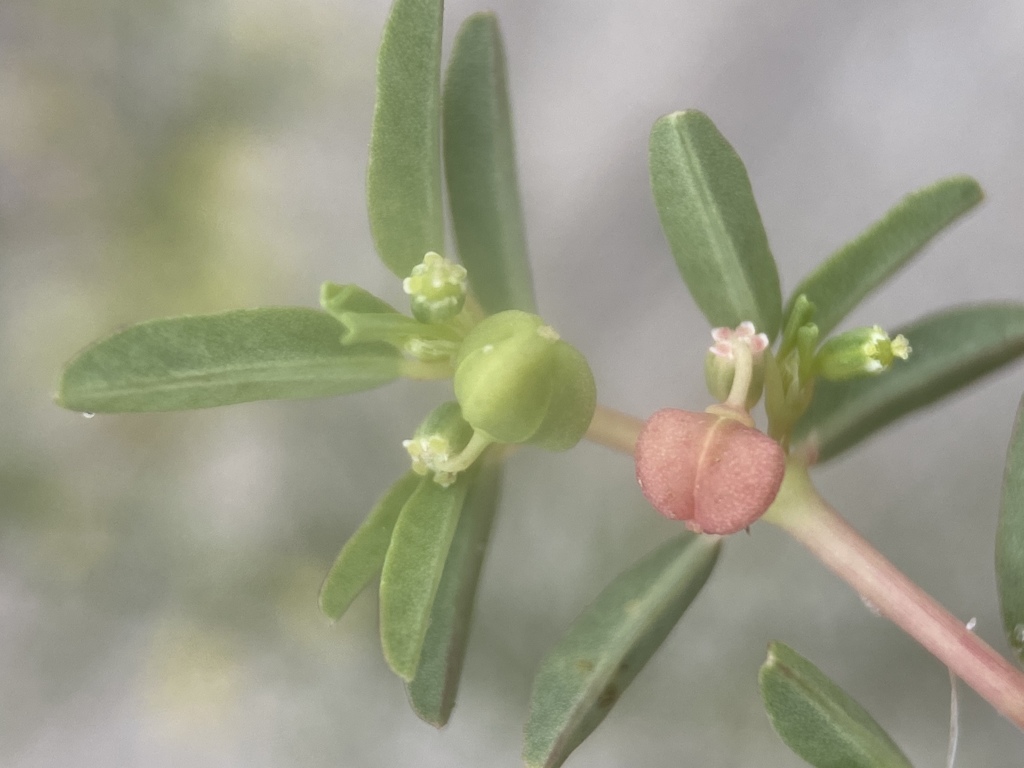
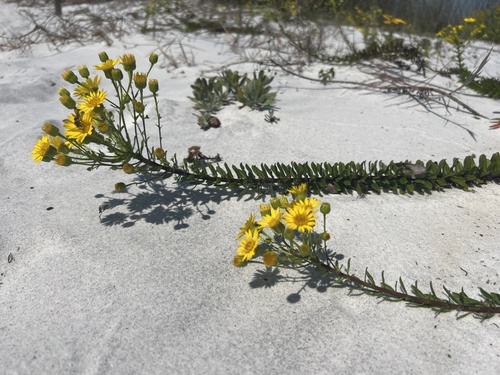
Coastal tidal marshes (salinity not stated)
Birds 91
- Marbled GodwitLimosa fedoa
- Short-billed DowitcherLimnodromus griseus
- Black RailLaterallus jamaicensis
- Red KnotCalidris canutus
- Seaside SparrowAmmodramus maritimus
- Wilson's PloverCharadrius wilsonia
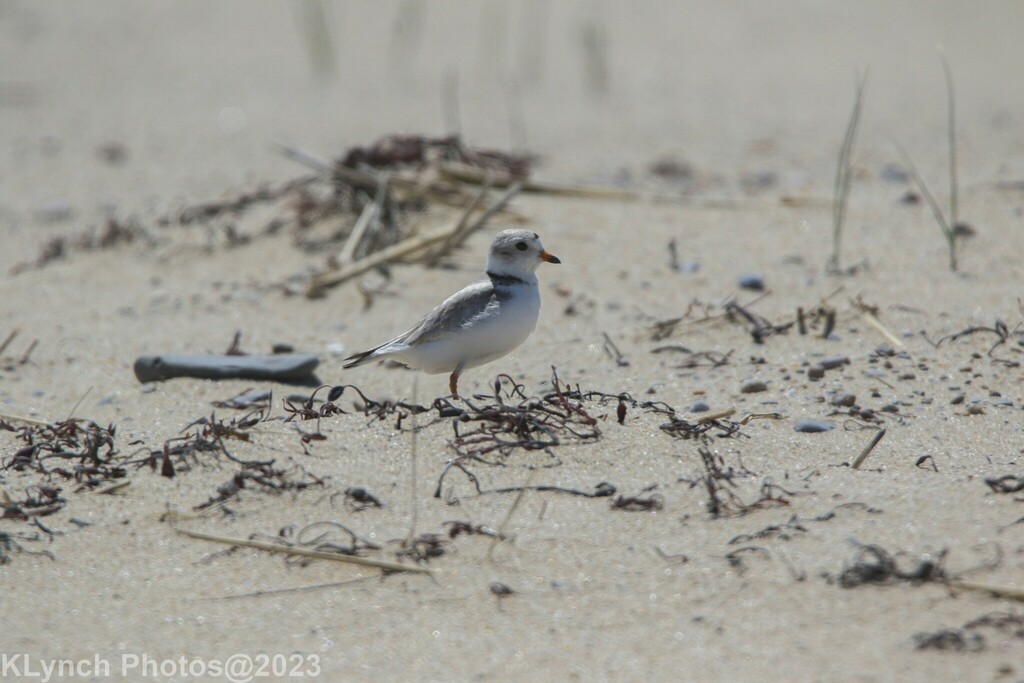
- Piping PloverCharadrius melodus
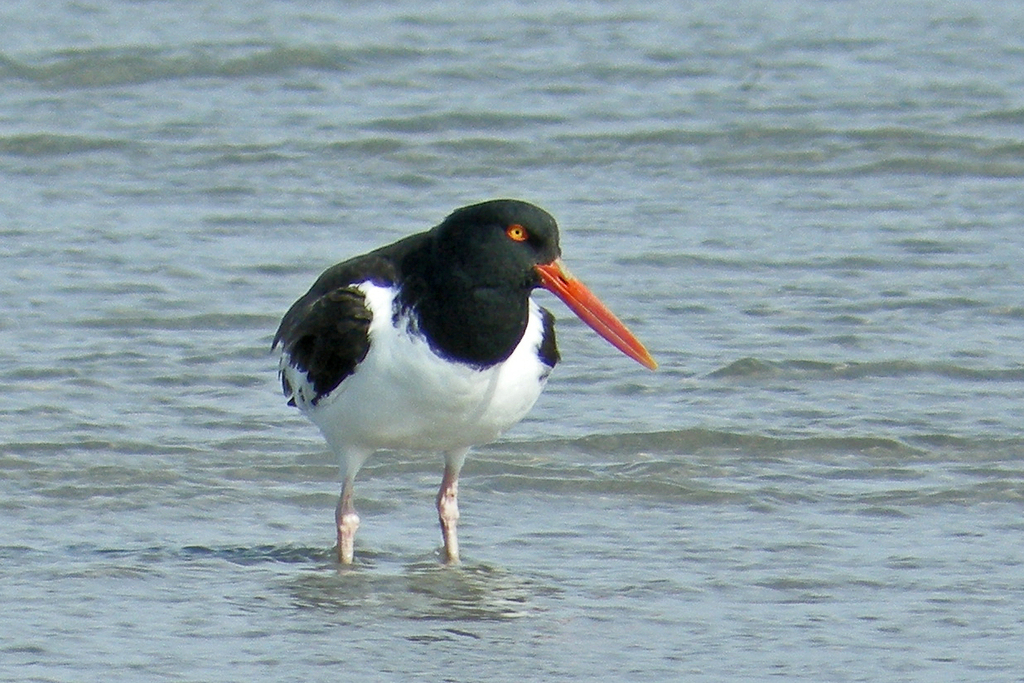
- American OystercatcherHaematopus palliatus
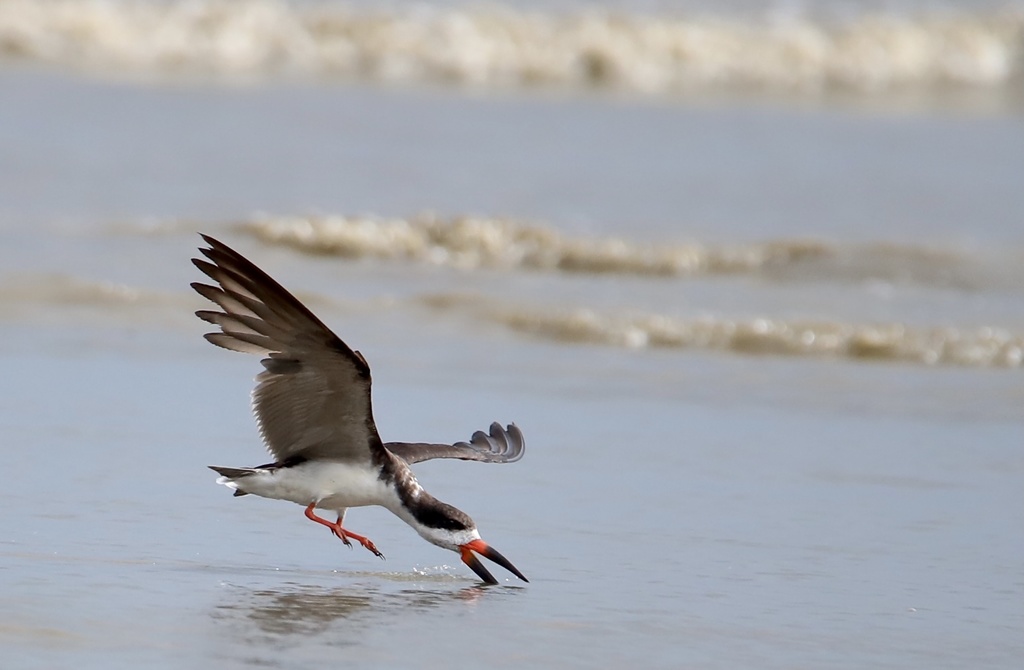
- Black SkimmerRynchops niger
- Brown PelicanPelecanus occidentalis
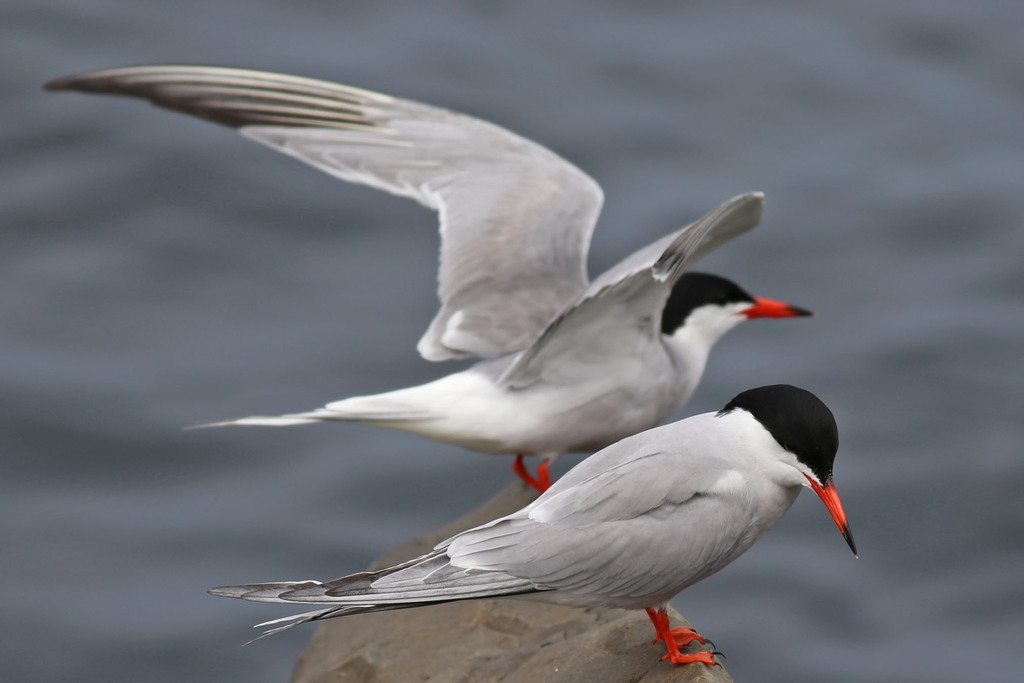
- Common TernSterna hirundo
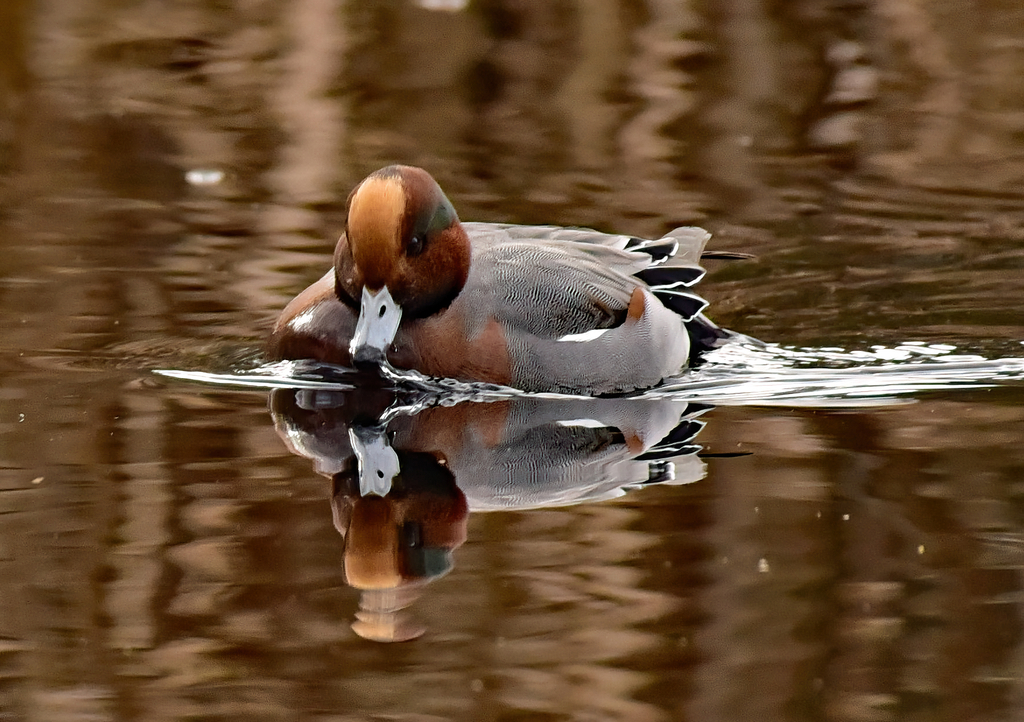
- Eurasian WigeonAnas penelope
Plants 25
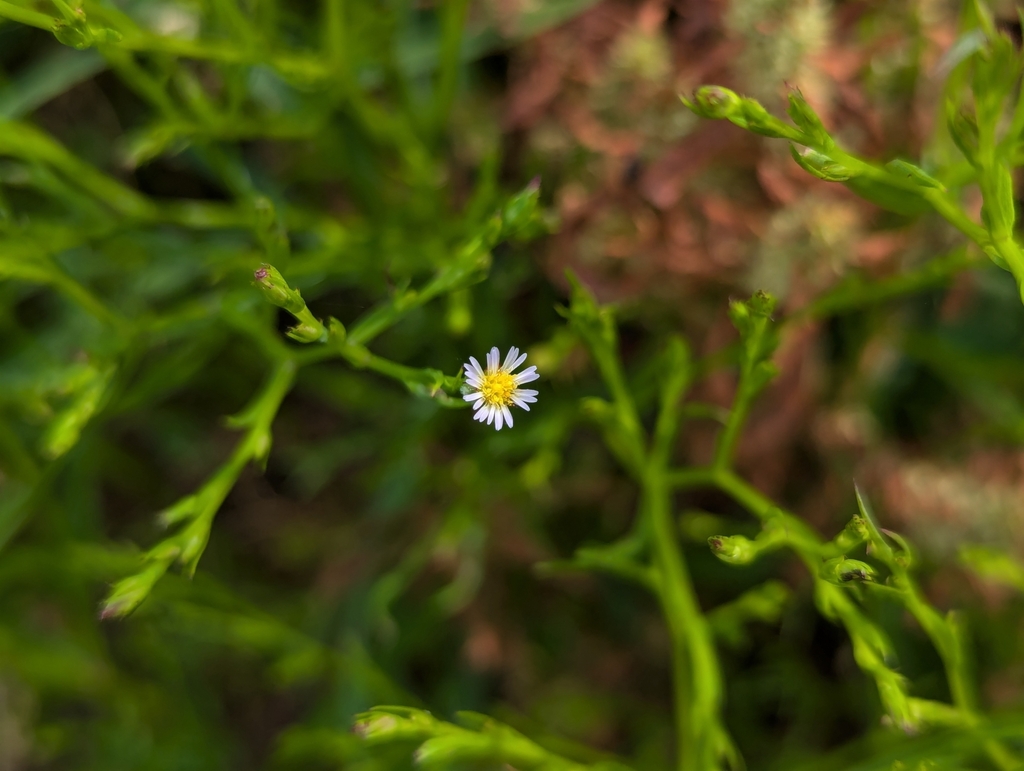
- Annual Saltmarsh AsterSymphyotrichum subulatum
- Sandpaper VervainVerbena scabra
- Black NeedlerushJuncus roemerianus
- Carolina Sea-lavenderLimonium carolinianum
- Southern Water-hempAmaranthus australis
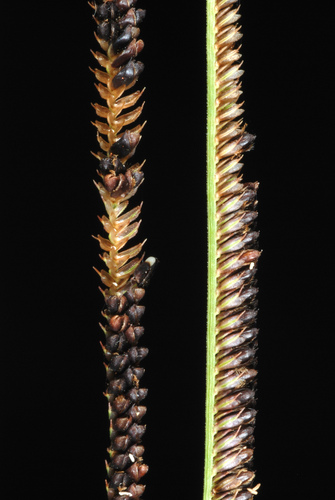
- Shoreline SedgeCarex hyalinolepis
- Pink RedstemAmmannia latifolia
- Grassy ArrowheadSagittaria graminea
- Giant BristlegrassSetaria magna
- Tall Horned BeaksedgeRhynchospora macrostachya
- Creeping SpikerushEleocharis fallax
- Carolina Canary-grassPhalaris caroliniana
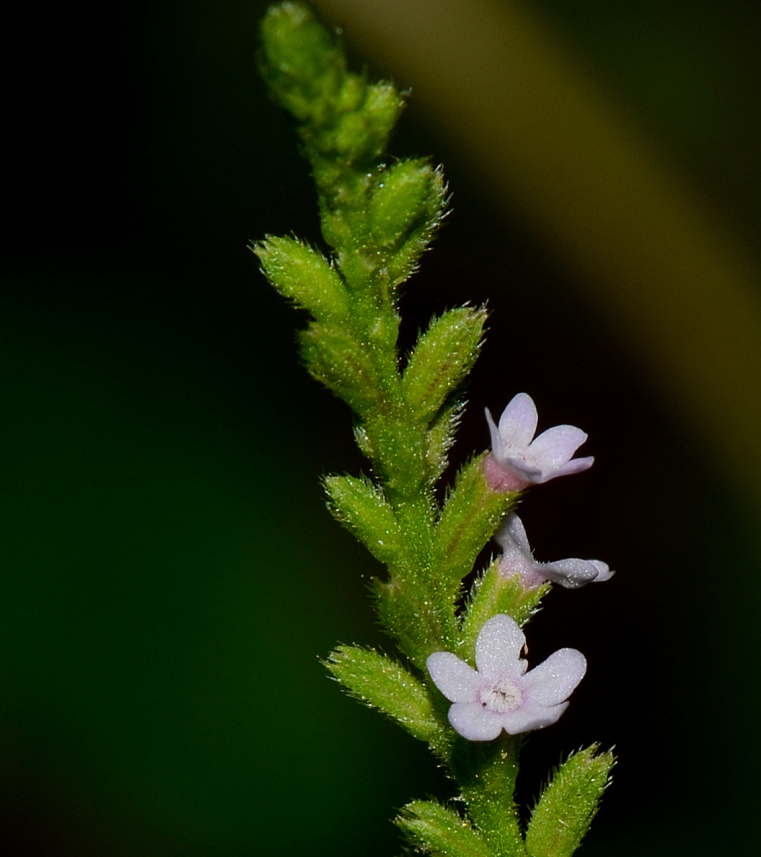
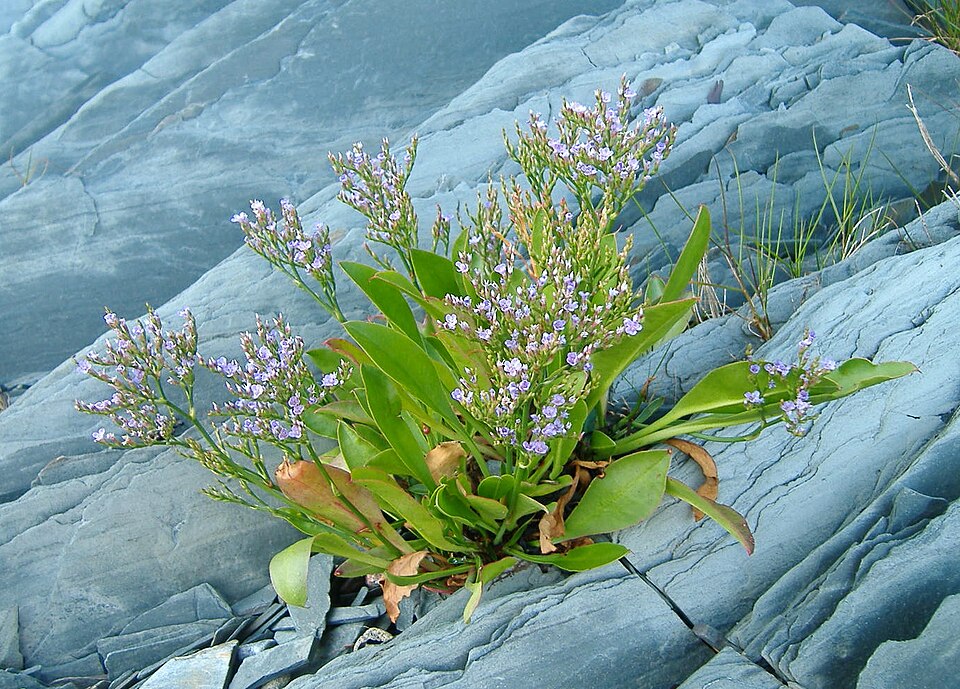
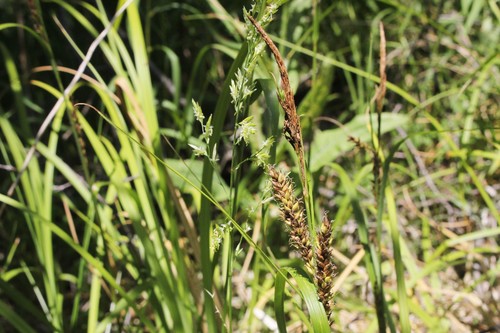
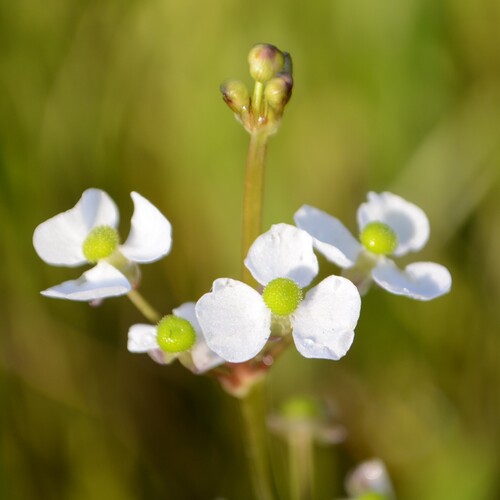
All of coastal tidal marshes (salinity not stated) in Louisiana
Sources
- USGS Gap Analysis Project habitat models (2001)
- USGS GAP year-round habitat model for Eastern Brown Pelican
- USGS Gap Analysis Project range maps (2001), modeled by watershed; migratory gives no dates
- NatureServe Explorer (CC BY 4.0), habitat names
- US Census TIGER/Line counties
- Names follow the USGS Gap Analysis Project (2001)