

Bird
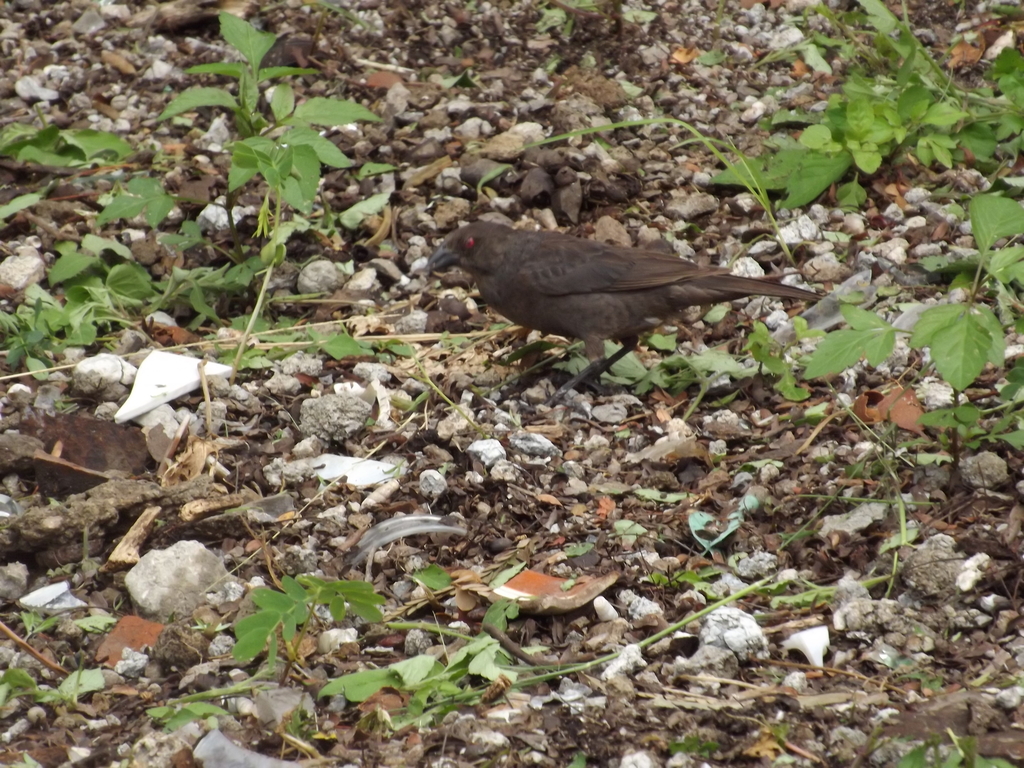
Bronzed Cowbird
Molothrus aeneus
Lives in Louisiana all year and nests here. Found in 20 of 64 parishes, across 2 habitats.
- Here
- All year
- Nesting
- Nests here
- Range
- 20 of 64 parishes
- Habitats
- 2
At a glance
- Group
- Birds
- Here
- All year
- Nesting
- Nests here
- Range
- 20 of 64 parishes
- Habitats
- 2
- Habitat models
- Summer, Winter
Where it lives
The places its habitat model includes. It is not found everywhere a habitat occurs.
Habitats in Louisiana 2
Each habitat page lists the plants and wildlife also found there.
Disturbed and introduced wetlands
Wet ground taken over by weedy or introduced plants after disturbance, such as common reed, Chinese tallow or tamarisk stands; the upland counterpart is roadsides, fields and disturbed ground.
Roadsides, fields and disturbed ground
Ground opened by people: roadsides, old fields, pastures, fencerows and lots.
Other habitats in its models (12)
Land cover, or classes with no habitat page in Louisiana. Those recorded in Louisiana first, the rest by region.
Land cover and other classes (12)
- Developed, Low Intensity Summer and winter.
- Developed, Medium Intensity Summer and winter.
- Harvested Forest - Grass/Forb Regeneration Summer and winter.
- Introduced Upland Vegetation - Annual Grassland Summer and winter.
- Introduced Upland Vegetation - Forbland Summer and winter.
- Introduced Upland Vegetation - Perennial Grassland Summer and winter.
- Introduced Upland Vegetation - Perennial Grassland and Forbland Summer and winter.
- Orchards Vineyards and Other High Structure Agriculture Summer and winter.
- Recently Burned Summer and winter.
- Recently Burned Forest Summer and winter.
- Recently Burned Grassland Summer and winter.
- Recently Logged Areas Summer and winter.
Seasons in Louisiana
- Year-round: nests here, in 13 of 64 parishes.
- Summer: nests here, in 13 of 64 parishes.
Also found in its main habitats
Its main habitats in Louisiana, by how much of its habitat model each one is, with the birds most characteristic of each and the plants that grow wild there. Shared habitat, not food.
Roadsides, fields and disturbed ground
Birds 139
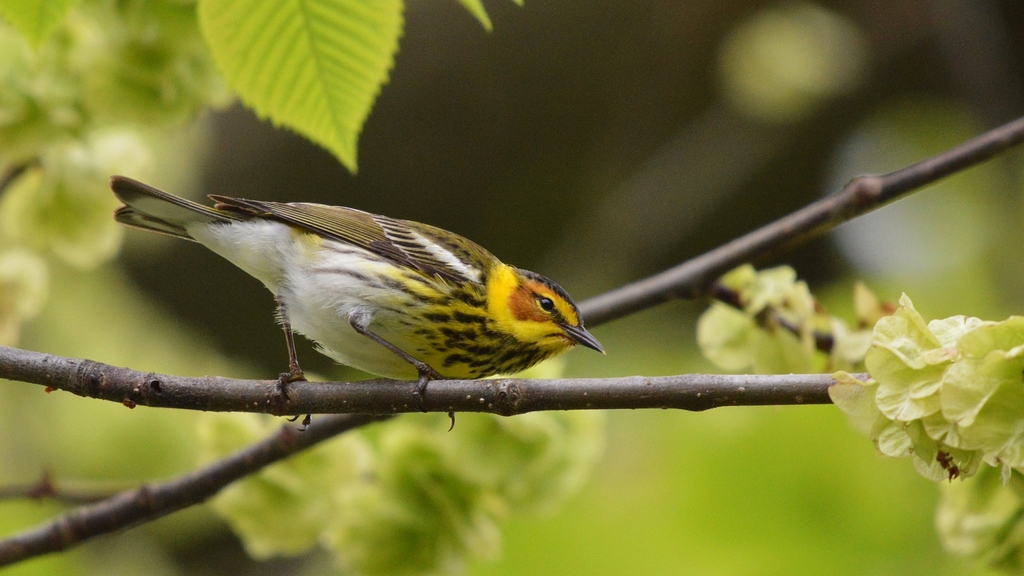
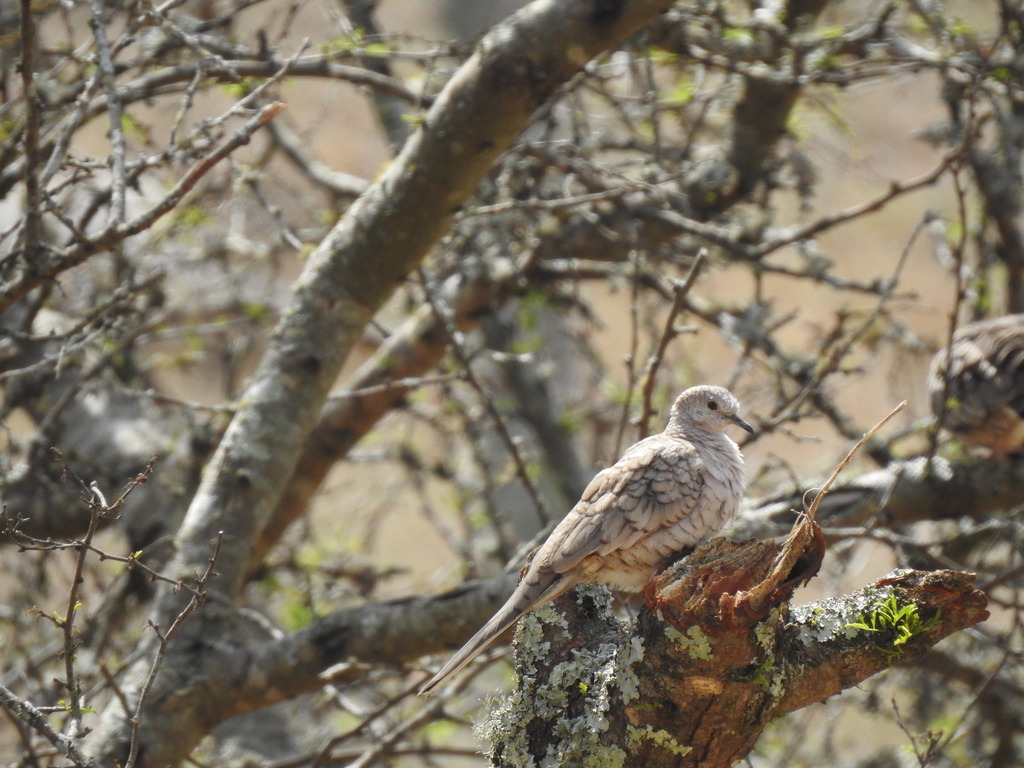
- Cape May WarblerDendroica tigrina
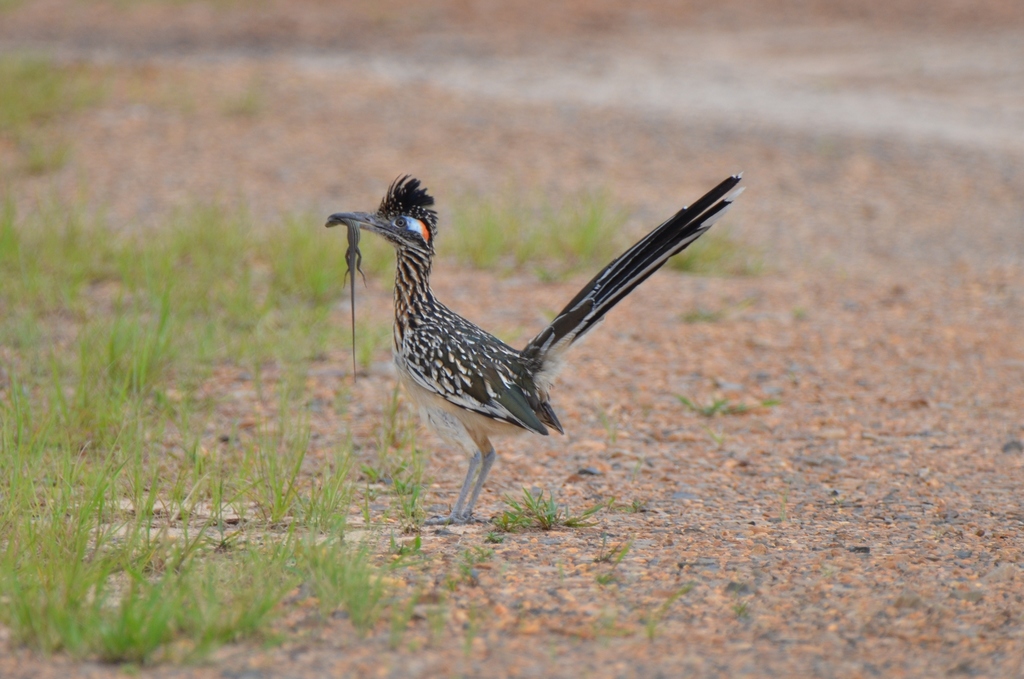
- Greater RoadrunnerGeococcyx californianus
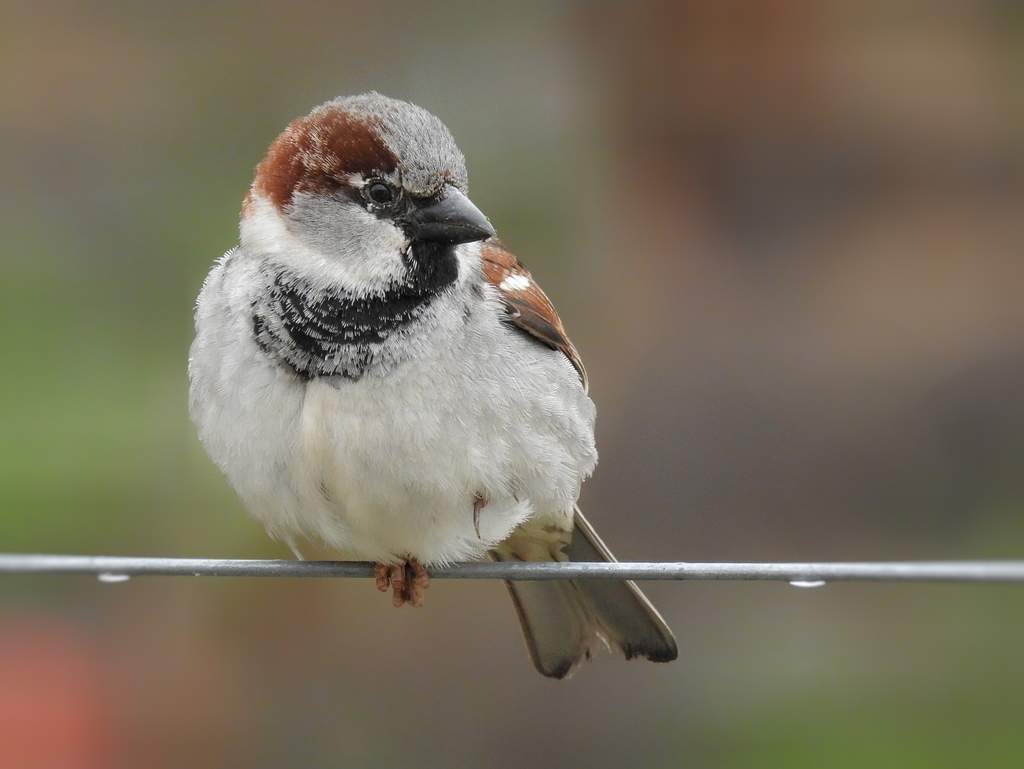
- House SparrowPasser domesticus
- Inca DoveColumbina inca
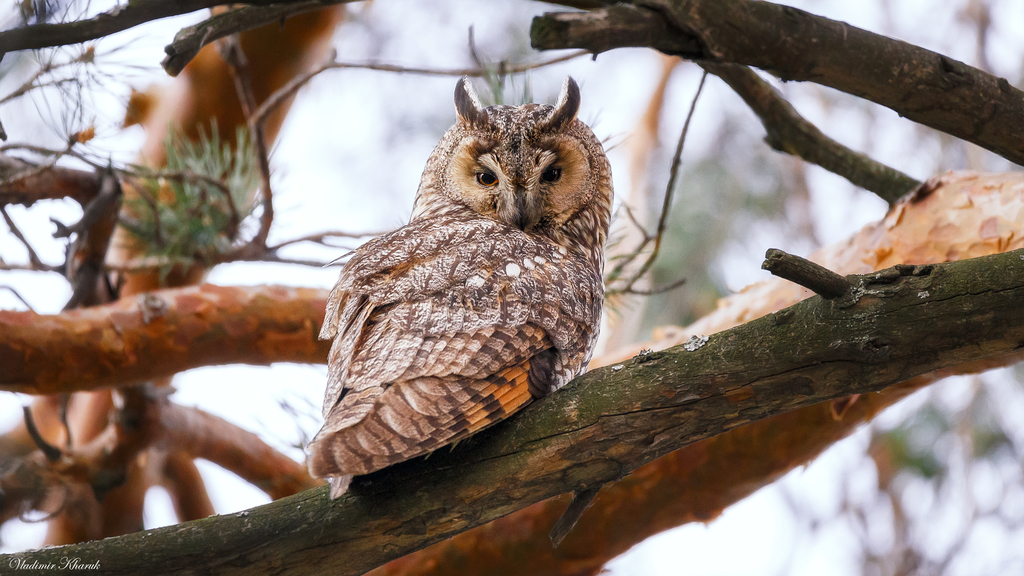
- Long-eared OwlAsio otus
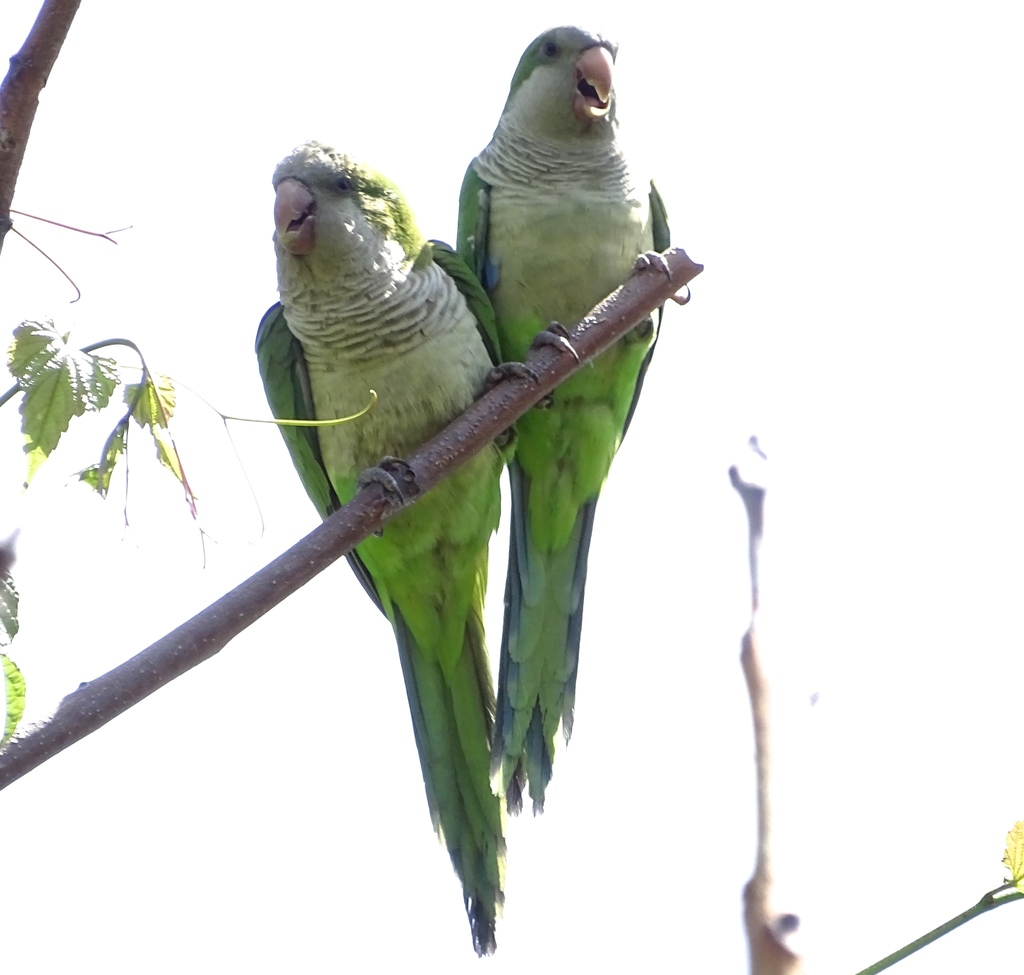
- Monk ParakeetMyiopsitta monachus
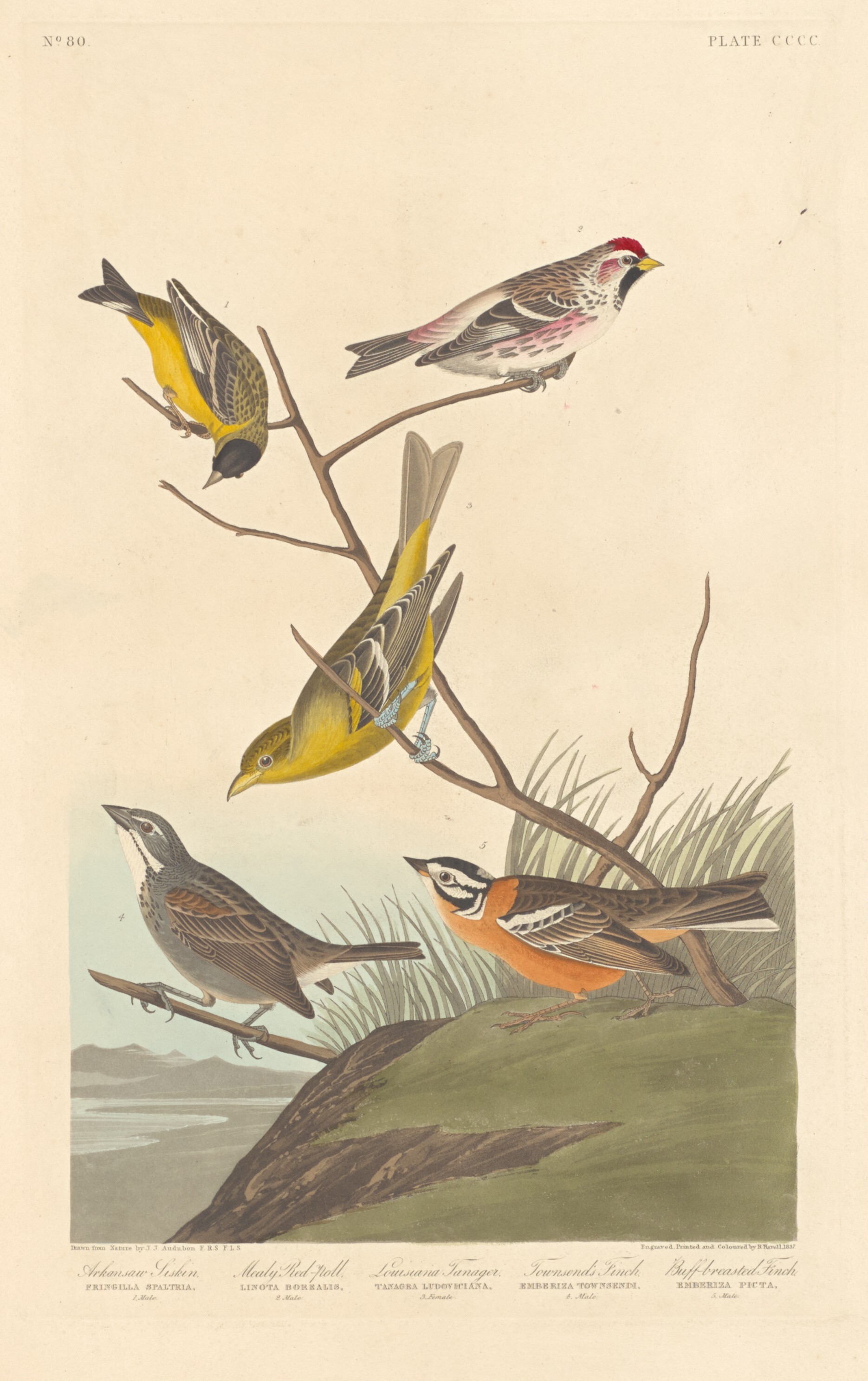
- Smith's LongspurCalcarius pictus
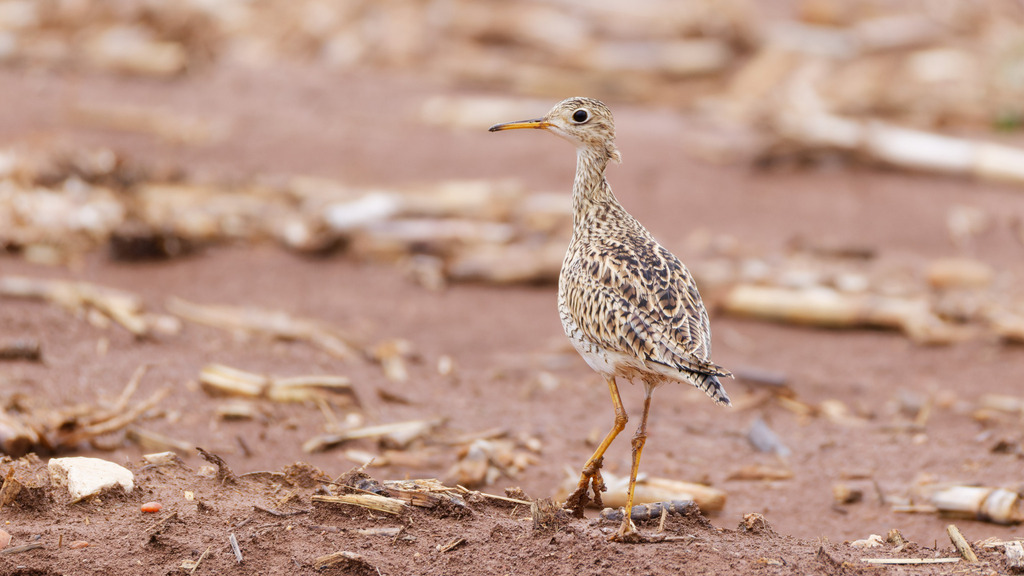
- Upland SandpiperBartramia longicauda
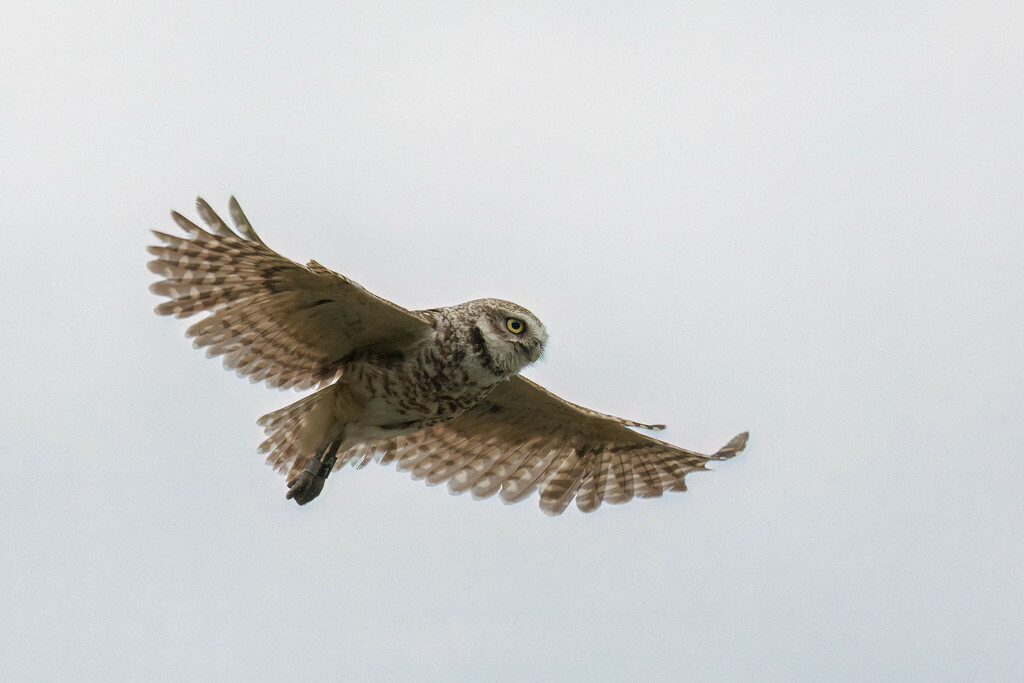
- Western Burrowing OwlAthene cunicularia hypugaea
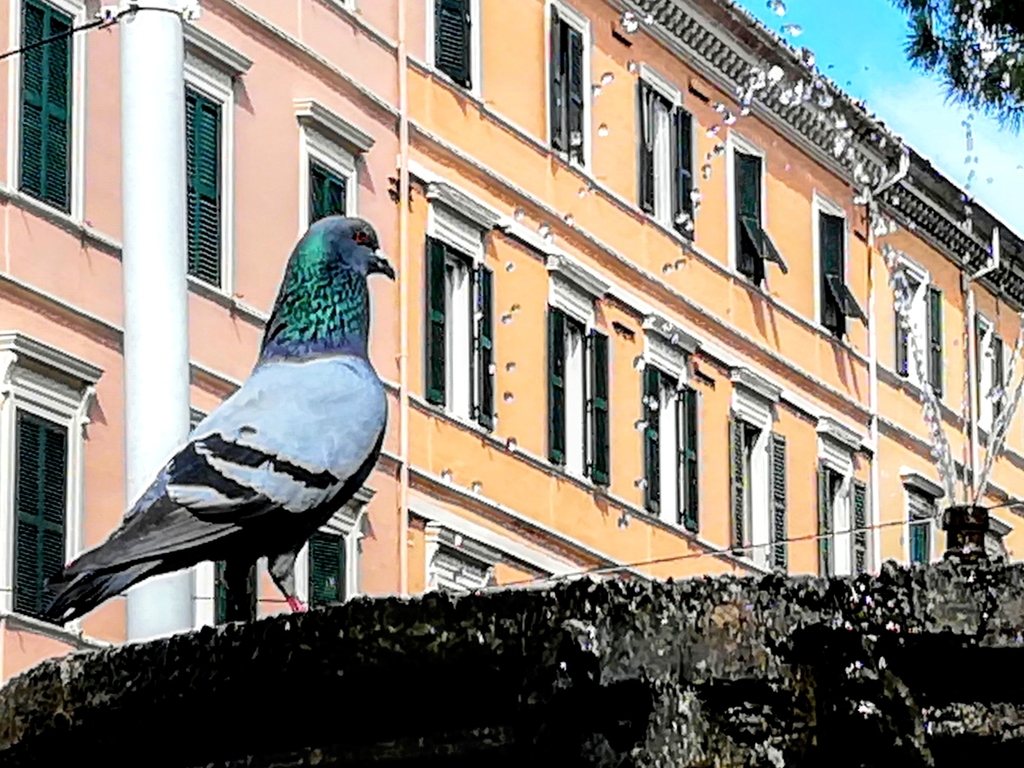
- Rock PigeonColumba livia
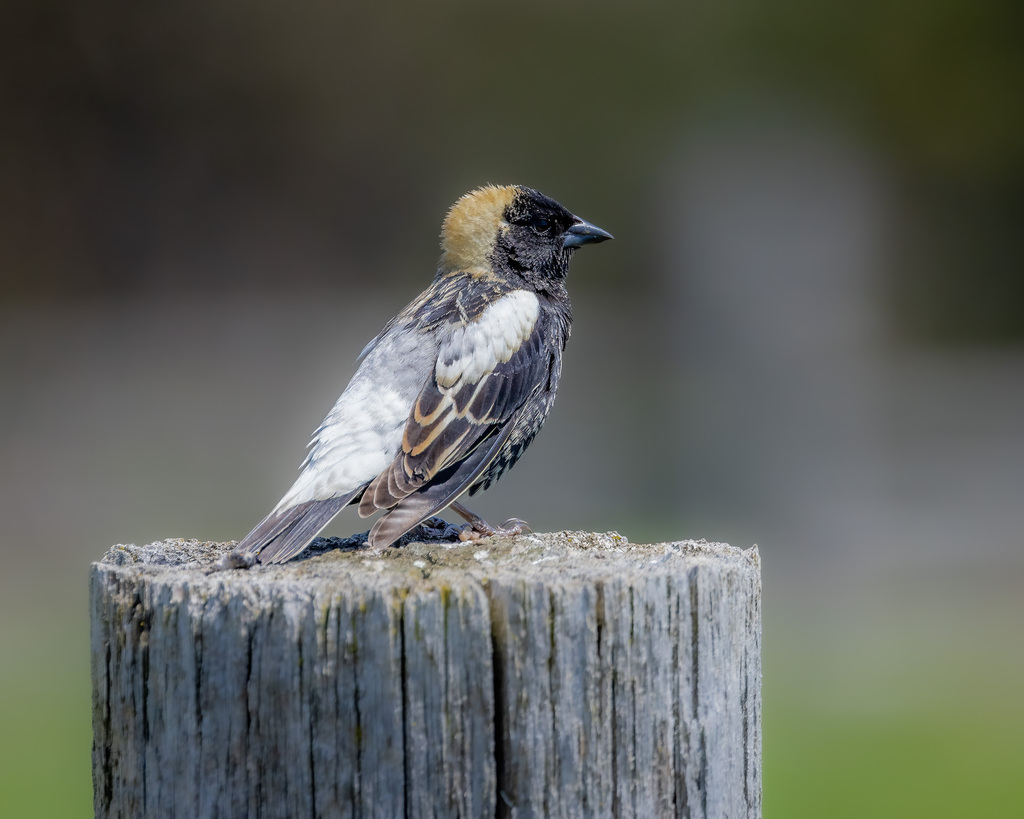
- BobolinkDolichonyx oryzivorus
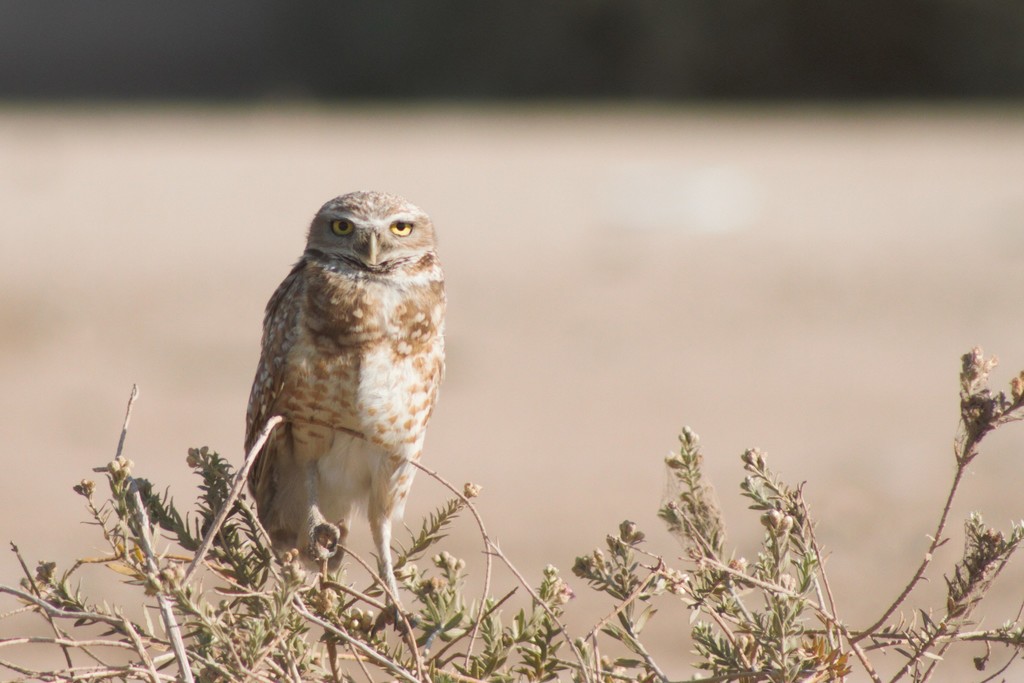
- Burrowing OwlAthene cunicularia
Plants 958
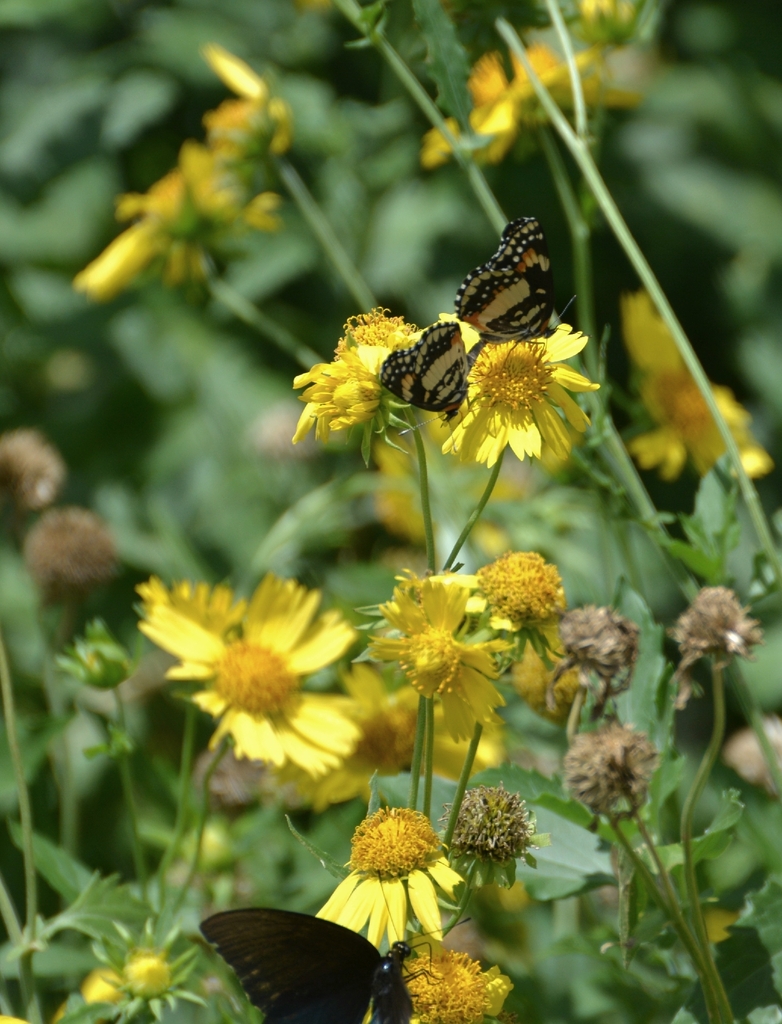
- Muck SunflowerHelianthus simulans
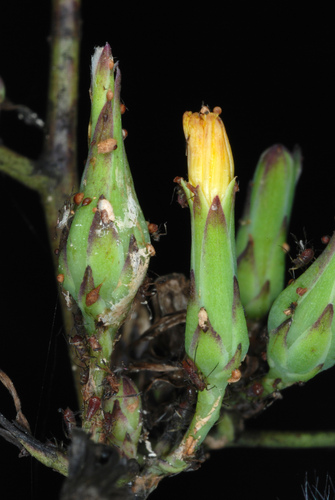
- Canada LettuceLactuca canadensis
- Annual FleabaneErigeron annuus
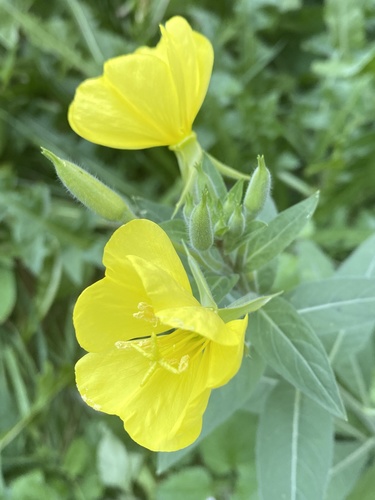
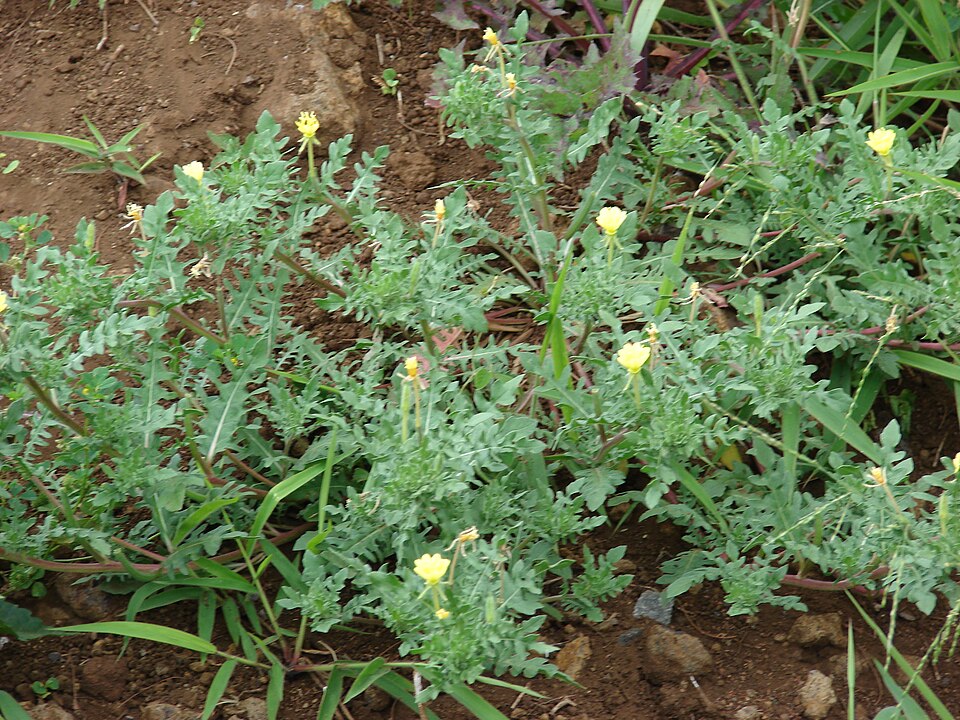
- Common Evening-primroseOenothera biennis
- Cutleaf Evening-primroseOenothera laciniata
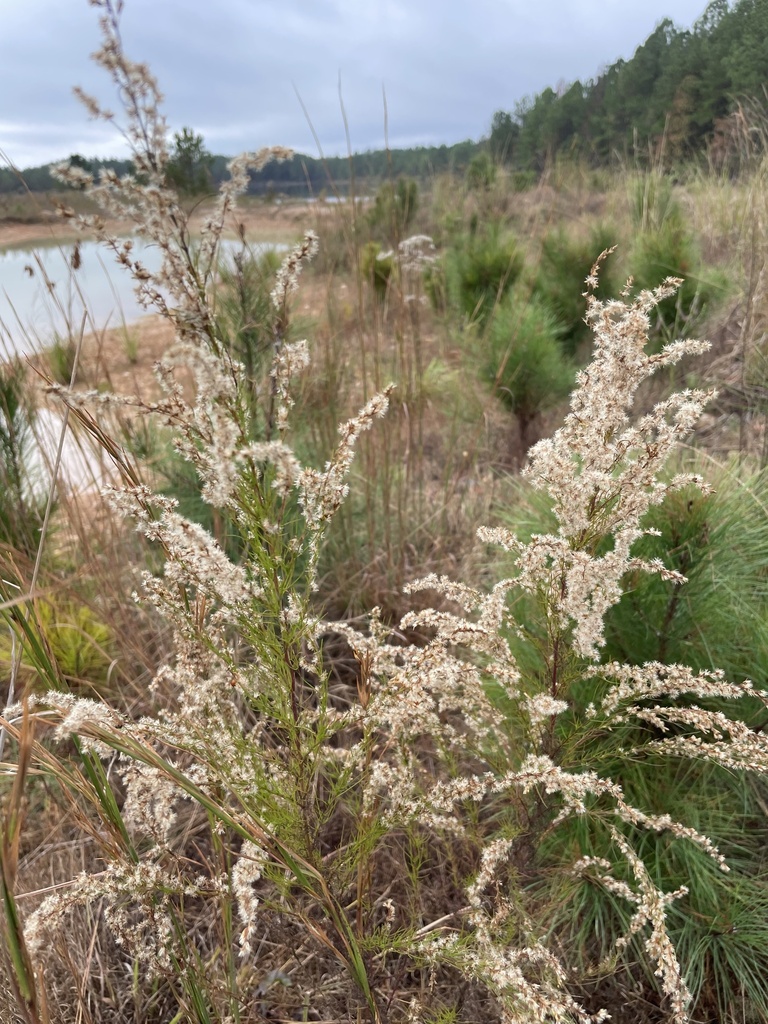
- Dog-fennelEupatorium capillifolium
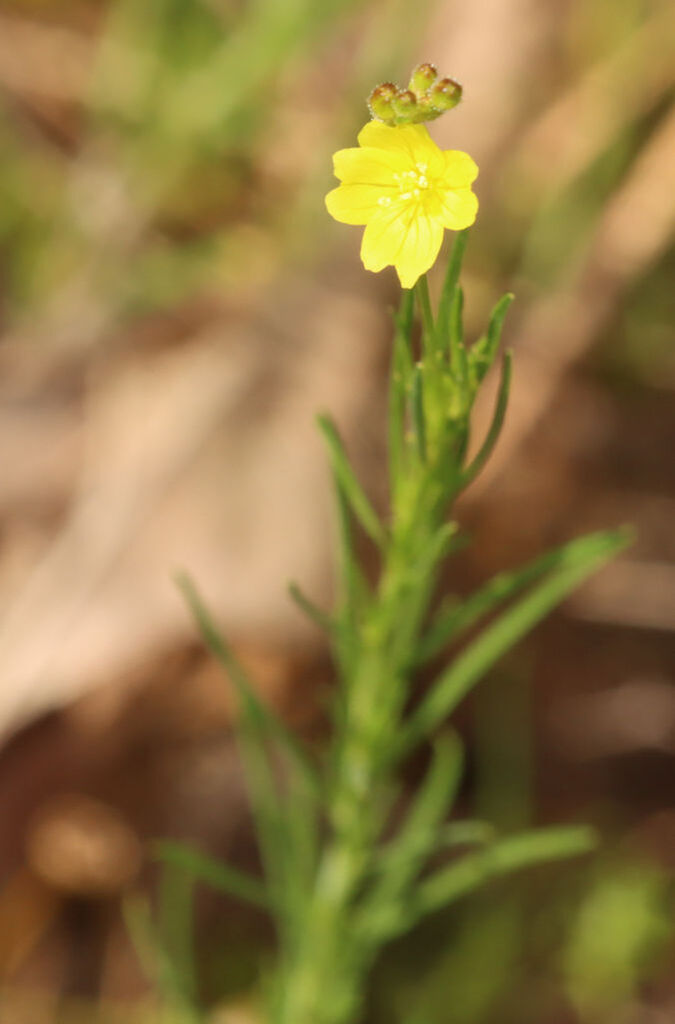
- Threadleaf SundropsOenothera linifolia
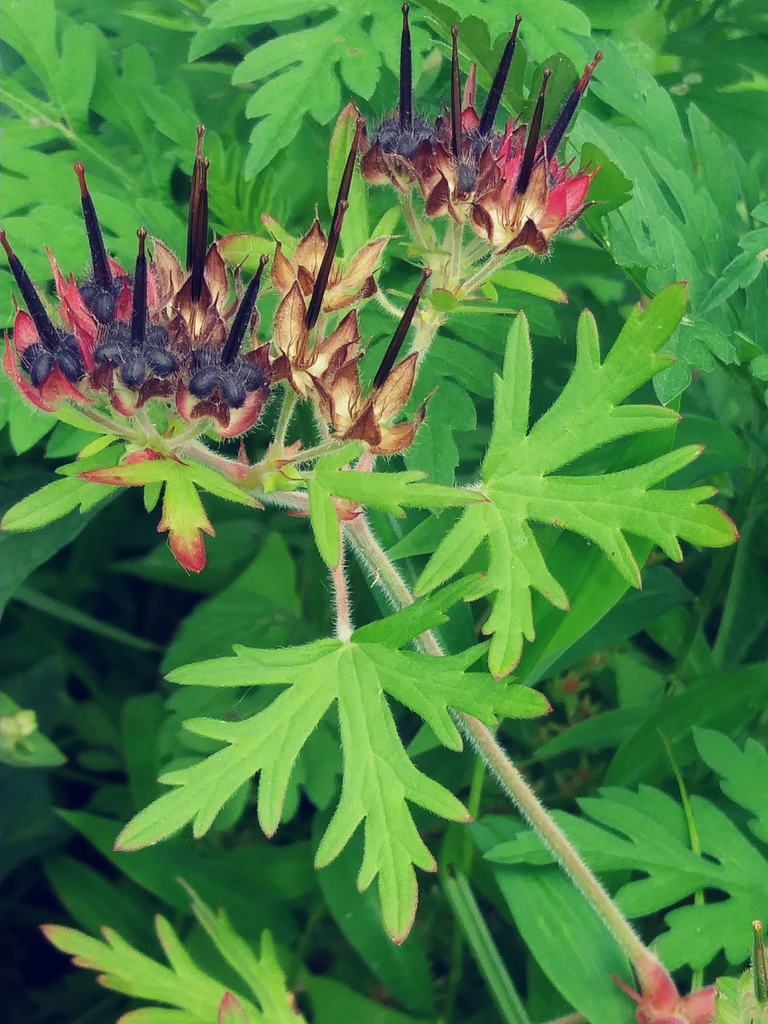
- Carolina Crane's-billGeranium carolinianum
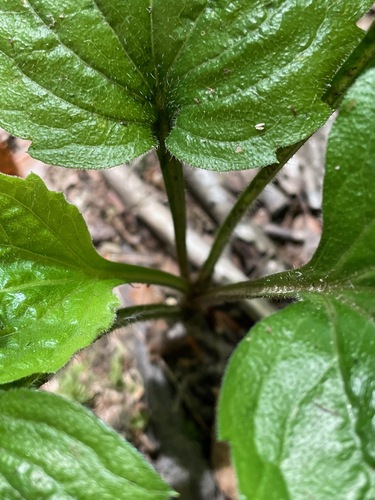
- Golden CrownbeardVerbesina encelioides
- Blackeyed SusanRudbeckia hirta var. pulcherrima
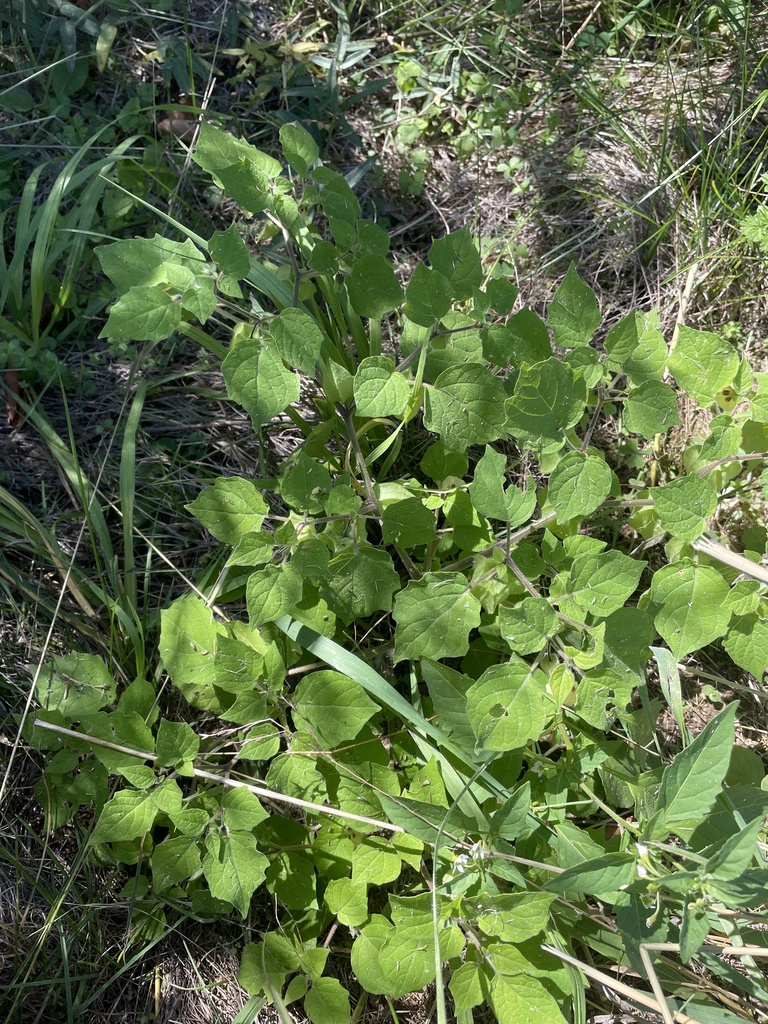
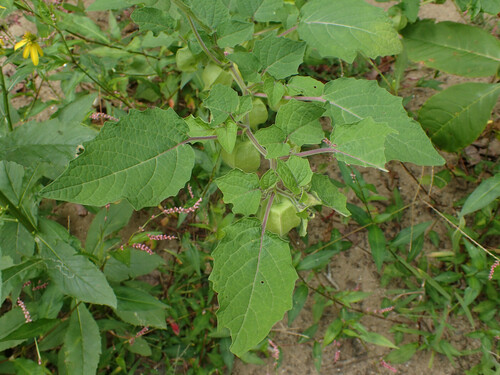
- Downy Ground-cherryPhysalis pubescens
- Gray Ground-cherryPhysalis grisea
Disturbed and introduced wetlands
Birds 169
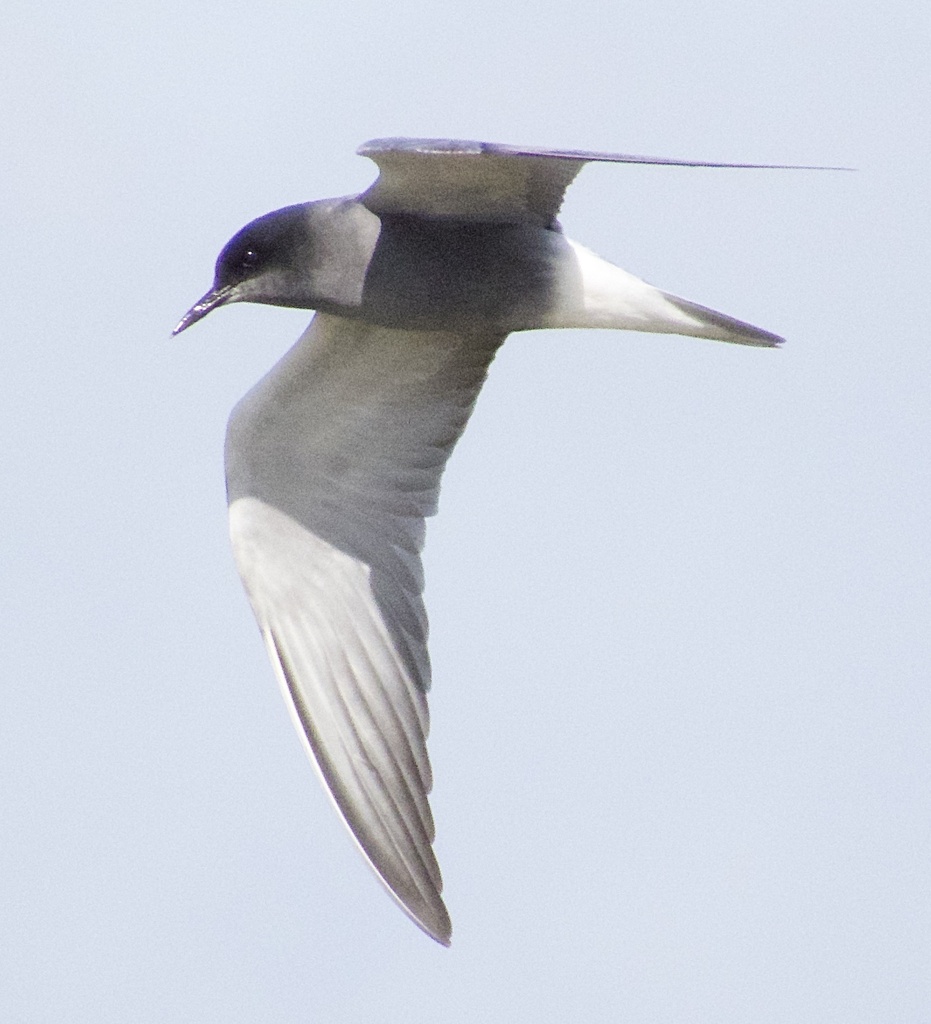
- Black TernChlidonias niger
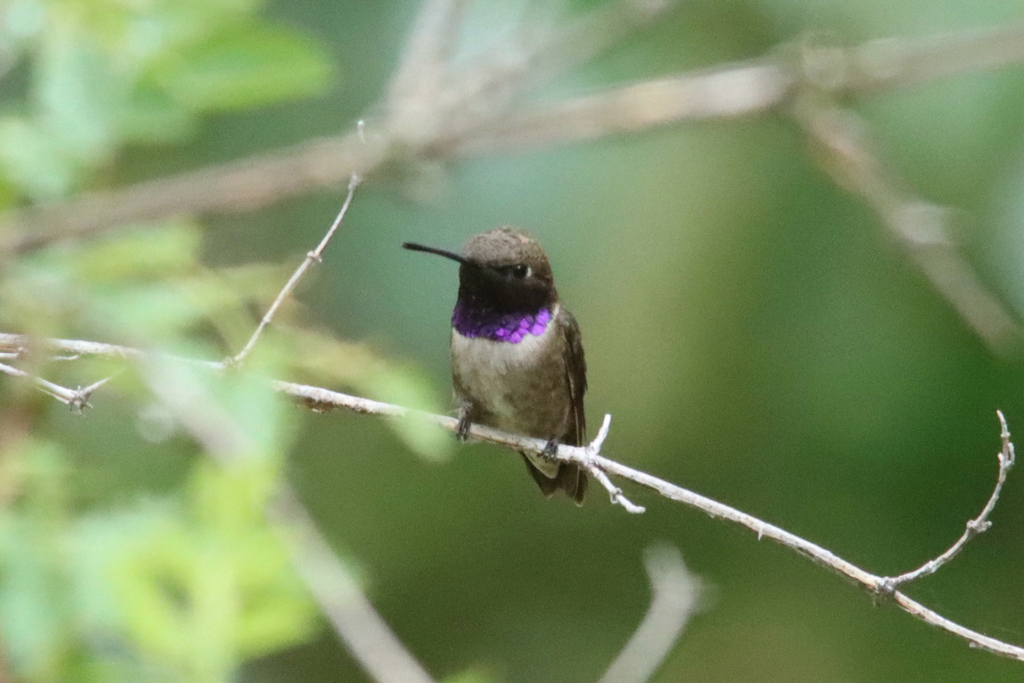
- Black-chinned HummingbirdArchilochus alexandri
- BobolinkDolichonyx oryzivorus
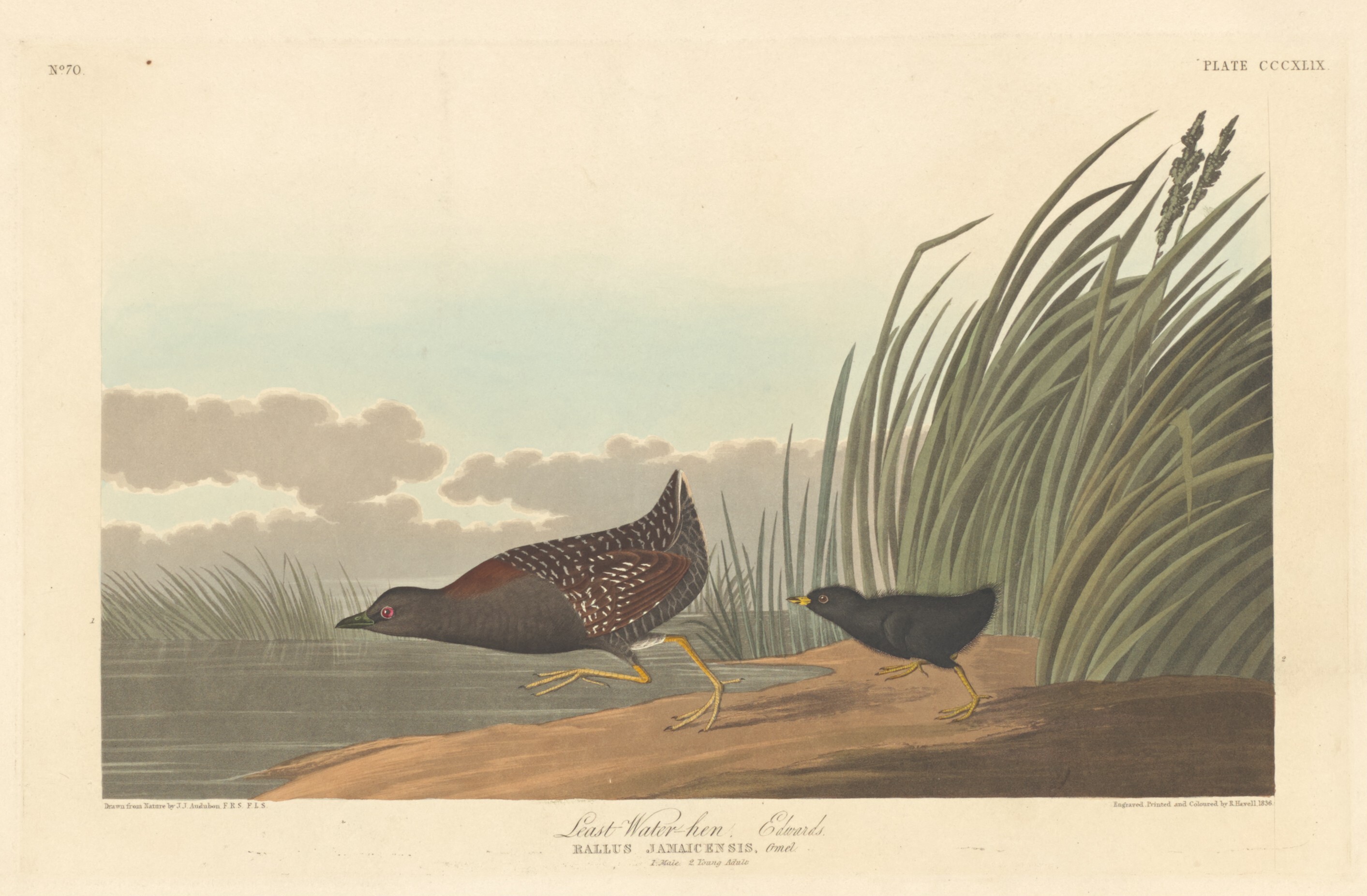
- Black RailLaterallus jamaicensis
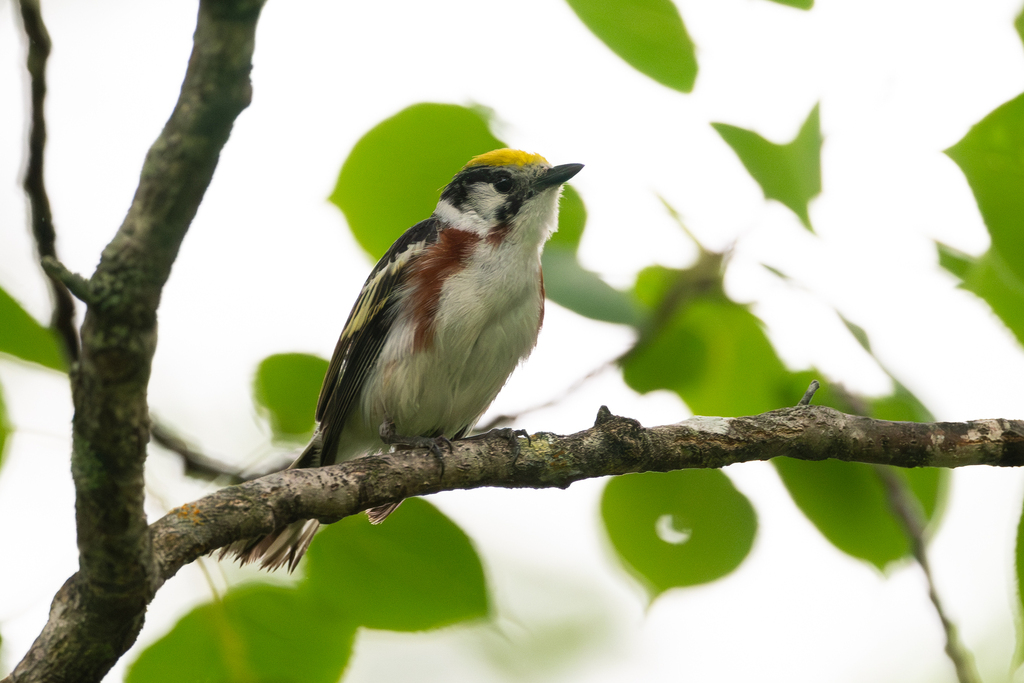
- Chestnut-sided WarblerDendroica pensylvanica
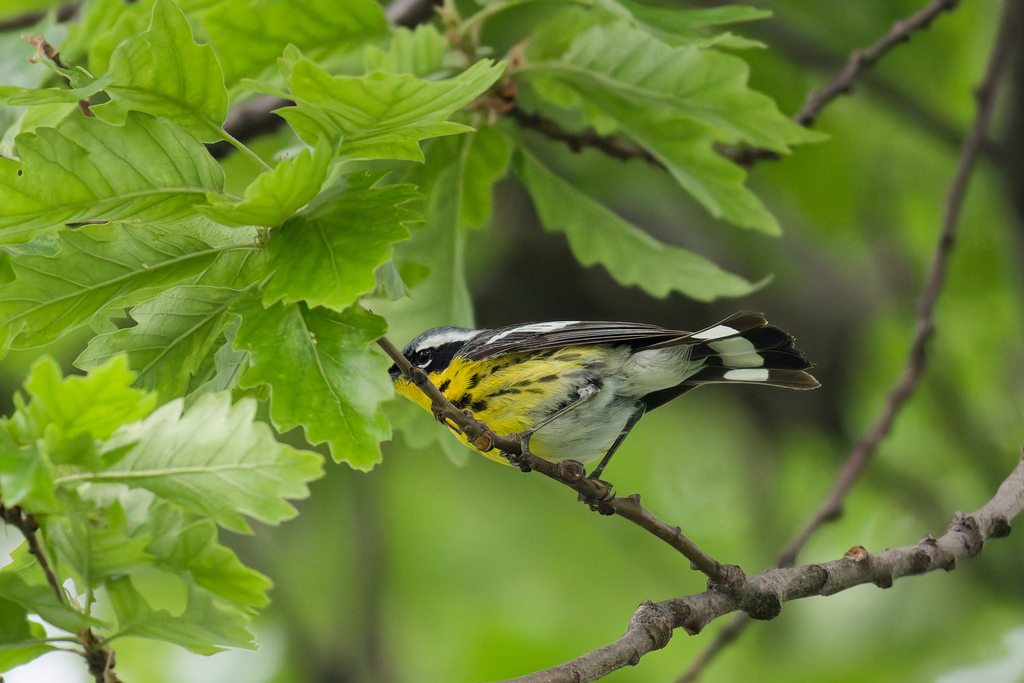
- Magnolia WarblerDendroica magnolia
- Red-breasted NuthatchSitta canadensis
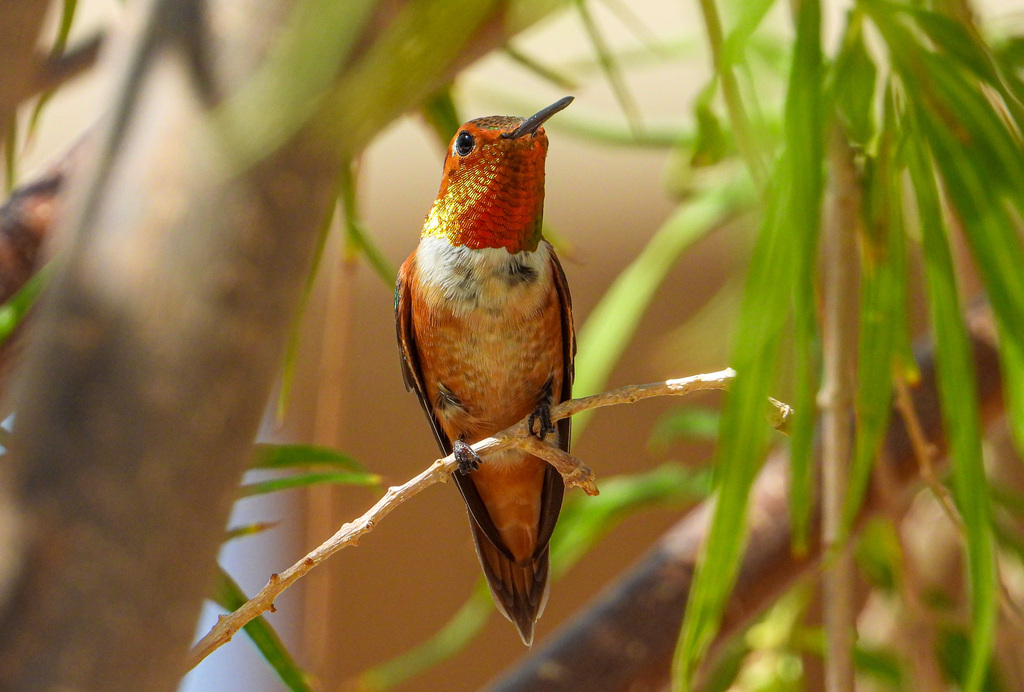
- Rufous HummingbirdSelasphorus rufus
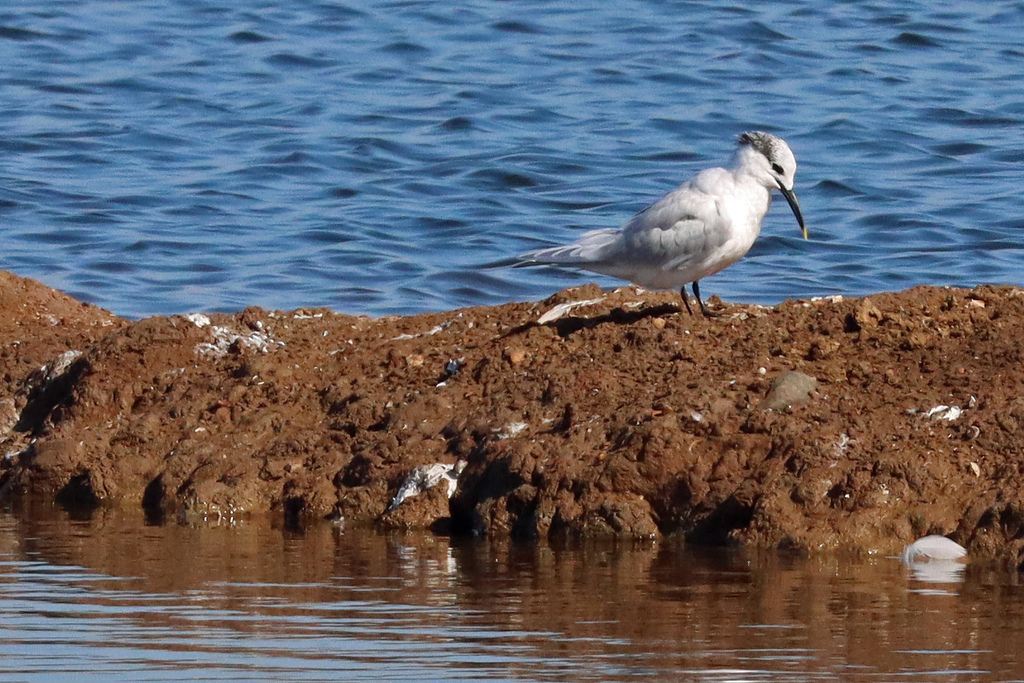
- Sandwich TernThalasseus sandvicensis
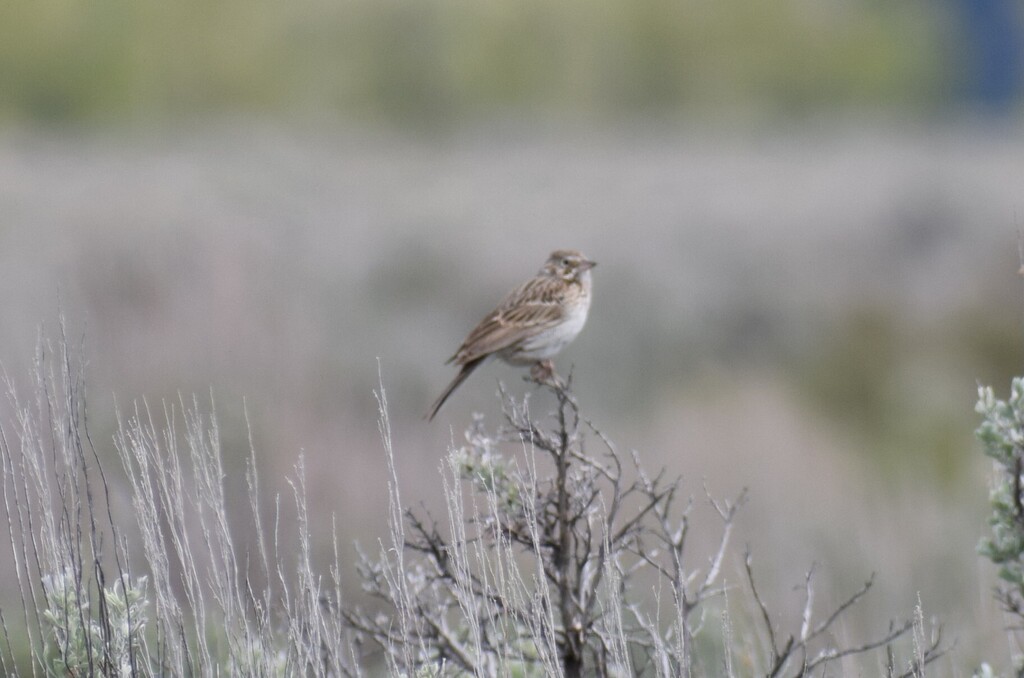
- Vesper SparrowPooecetes gramineus
- Willow FlycatcherEmpidonax traillii
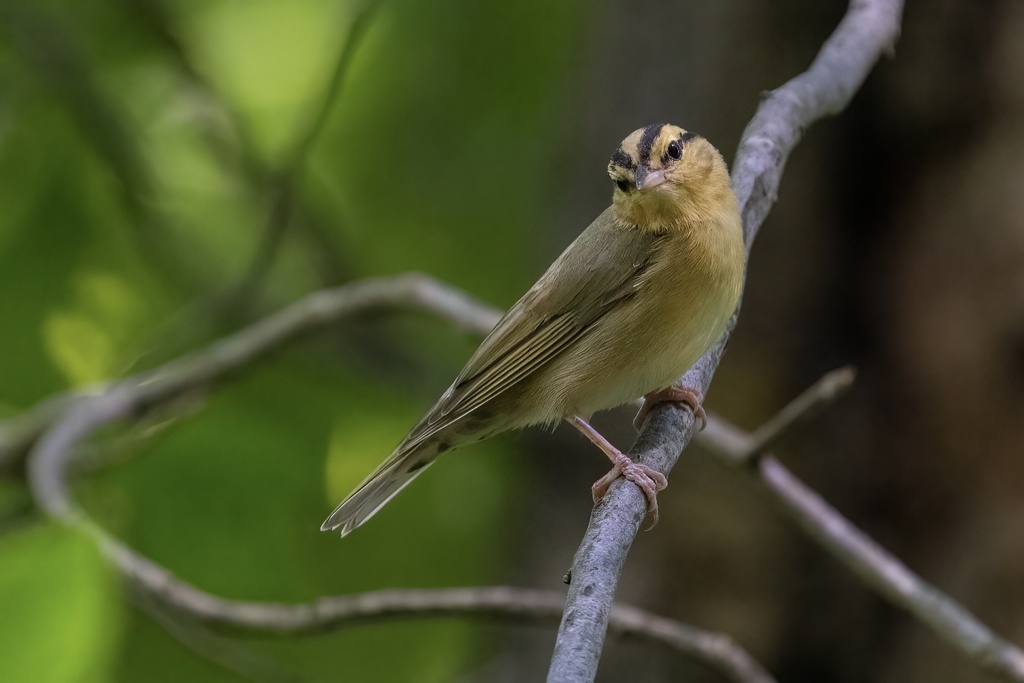
- Worm-eating WarblerHelmitheros vermivorum

Plants 20
- Slender FimbryFimbristylis autumnalis
- Purple SpikerushEleocharis atropurpurea
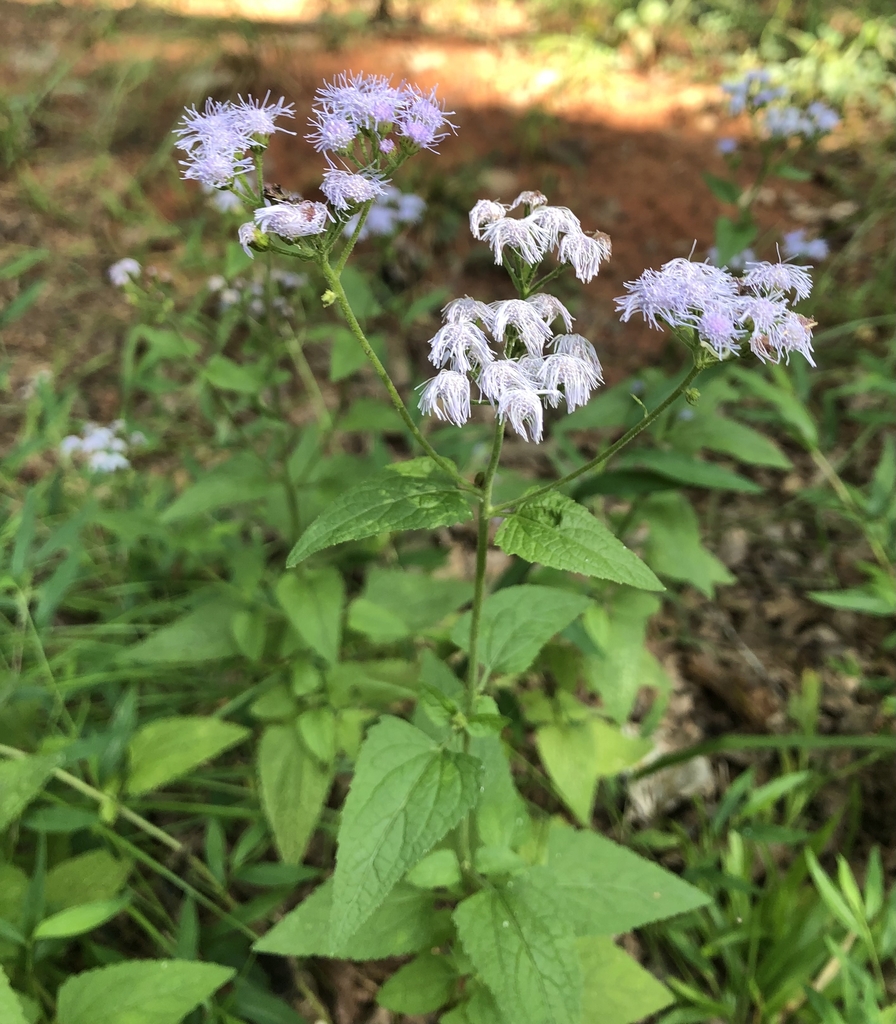
- Blue MistflowerConoclinium coelestinum
- BagpodGlottidium vesicarium
- Tropical FlatsedgeCyperus surinamensis
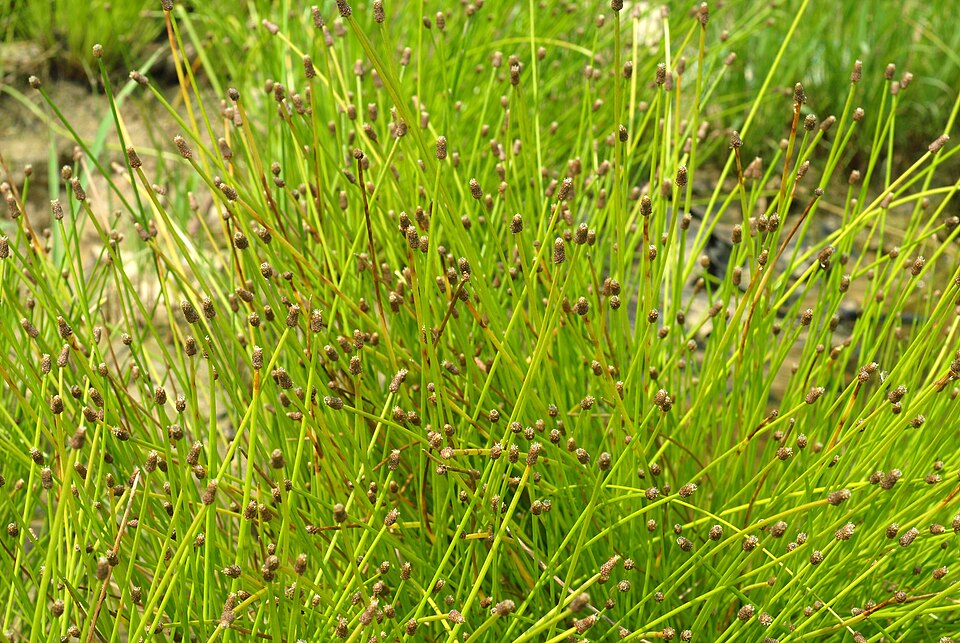
- Blunt Spike RushEleocharis obtusa
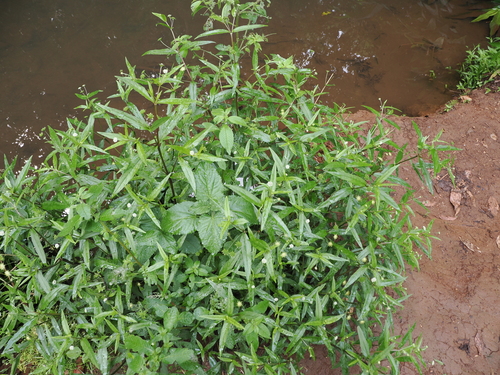
- False DaisyEclipta prostrata
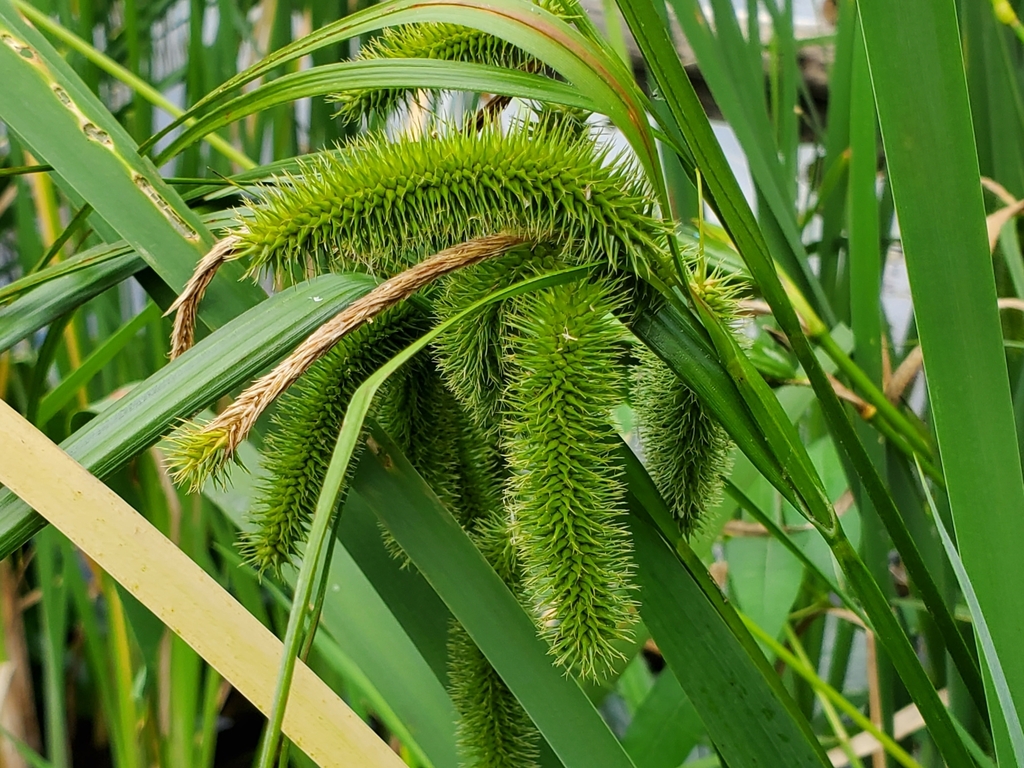
- Bristly SedgeCarex comosa
- Shortbeak BeaksedgeRhynchospora nitens
- Southern Marsh YellowcressRorippa teres
- Sensitive FernOnoclea sensibilis
- Ditch FimbryFimbristylis schoenoides
Sources
- USGS Gap Analysis Project habitat models (2001)
- USGS GAP winter habitat model for Bronzed Cowbird
- USGS Gap Analysis Project range maps (2001), modeled by watershed; migratory gives no dates
- NatureServe Explorer (CC BY 4.0), habitat names
- US Census TIGER/Line counties
- Names follow the USGS Gap Analysis Project (2001)