

Bird
Acadian Flycatcher
Empidonax virescens
A summer resident that nests in Louisiana. Found in all 64 parishes, across 5 habitats.
- Here
- Summer and on migration
- Nesting
- Nests here
- Range
- All 64 parishes
- Habitats
- 5

At a glance
- Group
- Birds
- Here
- Summer and on migration
- Nesting
- Nests here
- Range
- All 64 parishes
- Habitats
- 5
- Habitat models
- Summer
Where it lives
The places its habitat model includes. It is not found everywhere a habitat occurs.
Habitats in Louisiana 5
Each habitat page lists the plants and wildlife also found there.
Disturbed and introduced wetlands
Wet ground taken over by weedy or introduced plants after disturbance, such as common reed, Chinese tallow or tamarisk stands; the upland counterpart is roadsides, fields and disturbed ground.
Floodplain and bottomland forests
Forests on low ground beside rivers and streams that flood from time to time.
Forested wetlands with standing water much of the year, such as cypress and gum swamps.
Forests on moist but not wet ground, such as rich slopes and ravines.
Tree plantations and managed pine
Planted or intensively managed stands of pine or hardwoods grown for timber; a land use rather than a natural community.
Other habitats in its models (59)
Land cover, or classes with no habitat page in Louisiana.
- East Gulf Coastal Plain Limestone Forest Summer, only within 500 m of water.
- East Gulf Coastal Plain Northern Loess Plain Oak-Hickory Upland - Hardwood Modifier Summer, only within 500 m of water.
- Ozark-Ouachita Dry-Mesic Oak Forest Summer, only within 500 m of water.
- Southern Interior Low Plateau Dry-Mesic Oak Forest Summer, only within 500 m of water.
- Ouachita Montane Oak Forest Summer, only within 500 m of water.
- Southern and Central Appalachian Oak Forest Summer, only within 500 m of water.
- Allegheny-Cumberland Dry Oak Forest and Woodland - Hardwood Summer, only within 500 m of water.
- East Gulf Coastal Plain Northern Loess Bluff Forest Summer, only within 500 m of water.
- South Florida Hardwood Hammock Summer.
- Atlantic Coastal Plain Dry and Dry-Mesic Oak Forest Summer, only within 500 m of water.
- East-Central Texas Plains Riparian Forest Summer.
- Southern Coastal Plain Oak Dome and Hammock Summer.
- Southern Piedmont Mesic Forest Summer, only within 500 m of water.
- East Gulf Coastal Plain Northern Mesic Hardwood Forest Summer, only within 500 m of water.
- Ozark-Ouachita Mesic Hardwood Forest Summer, only within 500 m of water.
- East Gulf Coastal Plain Interior Shortleaf Pine-Oak Forest - Hardwood Modifier Summer, only within 500 m of water.
- Southern Piedmont Dry Oak-(Pine) Forest - Hardwood Modifier Summer, only within 500 m of water.
- East Gulf Coastal Plain Interior Shortleaf Pine-Oak Forest - Mixed Modifier Summer, only within 500 m of water.
- Ozark-Ouachita Shortleaf Pine-Oak Forest and Woodland Summer, only within 500 m of water.
- Central Appalachian Oak and Pine Forest Summer, only within 500 m of water.
- Appalachian Hemlock-Hardwood Forest Summer, only within 500 m of water.
- Southern Ridge and Valley Dry Calcareous Forest Summer, only within 500 m of water.
- Southern and Central Appalachian Cove Forest Summer, only within 500 m of water.
- South-Central Interior Mesophytic Forest Summer, only within 500 m of water.
- Atlantic Coastal Plain Mesic Hardwood and Mixed Forest Summer, only within 500 m of water.
- East Gulf Coastal Plain Interior Upland Longleaf Pine Woodland - Offsite Hardwood Modifier Summer, only within 500 m of water.
- Atlantic Coastal Plain Fall-line Sandhills Longleaf Pine Woodland - Offsite Hardwood Modifier Summer, only within 500 m of water.
- Southern Coastal Plain Nonriverine Basin Swamp - Okefenokee Taxodium Modifier Summer.
- Southern Coastal Plain Nonriverine Basin Swamp - Okefenokee Bay/Gum Modifier Summer.
- Atlantic Coastal Plain Clay-Based Carolina Bay Herbaceous Wetland Summer.
- Atlantic Coastal Plain Streamhead Seepage Swamp - Pocosin - and Baygall Summer.
- Central Interior and Appalachian Swamp Systems Summer.
- Atlantic Coastal Plain Southern Tidal Wooded Swamp Summer.
- Northern Atlantic Coastal Plain Basin Swamp and Wet Hardwood Forest Summer.
- Atlantic Coastal Plain Nonriverine Swamp and Wet Hardwood Forest - Taxodium/Nyssa Modifier Summer.
- Atlantic Coastal Plain Nonriverine Swamp and Wet Hardwood Forest - Oak Dominated Modifier Summer.
- Atlantic Coastal Plain Clay-Based Carolina Bay Forested Wetland Summer.
- South Florida Cypress Dome Summer.
- Southern Piedmont/Ridge and Valley Upland Depression Swamp Summer.
- Atlantic Coastal Plain Blackwater Stream Floodplain Forest - Forest Modifier Summer.
- Central Appalachian Riparian - Forest Modifier Summer.
- East Gulf Coastal Plain Large River Floodplain Forest - Forest Modifier Summer.
- South-Central Interior Large Floodplain - Forest Modifier Summer.
- Southern Piedmont Large Floodplain Forest - Forest Modifier Summer.
- Eastern Great Plains Floodplain Systems Summer.
- Central Interior and Appalachian Floodplain Systems Summer.
- Central Interior and Appalachian Riparian Systems Summer.
- Southern Coastal Plain Hydric Hammock Summer.
- Southern Piedmont Small Floodplain and Riparian Forest Summer.
- Atlantic Coastal Plain Small Brownwater River Floodplain Forest Summer.
- Atlantic Coastal Plain Small Blackwater River Floodplain Forest Summer.
- Atlantic Coastal Plain Brownwater Stream Floodplain Forest Summer.
- South-Central Interior Small Stream and Riparian Summer.
- East Gulf Coastal Plain Small Stream and River Floodplain Forest Summer.
- Southern Coastal Plain Blackwater River Floodplain Forest Summer.
- South-Central Interior Large Floodplain Summer.
- Ozark-Ouachita Riparian Summer.
- East Gulf Coastal Plain Near-Coast Pine Flatwoods - Offsite Hardwood Modifier Summer, only within 500 m of water.
- South-Central Interior / Upper Coastal Plain Wet Flatwoods Summer.
Seasons in Louisiana
- Migratory: does not nest here, in 24 of 64 parishes.
- Summer: nests here, in 56 of 64 parishes.
Also found in this habitat
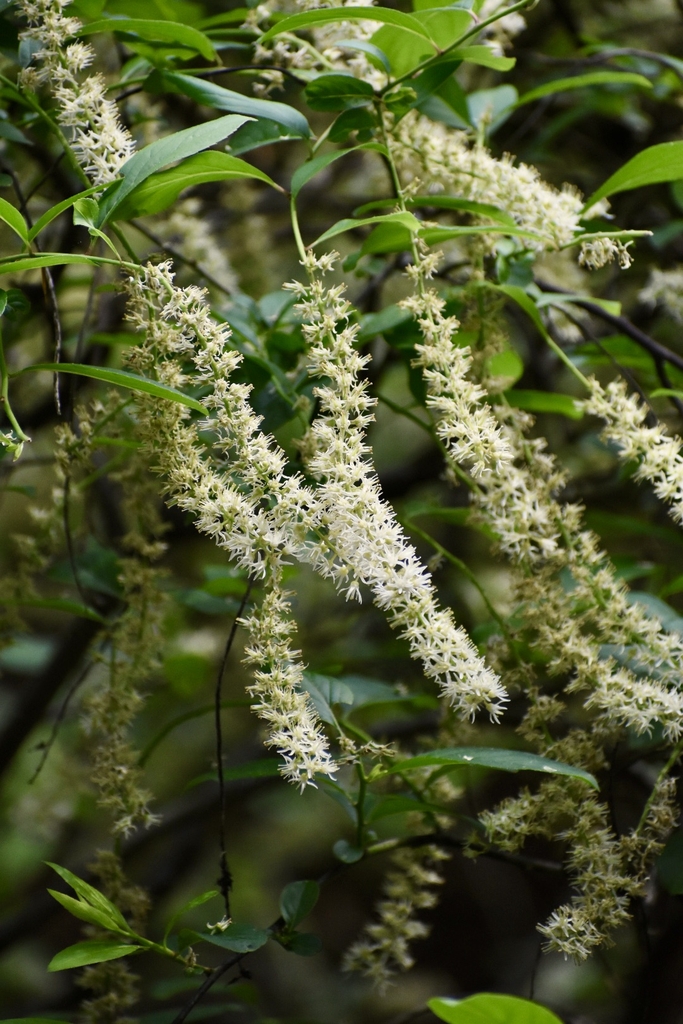
Plants 358
Plants named in NatureServe descriptions of these habitats that grow in Louisiana. Shared habitat, not food.
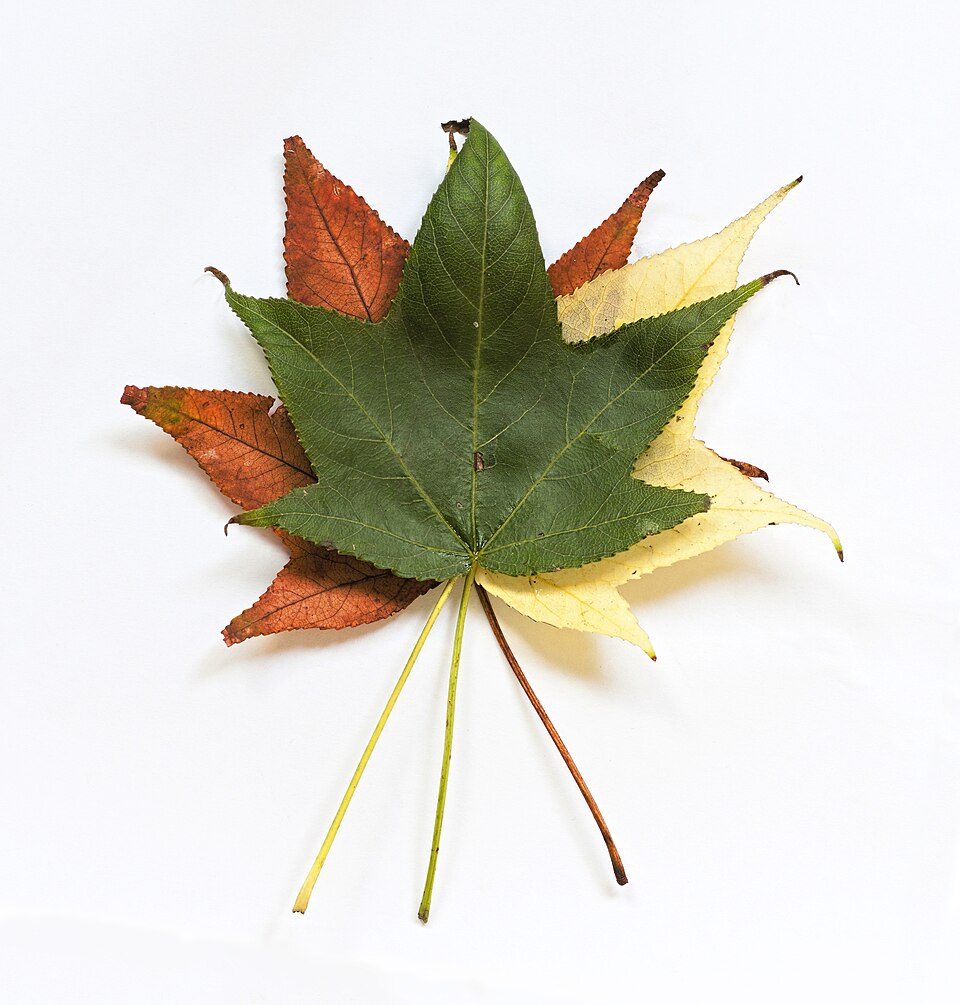
- SweetgumLiquidambar styraciflua
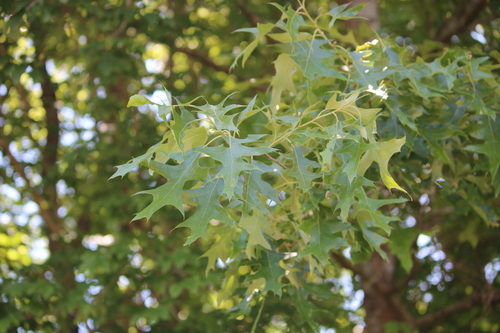
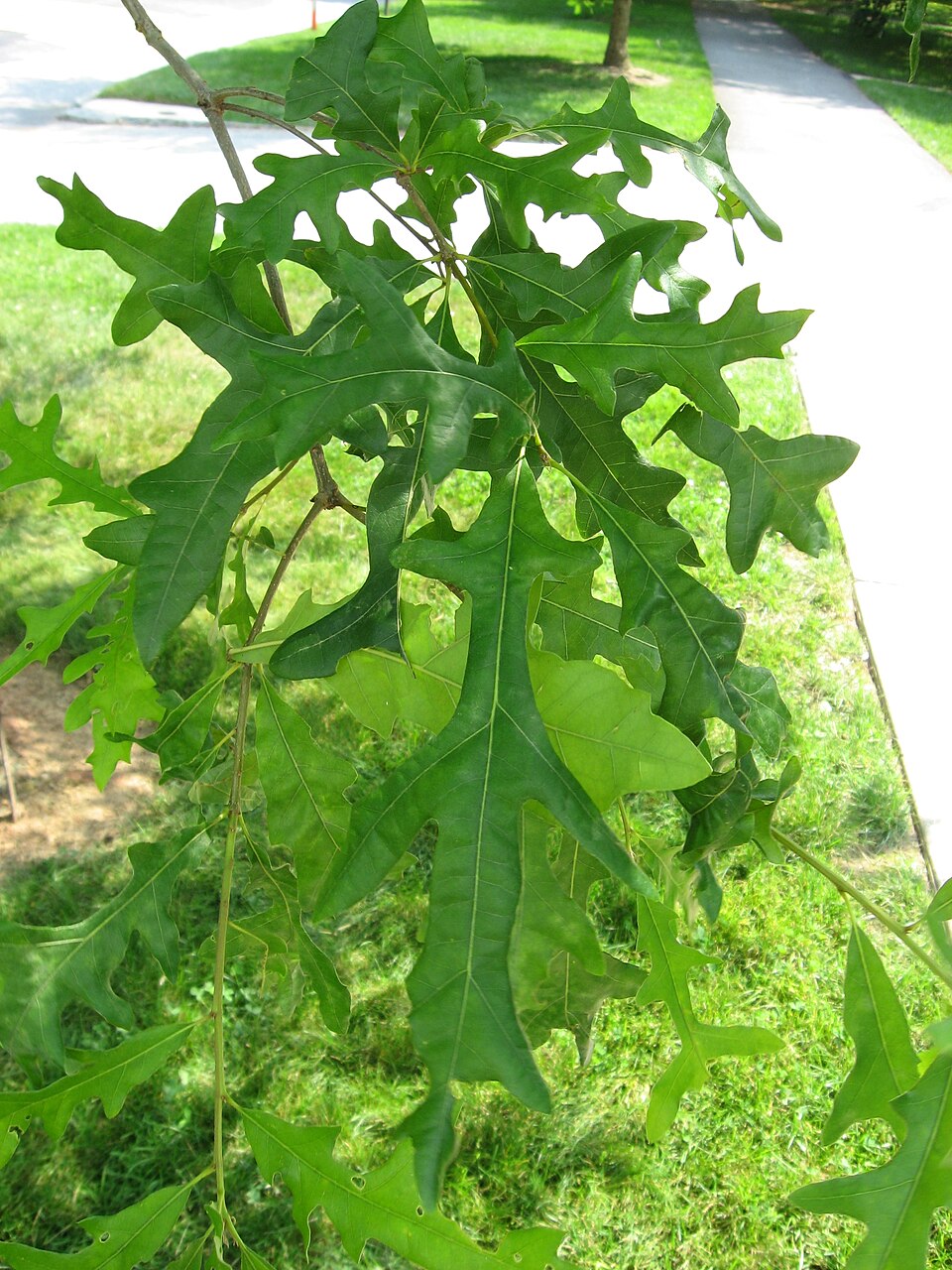
- Cherrybark OakQuercus pagoda
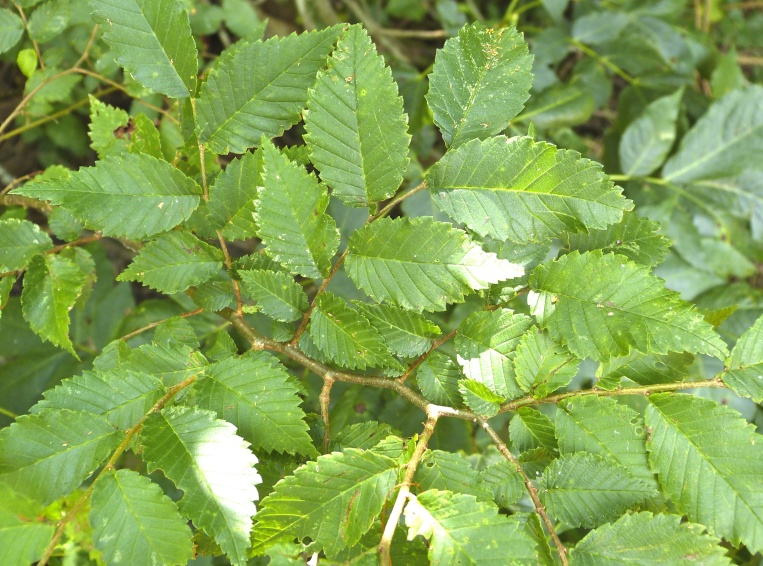
- American ElmUlmus americana
- Giant CaneArundinaria gigantea
- False NettleBoehmeria cylindrica
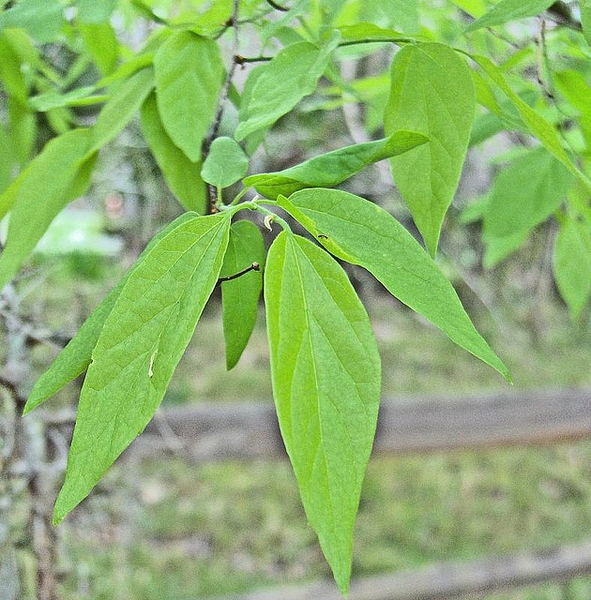
- SugarberryCeltis laevigata
- Virginia SweetspireItea virginica
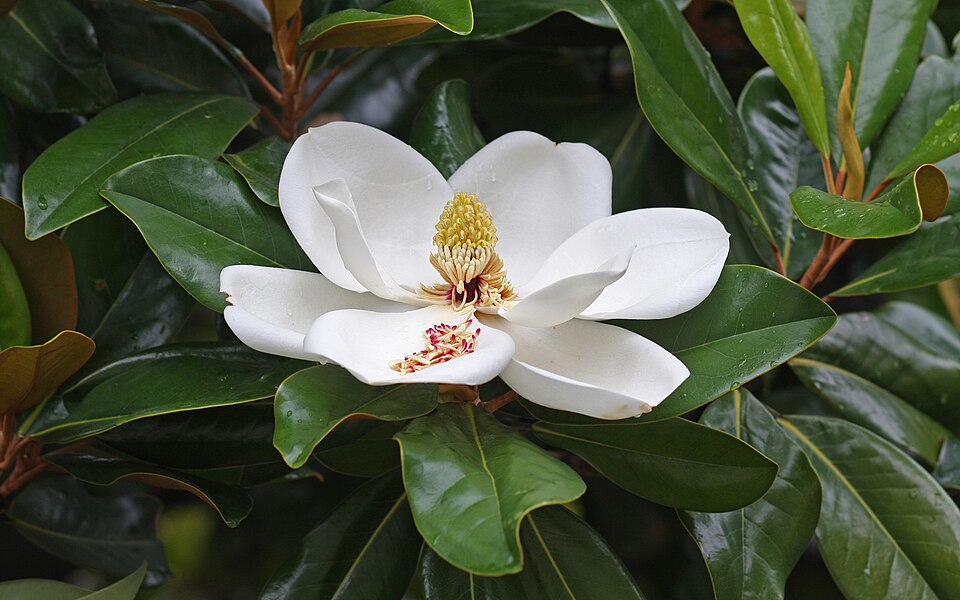
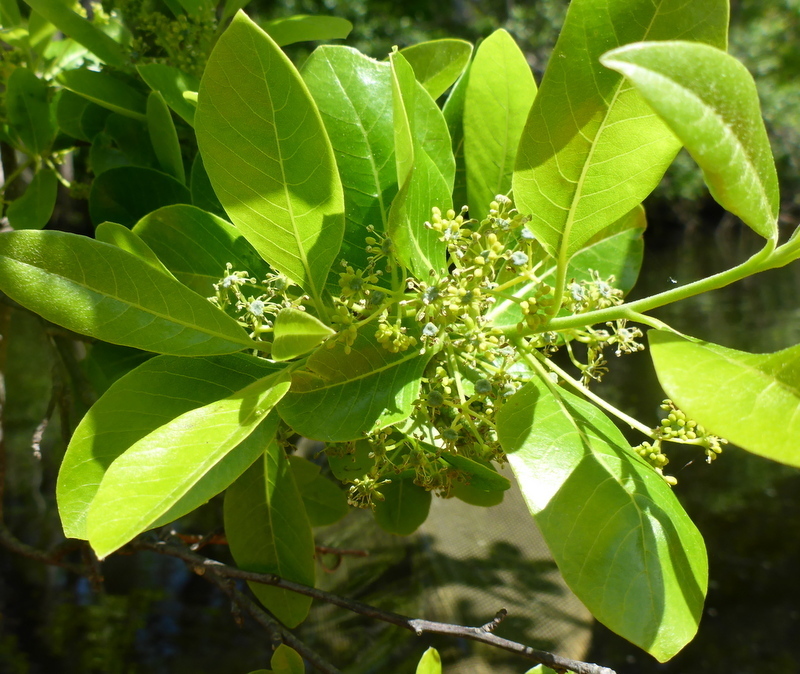
- Southern MagnoliaMagnolia grandiflora
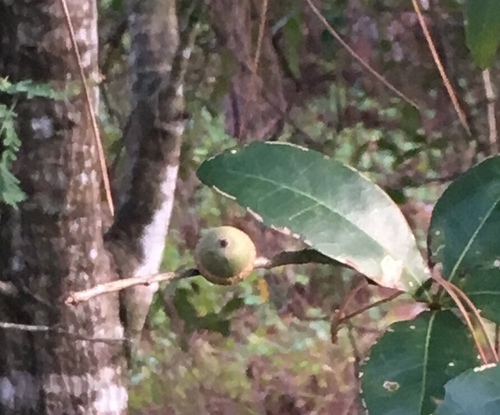
- Laurel OakQuercus laurifolia
- Water OakQuercus nigra
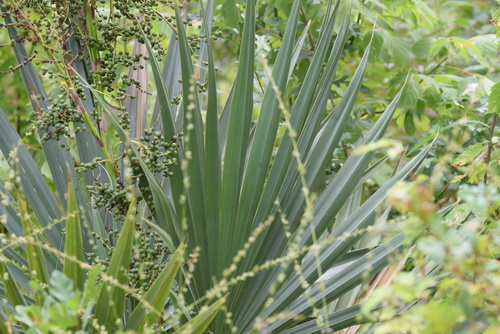
- Dwarf PalmettoSabal minor
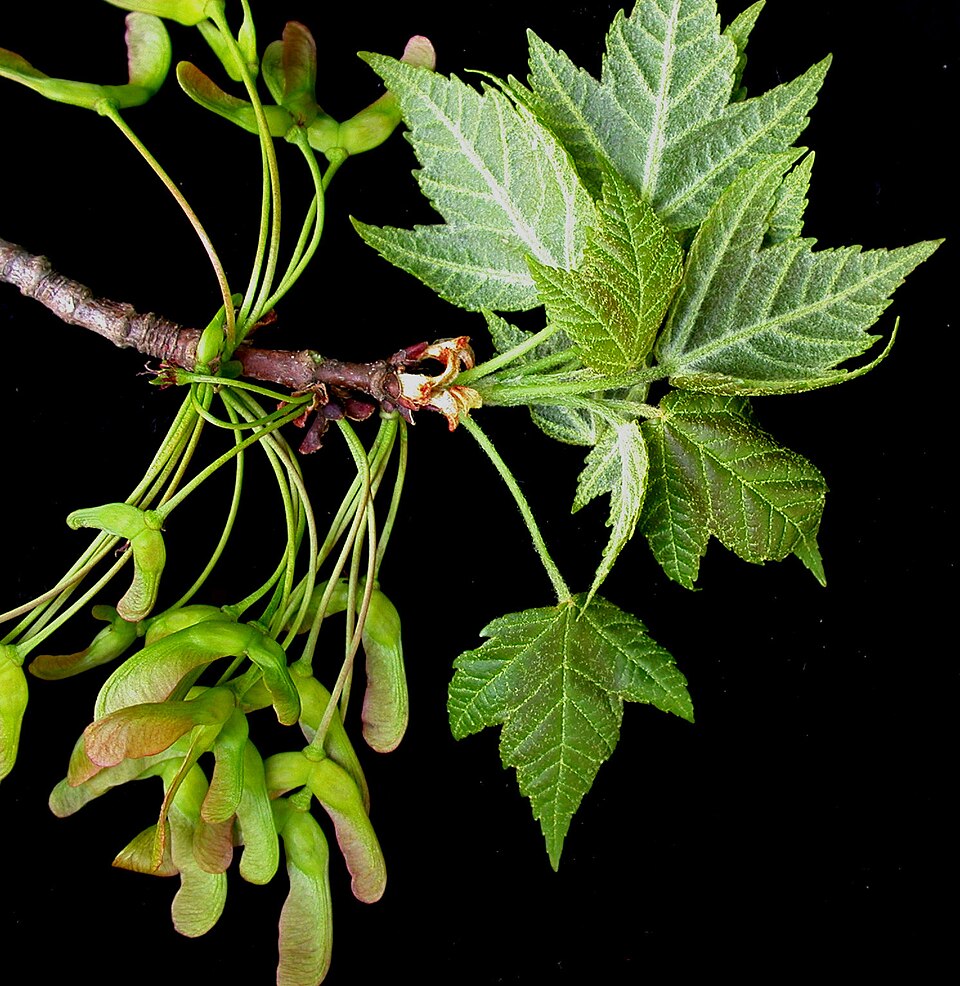
- Red MapleAcer rubrum
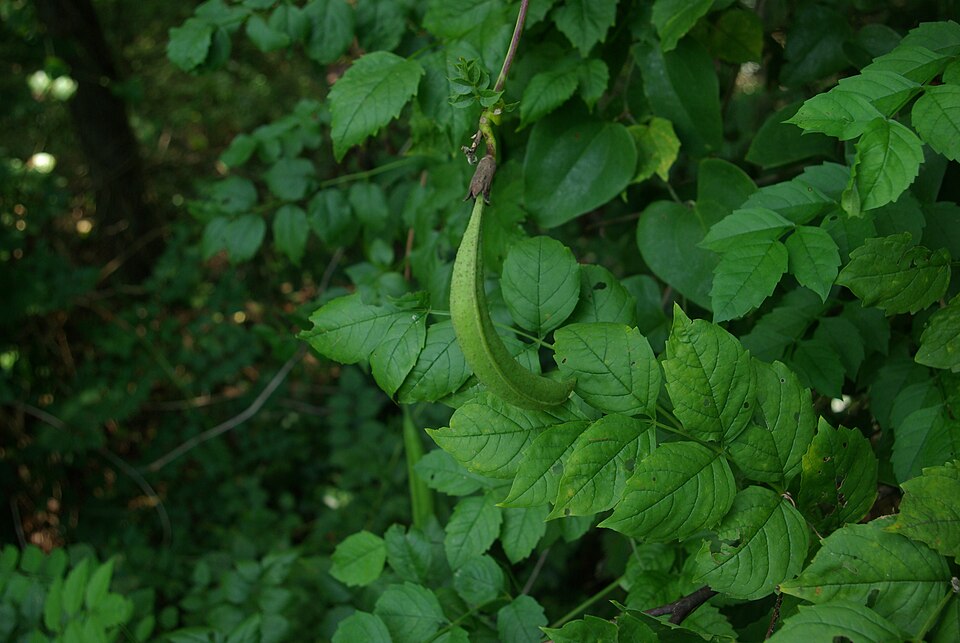
- Trumpet-creeperCampsis radicans
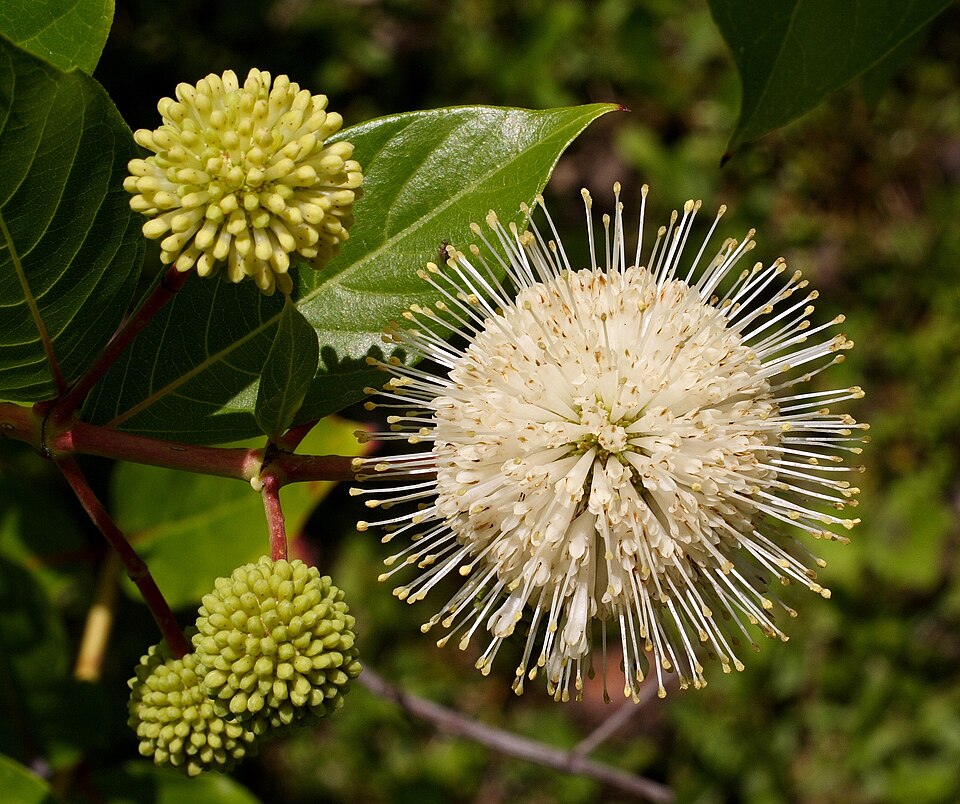
- ButtonbushCephalanthus occidentalis
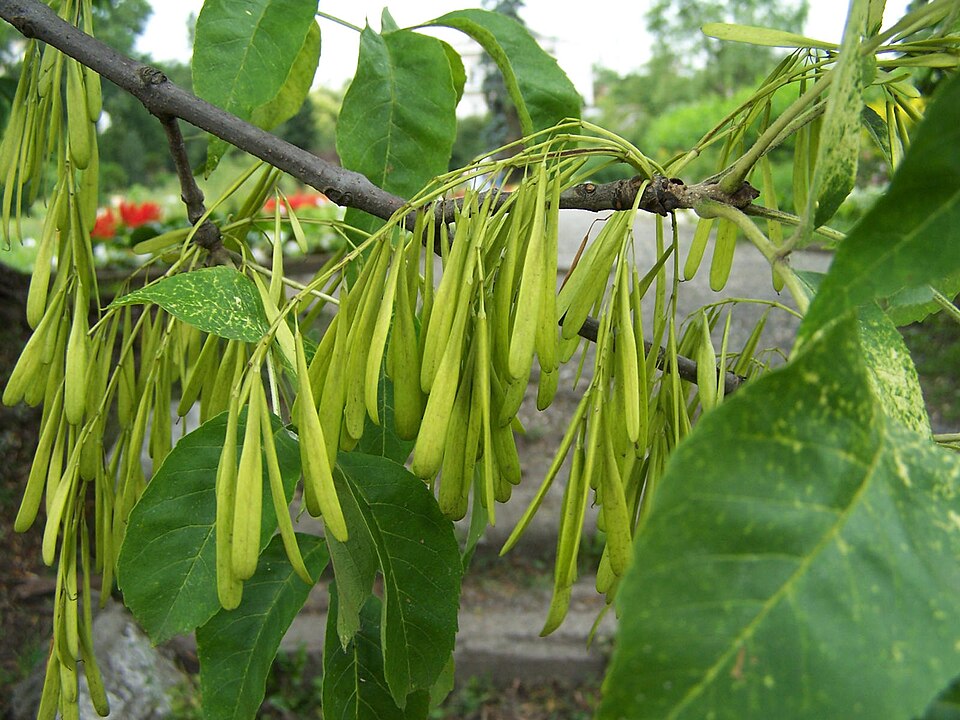
- Green AshFraxinus pennsylvanica
- Swamp TupeloNyssa biflora
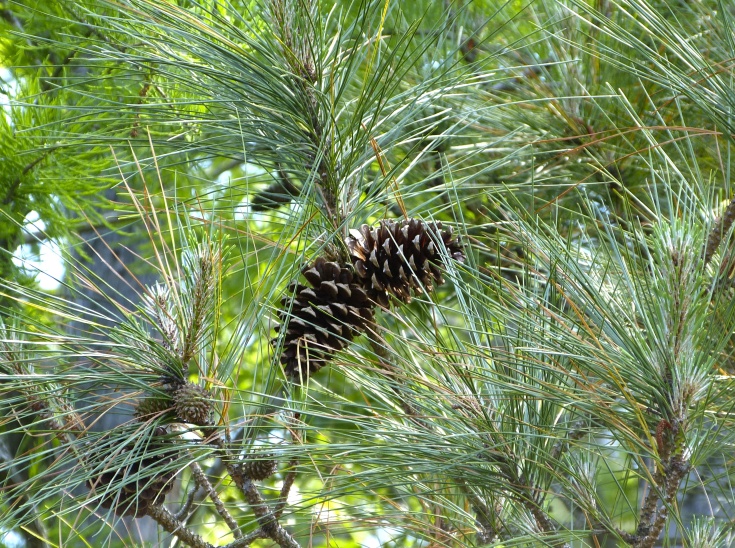
- Loblolly PinePinus taeda
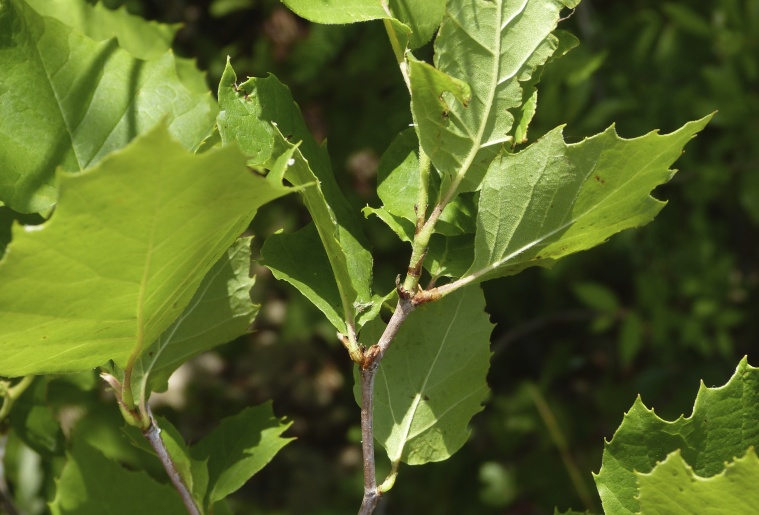
- American SycamorePlatanus occidentalis
- Overcup OakQuercus lyrata
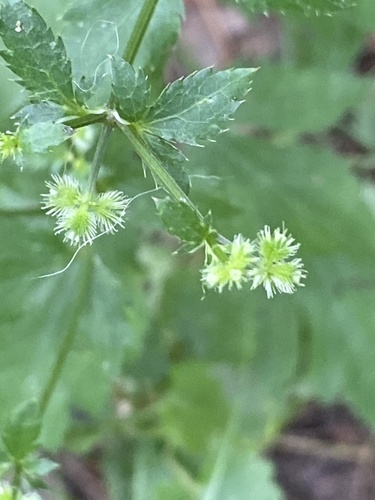
- Canadian Black-snakerootSanicula canadensis
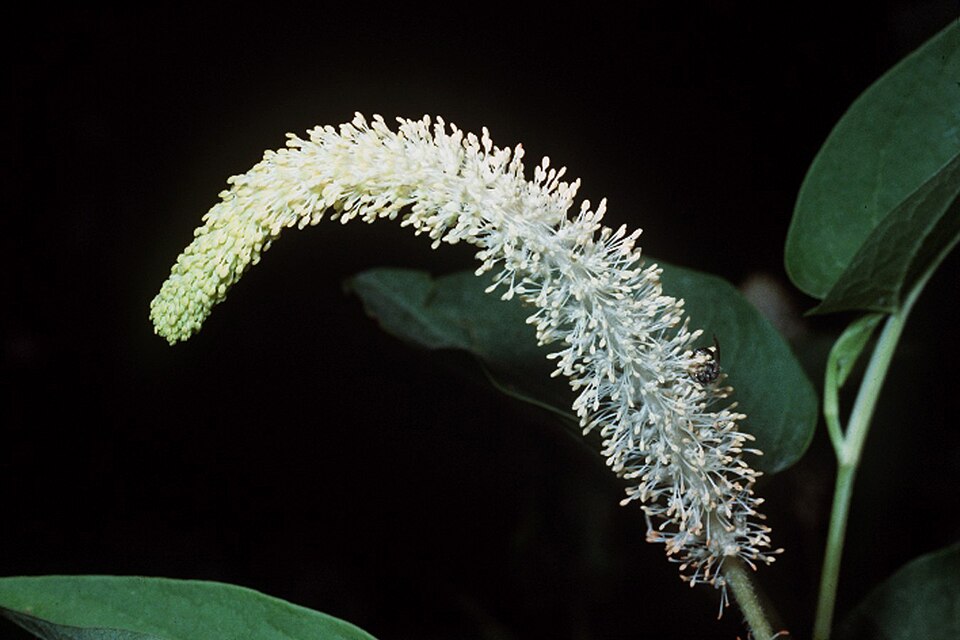
- Lizard's-tailSaururus cernuus
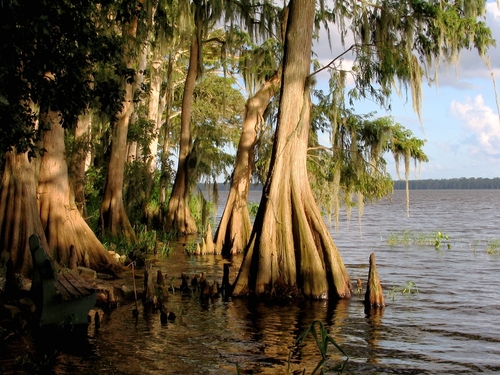
- Bald CypressTaxodium distichum
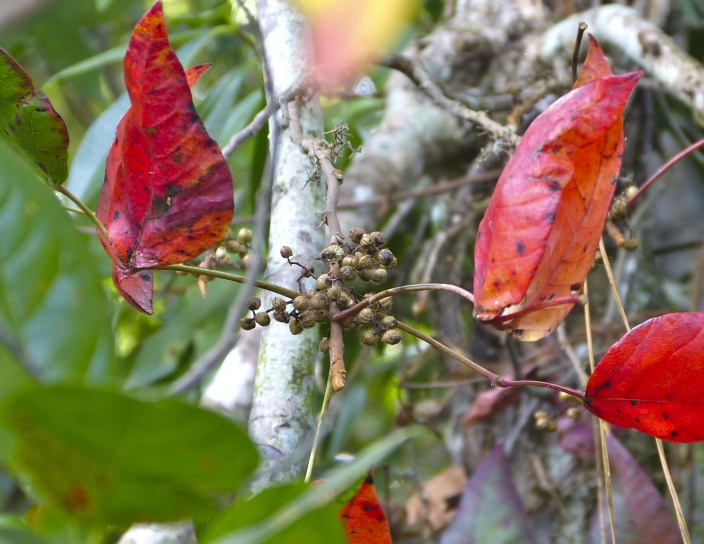
- Poison-ivyToxicodendron radicans
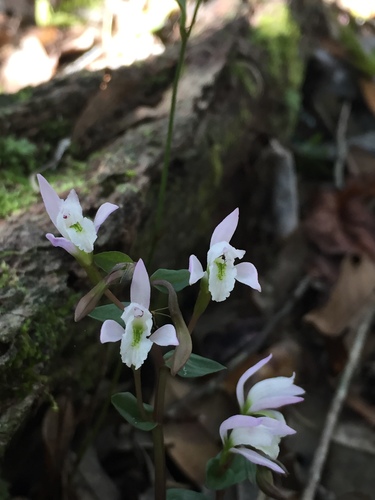
- Three Birds OrchidTriphora trianthophora
Wildlife 245
Other animals whose habitat models include the same habitats in Louisiana. Not sighting records.
- Great Crested FlycatcherMyiarchus crinitus
- Great Horned OwlBubo virginianus
- Hairy WoodpeckerPicoides villosus
- Hermit ThrushCatharus guttatus
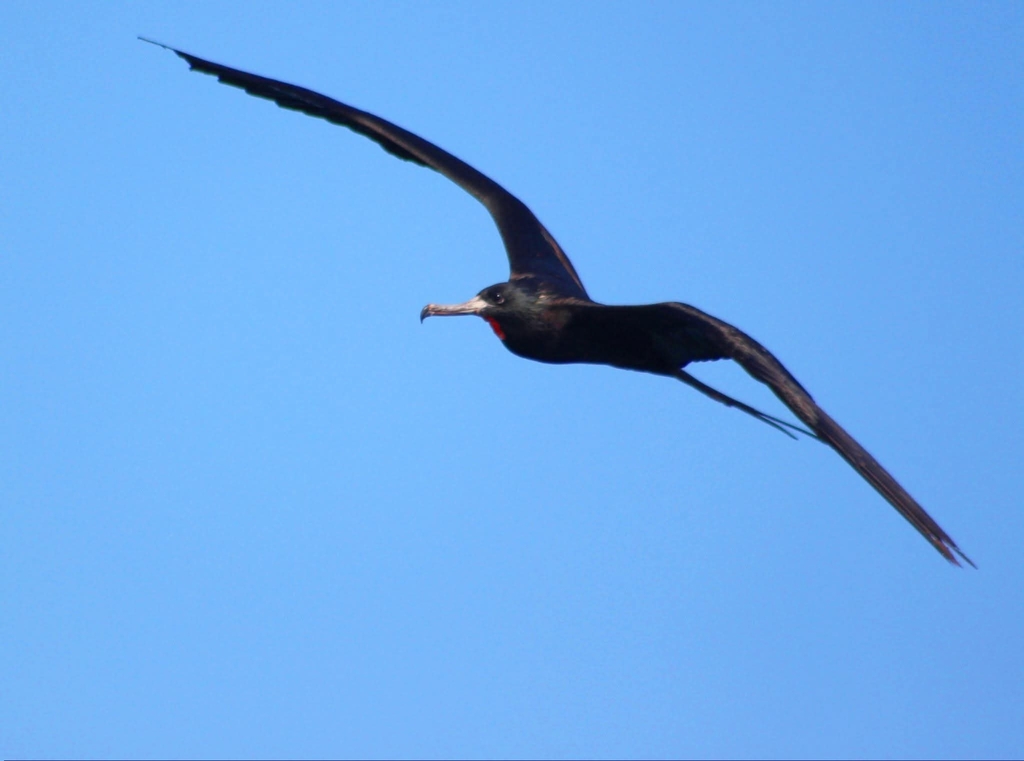
- Magnificent FrigatebirdFregata magnificens
- Northern CardinalCardinalis cardinalis
- Northern ParulaParula americana
- OspreyPandion haliaetus
- Red-tailed HawkButeo jamaicensis
- Red-winged BlackbirdAgelaius phoeniceus
- Ruby-throated HummingbirdArchilochus colubris
- Sharp-shinned HawkAccipiter striatus
- Turkey VultureCathartes aura
- White-eyed VireoVireo griseus
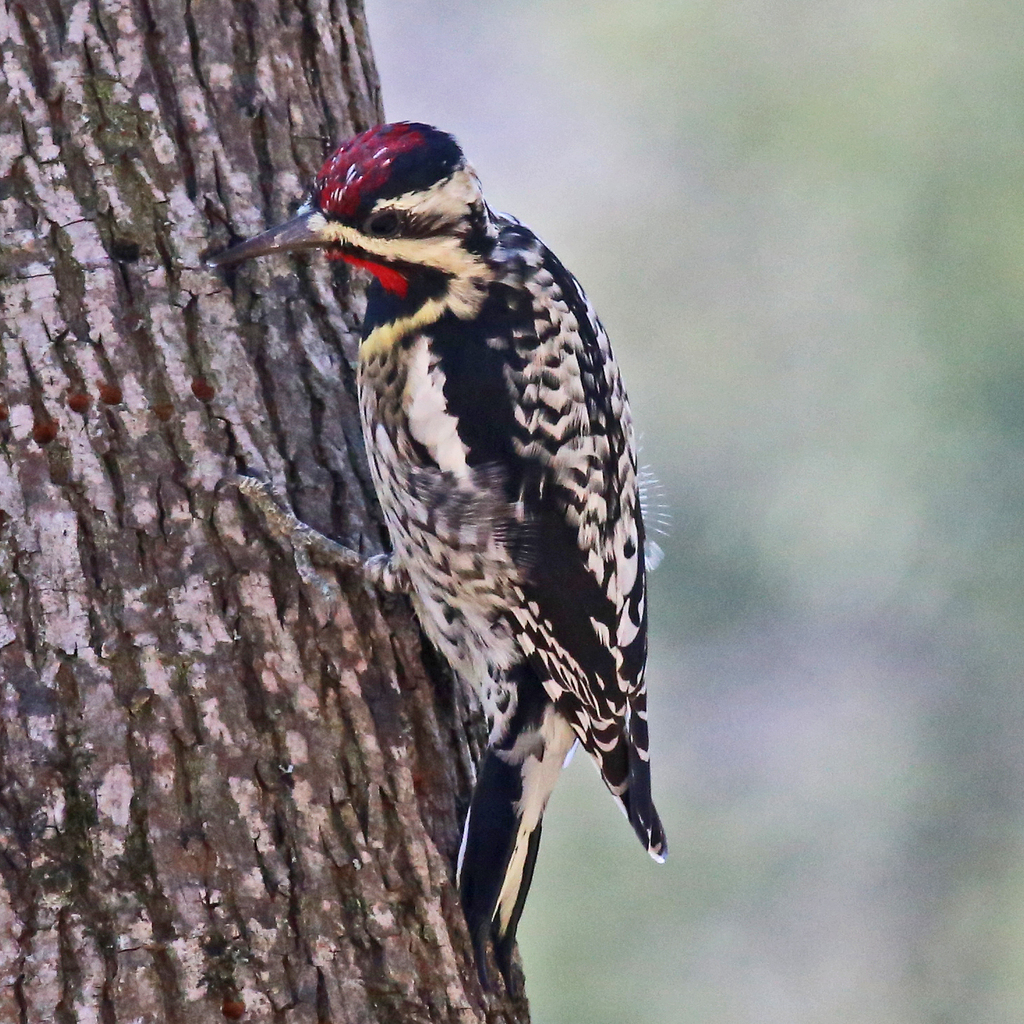
- Yellow-bellied SapsuckerSphyrapicus varius
- Yellow-billed CuckooCoccyzus americanus
- Yellow-breasted ChatIcteria virens
- American KestrelFalco sparverius
- Bald EagleHaliaeetus leucocephalus
- Black VultureCoragyps atratus
- Black-crowned Night-heronNycticorax nycticorax
- Blue GrosbeakPasserina caerulea
- Blue JayCyanocitta cristata
- Brown CreeperCerthia americana






















NatureServe Explorer, CC BY 4.0. USGS Gap Analysis Project habitat models.
Sources
- USGS Gap Analysis Project habitat models (2001)
- USGS GAP summer habitat model for Acadian Flycatcher Elevation up to 1,219 m
- USGS Gap Analysis Project range maps (2001), modeled by watershed; migratory gives no dates
- NatureServe Explorer (CC BY 4.0), habitat names
- US Census TIGER/Line counties
- Names follow the USGS Gap Analysis Project (2001)