

Southern Arrowwood
Viburnum dentatum
In the Carolinas and Georgia, found in marshes, streambanks, swamps, other moist places. Weakley, Flora of the Southeastern United States (2025), Carolinas & Georgia edition What its natural habitat tells you
Native to Louisiana (estimated). How scores work Is it native here?
Profile 100%
- Height
- 6–10 feet
- Spread
- 6–10 feet
- Light
- Full sun
- Soil moisture
- Somewhat dry to moist
Space about 8 ft apart from its recorded spread. Enter your bed size for a count
Will it fit your yard?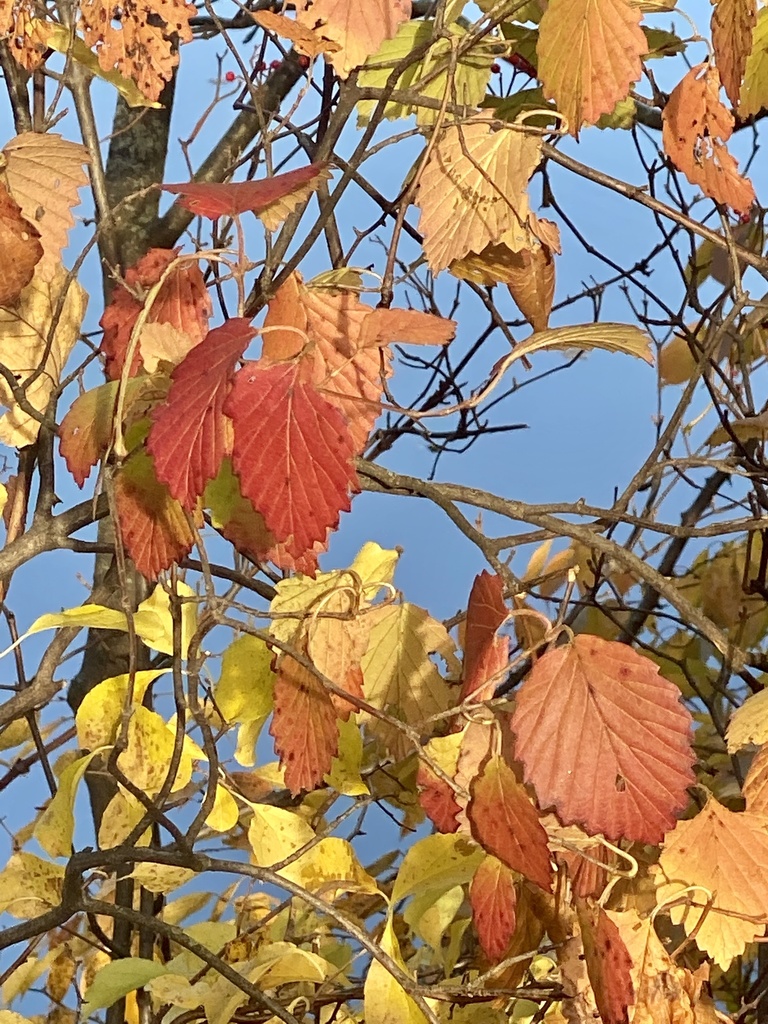
At a glance
- Life cycle
- Perennial
- Leaves
- Deciduous
- Bloom
- March to April
- Fruiting season
- July to September
Recorded in 42 Louisiana parishes.
Natural habitats
Places it grows wild. Not a planting requirement. Each habitat page lists the plants and wildlife also found there.
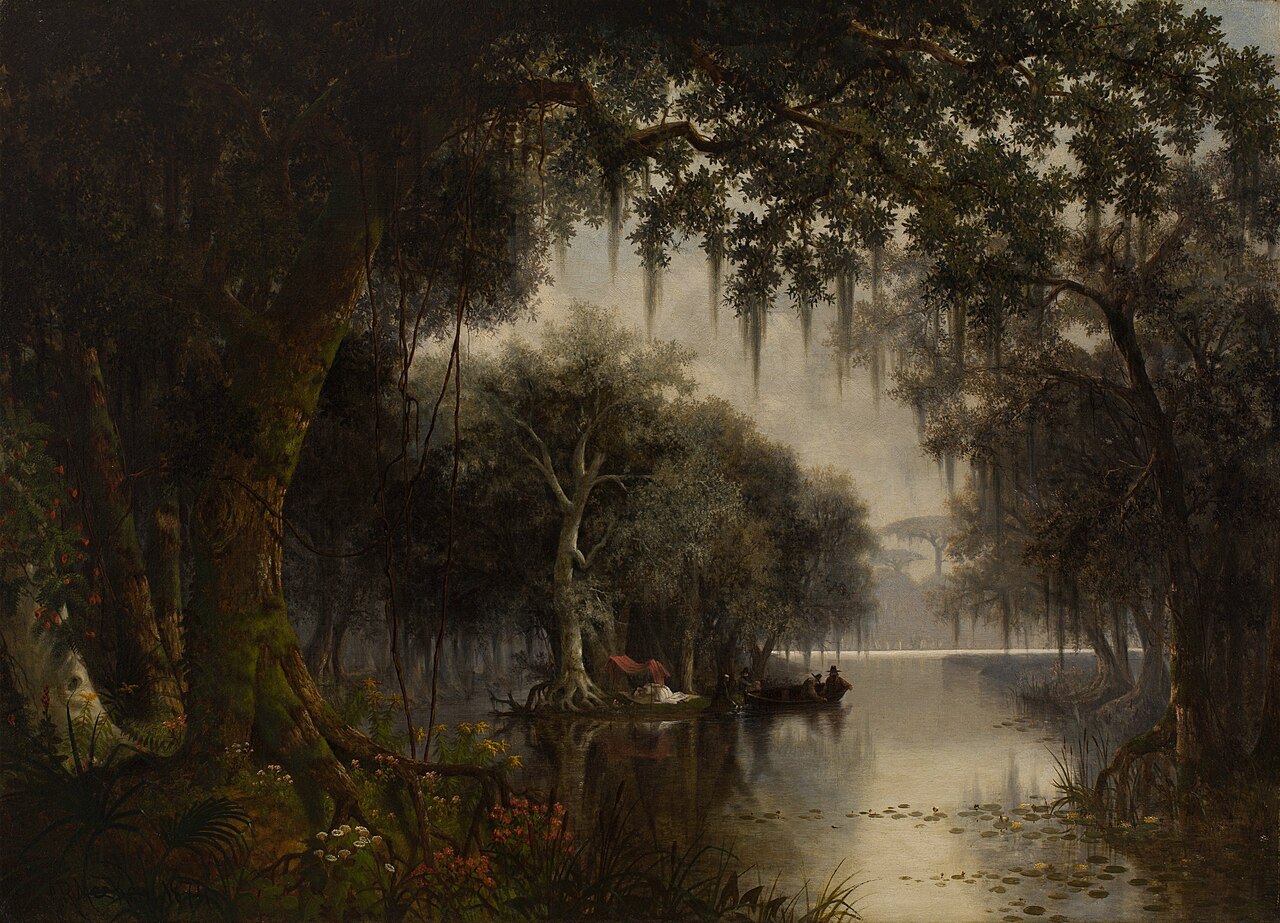
Open, herb-covered wetlands with fresh, non-tidal water.
Streams, rivers and their banks
Flowing water and its banks, bars and rocky shoals.
Also found with this plant
Wildlife whose habitat models include habitats this plant grows in, in Louisiana. Shared habitat, not food. 136 animals.
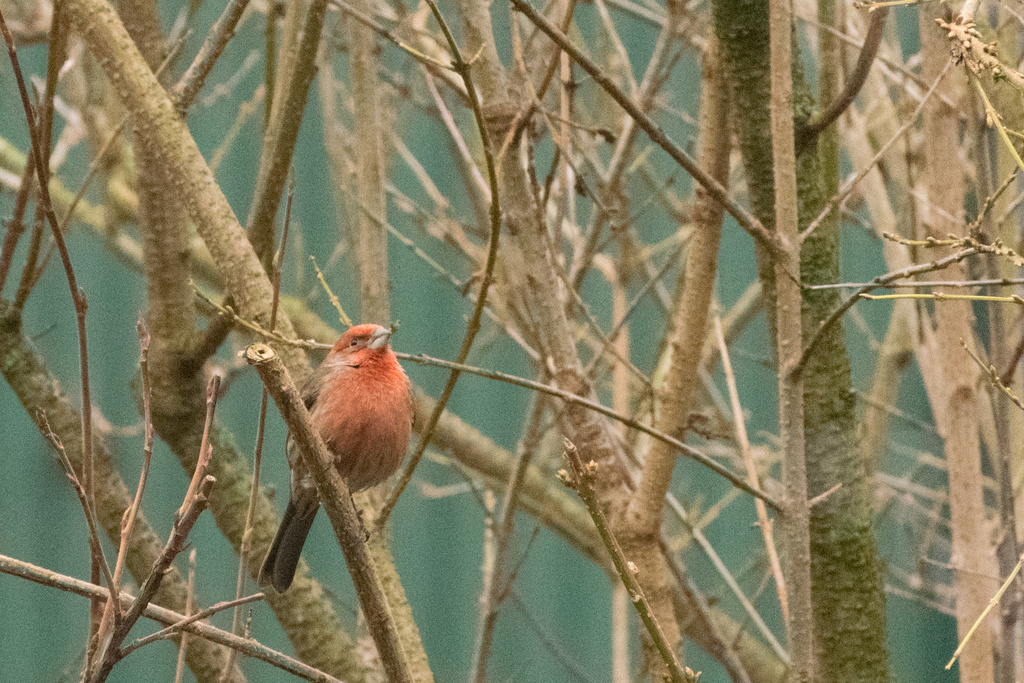
- House FinchCarpodacus mexicanus
- Kentucky WarblerOporornis formosus
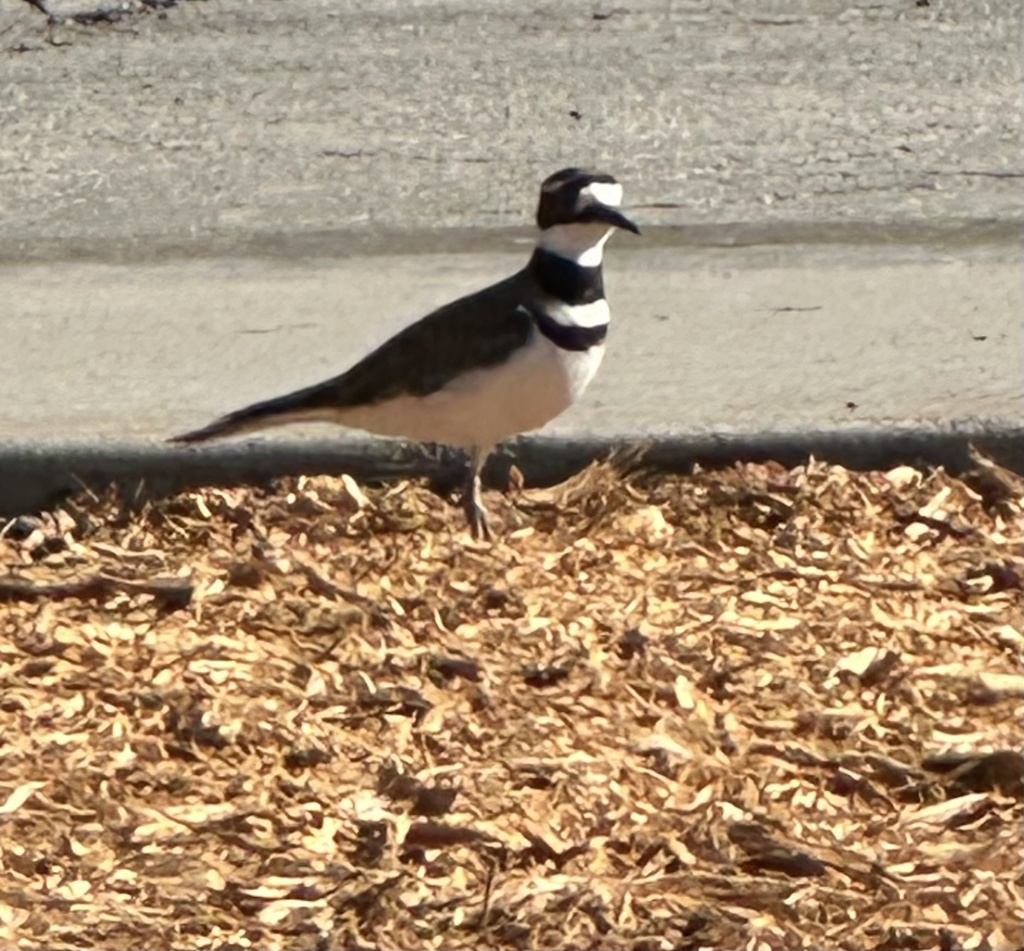
- KilldeerCharadrius vociferus
- Lapland LongspurCalcarius lapponicus
- Lark SparrowChondestes grammacus
- Le Conte's SparrowAmmodramus leconteii
- Least FlycatcherEmpidonax minimus
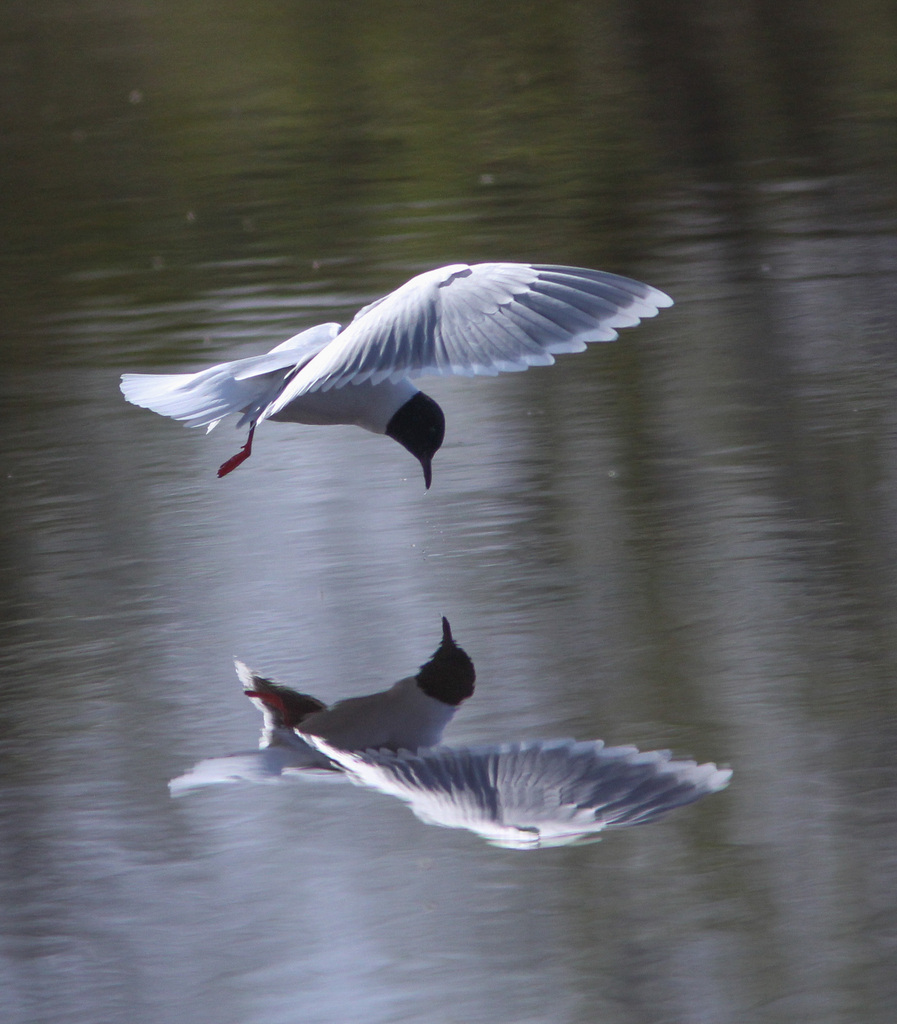
- Little GullHydrocoloeus minutus
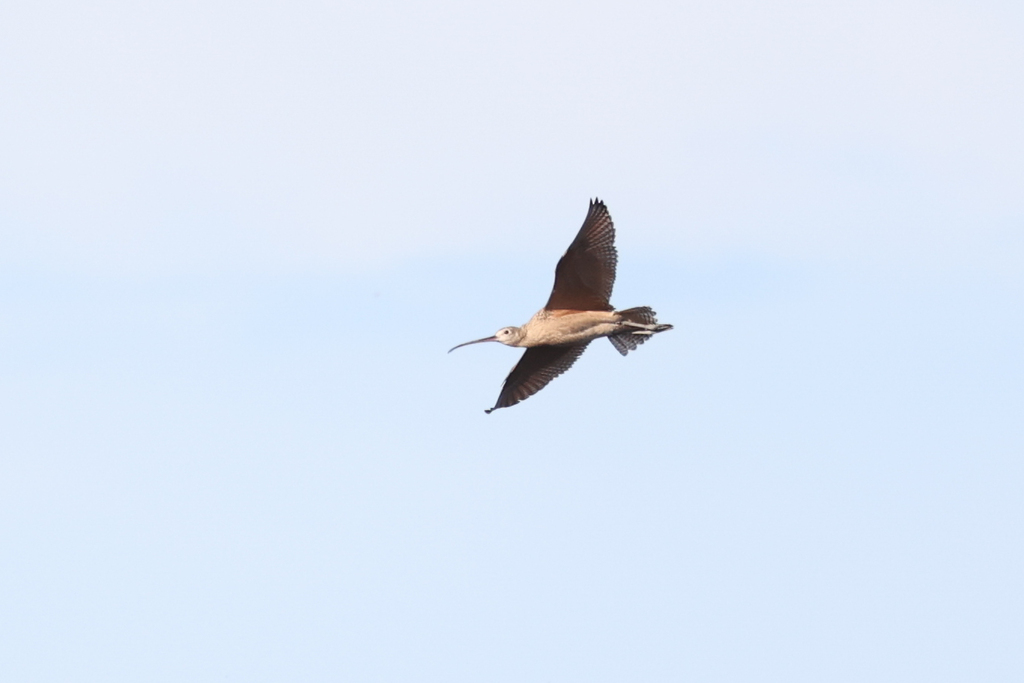
- Long-billed CurlewNumenius americanus
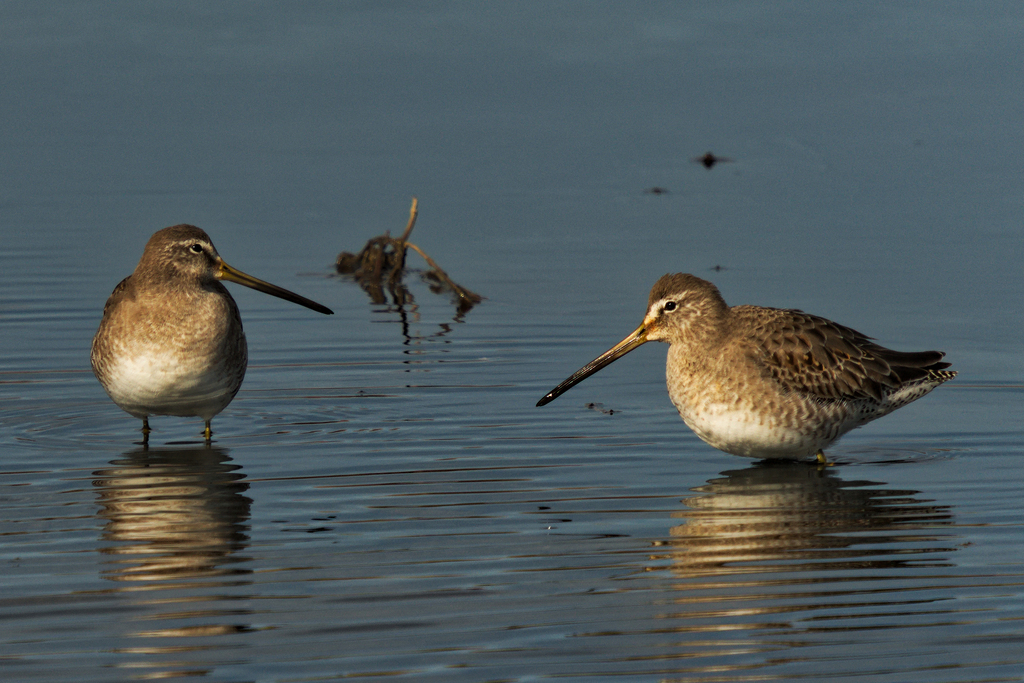
- Long-billed DowitcherLimnodromus scolopaceus
- Louisiana WaterthrushSeiurus motacilla
- MallardAnas platyrhynchos
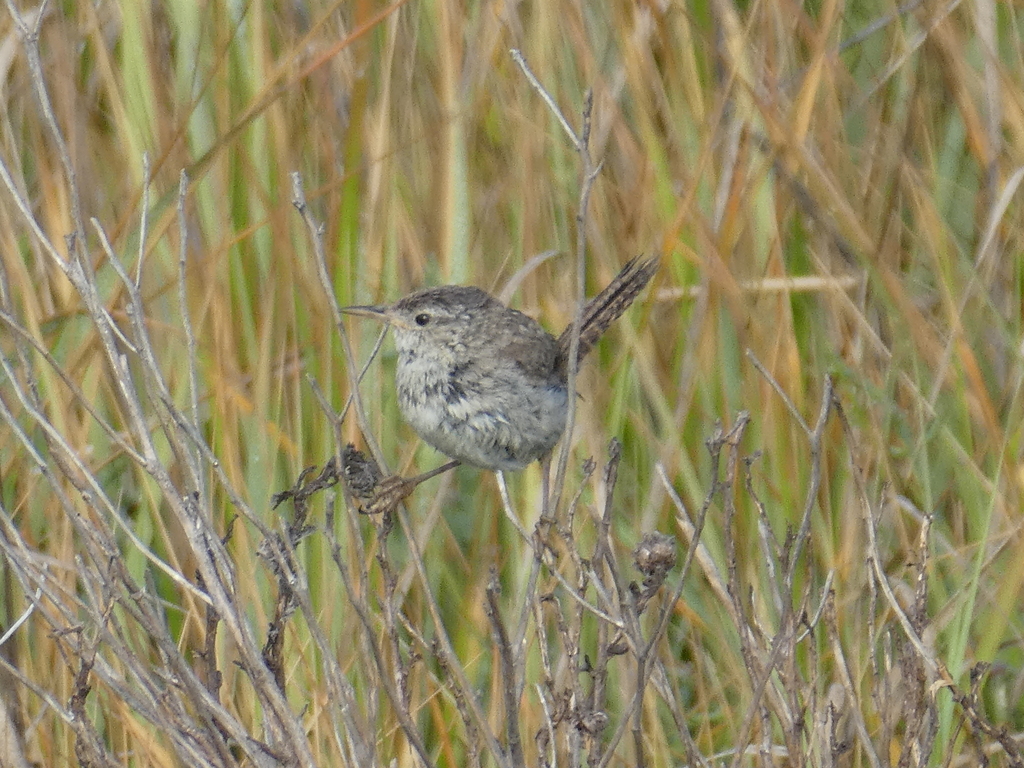
- Marsh WrenCistothorus palustris
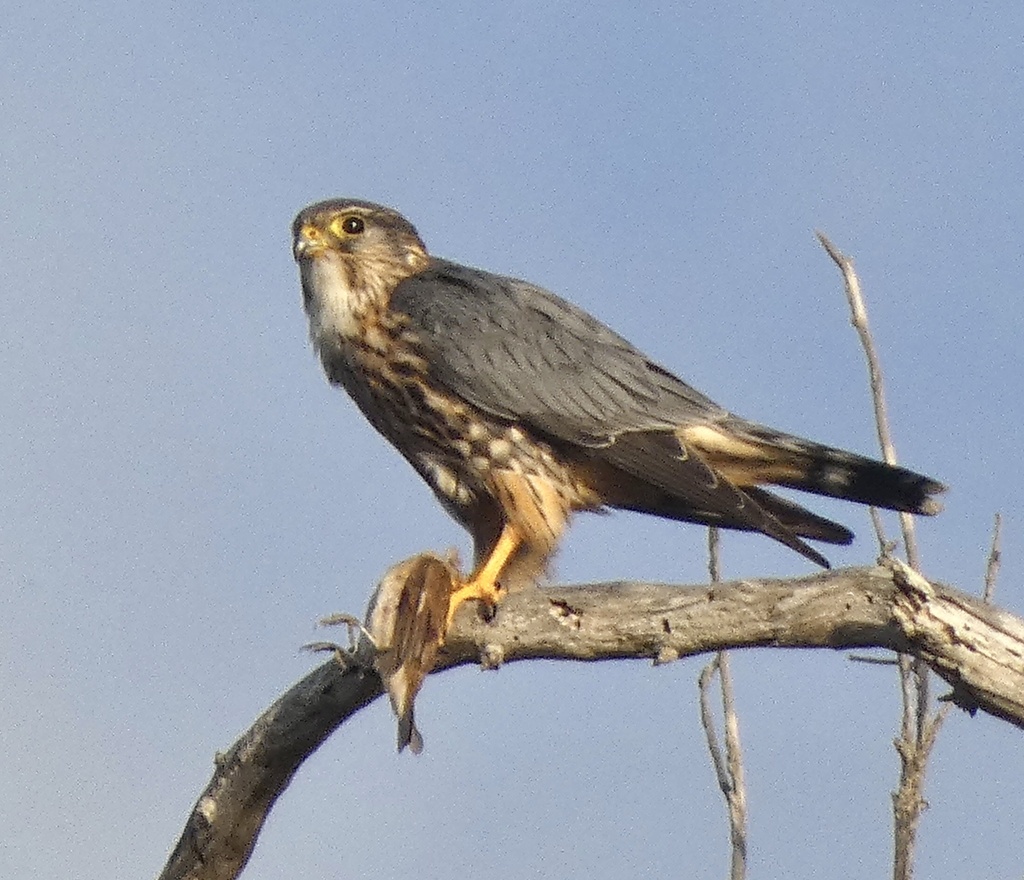
- MerlinFalco columbarius
- Northern ParulaParula americana
- Northern Rough-winged SwallowStelgidopteryx serripennis
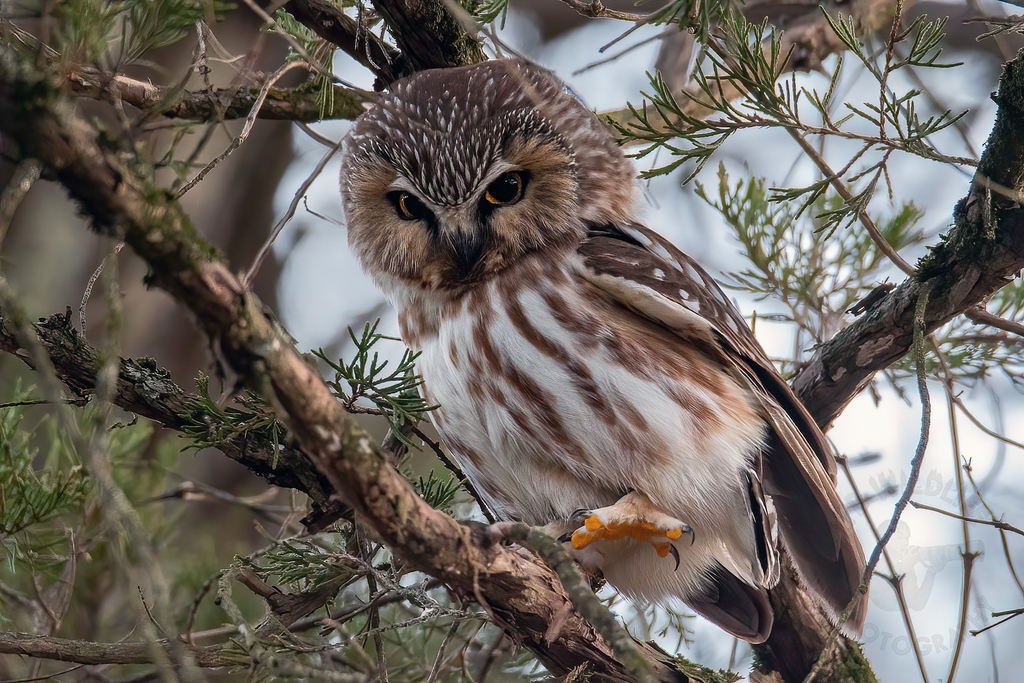
- Northern Saw-whet OwlAegolius acadicus
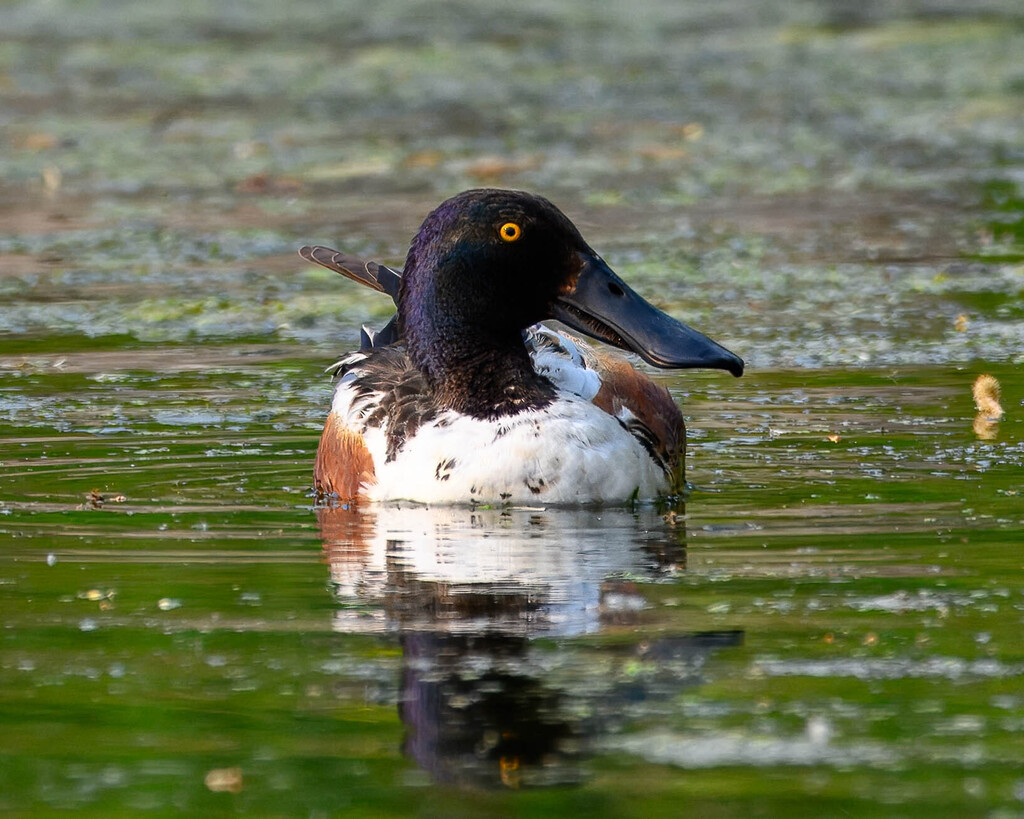
- Northern ShovelerAnas clypeata
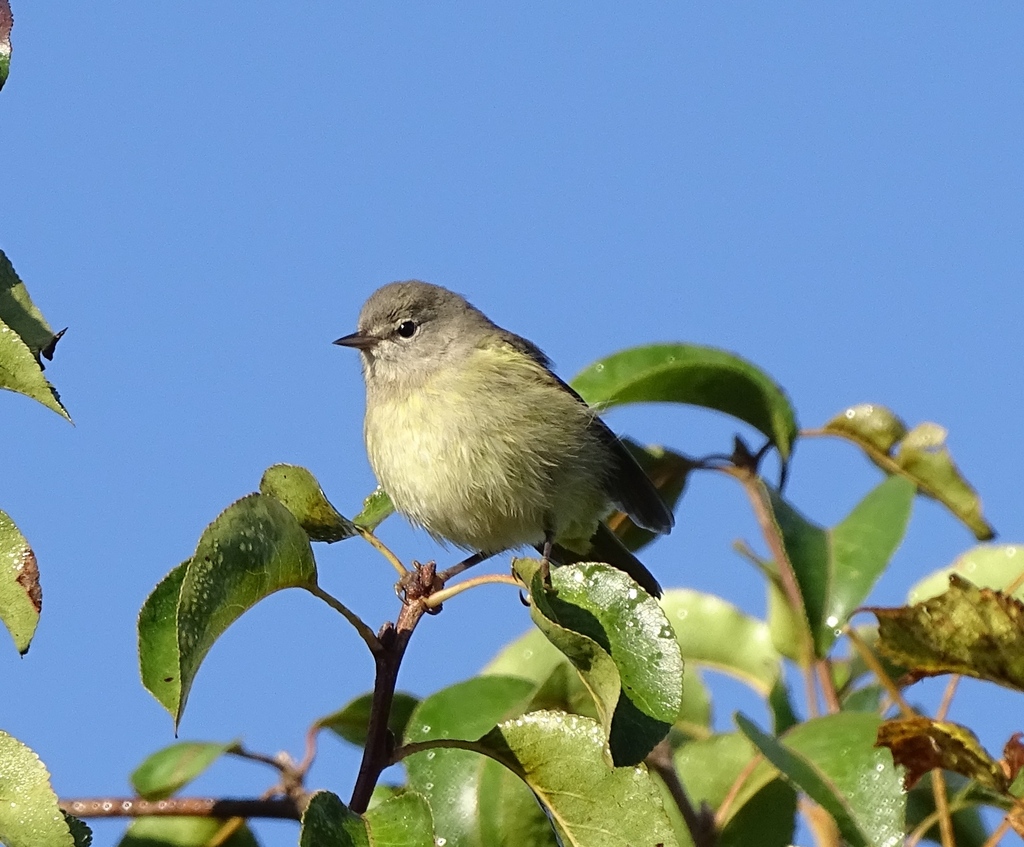
- Orange-crowned WarblerVermivora celata
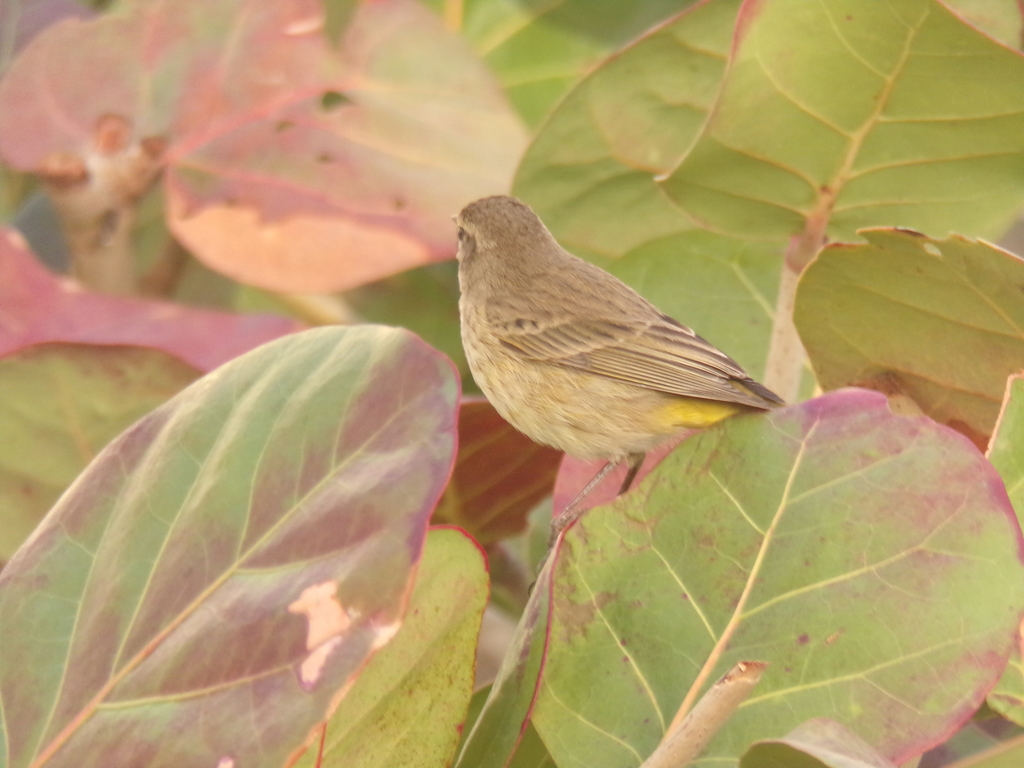
- Palm WarblerDendroica palmarum
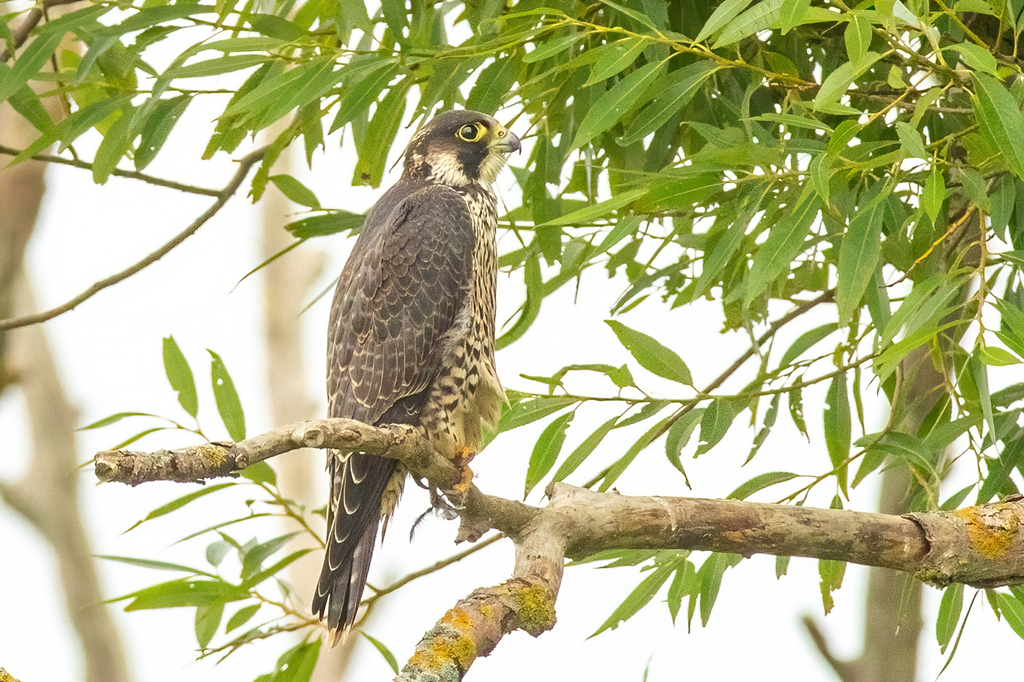
- Peregrine FalconFalco peregrinus
- Red-breasted NuthatchSitta canadensis
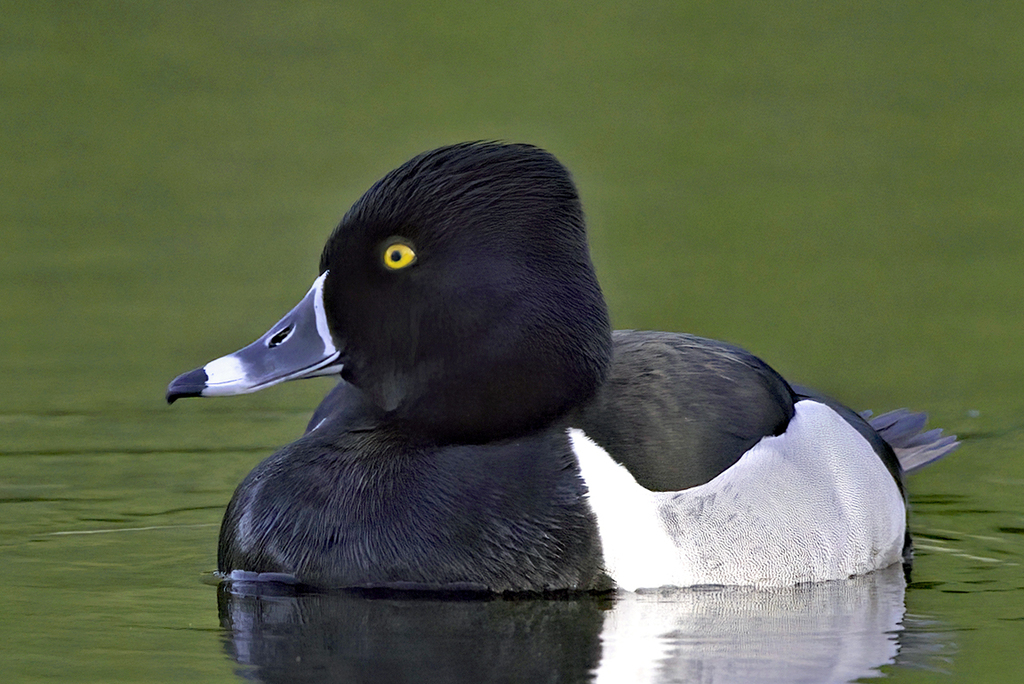
- Ring-necked DuckAythya collaris
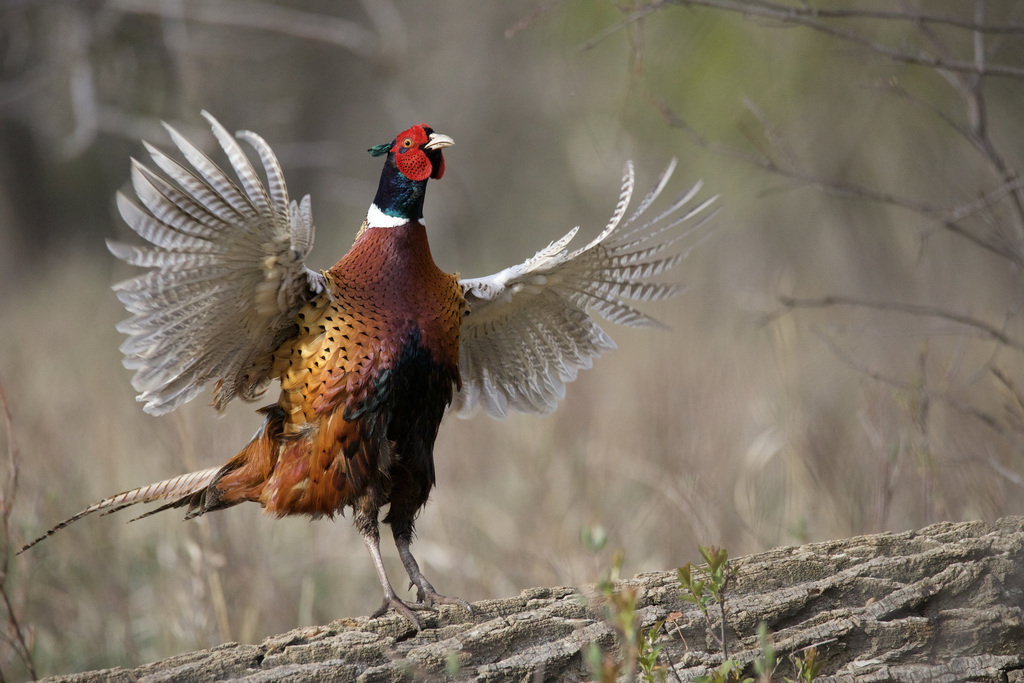
- Ring-necked PheasantPhasianus colchicus

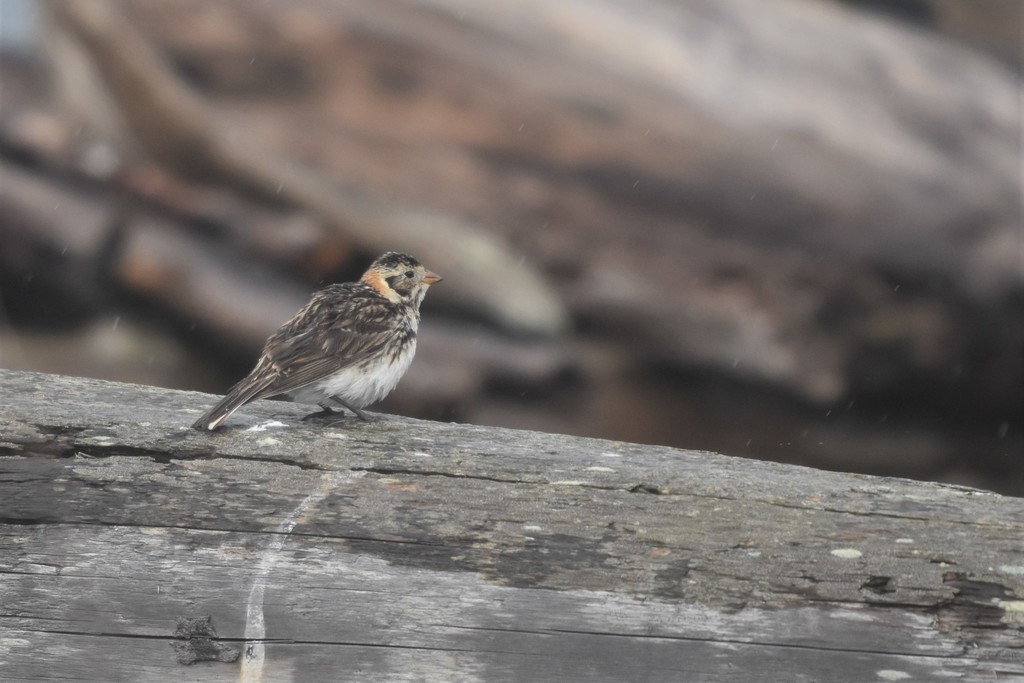
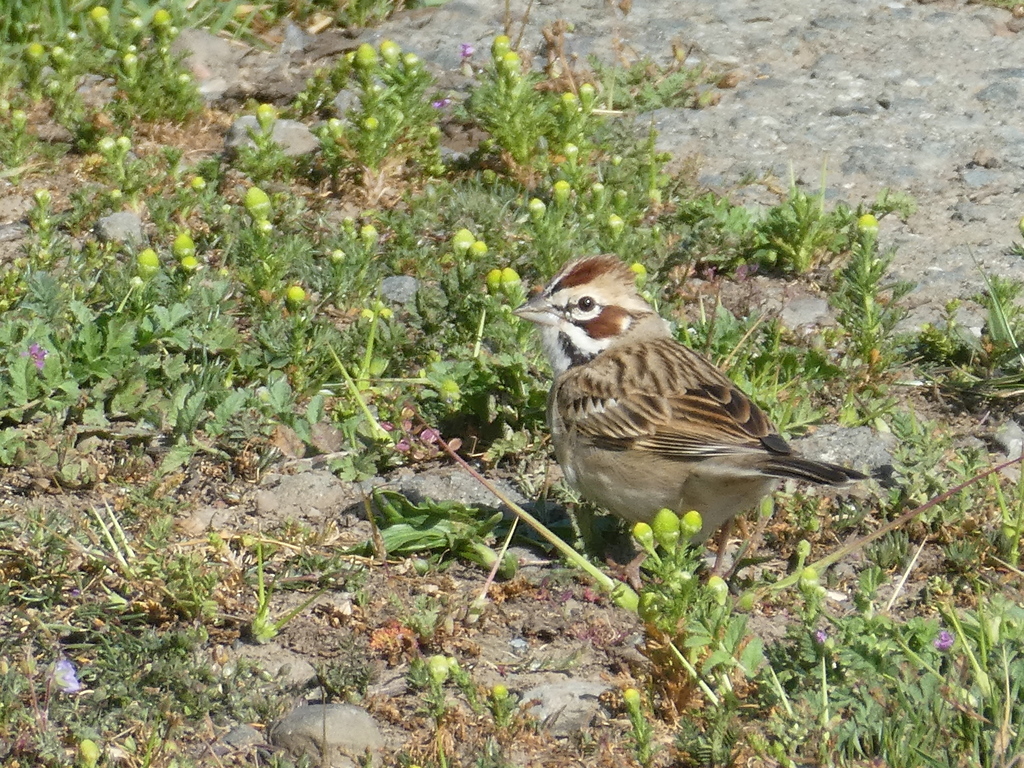
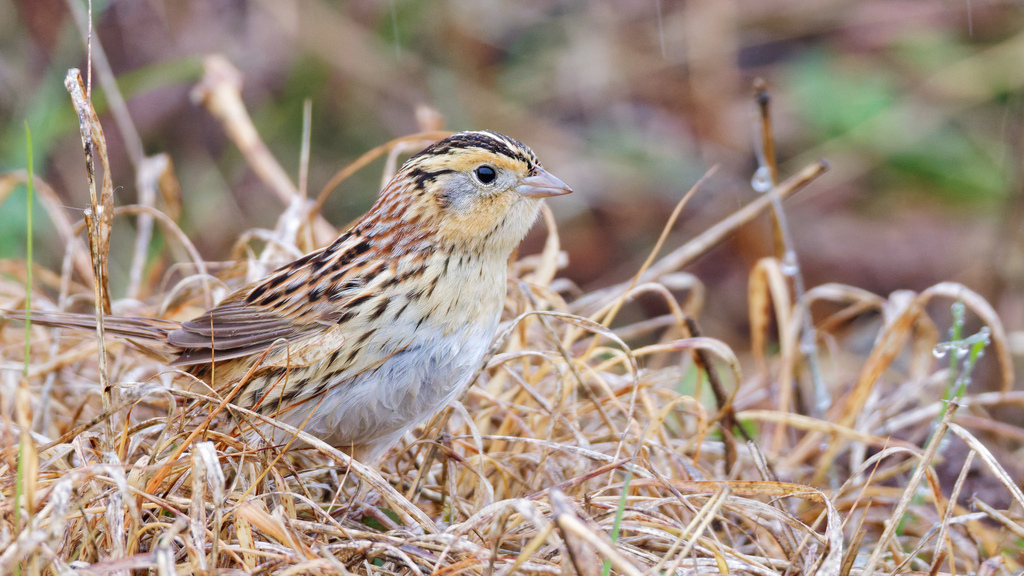
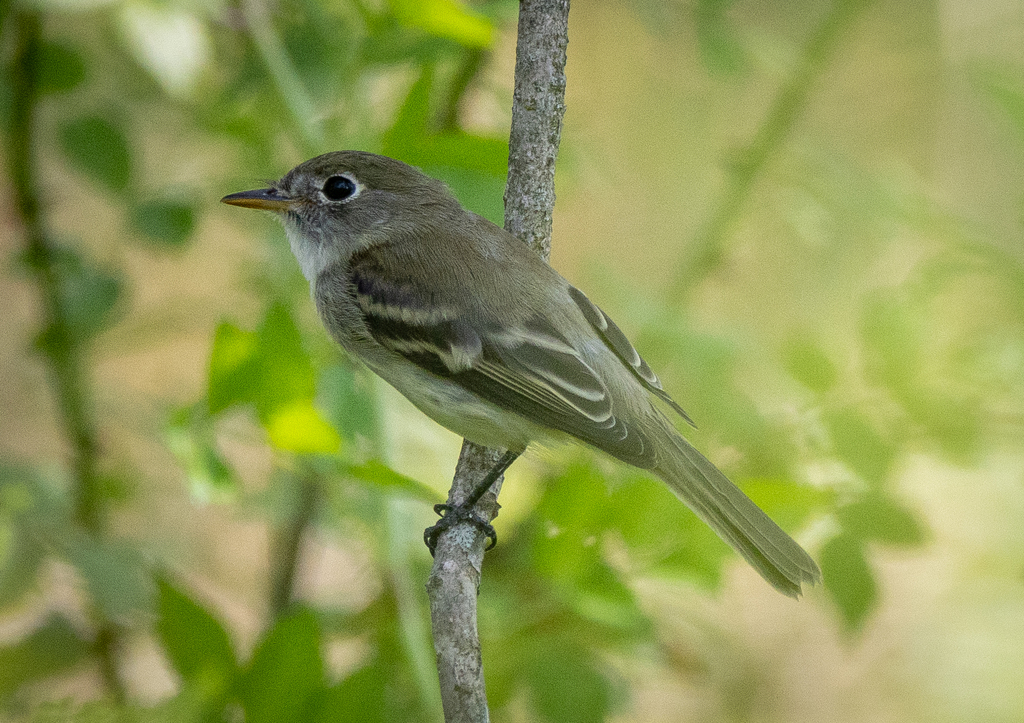





Widespread birds also seen here (34)
Found in many habitats here, so not listed above.
- American Goldfinch
- American Kestrel
- American Robin
- Bald Eagle
- Black-crowned Night-heron
- Blue Grosbeak
- Blue-gray Gnatcatcher
- Canada Goose
- Cedar Waxwing
- Chimney Swift
- Common Nighthawk
- Common Yellowthroat
- Cooper's Hawk
- Double-crested Cormorant
- Eastern Kingbird
- European Starling
- Great Egret
- Great Horned Owl
- Mourning Dove
- Northern Cardinal
- Northern Flicker
- Northern Mockingbird
- Osprey
- Pine Siskin
- Purple Finch
- Red-tailed Hawk
- Red-winged Blackbird
- Sharp-shinned Hawk
- Tree Swallow
- Turkey Vulture
- White-throated Sparrow
- Yellow-breasted Chat
- Yellow-crowned Night-heron
- Yellow-rumped Warbler
Who uses this plant?
 79CaterpillarsGenus host records with ranges including LA
Genus host records with ranges including LA · Viburnum
- Celastrina ladonSpring Azure
- Hemaris thysbeHummingbird Clearwing
- Acasis viridataOlive-and-Black Carpet
- Acharia stimuleaSaddleback Caterpillar Moth
- Achatia distinctaDistinct Quaker
- Acronicta fallaxThe Green Marvel
- Acronicta oblinitaSmeared Dagger
- Adoneta spinuloidesPurple-Crested Slug
- Agnorisma badinodisPale-Banded Dart
- Amorbia humerosanaWhite-Lined Leafroller Moth
Show all 79
- Amphipyra pyramidoidesMiranda Underwing, Copper Underwing, Copper Amphipyra
- Anagrapha falciferaCelery Looper Moth
- Anania tertialisCrowned Anania, Crowned Phlyctaenia
- Anavitrinella pampinariaCommon Gray, Cranberry Spanworm
- Antepione thisoariaVariable Antepione
- Apatelodes torrefactaSpotted Apatelodes
- Archips argyrospilaFruit-Tree Leafroller Moth
- Archips purpuranaOmnivorous Leafroller Moth
- Argyrotaenia juglandanaHickory Leafroller
- Argyrotaenia velutinanaRed-Banded Leafroller Moth, Jack Pine Tube Moth
- Automeris ioIo Moth
- Calledapteryx dryopterataBrown Scoopwing
- Callophrys henriciHenry's Elfin
- Callosamia prometheaPromethea Silkmoth, Promethea Moth
- Cecrita guttivittaMaple Prominent, Saddled Prominent
- Cenopis diluticostanaSpring Dead-Leaf Roller Moth, Oak Cenopis
- Cenopis reticulatanaReticulated Fruitworm Moth
- Choristoneura parallelaParallel-Banded Leafroller, Spotted Fireworm Moth
- Choristoneura rosaceanaOblique-Banded Leafroller Moth, Rosaceous Leaf Roller
- Darapsa choerilusAzalea Sphinx
- Eacles imperialisImperial Moth, Imperial Spiny Caterpillar
- Ennomos subsignariaElm Spanworm Moth
- Erannis tiliariaLinden Looper Moth, Western Winter Moth, Lime Looper
- Euchlaena marginariaOchre Euchlaena
- Euphydryas phaetonThe Baltimore, The Black Checker
- Eupithecia miserulataCommon Eupithacia, Common Pug
- Euplexia benesimilisAmerican Angle Shades
- Eutrapela clematariaCurved-Tooth Geometer, Purplish Brown Looper
- Glyptocera consobrinellaViburnum Glyptocera, Glyptocera Moth
- Halysidota tessellarisBanded Tussock Moth, Pale Tiger Moth
- Harrisimemna trisignataHarris's Three-Spot
- Hemaris diffinisSnowberry Clearwing
- Hyalophora cecropiaCecropia Silkmoth, Cecropia Moth
- Hypena scabraGreen Cloverworm Bomolocha, Black Snout
- Hyphantria cuneaFall Webworm
- Iridopsis defectariaBrown-Shaded Gray, Willow Looper
- Iridopsis ephyrariaPale-Winged Gray
- Kocakina fidelisIntractable Quaker, Green Fruitworm, Fourlined Green Fruitworm
- Lomographa vestaliataWhite Spring Moth
- Lytrosis unitariaCommon Lytrosis
- Marmara viburnellaX
- Megalopyge opercularisSouthern Flannel Moth, Puss Caterpillar
- Melanolophia canadariaCanadian Melanolphia, Variable Redmarked Looper
- Metaxaglaea semitariaFootpath Sallow
- Morrisonia confusaConfused Woodgrain
- Morrisonia evictaBicolored Woodgrain
- Oedemasia concinnaRed-Humped Caterpillar, Red-Humped Appleworm
- Oiketicus abbotiiAbbot's Bagworm Moth
- Oreta roseaRose Hooktip
- Orgyia leucostigmaWhite-Marked Tussock Moth
- Orthosia rubescensRuby Quaker
- Packardia geminataJeweled Tail Slug Moth
- Pandemis limitataThree-Lined Leafroller Moth
- Paonias excaecataBlinded Sphinx, Blind Eyed Sphinx
- Phlogophora periculosaBrown Angle Shades
- Plagodis alcoolariaHollow-Spotted Plagodis
- Platynota idaeusalisTufted Apple-Bud Moth
- Pleuroprucha insulsariaCommon Tan Wave
- Prochoerodes lineolaLarge Maple Spanworm Moth
- Pyrrharctia isabellaIsabella Tiger Moth, Banded Woolybear
- Schizura badiaChestnut Schizura
- Schizura ipomaeaeMorning-Glory Prominent, Checkered-Fringe Prominent
- Sparganothis sulfureanaSparganothis Fruitworm Moth, Sulfur Leafroller, False Yellow-Head
- Spoladea recurvalisHawaiian Beet Webworm
- Synanthedon fatiferaLesser Viburnum Clearwing
- Synchlora frondariaSouthern Emerald
- Thyridopteryx ephemeraeformisEvergreen Bagworm Moth
- Xestia dolosaGreater Black-Letter Dart, Greater Spotted Cutworm
- Zale horridaHorrid Zale, Sacled Zale
 17BeesSoutheastern regional records
Southeastern regional records · Viburnum
Individual names are not available yet.
Noori, Seltmann & Orr 2026, A curated and integrated dataset for exploring global bee-plant interactions (GloBI), Zenodo, CC BY 4.0 0Specialist beesPollen specialists
 11BirdsRecorded eating Viburnum in Louisiana
Diet records by plant genus, from studies across North America. Not a record from this state. Birds whose range includes Louisiana, most records first.
- American RobinFruit. 3 diet records
- Eastern BluebirdFruit. 2 diet records
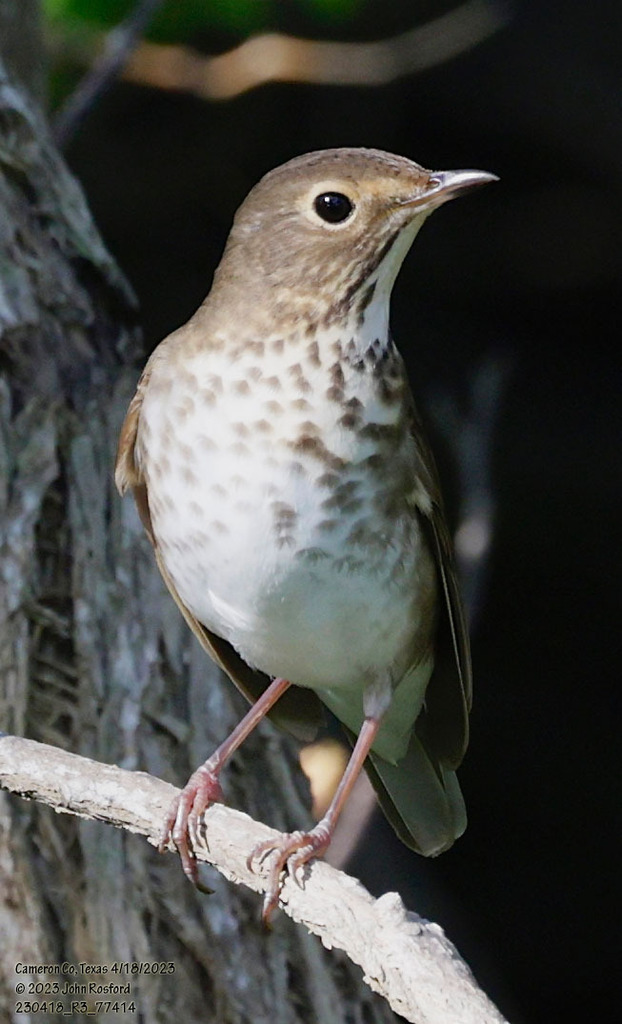
- Hermit ThrushFruit and seeds. 2 diet records
- Swainson's ThrushFruit and seeds. 2 diet records
- Blue-headed Vireo1 diet record
- Cedar WaxwingFruit. 1 diet record
- European Starling1 diet record
- Northern Mockingbird1 diet record
- White-eyed Vireo1 diet record
- Wild Turkey1 diet record
Show all 11
- Wood DuckSeeds. 1 diet record
Direct food only. Caterpillars on host plants also feed nesting birds. NC Native Plant Society: butterfly gardening
No records yet · Ants · Beetles · Flies · Adult butterflies / moths · Other wasps · Other insects
Birds that eat Viburnum 11
Diet records by plant genus, from studies across North America. Not a record from this state. Avian Diet Database (Hurlbert Lab), CC0 1.0.
- American RobinTurdus migratorius
- Eastern BluebirdSialia sialis
- Hermit ThrushCatharus guttatus
- Swainson's ThrushCatharus ustulatus
- Blue-headed VireoVireo solitarius
- Cedar WaxwingBombycilla cedrorum
- European StarlingSturnus vulgaris
- Northern MockingbirdMimus polyglottos
- White-eyed VireoVireo griseus
- Wild TurkeyMeleagris gallopavo
- Wood DuckAix sponsa











Plant details
- Family
- Viburnaceae
- Hardiness
- Zones 2–8
- Soil pH
- Acidic
- Flower color
- White
- Fruit begins
- July
- Fruit ends
- September
Safety has not been reviewed for this plant; check toxicity and thorns before planting.
Growing sources and scope
- Bloom · “Late March to April” · Weakley, Flora of the Southeastern United States (2025), Carolinas & Georgia edition · Carolinas and Georgia
- Flower color · “White” · Lady Bird Johnson Wildflower Center
- Fruit begins · “July” · Weakley, Flora of the Southeastern United States (2025), Carolinas & Georgia edition (ranked first; NC Extension Plant Toolbox differs) · Carolinas and Georgia
- Fruit ends · “September” · Weakley, Flora of the Southeastern United States (2025), Carolinas & Georgia edition (ranked first; NC Extension Plant Toolbox differs) · Carolinas and Georgia
- Hardiness · “Zones 2–8” · Missouri Botanical Garden Plant Finder
- Height · “6–10 feet” · Missouri Botanical Garden Plant Finder
- Leaves · “Deciduous” · Lady Bird Johnson Wildflower Center
- Life cycle · “Perennial” · Lady Bird Johnson Wildflower Center
- Light · “Full sun” · Tennessee Smart Yards (ranked first; Virginia DCR Piedmont, Virginia DCR Coastal Plain, Lady Bird Johnson Wildflower Center, Missouri Botanical Garden Plant Finder differ) · Published Tennessee growing guidance; exact cached scientific heading
- primary_flower_color · “white” · Lady Bird Johnson Wildflower Center
- Soil · “moderately wet to moderately dry” · Tennessee Smart Yards (ranked first; Virginia DCR Piedmont, Virginia DCR Coastal Plain, Lady Bird Johnson Wildflower Center, Missouri Botanical Garden Plant Finder differ) · Published Tennessee growing guidance; exact cached scientific heading
- Soil pH · “Acidic” · Lady Bird Johnson Wildflower Center
- Spread · “6–10 feet” · Missouri Botanical Garden Plant Finder
Also known as
Arrow Wood; Arrowwood; Southern Arrow Wood; Viburnum dentatum var. dentatum
Conservation status
| Louisiana rank | SNR |
|---|---|
| Global rank | G5 |
| LA status | Not verified |
| Federal status | Not verified |
Will it fit your yard?
Check this plant against your county, sun and soil moisture. Conditions are checked in your browser.
Sources
- USDA PLANTS
- Vascular Plants of North Carolina (NC Natural Heritage Program)
- Weakley, Flora of the Southeastern United States (2025)
- Louisiana occurrence source
- Shropshire & Tallamy 2025, Lepidoptera of North America north of Mexico, ZooKeys 1261 (ODbL)
- Noori, Seltmann & Orr 2026, A curated and integrated dataset for exploring global bee-plant interactions (GloBI), Zenodo, CC BY 4.0
- Smith, Bachelder, Russell, Morales, Mosher & Seltmann 2024, Bee-Specialization-Modeling v0.6.1 (specialist host table compiled from J. Fowler's pollen specialist bee lists), Zenodo, CC BY 4.0
- Hurlbert, Olsen, Sawyer & Winner 2021, Avian Diet Database, Scientific Data 8: 260 (CC0)
- Narango, Tallamy & Shropshire 2020, Few keystone plant genera support the majority of Lepidoptera species, Nature Communications