

Starrush Whitetop Sedge
Rhynchospora colorata
In the Carolinas and Georgia, found in wet pine savannas, ditches, dune swales, calcareous glades, usually in places with some source of alkalinity (calcareous rocks, shell, brackish water). Weakley, Flora of the Southeastern United States (2025), Carolinas & Georgia edition What its natural habitat tells you
Native to Louisiana (estimated). How scores work Is it native here?
Profile 94%
- Height
- 1–2 feet
- Spread
- 2–3 feet
- Light
- Full sun, Partial shade
- Soil moisture
- Usually moist
Space about 2.5 ft apart from its recorded spread, about 16 per 100 sq ft. Enter your bed size for a count
Will it fit your yard?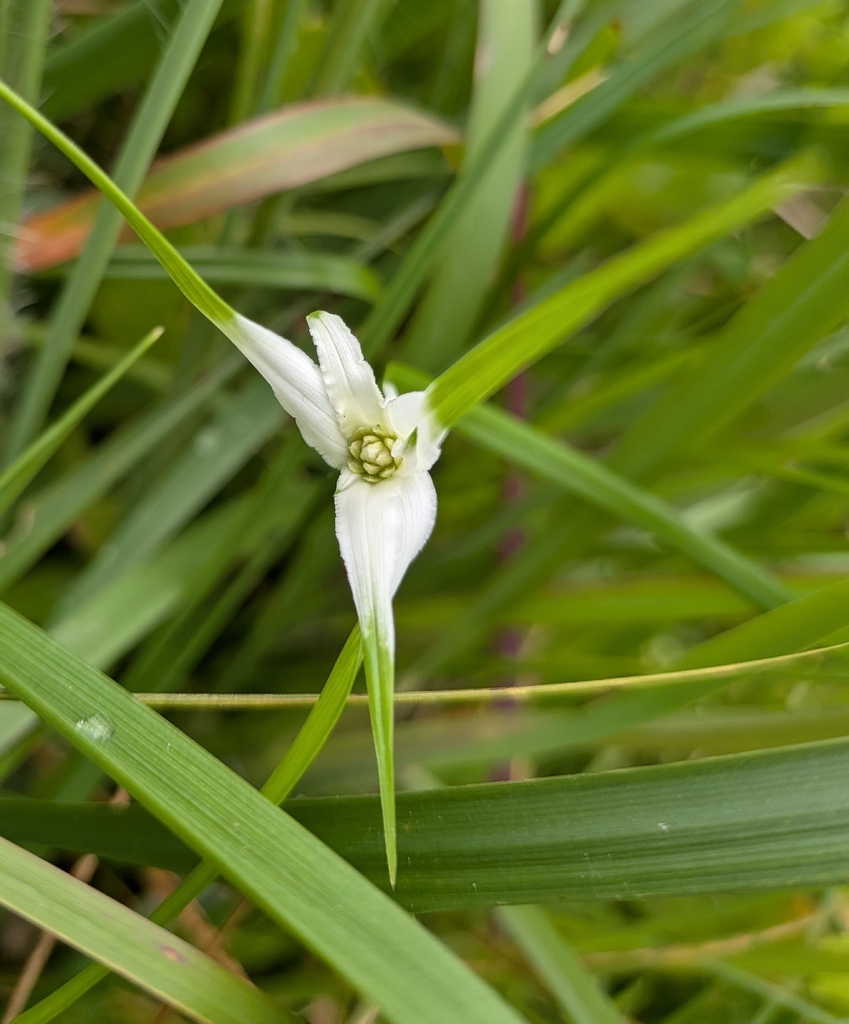
At a glance
- Life cycle
- Perennial
- Bloom
- May to September
Not yet recorded · Leaves
Recorded in 26 Louisiana parishes.
Natural habitats
Places it grows wild. Not a planting requirement. Each habitat page lists the plants and wildlife also found there.
Open, fire-kept longleaf pine stands over grasses and wildflowers on wet to moist sandy soil.
Roadsides, fields and disturbed ground
Ground opened by people: roadsides, old fields, pastures, fencerows and lots.
Open sand of beaches, dunes and the hollows between them.
Glades, barrens and outcrops on limestone
Open, thin-soil openings and rock on limestone, dolomite or other lime-rich rock, including cedar glades.
Also found with this plant
Wildlife whose habitat models include habitats this plant grows in, in Louisiana. Shared habitat, not food. 107 animals.
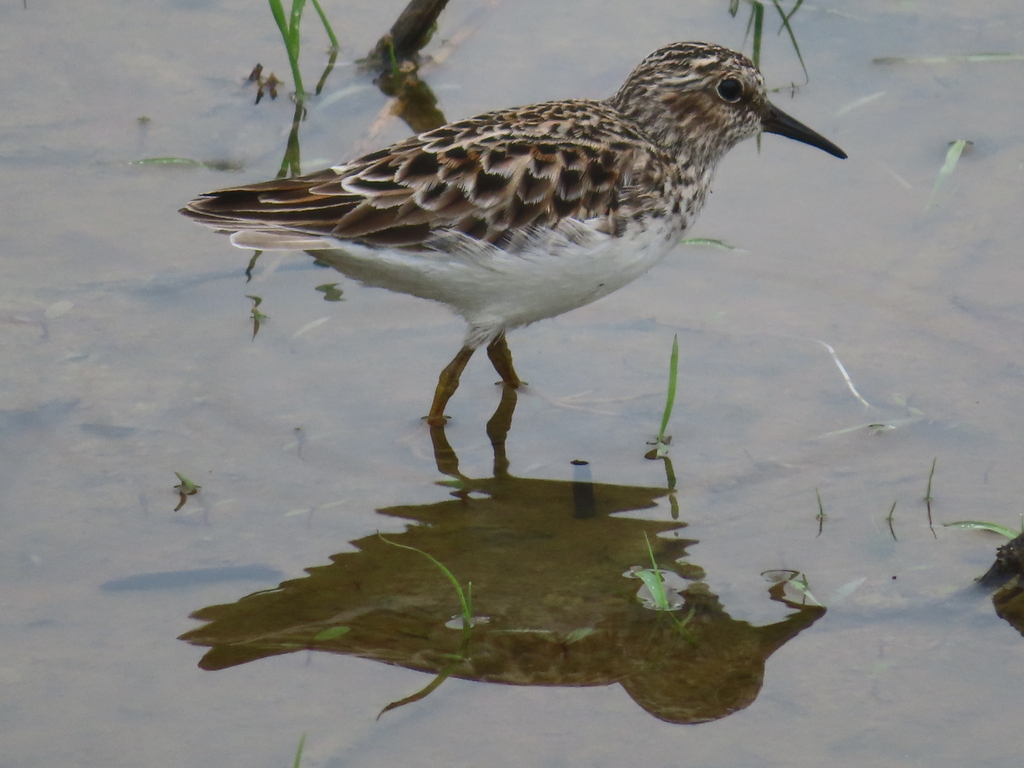
- Least SandpiperCalidris minutilla
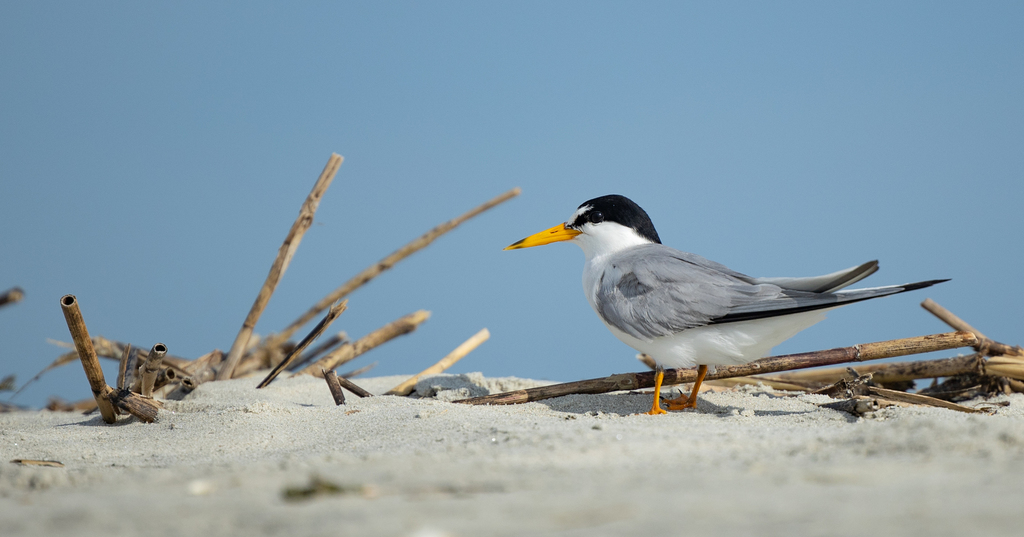
- Least TernSternula antillarum
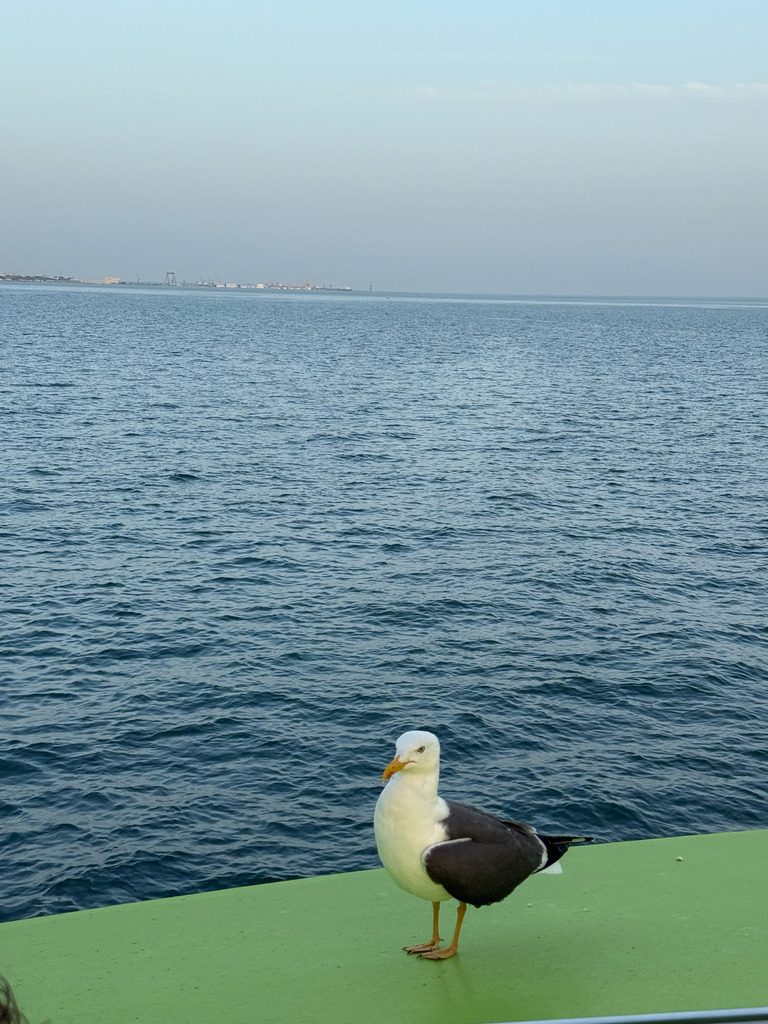
- Lesser Black-backed GullLarus fuscus
- Lesser ScaupAythya affinis
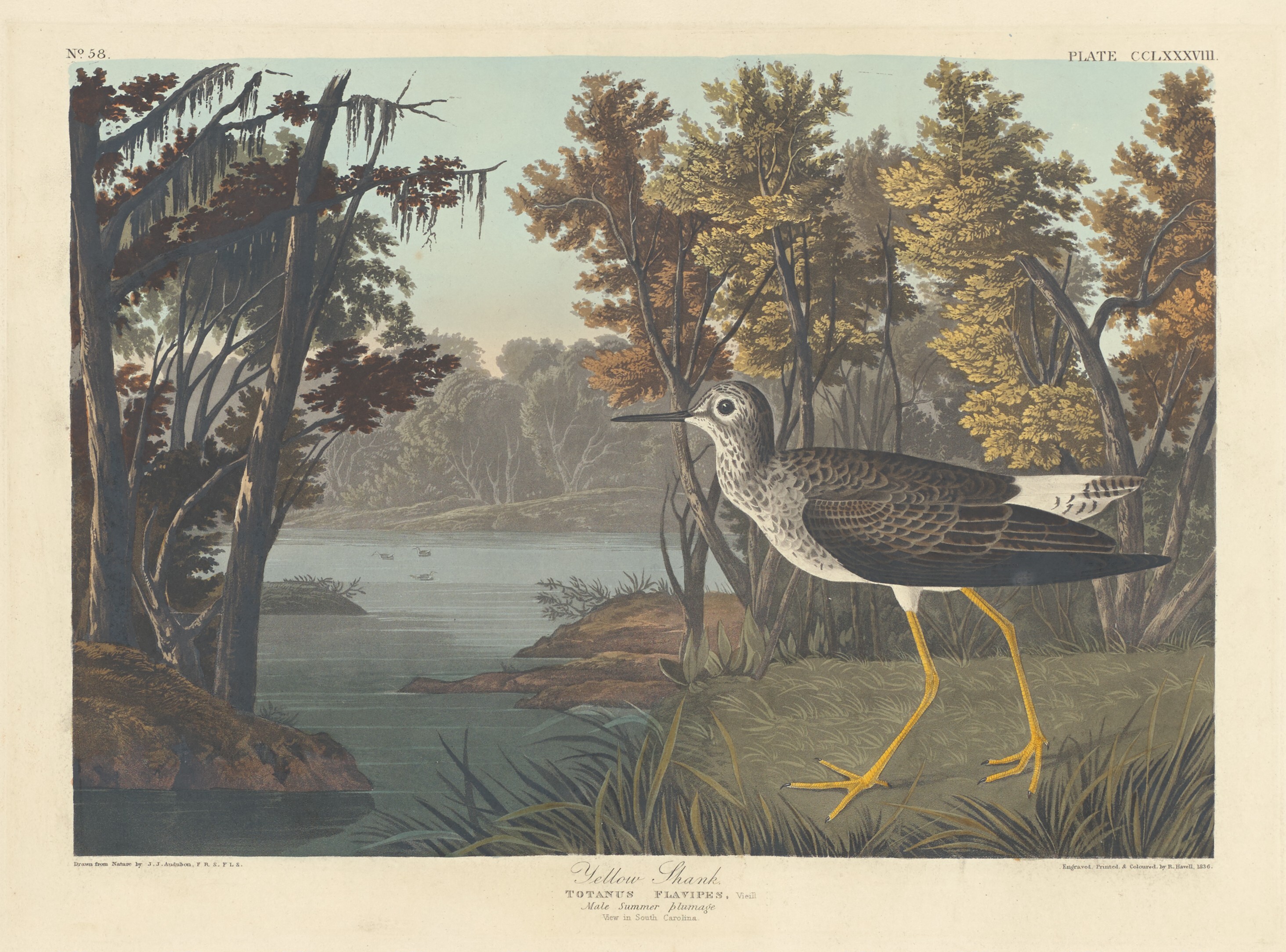
- Lesser YellowlegsTringa flavipes
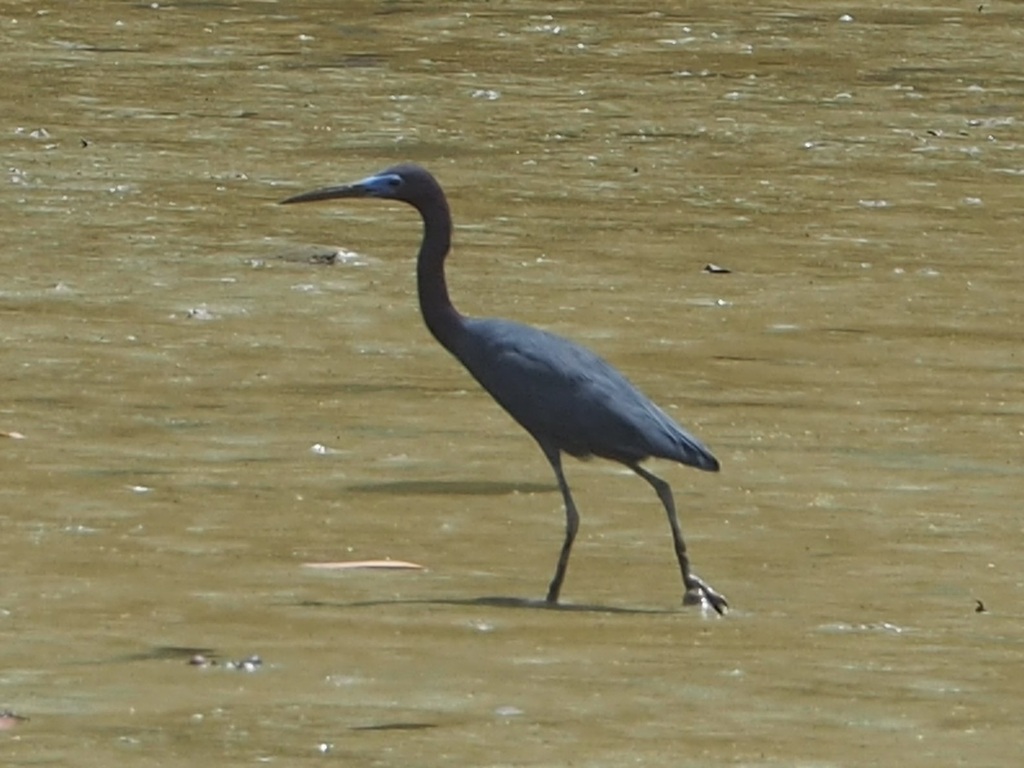
- Little Blue HeronEgretta caerulea
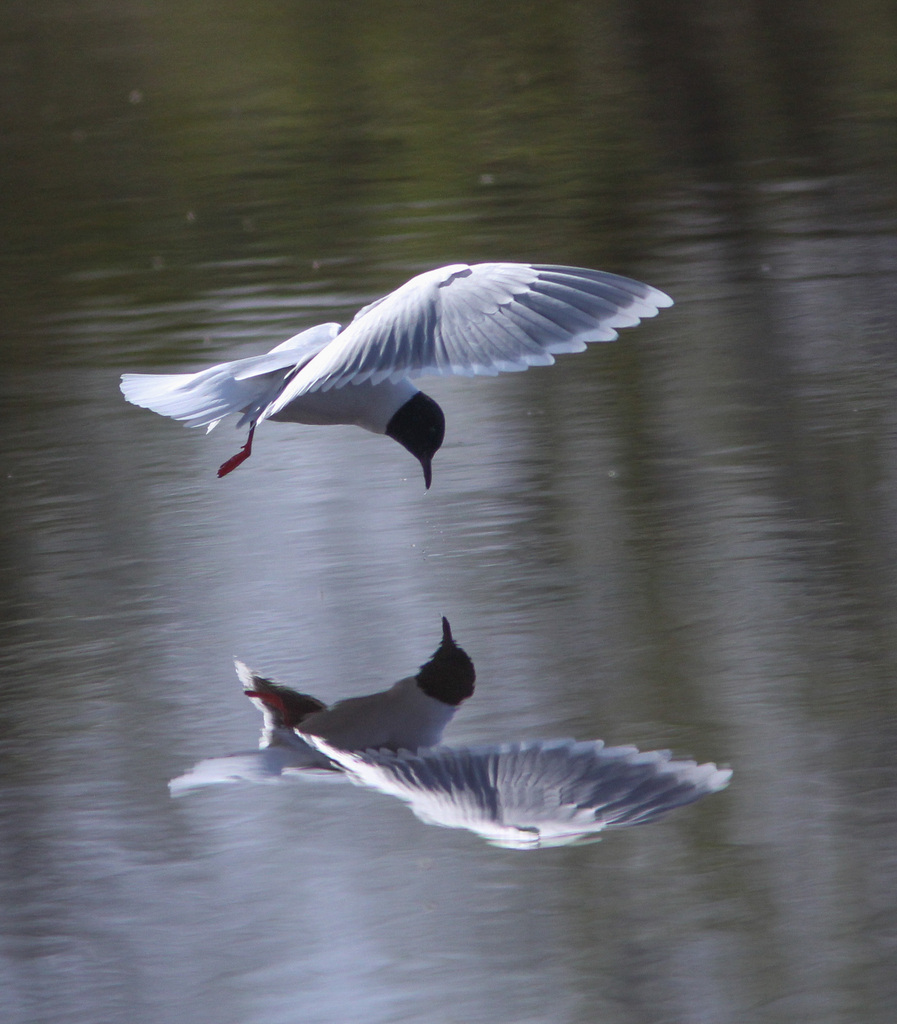
- Little GullHydrocoloeus minutus
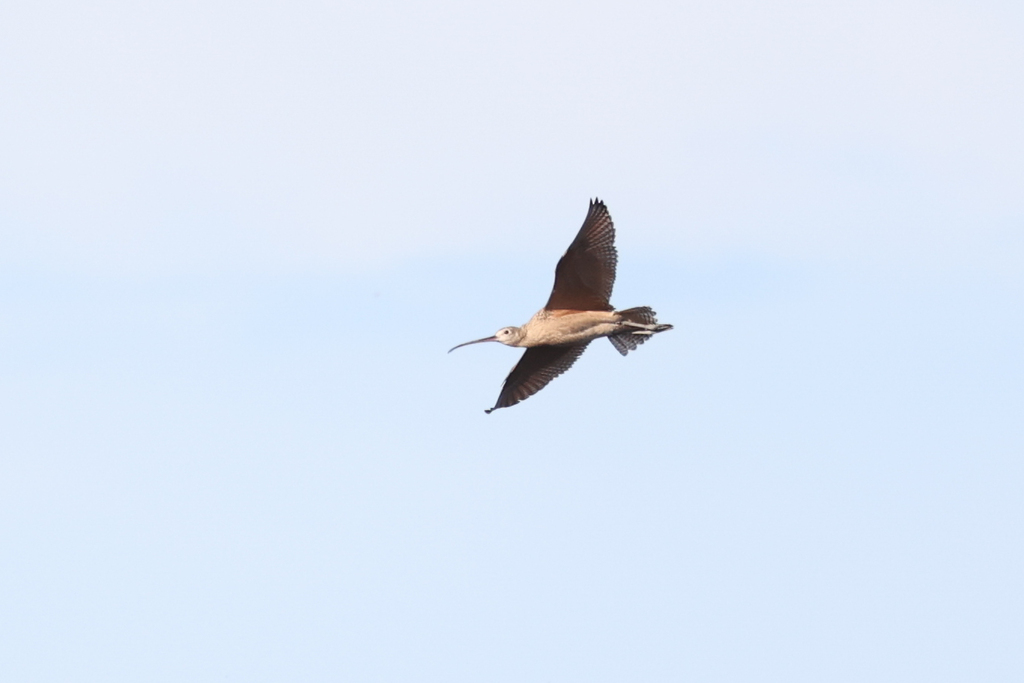
- Long-billed CurlewNumenius americanus
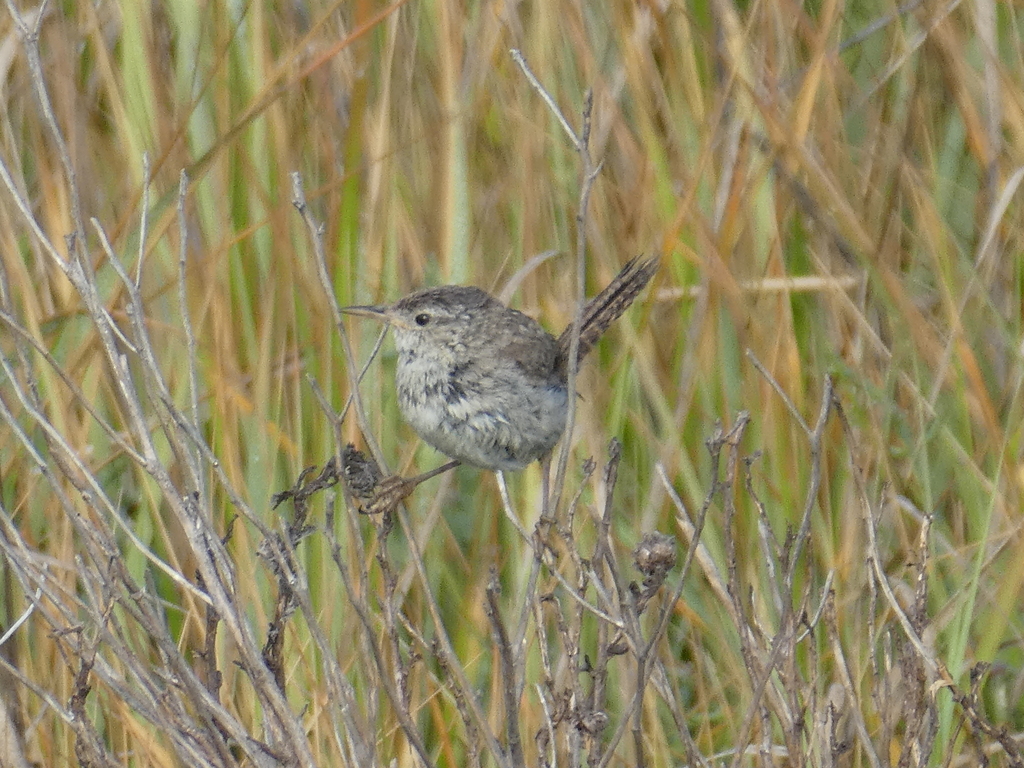
- Marsh WrenCistothorus palustris
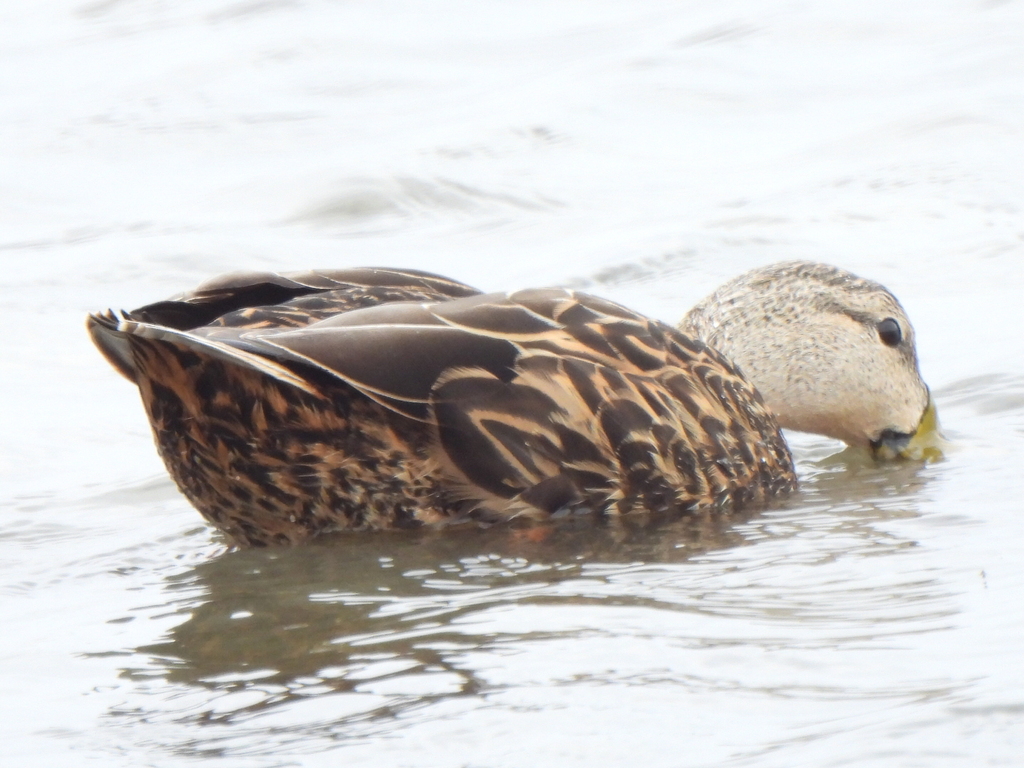
- Mottled DuckAnas fulvigula
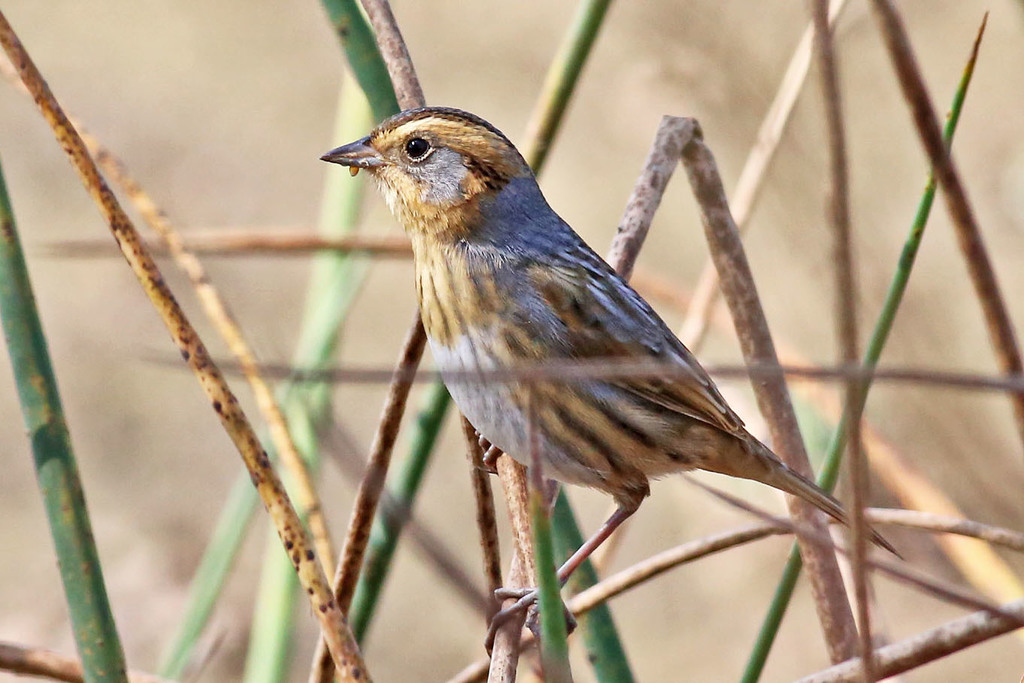
- Nelson's Sharp-tailed SparrowAmmodramus nelsoni
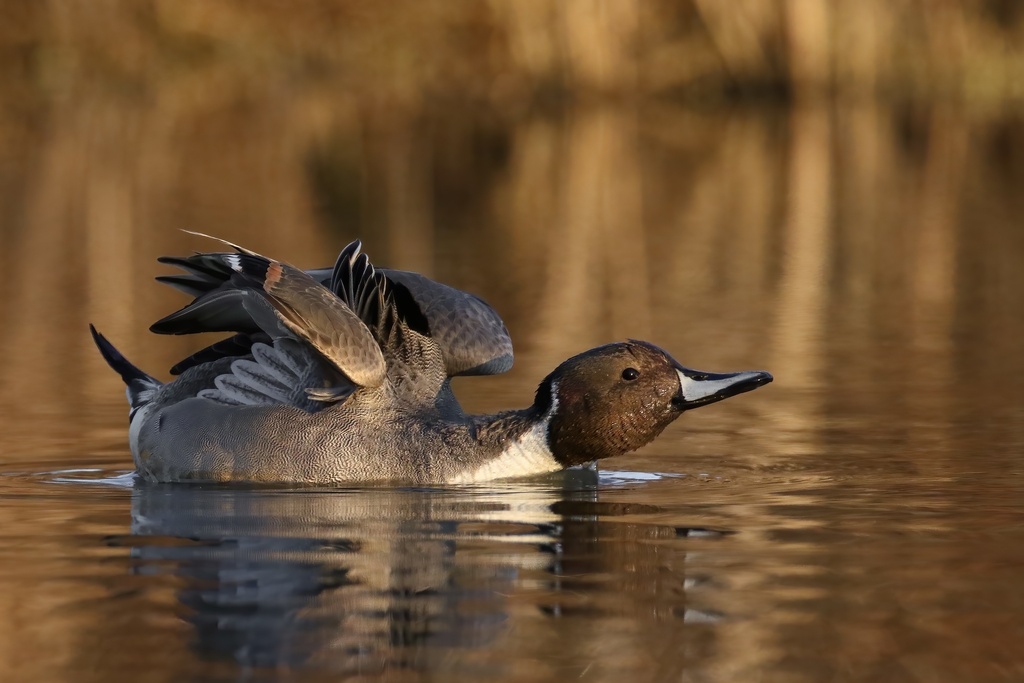
- Northern PintailAnas acuta
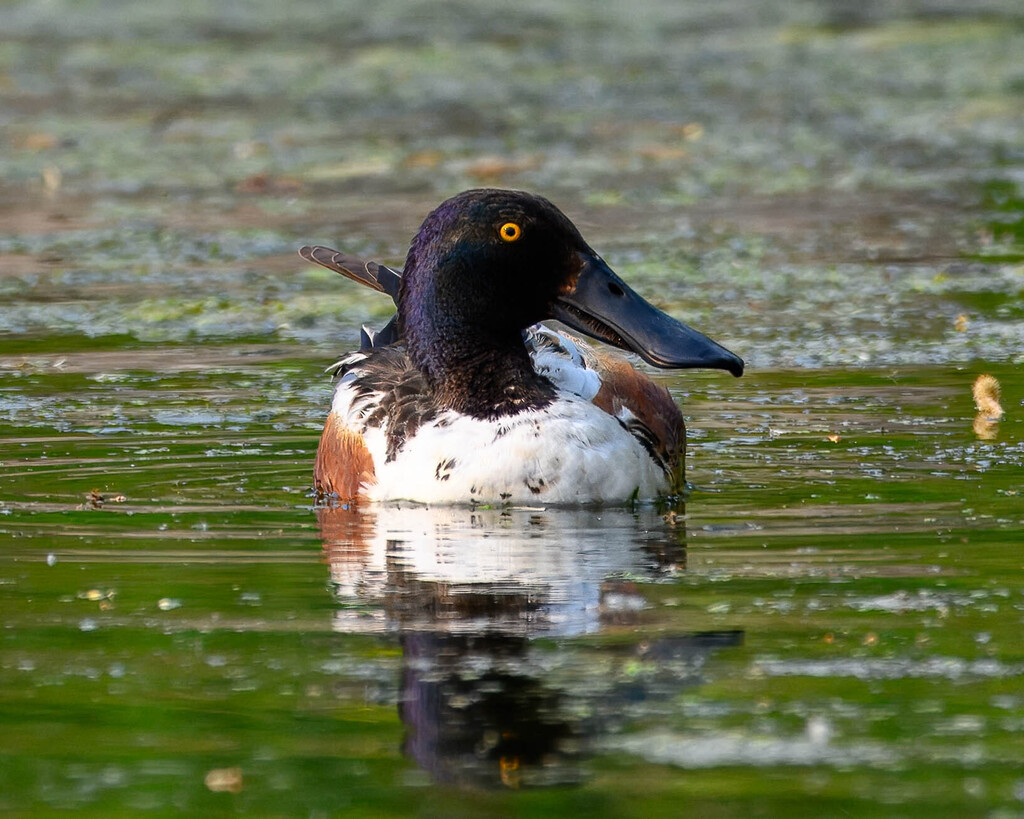
- Northern ShovelerAnas clypeata
- OspreyPandion haliaetus
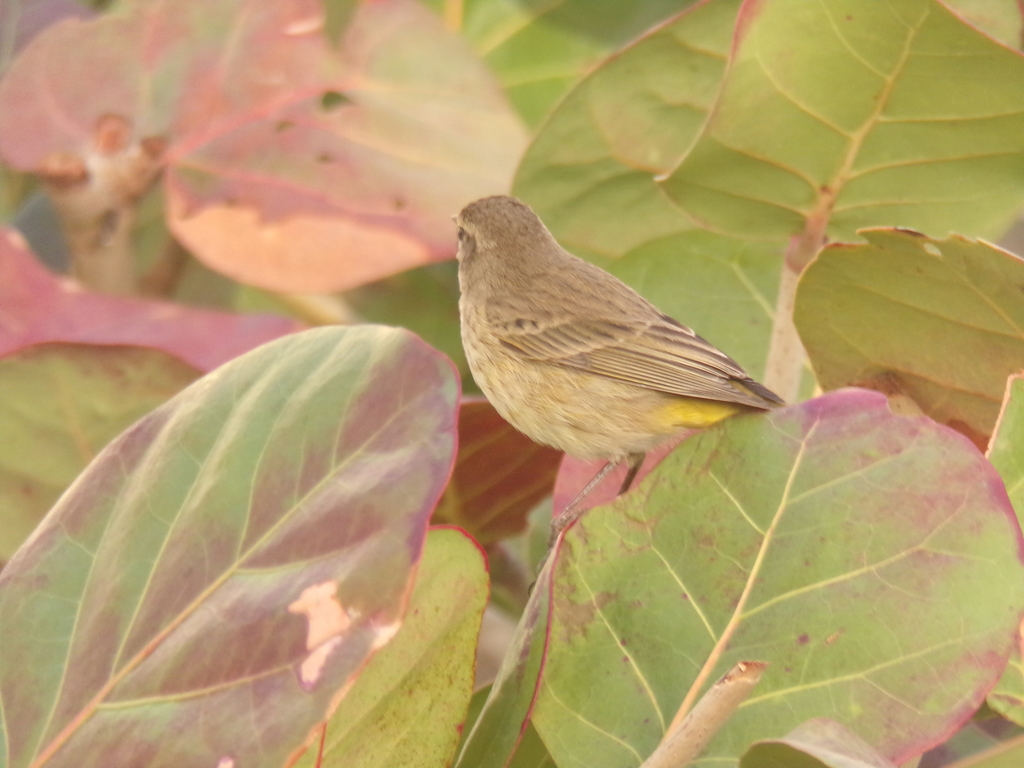
- Palm WarblerDendroica palmarum
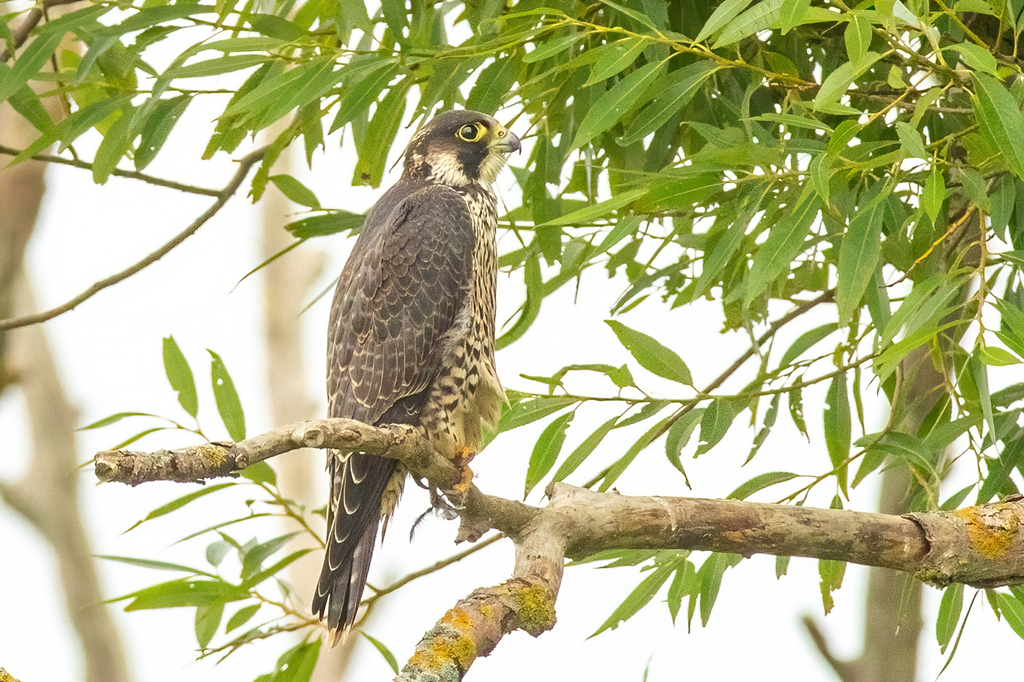
- Peregrine FalconFalco peregrinus
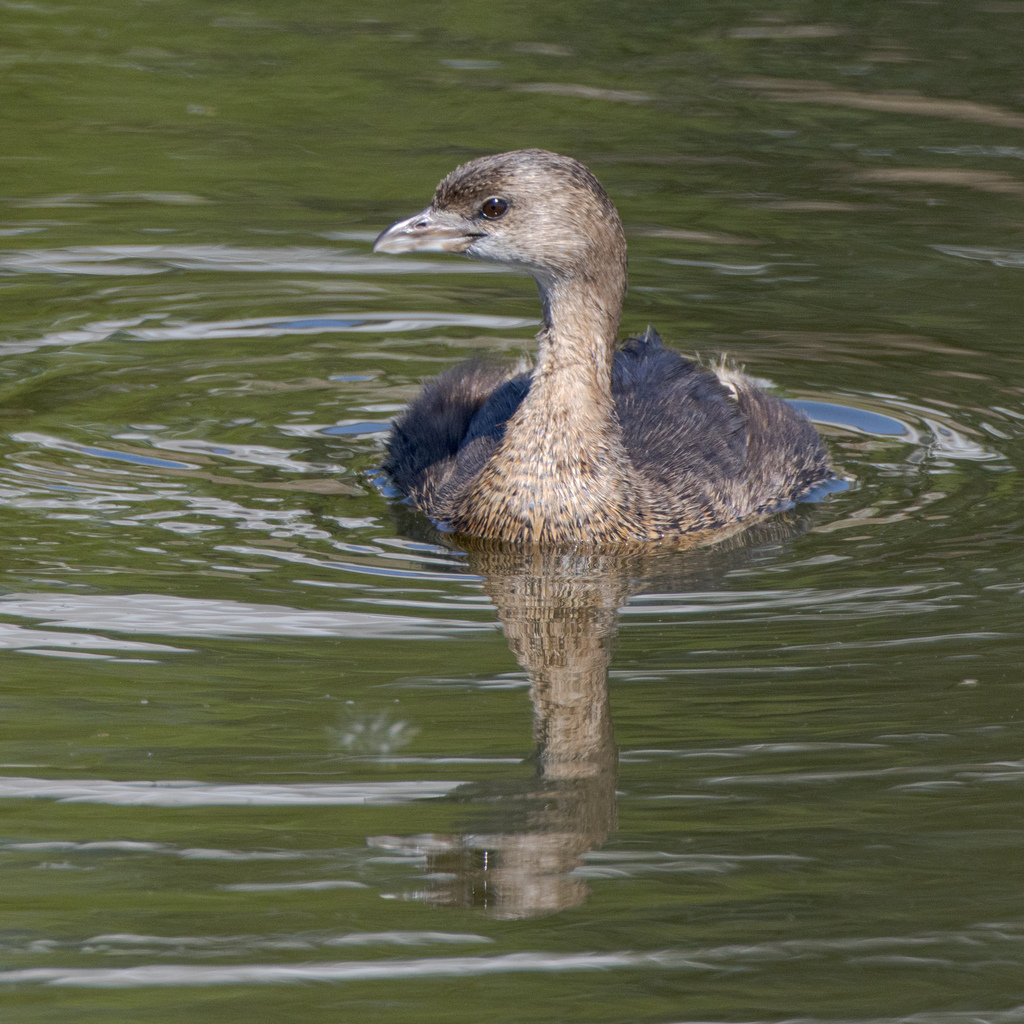
- Pied-billed GrebePodilymbus podiceps
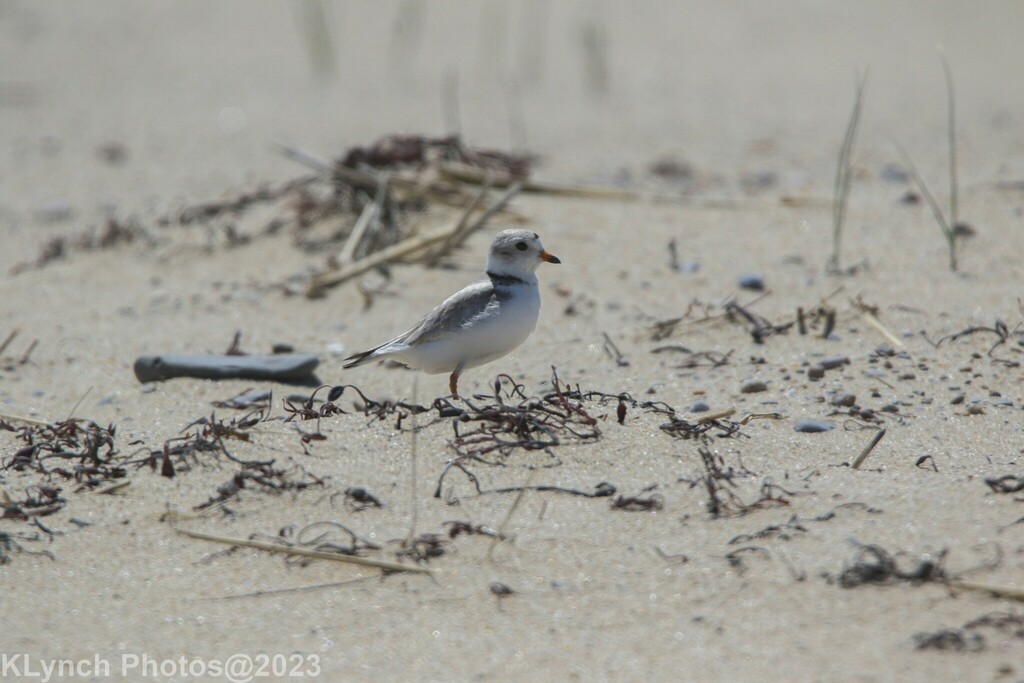
- Piping PloverCharadrius melodus
- Prairie WarblerDendroica discolor
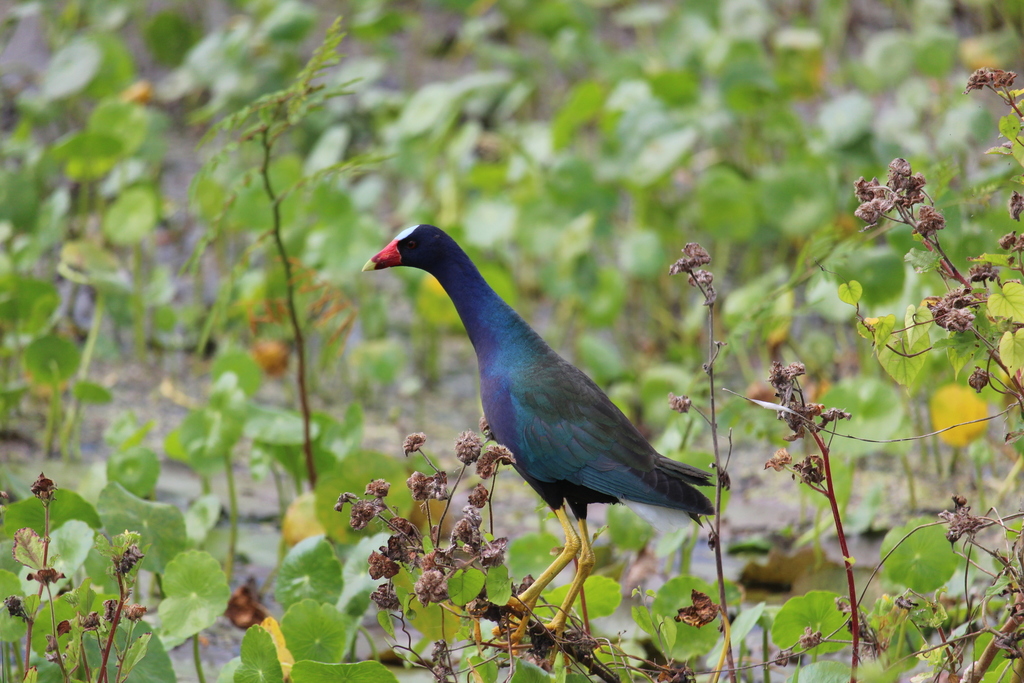
- Purple GallinulePorphyrio martinica
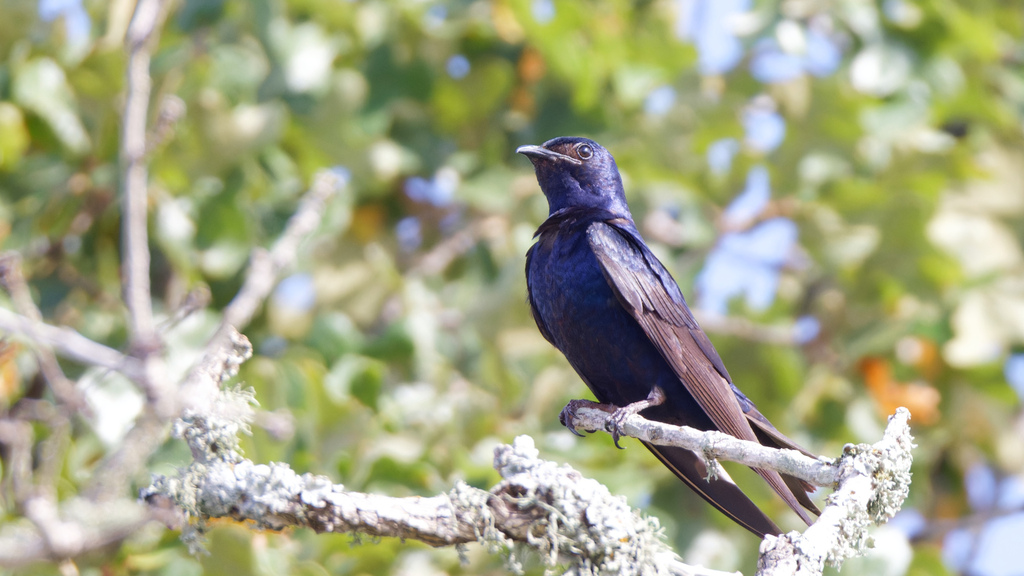
- Purple MartinProgne subis
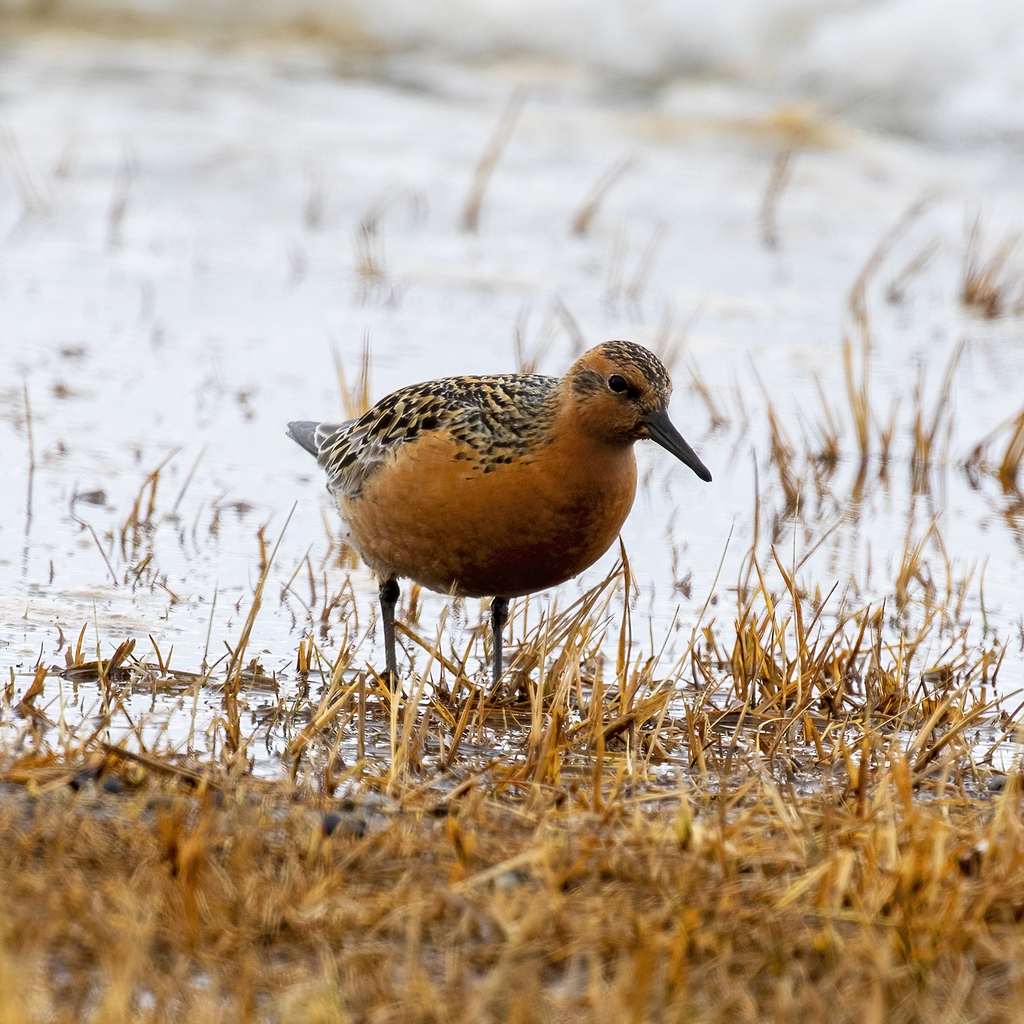
- Red KnotCalidris canutus
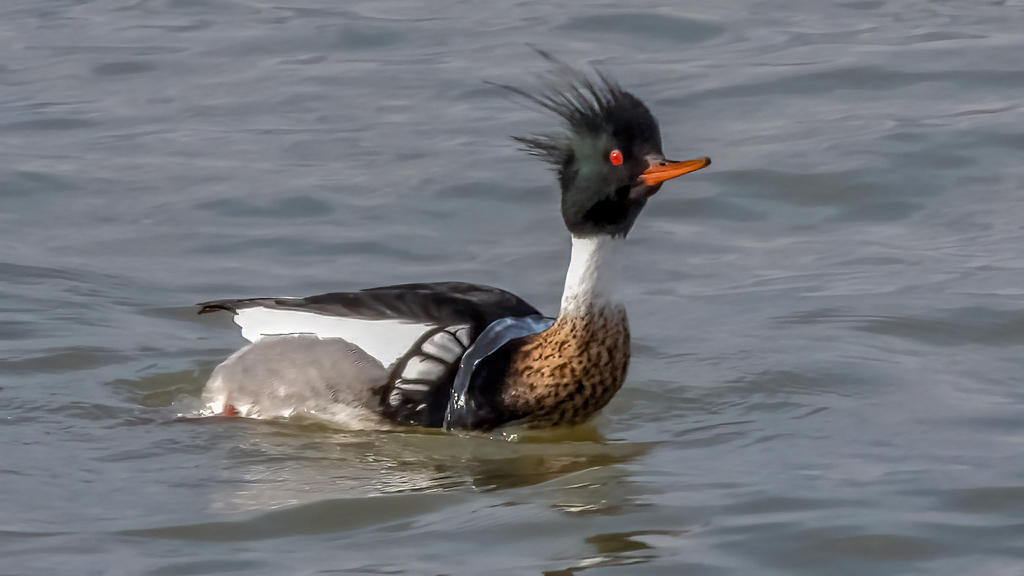
- Red-breasted MerganserMergus serrator
- Red-shouldered HawkButeo lineatus




Who uses this plant?
 3CaterpillarsGenus host records with ranges including LA
Genus host records with ranges including LA · Rhynchospora
- Euphyes dukesiDukes' Skipper
- Lethe appalachiaAppalachian Brown, Appalachian Eyed Brown
- Synchlora frondariaSouthern Emerald
 4BeesSoutheastern regional records
Southeastern regional records · Rhynchospora
Individual names are not available yet.
Noori, Seltmann & Orr 2026, A curated and integrated dataset for exploring global bee-plant interactions (GloBI), Zenodo, CC BY 4.0 0Specialist beesPollen specialists
 5BirdsRecorded genus food-resource interactions; not a state feeding claim
Recorded genus food-resource interactions; not a state feeding claim · Rhynchospora
- Dendrocygna bicolorFulvous Whistling-Duck
- Lagopus lagopusWillow Ptarmigan
- Meleagris gallopavoWild Turkey
- Rallus elegansKing Rail
- Tyrannus tyrannusEastern Kingbird
Direct food only: birds recorded eating this genus across North America. Caterpillars on host plants also feed nesting birds. NC Native Plant Society: butterfly gardening
No records yet · Ants · Beetles · Flies · Adult butterflies / moths · Other wasps · Other insects
Plant details
- Family
- Cyperaceae
- Hardiness
- Zones 7a–10a
- Flower color
- Green or white
Safety has not been reviewed for this plant; check toxicity and thorns before planting.
Growing sources and scope
- Bloom · “May to September” · Weakley, Flora of the Southeastern United States (2025), Carolinas & Georgia edition · Carolinas and Georgia
- Flower color · “Green or white” · NC Extension Plant Toolbox (ranked first; Lady Bird Johnson Wildflower Center differs)
- Hardiness · “Zones 7a–10a” · NC Extension Plant Toolbox
- Height · “1–2 feet” · NC Extension Plant Toolbox (ranked first; Lady Bird Johnson Wildflower Center differs)
- Life cycle · “Perennial” · NC Extension Plant Toolbox
- Light · “Full sun (6 or more hours of direct sunlight a day); Partial shade (direct sunlight only part of the day, 2-6 hours)” · NC Extension Plant Toolbox (ranked first; Lady Bird Johnson Wildflower Center differs)
- Soil · “Moist; Occasionally wet” · NC Extension Plant Toolbox (ranked first; Lady Bird Johnson Wildflower Center differs)
- Spread · “2–3 feet” · NC Extension Plant Toolbox
Also known as
Dichromena colorata; Whitetop Beaksedge
Conservation status
| Louisiana rank | SNR |
|---|---|
| Global rank | G5 |
| LA status | Not verified |
| Federal status | Not verified |
Will it fit your yard?
Check this plant against your county, sun and soil moisture. Conditions are checked in your browser.
Sources
- USDA PLANTS
- Vascular Plants of North Carolina (NC Natural Heritage Program)
- Weakley, Flora of the Southeastern United States (2025)
- Louisiana occurrence source
- Shropshire & Tallamy 2025, Lepidoptera of North America north of Mexico, ZooKeys 1261 (ODbL)
- Noori, Seltmann & Orr 2026, A curated and integrated dataset for exploring global bee-plant interactions (GloBI), Zenodo, CC BY 4.0
- Smith, Bachelder, Russell, Morales, Mosher & Seltmann 2024, Bee-Specialization-Modeling v0.6.1 (specialist host table compiled from J. Fowler's pollen specialist bee lists), Zenodo, CC BY 4.0
- Hurlbert, Olsen, Sawyer & Winner 2021, Avian Diet Database, Scientific Data 8: 260 (CC0)
- Narango, Tallamy & Shropshire 2020, Few keystone plant genera support the majority of Lepidoptera species, Nature Communications