

American Pokeweed
Phytolacca americana
In the Carolinas and Georgia, found in forests and woodlands. Weakley, Flora of the Southeastern United States (2025), Carolinas & Georgia edition What its natural habitat tells you
Native to Louisiana (estimated). Not suggested for planting. How scores work Is it native here?
Profile 100%
- Height
- 4–10 feet
- Spread
- 3–5 feet
- Light
- Full sun, Partial shade
- Soil moisture
- Somewhat dry to moist
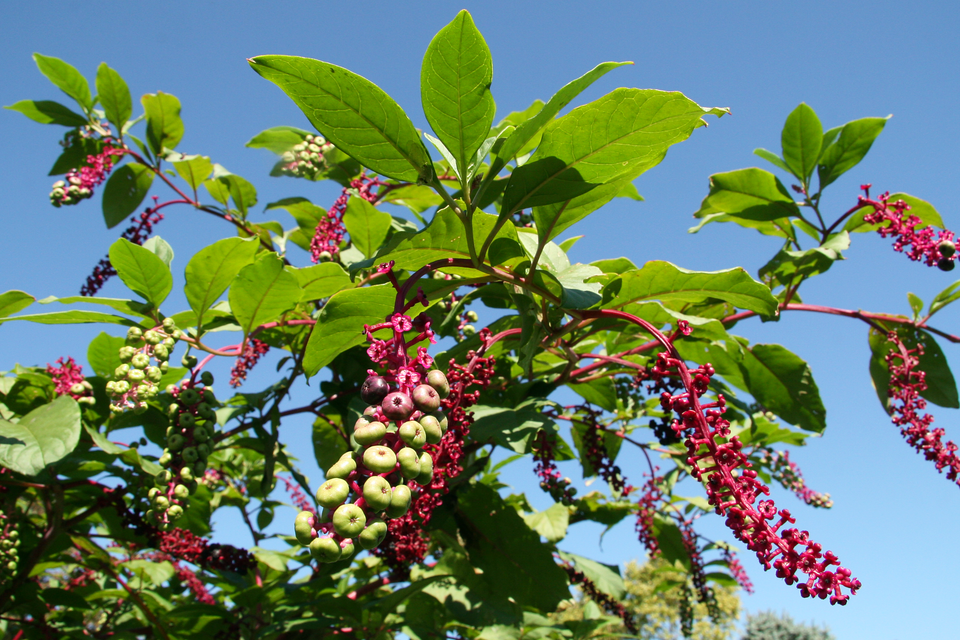
Poisonous if eaten. All plant parts are poisonous to people and pets. Plant caution source
Hidden from default planting suggestions. Wildlife value and native status remain unchanged.
At a glance
- Life cycle
- Perennial
- Leaves
- Deciduous
- Bloom
- May to November
- Fruiting season
- Summer to fall
Recorded in 61 Louisiana parishes.
Natural habitats
Places it grows wild. Not a planting requirement. Each habitat page lists the plants and wildlife also found there.
Forest or woodland where the source does not say how moist or dry.
Also found with this plant
Wildlife whose habitat models include habitats this plant grows in, in Louisiana. Shared habitat, not food. 103 animals.
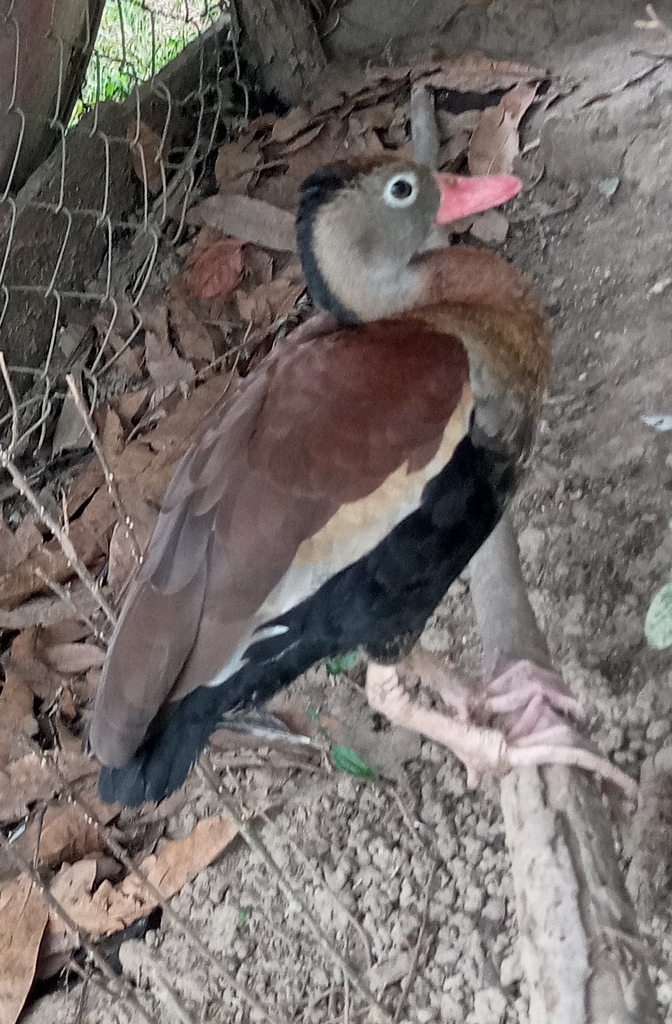
- Black-bellied Whistling-DuckDendrocygna autumnalis
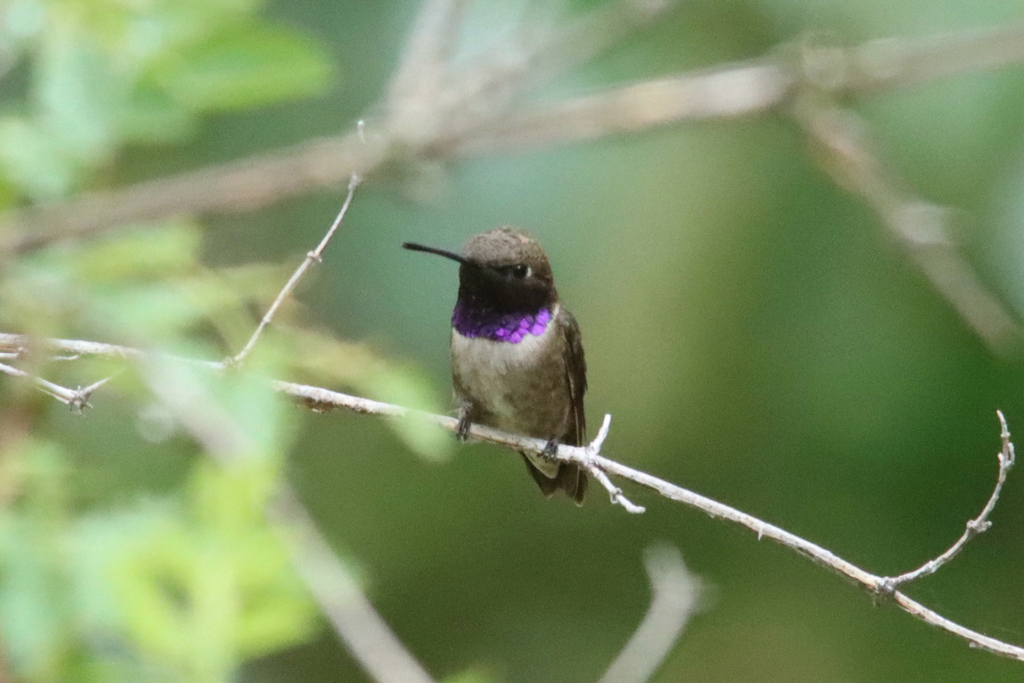
- Black-chinned HummingbirdArchilochus alexandri
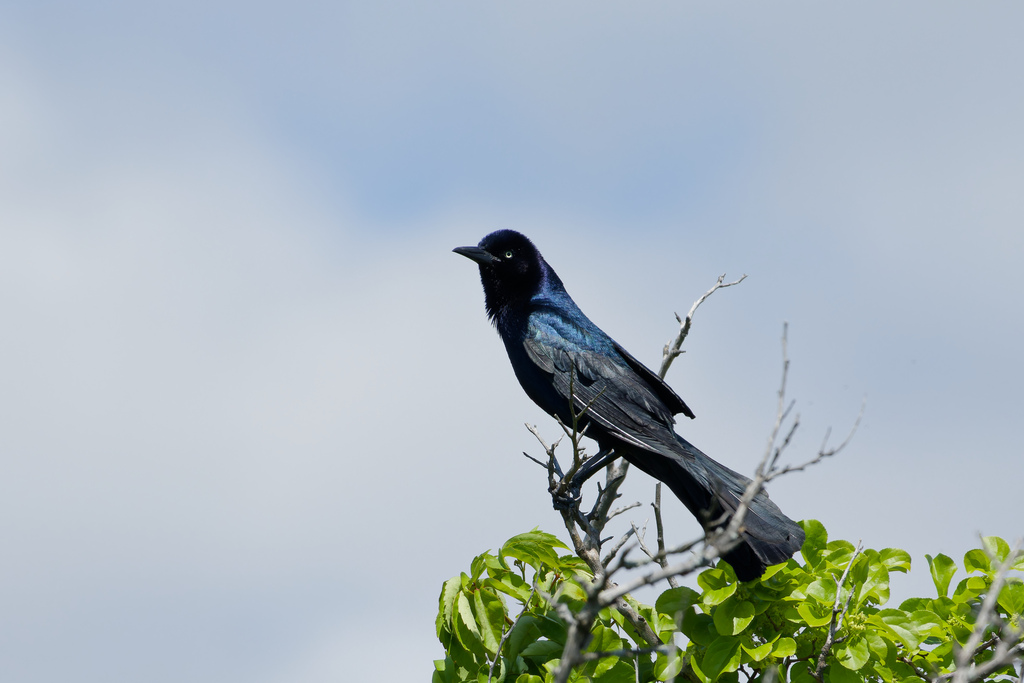
- Boat-tailed GrackleQuiscalus major
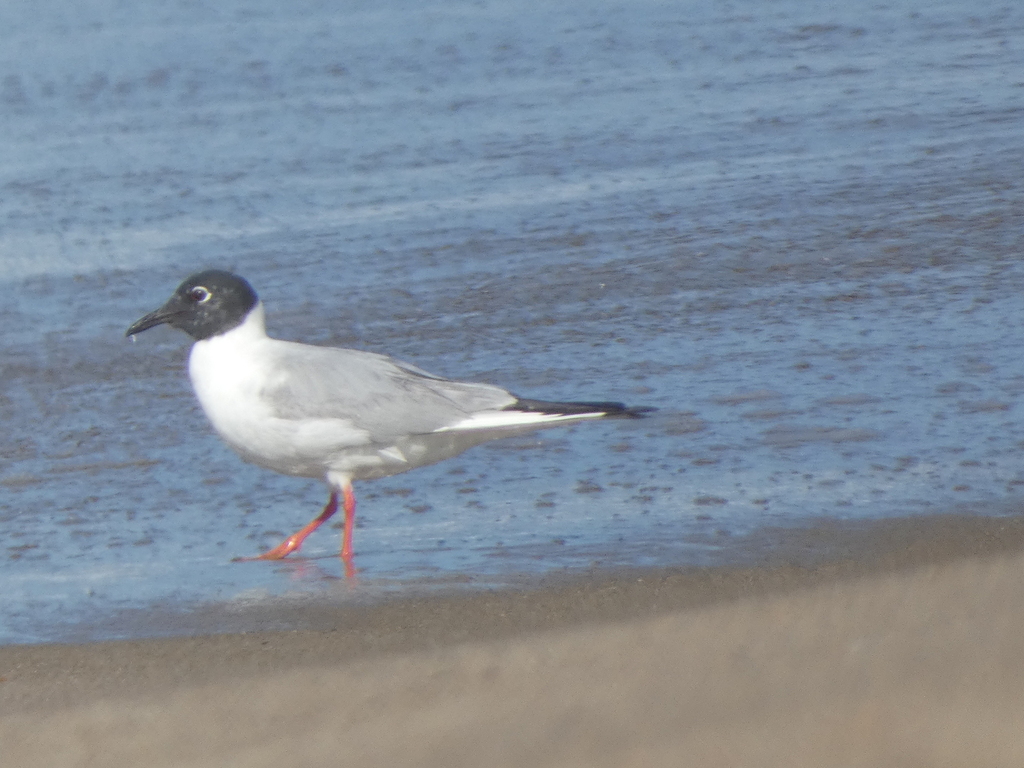
- Bonaparte's GullChroicocephalus philadelphia
- Carolina WrenThryothorus ludovicianus
- Chipping SparrowSpizella passerina
- Common GrackleQuiscalus quiscula
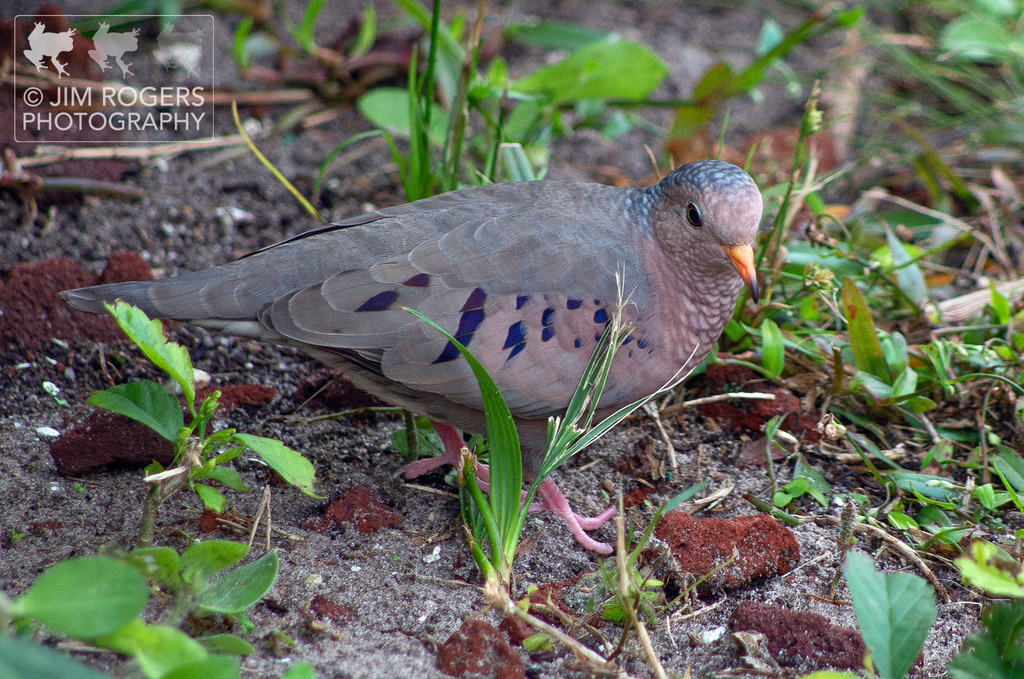
- Common Ground-doveColumbina passerina
- Eastern BluebirdSialia sialis
- Eastern PhoebeSayornis phoebe
- Eastern Screech-owlMegascops asio
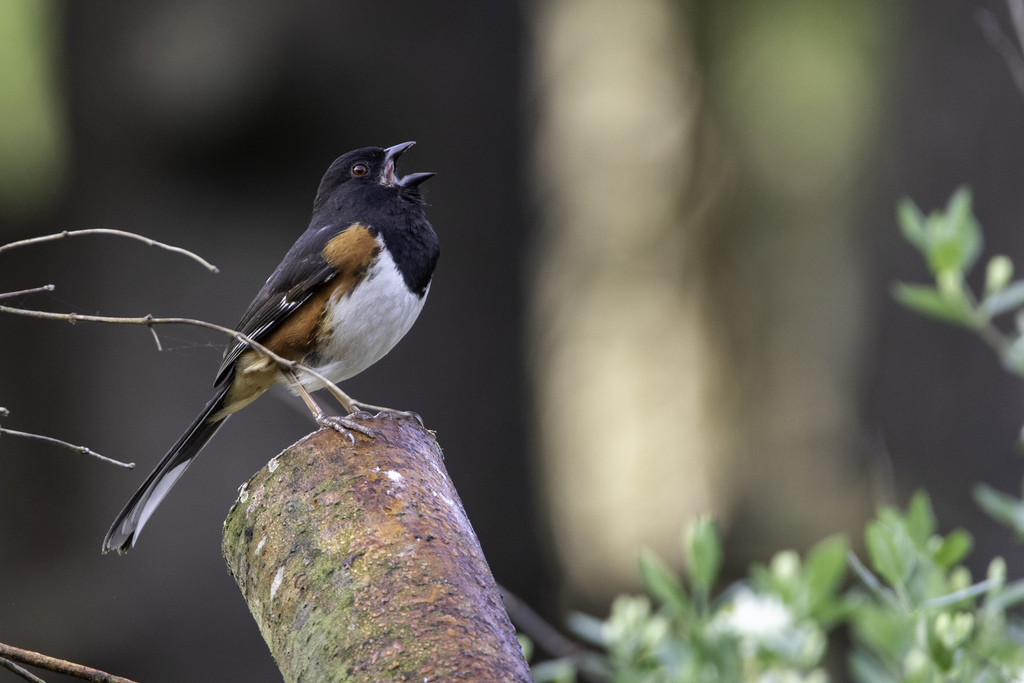
- Eastern TowheePipilo erythrophthalmus
- Eurasian Collared-doveStreptopelia decaocto
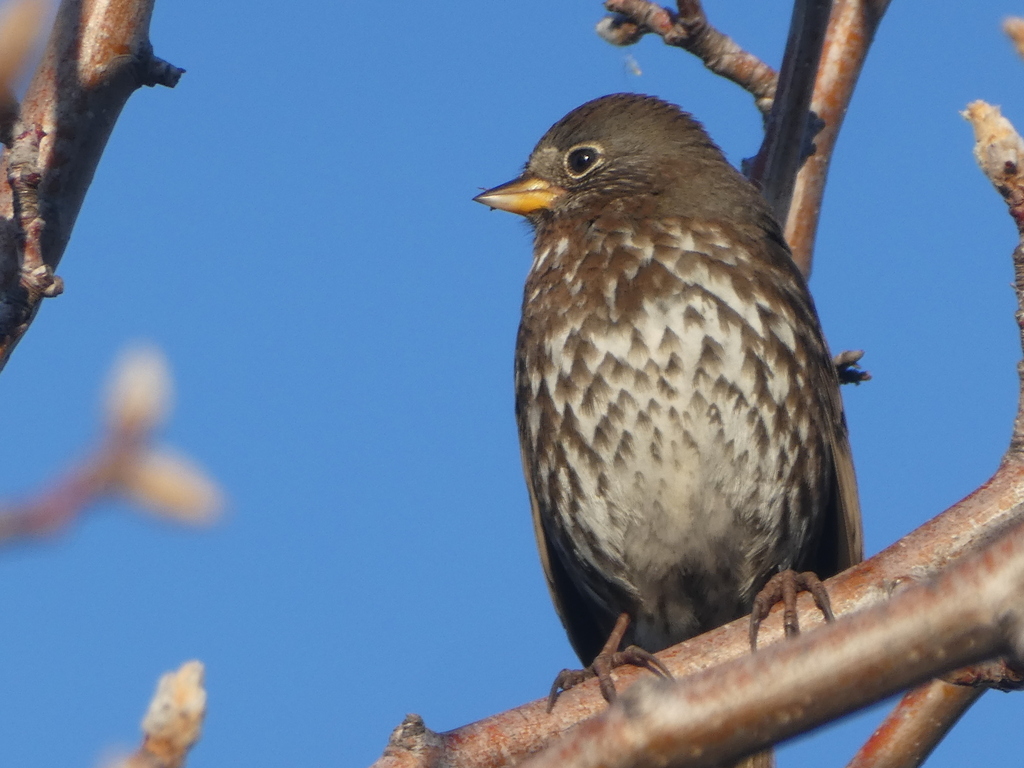
- Fox SparrowPasserella iliaca
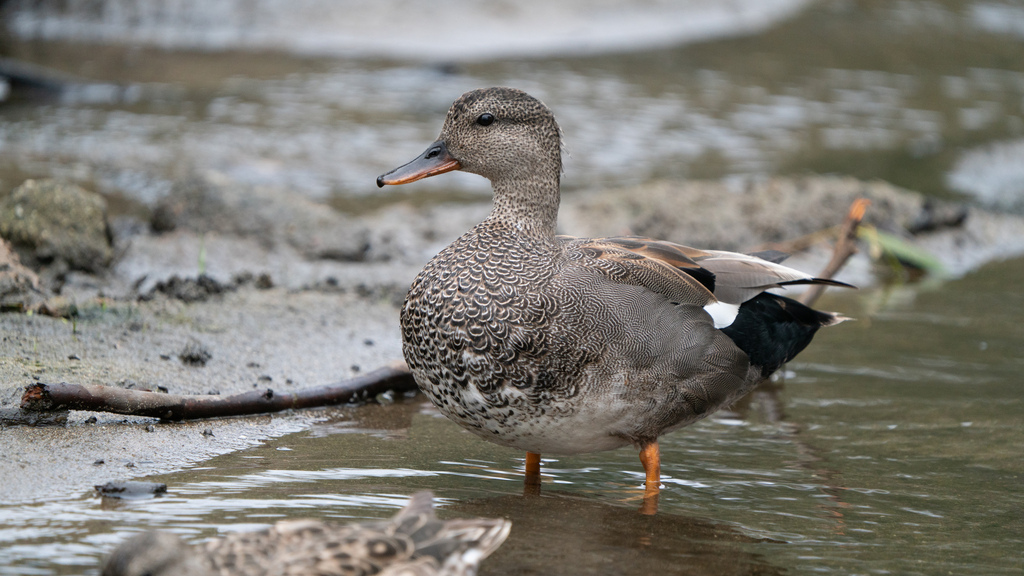
- GadwallAnas strepera
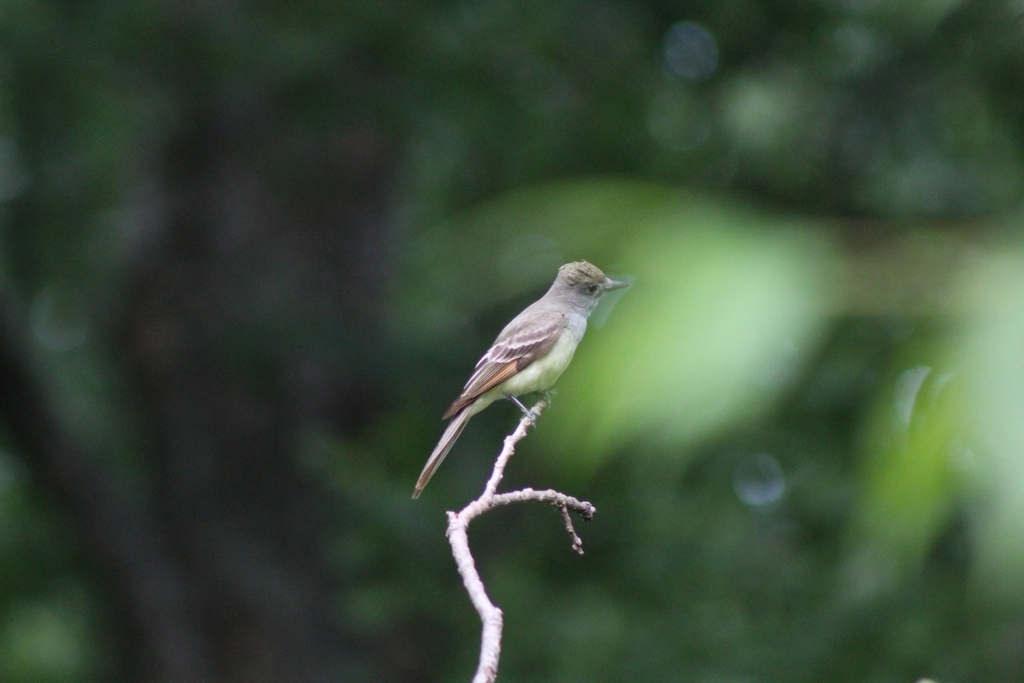
- Great Crested FlycatcherMyiarchus crinitus
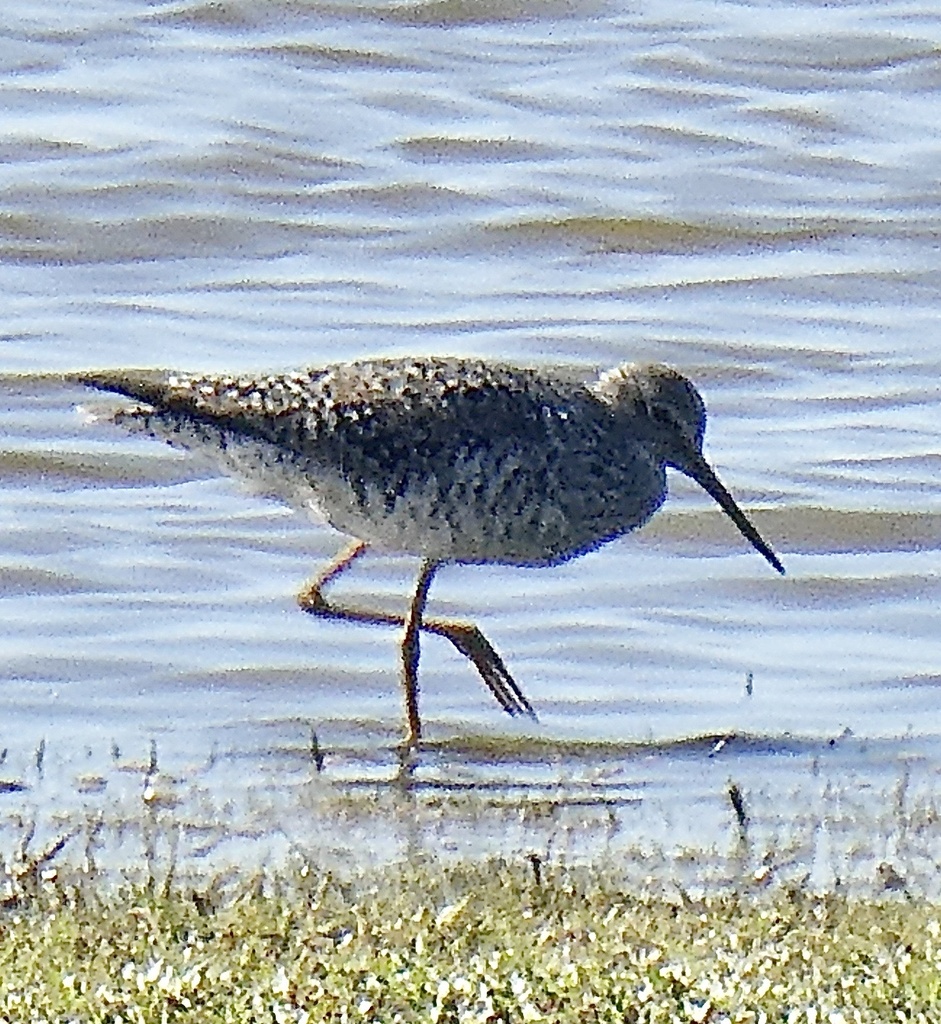
- Greater YellowlegsTringa melanoleuca
- Indigo BuntingPasserina cyanea
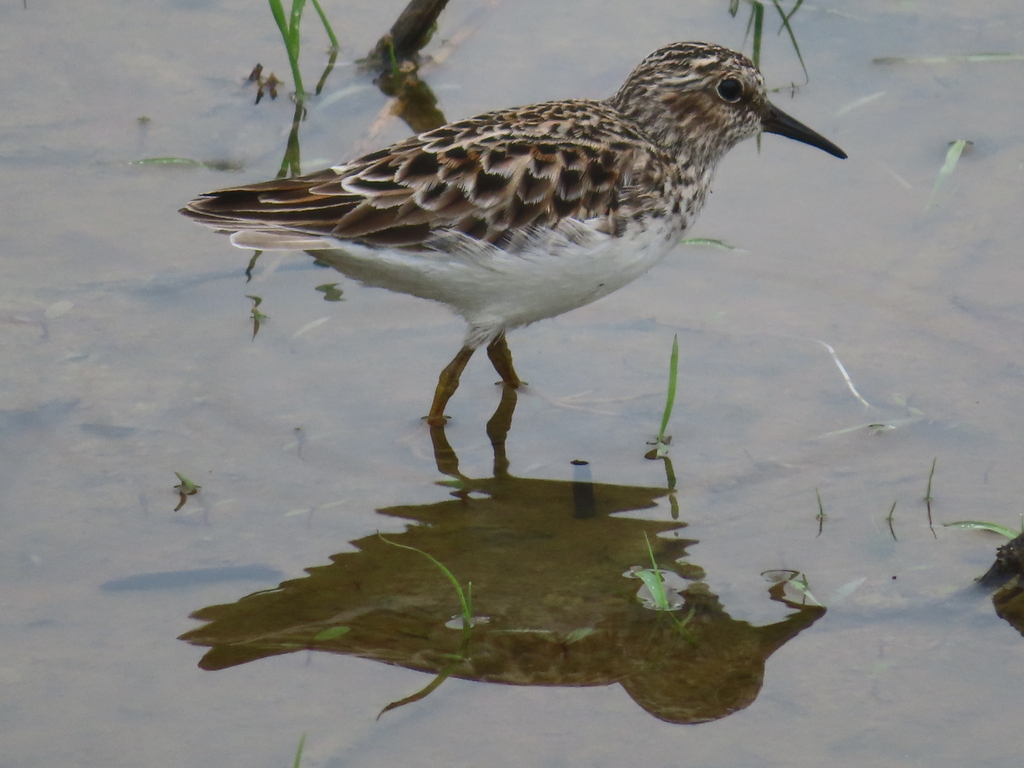
- Least SandpiperCalidris minutilla
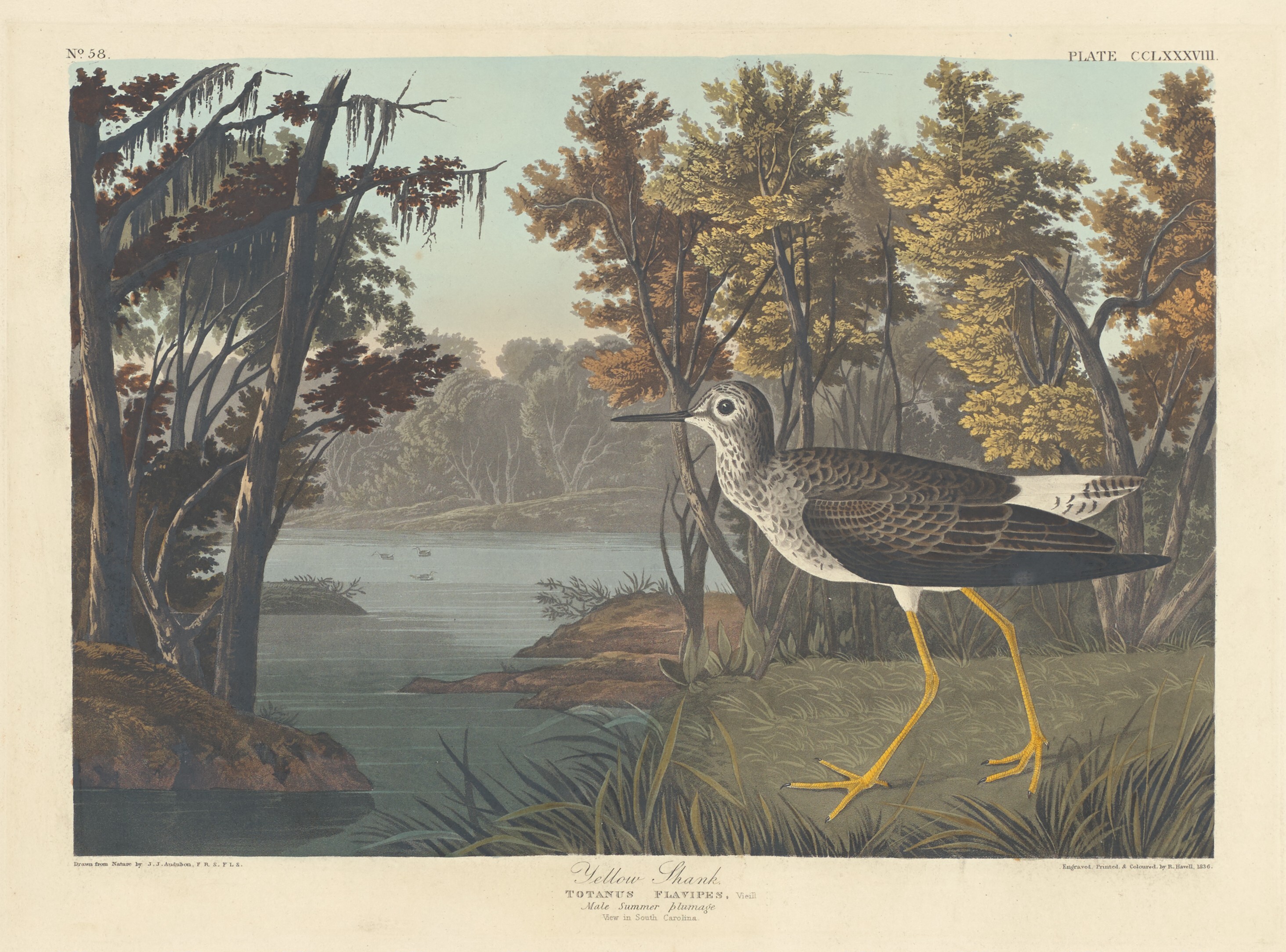
- Lesser YellowlegsTringa flavipes
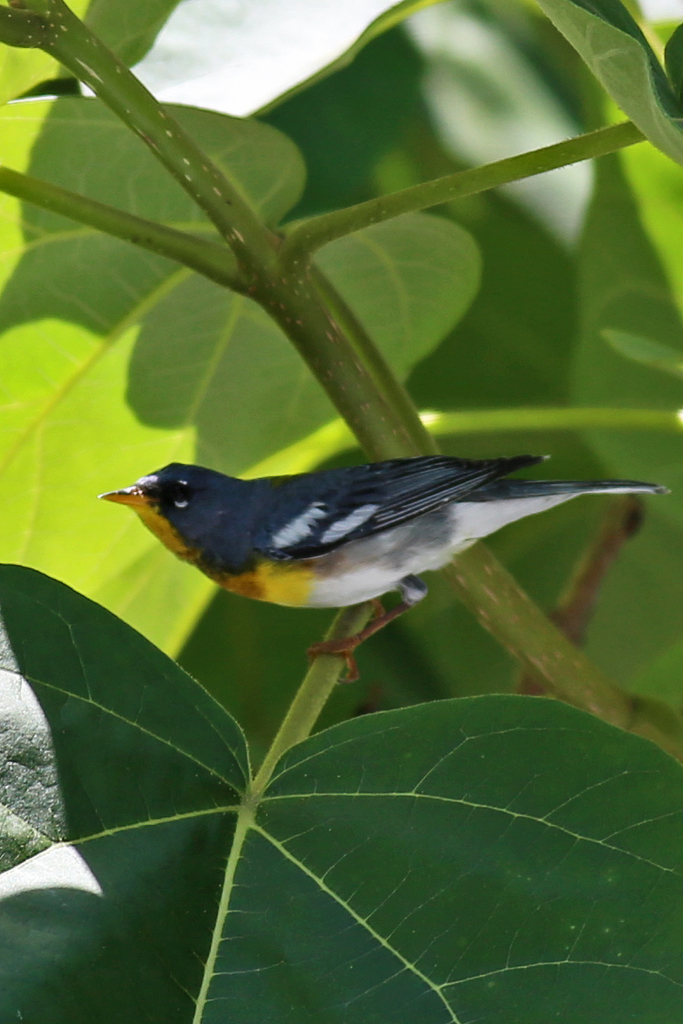
- Northern ParulaParula americana
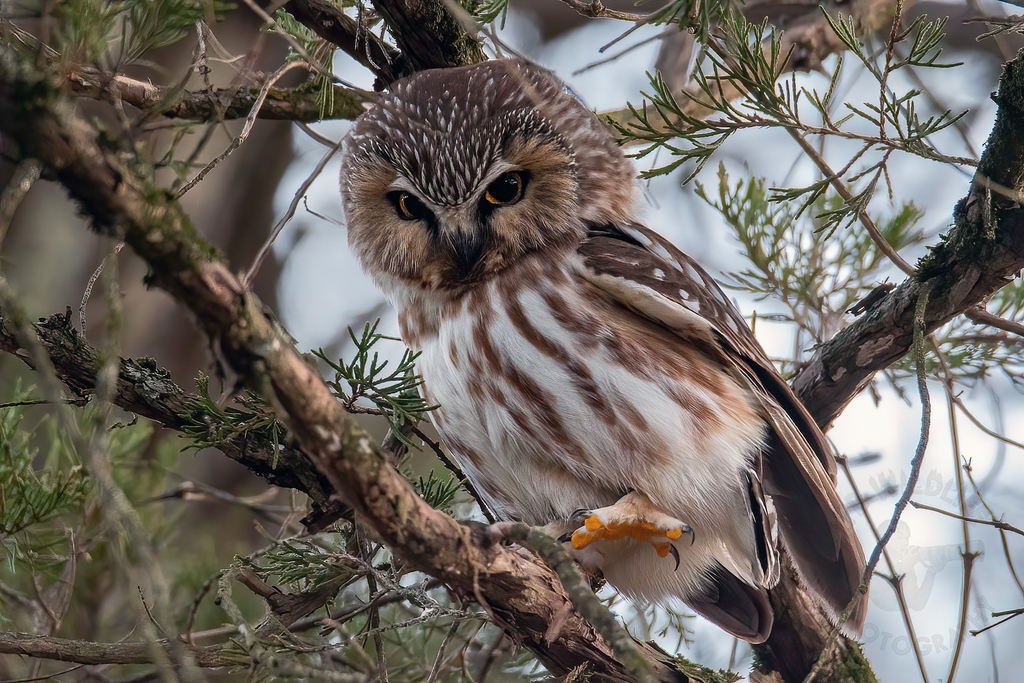
- Northern Saw-whet OwlAegolius acadicus
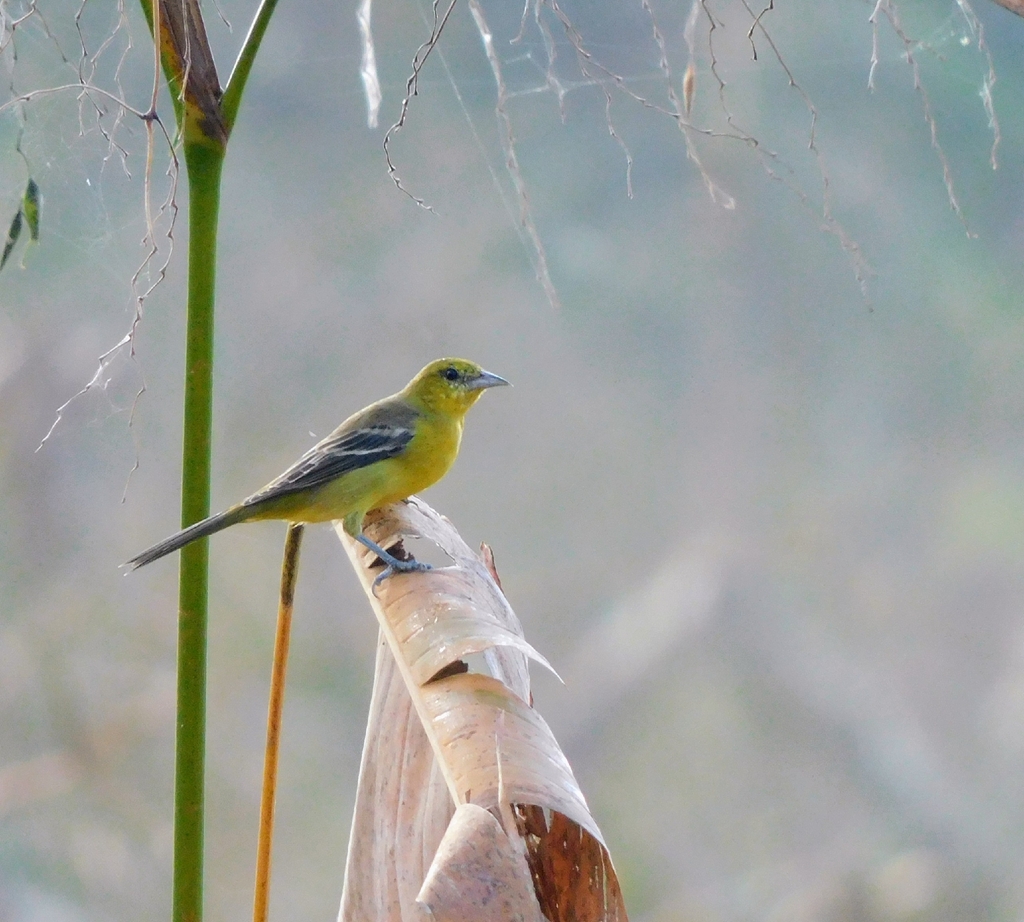
- Orchard OrioleIcterus spurius
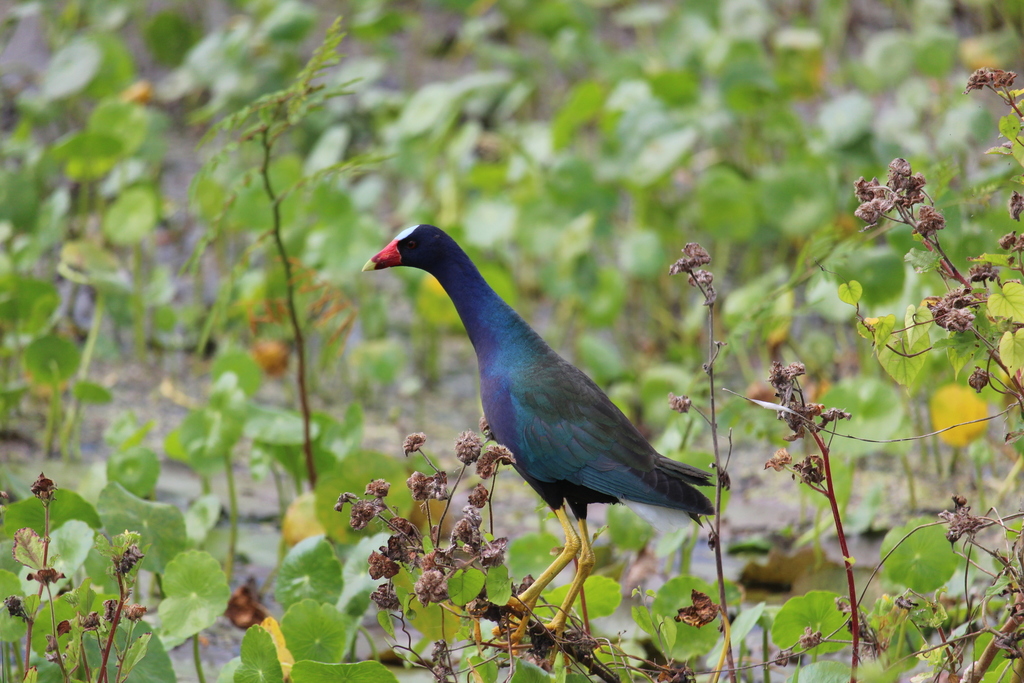
- Purple GallinulePorphyrio martinica








Widespread birds also seen here (34)
Found in many habitats here, so not listed above.
- American Goldfinch
- American Kestrel
- American Robin
- Bald Eagle
- Black-crowned Night-heron
- Blue Grosbeak
- Blue-gray Gnatcatcher
- Canada Goose
- Cedar Waxwing
- Chimney Swift
- Common Nighthawk
- Common Yellowthroat
- Cooper's Hawk
- Double-crested Cormorant
- Eastern Kingbird
- European Starling
- Great Egret
- Great Horned Owl
- Mourning Dove
- Northern Cardinal
- Northern Flicker
- Northern Mockingbird
- Osprey
- Pine Siskin
- Purple Finch
- Red-tailed Hawk
- Red-winged Blackbird
- Sharp-shinned Hawk
- Tree Swallow
- Turkey Vulture
- White-throated Sparrow
- Yellow-breasted Chat
- Yellow-crowned Night-heron
- Yellow-rumped Warbler
Who uses this plant?
 11CaterpillarsGenus host records with ranges including LA
Genus host records with ranges including LA · Phytolacca
- Disclisioprocta stellataSomber Carpet, Bougainvillea Looper
- Feltia repletaReplete Dart
- Herpetogramma aeglealisSerpentine Webworm
- Hypenula cacuminalisLong-Horned Owlet
- Hypercompe scriboniaGiant Leopard Moth, Great Leopard Moth
- Parapoynx obscuralisObscure Pondweed Moth
- Spodoptera eridaniaSouthern Armyworm Moth
- Spodoptera frugiperdaFall Armyworm Moth
- Spodoptera ornithogalliYellow-Striped Armyworm Moth, Cotton Cutworm
- Spoladea recurvalisHawaiian Beet Webworm
Show all 11
- Thyridopteryx ephemeraeformisEvergreen Bagworm Moth
 18BeesSoutheastern regional records
Southeastern regional records · Phytolacca
Individual names are not available yet.
Noori, Seltmann & Orr 2026, A curated and integrated dataset for exploring global bee-plant interactions (GloBI), Zenodo, CC BY 4.0 0Specialist beesPollen specialists
 17BirdsRecorded eating Phytolacca in Louisiana
Diet records by plant genus, from studies across North America. Not a record from this state. Birds whose range includes Louisiana, most records first.
- Cedar WaxwingFruit. 4 diet records
- American Crow1 diet record
- American RobinFruit. 1 diet record
- Common Grackle1 diet record
- Eastern BluebirdFruit. 1 diet record
- Eastern KingbirdFruit. 1 diet record
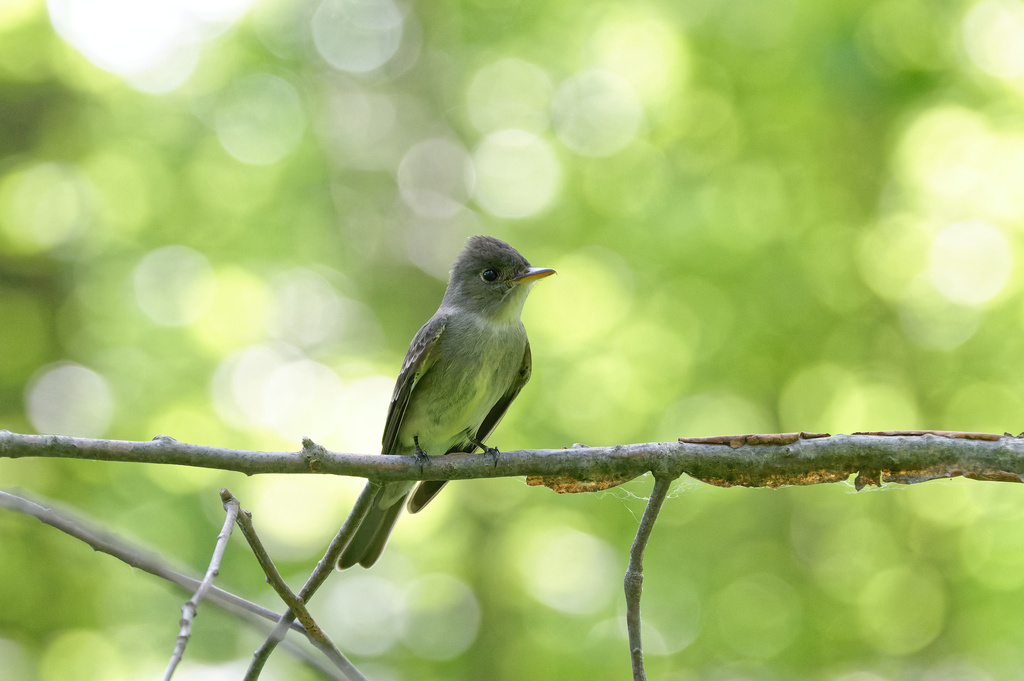
- Eastern Wood-peweeFruit. 1 diet record
- European Starling1 diet record
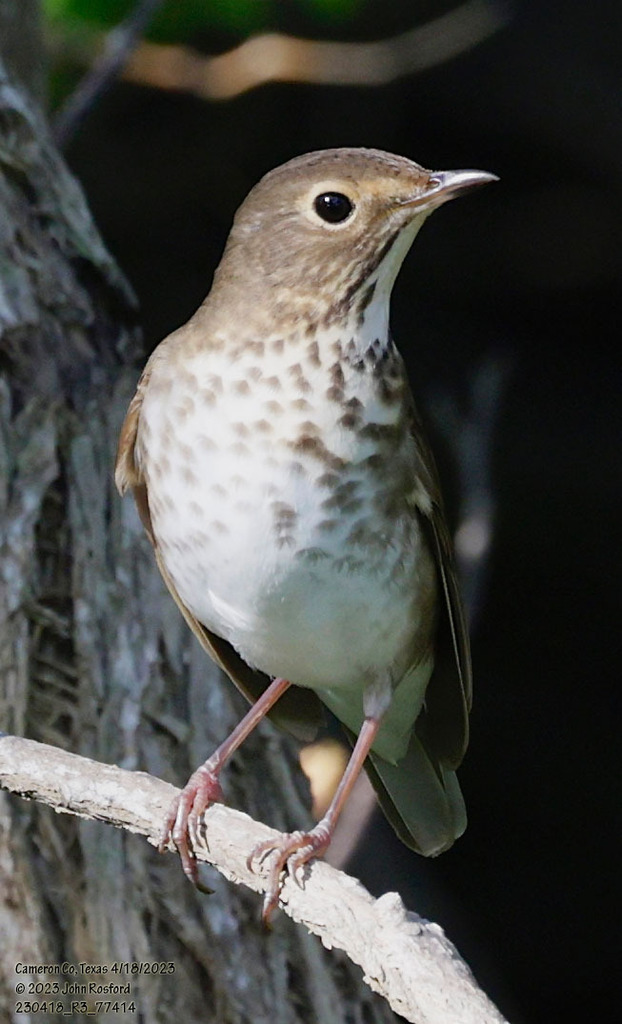
- Hermit ThrushFruit and seeds. 1 diet record
- Northern CardinalFruit. 1 diet record
Show all 17
- Red-winged Blackbird1 diet record
- Rock Pigeon1 diet record
- Swainson's ThrushFruit and seeds. 1 diet record
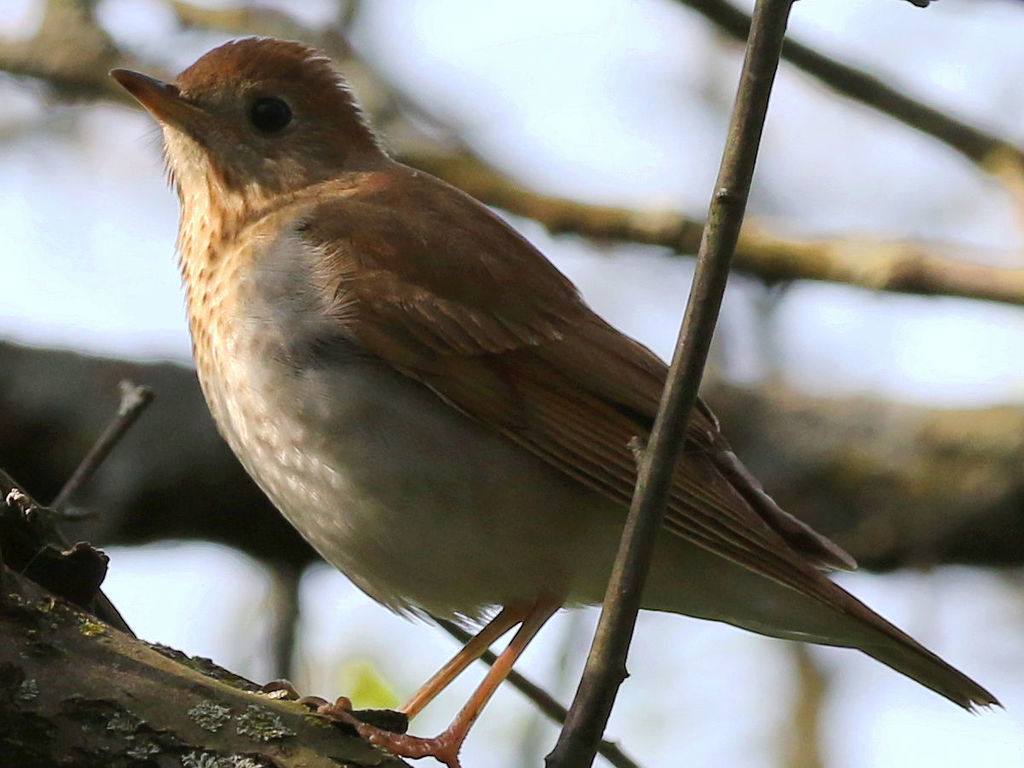
- VeeryFruit and seeds. 1 diet record
- White-eyed Vireo1 diet record
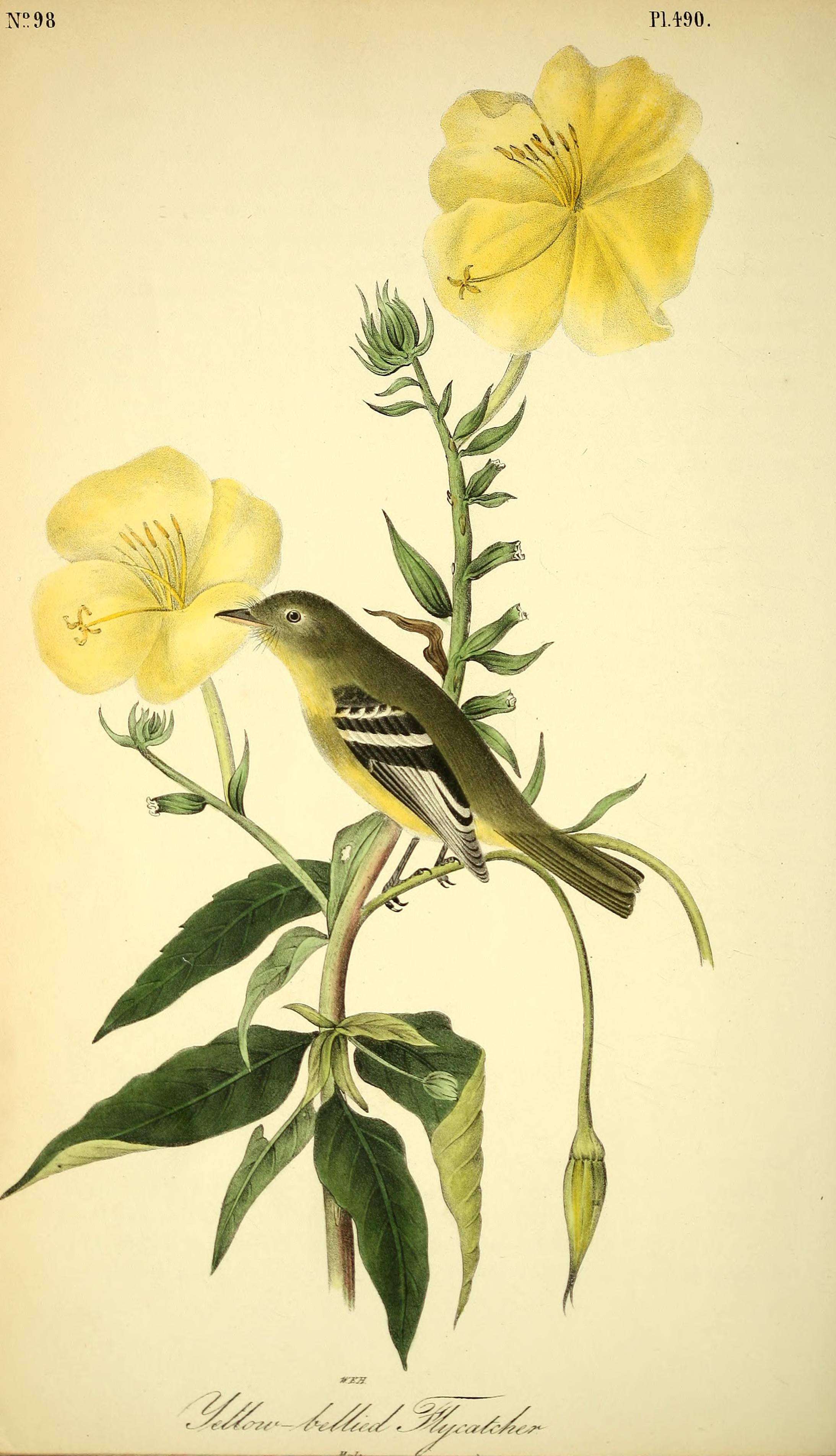
- Yellow-bellied FlycatcherFruit. 1 diet record
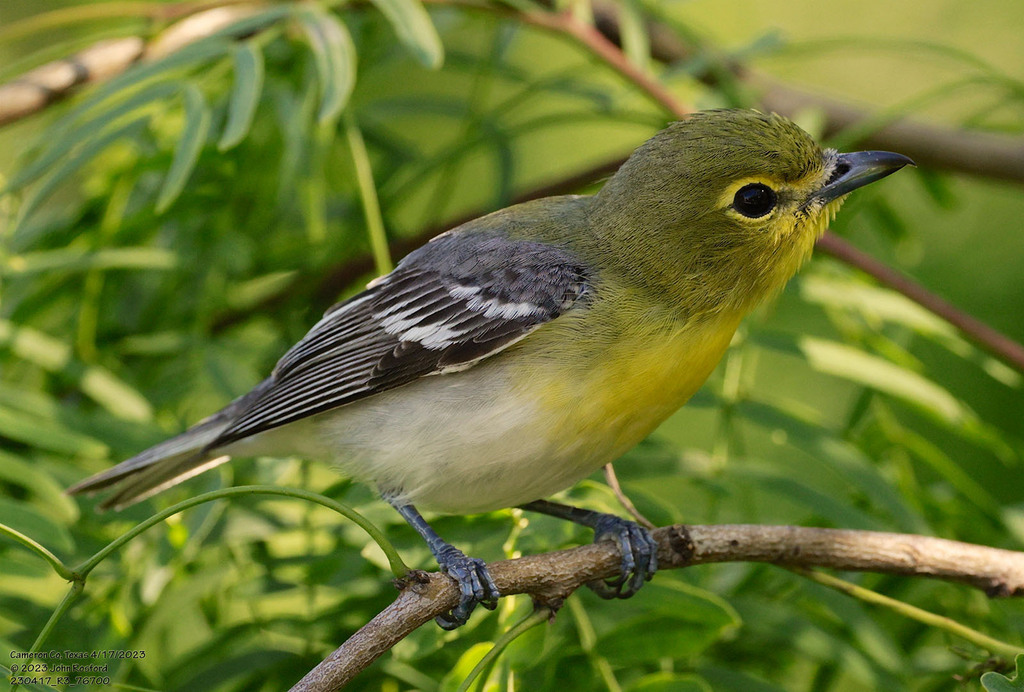
- Yellow-throated Vireo1 diet record
Direct food only. Caterpillars on host plants also feed nesting birds. NC Native Plant Society: butterfly gardening
 1AntsRecorded seed interactions
- Pogonomyrmex badius
Pogonomyrmex badius: Seed predation.
No records yet · Beetles · Flies · Adult butterflies / moths · Other wasps · Other insects
Birds that eat Phytolacca 17
Diet records by plant genus, from studies across North America. Not a record from this state. Avian Diet Database (Hurlbert Lab), CC0 1.0.
- Cedar WaxwingBombycilla cedrorum
- American CrowCorvus brachyrhynchos
- American RobinTurdus migratorius
- Common GrackleQuiscalus quiscula
- Eastern BluebirdSialia sialis
- Eastern KingbirdTyrannus tyrannus
- Eastern Wood-peweeContopus virens
- European StarlingSturnus vulgaris
- Hermit ThrushCatharus guttatus
- Northern CardinalCardinalis cardinalis
- Red-winged BlackbirdAgelaius phoeniceus
- Rock PigeonColumba livia
- Swainson's ThrushCatharus ustulatus
- VeeryCatharus fuscescens
- White-eyed VireoVireo griseus
- Yellow-bellied FlycatcherEmpidonax flaviventris
- Yellow-throated VireoVireo flavifrons











Plant details
- Family
- Phytolaccaceae
- Hardiness
- Zones 4a–8b
- Soil pH
- Acidic to alkaline
- Flower color
- Green or white
- Growth rate
- Rapid
- Growth habit
- Single stem
- Foliage color
- Green
- Fruit begins
- Summer
- Fruit ends
- Fall
Growing sources and scope
- Bloom · “May to November” · Weakley, Flora of the Southeastern United States (2025), Carolinas & Georgia edition (ranked first; USDA PLANTS differs) · Carolinas and Georgia
- Flower color · “Green or white” · NC Extension Plant Toolbox (ranked first; USDA PLANTS differs)
- Foliage color · “Green” · USDA PLANTS · Nationwide species characteristics; local growing conditions may vary
- Fruit begins · “Summer” · USDA PLANTS · Nationwide species characteristics; local growing conditions may vary
- Fruit ends · “Fall” · USDA PLANTS · Nationwide species characteristics; local growing conditions may vary
- Growth habit · “Single stem” · USDA PLANTS · Nationwide species characteristics; local growing conditions may vary
- Growth rate · “Rapid” · USDA PLANTS · Nationwide species characteristics; local growing conditions may vary
- Hardiness · “Zones 4a–8b” · NC Extension Plant Toolbox
- Height · “4–10 feet” · NC Extension Plant Toolbox (ranked first; USDA PLANTS differs)
- Leaves · “Deciduous” · NC Extension Plant Toolbox
- Life cycle · “Perennial” · NC Extension Plant Toolbox
- Light · “Full sun (6 or more hours of direct sunlight a day); Partial shade (direct sunlight only part of the day, 2-6 hours)” · NC Extension Plant Toolbox
- Soil · “Moist; Occasionally dry” · NC Extension Plant Toolbox
- Soil pH · “Acidic to alkaline” · NC Extension Plant Toolbox
- Spread · “3–5 feet” · NC Extension Plant Toolbox
Conservation status
| Louisiana rank | SNR |
|---|---|
| Global rank | G5 |
| LA status | Not verified |
| Federal status | Not verified |
Will it fit your yard?
Check this plant against your county, sun and soil moisture. Conditions are checked in your browser.
Sources
- USDA PLANTS
- Vascular Plants of North Carolina (NC Natural Heritage Program)
- Weakley, Flora of the Southeastern United States (2025)
- Louisiana occurrence source
- Shropshire & Tallamy 2025, Lepidoptera of North America north of Mexico, ZooKeys 1261 (ODbL)
- Noori, Seltmann & Orr 2026, A curated and integrated dataset for exploring global bee-plant interactions (GloBI), Zenodo, CC BY 4.0
- Smith, Bachelder, Russell, Morales, Mosher & Seltmann 2024, Bee-Specialization-Modeling v0.6.1 (specialist host table compiled from J. Fowler's pollen specialist bee lists), Zenodo, CC BY 4.0
- Hurlbert, Olsen, Sawyer & Winner 2021, Avian Diet Database, Scientific Data 8: 260 (CC0)
- Narango, Tallamy & Shropshire 2020, Few keystone plant genera support the majority of Lepidoptera species, Nature Communications