

Marsh Seedbox
Ludwigia palustris
In the Carolinas and Georgia, found in roadsides, fields and disturbed ground; freshwater marshes; swamps. Weakley, Flora of the Southeastern United States (2025), Carolinas & Georgia edition What its natural habitat tells you
Native to Louisiana (estimated). How scores work Is it native here?
Profile 100%
- Height
- About 2.4 inches
- Light
- Full sun
- Soil moisture
- Moist to standing water
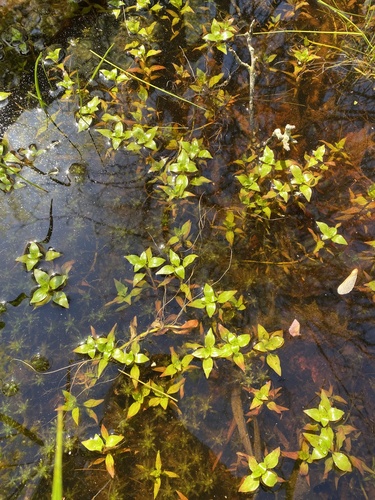
At a glance
- Life cycle
- Perennial
- Leaves
- Deciduous
- Bloom
- May to November
- Fruiting season
- Summer to fall
Not yet recorded · Spread
Recorded in 55 Louisiana parishes.
Natural habitats
Places it grows wild. Not a planting requirement. Each habitat page lists the plants and wildlife also found there.
Roadsides, fields and disturbed ground
Ground opened by people: roadsides, old fields, pastures, fencerows and lots.
Open, herb-covered wetlands with fresh, non-tidal water.
Forested wetlands with standing water much of the year, such as cypress and gum swamps.
Also found with this plant
Wildlife whose habitat models include habitats this plant grows in, in Louisiana. Shared habitat, not food. 131 animals.
- Northern MockingbirdMimus polyglottos
- Northern ParulaParula americana
- OspreyPandion haliaetus
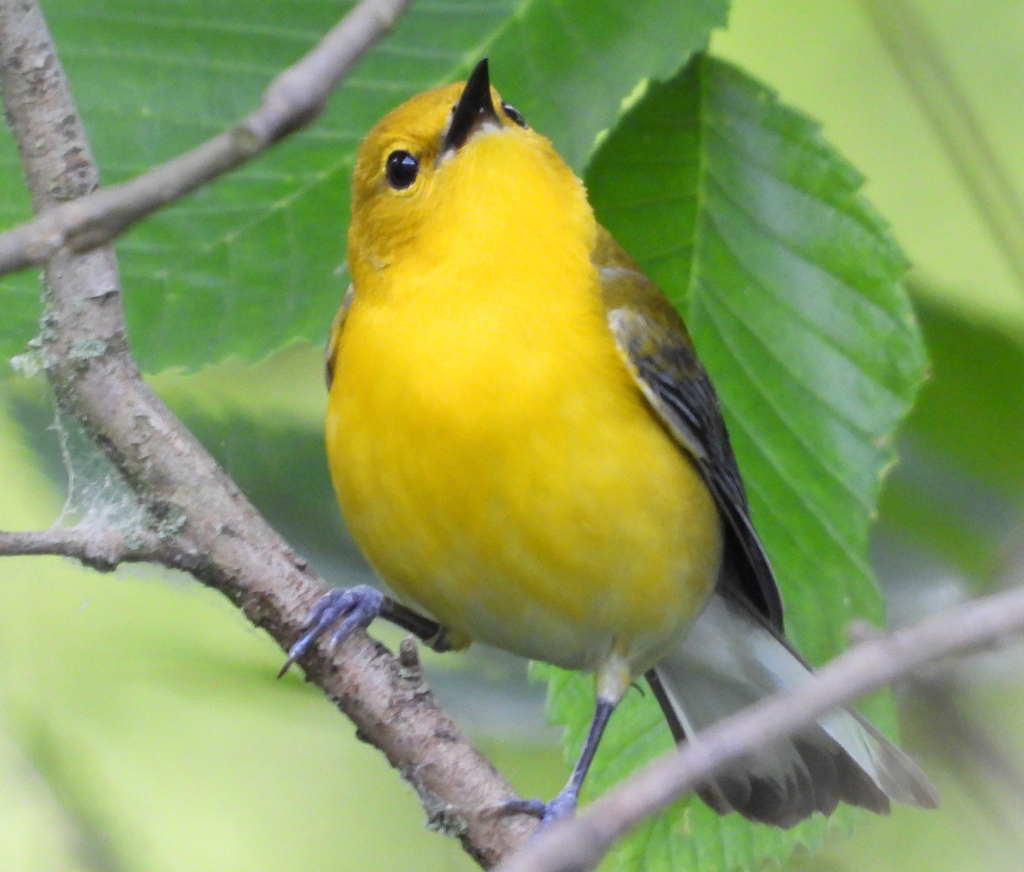
- Prothonotary WarblerProtonotaria citrea
- Purple FinchCarpodacus purpureus
- Red-headed WoodpeckerMelanerpes erythrocephalus
- Red-tailed HawkButeo jamaicensis
- Red-winged BlackbirdAgelaius phoeniceus
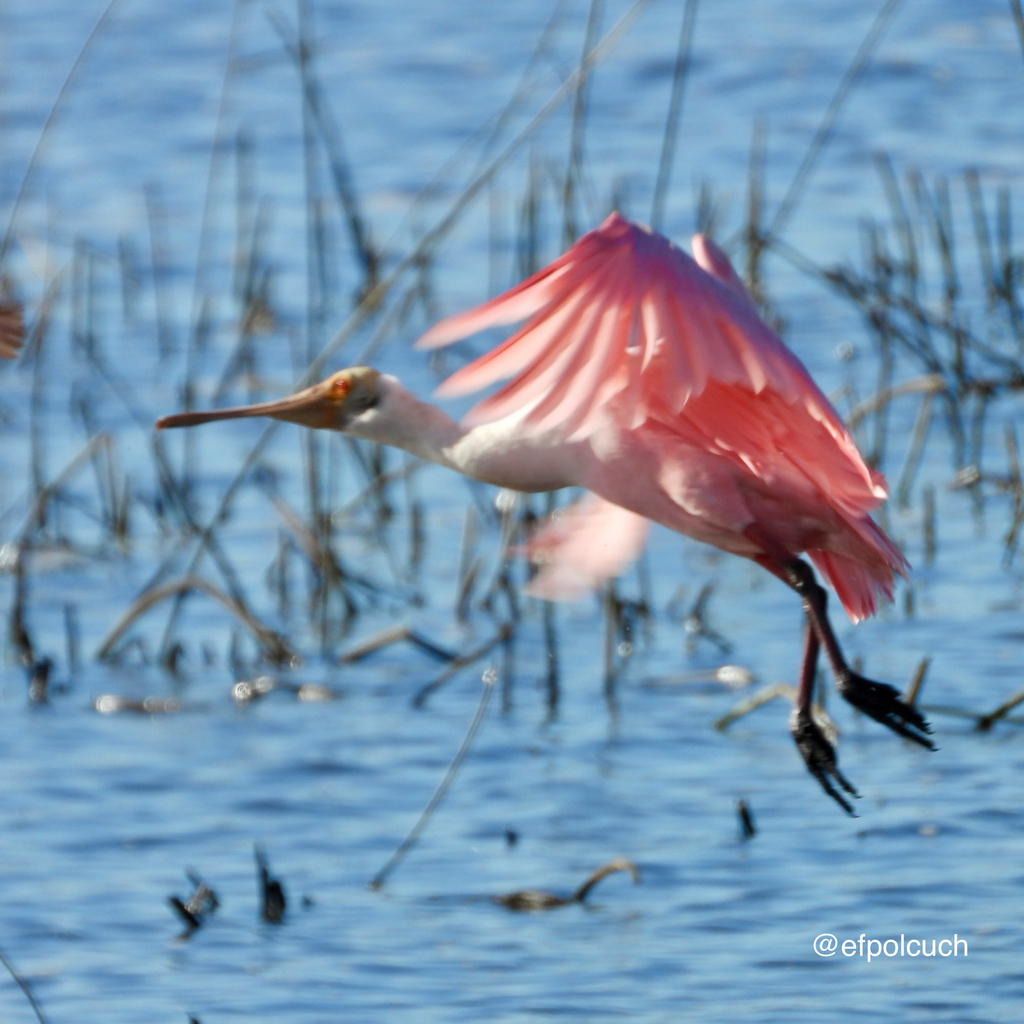
- Roseate SpoonbillPlatalea ajaja
- Ruby-crowned KingletRegulus calendula
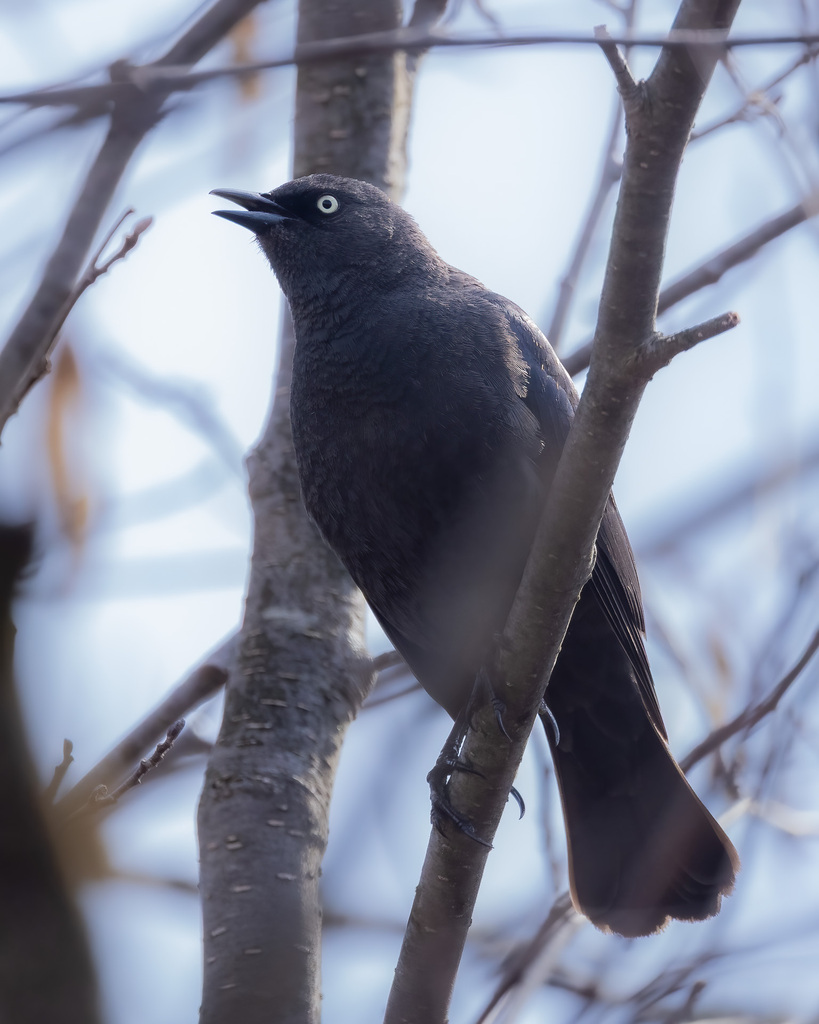
- Rusty BlackbirdEuphagus carolinus
- Sharp-shinned HawkAccipiter striatus
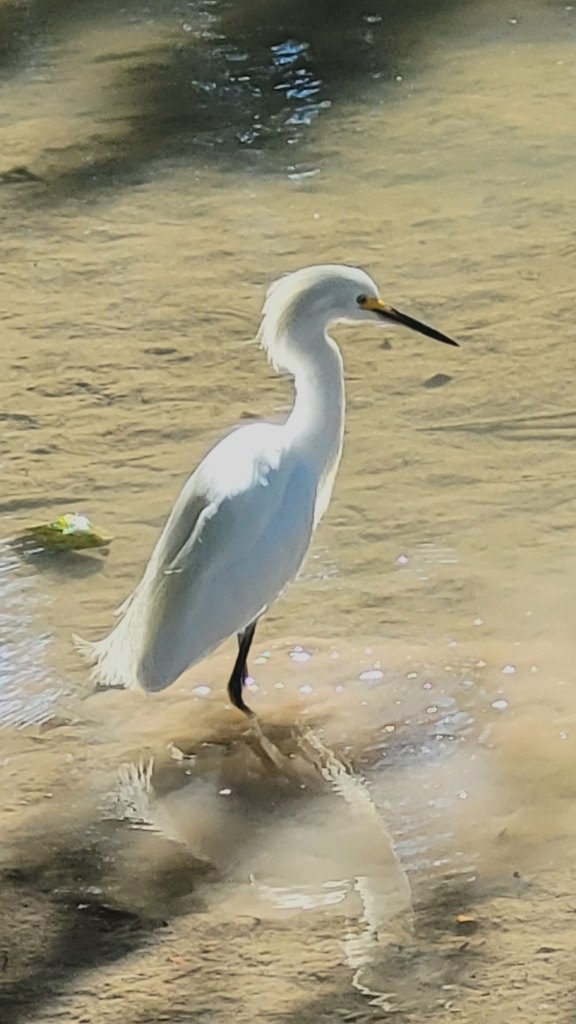
- Snowy EgretEgretta thula
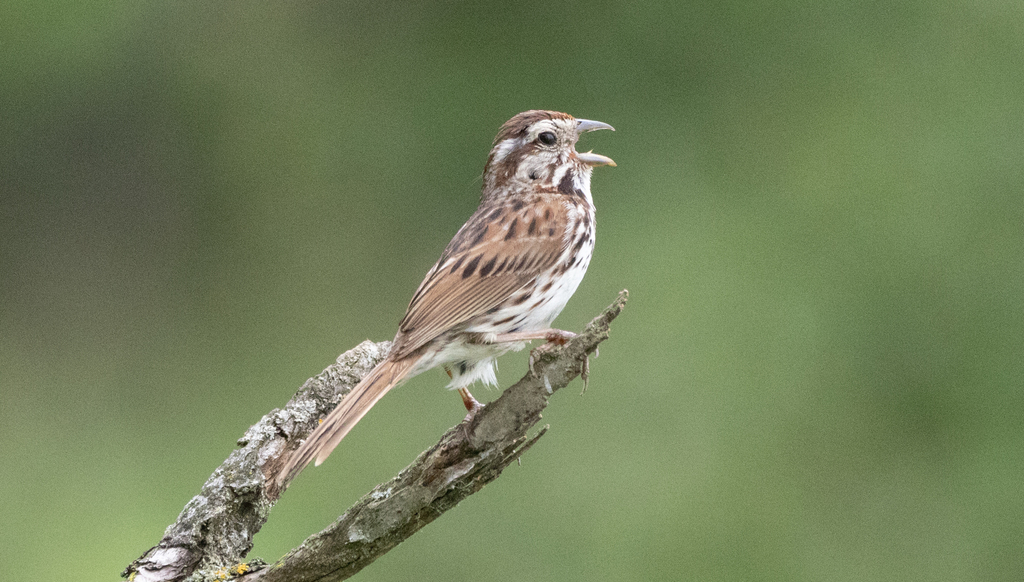
- Song SparrowMelospiza melodia
- Spotted SandpiperActitis macularius
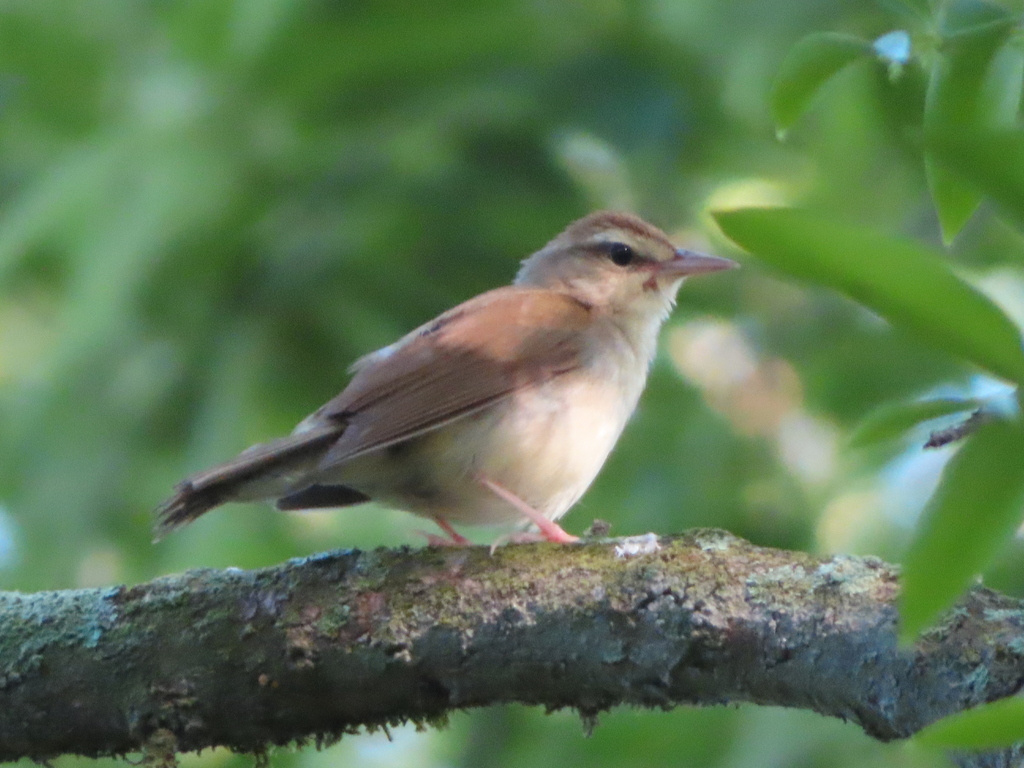
- Swainson's WarblerLimnothlypis swainsonii
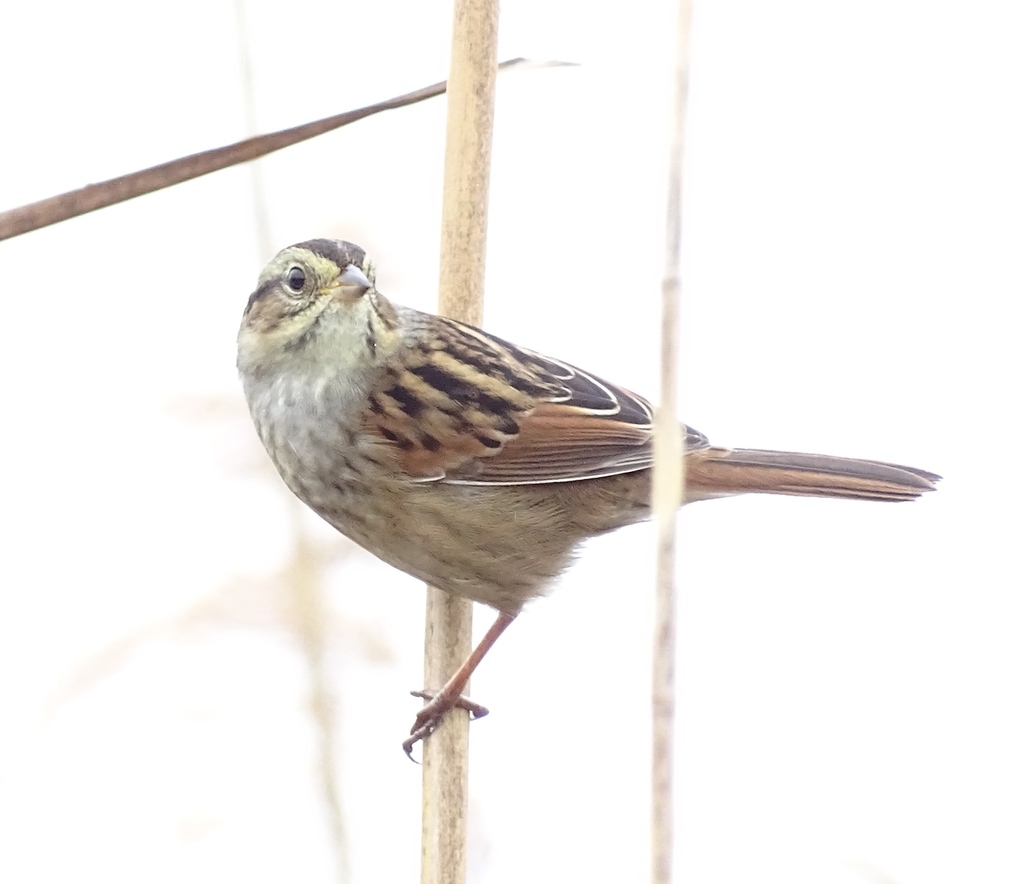
- Swamp SparrowMelospiza georgiana
- Tufted TitmouseBaeolophus bicolor
- Turkey VultureCathartes aura
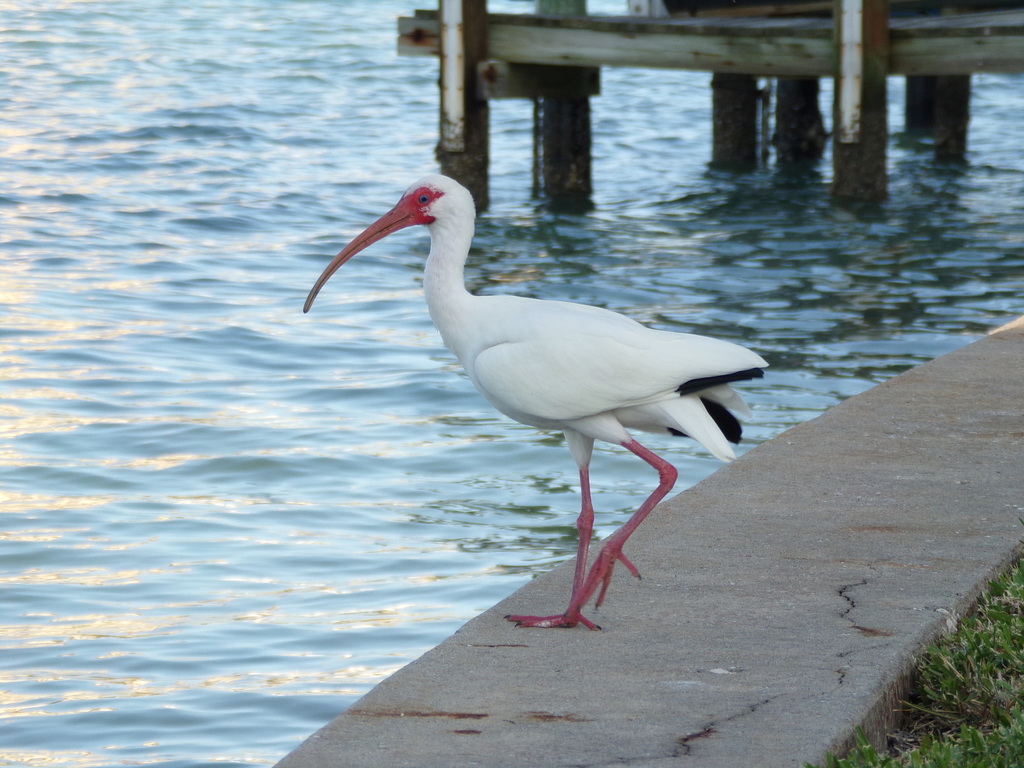
- White IbisEudocimus albus
- White-breasted NuthatchSitta carolinensis
- Wild TurkeyMeleagris gallopavo
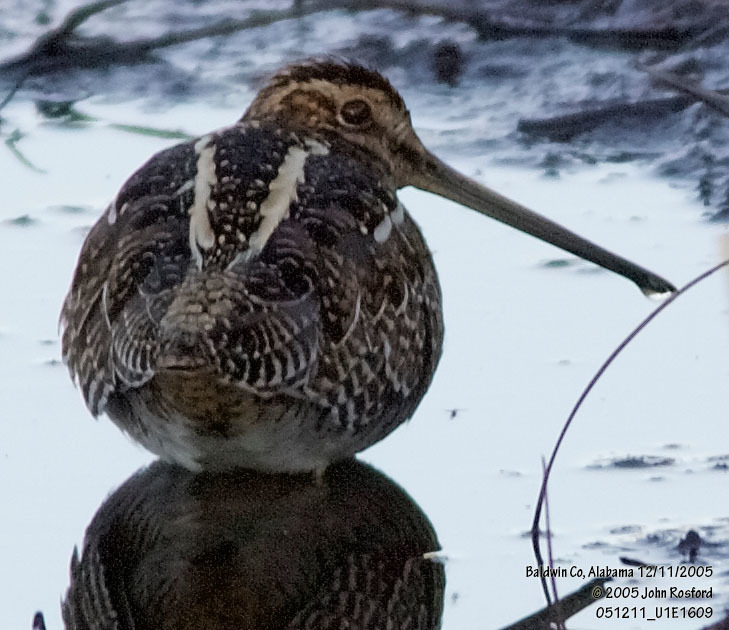
- Wilson's SnipeGallinago delicata
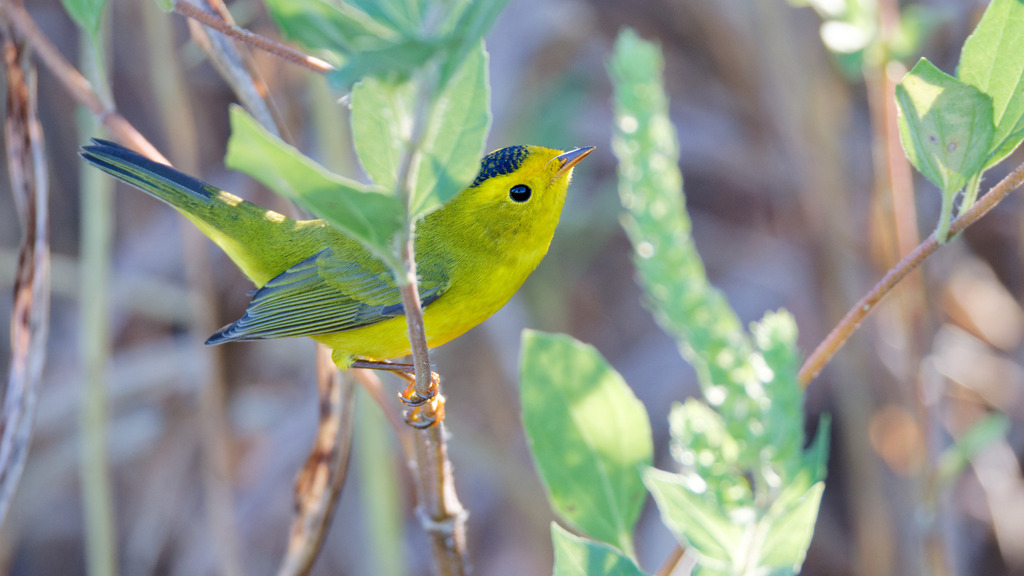
- Wilson's WarblerWilsonia pusilla














Who uses this plant?
 7CaterpillarsGenus host records with ranges including LA
Genus host records with ranges including LA · Ludwigia
- Alypia wittfeldiiWittfeld's Forester Moth
- Elophila gyralisWaterlily Borer Moth
- Eudryas unioPearly Wood-Nymph
- Eumorpha fasciatusBanded Sphinx
- Junonia coeniaCommon Buckeye
- Nematocampa resistariaFilament Bearer, Horned Spanworm Moth
- Parapoynx seminealisFloating-Heart Waterlilly Moth, Waterlily Casebearer
 32BeesSoutheastern regional records
Southeastern regional records · Ludwigia
Individual names are not available yet.
Noori, Seltmann & Orr 2026, A curated and integrated dataset for exploring global bee-plant interactions (GloBI), Zenodo, CC BY 4.0 0Specialist beesPollen specialists
 4BirdsRecorded genus food-resource interactions; not a state feeding claim
Recorded genus food-resource interactions; not a state feeding claim · Ludwigia
- Aix sponsaWood Duck
- Fulica americanaAmerican Coot
- Gallinula galeataCommon Gallinule
- Porzana carolinaSora
Direct food only: birds recorded eating this genus across North America. Caterpillars on host plants also feed nesting birds. NC Native Plant Society: butterfly gardening
No records yet · Ants · Beetles · Flies · Adult butterflies / moths · Other wasps · Other insects
Plant details
- Family
- Onagraceae
- Hardiness
- Zones 3a–7b
- Soil pH
- Acidic to alkaline
- Flower color
- Green
- Growth rate
- Rapid
- Growth habit
- Spreads by runners
- Foliage color
- Gray-green
- Fruit begins
- Summer
- Fruit ends
- Fall
Safety has not been reviewed for this plant; check toxicity and thorns before planting.
Growing sources and scope
- Bloom · “May to November” · Weakley, Flora of the Southeastern United States (2025), Carolinas & Georgia edition (ranked first; USDA PLANTS differs) · Carolinas and Georgia
- Flower color · “Green” · NC Extension Plant Toolbox
- Foliage color · “Gray-green” · USDA PLANTS · Nationwide species characteristics; local growing conditions may vary
- Fruit begins · “Summer” · USDA PLANTS · Nationwide species characteristics; local growing conditions may vary
- Fruit ends · “Fall” · USDA PLANTS · Nationwide species characteristics; local growing conditions may vary
- Growth habit · “Spreads by runners” · USDA PLANTS · Nationwide species characteristics; local growing conditions may vary
- Growth rate · “Rapid” · USDA PLANTS · Nationwide species characteristics; local growing conditions may vary
- Hardiness · “Zones 3a–7b” · NC Extension Plant Toolbox
- Height · “About 2.4 inches” · USDA PLANTS (ranked first; Minnesota Wildflowers differs) · Nationwide species characteristics; local growing conditions may vary
- Leaves · “Deciduous” · NC Extension Plant Toolbox
- Life cycle · “Perennial” · NC Extension Plant Toolbox
- Light · “Full sun (6 or more hours of direct sunlight a day)” · NC Extension Plant Toolbox
- primary_flower_color · “green” · USDA PLANTS
- Soil · “Frequent standing water; Occasionally wet” · NC Extension Plant Toolbox
- Soil pH · “Acidic to alkaline” · NC Extension Plant Toolbox
Also known as
Water Primrose; Water Purslane
Conservation status
| Louisiana rank | SNR |
|---|---|
| Global rank | G5 |
| LA status | Not verified |
| Federal status | Not verified |
Will it fit your yard?
Check this plant against your county, sun and soil moisture. Conditions are checked in your browser.
Growing cautions
- Spreads by runners. USDA PLANTS lists its growth form as stoloniferous. USDA PLANTS
For planning only; these do not change the score or Fit.
Sources
- USDA PLANTS
- Vascular Plants of North Carolina (NC Natural Heritage Program)
- Weakley, Flora of the Southeastern United States (2025)
- Louisiana occurrence source
- Shropshire & Tallamy 2025, Lepidoptera of North America north of Mexico, ZooKeys 1261 (ODbL)
- Noori, Seltmann & Orr 2026, A curated and integrated dataset for exploring global bee-plant interactions (GloBI), Zenodo, CC BY 4.0
- Smith, Bachelder, Russell, Morales, Mosher & Seltmann 2024, Bee-Specialization-Modeling v0.6.1 (specialist host table compiled from J. Fowler's pollen specialist bee lists), Zenodo, CC BY 4.0
- Hurlbert, Olsen, Sawyer & Winner 2021, Avian Diet Database, Scientific Data 8: 260 (CC0)
- Narango, Tallamy & Shropshire 2020, Few keystone plant genera support the majority of Lepidoptera species, Nature Communications