

Tuliptree
Liriodendron tulipifera
A large canopy tree with tulip-shaped flowers and distinctive, broad-tipped leaves.
Native to Louisiana (estimated). How scores work Is it native here?
Profile 100%
- Height
- 80–120 feet
- Spread
- 30–60 feet
- Light
- Full sun
- Soil moisture
- Somewhat dry to moist
Space about 30 ft apart from its recorded spread. Enter your bed size for a count
Will it fit your yard?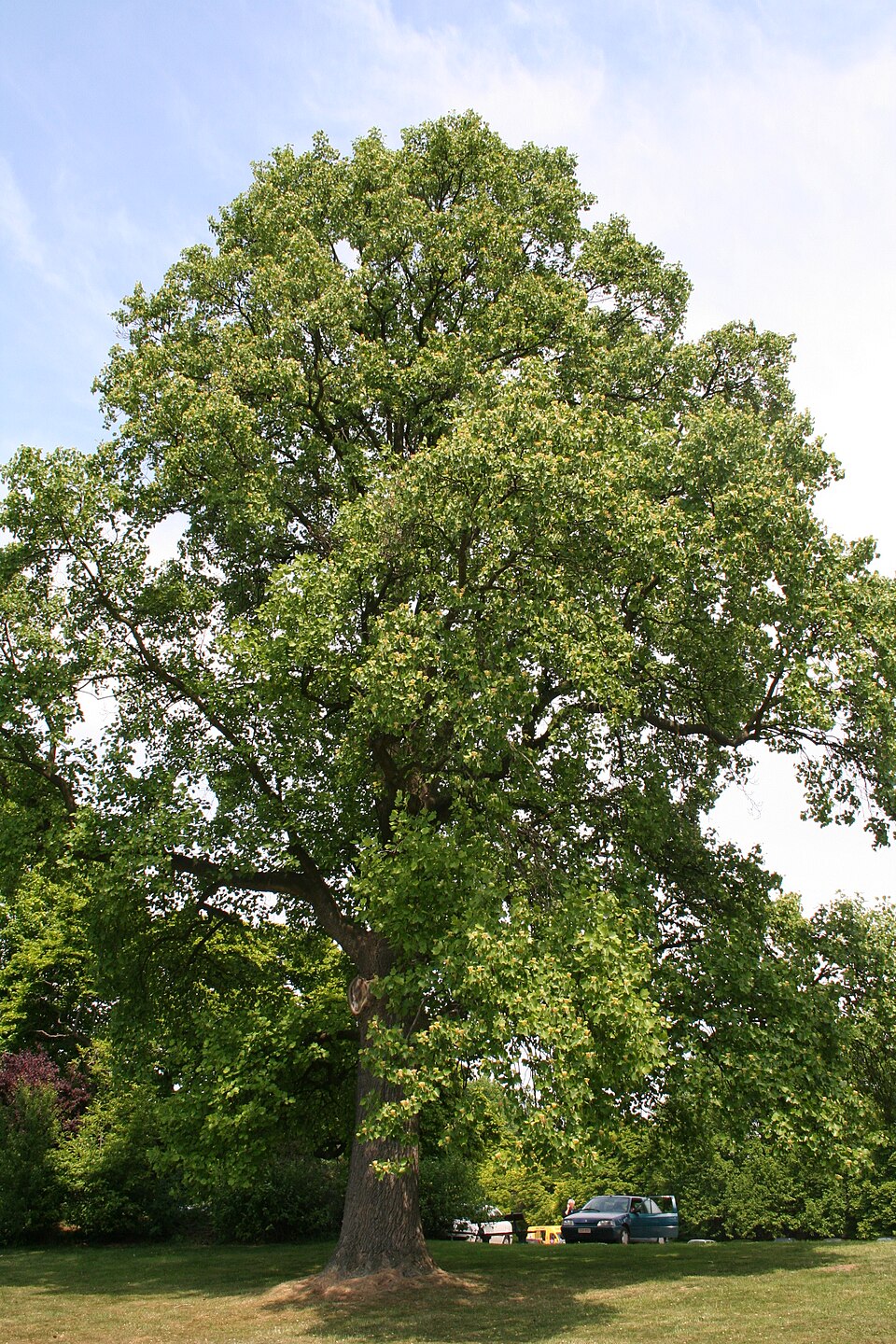
At a glance
- Life cycle
- Woody perennial
- Leaves
- Deciduous
- Bloom
- May to June
- Fruiting season
- Summer
Recorded in 37 Louisiana parishes.
Also found with this plant
Wildlife whose habitat models include habitats this plant grows in, in Louisiana. Shared habitat, not food. 134 animals.
- Bewick's WrenThryomanes bewickii
- Black-bellied Whistling-DuckDendrocygna autumnalis
- Black-chinned HummingbirdArchilochus alexandri
- Boat-tailed GrackleQuiscalus major
- Bonaparte's GullChroicocephalus philadelphia
- Brewer's BlackbirdEuphagus cyanocephalus
- Brown-headed CowbirdMolothrus ater
- CanvasbackAythya valisineria
- Chuck-will's-widowCaprimulgus carolinensis
- Eastern PhoebeSayornis phoebe
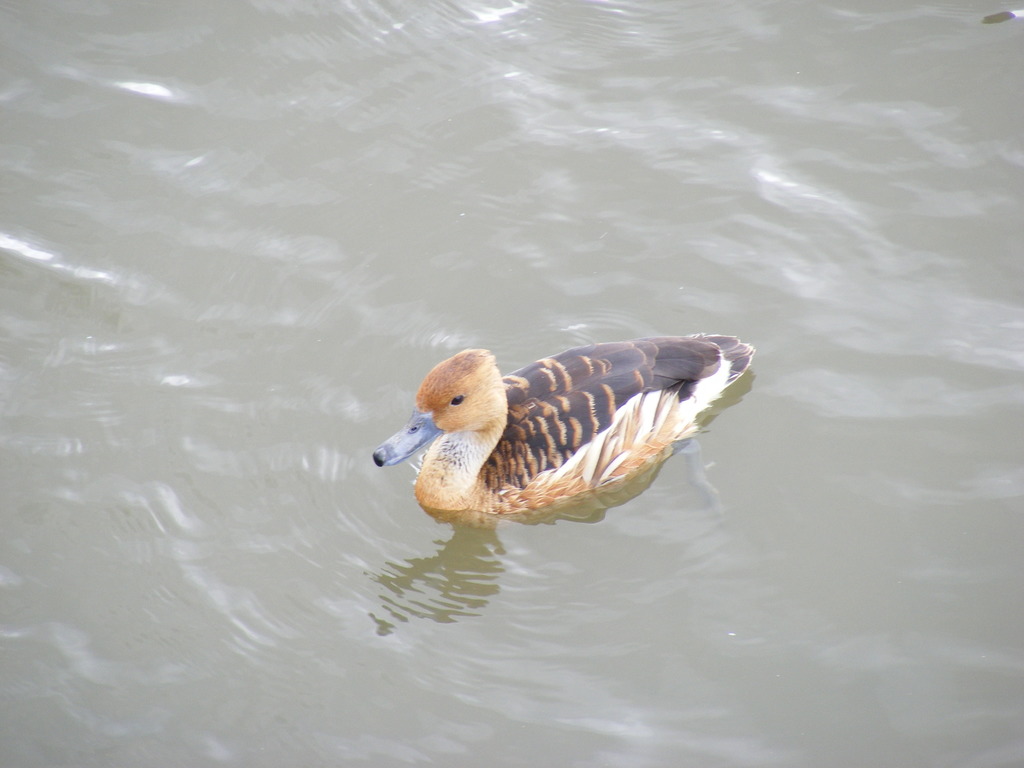
- Fulvous Whistling-duckDendrocygna bicolor
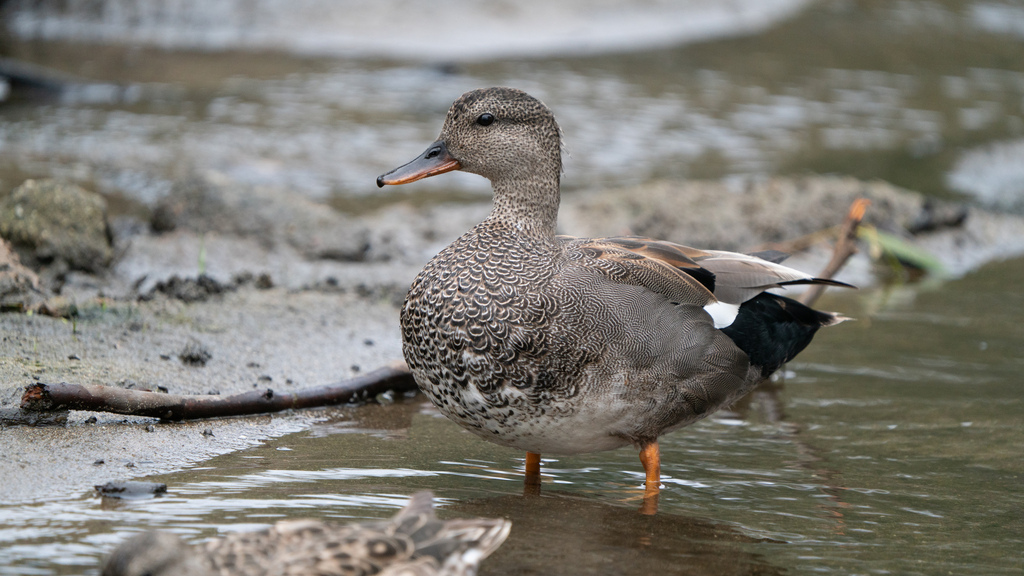
- GadwallAnas strepera
- Greater YellowlegsTringa melanoleuca
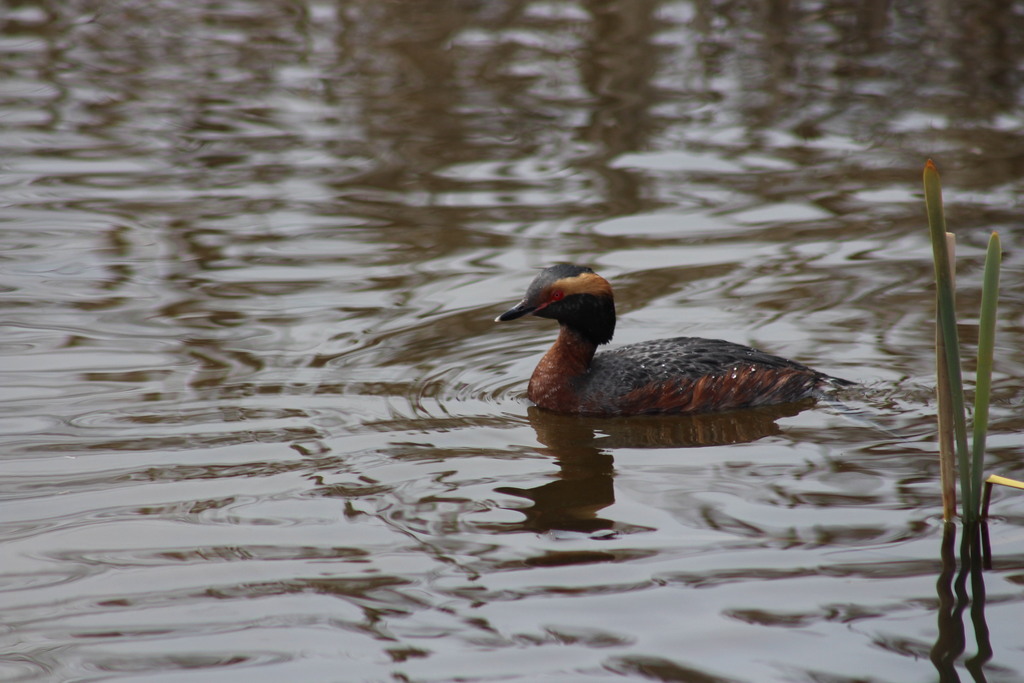
- Horned GrebePodiceps auritus
- Indigo BuntingPasserina cyanea
- Least FlycatcherEmpidonax minimus
- Lesser ScaupAythya affinis
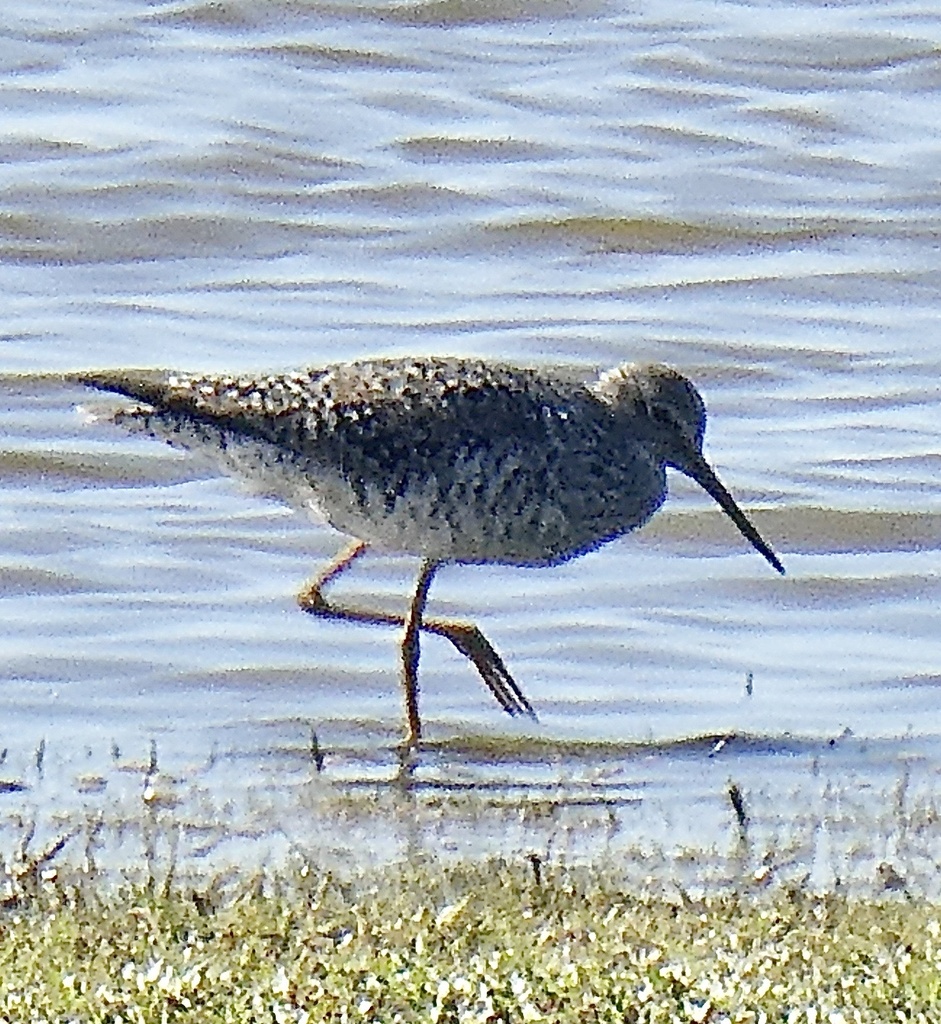
- Lesser YellowlegsTringa flavipes
- Little Blue HeronEgretta caerulea
- Long-billed DowitcherLimnodromus scolopaceus
- Mottled DuckAnas fulvigula
- Northern ParulaParula americana
- Northern PintailAnas acuta
- Northern WaterthrushSeiurus noveboracensis
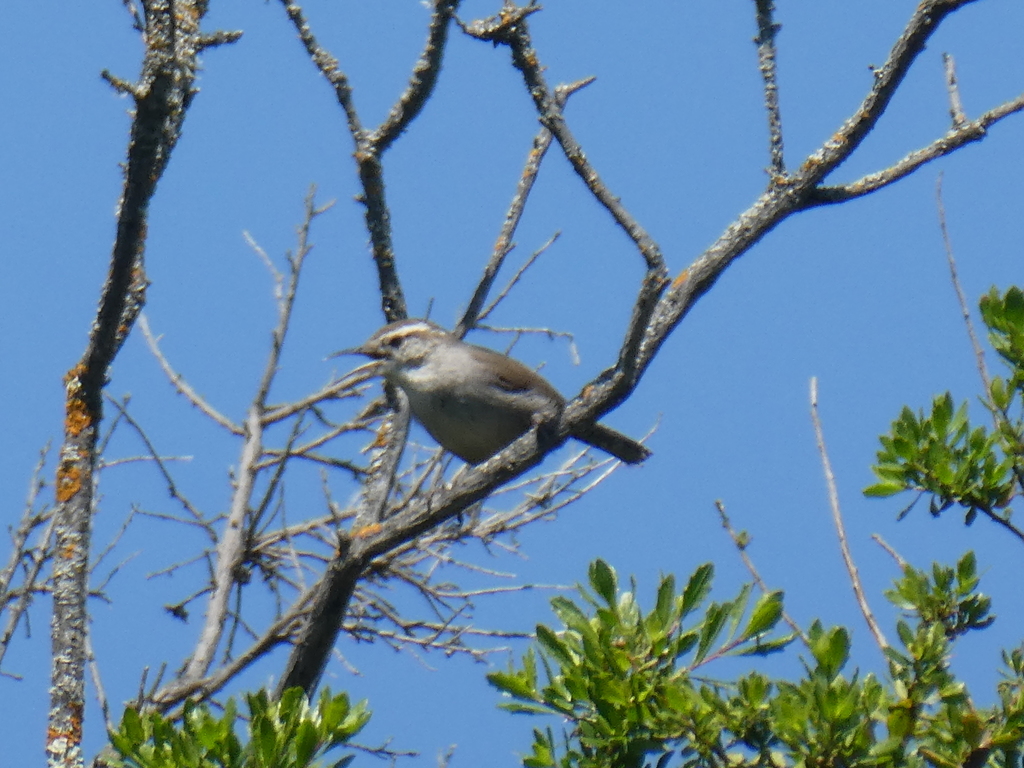
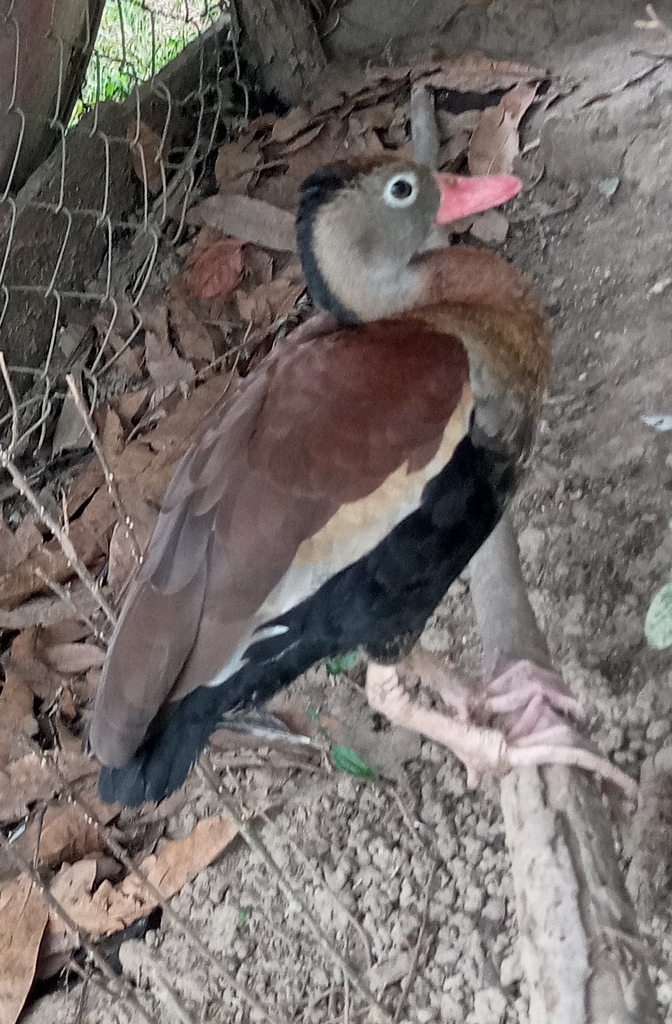
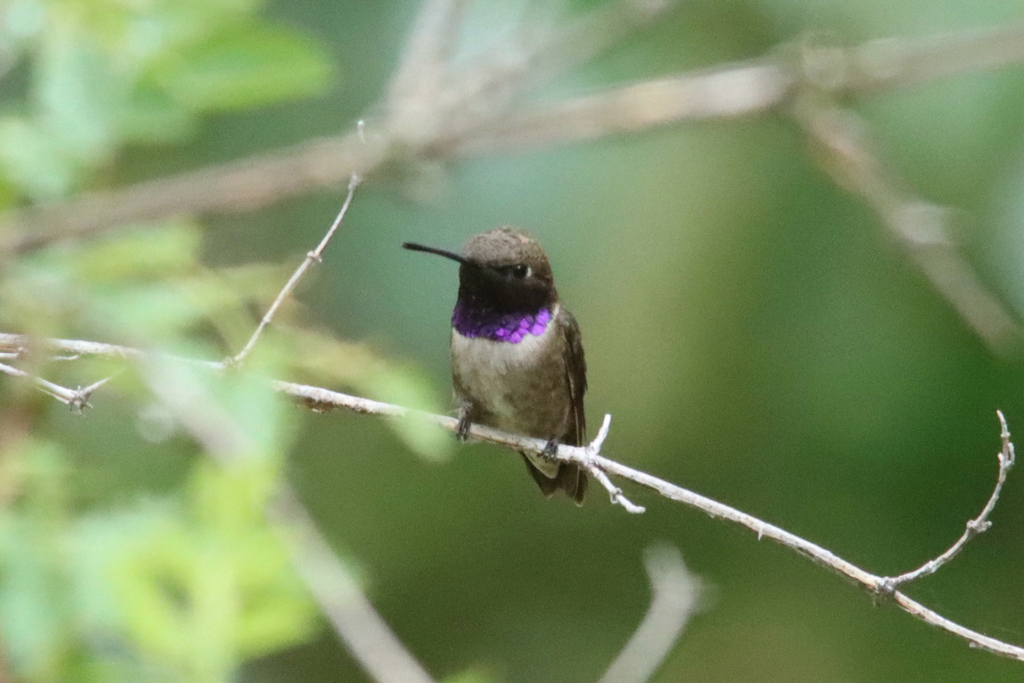
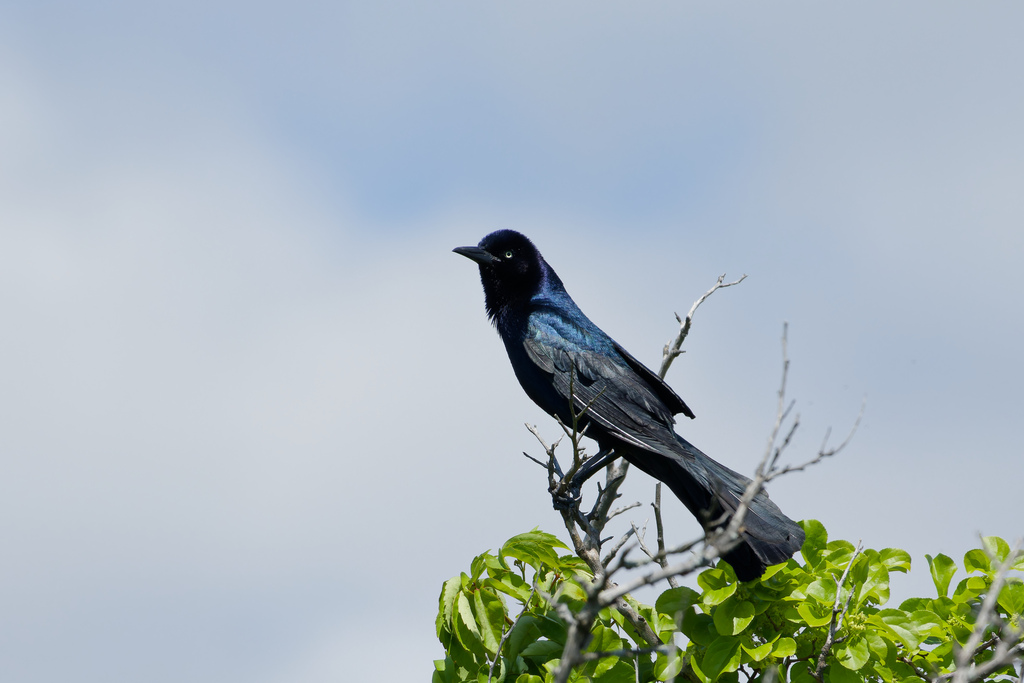
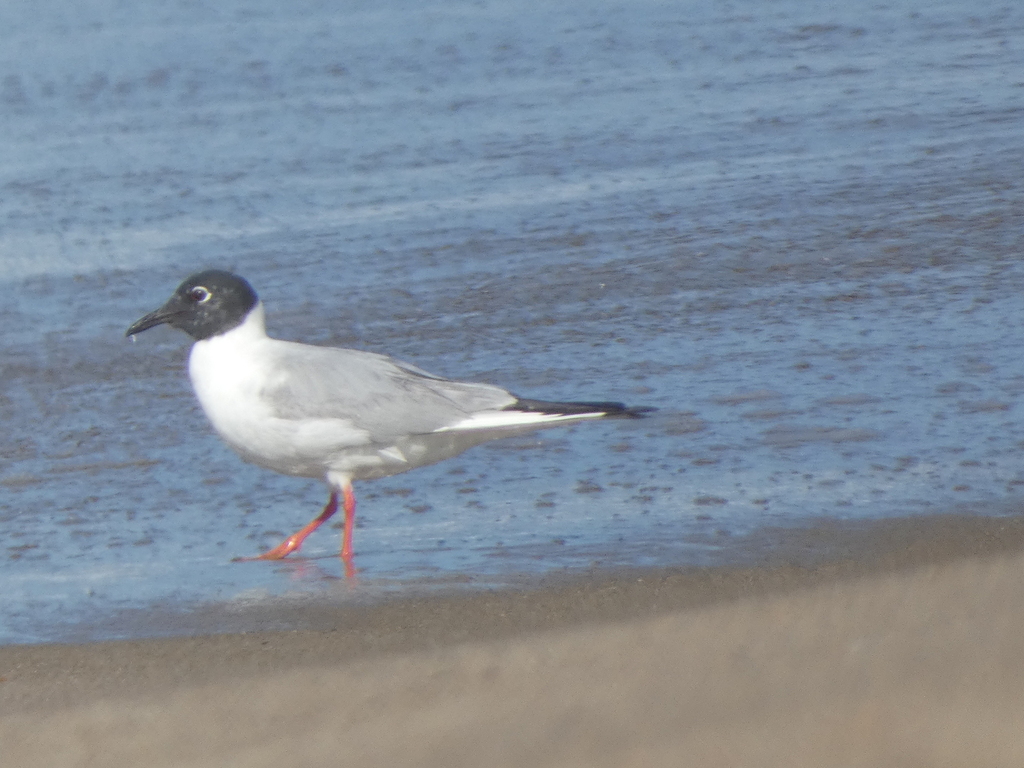
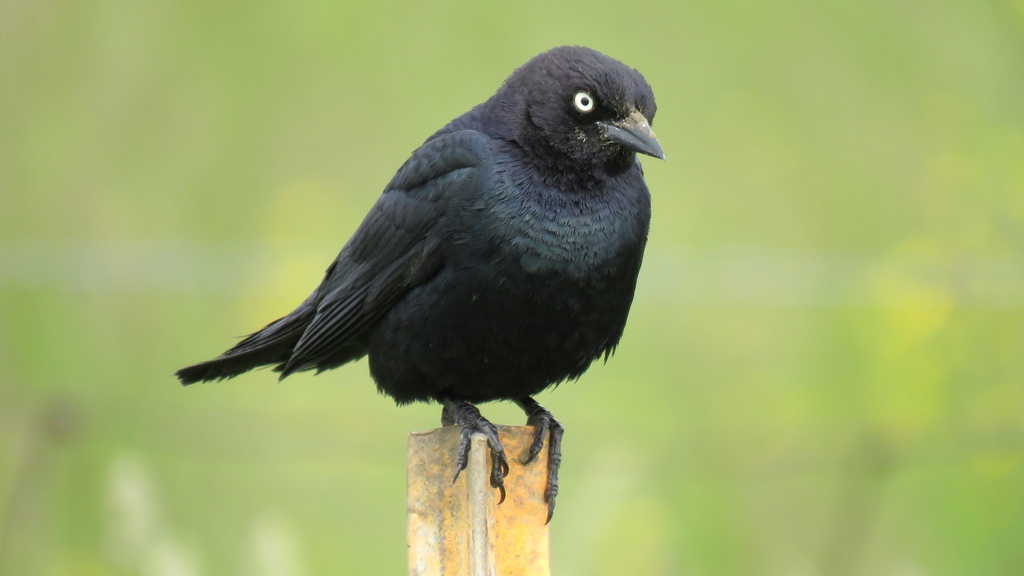


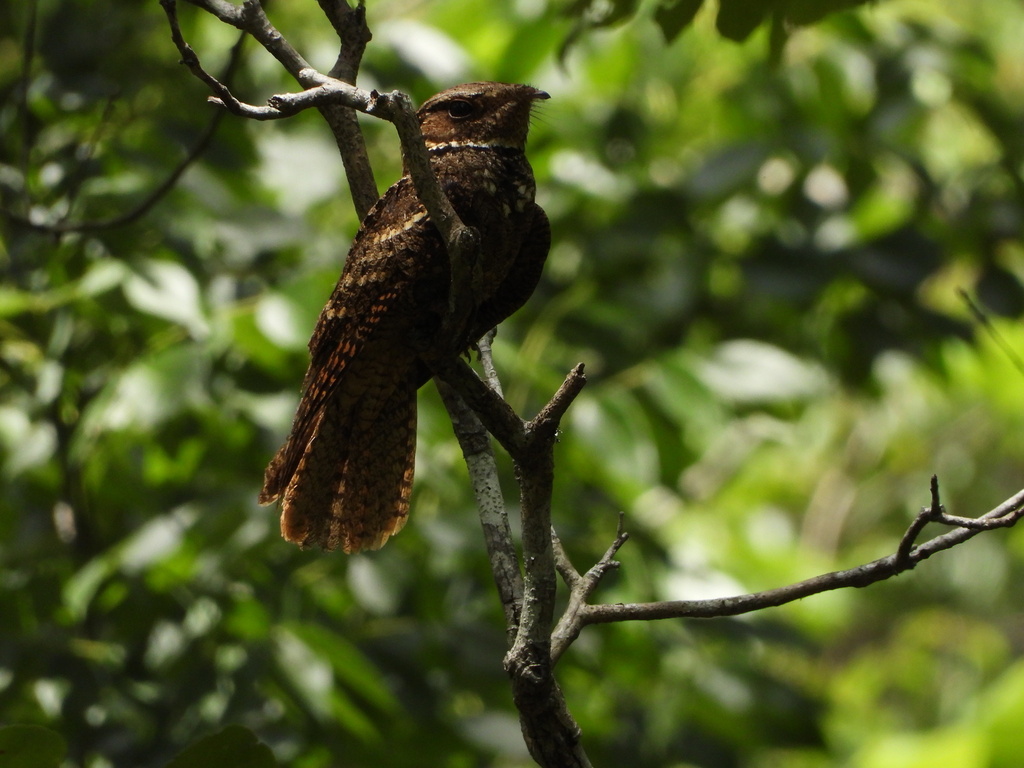


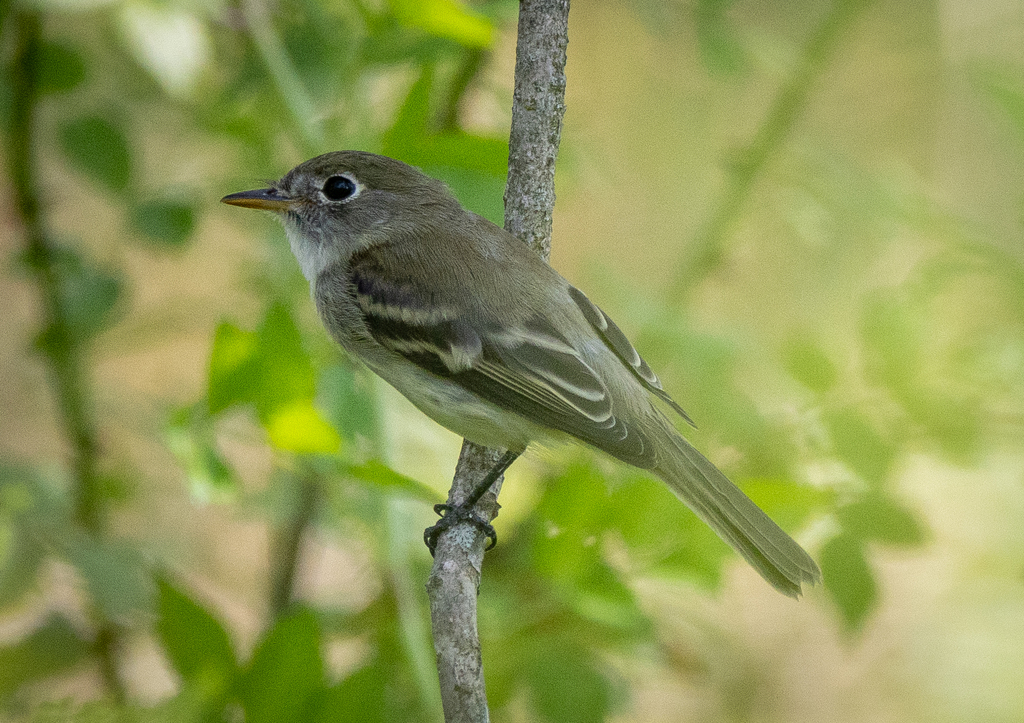

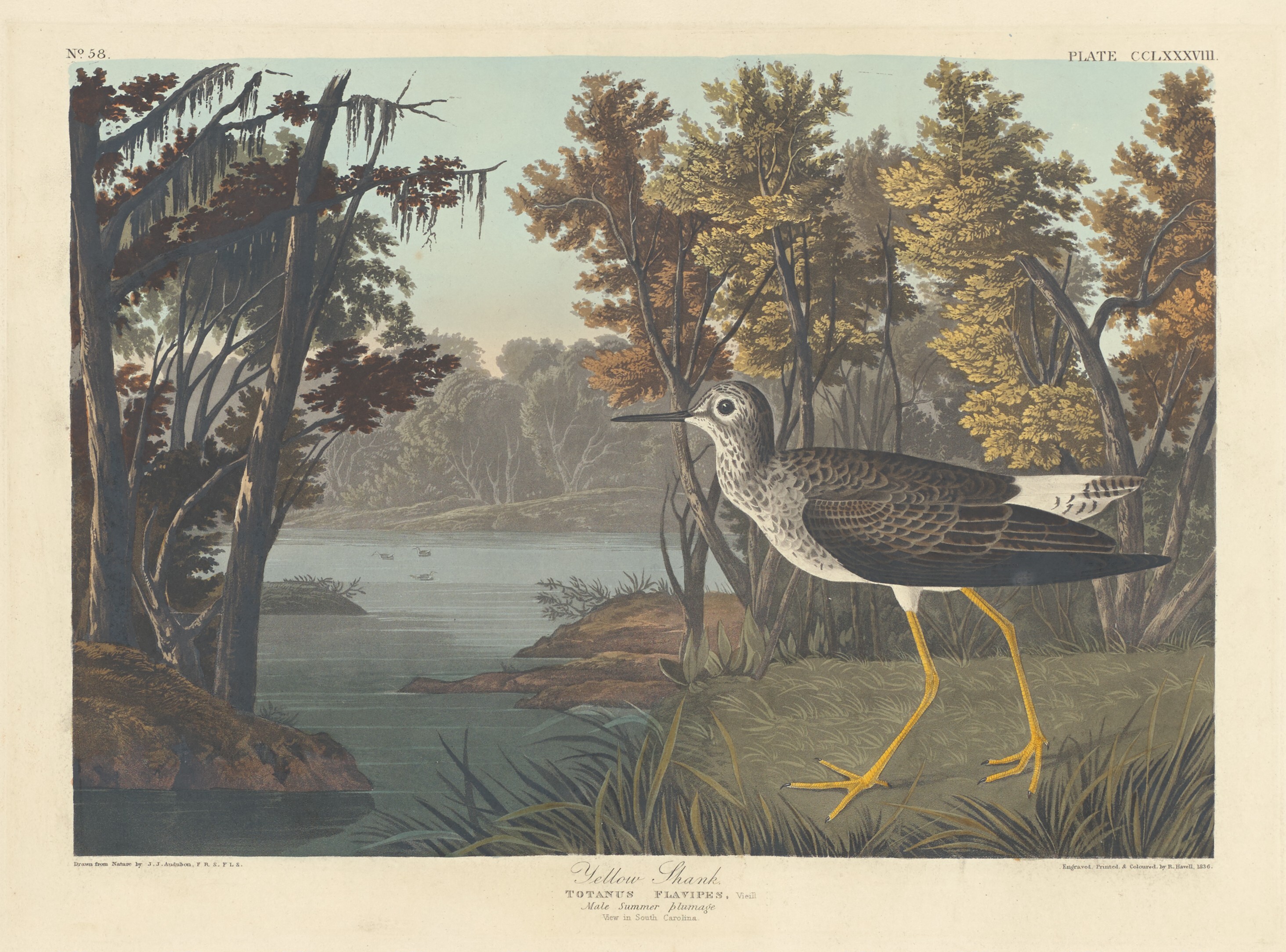
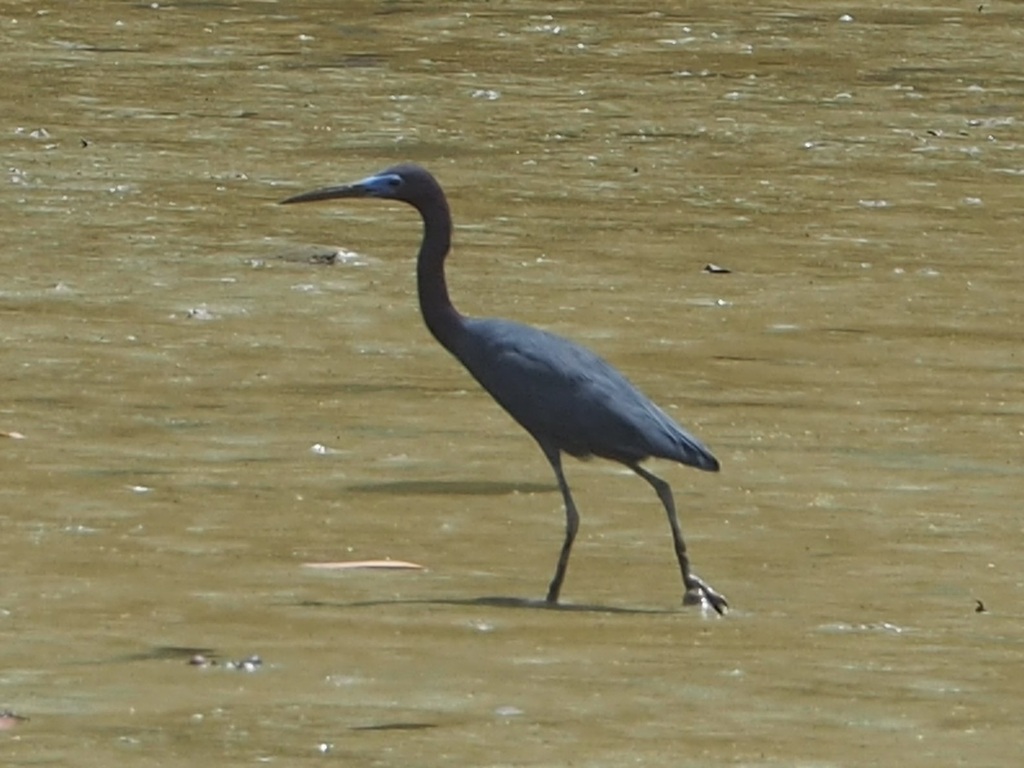


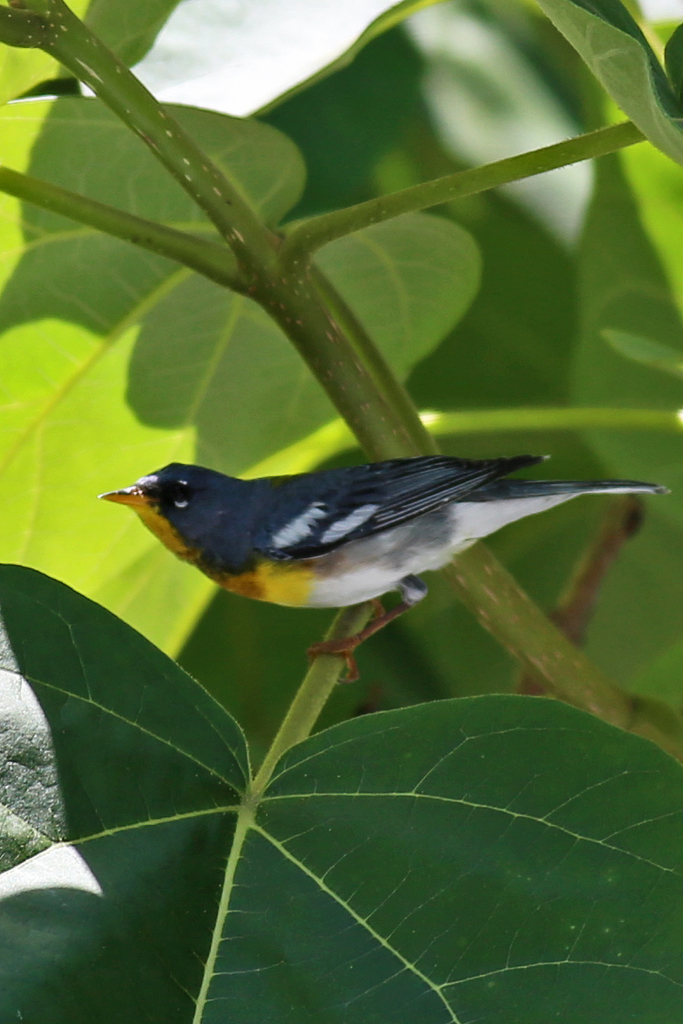
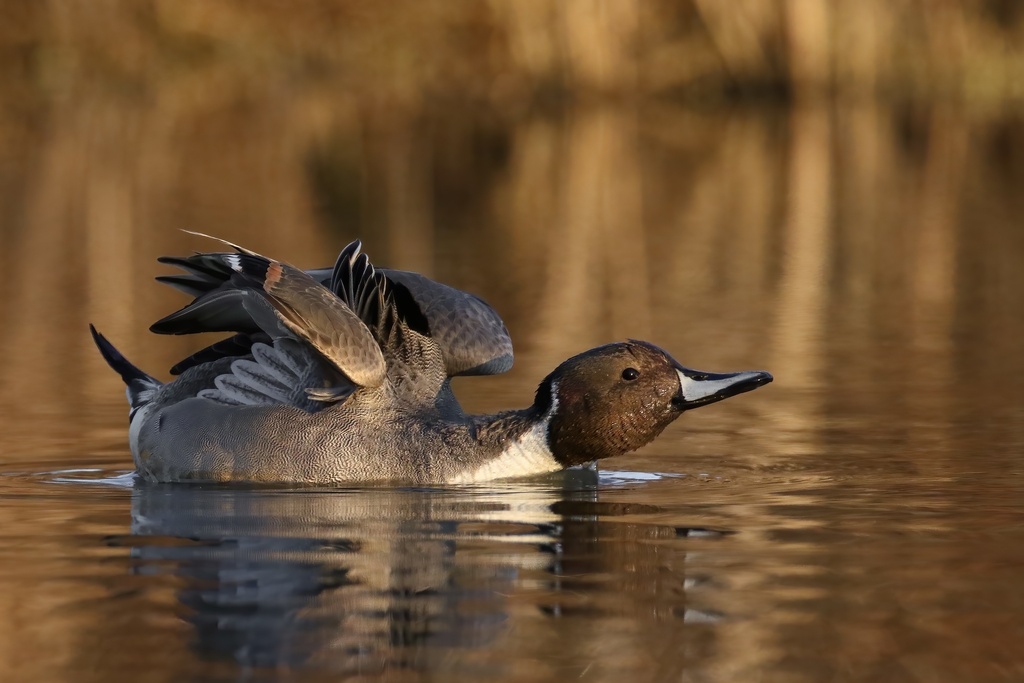
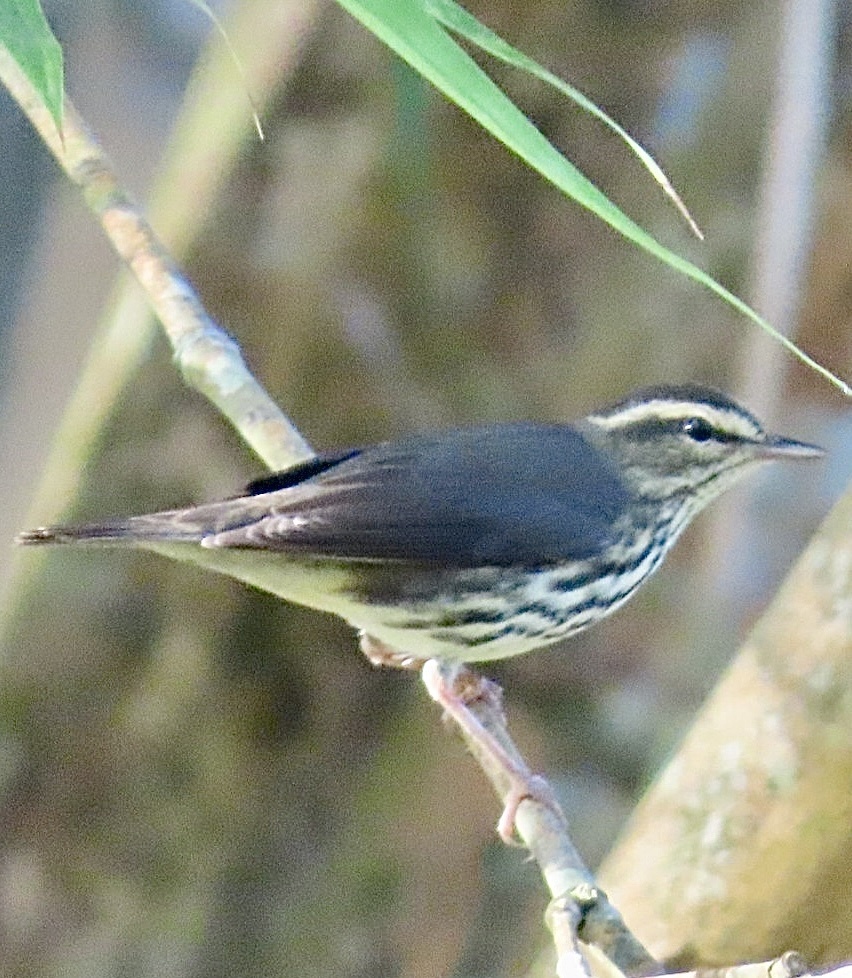
Widespread birds also seen here (17)
Found in many habitats here, so not listed above.
Who uses this plant?
 23CaterpillarsGenus host records with ranges including LA
Genus host records with ranges including LA · Liriodendron
- Callosamia prometheaPromethea Moth
- Papilio glaucusEastern Tiger Swallowtail
- Actias lunaLuna Moth
- Amorbia humerosanaWhite-Lined Leafroller Moth
- Antheraea polyphemusPolyphemus Moth
- Automeris ioIo Moth
- Callosamia anguliferaTulip-Tree Silkmoth
- Callosamia securiferaSweetbay Silkmoth, Carolina Silk Moth
- Epimecis hortariaTulip-Tree Beauty
- Erannis tiliariaLinden Looper Moth, Western Winter Moth, Lime Looper
Show all 23
- Euzophera ostricolorellaTulip-Tree Borer, Root Collar borer
- Halysidota tessellarisBanded Tussock Moth, Pale Tiger Moth
- Hyalophora cecropiaCecropia Silkmoth, Cecropia Moth
- Hyphantria cuneaFall Webworm
- Orgyia leucostigmaWhite-Marked Tussock Moth
- Papaipema cataphractaBurdock Border, Potato-Stalk Borer
- Papilio troilusSpicebush Swallowtail
- Paralobesia liriodendranaTulip-Tree Leaftier
- Perimede erransellaGray Perimede
- Phyllocnistis liriodendronellaMagnolia Serpentine Leafminer
- Polygonia interrogationisQuestion Mark
- Scolecocampa liburnaDead-Wood Borer
- Thyridopteryx ephemeraeformisEvergreen Bagworm Moth
 2BeesSoutheastern regional records
Southeastern regional records · Liriodendron
Individual names are not available yet.
Noori, Seltmann & Orr 2026, A curated and integrated dataset for exploring global bee-plant interactions (GloBI), Zenodo, CC BY 4.0 0Specialist beesPollen specialists
 1BirdsRecorded eating Liriodendron in Louisiana
Diet records by plant genus, from studies across North America. Not a record from this state. Birds whose range includes Louisiana, most records first.
- Northern CardinalSeeds. 1 diet record
Direct food only. Caterpillars on host plants also feed nesting birds. NC Native Plant Society: butterfly gardening
Hummingbirds — Visit flowers for nectar
Cedar waxwing — Feeds on flower nectar
No records yet · Ants · Beetles · Flies · Adult butterflies / moths · Other wasps · Other insects
Birds that eat Liriodendron 1
Diet records by plant genus, from studies across North America. Not a record from this state. Avian Diet Database (Hurlbert Lab), CC0 1.0.
- Northern CardinalCardinalis cardinalis


Plant details
- Family
- Magnoliaceae
- Hardiness
- Zones 4a–9b
- Soil pH
- Acidic
- Flower color
- Yellow, green or orange
- Growth rate
- Rapid
- Growth habit
- Single stem
- Foliage color
- Green
- Fruit begins
- Summer
- Fruit ends
- Summer
What its natural habitat tells you
Safety has not been reviewed for this plant; check toxicity and thorns before planting.
Reserve a generous site. Protect roots from compaction; drought and heat can stress the tree. NC State Extension
Growing sources and scope
- Bloom · “Mid spring” · USDA PLANTS · Nationwide species characteristics; local growing conditions may vary
- Flower color · “Yellow, green or orange” · NC Extension Plant Toolbox (ranked first; USDA PLANTS differs)
- Foliage color · “Green” · USDA PLANTS · Nationwide species characteristics; local growing conditions may vary
- Fruit begins · “Summer” · USDA PLANTS · Nationwide species characteristics; local growing conditions may vary
- Fruit ends · “Summer” · USDA PLANTS · Nationwide species characteristics; local growing conditions may vary
- Growth habit · “Single stem” · USDA PLANTS · Nationwide species characteristics; local growing conditions may vary
- Growth rate · “Rapid” · USDA PLANTS · Nationwide species characteristics; local growing conditions may vary
- Hardiness · “Zones 4a–9b” · NC Extension Plant Toolbox
- Height · “80–120 feet” · NC Extension Plant Toolbox (ranked first; USDA PLANTS differs)
- Leaves · “Deciduous” · NC Extension Plant Toolbox
- Life cycle · “Woody perennial” · NC Extension Plant Toolbox
- Light · “Full sun (6 or more hours of direct sunlight a day)” · NC Extension Plant Toolbox (ranked first; Tennessee Smart Yards, Virginia DCR Piedmont, Virginia DCR Coastal Plain differ)
- Soil · “Moist; Occasionally dry” · NC Extension Plant Toolbox (ranked first; Tennessee Smart Yards, Virginia DCR Piedmont, Virginia DCR Coastal Plain differ)
- Soil pH · “Acidic” · NC Extension Plant Toolbox
- Spread · “30–60 feet” · NC Extension Plant Toolbox
Recognizing it
Four-lobed leaves have a squared-off tip. Green-yellow flowers carry orange bands near their bases. Identification source
Also known as
Tulip Poplar; Tulip Tree; Yellow Poplar
Conservation status
| Louisiana rank | SNR |
|---|---|
| Global rank | G5 |
| LA status | Not verified |
| Federal status | Not verified |
Will it fit your yard?
Check this plant against your county, sun and soil moisture. Conditions are checked in your browser.
Sources
- USDA PLANTS
- Vascular Plants of North Carolina (NC Natural Heritage Program)
- Weakley, Flora of the Southeastern United States (2025)
- Louisiana occurrence source
- Shropshire & Tallamy 2025, Lepidoptera of North America north of Mexico, ZooKeys 1261 (ODbL)
- Noori, Seltmann & Orr 2026, A curated and integrated dataset for exploring global bee-plant interactions (GloBI), Zenodo, CC BY 4.0
- Smith, Bachelder, Russell, Morales, Mosher & Seltmann 2024, Bee-Specialization-Modeling v0.6.1 (specialist host table compiled from J. Fowler's pollen specialist bee lists), Zenodo, CC BY 4.0
- Hurlbert, Olsen, Sawyer & Winner 2021, Avian Diet Database, Scientific Data 8: 260 (CC0)
- Narango, Tallamy & Shropshire 2020, Few keystone plant genera support the majority of Lepidoptera species, Nature Communications
- NC State Extension