

Beaked Spikerush
Eleocharis rostellata
In the Carolinas and Georgia, found in brackish and freshwater tidal marshes, sea-level fens; saline soils inland. Calcareous fens northward. Weakley, Flora of the Southeastern United States (2025), Carolinas & Georgia edition What its natural habitat tells you
Native to Louisiana. How scores work Is it native here?
Profile 94%
- Height
- About 3 feet
- Light
- Full sun
- Soil moisture
- Wet to standing water
No photograph yet. Looking for an old drawing…
Rare or protected plant. Specialist conservation planting; excluded from routine garden suggestions. Plant caution source
Hidden from default planting suggestions. Wildlife value and native status remain unchanged.
At a glance
- Bloom
- July to September
- Fruiting season
- Summer to fall
Not yet recorded · Spread · Life cycle · Leaves
Recorded in 3 Louisiana parishes.
Natural habitats
Places it grows wild. Not a planting requirement. Each habitat page lists the plants and wildlife also found there.
Marshes along tidal rivers where the water is fresh but rises and falls with the tide.
Also found with this plant
Wildlife whose habitat models include habitats this plant grows in, in Louisiana. Shared habitat, not food. 78 animals.
- Orchard OrioleIcterus spurius
- OvenbirdSeiurus aurocapilla
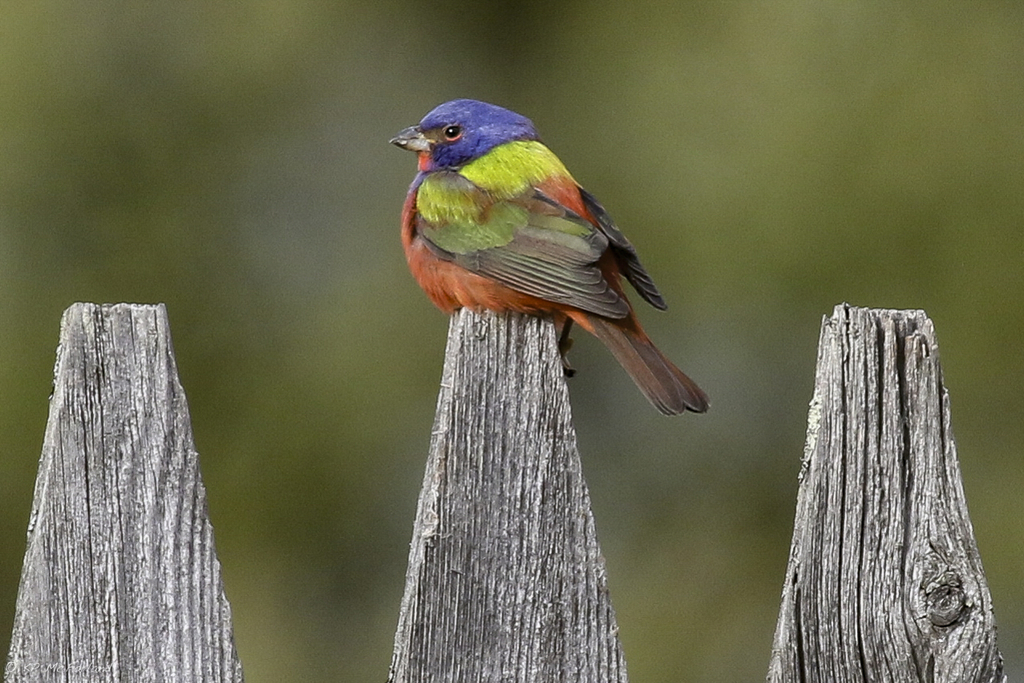
- Painted BuntingPasserina ciris
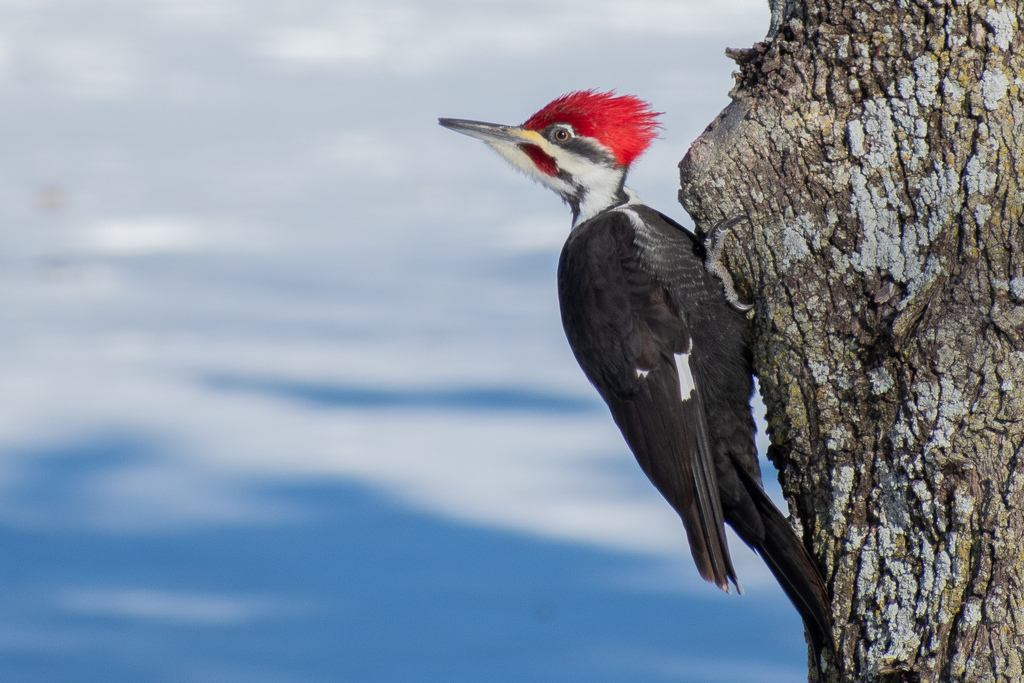
- Pileated WoodpeckerDryocopus pileatus
- Prothonotary WarblerProtonotaria citrea
- Purple FinchCarpodacus purpureus
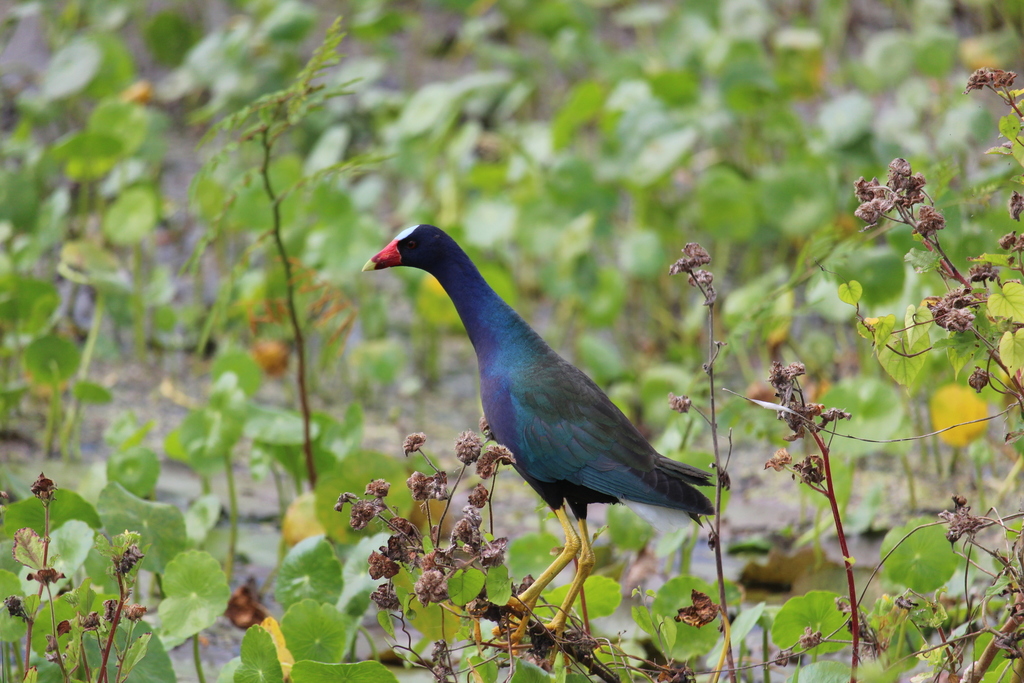
- Purple GallinulePorphyrio martinica
- Red-bellied WoodpeckerMelanerpes carolinus
- Red-shouldered HawkButeo lineatus
- Ring-necked DuckAythya collaris
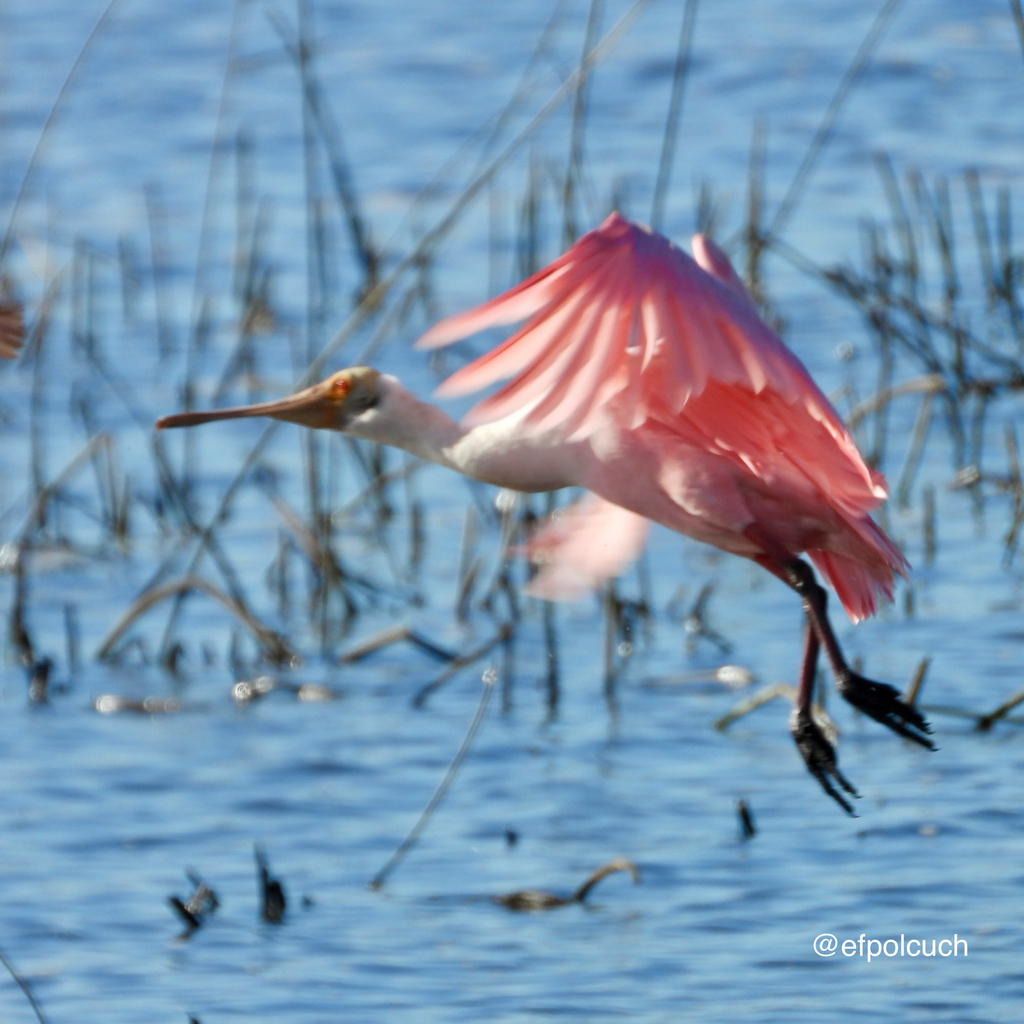
- Roseate SpoonbillPlatalea ajaja
- Ruby-crowned KingletRegulus calendula
- Ruby-throated HummingbirdArchilochus colubris
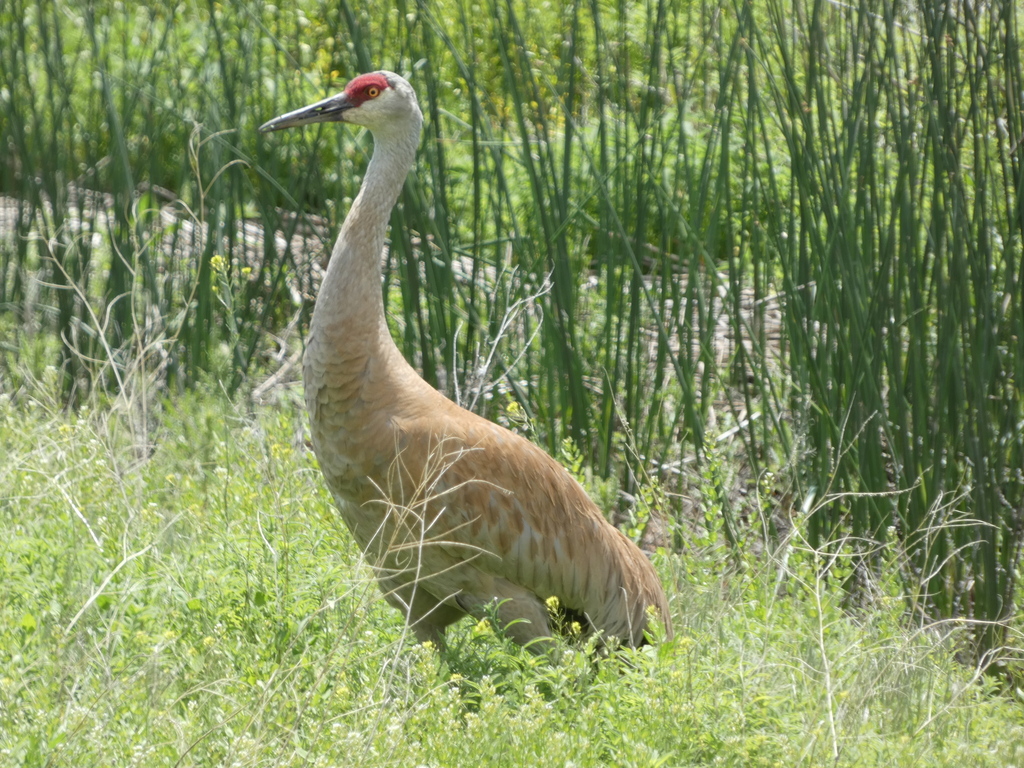
- Sandhill CraneGrus canadensis
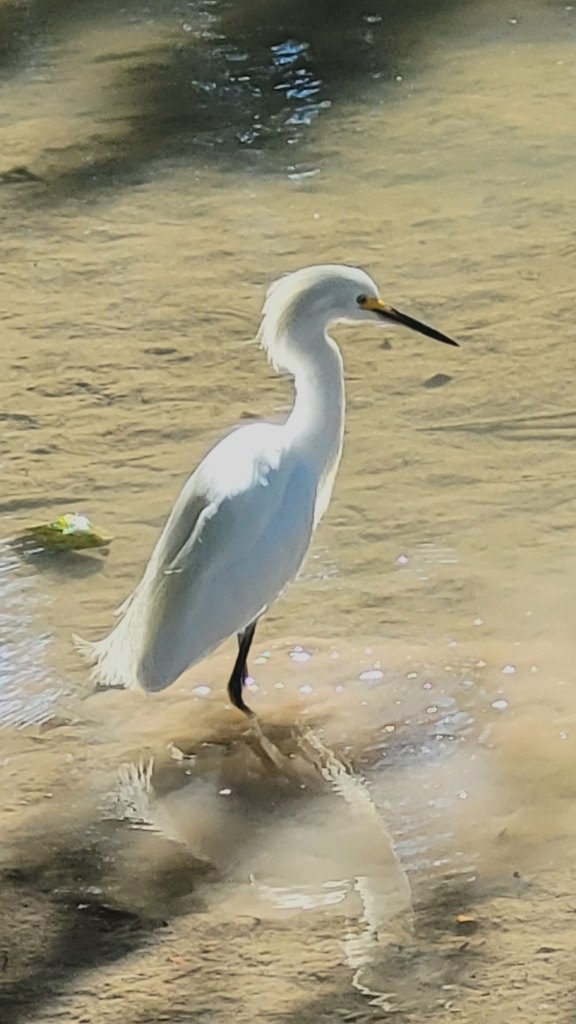
- Snowy EgretEgretta thula
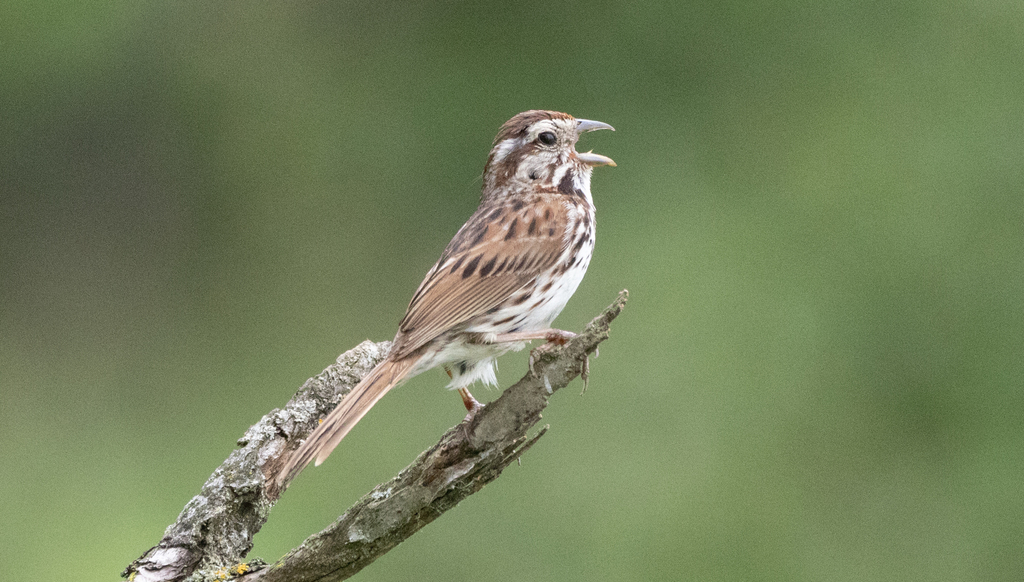
- Song SparrowMelospiza melodia
- Spotted SandpiperActitis macularius
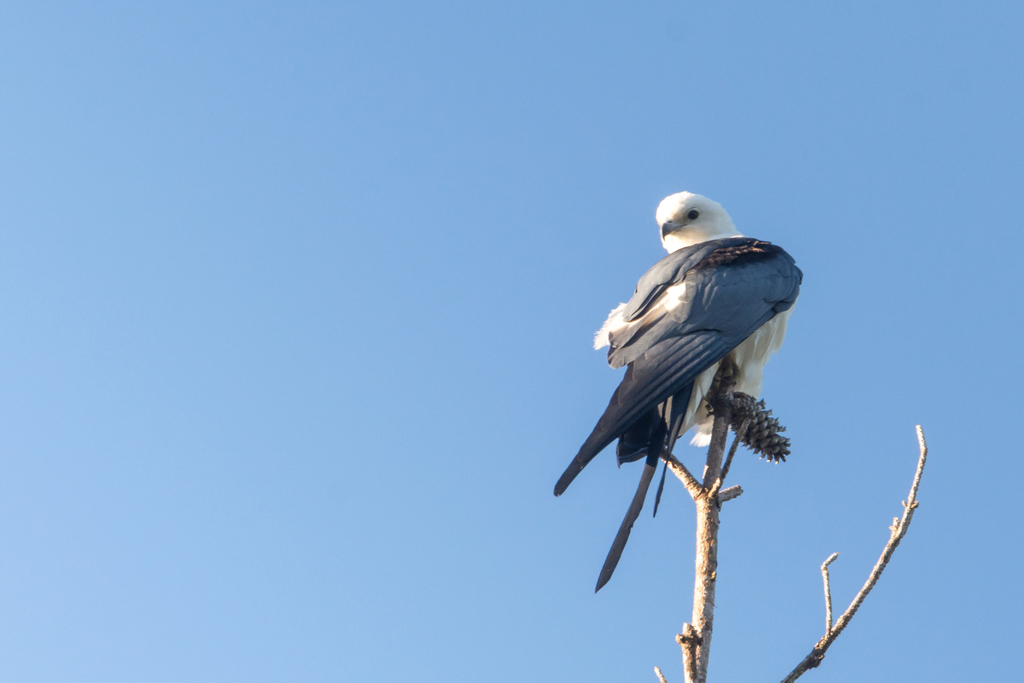
- Swallow-tailed KiteElanoides forficatus
- Tufted TitmouseBaeolophus bicolor
- White IbisEudocimus albus
- White-breasted NuthatchSitta carolinensis
- White-winged DoveZenaida asiatica
- Wild TurkeyMeleagris gallopavo
- Wood DuckAix sponsa











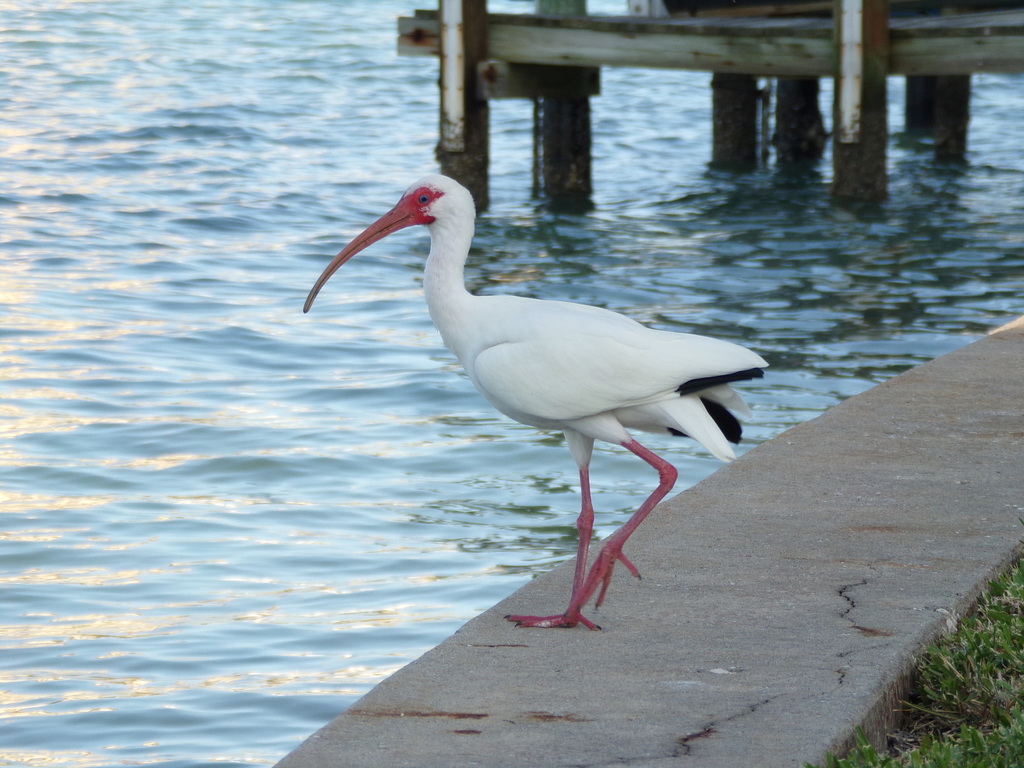
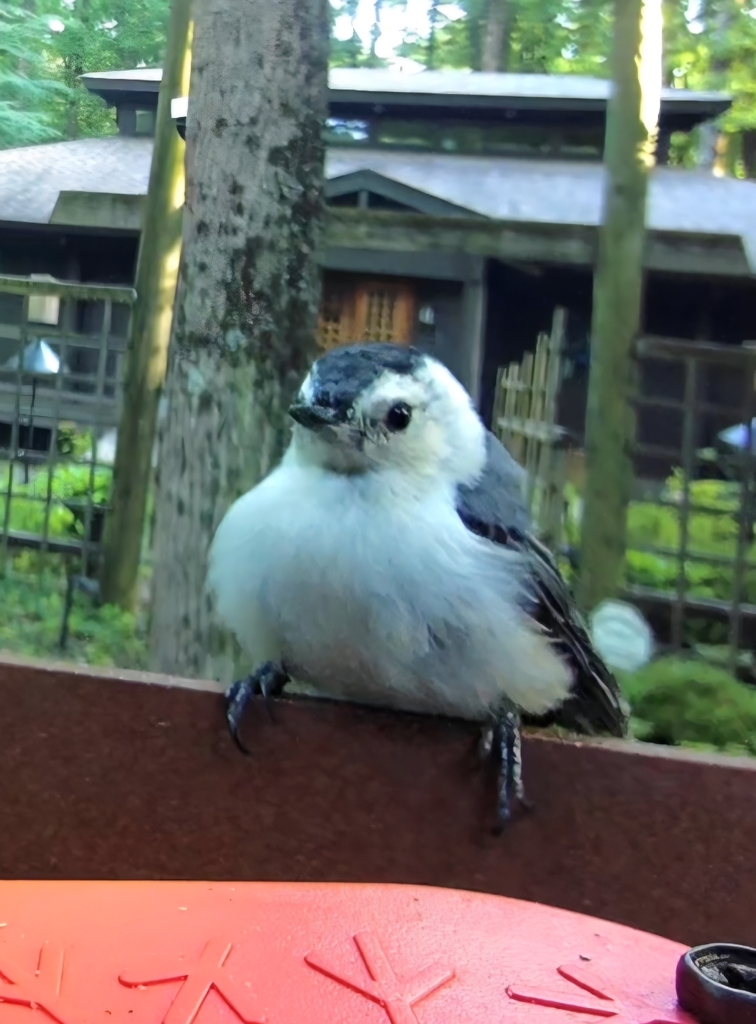
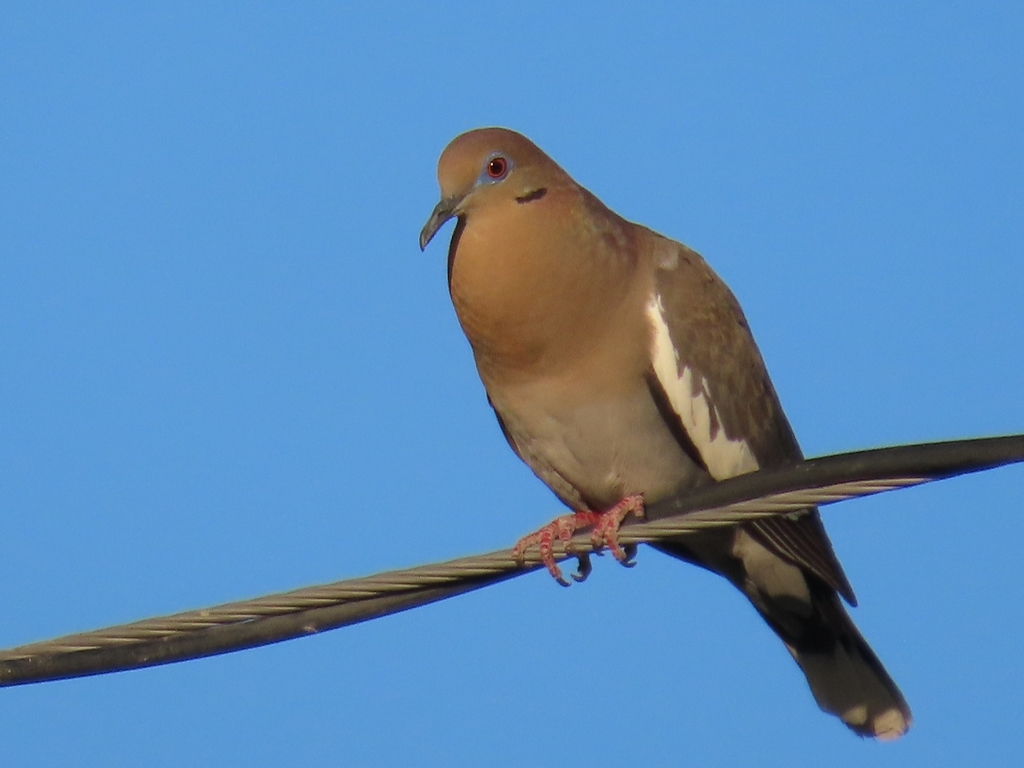


Widespread birds also seen here (15)
Found in many habitats here, so not listed above.
Who uses this plant?
 6CaterpillarsGenus host records with ranges including LA
Genus host records with ranges including LA · Eleocharis
- Bactra furfuranaRush Bactra
- Cisseps fulvicollisYellow-Collared Scape Moth
- Elophila obliteralisWaterlily Leafcutter Moth
- Parapoynx allionealisWatermilfoil Leafcutter, Bladderwort Casemaker
- Donacaula dispersella
- Thopeutis forbesellus
 0BeesSoutheastern regional records
 0Specialist beesPollen specialists
 11BirdsRecorded eating Eleocharis in Louisiana
Diet records by plant genus, from studies across North America. Not a record from this state. Birds whose range includes Louisiana, most records first.
- Ring-necked Duck5 diet records
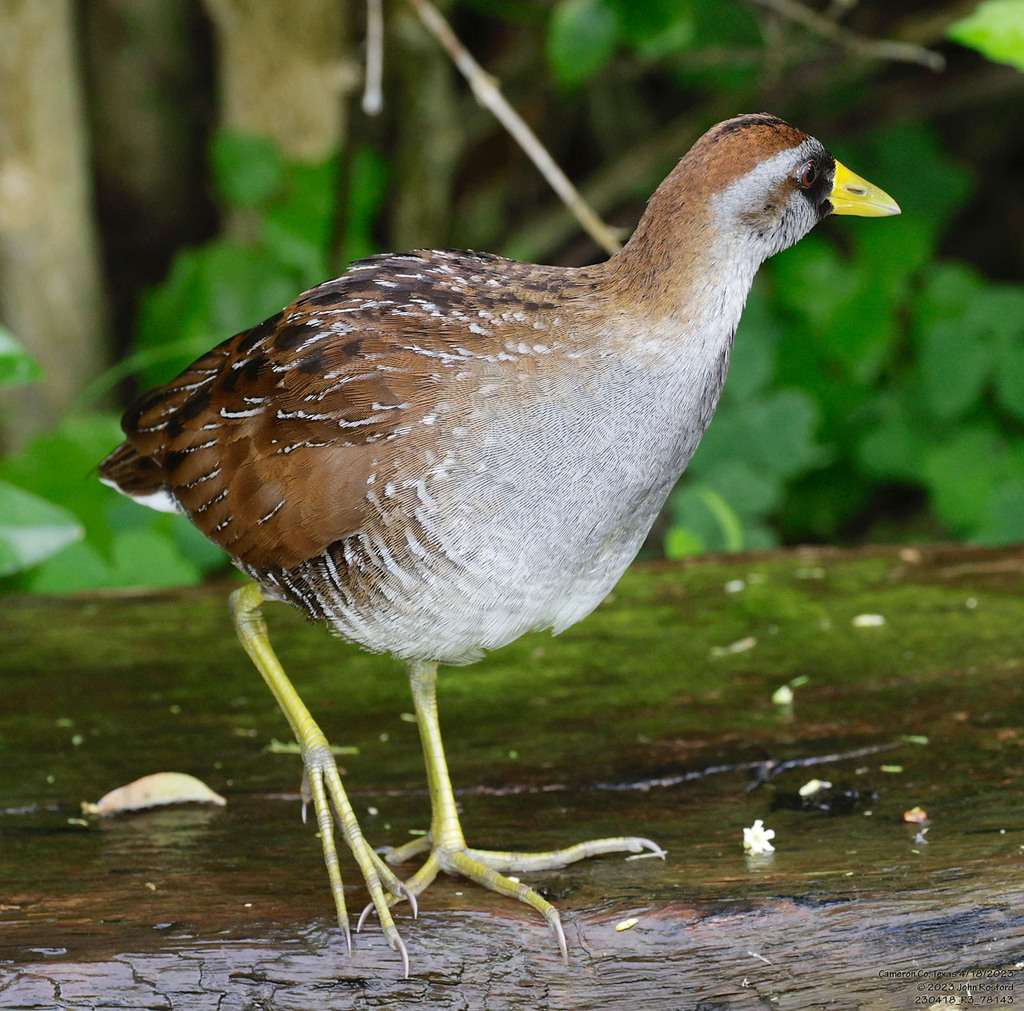
- SoraSeeds. 4 diet records
- American CootSeeds. 3 diet records
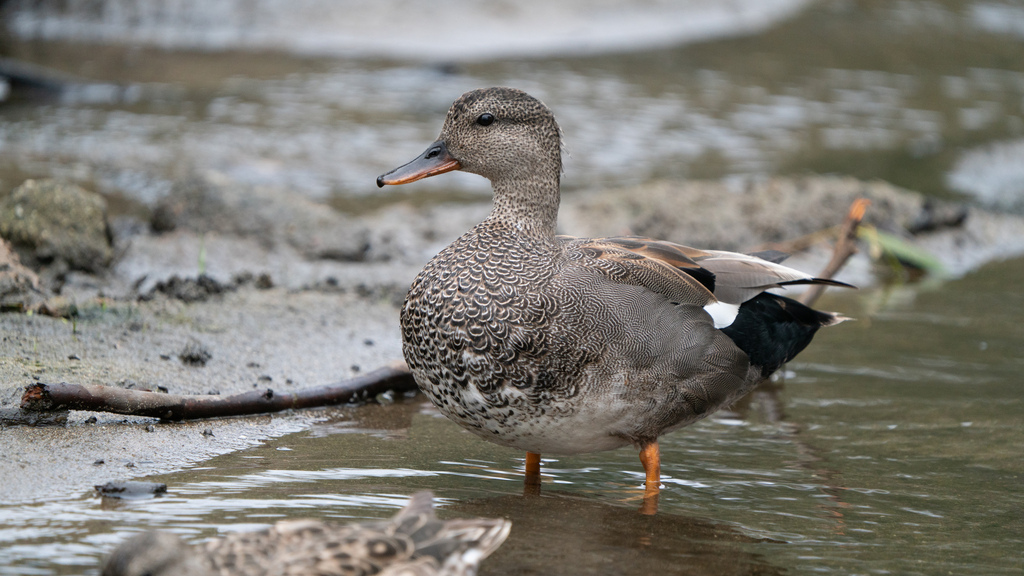
- GadwallLeaves. 3 diet records
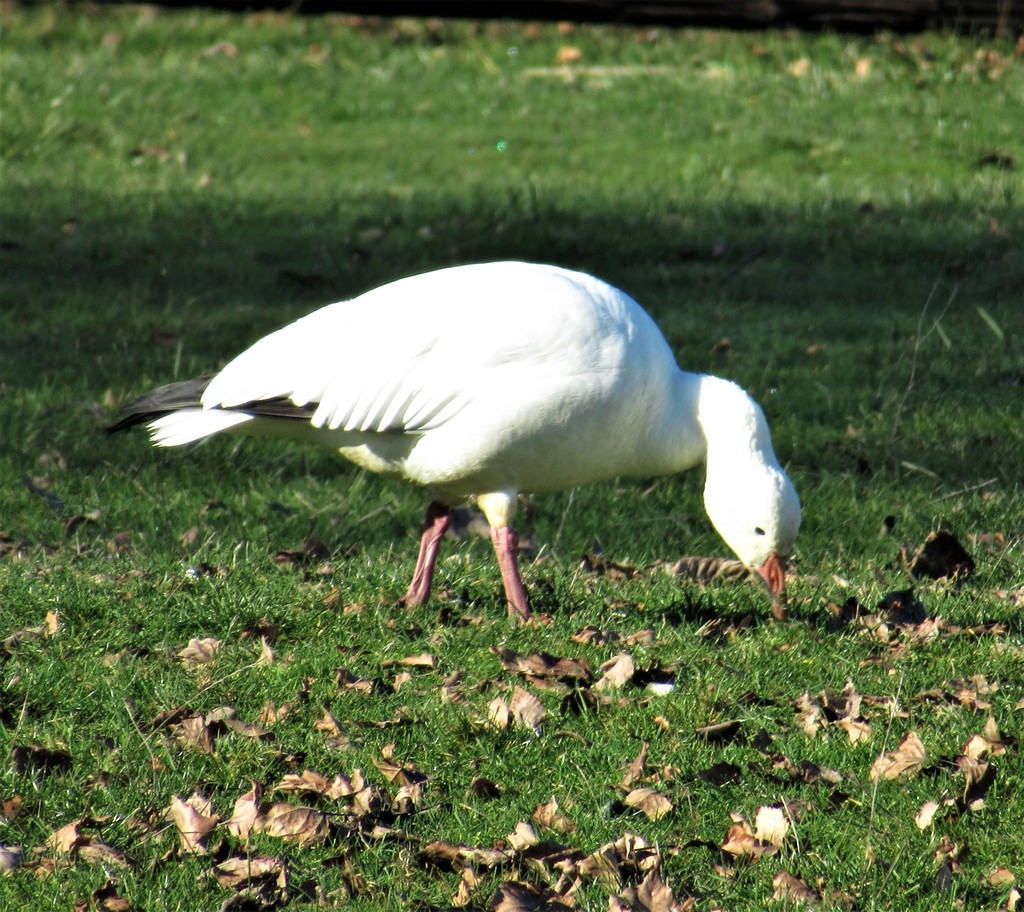
- Snow GooseLeaves. 3 diet records
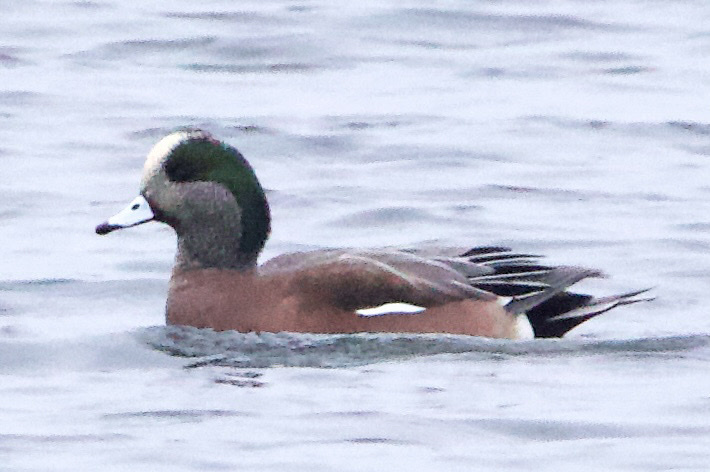
- American WigeonSeeds. 2 diet records
- Sandhill CraneSeeds. 2 diet records
- American Black DuckSeeds. 1 diet record
- Canada GooseLeaves. 1 diet record
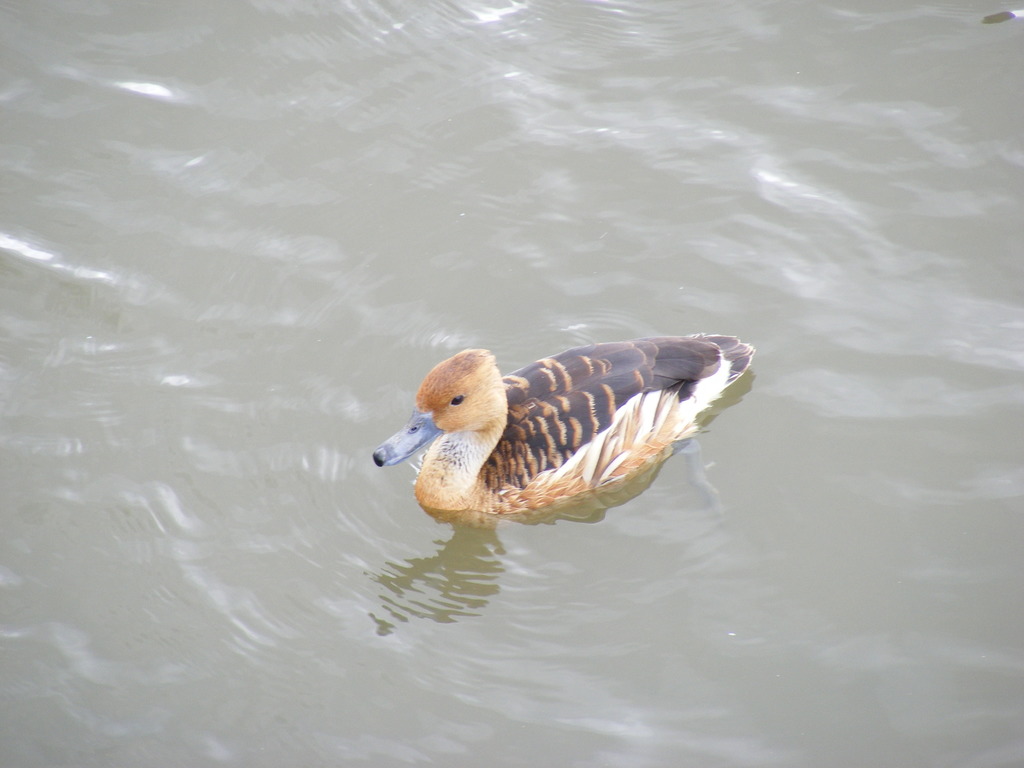
- Fulvous Whistling-duckSeeds. 1 diet record
Show all 11
- Red-winged Blackbird1 diet record
Direct food only. Caterpillars on host plants also feed nesting birds. NC Native Plant Society: butterfly gardening
No records yet · Ants · Beetles · Flies · Adult butterflies / moths · Other wasps · Other insects
Birds that eat Eleocharis 11
Diet records by plant genus, from studies across North America. Not a record from this state. Avian Diet Database (Hurlbert Lab), CC0 1.0.
- Ring-necked DuckAythya collaris
- SoraPorzana carolina
- American CootFulica americana
- GadwallAnas strepera
- Snow GooseChen caerulescens
- American WigeonAnas americana
- Sandhill CraneGrus canadensis
- American Black DuckAnas rubripes
- Canada GooseBranta canadensis
- Fulvous Whistling-duckDendrocygna bicolor
- Red-winged BlackbirdAgelaius phoeniceus




Plant details
- Family
- Cyperaceae
- Flower color
- Green
- Growth rate
- Moderate
- Growth habit
- Spreads by rhizomes
- Fruit begins
- Summer
- Fruit ends
- Fall
Growing sources and scope
- Bloom · “July to September” · Weakley, Flora of the Southeastern United States (2025), Carolinas & Georgia edition (ranked first; USDA PLANTS differs) · Carolinas and Georgia
- Flower color · “Green” · USDA PLANTS · Nationwide species characteristics; local growing conditions may vary
- Fruit begins · “Summer” · USDA PLANTS · Nationwide species characteristics; local growing conditions may vary
- Fruit ends · “Fall” · USDA PLANTS · Nationwide species characteristics; local growing conditions may vary
- Growth habit · “Spreads by rhizomes” · USDA PLANTS · Nationwide species characteristics; local growing conditions may vary
- Growth rate · “Moderate” · USDA PLANTS · Nationwide species characteristics; local growing conditions may vary
- Height · “About 3 feet” · USDA PLANTS · Nationwide species characteristics; local growing conditions may vary
- Light · “Full sun (documented habitat)” · Weakley, Flora of the Southeastern United States (2025), Carolinas & Georgia edition · Carolinas and Georgia
- Soil · “Water; Wet (documented habitat)” · Weakley, Flora of the Southeastern United States (2025), Carolinas & Georgia edition · Carolinas and Georgia
Conservation status
| Louisiana rank | S1 |
|---|---|
| Global rank | G5 |
| LA status | Not verified |
| Federal status | Not verified |
Will it fit your yard?
Check this plant against your county, sun and soil moisture. Conditions are checked in your browser.
Growing cautions
- Spreads by rhizomes. USDA PLANTS lists its growth form as rhizomatous. USDA PLANTS
For planning only; these do not change the score or Fit.
Sources
- NatureServe Explorer
- USDA PLANTS
- Vascular Plants of North Carolina (NC Natural Heritage Program)
- Weakley, Flora of the Southeastern United States (2025)
- Louisiana occurrence source
- Shropshire & Tallamy 2025, Lepidoptera of North America north of Mexico, ZooKeys 1261 (ODbL)
- Noori, Seltmann & Orr 2026, A curated and integrated dataset for exploring global bee-plant interactions (GloBI), Zenodo, CC BY 4.0
- Smith, Bachelder, Russell, Morales, Mosher & Seltmann 2024, Bee-Specialization-Modeling v0.6.1 (specialist host table compiled from J. Fowler's pollen specialist bee lists), Zenodo, CC BY 4.0
- Hurlbert, Olsen, Sawyer & Winner 2021, Avian Diet Database, Scientific Data 8: 260 (CC0)
- Narango, Tallamy & Shropshire 2020, Few keystone plant genera support the majority of Lepidoptera species, Nature Communications