

Bird
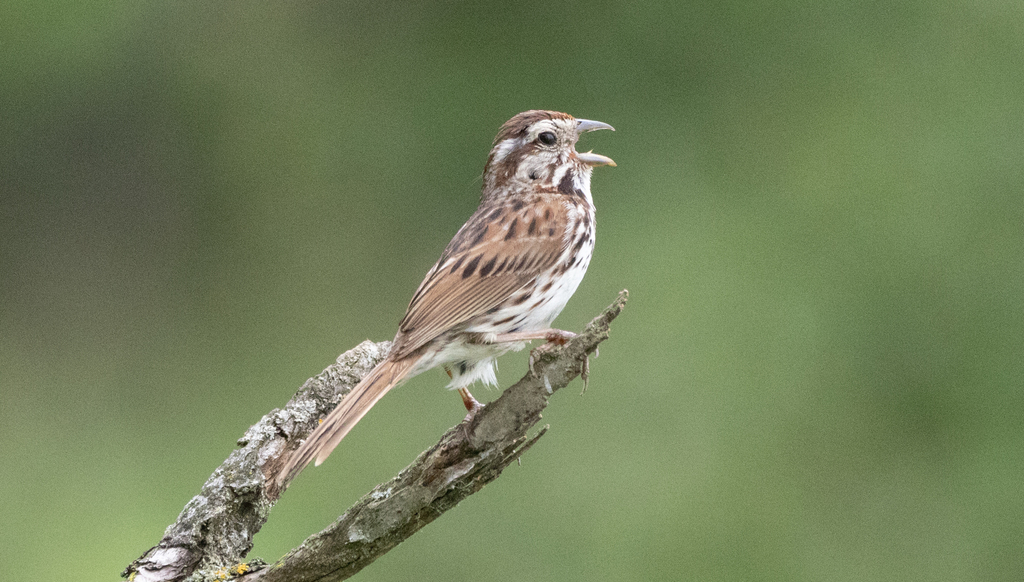
Song Sparrow
Melospiza melodia
A winter visitor to Florida, found in all 67 counties and 18 habitats.
- Here
- Winter
- Nesting
- Not known to nest here
- Range
- All 67 counties
- Habitats
- 18
At a glance
- Group
- Birds
- Here
- Winter
- Nesting
- Not known to nest here
- Range
- All 67 counties
- Habitats
- 18
- Habitat models
- Summer, Winter
Where it lives
The places its habitat model includes. It is not found everywhere a habitat occurs.
Habitats in Florida 18
Each habitat page lists the plants and wildlife also found there.

Open sand of beaches, dunes and the hollows between them.
Open, wet, seepage-fed bogs of the Coastal Plain and Sandhills, often with pitcher plants.
Coastal tidal marshes (salinity not stated)
Tidal marshes of the Atlantic and Gulf coasts where the source does not say whether the water is fresh, brackish or salt. A stated salinity files the marsh under freshwater tidal marshes or salt and brackish marshes instead.
Depression ponds and limesinks
Shallow ponds in Coastal Plain depressions, such as limesinks and the ponds in some Carolina bays, that rise and fall with the seasons.
Disturbed and introduced wetlands
Wet ground taken over by weedy or introduced plants after disturbance, such as common reed, Chinese tallow or tamarisk stands; the upland counterpart is roadsides, fields and disturbed ground.
Floodplain and bottomland forests
Forests on low ground beside rivers and streams that flood from time to time.
Marshes along tidal rivers where the water is fresh but rises and falls with the tide.
Tidal forests and thickets of red, black and white mangrove along sheltered tropical and subtropical shores.
Salt-pruned forests and shrub thickets behind coastal dunes.
Flat, sandy Coastal Plain pine woodlands, wetter than sandhills and denser than savannas.
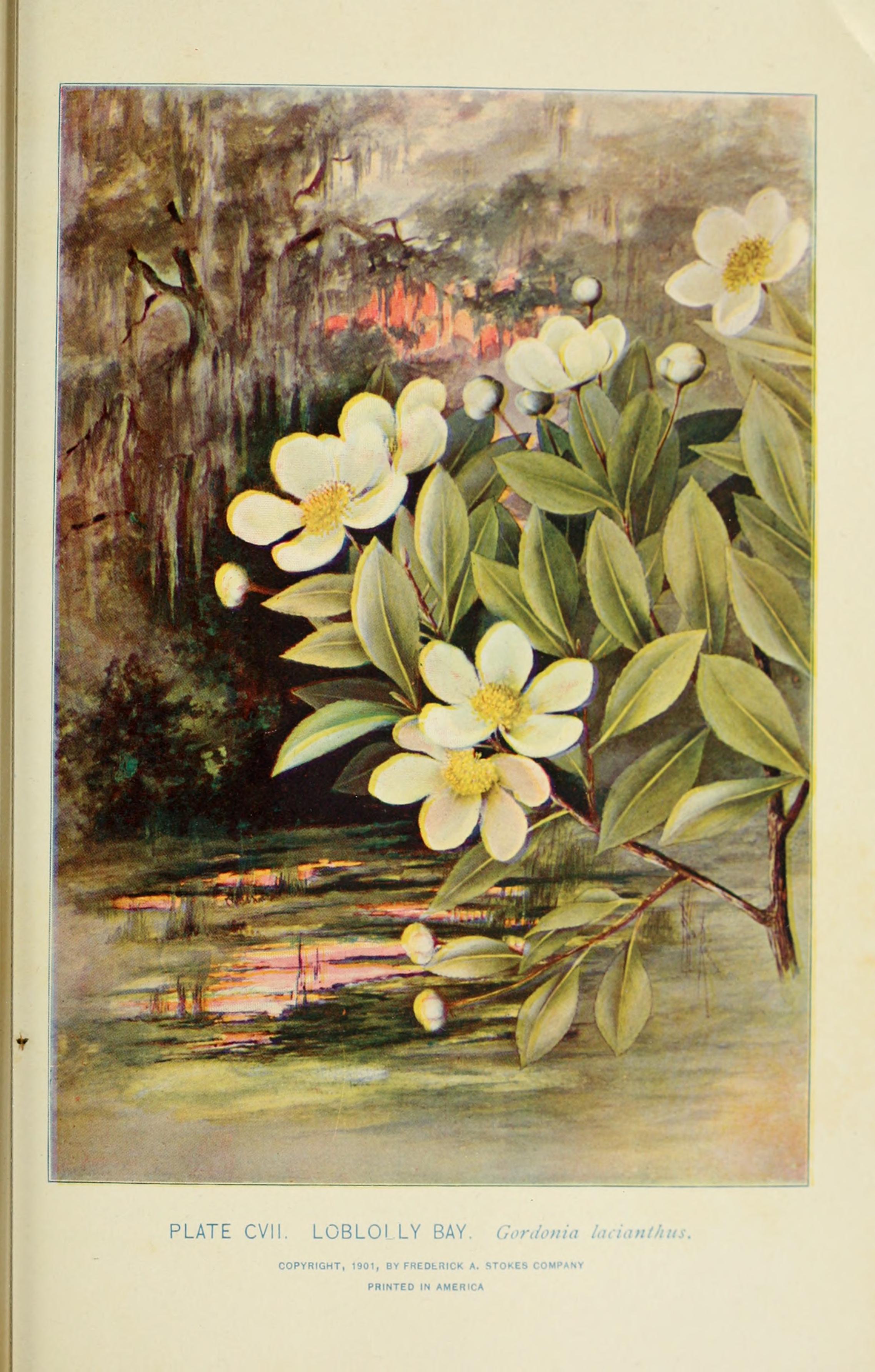
Dense evergreen shrub wetlands and bay forests on wet, acid peat of the Coastal Plain.
Roadsides, fields and disturbed ground
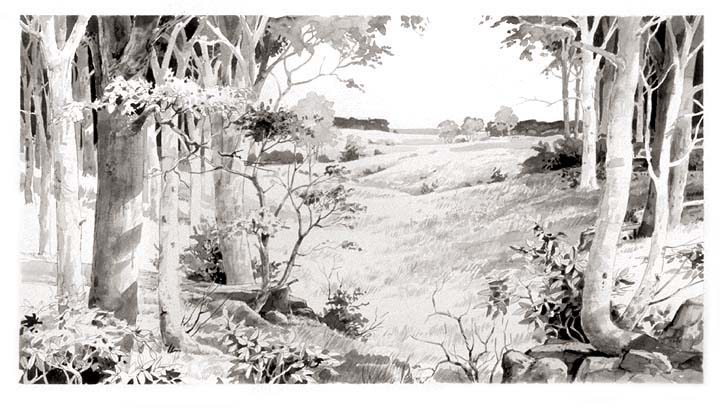
Ground opened by people: roadsides, old fields, pastures, fencerows and lots.
Coastal marshes flooded by salty or brackish tides.
Tree plantations and managed pine
Planted or intensively managed stands of pine or hardwoods grown for timber; a land use rather than a natural community.
Other habitats in its models (88)
Land cover, or classes with no habitat page in Florida.
- Developed, Low Intensity Summer and winter.
- Southwestern Great Plains Canyon Summer and winter.
- East-Central Texas Plains Post Oak Savanna and Woodland Winter.
- East-Central Texas Plains Riparian Forest Winter.
- Edwards Plateau Limestone Savanna and Woodland Winter.
- Mississippi Delta Maritime Forest Winter.
- Western Great Plains Wooded Draw and Ravine Summer and winter.
- Atlantic Coastal Plain Central Maritime Forest Summer and winter.
- Ozark-Ouachita Shortleaf Pine-Oak Forest and Woodland Winter.
- Southern Appalachian Montane Pine Forest and Woodland Winter.
- East-Central Texas Plains Pine Forest and Woodland Winter.
- Tamaulipan Mixed Deciduous Thornscrub Winter.
- Tamaulipan Mesquite Upland Scrub Winter.
- Tamaulipan Calcareous Thornscrub Winter.
- Western Great Plains Mesquite Woodland and Shrubland Winter.
- Central Mixedgrass Prairie Summer and winter.
- North-Central Interior Sand and Gravel Tallgrass Prairie Summer and winter.
- Central Tallgrass Prairie Summer and winter.
- Southern Blackland Tallgrass Prairie Summer and winter.
- Southeastern Great Plains Tallgrass Prairie Summer and winter.
- Texas-Louisiana Coastal Prairie Winter.
- Northern Atlantic Coastal Plain Dune and Swale Summer and winter.
- Central and Upper Texas Coast Dune and Coastal Grassland Winter.
- Recently Logged Areas Summer and winter.
- Harvested Forest - Grass/Forb Regeneration Summer and winter.
- Recently Burned Summer and winter.
- Recently Burned Forest Summer and winter.
- Recently Burned Grassland Summer and winter.
- Recently Burned Shrubland Summer and winter.
- Introduced Upland Vegetation - Shrub Summer and winter.
- Introduced Upland Vegetation - Forbland Summer and winter.
- Introduced Upland Vegetation - Annual Grassland Summer and winter.
- Introduced Upland Vegetation - Perennial Grassland Summer and winter.
- Introduced Upland Vegetation - Perennial Grassland and Forbland Summer and winter.
- Modified/Managed Southern Tall Grassland Summer and winter.
- Atlantic Coastal Plain Embayed Region Tidal Salt and Brackish Marsh Summer and winter.
- Atlantic Coastal Plain Northern Tidal Salt Marsh Summer and winter.
- Southern Coastal Plain Nonriverine Basin Swamp - Okefenokee Pine Modifier Summer and winter.
- Southern Coastal Plain Nonriverine Basin Swamp - Okefenokee Clethra Modifier Winter.
- Atlantic Coastal Plain Clay-Based Carolina Bay Herbaceous Wetland Summer and winter.
- Atlantic Coastal Plain Peatland Pocosin Summer and winter.
- West Gulf Coastal Plain Seepage Swamp and Baygall Winter.
- Central Interior and Appalachian Swamp Systems Summer and winter.
- Central Interior and Appalachian Shrub-Herbaceous Wetland Systems Summer and winter.
- Atlantic Coastal Plain Embayed Region Tidal Freshwater Marsh Summer and winter.
- Central Florida Herbaceous Seep Winter.
- Atlantic Coastal Plain Northern Fresh and Oligohaline Tidal Marsh Summer and winter.
- Atlantic Coastal Plain Northern Tidal Wooded Swamp Summer and winter.
- West Gulf Coastal Plain Near-Coast Large River Swamp Winter.
- Northern Atlantic Coastal Plain Basin Swamp and Wet Hardwood Forest Summer.
- Atlantic Coastal Plain Nonriverine Swamp and Wet Hardwood Forest - Taxodium/Nyssa Modifier Summer and winter.
- Atlantic Coastal Plain Nonriverine Swamp and Wet Hardwood Forest - Oak Dominated Modifier Summer and winter.
- Atlantic Coastal Plain Clay-Based Carolina Bay Forested Wetland Summer and winter.
- South Florida Dwarf Cypress Savanna Winter.
- Southern and Central Appalachian Bog and Fen Winter.
- South Florida Wet Marl Prairie Winter.
- Texas Saline Coastal Prairie Winter.
- Eastern Great Plains Wet Meadow, Prairie, and Marsh Summer and winter.
- Lower Mississippi River Bottomland Depressions - Forest Modifier Winter.
- Western Great Plains Depressional Wetland Systems Summer and winter.
- East Gulf Coastal Plain Southern Depression Pondshore Winter.
- Southern Piedmont/Ridge and Valley Upland Depression Swamp Winter.
- Mississippi River Bottomland Depression Winter.
- South Florida Freshwater Slough and Gator Hole Winter.
- Central Appalachian Riparian - Forest Modifier Summer and winter.
- South-Central Interior Large Floodplain - Forest Modifier Summer and winter.
- Southern Piedmont Large Floodplain Forest - Forest Modifier Summer and winter.
- East Gulf Coastal Plain Large River Floodplain Forest - Herbaceous Modifier Winter.
- South-Central Interior Large Floodplain - Herbaceous Modifier Summer and winter.
- Inter-Mountain Basins Greasewood Flat Summer and winter.
- Western Great Plains Floodplain Systems Summer and winter.
- Eastern Great Plains Floodplain Systems Summer and winter.
- Central Interior and Appalachian Floodplain Systems Summer and winter.
- Central Interior and Appalachian Riparian Systems Summer and winter.
- Tamaulipan Riparian Systems Winter.
- Mississippi River Riparian Forest Winter.
- Mississippi River Low Floodplain (Bottomland) Forest Winter.
- West Gulf Coastal Plain Small Stream and River Forest Winter.
- West Gulf Coastal Plain Large River Floodplain Forest Winter.
- Southern Piedmont Small Floodplain and Riparian Forest Summer and winter.
- Atlantic Coastal Plain Small Brownwater River Floodplain Forest Summer and winter.
- Red River Large Floodplain Forest Winter.
- Atlantic Coastal Plain Brownwater Stream Floodplain Forest Summer and winter.
- South-Central Interior Small Stream and Riparian Summer and winter.
- Texas-Louisiana Coastal Prairie Slough Winter.
- Mississippi River Floodplain and Riparian Forest Winter.
- South-Central Interior Large Floodplain Summer and winter.
- Ozark-Ouachita Riparian Winter.
Seasons in Florida
- Winter: does not nest here, in all 67 counties.
Also found in this habitat
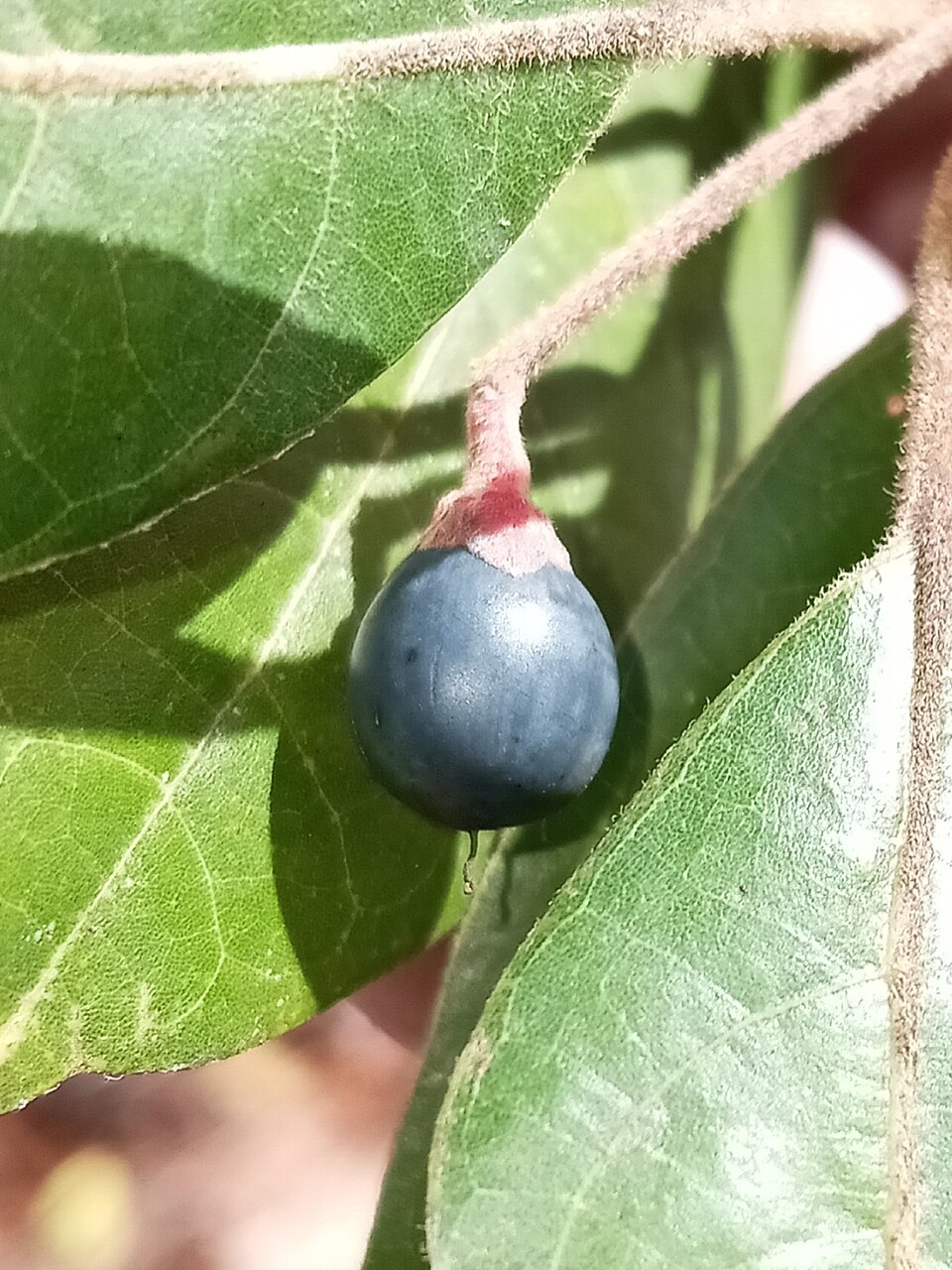
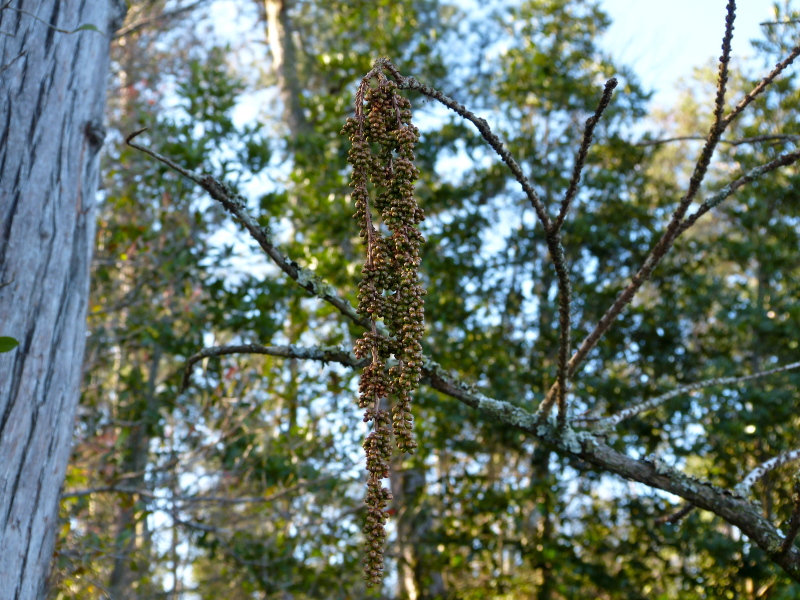
Plants 655
Plants named in NatureServe descriptions of these habitats that grow in Florida. Shared habitat, not food.
- Cabbage PalmettoSabal palmetto
- Serenoa repensSerenoa repens
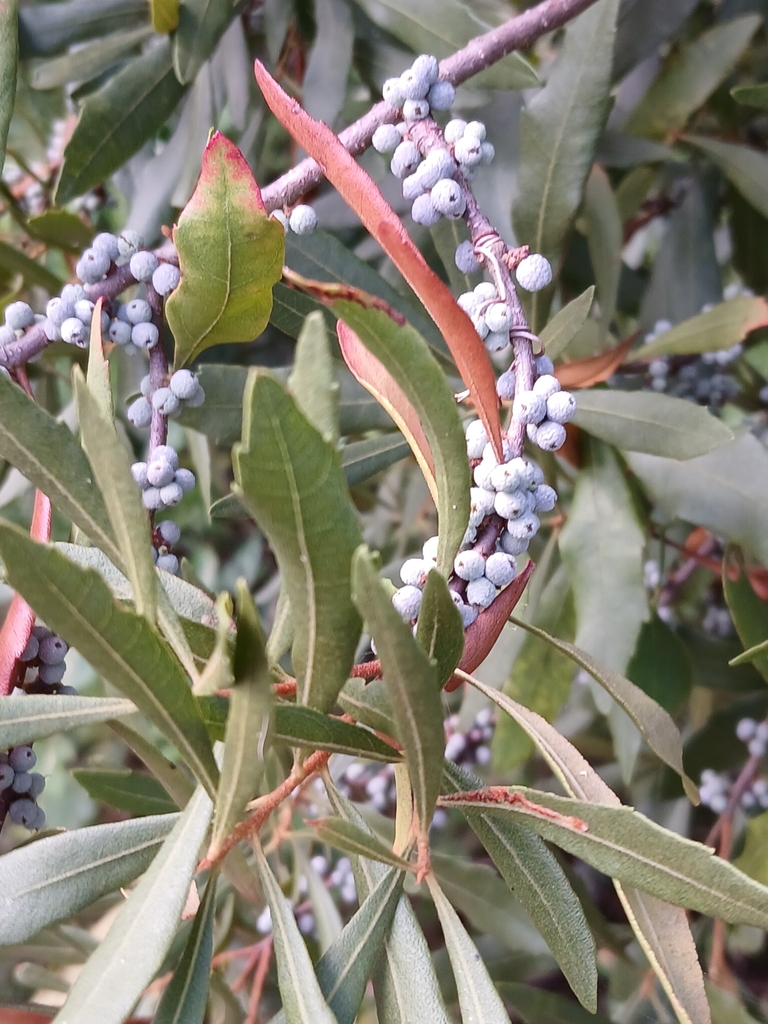
- Common WaxmyrtleMorella cerifera
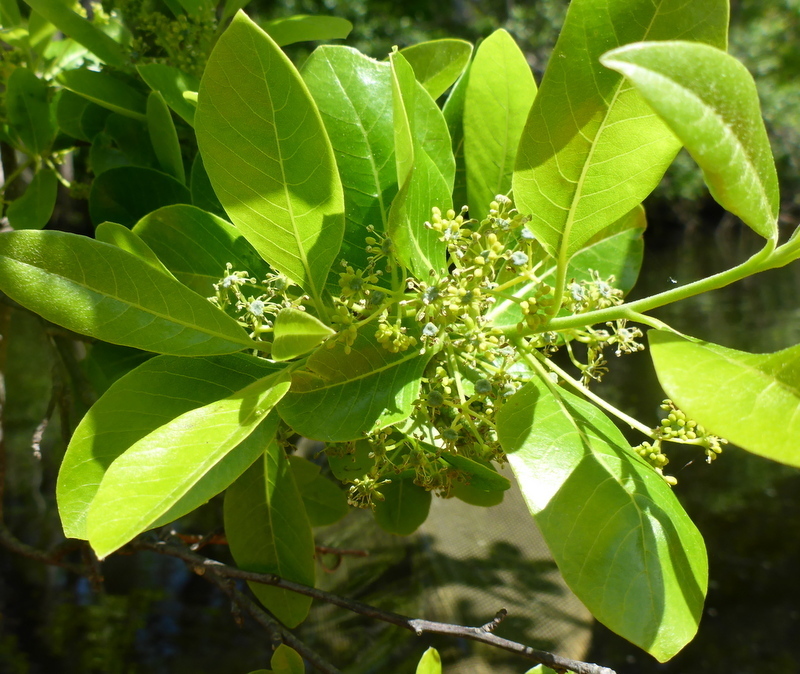
- Swamp RedbayPersea palustris
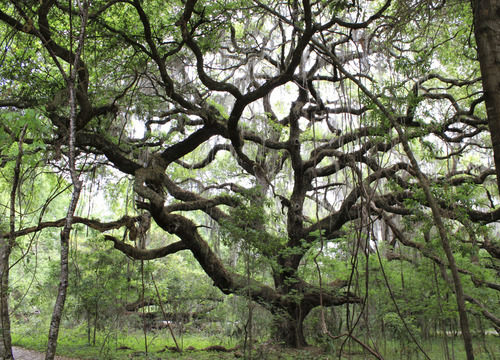
- Live OakQuercus virginiana
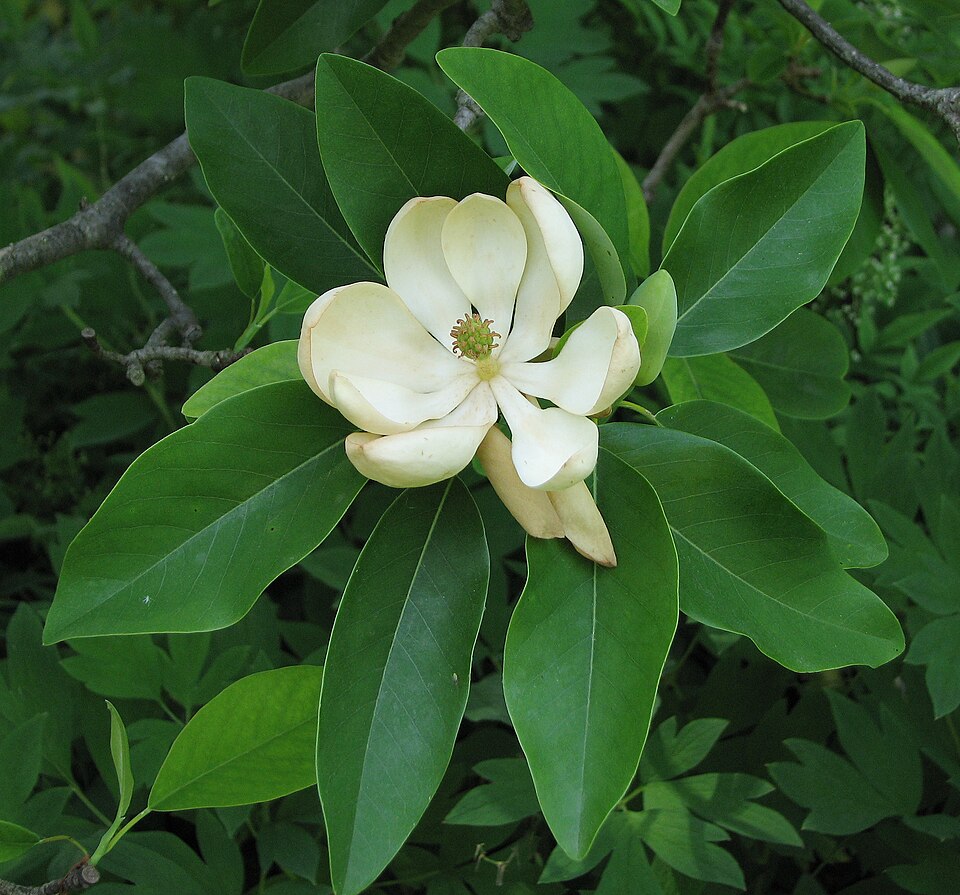
- Sweetbay MagnoliaMagnolia virginiana
- Pond CypressTaxodium ascendens
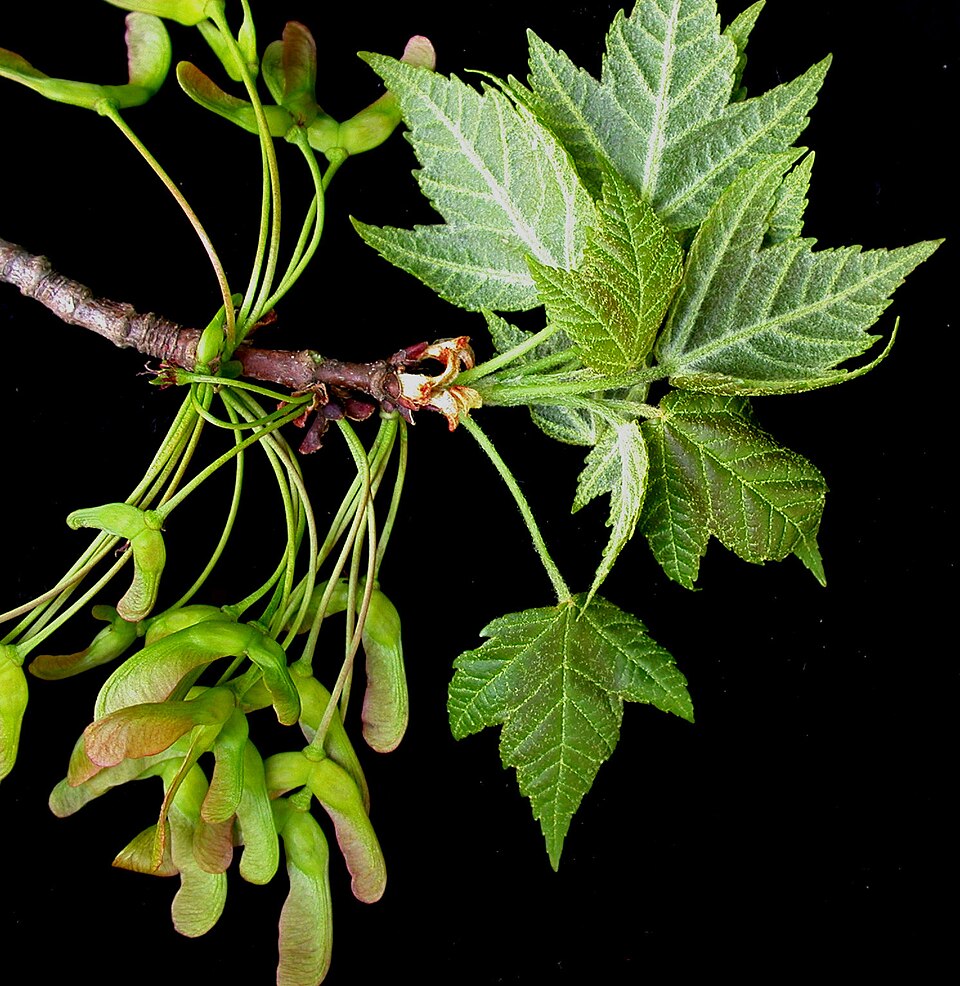
- Red MapleAcer rubrum
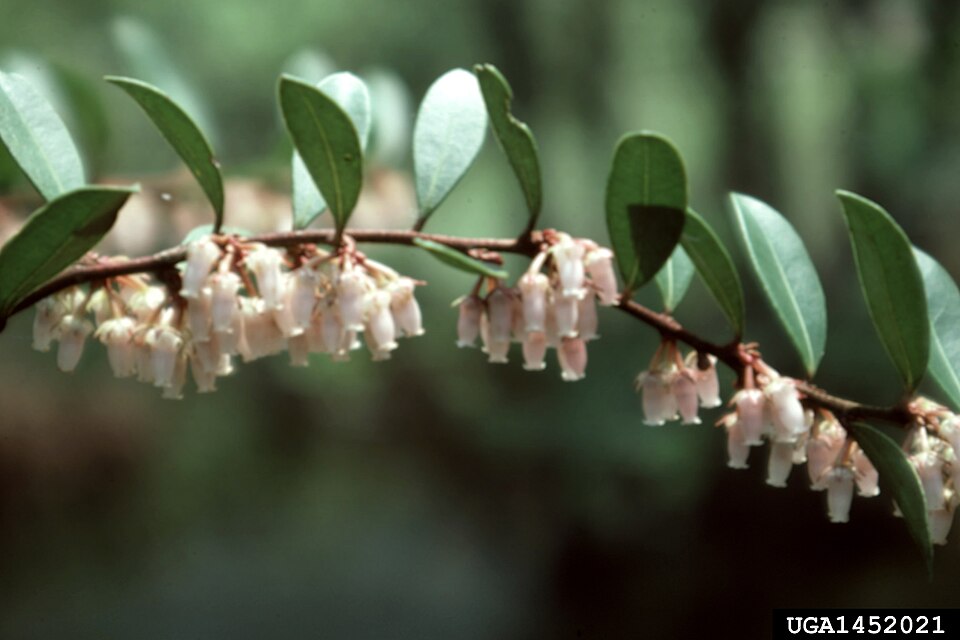
- Shining FetterbushLyonia lucida
- Swamp TupeloNyssa biflora
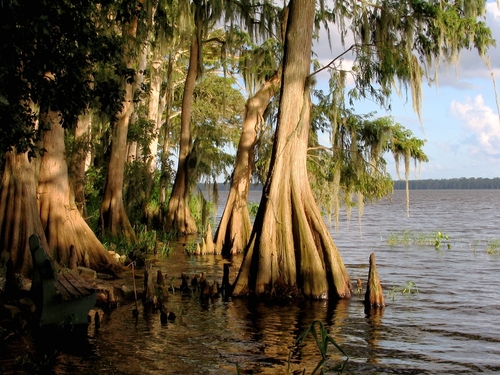
- Bald CypressTaxodium distichum
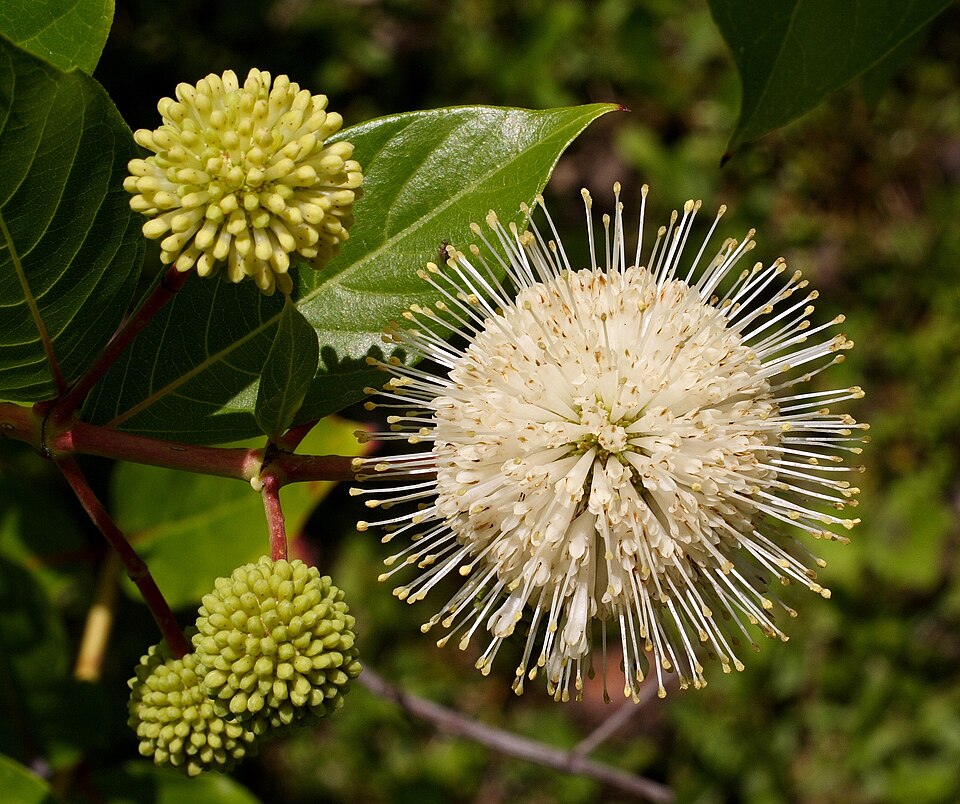
- ButtonbushCephalanthus occidentalis
- Tropical WaxweedCuphea aspera
- TitiCyrilla racemiflora
- Violet ButterwortPinguicula ionantha
- Sand Live OakQuercus geminata
- Tough BumeliaSideroxylon tenax
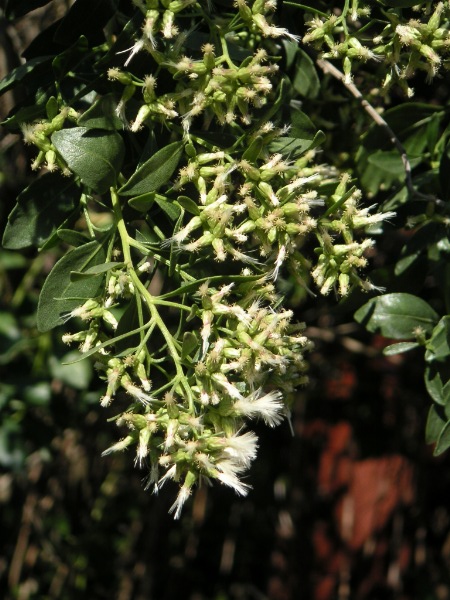
- Groundsel-treeBaccharis halimifolia
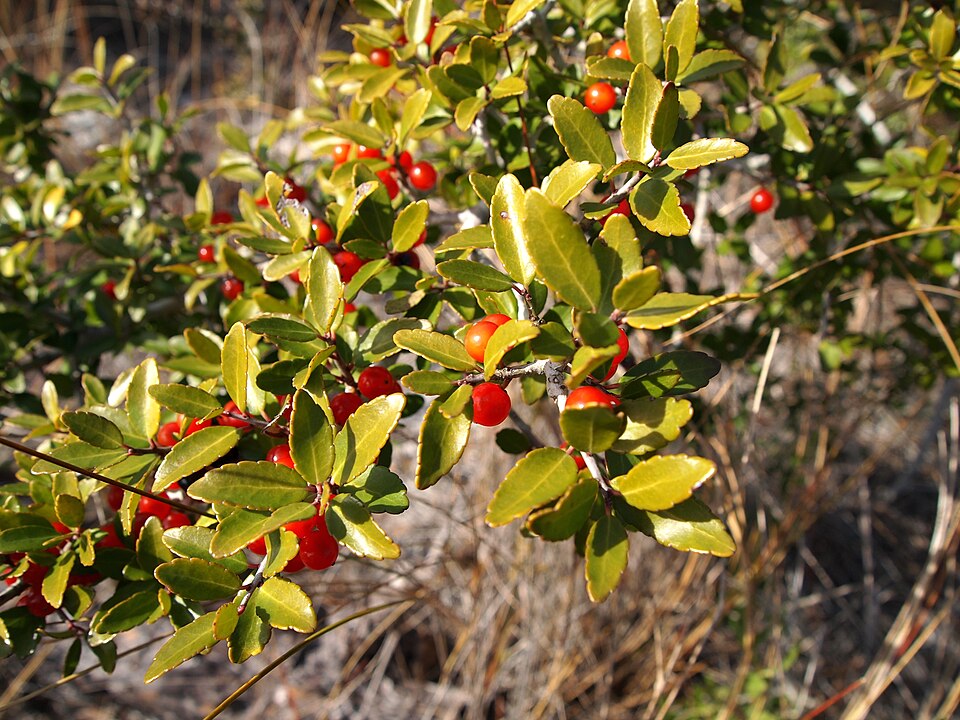
- Yaupon HollyIlex vomitoria
- Black NeedlerushJuncus roemerianus
- PondberryLindera melissifolia
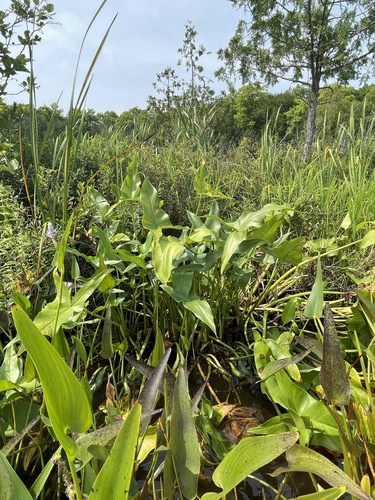
- Green Arrow-arumPeltandra virginica
- Saltmeadow CordgrassSpartina patens
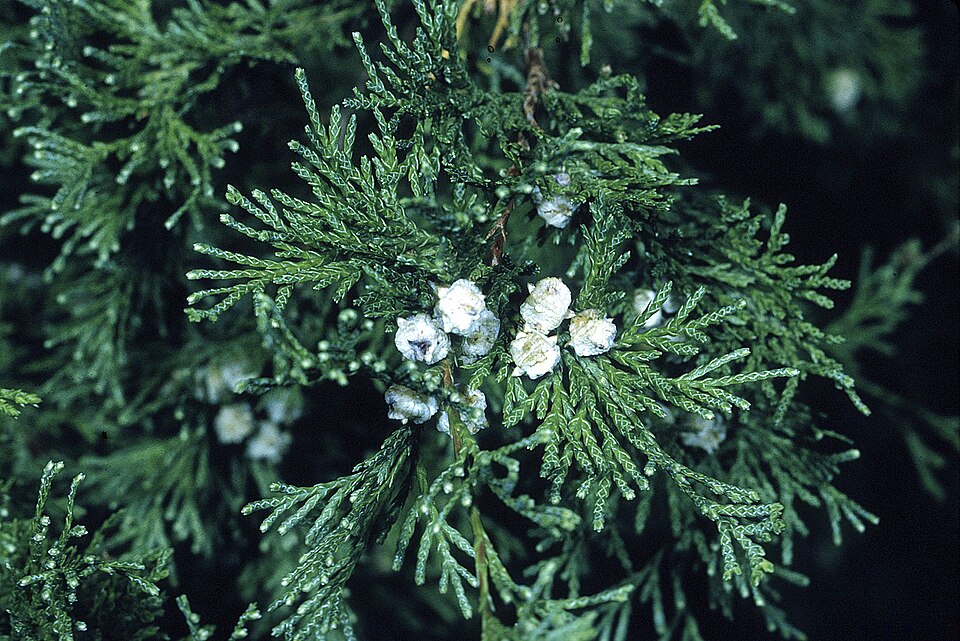
- Atlantic White CedarChamaecyparis thyoides
Wildlife 288
Other animals whose habitat models include the same habitats in Florida. Not sighting records.
- Northern FlickerColaptes auratus
- Northern ParulaParula americana
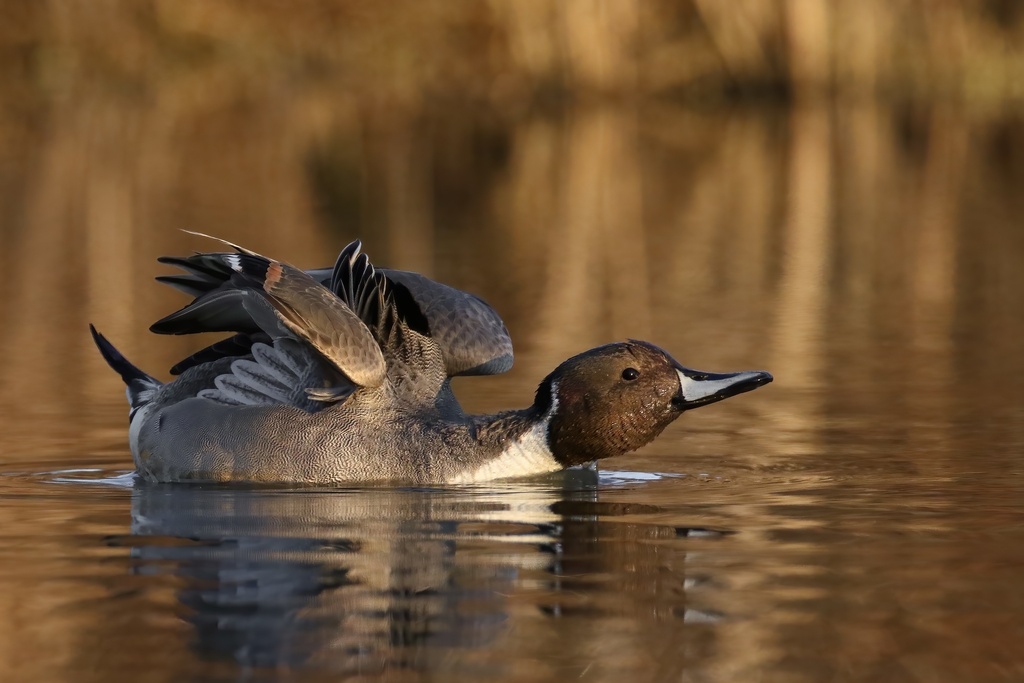
- Northern PintailAnas acuta
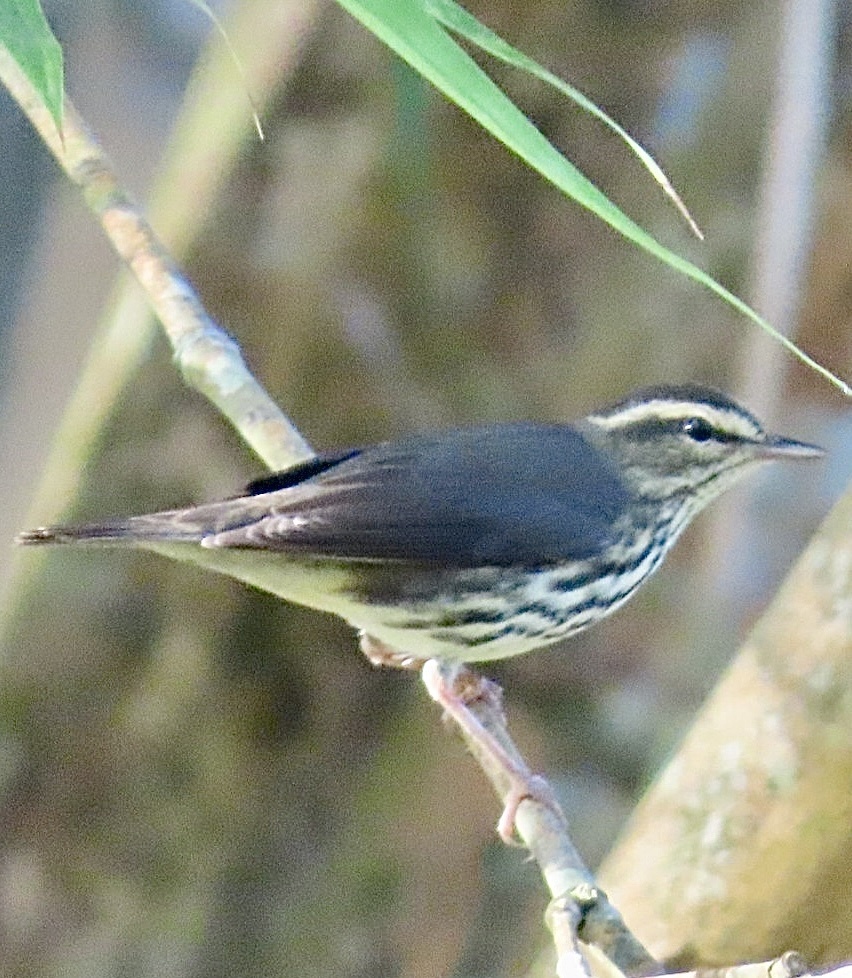
- Northern WaterthrushSeiurus noveboracensis
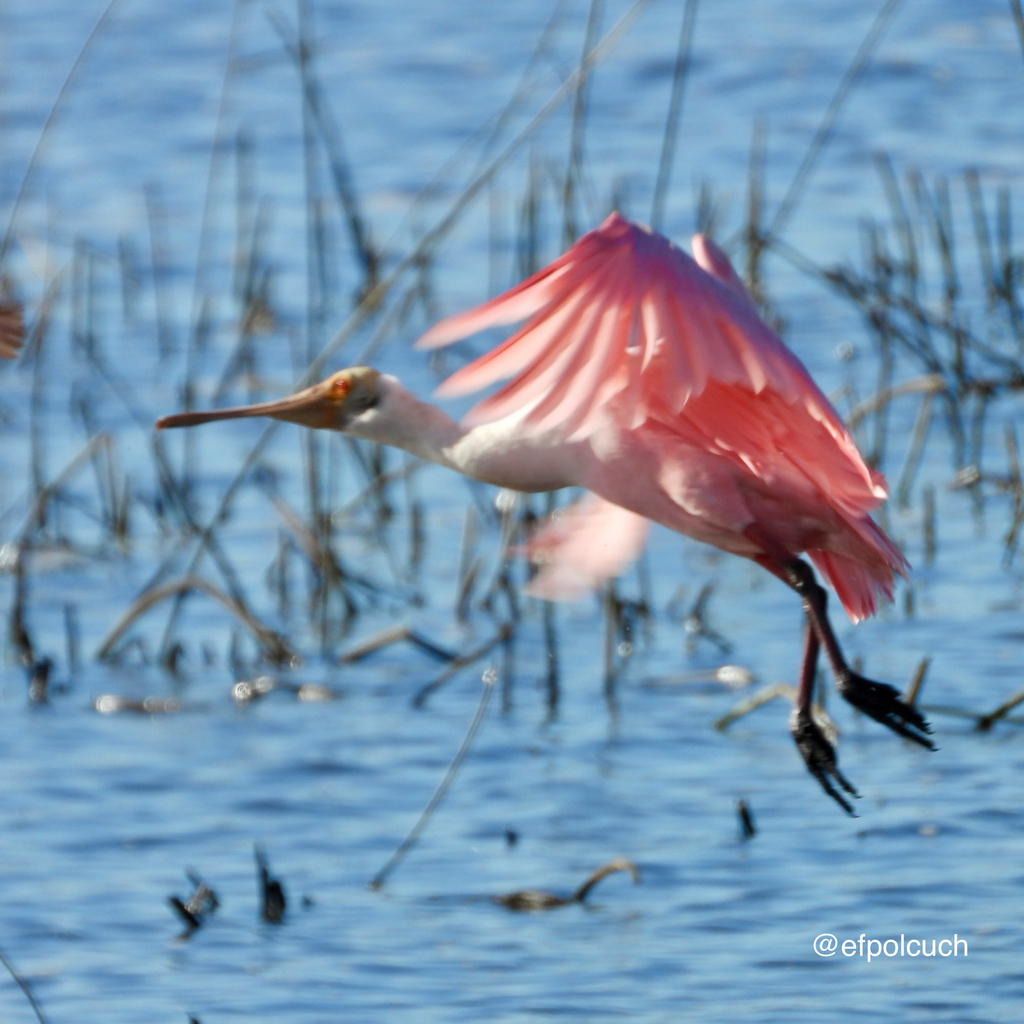
- Roseate SpoonbillPlatalea ajaja
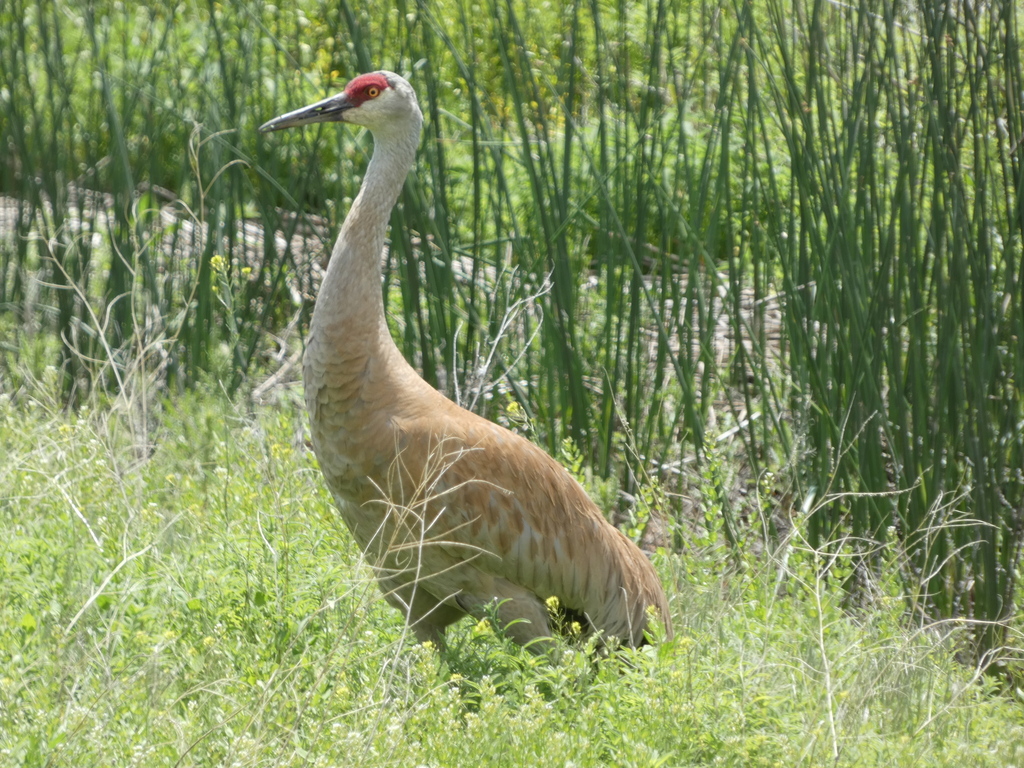
- Sandhill CraneGrus canadensis
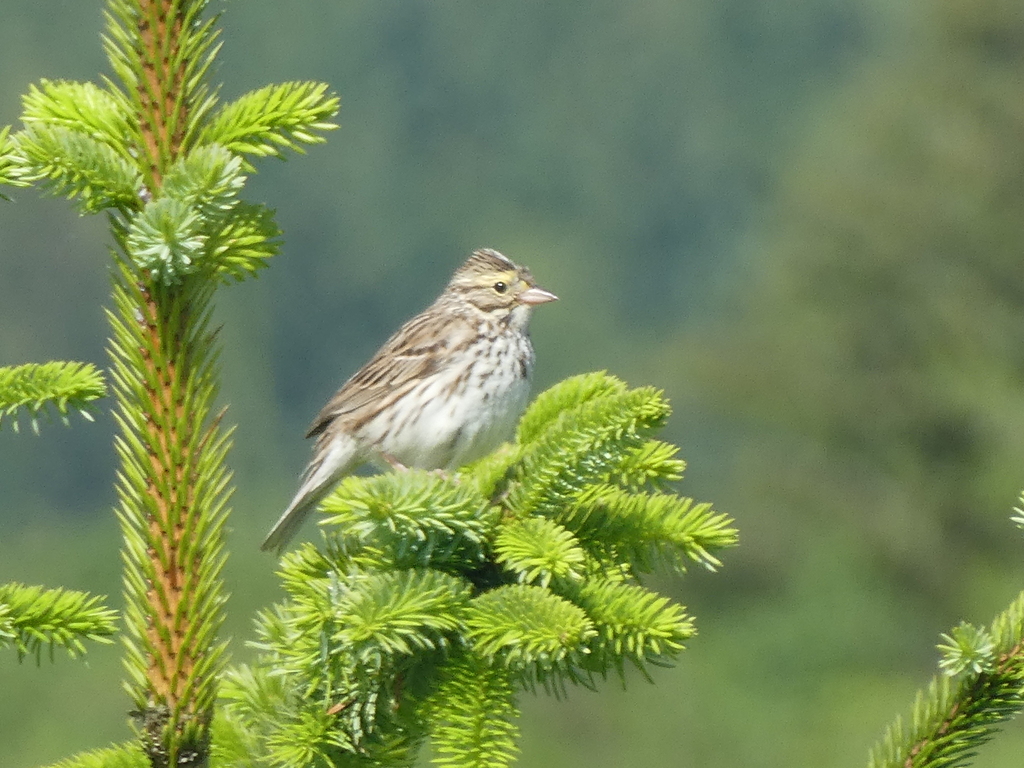
- Savannah SparrowPasserculus sandwichensis
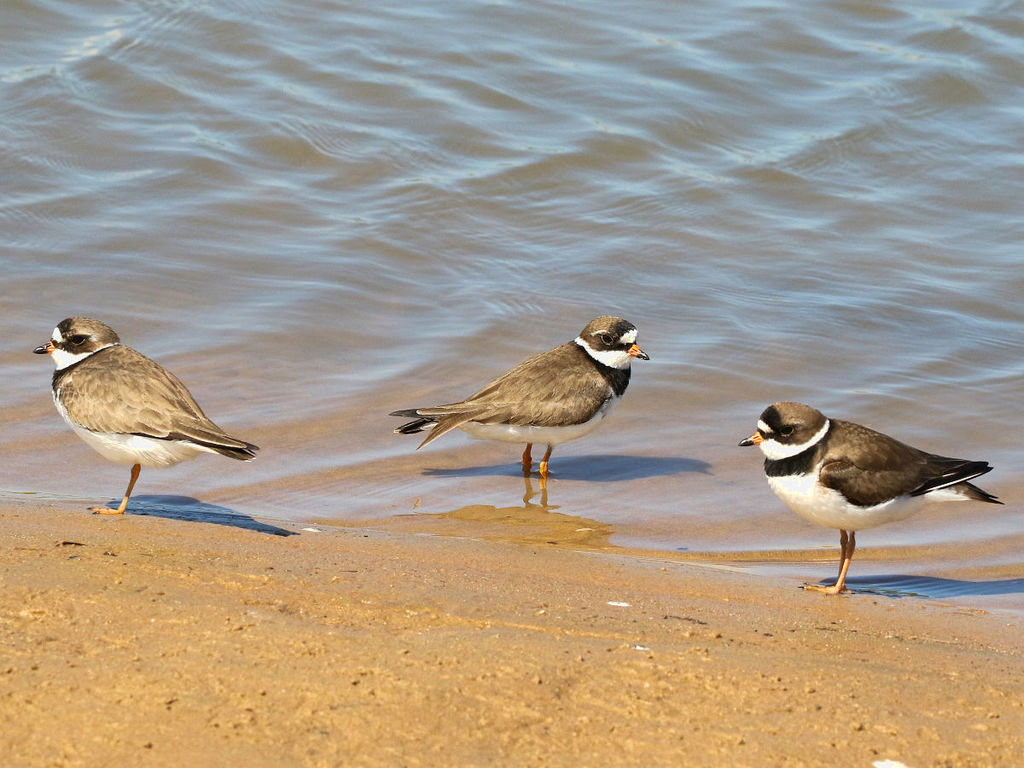
- Semipalmated PloverCharadrius semipalmatus
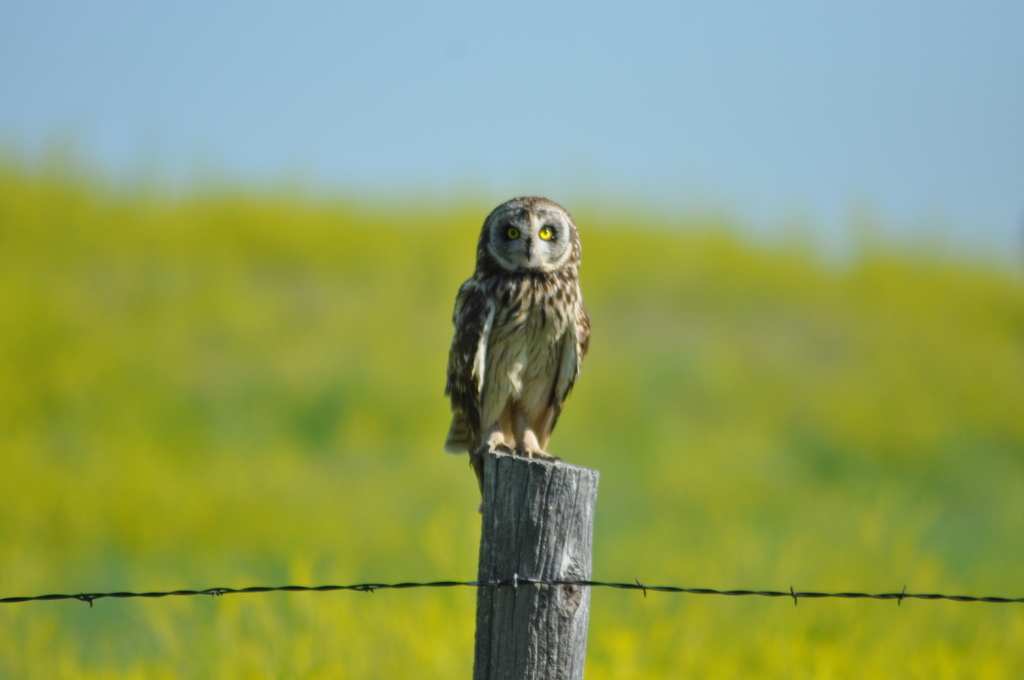
- Short-eared OwlAsio flammeus
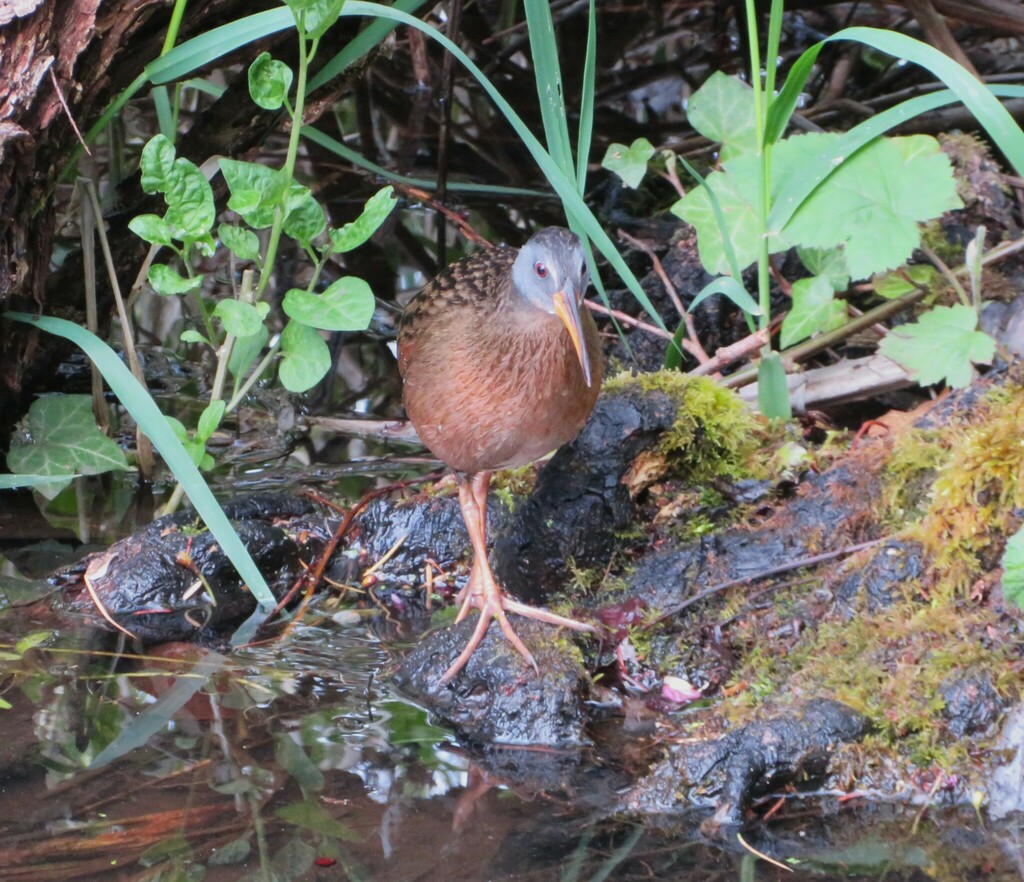
- Virginia RailRallus limicola
- Wood DuckAix sponsa
- American KestrelFalco sparverius
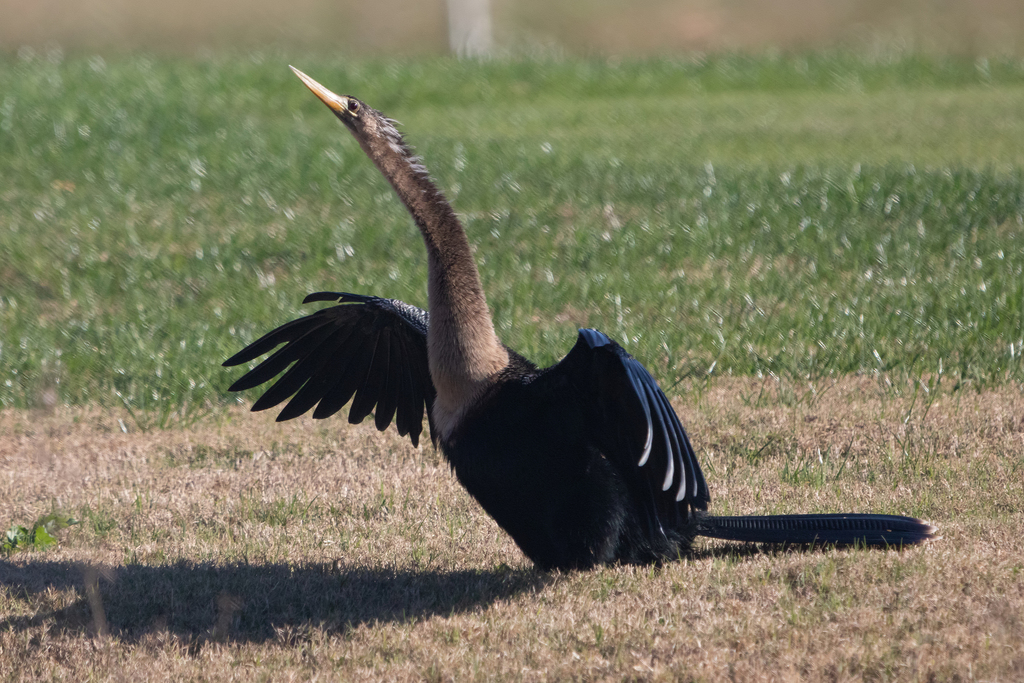
- AnhingaAnhinga anhinga
- Carolina WrenThryothorus ludovicianus
- Double-crested CormorantPhalacrocorax auritus
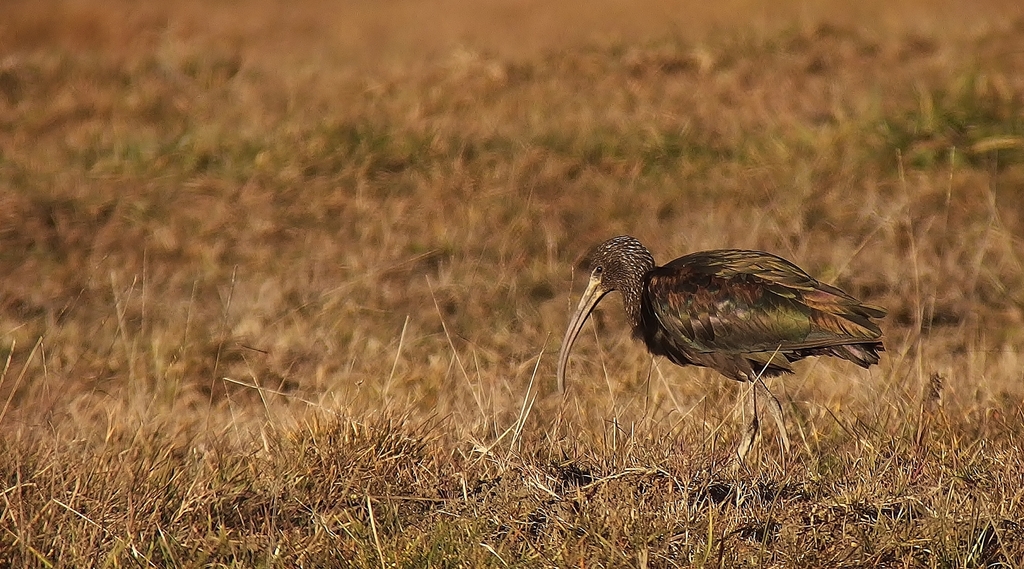
- Glossy IbisPlegadis falcinellus
- Hooded MerganserLophodytes cucullatus
- Indigo BuntingPasserina cyanea
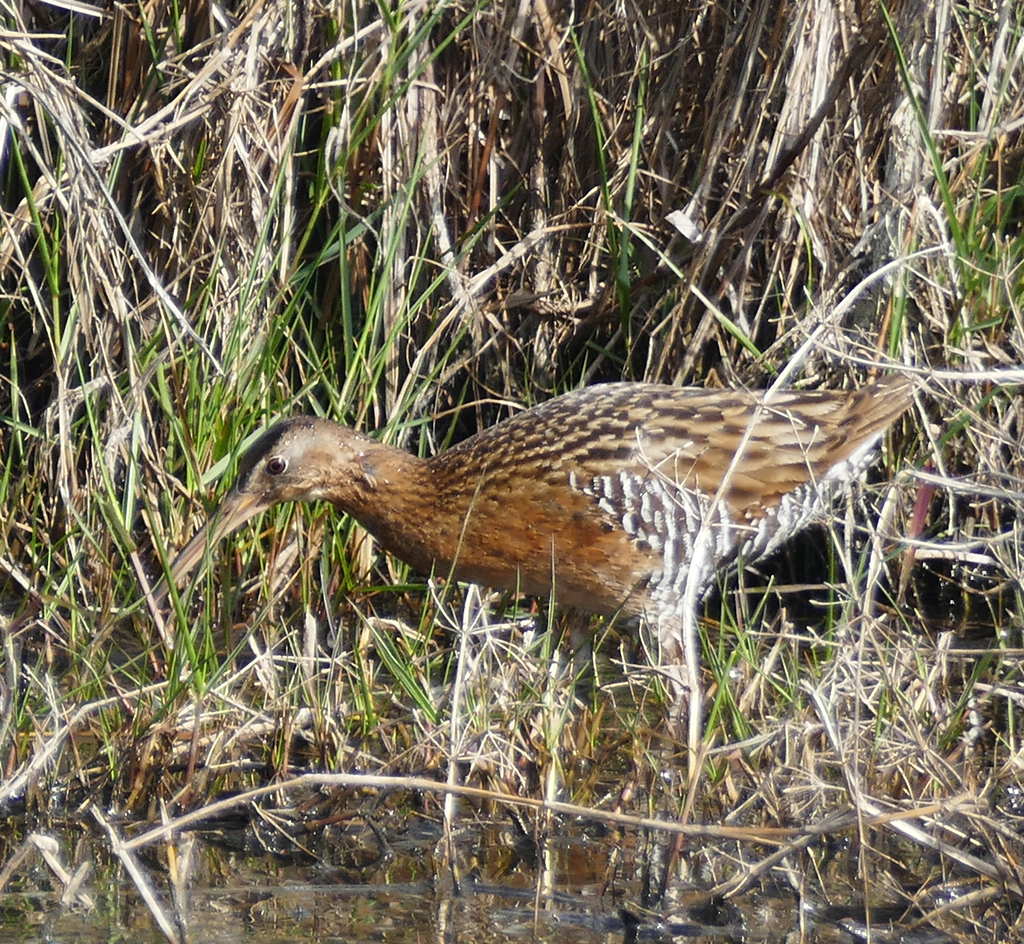
- King RailRallus elegans
- Least BitternIxobrychus exilis
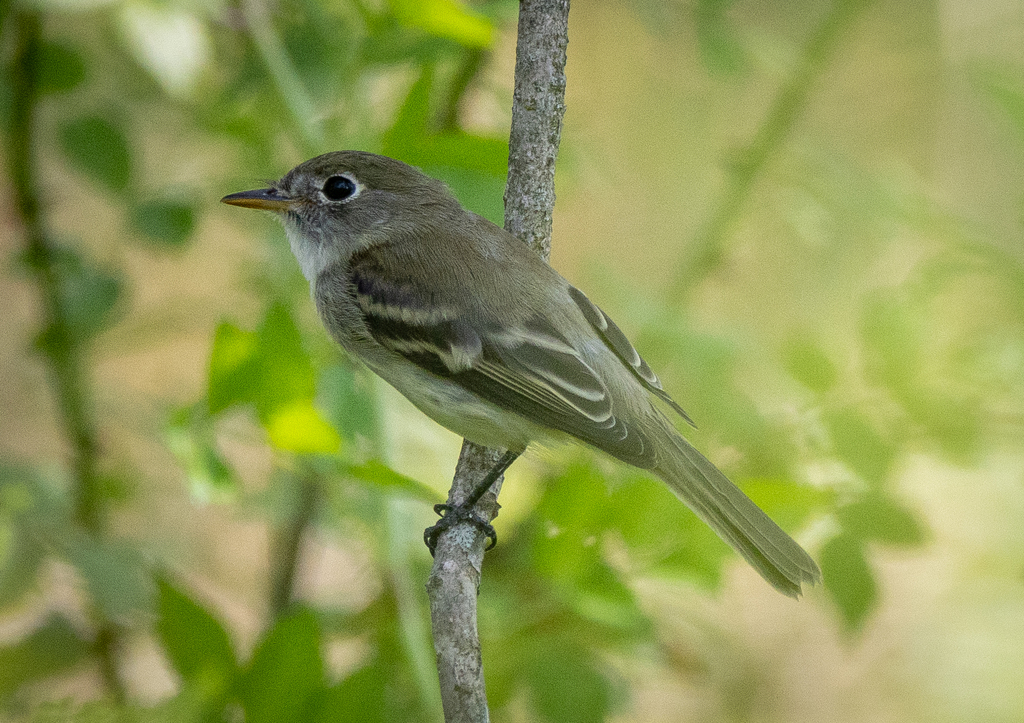
- Least FlycatcherEmpidonax minimus
- Purple FinchCarpodacus purpureus
- Stilt SandpiperCalidris himantopus
- White-eyed VireoVireo griseus










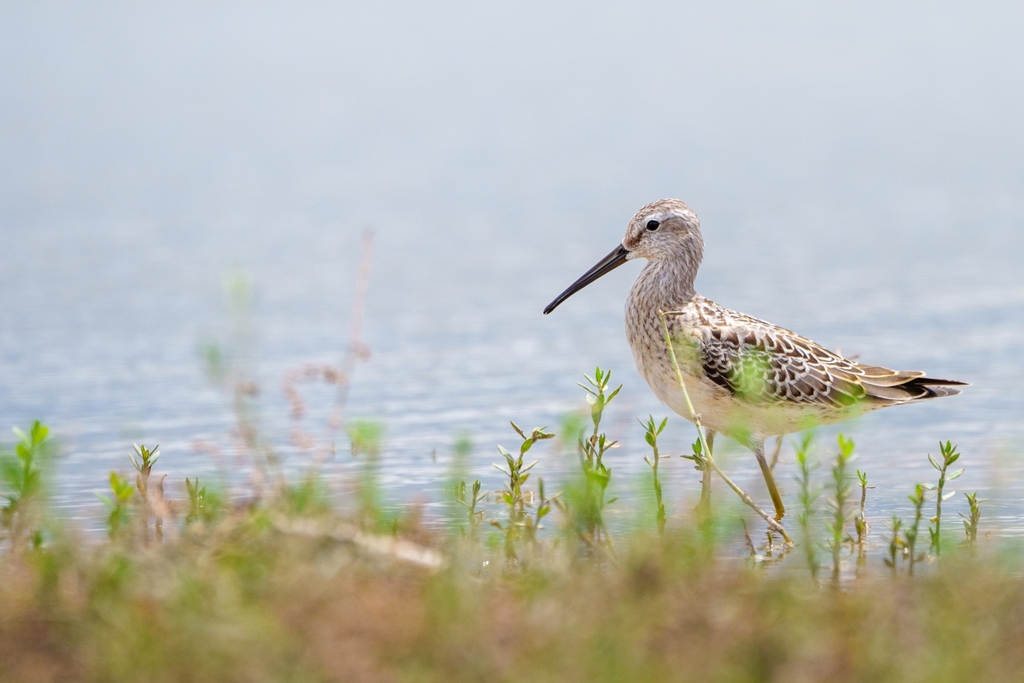

NatureServe Explorer, CC BY 4.0. USGS Gap Analysis Project habitat models.
Sources
- USGS Gap Analysis Project habitat models (2001)
- USGS GAP winter habitat model for Song Sparrow
- USGS Gap Analysis Project range maps (2001), modeled by watershed; migratory gives no dates
- NatureServe Explorer (CC BY 4.0), habitat names
- US Census TIGER/Line counties
- Names follow the USGS Gap Analysis Project (2001)