

Bird
Least Flycatcher
Empidonax minimus
A winter visitor to Florida, found in all 67 counties and 12 habitats.
- Here
- Winter and on migration
- Nesting
- Not known to nest here
- Range
- All 67 counties
- Habitats
- 12

At a glance
- Group
- Birds
- Here
- Winter and on migration
- Nesting
- Not known to nest here
- Range
- All 67 counties
- Habitats
- 12
- Habitat models
- Summer, Winter
Where it lives
The places its habitat model includes. It is not found everywhere a habitat occurs.
Habitats in Florida 12
Each habitat page lists the plants and wildlife also found there.


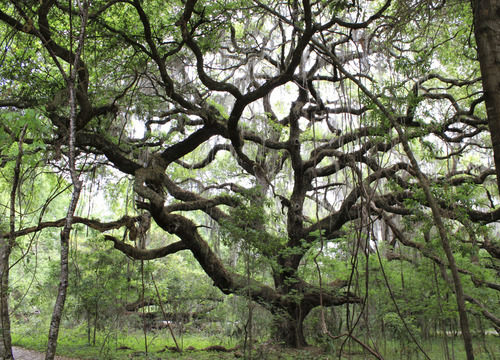
Dense, evergreen groves of live oak, magnolia and other hardwoods in the southern Coastal Plain, from dry oak domes to wet hydric hammocks and south Florida's tropical hammocks; salt-shaped maritime hammocks are maritime forests.
Disturbed and introduced wetlands
Wet ground taken over by weedy or introduced plants after disturbance, such as common reed, Chinese tallow or tamarisk stands; the upland counterpart is roadsides, fields and disturbed ground.
Floodplain and bottomland forests
Forests on low ground beside rivers and streams that flood from time to time.
Evergreen scrub oaks, sand pine and rosemary on deep, white, drought-prone sand ridges, burned rarely but intensely; distinct from the longleaf and turkey oak sandhills.
Tidal forests and thickets of red, black and white mangrove along sheltered tropical and subtropical shores.
Salt-pruned forests and shrub thickets behind coastal dunes.
Flat, sandy Coastal Plain pine woodlands, wetter than sandhills and denser than savannas.
Tree plantations and managed pine
Planted or intensively managed stands of pine or hardwoods grown for timber; a land use rather than a natural community.

Roadsides, fields and disturbed ground
Ground opened by people: roadsides, old fields, pastures, fencerows and lots.
Other habitats in its models (44)
Land cover, or classes with no habitat page in Florida.
- Developed, Low Intensity Summer and winter, beside its main habitat.
- Orchards Vineyards and Other High Structure Agriculture Summer, beside its main habitat.
- Central and Southern Appalachian Northern Hardwood Forest Summer.
- Southern and Central Appalachian Oak Forest - Xeric Summer.
- Southern Interior Low Plateau Dry-Mesic Oak Forest Summer.
- Southern Appalachian Northern Hardwood Forest Summer.
- Southern and Central Appalachian Oak Forest Summer.
- Allegheny-Cumberland Dry Oak Forest and Woodland - Hardwood Summer.
- Central and Southern Appalachian Montane Oak Forest Summer.
- Southern Piedmont Mesic Forest Summer.
- Southern Piedmont Dry Oak-(Pine) Forest - Hardwood Modifier Summer.
- Southern Piedmont Dry Oak-(Pine) Forest - Loblolly Pine Modifier Summer.
- Southern Piedmont Dry Oak-(Pine) Forest - Mixed Modifier Summer.
- Southern Piedmont Dry Oak-Heath Forest - Mixed Modifier Summer.
- Southern Piedmont Dry Oak-(Pine) Forest Summer.
- Central Appalachian Oak and Pine Forest Summer.
- Appalachian Hemlock-Hardwood Forest Summer.
- Southern Ridge and Valley Dry Calcareous Forest Summer.
- Central Appalachian Pine-Oak Rocky Woodland Summer.
- Southern and Central Appalachian Cove Forest Summer.
- South-Central Interior Mesophytic Forest Summer.
- Southern Appalachian Grass and Shrub Bald - Shrub Modifier Summer, beside its main habitat.
- Recently Logged Areas Summer, beside its main habitat.
- Recently Burned Summer, beside its main habitat.
- Recently Burned Forest Summer, beside its main habitat.
- Recently Burned Shrubland Summer, beside its main habitat.
- Introduced Upland Vegetation - Shrub Summer, beside its main habitat.
- Southern Coastal Plain Nonriverine Basin Swamp - Okefenokee Pine Modifier Winter.
- Southern Coastal Plain Nonriverine Basin Swamp - Okefenokee Clethra Modifier Winter.
- Central Interior and Appalachian Swamp Systems Summer, beside its main habitat.
- Southern and Central Appalachian Bog and Fen Summer.
- Southern Piedmont/Ridge and Valley Upland Depression Swamp Summer, beside its main habitat.
- Central Appalachian Floodplain - Forest Modifier Summer.
- Central Appalachian Riparian - Forest Modifier Summer.
- South-Central Interior Large Floodplain - Forest Modifier Summer.
- Southern Piedmont Large Floodplain Forest - Forest Modifier Summer.
- East Gulf Coastal Plain Large River Floodplain Forest - Herbaceous Modifier Winter.
- South-Central Interior Large Floodplain - Herbaceous Modifier Summer.
- Central Interior and Appalachian Floodplain Systems Summer, beside its main habitat.
- Central Interior and Appalachian Riparian Systems Summer.
- Southern Piedmont Small Floodplain and Riparian Forest Summer.
- South-Central Interior Small Stream and Riparian Summer.
- East Gulf Coastal Plain Southern Loblolly-Hardwood Flatwoods Winter.
- South-Central Interior / Upper Coastal Plain Wet Flatwoods Summer, beside its main habitat.
Seasons in Florida
- Migratory: does not nest here, in 65 of 67 counties.
- Winter: does not nest here, in 6 of 67 counties.
Also found in this habitat
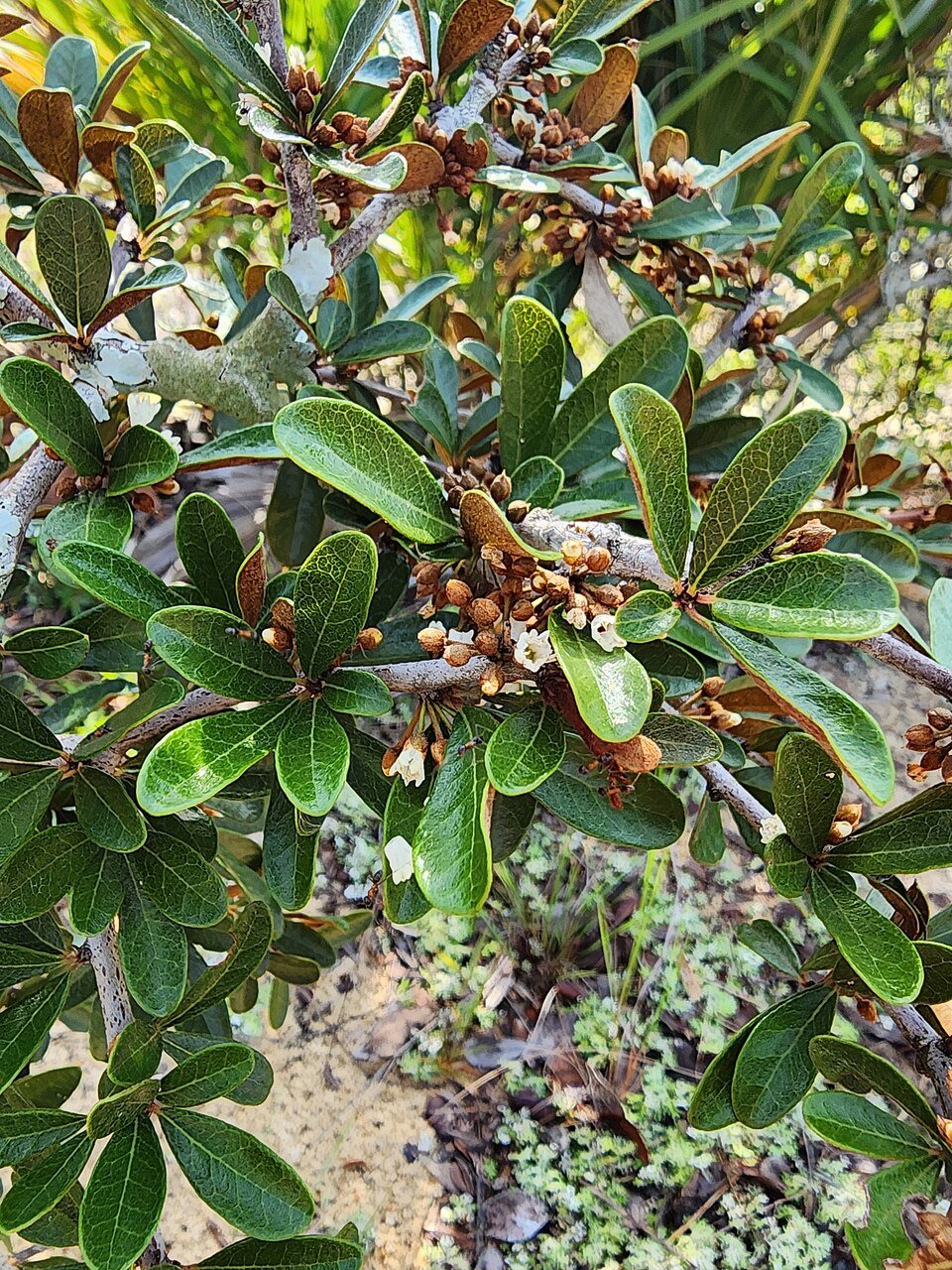
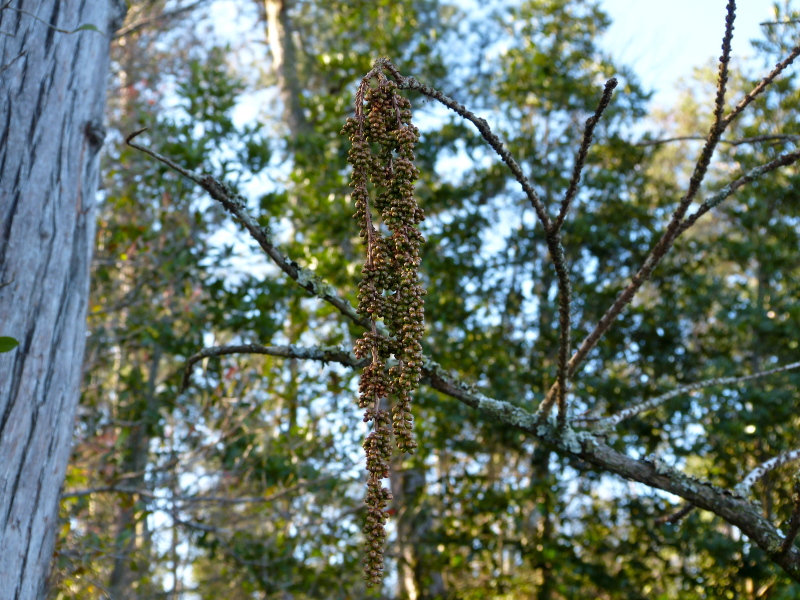
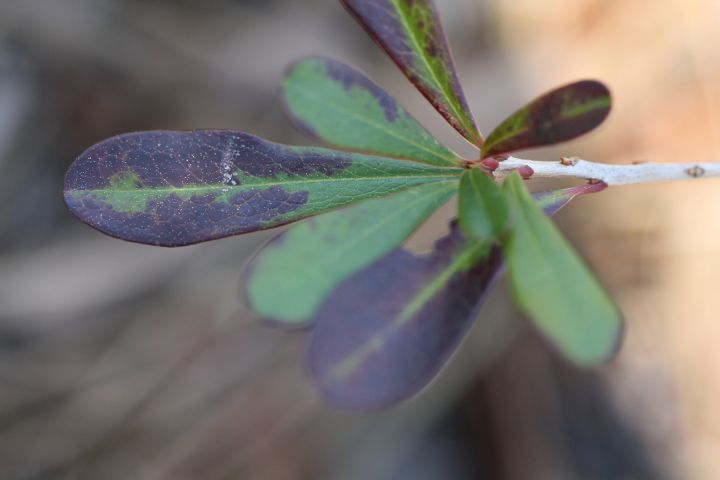
Plants 576
Plants named in NatureServe descriptions of these habitats that grow in Florida. Shared habitat, not food.
- Serenoa repensSerenoa repens
- Sweetbay MagnoliaMagnolia virginiana
- Cabbage PalmettoSabal palmetto
- Shining FetterbushLyonia lucida
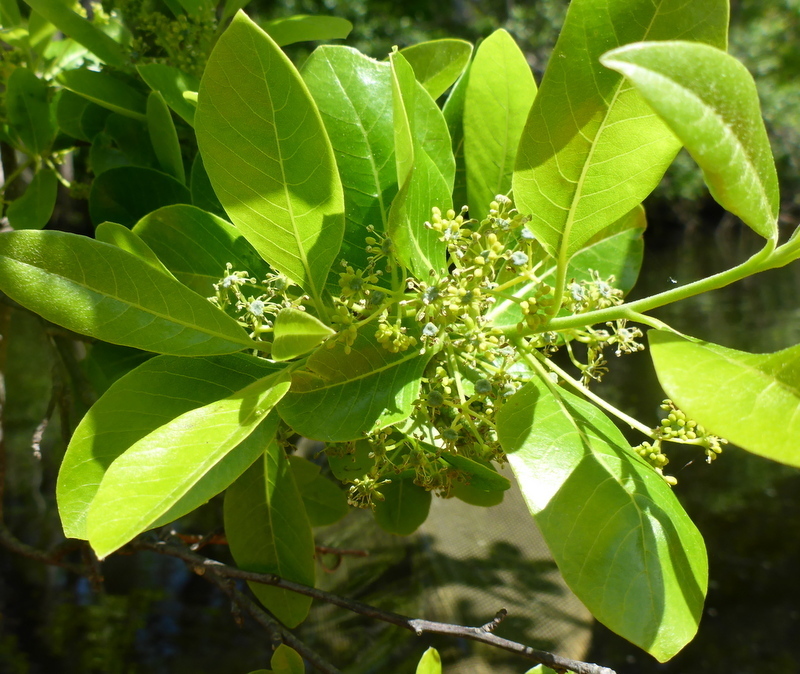
- Swamp RedbayPersea palustris
- Laurel OakQuercus laurifolia
- Live OakQuercus virginiana
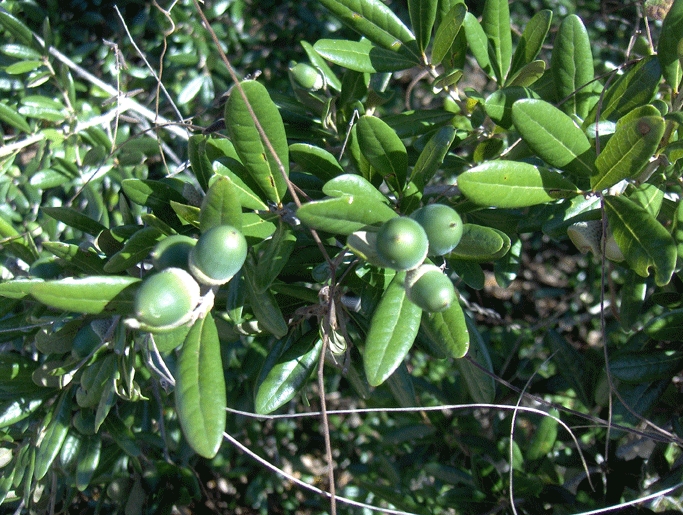
- Tough BumeliaSideroxylon tenax
- Pond CypressTaxodium ascendens
- Tropical WaxweedCuphea aspera
- TitiCyrilla racemiflora
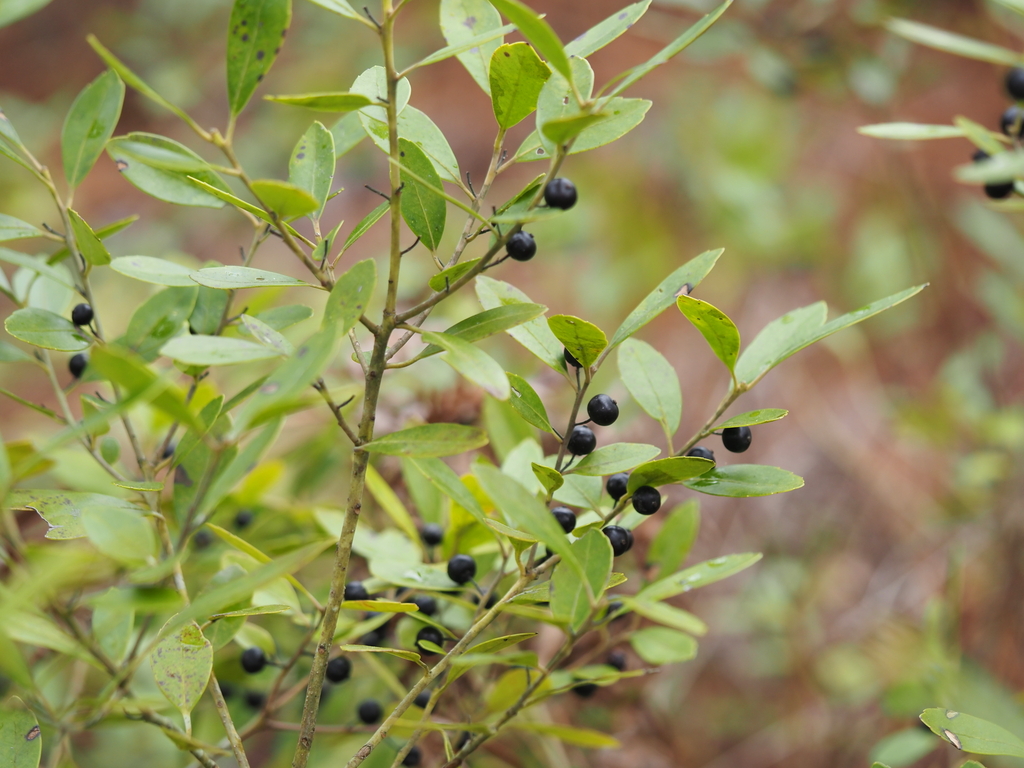
- InkberryIlex glabra
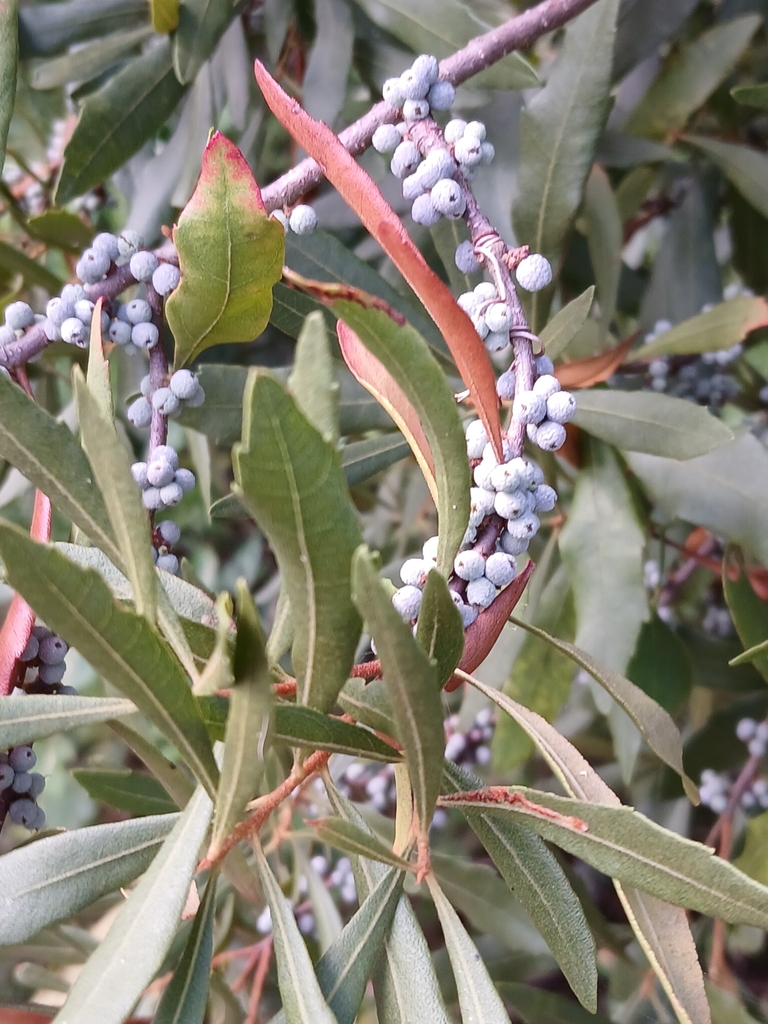
- Common WaxmyrtleMorella cerifera
- Slash PinePinus elliottii
- Sand Live OakQuercus geminata
- Acroporium smalliiAcroporium smallii
- Asclepias viridulaAsclepias viridula
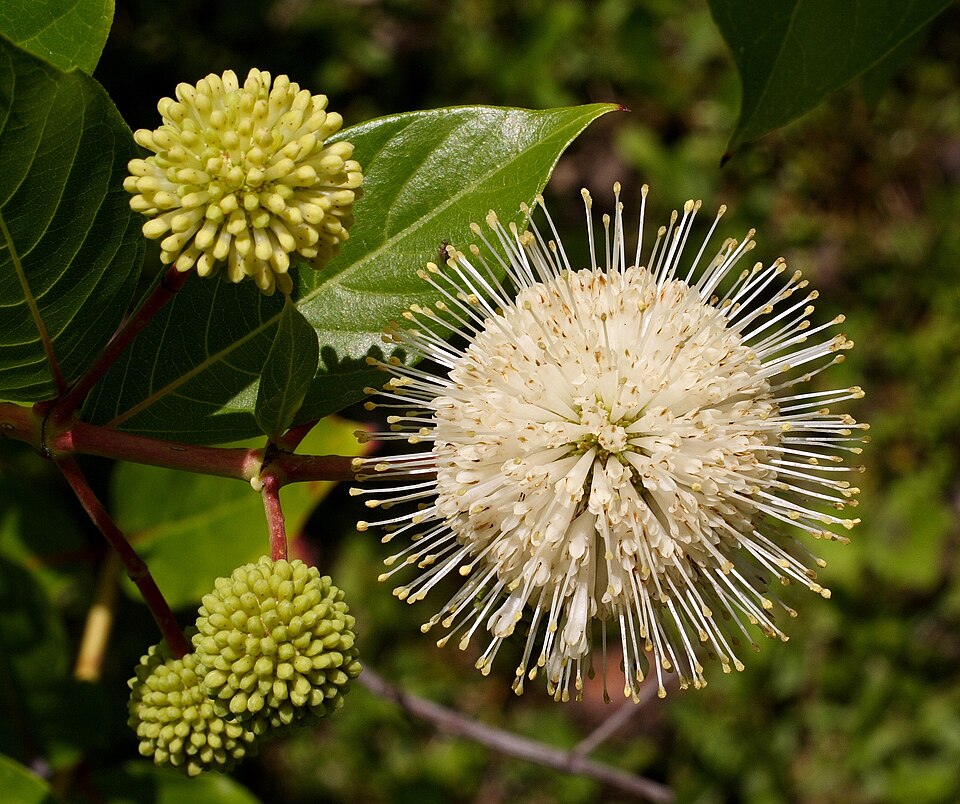
- ButtonbushCephalanthus occidentalis
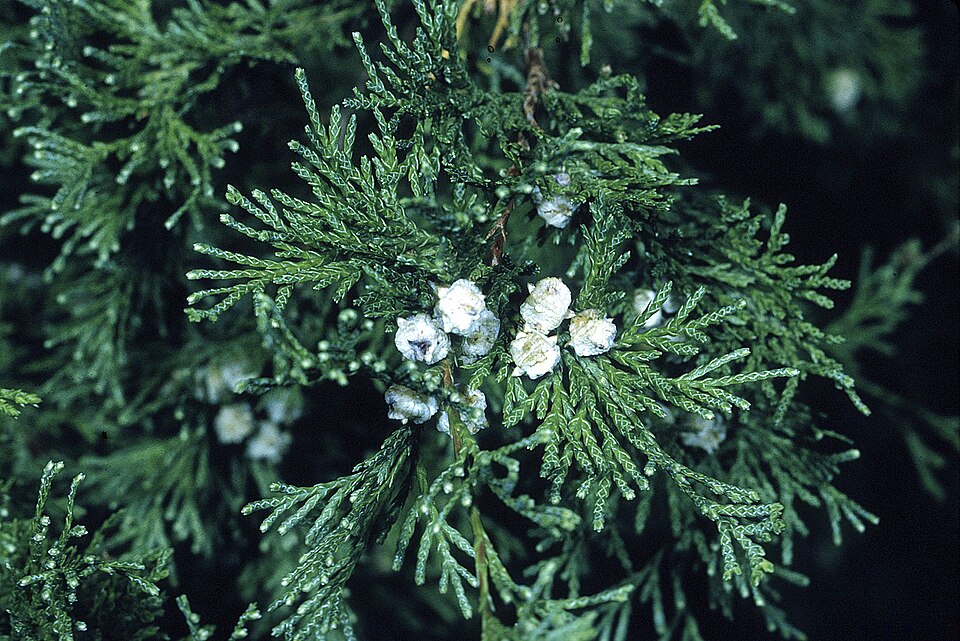
- Atlantic White CedarChamaecyparis thyoides
- Telephus SpurgeEuphorbia telephioides
- White Birds-in-a-nestMacbridea alba
- Swamp TupeloNyssa biflora
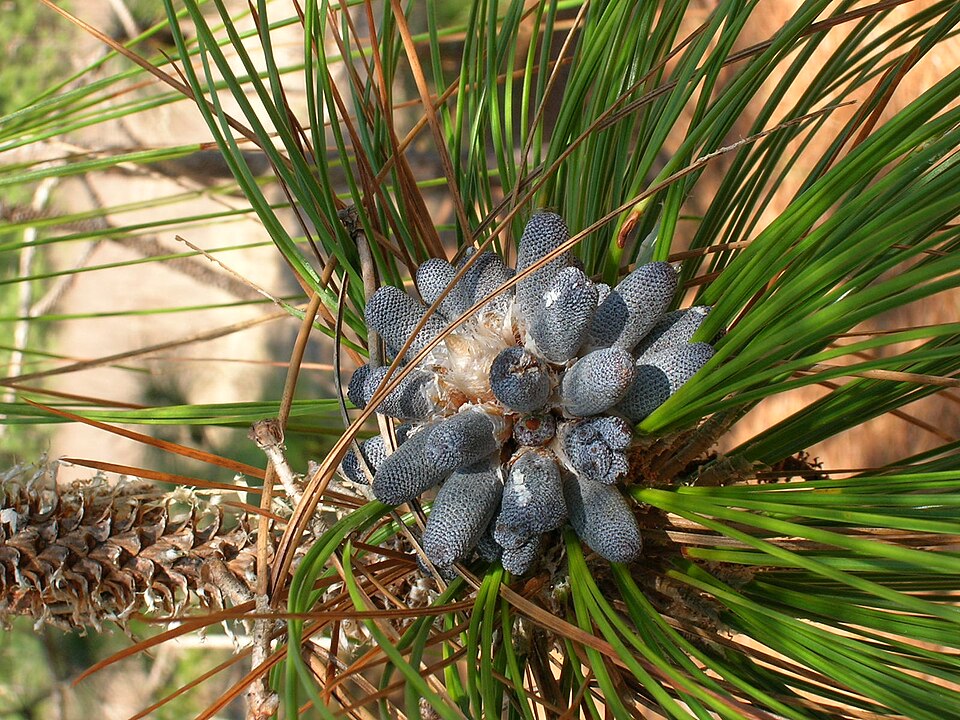
- Longleaf PinePinus palustris
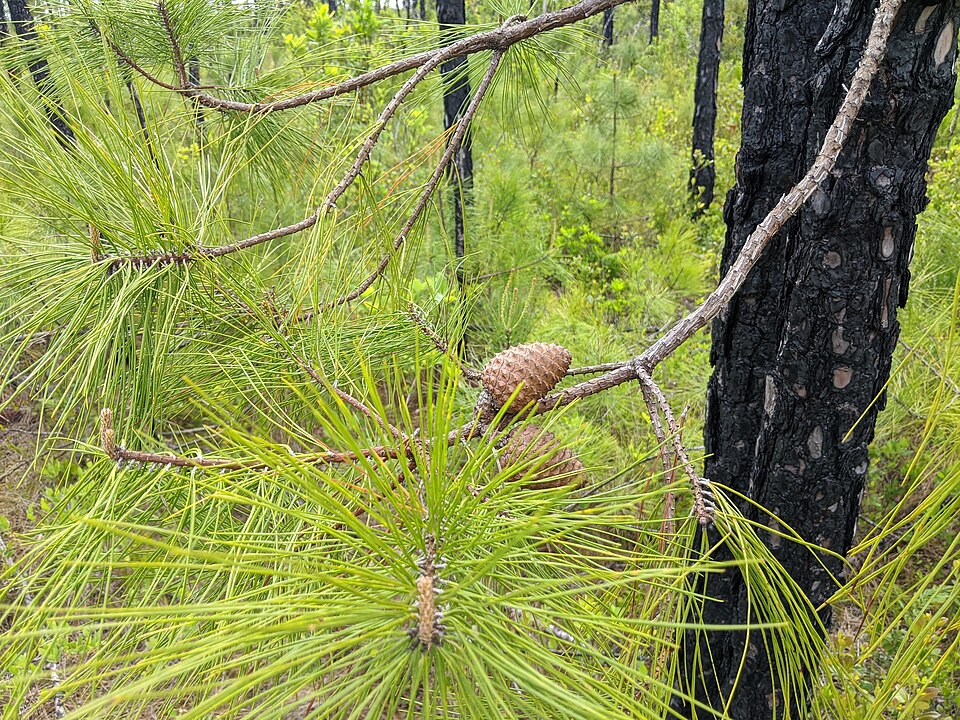
- Pond PinePinus serotina
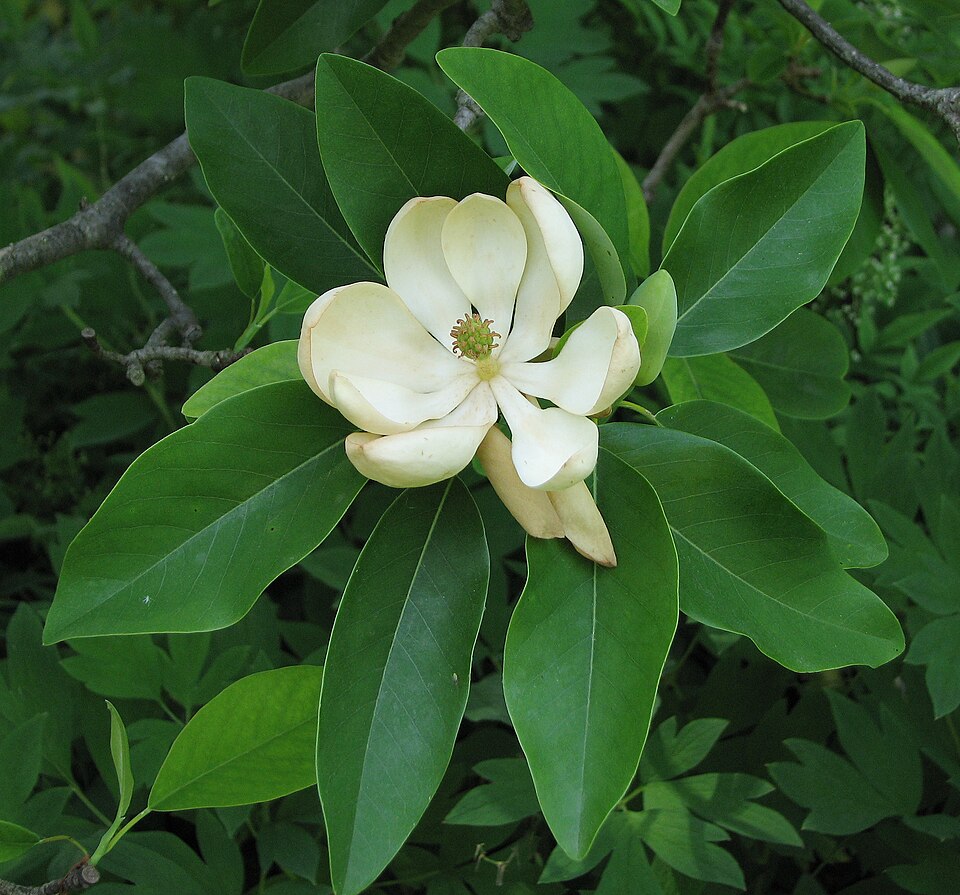
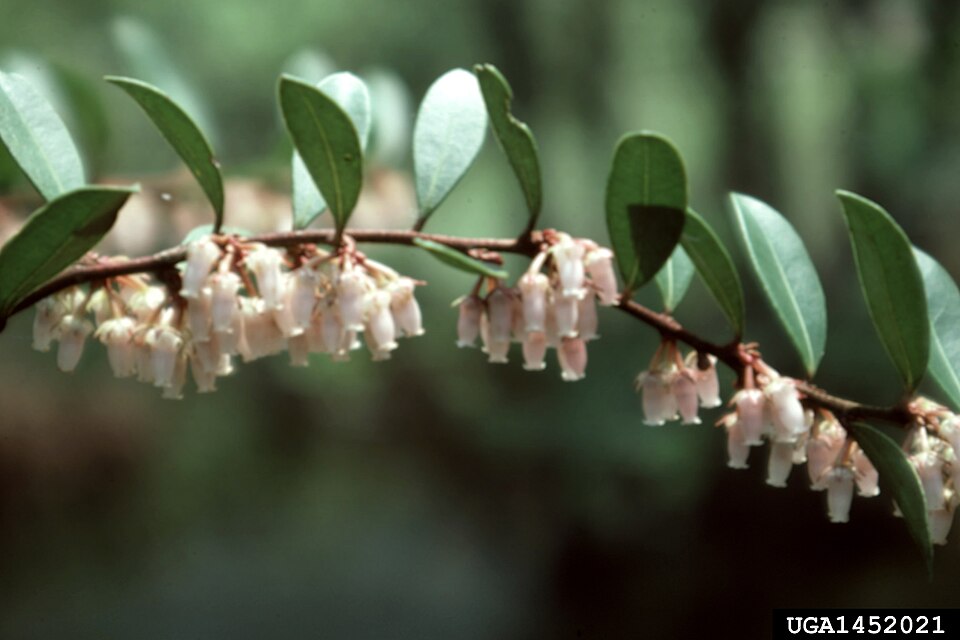
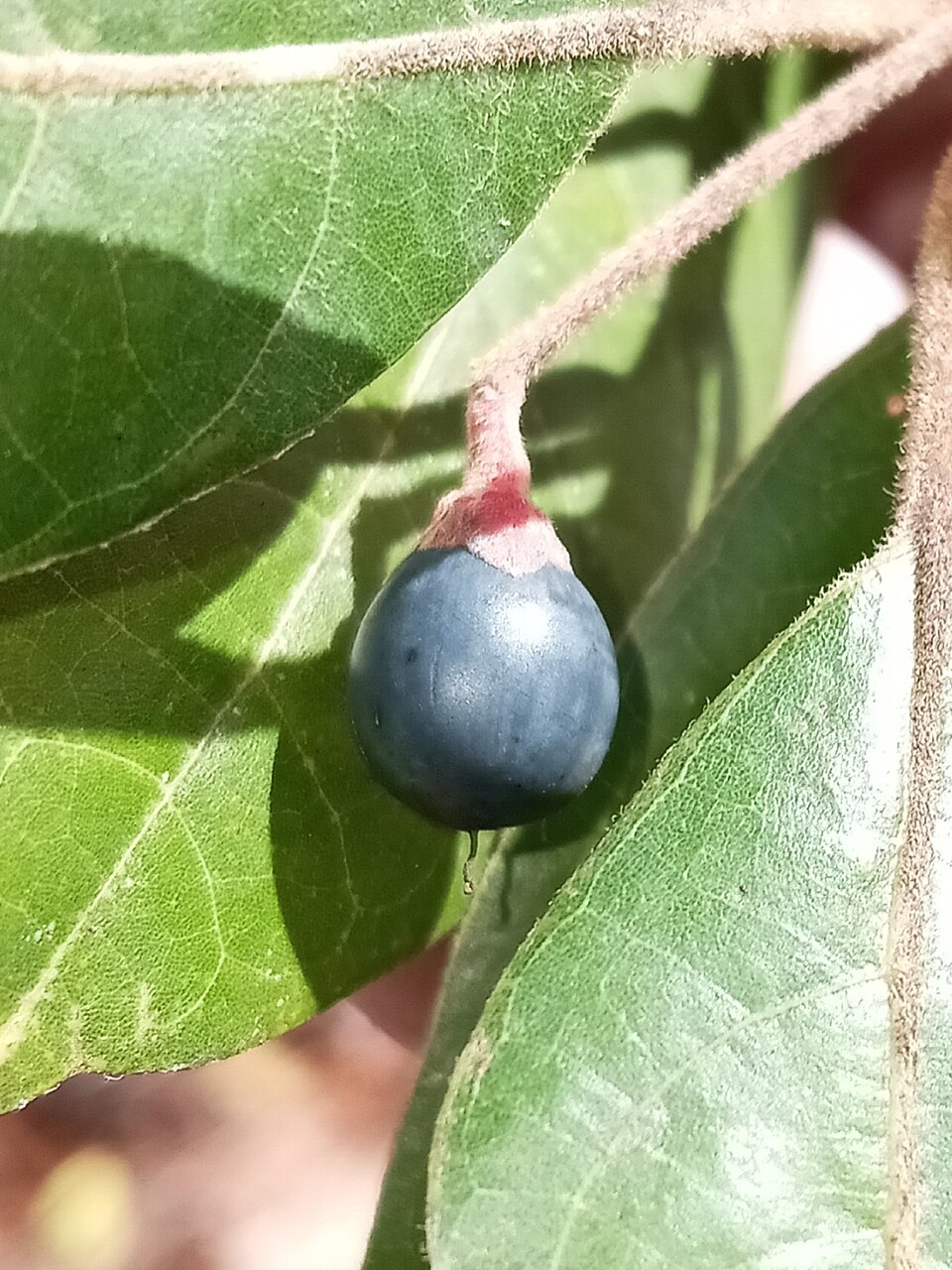
Wildlife 277
Other animals whose habitat models include the same habitats in Florida. Not sighting records.
- American CrowCorvus brachyrhynchos
- Common GrackleQuiscalus quiscula
- Cooper's HawkAccipiter cooperii
- Northern CardinalCardinalis cardinalis
- Red-tailed HawkButeo jamaicensis
- Red-winged BlackbirdAgelaius phoeniceus
- Turkey VultureCathartes aura
- American GoldfinchCarduelis tristis
- American RobinTurdus migratorius
- Black-crowned Night-heronNycticorax nycticorax
- Chimney SwiftChaetura pelagica
- Common NighthawkChordeiles minor
- Common YellowthroatGeothlypis trichas
- Eastern KingbirdTyrannus tyrannus
- Eastern TowheePipilo erythrophthalmus
- Fish CrowCorvus ossifragus
- Great Horned OwlBubo virginianus
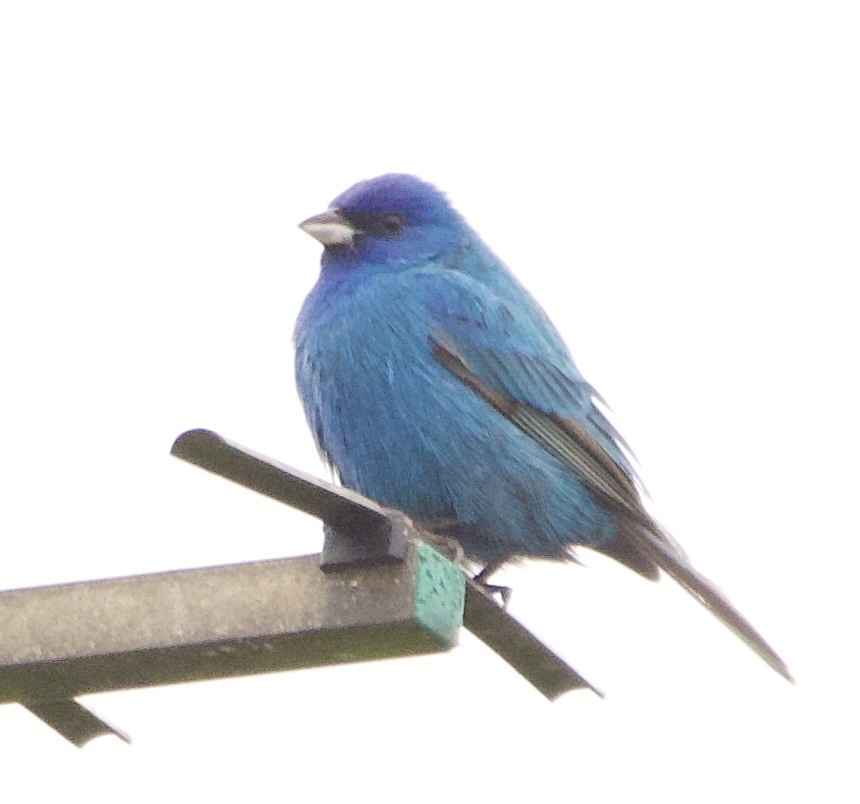
- Indigo BuntingPasserina cyanea
- Northern ParulaParula americana
- Sharp-shinned HawkAccipiter striatus
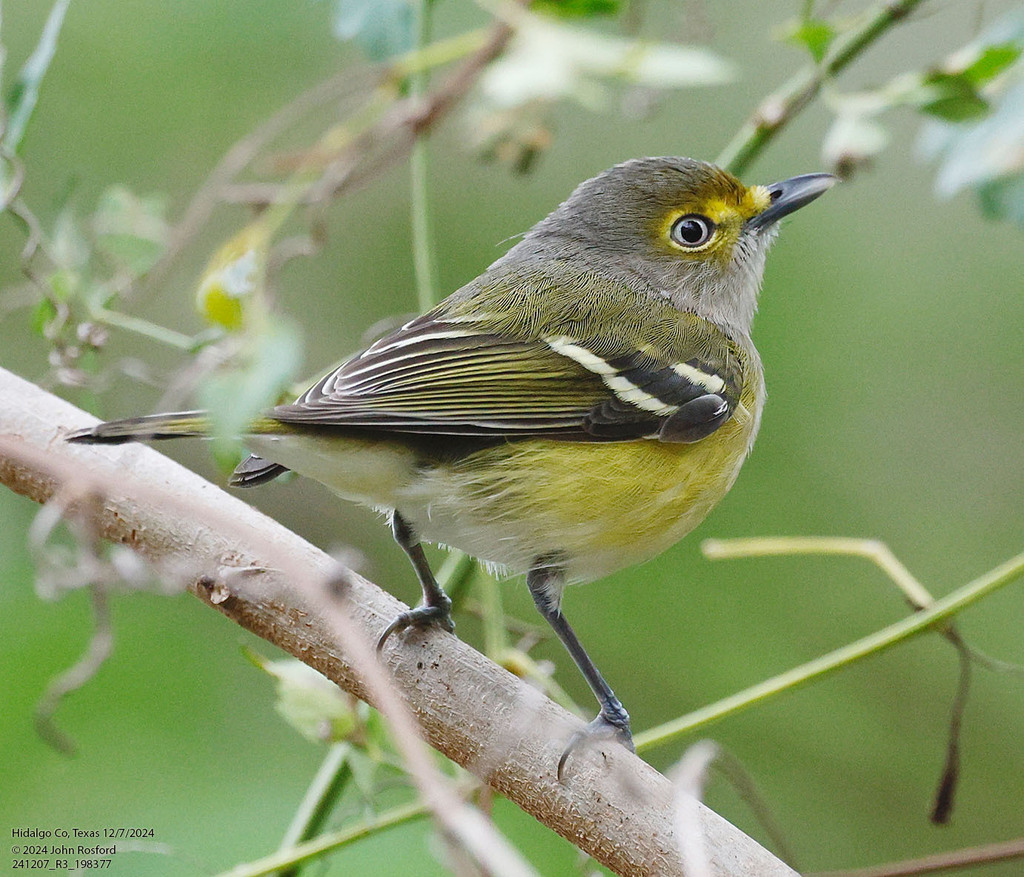
- White-eyed VireoVireo griseus
- Yellow-breasted ChatIcteria virens
- Black-and-White WarblerMniotilta varia
- European StarlingSturnus vulgaris






















NatureServe Explorer, CC BY 4.0. USGS Gap Analysis Project habitat models.
Sources
- USGS Gap Analysis Project habitat models (2001)
- USGS GAP winter habitat model for Least Flycatcher
- USGS Gap Analysis Project range maps (2001), modeled by watershed; migratory gives no dates
- NatureServe Explorer (CC BY 4.0), habitat names
- US Census TIGER/Line counties
- Names follow the USGS Gap Analysis Project (2001)