

Bird
Northern Parula
Parula americana
Lives in Florida all year and nests here. Found in all 67 counties, across 13 habitats.
- Here
- All year
- Nesting
- Nests here
- Range
- All 67 counties
- Habitats
- 13

At a glance
- Group
- Birds
- Here
- All year
- Nesting
- Nests here
- Range
- All 67 counties
- Habitats
- 13
- Habitat models
- Summer, Winter
Where it lives
The places its habitat model includes. It is not found everywhere a habitat occurs.
Habitats in Florida 13
Each habitat page lists the plants and wildlife also found there.

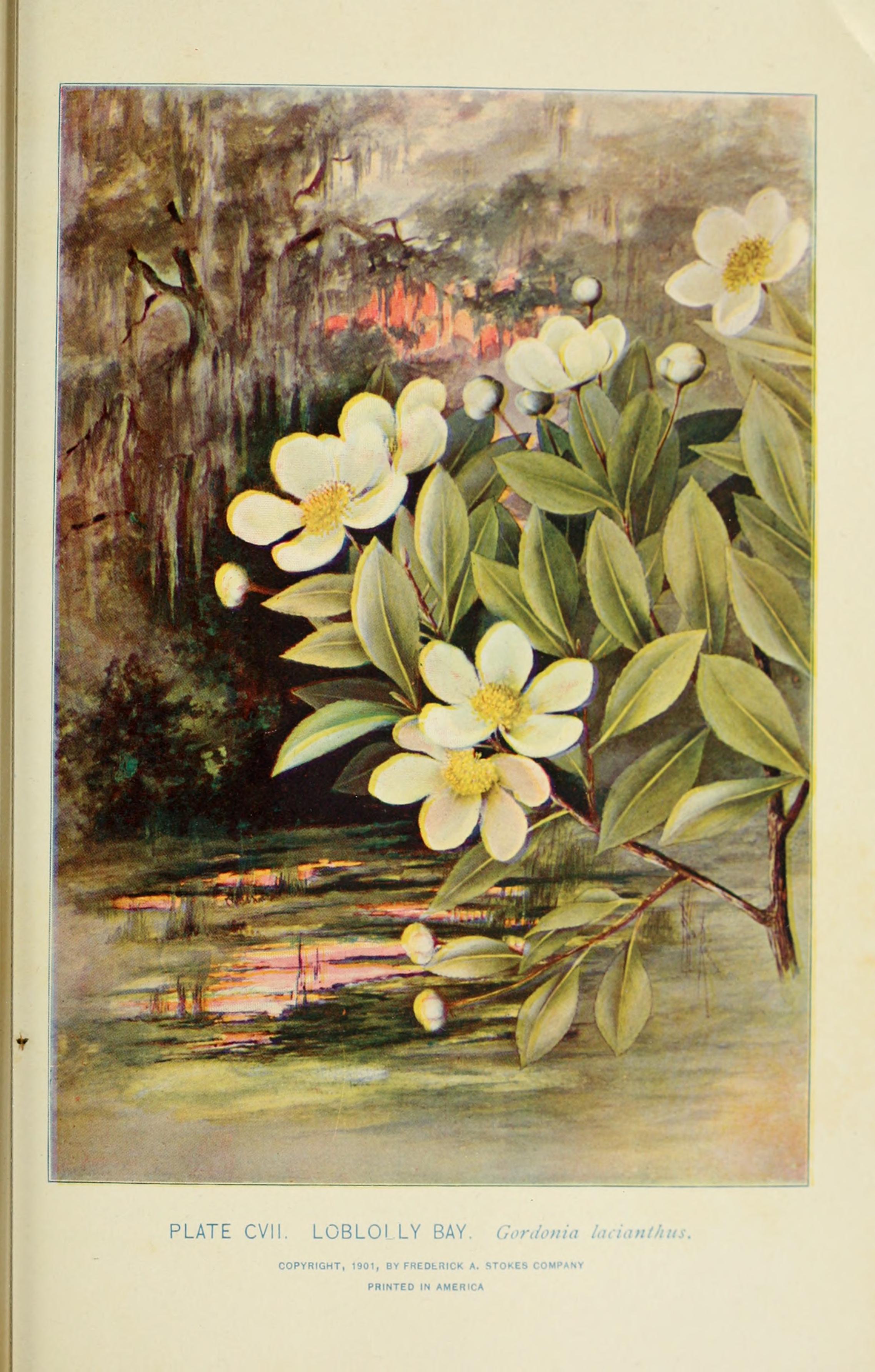
Dense, evergreen groves of live oak, magnolia and other hardwoods in the southern Coastal Plain, from dry oak domes to wet hydric hammocks and south Florida's tropical hammocks; salt-shaped maritime hammocks are maritime forests.
Disturbed and introduced wetlands
Wet ground taken over by weedy or introduced plants after disturbance, such as common reed, Chinese tallow or tamarisk stands; the upland counterpart is roadsides, fields and disturbed ground.
Floodplain and bottomland forests
Forests on low ground beside rivers and streams that flood from time to time.
Tidal forests and thickets of red, black and white mangrove along sheltered tropical and subtropical shores.
Salt-pruned forests and shrub thickets behind coastal dunes.
Coastal marshes flooded by salty or brackish tides.
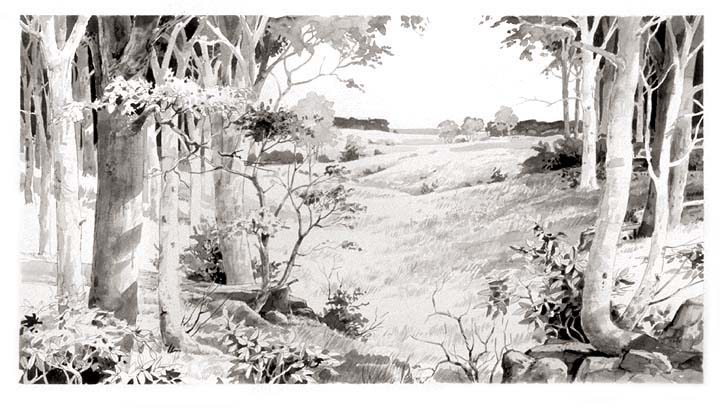
Forests on moist but not wet ground, such as rich slopes and ravines.
Flat, sandy Coastal Plain pine woodlands, wetter than sandhills and denser than savannas.
Roadsides, fields and disturbed ground
Ground opened by people: roadsides, old fields, pastures, fencerows and lots.
Tree plantations and managed pine
Planted or intensively managed stands of pine or hardwoods grown for timber; a land use rather than a natural community.
Other habitats in its models (52)
Land cover, or classes with no habitat page in Florida.
- Developed, Low Intensity Winter, only within 120 m of water.
- Orchards Vineyards and Other High Structure Agriculture Winter, only within 120 m of water.
- Central and Southern Appalachian Northern Hardwood Forest Summer, only within 120 m of water.
- Central and Southern Appalachian Montane Oak Forest Summer, only within 120 m of water.
- East Gulf Coastal Plain Northern Loess Bluff Forest Summer, only within 120 m of water.
- East Gulf Coastal Plain Southern Loess Bluff Forest Summer, only within 120 m of water.
- South Florida Pine Rockland Winter, only within 120 m of water.
- Southern Piedmont Mesic Forest Summer, only within 120 m of water.
- East Gulf Coastal Plain Northern Mesic Hardwood Forest Summer, only within 120 m of water.
- Atlantic Coastal Plain Central Maritime Forest Summer, only within 120 m of water.
- Atlantic Coastal Plain Northern Maritime Forest Summer, only within 120 m of water.
- Central Appalachian Oak and Pine Forest Summer, only within 120 m of water.
- Appalachian Hemlock-Hardwood Forest Summer, only within 120 m of water.
- Southern and Central Appalachian Cove Forest Summer, only within 120 m of water.
- South-Central Interior Mesophytic Forest Summer, only within 120 m of water.
- Atlantic Coastal Plain Mesic Hardwood and Mixed Forest Summer, only within 120 m of water.
- Southern Appalachian Montane Pine Forest and Woodland Summer, only within 120 m of water.
- Recently Logged Areas Winter, only within 120 m of water.
- Harvested Forest - Grass/Forb Regeneration Winter, only within 120 m of water.
- Recently Burned Winter, only within 120 m of water.
- Recently Burned Forest Winter, only within 120 m of water.
- Recently Burned Grassland Winter, only within 120 m of water.
- Recently Burned Shrubland Winter, only within 120 m of water.
- Introduced Upland Vegetation - Shrub Winter, only within 120 m of water.
- Introduced Upland Vegetation - Forbland Winter, only within 120 m of water.
- Introduced Upland Vegetation - Annual Grassland Winter, only within 120 m of water.
- Introduced Upland Vegetation - Perennial Grassland Winter, only within 120 m of water.
- Introduced Upland Vegetation - Perennial Grassland and Forbland Winter, only within 120 m of water.
- Southern Coastal Plain Nonriverine Basin Swamp - Okefenokee Pine Modifier Summer.
- Southern Coastal Plain Nonriverine Basin Swamp - Okefenokee Clethra Modifier Summer.
- Central Interior and Appalachian Swamp Systems Summer.
- Atlantic Coastal Plain Northern Tidal Wooded Swamp Summer.
- West Gulf Coastal Plain Near-Coast Large River Swamp Summer.
- Atlantic Coastal Plain Nonriverine Swamp and Wet Hardwood Forest - Taxodium/Nyssa Modifier Summer.
- Atlantic Coastal Plain Nonriverine Swamp and Wet Hardwood Forest - Oak Dominated Modifier Summer.
- South Florida Dwarf Cypress Savanna Winter.
- South Florida Wet Marl Prairie Winter.
- Lower Mississippi River Bottomland Depressions - Forest Modifier Summer.
- Mississippi River Bottomland Depression Summer.
- South Florida Freshwater Slough and Gator Hole Winter.
- South-Central Interior Large Floodplain - Forest Modifier Summer.
- Southern Piedmont Large Floodplain Forest - Forest Modifier Summer.
- Central Interior and Appalachian Floodplain Systems Summer.
- Central Interior and Appalachian Riparian Systems Summer.
- Mississippi River Riparian Forest Summer.
- Mississippi River Low Floodplain (Bottomland) Forest Summer.
- Southern Piedmont Small Floodplain and Riparian Forest Summer.
- Atlantic Coastal Plain Small Brownwater River Floodplain Forest Summer.
- Atlantic Coastal Plain Brownwater Stream Floodplain Forest Summer.
- South-Central Interior Small Stream and Riparian Summer.
- Mississippi River Floodplain and Riparian Forest Summer.
- South-Central Interior Large Floodplain Summer.
Seasons in Florida
- Year-round: nests here, in 5 of 67 counties.
- Migratory: does not nest here, in 3 of 67 counties.
- Winter: does not nest here, in 3 of 67 counties.
- Summer: nests here, in all 67 counties.
Also found in this habitat
Plants 666
Plants named in NatureServe descriptions of these habitats that grow in Florida. Shared habitat, not food.
- Ludwigia spathulataLudwigia spathulata
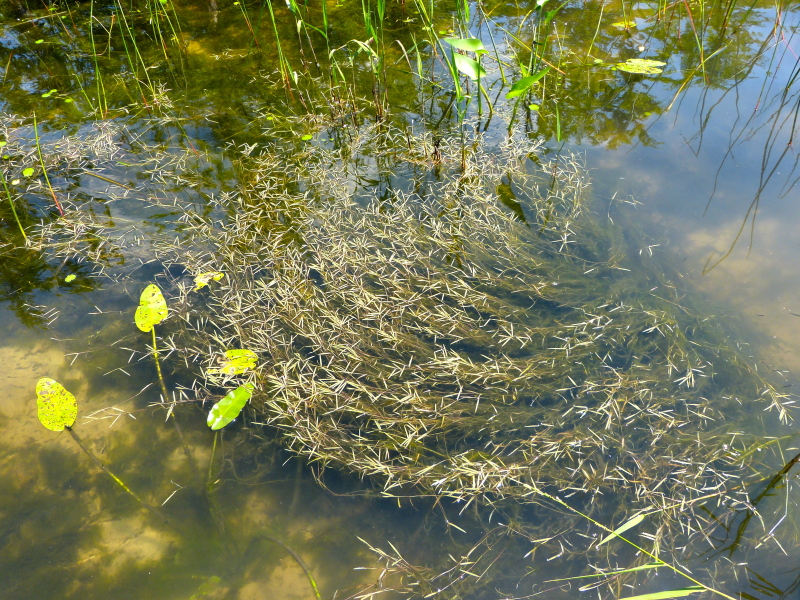
- Southern WatergrassLuziola fluitans
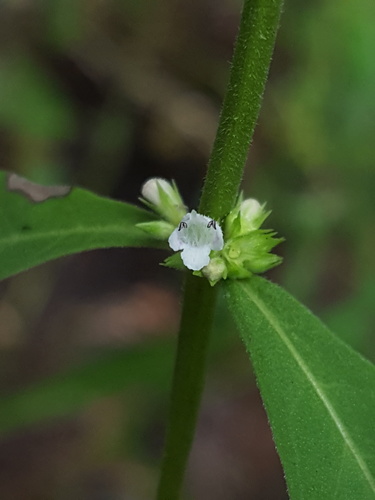
- Taperleaf BugleweedLycopus rubellus
- Lyonia fruticosaLyonia fruticosa
- Florida MilkvineMatelea floridana
- Small-leaf SquarestemMelanthera parvifolia
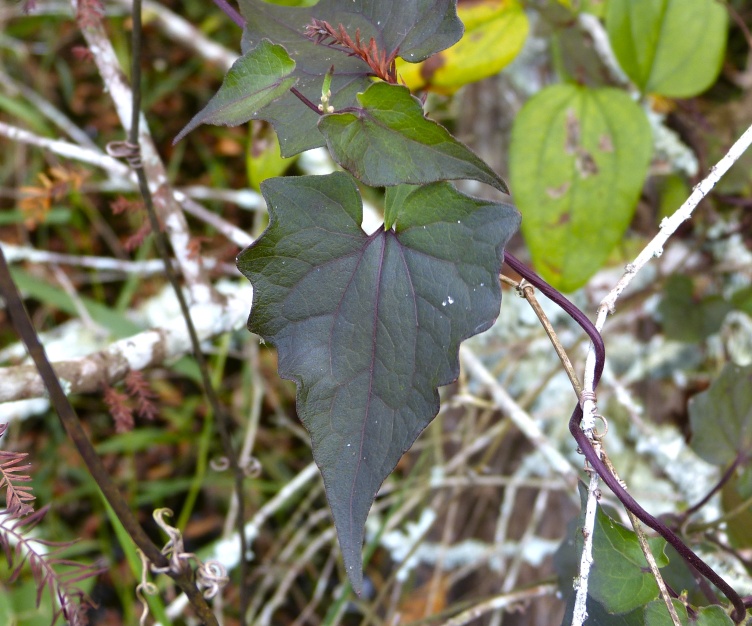
- Climbing HempweedMikania scandens
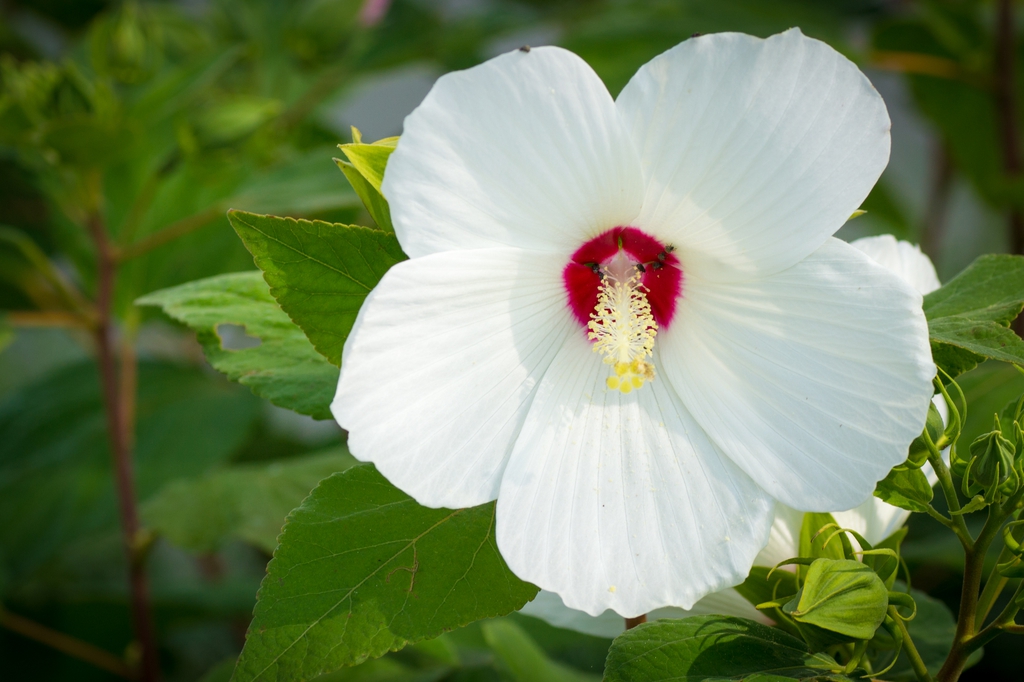
- Swamp RosemallowMuenchhusia moscheutos subsp. moscheutos
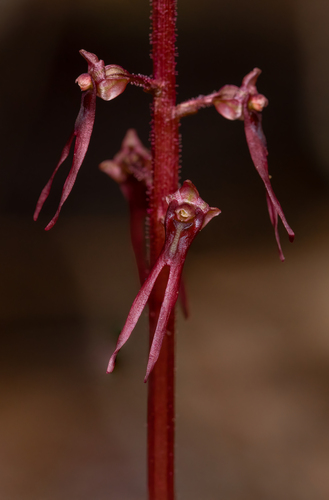
- Southern TwaybladeNeottia bifolia
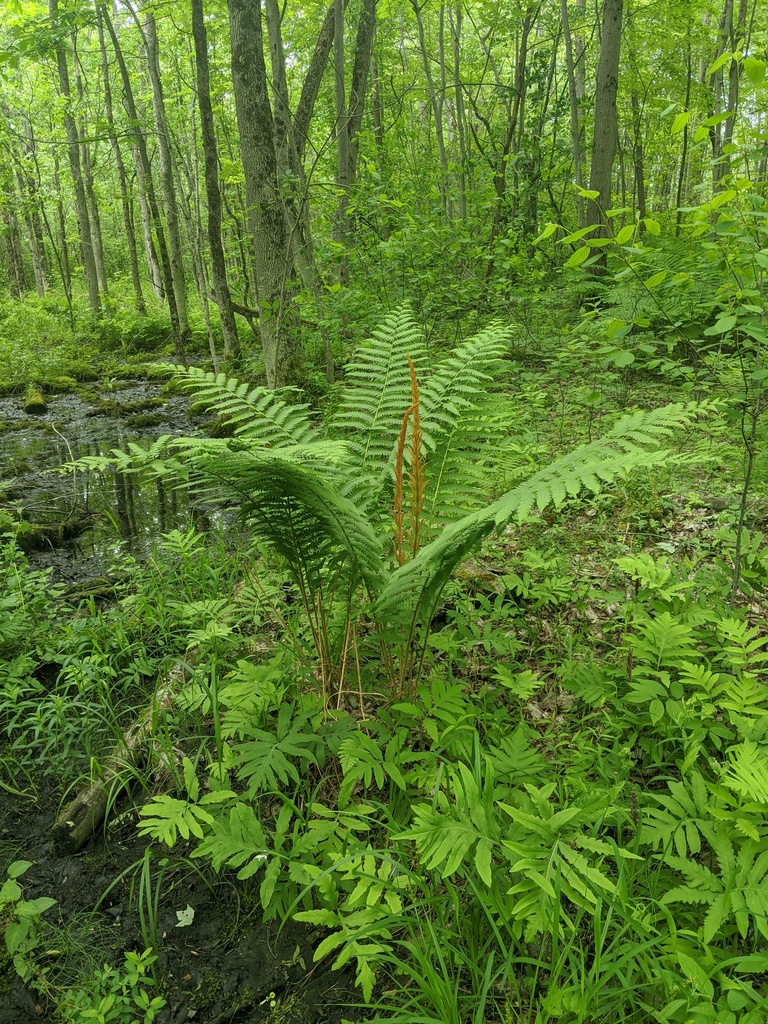
- Sword FernNephrolepis exaltata
- Nyssa ogecheNyssa ogeche
- Cynanchum scopariumOrthosia scoparia
- Cinnamon FernOsmundastrum cinnamomeum
- SwitchgrassPanicum virgatum
- Largeleaf Grass-of-ParnassusParnassia grandifolia
- Florida Fishpoison TreePiscidia piscipula
- Smooth Devil's ClawsPisonia rotundata
- Florida Keys BlackbeadPithecellobium keyense
- Plagiochila floridanaPlagiochila floridana
- Swamp CottonwoodPopulus heterophylla
- White OakQuercus alba
- Swamp Chestnut OakQuercus michauxii
- Quercus myrtifoliaQuercus myrtifolia
- Cherrybark OakQuercus pagoda
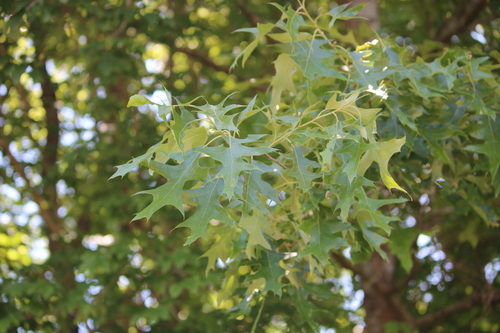
Wildlife 280
Other animals whose habitat models include the same habitats in Florida. Not sighting records.
- American CrowCorvus brachyrhynchos
- Common GrackleQuiscalus quiscula
- Common YellowthroatGeothlypis trichas
- Cooper's HawkAccipiter cooperii
- Northern CardinalCardinalis cardinalis
- Red-tailed HawkButeo jamaicensis
- Red-winged BlackbirdAgelaius phoeniceus
- Sharp-shinned HawkAccipiter striatus
- Turkey VultureCathartes aura
- Chimney SwiftChaetura pelagica
- Common NighthawkChordeiles minor
- European StarlingSturnus vulgaris
- Fish CrowCorvus ossifragus
- Great Horned OwlBubo virginianus
- Yellow-breasted ChatIcteria virens
- American GoldfinchCarduelis tristis
- American RobinTurdus migratorius
- Belted KingfisherMegaceryle alcyon
- Black-crowned Night-heronNycticorax nycticorax
- Eastern KingbirdTyrannus tyrannus
- Eastern TowheePipilo erythrophthalmus
- Least FlycatcherEmpidonax minimus
- OspreyPandion haliaetus
- Red-shouldered HawkButeo lineatus





















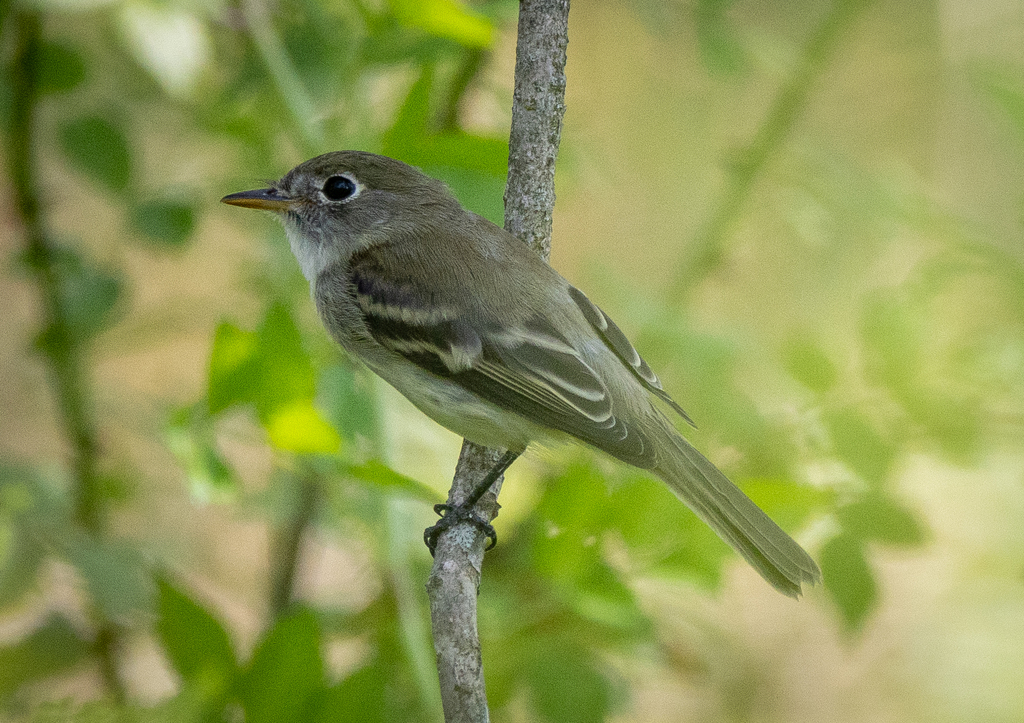

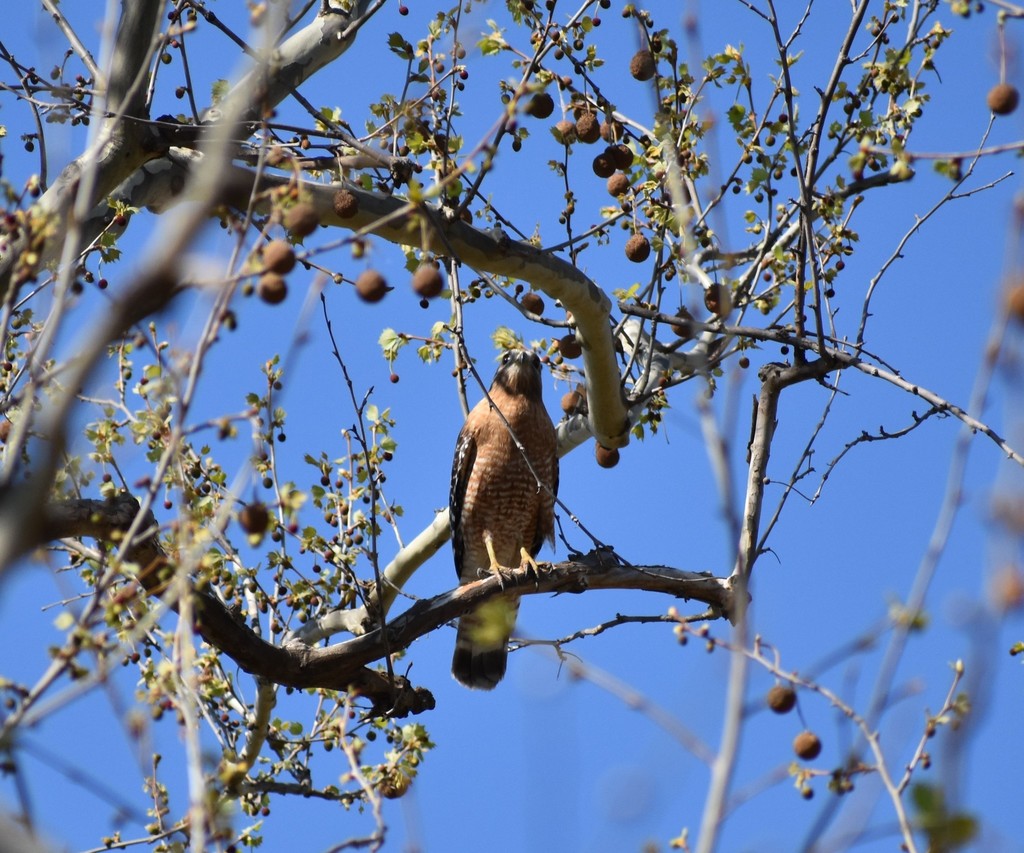
NatureServe Explorer, CC BY 4.0. USGS Gap Analysis Project habitat models.
Sources
- USGS Gap Analysis Project habitat models (2001)
- USGS GAP winter habitat model for Northern Parula Fresh water only
- USGS Gap Analysis Project range maps (2001), modeled by watershed; migratory gives no dates
- NatureServe Explorer (CC BY 4.0), habitat names
- US Census TIGER/Line counties
- Names follow the USGS Gap Analysis Project (2001)