

Bird
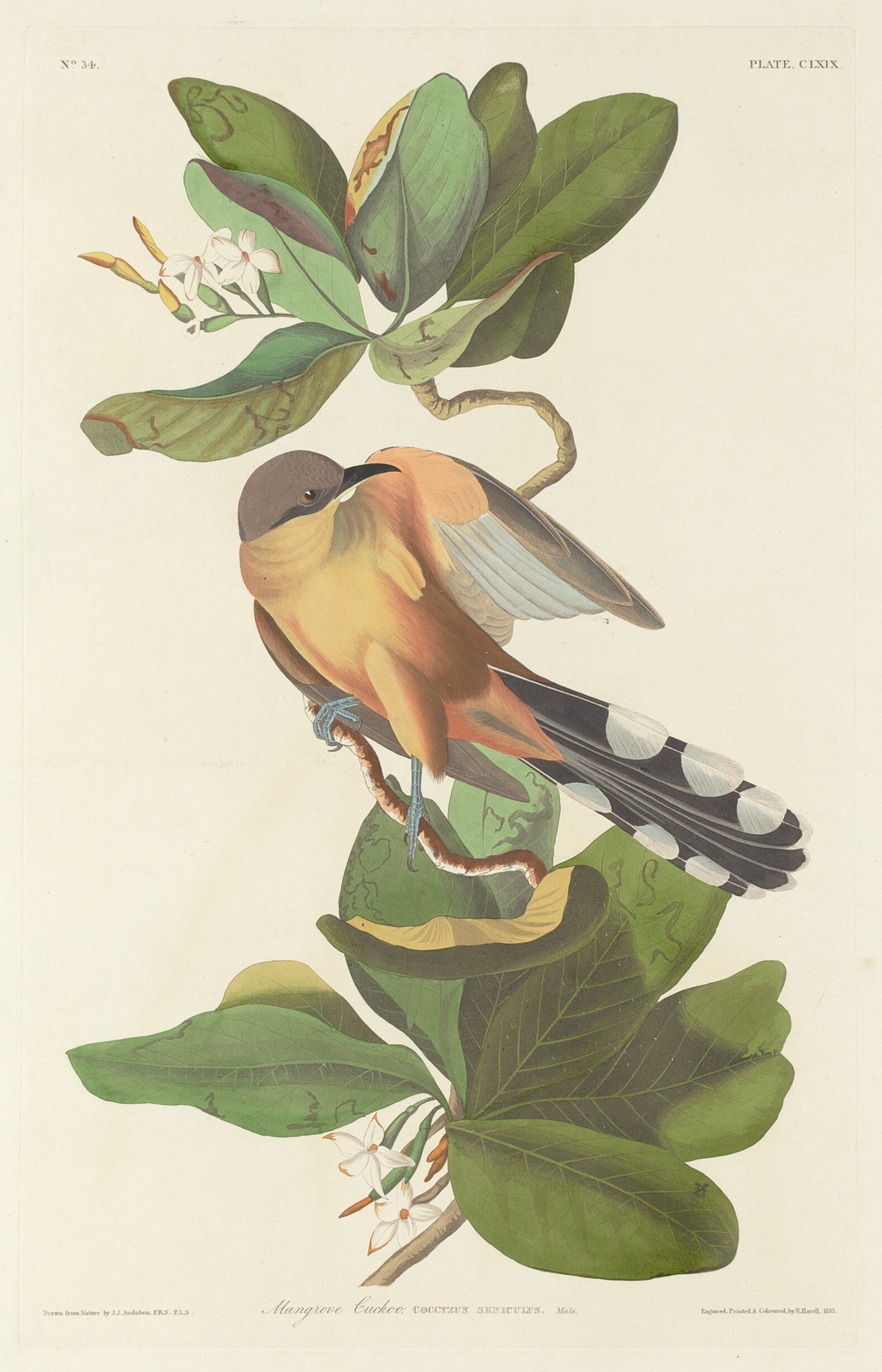
Mangrove Cuckoo
Coccyzus minor
Lives in Florida all year and nests here. Found in 14 of 67 counties, across 5 habitats.
- Here
- All year
- Nesting
- Nests here
- Range
- 14 of 67 counties
- Habitats
- 5
At a glance
- Group
- Birds
- Here
- All year
- Nesting
- Nests here
- Range
- 14 of 67 counties
- Habitats
- 5
- Habitat models
- Year-round
Where it lives
The places its habitat model includes. It is not found everywhere a habitat occurs.
Habitats in Florida 5
Each habitat page lists the plants and wildlife also found there.
Disturbed and introduced wetlands
Wet ground taken over by weedy or introduced plants after disturbance, such as common reed, Chinese tallow or tamarisk stands; the upland counterpart is roadsides, fields and disturbed ground.
Tidal forests and thickets of red, black and white mangrove along sheltered tropical and subtropical shores.

Dense, evergreen groves of live oak, magnolia and other hardwoods in the southern Coastal Plain, from dry oak domes to wet hydric hammocks and south Florida's tropical hammocks; salt-shaped maritime hammocks are maritime forests.
Salt-pruned forests and shrub thickets behind coastal dunes.
Seasons in Florida
- Year-round: nests here, in 14 of 67 counties.
Also found in this habitat
Plants 122
Plants named in NatureServe descriptions of these habitats that grow in Florida. Shared habitat, not food.
- Red StopperEugenia rhombea
- Bindweed Dwarf Morning-gloryEvolvulus convolvuloides
- Forestiera segregataForestiera segregata
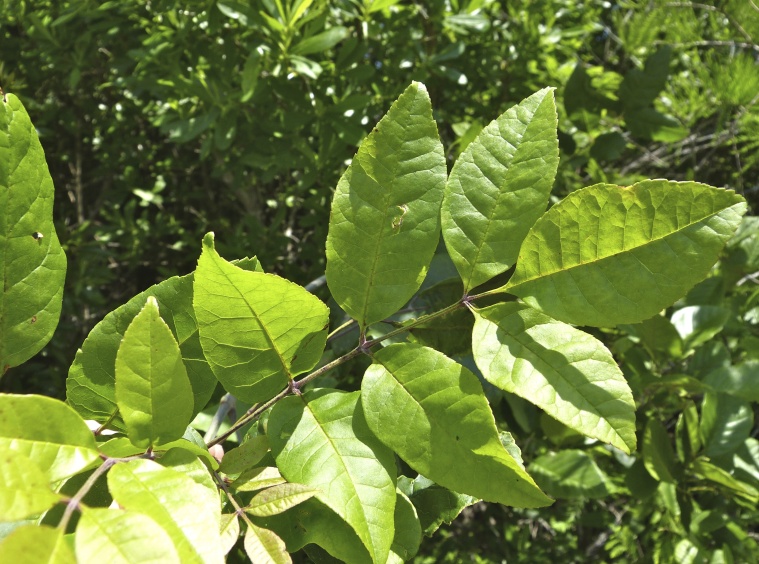
- Carolina AshFraxinus caroliniana
- Holywood LignumvitaeGuaiacum sanctum
- Caesalpinia bonducGuilandina bonduc
- West Indian False BoxGyminda latifolia
- CrabwoodGymnanthes lucida
- Skyblue ClustervineJacquemontia pentanthos
- White MangroveLaguncularia racemosa
- ButtonsageLantana involucrata
- False TamarindLysiloma latisiliquum
- Florida LoosestrifeLythrum flagellare
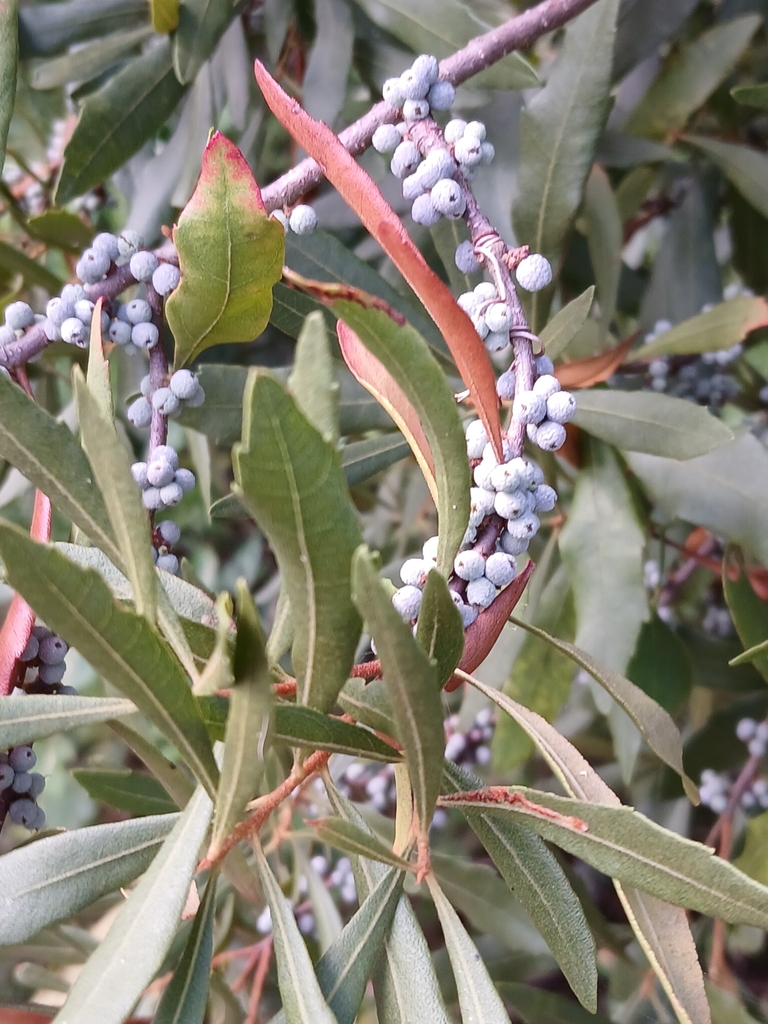
- Common WaxmyrtleMorella cerifera
- TwinberryMyrcianthes fragrans
- Sword FernNephrolepis exaltata
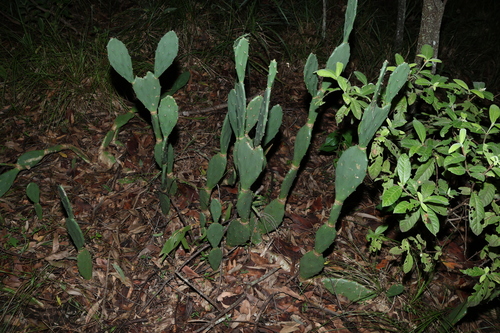
- Opuntia strictaOpuntia stricta
- Mahogany MistletoePhoradendron rubrum
- Smooth Devil's ClawsPisonia rotundata
- Sand Live OakQuercus geminata
- White IndigoberryRandia aculeata
- GraytwigSchoepfia schreberi
- Saffron PlumSideroxylon celastrinum
- Willow BusticSideroxylon salicifolium
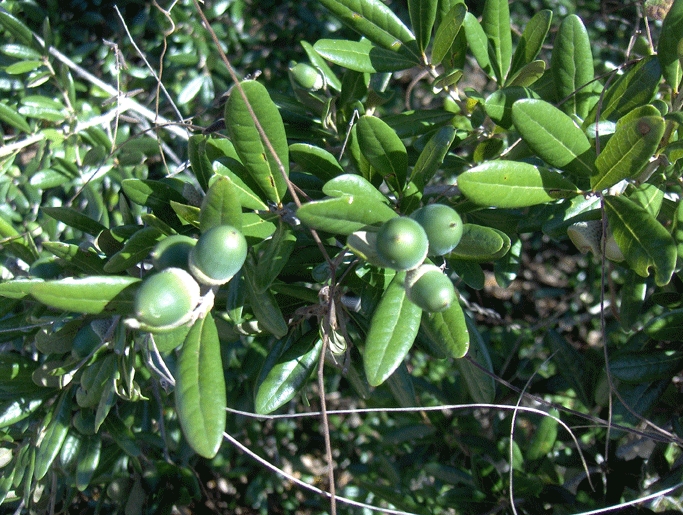
Wildlife 247
Other animals whose habitat models include the same habitats in Florida. Not sighting records.
- American CrowCorvus brachyrhynchos
- American RedstartSetophaga ruticilla
- Bald EagleHaliaeetus leucocephalus
- Belted KingfisherMegaceryle alcyon
- Black-and-White WarblerMniotilta varia
- Black-crowned Night-heronNycticorax nycticorax
- Boat-tailed GrackleQuiscalus major
- Common GrackleQuiscalus quiscula
- Common YellowthroatGeothlypis trichas
- Cooper's HawkAccipiter cooperii
- Double-crested CormorantPhalacrocorax auritus
- Great EgretArdea alba
- Indigo BuntingPasserina cyanea
- Least FlycatcherEmpidonax minimus
- Magnificent FrigatebirdFregata magnificens
- Northern CardinalCardinalis cardinalis
- Northern ParulaParula americana
- Northern WaterthrushSeiurus noveboracensis
- OspreyPandion haliaetus
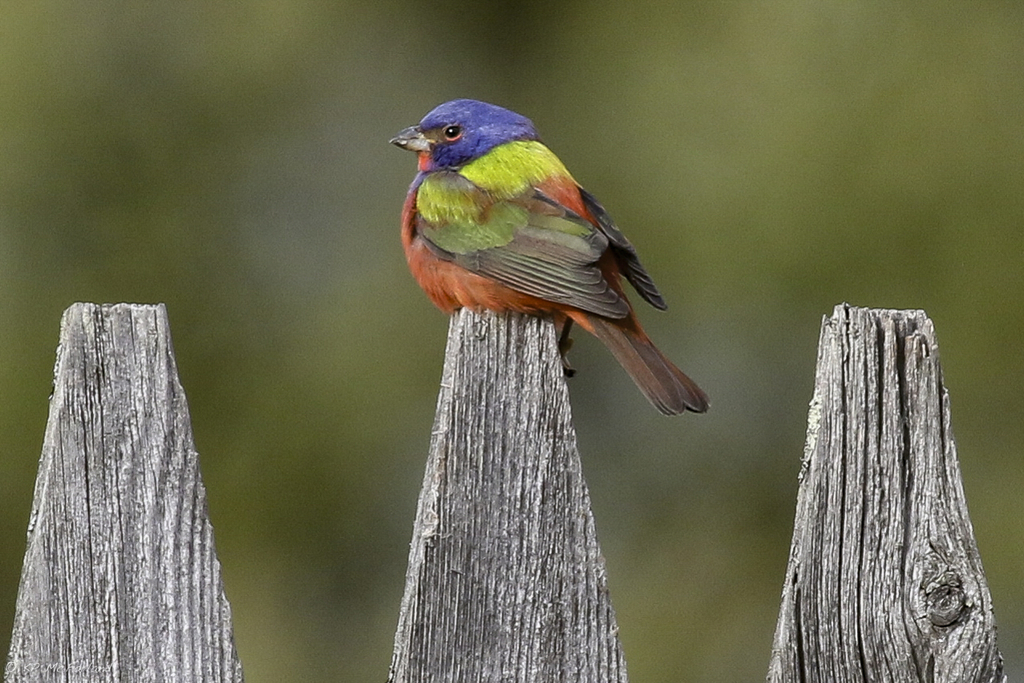
- Painted BuntingPasserina ciris
- Red-tailed HawkButeo jamaicensis
- Red-winged BlackbirdAgelaius phoeniceus
- Sharp-shinned HawkAccipiter striatus
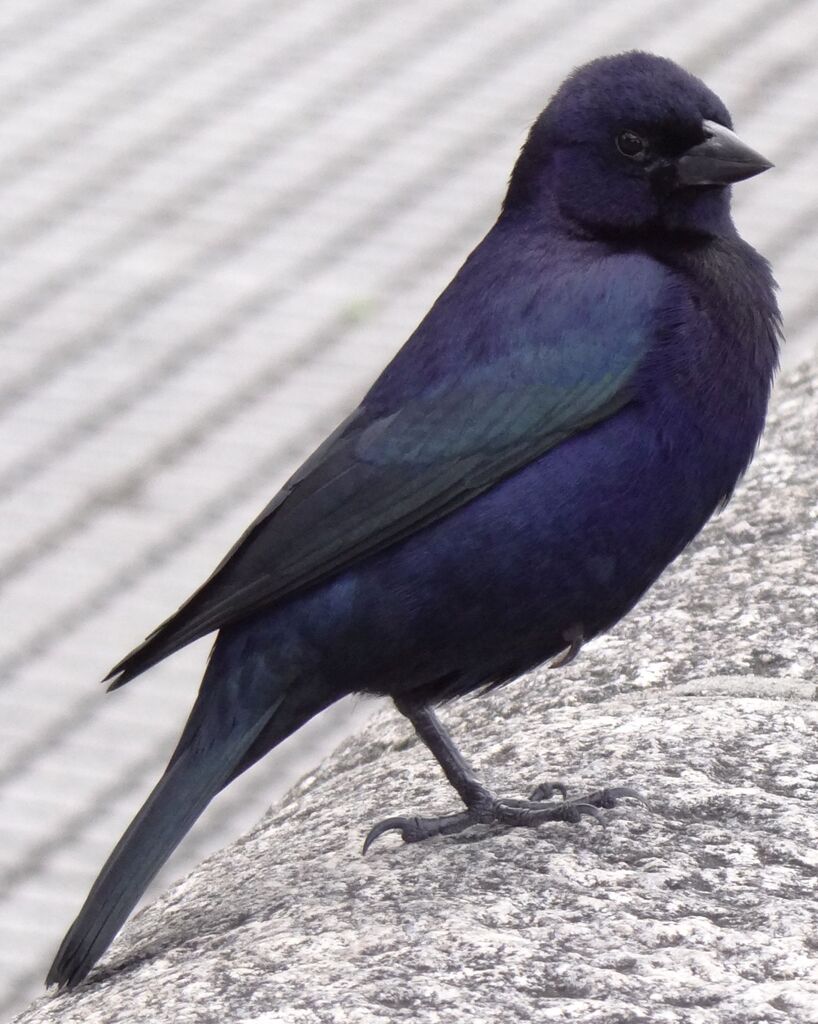
- Shiny CowbirdMolothrus bonariensis






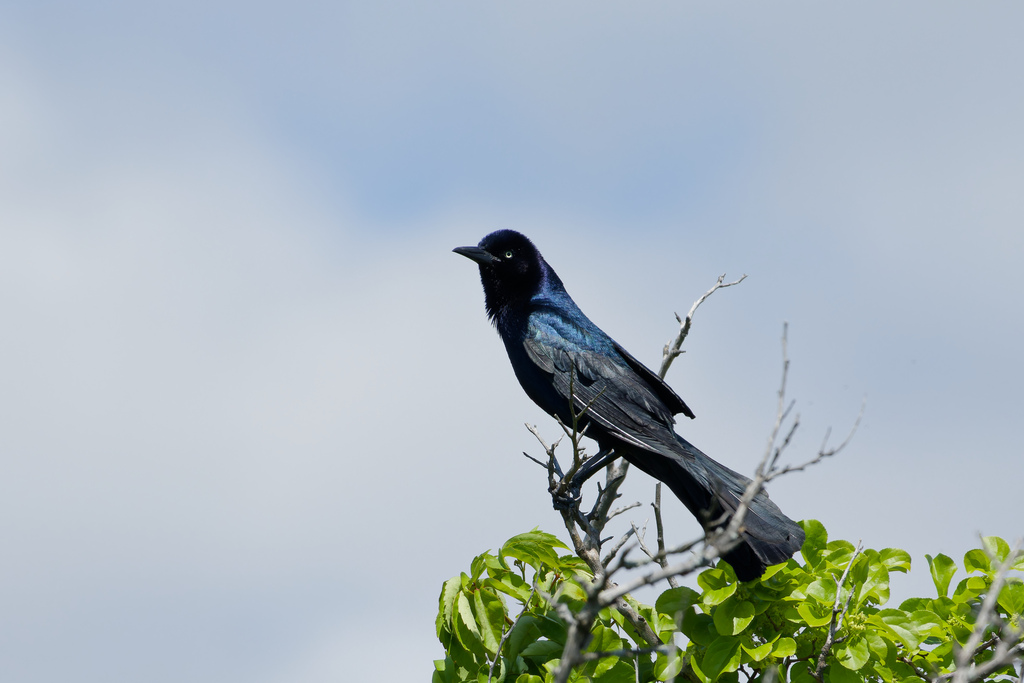







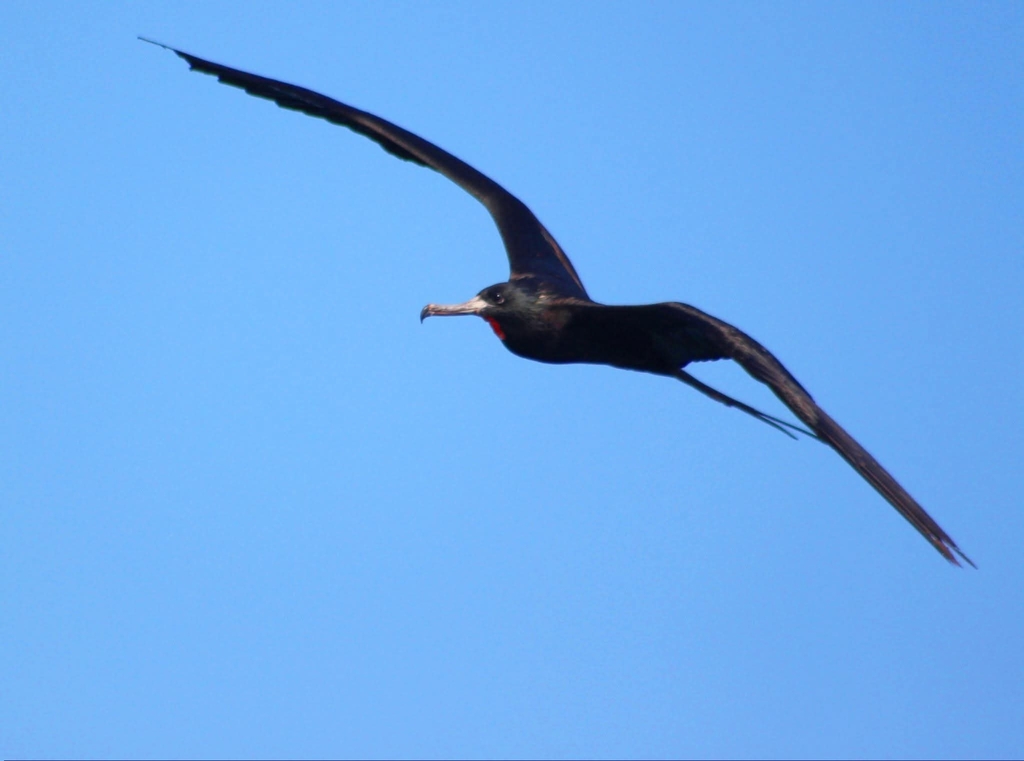


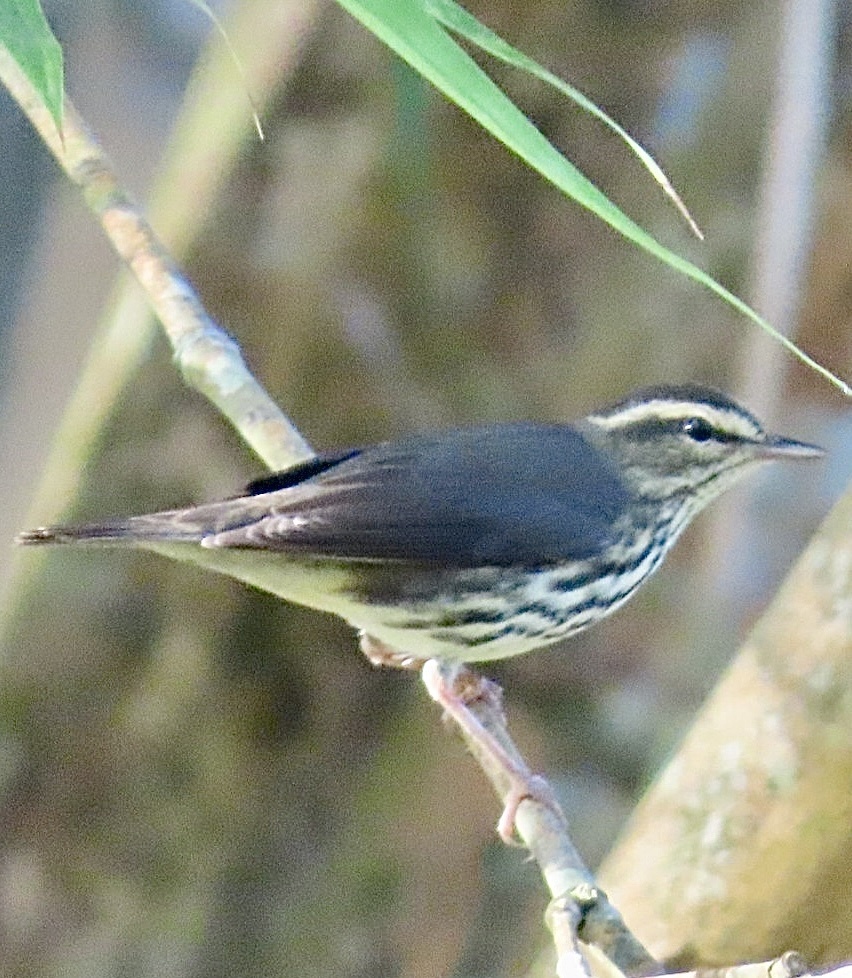




NatureServe Explorer, CC BY 4.0. USGS Gap Analysis Project habitat models.
Sources
- USGS Gap Analysis Project habitat models (2001)
- USGS GAP year-round habitat model for Mangrove Cuckoo
- USGS Gap Analysis Project range maps (2001), modeled by watershed; migratory gives no dates
- NatureServe Explorer (CC BY 4.0), habitat names
- US Census TIGER/Line counties
- Names follow the USGS Gap Analysis Project (2001)