

Bird
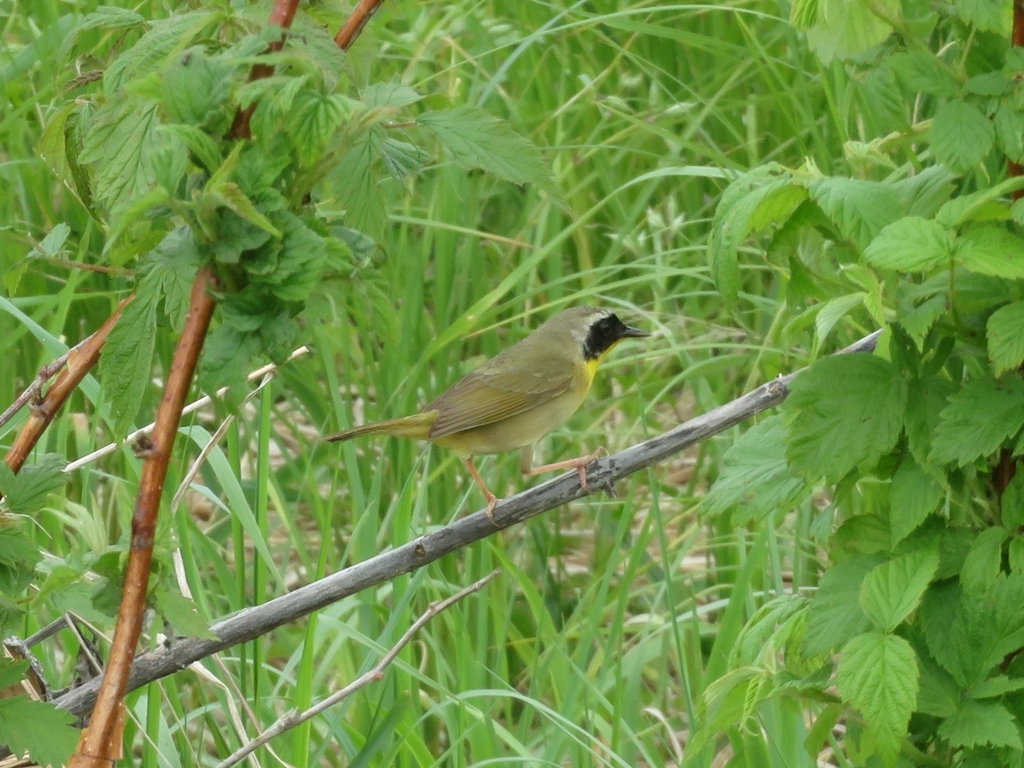
Common Yellowthroat
Geothlypis trichas
Lives in Florida all year and nests here. Found in all 67 counties, across 24 habitats.
- Here
- All year
- Nesting
- Nests here
- Range
- All 67 counties
- Habitats
- 24
At a glance
- Group
- Birds
- Here
- All year
- Nesting
- Nests here
- Range
- All 67 counties
- Habitats
- 24
- Habitat models
- Summer, Winter
Where it lives
The places its habitat model includes. It is not found everywhere a habitat occurs.
Habitats in Florida 24
Each habitat page lists the plants and wildlife also found there.
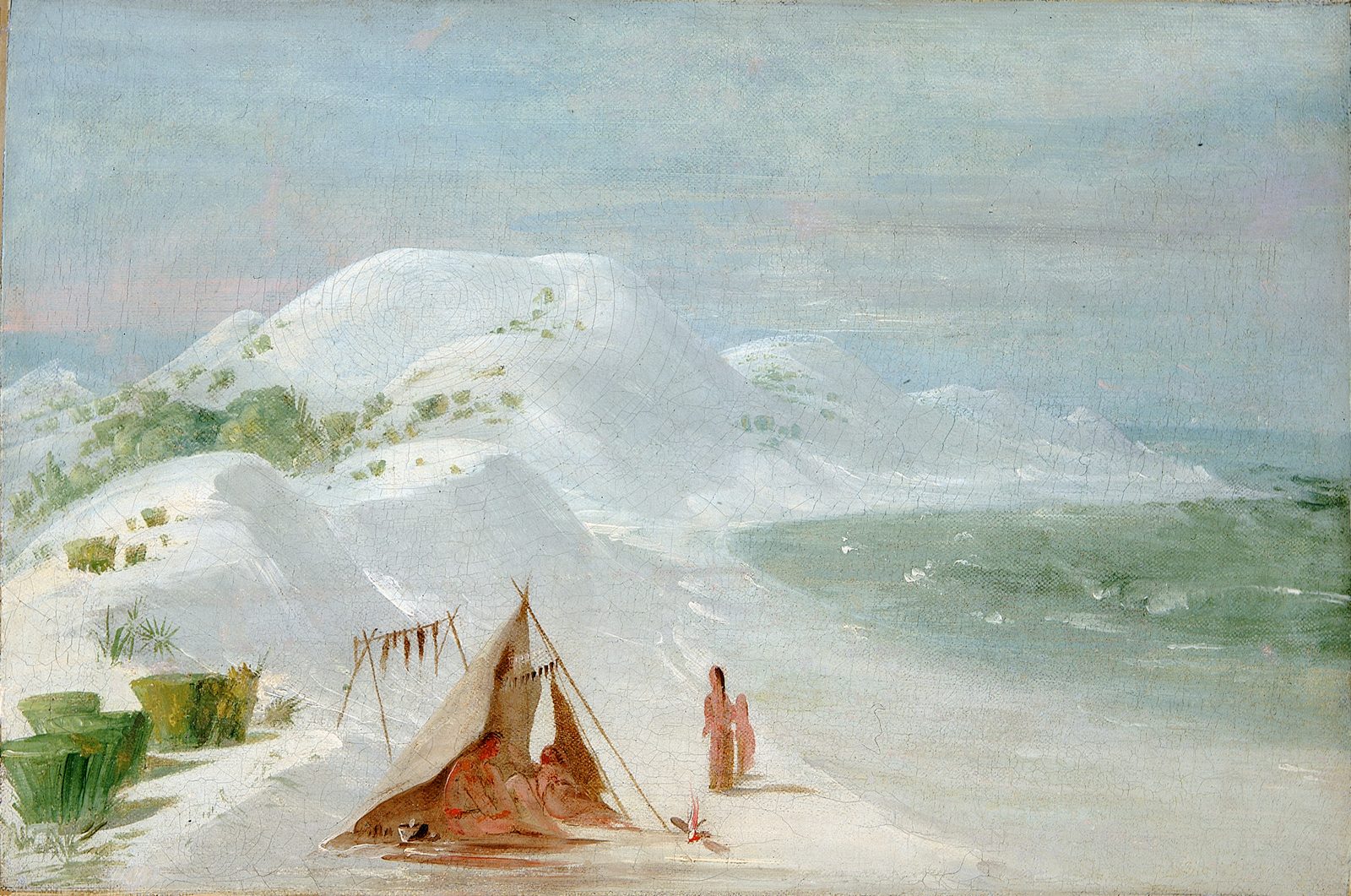
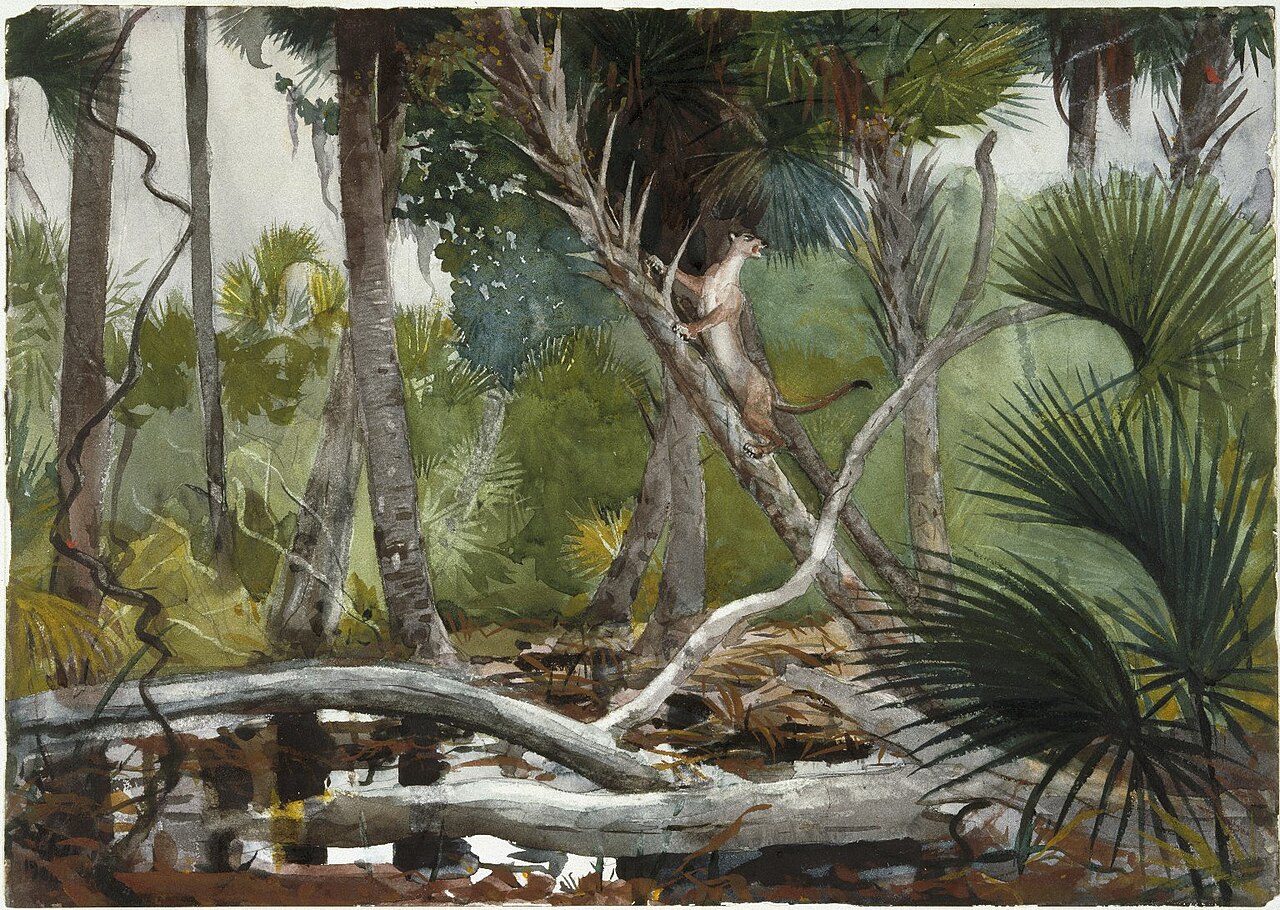
Coastal tidal marshes (salinity not stated)
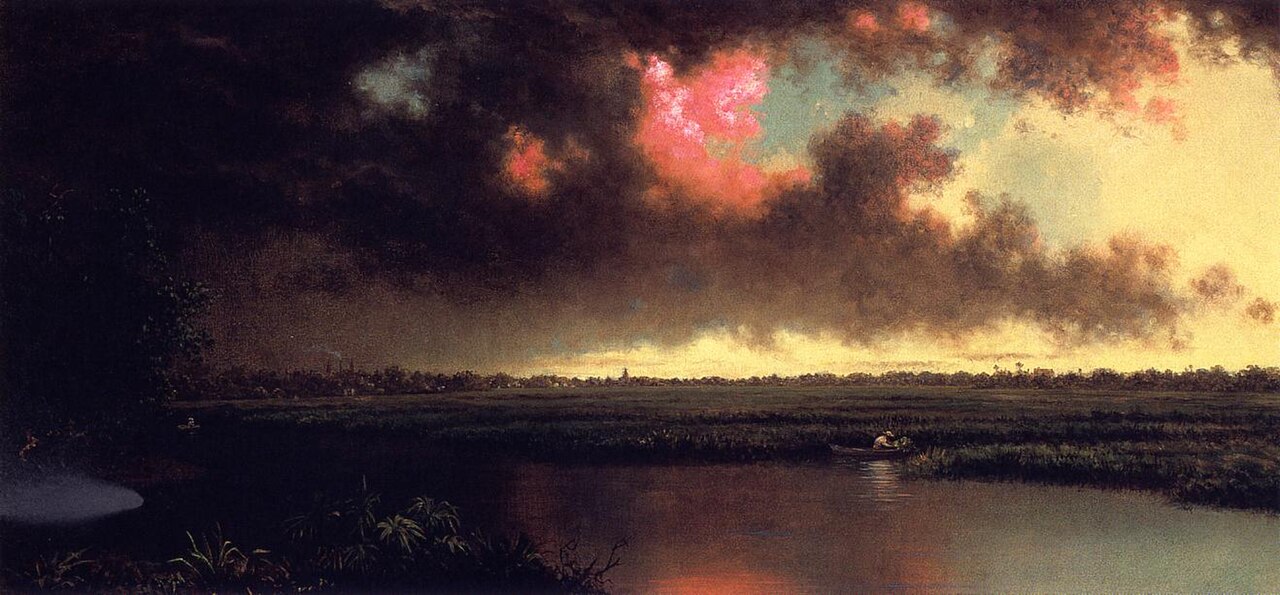
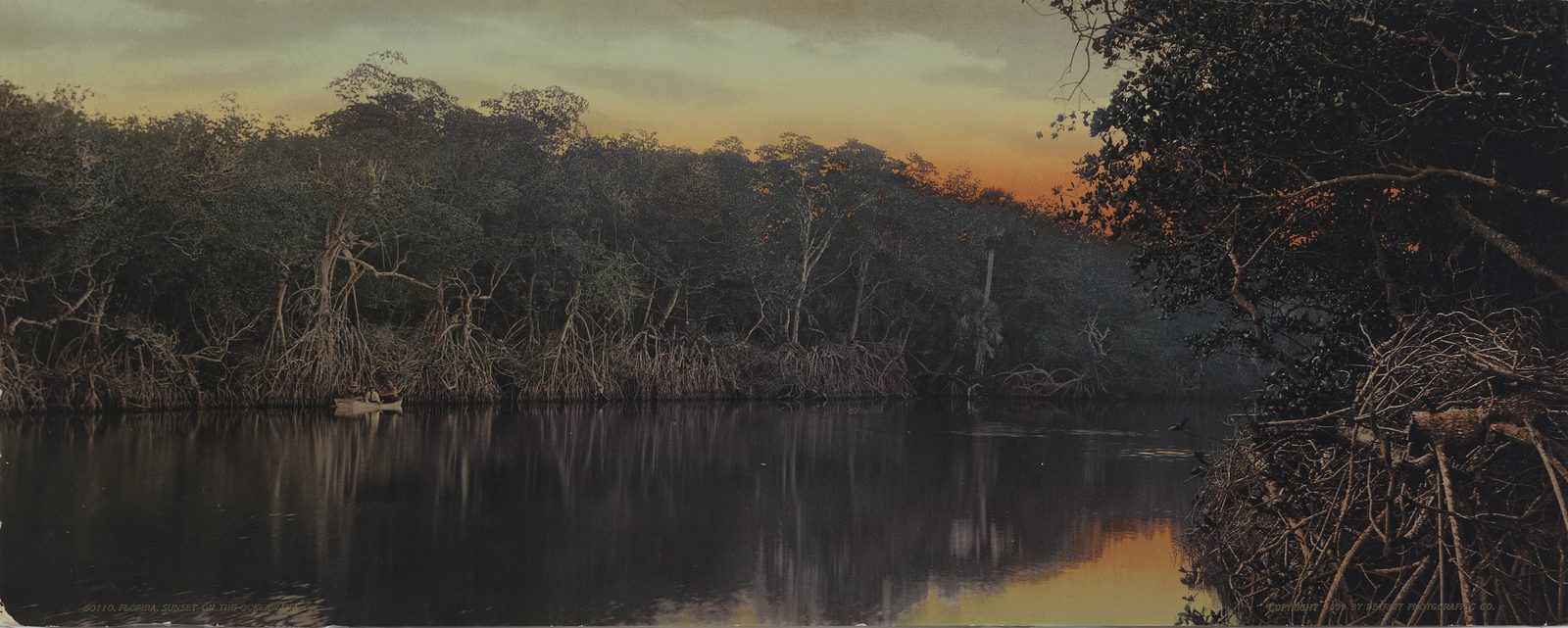
Open, wet, seepage-fed bogs of the Coastal Plain and Sandhills, often with pitcher plants.
Depression ponds and limesinks
Shallow ponds in Coastal Plain depressions, such as limesinks and the ponds in some Carolina bays, that rise and fall with the seasons.
Disturbed and introduced wetlands
Wet ground taken over by weedy or introduced plants after disturbance, such as common reed, Chinese tallow or tamarisk stands; the upland counterpart is roadsides, fields and disturbed ground.
Forests and open woodlands on dry ridges and slopes, often oak or pine.
Floodplain and bottomland forests
Forests on low ground beside rivers and streams that flood from time to time.
Borders of forests, clearings and shrubby thickets.
Marshes along tidal rivers where the water is fresh but rises and falls with the tide.
Tidal forests and thickets of red, black and white mangrove along sheltered tropical and subtropical shores.
Salt-pruned forests and shrub thickets behind coastal dunes.
Forests on moist but not wet ground, such as rich slopes and ravines.
Dense evergreen shrub wetlands and bay forests on wet, acid peat of the Coastal Plain.
Roadsides, fields and disturbed ground
Ground opened by people: roadsides, old fields, pastures, fencerows and lots.
Coastal marshes flooded by salty or brackish tides.
Places where groundwater keeps the soil or rock wet, such as seepage slopes and spring runs.
Tree plantations and managed pine
Planted or intensively managed stands of pine or hardwoods grown for timber; a land use rather than a natural community.
Open, wet, grassy or sedgy ground that is not a bog.
Other habitats in its models (115)
Land cover, or classes with no habitat page in Florida. Those recorded in Florida first, the rest by region.
In Florida 1
- South Florida Dwarf Cypress Savanna Winter.
Elsewhere in the South (54)
- Atlantic Coastal Plain Brownwater Stream Floodplain Forest Winter.
- Atlantic Coastal Plain Central Maritime Forest Winter.
- Atlantic Coastal Plain Dry and Dry-Mesic Oak Forest Winter.
- Atlantic Coastal Plain Embayed Region Tidal Freshwater Marsh Winter.
- Atlantic Coastal Plain Embayed Region Tidal Salt and Brackish Marsh Winter.
- Atlantic Coastal Plain Mesic Hardwood and Mixed Forest Winter.
- Atlantic Coastal Plain Northern Tidal Wooded Swamp Winter.
- Atlantic Coastal Plain Peatland Pocosin Winter.
- Atlantic Coastal Plain Small Brownwater River Floodplain Forest Winter.
- Central and South Texas Coastal Fringe Forest and Woodland Summer and winter.
- Central and Southern Appalachian Northern Hardwood Forest Summer.
- Central Atlantic Coastal Plain Wet Longleaf Pine Savanna and Flatwoods Winter.
- East Gulf Coastal Plain Limestone Forest Winter.
- East Gulf Coastal Plain Northern Dry Upland Hardwood Forest Winter.
- East Gulf Coastal Plain Northern Loess Bluff Forest Winter.
- East Gulf Coastal Plain Northern Mesic Hardwood Forest Winter.
- East Gulf Coastal Plain Southern Loblolly-Hardwood Flatwoods Winter.
- East Gulf Coastal Plain Southern Loess Bluff Forest Winter.
- East-Central Texas Plains Riparian Forest Summer.
- Lower Mississippi River Flatwoods Summer and winter.
- Mississippi Delta Maritime Forest Winter.
- Mississippi River Low Floodplain (Bottomland) Forest Summer and winter.
- Mississippi River Riparian Forest Summer and winter.
- Ouachita Montane Oak Forest Summer and winter.
- Ozark-Ouachita Dry-Mesic Oak Forest Summer.
- Ozark-Ouachita Mesic Hardwood Forest Summer.
- Ozark-Ouachita Riparian Summer.
- Ozark-Ouachita Shortleaf Pine-Bluestem Woodland Summer.
- Ozark-Ouachita Shortleaf Pine-Oak Forest and Woodland Summer.
- Red River Large Floodplain Forest Summer and winter.
- South-Central Interior Large Floodplain Summer.
- South-Central Interior Mesophytic Forest Summer.
- South-Central Interior Small Stream and Riparian Summer.
- Southeastern Great Plains Tallgrass Prairie Summer.
- Southern and Central Appalachian Bog and Fen Summer.
- Southern and Central Appalachian Cove Forest Summer.
- Southern and Central Appalachian Oak Forest Summer.
- Southern Blackland Tallgrass Prairie Summer.
- Southern Crowley's Ridge Mesic Loess Slope Forest Summer and winter.
- Southern Interior Low Plateau Dry-Mesic Oak Forest Summer.
- Southern Piedmont Dry Oak-(Pine) Forest Summer and winter.
- Southern Piedmont Mesic Forest Summer and winter.
- Southern Piedmont Small Floodplain and Riparian Forest Summer and winter.
- Southern Ridge and Valley Dry Calcareous Forest Summer.
- Texas-Louisiana Coastal Prairie Summer and winter.
- West Gulf Coastal Plain Chenier and Upper Texas Coastal Fringe Forest and Woodland Winter.
- West Gulf Coastal Plain Large River Floodplain Forest Winter.
- West Gulf Coastal Plain Mesic Hardwood Forest Winter.
- West Gulf Coastal Plain Near-Coast Large River Swamp Winter.
- West Gulf Coastal Plain Nepheline Syenite Glade Winter.
- West Gulf Coastal Plain Pine-Hardwood Flatwoods Winter.
- West Gulf Coastal Plain Pine-Hardwood Forest Winter.
- West Gulf Coastal Plain Seepage Swamp and Baygall Winter.
- West Gulf Coastal Plain Upland Longleaf Pine Forest and Woodland Winter.
Northeast (5)
- Appalachian Hemlock-Hardwood Forest Summer and winter.
- Atlantic Coastal Plain Northern Fresh and Oligohaline Tidal Marsh Winter.
- Atlantic Coastal Plain Northern Tidal Salt Marsh Winter.
- Northern Atlantic Coastal Plain Basin Swamp and Wet Hardwood Forest Winter.
- Northern Atlantic Coastal Plain Dune and Swale Winter.
Midwest (3)
- Central Mixedgrass Prairie Summer.
- Central Tallgrass Prairie Summer.
- Western Great Plains Wooded Draw and Ravine Summer.
Land cover and other classes (52)
- Allegheny-Cumberland Dry Oak Forest and Woodland - Hardwood Summer.
- Allegheny-Cumberland Dry Oak Forest and Woodland - Pine Modifier Summer.
- Arkansas Valley Prairie and Woodland Summer.
- Atlantic Coastal Plain Clay-Based Carolina Bay Forested Wetland Winter.
- Atlantic Coastal Plain Clay-Based Carolina Bay Herbaceous Wetland Winter.
- Atlantic Coastal Plain Fall-Line Sandhills Longleaf Pine Woodland - Loblolly Modifier Winter.
- Atlantic Coastal Plain Fall-line Sandhills Longleaf Pine Woodland - Offsite Hardwood Modifier Winter.
- Atlantic Coastal Plain Fall-line Sandhills Longleaf Pine Woodland - Scrub/Shrub Understory Modifier Winter.
- Atlantic Coastal Plain Nonriverine Swamp and Wet Hardwood Forest - Oak Dominated Modifier Winter.
- Atlantic Coastal Plain Nonriverine Swamp and Wet Hardwood Forest - Taxodium/Nyssa Modifier Winter.
- Central Appalachian Floodplain - Forest Modifier Summer.
- Central Appalachian Riparian - Forest Modifier Summer.
- Central Interior and Appalachian Shrub-Herbaceous Wetland Systems Summer.
- East Gulf Coastal Plain Interior Shortleaf Pine-Oak Forest - Hardwood Modifier Winter.
- East Gulf Coastal Plain Interior Upland Longleaf Pine Woodland - Loblolly Modifier Winter.
- East Gulf Coastal Plain Interior Upland Longleaf Pine Woodland - Offsite Hardwood Modifier Winter.
- East Gulf Coastal Plain Interior Upland Longleaf Pine Woodland - Scrub/Shrub Modifier Winter.
- East Gulf Coastal Plain Jackson Plain Dry Flatwoods - Open Understory Modifier Winter.
- East Gulf Coastal Plain Jackson Prairie and Woodland Winter.
- East Gulf Coastal Plain Large River Floodplain Forest - Herbaceous Modifier Winter.
- East Gulf Coastal Plain Near-Coast Pine Flatwoods - Offsite Hardwood Modifier Winter.
- East Gulf Coastal Plain Northern Dry Upland Hardwood Forest - Offsite Pine Modifier Winter.
- East Gulf Coastal Plain Northern Loess Plain Oak-Hickory Upland - Hardwood Modifier Winter.
- East Gulf Coastal Plain Southern Depression Pondshore Winter.
- Eastern Great Plains Floodplain Systems Summer.
- Eastern Great Plains Wet Meadow, Prairie, and Marsh Summer.
- Florida Longleaf Pine Sandhill - Scrub/Shrub Understory Modifier Winter.
- Harvested Forest - Grass/Forb Regeneration Summer and winter.
- Introduced Upland Vegetation - Annual Grassland Summer and winter.
- Introduced Upland Vegetation - Forbland Summer and winter.
- Introduced Upland Vegetation - Perennial Grassland Summer and winter.
- Introduced Upland Vegetation - Perennial Grassland and Forbland Summer and winter.
- Introduced Upland Vegetation - Shrub Summer and winter.
- Lower Mississippi River Bottomland Depressions - Forest Modifier Summer and winter.
- Northeastern Interior Dry Oak Forest-Hardwood Modifier Summer.
- Recently Burned Summer and winter.
- Recently Burned Forest Summer and winter.
- Recently Burned Grassland Summer and winter.
- Recently Burned Shrubland Summer and winter.
- Recently Logged Areas Summer and winter.
- South-Central Interior Large Floodplain - Herbaceous Modifier Summer.
- Southern Coastal Plain Nonriverine Basin Swamp - Okefenokee Clethra Modifier Winter.
- Southern Coastal Plain Nonriverine Basin Swamp - Okefenokee Pine Modifier Winter.
- Southern Piedmont Dry Oak-(Pine) Forest - Hardwood Modifier Summer and winter.
- Southern Piedmont Dry Oak-(Pine) Forest - Loblolly Pine Modifier Summer and winter.
- Southern Piedmont Large Floodplain Forest - Forest Modifier Summer and winter.
- Southern Piedmont/Ridge and Valley Upland Depression Swamp Summer and winter.
- Southern Ridge and Valley Dry Calcareous Forest - Pine modifier Summer.
- Texas-Louisiana Coastal Prairie Slough Summer and winter.
- Unconsolidated Shore Summer and winter.
- Unconsolidated Shore (Lake/River/Pond) Summer and winter.
- Western Great Plains Floodplain Systems Summer.
Seasons in Florida
- Year-round: nests here, in all 67 counties.
Also found in its main habitats
Its main habitats in Florida, by how much of its habitat model each one is, with the birds most characteristic of each and the plants that grow wild there. Shared habitat, not food.
Common Yellowthroat uses many habitats in Florida; these are its 3 most characteristic.
Roadsides, fields and disturbed ground
Birds 99
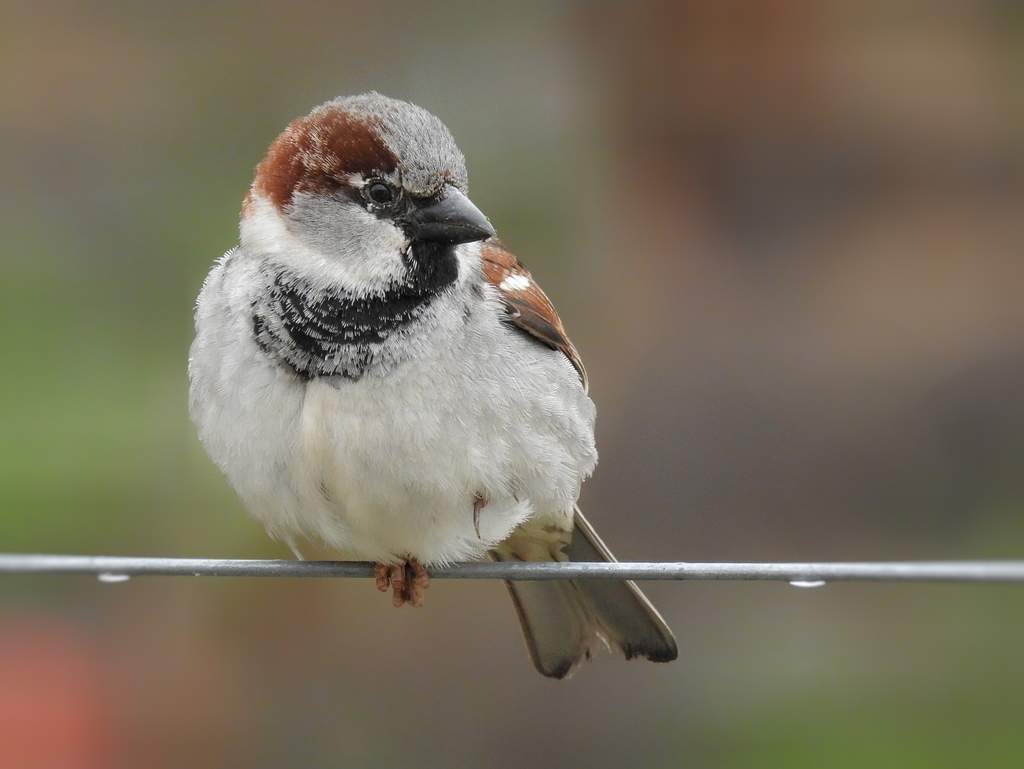
- House SparrowPasser domesticus
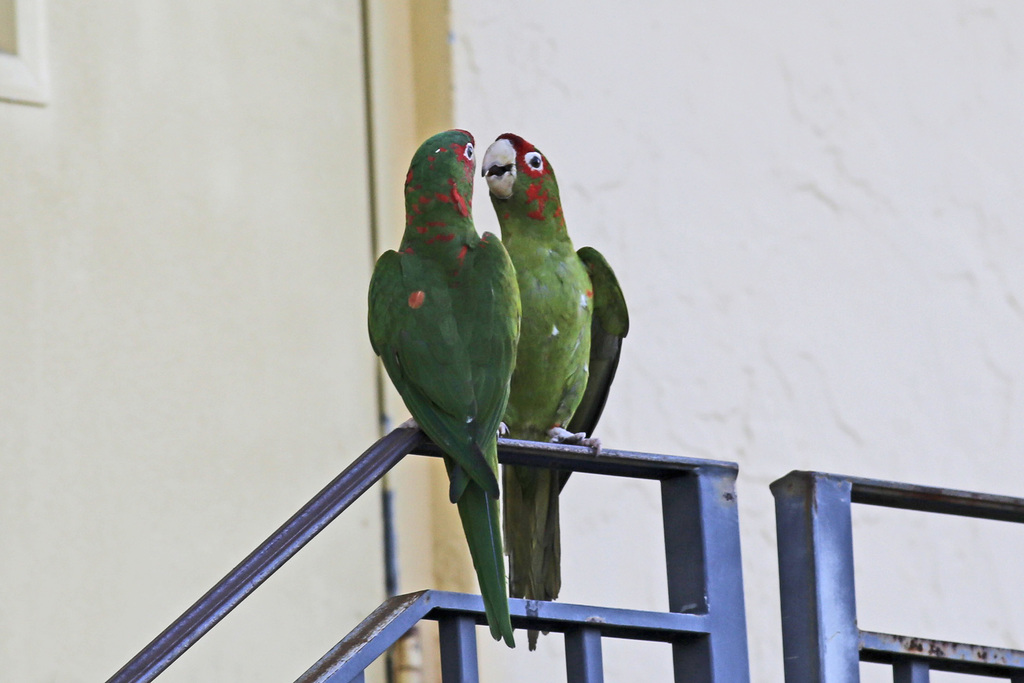
- Mitred ParakeetAratinga mitrata
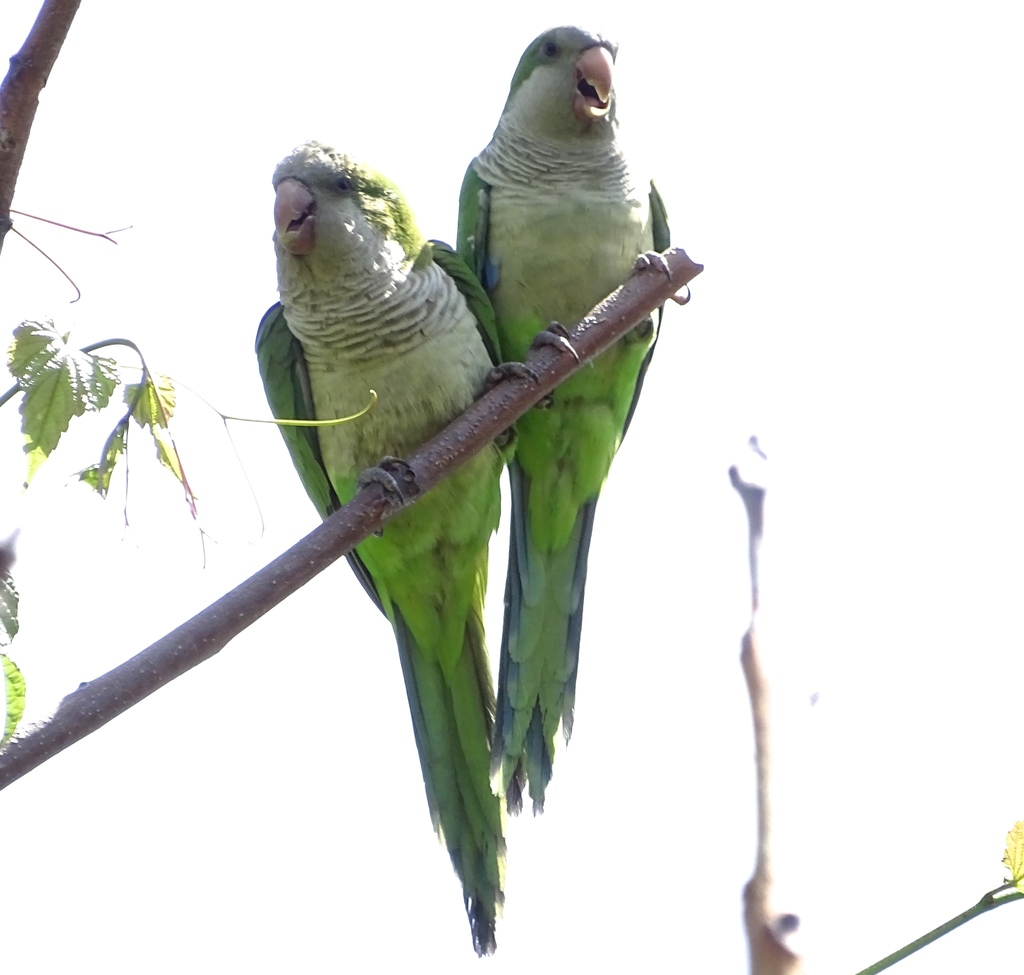
- Monk ParakeetMyiopsitta monachus
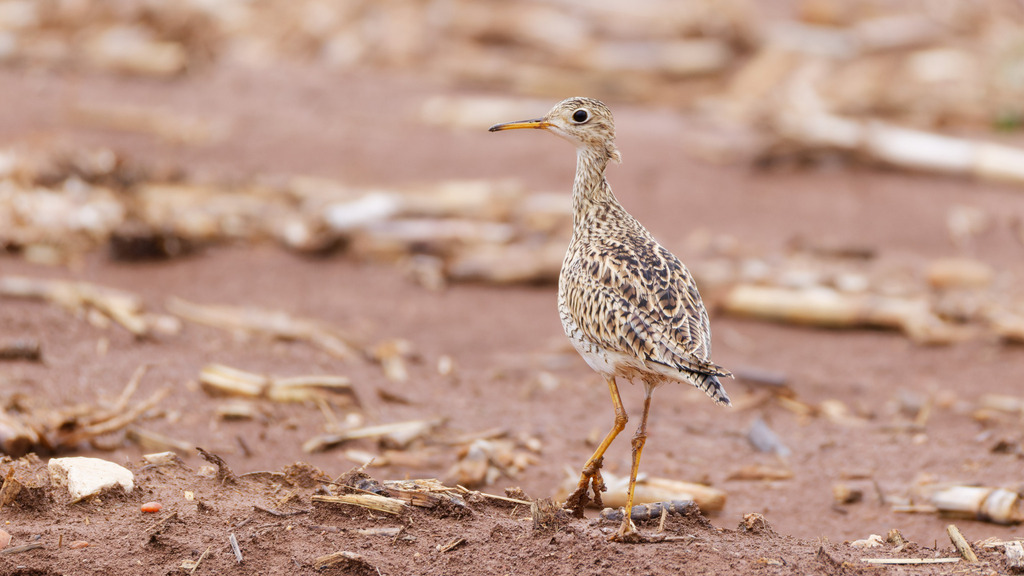
- Upland SandpiperBartramia longicauda
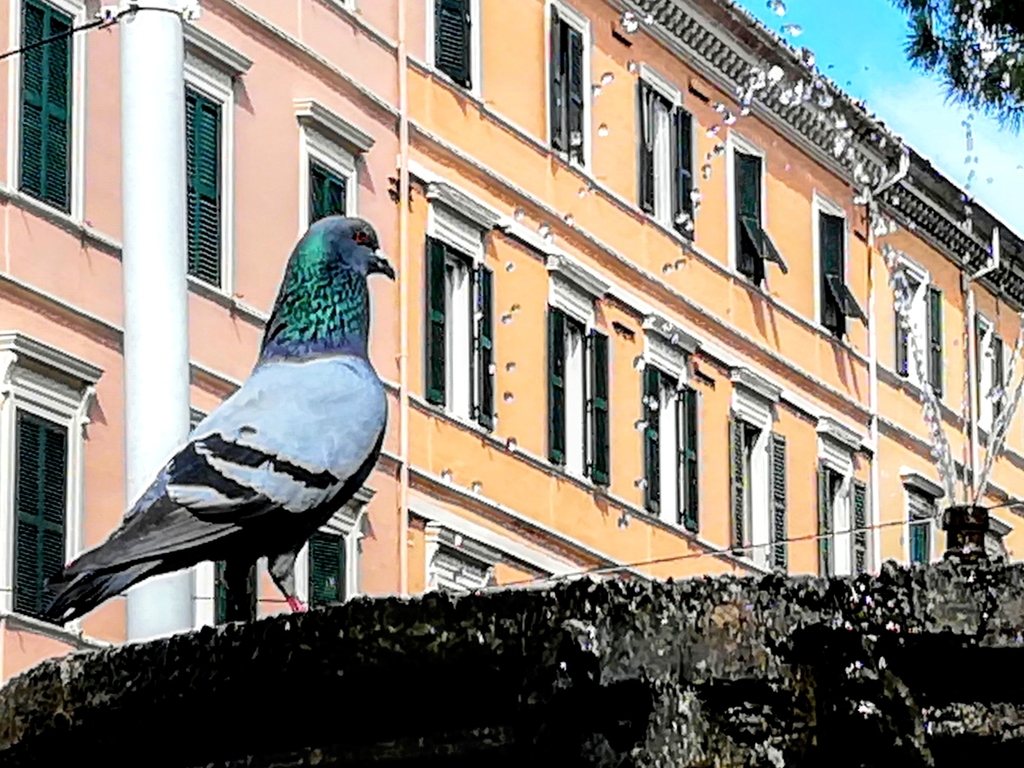
- Rock PigeonColumba livia
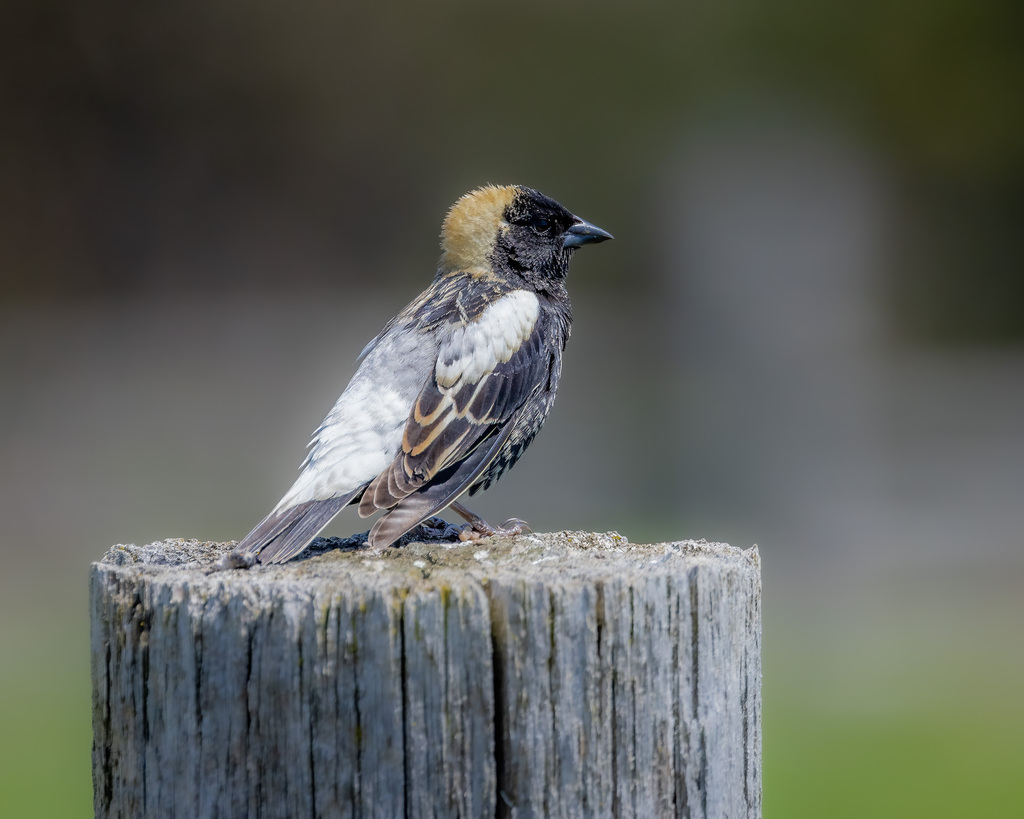
- BobolinkDolichonyx oryzivorus
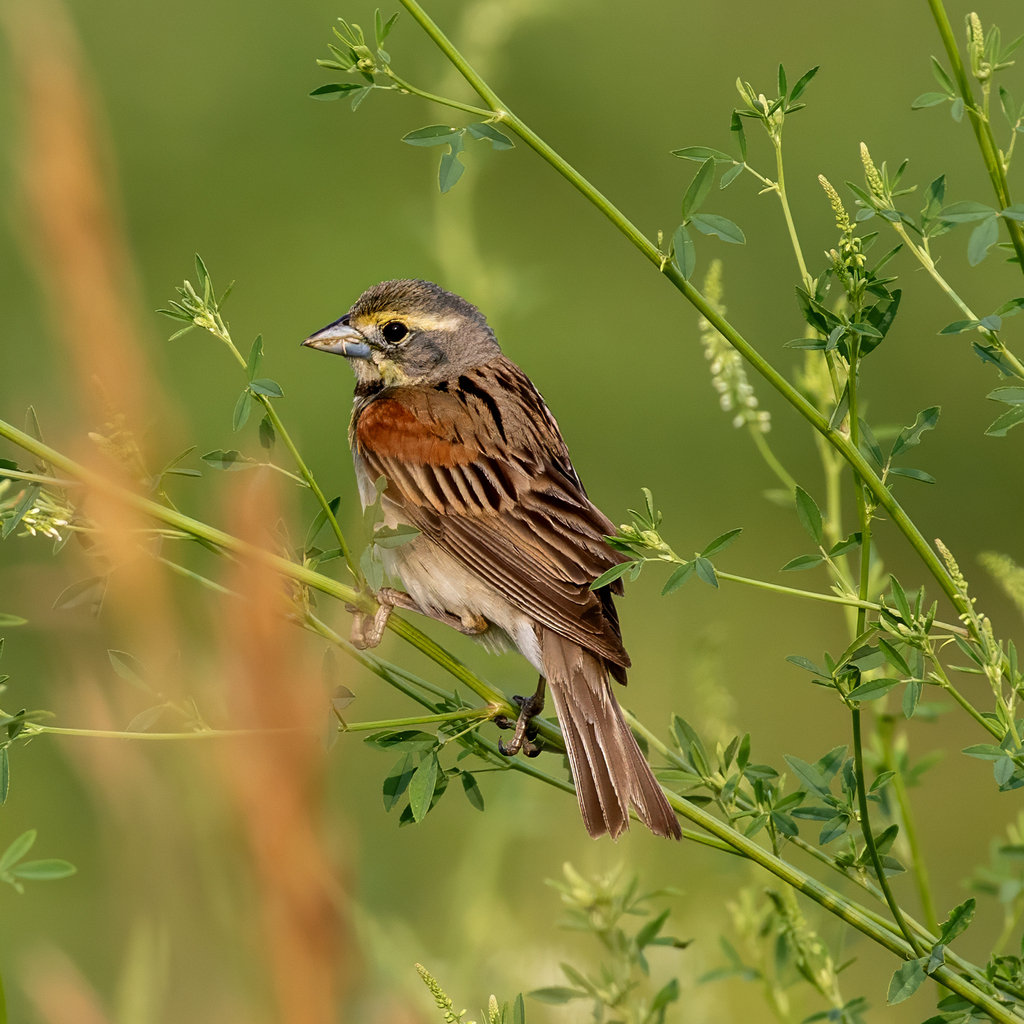
- DickcisselSpiza americana
- Western MeadowlarkSturnella neglecta
- Blue-winged WarblerVermivora pinus
- Golden-winged WarblerVermivora chrysoptera
- Horned LarkEremophila alpestris
- Rufous HummingbirdSelasphorus rufus
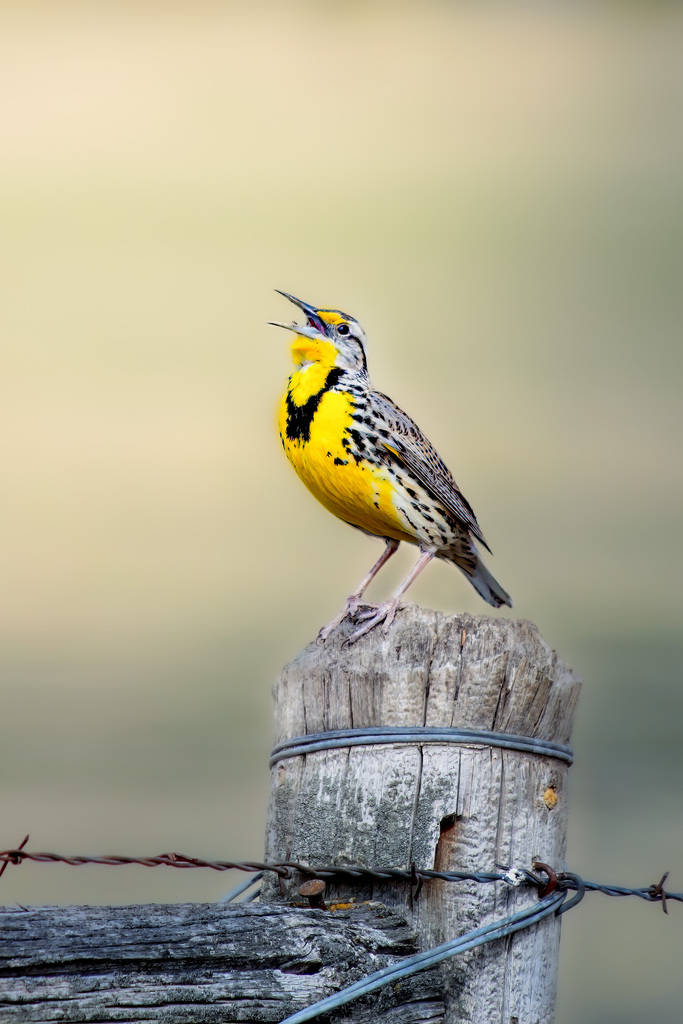

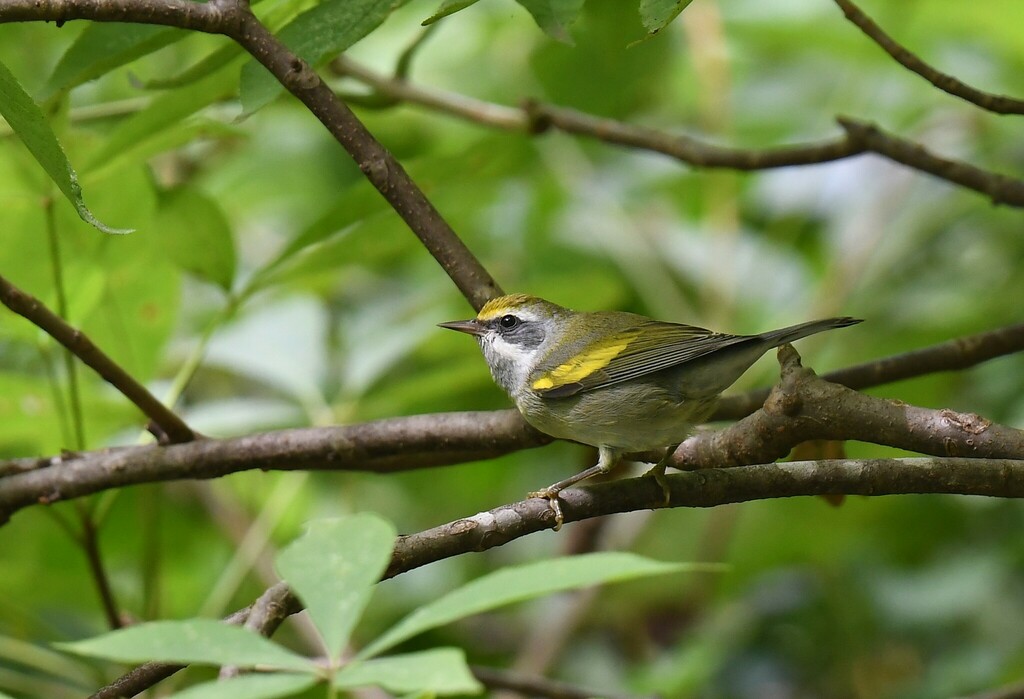
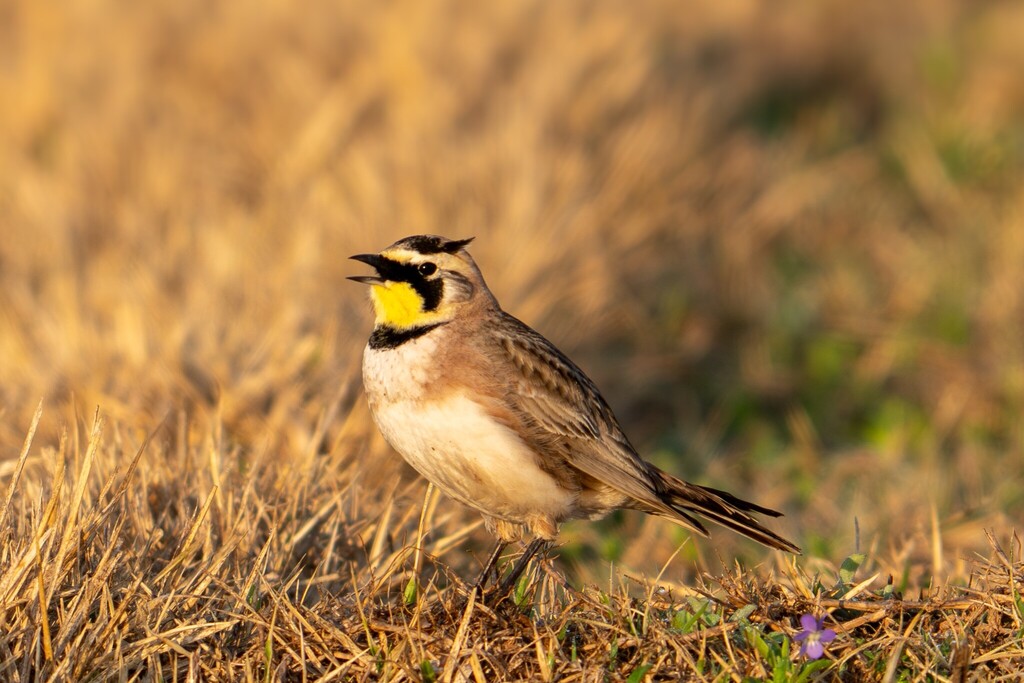
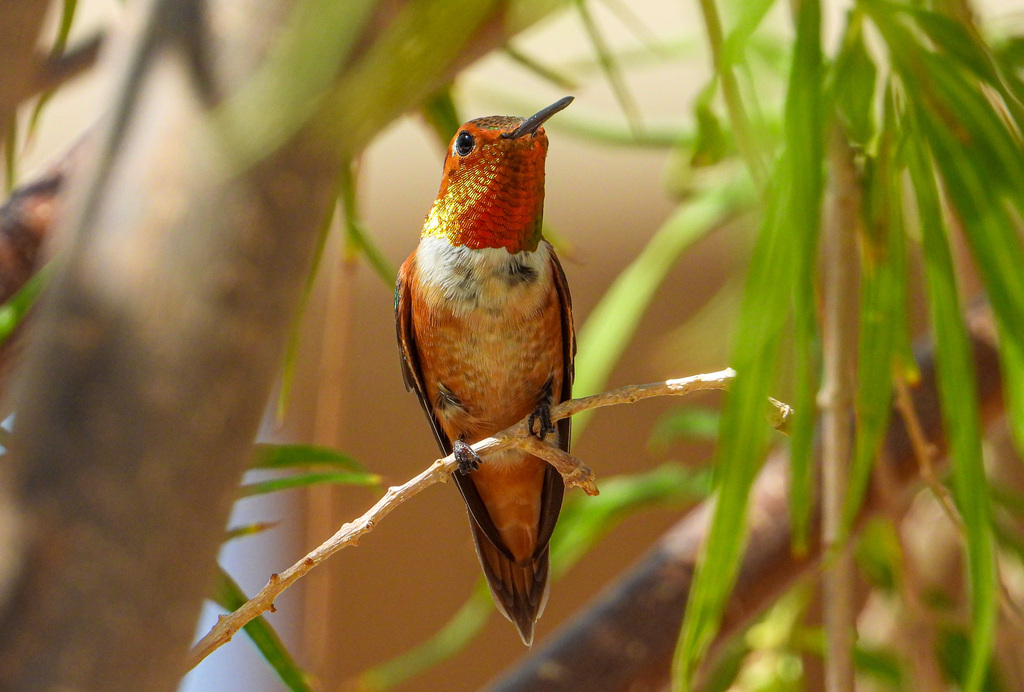
Plants 1524
- Whitestar Morning-gloryIpomoea leucantha
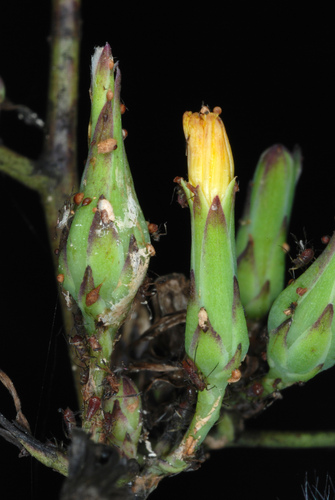
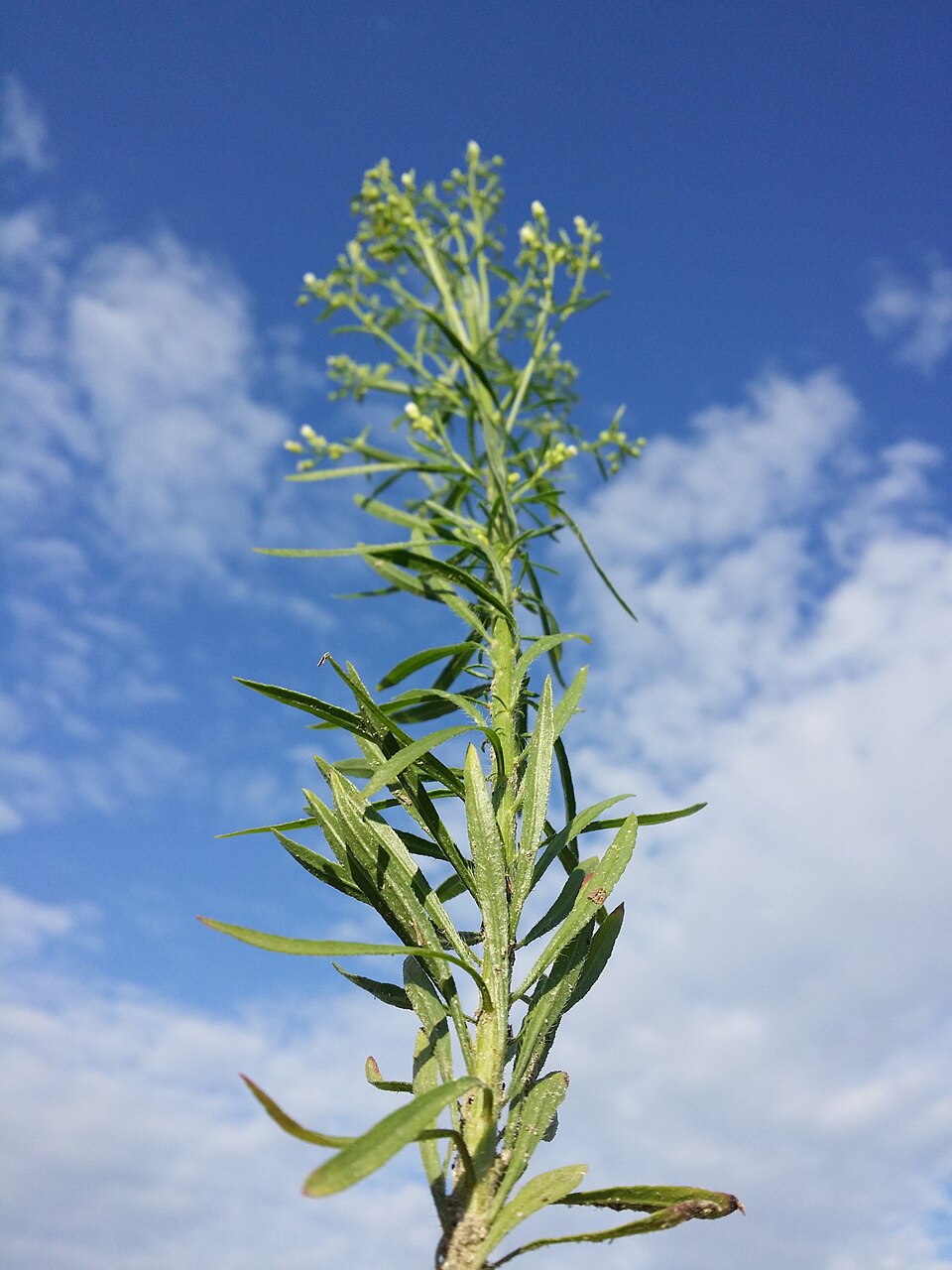
- Canada LettuceLactuca canadensis
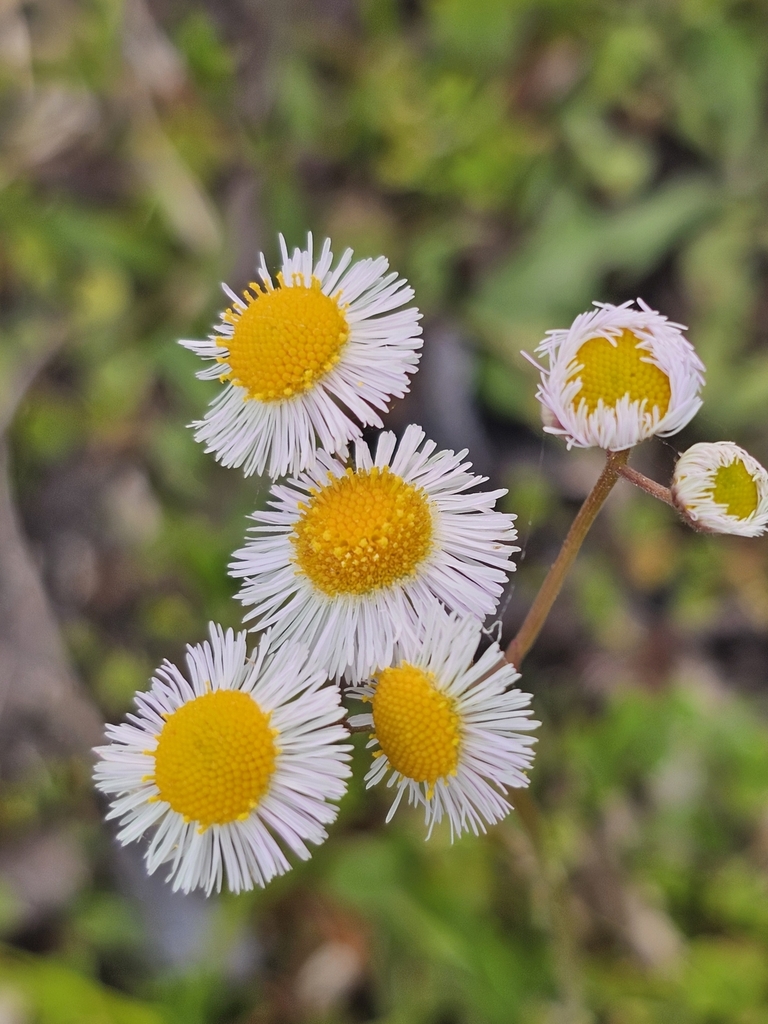
- Common HorseweedErigeron canadensis
- Annual FleabaneErigeron annuus
- Oakleaf FleabaneErigeron quercifolius
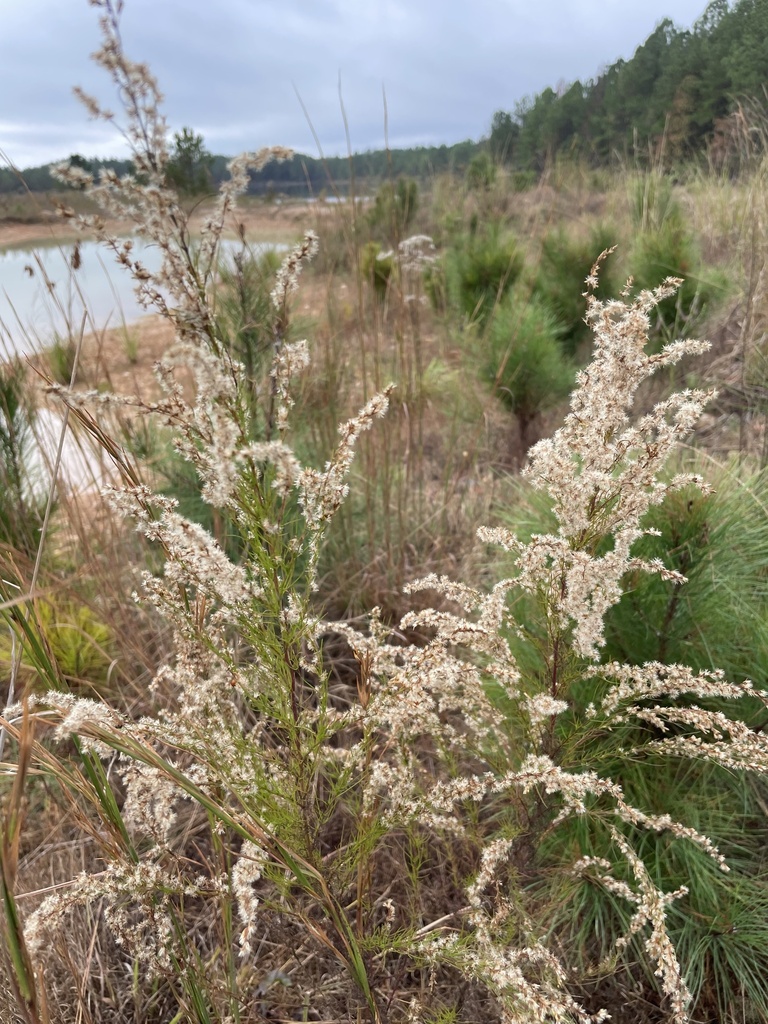
- Dog-fennelEupatorium capillifolium
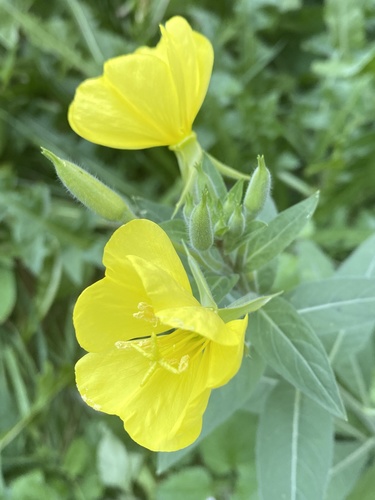
- Common Evening-primroseOenothera biennis
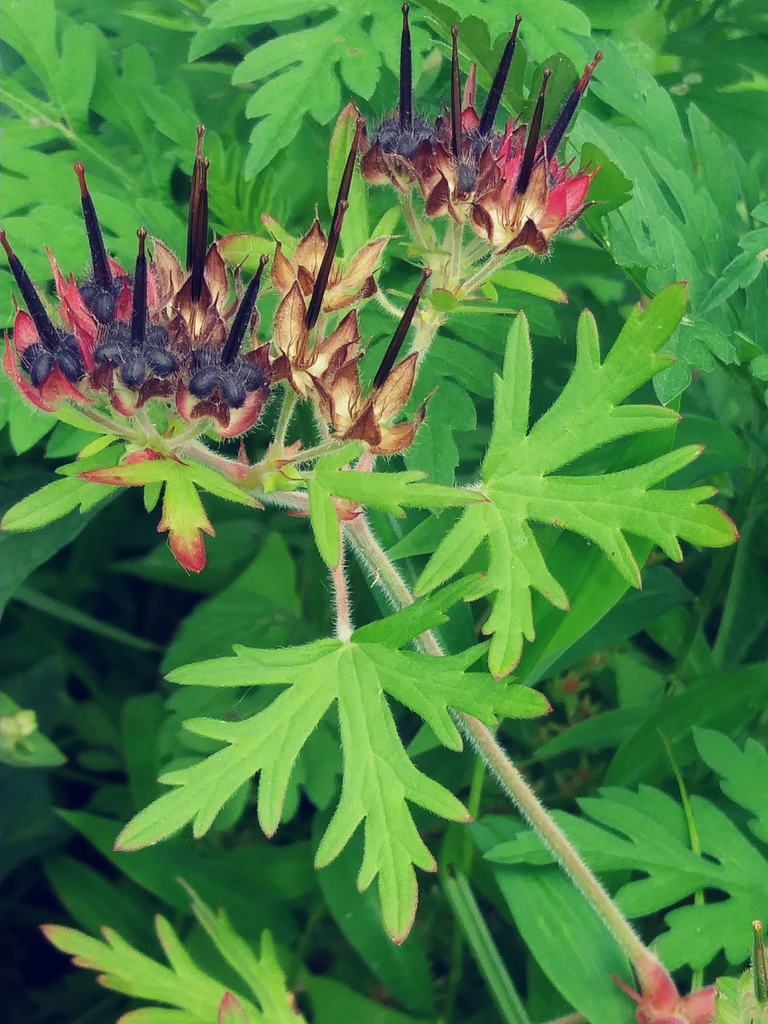
- Carolina Crane's-billGeranium carolinianum
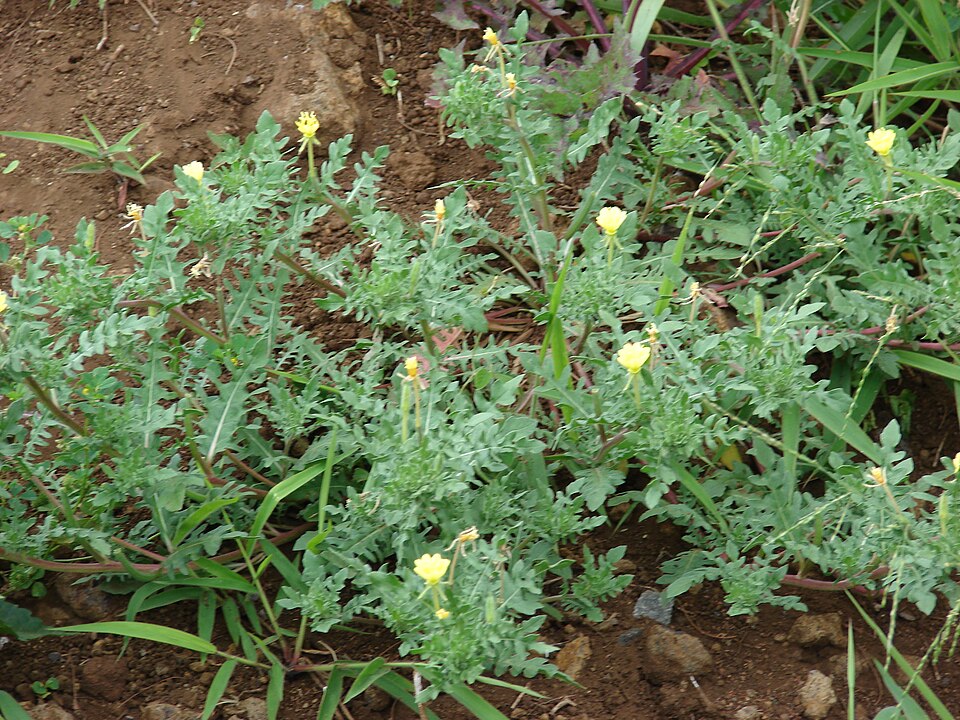
- Cutleaf Evening-primroseOenothera laciniata
- Threadleaf SundropsOenothera linifolia
- Carolina HorsenettleSolanum carolinense var. carolinense
- Tooth Leaf Croton; Sand CrotonCroton glandulosus var. septentrionalis
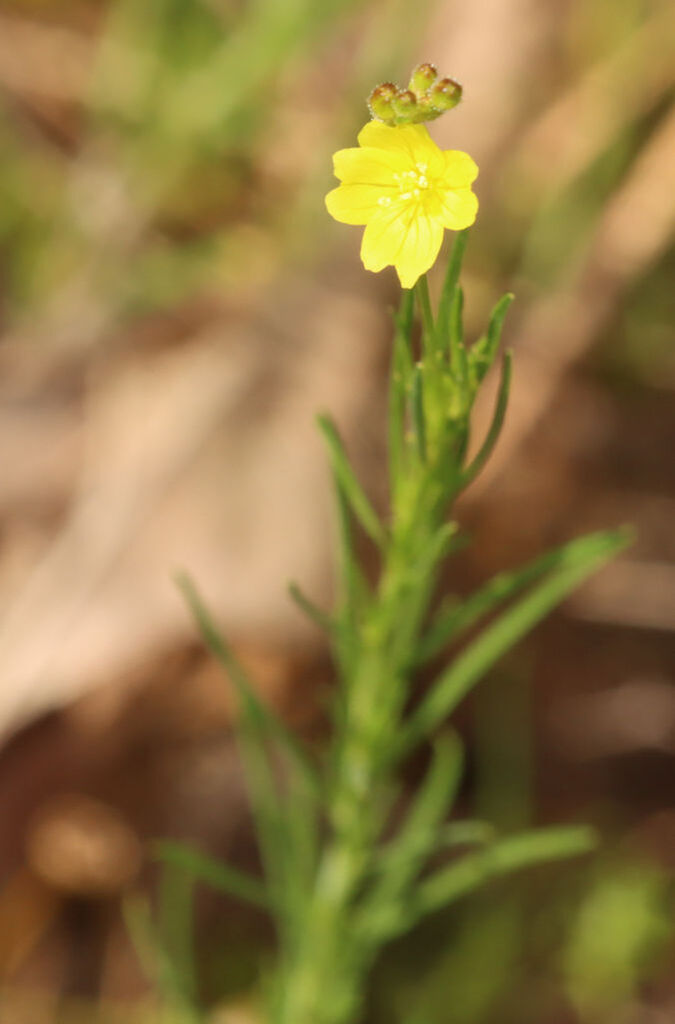
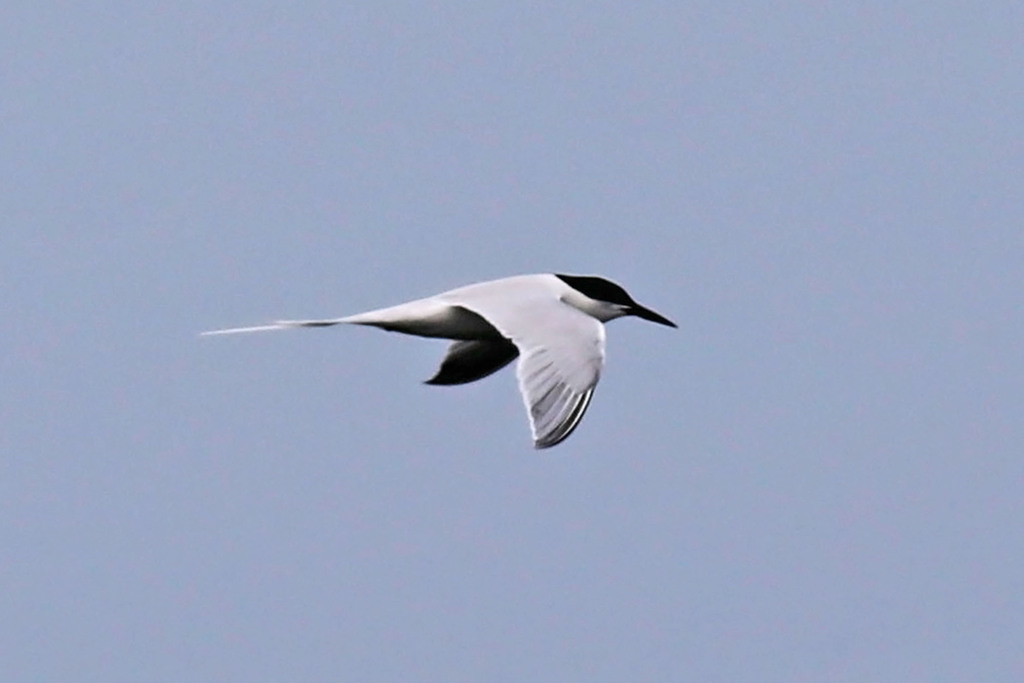
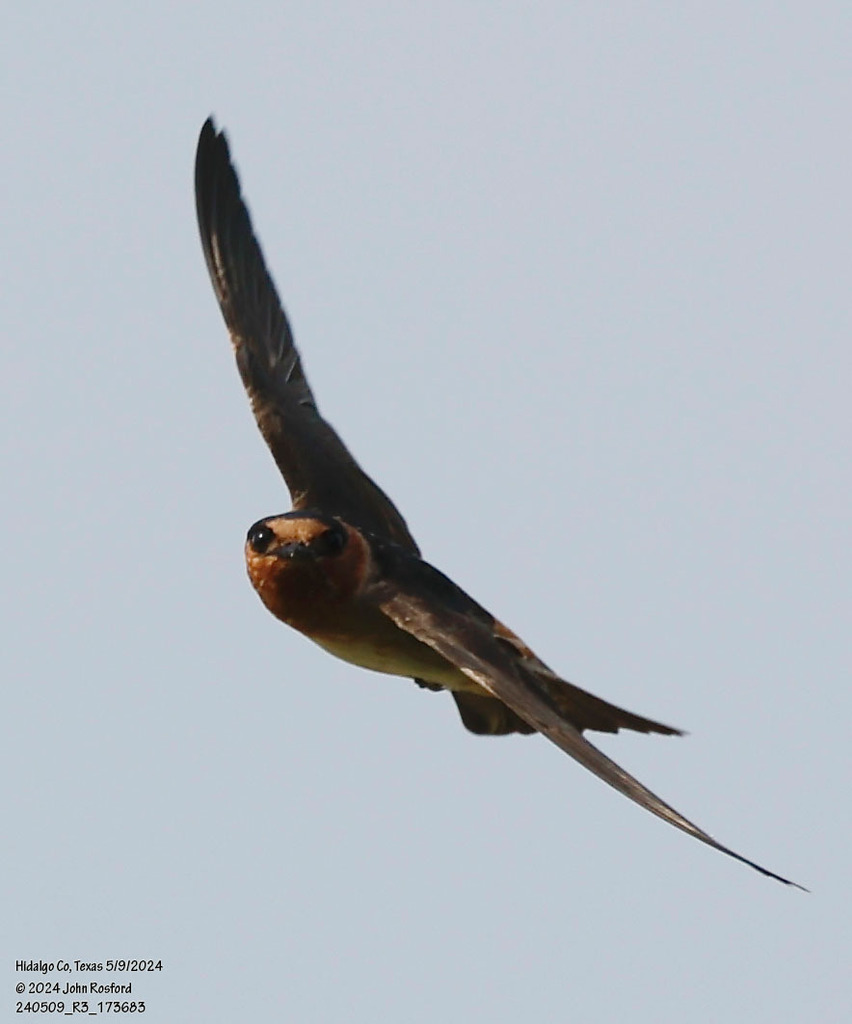
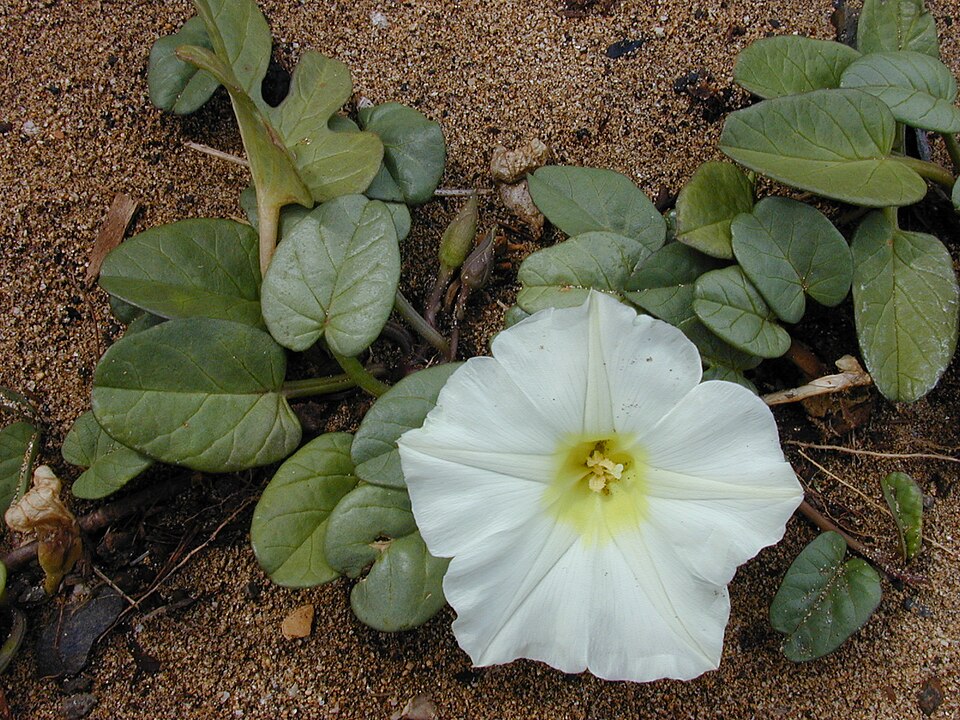
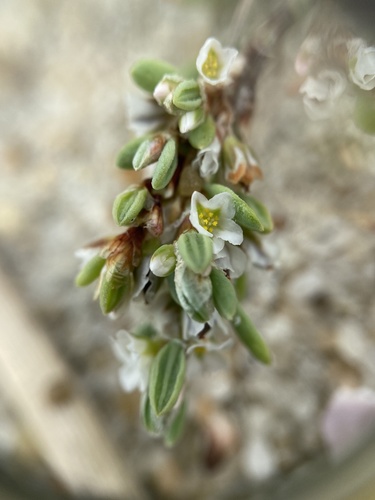
Coastal dunes and beaches
Birds 109
- Bridled TernOnychoprion anaethetus
- Black-throated Green WarblerDendroica virens
- Masked BoobySula dactylatra
- Sooty TernOnychoprion fuscatus
- Brown NoddyAnous stolidus
- Great Black-backed GullLarus marinus
- Horned LarkEremophila alpestris
- Marbled GodwitLimosa fedoa
- Rock PigeonColumba livia
- Roseate TernSterna dougallii
- Antillean NighthawkChordeiles gundlachii
- Cave SwallowPetrochelidon fulva
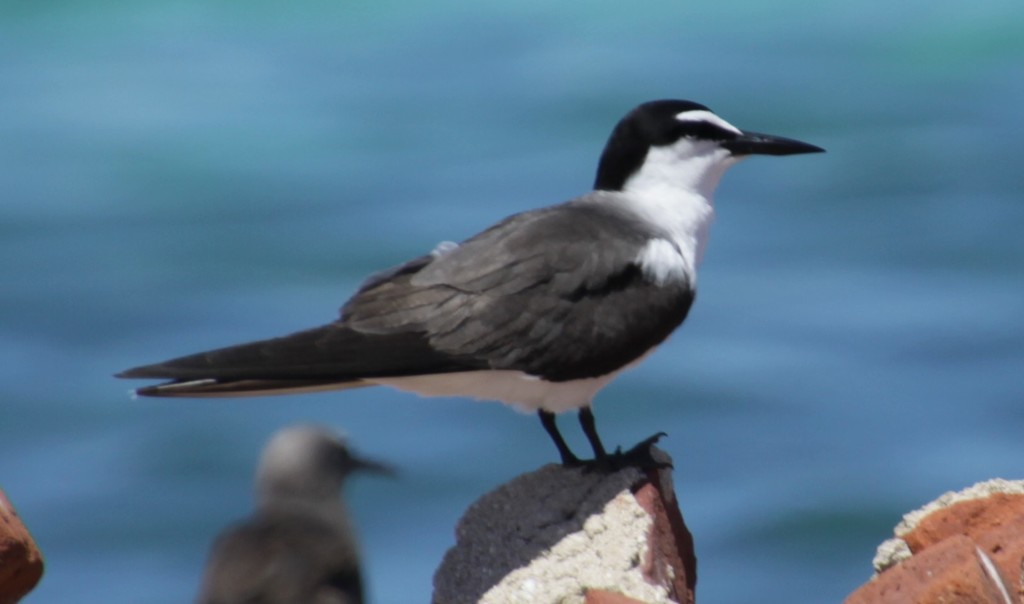
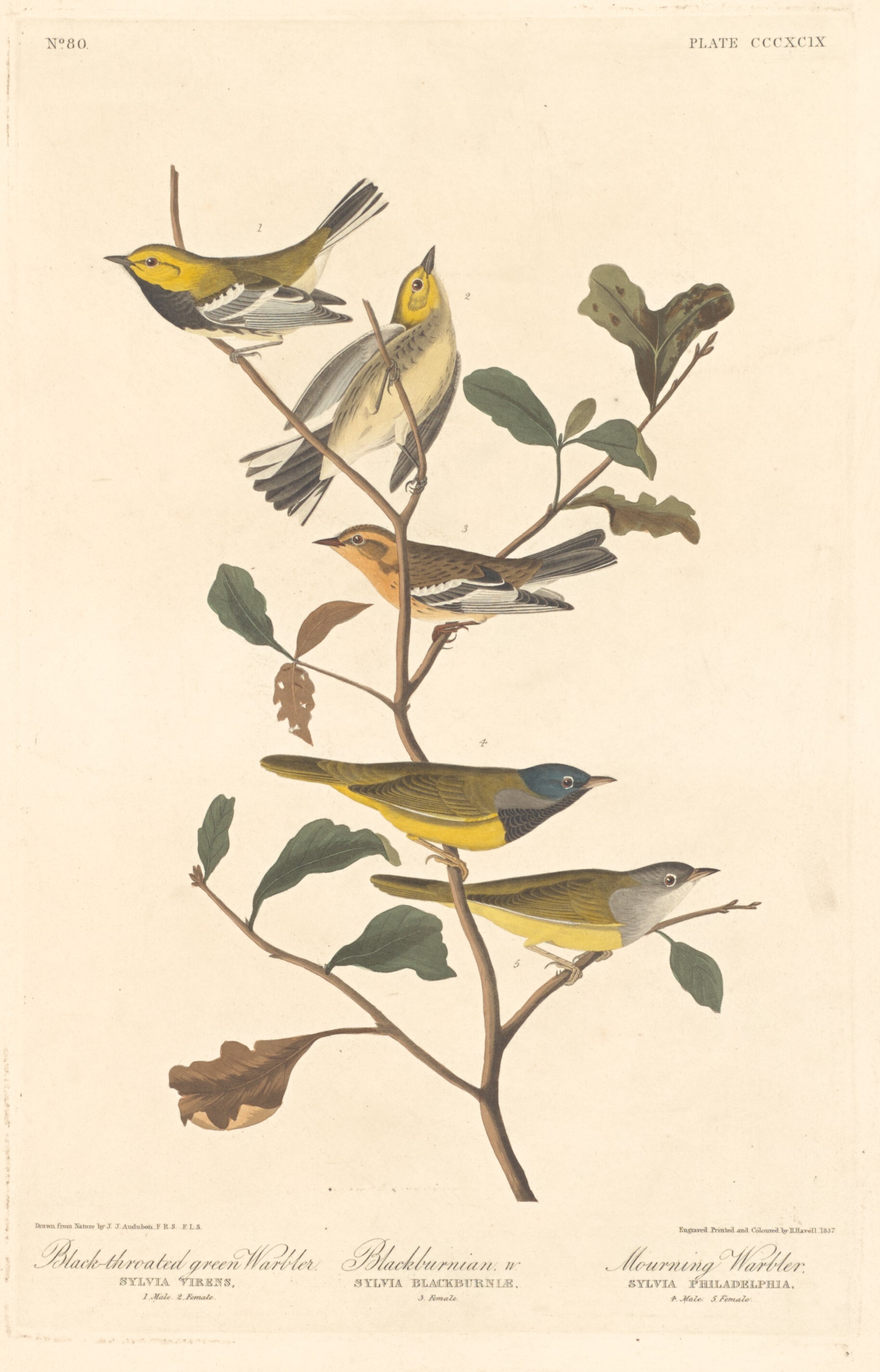
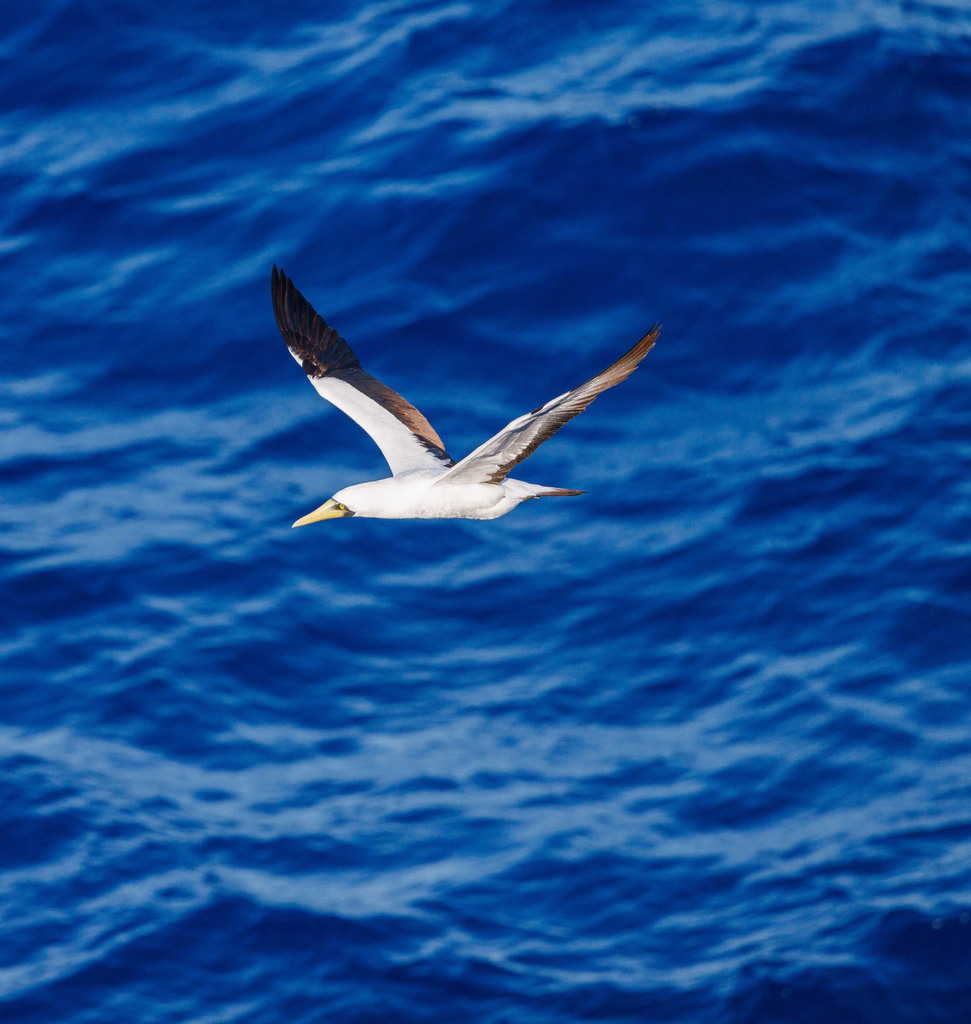
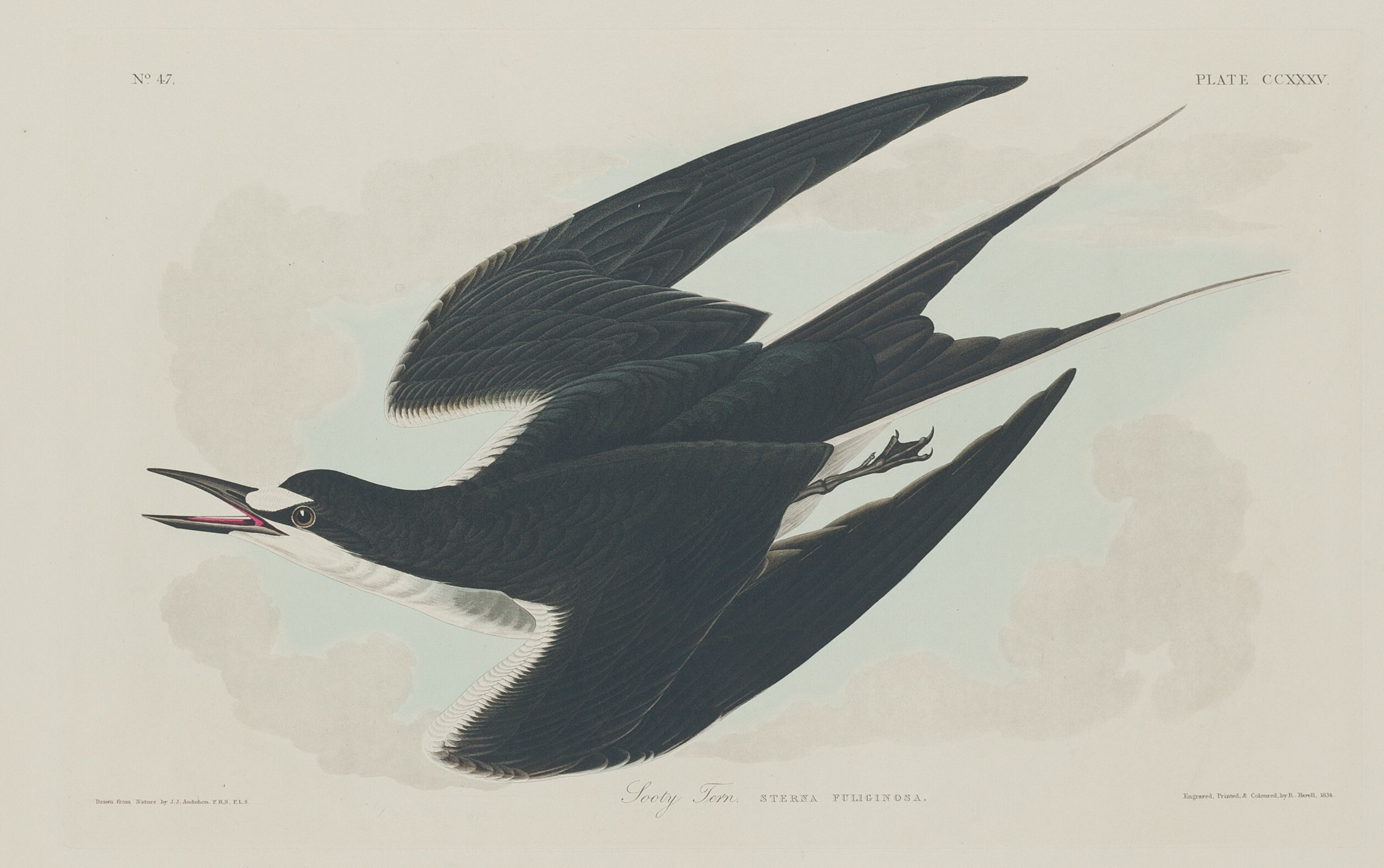
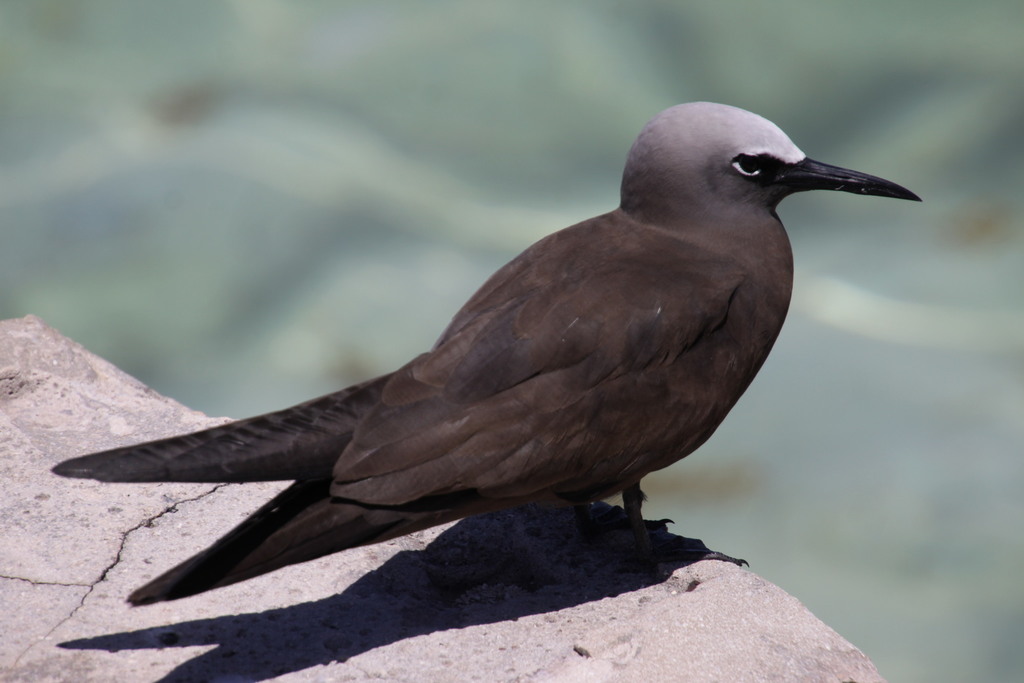
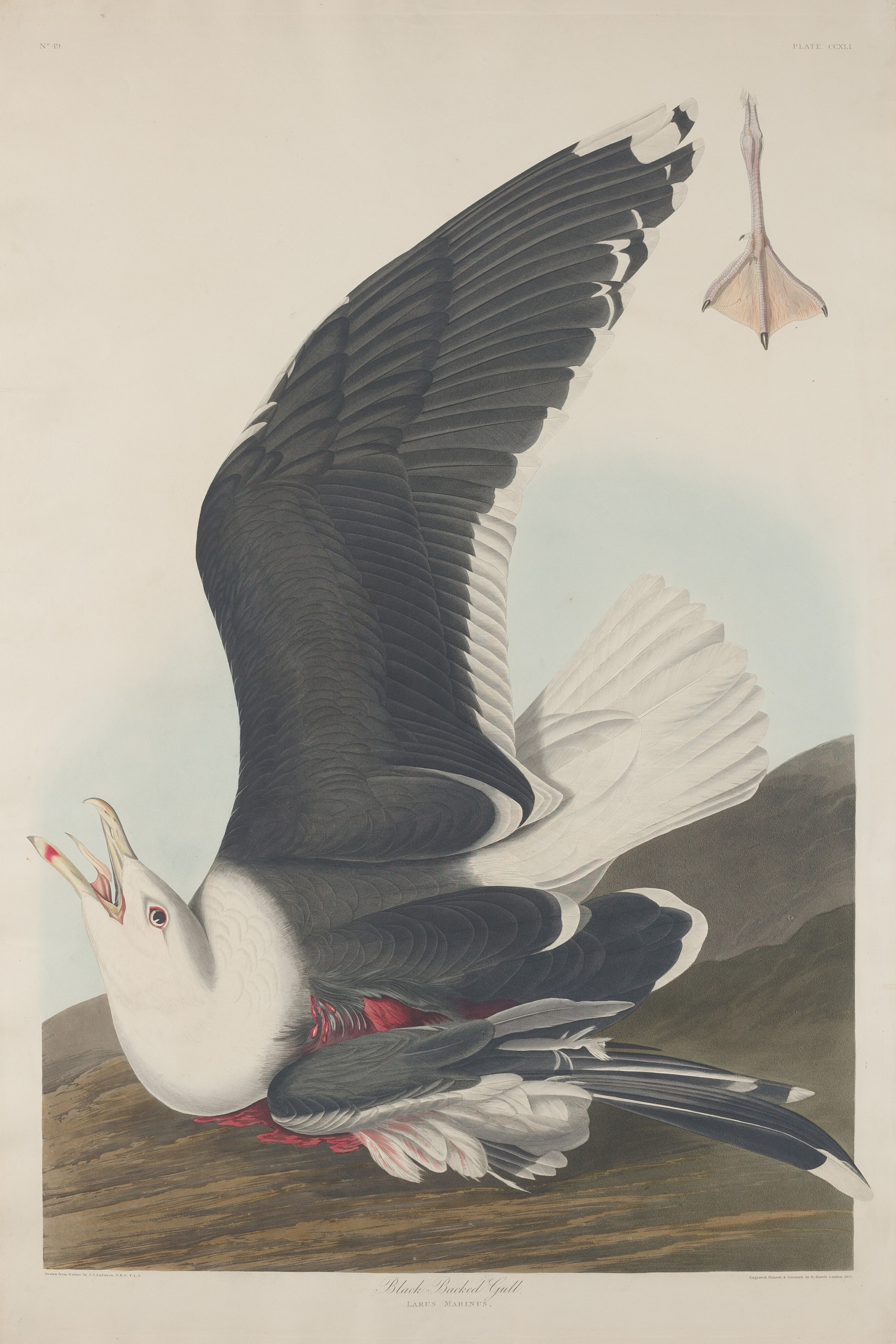
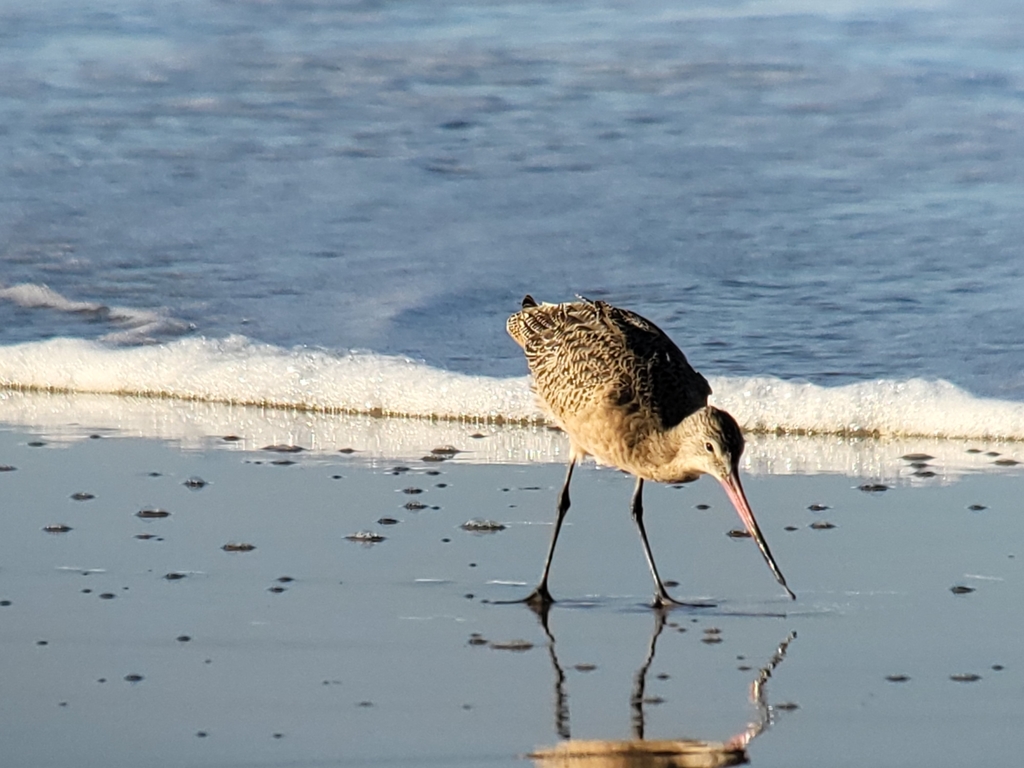
Plants 187
- Railroad VineIpomoea pes-caprae subsp. brasiliensis
- Beach Morning-gloryIpomoea imperati
- Godfrey's Golden AsterChrysopsis godfreyi
- Seabeach KnotweedPolygonum glaucum
- Garber's SandmatEuphorbia garberi
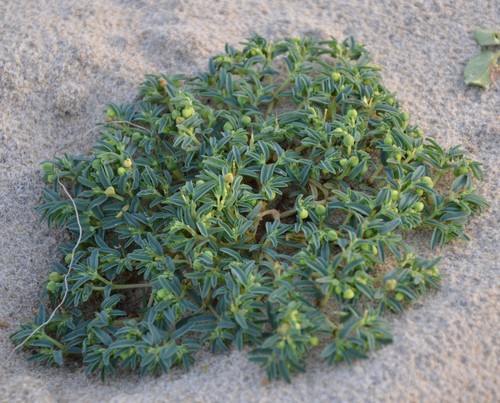
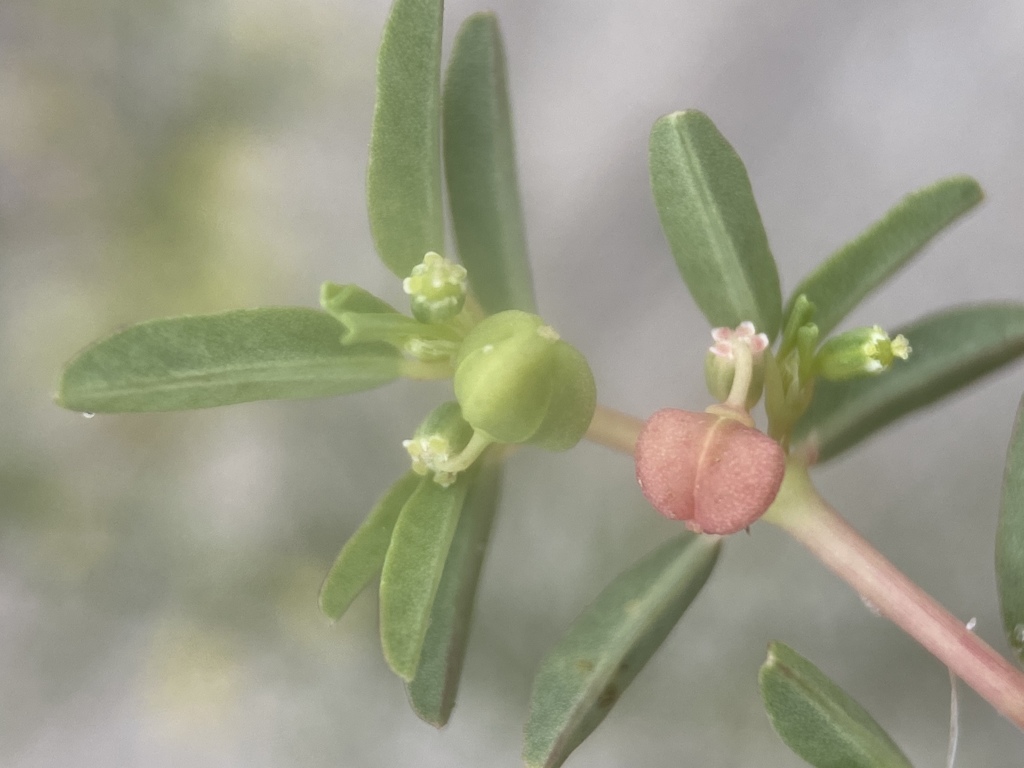
- Sanddune SpurgeEuphorbia trichotoma
- Northern Seaside SpurgeEuphorbia polygonifolia
- Southern Seaside SpurgeEuphorbia bombensis
- Agalinis harperiAgalinis harperi
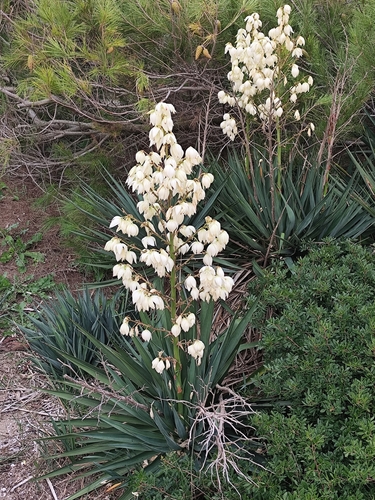
- Mound-lily YuccaYucca gloriosa
- BeachstarCyperus pedunculatus
- BaybeanCanavalia rosea
Forest edges and thickets
Birds 57
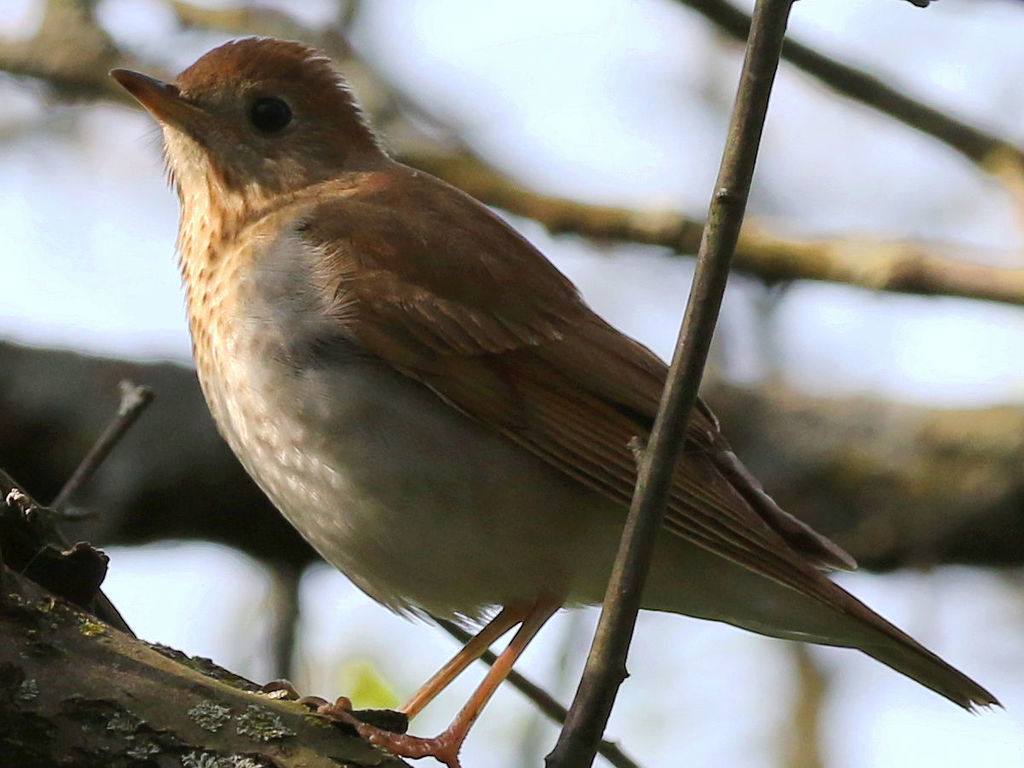
- VeeryCatharus fuscescens
- Willow FlycatcherEmpidonax traillii
- Blue-winged WarblerVermivora pinus
- Chestnut-sided WarblerDendroica pensylvanica
- Golden-winged WarblerVermivora chrysoptera
- Magnolia WarblerDendroica magnolia
- Rufous HummingbirdSelasphorus rufus
- Antillean NighthawkChordeiles gundlachii
- Black-billed CuckooCoccyzus erythropthalmus
- House FinchCarpodacus mexicanus
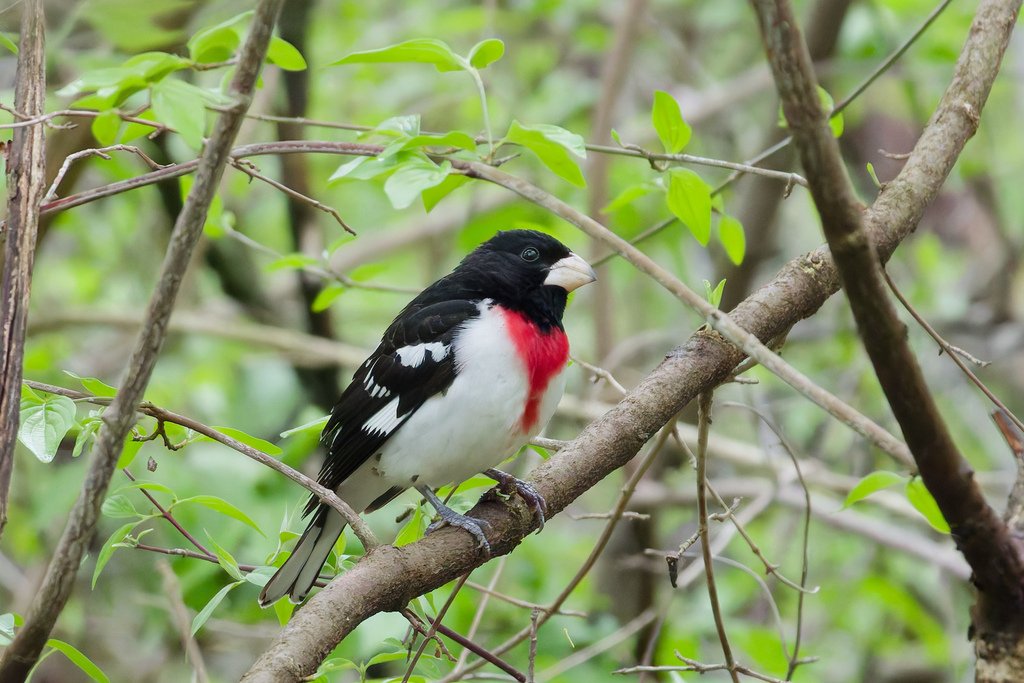
- Rose-breasted GrosbeakPheucticus ludovicianus
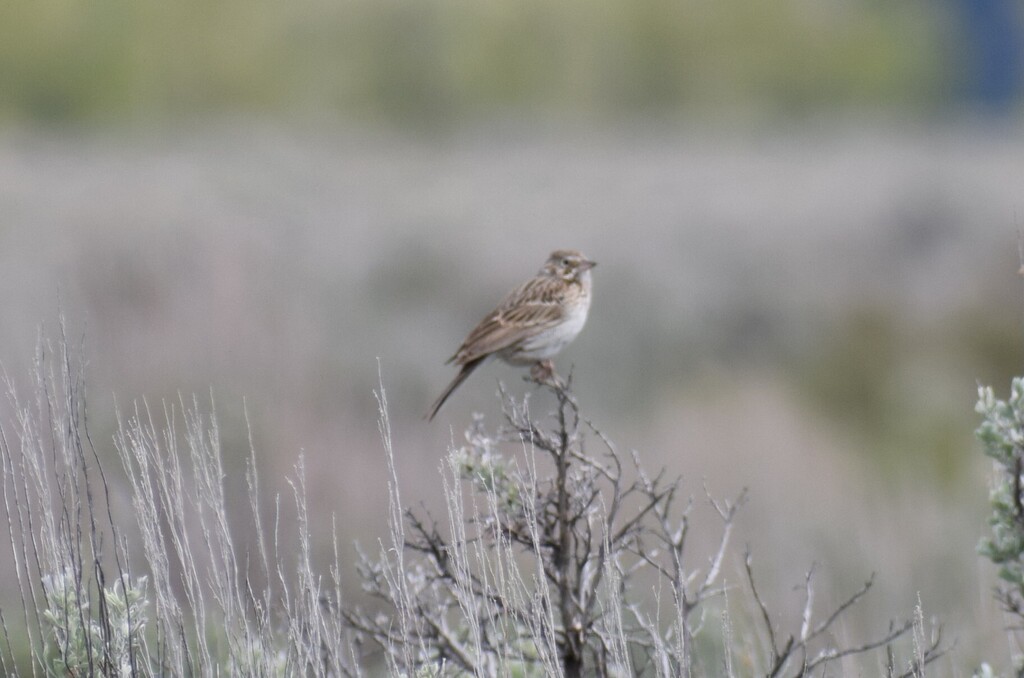
- Vesper SparrowPooecetes gramineus
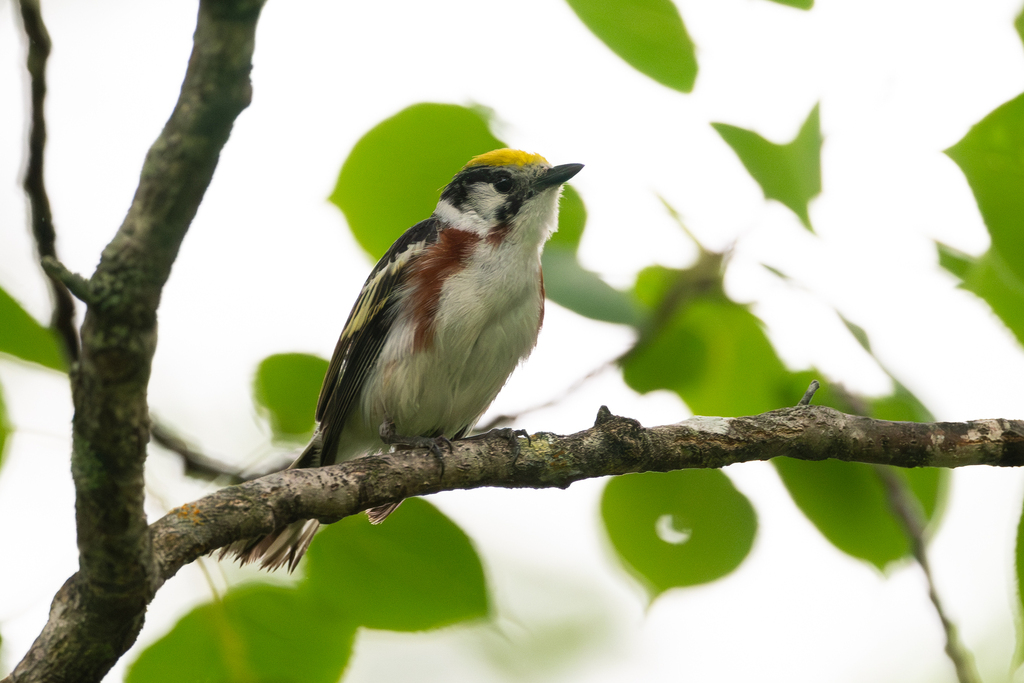
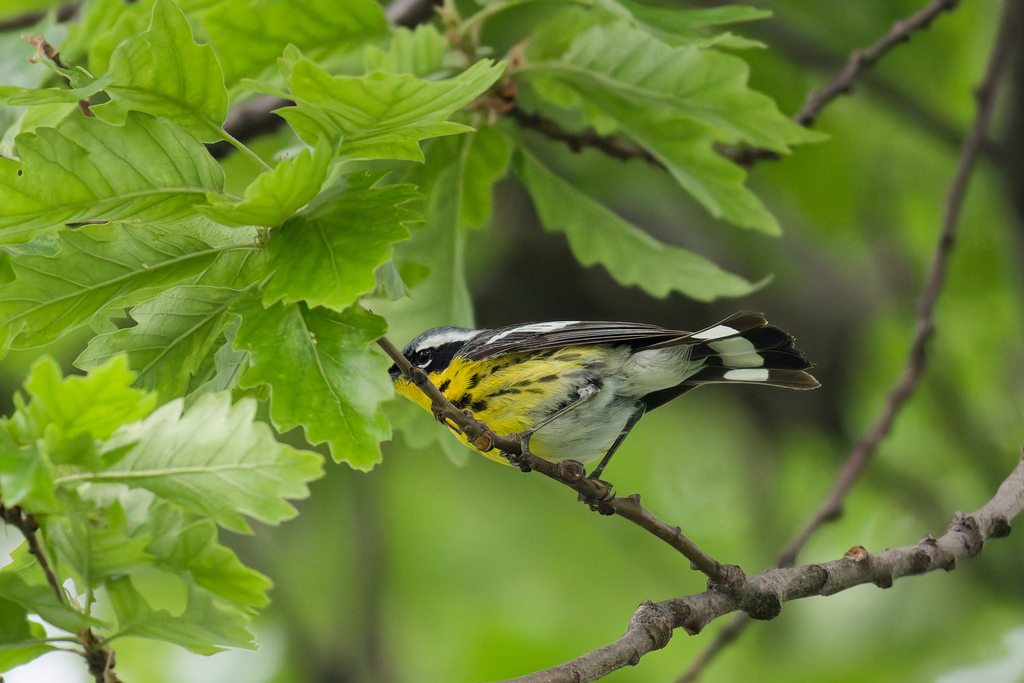
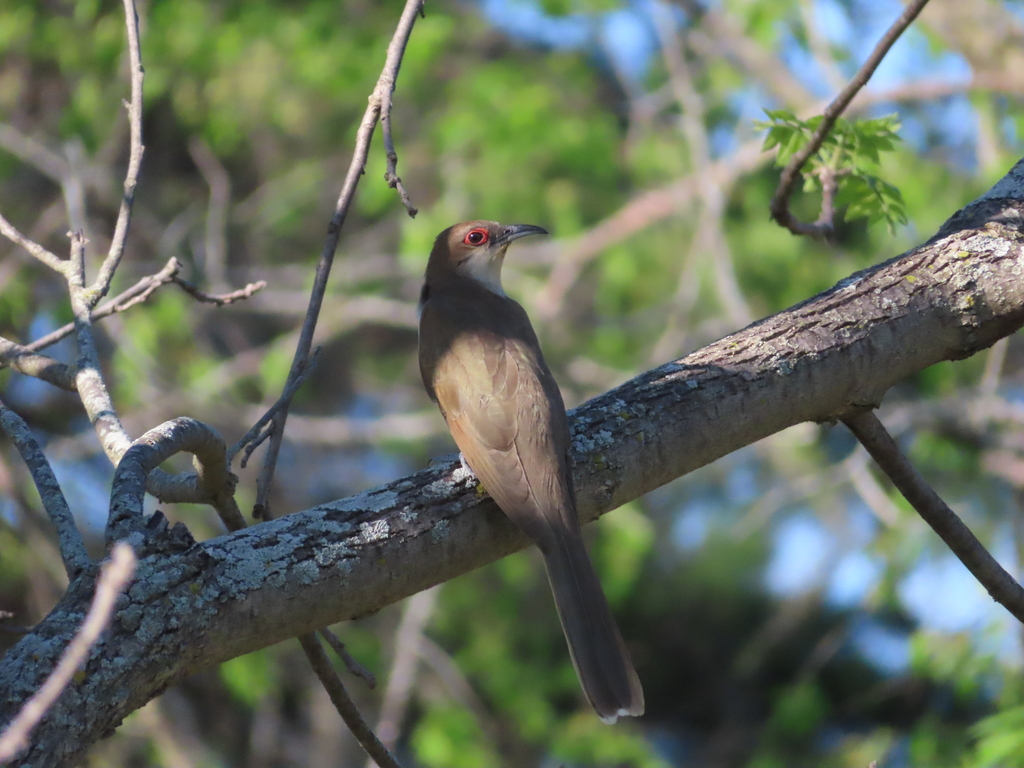
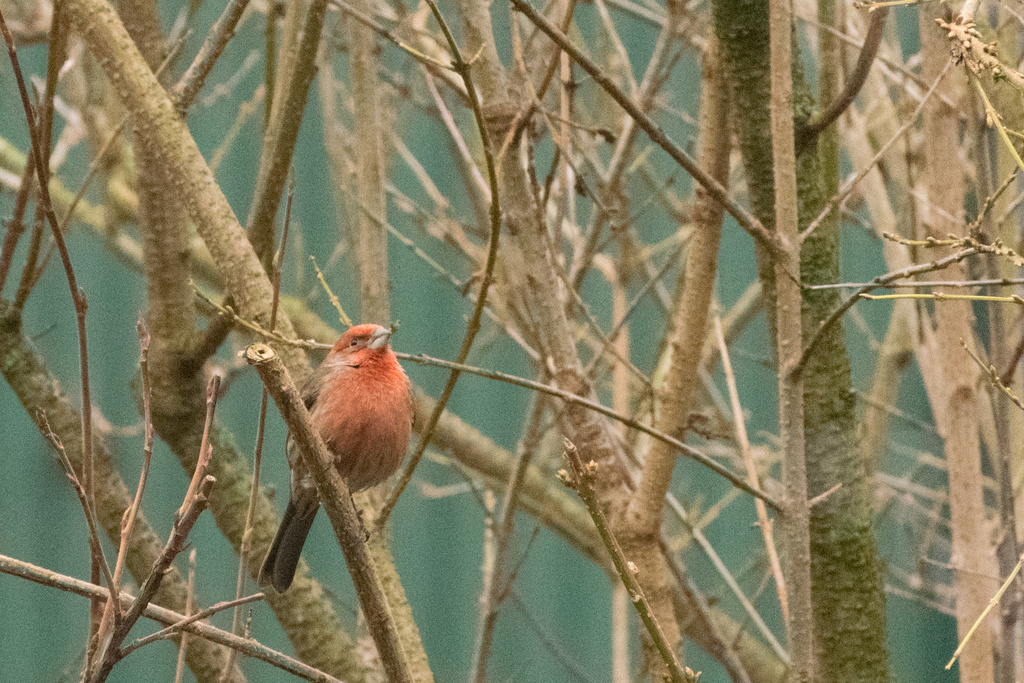
Plants 139
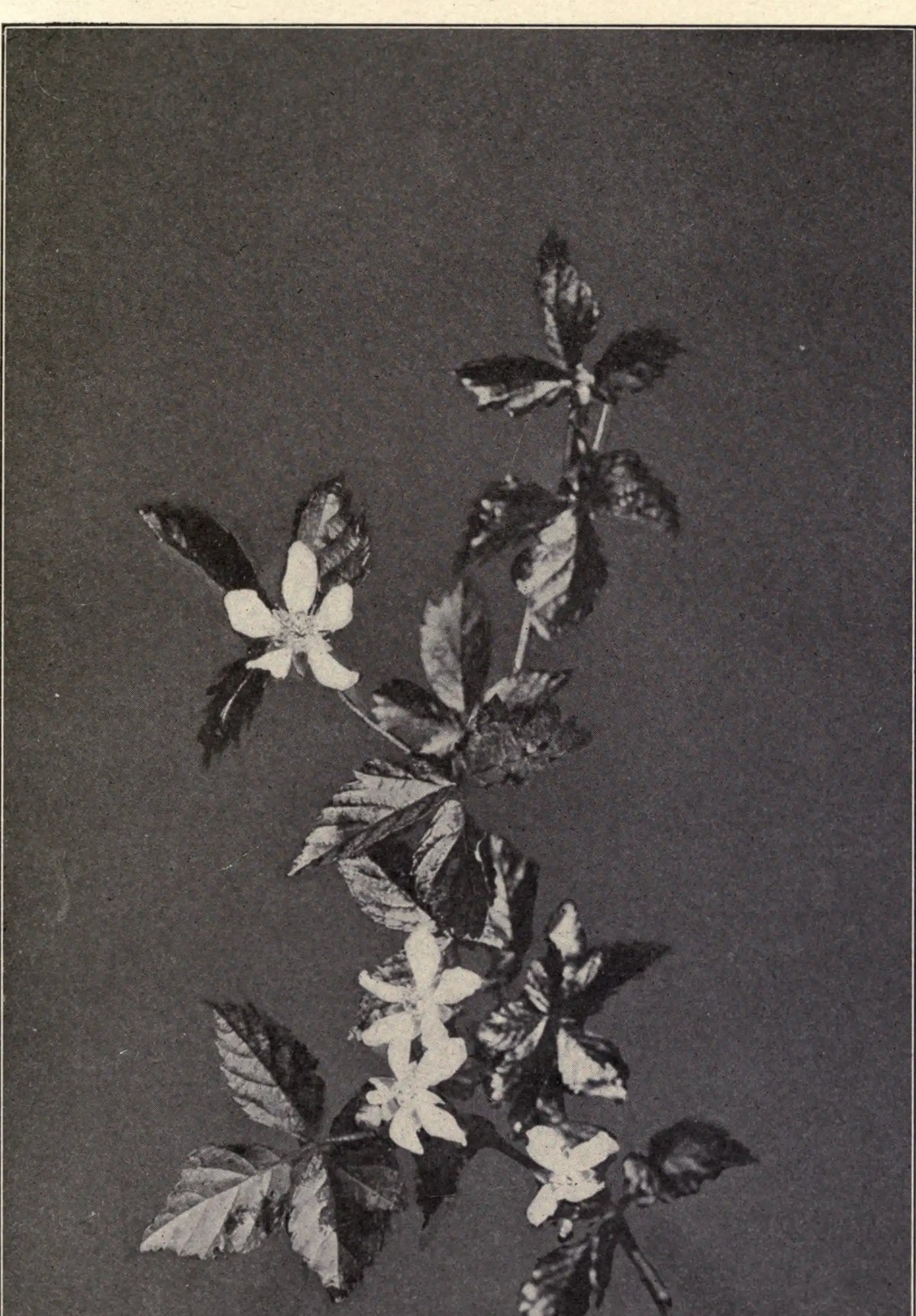
- Southern DewberryRubus trivialis
- Buffalo CloverTrifolium reflexum
- Scarlet Creeper; ScarletcreeperIpomoea hederifolia
- Nodding Evening PrimroseOenothera nutans
- Georgia HorsenettleSolanum perplexum
- Halberd-leaf TearthumbPersicaria arifolia
- Earleaf GreenbrierSmilax auriculata
- Cornel-leaf AsterDoellingeria infirma
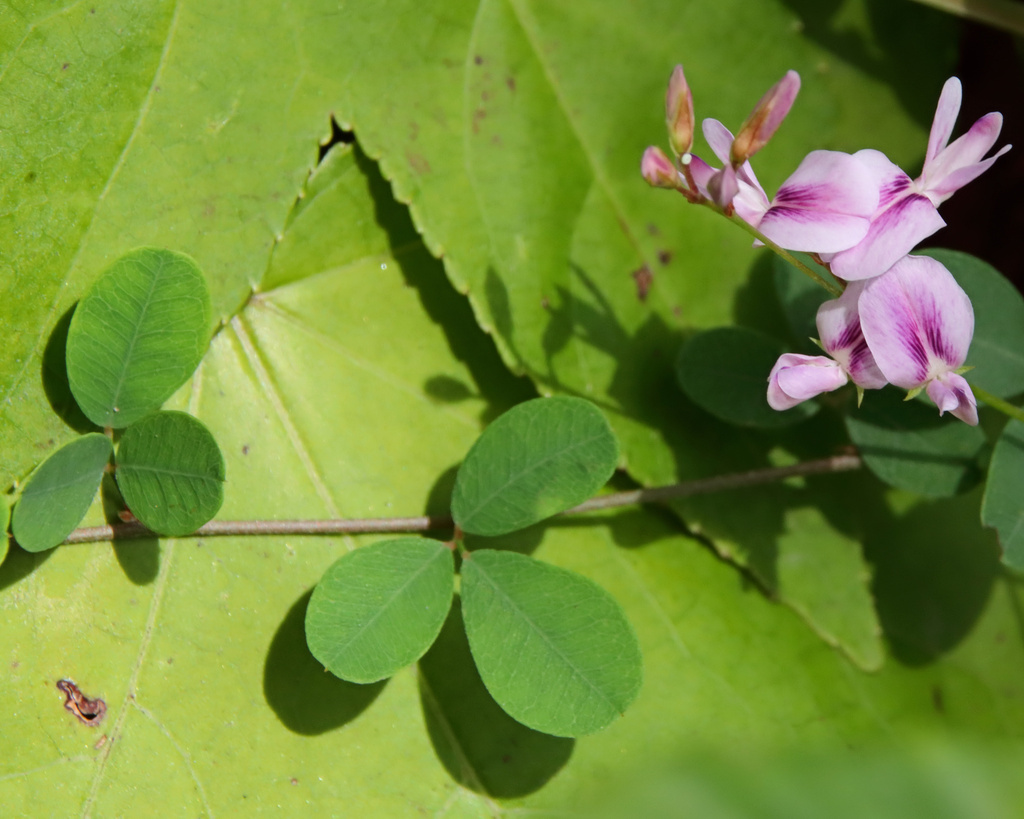
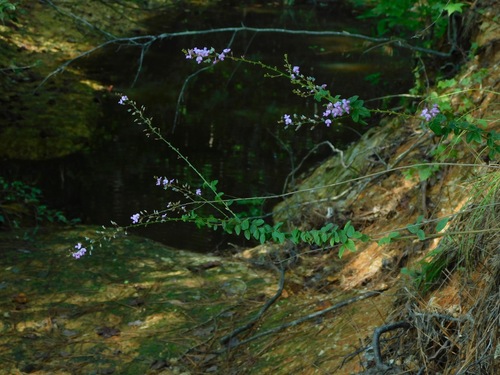
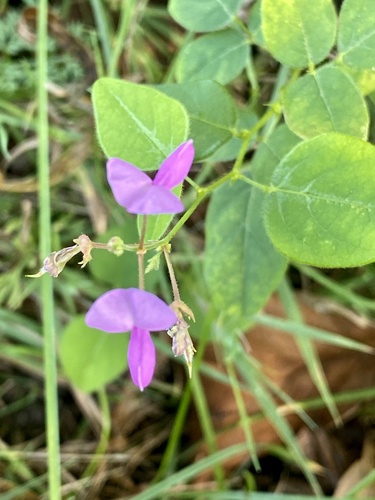
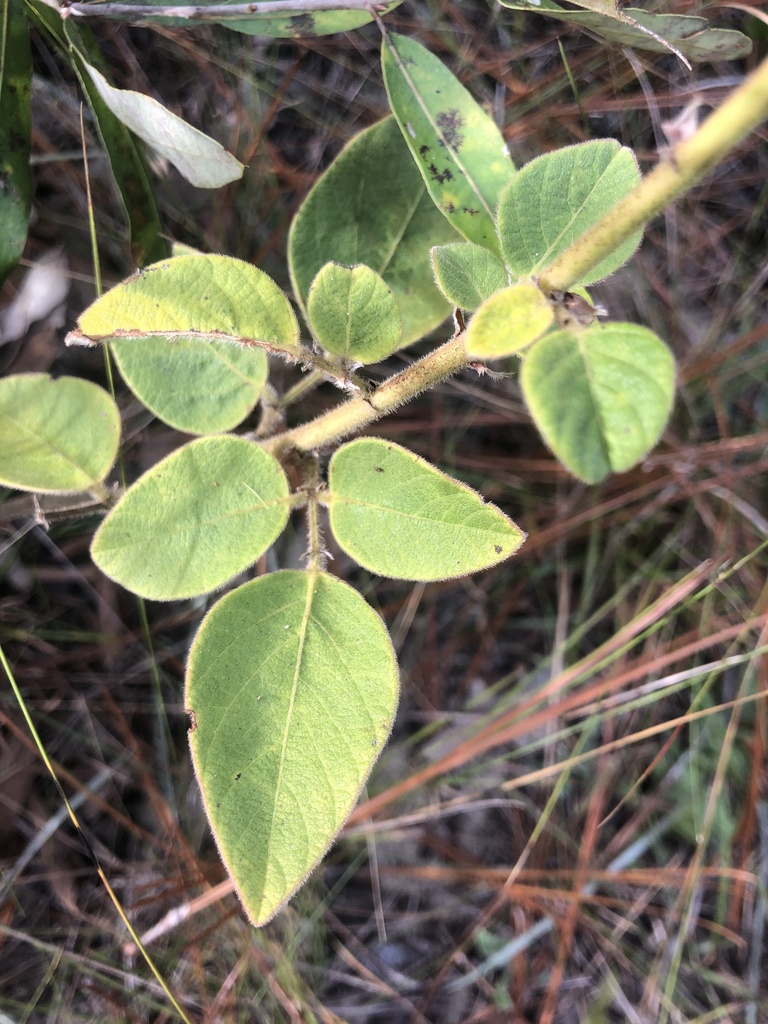
- Creeping LespedezaLespedeza repens
- Hairy Small-leaf Tick-trefoilDesmodium ciliare
- Hoary Tick-trefoilDesmodium canescens
- Nuttall's Tick-trefoilDesmodium nuttallii


Sources
- USGS Gap Analysis Project habitat models (2001)
- USGS GAP winter habitat model for Common Yellowthroat
- USGS Gap Analysis Project range maps (2001), modeled by watershed; migratory gives no dates
- NatureServe Explorer (CC BY 4.0), habitat names
- US Census TIGER/Line counties
- Names follow the USGS Gap Analysis Project (2001)