

Bird
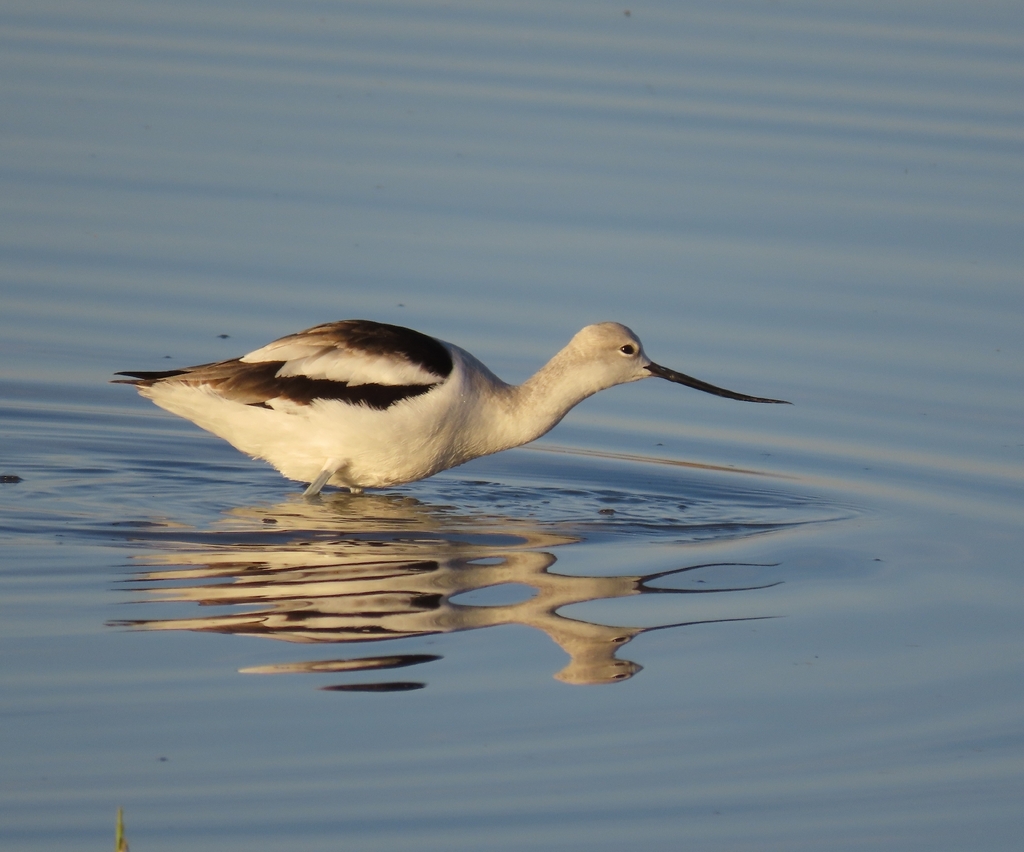
American Avocet
Recurvirostra americana
A winter visitor to Florida, found in 65 of 67 counties and 10 habitats.
- Here
- Winter and on migration
- Nesting
- Not known to nest here
- Range
- 65 of 67 counties
- Habitats
- 10
At a glance
- Group
- Birds
- Here
- Winter and on migration
- Nesting
- Not known to nest here
- Range
- 65 of 67 counties
- Habitats
- 10
- Habitat models
- Winter
Where it lives
The places its habitat model includes. It is not found everywhere a habitat occurs.
Habitats in Florida 10
Each habitat page lists the plants and wildlife also found there.

Open sand of beaches, dunes and the hollows between them.
Coastal tidal marshes (salinity not stated)
Tidal marshes of the Atlantic and Gulf coasts where the source does not say whether the water is fresh, brackish or salt. A stated salinity files the marsh under freshwater tidal marshes or salt and brackish marshes instead.
Disturbed and introduced wetlands
Wet ground taken over by weedy or introduced plants after disturbance, such as common reed, Chinese tallow or tamarisk stands; the upland counterpart is roadsides, fields and disturbed ground.
Marshes along tidal rivers where the water is fresh but rises and falls with the tide.
Tidal forests and thickets of red, black and white mangrove along sheltered tropical and subtropical shores.
Coastal marshes flooded by salty or brackish tides.
Salt and brackish open water of sounds, bays and estuaries, with the mud and sand flats and seagrass beds that tides cover and uncover; the vegetated marsh is salt and brackish marshes.
Roadsides, fields and disturbed ground
Ground opened by people: roadsides, old fields, pastures, fencerows and lots.
Other habitats in its models (63)
Land cover, or classes with no habitat page in Florida.
- Open Water (Aquaculture) Winter.
- Barren Land Winter, only within 120 m of water.
- Atlantic Coastal Plain Northern Sandy Beach Winter.
- Unconsolidated Shore (Lake/River/Pond) Winter.
- Unconsolidated Shore Winter.
- North American Warm Desert Active and Stabilized Dune Winter.
- Northern Atlantic Coastal Plain Sandy Beach Winter.
- Upper Texas Coast Beach Winter.
- Louisiana Beach Winter.
- Mediterranean California Southern Coastal Dune Winter.
- Texas Coastal Bend Beach Winter.
- North American Warm Desert Badland Winter, only within 120 m of water.
- Temperate Pacific Intertidal Mudflat Winter.
- Temperate Pacific Freshwater Mudflat Winter.
- North American Warm Desert Playa Winter.
- Mediterranean California Serpentine Barrens Winter, only within 120 m of water.
- North American Warm Desert Pavement Winter, only within 120 m of water.
- Chihuahuan Mixed Salt Desert Scrub Winter, only within 120 m of water.
- Sonora-Mojave Mixed Salt Desert Scrub Winter, only within 120 m of water.
- Chihuahuan Gypsophilous Grassland and Steppe Winter, only within 120 m of water.
- Columbia Plateau Steppe and Grassland Winter, only within 120 m of water.
- Atlantic Coastal Plain Xeric River Dune Winter.
- Colorado Plateau Mixed Low Sagebrush Shrubland Winter, only within 120 m of water.
- Inter-Mountain Basins Mat Saltbush Shrubland Winter, only within 120 m of water.
- Mediterranean California Subalpine Meadow Winter, only within 120 m of water.
- North Pacific Montane Grassland Winter, only within 120 m of water.
- Northern Rocky Mountain Lower Montane, Foothill and Valley Grassland Winter, only within 120 m of water.
- Rocky Mountain Subalpine-Montane Mesic Meadow Winter, only within 120 m of water.
- Southern Rocky Mountain Montane-Subalpine Grassland Winter, only within 120 m of water.
- Central Mixedgrass Prairie Winter, only within 120 m of water.
- Chihuahuan Sandy Plains Semi-Desert Grassland Winter, only within 120 m of water.
- Columbia Basin Foothill and Canyon Dry Grassland Winter, only within 120 m of water.
- Inter-Mountain Basins Semi-Desert Grassland Winter, only within 120 m of water.
- Columbia Basin Palouse Prairie Winter, only within 120 m of water.
- Western Great Plains Foothill and Piedmont Grassland Winter, only within 120 m of water.
- Western Great Plains Sand Prairie Winter, only within 120 m of water.
- Western Great Plains Shortgrass Prairie Winter, only within 120 m of water.
- Tamaulipan Savanna Grassland Winter, only within 120 m of water.
- Tamaulipan Clay Grassland Winter, only within 120 m of water.
- South Texas Sand Sheet Grassland Winter, only within 120 m of water.
- Chihuahuan Loamy Plains Desert Grassland Winter, only within 120 m of water.
- California Mesic Serpentine Grassland Winter, only within 120 m of water.
- California Northern Coastal Grassland Winter, only within 120 m of water.
- Texas-Louisiana Coastal Prairie Winter, only within 120 m of water.
- Central and Upper Texas Coast Dune and Coastal Grassland Winter.
- South Texas Dune and Coastal Grassland Winter.
- Recently Burned Forest Winter, only within 120 m of water.
- Introduced Upland Vegetation - Annual Grassland Winter, only within 120 m of water.
- Atlantic Coastal Plain Embayed Region Tidal Salt and Brackish Marsh Winter.
- Temperate Pacific Tidal Salt and Brackish Marsh Winter.
- Atlantic Coastal Plain Northern Tidal Salt Marsh Winter.
- North American Arid West Emergent Marsh Winter.
- Temperate Pacific Freshwater Emergent Marsh Winter.
- Atlantic Coastal Plain Embayed Region Tidal Freshwater Marsh Winter.
- Atlantic Coastal Plain Northern Fresh and Oligohaline Tidal Marsh Winter.
- North Pacific Bog and Fen Winter.
- Mediterranean California Subalpine-Montane Fen Winter.
- Mediterranean California Serpentine Fen Winter.
- Texas Saline Coastal Prairie Winter.
- Eastern Great Plains Wet Meadow, Prairie, and Marsh Winter.
- Chihuahuan-Sonoran Desert Bottomland and Swale Grassland Winter.
- Inter-Mountain Basins Greasewood Flat Winter, only within 120 m of water.
- Western Great Plains Floodplain Winter.
Seasons in Florida
- Migratory: does not nest here, in 6 of 67 counties.
- Winter: does not nest here, in 61 of 67 counties.
Also found in this habitat
Plants 158
Plants named in NatureServe descriptions of these habitats that grow in Florida. Shared habitat, not food.
- Black NeedlerushJuncus roemerianus
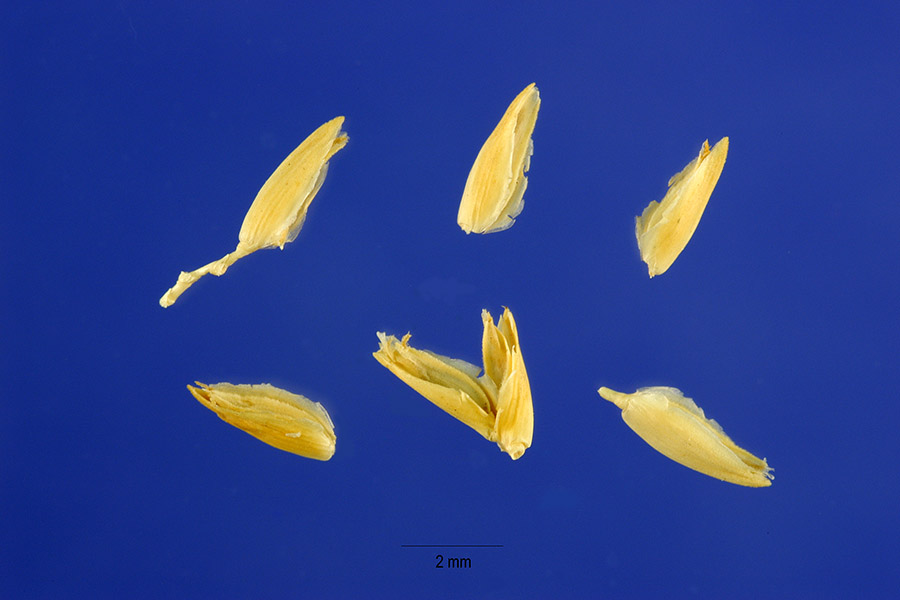
- Seashore SaltgrassDistichlis spicata
- Saltmarsh CordgrassSpartina alterniflora
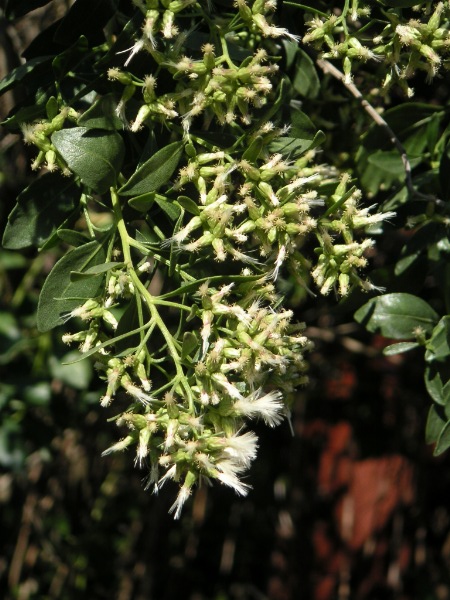
- Groundsel-treeBaccharis halimifolia
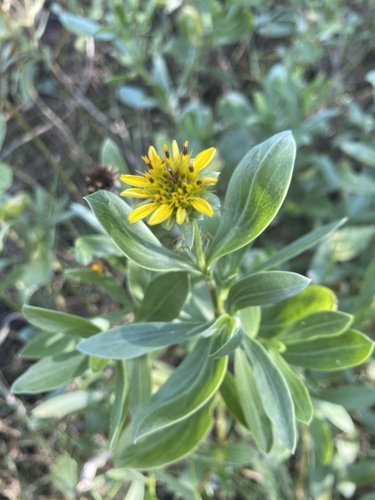
- Sea OxeyeBorrichia frutescens
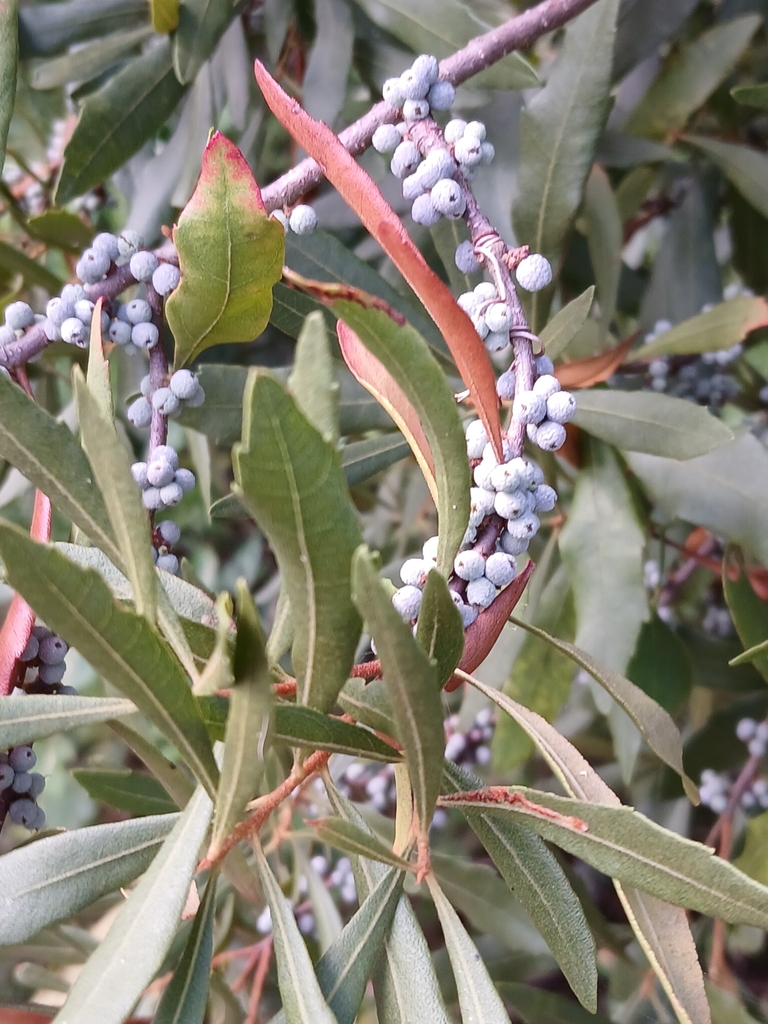
- Common WaxmyrtleMorella cerifera
- Batis maritimaBatis maritima
- Tropical WaxweedCuphea aspera
- Gulf Coast SpikerushEleocharis cellulosa
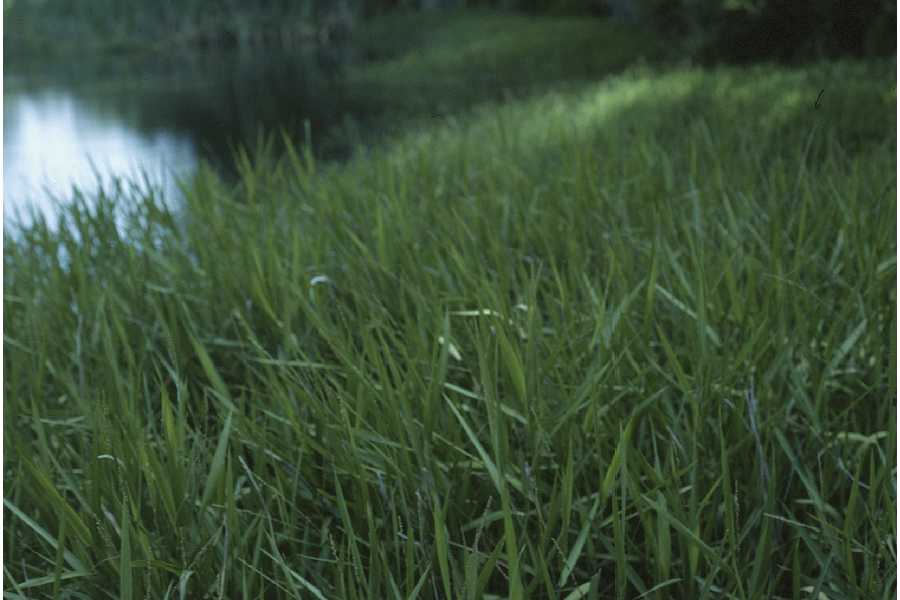
- MaidencaneHymenachne hemitomon
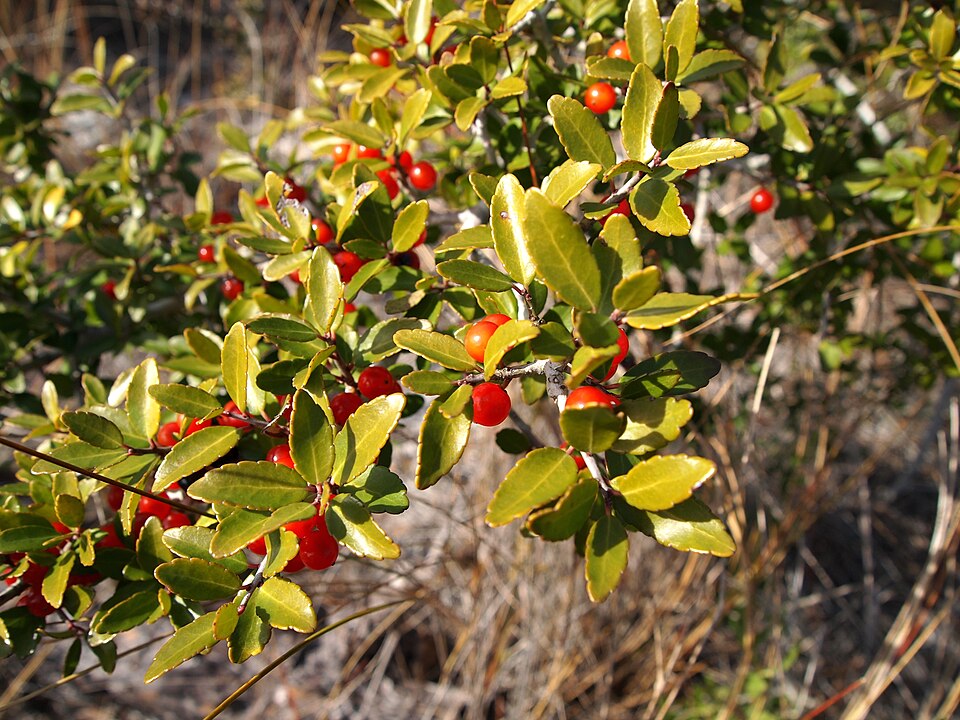
- Yaupon HollyIlex vomitoria
- Common Three Square BulrushSchoenoplectus pungens
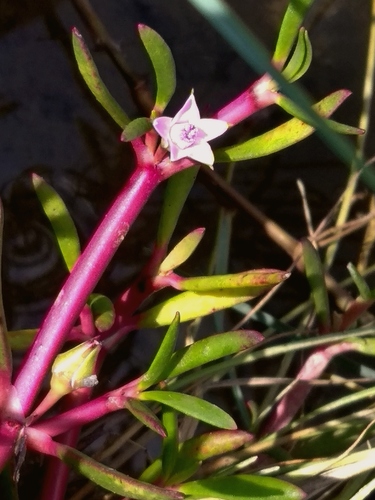
- Shoreline Sea-purslaneSesuvium portulacastrum
- Saltmeadow CordgrassSpartina patens
- Seashore DropseedSporobolus virginicus
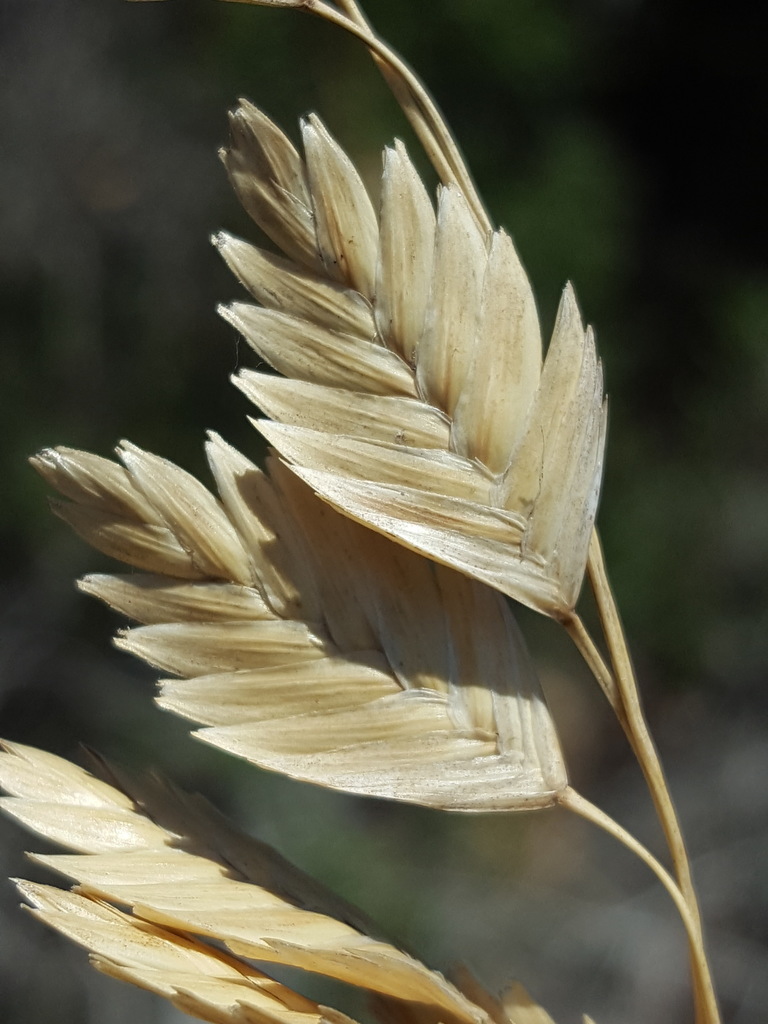
- Sea OatsUniola paniculata
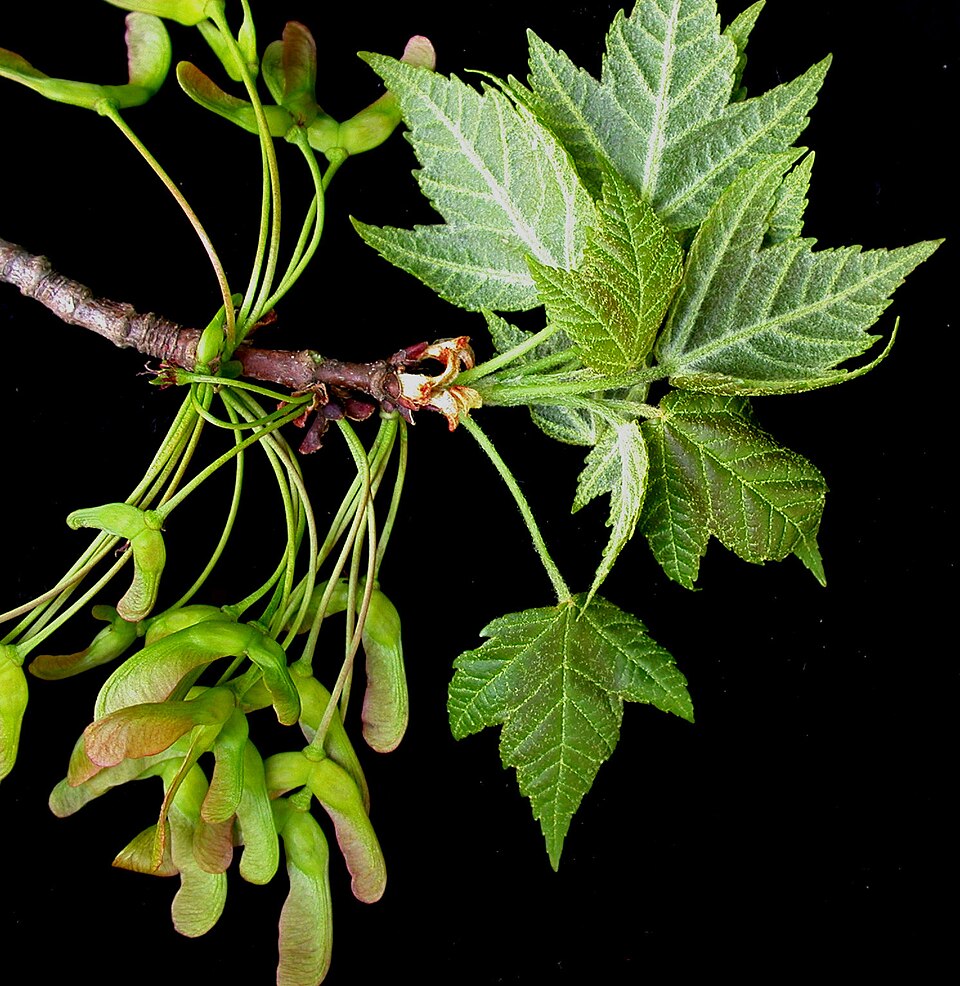
- Red MapleAcer rubrum
- Black MangroveAvicennia germinans
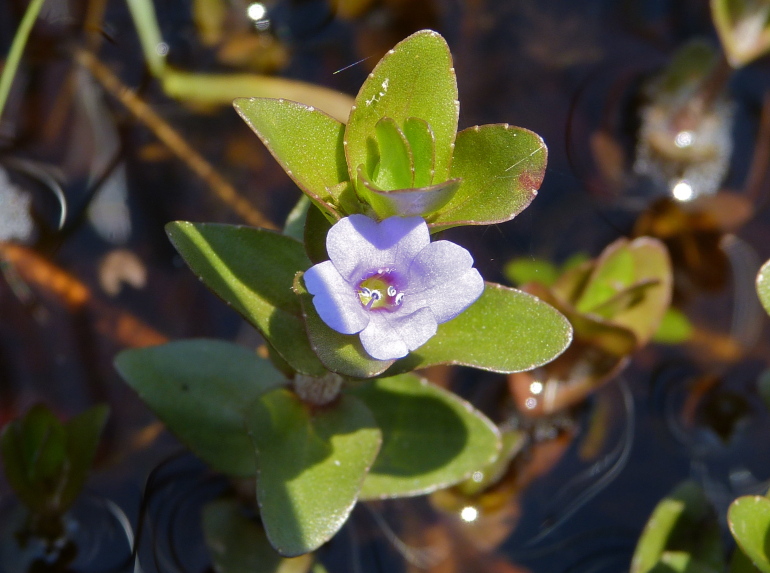
- Blue Water-hyssopBacopa caroliniana
- Coastal SearocketCakile lanceolata
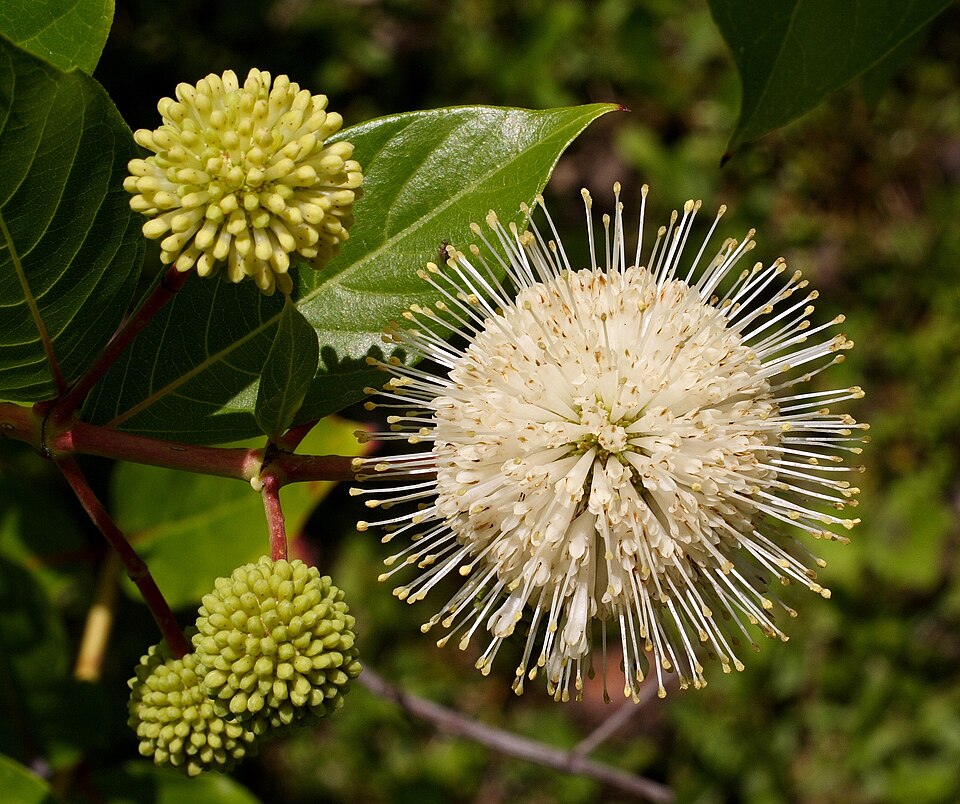
- ButtonbushCephalanthus occidentalis
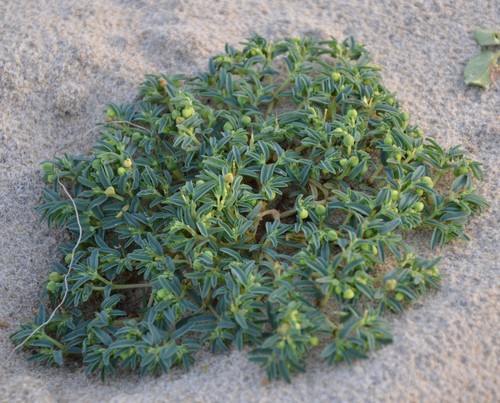
- Northern Seaside SpurgeEuphorbia polygonifolia
- Bigleaf Marsh-elderIva frutescens
- Seashore MallowKosteletzkya pentacarpos
Wildlife 279
Other animals whose habitat models include the same habitats in Florida. Not sighting records.
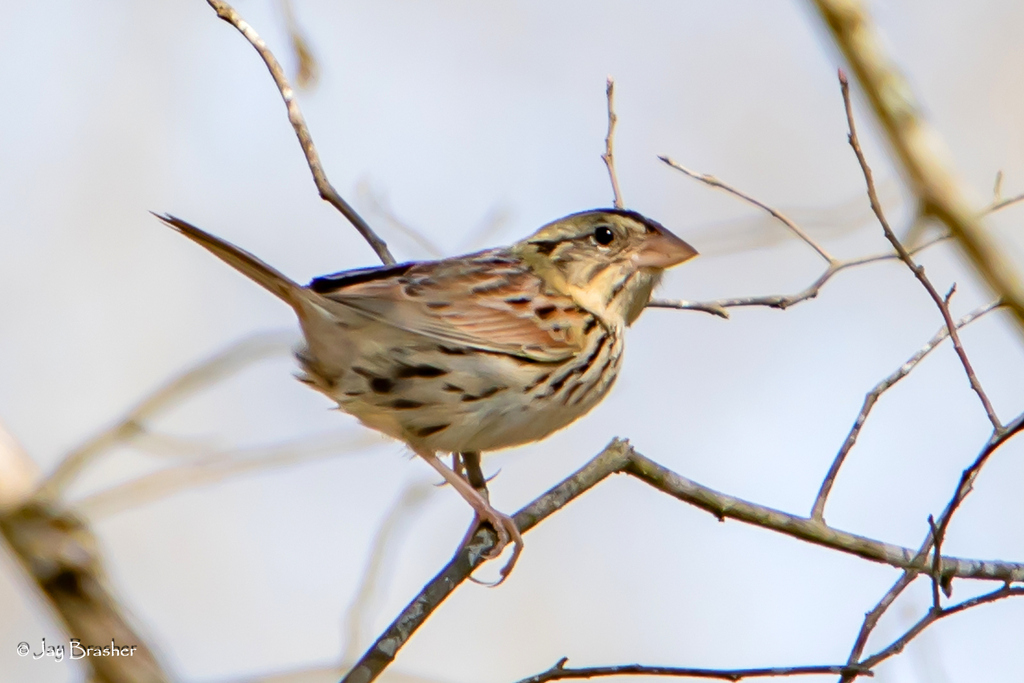
- Henslow's SparrowAmmodramus henslowii
- Hooded MerganserLophodytes cucullatus
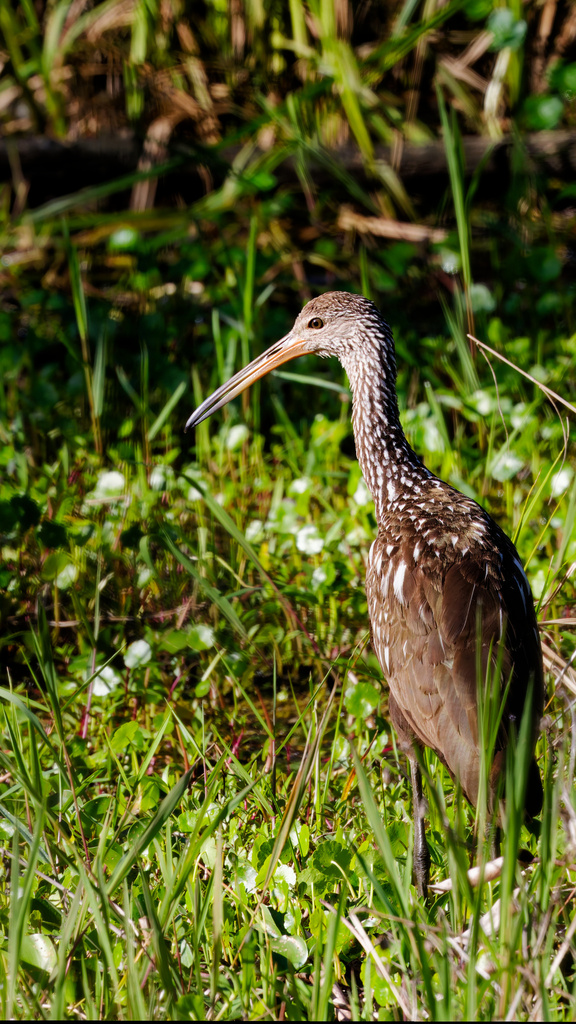
- LimpkinAramus guarauna
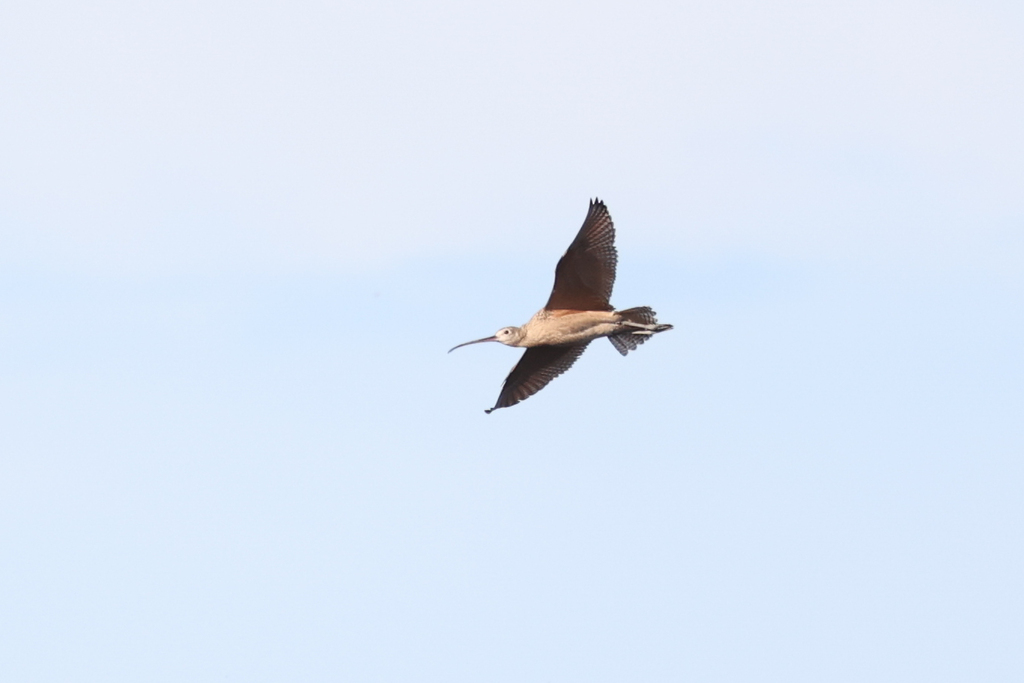
- Long-billed CurlewNumenius americanus
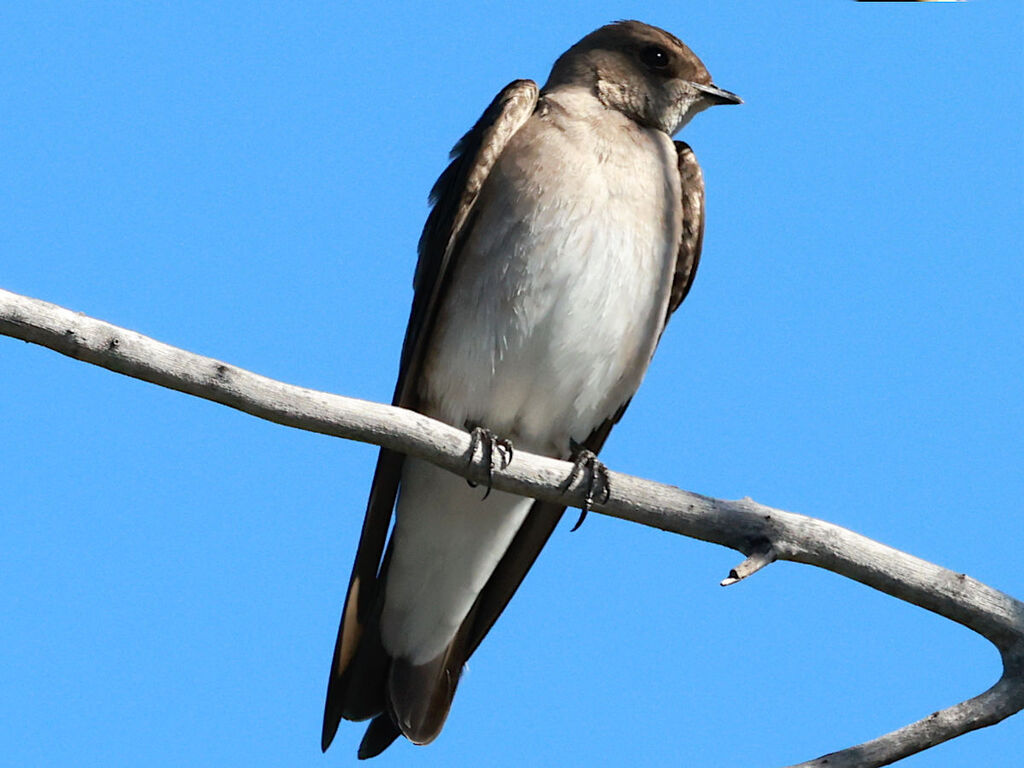
- Northern Rough-winged SwallowStelgidopteryx serripennis
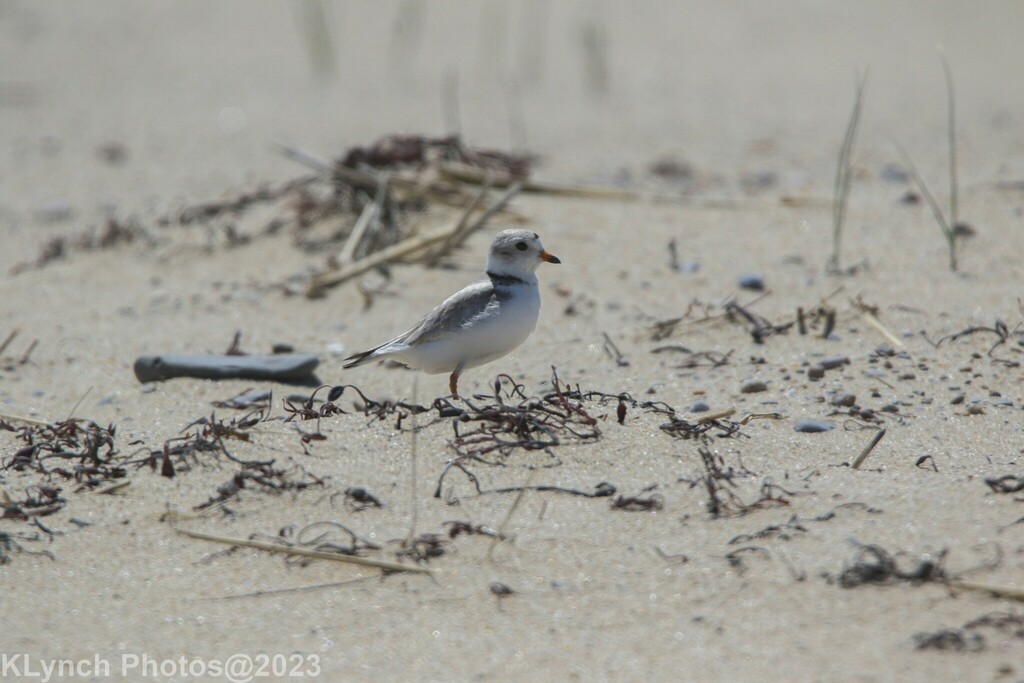
- Piping PloverCharadrius melodus
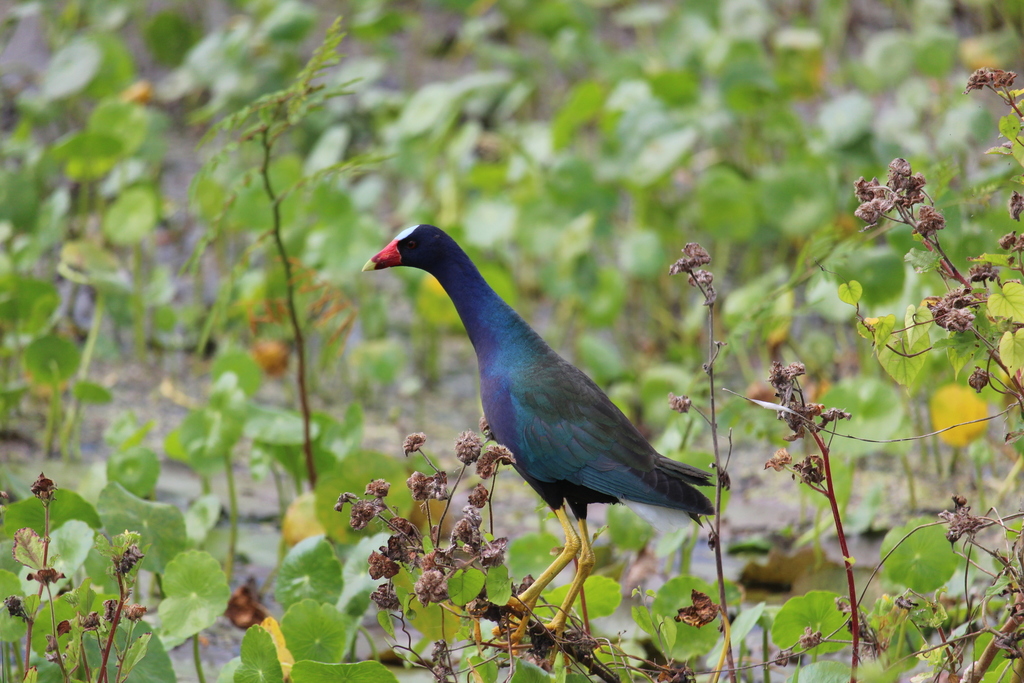
- Purple GallinulePorphyrio martinica
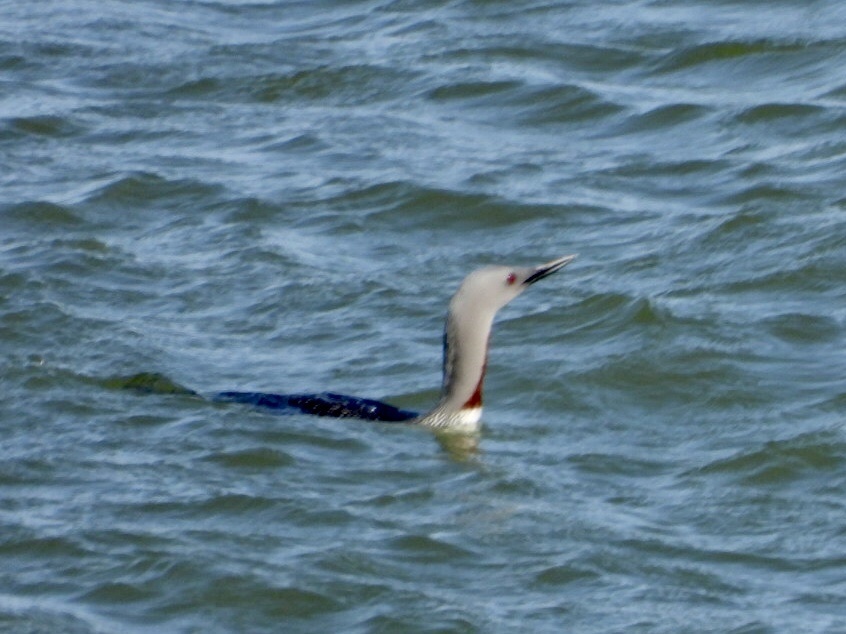
- Red-throated LoonGavia stellata
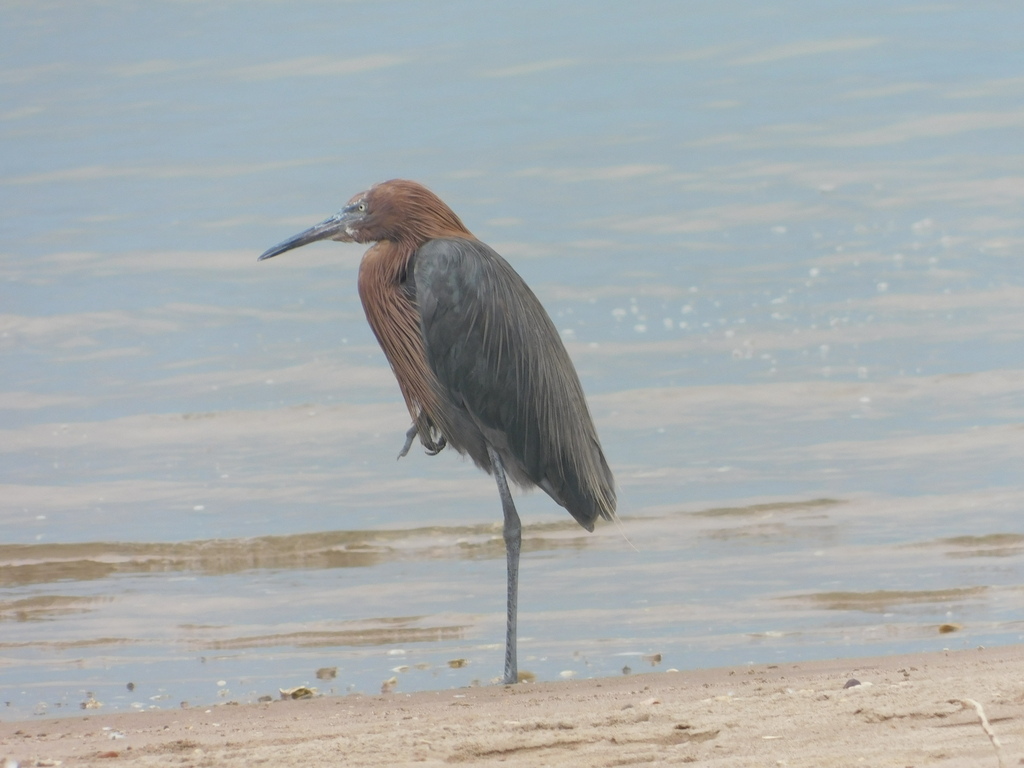
- Reddish EgretEgretta rufescens
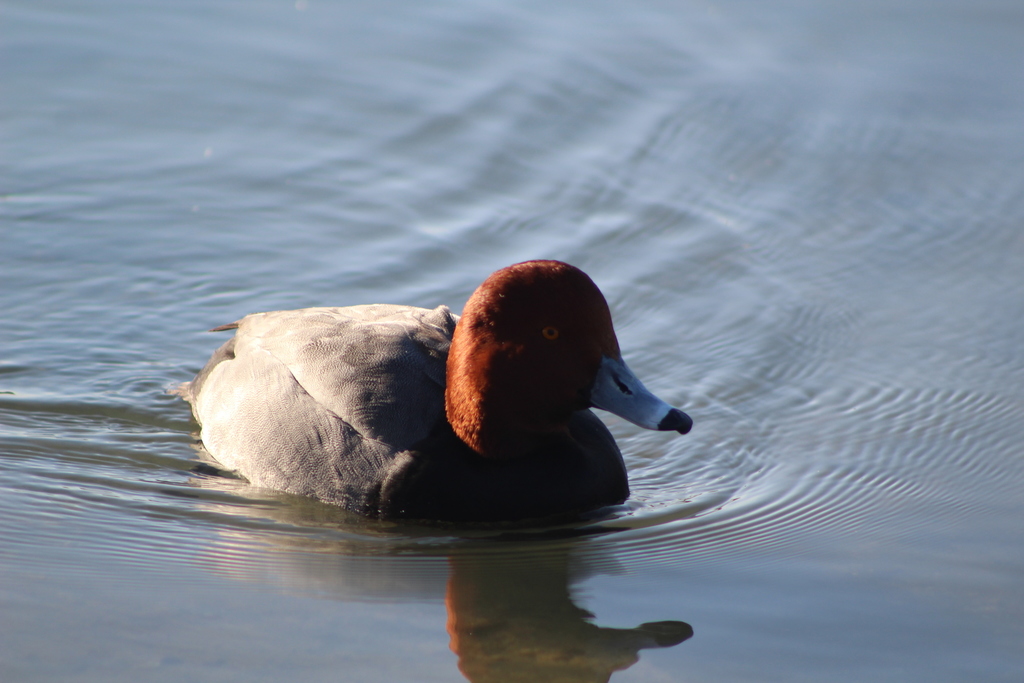
- RedheadAythya americana
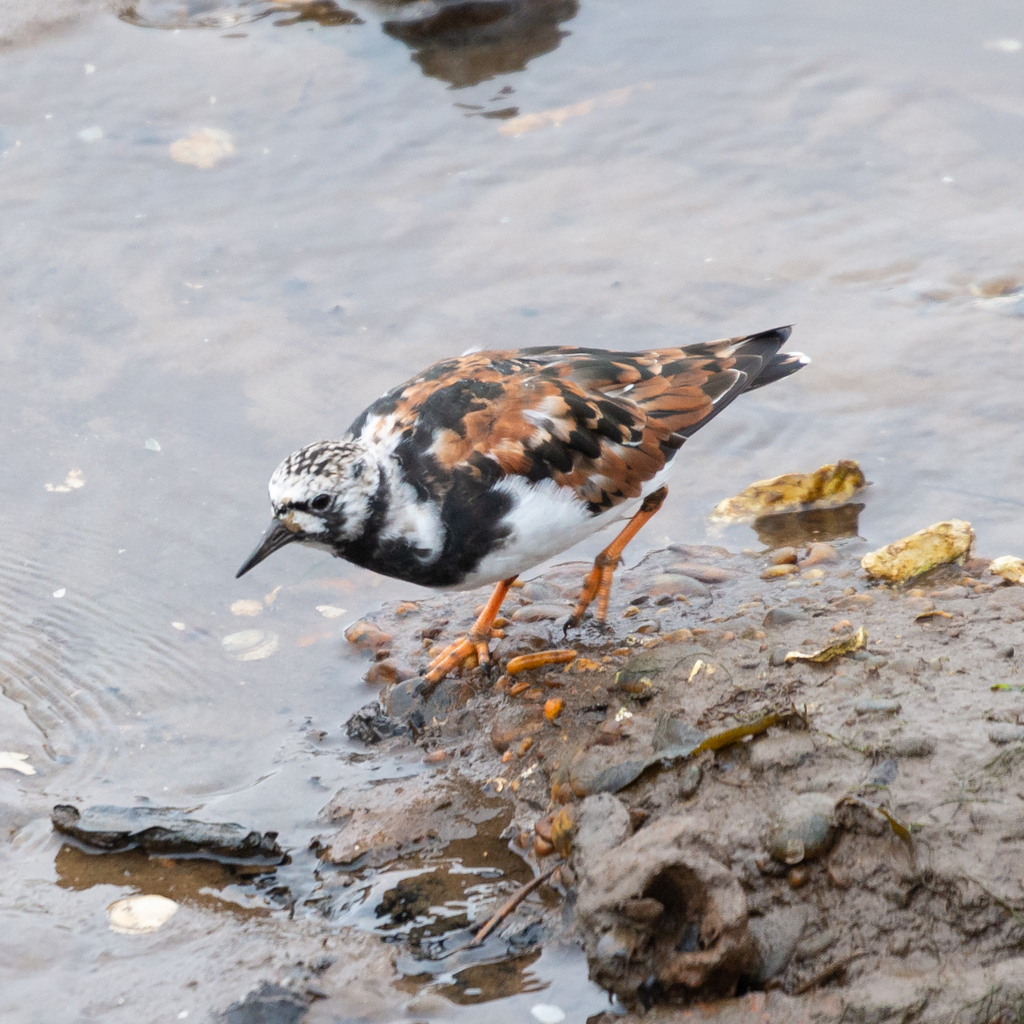
- Ruddy TurnstoneArenaria interpres
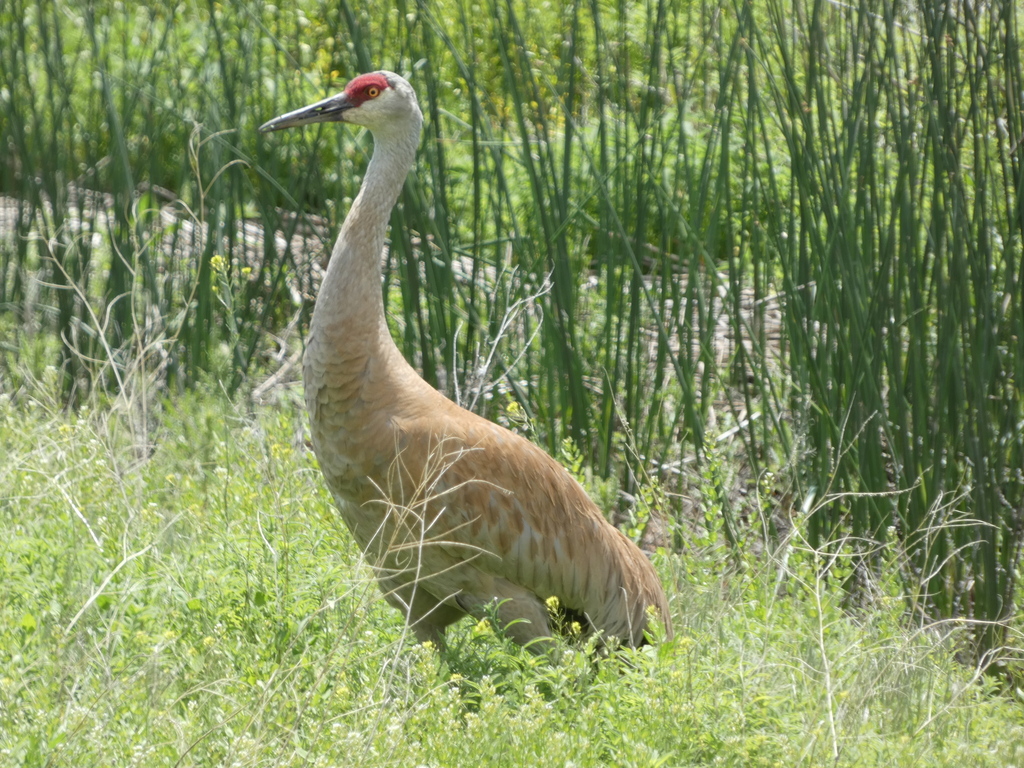
- Sandhill CraneGrus canadensis
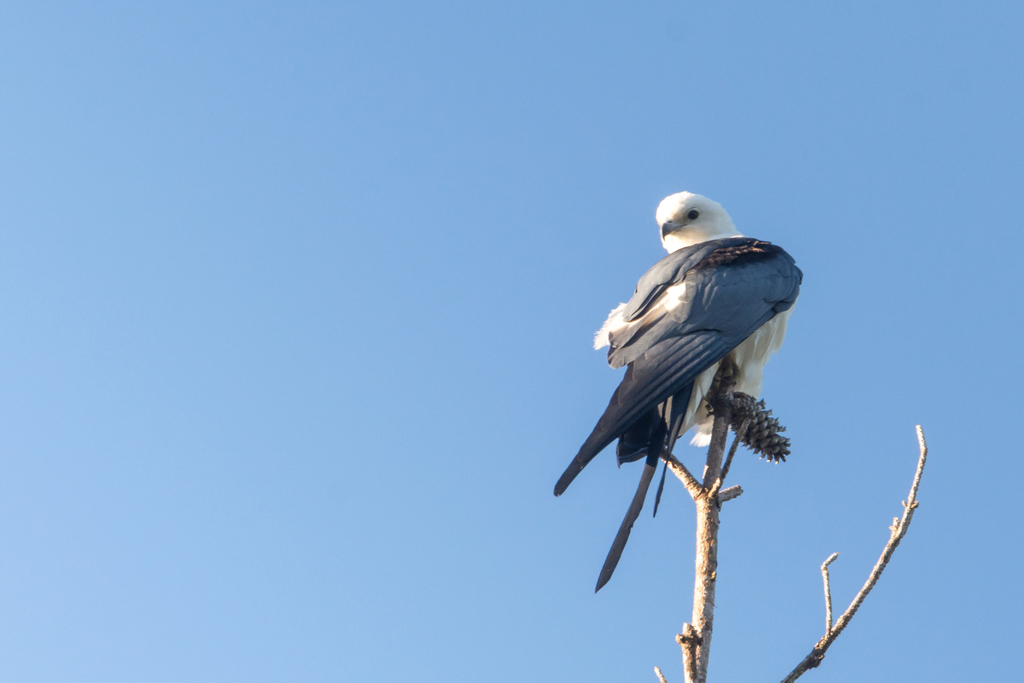
- Swallow-tailed KiteElanoides forficatus
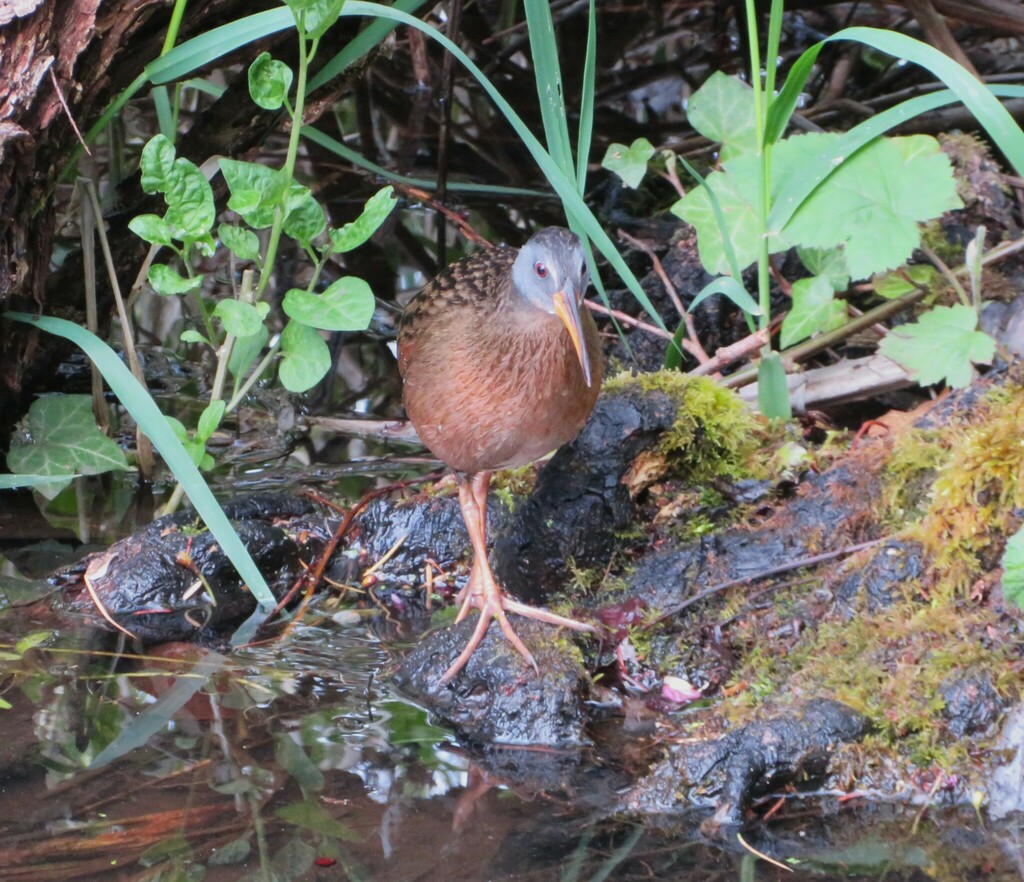
- Virginia RailRallus limicola
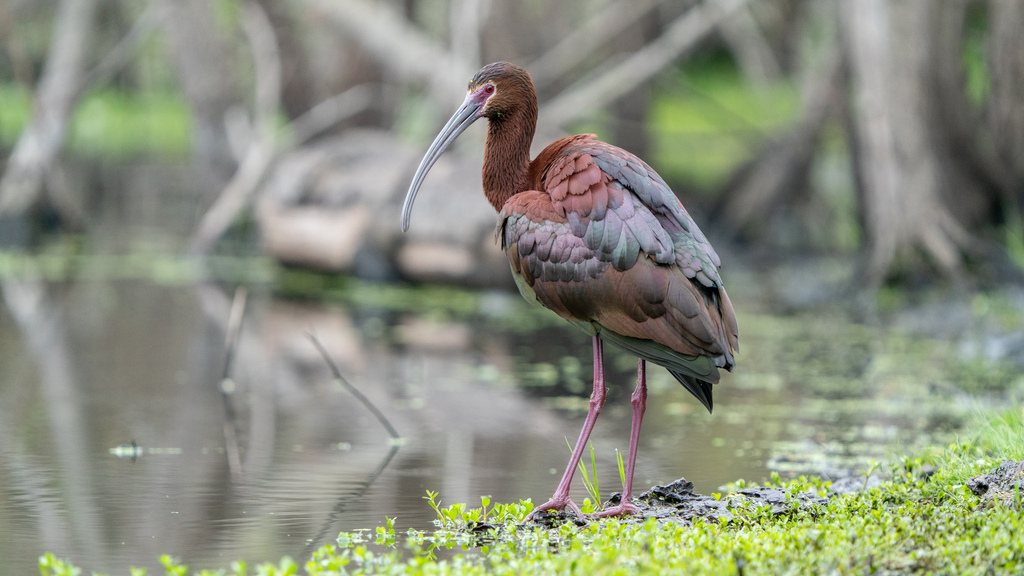
- White-faced IbisPlegadis chihi
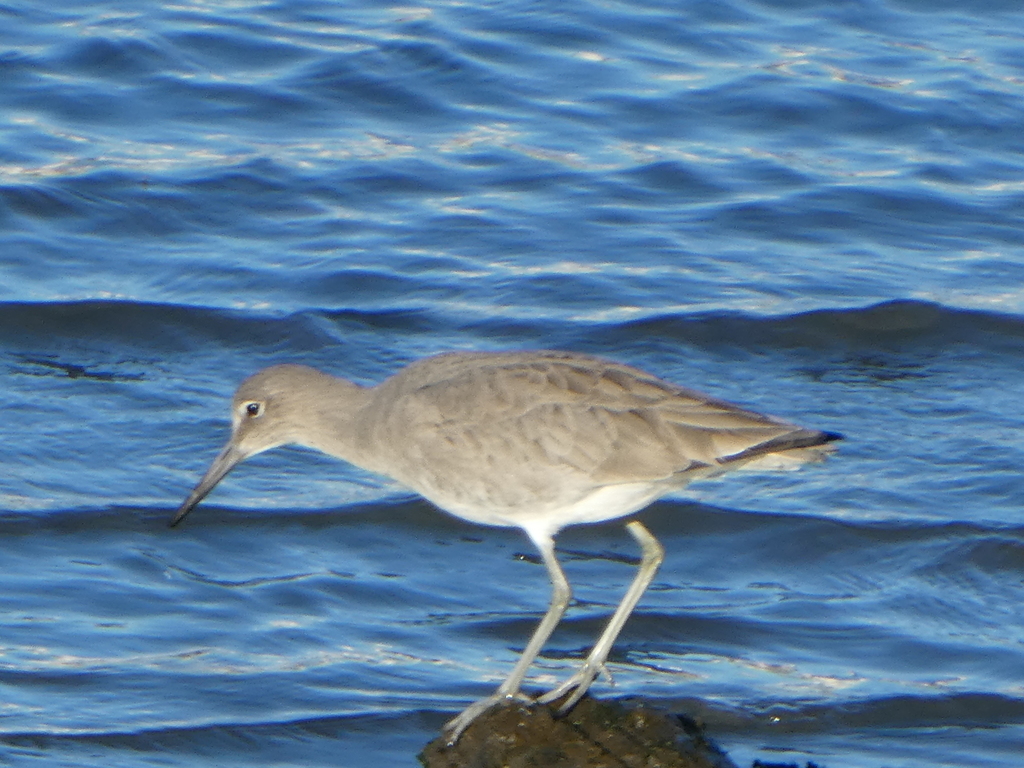
- WilletTringa semipalmata
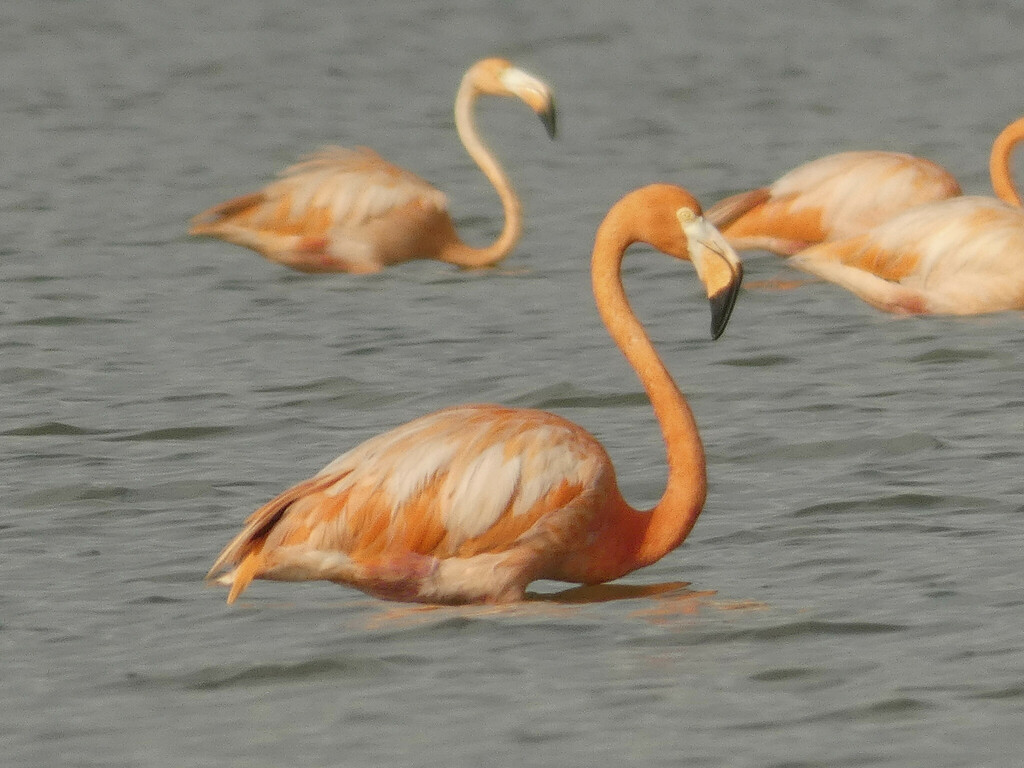
- American FlamingoPhoenicopterus ruber
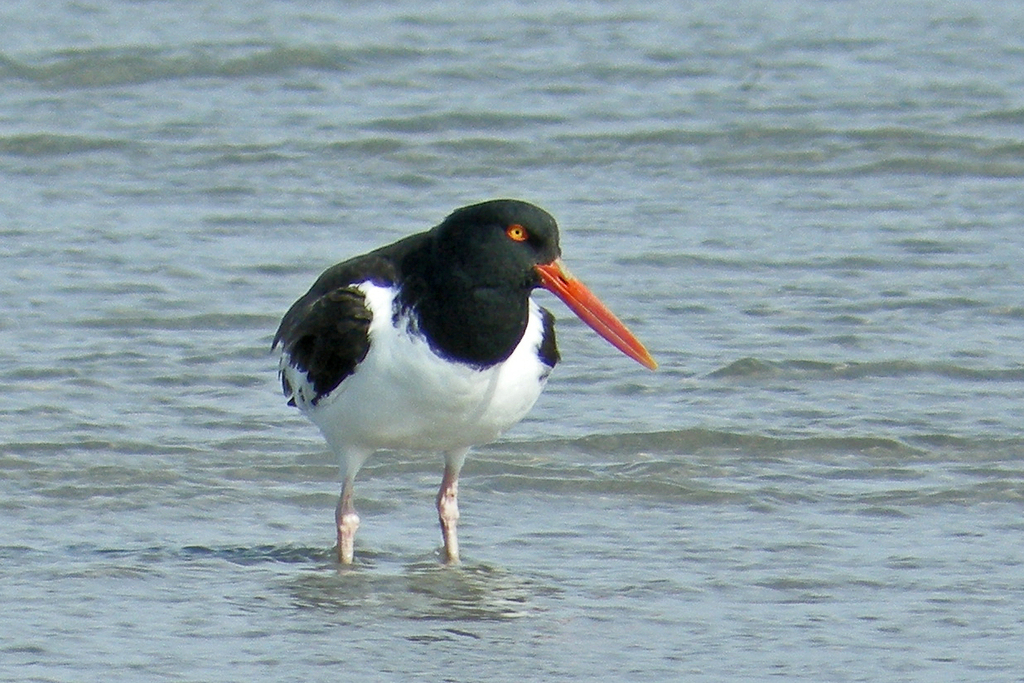
- American OystercatcherHaematopus palliatus
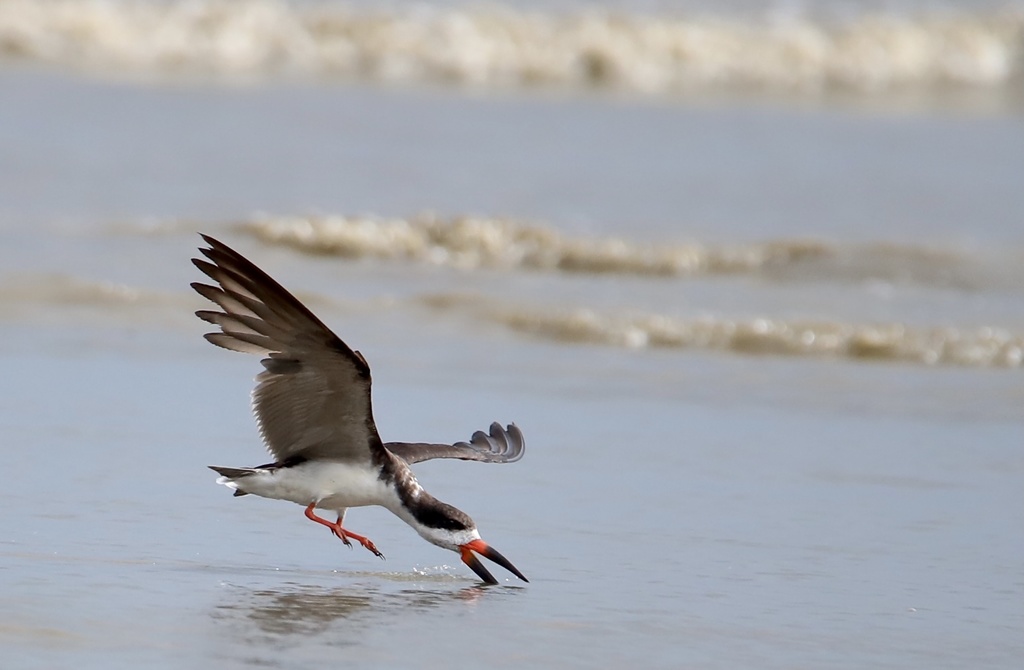
- Black SkimmerRynchops niger
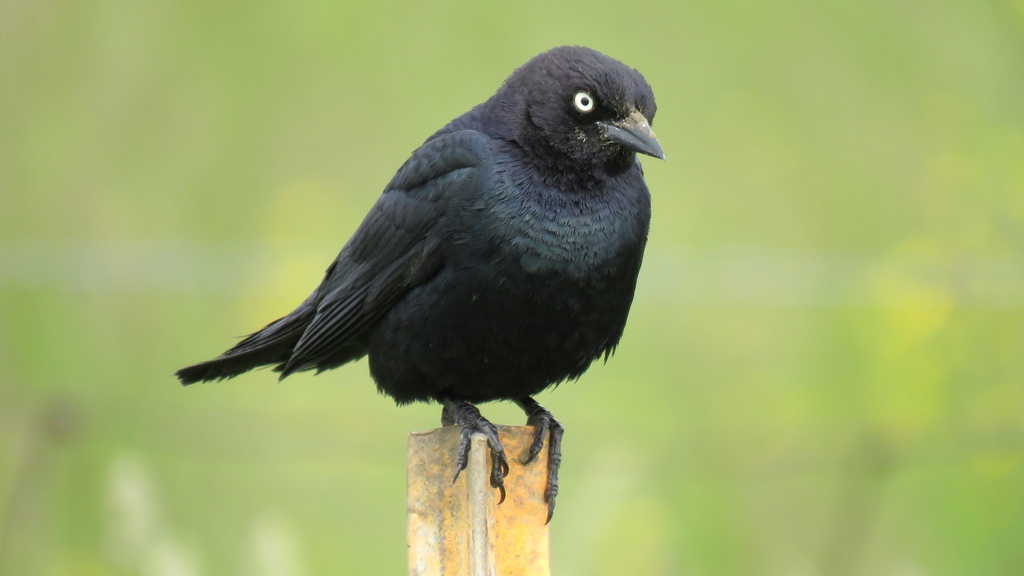
- Brewer's BlackbirdEuphagus cyanocephalus
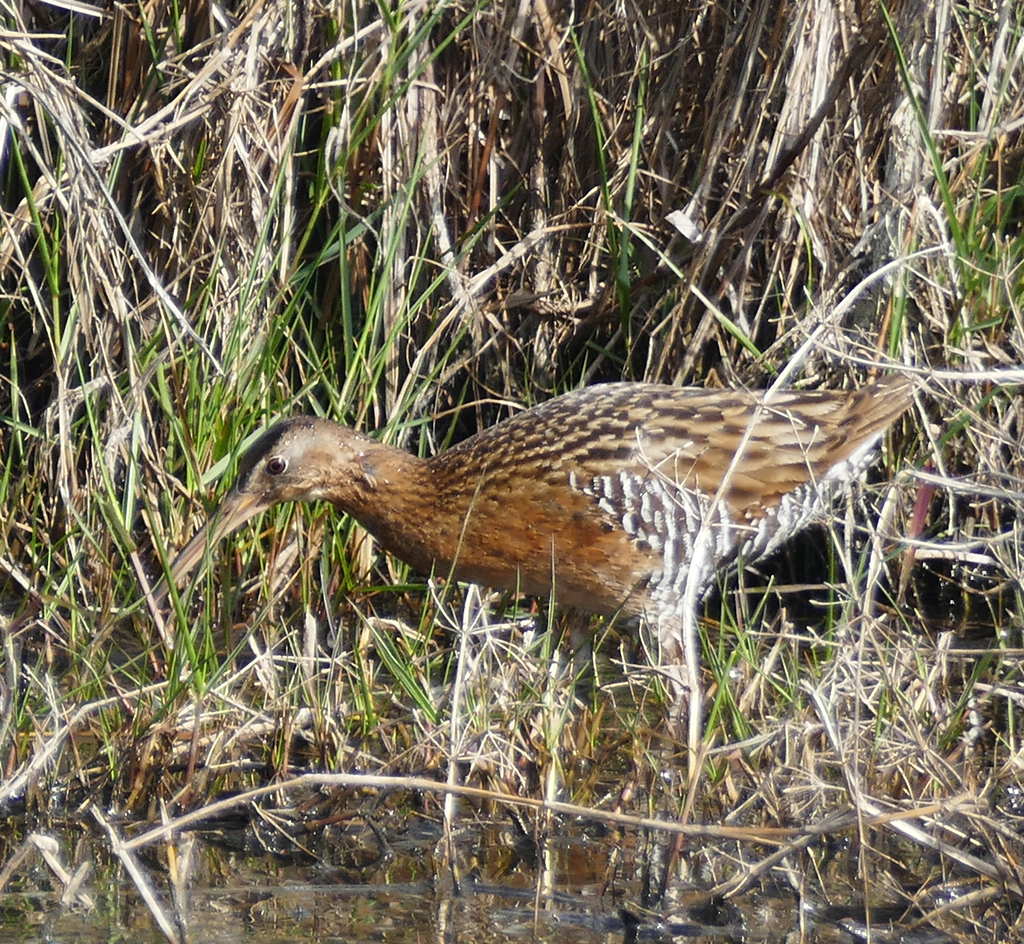
- King RailRallus elegans
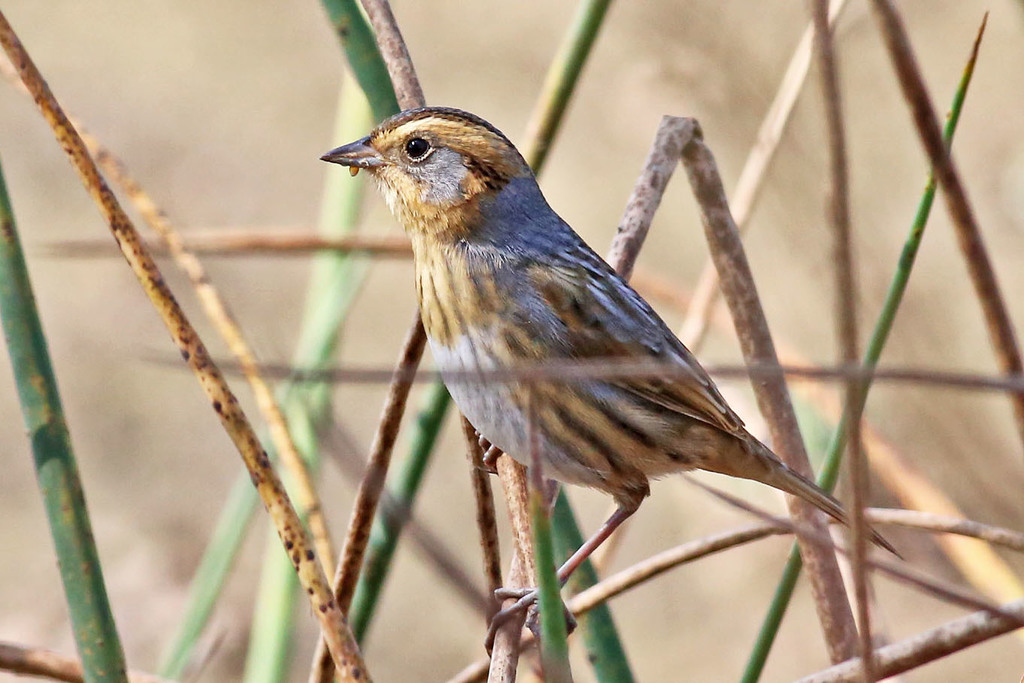
- Nelson's Sharp-tailed SparrowAmmodramus nelsoni
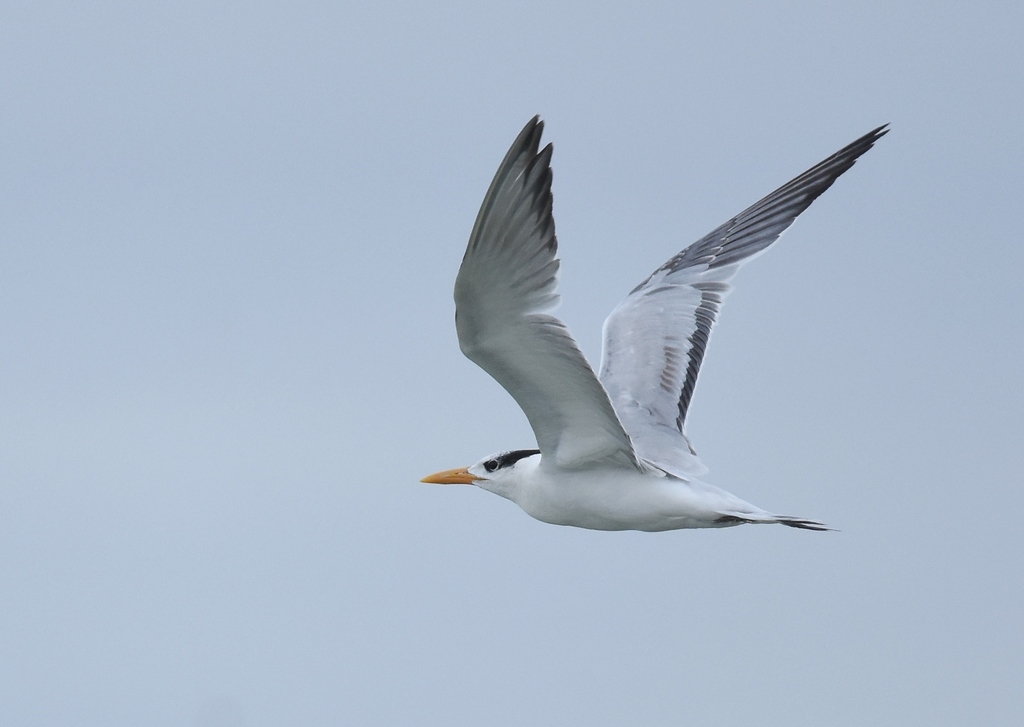
- Royal TernThalasseus maximus
- Rusty BlackbirdEuphagus carolinus


NatureServe Explorer, CC BY 4.0. USGS Gap Analysis Project habitat models.
Sources
- USGS Gap Analysis Project habitat models (2001)
- USGS GAP winter habitat model for American Avocet Elevation 0 to 2,896 m
- USGS Gap Analysis Project range maps (2001), modeled by watershed; migratory gives no dates
- NatureServe Explorer (CC BY 4.0), habitat names
- US Census TIGER/Line counties
- Names follow the USGS Gap Analysis Project (2001)