

Tillandsia utriculata
Tillandsia utriculata
Found on tree branches in hammocks, cypress swamps, and Florida scrub. FloraQuest, phone app (app page) What its natural habitat tells you
Native to Florida. How scores work Is it native here?
Profile 24%
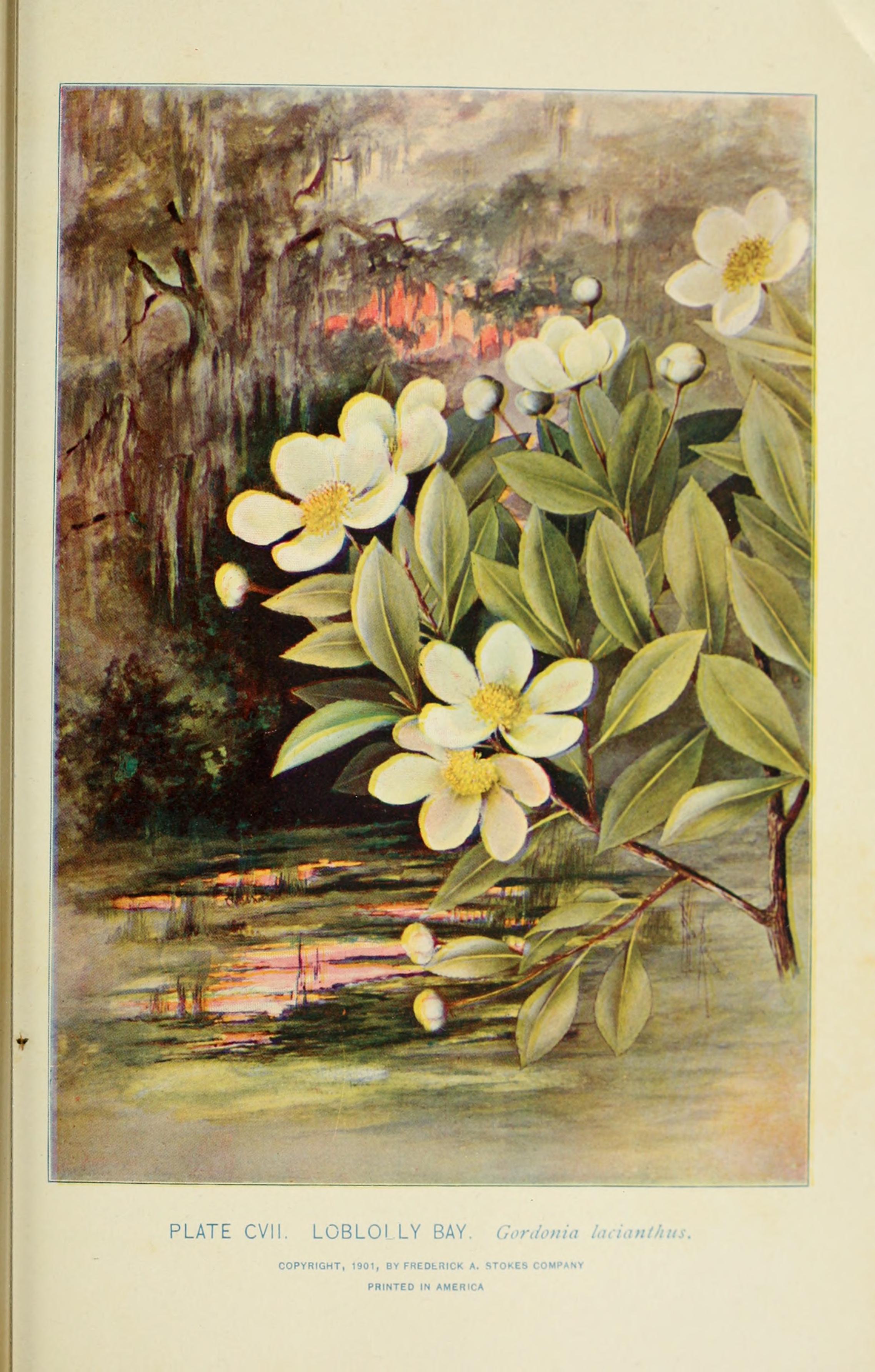
Will it fit your yard?No photograph yet. Looking for an old drawing…
At a glance
Not yet recorded · Height · Spread · Light · Soil · Life cycle · Leaves · Bloom
This plant is missing most of its facts, so Quercus is looking them up in old botany books.
Recorded in 33 Florida counties.
Natural habitats
Places it grows wild. Not a planting requirement. Each habitat page lists the plants and wildlife also found there.
Dense, evergreen groves of live oak, magnolia and other hardwoods in the southern Coastal Plain, from dry oak domes to wet hydric hammocks and south Florida's tropical hammocks; salt-shaped maritime hammocks are maritime forests.
Evergreen scrub oaks, sand pine and rosemary on deep, white, drought-prone sand ridges, burned rarely but intensely; distinct from the longleaf and turkey oak sandhills.
Also found with this plant
Wildlife whose habitat models include habitats this plant grows in, in Florida. Shared habitat, not food. 85 animals.
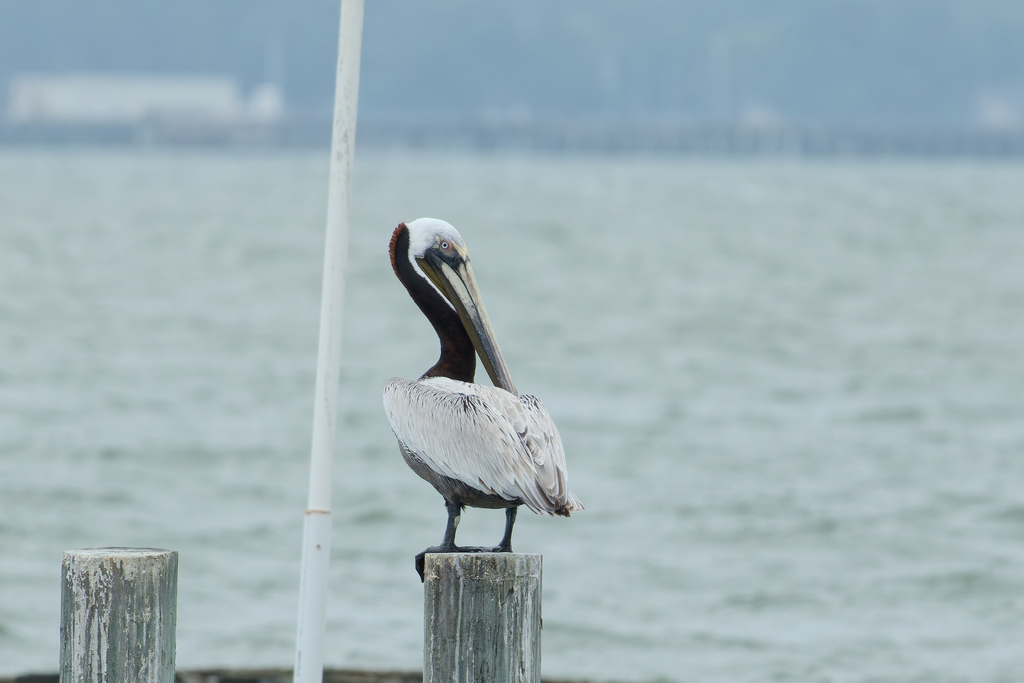
- Eastern Brown PelicanPelecanus occidentalis carolinensis
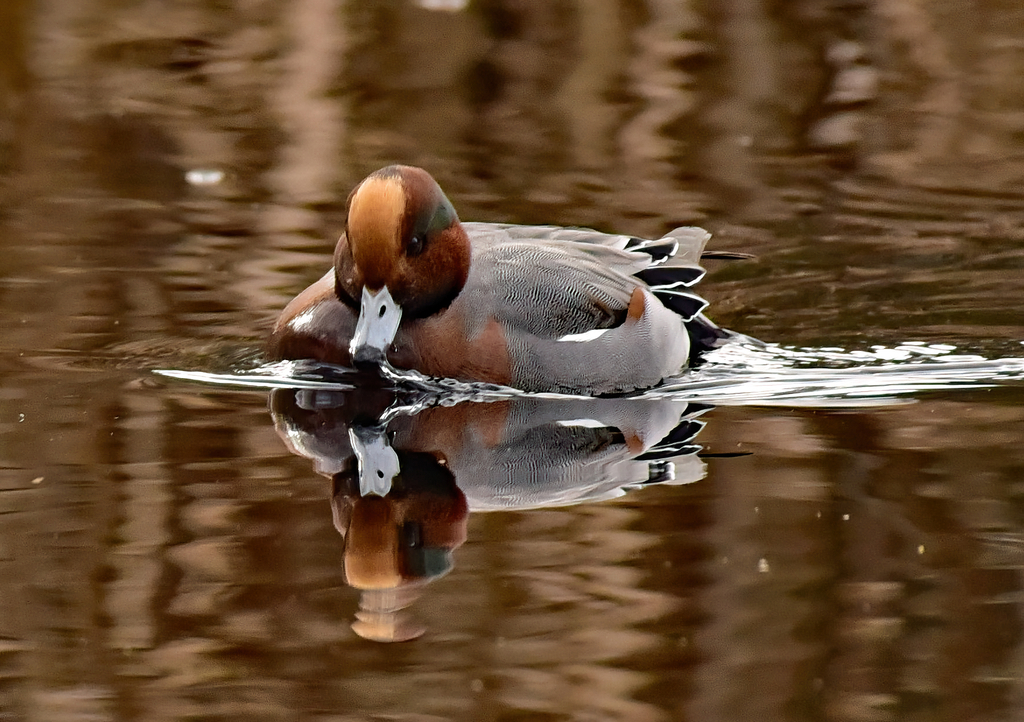
- Eurasian WigeonAnas penelope
- Fish CrowCorvus ossifragus
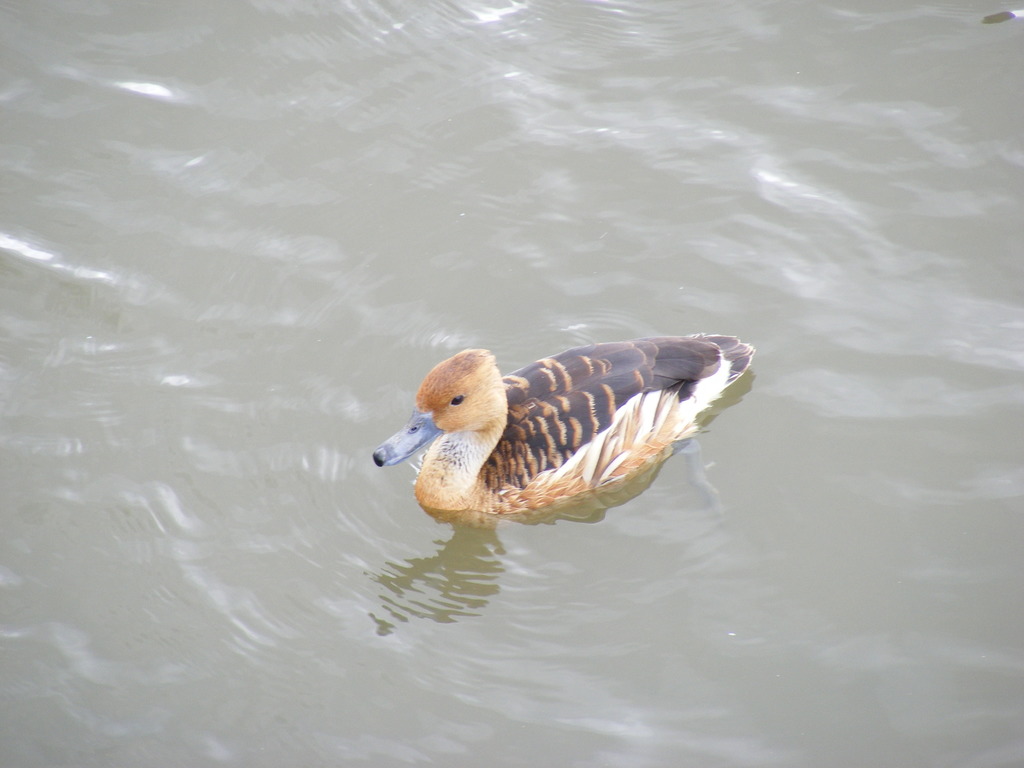
- Fulvous Whistling-duckDendrocygna bicolor
- Glossy IbisPlegadis falcinellus
- Golden-crowned KingletRegulus satrapa
- Gray KingbirdTyrannus dominicensis
- Great Blue HeronArdea herodias
- Great EgretArdea alba
- Green HeronButorides virescens
- Indigo BuntingPasserina cyanea
- Laughing GullLeucophaeus atricilla
- Least BitternIxobrychus exilis
- Least FlycatcherEmpidonax minimus
- Least SandpiperCalidris minutilla
- Lesser Black-backed GullLarus fuscus
- Lesser ScaupAythya affinis
- LimpkinAramus guarauna
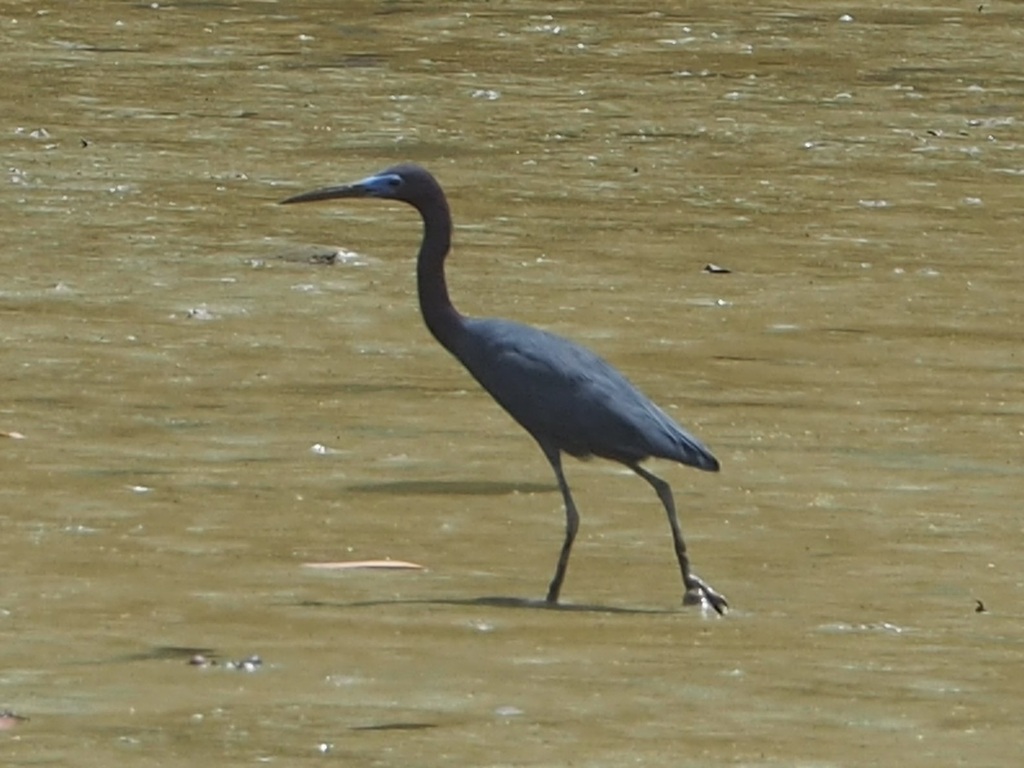
- Little Blue HeronEgretta caerulea
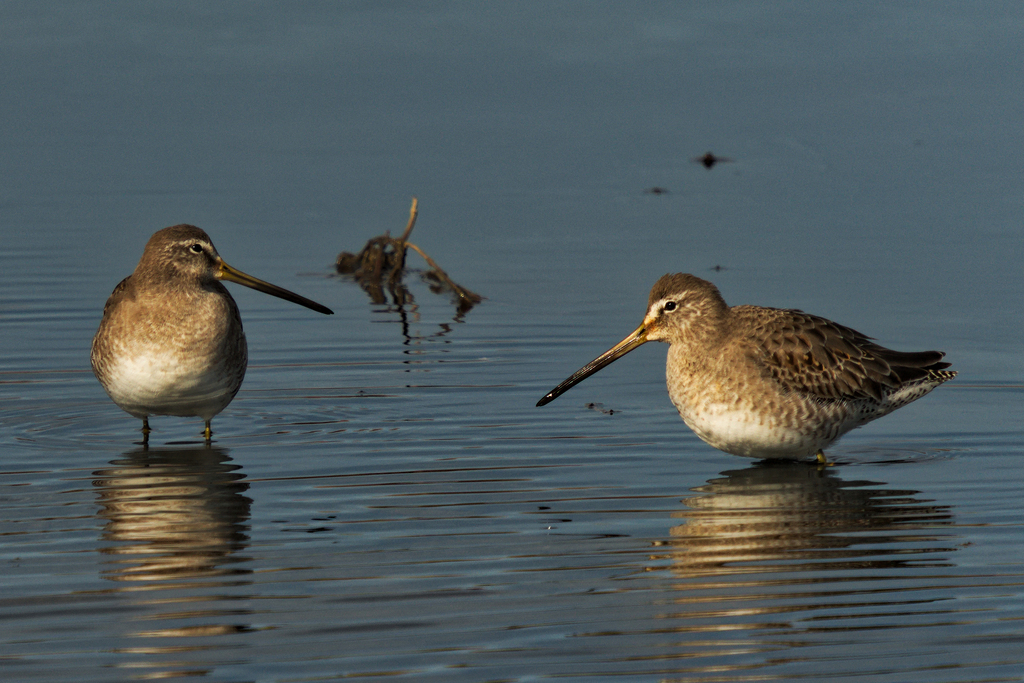
- Long-billed DowitcherLimnodromus scolopaceus
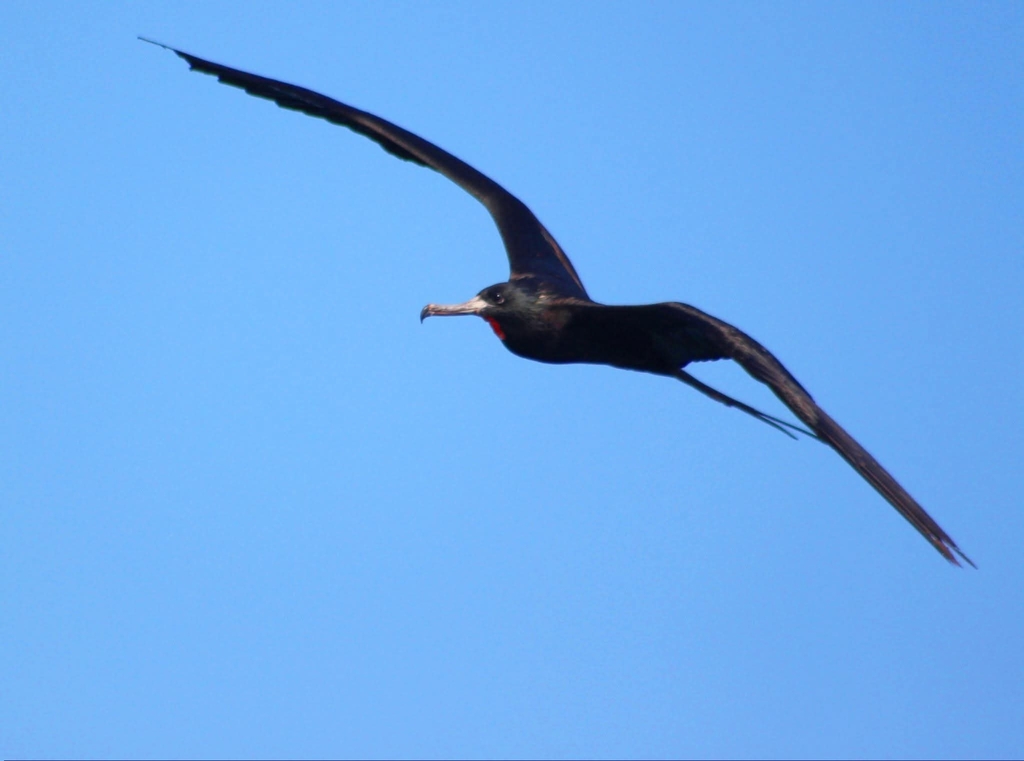
- Magnificent FrigatebirdFregata magnificens
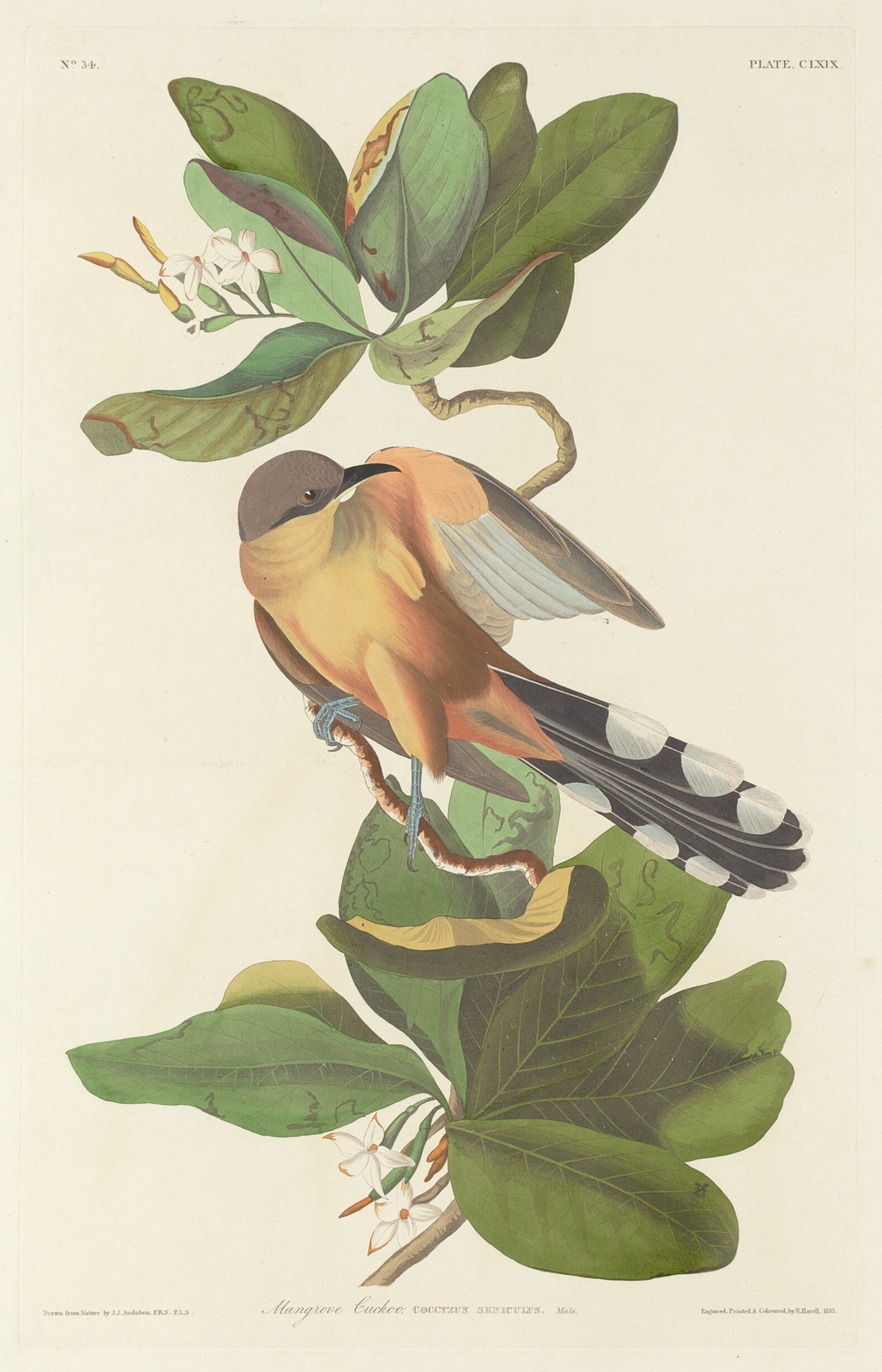
- Mangrove CuckooCoccyzus minor
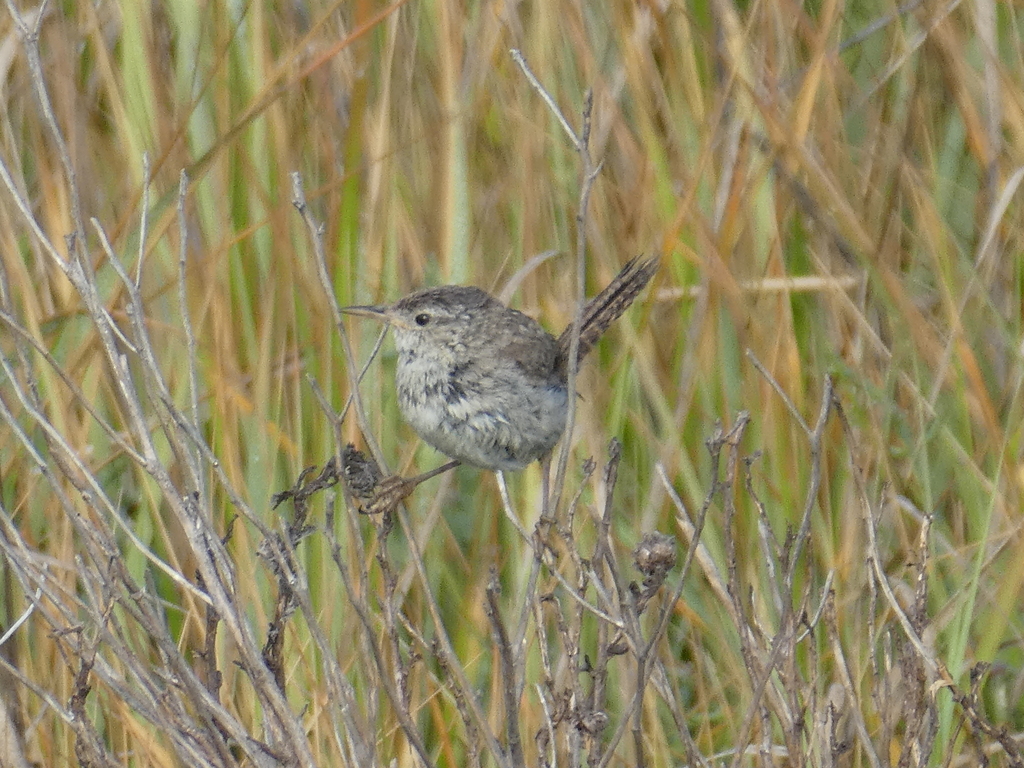
- Marsh WrenCistothorus palustris
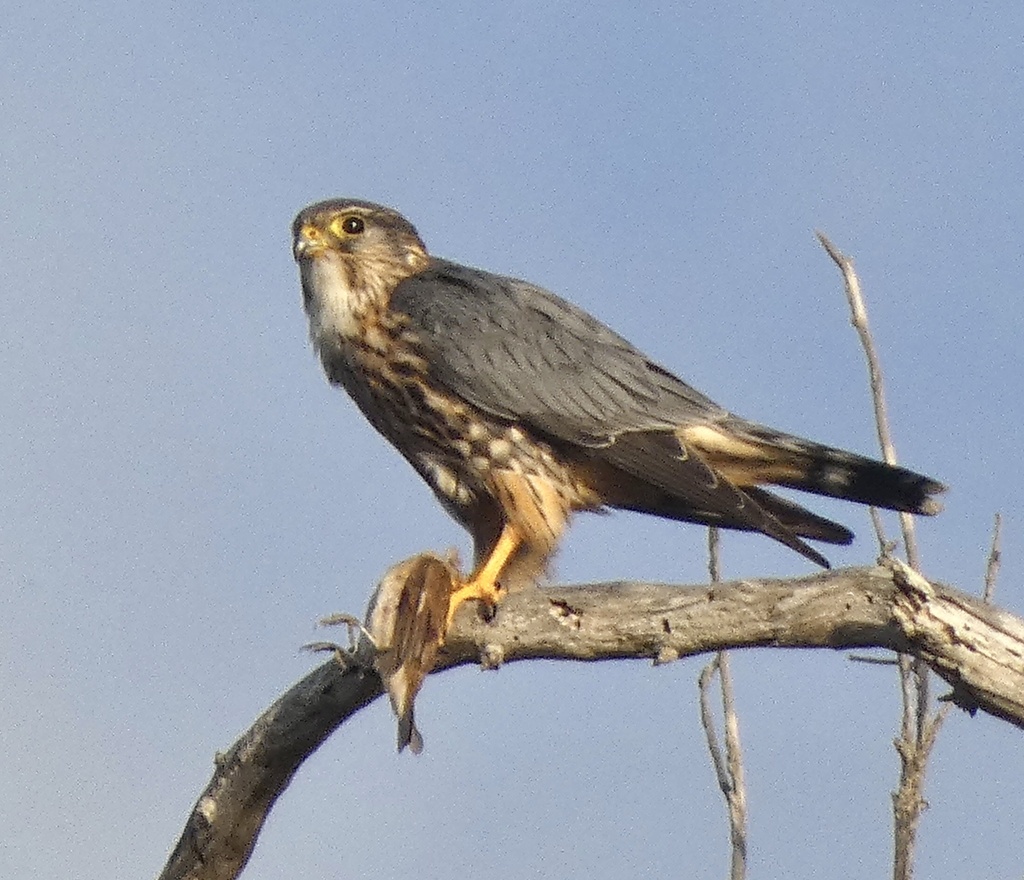
- MerlinFalco columbarius

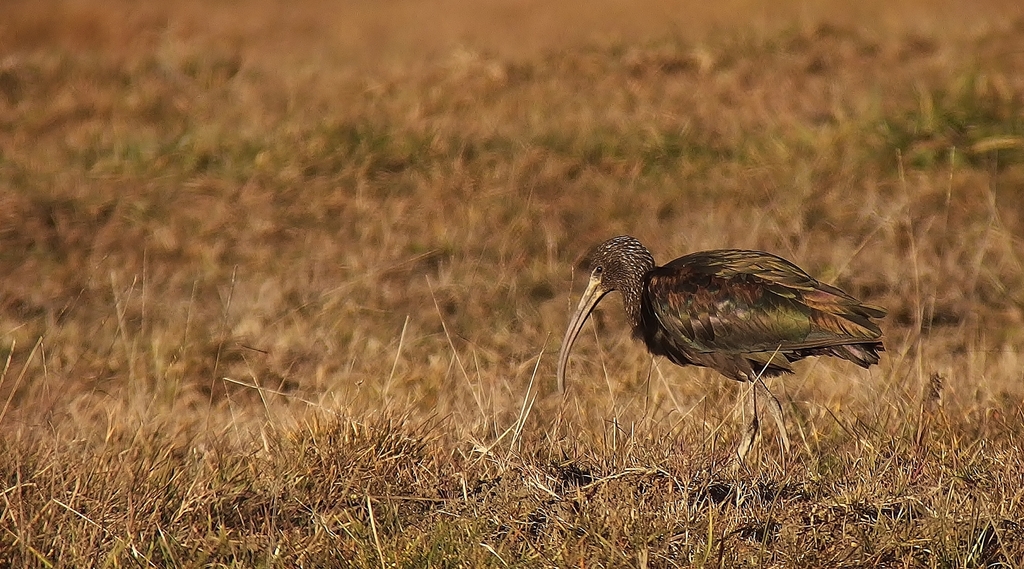

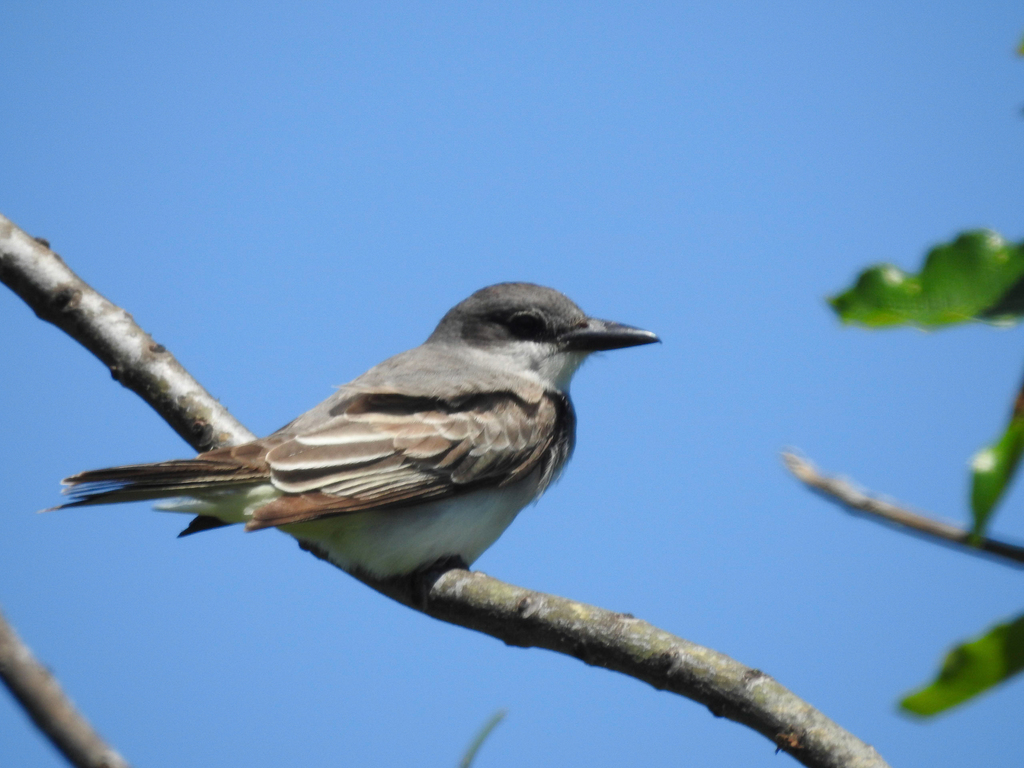




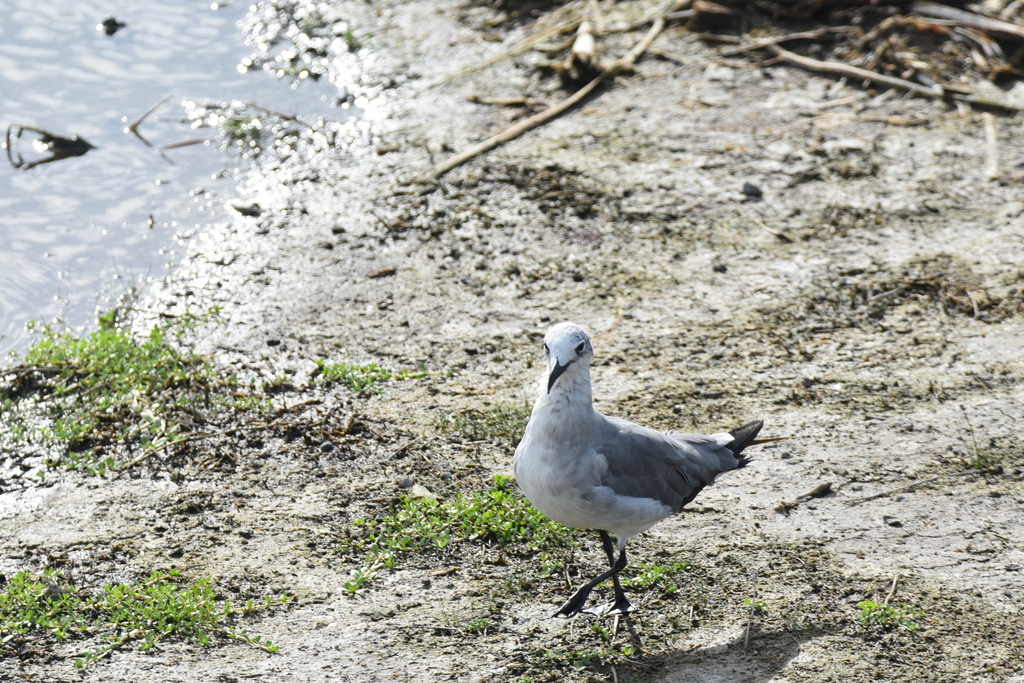

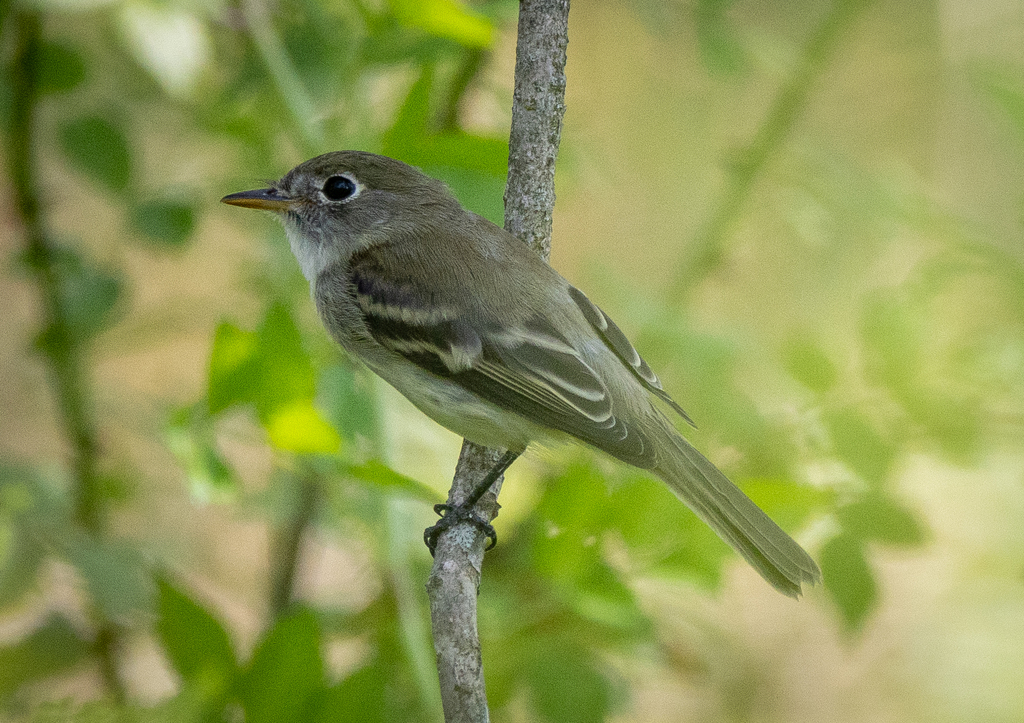
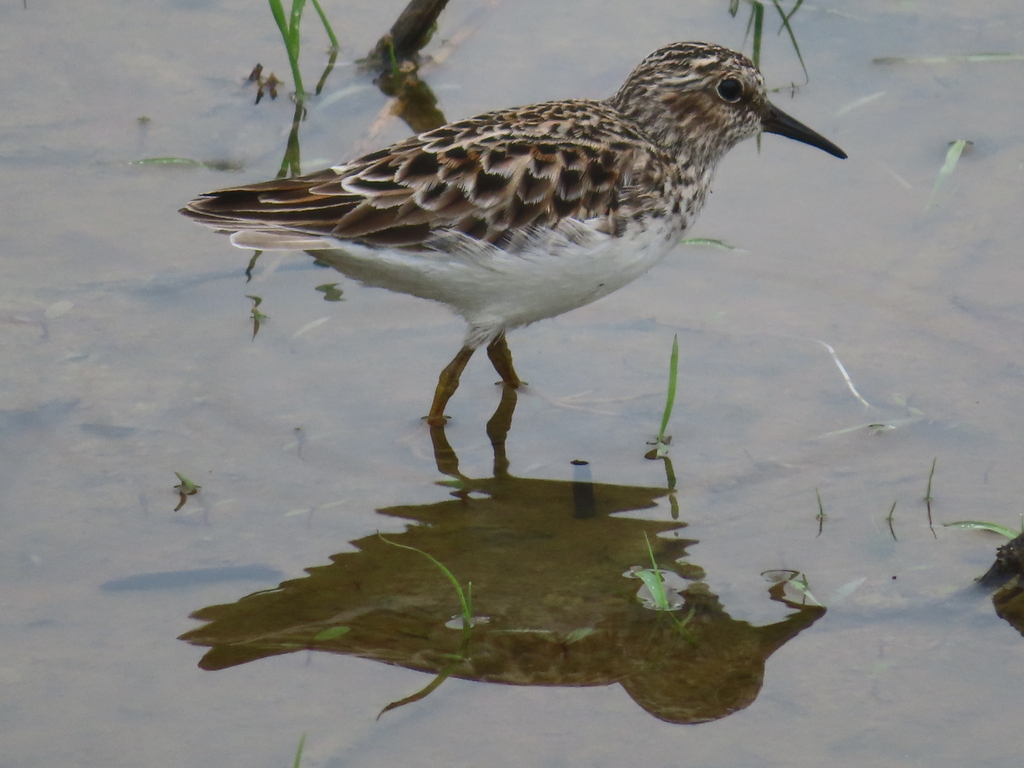
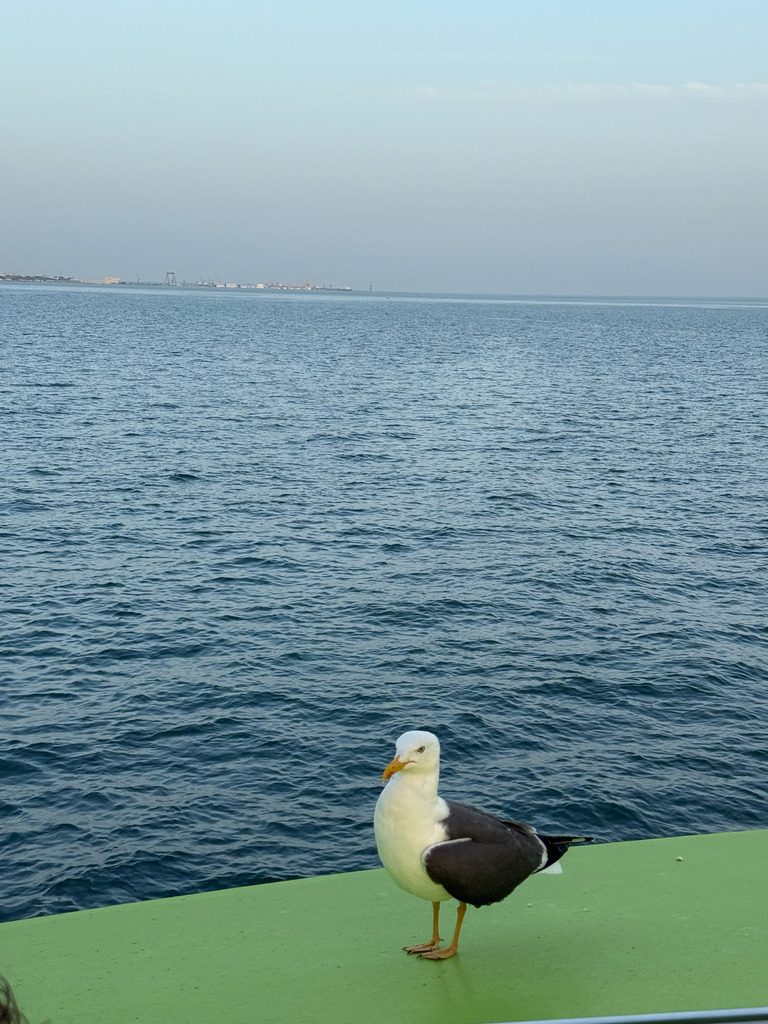
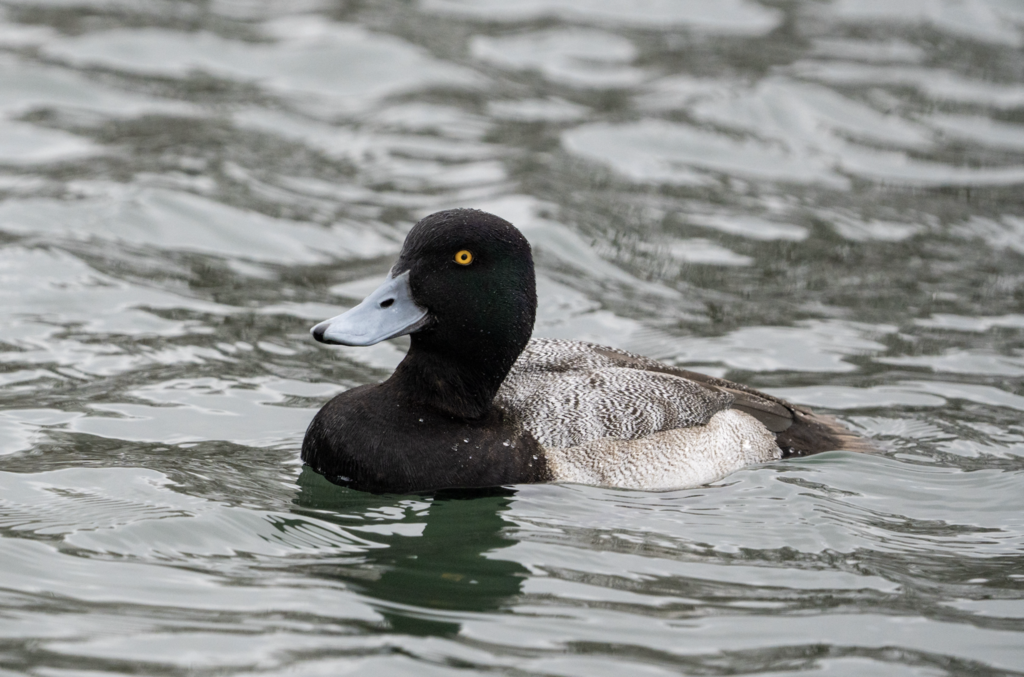
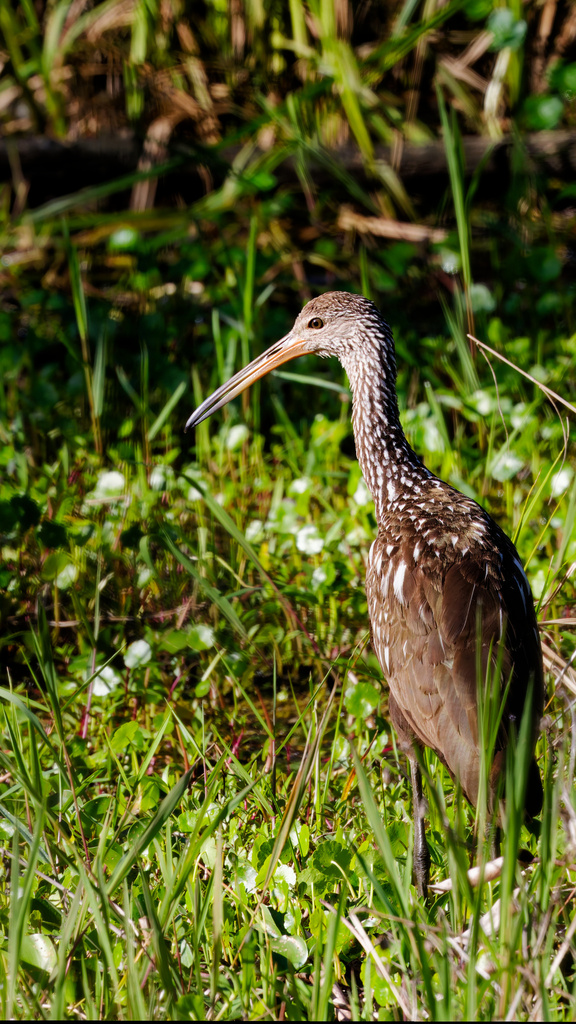
Who uses this plant?
 4CaterpillarsGenus host records with ranges including FL
Genus host records with ranges including FL · Tillandsia
- Dahana atripennisBlack-Winged Dahana
- Epimorius testaceellusBromeliad Pod Borer Moth
- Hypercompe scriboniaGiant Leopard Moth, Great Leopard Moth
- Xylesthia pruniramiellaClemens' Bark Moth, Speckled Xylesthia
 0BeesSoutheastern regional records
 0Specialist beesPollen specialists
 —BirdsRecorded genus food-resource interactions; not a state feeding claim
No records yet · Ants · Beetles · Flies · Adult butterflies / moths · Other wasps · Other insects
Plant details
- Family
- BROMELIACEAE
Safety has not been reviewed for this plant; check toxicity and thorns before planting.
Conservation status
| Florida rank | S3 |
|---|---|
| Global rank | Not available |
| FL status | Not verified |
| Federal status | Not verified |
Will it fit your yard?
Check this plant against your county, sun and soil moisture. Conditions are checked in your browser.
Sources
- Atlas of Florida Plants
- NatureServe Explorer
- Shropshire & Tallamy 2025, Lepidoptera of North America north of Mexico, ZooKeys 1261 (ODbL)
- Noori, Seltmann & Orr 2026, A curated and integrated dataset for exploring global bee-plant interactions (GloBI), Zenodo, CC BY 4.0
- Smith, Bachelder, Russell, Morales, Mosher & Seltmann 2024, Bee-Specialization-Modeling v0.6.1 (specialist host table compiled from J. Fowler's pollen specialist bee lists), Zenodo, CC BY 4.0
- Hurlbert, Olsen, Sawyer & Winner 2021, Avian Diet Database, Scientific Data 8: 260 (CC0)
- Narango, Tallamy & Shropshire 2020, Few keystone plant genera support the majority of Lepidoptera species, Nature Communications