

Swamp Fern
Telmatoblechnum serrulatum
Found in swamps, marshes, wet prairies, hammocks, bottomlands, vacant lots. FloraQuest, phone app (app page) What its natural habitat tells you
Native to Florida. How scores work Is it native here?
Profile 24%
Will it fit your yard?No photograph yet. Looking for an old drawing…
At a glance
Not yet recorded · Height · Spread · Light · Soil · Life cycle · Leaves
This plant is missing most of its facts, so Quercus is looking them up in old botany books.
Recorded in 36 Florida counties.
Natural habitats
Places it grows wild. Not a planting requirement. Each habitat page lists the plants and wildlife also found there.
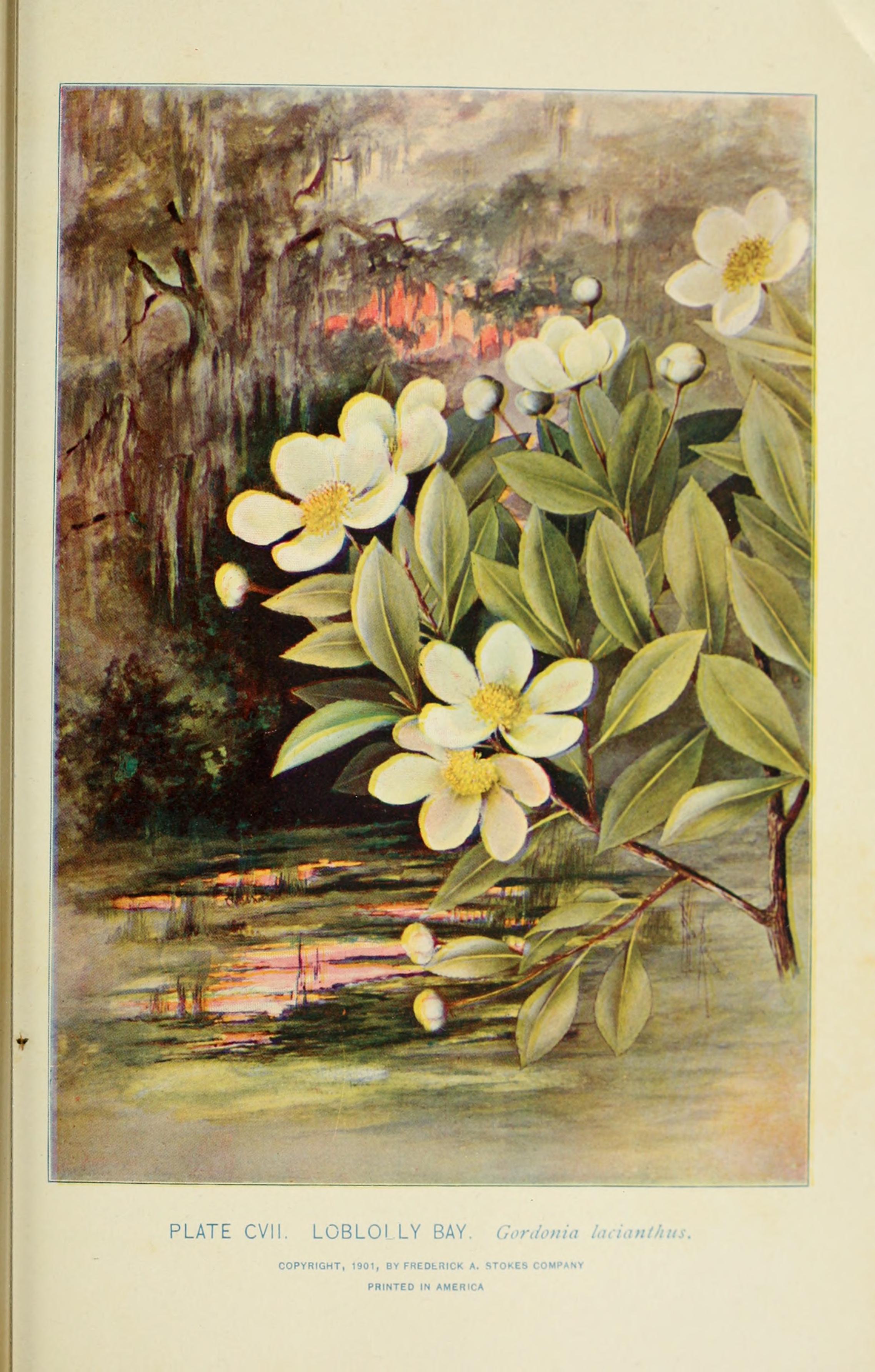

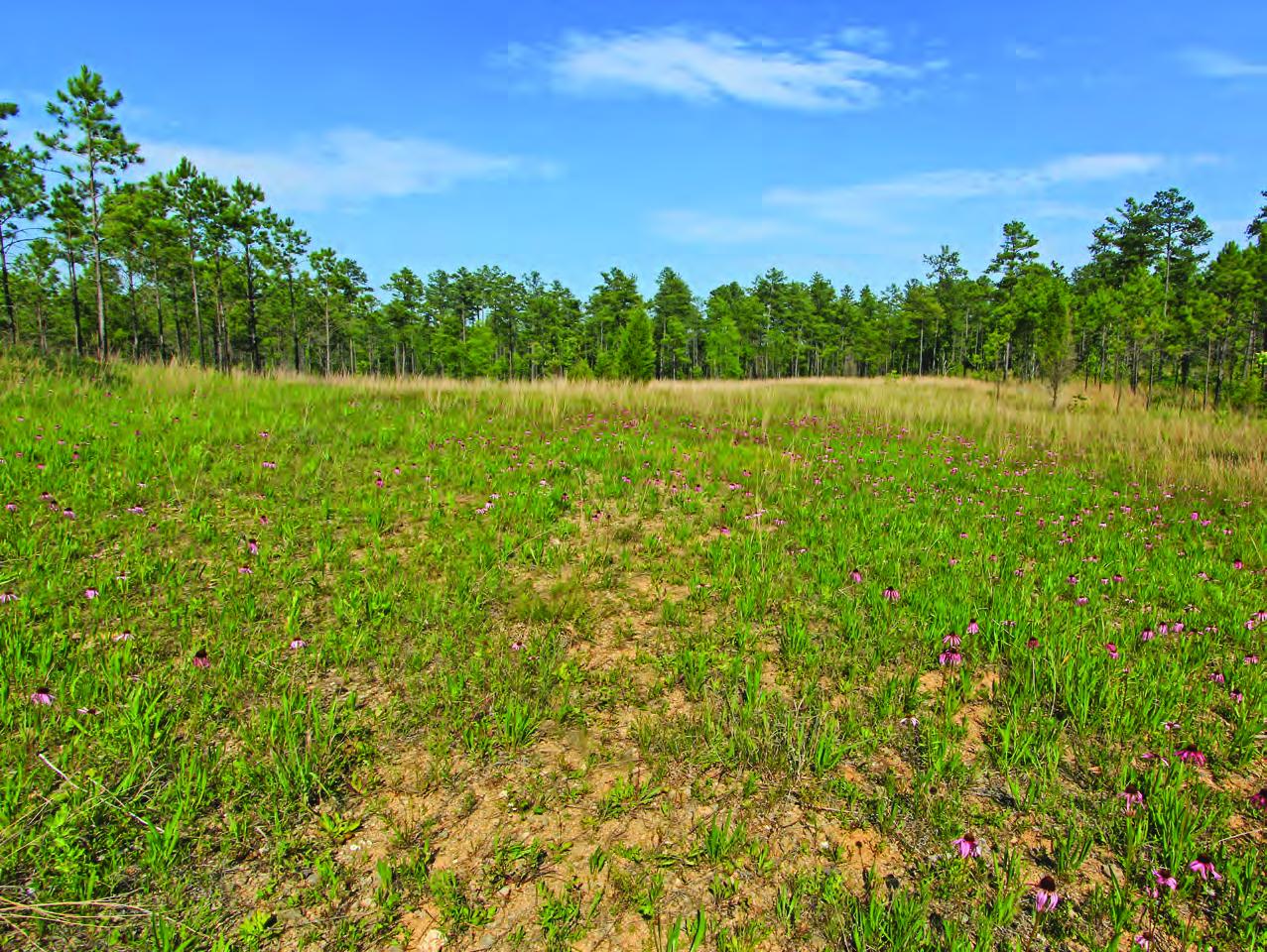
Dense, evergreen groves of live oak, magnolia and other hardwoods in the southern Coastal Plain, from dry oak domes to wet hydric hammocks and south Florida's tropical hammocks; salt-shaped maritime hammocks are maritime forests.
Floodplain and bottomland forests
Forests on low ground beside rivers and streams that flood from time to time.
Roadsides, fields and disturbed ground
Ground opened by people: roadsides, old fields, pastures, fencerows and lots.
Also found with this plant
Wildlife whose habitat models include habitats this plant grows in, in Florida. Shared habitat, not food. 155 animals.
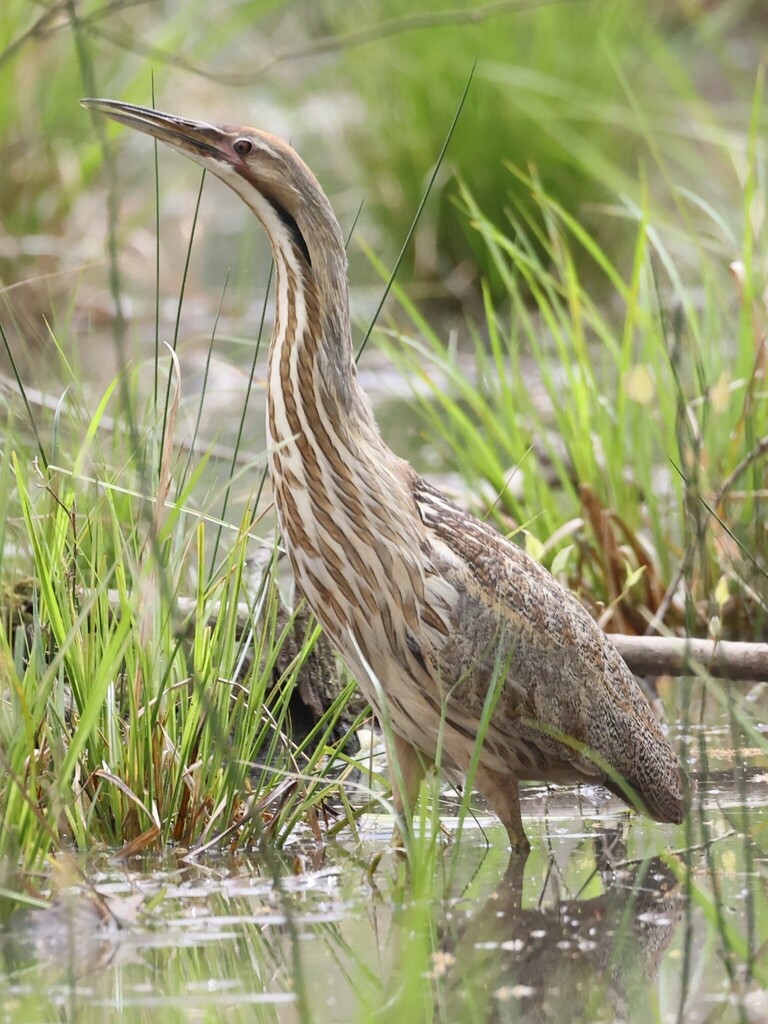
- American BitternBotaurus lentiginosus
- American CrowCorvus brachyrhynchos
- American RedstartSetophaga ruticilla
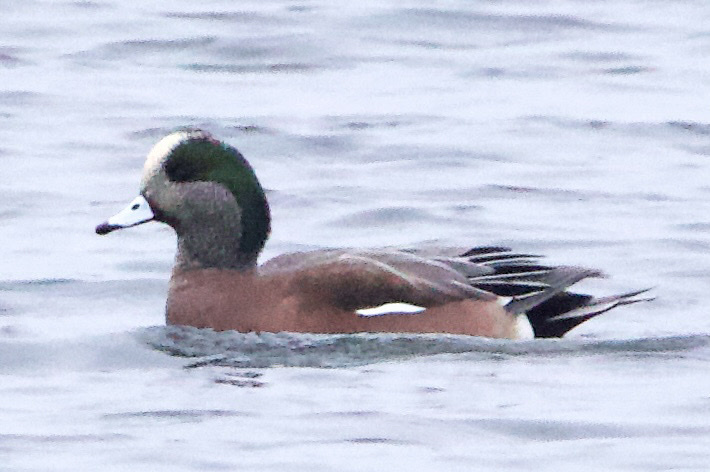
- American WigeonAnas americana
- Bank SwallowRiparia riparia
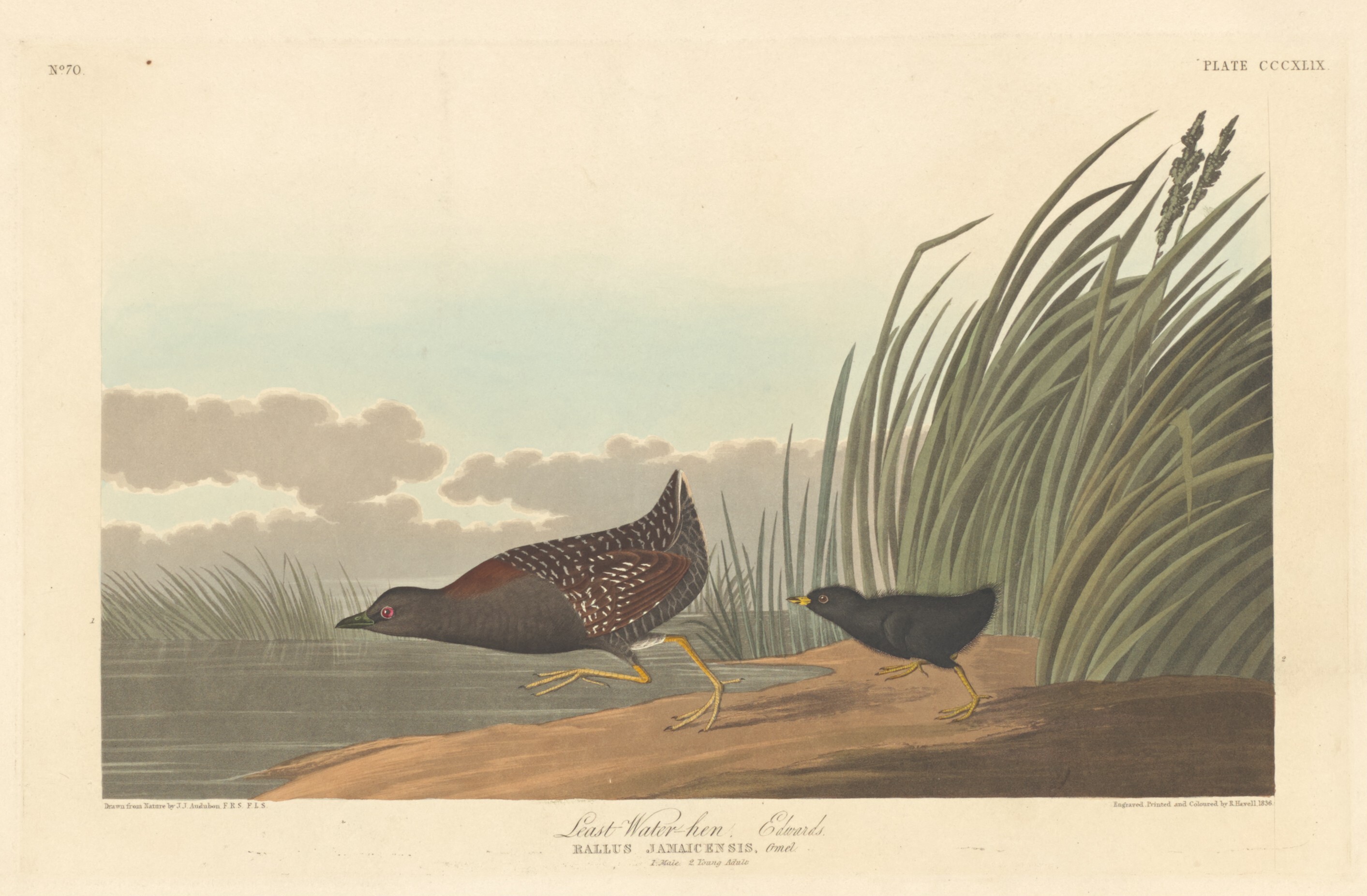
- Black RailLaterallus jamaicensis
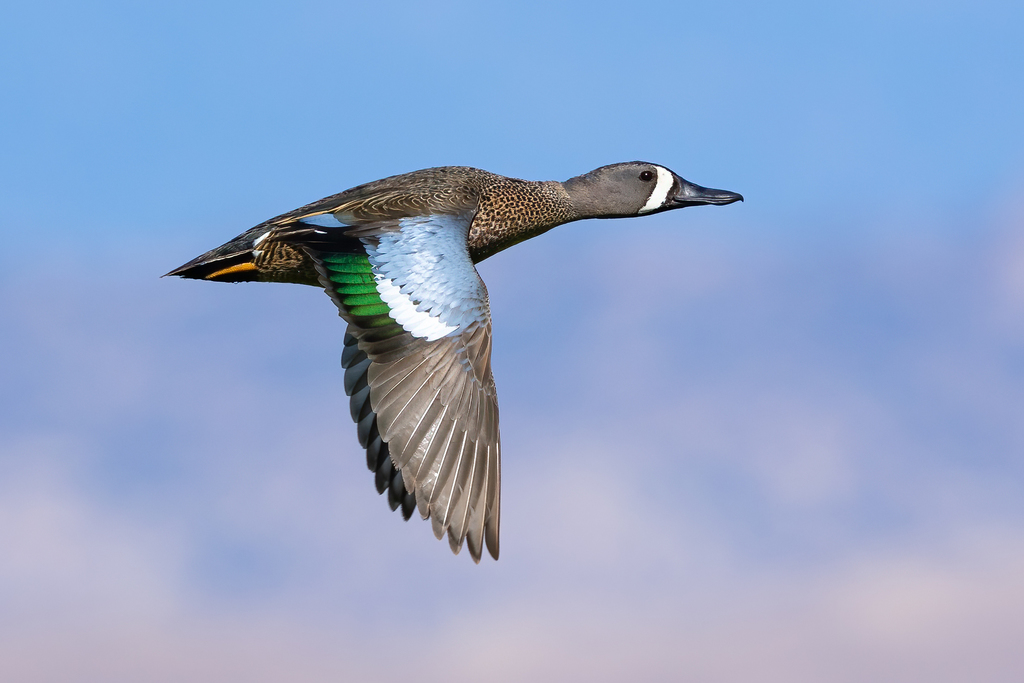
- Blue-winged TealAnas discors
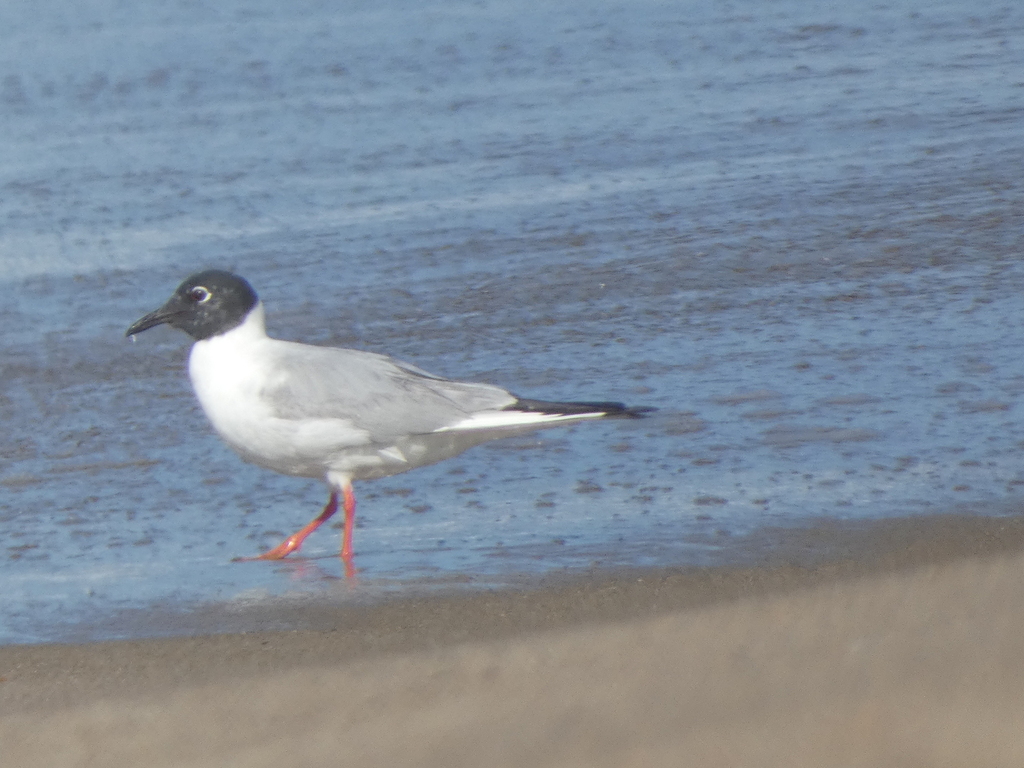
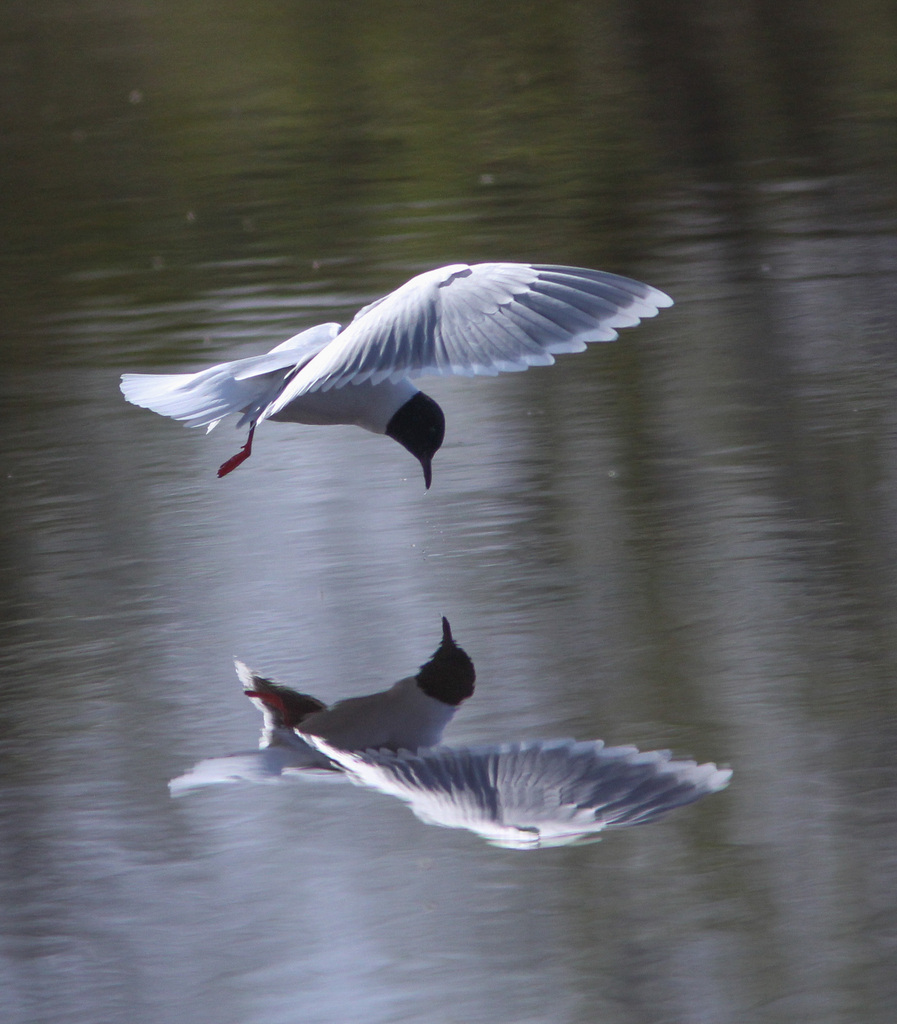
- Bonaparte's GullChroicocephalus philadelphia
- Canada GooseBranta canadensis
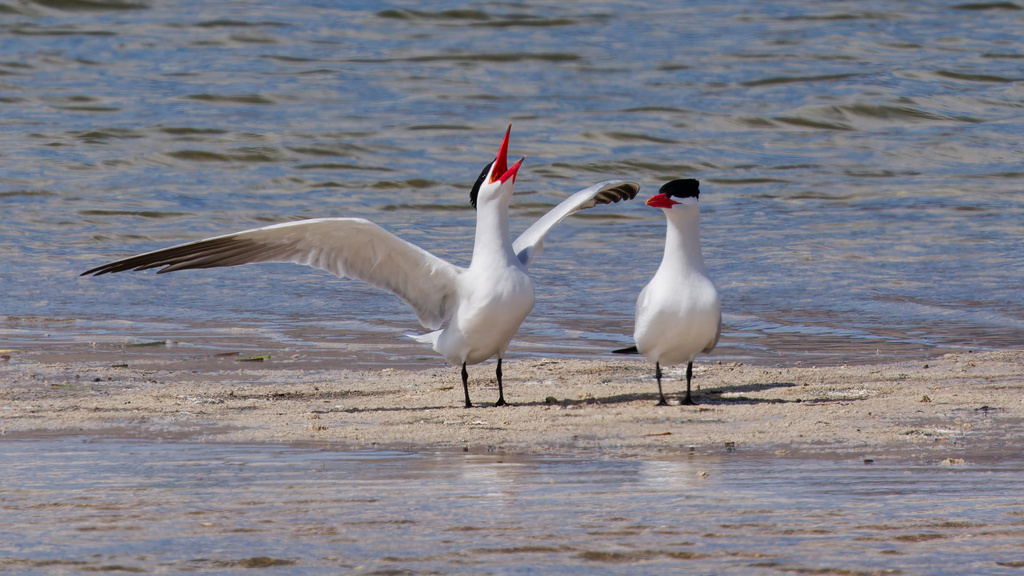
- Caspian TernHydroprogne caspia
- Common GrackleQuiscalus quiscula
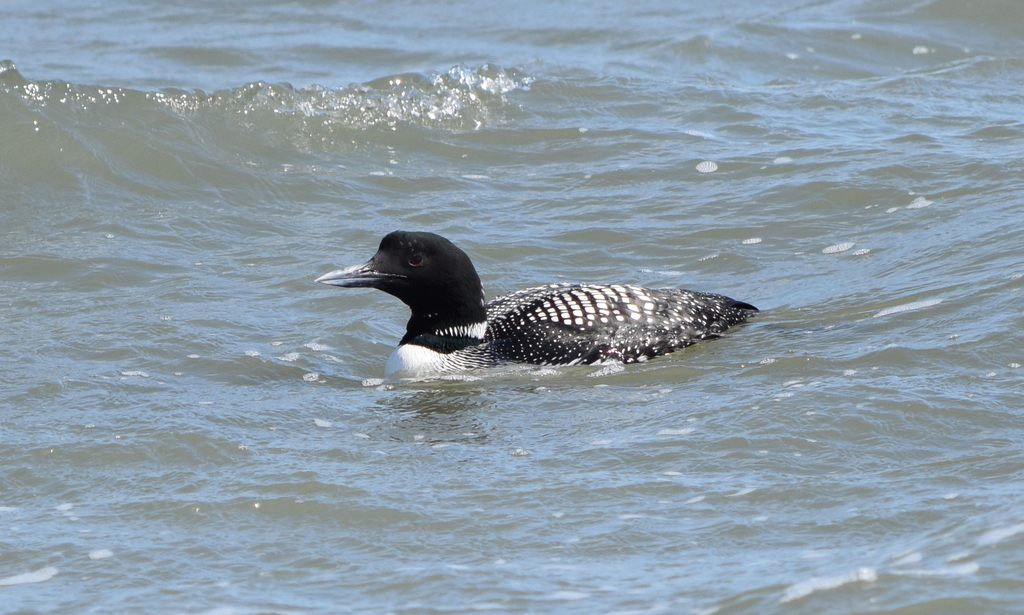
- Common LoonGavia immer
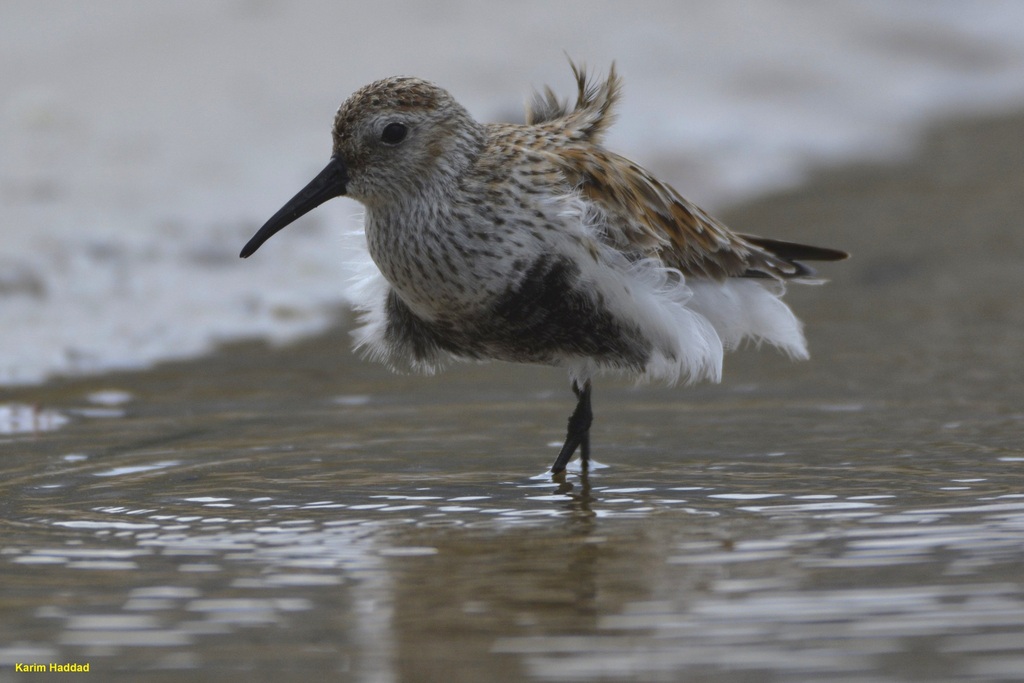
- DunlinCalidris alpina
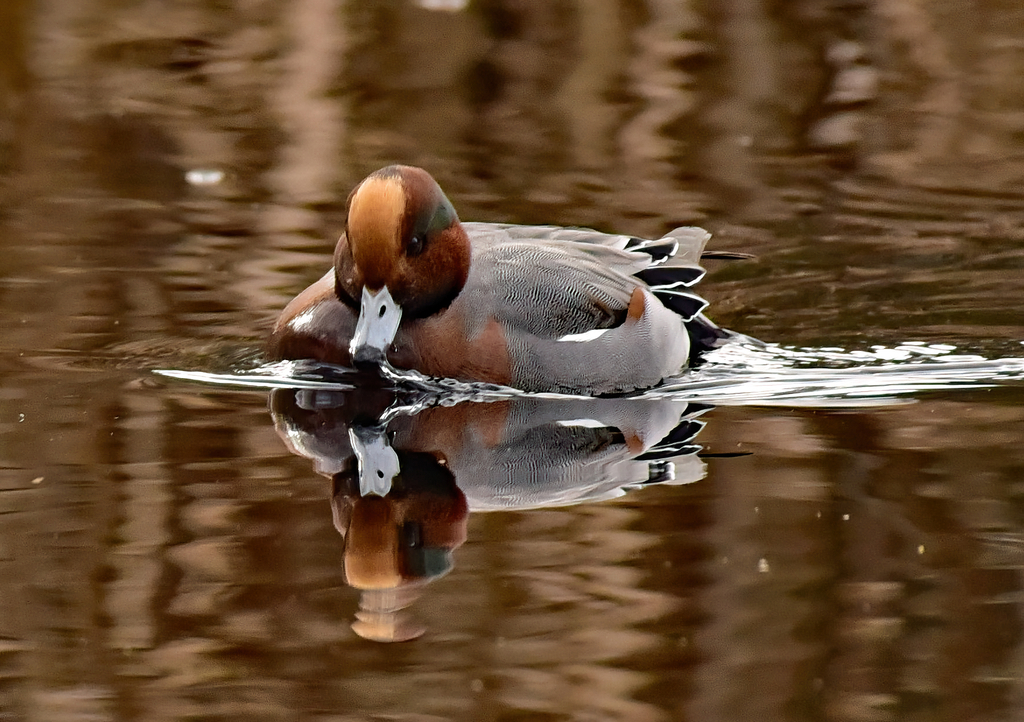
- Eurasian WigeonAnas penelope
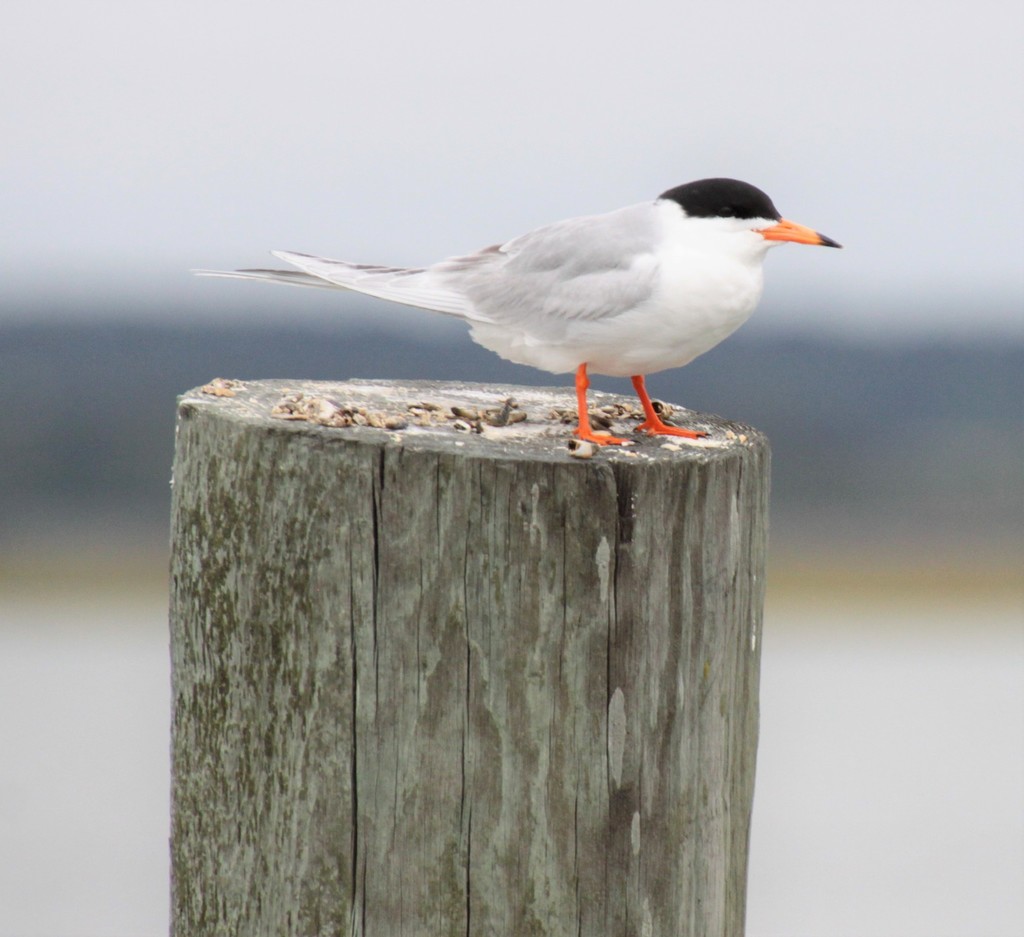
- Forster's TernSterna forsteri
- GadwallAnas strepera
- Great Crested FlycatcherMyiarchus crinitus
- Greater YellowlegsTringa melanoleuca
- King RailRallus elegans
- Least BitternIxobrychus exilis
- Lesser Black-backed GullLarus fuscus
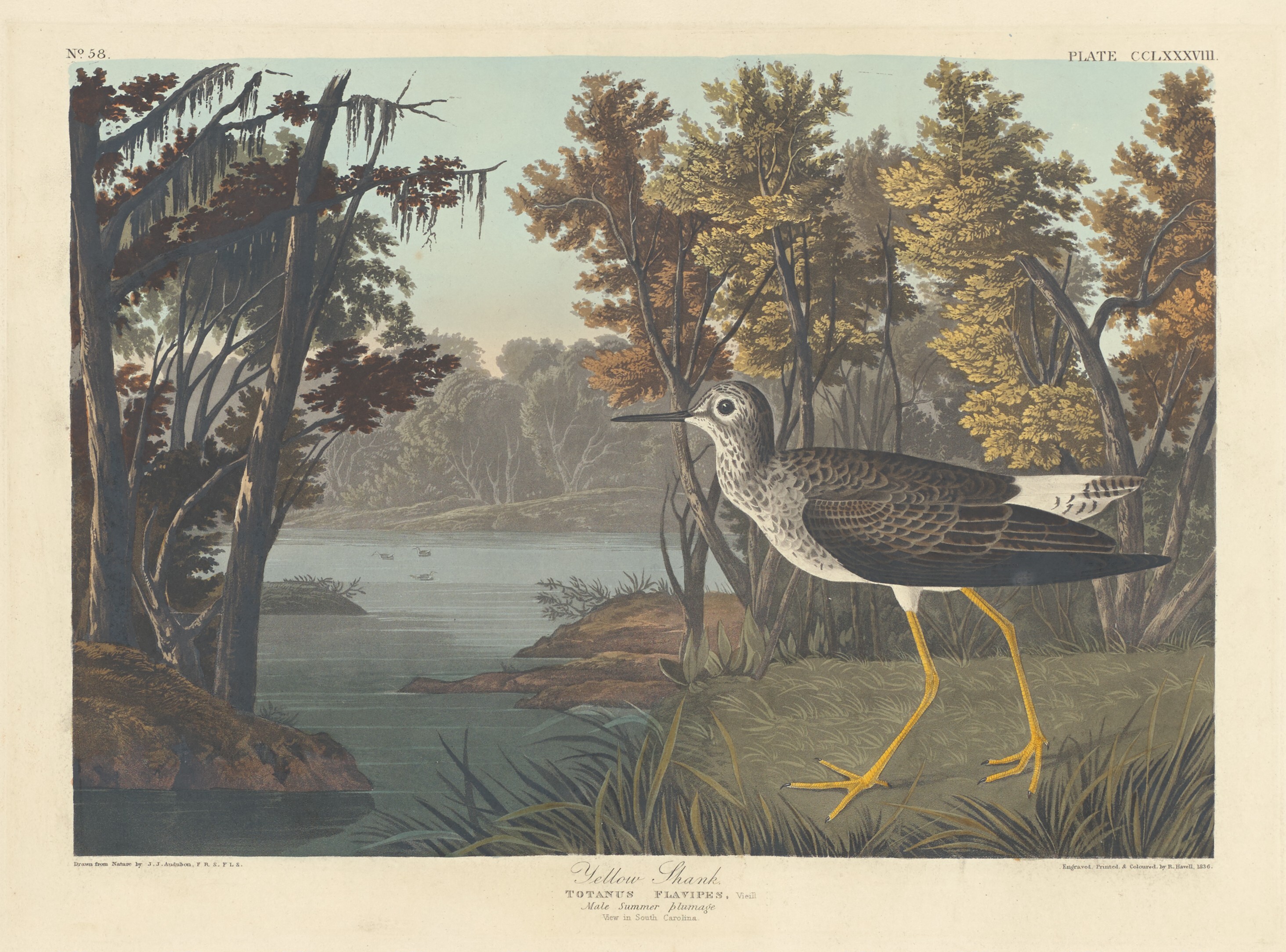
- Lesser YellowlegsTringa flavipes
- Little GullHydrocoloeus minutus
- MallardAnas platyrhynchos





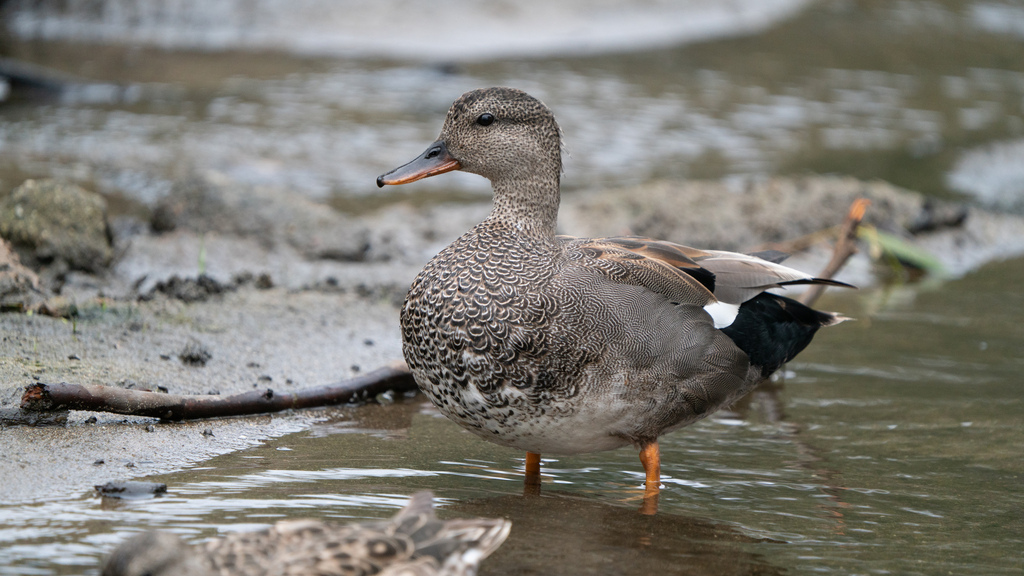

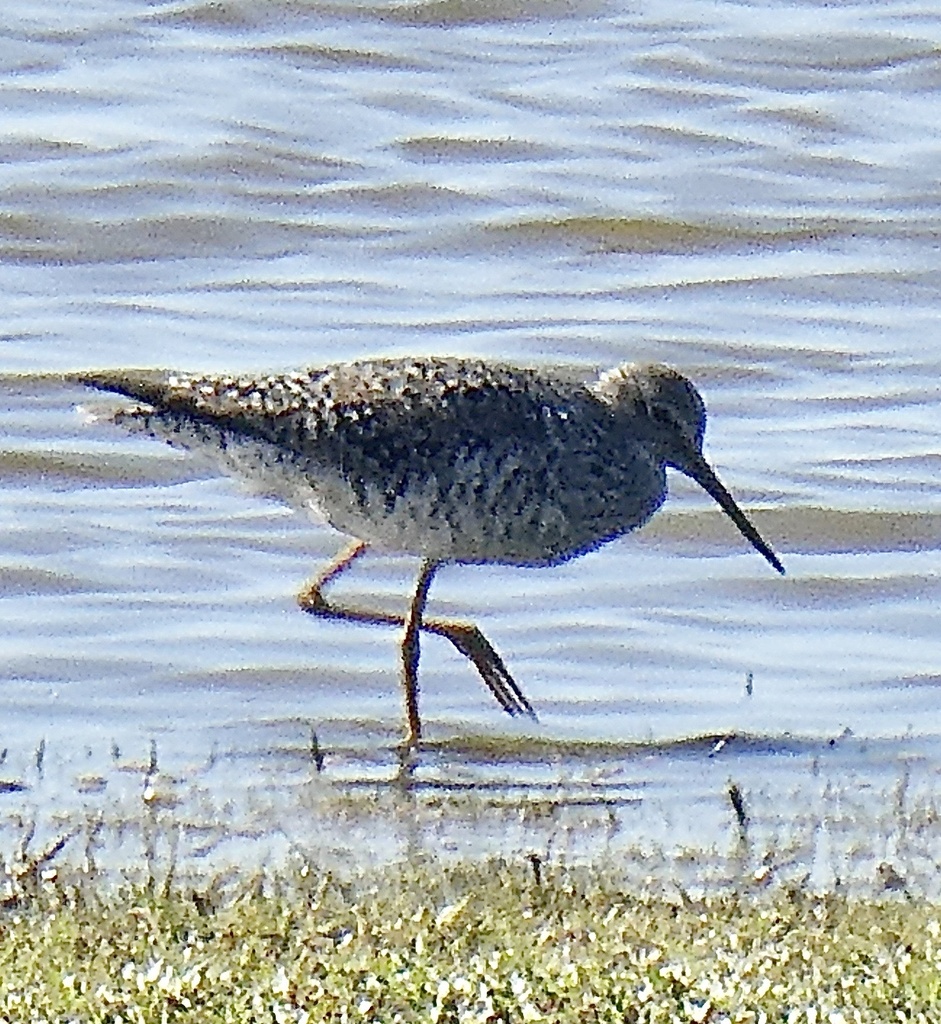
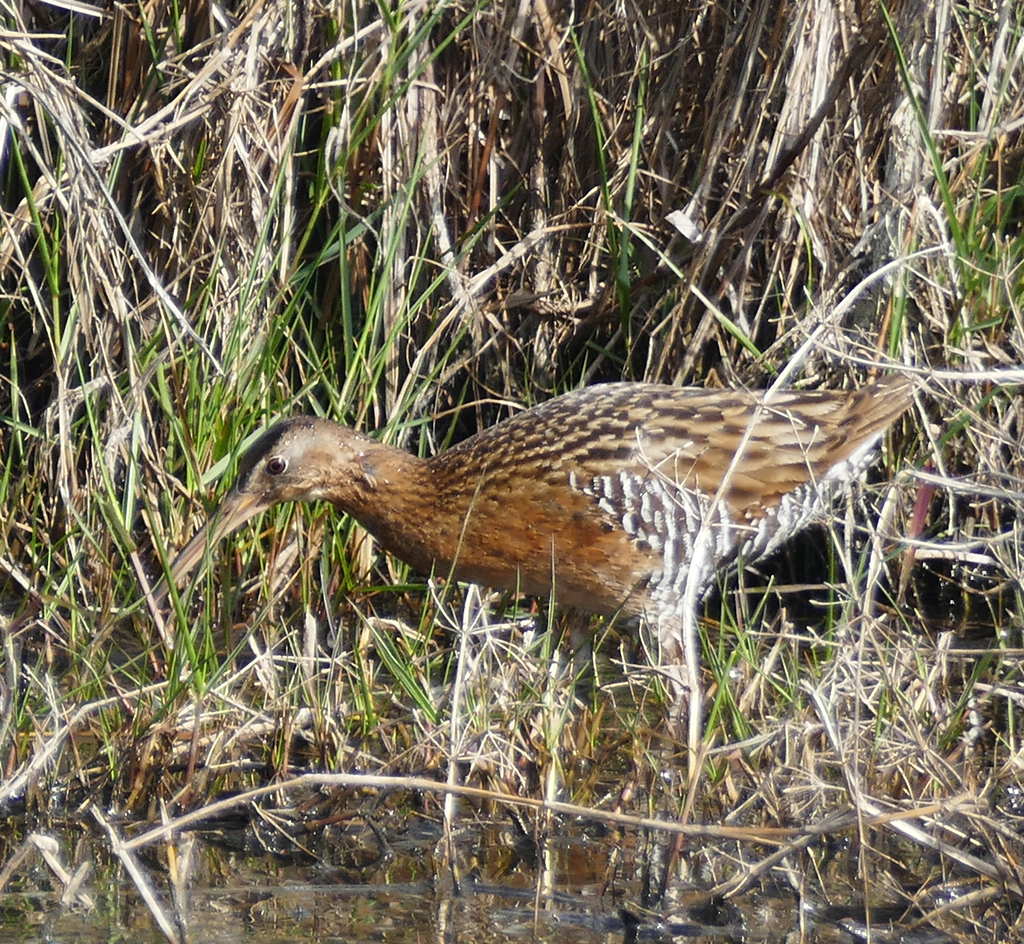

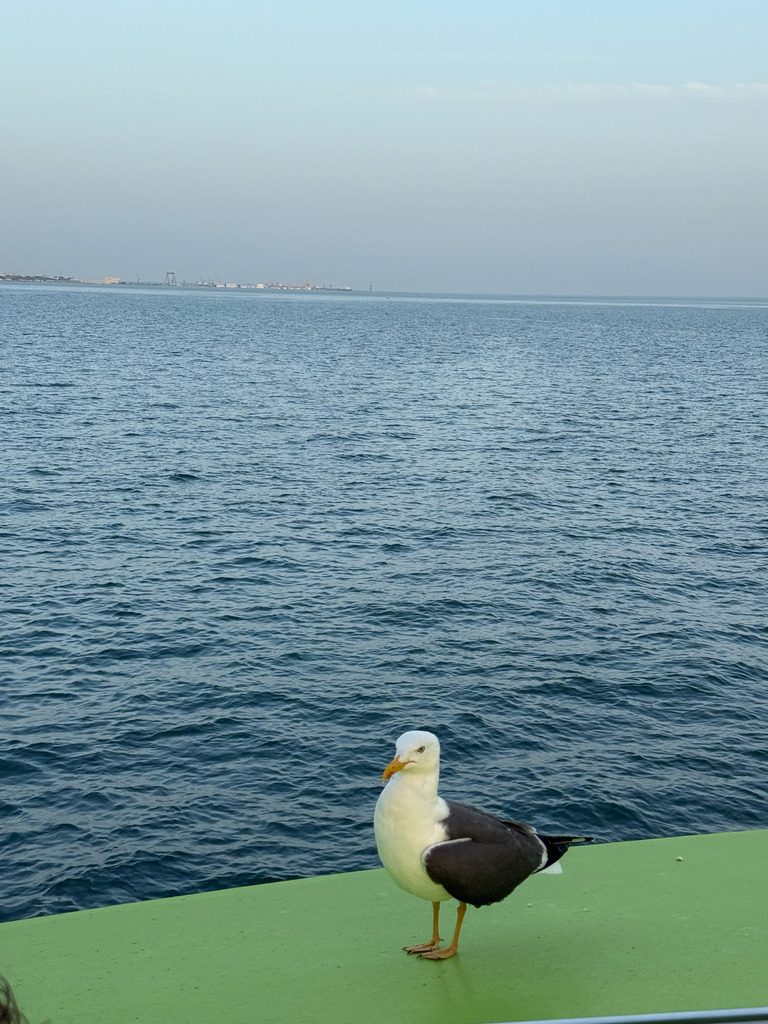

Who uses this plant?
 0CaterpillarsGenus host records with ranges including FL
 0BeesSoutheastern regional records
 0Specialist beesPollen specialists
 —BirdsRecorded genus food-resource interactions; not a state feeding claim
No records yet · Ants · Beetles · Flies · Adult butterflies / moths · Other wasps · Other insects
Plant details
- Family
- Blechnaceae
Safety has not been reviewed for this plant; check toxicity and thorns before planting.
Conservation status
| Florida rank | S5 |
|---|---|
| Global rank | Not available |
| FL status | Not verified |
| Federal status | Not verified |
Will it fit your yard?
Check this plant against your county, sun and soil moisture. Conditions are checked in your browser.
Sources
- Atlas of Florida Plants
- NatureServe Explorer
- Shropshire & Tallamy 2025, Lepidoptera of North America north of Mexico, ZooKeys 1261 (ODbL)
- Noori, Seltmann & Orr 2026, A curated and integrated dataset for exploring global bee-plant interactions (GloBI), Zenodo, CC BY 4.0
- Smith, Bachelder, Russell, Morales, Mosher & Seltmann 2024, Bee-Specialization-Modeling v0.6.1 (specialist host table compiled from J. Fowler's pollen specialist bee lists), Zenodo, CC BY 4.0
- Hurlbert, Olsen, Sawyer & Winner 2021, Avian Diet Database, Scientific Data 8: 260 (CC0)
- Narango, Tallamy & Shropshire 2020, Few keystone plant genera support the majority of Lepidoptera species, Nature Communications