

Saltmarsh Cordgrass
Spartina alterniflora
Found in salt marshes. S. alterniflorus is the dominant plant (often essentially a monoculture) of intratidal salt and brackish marshes in our area. Weakley, Flora of the Southeastern United States (2025), Florida edition What its natural habitat tells you
Native to Florida. How scores work Is it native here?
Profile 94%
- Height
- About 3.5 feet
- Light
- 4 or more hours of direct sun
- Soil moisture
- Moist to wet
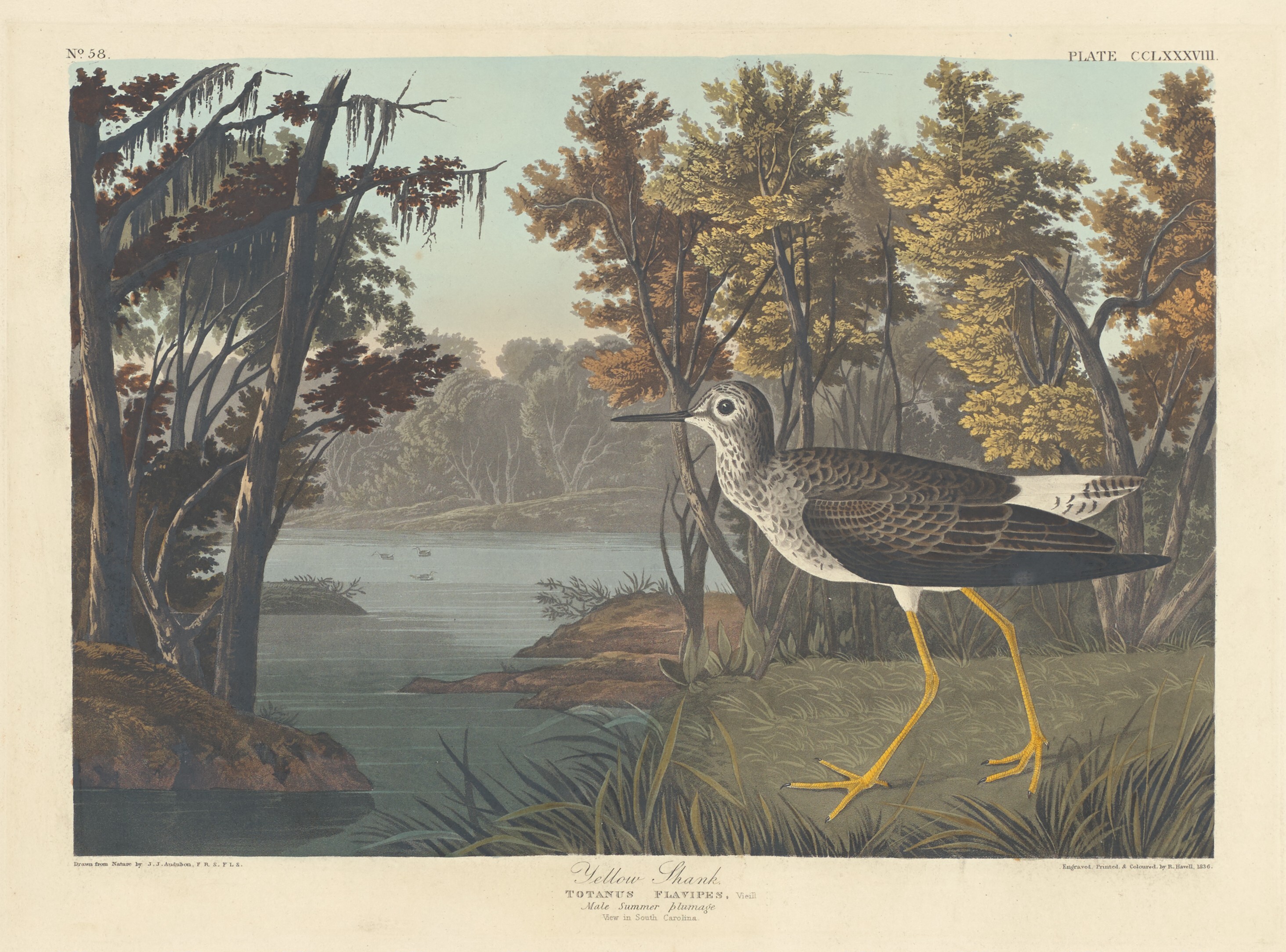
No photograph yet. Looking for an old drawing…
At a glance
- Bloom
- Late spring
- Fruiting season
- Spring to summer
Not yet recorded · Spread · Life cycle · Leaves
Recorded in 29 Florida counties.
Natural habitats
Places it grows wild. Not a planting requirement. Each habitat page lists the plants and wildlife also found there.
Coastal marshes flooded by salty or brackish tides.
Also found with this plant
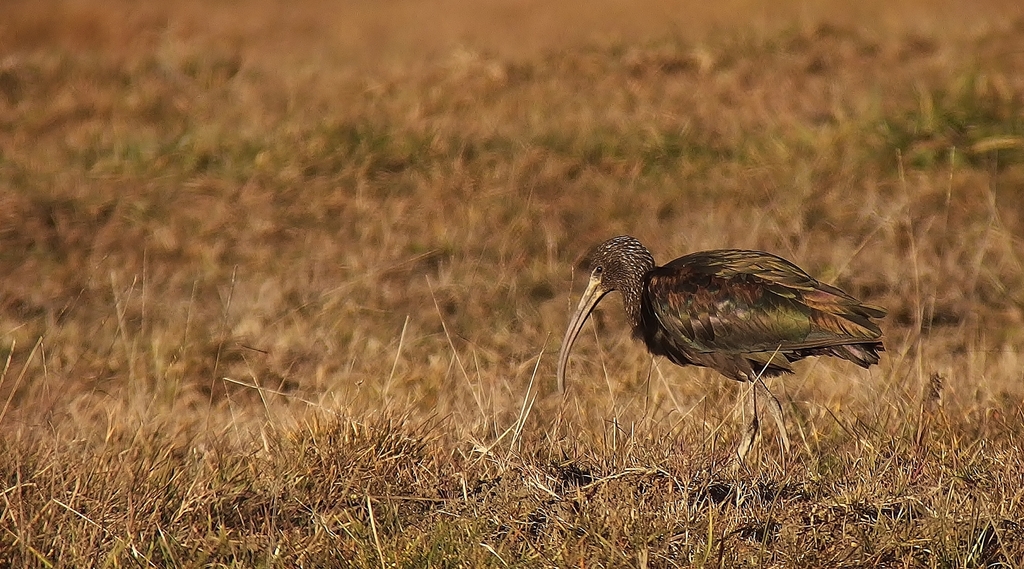
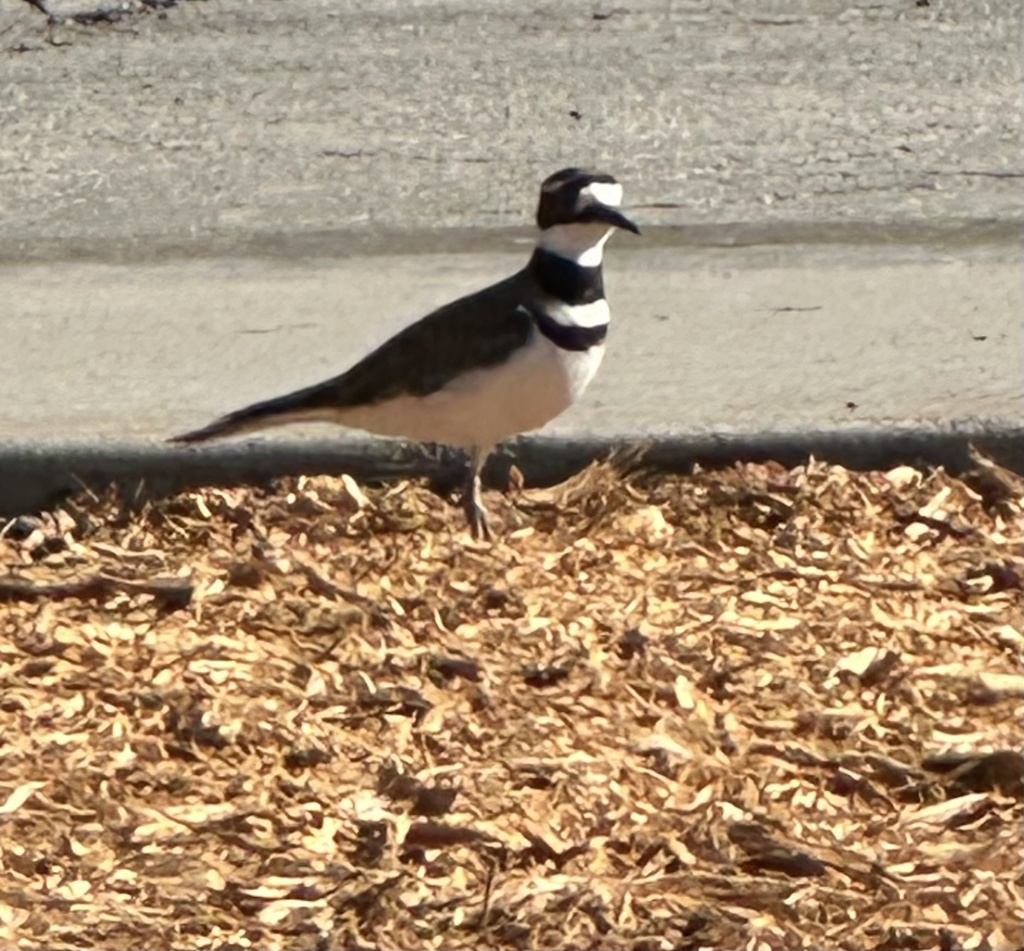
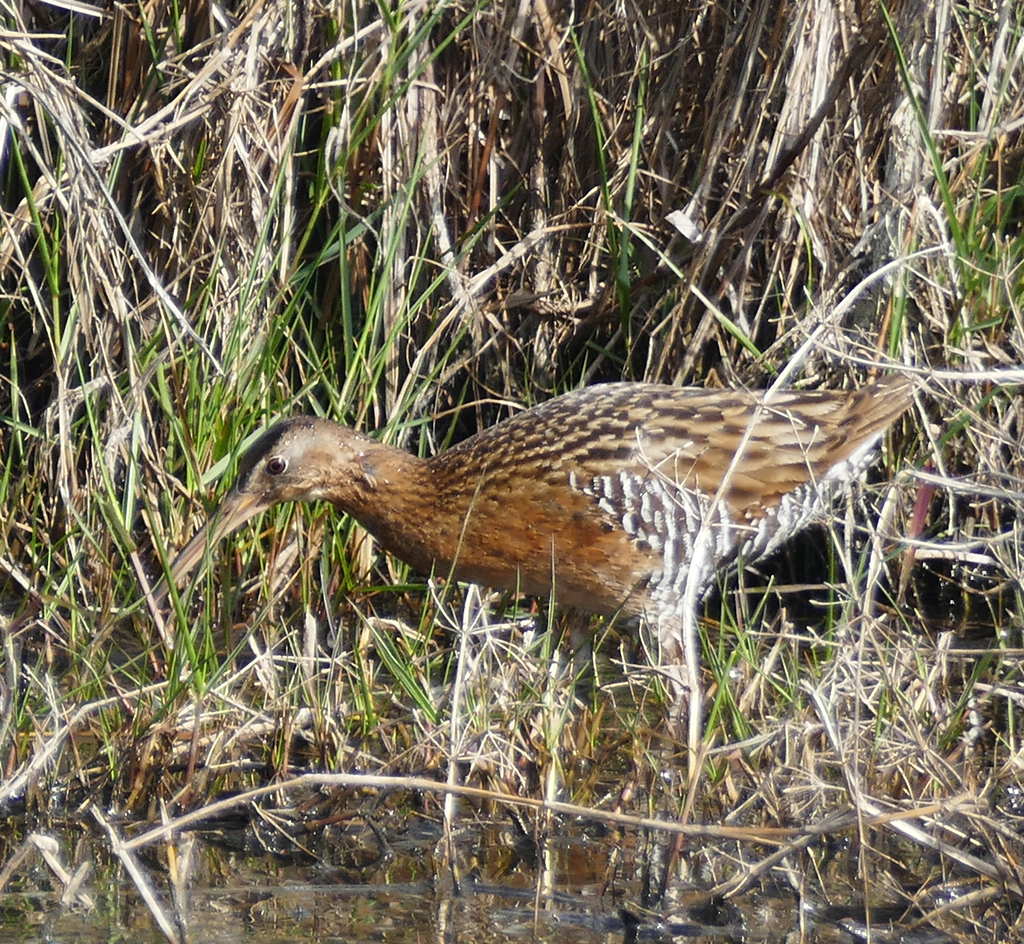
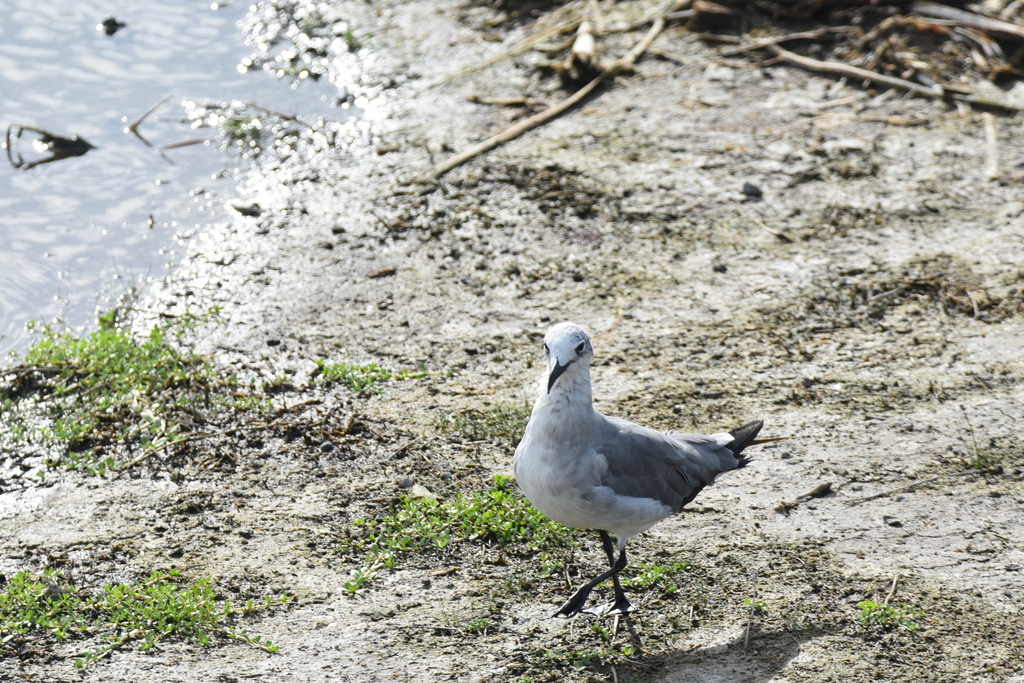
Wildlife whose habitat models include habitats this plant grows in, in Florida. Shared habitat, not food. 147 animals.
- Cooper's HawkAccipiter cooperii
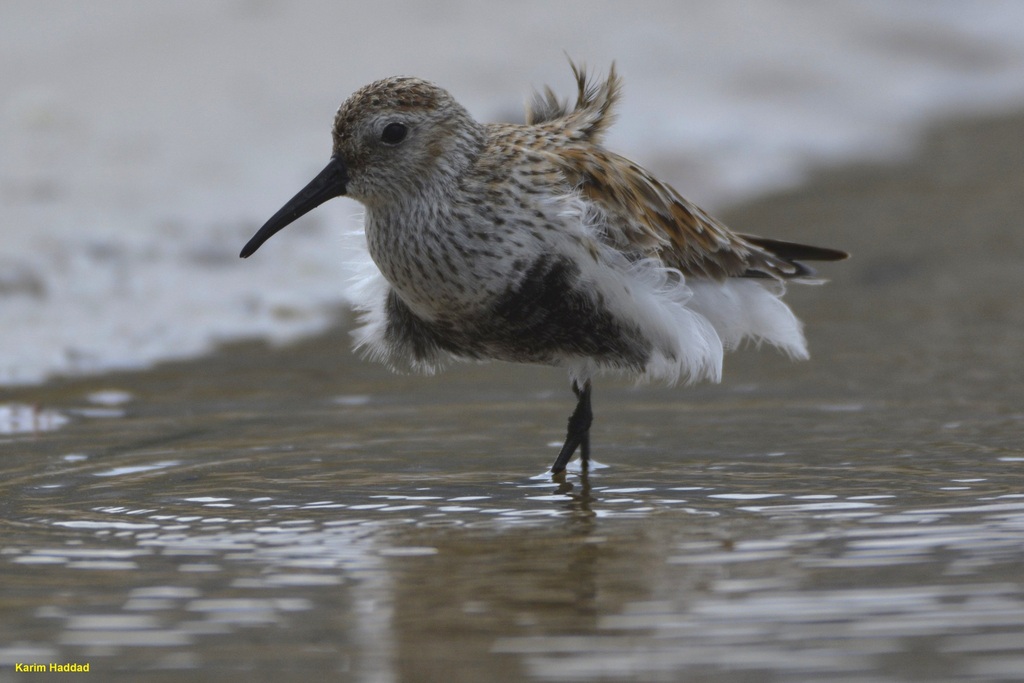
- DunlinCalidris alpina
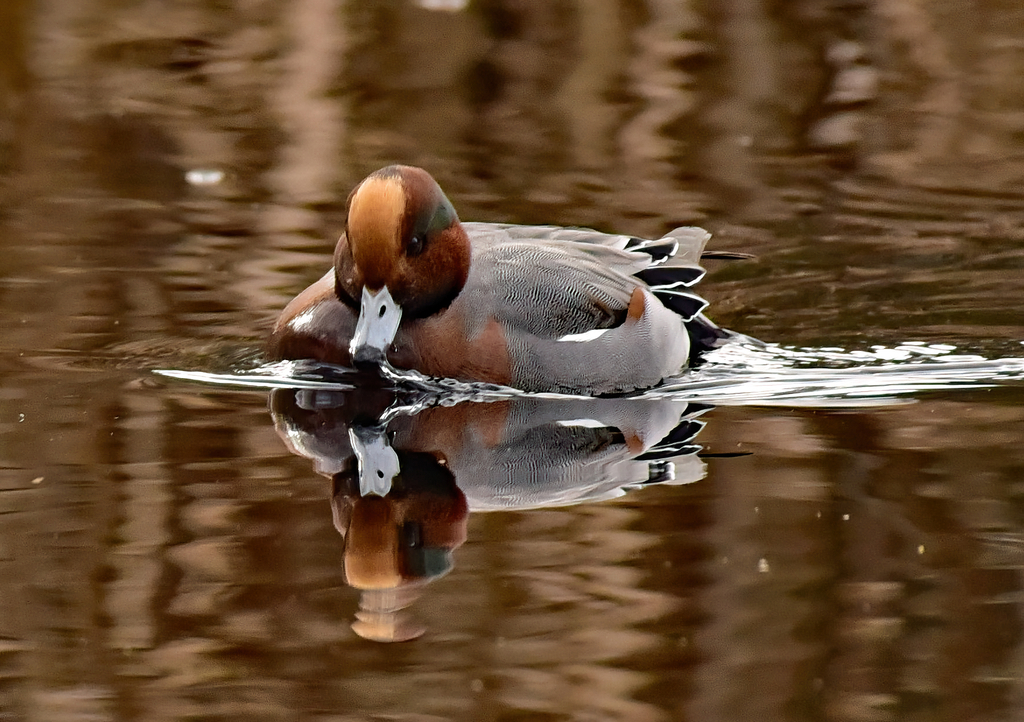
- Eurasian WigeonAnas penelope
- Fish CrowCorvus ossifragus
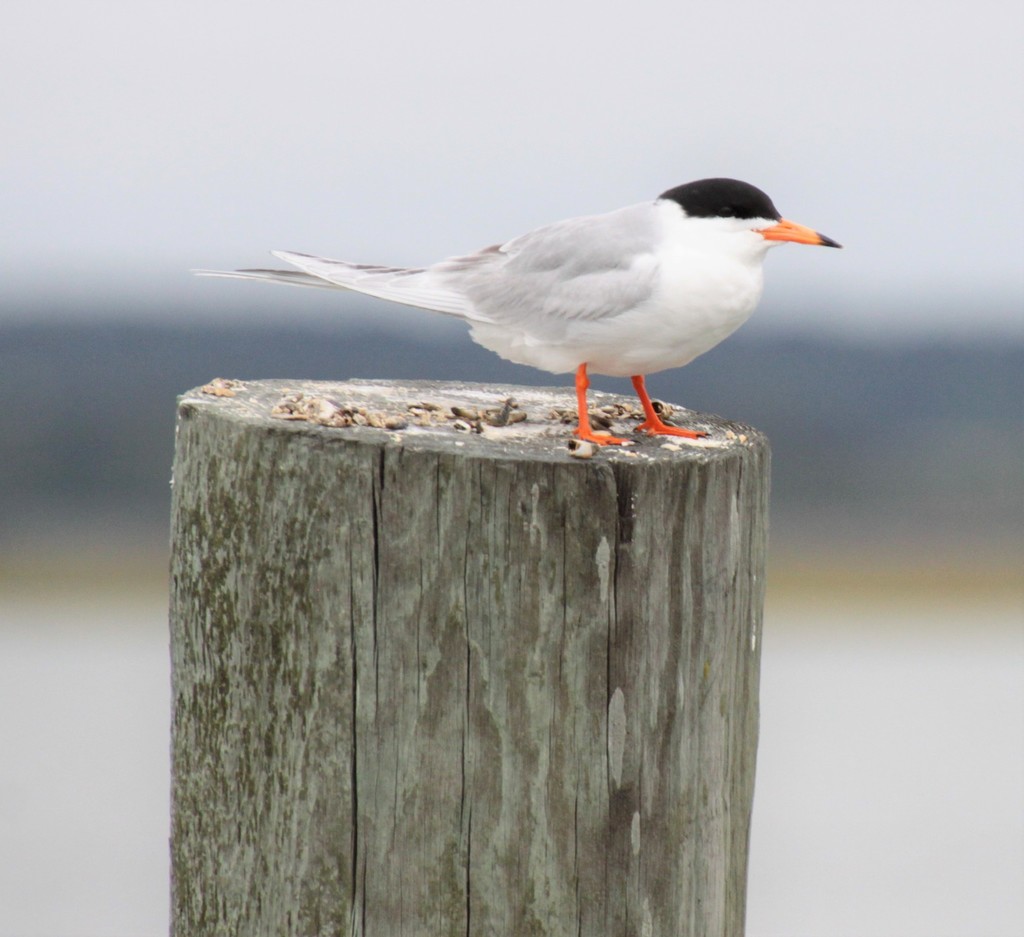
- Forster's TernSterna forsteri
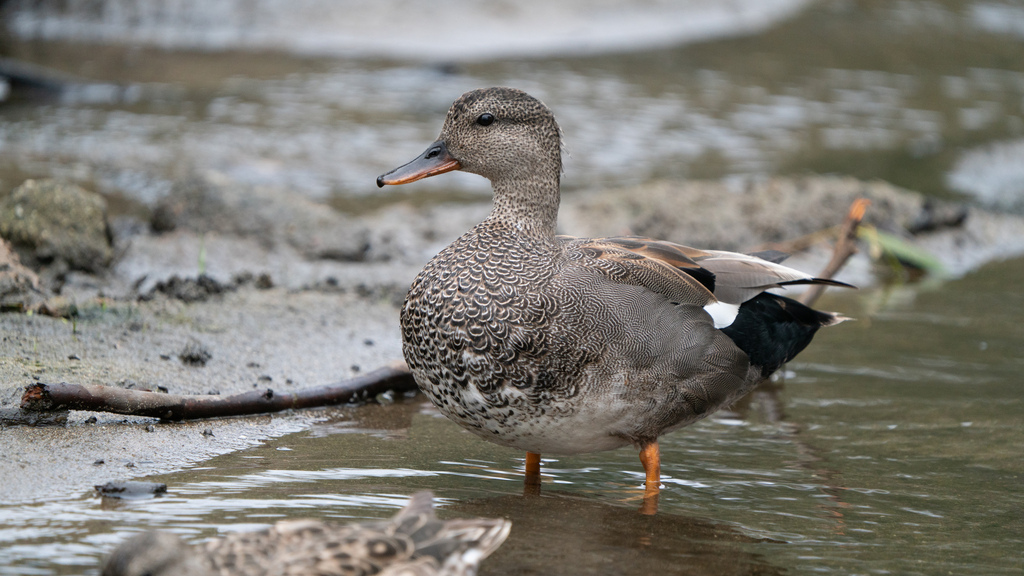
- GadwallAnas strepera
- Glossy IbisPlegadis falcinellus
- Great Blue HeronArdea herodias
- Great EgretArdea alba
- Great Horned OwlBubo virginianus
- Green HeronButorides virescens
- Hooded MerganserLophodytes cucullatus
- KilldeerCharadrius vociferus
- King RailRallus elegans
- Laughing GullLeucophaeus atricilla
- Least BitternIxobrychus exilis
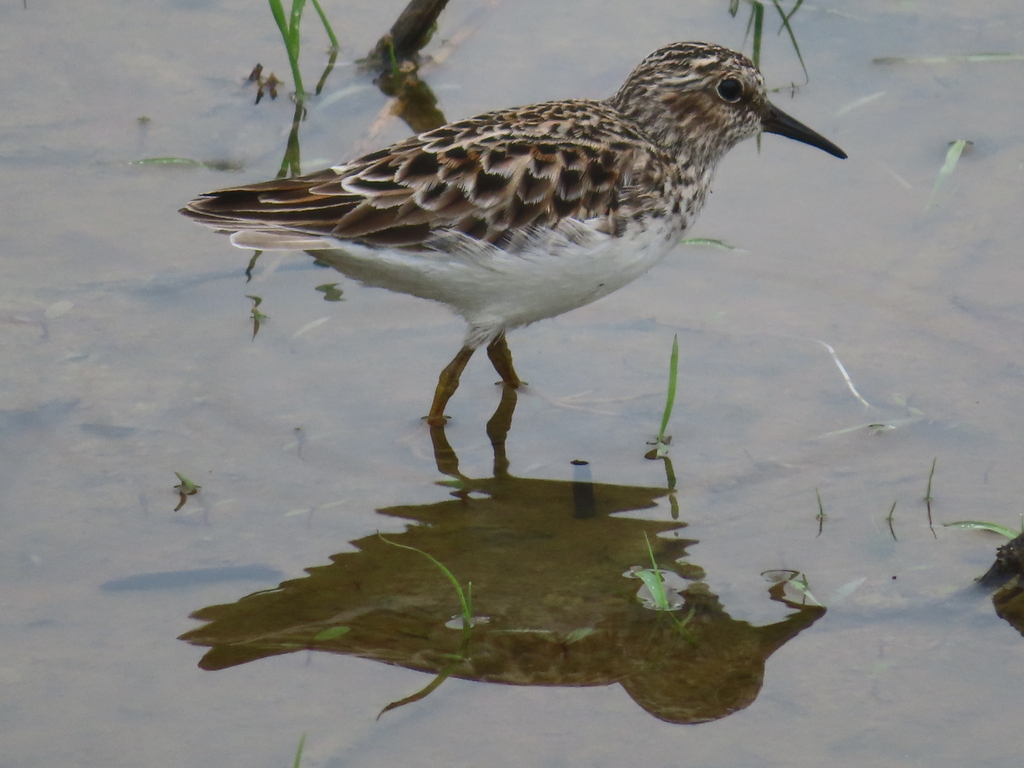
- Least SandpiperCalidris minutilla
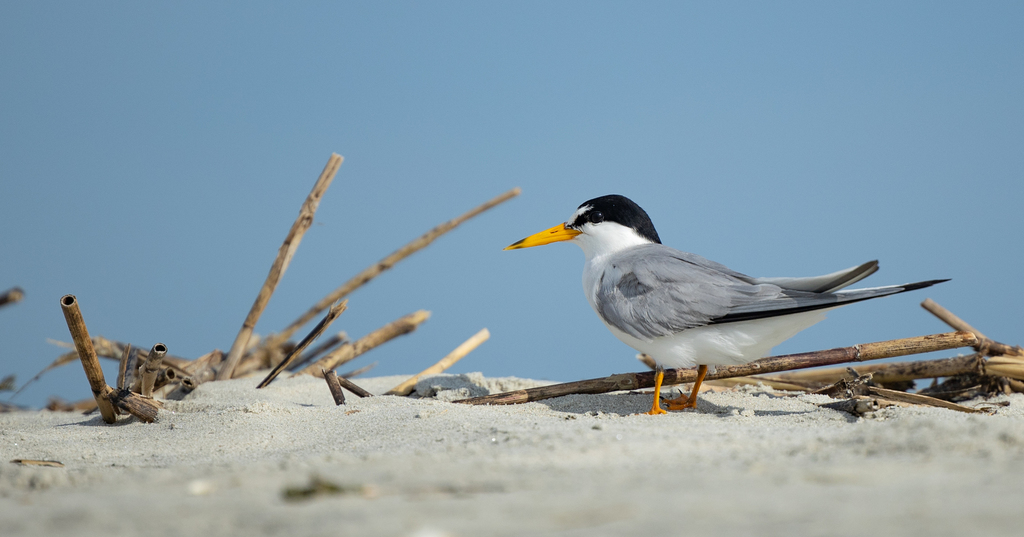
- Least TernSternula antillarum
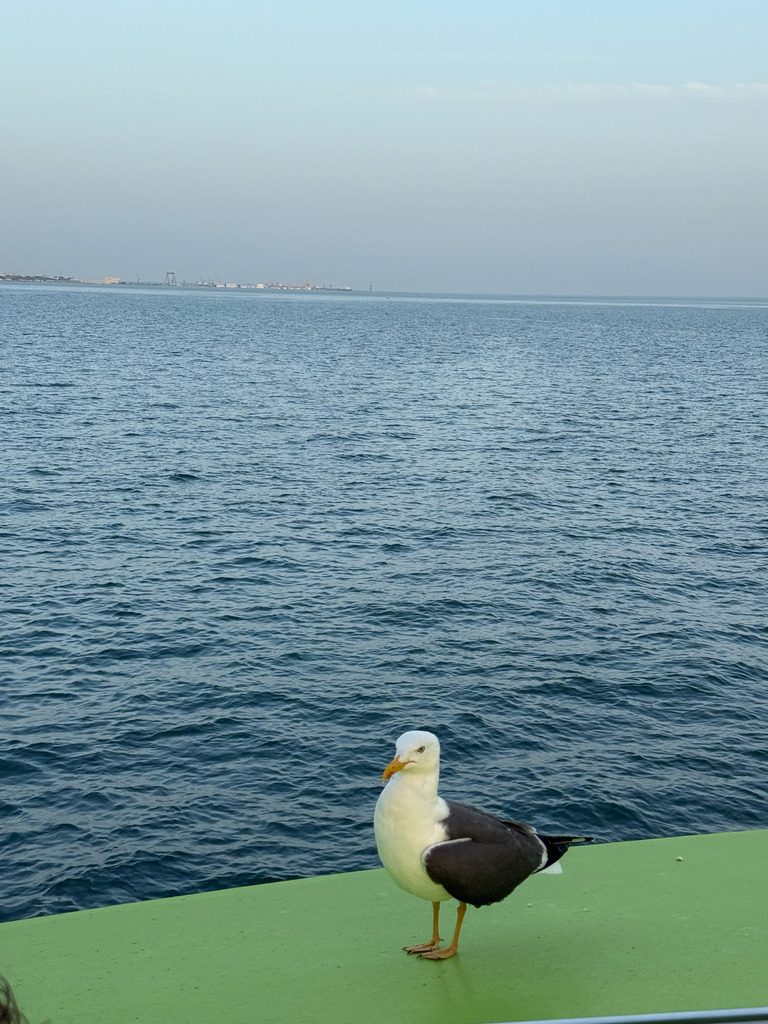
- Lesser Black-backed GullLarus fuscus
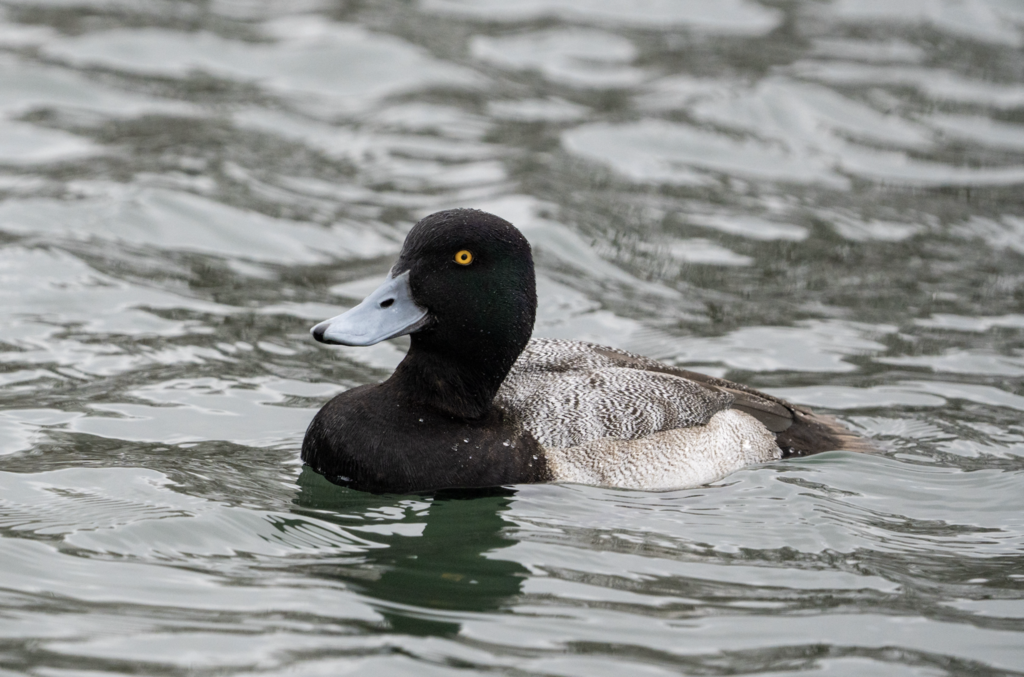
- Lesser ScaupAythya affinis
- Lesser YellowlegsTringa flavipes
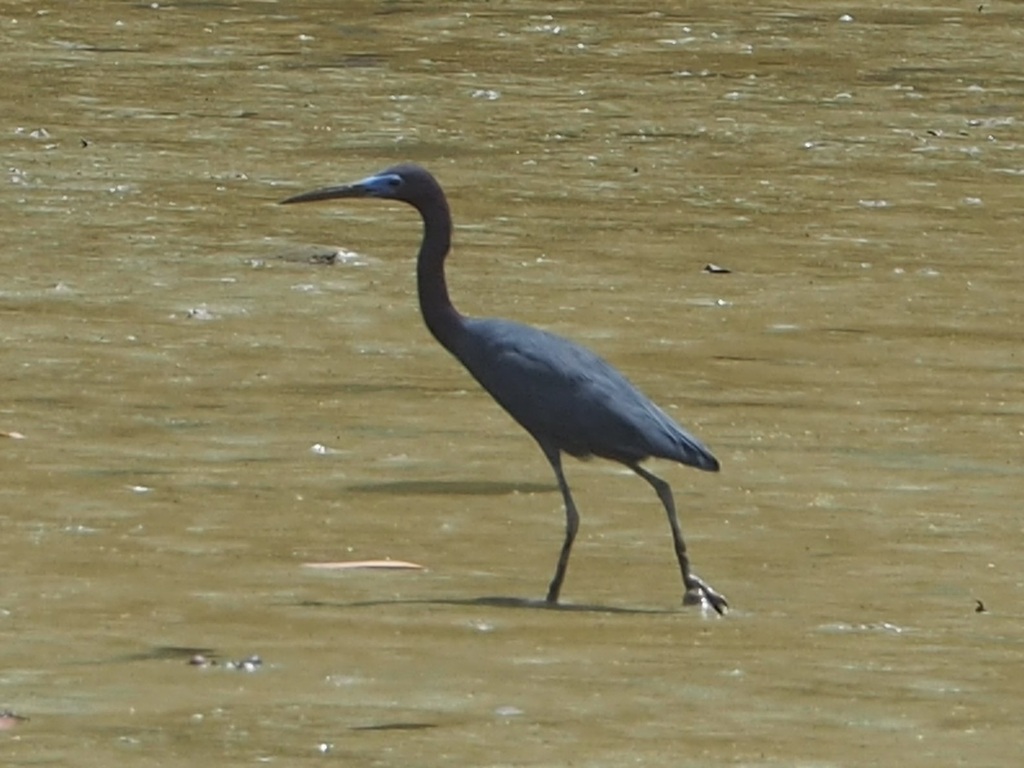
- Little Blue HeronEgretta caerulea
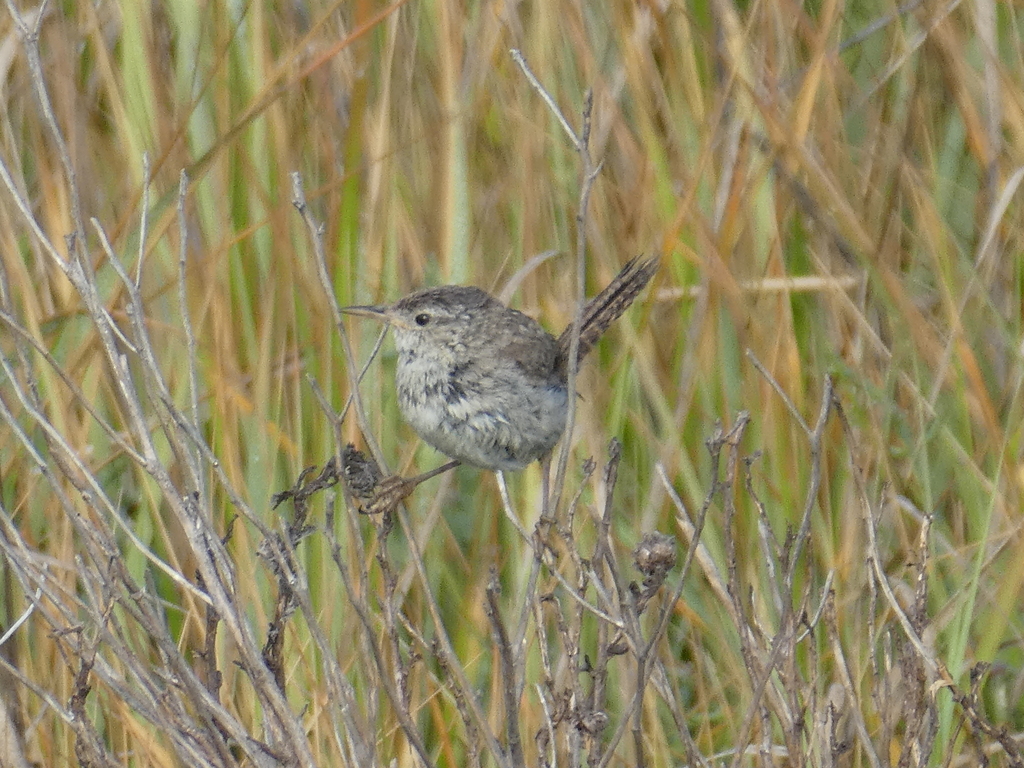
- Marsh WrenCistothorus palustris
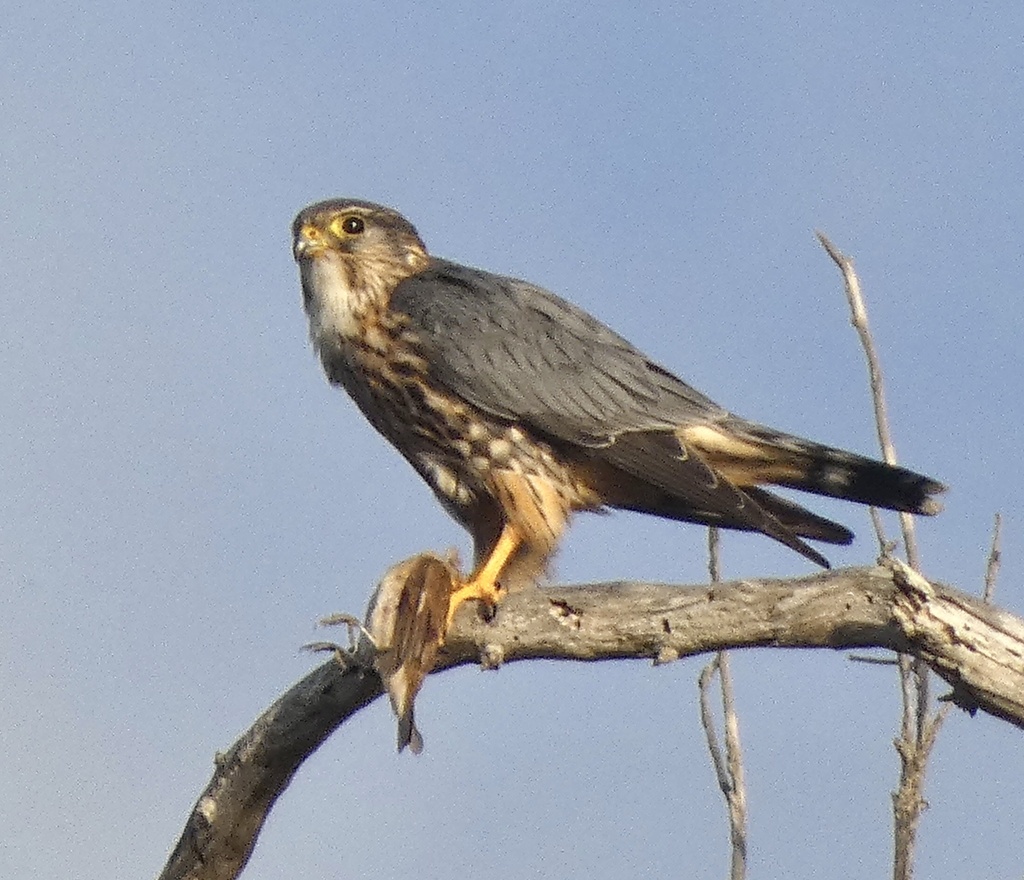
- MerlinFalco columbarius








Who uses this plant?
 15CaterpillarsGenus host records with ranges including FL
Genus host records with ranges including FL · Spartina
- Aethalura intertextaFour-Barred Gray
- Ancyloxypha numitorLeast Skipper
- Apantesis phalerataHarnessed Moth
- Doryodes bistrialisDouble-Lined Doryodes
- Ectropis crepusculariaThe Small Engrailed, Saddleback Looper
- Leucania linitaReed Wainscot, Linen Wainscot
- Leucanopsis longaLong-Streaked Tussock Moth
- Mocis texanaTexas Mocis
- Nola cereellaSorghum Cutworm, Sorghum Webworm Moth, Sorgham Webworm Moth
- Panoquina panoquinSalt Marsh Skipper
Show all 15
- Poanes aaroniAaron's Skipper
- Chilo demotella
- Chilo plejadellus
- Doryodes spadaria
- Photedes enervata
 0BeesSoutheastern regional records
 0Specialist beesPollen specialists
 1BirdsRecorded genus food-resource interactions; not a state feeding claim
Recorded genus food-resource interactions; not a state feeding claim · Spartina
- Anser caerulescensSnow Goose
Direct food only: birds recorded eating this genus across North America. Caterpillars on host plants also feed nesting birds. NC Native Plant Society: butterfly gardening
No records yet · Ants · Beetles · Flies · Adult butterflies / moths · Other wasps · Other insects
Plant details
- Family
- Poaceae
- Flower color
- Yellow
- Growth rate
- Moderate
- Growth habit
- Grows in clumps
- Foliage color
- Green
- Fruit begins
- Spring
- Fruit ends
- Summer
Safety has not been reviewed for this plant; check toxicity and thorns before planting.
Growing sources and scope
- Bloom · “Late spring” · USDA PLANTS · Nationwide species characteristics; local growing conditions may vary
- Flower color · “Yellow” · USDA PLANTS · Nationwide species characteristics; local growing conditions may vary
- Foliage color · “Green” · USDA PLANTS · Nationwide species characteristics; local growing conditions may vary
- Fruit begins · “Spring” · USDA PLANTS · Nationwide species characteristics; local growing conditions may vary
- Fruit ends · “Summer” · USDA PLANTS · Nationwide species characteristics; local growing conditions may vary
- Growth habit · “Grows in clumps” · USDA PLANTS · Nationwide species characteristics; local growing conditions may vary
- Growth rate · “Moderate” · USDA PLANTS · Nationwide species characteristics; local growing conditions may vary
- Height · “About 3.5 feet” · USDA PLANTS · Nationwide species characteristics; local growing conditions may vary
Also known as
Sporobolus alterniflorus
Conservation status
| Florida rank | S5 |
|---|---|
| Global rank | G5 |
| FL status | Not verified |
| Federal status | Not verified |
Will it fit your yard?
Check this plant against your county, sun and soil moisture. Conditions are checked in your browser.
Sources
- Atlas of Florida Plants
- USDA PLANTS
- Vascular Plants of North Carolina (NC Natural Heritage Program)
- Weakley, Flora of the Southeastern United States (2025)
- NatureServe Explorer
- Shropshire & Tallamy 2025, Lepidoptera of North America north of Mexico, ZooKeys 1261 (ODbL)
- Noori, Seltmann & Orr 2026, A curated and integrated dataset for exploring global bee-plant interactions (GloBI), Zenodo, CC BY 4.0
- Smith, Bachelder, Russell, Morales, Mosher & Seltmann 2024, Bee-Specialization-Modeling v0.6.1 (specialist host table compiled from J. Fowler's pollen specialist bee lists), Zenodo, CC BY 4.0
- Hurlbert, Olsen, Sawyer & Winner 2021, Avian Diet Database, Scientific Data 8: 260 (CC0)
- Narango, Tallamy & Shropshire 2020, Few keystone plant genera support the majority of Lepidoptera species, Nature Communications