

Scarlet Wisteria-tree
Sesbania punicea
Found in ditches, wet fields, marshes, ponded wetlands, wet pinelands. Weakley, Flora of the Southeastern United States (2025), Florida edition What its natural habitat tells you
Not native to Florida. How scores work Is it native here?
Profile 71%
- Light
- Full sun, Partial shade
- Soil moisture
- Usually moist
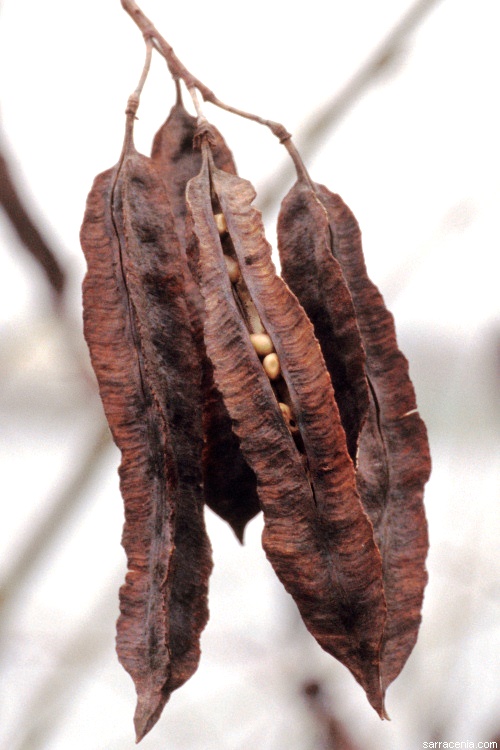
Do not plant. Listed invasive in Florida.
At a glance
- Life cycle
- Woody perennial
- Leaves
- Deciduous
- Bloom
- June to October
- Fruiting season
- August to November
Not yet recorded · Height · Spread
Recorded in 56 Florida counties.
Natural habitats
Places it grows wild. Not a planting requirement. Each habitat page lists the plants and wildlife also found there.

Roadsides, fields and disturbed ground
Ground opened by people: roadsides, old fields, pastures, fencerows and lots.
Open, wet, grassy or sedgy ground that is not a bog.
Also found with this plant
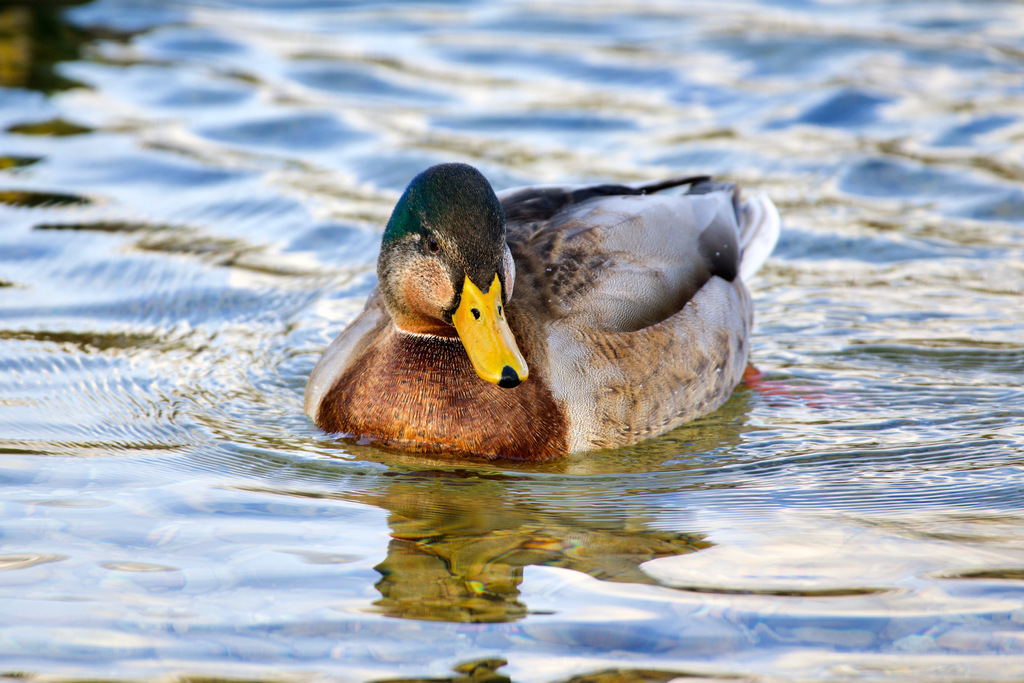
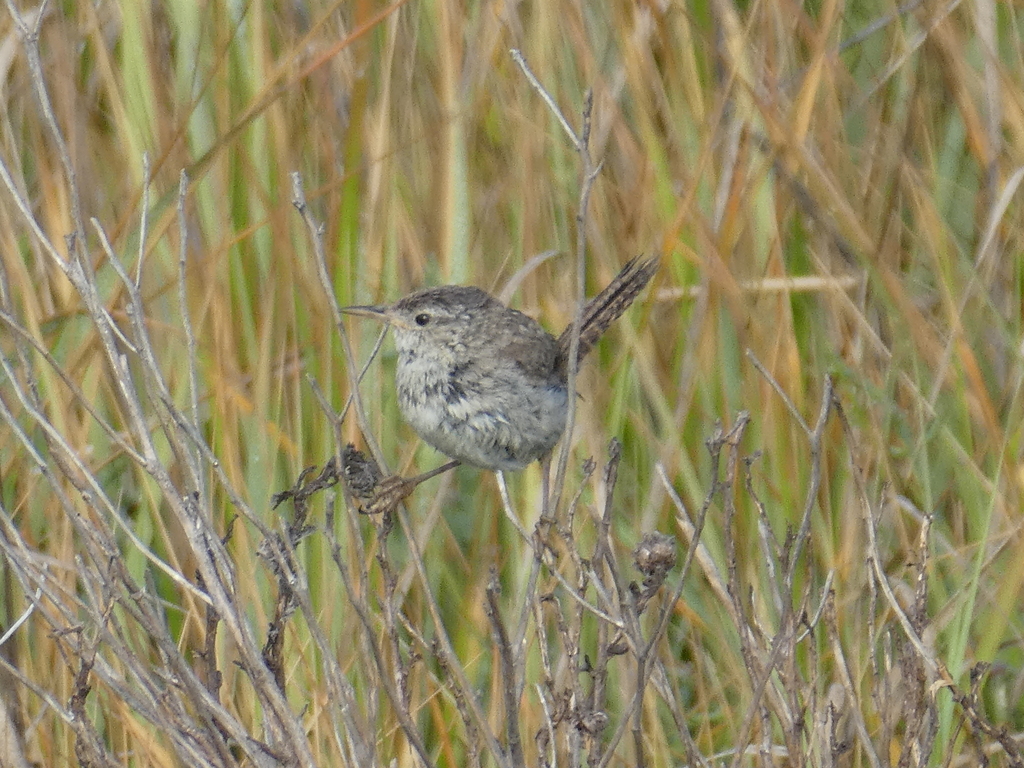
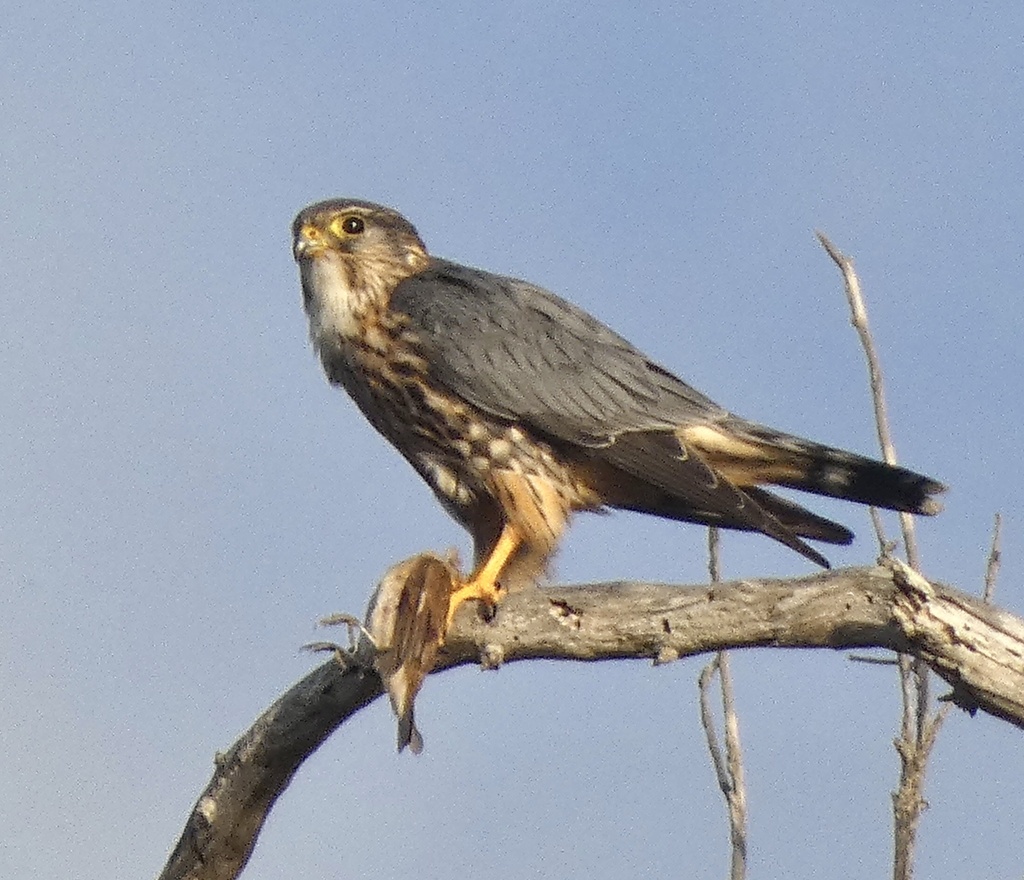
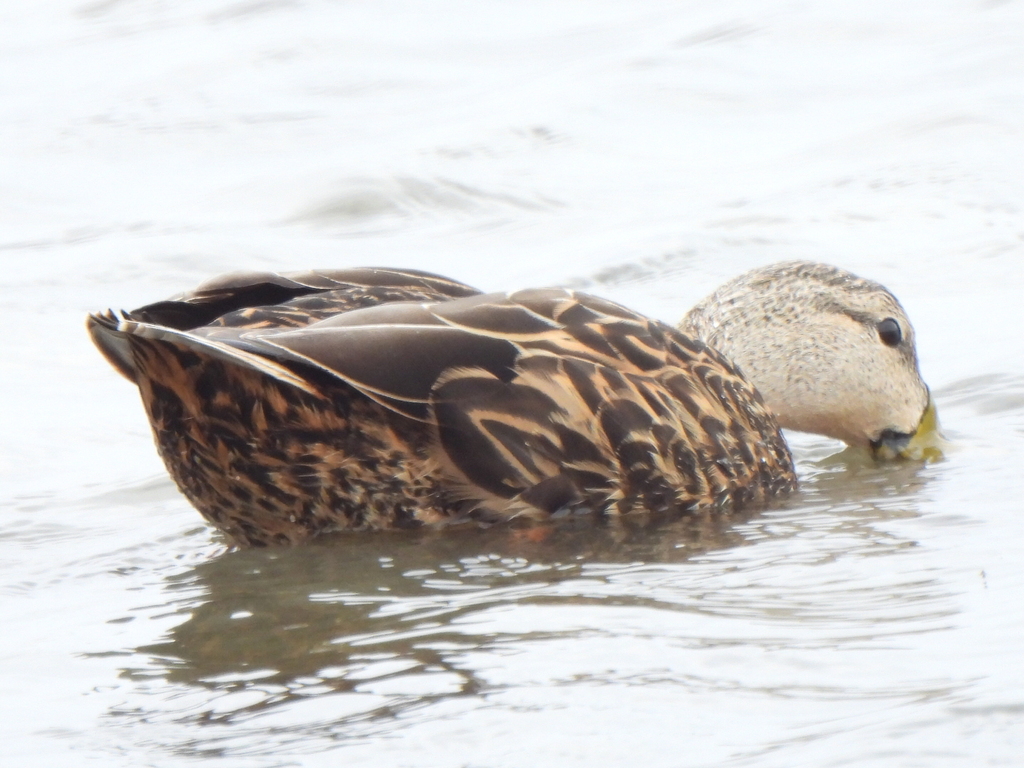
Wildlife whose habitat models include habitats this plant grows in, in Florida. Shared habitat, not food. 117 animals.
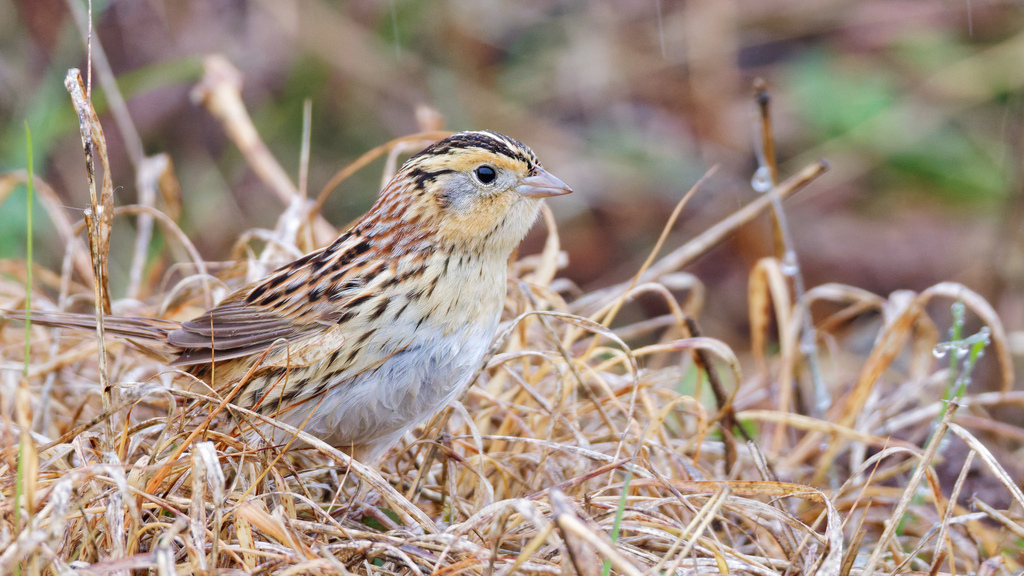
- Le Conte's SparrowAmmodramus leconteii
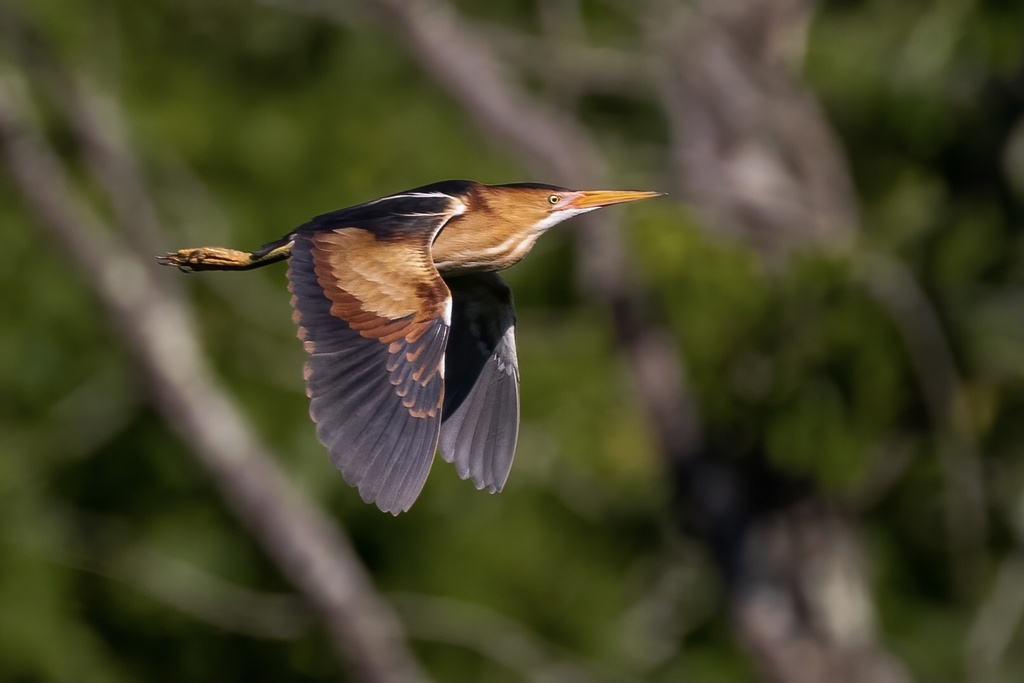
- Least BitternIxobrychus exilis
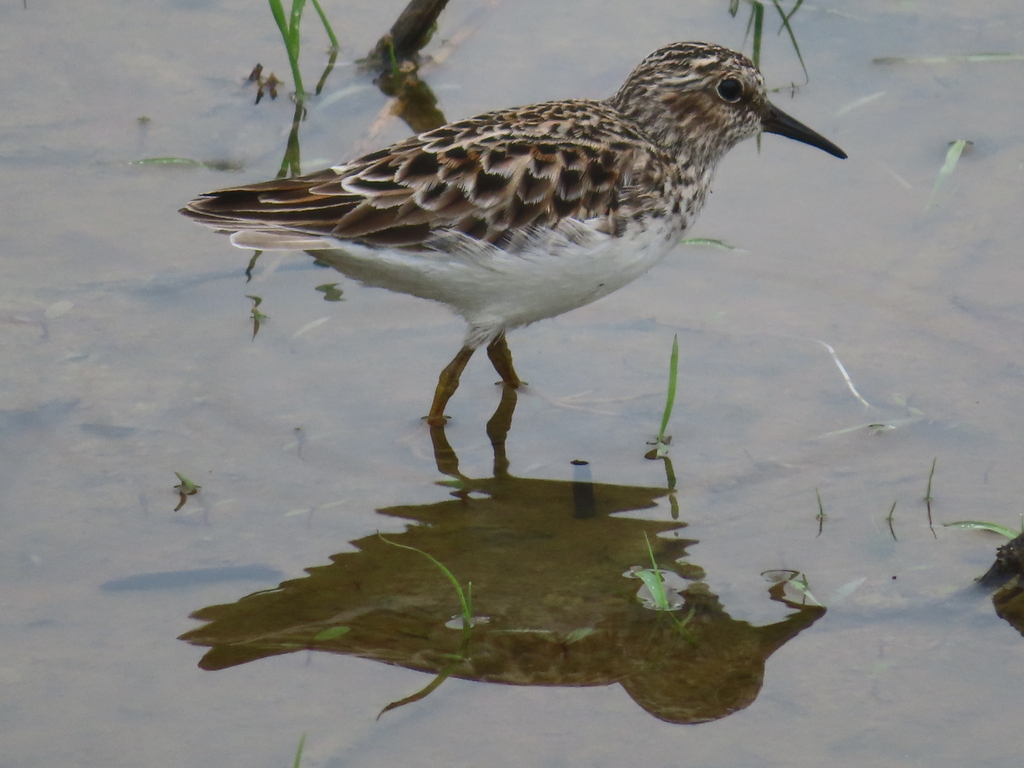
- Least SandpiperCalidris minutilla
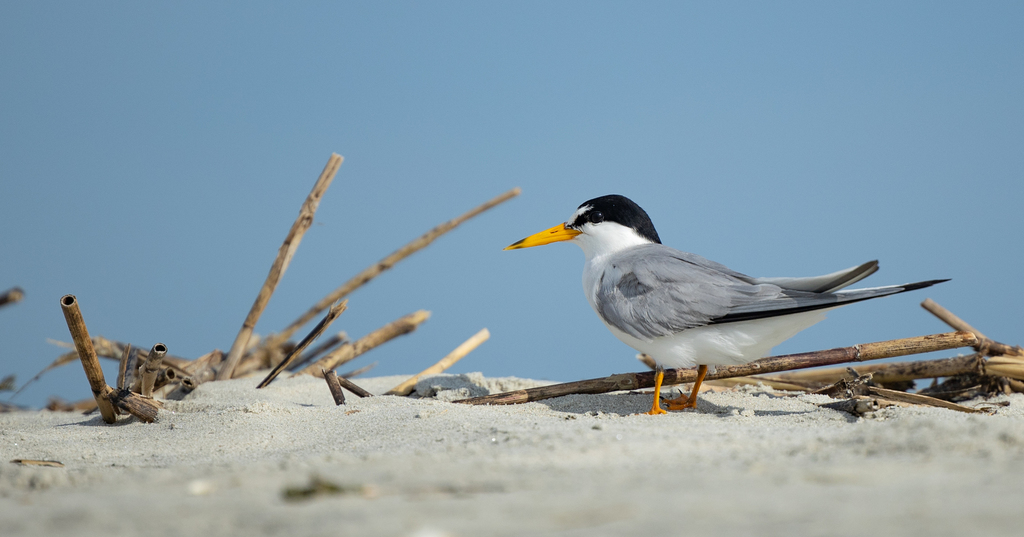
- Least TernSternula antillarum
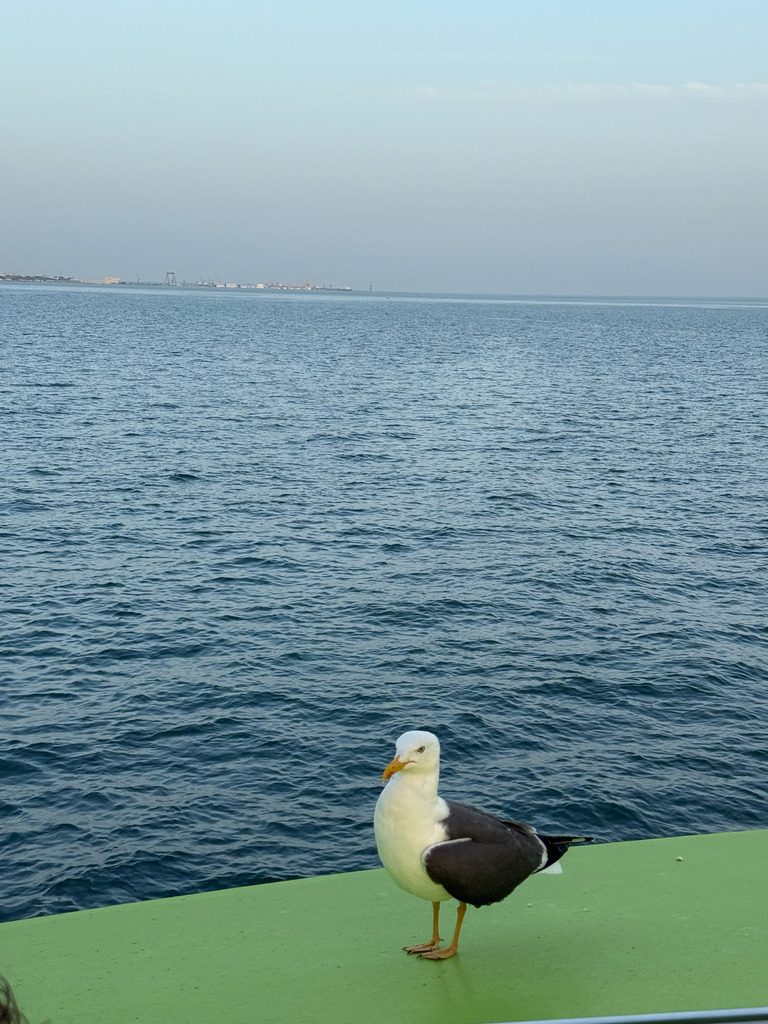
- Lesser Black-backed GullLarus fuscus
- Lesser ScaupAythya affinis
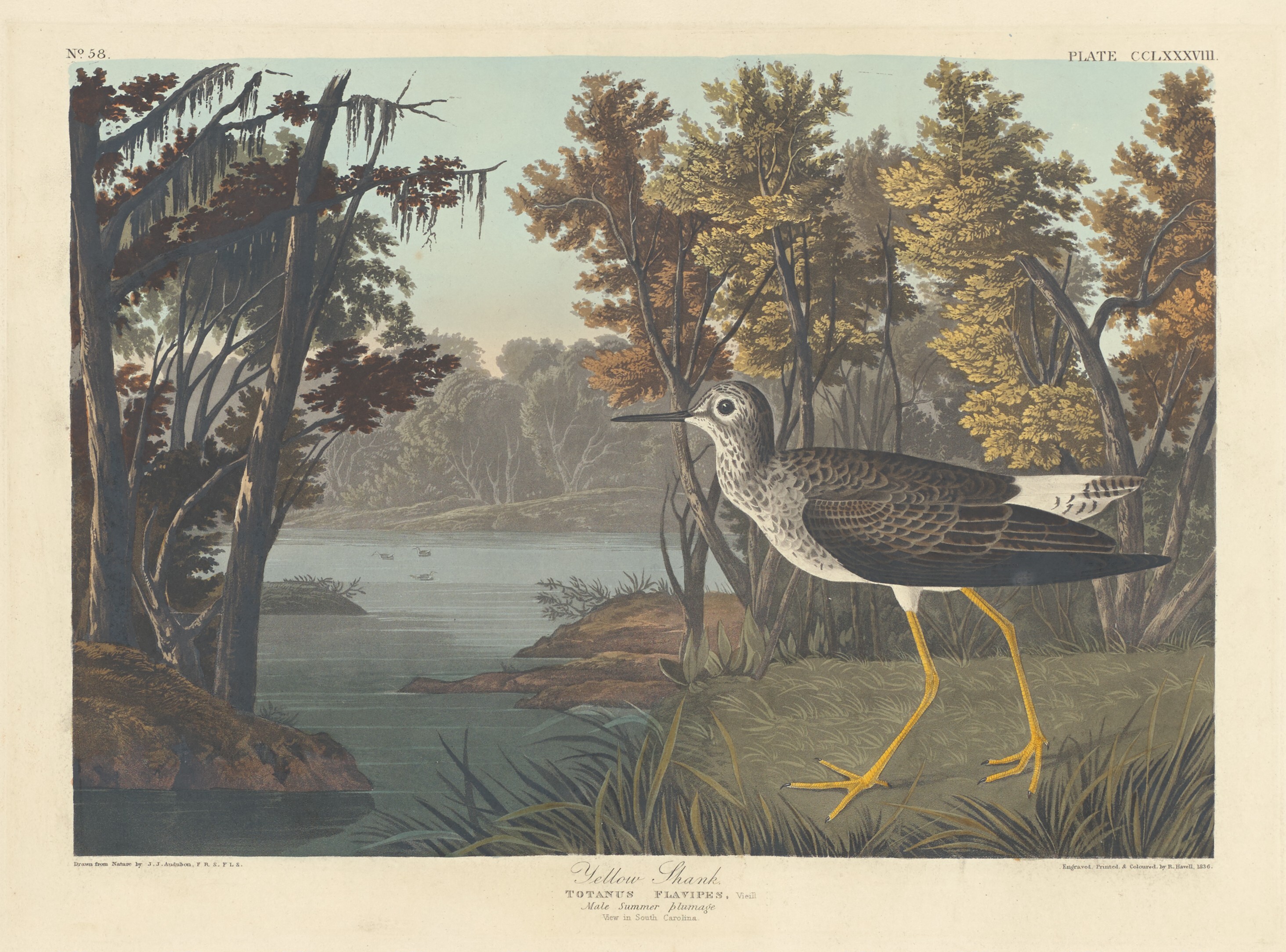
- Lesser YellowlegsTringa flavipes
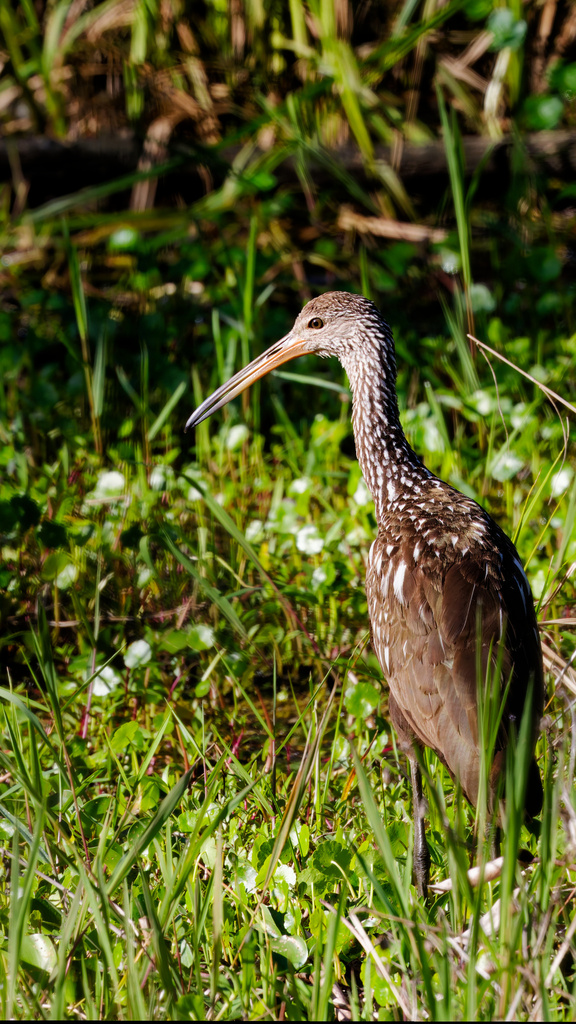
- LimpkinAramus guarauna
- Lincoln's SparrowMelospiza lincolnii
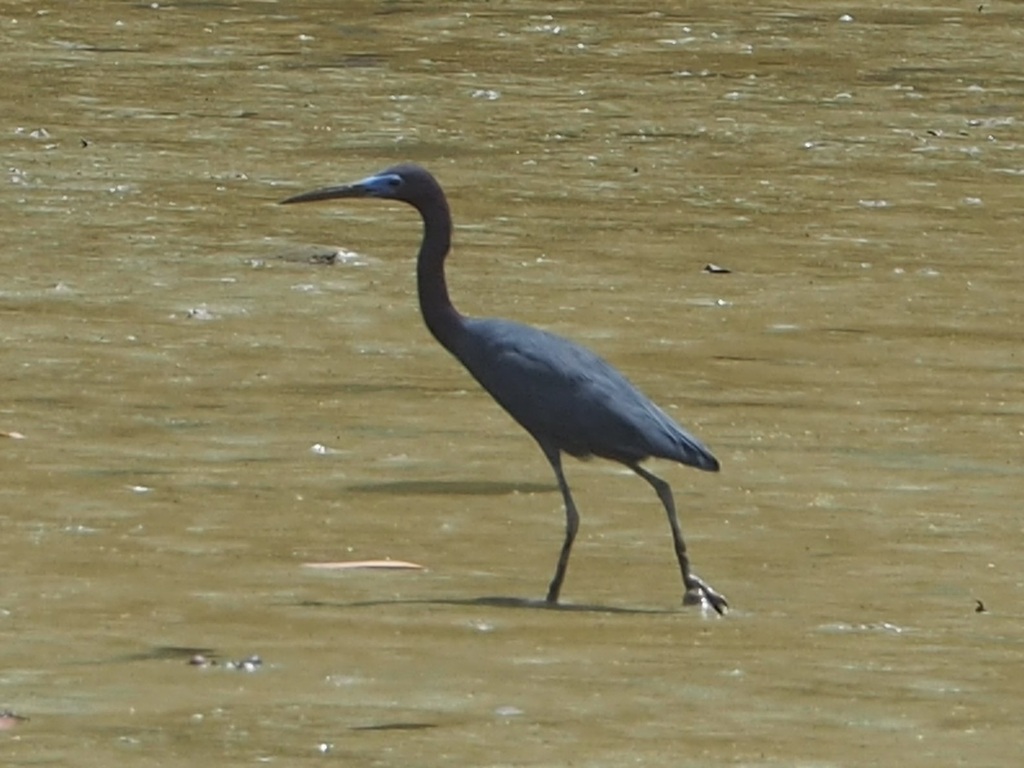
- Little Blue HeronEgretta caerulea
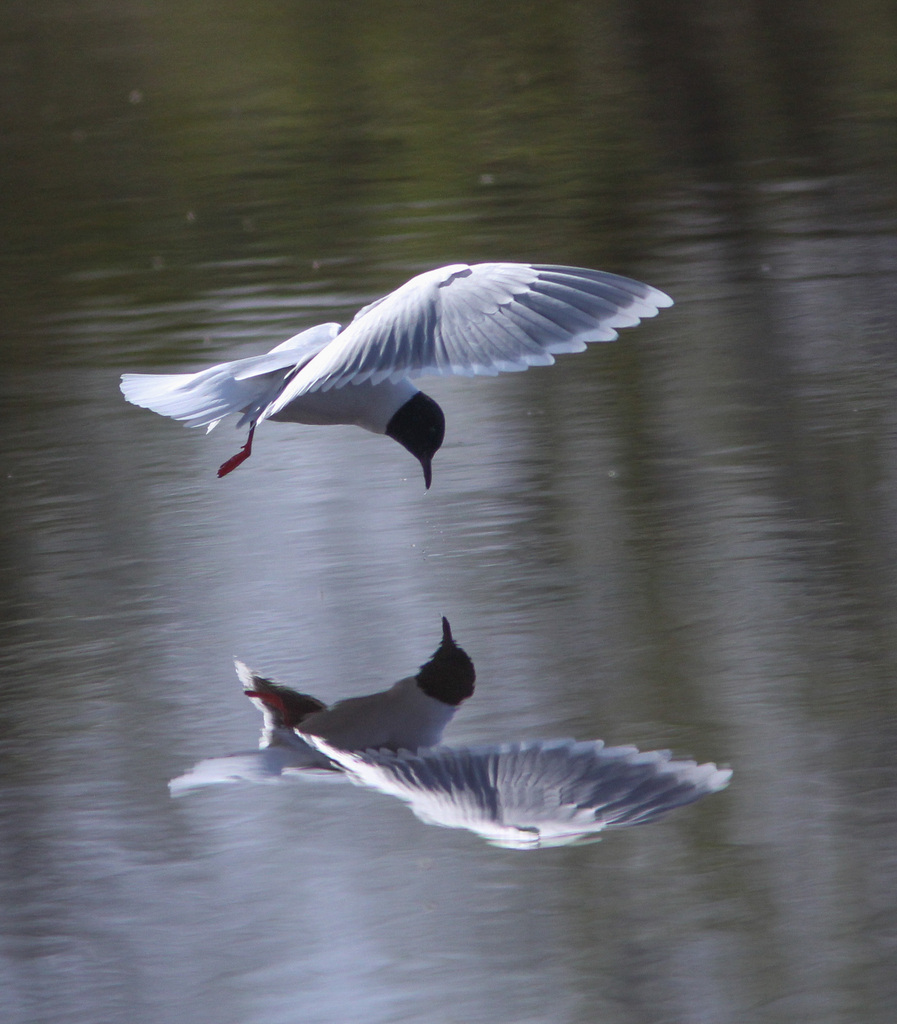
- Little GullHydrocoloeus minutus
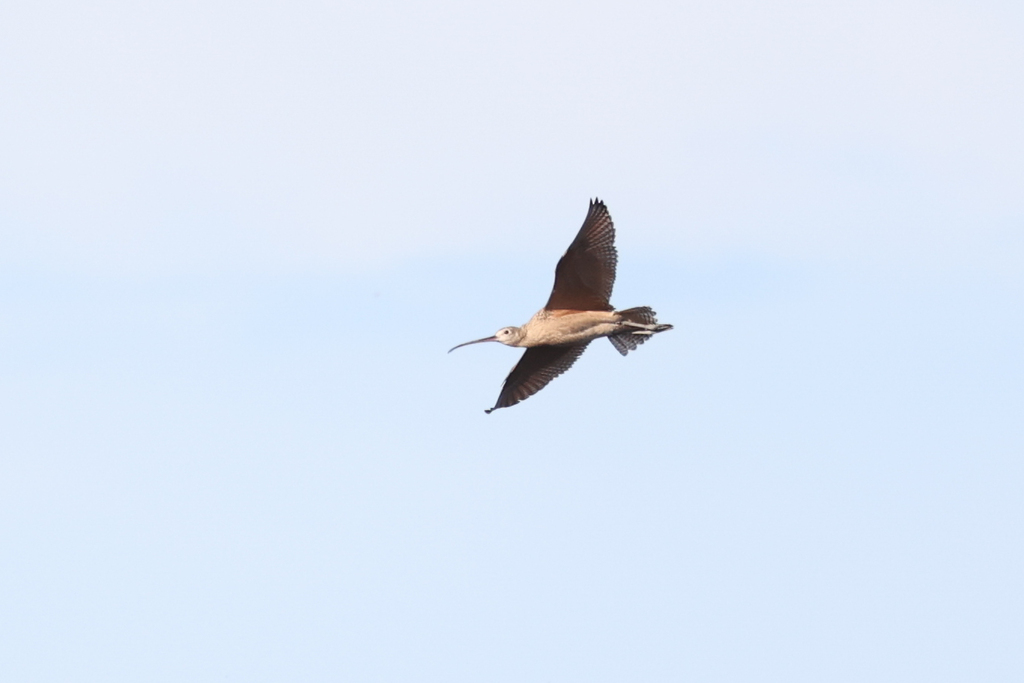
- Long-billed CurlewNumenius americanus
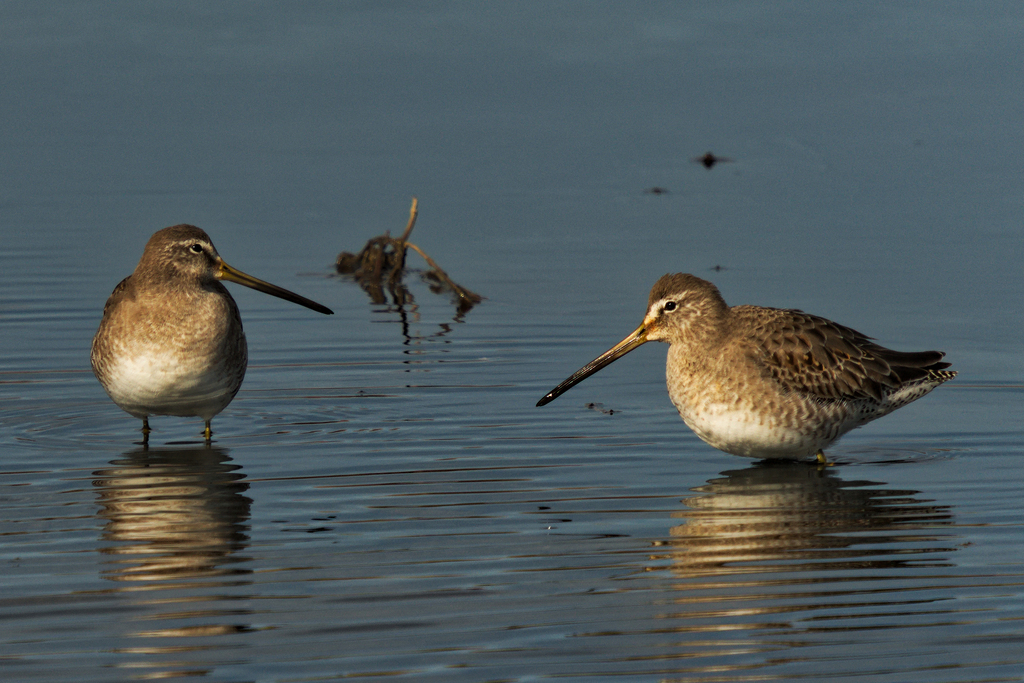
- Long-billed DowitcherLimnodromus scolopaceus
- MallardAnas platyrhynchos
- Marsh WrenCistothorus palustris
- MerlinFalco columbarius
- Mottled DuckAnas fulvigula
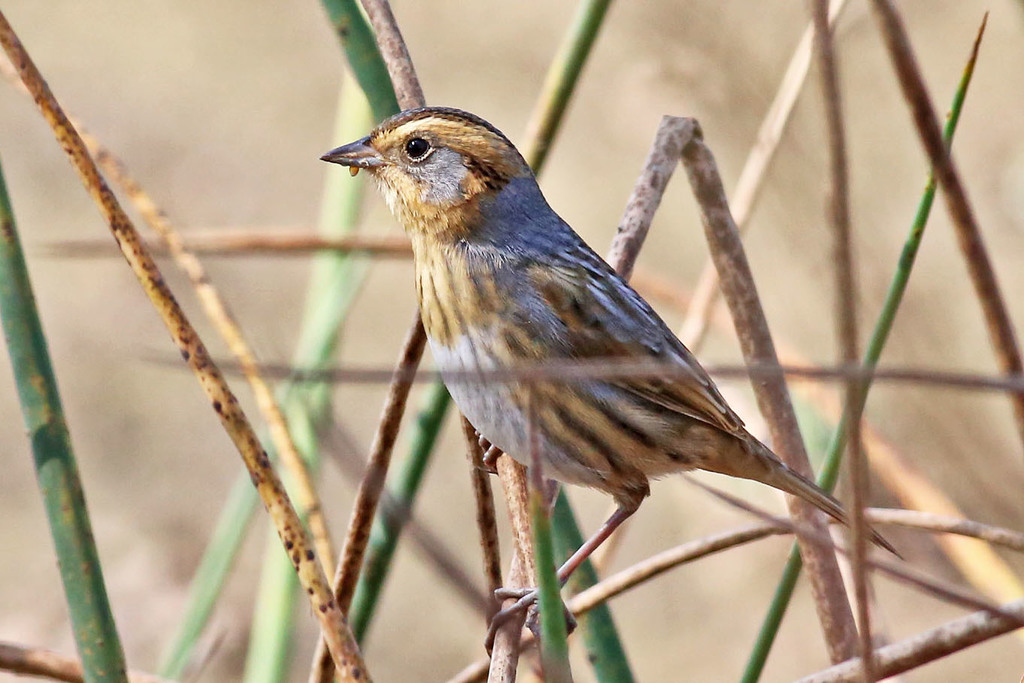
- Nelson's Sharp-tailed SparrowAmmodramus nelsoni
- Northern CardinalCardinalis cardinalis
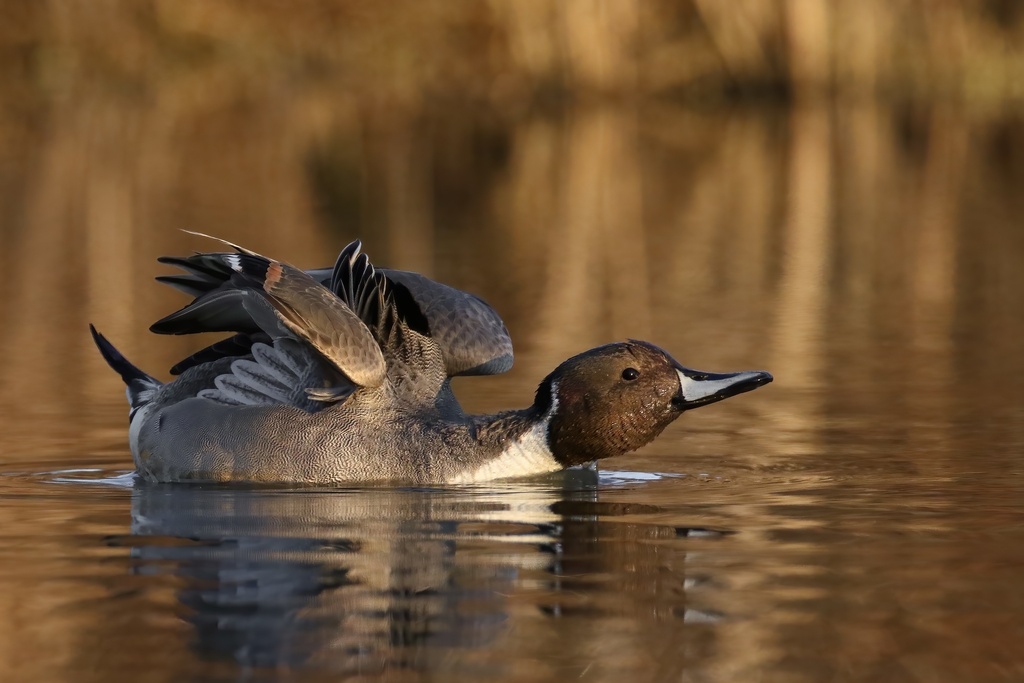
- Northern PintailAnas acuta
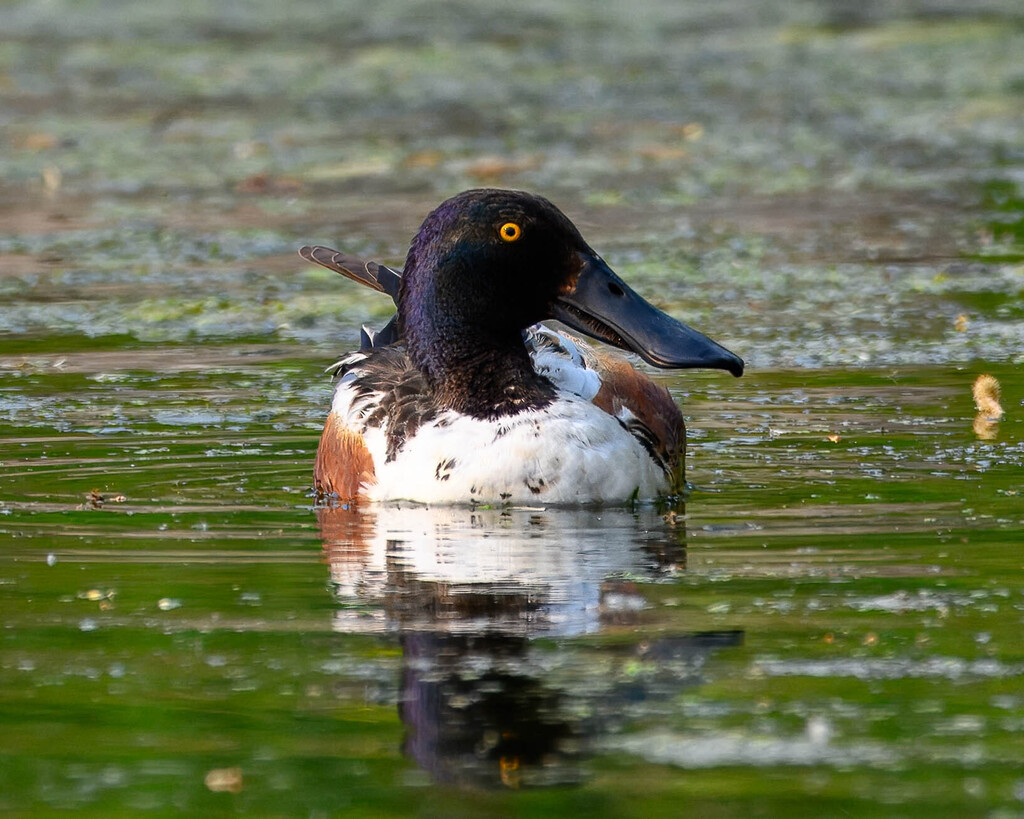
- Northern ShovelerAnas clypeata
- OspreyPandion haliaetus
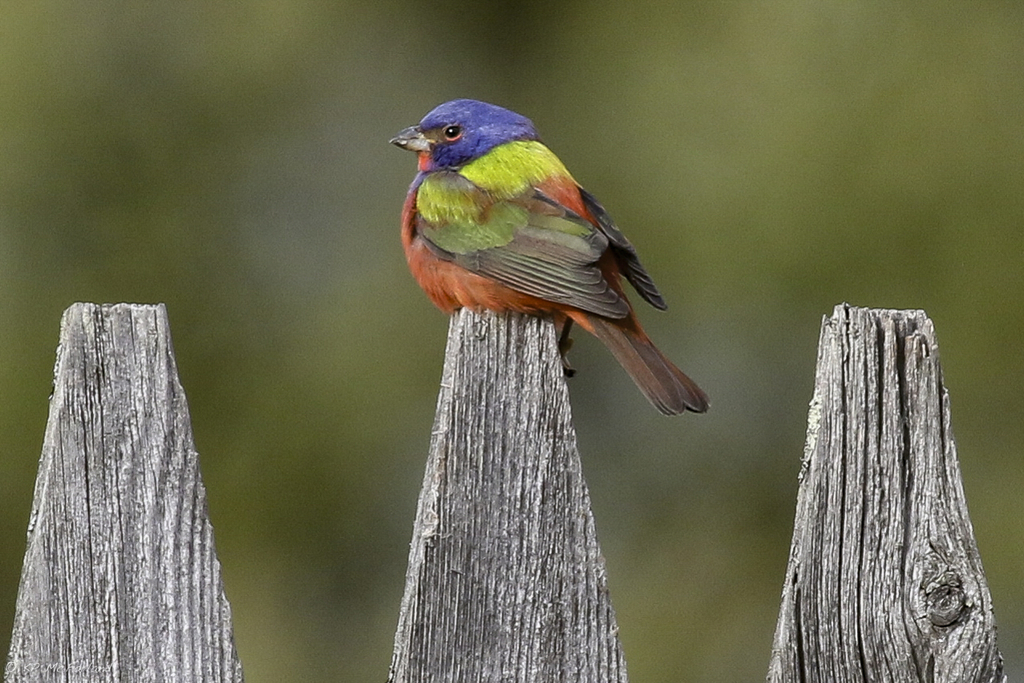
- Painted BuntingPasserina ciris
- Palm WarblerDendroica palmarum




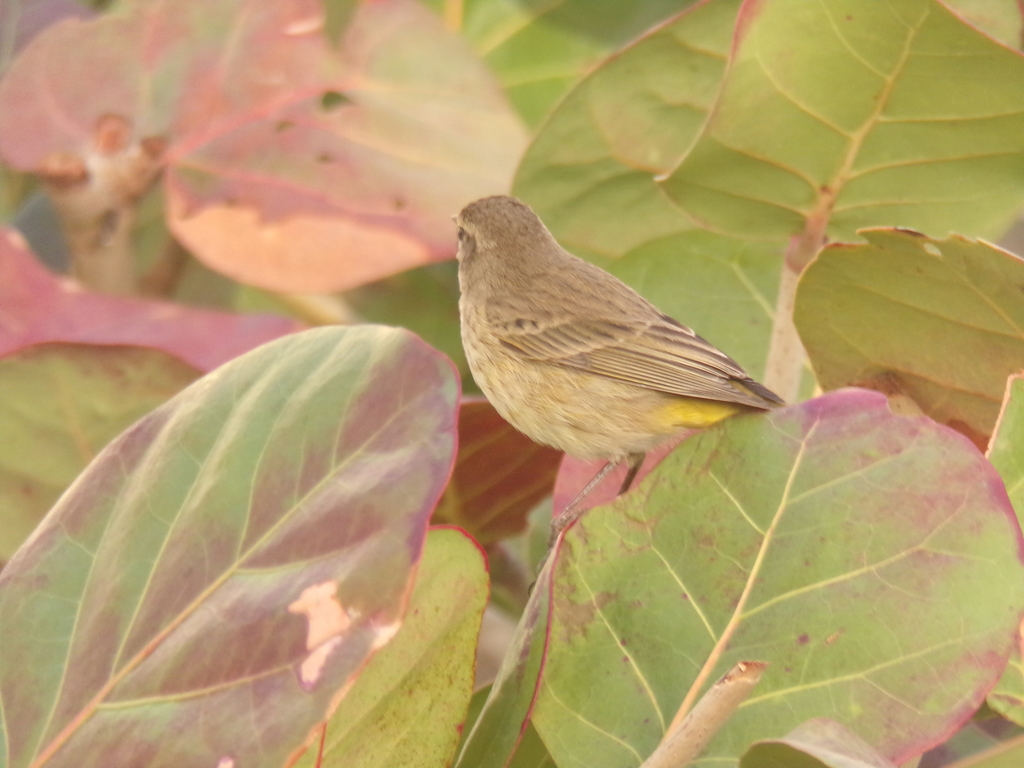

Who uses this plant?
 21CaterpillarsGenus host records with ranges including FL
Genus host records with ranges including FL · Sesbania
- Anavitrinella pampinariaCommon Gray, Cranberry Spanworm
- Anticarsia gemmatalisVelvetbean Caterpillar Moth
- Colias eurythemeOrange Sulphur, Alfalfa Butterfly
- Elasmopalpus lignosellaLesser Cornstalk Borer
- Gesta baptisiaeWild Indigo Duskywing, Baptisia Duskywing
- Gesta zaruccoZarucco Duskywing
- Helicoverpa zeaCorn Earworm Moth
- Hemiargus ceraunusCeraunus Blue, Antillean Blue
- Iridopsis defectariaBrown-Shaded Gray, Willow Looper
- Iridopsis humariaSmall Purplish Gray
Show all 21
- Leptotes cassiusCassius Blue, Tropical Striped Blue
- Platynota flavedanaBlack-Shaded Platynota
- Platynota rostranaOmnivorous Platynota
- Psamatodes abydataDot-Lined Angle
- Selenisa sueroidesTailpipes, Pale-Edged Selenisa Moth
- Spodoptera eridaniaSouthern Armyworm Moth
- Strymon melinusGray Hairstreak
- Urbanus proteusLong-Tailed Skipper, Bean Leaf Roller
- Dichomeris acuminatus
- Ephyrodes cacata
- Glympis concors
 —BeesSoutheastern regional records
 —Specialist beesPollen specialists
 4BirdsRecorded genus food-resource interactions; not a state feeding claim
Recorded genus food-resource interactions; not a state feeding claim · Sesbania
- Colinus virginianusNorthern Bobwhite
- Francolinus francolinusBlack Francolin
- Zenaida asiaticaWhite-winged Dove
- Zenaida macrouraMourning Dove
Direct food only: birds recorded eating this genus across North America. Caterpillars on host plants also feed nesting birds. NC Native Plant Society: butterfly gardening
Plant details
- Family
- Fabaceae
- Hardiness
- Zones 8a–11b
- Soil pH
- Acidic to neutral
- Flower color
- Yellow, orange or purple
- Fruit begins
- August
- Fruit ends
- November
Safety has not been reviewed for this plant; check toxicity and thorns before planting.
Growing sources and scope
- Bloom · “June to October” · Weakley, Flora of the Southeastern United States (2025), Carolinas & Georgia edition · Carolinas and Georgia
- Flower color · “Yellow, orange or purple” · NC Extension Plant Toolbox
- Fruit begins · “August” · Weakley, Flora of the Southeastern United States (2025), Carolinas & Georgia edition · Carolinas and Georgia
- Fruit ends · “November” · Weakley, Flora of the Southeastern United States (2025), Carolinas & Georgia edition · Carolinas and Georgia
- Hardiness · “Zones 8a–11b” · NC Extension Plant Toolbox
- Leaves · “Deciduous” · NC Extension Plant Toolbox
- Life cycle · “Woody perennial” · NC Extension Plant Toolbox
- Light · “Full sun (6 or more hours of direct sunlight a day); Partial shade (direct sunlight only part of the day, 2-6 hours)” · NC Extension Plant Toolbox
- Soil · “Moist; Occasionally wet” · NC Extension Plant Toolbox
- Soil pH · “Acidic to neutral” · NC Extension Plant Toolbox
Also known as
Daubentonia punicea; Scarlet Wisteria tree
Conservation status
| Florida rank | SNA |
|---|---|
| Global rank | G4 |
| FL status | Not verified |
| Federal status | Not verified |
Native alternatives
Find natives for your gardenSources
- Atlas of Florida Plants
- Florida Invasive Species Council list
- USDA PLANTS
- Weakley, Flora of the Southeastern United States (2025), Carolinas & Georgia edition
- NatureServe Explorer
- Shropshire & Tallamy 2025, Lepidoptera of North America north of Mexico, ZooKeys 1261 (ODbL)
- Noori, Seltmann & Orr 2026, A curated and integrated dataset for exploring global bee-plant interactions (GloBI), Zenodo, CC BY 4.0
- Smith, Bachelder, Russell, Morales, Mosher & Seltmann 2024, Bee-Specialization-Modeling v0.6.1 (specialist host table compiled from J. Fowler's pollen specialist bee lists), Zenodo, CC BY 4.0
- Hurlbert, Olsen, Sawyer & Winner 2021, Avian Diet Database, Scientific Data 8: 260 (CC0)
- Narango, Tallamy & Shropshire 2020, Few keystone plant genera support the majority of Lepidoptera species, Nature Communications