

Camphor Pluchea
Pluchea camphorata
Found in bottomland sloughs, clay flatwoods, other freshwater wetlands, also weedy in upland areas, particularly in sunny areas and following disturbance. Weakley, Flora of the Southeastern United States (2025), Florida edition What its natural habitat tells you
Native to Florida. How scores work Is it native here?
Profile 94%
- Height
- Up to about 6 feet
- Light
- Partial shade, Full sun
- Soil moisture
- Moist to standing water
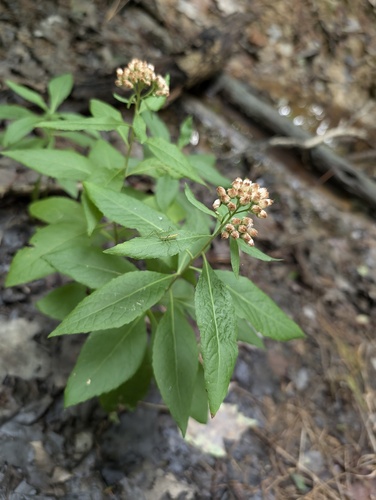
At a glance
- Life cycle
- Annual
- Bloom
- August to October
Not yet recorded · Spread · Leaves
Recorded in 35 Florida counties.
Natural habitats
Places it grows wild. Not a planting requirement. Each habitat page lists the plants and wildlife also found there.
Floodplain and bottomland forests
Forests on low ground beside rivers and streams that flood from time to time.
Flat, sandy Coastal Plain pine woodlands, wetter than sandhills and denser than savannas.
Also found with this plant
Wildlife whose habitat models include habitats this plant grows in, in Florida. Shared habitat, not food. 180 animals.
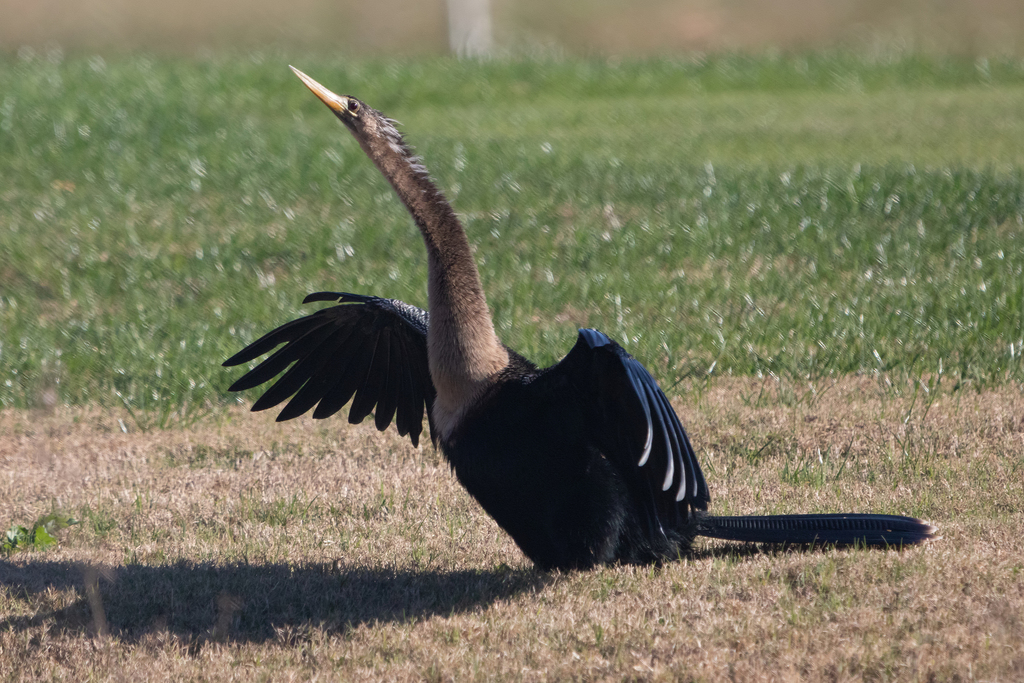
- AnhingaAnhinga anhinga
- Bank SwallowRiparia riparia
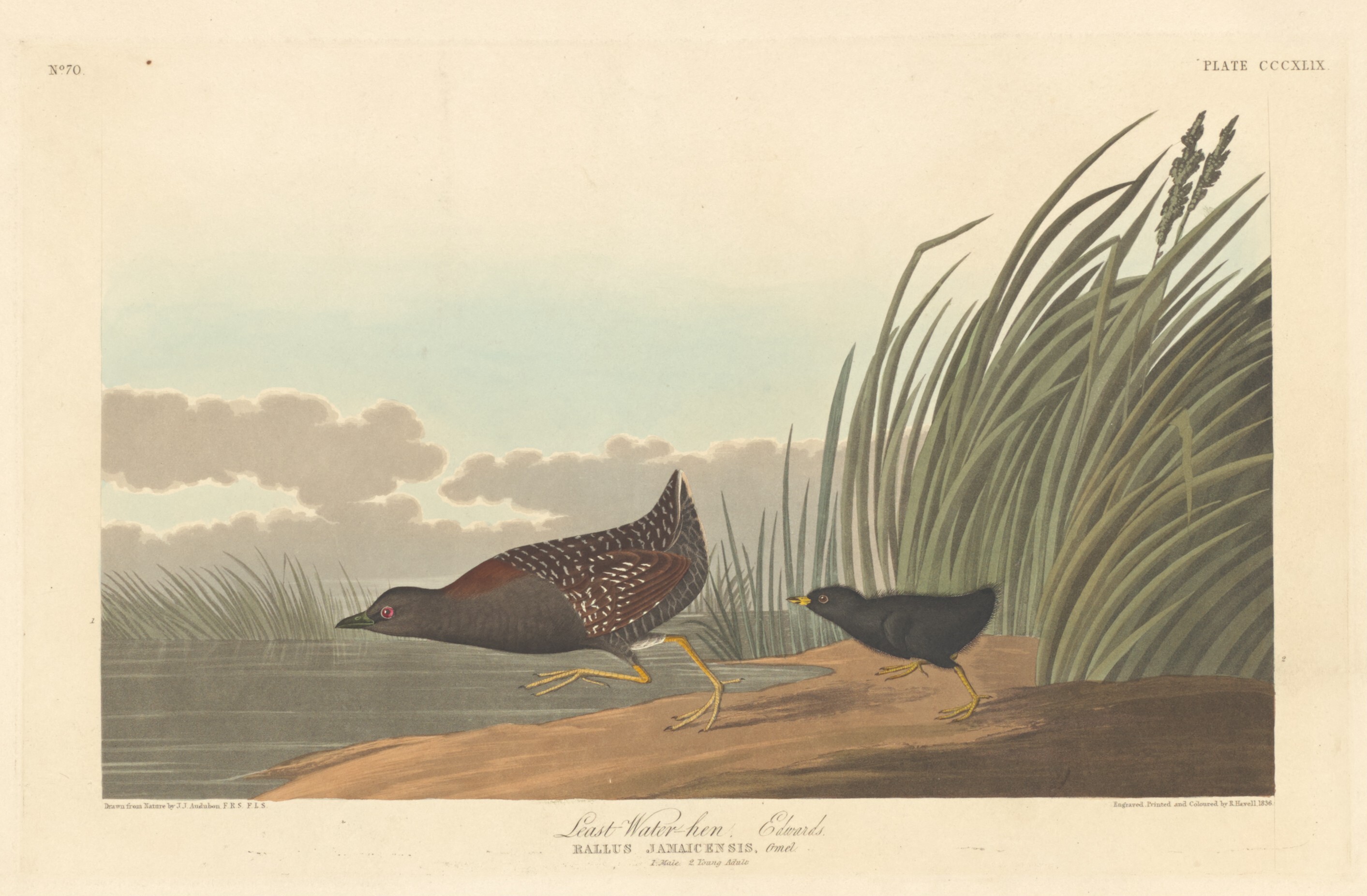
- Black RailLaterallus jamaicensis
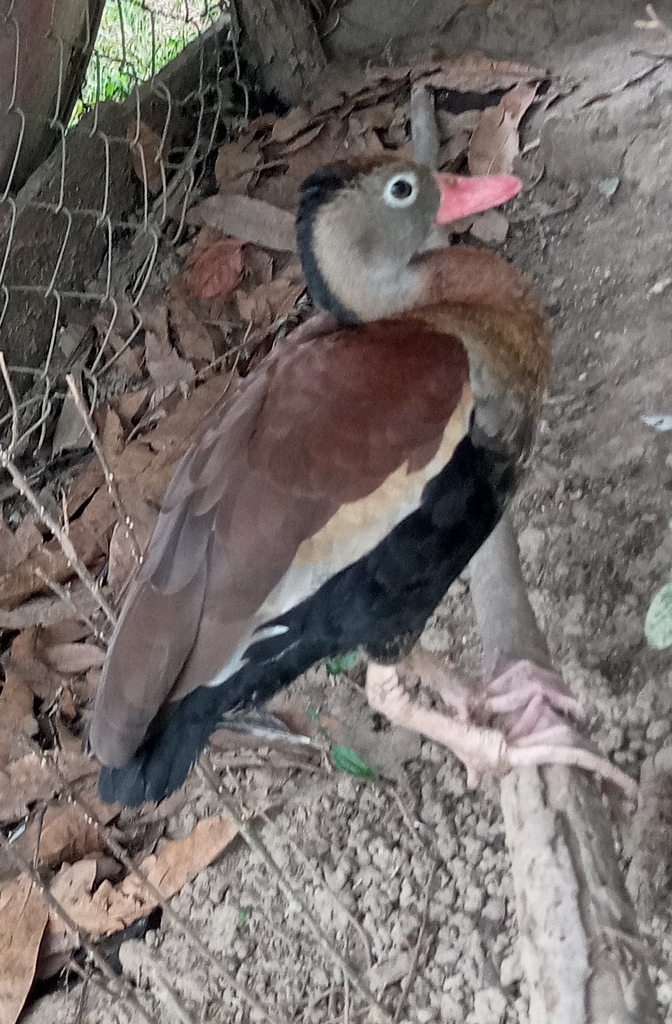
- Black-bellied Whistling-DuckDendrocygna autumnalis
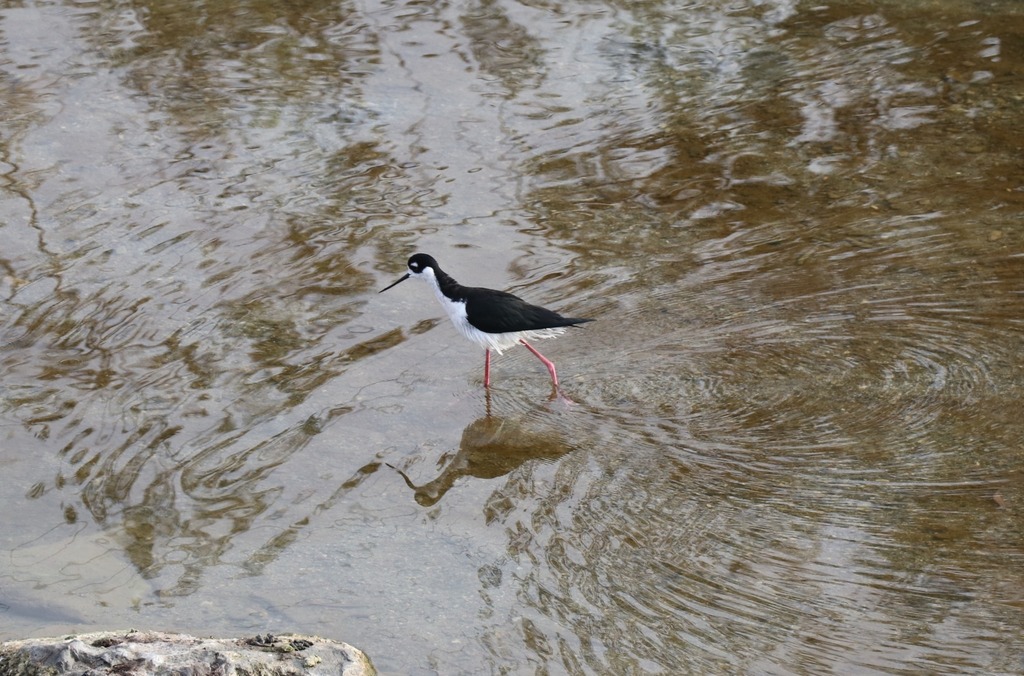
- Black-necked StiltHimantopus mexicanus
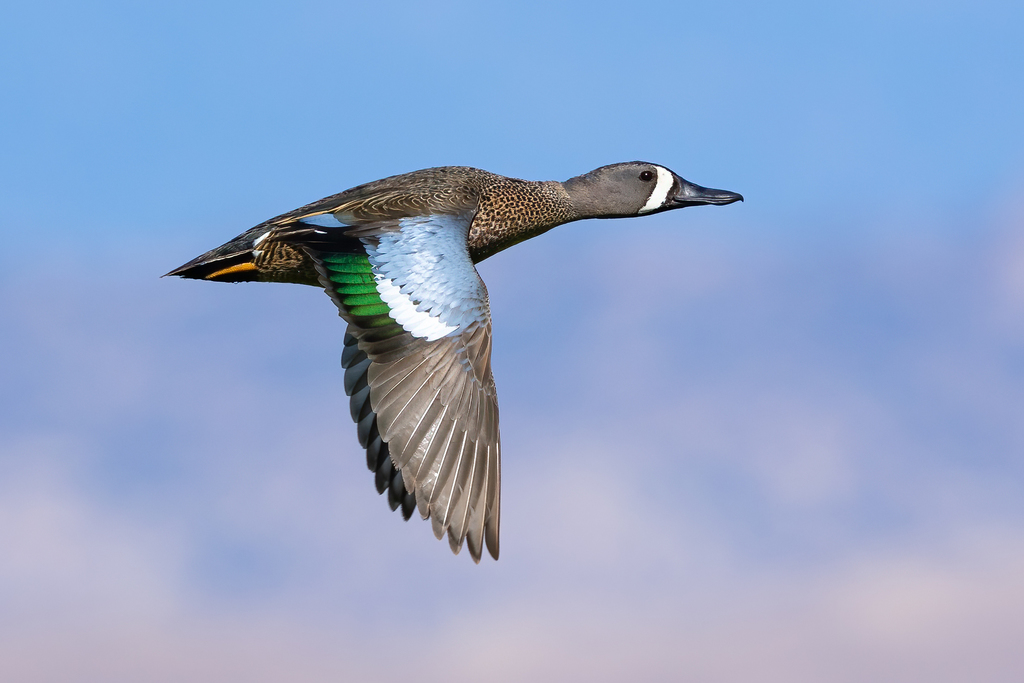
- Blue-winged TealAnas discors
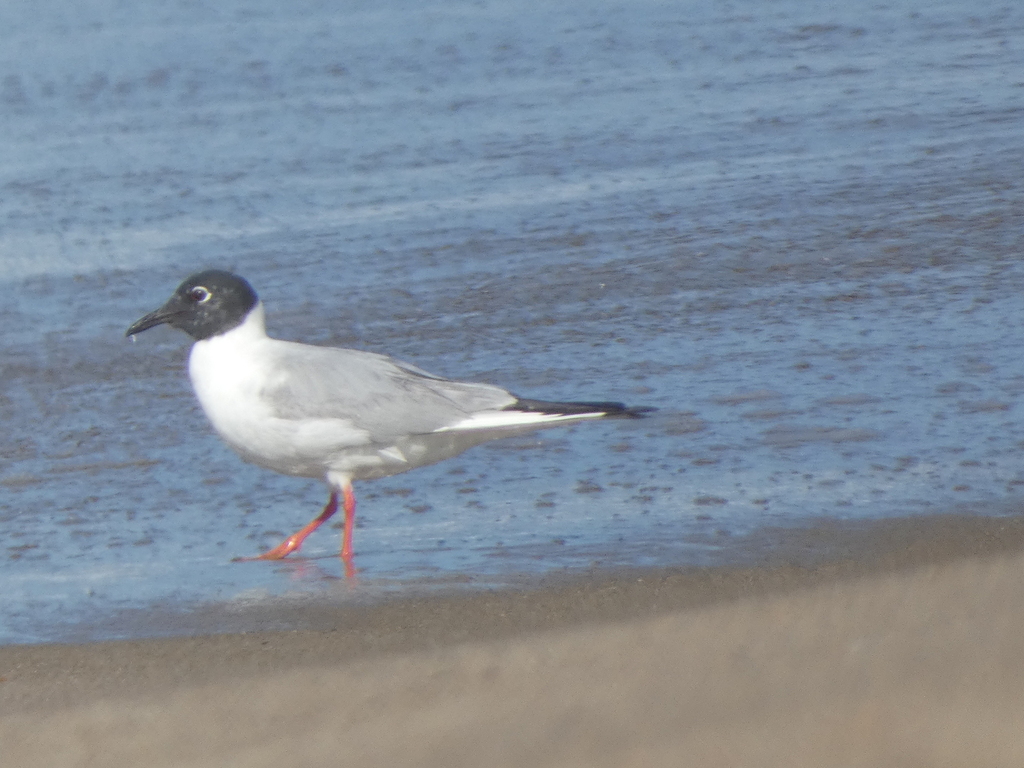
- Bonaparte's GullChroicocephalus philadelphia
- Carolina WrenThryothorus ludovicianus
- Eastern PhoebeSayornis phoebe
- Eurasian Collared-doveStreptopelia decaocto
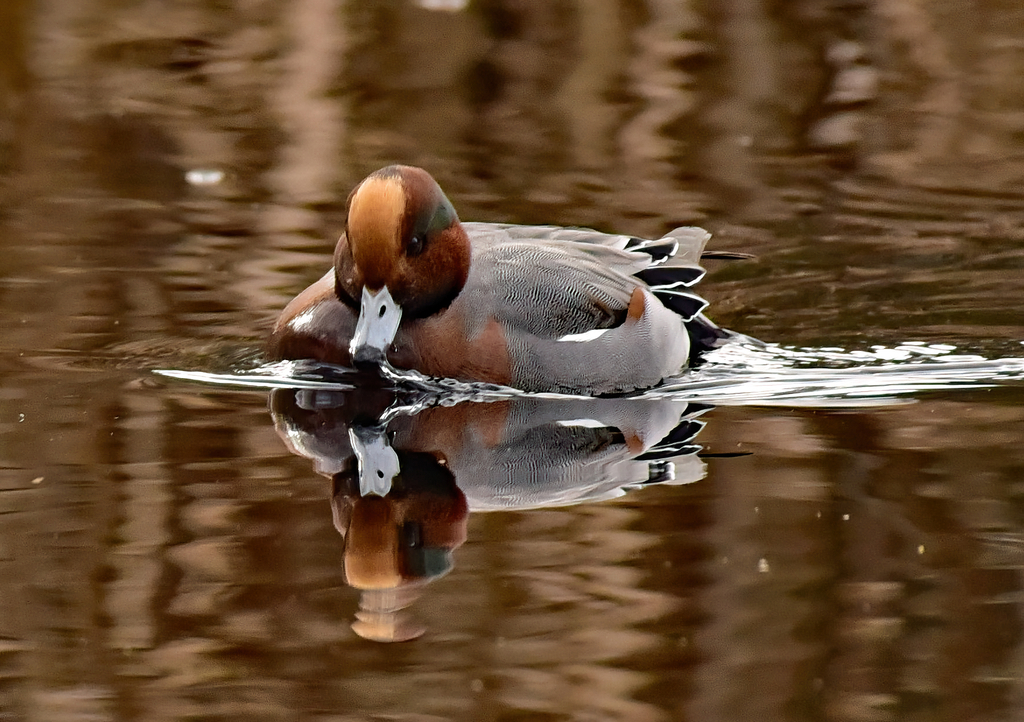
- Eurasian WigeonAnas penelope
- European StarlingSturnus vulgaris
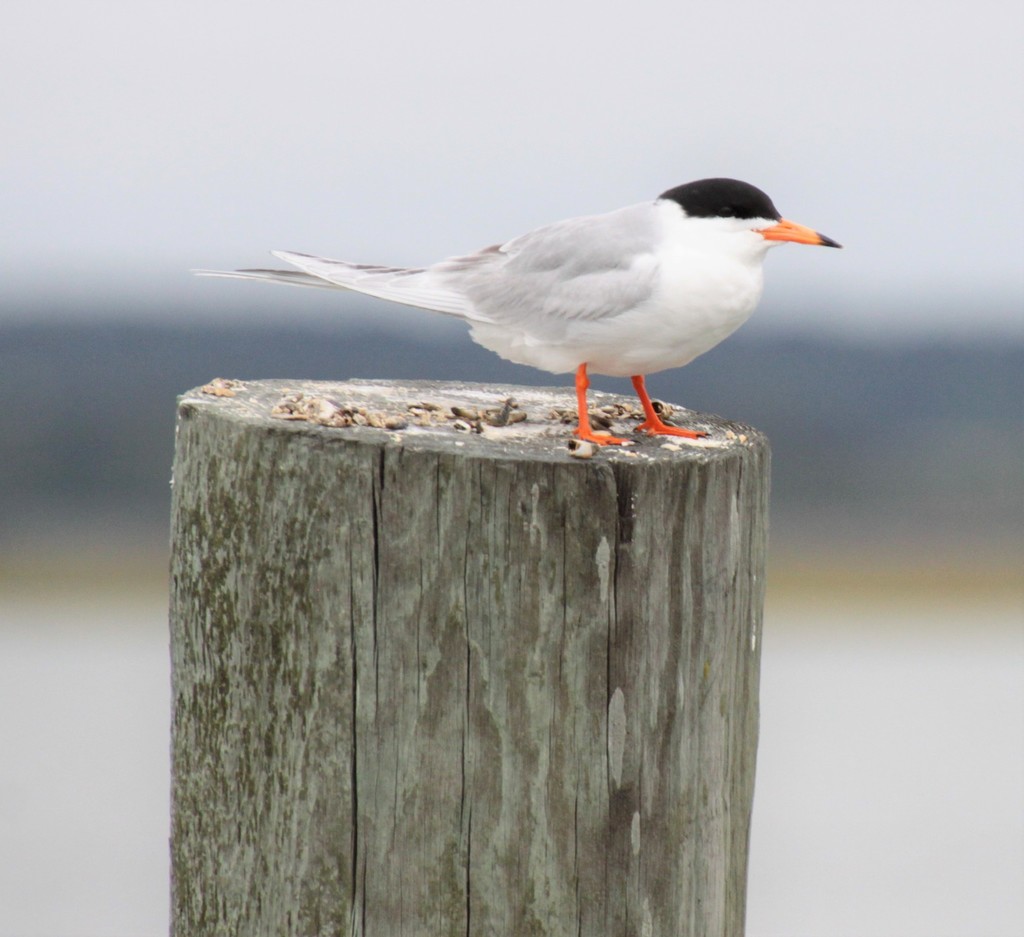
- Forster's TernSterna forsteri
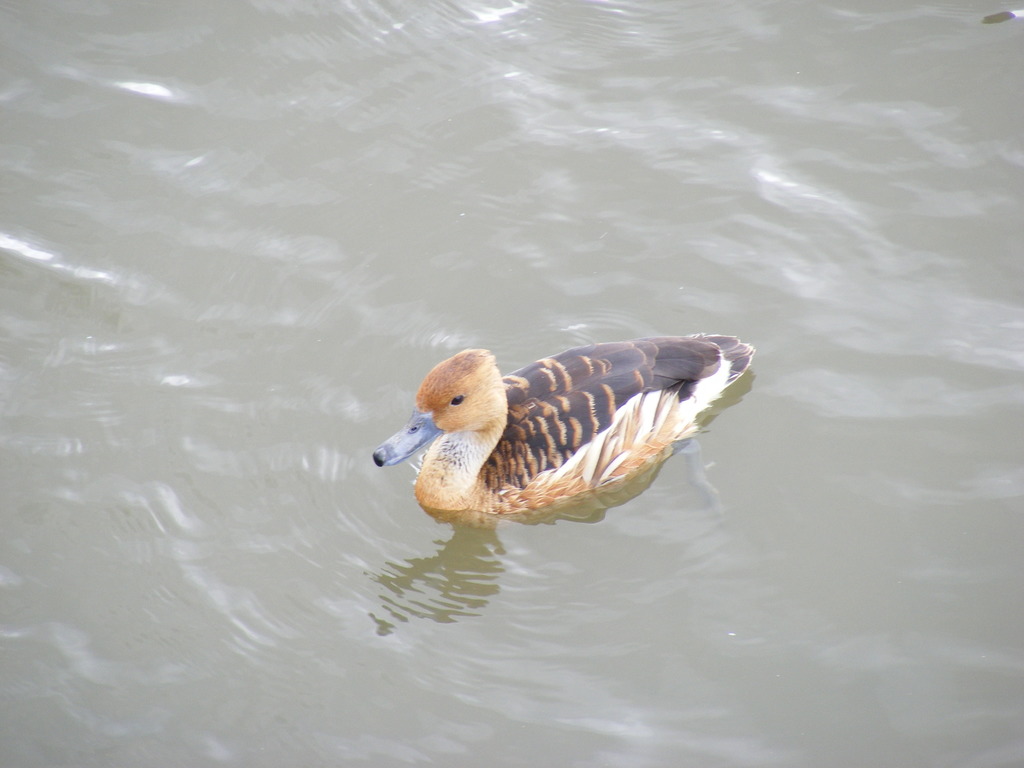
- Fulvous Whistling-duckDendrocygna bicolor
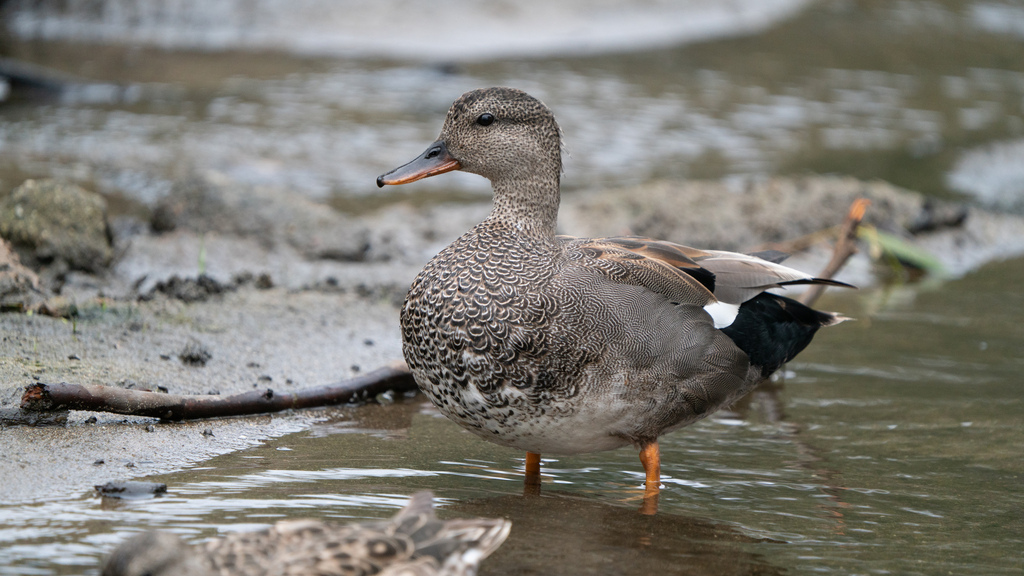
- GadwallAnas strepera
- Greater YellowlegsTringa melanoleuca
- Horned GrebePodiceps auritus
- Least BitternIxobrychus exilis
- Least SandpiperCalidris minutilla
- Lesser Black-backed GullLarus fuscus
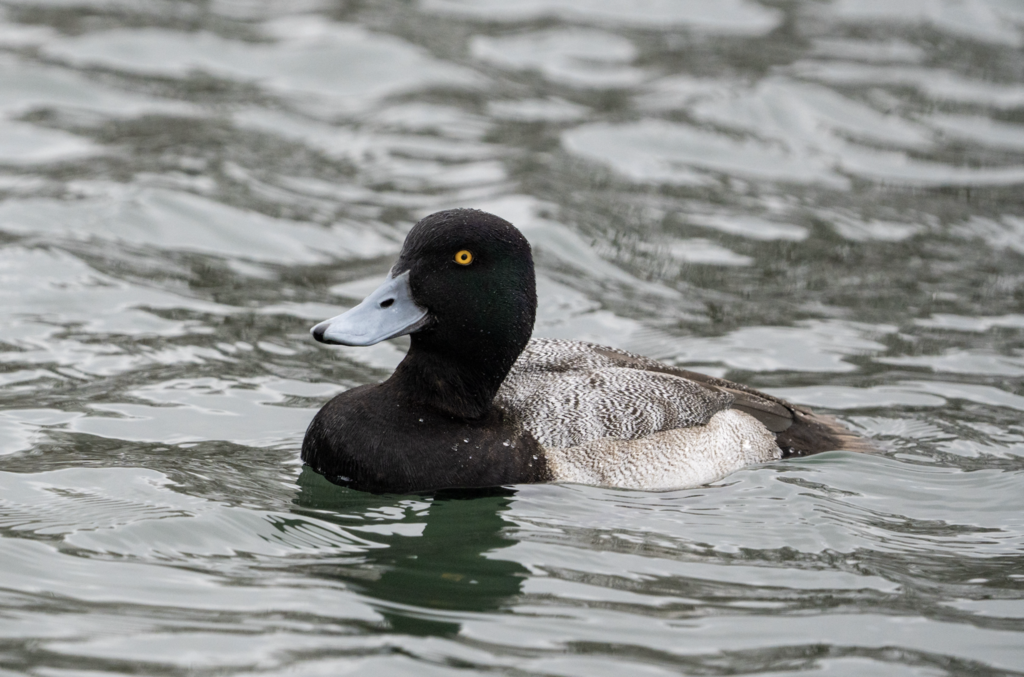
- Lesser ScaupAythya affinis
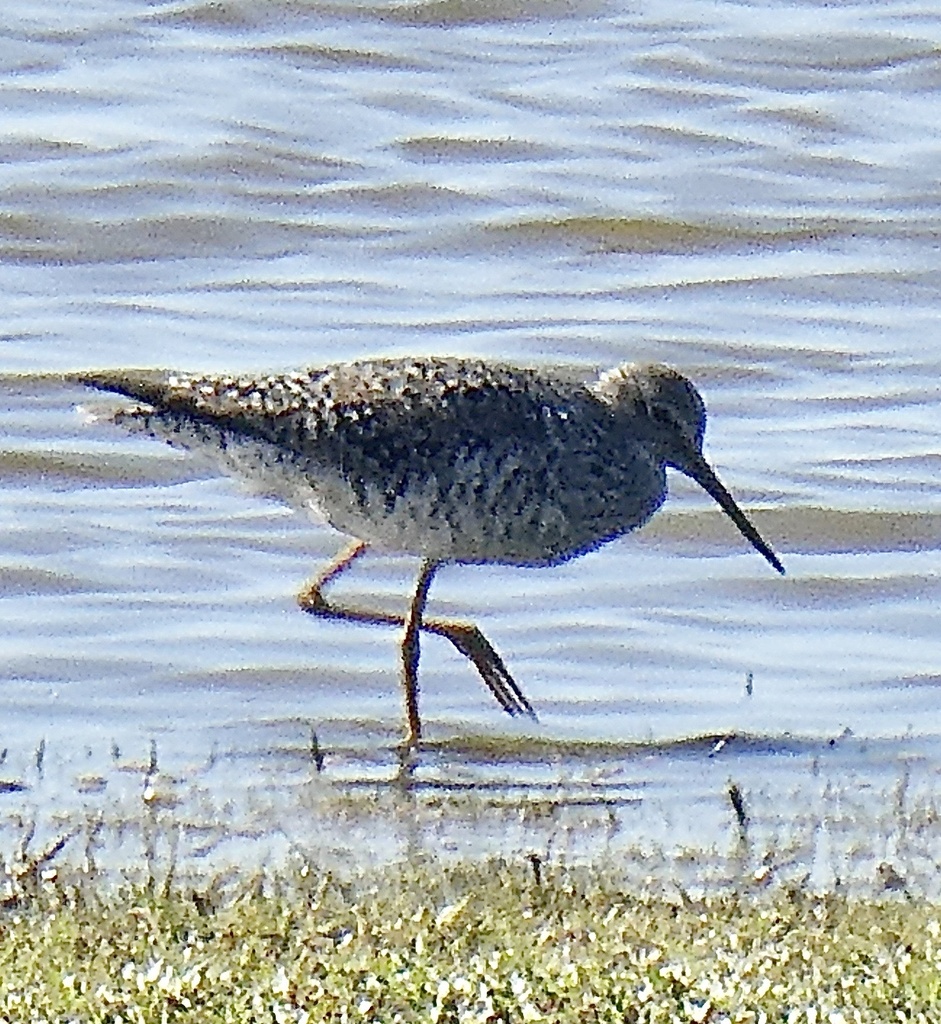
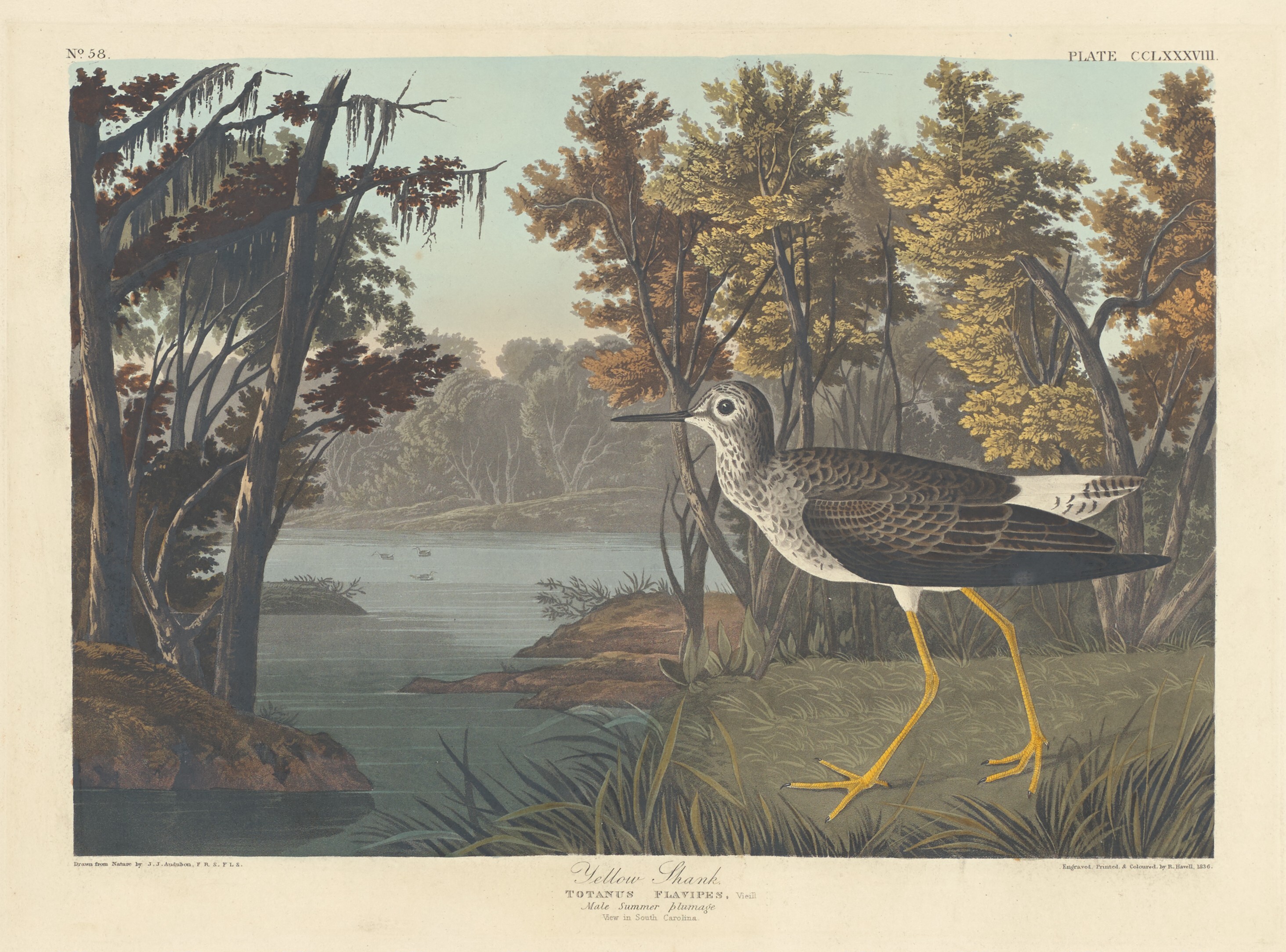
- Lesser YellowlegsTringa flavipes
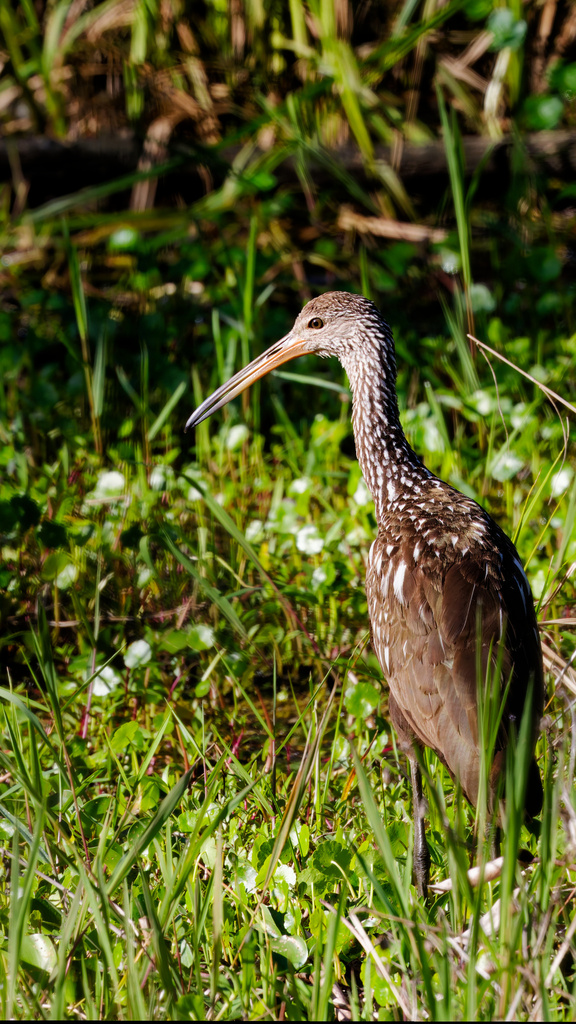
- LimpkinAramus guarauna
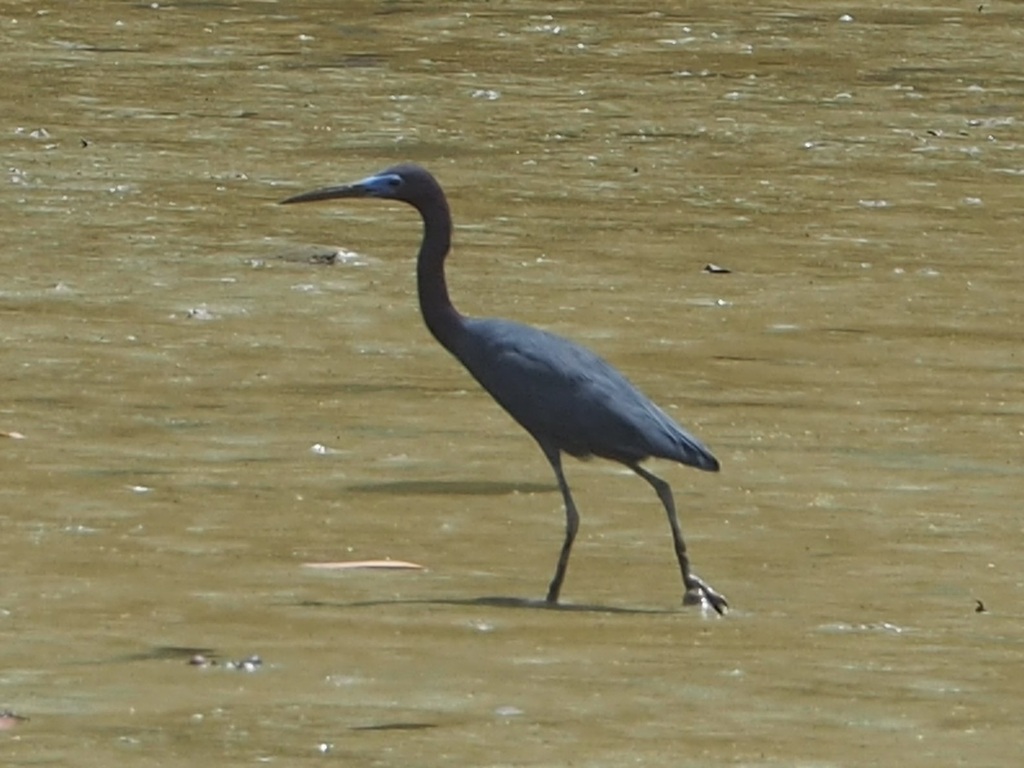
- Little Blue HeronEgretta caerulea





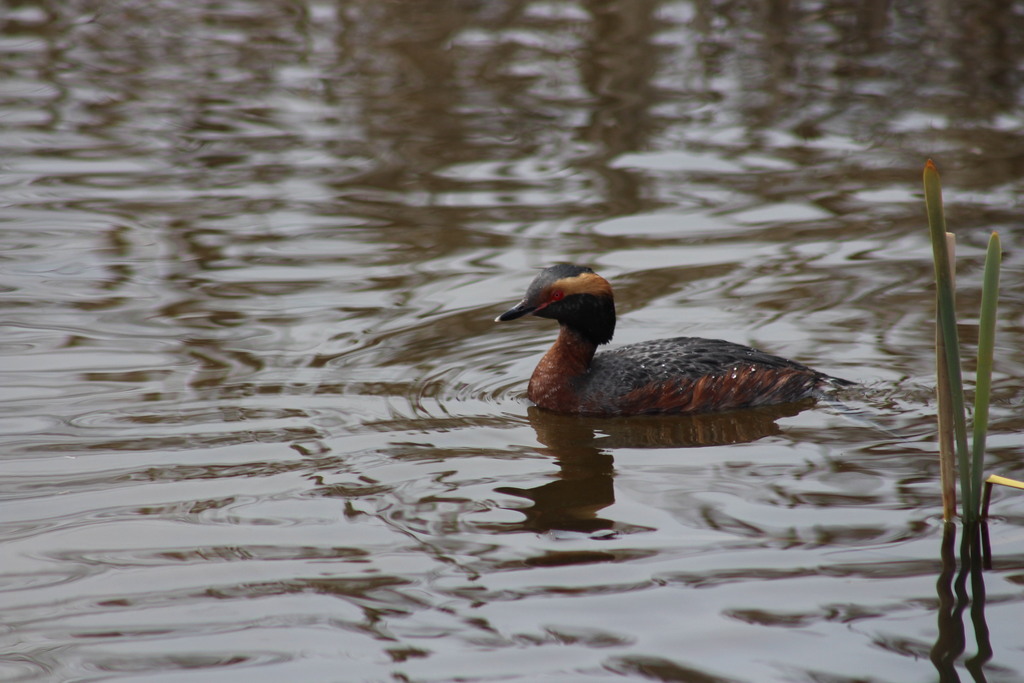
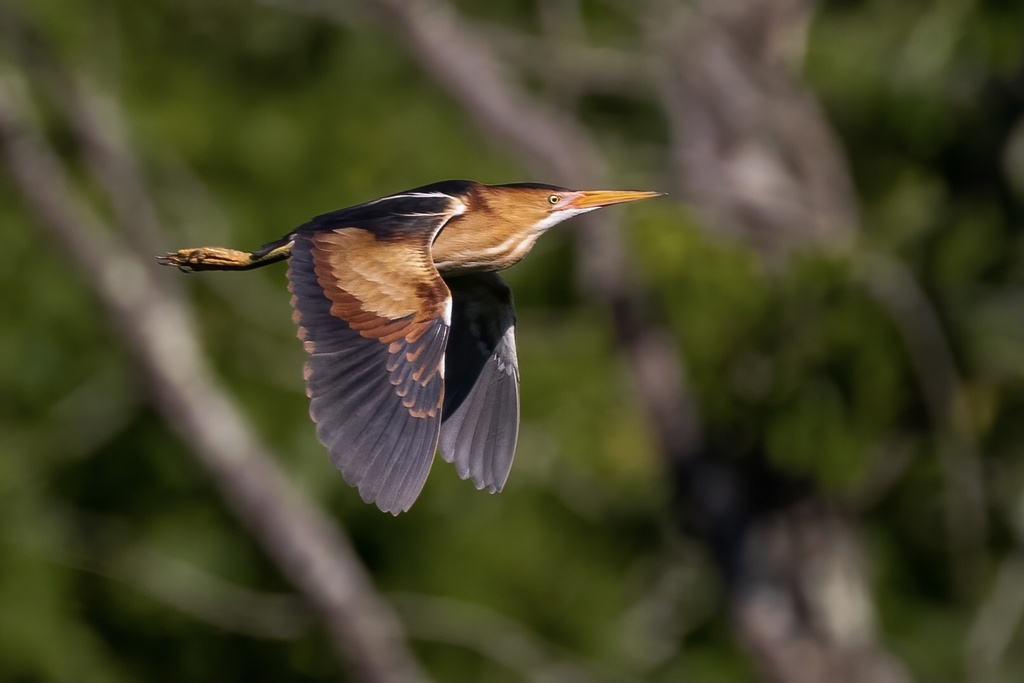
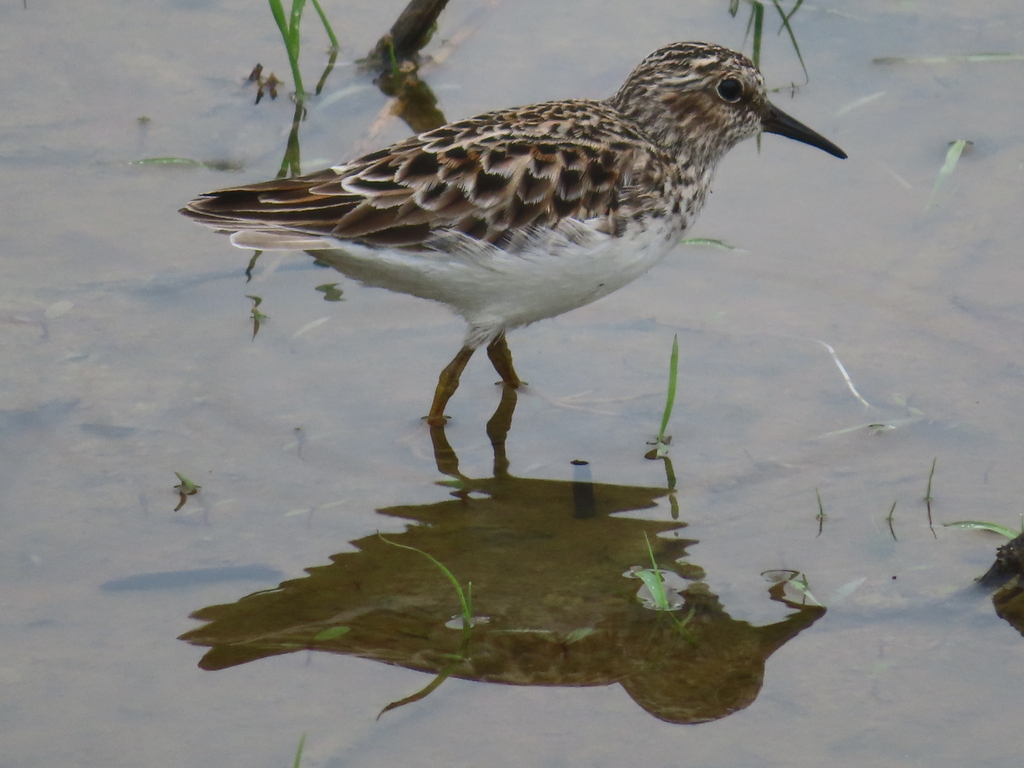
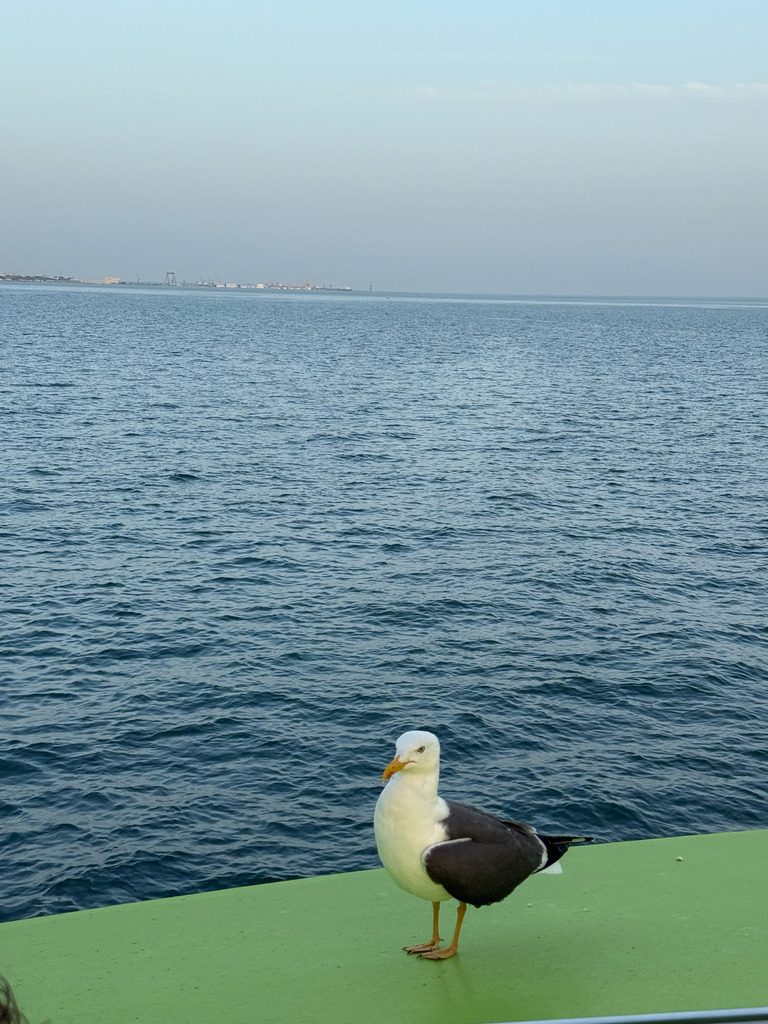
Who uses this plant?
 13CaterpillarsGenus host records with ranges including FL
Genus host records with ranges including FL · Pluchea
- Adaina ambrosiaeAmbrosia Plume Moth, Ragweed Plume Moth
- Adaina simpliciusThree-Dotted Plume Moth
- Condica cupentiaSplotched Groundling
- Dichomeris setosellaHairy Dichomeris
- Eublemma minimaEverlasting Bud Moth, Everlasting Eublemma
- Hellinsia balanotesBaccharis Borer Plume Moth, Groundsel Plume Moth
- Lioptilodes albistriolatusMousy Plume Moth
- Schinia arcigeraArcigera Flower Moth
- Synchlora frondariaSouthern Emerald
- Xanthotype rufariaRufous Geometer
Show all 13
- Adaina bipunctatus
- Bucculatrix plucheae
- Unadilla maturella
 26BeesSoutheastern regional records
Southeastern regional records · Pluchea
Individual names are not available yet.
Noori, Seltmann & Orr 2026, A curated and integrated dataset for exploring global bee-plant interactions (GloBI), Zenodo, CC BY 4.0 9Specialist beesPollen specialists
Pollen specialists · Pluchea
- Andrena asteris
- Andrena hirticincta
- Colletes americanus
- Colletes compactus
- Colletes simulans
- Colletes speculiferus
- Dieunomia heteropoda
- Megachile xylocopoides
- Perdita octomaculata
 —BirdsRecorded genus food-resource interactions; not a state feeding claim
No records yet · Ants · Beetles · Flies · Adult butterflies / moths · Other wasps · Other insects
Plant details
- Family
- Asteraceae
- Flower color
- Pink or purple
Safety has not been reviewed for this plant; check toxicity and thorns before planting.
Growing sources and scope
- Bloom · “August to October” · Weakley, Flora of the Southeastern United States (2025), Carolinas & Georgia edition · Carolinas and Georgia
- Flower color · “Pink or purple” · Lady Bird Johnson Wildflower Center
- Height · “Up to about 6 feet” · Lady Bird Johnson Wildflower Center
- Life cycle · “Annual” · Lady Bird Johnson Wildflower Center
- Light · “Partial shade; Full sun (documented habitat)” · Weakley, Flora of the Southeastern United States (2025), Carolinas & Georgia edition · Carolinas and Georgia
- Soil · “Moist; Water; Wet (documented habitat)” · Weakley, Flora of the Southeastern United States (2025), Carolinas & Georgia edition · Carolinas and Georgia
Also known as
Camphor Weed
Conservation status
| Florida rank | S4? |
|---|---|
| Global rank | G5 |
| FL status | Not verified |
| Federal status | Not verified |
Will it fit your yard?
Check this plant against your county, sun and soil moisture. Conditions are checked in your browser.
Sources
- Atlas of Florida Plants
- USDA PLANTS
- Vascular Plants of North Carolina (NC Natural Heritage Program)
- Weakley, Flora of the Southeastern United States (2025), Florida edition
- NatureServe Explorer
- Shropshire & Tallamy 2025, Lepidoptera of North America north of Mexico, ZooKeys 1261 (ODbL)
- Noori, Seltmann & Orr 2026, A curated and integrated dataset for exploring global bee-plant interactions (GloBI), Zenodo, CC BY 4.0
- Smith, Bachelder, Russell, Morales, Mosher & Seltmann 2024, Bee-Specialization-Modeling v0.6.1 (specialist host table compiled from J. Fowler's pollen specialist bee lists), Zenodo, CC BY 4.0
- Hurlbert, Olsen, Sawyer & Winner 2021, Avian Diet Database, Scientific Data 8: 260 (CC0)
- Narango, Tallamy & Shropshire 2020, Few keystone plant genera support the majority of Lepidoptera species, Nature Communications