

Florida Keys Blackbead
Pithecellobium keyense
Found in Coastal strands and grasslands, shell middens, rockland hammocks, pine rocklands. Weakley, Flora of the Southeastern United States (2025), Florida edition What its natural habitat tells you
Native to Florida. How scores work Is it native here?
Profile 24%
Will it fit your yard?No photograph yet. Looking for an old drawing…
At a glance
Not yet recorded · Height · Spread · Light · Soil · Life cycle · Leaves · Bloom
This plant is missing most of its facts, so Quercus is looking them up in old botany books.
Recorded in 6 Florida counties.
Natural habitats
Places it grows wild. Not a planting requirement. Each habitat page lists the plants and wildlife also found there.
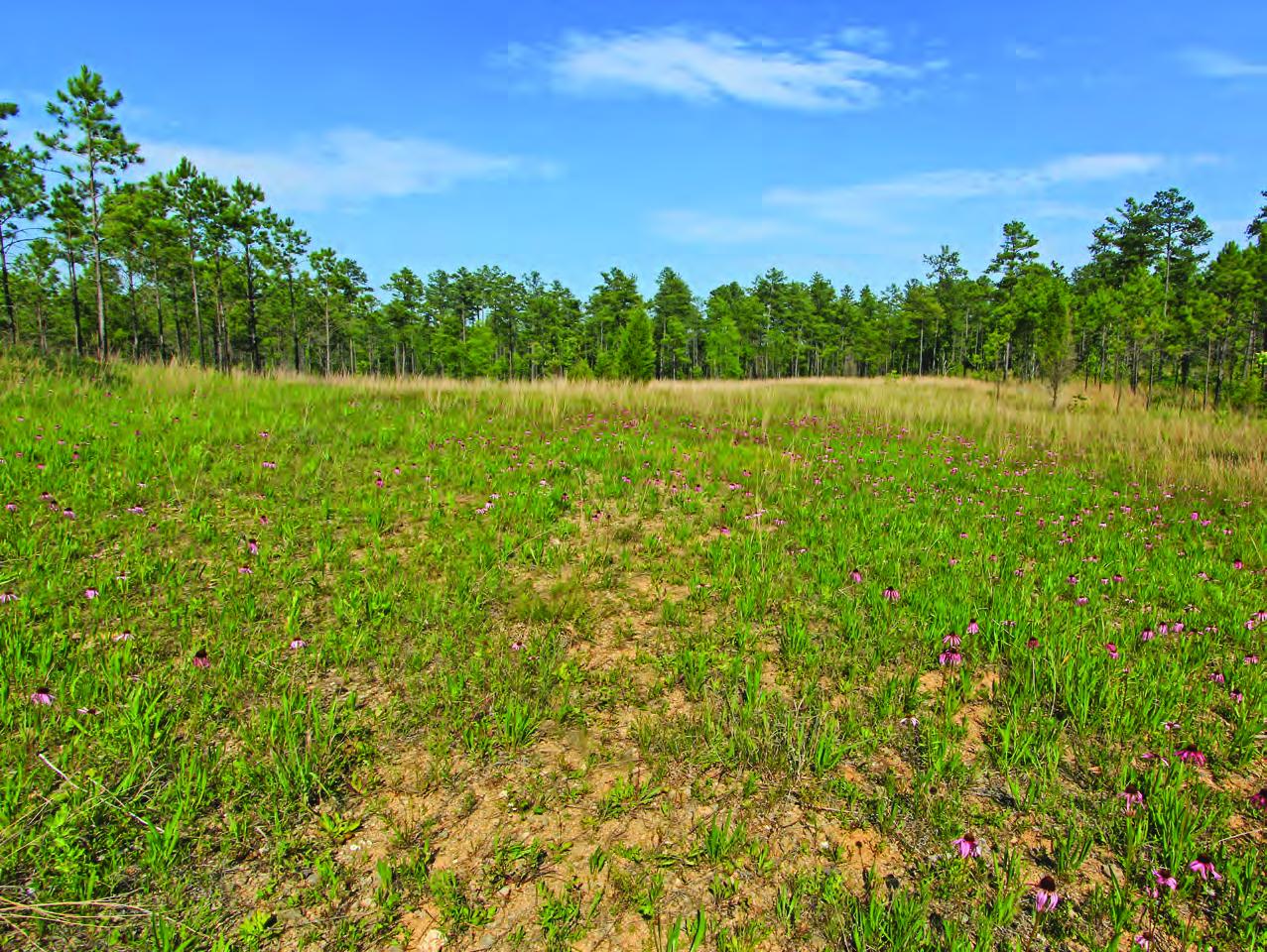
Dense, evergreen groves of live oak, magnolia and other hardwoods in the southern Coastal Plain, from dry oak domes to wet hydric hammocks and south Florida's tropical hammocks; salt-shaped maritime hammocks are maritime forests.
Also found with this plant
Wildlife whose habitat models include habitats this plant grows in, in Florida. Shared habitat, not food. 145 animals.
- Chipping SparrowSpizella passerina
- Chuck-will's-widowCaprimulgus carolinensis
- Common GrackleQuiscalus quiscula
- Common Ground-doveColumbina passerina
- Common MynaAcridotheres tristis
- Common YellowthroatGeothlypis trichas
- Cooper's HawkAccipiter cooperii
- Downy WoodpeckerPicoides pubescens
- Eastern KingbirdTyrannus tyrannus
- Eastern Screech-owlMegascops asio
- Eastern TowheePipilo erythrophthalmus
- European StarlingSturnus vulgaris
- Fish CrowCorvus ossifragus
- Fox SparrowPasserella iliaca
- Golden-crowned KingletRegulus satrapa
- Great Horned OwlBubo virginianus
- Hairy WoodpeckerPicoides villosus
- Least FlycatcherEmpidonax minimus
- Magnificent FrigatebirdFregata magnificens
- Mangrove CuckooCoccyzus minor
- MerlinFalco columbarius
- Northern BobwhiteColinus virginianus
- Northern CardinalCardinalis cardinalis
- Northern FlickerColaptes auratus

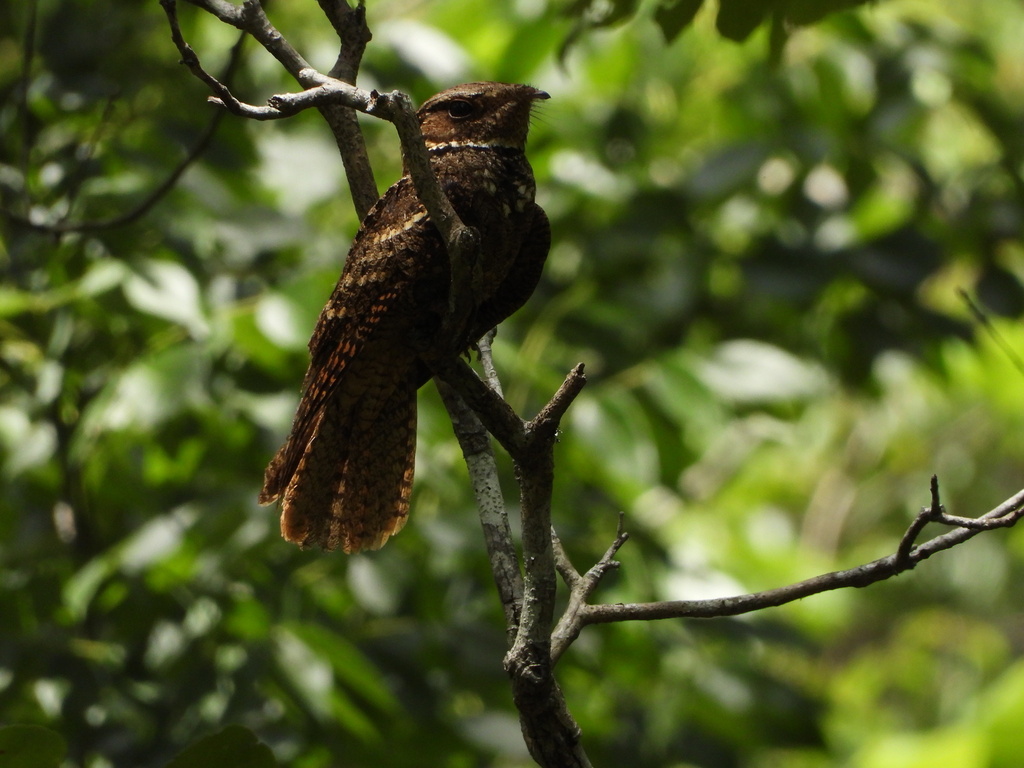

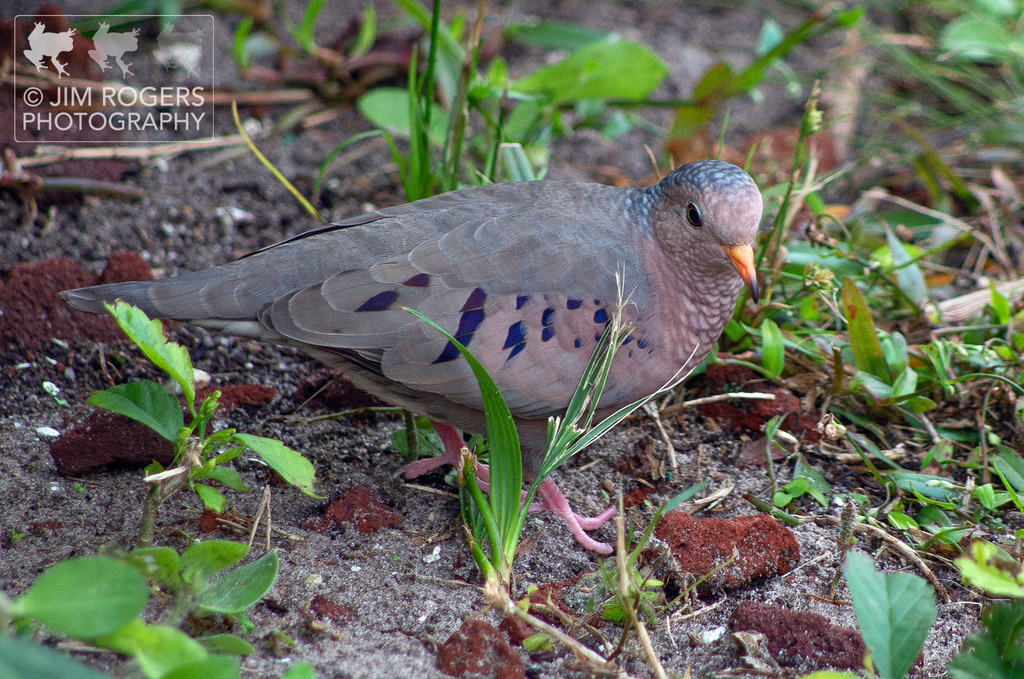
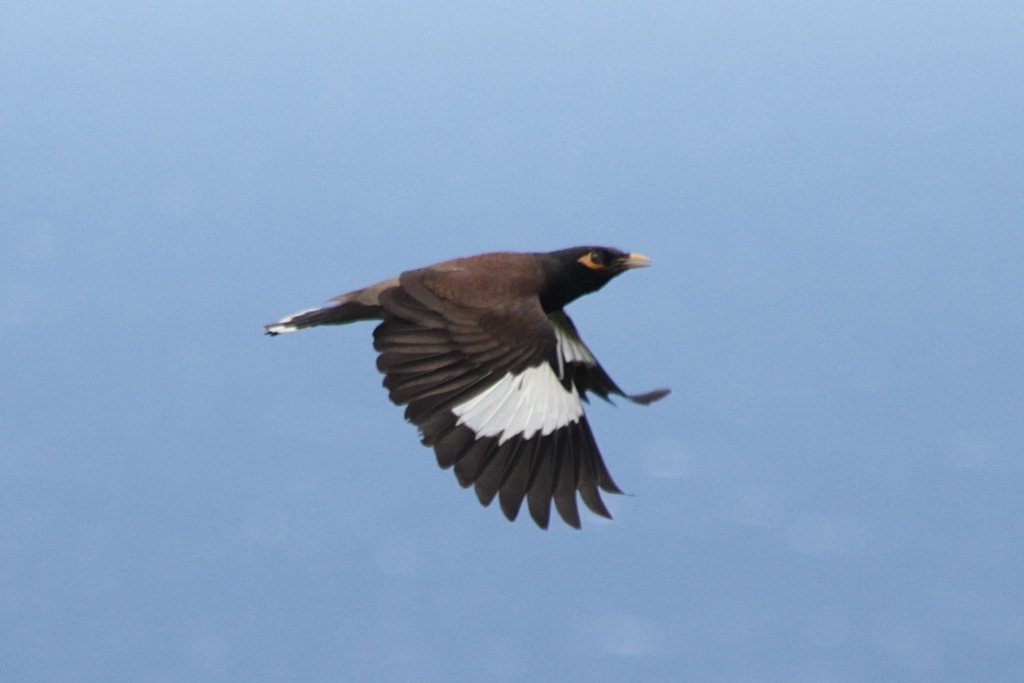








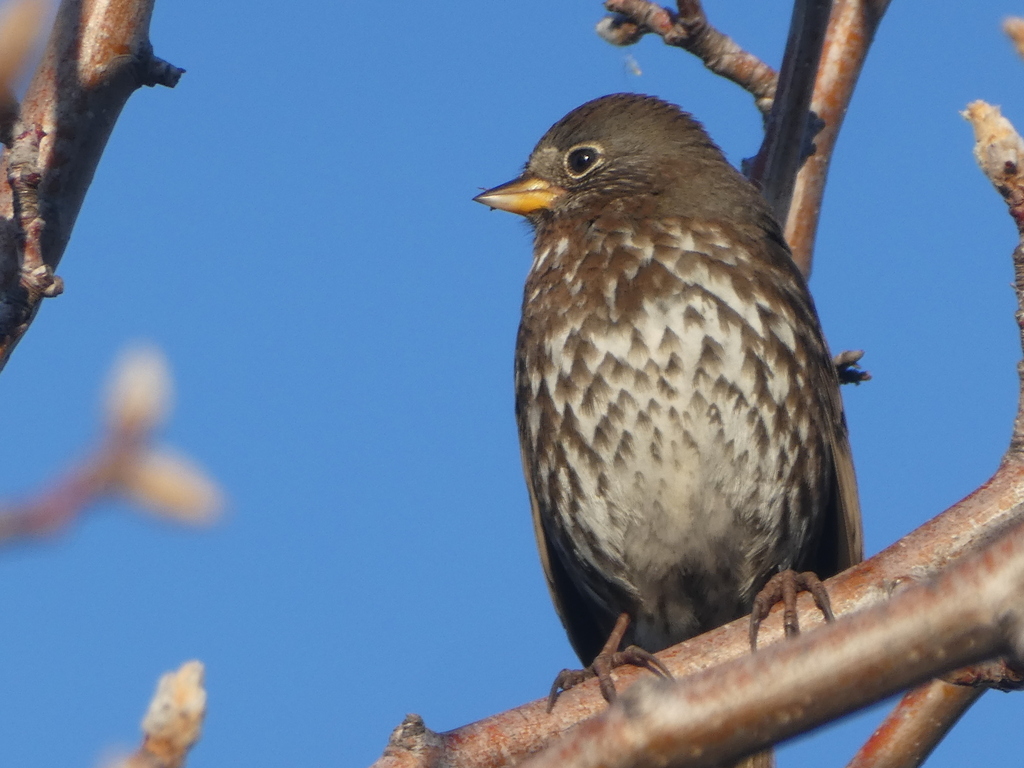




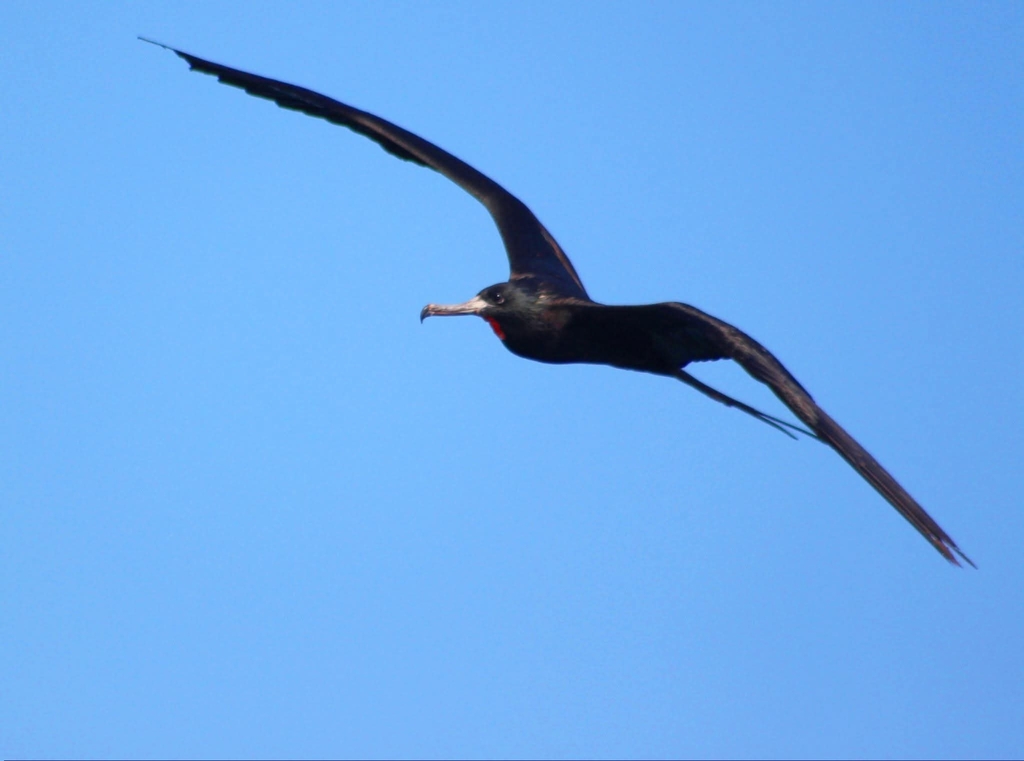
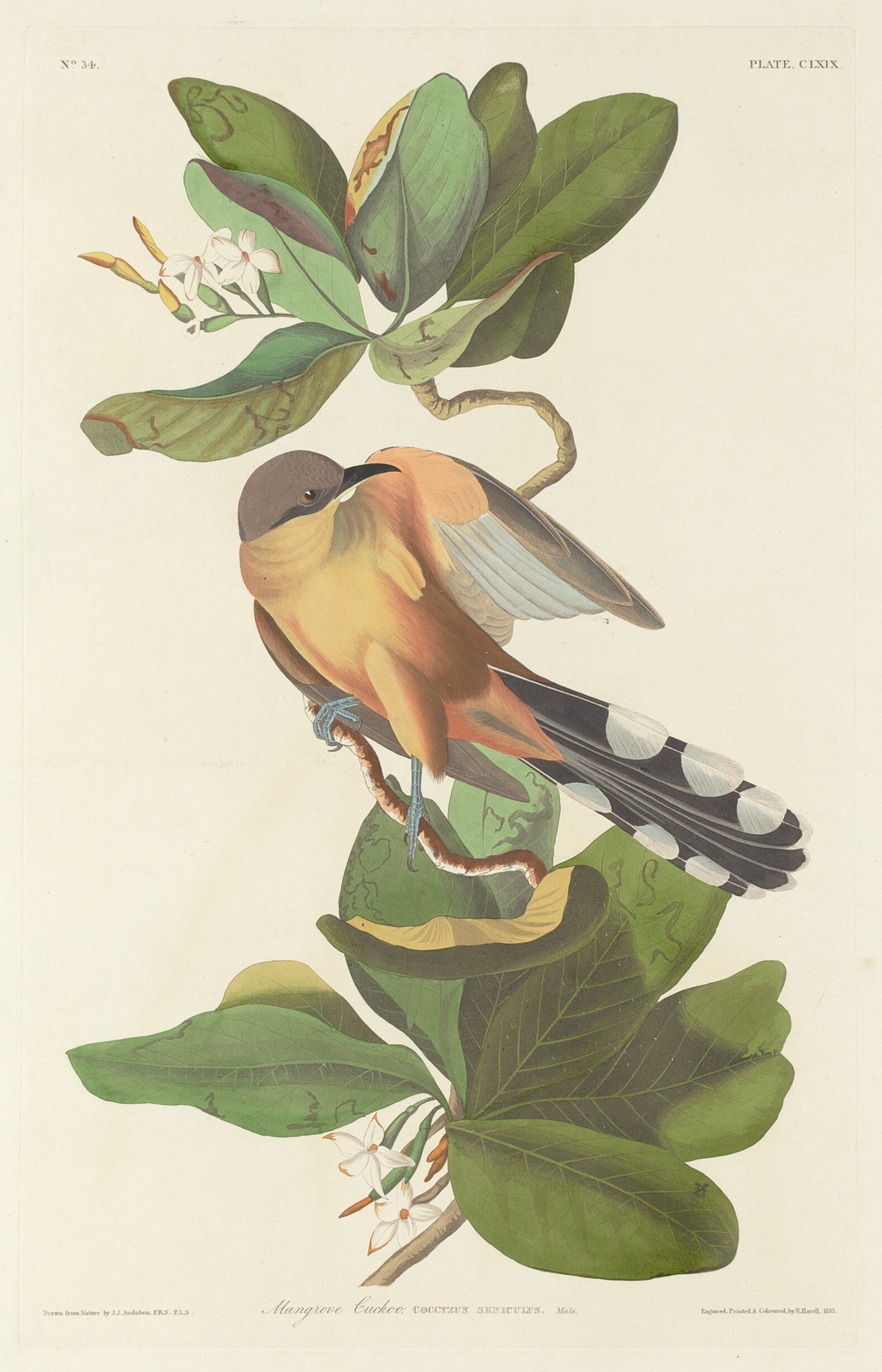
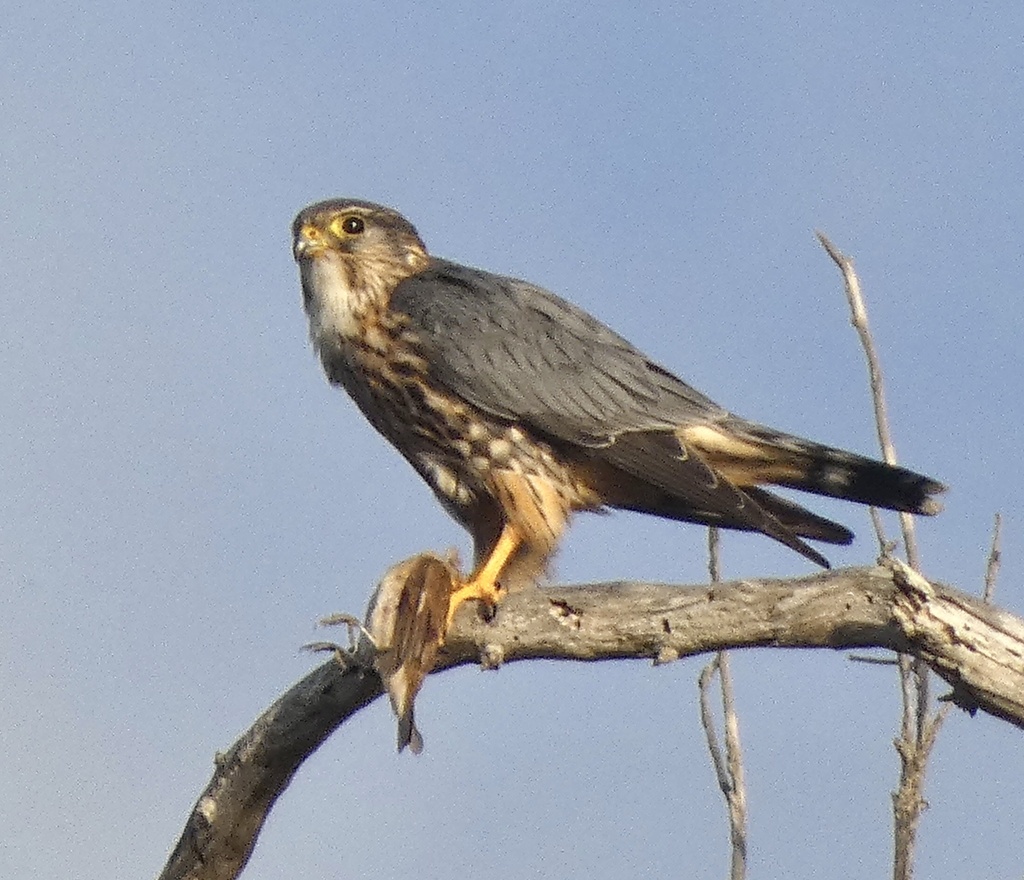



Who uses this plant?
 19CaterpillarsGenus host records with ranges including FL
Genus host records with ranges including FL · Pithecellobium
- Ascalapha odorataBlack Witch
- Coxina cinctipalpisBlack-Waved Owlet
- Cyclargus thomasiMiami Blue
- Leptotes cassiusCassius Blue, Tropical Striped Blue
- Melipotis januarisJanuary Melipotis, January Graphic
- Phoebis agaritheLarge Orange Sulphur, Orange Giant Sulphur
- Phoebis phileaOrange-Barred Sulphur
- Platynota rostranaOmnivorous Platynota
- Pleuroprucha insulsariaCommon Tan Wave
- Selenisa sueroidesTailpipes, Pale-Edged Selenisa Moth
Show all 19
- Synchlora xysterariaSinged Emerald
- Tyrissa multilineaThe Bravo, Multi-Lined Tyrissa
- Cydia fahlbergiana
- Cydia largo
- Eucosmophora pithecellobiae
- Ithome aquila
- Ithome simulatrix
- Phidotricha erigens
- Sarasota plumigerella
 2BeesSoutheastern regional records
Southeastern regional records · Pithecellobium
Individual names are not available yet.
Noori, Seltmann & Orr 2026, A curated and integrated dataset for exploring global bee-plant interactions (GloBI), Zenodo, CC BY 4.0 0Specialist beesPollen specialists
 —BirdsRecorded genus food-resource interactions; not a state feeding claim
No records yet · Ants · Beetles · Flies · Adult butterflies / moths · Other wasps · Other insects
Plant details
- Family
- Fabaceae
Safety has not been reviewed for this plant; check toxicity and thorns before planting.
Conservation status
| Florida rank | SNR |
|---|---|
| Global rank | Not available |
| FL status | Not verified |
| Federal status | Not verified |
Will it fit your yard?
Check this plant against your county, sun and soil moisture. Conditions are checked in your browser.
Sources
- Atlas of Florida Plants
- Weakley, Flora of the Southeastern United States (2025), Florida edition
- Shropshire & Tallamy 2025, Lepidoptera of North America north of Mexico, ZooKeys 1261 (ODbL)
- Noori, Seltmann & Orr 2026, A curated and integrated dataset for exploring global bee-plant interactions (GloBI), Zenodo, CC BY 4.0
- Smith, Bachelder, Russell, Morales, Mosher & Seltmann 2024, Bee-Specialization-Modeling v0.6.1 (specialist host table compiled from J. Fowler's pollen specialist bee lists), Zenodo, CC BY 4.0
- Hurlbert, Olsen, Sawyer & Winner 2021, Avian Diet Database, Scientific Data 8: 260 (CC0)
- Narango, Tallamy & Shropshire 2020, Few keystone plant genera support the majority of Lepidoptera species, Nature Communications