

Conocephalum salebrosum
Conocephalum salebrosum
Native to Florida. How scores work Is it native here?
Profile 24%
Will it fit your yard?No photograph yet. Looking for an old drawing…
At a glance
Not yet recorded · Height · Spread · Light · Soil · Life cycle · Leaves · Bloom
This plant is missing most of its facts, so Quercus is looking them up in old botany books.
Recorded in 5 Florida counties.
Also found with this plant
Wildlife whose habitat models include habitats this plant grows in, in Florida. Shared habitat, not food. 111 animals.
- Green HeronButorides virescens
- Hooded MerganserLophodytes cucullatus
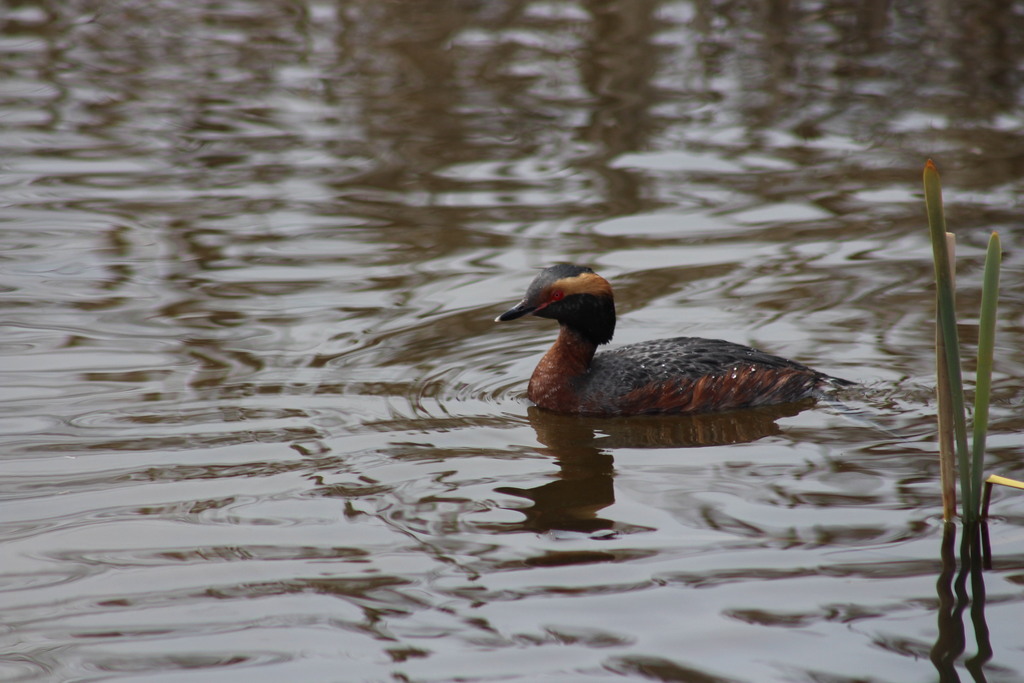
- Horned GrebePodiceps auritus
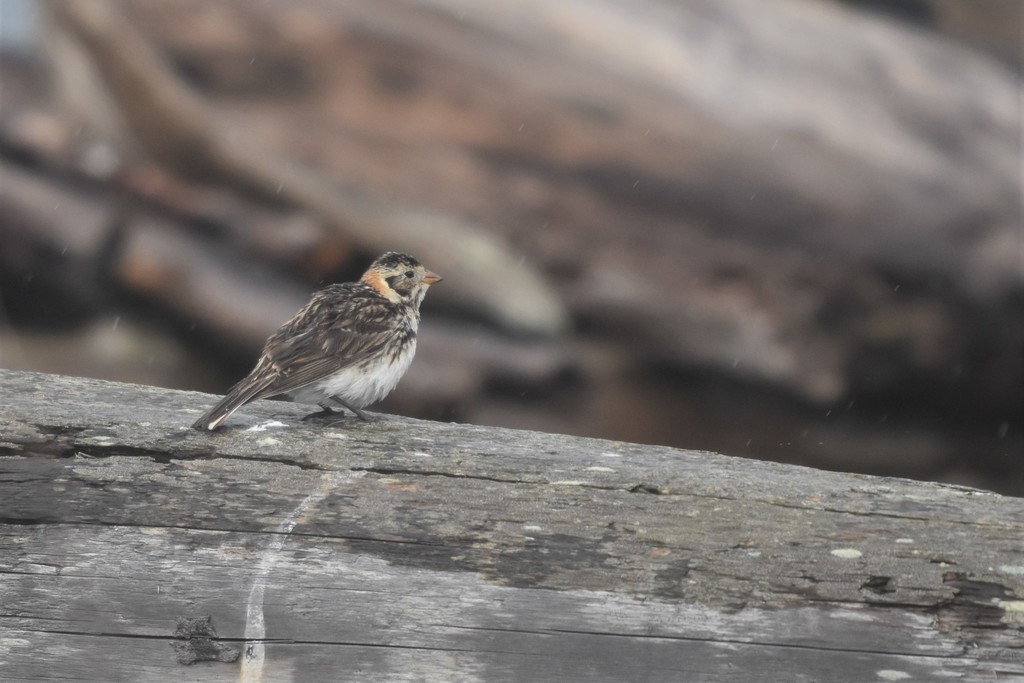
- Lapland LongspurCalcarius lapponicus
- Least BitternIxobrychus exilis
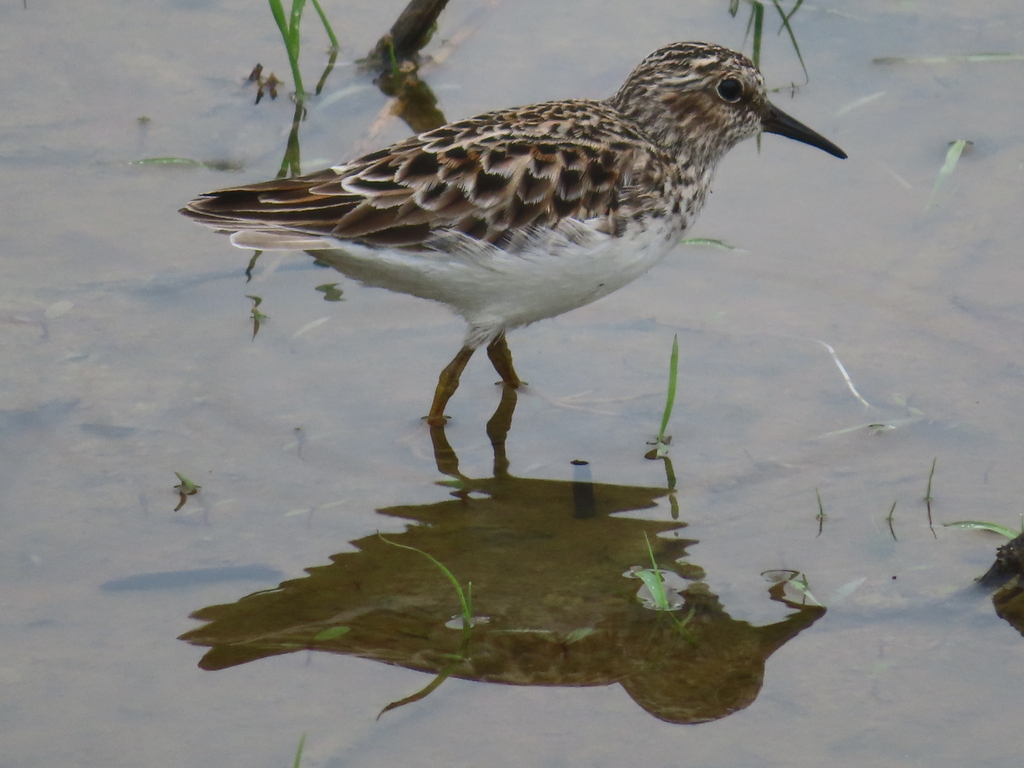
- Least SandpiperCalidris minutilla
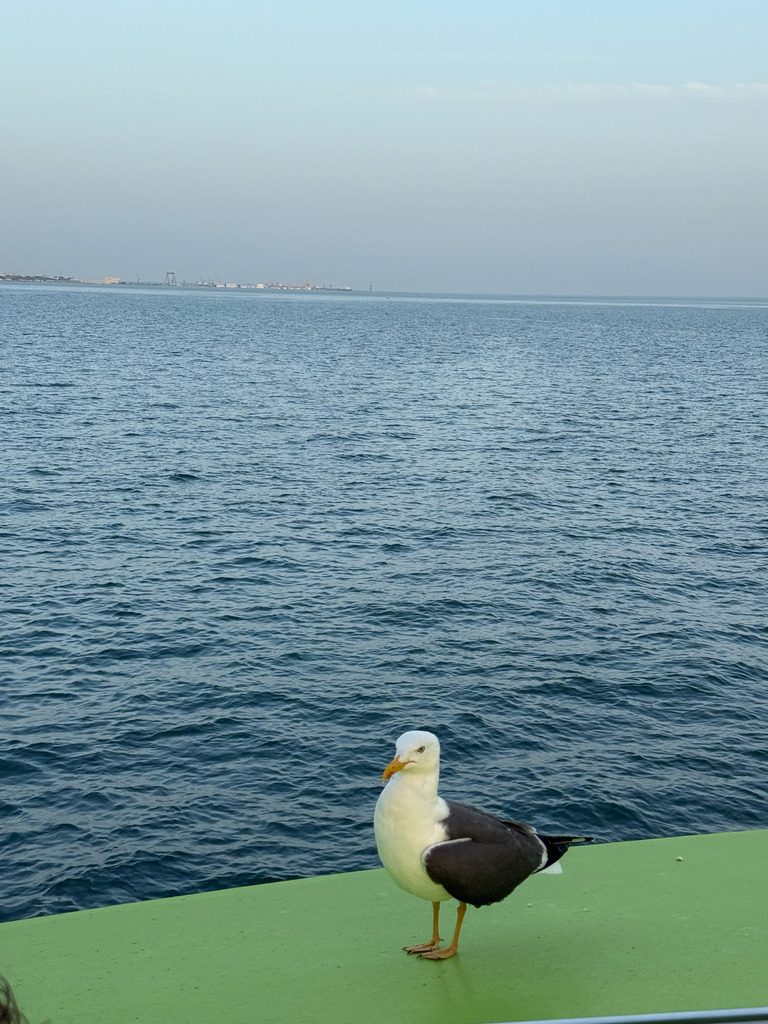
- Lesser Black-backed GullLarus fuscus
- Lesser ScaupAythya affinis
- Lesser YellowlegsTringa flavipes
- LimpkinAramus guarauna
- Little Blue HeronEgretta caerulea
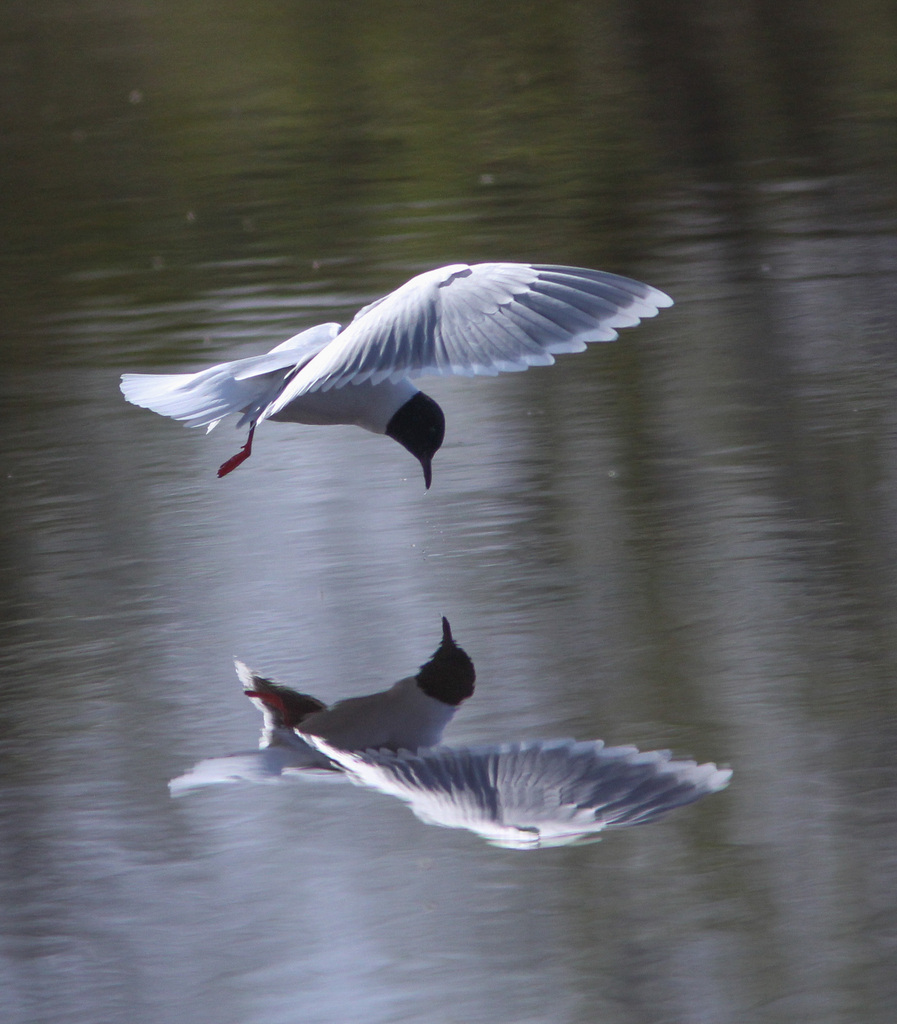
- Little GullHydrocoloeus minutus
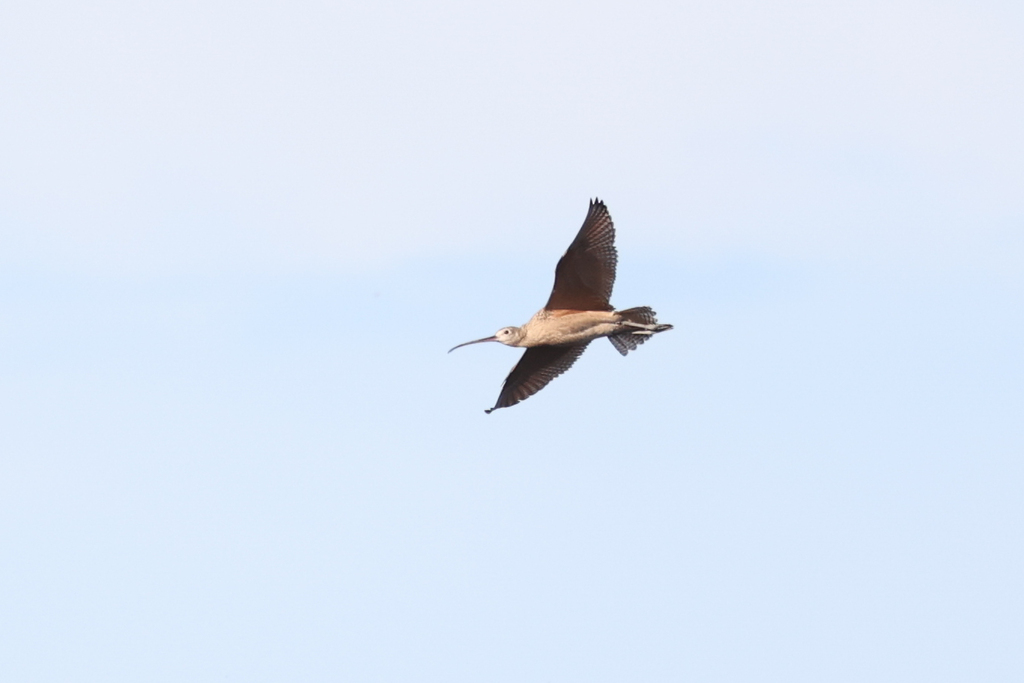
- Long-billed CurlewNumenius americanus
- MallardAnas platyrhynchos
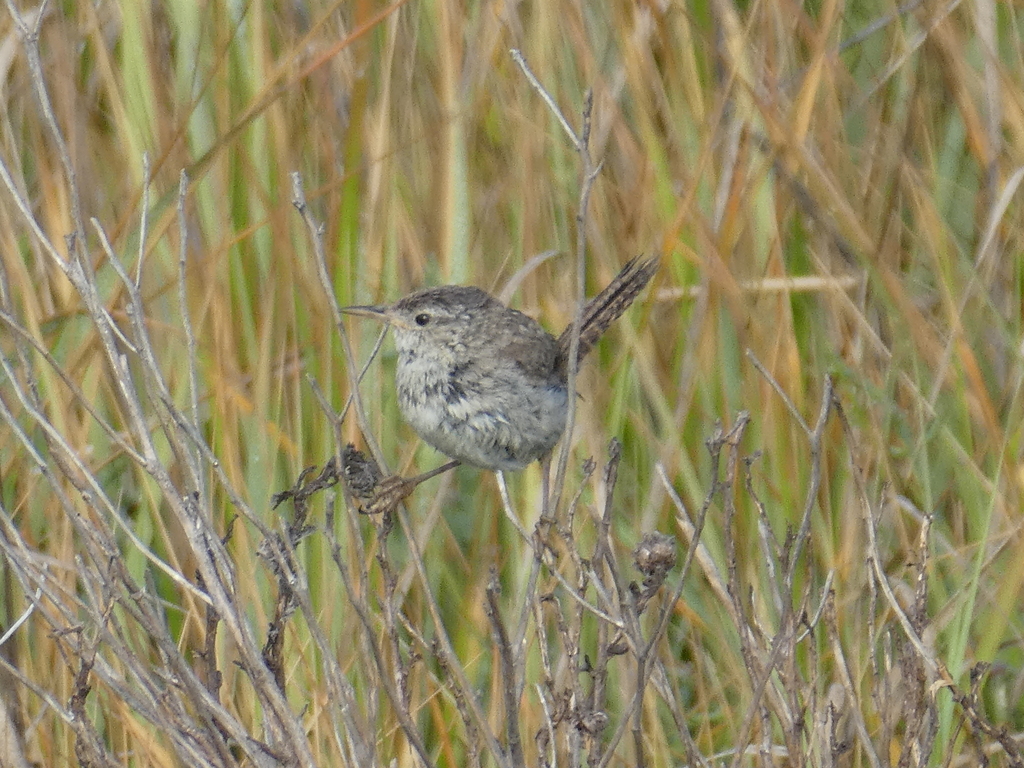
- Marsh WrenCistothorus palustris
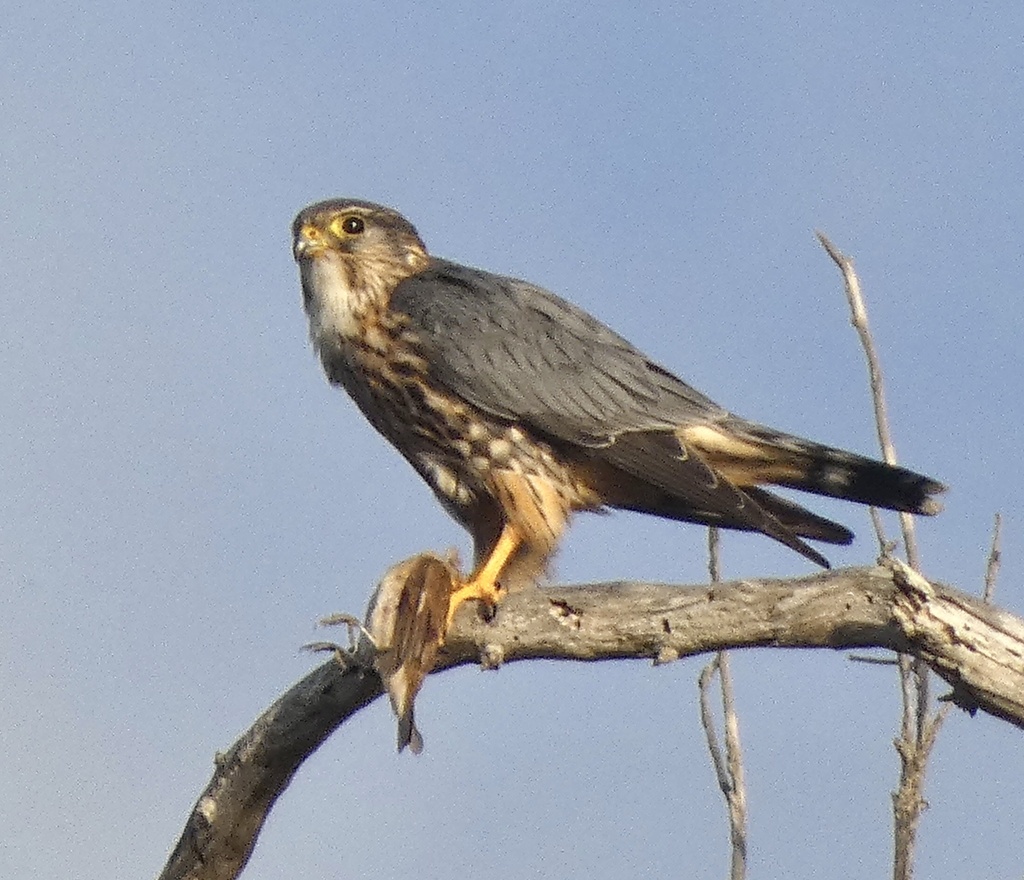
- MerlinFalco columbarius
- Northern CardinalCardinalis cardinalis
- Northern PintailAnas acuta
- Northern Rough-winged SwallowStelgidopteryx serripennis
- Northern ShovelerAnas clypeata
- OspreyPandion haliaetus
- Painted BuntingPasserina ciris
- Palm WarblerDendroica palmarum
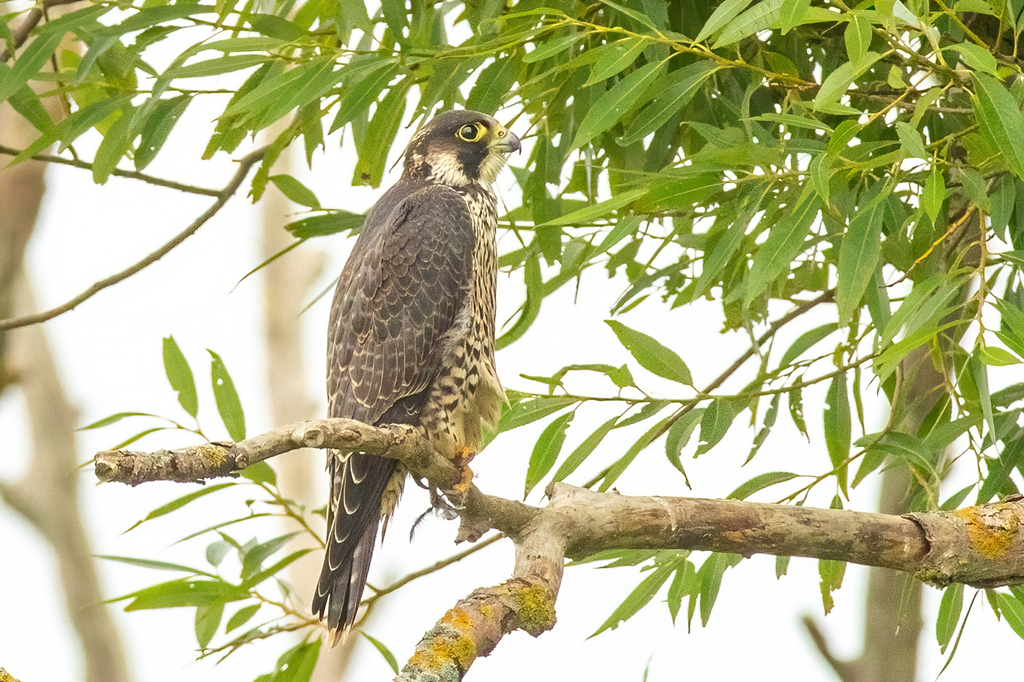
- Peregrine FalconFalco peregrinus



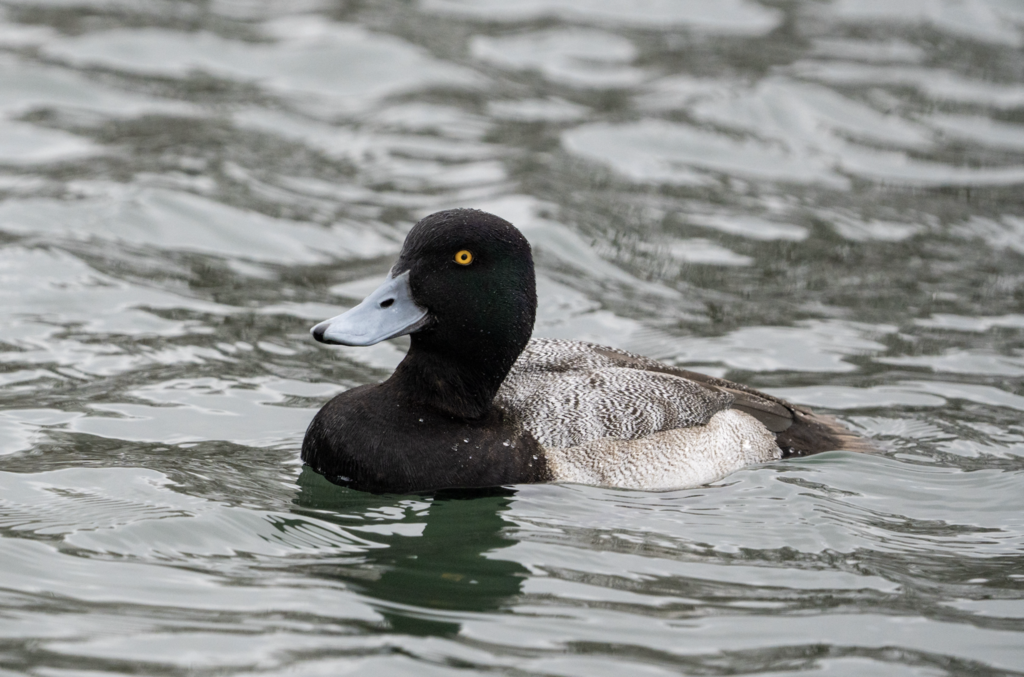
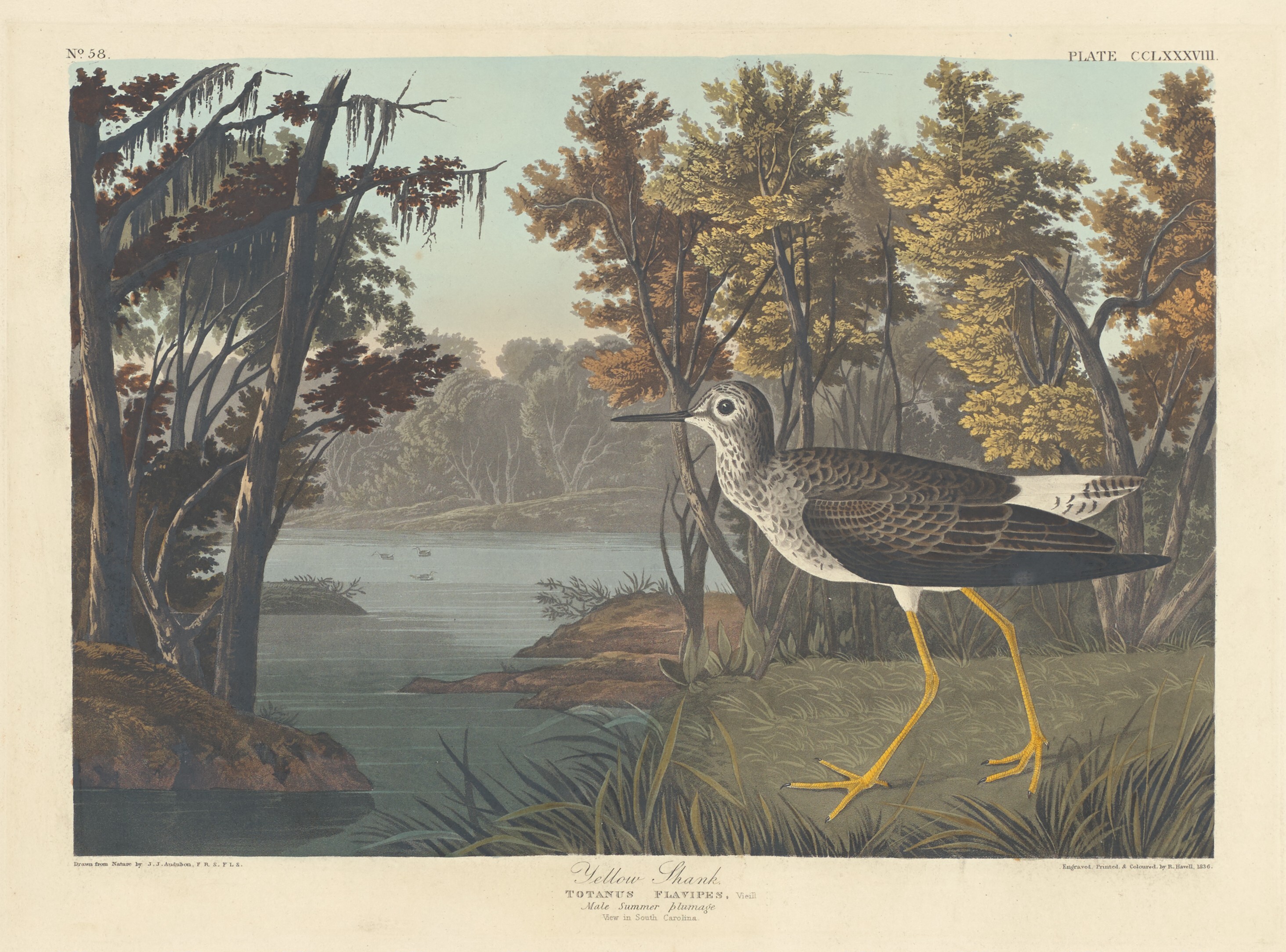
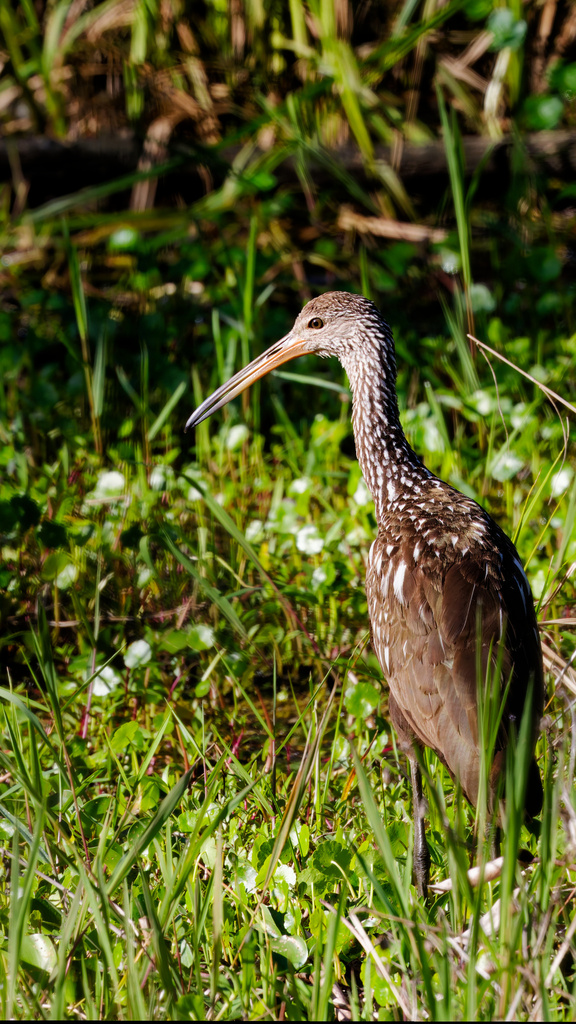
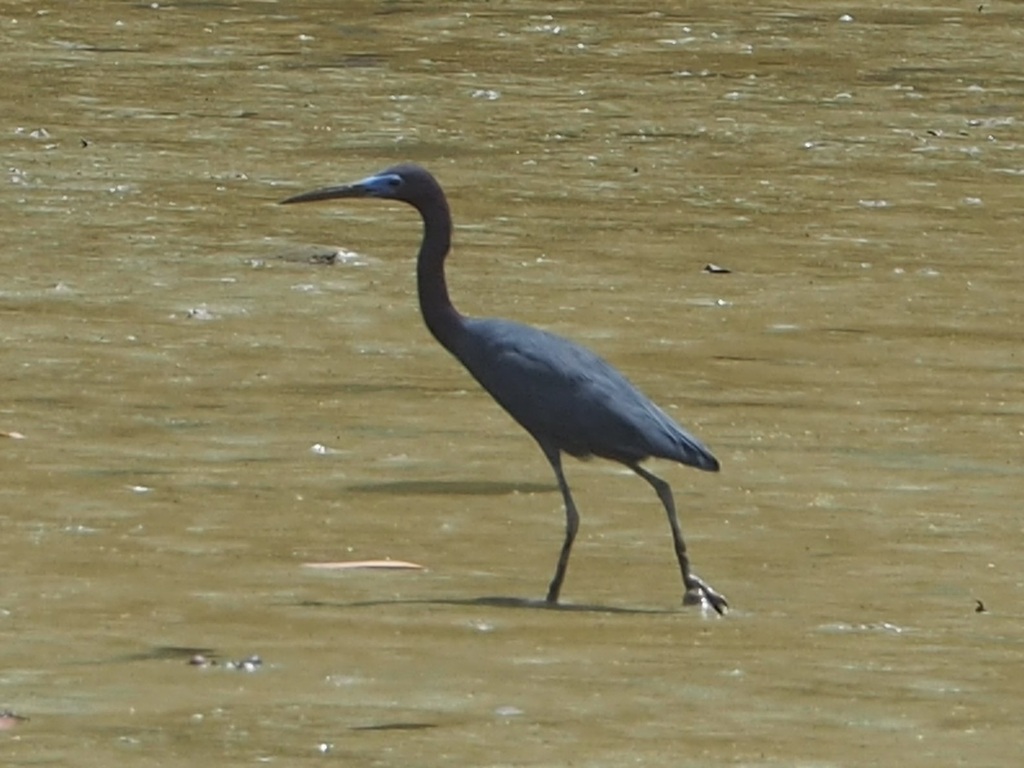


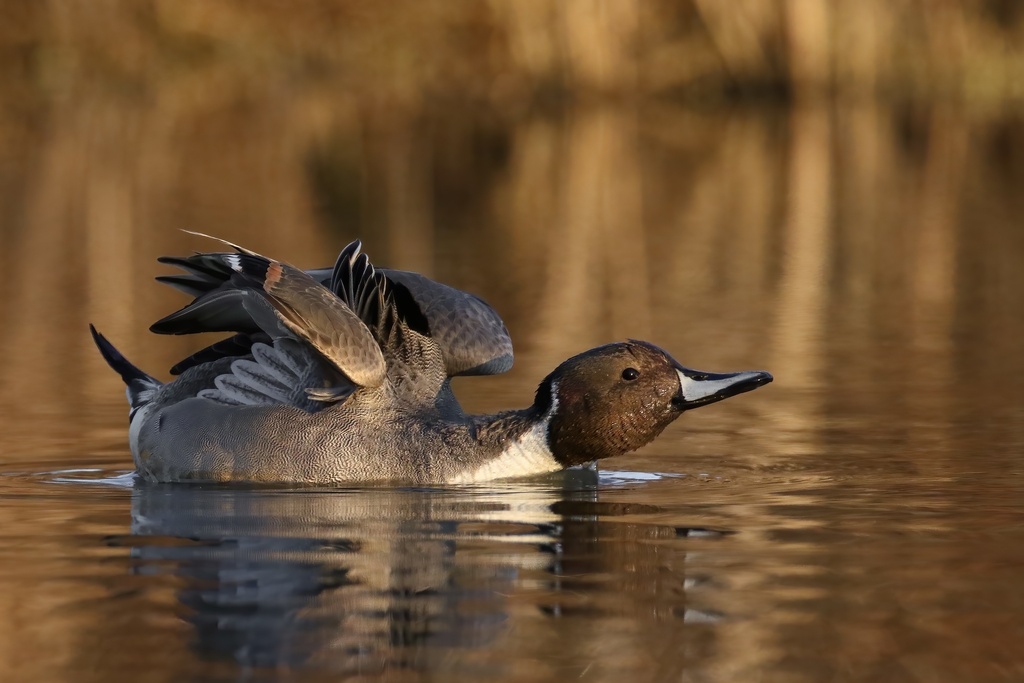

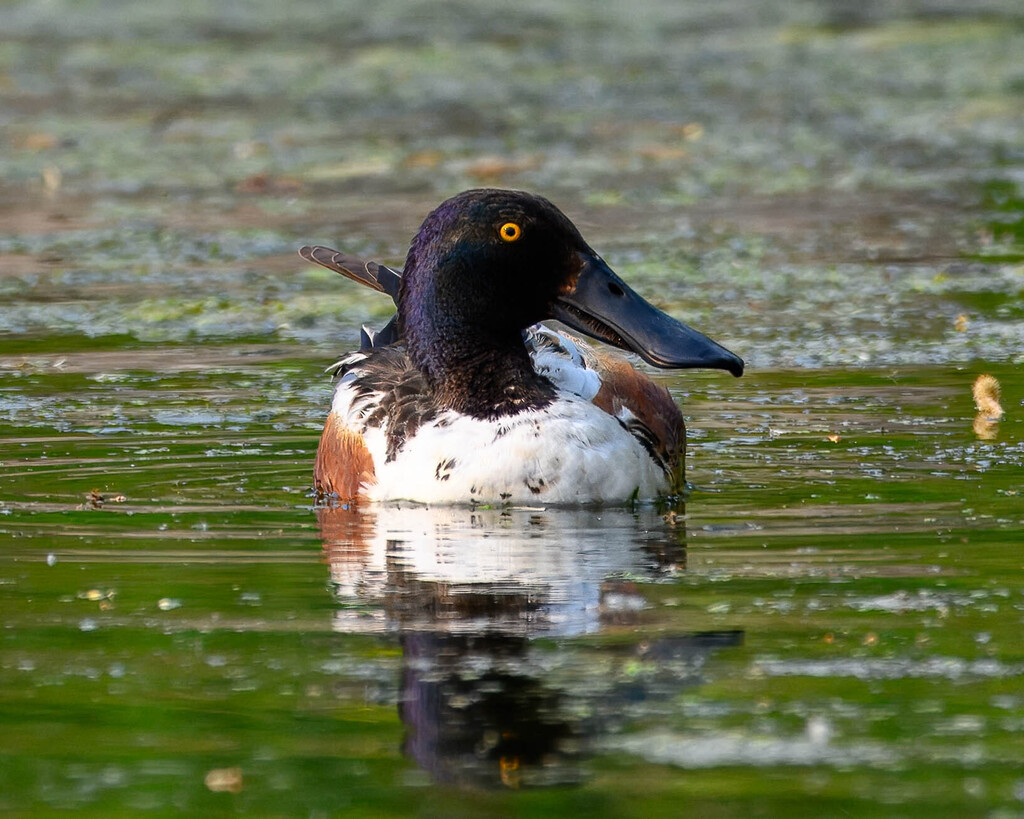

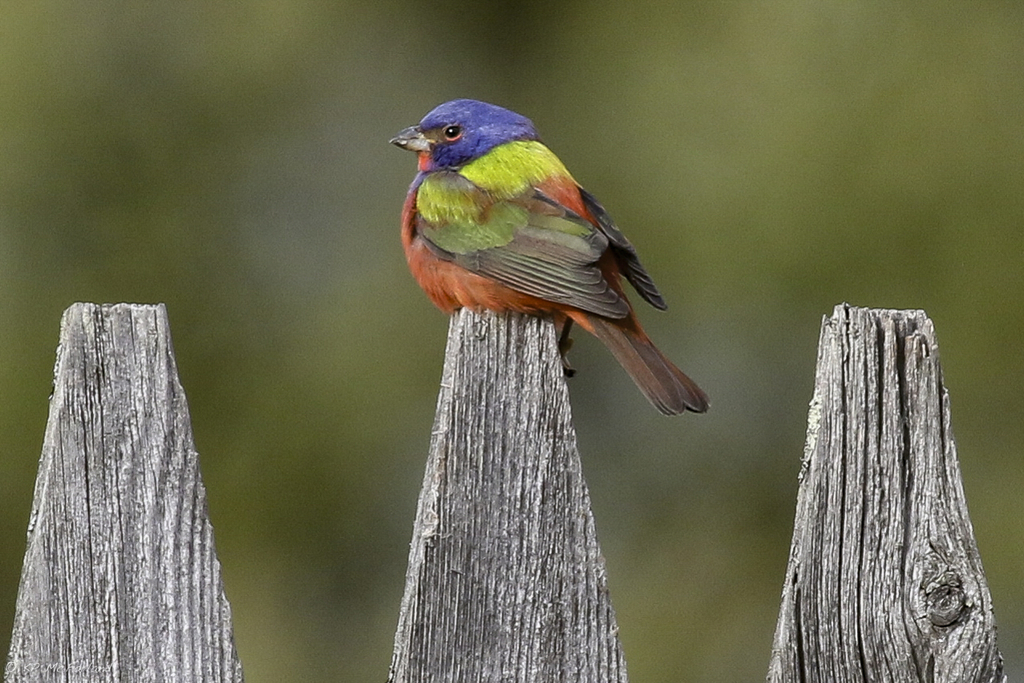
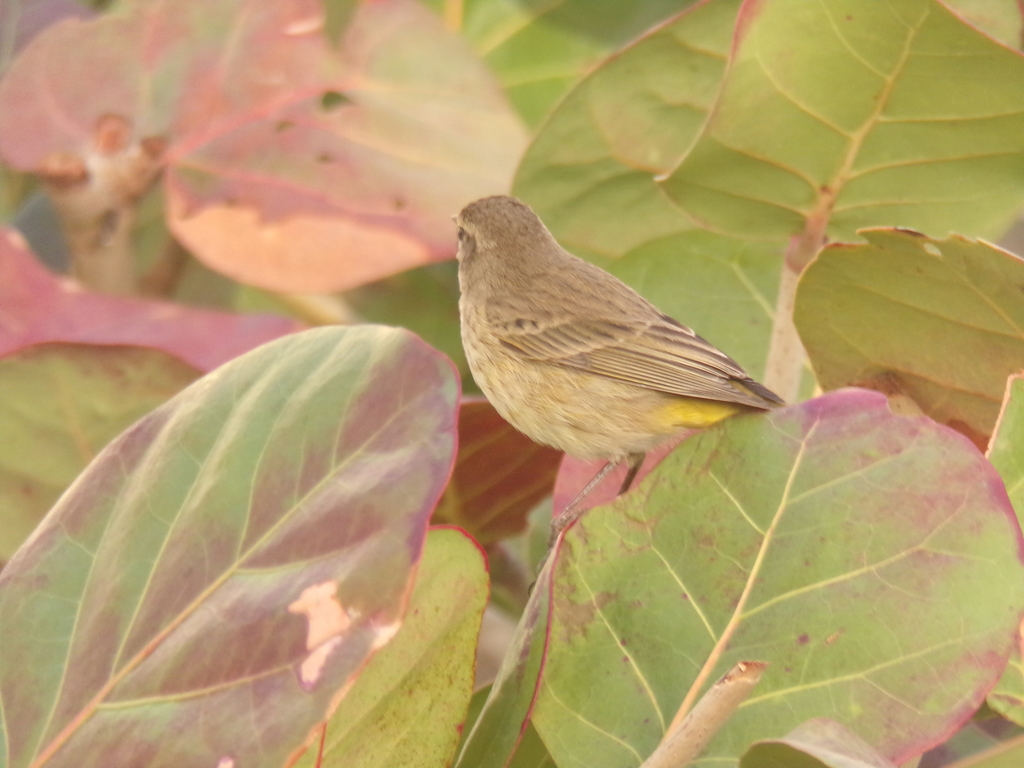
Who uses this plant?
 1CaterpillarsGenus host records with ranges including FL
Genus host records with ranges including FL · Conocephalum
- Hypercompe scriboniaGiant Leopard Moth, Great Leopard Moth
 0BeesSoutheastern regional records
 0Specialist beesPollen specialists
 —BirdsRecorded genus food-resource interactions; not a state feeding claim
No records yet · Ants · Beetles · Flies · Adult butterflies / moths · Other wasps · Other insects
Plant details
- Family
- Conocephalaceae
What its natural habitat tells you
Safety has not been reviewed for this plant; check toxicity and thorns before planting.
Conservation status
| Florida rank | Not available |
|---|---|
| Global rank | Not available |
| FL status | Not verified |
| Federal status | Not verified |
Will it fit your yard?
Check this plant against your county, sun and soil moisture. Conditions are checked in your browser.
Sources
- Atlas of Florida Plants
- Shropshire & Tallamy 2025, Lepidoptera of North America north of Mexico, ZooKeys 1261 (ODbL)
- Noori, Seltmann & Orr 2026, A curated and integrated dataset for exploring global bee-plant interactions (GloBI), Zenodo, CC BY 4.0
- Smith, Bachelder, Russell, Morales, Mosher & Seltmann 2024, Bee-Specialization-Modeling v0.6.1 (specialist host table compiled from J. Fowler's pollen specialist bee lists), Zenodo, CC BY 4.0
- Hurlbert, Olsen, Sawyer & Winner 2021, Avian Diet Database, Scientific Data 8: 260 (CC0)
- Narango, Tallamy & Shropshire 2020, Few keystone plant genera support the majority of Lepidoptera species, Nature Communications