

Coco Plum
Chrysobalanus icaco
Found in Coastal hammocks, coastal strands, sloughs, various wetlands. Weakley, Flora of the Southeastern United States (2025), Florida edition What its natural habitat tells you
Native to Florida. How scores work Is it native here?
Profile 24%
Will it fit your yard?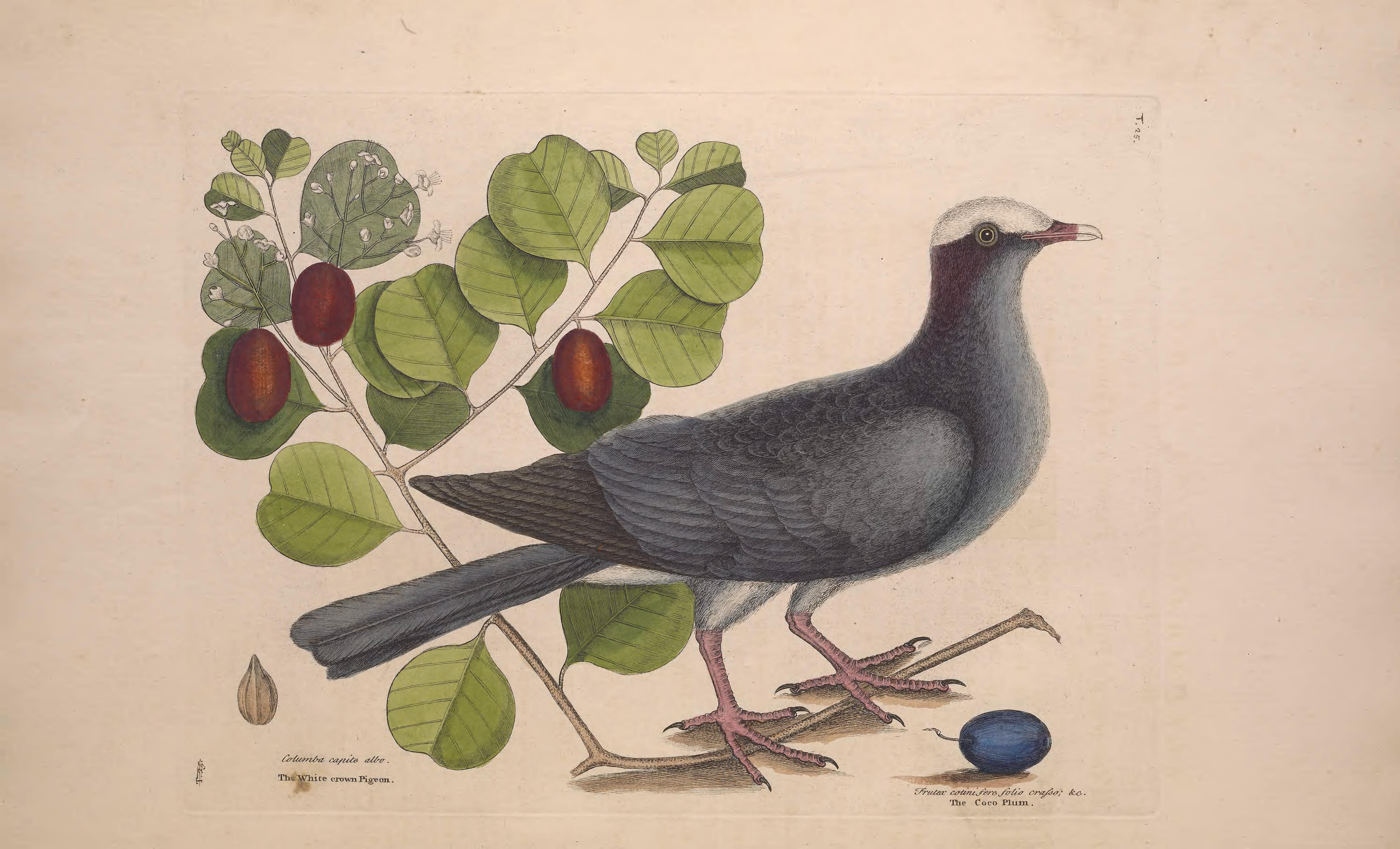
At a glance
Not yet recorded · Height · Spread · Light · Soil · Life cycle · Leaves · Bloom
This plant is missing most of its facts, so Quercus is looking them up in old botany books.
Recorded in 15 Florida counties.
Natural habitats
Places it grows wild. Not a planting requirement. Each habitat page lists the plants and wildlife also found there.
Dense, evergreen groves of live oak, magnolia and other hardwoods in the southern Coastal Plain, from dry oak domes to wet hydric hammocks and south Florida's tropical hammocks; salt-shaped maritime hammocks are maritime forests.
Also found with this plant
Wildlife whose habitat models include habitats this plant grows in, in Florida. Shared habitat, not food. 146 animals.
- Black-and-White WarblerMniotilta varia
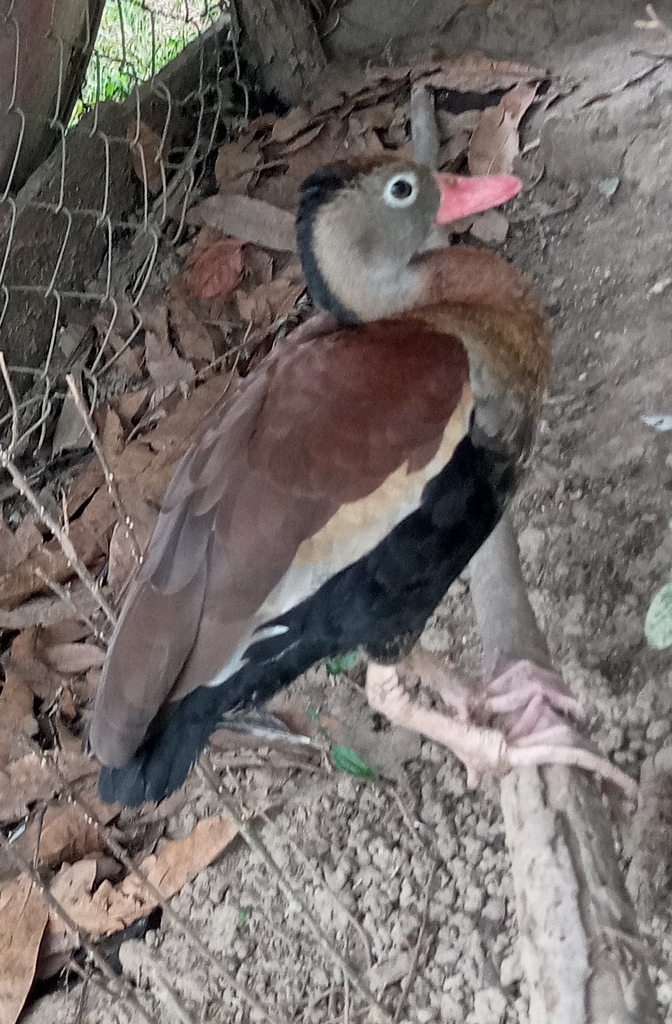
- Black-bellied Whistling-DuckDendrocygna autumnalis
- Black-crowned Night-heronNycticorax nycticorax
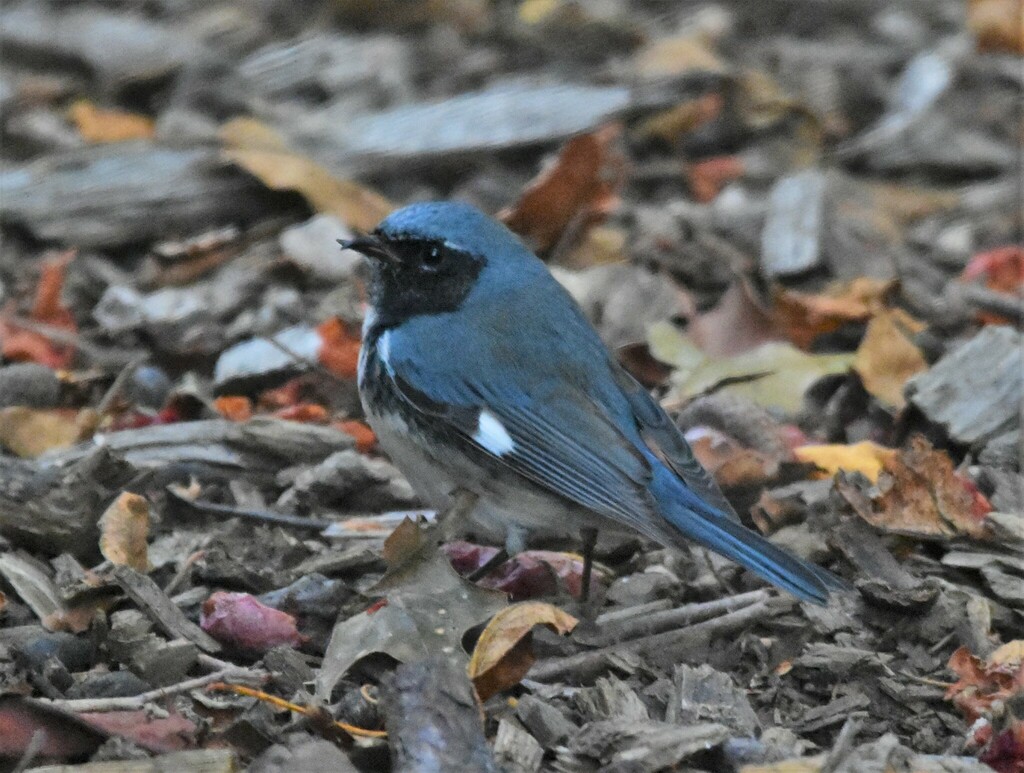
- Black-throated Blue WarblerDendroica caerulescens
- Blue JayCyanocitta cristata
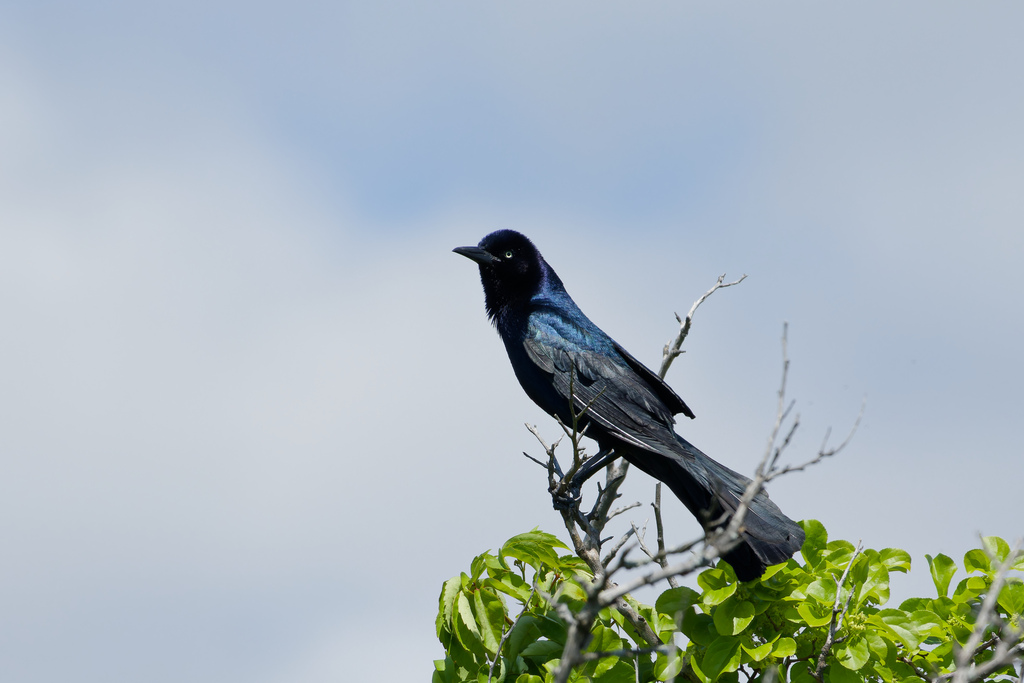
- Boat-tailed GrackleQuiscalus major
- Carolina WrenThryothorus ludovicianus
- Cedar WaxwingBombycilla cedrorum
- Downy WoodpeckerPicoides pubescens
- Eastern KingbirdTyrannus tyrannus
- Eastern Screech-owlMegascops asio
- Eastern TowheePipilo erythrophthalmus
- European StarlingSturnus vulgaris
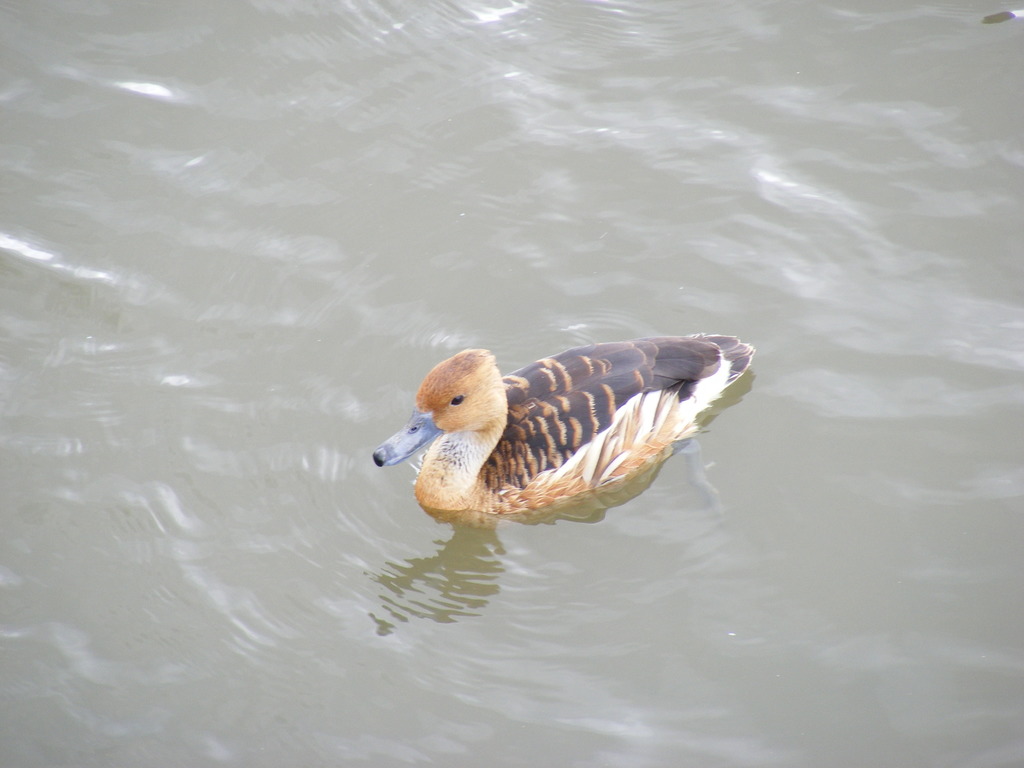
- Fulvous Whistling-duckDendrocygna bicolor
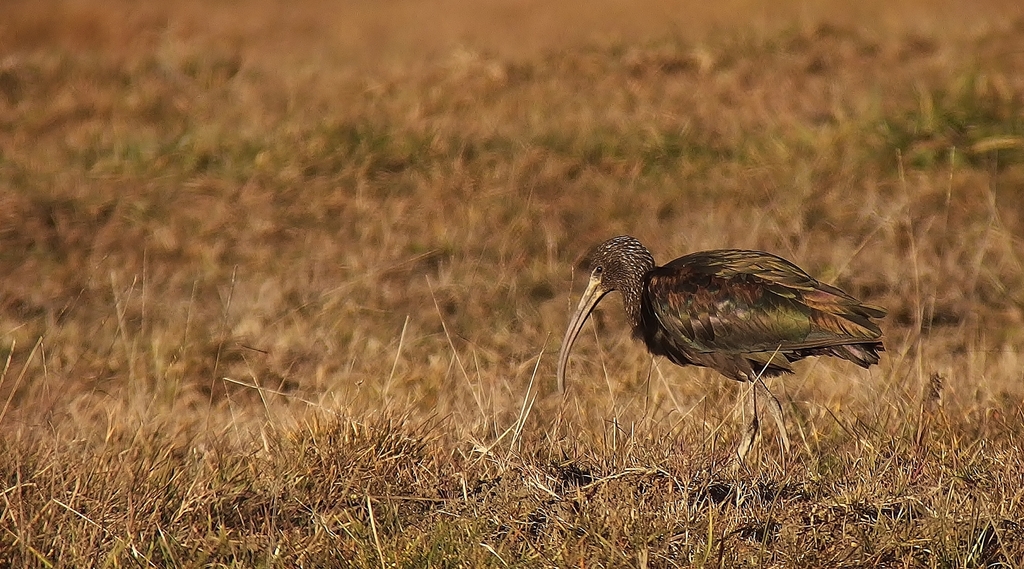
- Glossy IbisPlegadis falcinellus
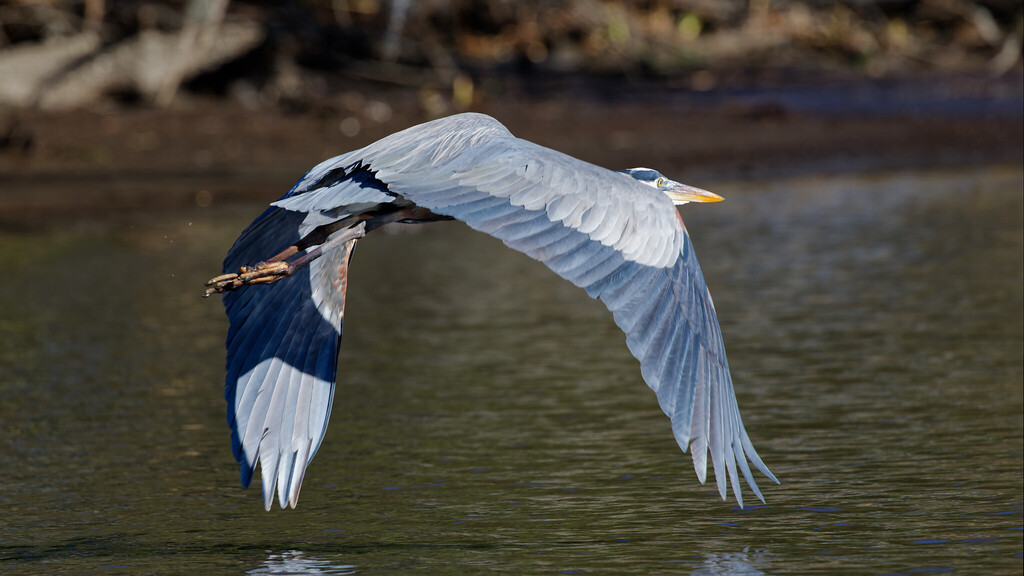
- Great Blue HeronArdea herodias
- Great Crested FlycatcherMyiarchus crinitus
- Great EgretArdea alba
- Great Horned OwlBubo virginianus
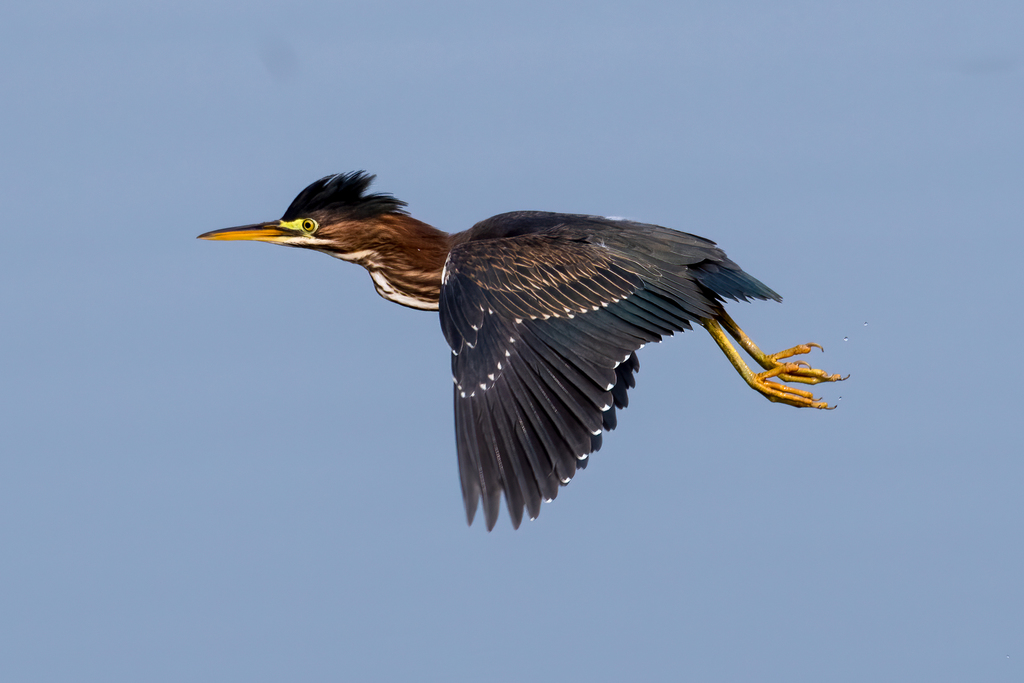
- Green HeronButorides virescens
- Hairy WoodpeckerPicoides villosus
- Least FlycatcherEmpidonax minimus
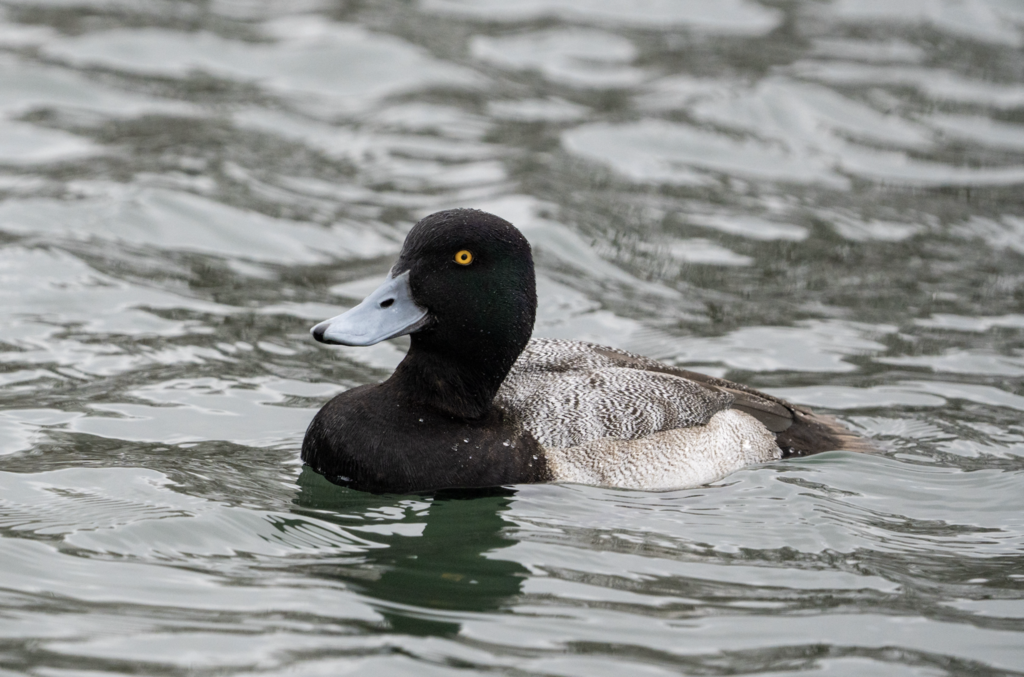
- Lesser ScaupAythya affinis
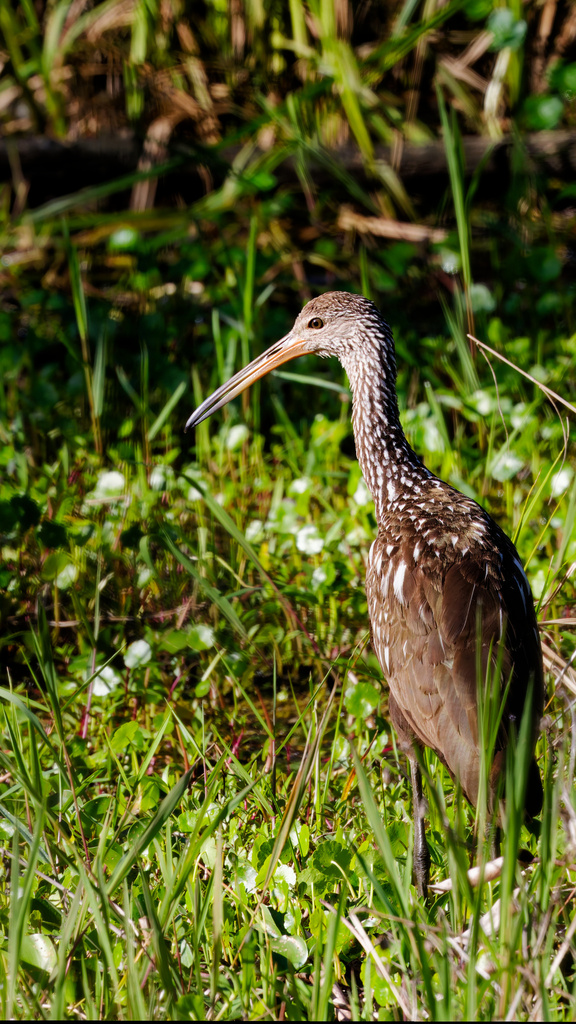
- LimpkinAramus guarauna















Who uses this plant?
 4CaterpillarsGenus host records with ranges including FL
Genus host records with ranges including FL · Chrysobalanus
- Alarodia slossoniaePackard's White Flannel Moth
- Automeris ioIo Moth
- Schizura ipomaeaeMorning-Glory Prominent, Checkered-Fringe Prominent
- Thyridopteryx ephemeraeformisEvergreen Bagworm Moth
 3BeesSoutheastern regional records
Southeastern regional records · Chrysobalanus
Individual names are not available yet.
Noori, Seltmann & Orr 2026, A curated and integrated dataset for exploring global bee-plant interactions (GloBI), Zenodo, CC BY 4.0 0Specialist beesPollen specialists
 1BirdsRecorded genus food-resource interactions; not a state feeding claim
Recorded genus food-resource interactions; not a state feeding claim · Chrysobalanus
- Patagioenas leucocephalaWhite-crowned Pigeon
Direct food only: birds recorded eating this genus across North America. Caterpillars on host plants also feed nesting birds. NC Native Plant Society: butterfly gardening
No records yet · Ants · Beetles · Flies · Adult butterflies / moths · Other wasps · Other insects
Plant details
- Family
- Chrysobalanaceae
Safety has not been reviewed for this plant; check toxicity and thorns before planting.
Conservation status
| Florida rank | S4S5 |
|---|---|
| Global rank | Not available |
| FL status | Not verified |
| Federal status | Not verified |
Will it fit your yard?
Check this plant against your county, sun and soil moisture. Conditions are checked in your browser.
Sources
- Atlas of Florida Plants
- Weakley, Flora of the Southeastern United States (2025), Florida edition
- NatureServe Explorer
- Shropshire & Tallamy 2025, Lepidoptera of North America north of Mexico, ZooKeys 1261 (ODbL)
- Noori, Seltmann & Orr 2026, A curated and integrated dataset for exploring global bee-plant interactions (GloBI), Zenodo, CC BY 4.0
- Smith, Bachelder, Russell, Morales, Mosher & Seltmann 2024, Bee-Specialization-Modeling v0.6.1 (specialist host table compiled from J. Fowler's pollen specialist bee lists), Zenodo, CC BY 4.0
- Hurlbert, Olsen, Sawyer & Winner 2021, Avian Diet Database, Scientific Data 8: 260 (CC0)
- Narango, Tallamy & Shropshire 2020, Few keystone plant genera support the majority of Lepidoptera species, Nature Communications