

Red Milkweed
Asclepias rubra
Found in pocosin ecotones, wet pine savannas, seepage bogs in longleaf pine sandhills, seepage swamps. Weakley, Flora of the Southeastern United States (2025), Florida edition What its natural habitat tells you
Native to Florida. How scores work Is it native here?
Profile 100%
- Height
- 1.5–3 feet
- Spread
- 10–12 inches
- Light
- Full sun, Partial shade
- Soil moisture
- Usually moist
Space about 1 ft apart from its recorded spread, about 100 per 100 sq ft. Enter your bed size for a count
Will it fit your yard?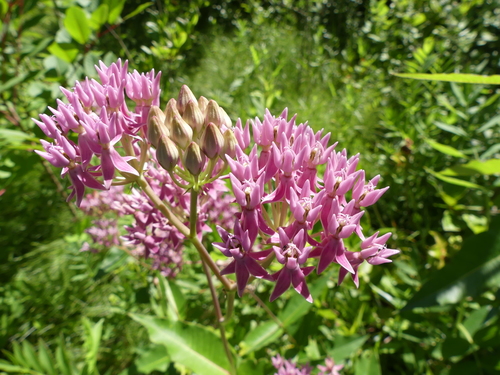
Rare or protected plant. Specialist conservation planting; excluded from routine garden suggestions. Plant caution source
Hidden from default planting suggestions. Wildlife value and native status remain unchanged.
At a glance
- Life cycle
- Perennial
- Bloom
- April to September
- Fruiting season
- July to October
Not yet recorded · Leaves
Recorded in 6 Florida counties.
Natural habitats
Places it grows wild. Not a planting requirement. Each habitat page lists the plants and wildlife also found there.

Dense evergreen shrub wetlands and bay forests on wet, acid peat of the Coastal Plain.
Open, fire-kept longleaf pine stands over grasses and wildflowers on wet to moist sandy soil.
Dry, deep-sand ridges with longleaf pine and turkey oak, kept open by fire.
Open, wet, seepage-fed bogs of the Coastal Plain and Sandhills, often with pitcher plants.
Places where groundwater keeps the soil or rock wet, such as seepage slopes and spring runs.
Also found with this plant
Wildlife whose habitat models include habitats this plant grows in, in Florida. Shared habitat, not food. 154 animals.
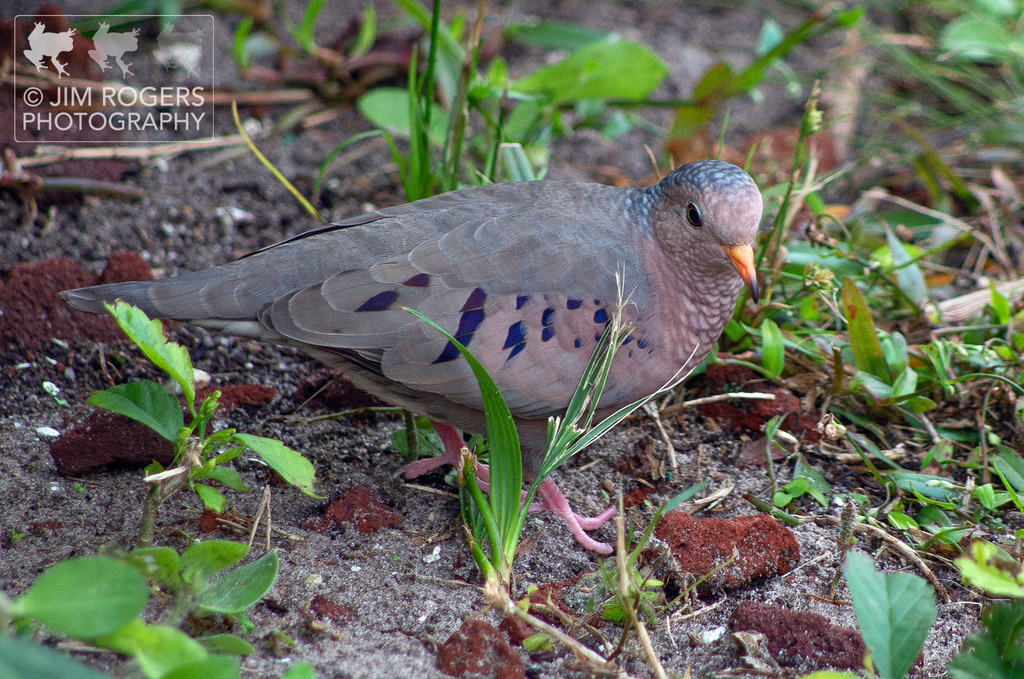
- Common Ground-doveColumbina passerina
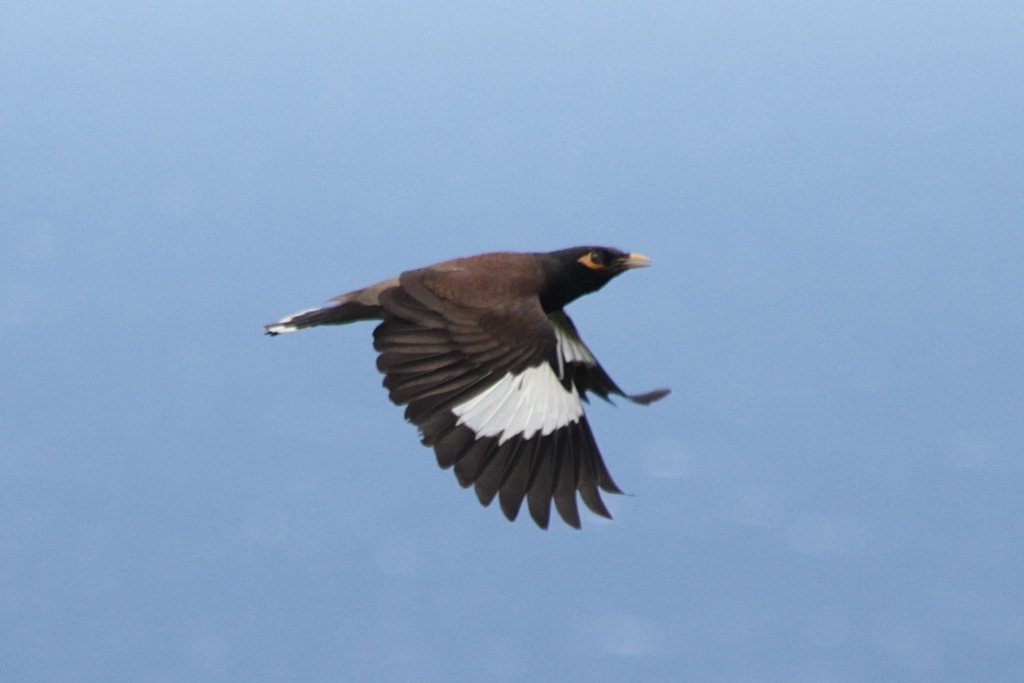
- Common MynaAcridotheres tristis
- Dark-eyed JuncoJunco hyemalis
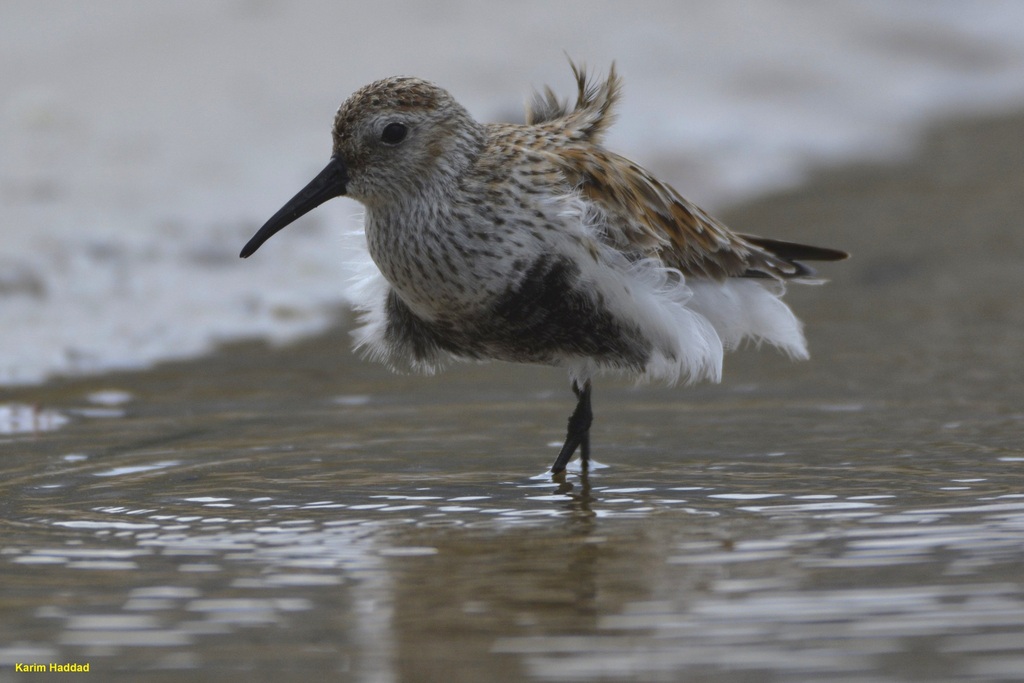
- DunlinCalidris alpina
- Eastern BluebirdSialia sialis
- Eastern PhoebeSayornis phoebe
- Eastern Screech-owlMegascops asio
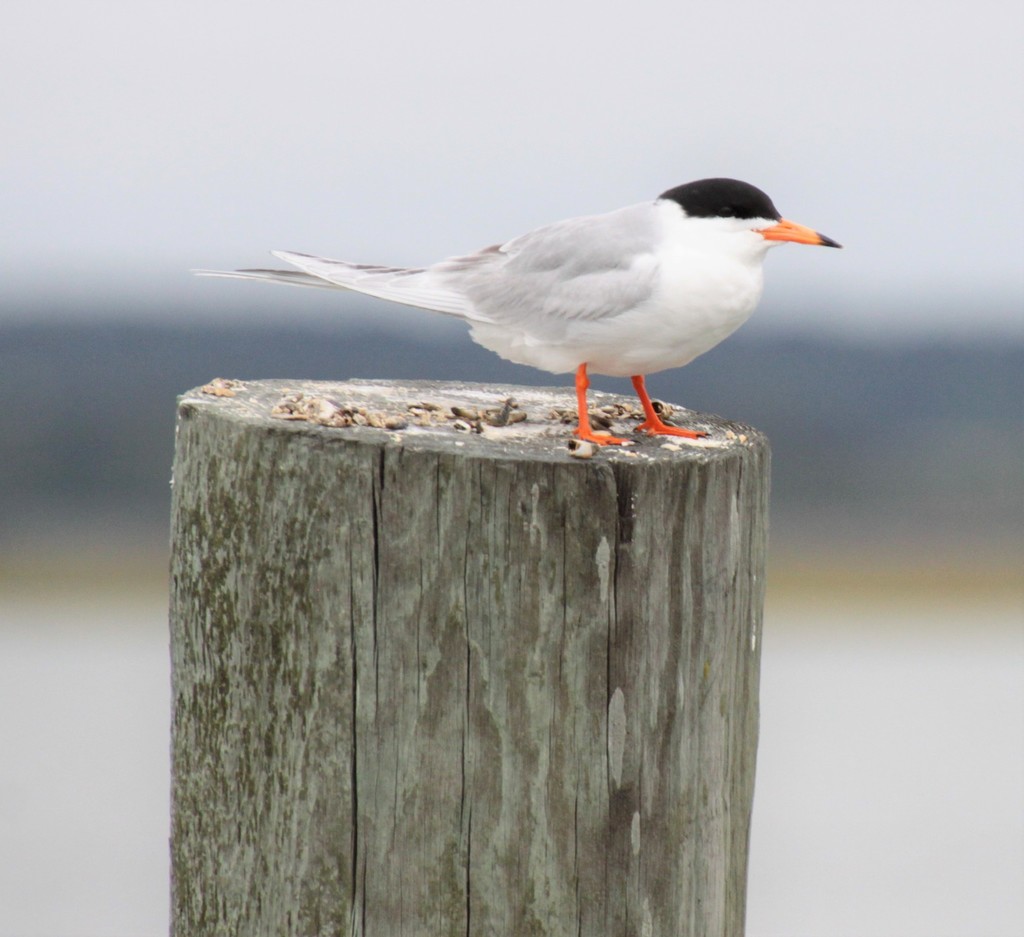
- Forster's TernSterna forsteri
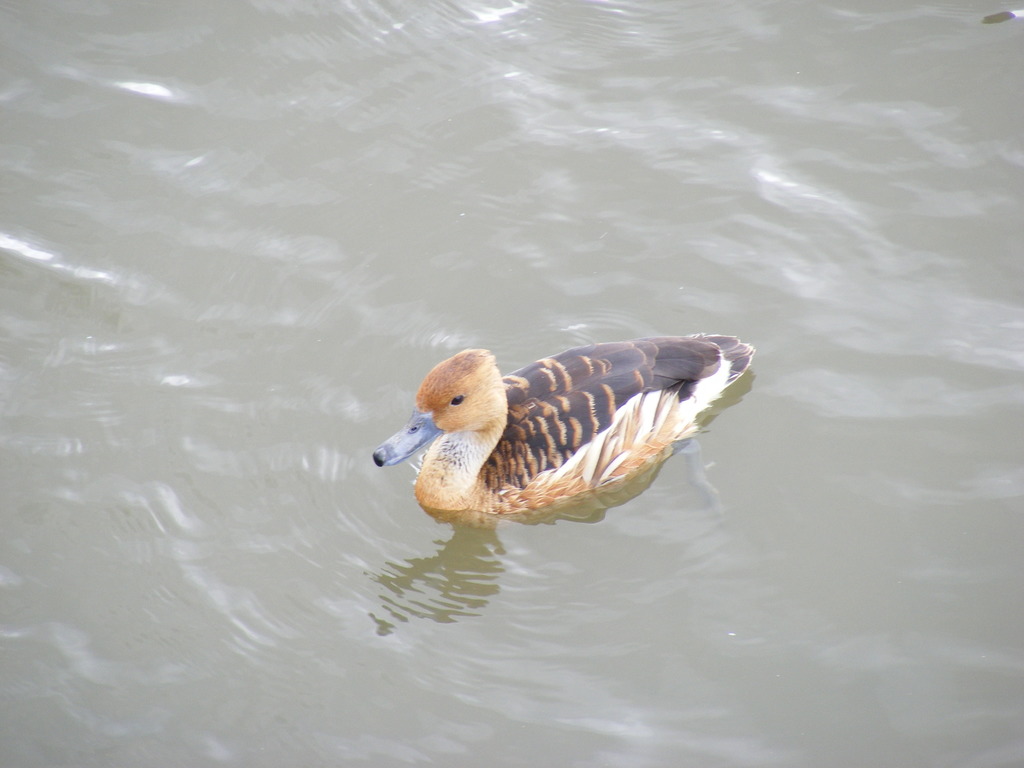
- Fulvous Whistling-duckDendrocygna bicolor
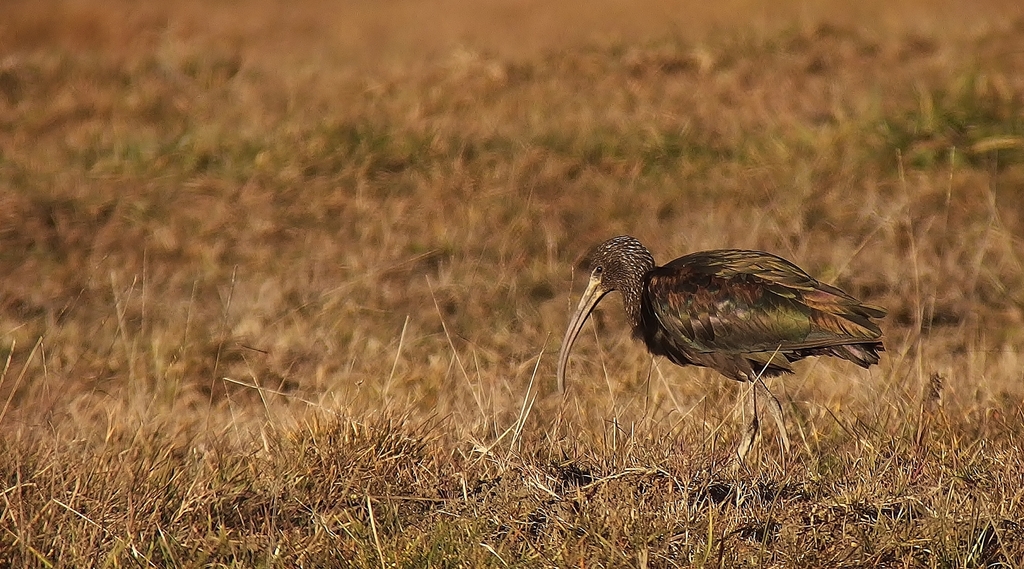
- Glossy IbisPlegadis falcinellus
- Gray CatbirdDumetella carolinensis
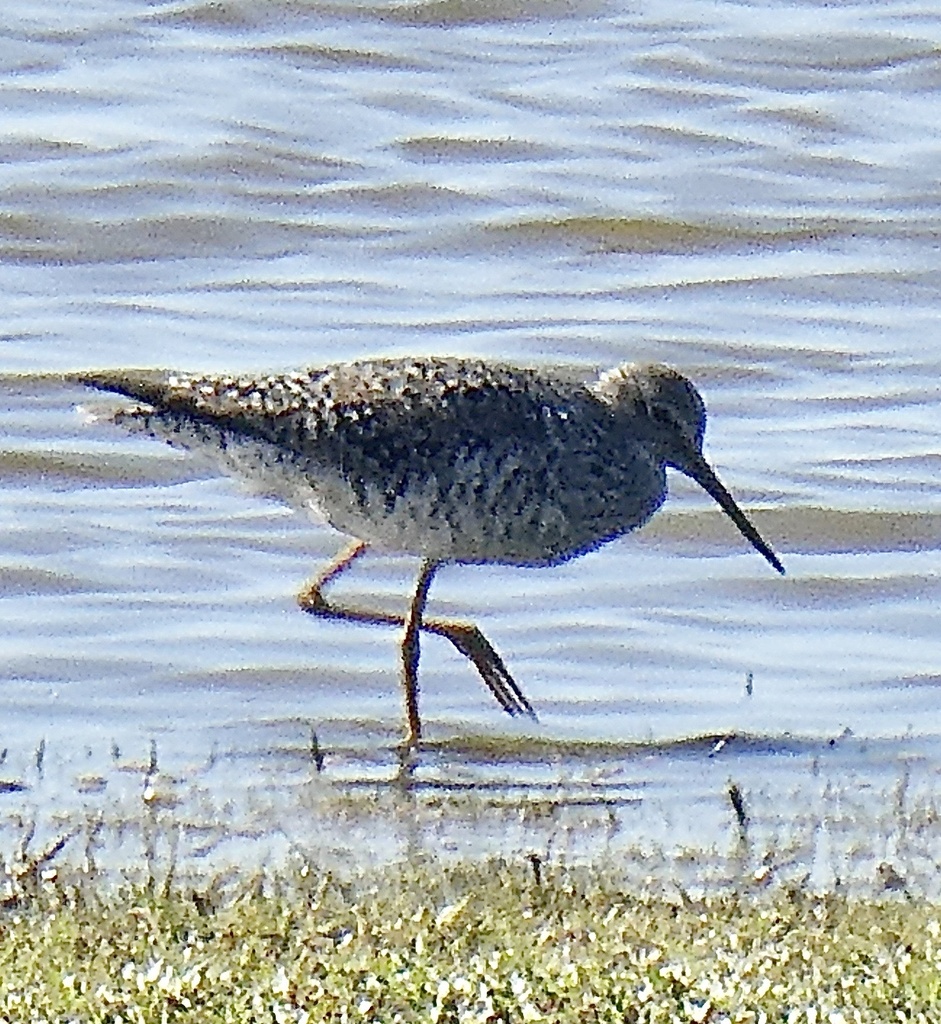
- Greater YellowlegsTringa melanoleuca
- Hooded WarblerWilsonia citrina
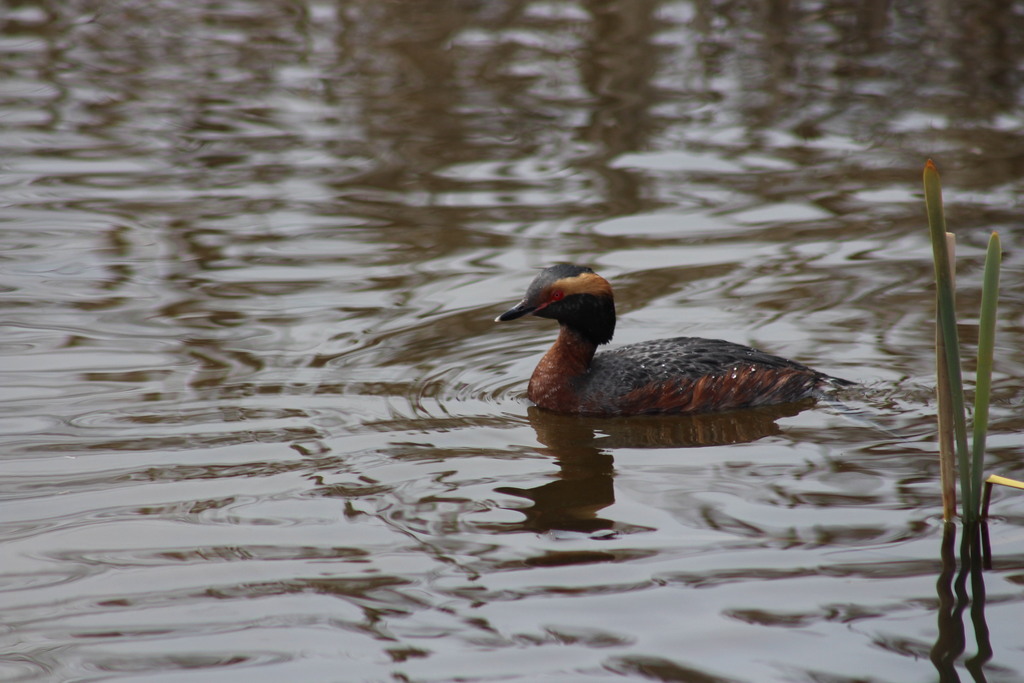
- Horned GrebePodiceps auritus
- Indigo BuntingPasserina cyanea
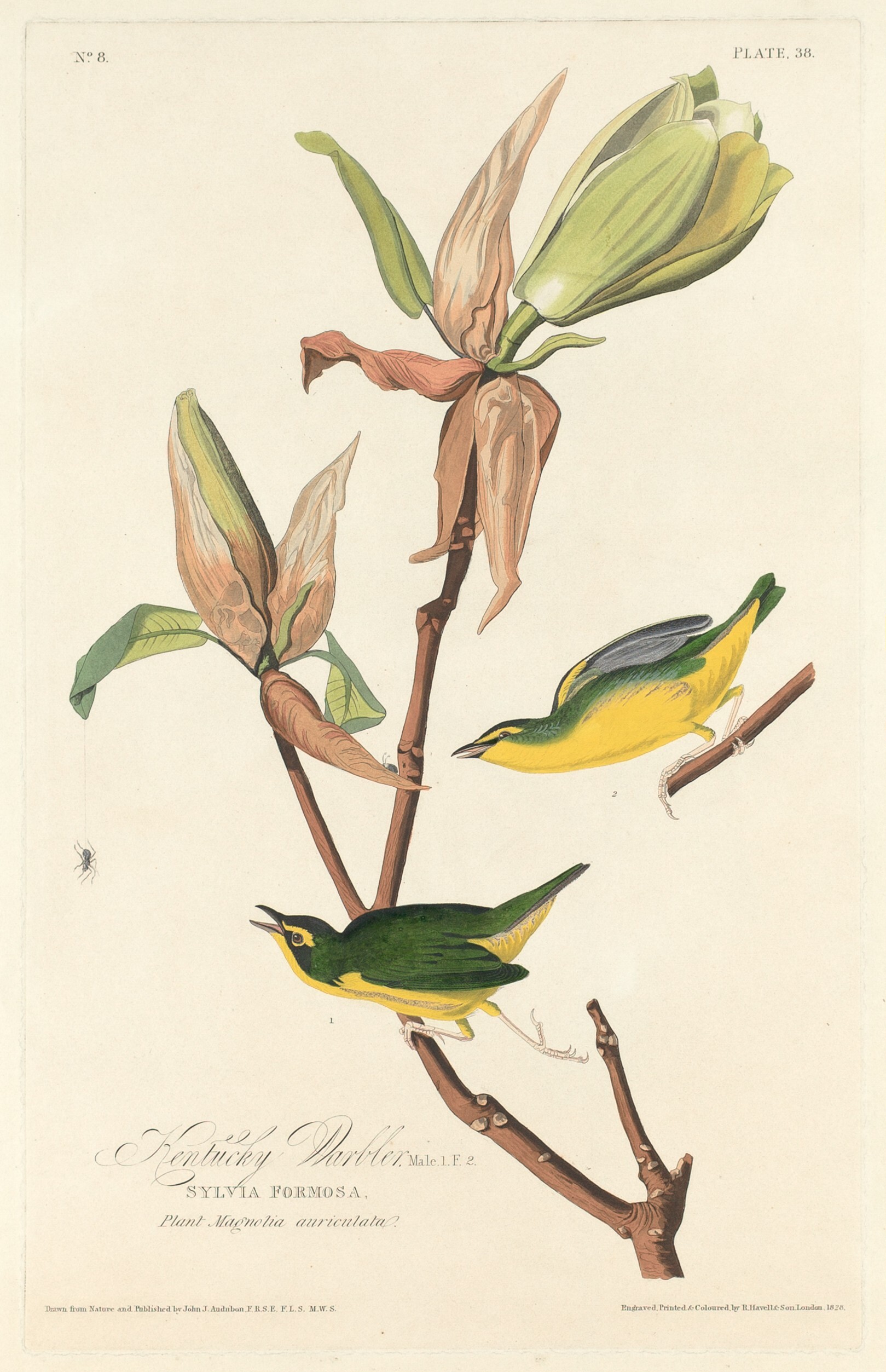
- Kentucky WarblerOporornis formosus
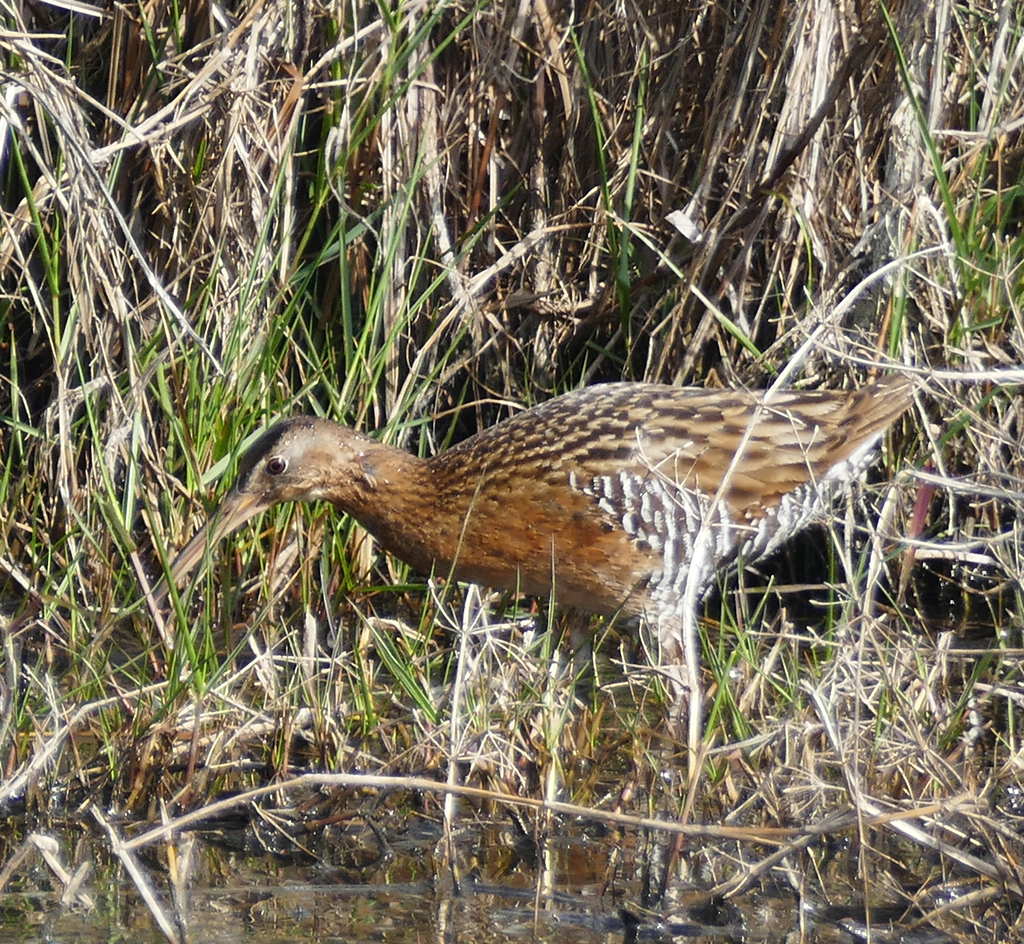
- King RailRallus elegans
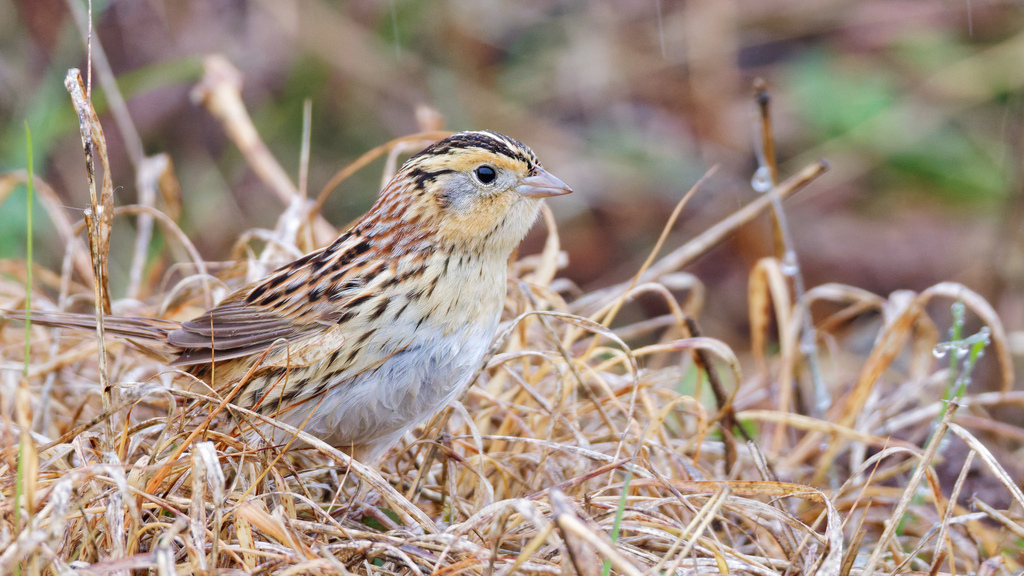
- Le Conte's SparrowAmmodramus leconteii
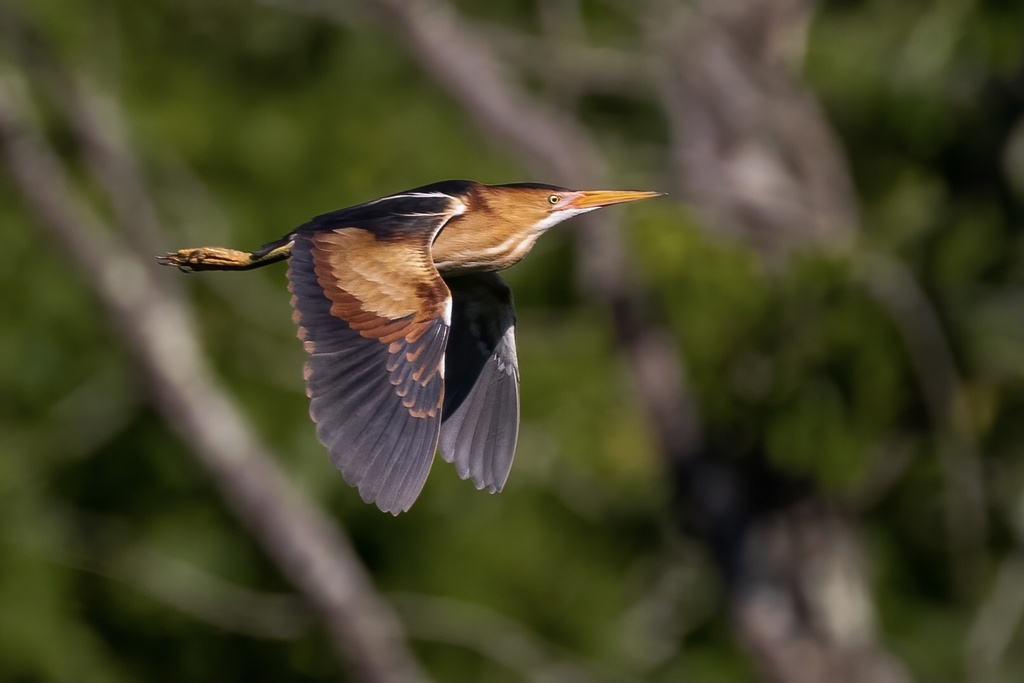
- Least BitternIxobrychus exilis
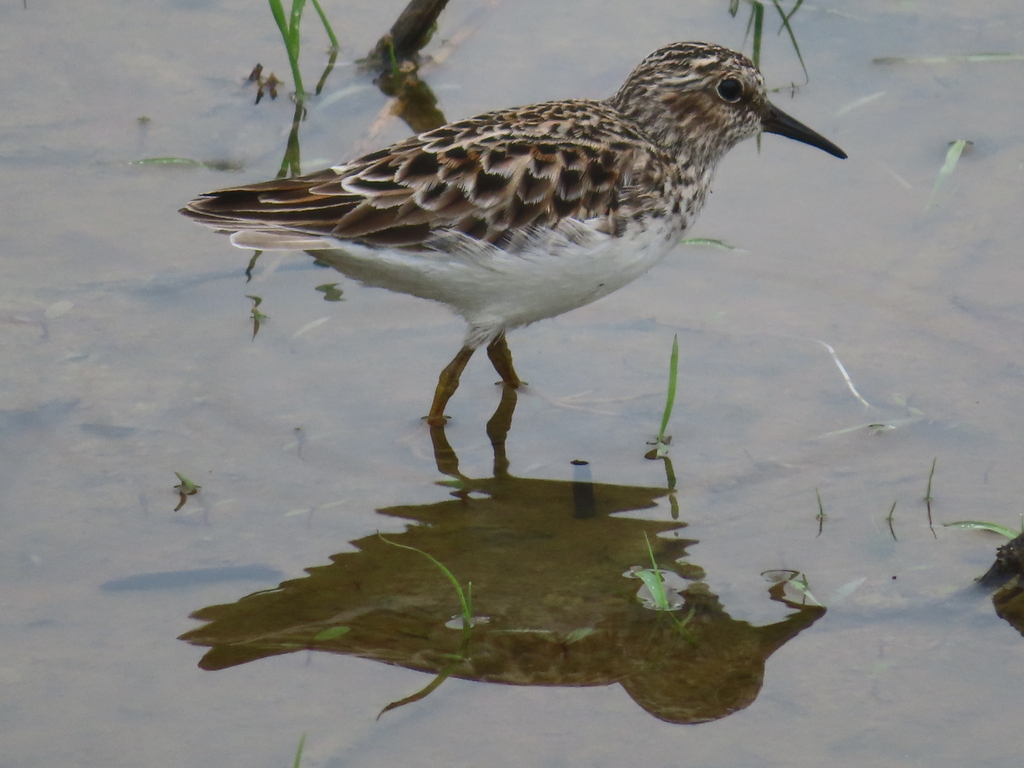
- Least SandpiperCalidris minutilla
- Lesser ScaupAythya affinis
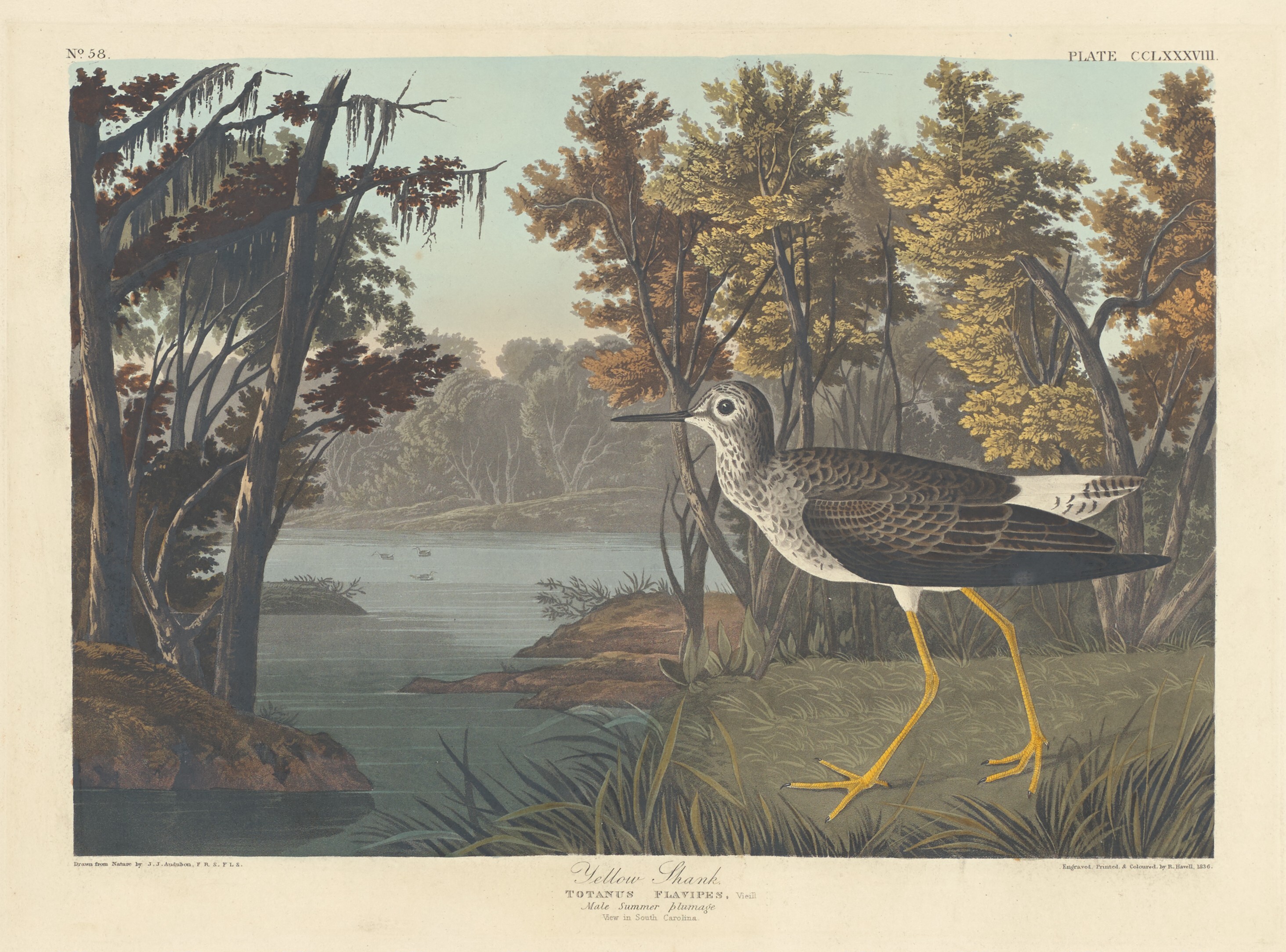
- Lesser YellowlegsTringa flavipes
- Lincoln's SparrowMelospiza lincolnii
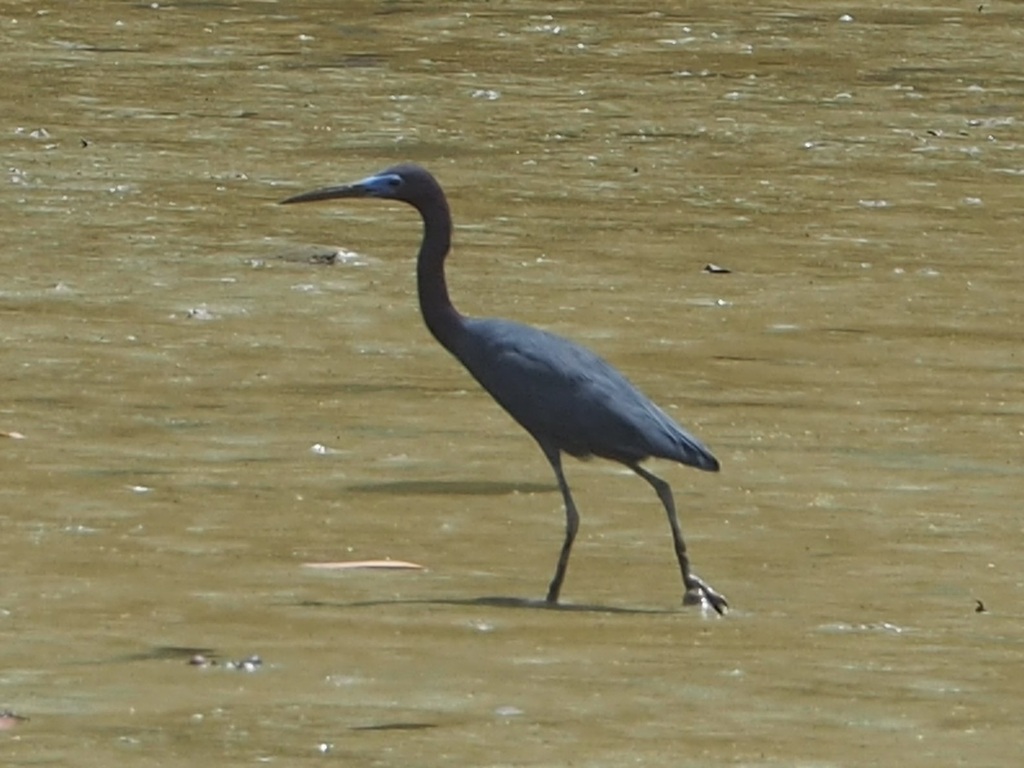
- Little Blue HeronEgretta caerulea









Who uses this plant?
 15CaterpillarsGenus host records with ranges including FL
Genus host records with ranges including FL · Asclepias
- Danaus plexippusMonarch
- Agathodes monstralisSky-Pointing Moth
- Cycnia collarisUnexpected Cycnia
- Cycnia teneraDelicate Cycnia, Dogbane Tiger Moth
- Danaus eresimusSoldier, Tropical Queen
- Danaus gilippusQueen
- Euchaetes egleMilkweed Tussock Moth or Milkweed Tiger Moth
- Hyalophora cecropiaCecropia Silkmoth, Cecropia Moth
- Platynota flavedanaBlack-Shaded Platynota
- Pygarctia spragueiSprague's Pygarctia Moth
Show all 15
- Pyrrharctia isabellaIsabella Tiger Moth, Banded Woolybear
- Spodoptera frugiperdaFall Armyworm Moth
- Strymon melinusGray Hairstreak
- Trichordestra legitimaStriped Garden Caterpillar Moth
- Pygarctia eglenensis
 59BeesSoutheastern regional records
Southeastern regional records · Asclepias
Individual names are not available yet.
Noori, Seltmann & Orr 2026, A curated and integrated dataset for exploring global bee-plant interactions (GloBI), Zenodo, CC BY 4.0 0Specialist beesPollen specialists
 1BirdsRecorded genus food-resource interactions; not a state feeding claim
Recorded genus food-resource interactions; not a state feeding claim · Asclepias
- Ortalis vetulaPlain Chachalaca
Direct food only: birds recorded eating this genus across North America. Caterpillars on host plants also feed nesting birds. NC Native Plant Society: butterfly gardening
No records yet · Ants · Beetles · Flies · Adult butterflies / moths · Other wasps · Other insects
Plant details
- Family
- Apocynaceae
- Hardiness
- Zones 6a–9b
- Soil pH
- Acidic
- Flower color
- Pink or purple
- Fruit begins
- July
- Fruit ends
- October
Growing sources and scope
- Bloom · “April to September” · Weakley, Flora of the Southeastern United States (2025), Carolinas & Georgia edition · Carolinas and Georgia
- Flower color · “Pink or purple” · NC Extension Plant Toolbox (ranked first; Lady Bird Johnson Wildflower Center differs)
- Fruit begins · “July” · Weakley, Flora of the Southeastern United States (2025), Carolinas & Georgia edition · Carolinas and Georgia
- Fruit ends · “October” · Weakley, Flora of the Southeastern United States (2025), Carolinas & Georgia edition · Carolinas and Georgia
- Hardiness · “Zones 6a–9b” · NC Extension Plant Toolbox
- Height · “1.5–3 feet” · NC Extension Plant Toolbox (ranked first; Lady Bird Johnson Wildflower Center differs)
- Life cycle · “Perennial” · NC Extension Plant Toolbox
- Light · “Full sun (6 or more hours of direct sunlight a day); Partial shade (direct sunlight only part of the day, 2-6 hours)” · NC Extension Plant Toolbox (ranked first; Lady Bird Johnson Wildflower Center differs)
- Soil · “Moist; Occasionally wet” · NC Extension Plant Toolbox (ranked first; Lady Bird Johnson Wildflower Center differs)
- Soil pH · “Acidic” · NC Extension Plant Toolbox
- Spread · “10–12 inches” · NC Extension Plant Toolbox
Conservation status
| Florida rank | S2S3 |
|---|---|
| Global rank | G4G5 |
| FL status | Not verified |
| Federal status | Not verified |
Will it fit your yard?
Check this plant against your county, sun and soil moisture. Conditions are checked in your browser.
Sources
- Atlas of Florida Plants
- USDA PLANTS
- Vascular Plants of North Carolina (NC Natural Heritage Program)
- Weakley, Flora of the Southeastern United States (2025), Carolinas & Georgia edition
- NatureServe Explorer
- Shropshire & Tallamy 2025, Lepidoptera of North America north of Mexico, ZooKeys 1261 (ODbL)
- Noori, Seltmann & Orr 2026, A curated and integrated dataset for exploring global bee-plant interactions (GloBI), Zenodo, CC BY 4.0
- Smith, Bachelder, Russell, Morales, Mosher & Seltmann 2024, Bee-Specialization-Modeling v0.6.1 (specialist host table compiled from J. Fowler's pollen specialist bee lists), Zenodo, CC BY 4.0
- Hurlbert, Olsen, Sawyer & Winner 2021, Avian Diet Database, Scientific Data 8: 260 (CC0)
- Narango, Tallamy & Shropshire 2020, Few keystone plant genera support the majority of Lepidoptera species, Nature Communications