

Red Buckeye
Aesculus pavia
Native to Florida. How scores work Is it native here?
Profile 100%
- Height
- 15–25 feet
- Spread
- 10–20 feet
- Light
- Partial shade
- Soil moisture
- Usually moist
Space about 15 ft apart from its recorded spread. Enter your bed size for a count
Will it fit your yard?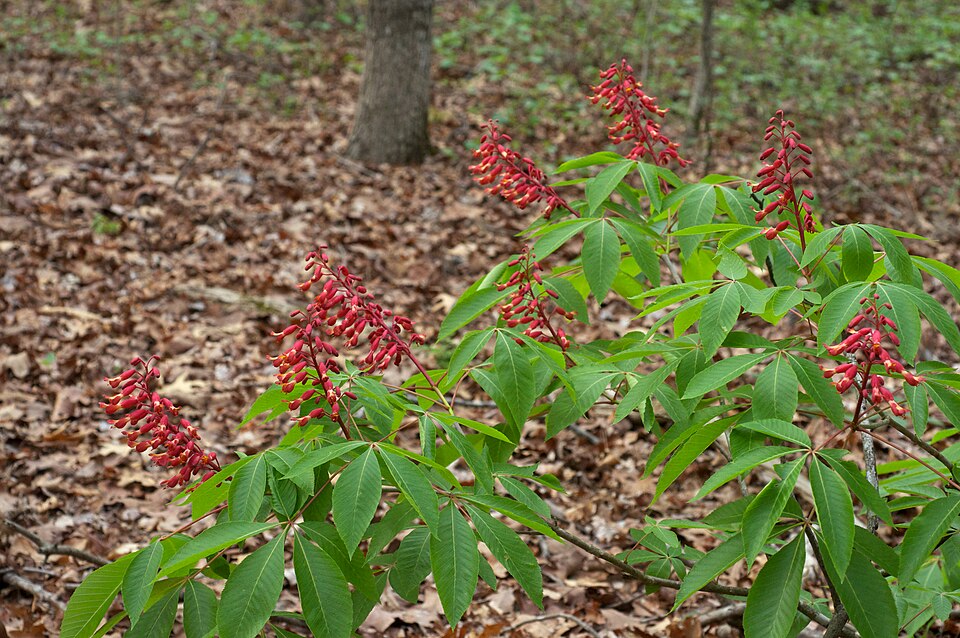
At a glance
- Life cycle
- Woody perennial
- Leaves
- Deciduous
- Bloom
- Late spring
- Fruiting season
- Summer to fall
Recorded in 39 Florida counties.
Also found with this plant
Wildlife whose habitat models include habitats this plant grows in, in Florida. Shared habitat, not food. 127 animals.
- Eurasian Collared-doveStreptopelia decaocto
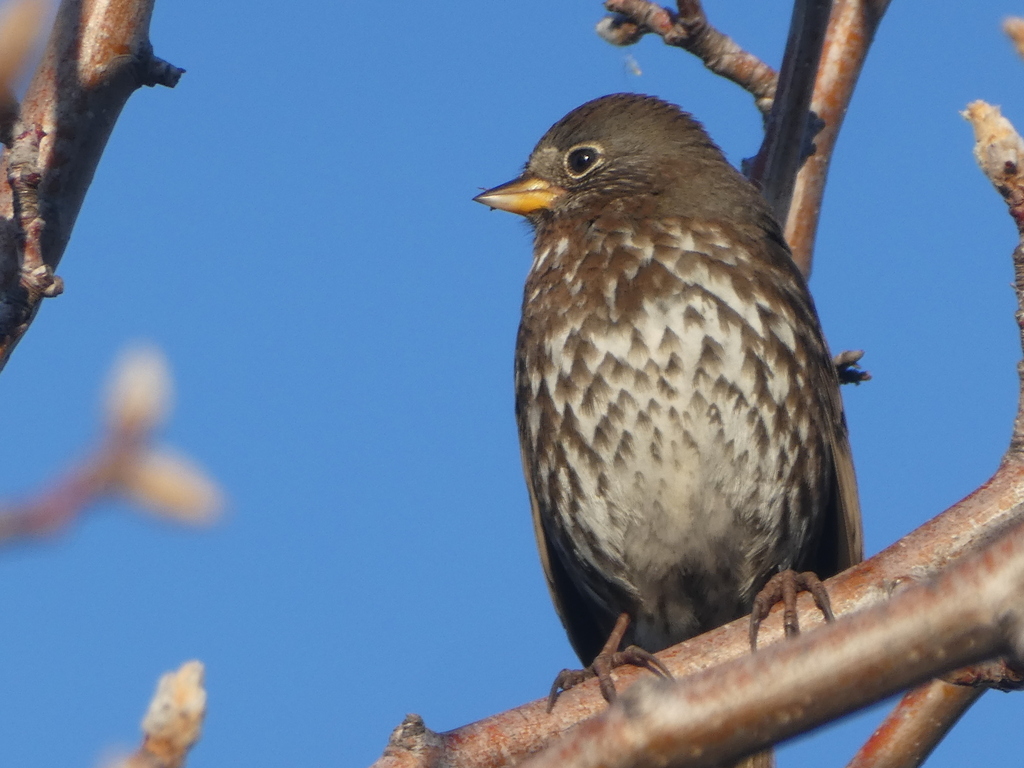
- Fox SparrowPasserella iliaca
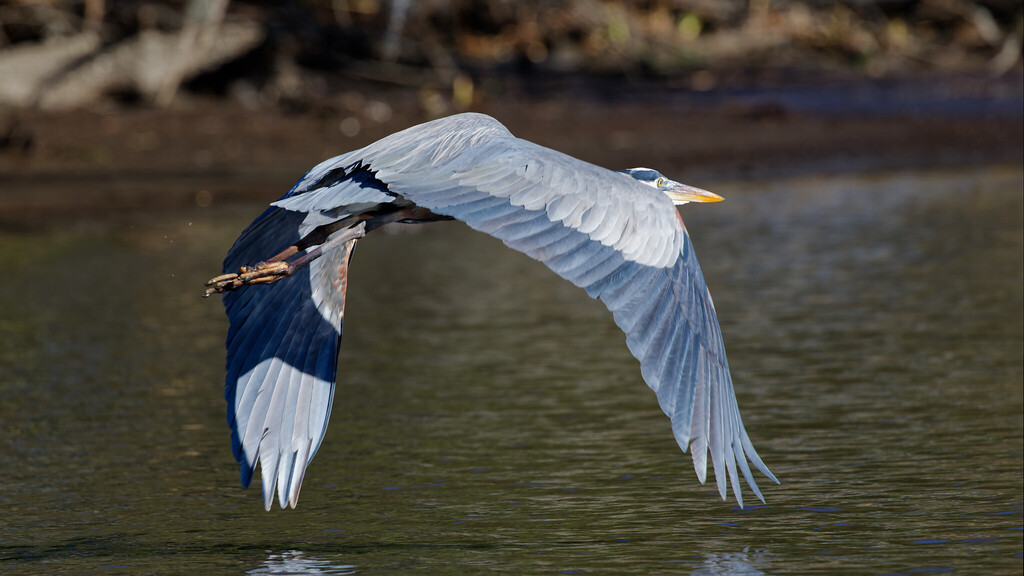
- Great Blue HeronArdea herodias
- Great EgretArdea alba
- Green HeronButorides virescens
- Indigo BuntingPasserina cyanea
- Least FlycatcherEmpidonax minimus
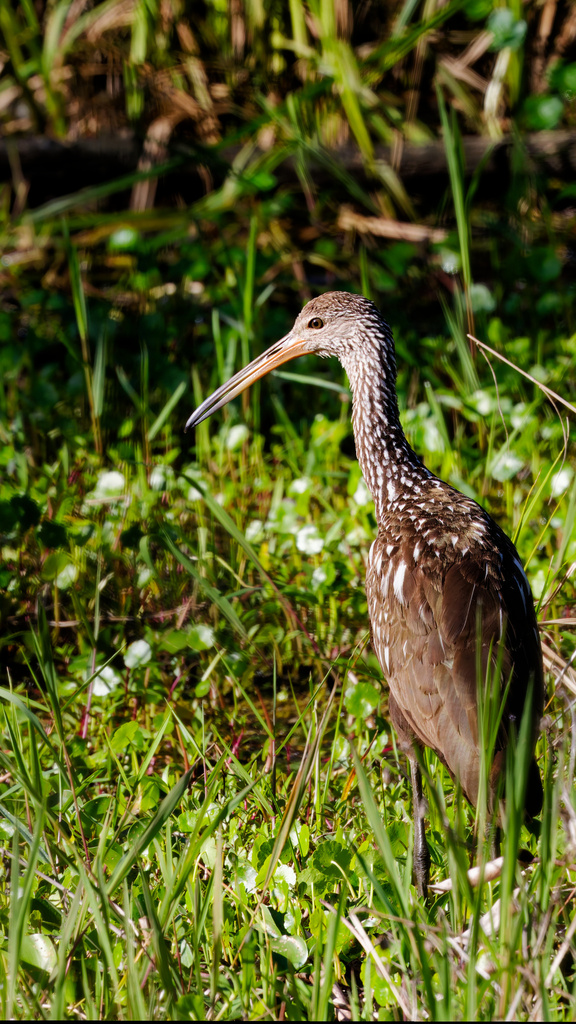
- LimpkinAramus guarauna
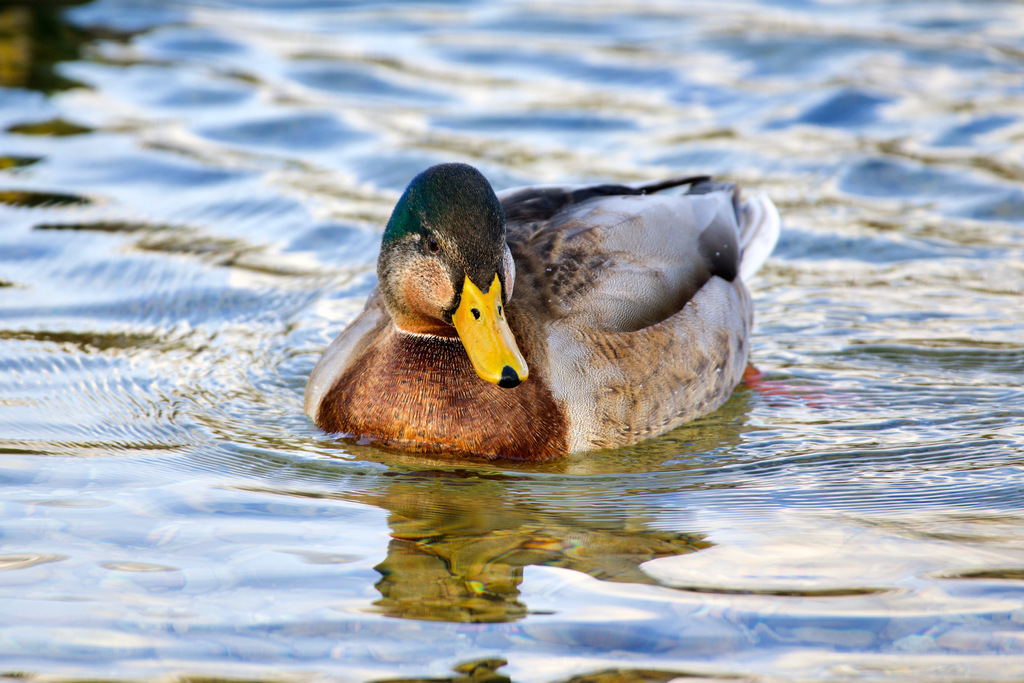
- MallardAnas platyrhynchos
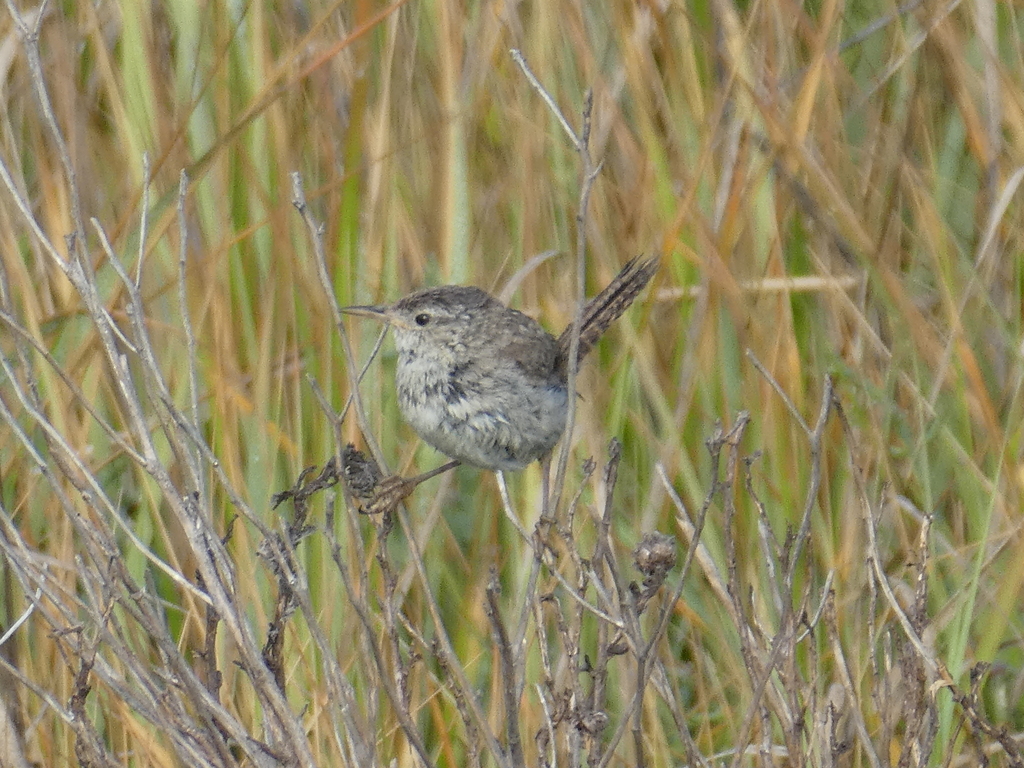
- Marsh WrenCistothorus palustris
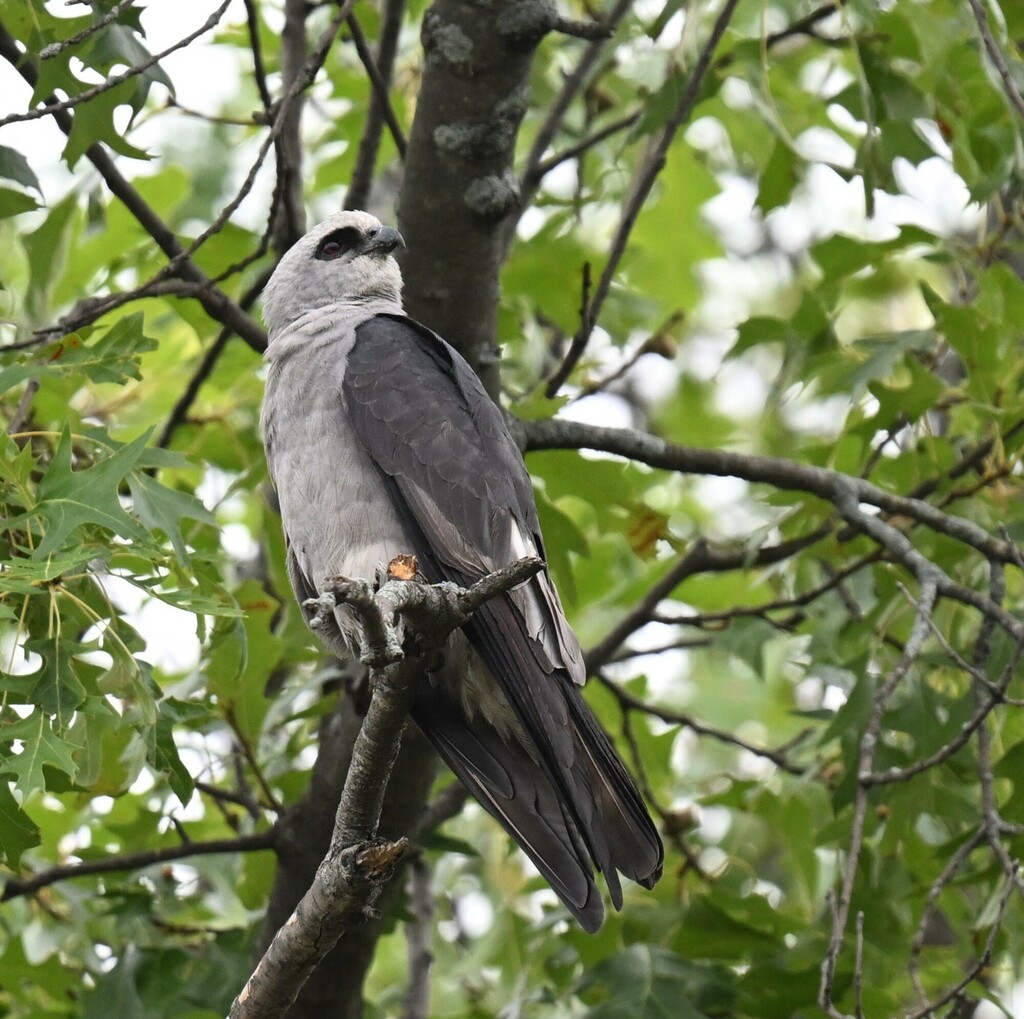
- Mississippi KiteIctinia mississippiensis
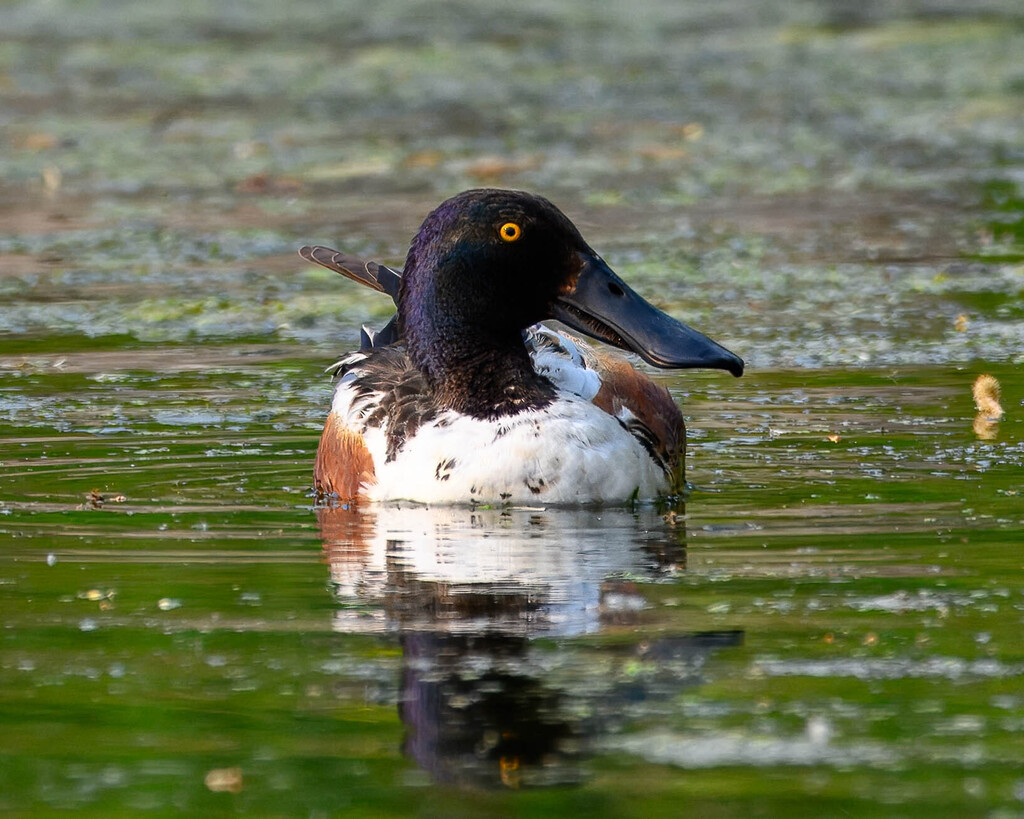
- Northern ShovelerAnas clypeata
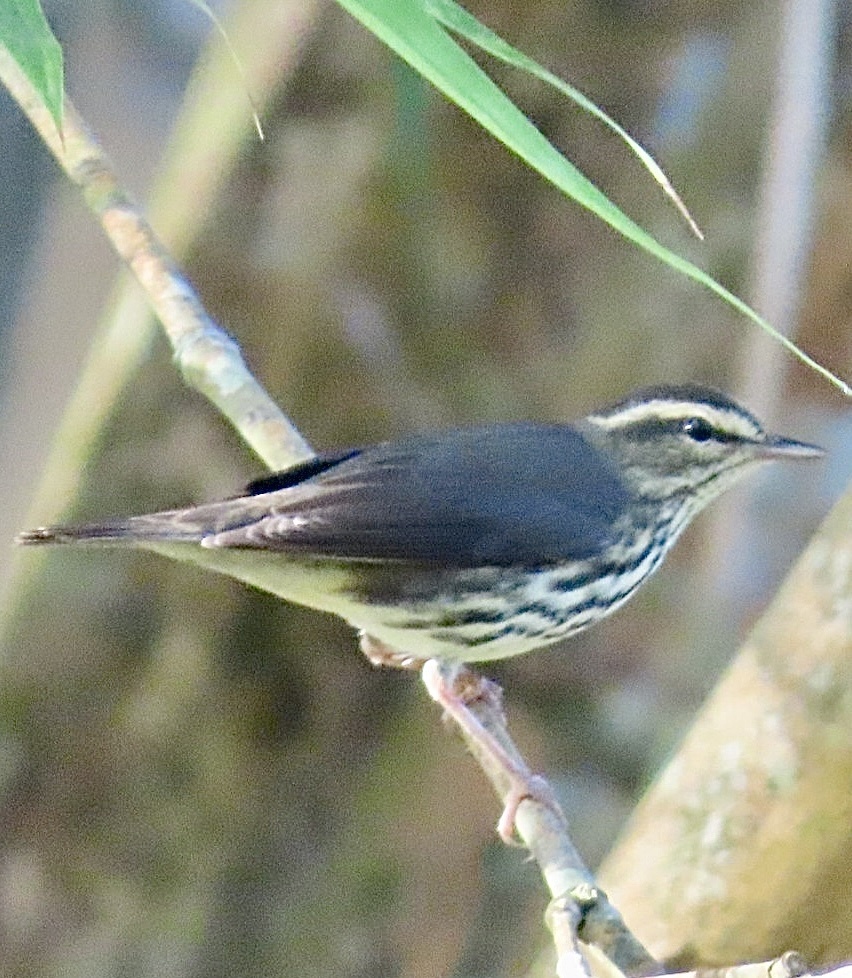
- Northern WaterthrushSeiurus noveboracensis
- Orange-crowned WarblerVermivora celata
- Orchard OrioleIcterus spurius
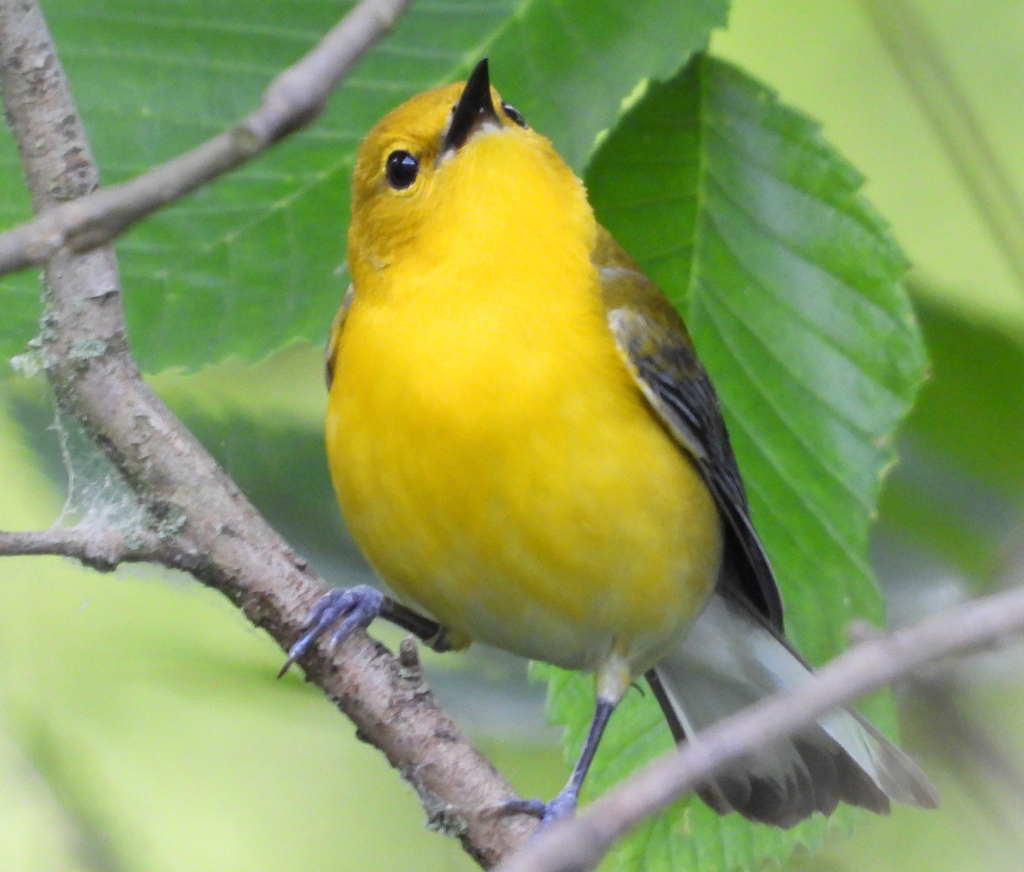
- Prothonotary WarblerProtonotaria citrea
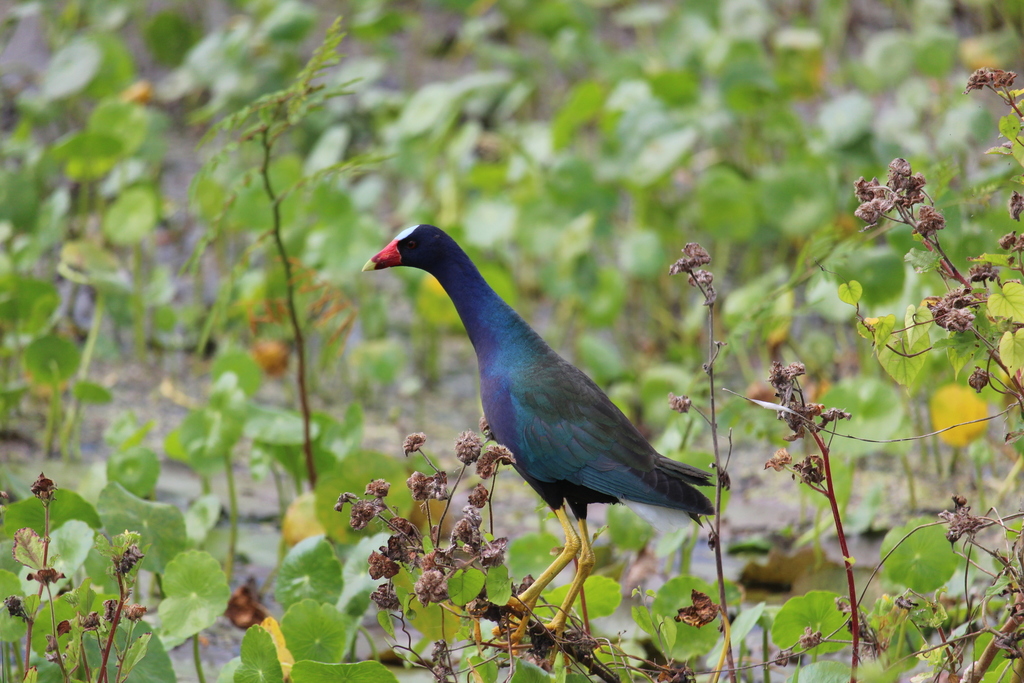
- Purple GallinulePorphyrio martinica
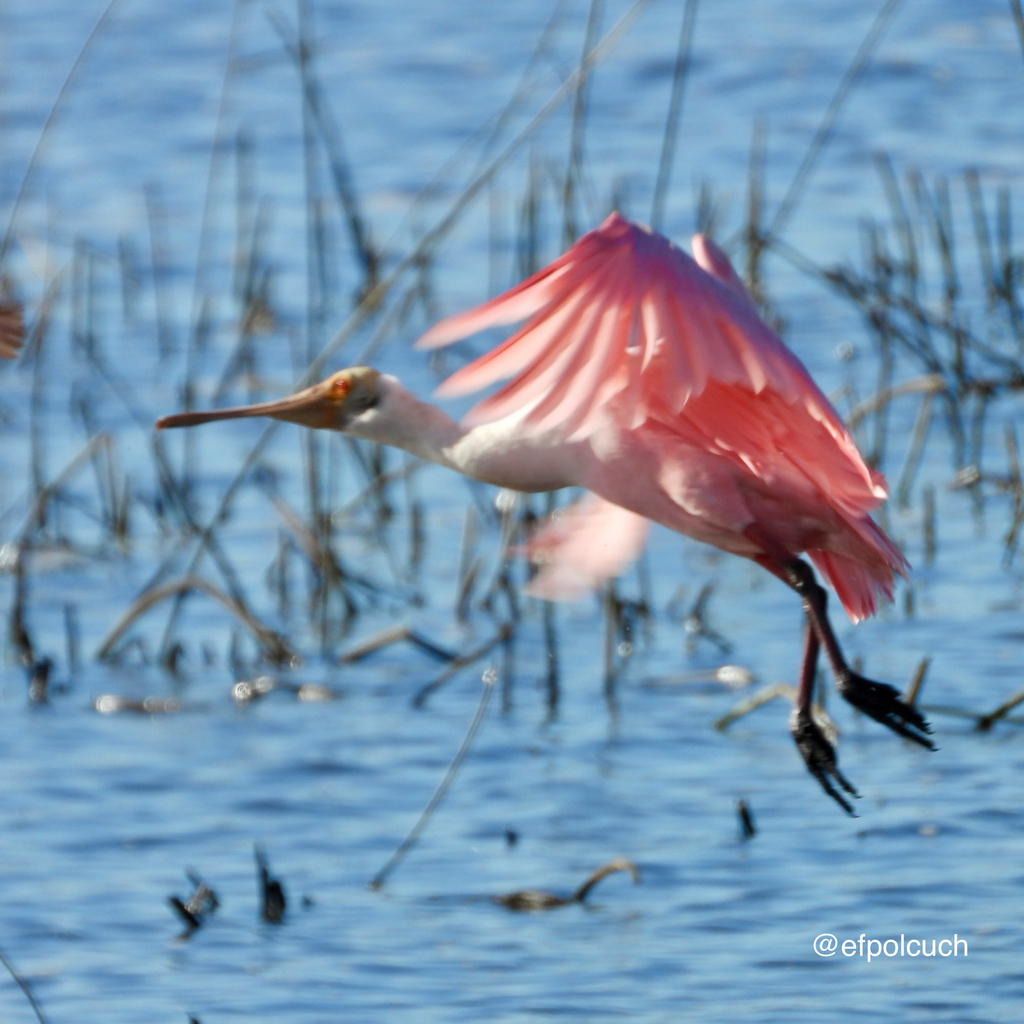
- Roseate SpoonbillPlatalea ajaja
- Snowy EgretEgretta thula
- Song SparrowMelospiza melodia
- Spotted SandpiperActitis macularius
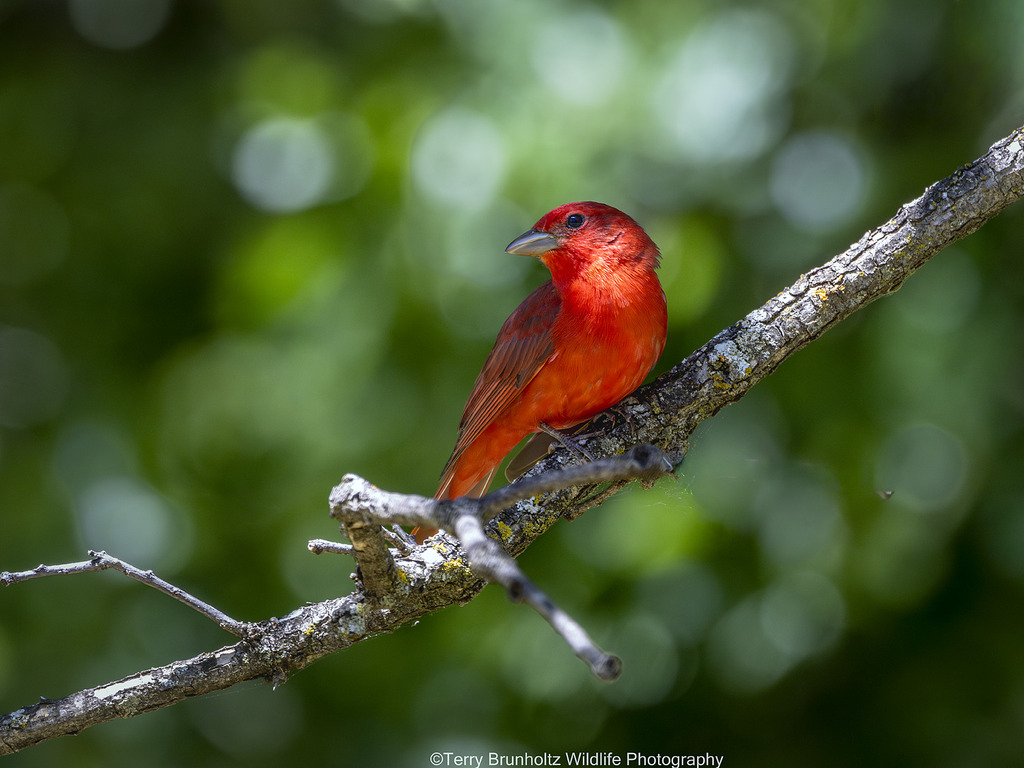
- Summer TanagerPiranga rubra
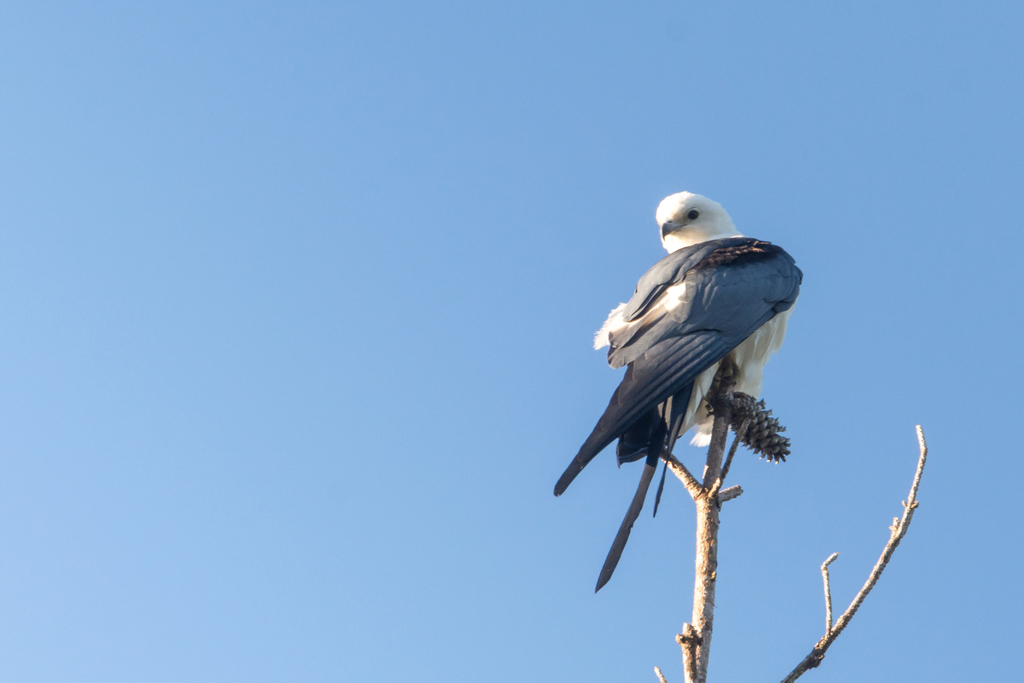
- Swallow-tailed KiteElanoides forficatus
- Tree SwallowTachycineta bicolor












Who uses this plant?
 29CaterpillarsGenus host records with ranges including FL
Genus host records with ranges including FL · Aesculus
- Achatia distinctaDistinct Quaker
- Acronicta americanaAmerican Dagger
- Actias lunaLuna Moth
- Amyelois transitellaNavel Orangeworm
- Antheraea polyphemusPolyphemus Moth
- Archips argyrospilaFruit-Tree Leafroller Moth
- Archips rileyanaSouthern Ugly-Nest Caterpillar Moth
- Cecrita biundataWavy-Lined Heterocampa
- Cecrita guttivittaMaple Prominent, Saddled Prominent
- Choristoneura rosaceanaOblique-Banded Leafroller Moth, Rosaceous Leaf Roller
Show all 29
- Eacles imperialisImperial Moth, Imperial Spiny Caterpillar
- Egira alternansAlternate Woodling
- Ennomos subsignariaElm Spanworm Moth
- Halysidota tessellarisBanded Tussock Moth, Pale Tiger Moth
- Hyalophora cecropiaCecropia Silkmoth, Cecropia Moth
- Hyphantria cuneaFall Webworm
- Isa textulaCrowned Slug
- Lithophane antennataAshen Pinion
- Morrisonia confusaConfused Woodgrain
- Nematocampa resistariaFilament Bearer, Horned Spanworm Moth
- Oiketicus abbotiiAbbot's Bagworm Moth
- Orgyia leucostigmaWhite-Marked Tussock Moth
- Proteoteras aesculanaMaple Seed Caterpillar, Maple Twig Borer
- Psaphida rolandiRoland's Sallow
- Pseudexentera spolianaBare-Patched Leafroller
- Thyridopteryx ephemeraeformisEvergreen Bagworm Moth
- Trigrammia quadrinotariaFour-Spotted Angle
- Zeiraphera claypoleanaBuckeye Petiole Borer
- Olethreutes hippocastanum
 22BeesSoutheastern regional records
Southeastern regional records · Aesculus
Individual names are not available yet.
Noori, Seltmann & Orr 2026, A curated and integrated dataset for exploring global bee-plant interactions (GloBI), Zenodo, CC BY 4.0 0Specialist beesPollen specialists
 —BirdsRecorded genus food-resource interactions; not a state feeding claim
No records yet · Ants · Beetles · Flies · Adult butterflies / moths · Other wasps · Other insects
Plant details
- Family
- Sapindaceae
- Hardiness
- Zones 4a–8b
- Soil pH
- Neutral
- Flower color
- Orange or red
- Growth rate
- Moderate
- Growth habit
- Single stem
- Foliage color
- Yellow-green
- Fruit begins
- Summer
- Fruit ends
- Fall
What its natural habitat tells you
Safety has not been reviewed for this plant; check toxicity and thorns before planting.
Growing sources and scope
- Bloom · “Late spring” · USDA PLANTS · Nationwide species characteristics; local growing conditions may vary
- Flower color · “Orange or red” · NC Extension Plant Toolbox (ranked first; USDA PLANTS differs)
- Foliage color · “Yellow-green” · USDA PLANTS · Nationwide species characteristics; local growing conditions may vary
- Fruit begins · “Summer” · USDA PLANTS · Nationwide species characteristics; local growing conditions may vary
- Fruit ends · “Fall” · USDA PLANTS · Nationwide species characteristics; local growing conditions may vary
- Growth habit · “Single stem” · USDA PLANTS · Nationwide species characteristics; local growing conditions may vary
- Growth rate · “Moderate” · USDA PLANTS · Nationwide species characteristics; local growing conditions may vary
- Hardiness · “Zones 4a–8b” · NC Extension Plant Toolbox
- Height · “15–25 feet” · NC Extension Plant Toolbox (ranked first; USDA PLANTS differs)
- Leaves · “Deciduous” · NC Extension Plant Toolbox
- Life cycle · “Woody perennial” · NC Extension Plant Toolbox
- Light · “Partial shade (direct sunlight only part of the day, 2-6 hours)” · NC Extension Plant Toolbox (ranked first; Tennessee Smart Yards differs)
- Soil · “Moist; Occasionally wet” · NC Extension Plant Toolbox (ranked first; Tennessee Smart Yards differs)
- Soil pH · “Neutral” · NC Extension Plant Toolbox
- Spread · “10–20 feet” · NC Extension Plant Toolbox
Also known as
Scarlet Buckeye
Conservation status
| Florida rank | S4? |
|---|---|
| Global rank | G5 |
| FL status | Not verified |
| Federal status | Not verified |
Will it fit your yard?
Check this plant against your county, sun and soil moisture. Conditions are checked in your browser.
Sources
- Atlas of Florida Plants
- USDA PLANTS
- Vascular Plants of North Carolina (NC Natural Heritage Program)
- NatureServe Explorer
- Shropshire & Tallamy 2025, Lepidoptera of North America north of Mexico, ZooKeys 1261 (ODbL)
- Noori, Seltmann & Orr 2026, A curated and integrated dataset for exploring global bee-plant interactions (GloBI), Zenodo, CC BY 4.0
- Smith, Bachelder, Russell, Morales, Mosher & Seltmann 2024, Bee-Specialization-Modeling v0.6.1 (specialist host table compiled from J. Fowler's pollen specialist bee lists), Zenodo, CC BY 4.0
- Hurlbert, Olsen, Sawyer & Winner 2021, Avian Diet Database, Scientific Data 8: 260 (CC0)
- Narango, Tallamy & Shropshire 2020, Few keystone plant genera support the majority of Lepidoptera species, Nature Communications